

Introduction
At the Sixty-Eighth World Health Assembly in May 2015, Member States of the World Health Organization (WHO) endorsed a Global Action Plan to tackle antimicrobial resistance (AMR), the most urgent of which is antibiotic resistance (World Health Organization, Reference Organization2015a). The goal of the Global Action Plan is to ensure continuity of successful treatment and prevention of infectious diseases with effective and safe medicines that are quality-assured, used responsibly, and accessible to all who need them. To achieve this goal, the Global Action Plan sets out five strategic objectives:
to improve awareness and understanding of antimicrobial resistance;
to strengthen knowledge through surveillance and research;
to reduce the incidence of infection;
to optimize the use of antimicrobial agents; and
to develop the economic case for sustainable investment that takes account of the needs of all countries, and increase investment in new medicines, diagnostic tools, vaccines and other interventions.
Development of this plan was guided by the advice of countries and key stakeholders, based on several multi-stakeholder consultations at different global and regional forums. Diagnostics underpin all but the first of these strategic objectives.
The plan now requires rapid innovation, political will and buy-in from communities to succeed. This chapter will provide an overview of the unique challenges that the developers of diagnostics devices face, discuss policy options and tools that may help overcome such barriers, and discuss how economic tools such as economic assessment, may produce evidence to support policy-making.
Innovation in diagnostics to combat AMR
A global AMR response will require diagnostics that are affordable and accessible, can be used at the point-of-care (POC), and can rapidly determine antimicrobial susceptibility. These tests are urgently needed to reduce inappropriate use of antibiotics, guide patient management for improved outcomes and provide much needed AMR surveillance.
Diagnostics for more targeted use of antibiotics
Studies and systematic reviews have shown that the majority of antibiotics are used in primary health care or sold over the counter in pharmacies. A study conducted in 48 primary health care settings in China showed that 53% of outpatients were prescribed antibiotics, of which only 39% were prescribed properly, while 78% of inpatients were prescribed antibiotics, of which only 25% were prescribed properly (Wang et al., Reference Wang, Wang and Wang2014). In all, 55% of prescriptions were for two or more antibiotics. Antibiotics were most commonly prescribed for colds and acute bronchitis.
For tertiary care settings, a point prevalence survey of antimicrobial utilization in a Canadian teaching hospital conducted in 2012 showed that one or more antimicrobial agents were prescribed in 31% and 4% of acute care and long-term care patients, respectively (Lee et al., Reference Lee, Walker and Daneman2015). The most common indications were respiratory and urinary tract infections for both acute and long-term care patients.
Many of the antibiotics prescribed empirically in primary health care settings are for common infectious disease syndromes:
fever
flu-like illness
pneumonia
sexually transmitted infections
enteric infections
urinary tract infections.
For any diagnostic test to be effective in primary health settings, it needs to be simple to perform, rapid, affordable and accurate. This means providing a result in less than 15–20 minutes to be able to guide more targeted use of antibiotics (Okeke et al., Reference Okeke, Peeling and Goossens2011). Traditional diagnostic tests are designed to identify pathogens in specimens taken from the patient. However, the syndromes listed above can be caused by many bacterial, viral or in some cases, fungal pathogens. It would be difficult to develop a test that can identify the cause or causes of these syndromes. As a compromise, a simple rapid test that can be used to distinguish between bacterial and viral infections would potentially be useful to inform health care providers whether a prescription for antibiotics is warranted. Researchers have turned to the host markers that may be used for this purpose.
Syndrome-based POC diagnostics using host biomarkers
A systematic review of host markers that could be used to distinguish between bacterial and viral infections showed that over 112 host biomarkers have been evaluated and published between 2010 and 2015 (Kapasi et al., Reference Kapasi, Dittrich and González2016). There was much heterogeneity between studies, including study outcomes, comparisons, spectrum of infections included in each group, methods for clinical and microbiological assessment, diseases/conditions and biomarkers tested, type of samples used, sites of infection and the quality of the studies. The study quality scores ranged from 23% to 92%, depending on the number of patients per strata, number of comparisons made and statistical correction, and blinding. Most studies were performed in high-income countries, with only 19% conducted in the developing world. The most frequently evaluated host biomarkers were C-reactive protein (CRP) (61%), white blood cell count (44%) and procalcitonin (34%). There were nine high performance host biomarkers or combinations, with sensitivity and specificity of >85% or 100% for either sensitivity or specificity (Table 7.1). Five host biomarkers were considered weak markers as they lacked statistically significant performance in discriminating between bacterial and nonbacterial infections.
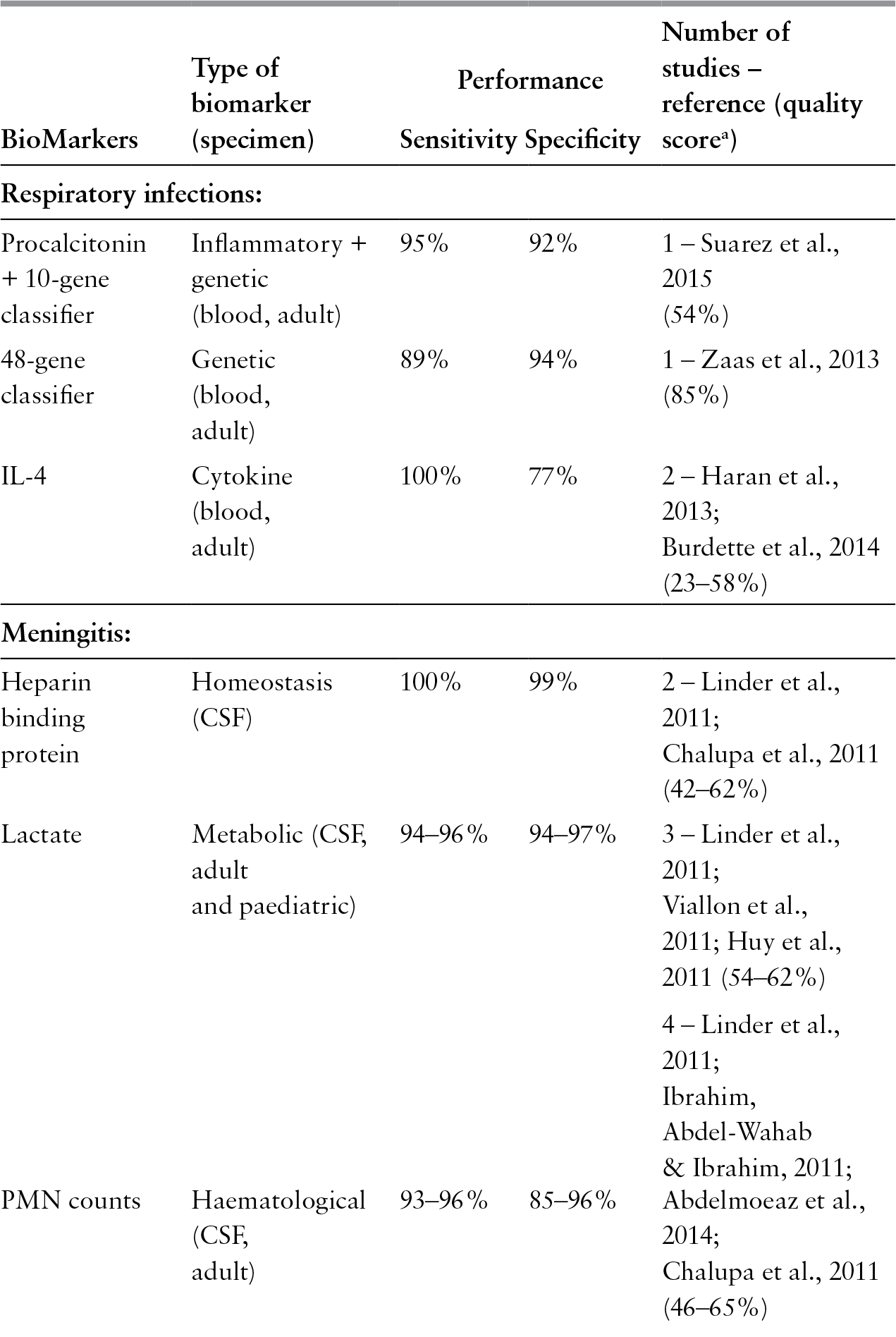
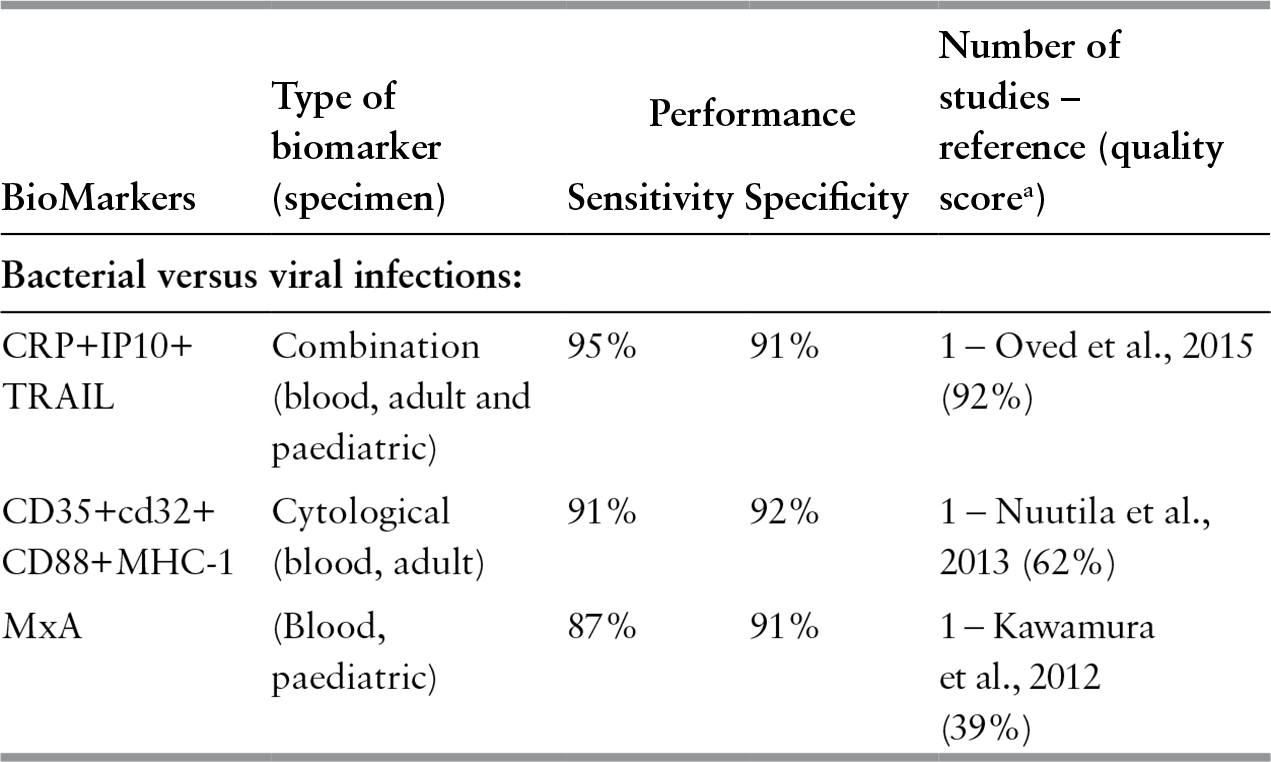
Notes: CSF: cerebrospinal fluid; PMN: polymorphonuclear neutrophil; CRP: C-reactive protein; IP10: interferon-γ-induced protein; TRAIL: tumour necrosis factor-related apoptosis-inducing ligand; MxA: myxoma resistance protein 1.
a Studies were scored using 26 parameters from QUADAS; a score of >60% was considered high quality.
Some of the high performing biomarkers have been commercialized as single or combination assays. These include ImmunoXpertTM (CRP+IP-10+TRAIL, CE-marked); FebriDxTM (MxA+CRP); and SeptiCyte (nondisclosed). Others are in the pipeline. None of these assays have yet achieved all the minimal or desired characteristics set out in the Target Product Profile (TPP) published by the Foundation for Innovative New Diagnostics (Dittrich et al., Reference Dittrich, Tadesse and Moussy2016).
To stimulate interest in innovation in a simple, affordable, rapid diagnostic test that can be used at POC, several developed countries have set up challenge prizes. The first was the Horizon 2020 prize for better use of antibiotics for respiratory infections. The prize was awarded in February 2017 to the development of a neutrophil marker, human neutrophil lipocalin on the Philips Minicare platform (Horizon 2020, n.d). The test uses a single drop of blood from a finger-prick and takes less than 10 minutes to provide a result. The usefulness of this biomarker remains to be proven in large-scale clinical trials.
In 2015, the United Kingdom announced the Longitude Prize of £10 million. The challenge is to invent an affordable, accurate, fast and easy-to-use test for bacterial infections that will allow health professionals worldwide to administer the right antibiotics at the right time. The challenge is currently ongoing with the final submission due in September 2022 (Longitude Prize, Reference Prizen.d).
In September 2016, the US Department of Health and Human Services announced a challenge prize competition in which up to $20 million will be awarded for one or more novel and innovative POC diagnostics that would have clinical and public health value in combating the development and spread of antibiotic-resistant bacteria (National Institutes of Health, 2017).
POC diagnostics for pathogen detection and susceptibility testing
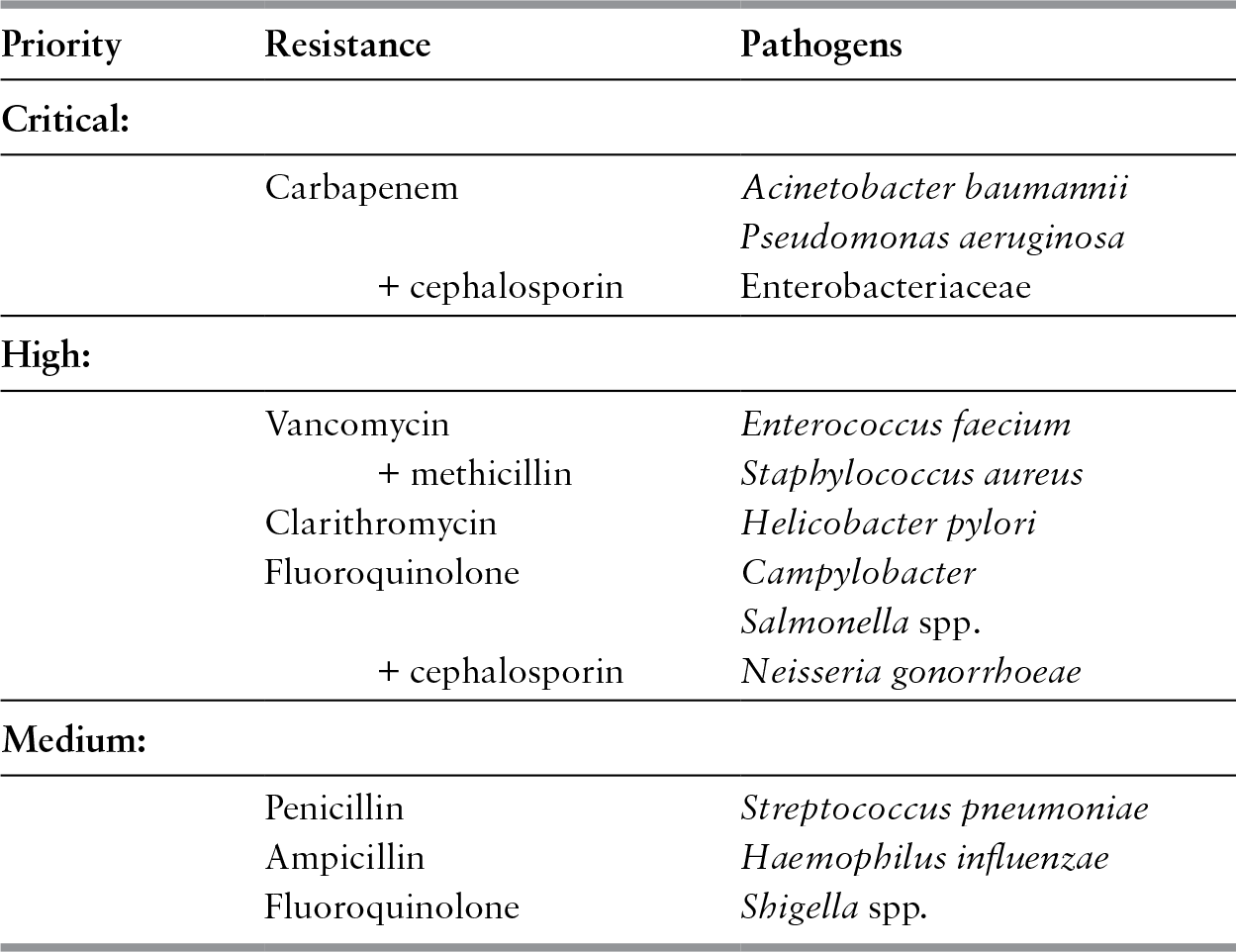
In 2013, the US Centers for Disease Control and Prevention (CDC) published a list of pathogens for which resistance poses different levels of threats to public health in the USA (Table 7.2). In 2017, the WHO published a list of bacteria for which drug research and development (R&D) is urgently needed that has many common elements with the CDC list. POC diagnostics developed for these infections may slow the spread of resistance.
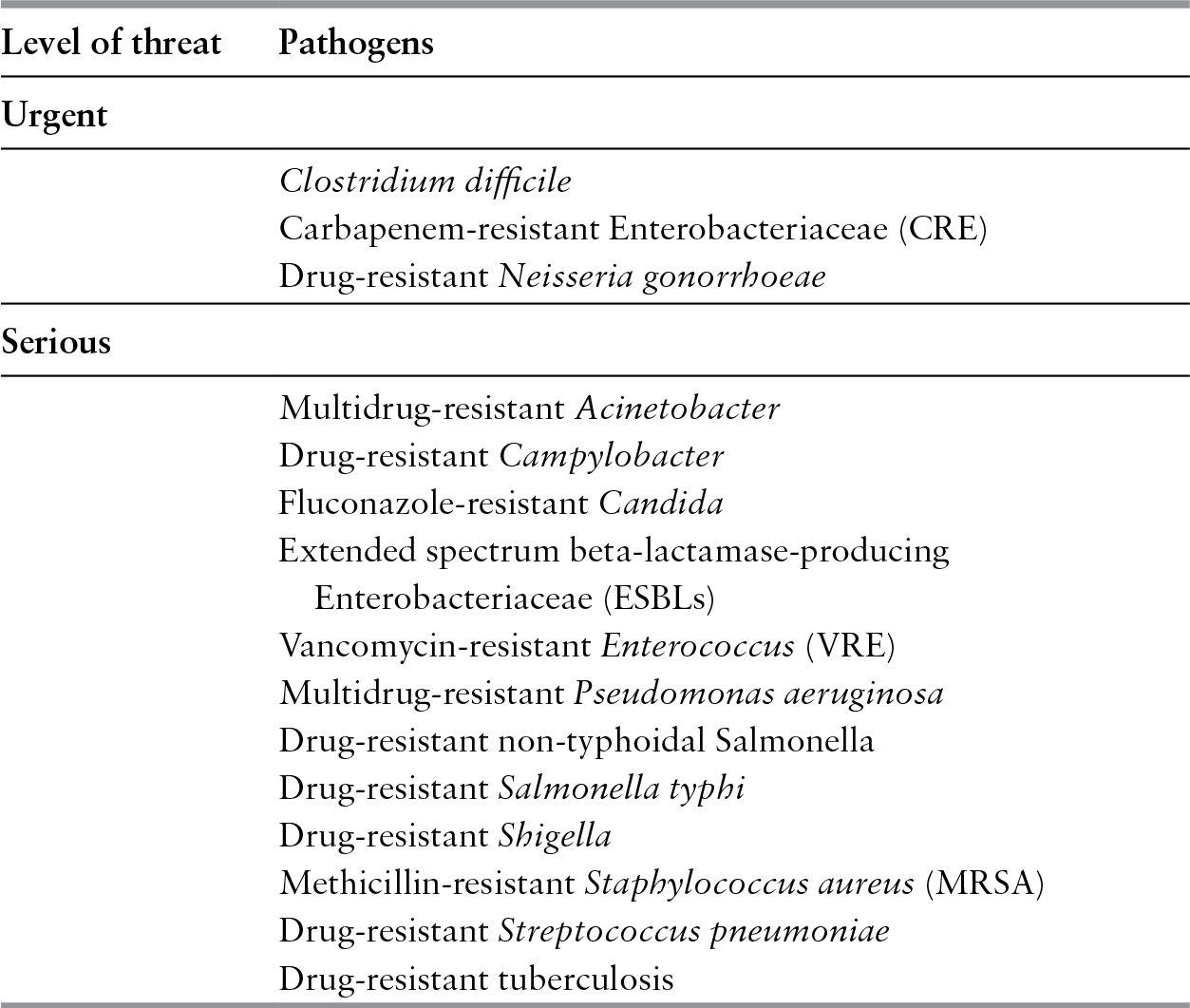
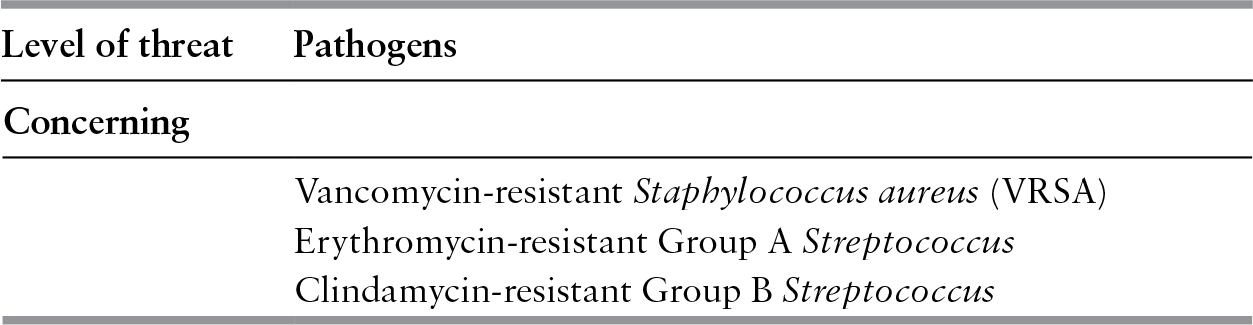
Gonococcal resistance is considered an urgent threat on both lists. In a background paper for the UK’s Review on Antimicrobial Resistance (O’Neill, Reference O’Neill2016), a modelling study showed that the major benefit of POC testing for gonorrhoea is increasing the proportion of patients treated appropriately on the same day as testing (Turner et al., Reference Turner, Christensen and Adams2018). As POC tests with sufficient accuracy will normally cost more than laboratory-based high-throughput tests, policy-makers need to balance the additional cost with increased patient and system-level benefits. POC tests have already been shown to improve patient outcomes as well as increasing the efficiency of the heallth care system by reducing number of patient visits (Mabey et al., Reference Mabey, Sollis and Kelly2012; García et al., Reference García, Cárcamo and Chiappe2013; Jani & Peter, Reference Jani and Peter2013). In the case of a POC test for gonorrhoea, policy-makers must balance the cost of the POC test against improved patient outcomes and public health benefits. A simple POC test can potentially reduce the risk of onward transmission to a sexual partner, reduce loss to follow-up and potentially improve partner notification, and further reduce the reservoir of infection in the community.
A more critical innovation is to develop a test that would allow providers to discriminate between sensitive and resistant pathogens at POC, which would facilitate the re-introduction of abandoned first-line therapies. The modelling study for the AMR review estimated that if ciprofloxacin could be used in place of ceftriaxone in the 63% of individuals with ciprofloxacin-susceptible infections, this could save over 22 000 doses of ceftriaxone annually in the UK alone (Turner al., 2018). Reducing the use of antibiotics, especially of last-line therapies, is a key aim of the UK national strategy on antimicrobial resistance; being able to reuse older, cheaper drugs is an important economic benefit.
While it is encouraging that governments are stimulating technological innovations through induction or challenge prizes, and TPPs have been developed to guide test development, test developers still face many barriers in moving forward with these promising technologies (Peeling & Nwaka, Reference Peeling and Nwaka2011).
Barriers to innovation in diagnostics
Identifying the testing needs to respond to AMR is the first step in bringing urgently needed innovative diagnostics from the bench to the bedside. This pathway can be roughly divided into three phases, each driven by different players:
1) The R&D phase is driven by industry and test developers in the public sector, such as academia and research institutions. This phase can take anywhere from five to 10 years, with an investment ranging from $10 to 200 million.
2) There are two major players in the second phase – the test developers and the regulators. The test developers can spend two to three years conducting clinical trials in intended markets to gather data on how well the test performs for submission to the regulatory authorities. The regulatory review and audits of manufacturing quality can then take more than two years.
3) After a test receives regulatory approval, the third and final phase involves policy-makers, disease control programme managers and chiefs of laboratory services. These players should conduct a health technology assessment (HTA) of the new test to determine the potential clinical benefit and cost–effectiveness for their programme. If the results are favourable, policies are developed to define how the new test will be used, who will be allowed to perform it, who will act on the results, and whether it will be reimbursable through public funds. This phase will also require authorized procurement and implementation. This can still take another three to five years.
Taken together, even if a promising diagnostic test is available for clinical trials today, it could take seven to 10 years, and millions of dollars, before it is widely adopted and used. Since diagnostics have a much shorter life-cycle than drugs or vaccines, the lengthy and fragmented pathway to market entry limits return on investment.
For diagnostic products with a viable commercial market, this pathway is driven, funded and managed largely by the private sector drawing on appropriate expertise as needed. For diagnostics of public health importance in the developing world, there is often little interest in investing in research for a pipeline of products that would be appropriate and useful due to a perceived lack of return on investment. Developers often have limited knowledge of the TPP and have difficulties obtaining specimens and reagents that can help them with test development and calibration. They have difficulties networking and negotiating with sites in developing countries for field trials, which delays the time to market (Yager et al., Reference Yager, Domingo and Gerdes2008; Chin, Linder & Sia, Reference Chin, Linder and Sia2012; Kumar et al., Reference Kumar, Hennek and Smith2015). The demand by many regulators for clinical trials in their own country has led to duplications of studies to evaluate test performance and utility, which further delays regulatory approvals and adds costs. Many countries in the developing world do not have the regulatory and HTA expertise to support policy development that will expedite regulatory approval and test adoption. Hence, the result is delayed and costly diagnostics and lack of overall systems to sustain these diagnostics (McNerney & Peeling, Reference McNerney and Peeling2015; Rugera et al., Reference Rugera, McNerney and Poon2014).
In recent years, efforts have been made to confront these barriers, particularly to combat AMR, by bringing together experts from different fields such as microbiologists, clinicians, engineers, regulators and policy-makers to share experiences and interact (Niemeier, Gombachika & Richards-Kortum, Reference Niemeier, Gombachika and Richards-Kortum2014; García et al., Reference García, You and Fridley2015; Derda et al., Reference Derda, Gitaka and Klapperich2015). However, without leadership and sustained effort, this pathway remains fragmented with many gaps and challenges along the way. In summary, for an effective AMR response, innovation across several fronts is urgently needed to bring about a paradigm shift to accelerate and streamline the diagnostic pathway if promising POC tests are to be widely used to guide appropriate use of antibiotics in the foreseeable future (Box 7.1).
Diagnostics to conduct AMR surveillance
AMR surveillance is the cornerstone for assessing the burden of AMR and for providing data for action in support of local, national and global AMR strategies. Surveillance baseline data are critical for assessing the impact of interventions, such as stewardship. Surveillance also allows identification of emerging variants to inform further test development. AMR surveillance strategies can only be effective if the appropriate diagnostic tests are used for surveillance and the quality of the testing is assured. Surveillance data must also reach a decision-maker in a timely manner – and must be understandable, actionable, and then communicated to those who need to know.
One of the five strategic objectives of the WHO Global Action Plan is to strengthen the evidence base for AMR through enhanced global surveillance and research (World Health Organization, Reference Organization2015a).
Technological innovation needs:
Simple and rapid biomarker or pathogen-based tests that can be used at the point-of-care to differentiate between bacterial and non-bacterial infections. In particular, tests are required that are fit for use in primary health care by a health care worker for patients presenting with common syndromes such as fever, respiratory infections and UTIs. It has been proposed that these POC tests need to have a diagnostic accuracy of 90–95% sensitivity and 80–90% specificity at a cost of less than $5 (Dittrich et al., Reference Dittrich, Tadesse and Moussy2016).
Facilitating technological innovation requires:
Sustained sources of funding.
Clear definition-of-use case scenarios and consensus on TPPs to guide test development.
Equitable access to biobanks of well-characterized specimens to make it more attractive for developers to enter the development pathway.
Innovations in policy development require:
Regional regulatory harmonization on safety and effectiveness of the new tests to avoid duplication and accelerate approval and adoption across multiple countries.
HTA capacity for countries in resource-limited settings. Involving the regulators in the HTA process so that the assessment of risk and benefit can be carried out simultaneously, instead of sequentially, to accelerate test adoption.
Diagnostic algorithms on how to use the tests within a clinical pathway.
Innovation in delivery and financing needs:
Efficient systems for training, supply chain management, quality assurance and monitoring safety and effectiveness.
Financing mechanisms applicable to developing countries, similar to that of Gavi, the Vaccine Alliance.
The Global Antimicrobial Resistance Surveillance System (GLASS) has been launched to support a standardized approach to the collection, analysis and sharing of AMR data at a global level. These data can be used for decision-making and provide evidence for action and advocacy (Table 7.4).
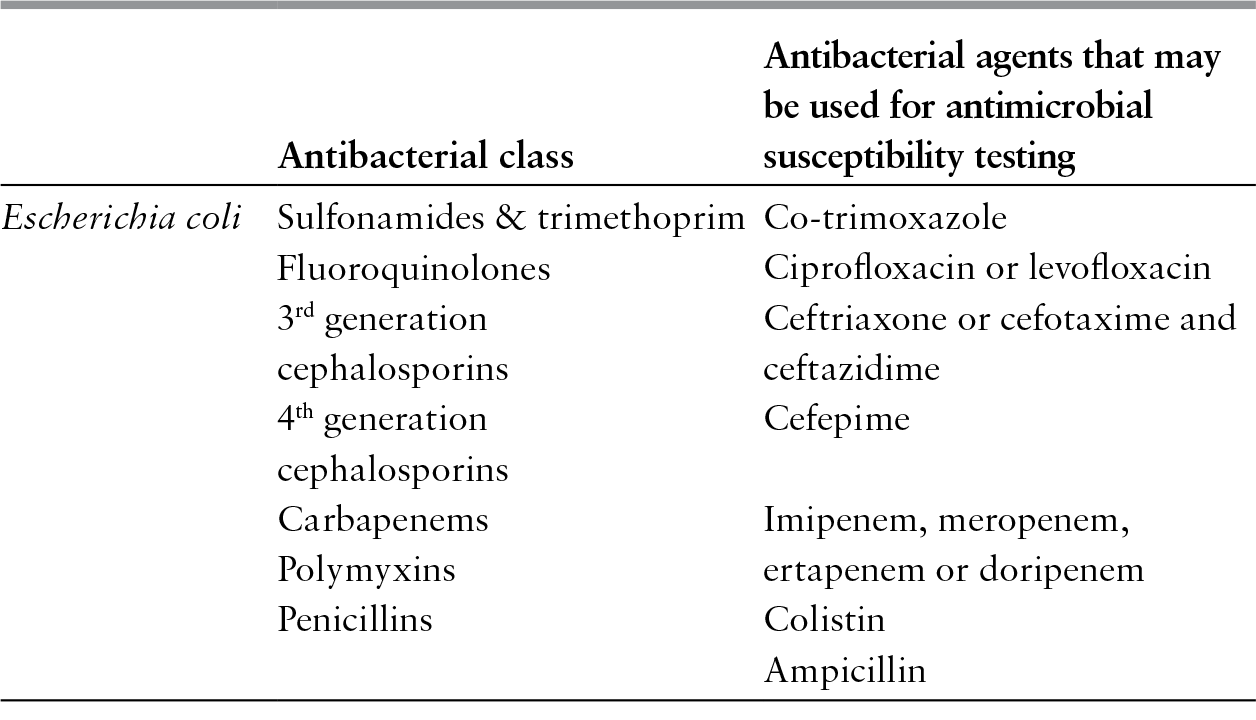
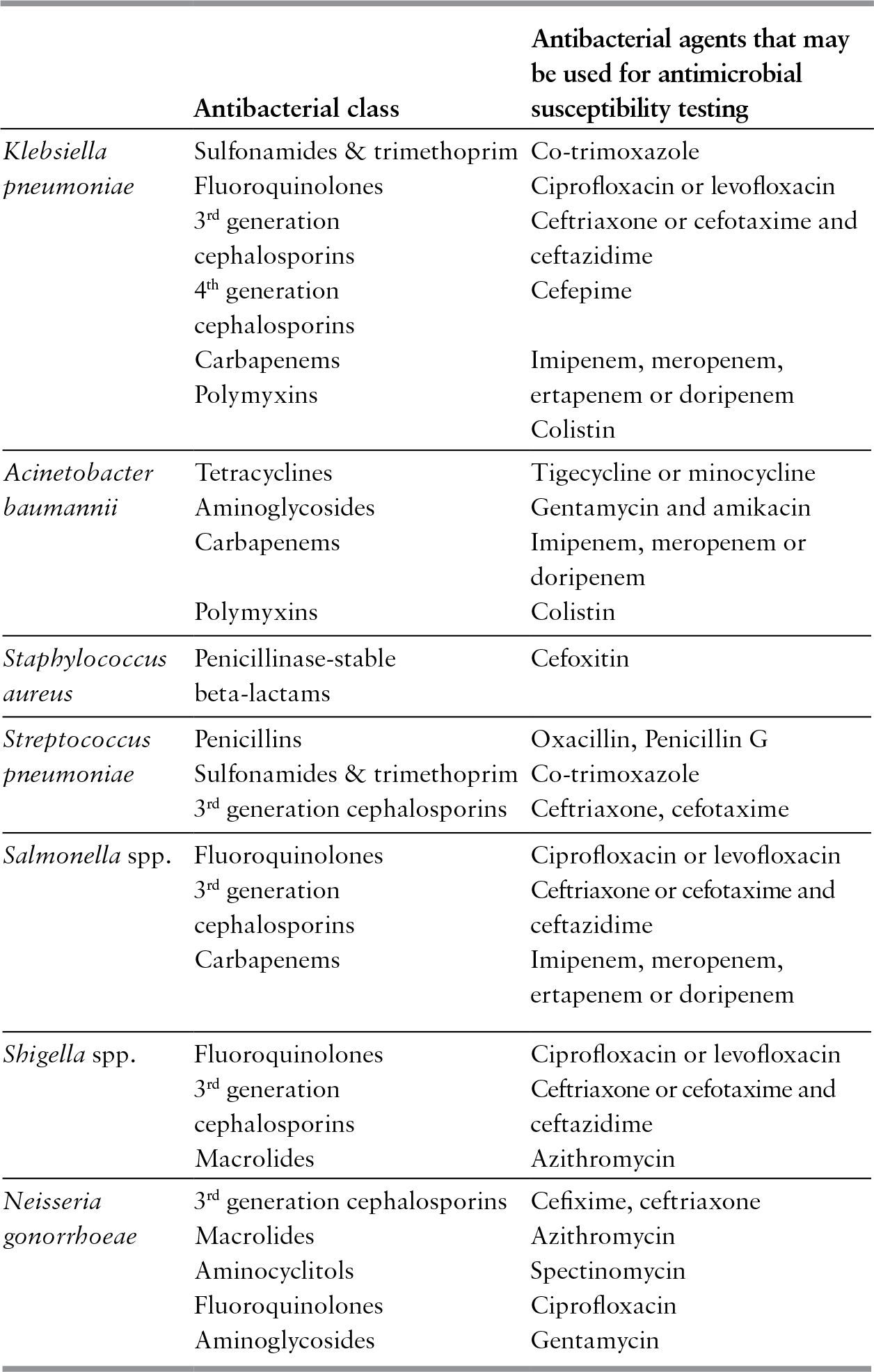
GLASS aims to combine clinical, laboratory and epidemiological data on pathogens that pose the greatest threats to global public health. It is recognized that national surveillance systems will vary in levels of development and scale. Flexibility has therefore been built into the system to allow each country to participate from the outset while implementing and strengthening the core components of a national AMR surveillance system with a phased approach.
There are limited data on AMR surveillance in developing countries largely due to lack of access to diagnostics. Innovation in more affordable and user-friendly tests for surveillance at different levels of the health care system is urgently needed. Without a baseline of the extent of resistance, countries will not be able to measure the impact of their interventions, such as stewardship.
At the most basic level, countries can start conducting point prevalence surveys in hospitals. Point prevalence is the number of persons with disease in a time interval (e.g. one year) divided by the number of persons in the population; that is, prevalence at the beginning of an interval plus any incident cases. A point prevalence survey of antimicrobial use can be conducted on a specific day across an entire facility to provide baseline information on antibiotic usage and set potential targets for antibiotic stewardship (Lee et al., Reference Lee, Walker and Daneman2015).
For surveillance, the majority of commercially available molecular tests focus on detecting Clostridium difficile, methicillin-resistant Staphylococcus aureus (MRSA) and vancomycin-resistance markers. A few platforms also offer tests for carbapenem-resistant Enterobacteriaceae (CRE) and Mycobacterium tuberculosis. For commercially available MRSA assays, although they all show excellent sensitivity and specificity, they are all molecular assays that require two hours to complete and are too costly for most of the developing world. In general, the time to get results from molecular testing platforms ranges from less than one hour to five to eight hours. Details of AMR technologies can be found in three technology landscapes that have been published (University of Oxford, 2015; Global Antibiotic Research & Development Partnership, n.d.; UNITAID, 2018).
Gonorrhoea resistance networks: Gonorrhoea is a sexually transmitted infection caused by Neisseria gonorrhoeae. In 2012, WHO estimated that there were 78 million cases worldwide. Since the introduction of antimicrobial treatment, resistance has rapidly emerged to Sulfonamides, penicillins, tetracyclines, macrolides, fluoroquinolones, and early-generation cephalosporins. Decreased susceptibility to ceftriaxone, the last-line treatment for gonorrhoea, has been reported from many, particularly well-resourced, settings globally. Dual therapy, mainly ceftriaxone plus azithromycin, is recommended. The WHO Global Gonococcal Antimicrobial Surveillance Programme is key to monitoring AMR trends, identifying emerging AMR, and informing refinements of treatment guidelines and public health policy globally. More information is available at: http://www.who.int/reproductivehealth/topics/rtis/gonococcal_resistance/en/.
Enter-net is an EU-wide network for the surveillance of human Salmonella and Verocytotoxin-producing Escherichia coli (VTEC) infections. By involving national reference laboratories and the epidemiologist responsible for national surveillance of these organisms, data from 15 countries are being collated every month to create international Salmonella and VTEC databases. More information is available at: http://ec.europa.eu/health/ph_projects/2000/com_diseases/fp_commdis_2000_inter_01_en.pdf
European Antimicrobial Resistance Surveillance Network (EARS- Net) is the largest publicly funded system for AMR surveillance in Europe. The objectives of EARS-Net are to: 1) collect comparable, representative and accurate AMR data; 2) analyse temporal and spatial trends of AMR in Europe; 3) provide timely AMR data for policy decisions; 4) encourage the implementation, maintenance and improvement of national AMR surveillance programmes; and 5) support national systems in their efforts to improve diagnostic accuracy by offering annual external quality assessments. More information is available at: https://ecdc.europa.eu/en/about-us/networks/disease-networks-and-laboratory-networks/ears-net-about.
CDC’s Foodborne Diseases Active Surveillance Network (FoodNet) includes 10 US sites and monitors cases reported caused by nine enteric pathogens commonly transmitted through food. FoodNet conducts active, population-based surveillance for laboratory- diagnosed infections caused by Campylobacter, Cryptosporidium, Cyclospora, Listeria, Salmonella, Shiga toxin-producing Escherichia coli (STEC), Shigella, Vibrio and Yersinia. In 2015, surveillance from these 10 sites covered an estimated 49 million people, representing 15% of the US population. Infections are confirmed by culture or culture-independent diagnostic tests detecting bacterial pathogen antigen, nucleic acid sequences, or for STEC, Shiga toxin or Shiga toxin genes, in a stool specimen or enrichment broth. More information is available at: https://www.cdc.gov/mmwr/volumes/66/wr/mm6615a1.htm.
Respiratory Infection Networks: The Global Point Prevalence Survey of Antimicrobial Consumption and Resistance (GLOBAL-PPS) is an example of a respiratory infections network with participation from 73 countries. The network tracks the causes of respiratory infections and associated antibiotic consumption. Global-PPS also supports a point prevalence surveys (PPS) e-learning module to learn how to use to measure antibiotic consumption and fight antimicrobial resistance. More information is available at: http://www.global-pps.com
Africa CDC AMR Surveillance Network: In October 2017, the Africa Centres for Disease Control and Prevention (Africa CDC) launched its AMR surveillance network (AMRSNET). As part of the African Union, Africa CDC supports African countries to improve surveillance, emergency response, and prevention of infectious diseases. This includes outbreaks, man-made and natural disasters, and public health events of regional and international concern. It also seeks to build the capacity to reduce the disease burden on the continent. Africa CDC will work with African countries to develop policy frameworks for AMR surveillance. More information is available at: https://au.int/en/pressreleases/20171107/african-countries-launch-framework-tackle-threat-antibiotic-resistant.
Robust and high-throughput assays for immediate pathogen identification to provide regional and country disease risk assessments and support global health decisions.
Tests with data connectivity and GPS capability to promote timely information provision in support of resource allocation.
Technological innovation to develop more affordable and user-
friendly tests for surveillance in resource-limited settings.
Key issues to consider in biosurveillance include pathogen identification, sequence sharing, common clinical case definition, standardized assays and kit types, including standard operating procedures. A very important element of surveillance systems is the use of diagnostic devices that have location services (GPS), time/date stamps, and data transmission capabilities. Automated results and information sharing can prove useful to biosurveillance programmes. A survey of viral
gastroenteritis outbreaks in Europe showed the difficulties of interpreting surveillance data when different diagnostic tests were used for reporting (Lopman et al., Reference Lopman, Reacher and Van Duijnhoven2003).
The backbone of global biosurveillance will include AMR surveillance networks. A number of networks have been established and valuable lessons can be learnt from them.
POC diagnostics to decrease the cost of drug trials
Drug development is a lengthy and costly process with a huge “valley of death” along the developmental pathway. In recent years, drug companies have turned away from developing anti-infectives to developing drugs for chronic diseases, which offers a more consistent market and a longer time for return on investment. To incentivize drug companies to return to developing antibiotics, the public and private sectors should work in partnership to improve the efficiency and effectiveness of the process of bringing a drug to market. One of the major costs of bringing a drug to market is the cost of the clinical trials. It has been estimated that the use of a POC test to identify the target patient population early in a clinical trial can reduce time for enrolment and result in significant cost savings (Savuto & Karuppan, Reference Savuto and Karuppan2017).
The WHO has published a list of pathogens for which antibiotic R&D needs to be prioritized (Table 7.3). The development of POC diagnostics that can be used to accurately identify patients with these infections for drug study recruitment will significantly improve the efficiency of drug trials and help decrease the cost of trials compared to recruiting patients based on disease syndromes.
Antibiotics, used appropriately, will continue to play a critical part in modern medicine and public health. There are numerous opportunities to ensure appropriate antibiotic use through innovations for diagnostics. A faster regulatory approval process for diagnostics and a national policy framework for AMR will help countries combat AMR through testing and surveillance. Countries will still need to explore new sources of funding for procurement of tests and implementation of AMR diagnostics and programmes.
Lowering the cost of diagnostic R&D
A robust pipeline of diagnostics for AMR is needed to address the many different needs. Additional mechanisms to incentivize diagnostics R&D are required. Funding agencies can offer to de-risk investments for diagnostic R&D by offering loans that only need to be paid back if the company makes a profit on the product. Other possible mechanisms are to attract impact investments, leverage investments made to develop open platform technologies for epidemic preparedness, and to partner with vaccine and drug companies for R&D.
Lowering the cost of market entry and reducing delay
The regulatory approval processes for diagnostics are often lengthy, costly and not transparent. Regulation of medical products is intended to ensure safety and quality while balancing the need for timely access to beneficial new products. Current regulatory oversight of diagnostic tests in developing countries is highly variable (Rugera et al., Reference Rugera, McNerney and Poon2014). While weak regulation allows poor-quality tests to enter the market, inefficient or overzealous regulation results in unnecessary delays, increases costs and acts as a barrier to innovation and market entry. Regulatory science lags far behind technological innovation (Morel
et al., Reference Morel, McClure and Edwards2016). As a result, regulators are increasingly unable to assess the risk and benefit of novel technologies or are becoming increasingly risk-averse. Bringing together regulators, policy-makers, programme managers and subject matter experts as part of a HTA framework to assess jointly the risks and benefits of new technologies could ensure a fair and transparent assessment of risks and benefit and accelerate both regulatory approval and policy development.
A second solution for lowering the regulatory barrier to innovation is to set international standards for diagnostic evaluations similar to those developed for drugs and vaccines. This would streamline the regulatory process and facilitate regulatory harmonization. These two measures alone could significantly lower the cost of registration for diagnostics, reduce the delay to market entry and avoid duplication of in-country performance studies (McNerney, Sollis & Peeling, Reference McNerney, Sollis and Peeling2014).
Accelerating policy development
Most countries in the developing world do not have the capacity to develop robust diagnostic policies. Even when policies exist, the development is often very slow and not implementable because of the lack of resources in terms of both funding and health care personnel. And without the necessary policy in place, new and innovative diagnostic solutions may never enter the clinical pathway, where they are needed most. Again, building capacity for an HTA framework is a worthwhile investment as part of the AMR response. The framework would include the development of models to assess potential impact and cost–effectiveness of different strategies for deployment.
Novel financing mechanisms
In order to advocate the use of diagnostics to guide treatment decisions instead of the presumptive prescription of antibiotics for the common clinical syndromes (described in the Diagnostics for more targeted use of antibiotics section), financing mechanisms are needed for developing countries to procure diagnostics. Gavi, the Vaccine Alliance, is one example of such a mechanism. A diagnostic financing mechanism for low-resource settings which has been successful is the “buy-down” of tests by agencies such as the Global Fund to Fight AIDS, Tuberculosis and Malaria and UNITAID. This involves funding agencies that will procure the diagnostics from companies at volumes that allow substantially lower prices. It is not clear how sustainable this mechanism may be for countries, unless the countries come together to negotiate regionally. Surveys on test usage and volumes, and patient willingness to pay, would also allow companies to assess price points for the developed and developing world.
Educating the public on AMR
In emerging economies, educational campaigns to make the public and health providers aware of the importance of using a diagnostic test before treatment are critically important. Antibiotics are easily accessible and faster and less costly than a diagnostic test. Patients need to fully understand the long-term implications of inappropriate antibiotic use and antimicrobial resistance.
A more efficient system for implementation
Lessons learnt from existing POC tests should provide a starting-point for persuasive discussions on how to implement new diagnostics in a more efficient manner. Most countries need to develop plans and systems to support implementation. Understanding of the local contexts in which these technologies will be used is often overlooked (Boeras, Nkengasong & Peeling, Reference Boeras, Nkengasong and Peeling2017). Partners will need to come together to support the country plan. Connectivity solutions can be incorporated into laboratory systems managing a network of POC testing sites to create a more efficient system for training, supply chain management, quality assurance and monitoring safety and effectiveness (Cheng et al., Reference Cheng and Cunningham2016).
Return on investments
The impact of investments in novel technologies can only be realized with successful implementation and usage of quality diagnostics serving patient needs and public health. All the processes and systems that can bring this about should be measured to fully assess barriers and gaps to be addressed. Apart from promoting healthier lives, the most convincing arguments for countries to ensure that quality diagnostics are used to combat AMR would be to measure successes as returns on investment in lives saved and improved health outcomes.
Developing a business case for diagnostics for AMR
Traditionally, the business case for investing in a health product is made on the return on investment in terms of health benefits such as reduction in morbidity, the number of lives saved, transmissible infections averted, or costly long-term complications averted. This approach has worked well for advocacy for investment in drugs and vaccines (So et al., Reference So, Gupta and Brahmachari2011). However, this approach has not worked well for making the business case for investments in diagnostics since many donors perceive that diagnostics, by themselves, do not save lives, compared to medicines and more direct interventions. Yet, it is widely acknowledged that diagnostics are important in disease control and prevention. The Lewin Report estimated that diagnostics account for less than 5% of health care costs but their results are used in 60–70% of health care decisions (The Lewin Group, Reference Group2005). Hence, a new approach is needed to advocate for the value of diagnostics in disease control and prevention, and in particular, for AMR.
This novel approach needs to model the contribution of diagnostics in reducing the threat of AMR in several aspects:
Quantifying the risk of not having diagnostics to improve the specificity of syndromic management (i.e. maintaining the status quo for antibiotic prescriptions in primary health care and in hospitals).
Assessing the impact of a new generation of connected diagnostics that can improve the efficiency of health care systems by simplifying patient pathways and guiding appropriate use of drugs and other resources.
Developing models for investments in POC diagnostics that could be used to decrease the cost of drug trials through faster and more accurate means of identifying the target population for the drug trial.
Conclusion
Recent advances in POC technologies to ensure universal access to affordable quality-assured diagnostics have the potential to reduce misuse of antimicrobial compounds and improve patient outcomes. Innovation in diagnostics needs to continue to be stimulated by challenge prizes and supported through enabling structures such as access to biobanks with well-characterized specimens to facilitate test development. As technological innovation has steadily outpaced regulatory science, assessment of risks and benefit should no longer be done sequentially.
A new framework for HTA for joint review of risks and benefits by regulators and policy-makers, programme managers and subject matter experts is urgently needed, not only to facilitate a faster and more balanced regulatory review but also to accelerate implementation and policy development. Regional harmonization of a new HTA framework would also reduce duplication in clinical performance studies, reducing delays and lowering costs so that the marketed product becomes more affordable, and hence accessible.
For AMR surveillance to be effective, it is critical to: 1) understand the science and technologies needed for immediate pathogen identification to provide disease risk assessments and support global health decisions; 2) build a comprehensive network of laboratories and POC testing sites to implement quality-assured POC diagnostic services with a good laboratory–clinic interface; 3) use implementation science to understand the political, cultural, economic and behavioural context for novel diagnostic technology introduction.
As cost and funding will continue to affect innovations in diagnostics, a sound business case needs to be made to incentivize and de-risk R&D, and to finance novel diagnostic solutions for AMR. Quantifying the risk of not having diagnostics to improve the specificity of syndromic management can also encourage investment. In addition, it is important to assess the contribution of a new generation of connected diagnostics to improve the efficiency of health care systems by simplifying patient pathways, guiding appropriate use of drugs and other resources and improving patient outcomes.


 Open access