


Introduction
The concept of recovery, born from the narratives of users themselves in the 1980s, was significantly shaped by researchers who were also psychiatric survivors (Deegan, Reference Deegan1996; Chamberlin, Reference Chamberlin1990; Unzicker, Reference Unzicker1989). The concept was later popularized by psychosocial researchers such as William Anthony, who defined it as a personal and transformative process. Recovery involves changes in attitudes, values, feelings, goals, and roles, emphasizing not merely symptom alleviation but the pursuit of a satisfying and meaningful life (Anthony, Reference Anthony1993). This paradigm marked a shift toward recovery-oriented care systems focused on hope, autonomy, and the active involvement of users in their own journeys (Davidson et al. Reference Davidson, Rowe, DiLeo, Bellamy and Delphin-Rittmon2021).
In this spirit, psychiatric advance directives (PADs) were developed beginning in the 1980s to address the specific needs of individuals living with mental health conditions. Inspired by medical advance directives for end-of-life care, PADs enable users to document their treatment preferences for times when they may be unable to make independent decisions (Swanson et al. Reference Swanson, Van McCrary, Swartz, Elbogen and Van Dorn2006). Translating recovery principles into action, PADs provide a practical tool to ensure users’ choices and personal values are respected. Moreover, these directives align with a broader approach aimed at fostering more collaborative practices and reducing coercion in psychiatric care (Weller, Reference Weller2010).
PADs have demonstrated numerous effects, including a reduction in coercive care, thanks to their role in preventing crises and improving communication and care planning (Maître et al. Reference Maître, Debien, Nicaise, Wyngaerden, Le Galudec, Genest, Ducrocq, Delamillieure, Lavoisy and Walter2013; Molyneaux et al. Reference Molyneaux, Turner, Candy, Landau, Johnson and Lloyd-Evans2019). They also enhance empowerment and user satisfaction, strengthen the therapeutic alliance, and support recovery (Easter et al. Reference Easter, Swanson, Robertson, Moser and Swartz2021; Tinland et al. Reference Tinland, Loubière, Mougeot, Jouet, Pontier, Baumstarck, Loundou, Franck, Lançon and Auquier2022). Furthermore, PADs contribute to cost reductions in psychiatric care by decreasing hospitalization durations and frequencies (Loubière et al. Reference Loubière, Loundou, Auquier and Tinland2023).
Despite these advantages, the adoption of PADs remains limited. Structural and cultural barriers, such as lack of awareness among users and professionals, legal complexities, and perceived feasibility challenges, hinder their implementation (Easter et al. Reference Easter, Swanson, Robertson, Moser and Swartz2017). These challenges underscore the need for innovative approaches to support the drafting of PADs and ensure their relevance in recovery-oriented mental health care.
Peer supporters, individuals with lived experience of psychiatric care and recovery, are recognized as key contributors to recovery-oriented mental health systems (Corrigan et al. Reference Corrigan, Salzer, Ralph, Sangster and Keck2004; Hogh Egmose et al. 2023). Drawing on their lived experience, they create relationships of parity and mutual understanding, fostering trust and enabling users to explore their narratives without fear of judgment (Watson & Meddings, Reference Watson and Meddings2019). By serving as role models, peer workers exemplify resilience and recovery, offering a unique perspective that may inspire hope and self-determination in users. Beyond these relational aspects, peer workers play a critical role in co-constructing narratives (Mougeot & Tinland, Reference Mougeot and Tinland2020), helping users reinterpret their past and align their recovery trajectories with personal aspirations.
While peer workers are increasingly involved in various interventions, the evidence regarding their specific impact remains modest. A recent meta-analysis found a small but significant positive effect of peer support on empowerment and recovery among people diagnosed with schizophrenia (Jambawo et al. Reference Jambawo, Owolewa and Jambawo2024). In the context of PADs, a randomized controlled trial (RCT) conducted in the USA (Easter et al. Reference Easter, Swanson, Robertson, Moser and Swartz2021) compared facilitation by peer workers and non-peer clinicians. The study found improvements in treatment attitudes and empowerment following facilitation, and no significant differences between facilitator types. In France, a recent randomized clinical trial (Tinland et al. Reference Tinland, Loubière, Mougeot, Jouet, Pontier, Baumstarck, Loundou, Franck, Lançon and Auquier2022) found that PADs facilitated by peer workers significantly reduced compulsory psychiatric admissions and improved empowerment and recovery scores. However, the design of that study did not allow for disentangling whether these effects were specifically attributable to the peer facilitation or to other components of the intervention.
To better understand the specific contribution of peer workers to the recovery process in the context of PADs, we conducted a complementary mixed-methods study focusing on a subsample of participants from the French original RCT.
This study investigates whether and how the facilitation of PADs by peer workers may support recovery. It explores the interplay between peer work practices and users’ recovery trajectories, offering insights into the mechanisms that underpin these processes and their broader implications for recovery-oriented mental health care.
Method
General framework
Study overview
This study is part of a randomized trial evaluating the effectiveness of PADs (Tinland et al. Reference Tinland, Loubière, Mougeot, Jouet, Pontier, Baumstarck, Loundou, Franck, Lançon and Auquier2022), which included a qualitative study to explore the mechanisms and drivers of the intervention’s effectiveness. The main inclusion criteria were being over 18 years of age, having been involuntarily hospitalized within the previous 12 months, and having a diagnosis of schizophrenia, type 1 bipolar disorder, or schizoaffective disorder. The full set of inclusion and exclusion criteria, as well as detailed methodological aspects of the study, are described in the published protocol (Tinland et al. Reference Tinland, Leclerc, Loubière, Mougeot, Greacen, Pontier, Franck, Lançon, Boucekine and Auquier2019). The broader qualitative study included interviews and focus groups with healthcare providers in addition to service users. The present analysis focuses on service user interviews only and particularly on sub-themes about the process of working with peer workers.
Hypothesis
The tested hypothesis for the present quantitative analysis was that participants who received support from a peer worker to draft their PADs would demonstrate a significant improvement in their recovery, as measured by the Recovery Assessment Scale (RAS) (Corrigan et al. Reference Corrigan, Salzer, Ralph, Sangster and Keck2004), compared to those who completed their directives without peer support.
The qualitative interviews with service users explored experiences of involuntary hospitalization and the treatments received during these hospitalizations to better understand involuntary treatment and the possible benefits of PADs for reducing coercion. The present analysis focuses on qualitative findings about the experiences of drafting PADs, and particularly experiences working with peer workers.
Mixed-methods approach
This study employs a mixed-methods approach, integrating qualitative and quantitative data to facilitate triangulation of findings and cross-validation of results. Mixed-methods research, often referred to as a “third paradigm” (Creswell, Reference Creswell and Cizek1999), enables the exploration of complex phenomena by combining qualitative insights with quantitative analysis. This approach is particularly valuable for examining phenomena from multiple perspectives: it enhances qualitative understanding while quantitatively explaining the phenomena through statistical analyses. Furthermore, by allowing for the observation of data convergence or divergence during hypothesis testing, mixed methods improve the validity and reliability of results (Abowitz & Toole, Reference Abowitz and Toole2010).
While in general the quantitative and qualitative arms of the research progressed in parallel, there were key moments in which results from one arm were used to enrich the other. For example, preliminary qualitative results about experiences of treatments such as isolation and mechanical restraint inspired the addition of a module about isolation, restraint, and other involuntary treatments to the quantitative study. These results are described elsewhere.
For the present analysis, qualitative and quantitative findings were interpreted jointly to provide a comprehensive understanding of how peer facilitation of PADs impacts participants’ recovery.
Positioning of authors and role of users in the research
This study was collaboratively conducted by researchers from public health and sociology, including some with lived experience. In this context, lived experience refers to direct, first-hand encounters with psychiatric care, including involuntary treatment, and/or the process of drafting PADs for oneself. We acknowledge that lived experience is not a homogeneous category, and that experiential knowledge varies across individuals and contexts. Rather than generalizing from these trajectories, we aimed to make visible a form of expertise that is often marginalized in mental health research. To respect privacy and non-intrusiveness within the team, we do not detail individual biographies, but clarify that these perspectives informed the study design, data collection, and interpretation.
Quantitative methods were led by the first author, a public health researcher with lived experience, who also coordinated the mixed-methods approach, facilitating the dialogue and integration between quantitative and qualitative results. Qualitative data collection and thematic analysis were conducted by the third author, a sociologist. His perspective is shaped by his work on the sociology of mental health and psychiatric institutions. This positioning informed his approach to analyzing participants’ narratives, with particular attention to power relations and institutional contexts. The second author, a qualitative researcher with lived experience, joined the project after the thematic analysis phase and contributed to the writing of the article. The last author is a psychiatrist and public health researcher. Her clinical and academic trajectory has been shaped by a growing attention to the limits of medical authority and the value of integrating experiential knowledge alongside professional expertise. This perspective informed the participatory and collaborative design.
The discussion was entirely led by the two user-researchers, grounding the interpretation of results in experiential knowledge. This approach draws on the epistemological framework of situated knowledge (Haraway, Reference Haraway1988), emphasizing that perspectives shaped by lived experience provide unique insights that challenge traditional hierarchies of expertise. By prioritizing these voices, the study aligns with principles of epistemic justice, ensuring that those directly affected by psychiatric practices guide the interpretation and implications of research findings.
Intervention: peer workers as facilitators of PADs
In the experimental group of the randomized controlled trial, participants were encouraged to draft their PADs. Support was provided by peer workers specifically hired for this study. Meetings to draft the PADs were organized based on the participants’ availability and needs, with peer support continuing as long as necessary to complete the process. Participants in the control group, on the other hand, continued their usual care with their psychiatrist, without any specific intervention as part of the study.
Peer worker interventions ranged from 2 to 8 hours total. The most common duration of the facilitation was two sessions of 2 hours each. During the sessions, peer workers followed the PAD document and guided the participants in reflecting upon their experiences and filling out the information. The team of peer workers had regular videoconferences for “intervision” (non-hierarchical peer supervision) to refine the best practices for PAD facilitation and learn from each other. Peer workers created a PAD facilitation guide for peer workers after the research study based upon their experiences.
All peer workers had lived experience of mental illness, and the majority (4 out of 5) had experienced an involuntary hospitalization in the past. All had also completed a PAD themselves, either prior to being recruited for the study or in preparation for their facilitation role. However, they had limited or no experience of seeing their own PADs applied in practice, as PAD implementation remained uncommon in France at the time.
Selected sociodemographic characteristics of the peer workers are presented in Table 1. The characteristics are presented in aggregate form for anonymity.
Peer worker (PW) characteristics

Quantitative comparative analysis
Study design and sample
This study is a secondary analysis of observational longitudinal data comparing two subgroups. The analysis included all participants who completed their PADs, regardless of their initial randomization group (experimental or control). Participants in the experimental group were invited to draft their PADs with support offered by a peer worker. Those in the control group, while not receiving this intervention, were still free to draft their PADs independently and seek assistance from a peer worker outside the study context.
At the end of the RCT, investigators asked all participants whether they had completed their PADs and, if so, whether they had received support from a peer worker. These self-reported binary variables were used to form the two subgroups analyzed in this secondary study: individuals who completed their PAD with the support of a peer worker, and those who completed it through other means.
Data collection and measured variables
Quantitative data were collected either through referring psychiatrists or via face-to-face interviews with participants at three distinct time points: at inclusion (M0), 6 months (M6), and 12 months (M12). These interviews were conducted by trained investigators. The collected data included sociodemographic information (age, gender, education level, employment status, marital status, and precariousness according to the EPICES score (Labbe et al. Reference Labbe, Blanquet, Gerbaud, Poirier, Sass, Vendittelli and Moulin2015), clinical data (somatic and addictive comorbidities, and psychiatric symptom severity assessed using the Clinical Global Impression scale (Guy, Reference Guy1976), and subjective measures.
The assessment of participants’ recovery was performed using the short version of the RAS (Corrigan et al. Reference Corrigan, Salzer, Ralph, Sangster and Keck2004), a scale validated in French (Pelletier et al. Reference Pelletier, Davidson, Giguère, Franck, Bordet and Rowe2020). The RAS evaluates various aspects of the recovery process through 24 items distributed across five dimensions. Recovery scores were analyzed longitudinally to track participants’ progress over time.
Statistical analysis
The statistical analysis began with descriptive analyses to characterize the sample and identify variables potentially influencing the outcomes, such as sociodemographic or clinical characteristics. For continuous variables, a Student’s t-test or Wilcoxon test was used depending on the normality of distributions, verified with the Shapiro–Wilk test. Categorical and binary variables were analyzed using the chi-square test or Fisher’s exact test when subgroup frequencies were below five. To mitigate the risks associated with multiple comparisons, a Bonferroni correction was applied, setting the significance threshold at 0.003 (0.05/16 tests).
Repeated measures were then analyzed using a linear mixed-effects model, incorporating both fixed and random effects, which accounted for the hierarchical structure of longitudinal data while modeling individual variability. Variables included as fixed effects in the model, such as the study site, were selected based on their significance in preliminary analyses aimed at identifying relevant factors for inclusion. Random effects were specified for individual participants and time points, as these represent sources of variability that are not fixed but expected to differ across individuals and over the repeated measures. This approach ensured the model appropriately adjusted for key influences on recovery scores.
Qualitative interviews
Sample and data collection
Qualitative methods are reported here following COREQ guidelines (Tong et al. Reference Tong, Sainsbury and Craig2007). The research took an interactionist theoretical approach. The qualitative data collection took place from January 2019 to February 2021 via semi-structured interviews, completed in a public place of the participant’s choosing (e.g. coffee shop, outdoors), or in the participant’s home. Participants were alone with the interviewer(s) during data collection, except for two participants who requested that a loved one be present during the interview, and one person who requested the presence of one of the data collectors from the quantitative arm of the study. Qualitative interviewees were purposively sampled from the broader sample of the RCT. Participants were approached for interviews by data collectors whom they met for the quantitative data collection. No participants chose to withdraw from the study after consent. Sample characteristics are reported in the results section of this article.
Semi-structured interview guides were developed by the third author and then honed through the completion of several exploratory interviews before finalization.
Interviews were completed by three researchers, none of whom identified as users of psychiatric services. One interviewer, co-author F.M., has a PhD in sociology and is an experienced qualitative researcher. This sociologist trained and mentored one of the other interviewers, a psychiatrist, including through the completion of several interviews as a pair. The third interviewer had received training in sociology and was experienced in quantitative and qualitative interviewing, including completing quantitative interviews for this RCT. Interviewers, two men and one woman, were aged 27, 40, and 43 at the time of the study.
Lead interviewer, co-author F.M., did not have prior relationships with the interviewees. One other interviewer was part of the quantitative arm of the research, so had met some of the interviewees during quantitative data collection. The third interviewer was completing an internship at one of the participating hospitals during data collection but was not directly involved in care for the included interviewees. Participants were informed about the interviewers’ professional backgrounds, but otherwise did not know personal details about the interviewers. Interviews lasted between 35 minutes and 2 hours. The original study protocol planned for two interviews with each participant. Due to logistical constraints associated with the onset of the COVID-19 pandemic, repeat interviews were only conducted with one participant.
Interviews were audio-recorded and transcribed verbatim. The interviewers took handwritten field notes. Data saturation was reached for questions about lived experiences of involuntary hospitalization and coercive treatment; however, saturation was not reached about experiences with utilization of PADs. Given the study period and the timing of the interviews, participants had sometimes just recently drafted their PADs, and few had experienced a subsequent hospitalization where they had the opportunity to see the PADs applied. The qualitative investigation therefore focused more on the experiences of involuntary hospitalization and, for this analysis, the process of working with peer workers. Transcripts were not systematically returned to participants for review, but they were returned to one participant at that person’s request.
Qualitative analysis
The qualitative data were analyzed using inductive thematic analysis (Braun & Clarke, Reference Braun and Clarke2021, Reference Braun and Clarke2006) by one of the authors of this paper, F.M., in collaboration with the other two interviewers, combining constant comparison techniques to identify emerging themes related to the mechanisms and drivers of the intervention’s effectiveness. While the broader analysis addressed a range of topics related to the experiences of involuntary hospitalization, the present study specifically focuses on the role of peer workers in drafting PADs and facilitating recovery. The analysis aimed to identify key themes related to this process, guided by in vivo manual coding and constant comparison techniques.
This approach allowed for a systematic examination of dimensions such as relational dynamics, narrative processes, and personal transformations within the context of recovery. Analysis for the present article was completed in Microsoft Word and by hand, without the use of qualitative analysis software. Member-checking was not completed.
Translation
Our research team translated participant quotations and drafts of this paper from French to English with the assistance of ChatGPT 4o (paid version). All ChatGPT translations were subsequently checked and edited by a co-author who is bilingual in French and English.
Results
Quantitative comparative analysis
Sample characteristics
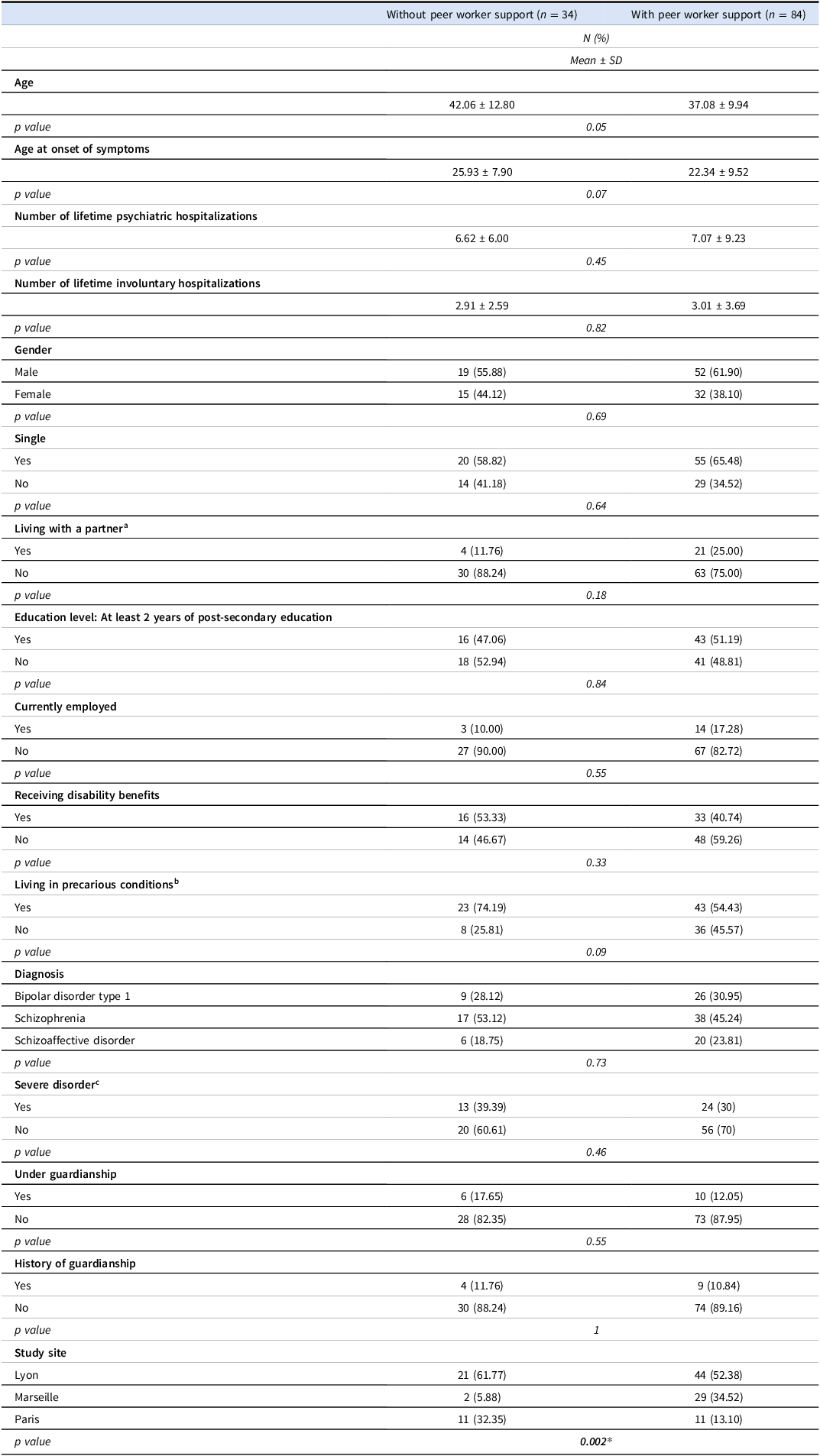
A total of 118 participants completed their PADs. Among them, 84 received support from a peer worker during the drafting process, including 4 participants from the control group. The remaining 34 completed their PADs without peer worker support, either independently or with the help of a study investigator or healthcare professional.
The sociodemographic and clinical characteristics of participants who completed their PADs are summarized in Table 2. The analysis revealed a difference in age between the two groups, with a mean of 37 years for those supported by a peer worker compared to 42 years for the others. However, this difference was not significant after Bonferroni correction (p = 0.003).
Sociodemographic and clinical characteristics of participants in the quantitative study

*: p < 0.003 Bonferroni-adjusted significance threshold
a: Yes = in a cohabiting relationship, civil partnership, or marriage;
b: Yes = individuals with an EPICES score > 30.7 (recognized cut-off for identifying socio-economic vulnerability);
c: Yes = individuals classified as “manifestly ill,” “severely ill,” or “among the most ill patients” by their psychiatrist (Clinical Global Impression scale).
A significant difference was observed between study sites (p = 0.002). At the Lyon site, 61.77% of participants drafted their PADs with peer worker support, compared to 93.55% in Marseille and 50.00% in Paris. These percentages are calculated row-wise, as opposed to the column-wise presentation in the table, to reflect the proportion of participants who received peer worker support at each study site.
Overall, the study site was the only factor showing significant differences between groups in this sample. However, the small number of participants in Marseille who completed their PADs without peer worker support (n = 2) should be considered when interpreting the overall analyses.
Analysis of fixed and random effects of the model
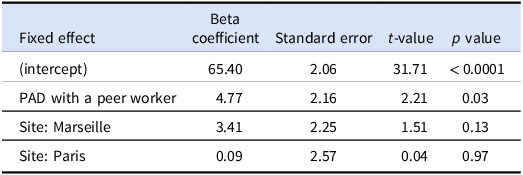
The results of the linear mixed-effects linear model, adjusted for the study site and accounting for random effects related to the timing of data collection (M0, M6, and M12) and individual participants, indicate that receiving support from a peer worker to complete PADs is significantly associated with higher recovery scores.
Specifically, the coefficient estimate for peer worker support is 4.77 (t = 2.21, p = 0.03), demonstrating a significant positive association with participants’ recovery. Regarding the study sites included in the model, no significant effects were observed. These results are presented in Table 3.
Fixed effects of the model

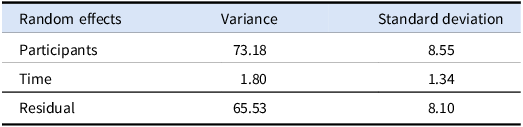
Random effects were also assessed, showing variability in intercepts across groups, with a variance of 73.18 (standard deviation = 8.56) for participants and 1.80 (standard deviation = 1.34) for time points. These findings are presented in Table 4.
Random effects of the model

These results underscore the promising role of peer support in the recovery process.
Qualitative interviews
Sample characteristics
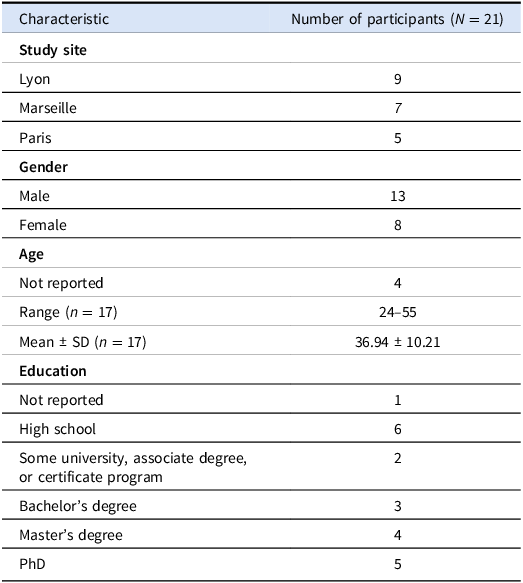
A total of 21 interviews with PAD users from the experimental arm of the RCT were analyzed for this article, whose sociodemographic characteristics are presented in Table 5.
Sociodemographic characteristics of participants in the qualitative study

Themes and subthemes
The effects of support for drafting PADs by peer workers can be understood through two major dimensions: first, the peer workers’ unique symbolic position as boundary actors between the worlds of psychiatry and service users, which fosters trust and authenticity, and second, their specific practices of support, which are characterized by critical reflexivity, flexible timelines, and the ability to transform lived experiences, sometimes traumatic, into tools for recovery and resilience for those involved.
Boundary role, trust, and authenticity
From the users’ perspective, the symbolic position of peer workers within the mental health system gives them a boundary role – one that places them outside formal care structures and institutional power dynamics. This positioning fosters critical reflexivity regarding mental health experiences and treatments.
Well, first of all, the peer worker was a good listener, which is important. Then, they’re someone who has been through it, so they understood what I was talking about and could relate to my experience. That helped me a lot because – how to put it? It kind of helps prevent relapses. And it’s true that filling out the questions, you can see what was working and what wasn’t. (Interview 11)
In contrast to healthcare professionals, whom many participants reported being unable or unwilling to speak freely due to fear of retaliation or negative impacts on their treatment, the peer workers were perceived as trustworthy individuals. They were seen as external to the power dynamics within psychiatric and mental health institutions, making it possible to speak authentically.
No, you cannot tell everything to the doctor. Maybe others can, but I cannot tell everything to my doctor. If I said everything to my doctor, she’d be worried. I think she’d really worry – not because I’m doing anything worrisome, but because I have thoughts that aren’t…that aren’t acceptable to the medical profession, that’s all. (Interview 7)
Peer workers’ own experiences with mental health conditions, psychiatric treatments, and drafting PADs lend credibility to the reflective approach. Reflexivity is crucial for drafting PADs and for recovery and must be guided by individuals deemed legitimate by users.
Specific practices of support
Critical reflexivity and flexible timelines
Critical reflexivity, which involves revisiting past experiences with an analytical and constructive perspective, plays a central role in recovery. By revisiting significant events – often marked by suffering or coercion – individuals can better understand their mental health histories and develop strategies to prevent similar situations in the future. This process involves not only remembering or recounting these experiences but also questioning their meaning and the interpretive frameworks through which they were understood – especially when these were shaped by institutional logics or medicalized narratives. This reflective process can help individuals reclaim agency over their own stories and define recovery on their own terms.
This reflective process often takes time. Most individuals needed multiple sessions with the peer worker to complete their documents. The flexibility of this timeline, allowing for breaks and back-and-forth discussions, was a key advantage of the peer workers, who were not constrained by the schedules typical of psychiatric services. The sessions did not strictly follow the document’s structure but instead allowed participants to freely revisit their experiences with mental health and treatments. This availability also enabled peer workers to gradually support the emergence of critical reflexivity – not as a form of rupture with psychiatric care, but as a constructive process through which users could make sense of their trajectories, voice their preferences, and articulate their needs in ways that support collaboration.
The peer workers had also prepared a repertoire of indicators to help identify and address early warning signs. Their expertise in managing symptoms and preventing relapses, combined with their familiarity with PADs, offered significant support, especially for individuals who were highly institutionalized or had never participated in psychoeducation.
There were things I didn’t quite understand because they were so interconnected, so I needed a peer worker to help me fill out the form. (Interview 6)
Reflecting on their experiences with mental health and treatment was often a new process for participants. Few had previously had the opportunity to critically examine these highly significant events. They were invited to revisit experiences of “crises,” psychiatric care systems, and coercion – potentially traumatic events – in collaboration with the peer workers. This process was emotionally intense for many, as participants acknowledged being deeply moved by revisiting such important aspects of their lives in a secure, non-clinical setting.
Actually, I made my PAD with X [peer worker]. We did it at the hospital, and that was really great because it gives you the chance to say, “Yes, at some point, we can see if we’re letting things go too far or if we’re doing this or that.” Just knowing that makes you think, “No, I do not want to go back to the hospital. I do not want to have another crisis.” So, you manage your illness on your own – She even told us, like, 3 or 4 years later without medication, you can manage on your own. When you have these kinds of conversations, it gives you more perspective on the future, and you feel like the person in front of you knows more than just saying, “Take your meds.” [laughs] (Interview 14)
This moment illustrates how peer workers’ personal narratives can foster critical reflexivity by opening space for users to reimagine their future beyond clinical framings – offering hope and perspective. While the peer worker’s comment might be interpreted as clinical advice, it is more accurately understood as a personal testimony about her own recovery trajectory. Re-situated within the broader context of the interview, the participant’s reflection underscores how this exchange helped him envision a future with more autonomy, and encouraged him to think critically about how to avoid future hospitalizations – without rejecting psychiatric care outright. Such conversations support users in identifying their own strategies for managing crises and living with their condition in ways that align with their personal recovery path.
Addressing the trauma of psychiatric experiences
Recovery in mental health goes beyond symptom reduction; it involves profoundly transforming one’s relationship with their history, experiences, and identity. Revisiting significant, often traumatic, moments of psychiatric experiences is integral to this process. Critically reflecting allows individuals to acknowledge the impact of these experiences and transform them into tools for understanding and resilience.
I remember being restrained in isolation for a week, 10 days. It was very hard. Those hospitalizations traumatized me more than anything else. To this day, I do not understand how they helped me. I think they helped my loved ones more than me, in the sense that I wasn’t bothering anyone – I was tucked away, bothering no one. It felt like I was being punished for being sick. I was punished. That’s how I see it – a punishment, like a prison sentence. They cut me off from the world, from everything. It traumatized me more than anything else. (Interview 19)
The peer workers, who often shared similar experiences of the violence inherent in certain treatments, validated these emotions. They used this shared understanding as a basis to explore practical alternatives to avoid repeating such painful episodes.
It made me rethink about a lot of things and made me relive them. It’s not fun. But what was good was that I could talk to him about it. And he – it’s funny because he said something like, “That’s good.” It surprised me a bit. It was like he wasn’t forcing me to keep going, but it felt like a step, a necessary reaction to consider. And nothing’s set in stone. That’s how I see it. It’s true, a state isn’t permanent. (Interview 6)
Collaborating with peer workers contributes to giving individuals the hope necessary for engagement in the recovery process. This hope can motivate them to engage in the reflexive process required for a shift in perspective.
Discussion
This study aimed to explore the impact of peer facilitation of PADs on the recovery process, using a mixed-methods approach. The results demonstrate a significant association between peer facilitation and improved recovery scores over time (coefficient = 4.77, p = 0.03). These results add to the findings of a recent systematic review, which highlighted the importance of facilitation during the creation of PADs (Braun et al. Reference Braun, Gaillard, Vollmann, Gather and Scholten2023). Fifteen studies included in the review identified support from another person as a key enabling factor for successful PAD completion. In contrast to many users who reported that drafting a PAD alone could be difficult, the majority of people who completed their PAD with a facilitator stated that the process was easy. Several studies also highlighted the benefits of a third-party facilitator (who is not a loved one or a member of the healthcare team) to enhance the autonomy of the user and mediate between the user and the healthcare team (Braun et al. Reference Braun, Gaillard, Vollmann, Gather and Scholten2023). Existing research suggests that PADs facilitated by peer workers are of equal (Easter et al. Reference Easter, Swanson, Robertson, Moser and Swartz2017) or superior (Belden et al. Reference Belden, Gilbert, Easter, Swartz and Swanson2022; Ruchlewska et al. Reference Ruchlewska, Mulder, Van der Waal, Kamperman and Van der Gaag2014) quality to those facilitated by healthcare professionals. PADs facilitated by peer workers are also not more likely to include refusals of care, according to a recent study (Belden et al. Reference Belden, Gilbert, Easter, Swartz and Swanson2022). PADs facilitated by peer workers were however shown to be more detailed about preferred treatments, more coherent, and more feasible than those drafted with healthcare professionals (Belden et al. Reference Belden, Gilbert, Easter, Swartz and Swanson2022). The present study adds to this literature by combining quantitative and qualitative data. While the observed statistical effect is modest, it converges with qualitative findings and offers exploratory insights into the mechanisms through which peer facilitation may support recovery. As this is a secondary, non-randomized analysis, the results must be interpreted as associations rather than causal effects. Although we adjusted for several observed variables, residual confounding – such as differences in motivation or beliefs about peer support – cannot be ruled out, as these variables were not collected in the original study.
Two main themes emerged from the sociological analyses, which shed light on the underlying mechanisms of peer support during PAD facilitation, which can enhance recovery. First, the role of peer workers as a boundary actor, who mediates between the healthcare system and the user. The unique position of peer workers allowed for a relationship that felt more symmetrical and less hierarchical to users than their relationships with healthcare professionals and promoted trust and authenticity. Second, the specific practices of peer workers, which included subthemes highlighting (1) their skills in promoting critical reflexivity, which was further enabled by their flexible timelines and approaches to facilitation, and (2) their capacity to skillfully and empathetically accompany users in revisiting traumatic care experiences. Peer workers stand out for their dual expertise – rooted in their lived experiences and acquired through their role as facilitators. This unique combination enables them to establish relational symmetry with users, contrasting with the often asymmetrical and power-laden dynamics of traditional clinician–patient relationships. Relational symmetry provides a safe space where users can share their experiences without fear of judgment or consequences, fostering a climate of trust conducive to recovery (Davidson et al. Reference Davidson, Chinman, Sells and Rowe2006). The shared understanding between peers enhances empowerment and mutual respect, laying the foundation for positive collaborative dynamics (Mead et al. Reference Mead, Hilton and Curtis2001).
Beyond their relational role, peer workers contribute to the co-construction of narratives, allowing users to revisit their life trajectories with a critical and constructive perspective. Shared narration constitutes an essential dimension of peer work, serving as a transformative tool to redefine users’ identities beyond the stigma associated with psychiatric conditions (Watson & Meddings Reference Watson and Meddings2019). This approach transcends mere experience-sharing to become a method of personal reconstruction.
Critical reflexivity also emerges as a central driver of recovery, enabling users to revisit their past experiences, often marked by psychological distress and traumatic encounters within psychiatric care. This process opens avenues for learning and prevention to avoid the repetition of similar situations. Introspection is crucial for users to reclaim their identity and life choices (Deegan, Reference Deegan1996). Peer workers facilitate this process by providing a compassionate and secure environment where users can explore these experiences at their own pace. Revisiting trauma in a safe context is an essential step in transforming these experiences into sources of resilience (Herman, Reference Herman1998).
Revisiting often traumatic psychiatric experiences, such as seclusion or restraint, allows users to begin psychological repair. Peer workers, having themselves experienced coercive practices, play a unique role in contextualizing these experiences and helping users develop strategies to avoid their recurrence. Incorporating trauma-informed approaches into psychiatric care is vital to mitigate the impact of such practices (Huckshorn, Reference Huckshorn2006). In another context, Messina (Reference Messina2022) emphasizes that peer-facilitated trauma interventions significantly improve distress symptoms and strengthen self-regulation capacities, while opening pathways for resilience.
The critical narration of traumatic experiences also serves as a powerful tool for recovery. By sharing their stories, peer workers enable users to revisit their past while envisioning a future filled with hope. Transforming narratives of distress into narratives of resilience can enhance self-esteem and self-determination (Moran et al. Reference Moran, Russinova, Gidugu, Yim and Sprague2012). Processes such as “retelling” and “witnessing” are essential tools for redefining a resilient identity (Loumpa, Reference Loumpa2012). Strategically, peer workers use their own stories to engage and motivate users in their recovery trajectories (Mancini, Reference Mancini2019).
These findings highlight the importance of integrating peer workers into PAD facilitation frameworks to provide recovery-centered support. Enhanced training for peer workers is necessary to maximize their impact, alongside systemic reforms in psychiatric care aimed at reducing coercive practices and promoting collaborative approaches that respect human rights.
Limitations
Analyses revealed notable disparities across study sites in the implementation of peer workers as facilitators of PADs. In Marseille, this practice is particularly widespread, with a significantly higher proportion of participants benefiting from peer facilitation compared to Lyon and Paris. These differences may reflect organizational or cultural factors that facilitate the integration of peer workers into care pathways in Marseille. However, despite these disparities, no significant differences in recovery scores were observed across sites in the adjusted model (p > 0.05). This lack of effect should be interpreted with caution, given the very small size of some subgroups, particularly in Marseille, where the number of participants who did not receive peer facilitation was low (n = 2). These findings underscore the importance of considering local contexts when analyzing the impact of peer workers and invite further exploration into the factors that enable or hinder their integration across different sites. In addition, we were not able to systematically assess the time spent drafting PADs across all participants. No time data were collected for those who completed PADs without peer support, and data were incomplete even within the peer-supported group. This limits our ability to assess whether time intensity may explain some of the observed differences in recovery scores. Similarly, we could not control for the potential effect of individual peer workers, as no data were collected to link each participant to a specific facilitator. Any variability attributable to differences between peer workers is therefore embedded in the residual variance, along with other unobserved factors. Finally, the control group may have contained people who completed their PADs alone, as well as those who received facilitation from healthcare workers, loved ones, or others in completing their PADs. The questionnaire asked only (1) if participants had completed their PADs and (2) if they had completed them with a peer worker, so we are not able to differentiate between different types of facilitators or how many people in the control group may have received support from someone who was not a peer worker.
In the present study, the peer worker intervention was not standardized. This was both a limitation and an asset, as the qualitative interviews suggested that participants appreciated the flexible and tailored approach. During this study, the peer workers mentored each other and brainstormed best practices in PAD facilitation. Some of the peer workers involved in this study have since worked together to publish a facilitation guide for peer workers facilitating PADs. Facilitation resources are published in French in the book Le guide des Directives Anticipées Psychiatriques; Mettre en pratique: les soins centrés sur le patient, la décision partagée, et l’empowerment (Tinland et al. 2025). Several of the peer workers from this study have also become trainers for new peer workers, offering half-day, full-day, and multi-day trainings for peer workers in PAD facilitation. Future research could take a more standardized approach and examine the facilitation of trained peers following the facilitation guide.
Finally, the samples in this study are not representative of the general population of individuals living with severe mental illness (SMI). In the quantitative sample, 50% of participants had at least 2 years of post-secondary education, compared to 13.4% to 39.1% in the general French population depending on age group (INSEE, 2021). Given that people with SMI often face significant educational barriers, this level of attainment likely reflects a selection bias. In the qualitative sample, this overrepresentation was even more pronounced, with nearly half of the participants holding a master’s degree or higher (equivalent to 5 or more years of post-secondary education). This may reflect higher levels of health literacy or familiarity with administrative procedures, which could have influenced how participants engaged with the facilitation process and with the PAD tool itself. Future studies should aim to include more diverse educational, clinical, and social backgrounds to improve the transferability of findings.
Conclusion
This study suggests that peer facilitation may play a valuable role in supporting recovery during the drafting of PADs. With their dual expertise – rooted in lived experience and facilitation skills – peer workers foster trust, reduce power asymmetries, and help transform difficult experiences into resources for agency. These qualities position them as promising actors in the development of collaborative and rights-based practices. However, the findings remain exploratory, and the observed association is modest. Disparities in the integration of peer workers highlight the need for tailored training and support, while preserving the flexibility that defines their practice. Further research is needed to examine their role in diverse settings and populations. Supporting their integration may help mental health systems evolve toward more recovery-oriented and inclusive forms of care.
Acknowledgments
We would like to thank our funder, the DGOS, which financed the entire study, as well as our sponsor: Marseille Public Hospital (APHM), with Emilie Garrido, director of research, for her attention, Jean Dhorne for his impeccable help to monitor this clinical trial, Marika Larose for continuing her monitoring as best she could despite the pandemic, Mariola for having facilitated the hiring, and Richard Malkoun for the data-management of the study.
We would like to warmly thank Julien Grard, Nicolas Ordener, and Celine Letailleur, EUTOPIA, MARSS team, and the CoFoR Recovery College for their help and advice in developing the tool and the practice of facilitation by peer-workers.
We would like to thank the collaborators of DAiP for their daily involvement: Lee Antoine, Antoine Simon, Aurélien Troisoeufs, Juliette Robert, Elsa Castot, Bastien Vincent, Iannis Mc Cluskey, Camille Niard, Oriane Beynel, Léa Leclerc, and Nicholas Armstrong.
We also thank Magali Coldefy and CONFCAP group, in particular Benoît Eyraud, and also all the investigating psychiatrists: Prof. Jean Naudin, Dr Edouard Leaune, Dr, Sophie Cervello, Dr Jacques Glikman, Dr Nathalie Christodoulou, Dr Christophe Lamisse, Dr Pierre Giordano, Dr Yves Guillermain, Dr Pierre Morcellet, Dr Emma Beetlestone, Dr René Diouaba, Dr Marie Degrandi, Dr Catherine Faget, Dr Raoul Belzeaux, Dr Michel Cermolacce, Dr Sandrine Limousin, Dr Marie Degrandi, Dr Laura Brandejsky, Dr Julien Testard, Dr Marion Dubois, Dr Xavier Zendjidjian, Dr Lucie-Oriane Plazat, Dr Héloïse Da Costa, Dr Maxence Bras, Dr Christian Vedie, Dr Hélène Pigeon, Dr Nicole Beer, Dr Gabrielle Durand, Dr Caroline Peiffer, Dr Emma Wieviorka, Dr Mohamed Ali Ben Mustapha, Dr Santiago Riascos-Henao, Dr Isabelle Blondiaux, Dr Julie Meudal, Dr Alexis Van Der Elst, Dr Olivia Vergely, Dr Dina Sakh, Dr Annie Msellati, Dr Laurène Beherec, and Dr Sophiane Chafaï.
English proofreading was provided by American Journal Expert and Owen Taylor, and we thank them for their help.
Finally, we are grateful to the participants.
Funding statement
This work has been supported by an institutional grant from DGO (French Directory General of Healthcare Services), thanks to the French National Program of Health Services Research (Programme de Recherche sur la Performance du système de Soins, PREPS-17-0575, FINESS number 130786049).
Competing interests
The authors declare none.
Ethical standards
The authors assert that all procedures contributing to this work comply with the ethical standards of the relevant national and institutional committee on human experimentation and with the Helsinki Declaration of 1975, as revised in 2008.
The trial was approved on June 6, 2018, by the French ethics committee Sud-Ouest et Outre-mer 4 under the number 2018-A00146-49. The participants provided both oral and written consent before enrollment.


 Open access

