





Introduction
Salmonella bacteria cause approximately 1.35 million infections annually in the United States [1]. Most of these infections are caused by foodborne transmission. Common symptoms of salmonellosis include bloody or watery diarrhea, fever, stomach cramps, nausea, vomiting, and headache, and usually start from 6 h to 6 days after consuming contaminated food. Salmonellosis symptom duration typically lasts 4–7 days after onset. In certain instances, a more severe illness requiring hospitalization develops. Persons at an increased risk for Salmonella infection and severe illness are children aged <5 years, adults aged ≥65 years, and persons with a weakened immune system [1–3].
Unpasteurized (also known as raw) dairy products have not undergone the pasteurization process; therefore, these dairy products are not heated to a temperature point for a period sufficient to kill harmful bacteria. Harmful bacteria found in unpasteurized dairy products can lead to preventable foodborne illnesses and disease outbreaks, including Salmonella spp., Campylobacter spp., Escherichia coli (E. coli), Listeria monocytogenes, and other bacteria [4, Reference Williams5]. During 2013–2018, 75 disease outbreaks were linked to unpasteurized milk in the United States, resulting in 675 illnesses and 98 hospitalizations [Reference Koski6].
In California, unpasteurized dairy products can be sold if the producing dairy farm meets sanitation and licensing requirements outlined by the California Department of Food and Agriculture (CDFA). All unpasteurized dairy products must include a warning label to alert consumers to the risk of exposure to harmful bacteria [7, 8]. Unpasteurized dairy products are required to meet the same bacteria count limits as pasteurized milk, with CDFA’s Milk and Dairy Food Safety Branch performing monthly pathogen testing [8].
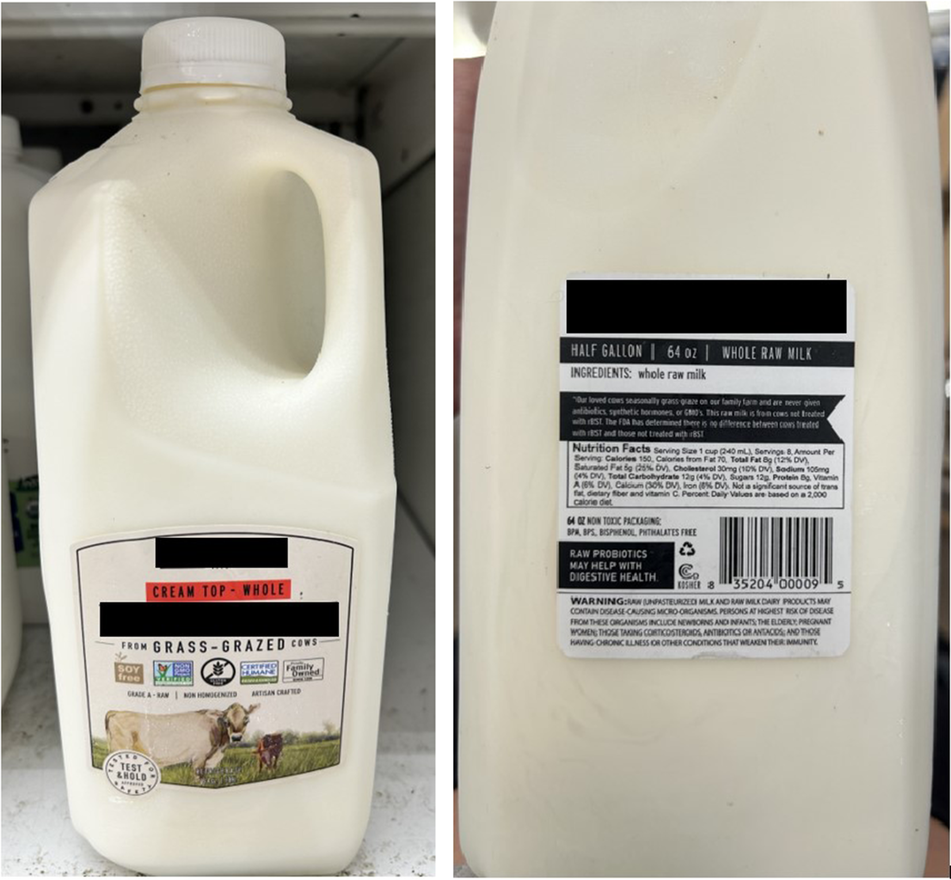
On 17 October 2023, County of San Diego’s (CoSD) Epidemiology and Immunization Services Branch (EISB) identified eight cases of salmonellosis (six culture-confirmed and two polymerase chain reaction (PCR)-positive) among San Diego County residents. Illness onset dates were from late September to early October 2023. Among the eight patients, three were hospitalized, all of whom were children. EISB’s Enterics Team Communicable Disease Investigators used standardized case interviews and determined that all eight patients reported consumption of Farm A brand unpasteurized milk or milk products purchased through commercial grocery vendors during the week before symptom onset (Figure 1). The vendor distribution list included chain retailers. To determine the implicated unpasteurized dairy products produced by Farm A, EISB began an investigation.
Front and back of implicated products [Reference Kennar9].
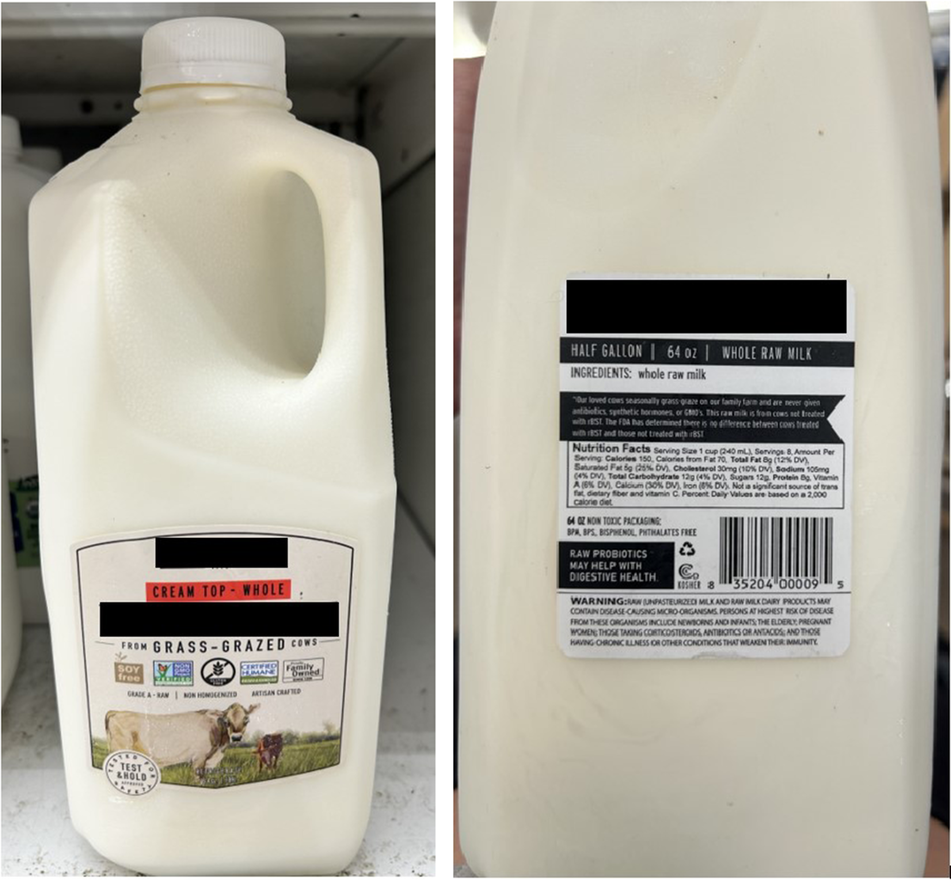
Figure 1. Long description
A two-panel photo of a white plastic milk jug.
Left panel: The front of the jug. A white label features a red banner reading CREAM TOP - WHOLE. Below this, text states FROM GRASS-GRAZED COWS. A row of icons includes SOY free, Non-G M O Project Verified, Certified Humane, and Family Owned. At the bottom is a photo of a cow in a field and a circular seal that says TEST and HOLD.
Right panel: The back of the jug. The label is divided into several sections:
- Top section: HALF GALLON | 64 oz | WHOLE RAW MILK. INGREDIENTS: whole raw milk.
- Middle section: A black banner with white text about grass-grazing practices and an F D A disclaimer regarding r B S T.
- Nutrition Facts table: Lists Serving Size 1 cup (240 m L), 150 Calories, 8 grams Total Fat, 30 milligrams Cholesterol, 105 milligrams Sodium, 12 grams Total Carbohydrate, and 8 grams Protein.
- Lower section: Mentions 64 O Z NON-TOXIC PACKAGING (B P A, B P S, BISPHENOL, PHTHALATES FREE). A black box states RAW PROBIOTICS MAY HELP WITH DIGESTIVE HEALTH next to a Kosher symbol and a barcode (8 35204 00009 5).
- Bottom section: A bold WARNING regarding the risks of consuming raw unpasteurized milk for certain populations like children, the elderly, and pregnant women.
Methods
Epidemiologic and laboratory investigation
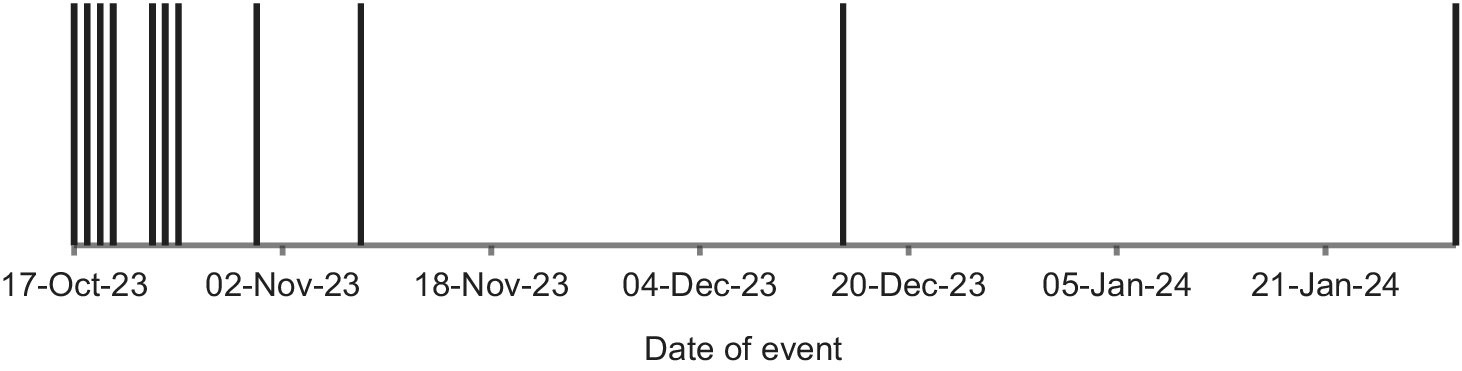
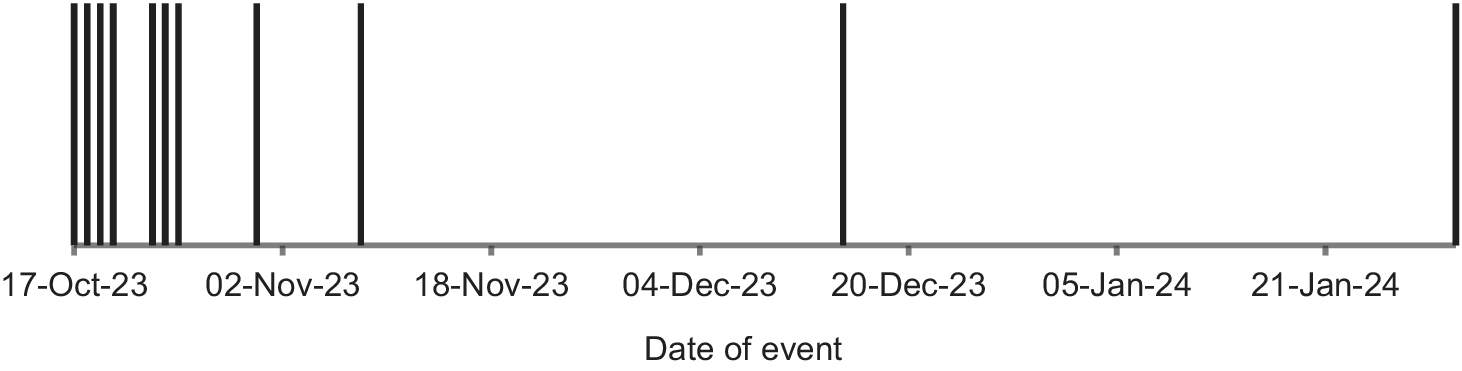
Because the threshold of common exposure in sick persons was met (i.e., ≥two people from different households reporting illness with the same food item consumption during the same two-week exposure period), EISB opened a foodborne outbreak investigation on 18 October 2023 (Figure 2). The common exposure to Farm A products also prompted notification to local and state partners, including the CoSD EISB Medical Director and Epidemiology Unit, CoSD Department of Environmental Health and Quality (DEHQ), California Department of Public Health (CDPH), CDFA, and other local health jurisdictions. This same day, an additional infected patient was identified by retrospective review of salmonellosis case reports for unpasteurized dairy product exposure. This brought the total to nine salmonellosis cases among San Diego County residents.
Timeline of events.
17 October 2023: CoSD EISB foodborne outbreak team was notified of the common exposure among eight salmonellosis patients.
18 October 2023: EISB opened an outbreak investigation after identifying common exposure to Farm A unpasteurized dairy products.
19 October 2023: Grocery vendors were alerted and asked to voluntarily pull and hold Farm A unpasteurized dairy products. The Raw Milk Information Collection Tool was used during re-interviews. Unopened Farm A products were collected from vendors.
20 October 2023: CoSD released a health alert and press release.
23 October 2023: Serotype S. Typhimurium was identified in the first confirmed Salmonella isolate from an infected patient. This outbreak was caused by a strain related by WGS with zero to one allele codes.
24 October 2023: Farm A agreed to a voluntary recall of raw milk and raw heavy cream.
25 October 2024: CoSD issued an updated press release.
31 October 2023: Farm A production resumed.
8 November 2023: CoSD had identified 19 infected persons, 17 confirmed and two probable.
15 December 2023: Case definitions were updated to include WGS results.
31 January 2024: Twenty-five total cases (23 confirmed and two probable cases) from San Diego County were identified.
Prepared by CoSD Health and Human Services Agency.
CoSD, County of San Diego; EISB, Epidemiology and Immunization Services Branch.
EISB began using CDPH’s Raw Milk Information Collection Tool on 19 October to reinterview patients who reported consuming unpasteurized dairy products, or caregivers, to obtain demographic information and identify specific products. This tool is a supplement to the salmonellosis interview report form and includes questions specific to the 1-week period before the patient’s symptom onset. It included questions about the consumption of unpasteurized dairy products and whether leftover product was available for testing. The collected information was entered into the Web Confidential Morbidity Report, CoSD’s disease registry. Purchase receipts for date, vendor, and product verification were requested, and opened and unopened products remaining in patient and caregiver households were collected for testing.
On 20 October, CoSD released a health alert and press release asking persons with gastrointestinal symptoms and exposure to unpasteurized dairy products from Farm A products to seek medical care and get tested for Salmonella. The media release advised persons to discard any recently purchased Farm A unpasteurized dairy products [Reference Saunders10, 11]. Confirmed cases were initially defined as a person having Farm A unpasteurized dairy product exposure and culture-confirmed Salmonella; probable cases were defined as persons positive for Salmonella on PCR testing with Farm A unpasteurized dairy product exposure. As the investigation continued, EISB’s investigators identified additional infected patients through routine enteric surveillance. Culture-confirmed Salmonella isolates from previously collected stool specimens were submitted to Los Angeles County Public Health (LACPH) or CDPH Microbial Diseases Laboratory (MDL) for serotyping and whole-genome sequencing (WGS).
Although initial case finding looked for unpasteurized dairy exposure, as the investigation progressed, the case definitions were updated on 15 December 2023, to include infections matched by WGS results. Cases were limited to persons with Salmonella infection with an isolation date on or after 15 September 2023. The confirmed case definition was updated to include core-genome multilocus sequence typing [cgMLST] or six single-nucleotide polymorphisms [SNPs] using National Center for Biotechnology Information [NCBI] SNP analysis. A confirmed case was defined as a person with S. Typhimurium with a common allele code that was highly related (within two cgMLST alleles). A probable case was updated to include a person who consumed Farm A unpasteurized milk products and had a PCR-positive result without available Salmonella serotype or sequence results. While the probable cases did not have isolates available for WGS testing, these cases were counted as part of the outbreak by epi-linkage.
Environmental investigation
Concurrent with the epidemiologic investigation, on 19 October, grocery vendors were alerted to the ongoing outbreak. CDPH provided a distribution list to CoSD DEHQ, who then contacted the grocery vendors identified as having received Farm A unpasteurized dairy products and asked the vendors to voluntarily remove from sale and hold these products. Additionally, CoSD DEHQ collected unopened Farm A unpasteurized dairy products from multiple vendors. The implicated product from one infected patient was also collected. All collected products were submitted to the CDPH Food and Drug Branch (FDB) for Salmonella testing and sequencing. CDFA also collected samples of unpasteurized milk from the Farm A facility in California for testing and sequencing.
Ethics
This activity was reviewed by CDC, deemed not research, and was conducted consistent with applicable federal law and CDC policy. (See e.g., 45 C.F.R. part 46.102(l)(2), 21 C.F.R. part 56; 42 U.S.C. §241(d); 5 U.S.C. §552a; 44 U.S.C. §3501 et seq.)
Results
Epidemiologic and laboratory results
By 20 October, EISB’s investigators identified three additional infected patients who reported consumption of Farm A unpasteurized dairy products, bringing the total to 12 infected patients.
On 23 October, serotype Salmonella Typhimurium was identified in the first culture-confirmed Salmonella isolate from an infected patient. This outbreak was caused by a strain related by WGS within zero to one cgMLST alleles. By 8 November, CoSD had identified 19 infected persons, 17 confirmed and 2 probable cases.
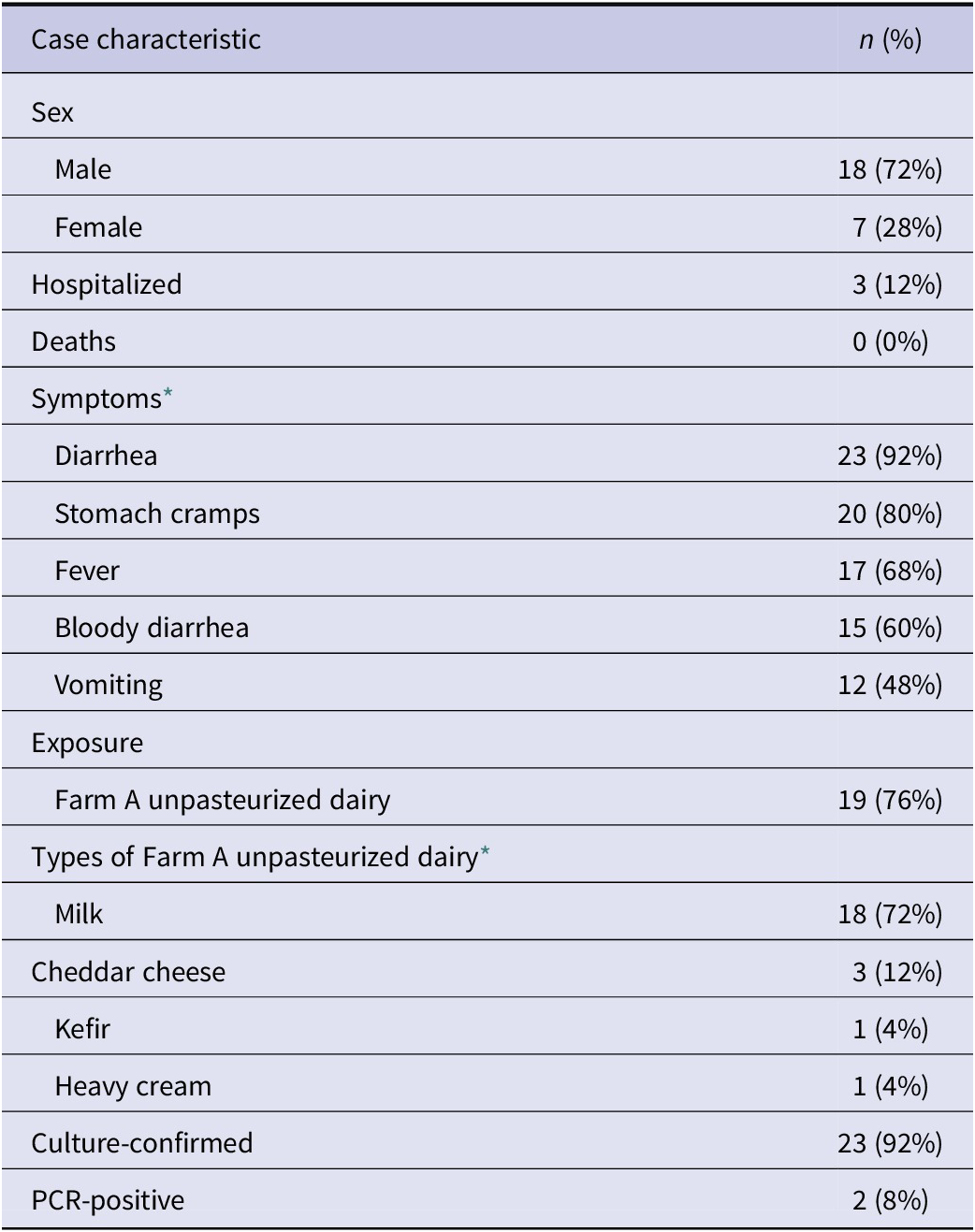
By 31 January 2024, a total of 25 cases (23 confirmed and 2 probable cases) from San Diego County were identified with isolate dates from 23 September to 14 November 2023, with 19 (76%) reporting exposure to Farm A unpasteurized dairy products. Median patient age was 12 years (range: 1–47 years); 18 (72%) were male (Tables 1 and 2). All were CoSD residents with symptom onsets during 21 September–13 November 2023. A total of 15 (60%) had bloody diarrhea. Three patients (12%) were hospitalized; all three were children. Eighteen patients (72%) reported consumption of unpasteurized milk, three (12%) reported unpasteurized cheddar cheese, one (4%) reported unpasteurized kefir, and one (4%) reported unpasteurized heavy cream. Of confirmed cases, 17 reported consumption of Farm A unpasteurized dairy products, and six had Salmonella isolates linked to this outbreak by WGS and did not report consumption of Farm A unpasteurized dairy products (Figures 3 and 4). WGS results for the San Diego County culture-confirmed cases matched a cluster related to Farm A unpasteurized milk already under investigation by CDPH, involving 35 California local health jurisdictions and four other states. As of 15 October 2024, this larger cluster included 171 cases.
Salmonellosis case characteristics (N = 25) – San Diego County, September 2023–January 2024
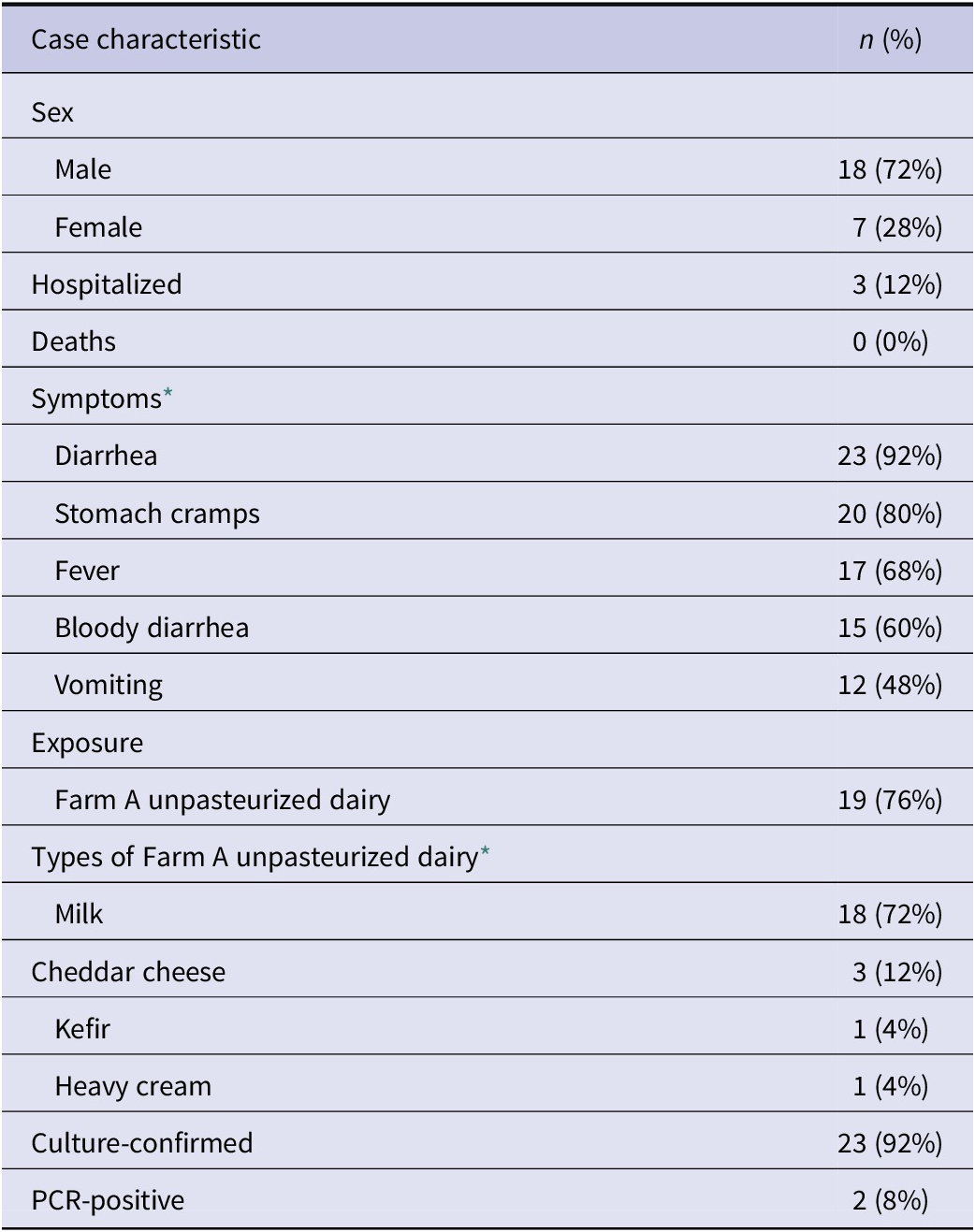
Table 1. Long description
The table consists of two columns: Case characteristic and n (%).
Demographics and Outcomes:
- Sex: 18 males (72%) and 7 females (28%).
- Hospitalized: 3 (12%).
- Deaths: 0 (0%).
Symptoms (not mutually exclusive):
- Diarrhea: 23 (92%).
- Stomach cramps: 20 (80%).
- Fever: 17 (68%).
- Bloody diarrhea: 15 (60%).
- Vomiting: 12 (48%).
Exposure Data:
- Farm A unpasteurized dairy: 19 (76%).
- Types of Farm A unpasteurized dairy (not mutually exclusive): Milk 18 (72%), Cheddar cheese 3 (12%), Kefir 1 (4%), and Heavy cream 1 (4%).
Diagnostic Confirmation:
- Culture-confirmed: 23 (92%).
- P C R-positive: 2 (8%).
Footnote: P C R stands for polymerase chain reaction.
PCR, polymerase chain reaction.
* Not mutually exclusive.
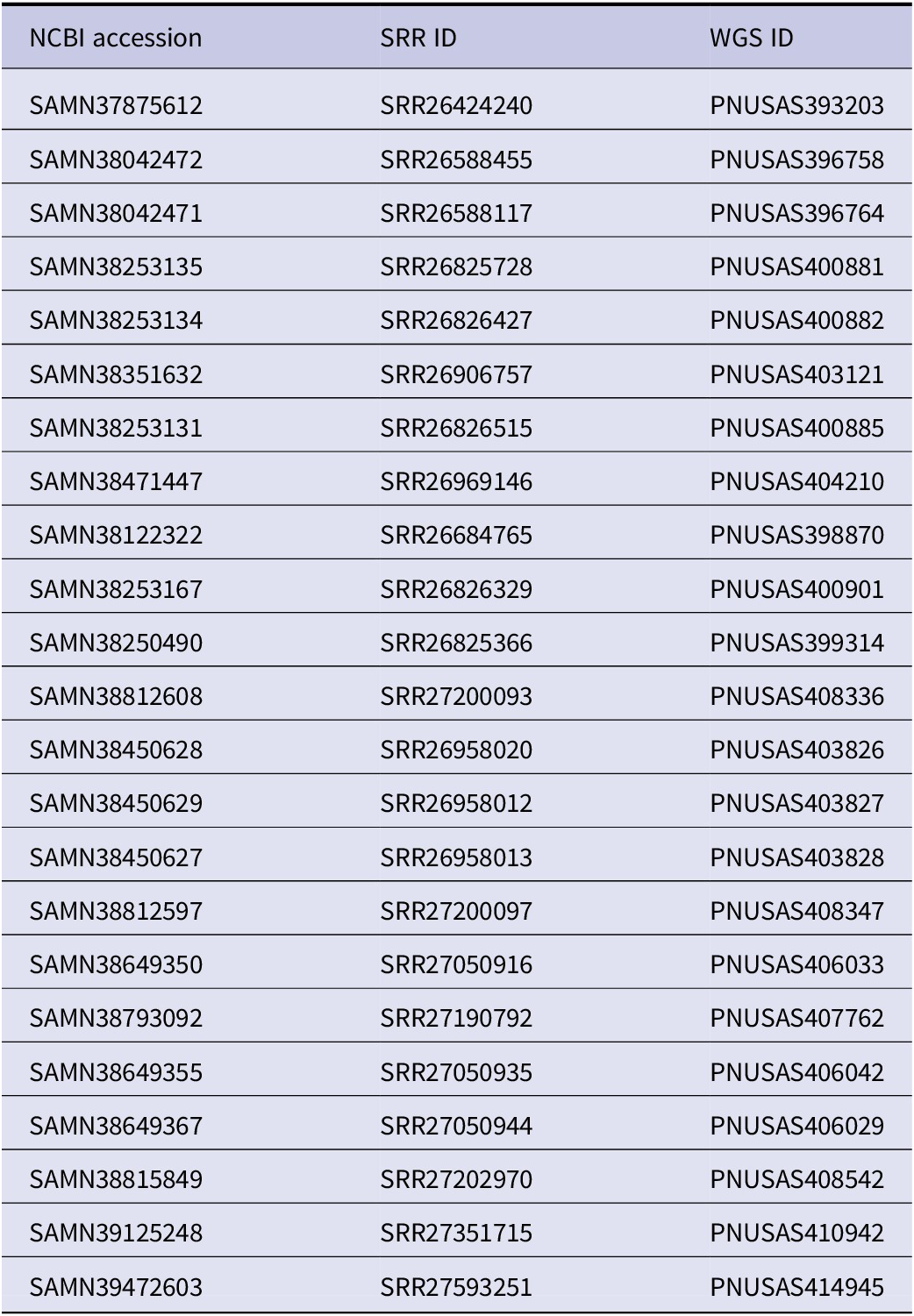
WGS results for the 23 confirmed Salmonella isolates [12]
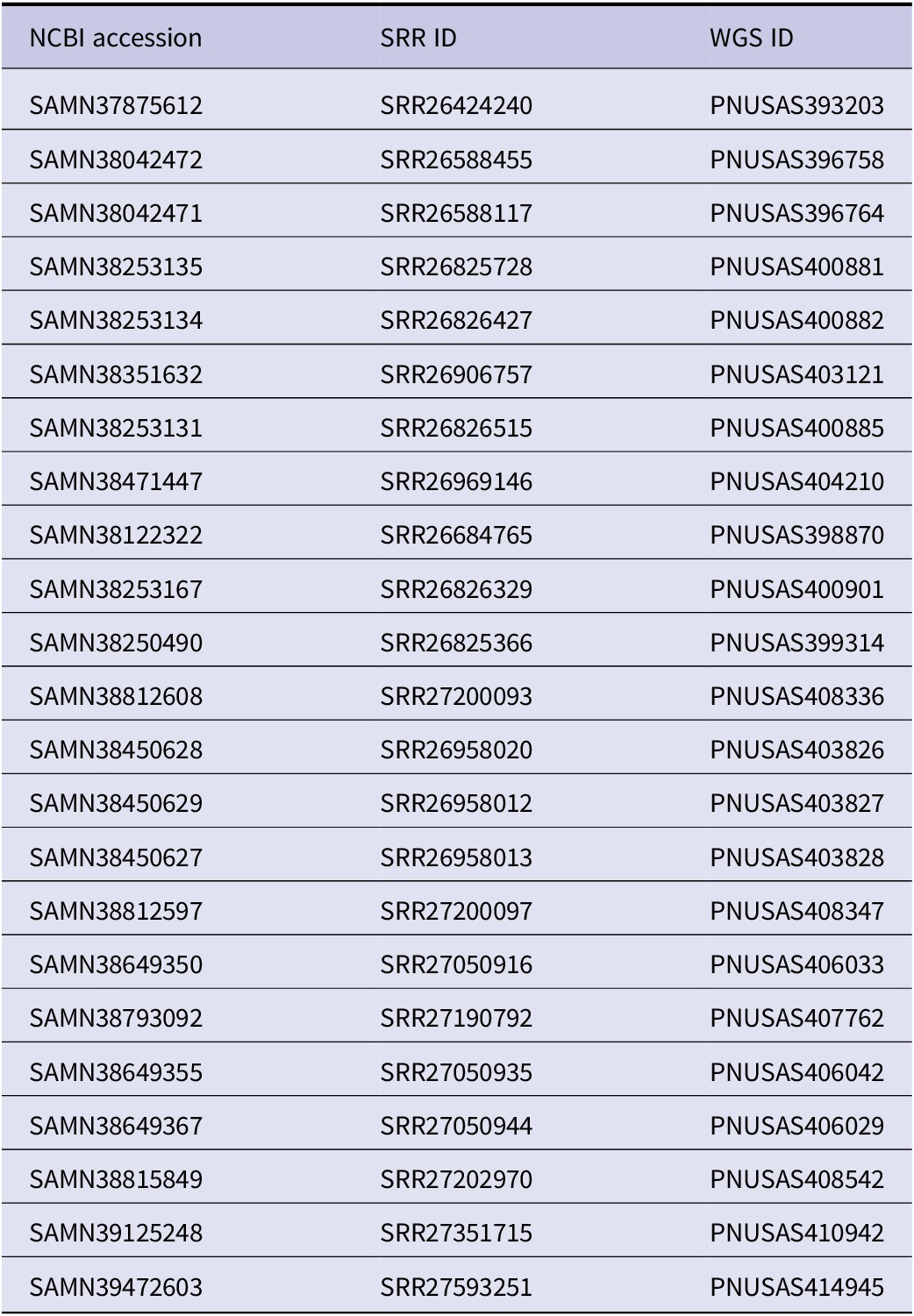
Table 2. Long description
The table consists of three columns: N C B I accession, S R R I D, and W G S I D. There are 23 rows of data:
* Row 1: SAMN37875612, SRR26424240, PNUSAS393203
* Row 2: SAMN38042472, SRR26588455, PNUSAS396758
* Row 3: SAMN38042471, SRR26588117, PNUSAS396764
* Row 4: SAMN38253135, SRR26825728, PNUSAS400881
* Row 5: SAMN38253134, SRR26826427, PNUSAS400882
* Row 6: SAMN38351632, SRR26906757, PNUSAS403121
* Row 7: SAMN38253131, SRR26826515, PNUSAS400885
* Row 8: SAMN38471447, SRR26969146, PNUSAS404210
* Row 9: SAMN38122322, SRR26684765, PNUSAS398870
* Row 10: SAMN38253167, SRR26826329, PNUSAS400901
* Row 11: SAMN38250490, SRR26825366, PNUSAS399314
* Row 12: SAMN38812608, SRR27200093, PNUSAS408336
* Row 13: SAMN38450628, SRR26958020, PNUSAS403826
* Row 14: SAMN38450629, SRR26958012, PNUSAS403827
* Row 15: SAMN38450627, SRR26958013, PNUSAS403828
* Row 16: SAMN38812597, SRR27200097, PNUSAS408347
* Row 17: SAMN38649350, SRR27050916, PNUSAS406033
* Row 18: SAMN38793092, SRR27190792, PNUSAS407762
* Row 19: SAMN38649355, SRR27050935, PNUSAS406042
* Row 20: SAMN38649367, SRR27050944, PNUSAS406029
* Row 21: SAMN38815849, SRR27202970, PNUSAS408542
* Row 22: SAMN39125248, SRR27351715, PNUSAS410942
* Row 23: SAMN39472603, SRR27593251, PNUSAS414945
NCBI Accession, National Center for Biotechnology Information accession number; SRR ID, Sequence Read Archive run identification number; WGS ID, whole-genome sequencing identification number.
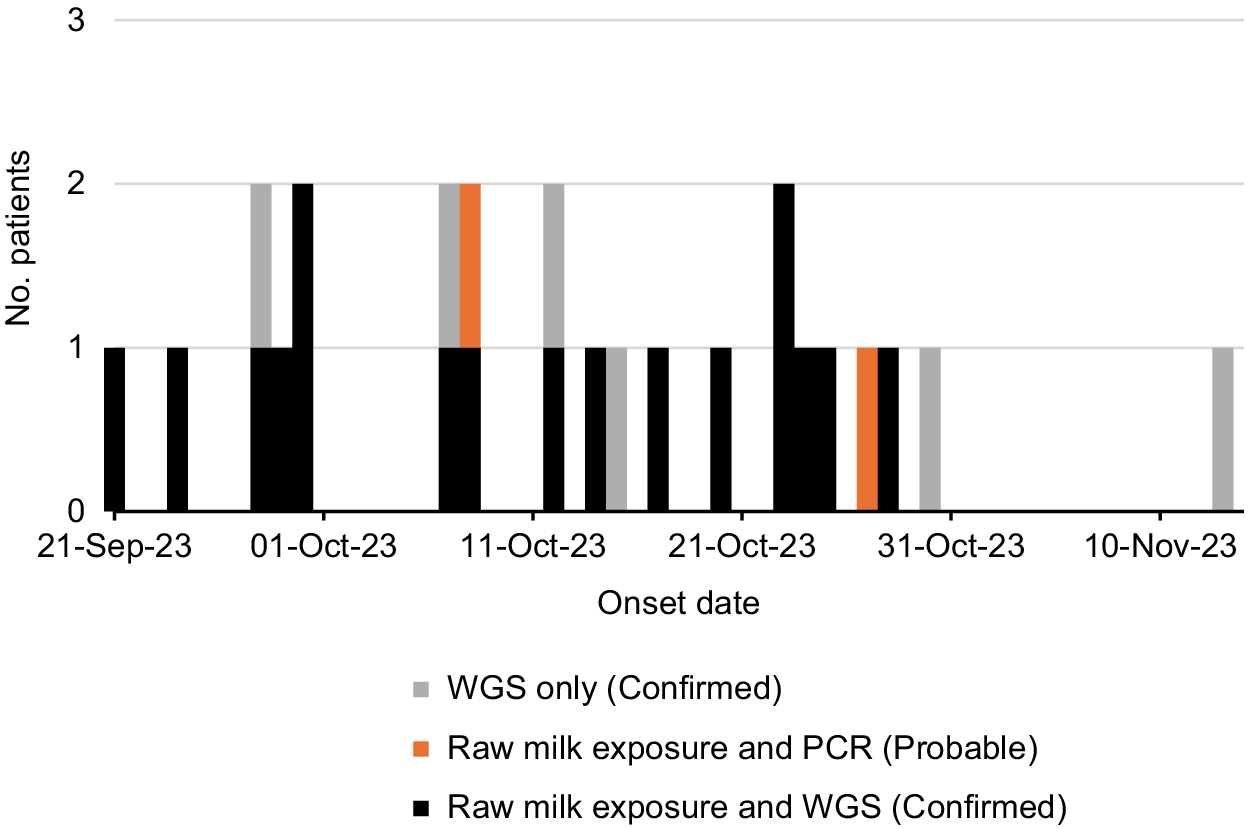
Epidemiologic curve of Salmonella cases by identification method and classification status (N = 25). Prepared by County of San Diego Health and Human Services Agency.
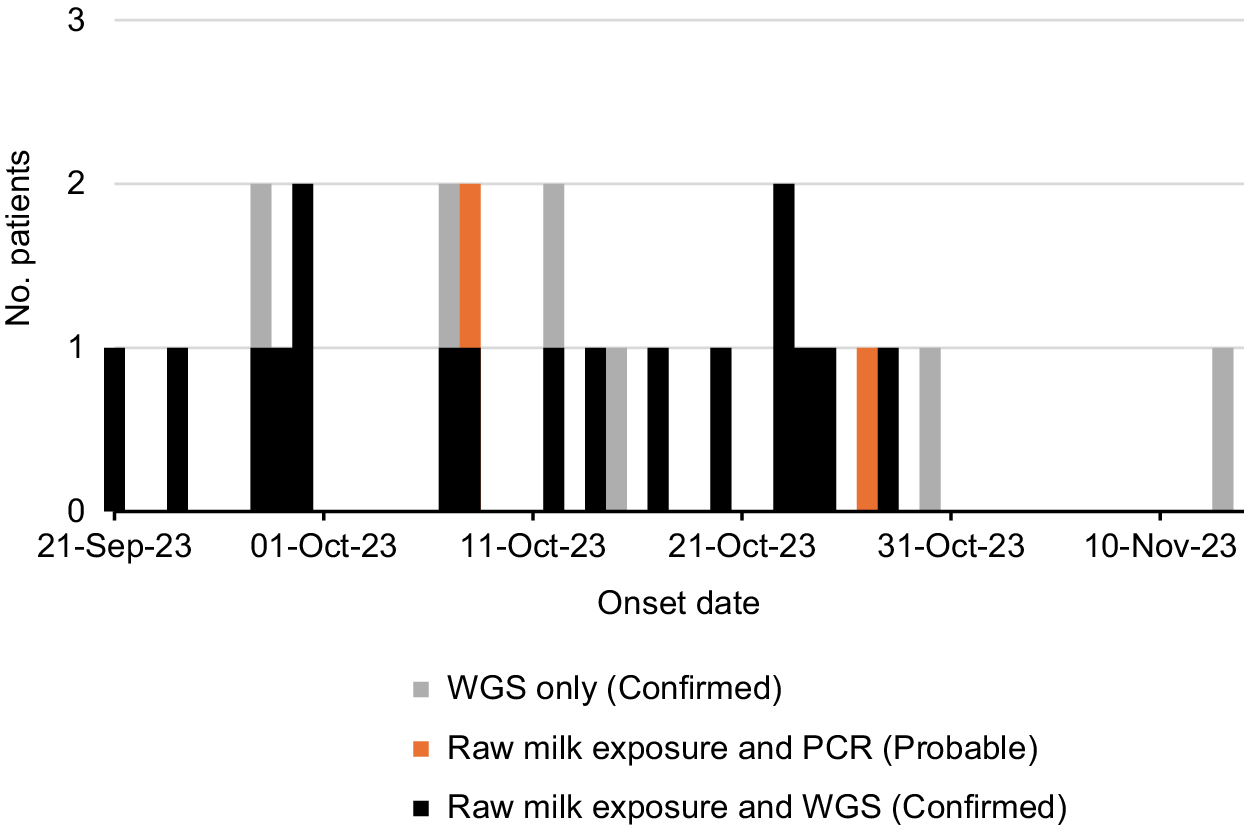
Figure 3. Long description
The y-axis is labeled No. patients with increments from 0 to 3. The x-axis is labeled Onset date with major ticks for 21-Sep-23, 01-Oct-23, 11-Oct-23, 21-Oct-23, 31-Oct-23, and 10-Nov-23.
The legend identifies three categories:
* Gray bars: W G S only Confirmed.
* Orange bars: Raw milk exposure and P C R Probable.
* Black bars: Raw milk exposure and W G S Confirmed.
Data distribution from left to right:
* Late September: Single black bars appear on Sep 21 and Sep 24. A cluster around Sep 28-30 shows a peak of 2 cases, including one gray and one black bar.
* Early October: A peak of 2 cases occurs on Oct 7 with one black and one orange bar. Another peak of 2 cases occurs on Oct 12 with one black and one gray bar.
* Mid to Late October: Sporadic single black bars occur between Oct 14 and Oct 21. A peak of 2 black bars occurs on Oct 23. A single orange bar appears on Oct 27.
* Late October to November: Single gray bars appear on Oct 30 and Nov 13.
The overall trend shows a sporadic distribution of cases with small clusters of 2 patients occurring roughly every 5 to 10 days through October.
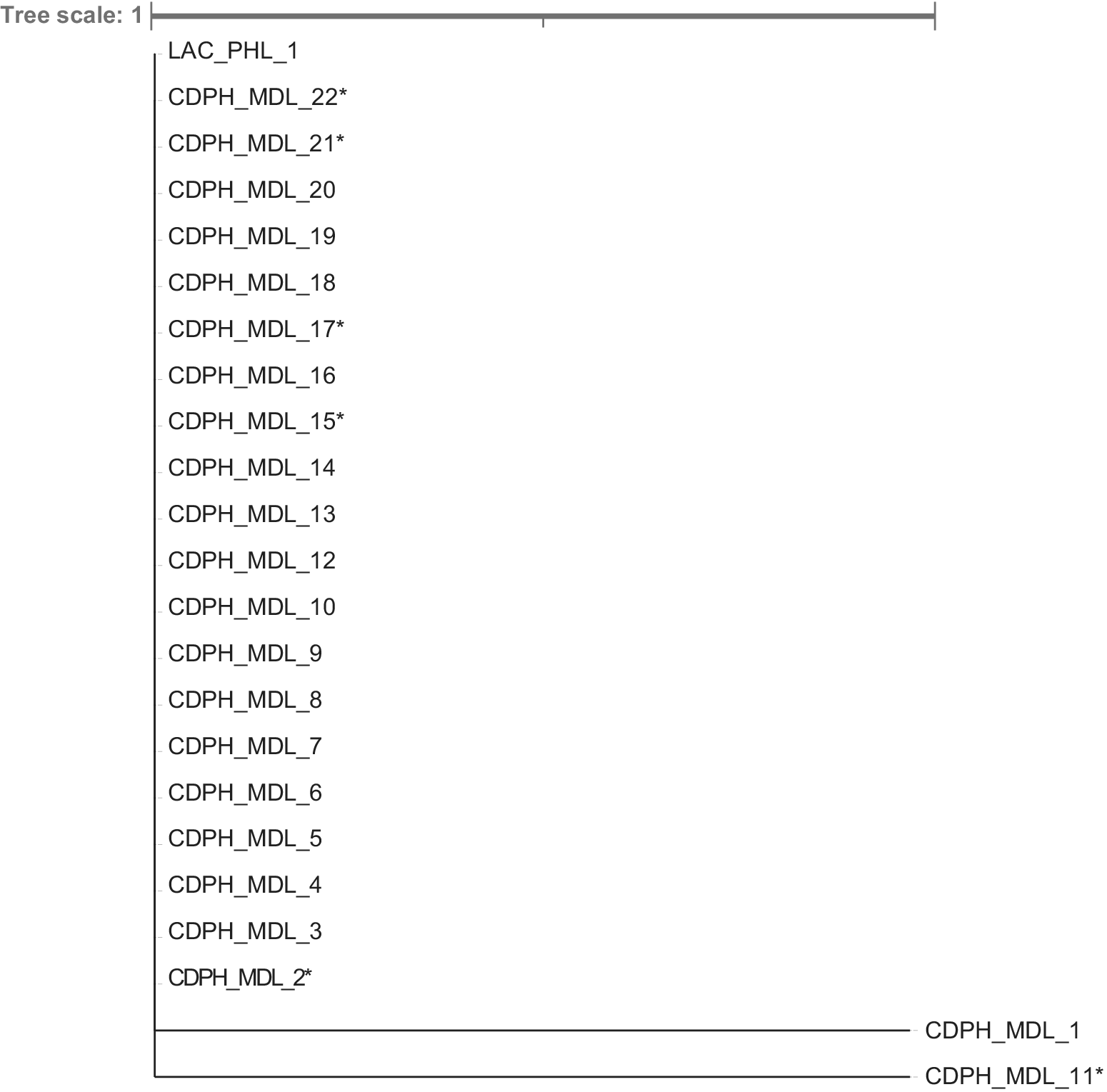
Dendrogram of core genome multilocus sequence typing (cgMLST) results for Salmonella isolates from San Diego County (N = 23) associated with unpasteurized dairy. The six Salmonella isolates indicated with an * were linked to this outbreak by WGS and did not report consumption of Farm A unpasteurized dairy products. The tree was generated by using BioNumerics version 7.6 and visualized using the interactive tree of life [13, 14]. Prepared by County of San Diego Health and Human Services Agency.
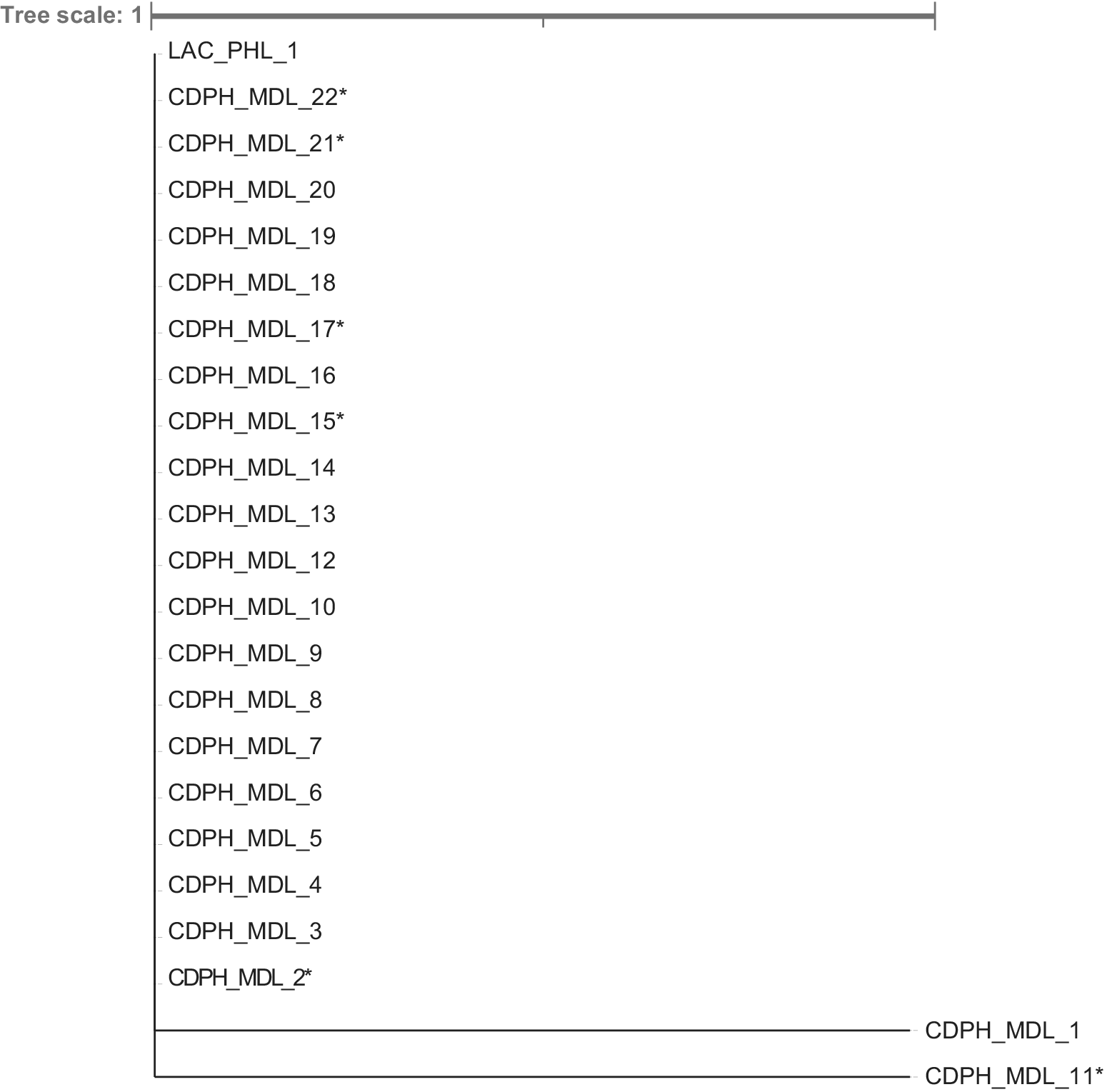
Figure 4. Long description
A phylogenetic tree diagram with a scale bar at the top indicating a tree scale of 1. The diagram consists of a vertical line on the left from which horizontal branches extend to the right to label specific isolates.
Twenty-one isolates are clustered together at the top with zero branch length, indicating identical or near-identical c g M L S T profiles. These are listed from top to bottom as:
* L A C underscore P H L underscore 1
* C D P H underscore M D L underscore 22 asterisk
* C D P H underscore M D L underscore 21 asterisk
* C D P H underscore M D L underscore 20
* C D P H underscore M D L underscore 19
* C D P H underscore M D L underscore 18
* C D P H underscore M D L underscore 17 asterisk
* C D P H underscore M D L underscore 16
* C D P H underscore M D L underscore 15 asterisk
* C D P H underscore M D L underscore 14
* C D P H underscore M D L underscore 13
* C D P H underscore M D L underscore 12
* C D P H underscore M D L underscore 10
* C D P H underscore M D L underscore 9
* C D P H underscore M D L underscore 8
* C D P H underscore M D L underscore 7
* C D P H underscore M D L underscore 6
* C D P H underscore M D L underscore 5
* C D P H underscore M D L underscore 4
* C D P H underscore M D L underscore 3
* C D P H underscore M D L underscore 2 asterisk
At the bottom of the tree, two isolates are separated by long horizontal branches, indicating greater genetic distance from the main cluster. These are:
* C D P H underscore M D L underscore 1
* C D P H underscore M D L underscore 11 asterisk
Environmental public health actions
One week after the start of the outbreak investigation, Farm A’s raw milk and raw heavy cream were recalled. CoSD issued an updated media release to San Diego County residents sharing the recall information and best-by dates 11 October–6 November 2023 and directing readers to CDPH’s online California Food Recall Information Sheet for specific product identification numbers and the retailer distribution list. The media release also included the updated count of infected patients and restated the risks for unpasteurized dairy product consumption [Reference Saunders15]. Retailers were notified that nonrecalled Farm A products could be released from the pull-and-hold request. Production resumed on 31 October 2023.
Environmental results
The sample of implicated product collected from one infected patient in COSD tested negative for Salmonella. Samples of unpasteurized dairy products, including unpasteurized milk, collected by CDFA from Farm A on 19 October and 25 October 2023, were found to be positive for S. Typhimurium, matching the outbreak strain by WGS. As part of the larger cluster investigation by CDPH, CDPH FDB collected environmental samples of Farm A’s unpasteurized dairy products from vendors. One of these samples of unpasteurized milk tested positive for S. Typhimurium.
Discussion
In October 2023, CoSD identified this outbreak of salmonellosis among persons consuming Farm A’s unpasteurized dairy products. CoSD released early advisories warning of Farm A-associated risks, which might have prevented additional infections. These advisories recommended that individuals follow up with their healthcare providers if they became symptomatic. Throughout the outbreak response, strong collaboration between epidemiologic, environmental health, and laboratory partners enabled prompt partner notifications, timely communication with local Farm A unpasteurized dairy product vendors, and product collection and testing from retailers and an infected person. The prompt communication and collaborative response are evident by the limited time that elapsed from initiation of the outbreak investigation on 18 October to issuance of the producer’s voluntary recall on 24 October.
WGS results enabled further identification of cases who did not report consumption of Farm A unpasteurized dairy products. Identification of cases was particularly important during this outbreak investigation because of the multiple retailers distributing Farm A’s unpasteurized dairy products (Figure 3) throughout California. Additionally, WGS results from this outbreak investigation matched results from a cluster already under investigation by CDPH related to Farm A unpasteurized milk. Use of WGS methods allows for comparison of clusters of infection over time and across jurisdictions by indicating genetic relatedness. WGS can be used for creating sensitive and specific case definitions and for identifying linkages to an implicated source of infection [Reference Ken16].
Before this outbreak, CDFA had announced two food recalls in 2023 linked to unpasteurized dairy products produced by Farm A, a company located in Fresno County, California [17, 18]. The first recall occurred after the detection of Campylobacter jejuni and was for Farm A raw whole milk with the best-by date of 5 May 2023 [17]. The second recall was for Farm A raw cheddar cheese with the best-by date of 16 March 2024, which occurred after Salmonella detection and was announced on 1 August 2023 [18]. After the outbreak in 2024, Farm A issued a voluntary recall of raw cheddar cheese, lasting from 16 February 2024 to 23 February 2024, linked to a multistate E. coli O157:H7 outbreak [19]. In November 2024, CDPH shared voluntary recalls of two Farm A cream top, whole raw milk lots with best-by dates of 27 November 2024 and 7 December 2024, as a result of bird flu virus detection [20, 21]. When asked about prevention efforts against illnesses linked to unpasteurized dairy consumption, state health and agriculture department respondents indicated the need for further prevention resources and education materials [Reference Alban22].
Although CoSD responded promptly and used strong partner collaborations, infected San Diego County patients continued to be identified through January 2024. Illness onset dates ranged from 21 September 2023 to 13 November 2023. Based on the information available on 19 October, grocery vendors were asked to voluntarily pull and hold Farm A unpasteurized dairy products. After Farm A’s voluntary recall of raw milk and raw heavy cream on 24 October, retailers were updated that non-recalled products could be released from the pull-and-hold request. Production resumed 1 week after the recall. Infected patients may have continued to be identified after the voluntary recall due to potential gaps in risk communication or secondary patients.
In total, 25 patients from San Diego County were identified and linked to this Salmonella outbreak, with 76% reporting exposure to Farm A unpasteurized dairy products. Children are at an increased risk of Salmonella infection and severe illness. In this outbreak, the three patients requiring hospitalization were children. During this investigation, at-risk groups for severe illness were important to identify for prevention and focused messaging about the risk of consuming unpasteurized products.
Timely public advisories may be helpful when investigating a salmonellosis outbreak to prevent additional exposures after epidemiologic data have implicated a product associated with illness. Additionally, prevention and education with a focus on risk communication aimed at persons at an increased risk for severe illness can help minimize future outbreaks linked to unpasteurized dairy products. In California, educating consumers to look for the warning label included on all unpasteurized dairy products may increase awareness and alert them to the risk of harmful bacterial exposure.
Data availability statement
All serotype and WGS data have been submitted to NCBI. All NCBI Accession numbers, Sequence Read Archive run identification numbers (SRR ID), and whole-genome sequencing identification numbers (WGS ID) are listed in Table 2.
Acknowledgements
We acknowledge persons involved in routine enteric surveillance, case investigation, unpasteurized dairy product sample and stool specimen collection and testing, and communications; CoSD EISB for their prompt identification of a common exposure and case interviews; CoSD DEHQ for retailer communication and product sample collection; CoSD PHL for isolate collection and routing; LACPHL and CDPH MDL for serotyping, WGS testing, and submitting Salmonella isolate results from San Diego County associated with the consumption of unpasteurized milk to NCBI; and CDPH Infectious Diseases Branch, CDPH Food and Drug Branch, and CDFA for their collaboration and communications. CDPH MDL sequencing was supported by the Epidemiology and Laboratory Capacity for Infectious Diseases cooperative agreement CK19-1904NU5CK000539 from the CDC.
Author contribution
Data curation: A.M., A.E.K., H.W., M.P.; Investigation: A.L.M., E.A., H.B., J.C., M.V., P.T., P.S., R.J., S.S., V.H., A.K., W.E.B., S.S.; Formal analysis: N.R.
Competing interests
None.

 Open access

