

Introduction
Over the past decades, happiness at work has evolved into a central concept in contemporary organisational management, recognised not only for its influence on personal well-being and workplace productivity but also as a strategic and ethical priority for organisations (Fisher, Reference Fisher2010; Martínez-Falcó, Sánchez-García, Marco-Lajara & Millán-Tudela, Reference Martínez-Falcó, Sánchez-García, Marco-Lajara and Millán-Tudela2024). This multifaceted construct integrates dimensions such as personal satisfaction, motivation, commitment, and a sense of purpose, further reflecting the growing need to transform workplaces into more humane and productive environments (Mousa & Chaouali, Reference Mousa and Chaouali2022). Within a global context characterised by disruptive technologies, shifting work dynamics, and increased attention to employees’ psychological well-being, workplace happiness has emerged as a strategic component of organisational sustainability and competitiveness (Ludviga & Kalvina, Reference Ludviga and Kalvina2024). The rapid digitalisation of work processes, the rise of automation, and the widespread adoption of hybrid and remote work models have reshaped employees’ interactions, expectations, and sources of meaning at work (Martínez-Arvizu, Salazar-Altamirano, Galván-Vela, Anaya-Aguilar & Anaya-Aguilar, Reference Martínez-Arvizu, Salazar-Altamirano, Galván-Vela, Anaya-Aguilar and Anaya-Aguilar2025). These transformations have intensified psychosocial risks such as digital fatigue, isolation, and loss of belonging, reinforcing the need to promote happiness and well-being to sustain engagement, creativity, and organisational resilience in technology-driven environments.
This approach also responds to ethical and social demands while aligning with the United Nations Sustainable Development Goals (SDGs), particularly SDG 8, which advocates for decent work and sustainable economic growth (Kreinin & Aigner, Reference Kreinin and Aigner2022). From this perspective, workplace happiness can play a crucial role in organisational strategies aimed at supporting employee well-being while contributing to global sustainability and social justice targets (Kocollari, Cavicchioli & Demaria, Reference Kocollari, Cavicchioli and Demaria2023). The convergence of organisational goals and societal priorities thus underscores the relevance of this topic in contemporary management discourse.
Interest in workplace happiness has emerged in response to tangible organisational and societal challenges, rather than as a passing trend. A growing body of evidence links employee well-being to performance, innovation, and sustainable development across organisations (Martínez-Falcó et al., Reference Martínez-Falcó, Sánchez-García, Marco-Lajara and Millán-Tudela2024). Recent research confirms its positive effects on organisational outcomes. For example, Sender, Carvalho and Guedes (Reference Sender, Carvalho and Guedes2021) found that happy employees tend to be more productive, exhibit a lower risk of burnout, and demonstrate greater commitment to organisational goals. Similarly, Cruz, Dias, Pereira, Costa and Gonçalves (Reference Cruz, Dias, Pereira, Costa and Gonçalves2025) report that workplace happiness enhances employees’ willingness to remain in their roles. Villena, García-Segura and Pellicer (Reference Villena, García-Segura and Pellicer2024) observed that workplace happiness contributes to improved communication, trust among team members, and overall workforce satisfaction. Moreover, resilience has been identified as influencing performance indirectly through its positive effects on well-being, supporting the centrality of workplace happiness in organisational success (Cantante-Rodrigues, Lopes, Sabino, Pimentel & Dias, Reference Cantante-Rodrigues, Lopes, Sabino, Pimentel and Dias2021).
Despite its recognised contribution to favourable organisational outcomes and employees’ holistic development, theoretical and methodological challenges persist in measuring workplace happiness. Holistic development refers to the enhancement of employees’ emotional, social, and professional capacities, encompassing both personal well-being and their ability to contribute meaningfully to organisational objectives (Salas-Vallina et al., Reference Salas-Vallina, Pasamar and Donate2021; Seligman, Reference Seligman2011). In this regard, Salas-Vallina et al. (2021) argue that existing happiness scales do not adequately capture workplace happiness, as they frequently assess only narrow indicators of positive attitudes. The lack of universally accepted instruments limits both academic advancement and the development of effective interventions (Fitriana, Hutagalung, Awang & Zaid, Reference Fitriana, Hutagalung, Awang and Zaid2022; Salas-Vallina & Alegre, Reference Salas-Vallina and Alegre2018).
Although numerous tools have been developed to assess happiness and well-being, and although various integrative models addressing workplace well-being have been proposed, a widely accepted and psychometrically robust instrument that conceptualises and operationalises workplace happiness as a multidimensional construct is still lacking. Existing measures often focus on specific components such as affect, satisfaction, or engagement, overlooking the integration of hedonic (emotional) and eudaimonic (meaning- and purpose-related) dimensions with organisational and relational conditions. This fragmentation has led to inconsistent measurement approaches, limited cross-cultural applicability, and an incomplete understanding of how workplace happiness emerges from the interaction of individual experiences and structural factors. Addressing this gap requires the development of a comprehensive, theoretically grounded, and empirically validated instrument capable of capturing the complex and context-dependent nature of workplace happiness (Neagu & Vieriu, Reference Neagu and Vieriu2025).
The conceptual roots of workplace happiness can be partially traced back to Elton Mayo’s research, which highlighted the importance of social and emotional factors in job performance (Sanders, Reference Sanders and Szabla2021). More recently, Seligman’s PERMA model broadened this perspective by identifying five fundamental pillars of well-being: positive emotions, engagement, positive relationships, meaning, and accomplishments (Makhmur & Rath, Reference Makhmur and Rath2022; Muñiz-Velázquez, Frade, Delmar, Alcaide-Pulido & Del Toro, Reference Muñiz-Velázquez, Frade, Delmar, Alcaide-Pulido and Del Toro2022). These frameworks have laid the groundwork for understanding the interplay between intrapersonal and organisational factors in fostering workplace happiness. However, instruments derived from these models have shown limitations in terms of practical applicability and adaptability across diverse cultural and organisational contexts (Espasandín-Bustelo, Ganaza-Vargas & Díaz-Carrión, Reference Espasandín-Bustelo, Ganaza-Vargas and Díaz-Carrión2020; Ravina-Ripoll, Galván-Vela, Sorzano-Rodríguez & Ruíz-Corrales, Reference Ravina-Ripoll, Galván-Vela, Sorzano-Rodríguez and Ruíz-Corrales2022).
Accordingly, developing an instrument that comprehensively captures the multidimensional nature of workplace happiness represents an opportunity to advance both research and practice (Jaswal, Sharma, Bhardwaj & Kraus, Reference Jaswal, Sharma, Bhardwaj and Kraus2024). Based on this premise, the main objective of this study is to design and psychometrically validate an instrument that integrates key dimensions of workplace happiness, drawing on cutting-edge theoretical and methodological perspectives. To achieve this, the study undertakes the conceptualisation and operationalisation of workplace happiness, the development of specific items, expert content validation, exploratory factor analysis (EFA), confirmatory factor analysis (CFA), and the assessment of reliability using Cronbach’s alpha. Ultimately, the research provides robust preliminary psychometric evidence supporting a comprehensive and accurate measurement of workplace happiness.
Literature review
Happiness at work
Happiness at work is conceptualised as a subjective state that combines positive emotions, personal satisfaction, and a sense of purpose derived from work performance (Bartels, Peterson & Reina, Reference Bartels, Peterson and Reina2019; Fisher, Reference Fisher2010; Salas-Vallina & Alegre, Reference Salas-Vallina and Alegre2018; Søren & Ryff, Reference Søren and Ryff2023). The term ‘happiness’ is used in this study instead of ‘well-being’ to emphasise the subjective and experiential nature of positive states within the workplace context. While well-being represents a broad, multidimensional construct encompassing emotional, psychological, and social functioning, happiness highlights its immediate and perceptual expression, aligning more closely with how employees experience and evaluate their work lives (Diener, Lucas & Scollon, Reference Diener, Lucas and Scollon2009; Fisher, Reference Fisher2010). In organisational research, the construct of happiness at work operationalises well-being by integrating affective, relational, and purpose-driven experiences, thus providing a pragmatic and context-sensitive framework for empirical assessment (Salas-Vallina & Alegre, Reference Salas-Vallina and Alegre2018; Søren & Ryff, Reference Søren and Ryff2023).
While workplace happiness and job satisfaction are often used interchangeably, they represent conceptually distinct constructs. Job satisfaction refers to an individual’s affective evaluation of their job conditions and outcomes (Locke, Reference Locke and Dunnette1976), whereas workplace happiness is a broader and more comprehensive construct that integrates emotional, social, and organisational dimensions of well-being (Salas-Vallina & Alegre, Reference Salas-Vallina and Alegre2018). In this study, job satisfaction is considered a potential consequence of workplace happiness rather than a synonymous concept. This distinction is particularly relevant for understanding how happiness at work encompasses not only affective evaluations but also meaning, purpose, and relational experiences within organisational contexts.
This multifaceted phenomenon encompasses emotional, social, and organisational dimensions that interact to shape individuals’ workplace experiences while significantly impacting key organisational outcomes (Salazar-Altamirano, Galván-Vela, Ravina-Ripoll & Bello-Campuzano, Reference Salazar-Altamirano, Galván-Vela, Ravina-Ripoll and Bello-Campuzano2024). However, despite its relevance, significant challenges persist regarding its measurement and conceptualisation (Sender et al., Reference Sender, Carvalho and Guedes2021; Sender, Nobre, Armagan & Fleck, Reference Sender, Nobre, Armagan and Fleck2022).
Within this framework, the literature on happiness at work reveals various scales with specific approaches and dimensions. While these tools reflect theoretical richness and methodological diversity, this same diversity also poses significant challenges to adopting a universal instrument. Because each scale operationalises workplace happiness through different theoretical lenses – some focusing on affective states, others on engagement, satisfaction, or meaning – there is no shared conceptual or psychometric framework that ensures comparability across contexts. Consequently, the lack of shared dimensions and validated cross-cultural equivalence limits their practical applicability in diverse organisational environments, where contextual and cultural factors strongly influence employees’ perceptions of happiness at work (Charles-Leija, Castro, Toledo & Ballesteros-Valdés, Reference Charles-Leija, Castro, Toledo and Ballesteros-Valdés2023; Fisher, Reference Fisher2010; Salas-Vallina & Alegre, Reference Salas-Vallina and Alegre2018).
Table 1 summarises the main instruments developed to measure workplace happiness and well-being, highlighting their authorship, characteristics, and key limitations. To ensure a comprehensive overview, Table 1 also includes instruments that capture the meaningfulness and psychological richness of work experiences, such as the Work and Meaning Inventory (WAMI; Steger, Dik & Duffy, Reference Steger, Dik and Duffy2012) and the Psychologically Rich Work Life Scale (Zacher & Baumeister, Reference Zacher and Baumeister2024). These instruments contribute to the understanding of the eudaimonic dimension of workplace happiness.
Commonly used scales for measuring workplace happiness

Note: The table summarizes the most widely used scales to assess happiness and well-being in organizational contexts. Although each instrument contributes valuable insights, most present conceptual or contextual limitations that restrict their ability to capture the multidimensional and context-dependent nature of workplace happiness. These limitations justify the need for a comprehensive and integrative measure that incorporates emotional, organizational, and social dimensions, as proposed in this study.
Note prepared by the authors based on the reviewed literature.
a The UWES is included for theoretical comparison only, as engagement is conceptualised as an outcome rather than a direct indicator of workplace happiness.
It is important to note that the Utrecht Work Engagement Scale (UWES; Schaufeli, Salanova, González-Romá & Bakker, Reference Schaufeli, Salanova, González-Romá and Bakker2002) was retained for comparative purposes only, as engagement is generally regarded as an outcome of well-being rather than a direct indicator of happiness at work (Bakker & Oerlemans, Reference Bakker and Oerlemans2016). In contrast, instruments that assess negative affective states, such as the Maslach Burnout Inventory or Burnout Assessment Tool, were not included, as they extend beyond the positive psychology framework that guides this study.
Despite the wide variety of instruments developed to assess happiness and well-being, most present conceptual or contextual limitations that restrict their applicability across organisational settings. As summarised in Table 1, existing scales tend to emphasize either affective experiences, job satisfaction, or engagement, without capturing the full spectrum of workplace happiness that arises from the interaction between emotional, social, and structural conditions. Moreover, although several integrative models of workplace well-being have been proposed, there is still no widely accepted, psychometrically robust instrument that captures workplace happiness within a coherent and comparable framework across contexts. Only a few instruments integrate the hedonic and eudaimonic perspectives of well-being into a single, coherent, and measurable framework applicable to diverse cultural and occupational contexts.
Under these circumstances, one of the main challenges in studying workplace happiness lies not in its theoretical definition – now widely recognised as comprising both hedonic and eudaimonic facets (Ryan & Deci, Reference Ryan and Deci2001; Sonnentag, Reference Sonnentag2015; Sonnentag, Tay & Shoshan, Reference Sonnentag, Tay and Shoshan2023) – but rather in its operationalisation and contextual adaptation within organisational settings. The literature offers multiple approaches to identifying positive emotions, meaning at work, and work–life balance (Salas-Vallina & Alegre, Reference Salas-Vallina and Alegre2018); however, these perspectives, while valuable, often remain fragmented and do not yet converge into a single, consensual framework that enables consistent and valid measurement across different organisational and cultural contexts (Charles-Leija et al., Reference Charles-Leija, Castro, Toledo and Ballesteros-Valdés2023). This theoretical and methodological gap limits researchers’ ability to generate robust evidence and organisations’ capacity to design effective interventions to promote workplace happiness.
In response to these limitations, this study proposes a multidimensional and integrative model of workplace happiness that combines emotional well-being, meaningful work, supportive and fair working conditions, and social relationships as interdependent dimensions. This integrative approach bridges affective and organisational perspectives, advances theoretical clarity, and aligns the measurement of workplace happiness with sustainable management principles and the United Nations Sustainable Development Goal 8 (Decent Work and Economic Growth).
To reinforce the theoretical foundation of this model, recent developments in the field of well-being have distinguished between two complementary dimensions: the hedonic and the eudaimonic perspectives. The hedonic approach focuses on the presence of pleasure, satisfaction, and positive affect, whereas the eudaimonic perspective emphasises meaning, purpose, and self-realisation (Huta & Waterman, Reference Huta and Waterman2014; Ryan & Deci, Reference Ryan and Deci2001). Contemporary research recognises that both dimensions are interconnected and essential to understanding workplace happiness (Martela & Sheldon, Reference Martela and Sheldon2019). Accordingly, this study conceptualises workplace happiness as an integrated construct that encompasses both facets: hedonic components reflected in emotional well-being and work–life balance, and eudaimonic components represented by meaningful work and social relationships. This integration aligns with recent empirical findings that link both aspects of well-being to positive organisational outcomes such as engagement, creativity, and resilience (Salas-Vallina, Alegre & Fernández, Reference Salas-Vallina, Alegre and Fernández2017) and is consistent with the principles of Seligman’s PERMA model (Seligman, Reference Seligman2011), while extending its scope by incorporating contextual and structural aspects of the workplace.
The challenge of conceptualising and measuring workplace happiness becomes even more complex due to the interaction between emotional and organisational factors (Aboramadan & Kundi, Reference Aboramadan and Kundi2022). For example, studies such as those by Alameeri, Alshurideh, Kurdi and Salloum (Reference Alameeri, Alshurideh, Kurdi and Salloum2020) highlight the importance of adequate working conditions, such as a safe and fair environment, and satisfactory social relationships, characterised by mutual respect and support, in promoting workplace happiness. Additionally, the balance between work demands and personal needs has been identified as essential in ensuring employees’ emotional and physical sustainability (Bakar, Reference Bakar2024).
Other recent contributions have advanced the measurement of specific dimensions of workplace well-being, such as the WAMI (Steger et al., Reference Steger, Dik and Duffy2012), which focuses on the eudaimonic facet of meaningful work, and the Psychologically Rich Working Life scale (Zacher & Baumeister, Reference Zacher and Baumeister2024), which explores cognitive variety and experiential richness at work. While these instruments offer valuable insights into aspects of well-being, they do not fully capture the comprehensive and integrative nature of workplace happiness, which encompasses not only affective and meaning-related experiences but also the subjectively perceived organisational and relational conditions that sustain them. The present study addresses this gap by proposing a multidimensional measure that unites emotional, social, and structural components within a single theoretical and psychometric framework.
Table 2 presents the constitutive elements of workplace happiness derived from the reviewed literature to exemplify these perspectives. These elements served as a foundation for proposing a definition of the construct that integrates emotional, social, and organisational dimensions. This table organises the key components of the concept and the references that support them, providing a solid basis for theoretical and practical analysis.
Constitutive elements of workplace happiness

Source: Own elaboration based on the reviewed literature.
This table organises the key components of the concept and the references that support them, providing a solid basis for theoretical and practical analysis. Based on the synthesis of the elements presented in this research, workplace happiness is defined as:
The extent to which an individual experiences positive emotions, personal satisfaction, and a sense of purpose derived from their employment, in interaction with the perceived adequacy of working conditions and the perceived quality of social relationships at work.
This definition explicitly integrates both hedonic aspects of well-being (positive emotions and personal satisfaction) and eudaimonic components (sense of purpose and fulfilling relationships), reflecting the dual nature of human flourishing at work (Martela & Sheldon, Reference Martela and Sheldon2019; Ryan & Deci, Reference Ryan and Deci2001). Crucially, it emphasises that workplace happiness refers to a subjective psychological state grounded in employees’ perceptions of their working conditions and social relationships, rather than to objective characteristics of the job. The proposed concept also includes employees’ interpretations of organisational and cultural factors and their perceived balance between work and personal demands. Furthermore, it seeks to bridge the theoretical and practical dimensions of workplace happiness, strengthening the conceptual framework of this study.
Literature indicates the need to operationalise workplace happiness by integrating its dimensions for consistent and valid measurement (Salas-Vallina & Alegre, Reference Salas-Vallina and Alegre2018). According to Cramer and Howitt (Reference Cramer and Howitt2004), operationalisation is a critical step in the social research process, as it allows abstract concepts to be translated into observable indicators, ensuring coherence between theoretical design and data collection.
Thus, by deconstructing the concept and analysing the probable dimensions of workplace happiness, a single model was proposed that incorporates key dimensions such as emotional well-being, meaningful work, supportive and fair working conditions, social relationships, and work–life balance.
Emotional and personal well-being relates to positive emotions and emotional satisfaction at work, aspects highlighted by Diener et al. (Reference Diener, Lucas and Scollon2009) and Fisher (Reference Fisher2010). These studies underscore how positive experiences during the workday and intrinsic motivation influence employees’ overall well-being. Meanwhile, Charles-Leija et al. (Reference Charles-Leija, Castro, Toledo and Ballesteros-Valdés2023) and Fisher (Reference Fisher2010) identified the meaning of work as a key component, emphasising the and retention intentions. importance of a clear purpose and alignment with personal values in fostering organisational commitment and retention intentions.
Fair working conditions, highlighted by Monkevičius (Reference Monkevičius2014), underscore the importance of a safe and equitable environment where aspects such as fair pay and access to necessary resources are prioritised. Satisfactory social relationships have been explored by Waltz (Reference Waltz1986) and Fisher (Reference Fisher2010), who stress the importance of mutual support and recognition in the workplace for promoting emotional well-being. Lastly, the balance between work and personal life has been studied by Bakar (Reference Bakar2024) and Diener et al. (Reference Diener, Lucas and Scollon2009), who demonstrate that proper management of work and personal demands is essential for happiness and employees’ mental health.
Table 3 synthesises the proposed dimensions for measuring workplace happiness. It presents specific indicators that allow abstract concepts to be translated into measurable and adaptable items for various contexts. It ensures the instrument faithfully reflects the underlying theories and is culturally relevant and applicable across different sectors and regions.
Operationalisation of the construct of workplace happiness

Note: Adapted from the reviewed literature.
The proposed model aims to facilitate the assessment of workplace happiness through a structured and multidimensional approach. Each dimension includes specific indicators that capture emotional and social factors, as well as essential organisational conditions. Furthermore, the items were designed to be straightforward and adaptable to different cultural contexts, ensuring their applicability across diverse work environments.
Methodology
This study employs a quantitative research approach aimed at developing and validating an instrument for the comprehensive and context-sensitive assessment of workplace happiness. The methodological process was structured into three sequential stages: (a) an extensive literature review to identify the core dimensions of the construct, as outlined in the previous section; (b) content validation through expert judgement; and (c) a pilot test to examine the instrument’s psychometric properties, including factorial structure and internal consistency. This procedure ensured theoretical alignment and empirical robustness, in accordance with established psychometric guidelines for scale development and validation, such as DeVellis (Reference DeVellis2016) and Kline (Reference Kline2015).
Content validation through expert judgement
Content validation through expert judgement constitutes a crucial step in the development of measurement instruments, as it assesses the quality, clarity, and theoretical relevance of scale items using the specialised knowledge of qualified professionals. Following Lawshe (Reference Lawshe1975) and Lynn (Reference Lynn1986), this process guarantees that the items are representative of the construct and appropriately operationalise the theoretical dimensions established in the conceptual model, thereby strengthening content validity.
The initial pool of items was generated through a rigorous review of literature on workplace happiness, well-being, and related constructs – including job satisfaction, engagement, and meaningful work (Fisher, Reference Fisher2010; Salas-Vallina & Alegre, Reference Salas-Vallina and Alegre2018; Steger et al., Reference Steger, Dik and Duffy2012). From this process, a preliminary set of 35 items was developed, each aligned with one of the four dimensions identified in the theoretical framework: emotional well-being, meaningful work, fair working conditions, and social relationships.
Subsequently, the research team, in collaboration with three organisational psychology specialists, conducted an internal refinement process to review redundancy, clarity, and theoretical relevance. This review resulted in a reduced and more precise set of 20 items For expert details, see Appendix Table A1. Illustrative examples include: ‘My work makes me feel good about myself’ (emotional well-being) and ‘I feel that my work contributes positively to my community and colleagues’ (meaningful work).
Thereafter, the panel of experts assessed each item using Lawshe’s (Reference Lawshe1975) quantitative content validity ratio methodology to determine its essentiality and conceptual coherence. The feedback received led to adjustments in wording to improve accuracy, eliminate ambiguities, and ensure alignment with the theoretical definitions. This refinement process provided a strong foundation for the subsequent pilot testing and psychometric validation of the instrument.
Participants
Participants in this stage were selected according to rigorous eligibility criteria, encompassing their academic qualifications, professional experience, and recognised expertise in workplace well-being and organisational behaviour. Consistent with Lynn’s (Reference Lynn1986) recommendations, the selection process emphasised the experts’ ability to provide impartial, evidence-based, and theoretically informed judgements, thereby ensuring the robustness and relevance of the content validation procedure.
A total of seven experts participated in the evaluation. All were widely acknowledged for their contributions to the field of workplace happiness and well-being management. The panel comprised individuals with advanced postgraduate degrees, extensive scholarly publications, and leadership experience in professional and non-profit organisations dedicated to promoting employee well-being and advancing human-centred management practices. Their involvement was essential to guarantee an informed and comprehensive assessment of the proposed items and to strengthen the instrument’s content validity (see Annex 1).
Instrument
The validation questionnaire, entitled Observation Guide for Instrument Validation, was designed to assess the quality and relevance of the proposed items for measuring workplace happiness. The guide consisted of 20 items – previously detailed in earlier sections – evaluated across four content validation criteria: sufficiency, clarity, coherence, and relevance. Each criterion was rated using a four-point Likert-type scale ranging from 1 (low) to 4 (high), as recommended by Lynn (Reference Lynn1986).
Experts received a comprehensive evaluation package, which included:
a. the objectives of the research;
b. detailed definitions of the evaluation criteria;
c. clear procedural instructions;
d. an operationalisation matrix specifying the theoretical dimensions; and
e. the items organised according to their respective conceptual domains.
In addition to the quantitative ratings, the questionnaire incorporated specific prompts to evaluate essential psychometric characteristics such as internal coherence, absence of bias, suitability for the target population (employees), and the conceptual alignment of each item with the construct. To facilitate richer content refinement, an open-ended section invited qualitative comments and suggestions for improvement.
The instrument was explicitly designed for use in organisational settings, with the aim of accurately capturing employees’ perceptions of workplace happiness. For transparency and documentation purposes, the questionnaire included a section for experts to record their participation details (name, email address, and signature). This systematic and rigorous procedure reinforced the content validity process, in line with recognised standards in psychometric scale development.
Analysis procedure
The data collected during the expert validation stage were organised using Microsoft Excel 2023 and statistically processed in IBM SPSS Statistics, version 27. To determine the level of agreement among evaluators, Fleiss’ Kappa coefficient was applied, following the recommendations of Hallgren (Reference Hallgren2012), who highlights its suitability for assessing concordance among three or more raters independently evaluating the same items.
Fleiss’ Kappa coefficient is particularly suited for inter-rater studies such as this one, where evaluators assign scores on a scale of 1 to 4 based on criteria like sufficiency, clarity, coherence, and relevance. The interpretation of the coefficients was based on the qualitative classification proposed by Landis and Koch (Reference Landis and Koch1977), a widely accepted benchmark in behavioural and psychometric research. According to this framework, values between 0.61 and 0.80 indicate substantial agreement, while coefficients above 0.81 denote almost perfect agreement. These thresholds provided a robust foundation for evaluating the strength of agreement obtained during content validation.
In addition to the statistical analysis, the qualitative feedback provided by the panel of experts in the comments section was examined independently through a thematic review. This analysis enabled the identification of item-level suggestions regarding wording, clarity, and conceptual alignment, which informed subsequent refinements to enhance the precision and theoretical adequacy of the instrument.
A summary of the reliability thresholds and the corresponding level of agreement criteria applied in this study is presented in Table 4.
Interpretation of Kappa coefficient

Source: Adapted from Landis and Koch (Reference Landis and Koch1977).
Additionally, the qualitative observations provided by the experts in the comments and suggestions section were independently analysed. These contributions helped identify areas for improvement and necessary adjustments to the instrument’s items, ensuring greater precision and conceptual adequacy.
Results
The Fleiss’ Kappa coefficient was used to assess the strength of agreement among the expert judges regarding the quality of the items included in the original version of the instrument. This statistic estimates the extent to which the observed agreement exceeds that expected by chance alone, thereby providing an indicator of the reliability and consistency of expert judgements. The following hypotheses guided the analysis:
H₀: The agreement among judges is no greater than what is expected by chance.
Ha: The agreement among judges is significantly greater than expected by chance.
The results showed high levels of agreement across all dimensions of the instrument. All values were interpreted as substantial or almost perfect according to the qualitative scale proposed by Landis and Koch (Reference Landis and Koch1977), thereby indicating strong inter-rater reliability. Table 5 reports the Fleiss’ Kappa coefficients for each of the 20 items evaluated.
Fleiss’ Kappa coefficient and strength of agreement for each item of the original instrument

Note: Data analysed using SPSS (v.27). Interpretation based on Landis and Koch (Reference Landis and Koch1977).
The item-level results presented in Table 5 offer detailed evidence of content validity, as recommended by Lynn (Reference Lynn1986) and Polit and Beck (Reference Polit and Beck2006). All items demonstrated statistically significant agreement levels, confirming their conceptual and semantic adequacy within the theoretical framework.
To complement this analysis, Fleiss’ Kappa coefficients were also calculated for the evaluation criteria used by experts – clarity, internal consistency, absence of bias, suitability for the target population, and relevance for operationalising the construct. As shown in Table 6, all criteria achieved statistically significant and satisfactory levels of agreement, further supporting the robustness of the content validation process.
Fleiss’ Kappa coefficient and statistical significance for characteristics of the original instrument

Note: Data analysed using SPSS.
These findings lead to the rejection of H₀ and acceptance of Ha, demonstrating that the agreement among judges was significantly greater than that expected by chance for all dimensions and criteria examined.
Additionally, qualitative feedback provided valuable insights for improving the wording of certain items. While no items were removed, minor adjustments were made to four items to enhance precision, clarity, and conceptual alignment. These refinements strengthened the structure and communicative effectiveness of the instrument, ensuring its suitability for organisational application and its ability to accurately capture employees’ perceptions of workplace happiness.
Pilot test
A pilot test was conducted to evaluate the preliminary validity and reliability of the instrument. This phase sought to examine the psychometric behaviour of the items, identify potential weaknesses, and ensure their clarity and suitability prior to large-scale administration. In line with the recommendations of Graziotin, Lenberg, Feldt and Wagner (Reference Graziotin, Lenberg, Feldt and Wagner2021), pilot testing represents a critical step in refining measurement instruments and confirming their correspondence to the underlying theoretical constructs.
During this phase, the Workplace Happiness Instrument comprised 20 items grouped into five conceptual dimensions, with four items per dimension. All items were rated on a five-point Likert scale ranging from 1 (Strongly Disagree) to 5 (Strongly Agree). This scaling approach was adopted based on evidence from Joshi, Kale, Chandel and Pal (Reference Joshi, Kale, Chandel and Pal2015), who emphasise its effectiveness in capturing nuanced subjective perceptions while maintaining response comparability across participants.
Pilot test data (n = 100) were analysed using Jamovi (version 2.3), a statistical software platform recognised for its accessibility and capability to conduct advanced psychometric assessment (Şahin & Aybek, Reference Şahin and Aybek2019). The results provided initial evidence of internal consistency and structural coherence among the proposed dimensions. Minor adjustments to item wording were suggested based on participant feedback; however, no items were removed, and the full set of 20 items was retained for subsequent evaluation. The dimensional structure of the instrument analysed at this stage is presented in Table 7.
Instrument for pilot testing

Note: Instrument developed by the authors based on the validated three-factor model.
The findings from this preliminary analysis provided a solid foundation for the main validation phase, which was carried out with a larger and more heterogeneous sample, as detailed in Section 3.3 (Main Study).
Main study
Following the pilot phase, a main validation study was undertaken to examine the psychometric properties of the refined Workplace Happiness Instrument using a broader and more diverse participant sample. This phase aimed to confirm the factorial structure, assess the reliability of the scale, and provide comprehensive evidence of construct validity. A cross-sectional and quantitative research design was employed, ensuring methodological continuity with the pilot phase while enhancing statistical power and the generalisability of findings.
The validation strategy incorporated both exploratory and confirmatory factor analyses, consistent with best practices for scale development in the social sciences (Hair, Black, Babin & Anderson, Reference Hair, Black, Babin and Anderson2019; Kline, Reference Kline2016). This dual-approach methodology allowed for the rigorous assessment of the multidimensional characteristics of workplace happiness and offered empirical support for the relevance of the construct across varied organisational environments.
Participants and procedure
The main study was conducted with a total of 354 employees from diverse professional sectors, including education, healthcare, commerce, and public administration. Participation was entirely voluntary and anonymous. A non-probabilistic convenience sampling approach was employed to recruit participants through online channels such as WhatsApp and LinkedIn, with the aim of ensuring heterogeneity in professional roles and organisational contexts.
The adequacy of the sample size adhered to factor-analytic recommendations proposed by Hair et al. (Reference Hair, Black, Babin and Anderson2019) and Comrey and Lee (Reference Comrey and Lee2013), who suggest a minimum of 300 observations to support robust structural modelling. Additionally, a priori power analysis was performed using G*Power 3.1 (Faul, Erdfelder, Buchner & Lang, Reference Faul, Erdfelder, Buchner and Lang2009) to estimate the minimum sample required to detect a medium effect size (f 2 = 0.15) with an alpha level of 0.05 and statistical power of 0.95. The analysis indicated that at least 138 participants were required, confirming that the final sample of 354 provided more than sufficient statistical power for both exploratory and confirmatory analyses.
The survey was administered online via Google Forms and was preceded by an informed consent statement outlining the study’s objectives, confidentiality assurances, and the voluntary nature of participation. The questionnaire consisted of a section capturing sociodemographic variables (age, gender, education level, marital status, job role, employment sector, and organisational size), followed by the items of the Workplace Happiness Instrument, rated on a five-point Likert scale (1 = Strongly Disagree, 5 = Strongly Agree).
Table 8 presents the sociodemographic characteristics of the sample, illustrating broad variation across demographic and occupational categories. This diversity contributed to the representativeness and external validity of the findings for evaluating the proposed instrument.
Sociodemographic characteristics of participants

Source: Own elaboration.
Instrument
To assess the psychometric properties of the Workplace Happiness Instrument, both EFA and CFA were conducted. These analyses followed the recommendations of Costello and Osborne (Reference Costello and Osborne2005), who emphasise the importance of combining exploratory and confirmatory techniques to evaluate the underlying factor structure and confirm construct validity in scale development. The EFA was employed to explore the dimensionality of the instrument, while the CFA statistically tested the factor structure identified during the pilot phase.
Internal reliability was examined using Cronbach’s alpha coefficient, which measures the internal consistency of items by determining the proportion of shared variance among them (Nunnally & Bernstein, Reference Nunnally and Bernstein1994). Together, these analytical procedures ensured the robustness and precision of the instrument for its intended application in organisational contexts.
Ethical and methodological rigour guided the development and validation of the instrument. Participant confidentiality, anonymity, and compliance with data protection regulations were upheld throughout the study. Additionally, procedural safeguards were implemented to minimise common method bias, a frequent concern in self-report research. Following Podsakoff, MacKenzie, Lee and Podsakoff (Reference Podsakoff, MacKenzie, Lee and Podsakoff2003), measures included:
a. full anonymity of respondents;
b. clear communication that there were no right or wrong answers;
c. careful use of neutral and unambiguous wording; and
d. random distribution of items across different dimensions to reduce response patterns and evaluation apprehension.
Quality control measures were also applied during data collection, data cleaning, and statistical processing to minimise errors and ensure the consistency of findings. Taken together, these procedures reinforce the validity and reliability of the instrument and ensure that the results reflect the objectives and theoretical assumptions of the study.
Results
Exploratory factor analysis
An EFA was conducted using data from the main study (N = 354) to identify the underlying structure of the instrument and verify the consistency between the empirical results and the theoretical model. The analysis employed maximum likelihood extraction with Oblimin rotation, following the methodological recommendations of Gaskin and Happell (Reference Gaskin and Happell2014) and Costello and Osborne (Reference Costello and Osborne2005). This approach assumes intercorrelated factors, consistent with the multidimensional nature of workplace happiness (Martela & Sheldon, Reference Martela and Sheldon2019; Ryan & Deci, Reference Ryan and Deci2001).
Sampling adequacy was confirmed through the Kaiser–Meyer–Olkin (KMO) index (KMO = 0.886) and Bartlett’s test of sphericity (χ2[45] = 652.4, p < .001), supporting the suitability of the data for factor extraction (Costello & Osborne, Reference Costello and Osborne2005).
The optimal number of factors was determined using complementary criteria: the Kaiser rule (eigenvalues > 1), visual inspection of the scree plot, and parallel analysis (Gorsuch, Reference Gorsuch1983; Horn, Reference Horn1965). The parallel analysis, based on 1,000 random permutations of the data, indicated that only the first three empirical eigenvalues exceeded those generated under random conditions. This convergence strongly supported the retention of a three-factor structure.
From the initial set of 20 items, 10 were retained after removing those with low loadings (<0.40), substantial cross-loadings, or high uniqueness (>0.50), in accordance with established psychometric standards (de Winter, Dodou & Wieringa, Reference de Winter, Dodou and Wieringa2009). The final three-factor solution explained 77.5% of the total variance (see Fig. 1), providing robust evidence of the model’s explanatory power. All retained items displayed standardised loadings above 0.70, confirming strong relationships between the observed variables and their respective latent factors.
Scree plot.

The resulting factors aligned with the proposed theoretical framework:
• Factor 1: Emotional Well-being and Purpose (29.6% of variance).
This dimension captures affective fulfilment, pride, social connection, and perceived meaningful contribution. Items such as ‘My work allows me to contribute to collective well-being’ reflect a culturally grounded perspective on happiness at work, where fulfilment is intertwined with social impact – consistent with collectivist orientations (Hofstede, Reference Hofstede1980, Reference Hofstede2001).
• Factor 2: Work–Life Balance (25.1% of variance).
This factor reflects employees’ perceptions of temporal balance, respect for personal boundaries, and physical well-being.
• Factor 3: Work Relationships and Support (22.8% of variance).
This dimension comprises collaboration, interpersonal trust, and supportive team dynamics.
Together, these factors represent the emotional, organisational, and relational foundations of workplace happiness. Figure 1 presents the three-factor model derived from the EFA.
Table 9 summarises factor loadings, uniqueness values, and sampling adequacy indices for each item, demonstrating a stable and psychometrically sound structure across the dimensions.
Exploratory factor analysis with N = 354

Note: Data analysed using Jamovi (version 2.3).
The resulting ten-item, three-factor configuration was subsequently assessed using CFA with the full dataset (N = 354). The CFA confirmed the validity of the measurement model, demonstrating excellent model fit, high standardised loadings (all > 0.70), and satisfactory convergent and discriminant validity (Hair et al., Reference Hair, Black, Babin and Anderson2019; Kline, Reference Kline2016). Together, these results support the factorial stability and robustness of the Workplace Happiness Instrument.
Confirmatory factor analysis
A CFA using maximum likelihood estimation was performed to validate the factorial structure obtained in the exploratory phase. The analysis confirmed the three-factor model of the Workplace Happiness Instrument, comprising Emotional Well-being and Purpose, Work–Life Balance, and Work Relationships and Support.
Model fit indices demonstrated an excellent overall fit to the data:
χ2(32) = 57.2, p = .004; CFI = 0.971, TLI = 0.959, RMSEA = 0.078 (90% CI = 0.050–0.123); SRMR = 0.046,
which all fall within recommended thresholds (Hu & Bentler, Reference Hu and Bentler1999; Schreiber, Nora, Stage, Barlow & King, Reference Schreiber, Nora, Stage, Barlow and King2006). Parsimony and comparative fit were evaluated using the Akaike Information Criterion (AIC) and Bayesian Information Criterion (BIC), comparing one-, two-, and three-factor solutions. The three-factor model achieved the lowest indices (AIC = 2351; BIC = 2436), supporting superior fit and theoretical alignment (Burnham & Anderson, Reference Burnham and Anderson2004).
All standardised factor loadings were statistically significant (p < .001) and exceeded 0.70. Table 10 presents detailed parameter estimates, including standard errors and confidence intervals, together with convergent validity and reliability indices.
Estimates and significance of CFA indicators with N = 354

Note: Unstandardised factor loadings are reported in the ‘Estimate’ column. AVE = Average Variance Extracted; CR = Composite Reliability. All AVE values > 0.50 and CR values > 0.70 meet international psychometric standards, confirming convergent validity and internal consistency (EFPA Board of Assessment, 2022; Fornell & Larcker, Reference Fornell and Larcker1981; Henseler, Ringle & Sarstedt, Reference Henseler, Ringle and Sarstedt2015). Data analysed using Jamovi (version 2.3).
Convergent validity and composite reliability were assessed using Average Variance Extracted (AVE) and Composite Reliability (CR), following the criteria established by Fornell and Larcker (Reference Fornell and Larcker1981) and aligned with the EFPA Board of Assessment (2022) guidelines. All AVE and CR values surpassed recommended thresholds:
• Emotional Well-being and Purpose: AVE = 0.742; CR = 0.921
• Work–Life BalanAU: AVE = 0.752; CR = 0.901
• Work Relationships and Support: AVE = 0.681; CR = 0.862
These values confirm that a substantial proportion of variance in each set of indicators was explained by the latent constructs and that internal consistency was excellent.
Discriminant validity was established through two criteria:
(a) The square roots of AVE (0.81–0.86) exceeded inter-factor correlations.
(b) Factor correlations ranged between 0.54 and 0.62, indicating related yet empirically distinct dimensions.
These results are fully consistent with Fornell and Larcker (Reference Fornell and Larcker1981) and EFPA Board of Assessment (2022) guidelines.
Figure 2 illustrates the final confirmatory model with standardised factor loadings and latent-variable correlations. All paths were statistically significant (p < .001), and the moderate correlations among factors support the multidimensional yet integrated nature of workplace happiness.
Confirmatory factor analysis model of workplace happiness.

Overall, the CFA findings provide strong empirical support for the hypothesised model, confirming that the three dimensions accurately represent the underlying construct. Additionally, the model demonstrated robust convergent and discriminant validity and fully meets contemporary psychometric requirements for psychological scale validation (EFPA Board of Assessment, 2022; Kline, Reference Kline2016).
Although the primary focus of this study was on internal structural validation, future research should extend the analysis to evaluate measurement invariance across demographic and occupational groups and to examine longitudinal stability, as recommended by Kline (Reference Kline1993, Reference Kline2016).
These findings reinforce the robustness of the measurement model and demonstrate full compliance with contemporary methodological standards for psychological test validation (EFPA Board of Assessment, 2022; Hu & Bentler, Reference Hu and Bentler1999; Schreiber et al., Reference Schreiber, Nora, Stage, Barlow and King2006).
Evidence of discriminant validity was further supported, as the square roots of the AVE values exceeded the inter-factor correlations for all constructs (see Appendix Table A2).
Reliability analysis
Cronbach’s alpha (α) and McDonald’s omega (ω) coefficients were computed to evaluate the internal consistency of the final 10-item Workplace Happiness Instrument and its three latent dimensions. Both indices are widely recognised as robust psychometric estimators of internal consistency in multidimensional constructs (Viladrich, Angulo-Brunet & Doval, Reference Viladrich, Angulo-Brunet and Doval2017; Hayes & Coutts, Reference Hayes and Coutts2020). Whereas Cronbach’s alpha provides an estimate based on average inter-item correlations, McDonald’s omega offers a more precise and less assumption-dependent coefficient by incorporating individual factor loadings and measurement error (Kline, Reference Kline1998; Orçan, Reference Orçan2023).
As displayed in Table 11, all coefficients exceeded the recommended cut-off of 0.70 (Nunnally & Bernstein, Reference Nunnally and Bernstein1994), demonstrating excellent reliability for each dimension of the instrument. Dimension-specific indices indicated strong internal consistency:
• Emotional Well-being and Purpose: α = 0.914; ω = 0.918.
• Work–Life Balance: α = 0.893; ω = 0.896.
• Work Relationships and Support: α = 0.855; ω = 0.862.
Reliability indices for each factor of the ‘Happiness at Work’ instrument

Note: All coefficients exceed the 0.70 threshold (Nunnally & Bernstein, Reference Nunnally and Bernstein1994). Data analysed using Jamovi (version 2.3).
Global reliability was similarly high for the complete scale (α = 0.936; ω = 0.938), reflecting outstanding homogeneity and stability across items.
Cronbach’s alpha was reported due to its widespread use and interpretability in organisational research, while McDonald’s omega was included as a more robust estimator for congeneric and multidimensional models (Hayes & Coutts, Reference Hayes and Coutts2020; Orçan, Reference Orçan2023). Together, these findings confirm that the Workplace Happiness Instrument is theoretically coherent and psychometrically sound. The high internal consistency both within and across dimensions supports its structural reliability and its suitability for research and practical assessment in diverse organisational and cross-cultural contexts.
A final instrument for measuring happiness at work
The final version of the Workplace Happiness Instrument incorporates the items validated in the preceding phases of this research and is fully aligned with contemporary psychometric standards (Table 12). This instrument assesses key dimensions of emotional well-being, work–life balance, and workplace relationships and support – critical determinants of employee well-being and engagement within organisational settings (Fitriana et al., Reference Fitriana, Hutagalung, Awang and Zaid2022; Salas-Vallina & Alegre, Reference Salas-Vallina and Alegre2018).
A final instrument for measuring workplace happiness

Note: Instrument developed by the authors based on the validated three-factor model.
The Emotional Well-being and Purpose dimension captures judgements about the meaningfulness of work, perceived social impact, and alignment with personal values. As highlighted by Fitriana et al. (Reference Fitriana, Hutagalung, Awang and Zaid2022), this dimension is fundamental for understanding the interplay between positive affective states and purpose-driven motivation in shaping subjective workplace well-being.
The Work–Life Balance dimension evaluates employees’ perceived ability to reconcile work demands with personal and family needs. This dimension is increasingly relevant in contemporary workplace environments characterised by high job demands and technological intensification. Evidence from Feitor, Martins and Borges (Reference Feitor, Martins and Borges2023) indicates that maintaining a satisfactory work–life balance reduces stress and promotes emotional health.
The Work Relationships and Support dimension focuses on the quality of interpersonal interactions in the workplace, including support from colleagues and supervisors. Salas-Vallina and Alegre (Reference Salas-Vallina and Alegre2018) emphasise that positive workplace relationships serve as a protective factor against stress and exert a positive influence on satisfaction and organisational commitment.
Overall, the Workplace Happiness Instrument represents a valid, reliable, and contextually adaptable tool for assessing workplace happiness across diverse organisational environments. Its multidimensional structure enables the generation of actionable insights to inform the development of strategies that foster employee well-being, enhance engagement, and contribute to sustainable organisational performance.
Discussions
The present study aimed to design and validate a comprehensive instrument for measuring workplace happiness that integrates emotional, relational, and organisational dimensions. The findings provide robust empirical support for a three-factor model – Emotional Well-being and Purpose, Work–Life Balance, and Work Relationships and Support – and offer meaningful theoretical, methodological, and contextual insights into the construct of happiness at work.
Structure and dimensional coherence
The exploratory and confirmatory factor analyses confirmed a stable three-dimensional structure, supporting theoretical perspectives that conceptualise workplace happiness as a multidimensional phenomenon encompassing affective, relational, and organisational facets (Martela & Sheldon, Reference Martela and Sheldon2019; Ryan & Deci, Reference Ryan and Deci2001; Salas-Vallina & Alegre, Reference Salas-Vallina and Alegre2018).
This configuration contrasts with earlier one-dimensional approaches that focused predominantly on affect or satisfaction (e.g., Locke, Reference Locke and Dunnette1976), advancing a more holistic and integrative vision that incorporates both hedonic (positive emotions, balance) and eudaimonic (purpose, connection) components.
The emergence of the Emotional Well-being and Purpose dimension is particularly noteworthy, as it captures the synergy between affective fulfilment and perceived contribution to collective well-being – an aspect historically underrepresented in prior scales. This finding aligns with cross-cultural perspectives positing that, in collectivist societies, personal happiness is intrinsically linked to perceptions of social contribution and interconnectedness (Alameeri et al., Reference Alameeri, Alshurideh, Kurdi and Salloum2020; Hofstede, Reference Hofstede1980). The retention of these items reflects not only statistical robustness but also conceptual enrichment, recognising that happiness at work extends beyond individual affect into shared purpose and community impact.
Factorial validity and psychometric strength
The Workplace Happiness Instrument demonstrated excellent psychometric properties. All factor loadings exceeded 0.70, AVE values were above 0.50, and composite reliability coefficients (CR > 0.86) indicated strong internal consistency – meeting international standards established by EFPA Board of Assessment (2022) and Cheung, Cooper-Thomas, Lau and Wang (Reference Cheung, Cooper-Thomas, Lau and Wang2024).
Model fit indices were also excellent (CFI = 0.971, TLI = 0.959, RMSEA = 0.078), confirming the theoretical coherence of the three-factor model. Furthermore, the refinement involving the removal of one cross-loading item improved discriminant validity and clarified the structural boundaries between dimensions.
Unlike earlier studies that converged exclusively on Cronbach’s alpha, the present research incorporated McDonald’s omega (ω) and composite reliability, which provide more accurate estimates in congeneric, multidimensional scales (Hayes & Coutts, Reference Hayes and Coutts2020; Orçan, Reference Orçan2023).
Additionally, increasing the sample size from 100 (pilot) to 354 participants addressed common concerns of insufficient statistical power and limited generalisability, thereby enhancing the credibility and external validity of the factor solutions.
Integration with previous research
The obtained structure aligns with, yet is more parsimonious than, prior multidimensional measures of workplace well-being. Instruments such as the Eudaimonic Workplace Well-being Scale (Bartels et al., Reference Bartels, Peterson and Reina2019) and the WAMI (Steger et al., Reference Steger, Dik and Duffy2012) capture meaning and purpose but neglect the contextual and relational determinants of emotional fulfilment.
Similarly, engagement-based tools like the UWES (Schaufeli et al., Reference Schaufeli, Salanova, González-Romá and Bakker2002) focus on performance-related vigour while overlooking the social and organisational environments that shape happiness.
This study therefore contributes a more holistic, context-sensitive, and empirically validated framework that reflects the interconnected ecology of modern work life (Sender et al., Reference Sender, Nobre, Armagan and Fleck2022).
The prominence of the Work Relationships and Support factor reinforces the importance of interpersonal trust and collaboration in post-pandemic workplaces. These results substantiate existing evidence that relational well-being is a critical source of happiness at work (Salas-Vallina et al., Reference Salas-Vallina, Alegre and Fernández2017; Villena et al., Reference Villena, García-Segura and Pellicer2024).
Cultural and contextual adaptation
A major contribution of this study lies in the cultural sensitivity of its conceptualisation. Items reflecting collective values – such as perceived family and community impact – align closely with Latin American sociocultural patterns, where belongingness and shared purpose are central to work identity (Hofstede, Reference Hofstede1980).
is indicates that, in such contexts, workplace happiness is not solely an individual emotional state but a socially co-constructed experience shaped by cultural expectations, personal relationships, and community roles.
Similarly, the inclusion of work–life balance responds to contextual pressures such as psychosocial risks, family cohesion, and expectations for fairness in emerging economies (Bakar, Reference Bakar2024; Charles-Leija et al., Reference Charles-Leija, Castro, Toledo and Ballesteros-Valdés2023).
Because of its concise structure, clear factorial definition, and flexibility of application, the model is well-suited for adoption across multiple sectors and geographic regions. Future studies should expand cross-cultural testing – e.g., measurement invariance – to ensure applicability across collectivist and individualistic contexts.
Conceptual advancement and future potential
The findings reinforce that workplace happiness should be viewed as both an individual experience and an organisational condition – a shared resource that promotes resilience, innovation, and sustainable performance (Kocollari et al., Reference Kocollari, Cavicchioli and Demaria2023; Søren & Ryff, Reference Søren and Ryff2023).
By offering a concise, psychometrically robust instrument, this study operationalises workplace happiness as a measurable construct useful for predictive, longitudinal, and intervention-based research. The results lay the groundwork for ongoing empirical inquiry into outcomes such as job engagement, performance, turnover intention, and mental health.
Theoretical disruption and contribution to the literature
This research challenges the dominant assumptions that workplace happiness is primarily an internal and affective state. The empirical evidence reveals that happiness at work also emerges from perceived collective purpose, mutual support, and shared meaning – reframing it as a relational–eudaimonic phenomenon.
While traditional models – such as job satisfaction (Locke, Reference Locke and Dunnette1976), affective well-being (Diener et al., Reference Diener, Lucas and Scollon2009), and work engagement (Schaufeli et al., Reference Schaufeli, Salanova, González-Romá and Bakker2002) – treat happiness as centred within the individual, the present model demonstrates that feeling part of something greater than oneself is a statistically essential determinant of workplace happiness, especially in collectivist cultures.
Thus, we propose a novel theoretical position:
Workplace happiness is a shared and context-dependent state of well-being, co-created through supportive, fair, and socially meaningful work systems.
This reconceptualisation expands the theoretical scope of workplace happiness, offering new pathways for linking well-being to organisational culture, collective performance, and social sustainability.
Practical, theoretical, and social implications
Theoretical implications
This research represents an important step towards the theoretical consolidation of workplace happiness as a multidimensional and context-dependent construct. By integrating emotional, relational, and organisational dimensions into a single psychometric model, the study challenges traditional approaches that reduce workplace well-being to affective evaluations or job satisfaction alone.
The proposed model refines the conceptual boundaries between happiness, job satisfaction, and engagement by positioning workplace happiness as a composite construct that bridges individual experiences with structural conditions. This integrative stance advances existing frameworks in positive organisational psychology, providing a theoretical foundation for understanding how meaning, balance, and social connectedness jointly sustain well-being and performance.
Moreover, through the demonstration of strong discriminant validity and cross-dimensional coherence, this study addresses a persistent challenge in workplace well-being research: conceptual overlap. The validated instrument thus serves not only as an assessment tool but also as a theoretical map that outlines the antecedents and consequences of happiness at work within complex organisational systems.
It further offers a pathway for developing predictive models in which workplace happiness functions as both an outcome and a mediator of core organisational variables such as leadership effectiveness, engagement, and resilience – supporting a more unified theoretical perspective.
Practical implications
From a managerial standpoint, the Workplace Happiness Instrument provides a strategic diagnostic tool that enables organisations to assess and foster employee well-being with precision and cultural relevance. Its brevity and multidimensional structure allow for efficient integration into routine organisational diagnostics, helping leaders to identify strengths and critical vulnerabilities across affective, relational, and work–life balance domains.
By offering data-driven insights, the instrument enables human resource and organisational development professionals to design targeted, evidence-based policies – for instance, leadership development, workload optimisation, recognition strategies, and flexible scheduling – that can transform workplace happiness from an abstract aspiration into a measurable and manageable resource.
The model is particularly suited to post-digital and hybrid work environments, where meaning and social cohesion require active cultivation. Its versatility across sectors and industries also enables benchmarking and alignment with organisational sustainability frameworks. As such, it supports the transition towards human-centred management, strengthening employee retention, innovation, and long-term performance.
Social implications
Beyond organisational applications, this study has significant implications for society at large. By conceptualising workplace happiness as both a psychological and structural phenomenon, the research emphasises that employee well-being is a collective responsibility, not merely an individual pursuit.
The validated model demonstrates that happiness at work depends on fairness, inclusion, and relational support – values that connect directly to global priorities for decent work and social justice. In doing so, the instrument operationalises key human components of the United Nations SDGs, particularly SDG 3 (Good Health and Well-Being) and SDG 8 (Decent Work and Economic Growth).
The findings encourage policymakers, researchers, and organisations to adopt happiness as a core indicator of social progress, promoting healthier, more equitable, and more resilient communities. Its adaptability to diverse cultural contexts supports the wider movement toward evidence-based social transformation, informing labour reforms and public policy aimed at creating workplaces that uphold dignity, inclusion, and collective prosperity.
Policy and governance implications
The results carry substantive implications for the design of labour policies and governance systems centred on human dignity and social sustainability. By framing workplace happiness as a collective and context-dependent psychological state driven by relational support, structural fairness, and work–life balance, the instrument provides policymakers with a reliable and empirical metric to monitor labour well-being as a social good rather than a mere private concern.
This perspective fully aligns with the United Nations SDGs (SDG 3 and SDG 8), incorporating psychological health, equitable treatment, and social cohesion into labour governance indicators. Integrating workplace happiness into national monitoring systems would improve the detection of psychosocial risks and strengthen compliance with occupational health and mental well-being legislation, particularly in regions where policies on psychosocial safety are rapidly evolving.
The scale also offers tangible value for ESG governance, serving as a metric for the Social (S) pillar and enhancing transparency in reporting social value creation. In regulatory contexts where corporate accountability in human management is increasing, happiness at work can serve as a benchmark for ethical organisational practices – allowing certification, audits, and public oversight to rely on verifiable data rather than declarative claims.
Finally, because happiness at work is influenced by perceived fairness and inclusion, longitudinal assessments can help identify vulnerable workforce groups – including women, early-career workers, and informal employees – guiding redistributive policies, training initiatives, and protective regulations. In this regard, happiness at work becomes a strategic indicator of social justice, informing reforms that promote equitable economic participation and more sustainable communities.
Limitations and future directions
While this study provides robust preliminary evidence supporting the validity of the Workplace Happiness Instrument, several methodological limitations must be acknowledged.
First, although the final validation phase included a larger and more heterogeneous sample compared with the pilot stage, the reliance on non-probabilistic convenience sampling limits the generalisability of the findings. Future research should employ probabilistic or stratified sampling strategies across sectors and cultural settings to enhance external validity.
Second, the cross-sectional nature of the design prevents conclusions regarding temporal stability and causal relationships between workplace happiness and other organisational variables. Longitudinal studies are required to assess test–retest reliability, measurement stability over time, and the predictive capacity of workplace happiness for outcomes such as satisfaction, performance, retention intention, and innovation.
Third, although the proposed model is conceptually adaptable across cultural contexts, further empirical assessment of measurement invariance is necessary. Multi-group confirmatory factor analyses should be conducted to determine whether the instrument functions equivalently across gender, age groups, sectors, and cultural orientations (e.g., collectivist versus individualist contexts).
Fourth, despite the strong psychometric performance observed, additional advanced techniques – such as differential item functioning analysis and bootstrapped confidence intervals for structural equation modelling parameters – would strengthen the precision and robustness of the estimates.
Finally, validation based on a single dataset does not constitute definitive psychometric sufficiency. Replication studies with independent and larger samples, ideally involving multi-site organisational data or national workforce panels, are essential to confirm the stability and generalisability of the findings.
Addressing these limitations in future research will reinforce the external validity, cross-cultural applicability, and practical utility of the Workplace Happiness Instrument as a diagnostic resource for fostering sustainable and human-centred organisational development.
Conclusions
This study advances the scientific understanding and measurement of workplace happiness by addressing the conceptual and methodological fragmentation that has long characterised the field. Through a rigorous, theory-driven process of scale development and validation, it introduces a psychometrically robust instrument that operationalises workplace happiness as a multidimensional construct integrating emotional well-being and purpose, work–life balance, and supportive relationships at work.
The research offers four substantial contributions to positive organisational psychology.
First, it bridges the long-standing theoretical divide between hedonic and eudaimonic perspectives by capturing happiness as a systemic experience, rooted in both affective fulfilment and socially meaningful contribution. This shift moves the construct beyond individual emotional states to recognise its inherently relational and contextual foundations.
Second, it contributes methodological refinement by adhering to contemporary international psychometric standards – including composite reliability, McDonald’s ω, and rigorous factorial testing – to elevate the statistical credibility and replicability of well-being research, a domain often criticised for conceptual ambiguity and insufficient validation.
Third, the instrument responds to the call for culturally grounded measurement models. By incorporating items that reflect fairness, relationality, and community impact – elements particularly salient in collectivist contexts – it transcends Western-centric assumptions and expands the global applicability of workplace happiness theory.
Finally, the findings consolidate workplace happiness as a strategic pillar of organisational sustainability, reinforcing its alignment with Sustainable Development Goal 8 (Decent Work and Economic Growth) and the emerging paradigm of human-centred and socially responsible management. Happiness is positioned not merely as a desirable psychological state but as an organisational resource linked to resilience, productivity, ethical governance, and long-term performance.
Taken together, these contributions position the Workplace Happiness Instrument as a theoretically grounded, empirically validated, and culturally adaptable tool that can meaningfully inform both academic inquiry and evidence-based organisational practice. More than a measurement device, this research provides a conceptual inflection point: reframing workplace happiness as a shared, context-dependent condition that can be intentionally cultivated to create healthier, more equitable, and more fulfilling organisational ecosystems.
In doing so, it invites scholars and practitioners alike to recognise happiness at work not as a peripheral benefit but as a central driver of human and societal flourishing – a transformative ideal at the heart of the future of work.
Data Availability Statement
The datasets and code used in the current study are available from the corresponding author upon reasonable request.
Acknowledgements
The authors would like to thank the expert judges for their valuable contributions to the content validation process and for sharing their expertise. Additionally, the authors extend their thanks to the participants of this research and the reviewers whose insightful comments have significantly enriched this study.
Author Contributions
All authors contributed to the conception and design of the study. Material preparation, data collection, and analysis were conducted by Mario Alberto Salazar-Altamirano, Orlando Josue Martínez-Arvizu, Esthela Galván-Vela, and Rafael Ravina-Ripoll. The first draft of the manuscript was written by Mario Alberto Salazar-Altamirano, and all authors provided feedback on previous versions of the manuscript. All authors read and approved the final manuscript.
Conceptualisation
Mario Alberto Salazar-Altamirano, Esthela Galván-Vela, Rafael Ravina-Ripoll; Methodology: Mario Alberto Salazar-Altamirano, Orlando Josue Martínez-Arvizu; Formal analysis and investigation: Mario Alberto Salazar-Altamirano, Esthela Galván-Vela; Writing – original draft preparation: Mario Alberto Salazar-Altamirano, Orlando Josue Martínez-Arvizu; Writing – review and editing: Mario Alberto Salazar-Altamirano, Orlando Josue Martínez-Arvizu, Esthela Galván-Vela, Rafael Ravina-Ripoll; Funding acquisition: Not applicable; Resources: Mario Alberto Salazar-Altamirano, Esthela Galván-Vela; Supervision: Rafael Ravina-Ripoll. All authors reviewed and approved the final manuscript.
Funding
No funding was received to assist with the preparation of this manuscript.
Conflicts of Interest
The authors declare that they have no conflicts of interest to disclose.
Ethics Approval and Consent to Participate
This study adhered to the ethical guidelines of the Declaration of Helsinki and national laws. Ethical approval was obtained from the Autonomous University of Tamaulipas ethics committees and CETYS University, along with permission for participant sampling. Participants were informed about the research regulations and the code of ethics of the Autonomous University of Tamaulipas, approved in session No. 314. Written informed consent was obtained from all participants, who were informed of their right to withdraw at any time. Measures were taken to ensure anonymity and confidentiality of the information.
Appendix
Academic background of participating experts

Note: Information compiled by the authors based on data provided by the participating experts.
Inter-factor correlations and discriminant validity

Note: Bold diagonal values represent the square roots of AVE. All diagonal values exceed the inter-factor correlations, confirming discriminant validity (EFPA Board of Assessment, 2022; Fornell & Larcker, Reference Fornell and Larcker1981; Kline, Reference Kline1998). Data analysed by the authors using Jamovi (version 2.3).
Mario Alberto Salazar-Altamirano is a Mexican scholar and consultant specialising in workplace happiness, internal marketing, and organisational behaviour. He holds a Law degree from the Universidad Autónoma de San Luis Potosí, an MBA with a specialisation in Finance from Universidad TecMilenio, and is currently pursuing a PhD in Strategic Business Management at the Universidad Autónoma de Tamaulipas. His research focuses on developing and validating innovative models to promote workplace happiness in business contexts in northern Mexico. He has published extensively in Scopus- and WoS-indexed journals and serves as Guest Editor for Management Research: The Journal of the Iberoamerican Academy of Management (Emerald).
Esthela Galván-Vela is a full-time Professor-Researcher at CETYS University, Mexico. She holds a PhD in Administrative Sciences and two master’s degrees in Business Management and Academic Communication. She is a Level 1 member of CONAHCYT’s National Research System and has published over 35 high-impact journal articles and 10 book chapters. She serves as Associate Editor of Humanities and Social Sciences Communications and has guest-edited issues for Management Decision. Her research interests include intrapreneurship, workplace happiness, organisational climate and employee behaviour.
Rafael Ravina-Ripoll is an Associate Professor of Business Organisation at the University of Cádiz, Spain. He holds a PhD in History and specialises in workplace happiness and happiness management. He has authored over 100 articles in Scopus and WoS-indexed journals and serves on the editorial boards of multiple journals including BMC Psychology, Humanities & Social Sciences Communications, and Management Decision. He directs the International University Network for Happiness (https://felicidad-indess.uca.es/).
Orlando Josué Martínez-Arvizu is a PhD candidate in Strategic Business Management at the Autonomous University of Tamaulipas. He holds a Master’s degree in Business Management and a BA in Marketing from the Autonomous University of San Luis Potosí. His research focuses on internal marketing, social marketing, consumer behaviour, and organisational behaviour. He is actively involved in academic research on business and marketing dynamics in Latin America.


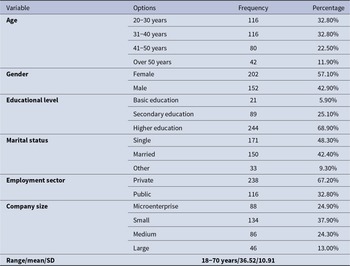
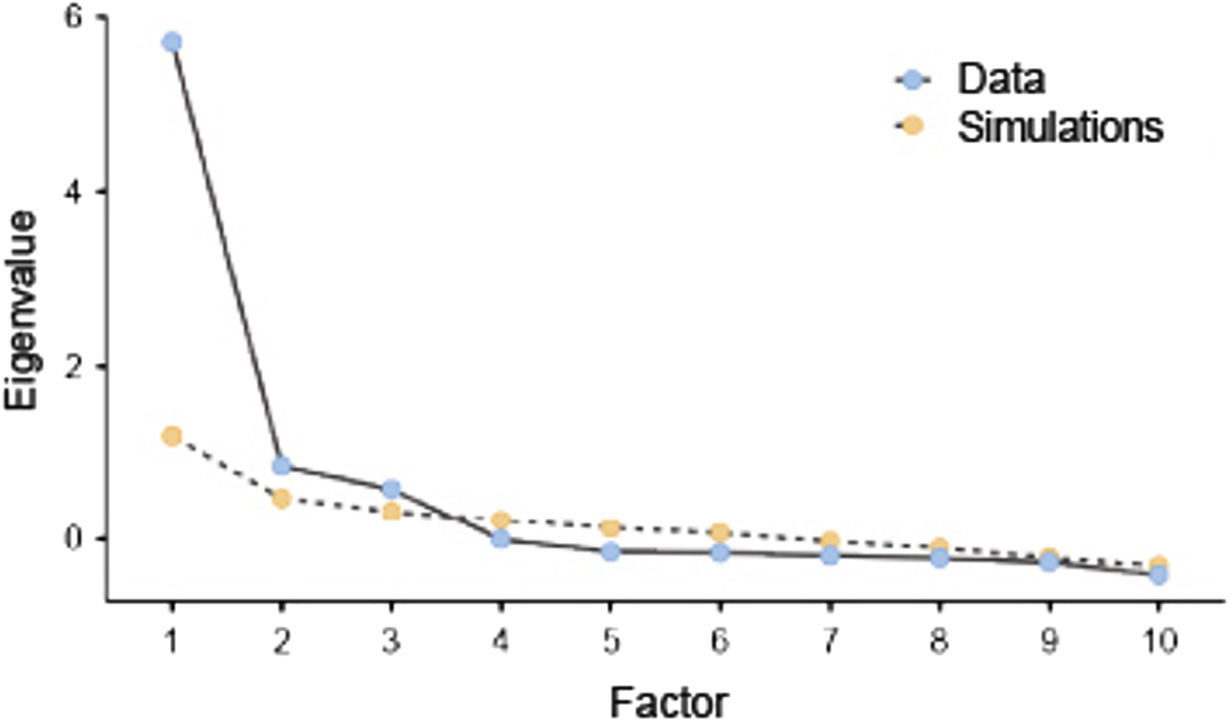


 Open access

