

1 Introduction
The most important international industrial organization innovation over the past half-century is the vertical disintegration of production, with separate stages carried out in different countries. In this study, we label this ‘global production sharing’ (henceforth GPS).Footnote 1 This has replaced the fully integrated, single-country (and typically single-firm) production process with decentralized multi-country operations in which the production process is ‘sliced up’ into separate, highly specialized and tightly integrated supplier networks. Particularly in the electronics, automotive, machinery, and precision-goods industries, it is now common for the final assembled product to consist of components produced in several countries. The cross-border dispersion of production processes is generally organized by large multinational enterprises (MNEs) with subsidiaries or long-term subcontractors in the producing countries. The location of these various suppliers is primarily market-driven: simple, labour-intensive activities are found in lower-wage economies, R&D-intensive activities are located in countries with the necessary scientific base, while final assembly typically occurs in countries that can manage large-scale, diverse production activities for export to the rest of the world.
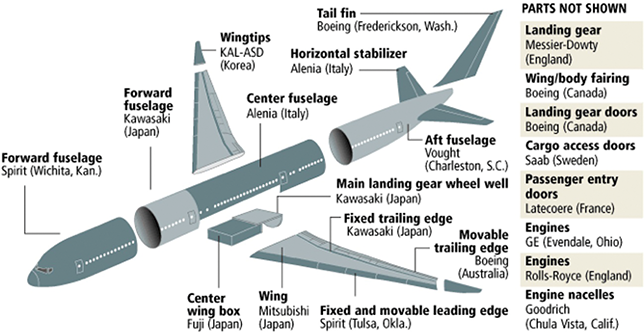
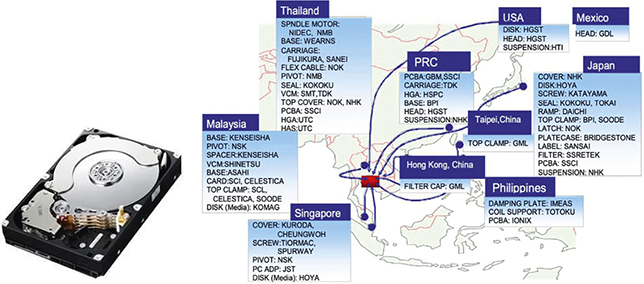
Two eye-catching examples underline the ubiquitous nature of this GPS: the cases of Boeing 787 ‘Dreamliner’ and hard disk drive assembly based in Thailand (Figures 1 and 2). Only about 1% of the components used in the Boeing 707, the first long-distance aircraft produced by Boeing in the early 1950s, were made outside the United States. By contrast, there are 43 parts and components, which accounted for 70% of the total production cost of the Boeing 787, coming from suppliers spread over 135 production sites located in over 20 countries. For example, the wings are produced in Japan, the engines in the United Kingdom and the United States, the flaps and ailerons in Australia and Canada, the fuselage in Japan, Italy, and the United States, the horizontal stabilizer in Italy, the landing gear in France, and the doors in Sweden and France. Boeing is responsible for only about 10% by value (principally the tail fin and final assembly) of the aircraft, even though it holds proprietary rights to the 787 technology. Similarly, a hard disk drive is only one of the many components embodied in a computer. However, hard disk drive assembly plants based in Thailand use components procured from at least ten countries (Hiratsuka, Reference Hiratsuka and Hiratsuka2006).
Boeing 787 Dreamliner
Hard disk drive
Trade based on GPS, that is trade in parts and components, and final assembly traded within global manufacturing value chains (GMVCs), has been the prime mover of the dramatic shift in the share of manufacturing exports in world trade from developed to developing countries. According to various estimates, trade within GMVCs accounts for half to two-thirds of total world merchandise trade and over two-thirds of manufacturing trade between developing and developed countries (Athukorala, Reference Athukorala2014b; World Bank, 2020). East Asia has been the dynamic core of these global production networks (GPNs). Specialization in specific tasks (‘slices’) in GPNs that fit well with their comparative advantage has played a pivotal role in export-oriented industrialization in these countries, resulting also in an impressive record of poverty reduction through rapid employment generation. China is the central player in these networks. No other country now matches China in scale and range across all but the most technologically advanced niches of manufacturing.
The term GMVC, rather than the widely used term ‘global value chain’ (GVC), is used in this study to reflect its specific focus on global production sharing in manufacturing.Footnote 2 The term GVC, popularized by economic sociologists working on the ‘structure of governance’ (interaction among different actors) involved in the value chain, encompasses both primary products and manufactured goods.Footnote 3 It is important to distinguish GMVC from the broader concept of GVC because, unlike in primary commodity production, manufacturing within GMVCs specifically involves specialization in customized stage-specific tasks (slices) of a given product. Broadening our understanding of the process of industrialization under GPS, therefore, requires systematic analysis of the interplay of country-specific relative cost advantage in this finer division of the production process, and trade and investment policy regimes of individual countries.
Against a backdrop of apparently declining enthusiasm for globalization and open economic policies, there are growing concerns in policy circles as to whether the process of GPS has begun to run out of steam. The prime perceived driver of the diminishing role of GMVCs is technological advancements, in particular industrial automation, robotics, and 3D printing (sometimes referred to as ‘additive manufacturing’) that provide an alternative to offshoring for firms in advanced economies seeking lower labour costs. It is further argued that wage convergence between developing countries and advanced countries is encouraging the ‘reshoring’ of production driven by these technological advancements. The gradual decline in the importation of parts and components for final goods assembly in China as vertical integration of production networks deepens within the country is said to be another reason for the contraction in trade within GMVCs.Footnote 4
The backlash against free trade, rooted in the geo-political rivalry between China and the United States, has contributed to the declining enthusiasm for GPS. The concern is that the global economy may come to be dominated by two substantially non-intersecting commercial worlds, one dominated by the United States and the other by China. This would undermine the liberal, multilateral ‘rules-based’ global commercial architecture that has enabled many developing countries to achieve rapid export-oriented industrialization. The so-called ‘chip wars’ are symptomatic of escalating commercial and strategic disputes among the world’s two economic superpowers. In 2022, the Biden administration promulgated the CHIPS and Science Act which provided approximately $52.7 billion in subsidies and incentives to strengthen and support national security by reducing reliance on foreign chip production, and promote technological leadership by making the United States a more competitive location for chip fabrication.
As the Global Trade Alert monitoring system has documented,Footnote 5 the world has been drifting towards protectionism for at least a decade, nowhere better illustrated than in President Donald Trump’s dramatic ‘Liberation Day’ announcement on 2 April 2025, of wide-ranging, country-specific tariff schedules, with China in particular to be subject to punitive trade barriers. Thus, ‘deglobalization’, ‘reshoring’, ‘on shoring’, ‘friend shoring’, and ‘decoupling’ are now centre stage in any discussion of globalization and international economic relations.
Globalization also has its discontents among so-called ‘left behind’ communities in high-wage economies where jobs have migrated offshore, and where alternative employment opportunities and social supports are minimal, exemplified and amplified for example in the ‘Hillbilly Elegy’ narrative (Vance, Reference Vance2016). The vaccine nationalism and supply disruptions that arose during the Covid-19 pandemic have added further weight to the arguments of the globalization sceptics, and to those who argue for greater national economic ‘self-reliance’. It is therefore not surprising that the Doha development round failed, that ‘trade-lite’ bilateral and regional trade agreements have proliferated, that the two economic superpowers are proposing alternative mega trade deals,Footnote 6 and that the World Trade Organization has been significantly disenfranchised. As a result, ‘Globalization [and] … free trade [are] almost dead’ declared Morris Chang, the founder of one of the most important companies in these networks, Taiwan Semiconductor Manufacturing Company, in December 2022.Footnote 7 Following the announcement of the proposed Trump tariff schedules, Singapore Prime Minister Lawrence Wong stated that the global order characterized as ‘one where rules-based globalisation and free trade is over’, and in its place is an order that is ‘more arbitrary, protectionist, and dangerous’.Footnote 8
There is also the structuralist school of thought, whose origins predate the recent views on limits to GPS, which emphasizes the limits to industrial upgrading through GMVC participation. The traditional horizontal specialization, so the argument goes, requires a country to develop a deep industrial base before achieving export success. Under industrialization based on the conventional horizontal specialization, that is, producing a good from beginning to end within a given establishment, a nation must develop a deeper industrial base encompassing all stages of the production process before successfully entering export markets. When a country specializes in a specific segment of the value chain, industrial upgrading is presumably constrained by the dictates of the ‘lead firm’. In addition, when stages of production are geographically dispersed, it is argued that the learning will be similarly dispersed, setting a limit on future technology transitions in a country within the production networks (Baldwin, Reference Baldwin, Feenstra and Taylor2014; Szirmai et al., Reference Szirmai, Naudé, Alcorta, Szirmai, Naudé and Alcorta2013; Doner & Schneider, Reference Doner and Schneider2016).
This view, which is also at the centre of the so-called ‘middle-income trap’ debate, has led in recent years to a revival of the old policy advocacy of selective intervention designed to develop infant industries and to foster their achievement of international competitiveness through rapid attainment of the required technological capabilities (Amsden, Reference Amsden2001; Westphal, Reference Westphal2002; Lall & Narula, Reference Lall and Narula2004; Lin & Monga, Reference Lin and Monga2010; Cantore et al., Reference Cantore, Clara, Lavopa and Soare2017). According to this reasoning, the most effective strategy is to build national champions along the lines of the Korean (and earlier Japanese) approach, employing an export-oriented strategy built upon restrictive trade and FDI regimes. Otherwise, it is further argued, a ‘passive’ approach to economic liberalization will simply result in ‘dead end’ or ‘sunset’ industries, with mobile foreign firms forever in search of cheaper labour or more attractive fiscal concessions in other locations.
The purpose of this Element is to contribute to this policy debate by analyzing Southeast Asia’s engagement in GMVCs in the context of the wider literature on the role of GMVCs in industrial transformation in developing countries. Global production sharing has been a major factor in the economic dynamism of this region. Featuring both broad similarities and notable diversity among countries in their engagement with GPNs, the Southeast Asian region provides an ideal laboratory for comparative analysis of these issues. These countries display great variety in their role within GPNs due in large part to differences in resource endowment, timing of policy reforms, stages of development, and the pace and extent of global economic integration. Despite rapid growth, there are significant differences in wages among the countries. Nevertheless, manufacturing wages in all countries in the region other than Singapore remain lower than in countries in the European periphery and most of Latin America.Footnote 9 This relative labour cost advantage, coupled with the region-wide embrace of the MNE-led development strategy and improvements of trade-related infrastructure, has made the region attractive for the cross-border spread of production networks.
An interpretive survey of the sizeable literature on policy shifts and export-oriented industrialization centred on joining GPNs provides the context for this study. Against this backdrop, a comparative empirical analysis of changing patterns of countries’ engagement in GPS and its implications for industrial upgrading is undertaken. The empirical analysis comprises three main components: a comparative analytical narrative of the Southeast Asian countries’ engagement in GPS; an analysis of the determinants of (factors driving) trade flows; and an analysis of the impact of GPS on the performance of domestic manufacturing in Southeast Asian countries with emphasis on industrial upgrading. This three-pronged analysis is undertaken in the broader global context of evolving patterns of GPS with a focus on contemporary policy debates on the limits to GPS as a prime mover of export-oriented growth in developing countries.
Our organization is as follows. Section 2 provides an analytical overview of the process of GPS and GMVCs, policy options and measurement of GMVC trade. Section 3 examines Southeast Asia’s economic development and the evolution of its policy regimes. In Section 4, we provide a detailed empirical analysis of Southeast Asia’s engagement with GPS, supplemented in Section 5 by an assessment of broader host-economy effects on employment and structural change. Section 6 concludes and draws out some general inferences.
2 The Process of Global Production Sharing
2.1 The Phenomenon of Global Production Sharing
Global production sharing is not a new phenomenon. There is ample anecdotal evidence of evolving trade in parts and components within branch networks of MNEs dating back to the early twentieth century (Wilkins, Reference Wilkins1970). Based on his extensive early research into US manufacturing, Allyn Young (Reference Young1928, p. 538) observed the emergence of ‘an increasingly intricate nexus of specialised undertakings … inserts itself between the producer of raw materials and the final products’. Kindleberger (Reference Kindleberger1967, pp. 108–109) wrote about growing trade in ‘semi-finished material’ (parts and components) between the Ford plants at Limburg in Belgium and Cologne in Germany in the mid-1960s. He used this example to question the validity of the conventional approach to analyzing the trade-growth nexus which was ‘developed almost entirely on the basis of trade in final products – that is, goods wholly produced in one country and consumed in another’. The US MNEs operating in the Australian automotive industry were found to be importing parts and components for local assembly operations and exporting some parts and components produced in Australia within their global networks from the early 1950s (Brash, Reference Brash1966).
What is unprecedented about the contemporary process of GPS over the past seven decades or so is its wider and ever increasing product coverage, and its rapid spread from mature industrial countries to developing countries. Over the past four decades, production networks have gradually evolved encompassing many countries and spreading to many industries such as sporting goods, garments, footwear, automobiles, televisions and radio receivers, sewing machines, office equipment, electrical machinery, machine tools, cameras, watches, light emitting diodes, solar panels, and surgical and medical devices. In general, industries with the potential to break up the production process without significantly increasing transport costs are more likely to move to peripheral countries.
At the formative stage of international product fragmentation, outsourcing predominantly took the form of locating small fragments of the production process in a low-cost country and re-importing the assembled components to be incorporated into the final product. Over time, the fragmentation process expanded to involve many countries in the assembly process at different stages, resulting in multiple border crossings of product fragments before getting incorporated in the final product. From about the late 1970s, there were two other important developments in the process, setting the stage for the rapid expansion in the share of fragmentation-based trade in world trade.
First, as an outcome of advances in modular production technology, some fragments of the production process in certain industries have become ‘standard fragments’ that can be effectively used in a number of products. Examples include long-lasting cellular batteries, originally developed by computer producers and now widely used in cellular telephones and electronic organizers; transmitters, which are now used not only in radios (as originally designed) but also in PCs and missiles; and semiconductors (also called integrated circuits or chips), which have spread beyond the computer industry into consumer electronics, motor vehicle production, and many other product sectors (Jones, Reference Jones2000; Jones & Kierzkowski Reference Jones, Kierzkowski, Arndt and Kierzkowski2001a; Brown et al., Reference Brown, Deardorff, Stern, Baldwin and Winters2004).
Second, there has been a noteworthy expansion of the coverage of global assembly operations from component production and assembly to assembly of final products (e.g., computers, cameras, TV sets, motor cars, and medical devices). In final assembly, labour costs, while significant, are of secondary importance compared with the availability of world-class operators; technical and managerial skills; a good domestic basis of supplies and services; relatively free access to world-priced inputs, including capital; and excellent infrastructure. In other words, the locational decisions of MNEs in this sphere depend on the availability of a wider array of complementary inputs that enable their facilities to be efficient by world standards. In addition, given the heavy initial fixed costs, MNEs are hesitant to establish overseas plants in final assembly without considerable first-hand commercial experience in the host country. For these reasons, overseas production units of MNEs involved in such final-stage assembly are located in countries that are at an advanced stage in the engagement in GPS. Thanks to the dramatic industrial transformation over the past three decades, China has now become the premier assembly centre within GMVCs.
As production operations in the host countries became firmly established, MNE subsidiaries began to subcontract some activities to local (host-country) firms, providing the latter with detailed specifications and even fragments of their own technology. Over time, many firms, which were not part of original MNE networks, have begun to undertake final assembly by procuring components globally through arm’s-length trade, benefitting from the ongoing process of standardization of parts and components.
These developments suggest that an increase in production-sharing-based trade may or may not be accompanied by an increase in the host-country’s stock of FDI (Jones, Reference Jones2000; Brown et al., Reference Brown, Deardorff, Stern, Baldwin and Winters2004). However, there is clear evidence that MNEs are still the leading vehicle for countries to enter GPNs. In particular the presence of a major MNE in a particular country is vital, both as a signalling factor to other foreign firms less familiar with that country and as an agglomeration magnet for the development of new cluster-related activities and specialized support services (Wells & Wint, Reference Wells and Wint2000; Ruwane & Gorg, Reference Ruwane, Gorg, Arndt and Kierzkowksi2001; Dunning, Reference Dunning2009).
In recent years, the popular press has begun to focus on whether GPS is ‘running out of steam’ due to the phenomenon of reshoring (also termed reverse offshoring or onshoring) – the shifting by MNEs of manufacturing facilities from overseas locations back to their home countries. This issue has gained added momentum amid the ongoing China–US geopolitical tensions and the ‘bringing manufacturing back home’ initiatives promoted under the Trump administrations. Several high-profile cases of US MNEs reshoring (or planning to reshore) assembly processes from China to plants in the United States, and some MNEs from the advance emerging economies setting up operations in the United States have received extensive media coverage. However, it remains to be seen whether this represents a structural, long-term shift or merely a temporary response to favourable financial incentives that attract media attention against a backdrop of political rhetoric. Moreover, the operations of multi-billion-dollar semiconductor factories recently established in the United States by MNEs from advanced emerging economies rely heavily on both local manpower and managerial know-how, while maintaining downstream assembly and packaging processes in their home countries. This adds a new dimension to GMVCs rather than diminishing their dynamism (Miller, Reference Miller2022).
A related issue concerns the implications of the Fourth Industrial Revolution (IR4) – the convergence of digital technology with breakthroughs in materials science and biotechnology – particularly in terms of the potential substitution of human tasks in GMVCs by artificial intelligence (AI), robotics, and 3D printing (additive manufacturing). Most of these innovations are still in their infancy, and the full extent of their transformative impact remains uncertain. So far, the early signs of IR4 have remained largely confined to mature industrial economies. While in principle almost all production processes can be automated, the actual incidence of automation depends on relative costs, which vary with the complexity and bulkiness of products. Additionally, some elements of IR4 may have positive effects on GPS by reducing service-link costs and stimulating aggregate world demand for GMVC-related products, including the emergence of entirely new ones.
2.2 Typology of GMVC Trade
GMVCs are complex and diverse cross-border trading arrangements, ranging from arm’s-length, one-off commercial transactions through to long-term, vertically integrated, intra-firm transactions. In terms of the organizational structure of production sharing, GMVCs take two major forms: buyer-driven production networks and producer-driven production networks (Gereffi, Reference Gereffi1999).
Buyer-driven GMVCs are common in consumer goods industries with relatively standardized technologies, such as clothing, footwear, travel goods, toys, and sport goods. The ‘lead firms’ in such production networks are the international buyers: large retailers such as Walmart, Marks & Spencer, H&M or brand manufacturers such as Victoria’s Secret, Gap, Zara, Nike, Adidas, and Calvin Klein. A relatively recent major international player is the China-based (but now Singapore head-quartered) fashion manufacturer Shein. Production sharing within them takes place predominantly through arm’s-length relationships, with global sourcing companies (value-chain intermediaries) playing a key role in linking producers and lead firms (Keesing, Reference Keesing1983; Ganapati, Reference Ganapati2025). Therefore, there is room for local firms to directly engage in export through links established with foreign buyers, without the direct involvement of foreign investors. If foreign investors are involved, usually it is through joint ventures with local entrepreneurs, rather than by forming fully owned subsidiaries. The lead firm monitors input procurement, but there is room to use domestic inputs that meet the quality standards. As the East Asian experience indicates, joining buyer-driven production networks is a promising start for export-oriented industrialization. Producer-centred GMVCs are common in vertically integrated global industries such as electronics, electrical goods, automobiles, and scientific and medical devices. In these networks, the ‘lead firms’ are MNEs, such as Intel, Motorola, Apple, Toyota, and Samsung. Global production sharing takes place predominantly through the lead firms’ global branch networks and/or their close operational links with established contract manufacturers that undertake assembly for these global corporations.
In these high-tech industries, production technology is specific to the lead firm and is closely protected to limit imitations. Also, the production of final goods requires highly customized and specialized parts and components, whose quality cannot be verified or assured by a third party. Therefore, the bulk of GPS takes place through intra-firm linkages rather than in an arm’s-length manner. This is particularly the case when it comes to setting up production units in countries that are newcomers to GPNs. As the production unit becomes well established in the country and forges business links with private- and public-sector agents, arm’s-length subcontracting arrangements for components procurement could develop, depending on the conduciveness of the domestic business climate. However, the overall production process is continued to be governed by the lead firm.
The emergence of contract manufacturers – third-party companies hired by other businesses to produce goods or components according to specific client requirements – in the 1990s, and their renewed momentum since then, represents a significant development in the governance structure of producer-driven GPNs (Sturgeon, Reference Sturgeon2002). This new breed of MNEs arose from the modularization of production processes within GMVCs, enabling the formation of global supply networks based on standardized product designs.
Contract manufacturers initially emerged in the information and communication technology sector (e.g., Foxconn, Jabil, Pegatron, and Quanta) and later expanded into the pharmaceutical and medical device industries (e.g., Protech, Tele Links, Vasudha, and Welkin). These MNEs enable lead firms in GMVCs to focus on their core competencies, such as product design, specification, and marketing, while outsourcing manufacturing activities under strict oversight in terms of quality, cost, and third-party component procurement. For instance, Apple Inc. has developed a captive governance relationship with the Taiwanese firm Foxconn, which has long assembled nearly all iPhones and most of its other products (McGee, Reference McGee2025).
2.3 Drivers of Global Production Sharing
The expansion of GPS has been driven by three mutually reinforcing developments (Jones, Reference Jones2000; Jones & Kierzkowski, Reference Jones, Kierzkowski, Arndt and Kierzkowski2001, Reference 95Jones, Kierzkowski, Dornbusch, Calvo and Obstfeld2004; Yi, Reference Kei‐Mu2003; Helpman, Reference Helpman2011). First, rapid advancements in production technology have enabled the industry to slice up the value chain into finer, ‘portable’ components. As discussed, advances in modular production technology have made some components of the production process in certain industries ‘standard fragments’, which can be effectively used in several products.
The second factor has been the ‘death of distance’, the declining costs of international transport and telecommunications. Technological innovations in communication and transportation have shrunk the distance that once separated the world’s nations, and improved the speed, efficiency, and economy of coordinating geographically dispersed production processes. This has facilitated, and reduced the cost of, establishing ‘service links’ needed to combine various fragments of the production process across countries in a timely and cost-efficient manner. More efficient, internationally oriented logistics systems with ‘just-in-time’ inventory systems have facilitated the timely and speedy delivery of components between major production sites. Air freight has become increasingly common in the case of high-value/low-weight componentry (Hummels, Reference Hummels2007).
Third, liberalizing policy reforms across the world over the past four decades have considerably reduced barriers to trade and FDI. Trade liberalization is far more important for the expansion of GPS trade compared to the conventional horizontal trade. This is because a slice/task of the production chain operates with a smaller price-cost margin, and the profitability could be erased by even a small tariff. To operate effectively, these global networks require a liberal business environment for all participating firms; they especially require the unhindered movement of goods across international boundaries. Participating countries also need to be signatories to the WTO Information Technology Agreement (ITA) and similar trade-facilitating measures.Footnote 10
There is an important two-way link between improvements in communication technology and the expansion of production sharing within global industries. The latter contributes to lowering the cost of production and rapid market penetration of the final products through enhanced price competitiveness. Scale economies resulting from market expansion in turn encourage new technological efforts, enabling further product fragmentation. This two-way link has set the stage for GPN trade to expand more rapidly compared to conventional commodity-based trade (Jones, Reference Jones2000).
2.4 Policy Issues
Global production sharing and the expansion of GMVCs open new opportunities for developing countries and transition economies to participate in a new international division of labour. For instance, a country need not set up a motor vehicle plant to benefit from the growth of the automobile industry. It is enough to be competitive in the production of a single part.
At the early stages of international product fragmentation, some observers were sceptical about prospects for developing countries to rely on this form of international specialization for export expansion. They predicted that the process would be reversed because of the rapid automation of production processes in developed countries (see Frobel et al., Reference Frobel, Heinrichs and Kreye1980; Cantwell, Reference Cantwell, Greenway and Winters1994). In many high-tech industries (notably electronics and electrical products), however, rapid innovation and continuous technical change, which bring about a constant cycle of change and obsolescence, are formidable constraints on rapid automation as an alternative to offshore assembly. Therefore, the indications are that this form of internationalization of production will continue to expand, providing countries with the opportunity to find new niches for labour-intensive, export-oriented production (depending, of course, on their ability to provide an enabling domestic economic environment). Thus, international product fragmentation presents a challenge to those who believe in the so-called fallacy-of-composition argument against export-led industrialization in developing countries.
Capital, managerial know-how, and technology are highly mobile within GMVCs. Therefore, the availability of labour at competitive wages is a crucial determinant of a country’s participation in production sharing and specialization in different stages of the production process. The labour intensity of the given segments and the relative prices of factor inputs in comparison with their productivity jointly determine which country produces what tasks within a production network. It may be that workers in a given country tend to have different skills from those in other countries, and the skills required in each production block differ so that a dispersion of activity could lower marginal production cost. Alternatively, it may be that the production blocks differ from each other in the proportion of different factors required, enabling firms to locate labour-intensive production blocks in countries where productivity-adjusted labour cost is relatively low. In the initial stages, the availability of trainable unskilled labour and middle-level supervisory or technical manpower is key factor. Over the medium to long term, the presence of highly skilled technical and managerial personnel becomes essential for moving into higher-value segments of the value chain. Human capital development is, in part, endogenous to a country’s engagement in GMVCs (Jones, Reference Jones2000).
However, the availability of labour at competitive wages alone does not determine a country’s attractiveness to investors within GMVCs. Comparative advantage rooted in the labour endowment must be complemented with the advantage of ‘service link cost’ involved in GPS (Jones & Kierzkowski, Reference Jones, Kierzkowski, Arndt and Kierzkowski2001; Golub et al., Reference Golub, Jones and Kierzkowski2007). Here, the term service links refers to arrangements for connecting and coordinating activities in a smooth sequence to produce the final good within the production network. Service link cost in a given country depends on a whole range of factors impacting on the overall business environment: trade-related infrastructure and logistics, political stability and policy certainty, institutions, including property right protection and enforcement of contracts, and liberal trade and investment policy regimes. Unlike those involved in light consumer goods industries, foreign firms engaged in vertically integrated assembly industries are particularly sensitive to political stability because disruptions in one production base in the value chain disturb the entire value chain, and because they view investment risk from a long-term perspective.
The policy regime and the domestic investment climate also need to be conducive for involvement in production sharing. The decision of a firm to outsource production processes to another country – either by setting up an official company or establishing an arm’s-length relationship with a local firm – entails ‘country risks’. This is because supply disruptions in a given overseas location could disrupt the entire production chain. Such disruptions could be the product of shipping delays, political disturbances, or labour disputes (in addition, of course, to natural disasters). In many instances, it is impossible to fully offset these risks simply by writing complete contracts (Spencer, Reference Spencer2005; Helpman, Reference Helpman2011).
In the distinction between buyer-driven and producer-driven GMVCs, it is important to understand the policy options for effective participation in GMVCs and to assess the resulting implications for the economic development process. In the case of buyer-driven GMVCs, such as in garments, footwear and toys, for example, labour costs are a major determinant of industrial location, particularly for low-end, standardized products. For this reason, low-income countries such as Bangladesh and Cambodia have become major international suppliers. Low wages are of course a necessary but not sufficient condition for export success. Garment producers also require efficient duty drawback customs arrangements (since the cloth is very often imported), skilled supervisory and technical labour, and tolerably efficient infrastructure services and export-import procedures. Preferential market access arrangements sometimes also play a marginal role, a reflection of the residual impacts of the once pervasive international regulation of textiles and garments trade under the now abolished Multi-Fibre Agreement.
In the case of producer-driven networks, high-quality international logistics and an open FDI regime are more significant determinants of industrial location. This explains the success of Singapore and Malaysia, always relatively high-wage economies, in electronics, whereas they have been minor players in the garments and footwear industries. As noted, both these countries were early movers in export-oriented, FDI-led industrialization. Once these countries established international export reputations in the electronics industry, MNE investors have tended to be relatively immobile, since the costs of relocation are substantial, more so arguably than is the case for garments, especially in the latter case where there is no equity investment. Investors in electronics have also been willing to upgrade their operations to more advanced technologies if the domestic business environment is attractive.
2.5 Measurement of GMVC Trade
Global production sharing ‘calls for a change in the analytical and statistical tools we use to measure and understand the real world’ (Lamy, Reference Lamy2011). As production processes become increasingly fragmented across a wide range of industries and countries, the conventional approach to analyzing trade patterns – treating international trade as an exchange of goods produced entirely within each trading partner – is rapidly becoming obsolete.
There are two main methods to measure GMVC trade: (1) delineating GMVC trade from standard official (customs-record-based) trade data at a sufficiently disaggregated level, and (2) using global input-output tables to break trade into domestic and foreign value-added components, then using the latter to assess a country’s engagement in global production. As we will see next, given the current state of trade and national income data, these two approaches are complementary rather than mutually exclusive methods for understanding the extent and patterns of GMVC trade.
2.5.1 Trade Data Analysis
By the late 1960s, there were clear indications from the global operations of manufacturing firms in advanced countries that GPS was poised to become an increasingly important aspect of the evolution of global production and trade patterns. At that time, the national trade data reported under the first version of the United Nations’ Standard International Trade Classification (SITC) system did not allow for the separation of trade related to GPS from overall reported trade figures. As a result, early studies relied on trade data maintained by OECD countries – particularly the United States and the European Union – in connection with special tariff provisions for overseas processing and the assembly of domestically produced components. These are commonly referred to as outward processing trade (OPT) statistics (van Dam, Reference Van Dam1971; Helleiner, Reference Helleiner1973; Sharpton, Reference Sharpston1975). OPT records provide data on parts and components exported from source countries and the assembled goods received in return.
However, the OPT schemes covered only a limited range of products, and their actual product coverage has varied significantly over time, both within and across countries. More importantly, recent trends – such as unilateral trade and investment liberalization, as well as the proliferation of bilateral and regional economic integration agreements – have significantly diminished the role of such tariff concessions in promoting global sourcing (USITC, 1999).
Trade data based on the first major revision to the Standard International Trade Classification system – SITC Revision 2, introduced in the late 1980s – allowed, for the first time, the separation of component trade from the broader category of machinery and transport equipment (Section 7 of SITC). Yeats (Reference Yeats, Arndt and Kierzkowski2001) conducted the first quantification of component trade within this category, focusing on the global trade patterns of OECD countries. Following his seminal study, it became standard practice to use data on parts and components to measure trade within GMVCs. The subsequent revision, SITC Revision 3 (introduced in 1988) expanded the identification of parts and components to cover a broader range of manufactured goods beyond machinery and transport equipment. However, the separation of parts and components from final assembled products remains incomplete – and perhaps inherently unachievable – for certain goods, particularly those traded within buyer-driven production networks.
Cross-border trade in parts and components (intermediate goods) is obviously a ubiquitous indicator of GPS. However, it represents only one facet of GMVC trade. As previously discussed, GMVC activities have expanded significantly from the production of parts and components to include final assembly. Moreover, the relative importance of these two stages of production fragmentation varies across countries and changes over time within each country. This variation makes it problematic to rely solely on parts and components data as a general indicator of trends and evolving patterns in GMVC trade. For instance, as China’s participation in GMVCs has matured and deepened, imports of parts and components have declined, while exports of assembled final goods from China have expanded rapidly. An analysis that uses the growth of trade in parts and components as the sole indicator of GMVC activity would mistakenly interpret the decline in component imports as a sign of overall decline – or stagnation – in GMVC trade (as in Constantinescu et al., Reference Constantinescu, Mattoo and Ruta2020; World Bank, 2020).
To address this issue, researchers have begun to supplement data on directly reported parts and components with approximate estimates of assembled final goods. There is no hard and fast rule for delineating final goods assembled within GPNs from the standard trade data. The only practical way of doing this is to focus on the specific product categories in which GPN trade is heavily concentrated. Once these product categories are identified, trade in final assembly can be approximately estimated as the difference between parts and components, which are directly identified based on our list, and the total trade of these product categories. (Kimura Reference Kimura2006; Athukorala & Menon, Reference Athukorala and Menon2010; Athukorala, Reference Athukorala, Kaur and Singh2014a; Ando et al., Reference Ando, Kimura and Obashi2021). This is the methodology adopted in this study.
It is important to note that parts and components, as defined here, represent only a subset of intermediate goods, even though the two terms are often used interchangeably in recent literature on GPS. Parts and components are inputs that are employed further along the production chain. Unlike standard intermediate goods – such as iron and steel, industrial chemicals, or coal – parts and components are relationship-specific inputs. In most cases, they lack reference prices, are not traded on open markets, and require more complex contractual arrangements (Hummels, Reference Hummels, Arndt and Kierzkowski2002; Nunn, Reference Nunn2007). Moreover, most parts and components do not have a commercial life of their own; they only acquire value when embodied in a final product. Failing to distinguish parts and components from standard intermediate goods can result in an overestimation of the role of GMVCs in manufacturing trade.
We compiled data from the UN Comtrade database at the 5-digit level of the Standard International Trade Classification (SITC), based on SITC Revision 3. Parts and components were identified by mapping items in the intermediate goods subcategory of the UN Broad Economic Classification to corresponding codes in the SITC. This mapping enabled us to delineate parts and components from the reported trade data.
Guided by the existing literature on production sharing, we identified the following product categories to approximate final assembly: office machines and automatic data processing machines (SITC 75); telecommunications and sound recording equipment (SITC 76); electrical machinery (SITC 77); road vehicles (SITC 78); other transport equipment (SITC 79); travel goods (SITC 83); clothing and clothing accessories (SITC 84); footwear (SITC 85); professional and scientific equipment (SITC 87); photographic apparatus (SITC 88); and toys and sporting goods (SITC 894). It is reasonable to assume that these product categories contain virtually no items produced entirely within a single country. Among these, SITC 83, SITC 84, SITC 85, and SITC 894 are primarily traded through buyer-driven production networks, while the remaining categories are associated with producer-driven production networks.
Trade in final assembly is approximately estimated as the difference between reported trade in these eleven products categories and parts and components specifically assigned to them. Total GMVC trade is the sum of estimated final assembly and total parts and components.Footnote 11
2.5.2 Value-Added Trade
Conventional trade data, which attribute the full value of a product to the country from where the final product originates, do not accurately reflect the distribution of economic activity or the value added by different countries. As a result, analyses based on these data fail to meaningfully capture cross-country linkages within production networks and may present a distorted view of bilateral trade imbalances – especially in a context where global production is increasingly fragmented, and different stages of production are carried out in different countries.
To address this limitation, trade can be measured in terms of its value-added content using global input-output (I-O) tables. These tables integrate country-level input-output data with bilateral trade statistics within a consistent accounting framework. The most widely used databases for this purpose include the OECD’s Trade in Value Added (TiVA) database, the World Input-Output Database (WIOD) maintained by the University of Groningen, and the Asian Development Bank’s Regional Input-Output Tables, which cover twenty-nine Asia-Pacific economies.Footnote 12 The key advantage of the I-O approach is its ability to estimate both domestic and foreign value added embodied in trade, capturing not only direct inputs but also indirect contributions through intra-industry linkages within an economy.
The global input-output (I-O) methodology allows for the estimation of two key aspects of an economy’s participation in GMVCs: (1) backward GMVC participation, which refers to the foreign value added embodied in exports (or simply the ‘import content of domestic exports’), and (2) forward GMVC participation, which refers to the domestic intermediate inputs embodied in the exports of importing countries. Only backward GMVC participation is directly relevant for analyzing the impact of GMVC engagement on the domestic economy. Both aspects are of course important for understanding how a country is integrated into the global economy and how external economic shocks are transmitted within GMVCs.
The measurement of GMVC participation using existing input-output (I-O) tables is subject to significant data limitations. There is no standardized or coordinated approach across countries in constructing I-O tables, leading to inconsistencies and measurement errors when linking the input-output structures of trading partners. Moreover, for many countries, I-O tables are compiled only for intermittent years – typically every five years – necessitating mechanical extrapolation to construct time series. In addition, direct data on the use of key intermediate inputs by industry are not available for some major economies, including the United States, China, India, and Vietnam. As a result, global I-O databases often rely heavily on the so-called import comparability assumption – import content of export production in each industry is identical with that of production for the domestic market – when estimating domestic and foreign value added (Patunru & Athukorala, Reference Patunru and Athukorala2023; Yuscavage, Reference Yuscavage, Mattoo, Shi and Wei2020).Footnote 13
Even when taken at face value, I-O-based value-added trade measures do not replace conventional gross trade flow statistics for analyzing the patterns and economic implications of GMVC-related trade, for several reasons. First, these measures capture only intermediate input linkages across countries; trade in final assembly is not accounted for. Second, trade in intermediate inputs, as measured in I-O tables, includes both standard intermediate goods and parts and components. As noted earlier, this can lead to an overestimation of GMVC participation, especially given the highly aggregated level (typically at the 2-digit level of national accounts) at which I-O tables are constructed. Third, detailed trade statistics – by product and partner country, and measured in gross value – remain essential for analytical purposes related to trade and exchange rate policies. Under GPS, a country specializes in a specific slice (task) in the production chain, depending on the relative cost advantage and other factors. The value-added content per unit of production (value-added share) is determined by production fragmentation within the overall value chain, which is beyond the control of each country. The value-added content per unit of production (value-added share) is determined by the structure of production within the GVC, which is largely beyond the control of individual countries. The total value added – that is, the contribution to GDP – that a country gains depends on the overall volume of its gross exports, not just on the value-added share. Of course, the value-added share may increase over time as a country becomes more fully integrated into the value chain.
3 Initial Conditions and Policy Regime Shifts
This section has three objectives: to introduce the Southeast Asian economies and their place in the global economy, to provide brief country profiles relevant to our subsequent analysis, and to highlight empirically some aspects of these countries’ participation in GPNs.
3.1 An Overview
Over the last half-century, Southeast Asia has been the most economically dynamic region in the developing world. Four of the countries – Indonesia, Malaysia, Singapore, and Thailand – were classified as ‘miracle’ economies in the landmark 1993 World Bank study. A sequel to this study, the 2008 World Bank Growth Commission report, asked the question ‘how common is rapid sustained growth’ over the preceding century? Out of 150 countries (technically ‘economies’), it concluded that only 13 met the prescribed benchmark.Footnote 14 The same four were again among the high performers. If the study were being conducted today, two more Southeast Asian countries, Cambodia and Vietnam, would arguably be included in the group, and another, the Philippines, long characterized as the perennial ‘East Asian exception’, would nearly meet the threshold.
Economic openness has been a key driver of Southeast Asian economic success (Sachs & Warner, Reference Sachs and Warner1995). One important outcome of this openness, the subject of this monograph, is the region’s pioneering participation in GPS. In order to understand this phenomenon, and the role that these economies have played in these networks, we briefly examine the evolution of trade and commercial policy in the seven Southeast Asian countries (Indonesia, Malaysia, Philippines, Singapore, Thailand and Vietnam, and Cambodia in more recent years), which are the primary focus of this study.Footnote 15 Consistent with our analytical framework on the determinants of GMVC participation, we also document aspects of these countries’ international competitiveness and policy regimes, with particular reference to their service link costs.
Three major propositions are central to our analysis. First, economic openness accompanied by the requisite supply-side measures is the key determinant of success. Second, among these countries there are cases of missed opportunities, where they have only partially participated in GPNs, and these outcomes are explained by the analytical framework we are employing. The third point to emphasize is the latecomer success stories, which in turn draw attention to the fact that these networks are open and dynamic institutional arrangements that even these economies can join. At the risk of over-simplification, Singapore in particular, and Malaysia and Thailand especially in the late twentieth century, are examples of the first proposition. Indonesia and the Philippines, the two countries where reservations about the desirability of globalization are the strongest, are examples of the second. Vietnam and on a smaller scale Cambodia are twenty-first century examples of the third proposition.
Singapore and Malaysia were open economies during the colonial era, and they have never fundamentally deviated from this openness. Along with Thailand, they were among a tiny group of ‘always open’ developing economies according to the Sachs & Warner (Reference Sachs and Warner1995) binary trade regime classification. However, historically, these three were the regional exceptions. Indeed, ‘Southeast Asia in Turmoil’ (Crozier, Reference Crozier1965) was the title of a popular 1960s study of the region. Vietnam was consumed by war until 1975 and then, following reunification, an unsuccessful command-economy experiment for another decade. It took its Doi Moi reforms commencing in the mid-1980s to signal a change in direction, initially cautious but from the 1990s onwards increasingly decisive. Following the expropriation of Dutch (and later all foreign) property in 1958, Indonesia disengaged from the global economy, and for a period its major international institutions. Instead, it joined the Peking-Pyongyang-Hanoi-Phnom Penh-Jakarta axis of ‘newly emerging forces’. The Philippines remained closely aligned with the United States during the post-independence period, but a balance of payments crisis in the late 1940s resulted in the imposition of temporary import control measures which quickly became permanent, and it then embarked on a comprehensive import substitution strategy for several decades.
Around 1970, however, there was a turning point, for three main reasons and first clearly articulated by Hla Myint (Reference Myint1972). First, regime change in Indonesia in 1966 signalled a major change of direction in that country. The region’s most important country began to look outward, achieve macroeconomic stabilization, and indicate its wish to be at peace with its neighbours. Second, and related, the five anti-communist nations established the Association of Southeast Asian Nations, ASEAN, in 1967 as a means of fostering regional cooperation and neighbourly relations. Third, the intellectual climate had begun to change. By then Japan’s rapid export-led industrialization was clearly evident. There was also growing evidence that the four Asian NIEs’ outward orientation had lifted their economic growth. Importantly for Southeast Asia, Singapore was beginning to demonstrate the success of its innovative model of FDI and export-led industrial growth that was connecting it to the growing internationalization of manufacturing activity.
Reform continued apace during the 1980s. Vietnam’s decisive change of direction was followed by its two Mekong neighbours Cambodia and Laos. After a deep crisis during the 1980s the Philippine economy also began to recover, liberalize, and grow strongly. Even Myanmar appeared to be opening up, economically if not politically. At its 1992 Manila Summit ASEAN for the first time adopted the words ‘free trade’ in its agreement, with the milestone achievement that all sectors were to be included in the ASEAN Free Trade Area (AFTA) unless they were explicitly excluded. Its membership also expanded to include all ten countries during the 1990s.
Importantly, the global environment was accommodating over this period. The 1985 Plaza Accord triggered a massive relocation of labour-intensive Japanese manufacturing to Southeast Asia, principally to Indonesia, Malaysia, and Thailand. Industrial relocation from Korea and Taiwan also accelerated. Moreover, Asia’s two giants, China and India, were now looking outward, the former from 1978, and the latter from 1991. These changes in turn strengthened the position of the Southeast Asian reformers. It led to the establishment of the Asia Pacific Economic Cooperation and created a virtuous circle of what is sometimes termed concerted unilateral liberalization, or open regionalism (Garnaut, Reference Garnaut and Bhagwati2002; Bhagwati Reference Bhagwati2008). Over time ASEAN has de facto adopted a variant of this approach, often characterized as ‘outward-looking regional economic integration’, in which countries have tended to multilateralize concessions granted to other member countries (Soesastro, Reference Soesastro2008; Chia, 2011).
The 1997–98 Asian financial crisis (AFC) was Southeast Asia’s most serious economic recession in its independent history, but importantly, it did not lead to a retreat from the global economy. Several factors were at work here. First, the sharply depreciating currencies in the context of a buoyant global economy, in which China – largely unaffected by the crisis – was now a major actor, created the potential for export-led recovery and growth. Second, two of the crisis-affected economies, Indonesia and Thailand (and initially also Malaysia), had signed IMF emergency programs which precluded the introduction of any substantial trade barriers. Third, during the crisis the ministries of finance became more powerful, and these liberally inclined technocratic institutions generally resisted returning to inward-looking strategies. Fourth, owing to the effective responses, the recession was a short-lived V-shaped crisis and all the affected economies were again registering positive economic growth by 2000.
During the twenty-first century there have been no fundamental changes in trade policy in these countries. The major challenge has been adapting to a rapidly changing, and occasionally volatile, global economic environment. First, there have been two major external shocks, the 2008–09 global financial crisis and the 2020–21 Covid pandemic, in addition to smaller global shock events such as periodic GMVC disruptions, the 2013 ‘taper tantrum’ event, and the war in Ukraine and Gaza. Second, the global commercial architecture has become weaker: the Doha development round failed to materialize, the WTO has been sidelined, and consequently regional and bilateral, frequently ‘trade-lite’ preferential trade agreements (PTAs) have proliferated. Moreover, trade disputes between the two global superpowers have intensified since around 2015, with increased pressure on smaller economies to join one of the two emerging informal economic communities. Third, there is growing international concern about the potential dangers of catastrophic climate events, and inevitably some of the proposed remedies have implications for trade policy. Energy transitions require the introduction of carbon taxes and support for the emerging renewable energy technologies. The uneven pace of energy transitions around the world, between the early and late adopters of renewable technologies, has resulted in some countries imposing ‘carbon tax equivalents’ on imports, as illustrated for example by the EU’s carbon border adjustment mechanism, and by sharply increased US protectionism. Nevertheless, in spite of these challenges, and with country variations to be discussed shortly, the region’s trade policy settings have remained largely intact.
3.2 Country Profiles
We now briefly examine some salient country features as they affect their international economic orientation. As noted, although having less than 1% of the region’s population, Singapore spearheaded the adoption of outward-looking strategies by seizing on the commercial opportunities being created by the growing trend in international off-shoring of MNEs in the 1960s.Footnote 16 Building on its fortunate geographic location, Singapore’s remarkable success has been driven by highly pro-active and flexible policies: one of the world’s most open economies for trade and investment; an open labour market across the skill spectrum; top-ranked internationally oriented logistics, with its Changi Airport and the Port of Singapore Authority; a sophisticated financial sector; and attractive tax regimes. Importantly, the government anticipated the country’s changing comparative advantage in the transition from a labour-surplus to a high-wage economy. From the late 1970s it engineered transformative change in the labour market by instituting a ‘high-wage’ policy, inducing MNEs to relocate labour-intensive activities to lower-wage regional locations (Goh, Reference Swee1996), accompanied by major investments in advanced technologies and higher education.
Malaysia has also maintained liberal trade and foreign investment policies and an open labour market.Footnote 17 Being a federal entity, some reform-oriented states, Penang in particular, have been able to innovate more quickly than the national government (Athukorala, Reference Athukorala2014b). Nevertheless, the country’s development progress has been held back, in the 1980s by a misguided ‘Look East’ heavy industry strategy, in steel, automobiles and related sectors, supported by a mix of subsidies and trade restrictions. Some ethnic redistribution objectives have arguably complicated the reform agenda, including policies towards higher education and advanced training institutes, especially centred around the growth of a large and politicized state enterprise sector.Footnote 18
Similarly, although Thailand has remained a largely open economy, achieving notable early successes in hard disk drives and as a major regional automotive hub, it has failed to innovate on the basis of these early-mover advantages. It has under-invested on the supply-side, especially its skills and higher education (Doner & Schneider, Reference Doner and Schneider2019), while prolonged political uncertainty has deterred investors (Nidhiprabha, Reference Nidhiprabha2019; Jongwanich, Reference Jongwanich2022).
The automobile industry in Thailand has grown rapidly over the past four decades (Kohpaiboon, Reference Kohpaiboon2006; Warr & Kohpaiboon Reference Warr and Kohpaiboon2018). Until about the mid-1990s, automobile production in Thailand was well below that of India and Malaysia among the Asian countries. Following a notable policy shift from import-substitution to export orientation that began in the late 1980s and gained added impetus after the AFC (1997–98), a world-class automobile cluster has emerged through global integration. By 2010, Thailand had become the 13th largest automobile producer in the world, and the third largest in Asia, after Japan and South Korea; most of the major players in the world auto industry were using the country as a production platform. In 2008, the Economist dubbed Thailand the ‘Detroit of the East’ (Economist Intelligence Unit, 2008, p. 21). Over the ensuing decades, Thailand’s ranking in automobile production in Asia declined to sixth place due to the rapid expansion of production in China and India. However, in 2024, Thailand remained the 13th largest automobile producer in the world. In terms of export value, Thailand was the fourth-largest exporter in Asia, after China, Japan, and South Korea.Footnote 19
Indonesia has never fundamentally backtracked from the broad policy directions adopted in the late 1960s (Hill, Reference Hill2000). But its embrace of globalization has always been hesitant, and the trade policy pendulum has swung from relatively liberal to somewhat protectionist. During the Soeharto era 1966–98 there was a reasonably strong inverse relationship between the terms of trade and the openness of trade policy (Basri & Hill, Reference Basri and Hill2004): economic nationalism was in the ascendancy during periods of high oil prices, resulting in trade and investment policies becoming more restrictive, whereas the reverse was generally the case when oil prices declined. During the democratic era political and business interests have intruded more directly, for example, depending on which political party has control of the trade and sectoral ministries (Pangestu et al., Reference Pangestu and Rahardja2015). Except when reformers have been in the ascendancy, successive administrations have also employed domestic value added and export bans in a misguided attempt to promote ‘downstreaming’ (hilirisasi in Bahasa Indonesia). As we shall show in the following, one major consequence is that Indonesia has been a relatively minor participant in electronics GMVCs. It has a larger footprint in the automotive industry thanks to its larger domestic market, and it is competitive in certain niche export markets such as commercial utility vehicles.Footnote 20
The Philippine record resembles that of Indonesia in its hesitant engagement of globalization and missed commercial opportunities. But there are differences too, especially in the importance of services trade and labour exports, where in both cases the country has been the Southeast Asian leader. During the 1990s reforms it did emerge as a significant manufactured exporter, including electronics (Bautista & Tecson, Reference Bautista, Tecson, Balisacan and Hill2003). However, during the twenty-first century the reform momentum languished and manufactured exports grew slowly (Athukorala, Reference Athukorala and Patunru2024). Attempts to remove the constitutional restrictions on foreign ownership outside the export zones (known by their acronym PEZA) have also been a long-running policy battle.Footnote 21
As noted, the export success of Southeast Asia’s two latecomers, Vietnam and Cambodia, illustrates the openness of GPS provided countries introduce the requisite reforms. Vietnam has recorded the strongest regional export performance in the twenty-first century, building on its historic policy reorientation that commenced in the late 1980s.Footnote 22 In its export zones, it maintains very liberal trade and investment policies, together with efficient infrastructure and logistics services. Its labour force is well-trained, and wages are internationally competitive. It has been able to attract major international electronic investors, most notably the then world’s largest producer, Intel, in 2006. A feature of the country’s export profile, and one that is unusual in Southeast Asia, is the strong growth in both producer-driven and buyer-driven segments, including electronics, machine goods, garments, and footwear. The country has also been a favoured destination for firms seeking to diversify their China-based production activities in response to China–US trade tensions, although this is now threatened by the escalating China–US trade disputes. In the case of Cambodia, the return of peace, the adoption of open, business-friendly policies, and concessional export market access led to very rapid garment export growth from the late 1990s (Hill & Menon, Reference Hill and Menon2014). Initially the growth centred on simple CMT (cut, make, and trim) garments, but over time the firms have produced more elaborate, fashion-intensive products, while other industries, initially footwear, and more recently electronics and machine tools, have emerged (Menon & Naqvi, Reference Menon, Naqvi, Hill and Suryadarma2025).
3.3 A First Look at the Data
To complete this overview of Southeast Asia’s global economic integration, we now provide some empirical evidence on the factors determining participation in GMVCs. Our choice of variables is guided by the analytical framework developed in the previous section.
A prerequisite for initial entry into GPNs, for assembly, packaging and other simple tasks, is competitive labour markets, proxied in the first instance by average monthly earnings (wages) in the manufacturing sector (Table 1). The wages of the seven Southeast Asian countries more or less reflect differences in per capita GDP, with those in Singapore by far the highest and Indonesia the lowest.Footnote 23 Interestingly, wages in Indonesia are lower than those in India and Mexico, the two major countries often compared with Indonesia in media commentaries as alternative investment locations under the so-called ‘China Plus One’ phenomenon. The data clearly illustrate the incentive for firms in high-wage countries to relocate their labour-intensive activities to lower-wage countries. The wage data also provide an indication of the likely hierarchy of technological capabilities across countries, with the more skill-intensive activities locating in higher-wage economies, a point to which we return shortly.
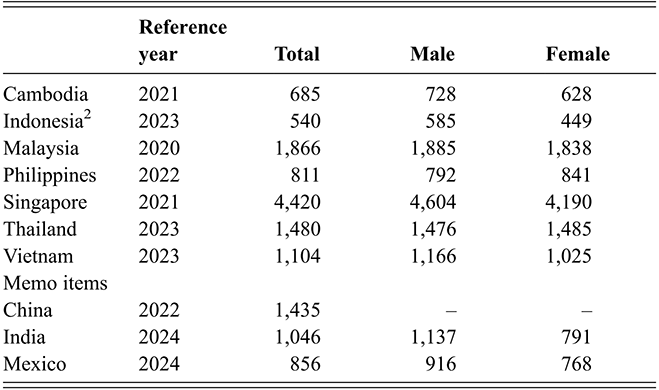
Table 1 Long description
The data are given for Indonesia, Malaysia, Philippines, Singapore, Thailand and Vietnam and three comparator countries (China, India and Mexico), separately for male and female worker. Earnings refer to gross pay, in cash or kind, regularly paid to employees for work or for time off (such as vacation or holidays).
Notes:
(1) Earnings refer to gross pay, in cash or kind, regularly paid to employees for work or for time off (such as vacation or holidays). Minimum wages reflect the statutory monthly minimum as of 31st December. If there is no national rate, data are based on the capital, a major city, or a regional average. For sector- or occupation-based systems, figures are for manufacturing or unskilled workers. All values are in US dollars, adjusted for purchasing power (PPPs) to allow international comparisons.
(2) The figure for Indonesia is the average monthly earnings of workers in both organized and informal manufacturing.
– Data not available.
Competitive labour markets are a necessary but not sufficient condition for successful participation in GPNs. They need to be combined with the efficient availability of services, referred to here as ‘service link costs’ involved in GPS, as well as openness to foreign investors and buyers. Here, the term service link cost refers to costs involved in arrangements to connect and coordinate activities in each country with those in other countries within the production network (Jones & Kierzkowski, Reference Jones, Kierzkowski, Arndt and Kierzkowski2001; Golub et al., Reference Golub, Jones and Kierzkowski2007). Service link costs in each country depend on a whole range of factors impacting on the overall business environment. These include trade-related infrastructure and logistics; political stability and policy certainty; institutions, including protection of property rights (including importantly intellectual property) and enforcement of contracts; and liberal trade and investment policy regimes. Unlike firms involved in light consumer goods industries, foreign firms engaged in vertically integrated assembly industries are particularly sensitive to these factors, as they view investment risk from a long-term perspective. They are also particularly concerned about political stability because disruptions in a production base in a value chain of just-in-time delivery disturb the entire value chain.
There is no single indicator that measures these service link costs. In Table 2 we therefore present a range of indicators that capture these factors, with a focus on trade-related logistics and the particular requirements of vertically integrated, internationally mobile capital.Footnote 24 The data are for the seven ASEAN countries that are the focus of this study. As we will discuss in more detail in the next section the needs of foreign investors and buyers will differ across industries. For international buyers in the garment industry, for example, the key variables are the ease of international trade (including import duty drawback facilities) and labour costs. For foreign investors in vertically integrated electronics production in multiple countries, to these variables need to be added the openness and stability of the FDI regime. In the automotive industry, an additional consideration is access to the domestic market in the case of larger countries.
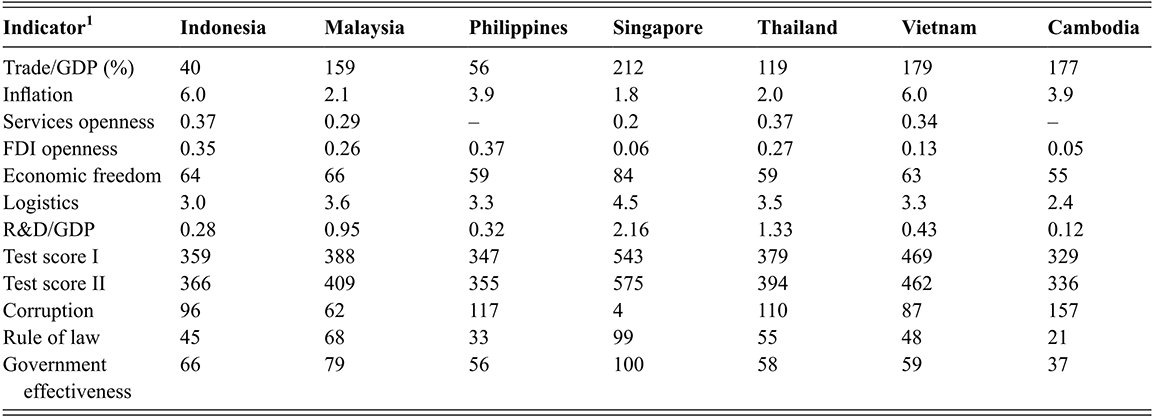
Table 2 Long description
Data are provided for Indonesia, Malaysia, Singapore, Thailand, Vietnam and Cambodia based on several standard sources that provides comparative state of each country in terms of openness to merchandise and services trade, FDI regime, economic freedom, logistic quality, academic test score, corruption, R&D intensity, rule of law, and government effectiveness. Data source and methods of data compilation are described in notes to the table.
(1) Notes and Sources
Trade/GDP: exports plus imports divided by GDP (World Bank, World Development Indicators).
Inflation: average annual increase in the consumer price index 2000–23 (World Bank, World Development Indicators).
Services openness: Services Trade Restrictiveness Index (higher is more restrictive) (OECD Stat).
FDI openness: FDI Restrictiveness Index (higher is more restrictive) (OECD Stat).
Economic Freedom: the Heritage Foundation index (higher is more open).
Logistics: Logistics Performance Index (higher is better quality) (World Bank, World Development Indicators).
R&D/GDP: Research and development expenditure divided by GDP ((World Bank, World Development Indicators).
Test Score I and II: PISA OECD test scores for fifteen-year olds in 2022 for reading and mathematics, respectively (OECD Stat).
Corruption Perceptions Index, 2021 (180 jurisdictions ranked, lower ranking is less corrupt) (Transparency International).
Rule of law (World Bank, World Governance Indicators): percentile rank, higher number indicates higher quality.
Government effectiveness (World Bank, World Governance Indicators): percentile rank, higher number indicates higher quality.
– Data not available.
GMVCs operate most effectively when there are minimal restrictions on international trade in goods and services. The most widely used measure of trade openness is simply the ratio of trade in goods and services to GDP. Table 2 shows the very large differences among the group of countries. Singapore has always been one of the world’s most trade-dependent economies. Several other Southeast Asian economies are also highly trade-oriented, with the ratios for Cambodia, Malaysia, Thailand, and Vietnam exceeding 100. These numbers are significantly higher than those for India and Indonesia (and the Philippines) two much larger, less outward-looking economies. In spite of its well-known limitations as a measure of economic openness, including that participation in GPNs inflates the numerator in the ratio, this ratio has the attraction of simplicity (Irwin, Reference Irwin2024). It should be noted that many countries adopt a second-best approach to free trade through the establishment of free trade zones. These can be effective if accompanied by genuinely liberal customs arrangements, although they do create a dualistic economic structure consisting of enclaves largely unconnected from the rest of the economy. An additional trade arrangement is the WTO-sanctioned Information Technology Agreement (ITA II),Footnote 25 which has been a crucial facilitator of GPS, as signatories to the accord agree to the free and unhindered trade of goods (mainly electronics) specified in the ITA. Contrary to popular perceptions, preferential trading arrangements (PTAs) are not an important factor in the operation of GPS. The PTAs are typically highly complex legal arrangements with restrictive provisions relating to exemptions, phase-ins and rules of origin (ROOs).
Countries have typically liberalized goods trade more quickly than services trade. But services trade openness is an important pre-requisite for effective participation in GPNs because it can be expected to lower service link costs. The measurement of service trade openness is more complex given the diversity of traded services (transport, IT, finance, business services, etc.). A useful indicator here is the services trade restrictiveness index devised by the OECD.Footnote 26 The country rankings generally follow those for merchandise trade, with Singapore the most open and Indonesia (and Thailand) more restrictive. Note, however, that Singapore is not such an outlier in these comparisons, indicating that, unlike for merchandise trade, it has some service trade restrictions.
The foreign investment regime is a key determinant of GPN participation as MNEs are major players in GMVCs, especially in the producer-driven networks where, to assure product quality and reliable delivery, and to protect their intellectual property (IP), they frequently assume equity positions in supplier firms.
We present two indicators of the relative importance of MNEs in these countries, and they largely corroborate each other. First, in Table 2, we report the OECD’s attempt to measure comparatively the FDI policy openness of each country. As expected, Singapore is the most open economy. The latecomers, Cambodia especially, and Vietnam, are also very open, reflecting their explicit policy decisions to convince investors that they wish to join the global economy. By contrast, Indonesia and the Philippines are more restrictive compared to Malaysia.
A second indicator is FDI inflows over time, relative to each host country’s total investment (specifically gross domestic fixed capital formation) for five-yearly intervals since 1970 (Table 3). The time series data provide evidence on whether the FDI policies have been broadly consistent over time, and they also enable identification of the timing of major liberalizations, especially for the latecomers. Three major patterns are evident. First, Singapore has been consistently open, a factor that has underpinned its superior credibility as a hospitable destination for foreign investors. Second, the data highlight the timing of Vietnam’s economic liberalization – until around 1990 it received trivial amounts of FDI, but once investors became convinced about the durability of its reforms it quickly became a major host country, which in turn helps explain its subsequent dramatic export performance. Third, although never on a scale matching Singapore, Malaysia has been a consistently welcoming country for MNEs, whereas Thailand has fallen out of favour since its political instability over the past decade and a half. The Philippines has gradually become more attractive as it has liberalized, especially in services. Finally, Indonesia has been a surprisingly small recipient of FDI throughout this period after its short-lived open-door policy was introduced in the late 1960s. Some of the volatility is also explained by fluctuations in mineral prices, where much of the FDI has been directed. Political uncertainty in the aftermath of the AFC was also a factor earlier this century.
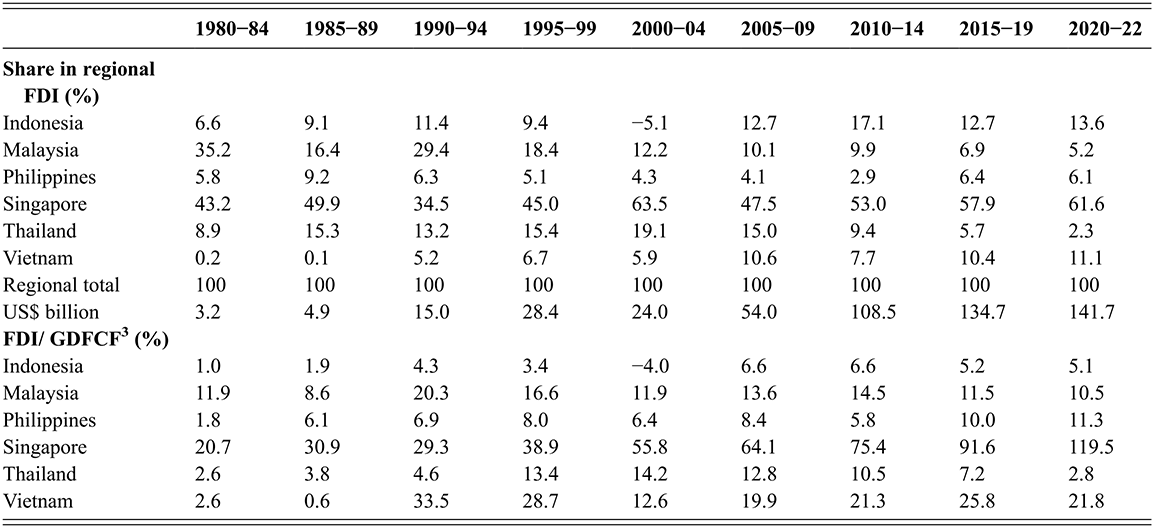
Table 3 Long description
The first section of the table shows percentage share of Indonesia, Malaysia, Philippines, Singapore, Thailand and Vietnam in total FDI in these countries. The second section shows FDI as a percentage of gross domestic fixed capital formation in each country.
Notes:
(1) By definition, the reported FDI in the given country represents new capital and excludes any capital repatriation.
(2) Annual averages.
(3) Gross domestic fixed capital formation.
Of course, the FDI regime is more complex than that portrayed by a single indicator. FDI policies encompass regulations relating to the entry and licensing regime for foreign firms, restrictions related to sectors and foreign equity stakes, and disclosure and divestment requirements. A large literature has also developed on the competitiveness of host country fiscal regimes in attracting FDI, and whether concessional tax arrangements are an essential part of this package.
As an additional check, in Table 2 we include business climate and competitiveness indicators that enter the calculus of international buyers and investors. These include human capital (ranging from basic literacy at the early stages of export-oriented development to more advanced scientific capabilities as wages rise); efficient logistics, especially at international borders; a trusted and transparent legal system, to attract the internationally mobile capital that facilitates GPS; and efficient financial intermediation, not necessarily for the MNEs, which have access to international capital markets, but particularly for the local supplier network.
There are many empirical proxies for these variables, and in Table 2 we present a representative sample. International trade requires high-quality logistics at the border. Singapore has been a world leader in this respect, as indicated by its very high score in the World Bank’s Logistics Performance Index. Most middle-income economies have also progressed, although Indonesia and Cambodia continue to lag.
Foreign investors also assess countries’ institutional quality and political risk factors since, unlike portfolio investors, their time horizons typically extend well into the medium term. Table 2 presents indicators that proxy legal quality (the WGI II variable), government effectiveness (WGI I), economic freedom (Heritage Foundation), and corruption (Transparency International). Although these indicators are subjective, somewhat arbitrary, and tend to reflect the ideological leanings of their sponsoring institutions, together they reveal a clear hierarchy in terms of FDI attractiveness. Singapore ranks the highest on every indicator, while Malaysia leads all the other countries on the four indicators, highlighting its continuing commercial appeal. The other countries present a mixed picture. Inevitably, latecomers Cambodia and Vietnam have been slower to transform their institutions. Thailand trails its two ‘always-open’ neighbours by a significant margin; the Philippines and Mexico also score rather poorly. It is also notable that economic openness and the general business environment are not always highly correlated: countries such as Cambodia and Vietnam score highly on the former but not on the latter.
The indicators in Table 2 also draw attention to the diversity and flexibility of GPNs. For example, the human capital variables clearly demonstrate that both high and low-wage economies can participate in different segments of the networks. Singapore has long since discarded the labour-intensive segments. It now has high wages, a highly skilled workforce, and high R&D intensity, all at advanced-economy levels. By contrast Cambodia’s indicators highlight its latecomer status. Although it has now achieved near universal adult literacy (for those aged under fifty years), its education test scores are still low. The indicators for Malaysia and Thailand underline their transitional stage of upgrading. Vietnam has overtaken both Indonesia and the Philippines on these skill indicators, suggesting that it is better placed to commence the process of upgrading as its wage levels continue to rise.
Finally, participation in GMVCs requires a stable and predictable macroeconomic policy regime, including at least moderately low inflation, the avoidance of debt crises, and exchange rate regimes that do not suffer from severe misalignment. It is therefore no coincidence that economic openness and competent macroeconomic management are highly correlated. The three ‘always open’ Southeast Asian economies have had strong, well-managed central banks and a history of low inflation. The other countries have a more chequered macroeconomic history, including in some cases periods of hyperinflation.Footnote 27 But Indonesia and the Philippines now also have well-managed central banks. This is in prospect for Vietnam, while Cambodia operates an unusual but reasonably effective hybrid quasi-dollarized monetary policy regime (Menon, Reference Menon2008).
4 Global Manufacturing Value Chain and Trade Patterns
4.1 Historical Overview
Southeast Asia has been a global leader in the evolution of GMVCs. The region’s engagement in GPNs began with Singapore’s decisive embrace of the ‘MNE-led development strategy’ (a la Hobday, Reference Hobday, Szirmai, Naude and Alcorta2013) after the country separated from the Malaysian Federation in 1965.Footnote 28 At the time, this was ‘a major policy innovation’ given the generally negative perception of the international development community about the role of MNEs in development, and the targeted protectionist approach to FDI practised in Japan, South Korea and Taiwan (Hobday, Reference Hobday, Szirmai, Naude and Alcorta2013). Subsequently, other Southeast Asian countries embraced the ‘MNE-led development’ strategy invented by Singapore, albeit to varying degrees and at different times, thus providing the setting for the region-wide spread of production networks.
Singapore’s embrace of an MNE-led strategy was well timed: semiconductor producers in the United States were then just beginning to shift labour-intensive production processes within the electronics industry (Miller, Reference Miller2022). The arrival of two US semiconductor producers, Texas Instruments in 1968 and National Semiconductors in the following year, for assembling semiconductor devices, was an auspicious start (Lee, Reference Lee2000). Several other US, European, and Japanese firms followed suit, consolidating the country’s role as a global assembly centre. By the early 1970s, Singapore had become the main offshore assembly base for semiconductor manufacturers in the United States and Europe (Grunwald & Flamm, 1985).Footnote 29 The next five years witnessed a notable change in the composition of Singapore’s electronics industry, with computer peripherals (especially hard disk drives) becoming relatively more important than semiconductor assembly. By the late 1980s, Singapore accounted for almost half of the world’s production of hard disk drives (Goh, Reference Swee1996; McKendrick et al., Reference David, Doner and Haggard2000; Athukorala & Kohpaiboon, Reference Athukorala, Kohpaiboon and Coxhead2014).
Until about the late 1980s, Singapore’s specialization within GMVCs was heavily concentrated in semiconductor assembly and testing, and parts and components assembly of consumer electronics and electrical goods (Athukorala, Reference Prema-chandra2008). As the production base of parts and components assembly became well established, MNEs began to diversify the product mix to the final assembly of consumer electronics and electrical goods. In semiconductors, from about the late 1990s, there was a notable upgrading of activities from assembly and testing to design and fabrication.
A breakthrough in industrial upgrading within the semiconductor industry occurred in 1984 when the Swiss MNE SGS-Thomson (subsequently renamed STMicroelectronics) set up a state-of-the-art wafer fabrication plant in Singapore. Since then, almost all major semiconductor manufacturers, including Intel, Micron, Nvidia, and AMD, have established wafer fabrication plants in Singapore. Applied Materials (AMAT), the largest semiconductor equipment manufacturer in the world, had anchored a significant part of its R&D operations in Singapore. The success of the AMAT centre has also attracted collaborations by other major players in the industry. More recently, final assembly within GMVCs has rapidly expanded to medical devices and other scientific equipment, light-emitting diodes (LEDs), photovoltaic design and development, and parts and components for aircraft, backed by the development of R&D and human capital advancement in precision engineering Over the years, Singapore’s role in regional production networks has also elevated to providing headquarter services for production units located in neighbouring countries (Athukorala & Ekanayake, Reference Athukorala and Ekanayake2025). With the broadening of the product coverage of regional production networks, some large electronics and electrical goods producing MNEs have shifted regional/global headquarters functions to Singapore.
Singapore’s embrace of an MNE-led, export-oriented development strategy set the stage for Southeast Asia’s engagement in GMVCs in two key ways. First, following the arrival of electronics assemblers in Singapore in the late 1960s, neighbouring countries also came onto the radar of MNEs seeking low-cost locations for labour-intensive assembly processes. Second, from around the mid-1970s, MNEs with production facilities in Singapore began relocating some low-end assembly activities to neighbouring countries in response to Singapore’s rapidly rising wages and rental costs. Trade and investment policy reforms in other Southeast Asian countries, inspired by Singapore’s success, further supported the regional expansion of production networks. By the late 1980s, this process had created a new regional division of labour, based on differences in relative wages and skill requirements across various stages of the production process (McKendrick et al., Reference David, Doner and Haggard2000; Athukorala & Kohpaiboon, Reference Athukorala, Kohpaiboon and Coxhead2014). This transformation was facilitated by the adoption of MNE-led development strategies by other countries in the region, following Singapore’s impressive achievements.
The state government of Penang in Malaysia was the first to embark on MNE-led export-oriented industrialization,Footnote 30 following the example of Singapore. The first MNE to arrive in the newly established Bayan Lepas Free Trade Zone (FTZ) in 1971 was National Semiconductor, which found Penang an ideal low-cost location to complement its operations in Singapore. Within the next few years, a vibrant export cluster emerged with a sizeable number of brand plants of major electronics and electrical MNEs. These included Intel Corporation and Advanced Micro Devices (AMD) (two nascent electronics firms, which ventured into overseas assembly operations for the first time) and Osram, Hewlett Packard, Bosch, Hitachi, and Clarion (which branched out operations from Singapore to Penang). Following their arrival, a network of ancillary industries developed, forming a full electronics and electrical cluster in Penang by the late 1970s.
The next phase of expansion began in the late 1980s with the arrival of consumer electronics and hard disk drive assemblers. Over the past two decades, the Penang export hub has undergone further notable structural transformation, driven by domestic cost pressures, mainly rising wages and rents due to land scarcity. As a result of increasing competitive pressure from China, there was a significant contraction in the final assembly of consumer electronics and electrical goods. Firms in the disk drive industry shifted the more labour-intensive segments of their production processes to lower-cost locations in the region, particularly Thailand and the Philippines. However, semiconductor assembly and testing have continued to dominate Penang’s production landscape, supported by significant cost-saving technological advancements. From the early 2000s, the production base began diversifying into several dynamic, electronics-related product lines, including medical devices and equipment, light-emitting diodes (LEDs), and photovoltaic design and development (Athukorala, Reference Athukorala2014b).
Following Penang’s success, several other Malaysian states adopted the FTZ-centred approach to export-oriented industrialization. Nevertheless, GMVC-related manufacturing in Malaysia has remained heavily concentrated in Penang. By 2024, roughly 85% of total GMVC exports (which amounted to more than half of total manufacturing exports) of Malaysia came from Penang (Economist 2025). So far, no major global player in electronics has set up production bases elsewhere in the country. Only some sub-contractors engaged mostly in low-end assembly for Singapore-based MNEs have operations elsewhere in the country, mostly in Johor,Footnote 31 Selangor, and Malacca (Henderson & Phillips, Reference Henderson and Phillips2007; Raj-Reichert, Reference Raj-Reichert2019).
Despite obvious advantages in terms of its location and relative wages, Indonesia has remained a small player in regional production networks. Two major electronics MNEs, which had already established production bases in Singapore, set up subsidiary assembly plants in Indonesia: Fairchild Semiconductors in 1973 and National Semiconductor in 1974. The Fairchild plant in Jakarta and the National Semiconductor plant in Bandung were designed to employ at capacity 3,000 and 1,500 workers, respectively. The initial operations of these plants demonstrated that ‘despite the absence of education and training Indonesian girls adapt easily to the microscopic task of modern electronic assembly … [and] with its cheap labour and comparable incentives, Indonesia could be overrun by American electronics firms’ (Siegel, Reference Siegel1975, p. 12). Unfortunately, this was not to be: both plants closed operations in the early 1980s, just prior to the introduction of the sweeping economic reforms that would likely have induced them to remain in the country.
In 1973, the Indonesian government designated Batam Island in the Riau Islands as a duty-free industrial area through a presidential decree. The aim was to position Batam as a conduit for attracting investment spillovers from Singapore, given its proximity (just 20 km south of Singapore), relative land abundance, and access to Indonesia’s large, low-cost labour pool. In 1978, the Batam Industrial Development Authority (BIDA) was established to develop transportation infrastructure and other essential facilities on the island. However, Batam only emerged as a significant destination for foreign investment after the formation of the Singapore-Johor-Riau (SIJORI) Growth Triangle in 1989. The SIJORI initiative was formalised with a memorandum of understanding and an investment guarantee agreement signed between the governments of Indonesia and Singapore on 29 August 1990. Under this agreement, the Indonesian government permitted 100% foreign ownership of firms operating within the Batam Industrial Park (BIP), imposed modest divestment requirements, and allowed private-sector management of industrial estates. Batam and nearby Bintan became even more attractive to US investors following their inclusion in Singapore’s Customs Zone under the Singapore–US Free Trade Agreement, signed in May 2003 (Athukorala & Patunru, Reference Athukorala and Patunru2025).
For about two decades from the early 1990s, Batam recorded impressive growth as an export-oriented production hub with a number of both Singaporean firms and subsidiaries of MNEs located in Singapore operating in the BIP. These firms were primarily in electronics and electrical industries, but also in shipbuilding and repair. Average annual exports from Batam accounted for 20% of total manufacturing exports from Indonesia, up from 11% during 2007–09 (Negara & Hutchinson, Reference Negara and Hutchinson2020). Unfortunately, Batam’s impressive rise as a production hub within GMVCs became a victim of Indonesia’s labour market conditions from about the early 2010s. Following the administrative reforms under the political transition to parliamentary democracy, there has been legal uncertainty over the management of the BIP between the central government-appointed BIDA and the regional government. BIDA lost autonomy in managing labour relations. The introduction of a comprehensive set of labour legislations introduced by the provincial governor covering minimum wages, severance pay provisions, and regulations governing labour conditions and standards strengthened the hands of labour unions. Frequent strikes and demonstrations began to disrupt production, and many firms lost orders because of the failure to fulfil orders to meet the just-in-time operational requirements of the value chain. Several firms, including some big players such as Sanmina Corporation, Sanyo, Ametek Inc (a subcontractor to Apple), Panasonic, and Nidec Corporation, closed operations due to the ongoing tension between management and workers.
The participation of the Philippines in GMVCs began with the arrival of Intel Corporation in 1974 to set up its second offshore assembly and testing factory in Makati City, after two years of successful operation in Penang, Malaysia. Intel’s arrival paved the way for other electronic companies, Motorola (1979), Texas Instruments (1979), Temic Telefunken (1974), and Philips Semiconductors (1981) to come to the Philippines. Following the arrival of lead electronics firms, a network of ancillary industries – stamped metal components, automation equipment, gigs and fixtures, machine tools and moulded rubber products – began to emerge to meet their requirements. However, the ‘electronic fervour’ did not last long in the Philippines: from the early 1980s through the early 1990s, the country remained mired in political turmoil, and the investment climate remained increasingly inhospitable to FDI. Restoring political stability and economic liberalization reforms during the Ramos administration (1992–98) paved the way for a second electronics boom, which was spearheaded by the Japanese hard disk drive (HDD) firms (Mody et al., Reference Mody, Dasgupta and Sinha1999). The HDD boom began with the arrival of Hitachi in 1994, followed by Fujitsu and Toshiba NEC. By this time, US HDD firms had already consolidated their presence in Singapore and Thailand. The only US firm involved in HDD assembly in the Philippines was Seagate, which began sourcing HDD heads through subcontracting arrangements with local firms.
During the ensuing years, industrial peace continued to prevail in the EPZs in the Philippines, but the investment and trade policy regime in the rest of the country suffered from the tension between the traditional aversion to foreign investment and its role in economic development in this era of economic globalization. The policy regime restricted FDI to minority participation, except in relation to activities defined as ‘pioneer’ under legislation. The only notable development in the Philippine engagement in GMVCs was the expansion of automobile wiring harness production, a highly labour-intensive product, which also requires supplementary technical manpower. By the early 2010s, there were about fifteen MNE subsidiaries, including Yazaki-Torres and International Electric Wiring Systems, the two largest global players, in the industry in the Philippines. Overall, the dualistic incentive structure of the economy and the policy ambivalence relating to the role of FDI have ‘arrested’ the country’s participation in GPNs within the enclave EPZs, which were initially conceived as harbingers of global integration of domestic manufacturing (Athukorala, Reference Athukorala, Hill, Ravago and Roumasset James2022).
Thailand’s integration into GMVCs began in the 1980s, driven by the relocation of labour-intensive tasks by HDD producers already established in Singapore (McKendrick et al., Reference David, Doner and Haggard2000). The process started in 1983, when Seagate Technology set up a plant in Thailand for head-stack assembly, the most labour-intensive segment of the HDD value chain. Other HDD firms soon followed, gradually expanding their operations to include additional stages of production. While some of these firms initially established operations in Penang, Thailand quickly emerged as a more attractive, lower-wage alternative. Initially, the assembled components were exported back to Singapore, where final assembly took place. However, by the early 1990s, Thailand had emerged as a premier HDD assembler, supported by a well-established network of parts and component suppliers both within Thailand and in neighbouring countries (Figure 2). While lead MNE firms continue to develop HDD blueprints at their headquarters, the development of product prototypes and mass production is carried out by their affiliated firms in Thailand (Kohpaiboon & Jongwanich, Reference Kohpaiboon and Jongwanich2013).
The other main product line in Thailand’s GMVC manufacturing is automobiles – specifically, passenger vehicles and auto parts. Over the past three decades, Thailand has emerged as a major hub for passenger vehicle assembly to serve both domestic and foreign markets. The rapid expansion of the auto industry has fostered the development of a robust domestic parts and components supplier network, resulting in a significant increase in the local content of assembled vehicles. However, both car assembly and first-tier component production remain dominated by MNEs. Local firms in the value chain typically operate as second- and third-tier suppliers, producing diffused-technology parts and components (Doner et al., Reference Doner, Nobel and Ravenhill2021; Kohpaiboon & Jongwanich, Reference Kohpaiboon and Jongwanich2013).
Thailand’s automotive hub now faces a formidable challenge with the transition to the era of battery electric vehicles (BEVs). BEVs are not merely upgraded versions of traditional internal combustion engine vehicles (ICEVs); they represent a fundamentally different product in terms of production processes. The key components of a BEV are a battery pack, electric motor, and power electronics; it has fewer components compared to a ICEV. Moreover, Thailand’s competitive edge as an automotive hub in Asia is under threat due to the rise of China as a dominant player in the production of both BEVs and batteries (Kohpaiboon, Reference Kohpaiboon2024). The drivers of the global spread of BEV production bases have fundamentally changed with the rise of China as a dominant player of the world BEV production. Unlike the most traditional players in the ICEV industry, Chinese BEV makers have the advantage of vast scale economies of domestic production. Unlike in other countries, EV battery production and the related component production have evolved hand in hand with final assembly in China, providing an ideal low-cost production base for just-in-time production. For these reasons, the setting up of export production hubs in other countries is unlikely to be a major motivation behind the global reach of Chinese car makers.
For reasons not yet fully understood, semiconductors and semiconductor-based electronics do not occupy a prominent place in Thailand’s GMVC product mix, unlike in Singapore, Malaysia, and the Philippines (Hobday & Rush, Reference Hobday and Rush2007; Intarakumnerd et al., Reference Intarakumnerd and Chaiyanajit2016). None of the major global players in the semiconductor industry has established production bases in Thailand. Instead, the semiconductor sector is dominated by firms from Singapore, Taiwan, and South Korea, which primarily undertake semiconductor assembly – often through joint ventures with local firms – for use in HDDs, consumer electronics, and electrical products.
In recent years, Southeast Asia’s production networks have begun to expand into Vietnam and Cambodia. Following market-oriented policy reforms introduced in the late 1980s, several Korean, Taiwanese, and Japanese firms established assembly plants in Vietnam. However, these early ventures were primarily of the conventional import-substitution variety, with limited integration into the GPNs of the parent companies. From the late 1990s onward, parts and components assembly within regional production networks began to emerge, driven mainly by small- and medium-scale investors from Taiwan and Korea, with only one major global player – Hitachi of Japan – involved at the time. A breakthrough occurred in February 2006, when Intel Corporation announced plans to move from the Philippines to Vietnam to establish a $300 million testing and assembly plant in Ho Chi Minh City (later expanded to $1 billion).
Intel’s entry marked a turning point, triggering a wave of investment by other major electronics firms. Companies such as Foxconn, Nidec Corporation (a Japanese manufacturer of hard disk drive motors and electrical and optical components), and Samsung followed suit. In 2009, Samsung Electronics set up a major plant in Hanoi for assembling smartphones and tablets. Over the past several years, Samsung has gradually shifted handset assembly from its plant in China to Vietnam, as part of a strategic production diversification effort in response to rising wages and rental costs in China. By the early 2010s, Samsung had relocated its entire Chinese production base to Vietnam (Athukorala & Nguyen, Reference Athukorala, Nguyen and London2023).
There are early signs that regional production networks are expanding into Cambodia. In 2011, Minebea – a large Japanese MNE that produces a wide range of parts and components for the automotive and electronics industries – established Minebea Cambodia in the Phnom Penh Special Economic Zone. The plant assembles parts for cellular phones using components imported from the company’s factories in Thailand, Malaysia, and China. Other MNEs that have set up assembly plants in Cambodia include Sumitomo Corporation of Japan (wiring harnesses for cars), Denso of Japan (motorcycle ignition components), Pactics of Belgium (sleeves for sunglasses made by leading eyewear brands), and Tiffany & Company of the United States (diamond polishing). Anecdotal evidence suggests that several other Japanese firms with existing operations in China and Thailand are considering relocating parts of their production processes to Cambodia. Rising wages and rental costs in China and neighbouring Thailand – along with production disruptions caused by recent flooding in Thailand – are key factors driving Cambodia’s growing attractiveness as a manufacturing base (Hill & Menon, Reference Hill and Menon2014; Warr & Menon, Reference Warr and Menon2016).
4.2 Trade Patterns
We now turn to an analysis of long-term global trade patterns and Southeast Asia’s role in GMVCs. First, we present an overview of the region’s position within the global context. This is followed by a country-level comparative analysis.
4.2.1 Southeast Asia in the Global Context
Exports within GMVCs (henceforth ‘GMVC exports’) have accounted for over two-thirds of total world manufacturing exports over the past four decades, with producer-driven GMVCs contributing the lion’s share, at over 80%. Specialization in GMVCs has played an even more significant role in the expansion of manufacturing exports from Southeast Asian countries. Total manufacturing exports from the region recorded a 15-fold increase – from $60 billion to $932 billion – between 1989–90 and 2021–22, with GMVC exports on average accounting for over 70%. The region’s share of total world GMVC exports rose from 3.5% in 1989–90 to 8.4% in 2021–22 (Table 4).
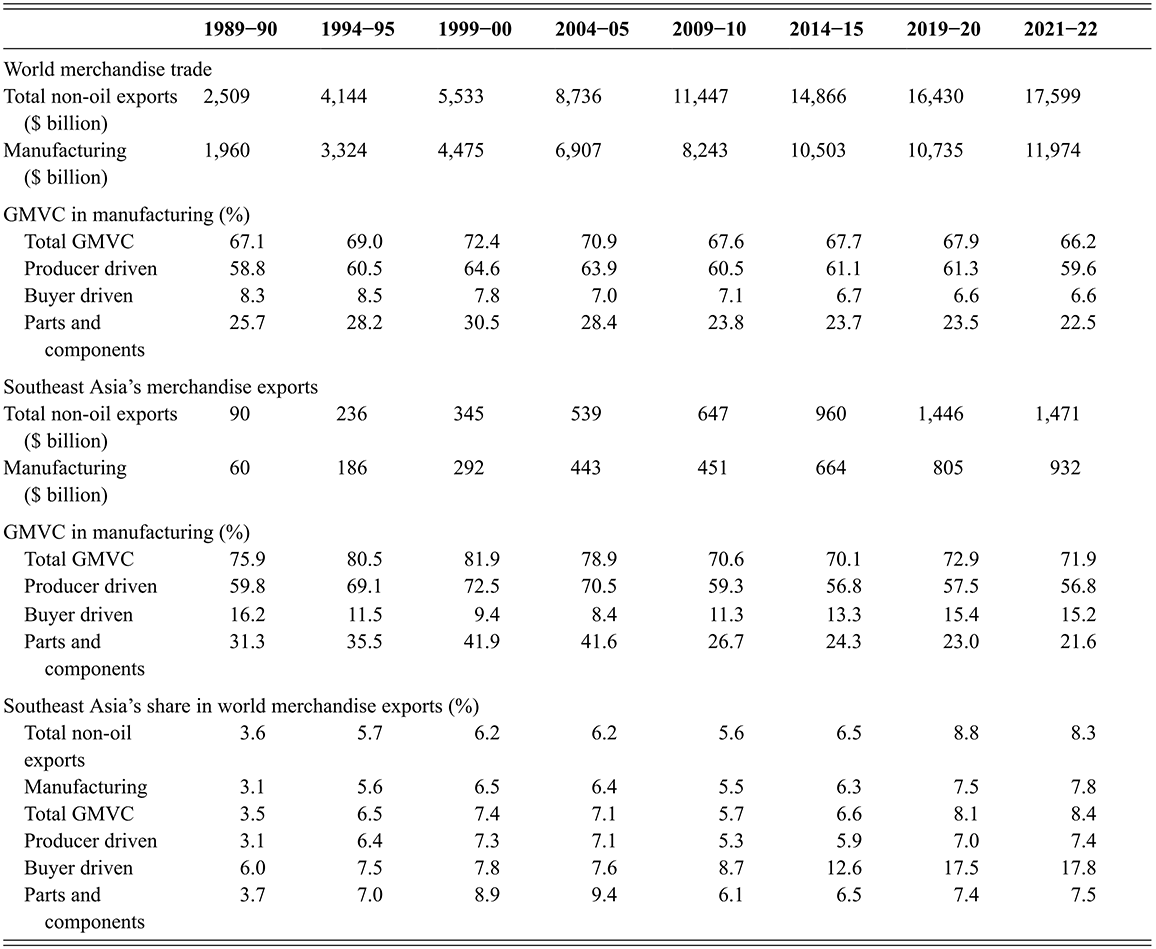
Table 4 Long description
This table shows total value (in US dollar million) of total mechandise exports, the share of GMVC products in total manufacturing disaggregated into producer driven and buyer driven GMVC exports and Southeast Asia’s share in these export categories.
Notes:
(1) Two-year averages.
(2) The apparent jump in this series after 2014 compared to the previous years is due to the rapid increase in apparel exports from Vietnam, Indonesia and Cambodia following the abolition of quota restrictions of the Multi-fibre Arrangement (MFA) in December 2004.
Overall, global patterns of the dominance of producer-driven networks are also evident in Southeast Asia’s engagement in GMVCs. However, the share of buyer-driven networks in the region is notably higher than the global average. This reflects significant diversity among the countries in the region in terms of relative labour costs, with Indonesia, Vietnam, and Cambodia still having substantial untapped potential for labour-intensive manufacturing. While the share of buyer-driven networks in total GMVC exports declined modestly during the first decade of the new millennium, it has increased since then, driven by the rapid growth in exports from Vietnam and Cambodia. In 2021–22, Southeast Asia accounted for 17.8% of total global buyer-driven GMVC exports, up from 6.0% in 1989–90. The share of parts and components in GMVC exports has declined over the years, reflecting a compositional shift toward final assembly as production bases mature. This pattern clearly suggests that studies focusing solely on trade in parts and components as indicators of GMVC activity overlook a significant aspect of the broader picture
Table 5 presents data on the product composition of Southeast Asia’s engagement in GMVC exports. A key factor behind the region’s export diversity is its successful penetration into some of the fastest-growing segments of global trade across a wide range of product categories. For example, Southeast Asia’s share of global exports exceeds 10% in the dynamic trade categories of SITC 75–78 (IT products, electronics, machinery, etc.), SITC 87 (scientific equipment), and SITC 83–85 (garments, footwear, travel goods). In all these categories, the region’s market share is either being maintained or showing continued growth. Notably, Southeast Asia accounts for over one-fifth of total exports in the SITC 776 category, which is dominated by semiconductors. Within buyer-driven GMVCs, the region now contributes nearly 30% of total global footwear exports and 18% of global apparel exports. It also needs to be emphasized that there is significant diversification within each of these increasingly heterogeneous product groups. The region’s share of global automotive trade is also rising. However, Southeast Asia is still a relatively minor participant and, as discussed in the following, automobile exports are heavily concentrated in Thailand with a modest increase in the export share of Indonesia over the past decade or so.
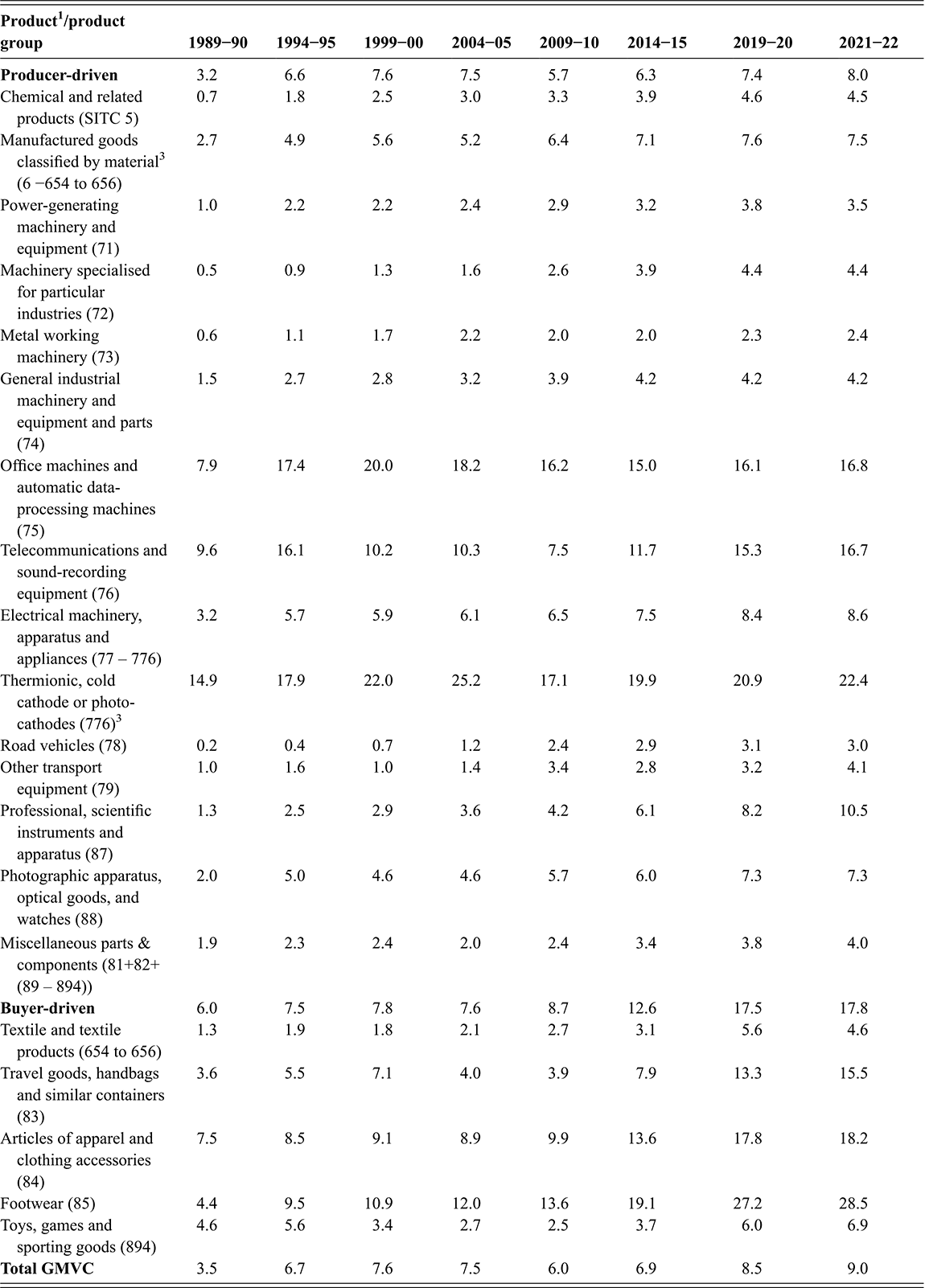
Table 5 Long description
The data are given separately for producer driven and buyer driven GMVCs. Under each type, data are disaggregated at the two-digit level of the Standard International Trade Classification (SITC). The classification system is described in the text.
Notes:
(1) Two-year averages.
(2) Standard International Trade Classification (SITC) codes are given in brackets.
(3) Mostly semiconductors.
We computed the standard revealed comparative advantage index (RCAI) (Balassa, Reference Balassa1965) to provide a ‘snapshot’ view of Southeast Asia’s specialization (or what may be termed presumptive ‘comparative advantage’) in World exports of GMVCs:

where, Xsj denotes exports of GMVC product j from Southeast Asia (s), Xs is total GMVC exports of Southeast Asia, Xwj is world exports of GMVC product j, and Xw is total world GMVC exports
The RCAI measures Southeast Asia’s relative export performance in a specific product category in the region’s total GMVC exports compared to that category’s overall world GMVC exports. An RCAI of more than 1 indicates strong export specialization and presumptive ‘comparative advantage’.
The data reported in Table 6 indicate that, within producer-driven GMVCs, Southeast Asia’s competitive edge is heavily concentrated in telecommunications and sound-recording equipment, as well as in thermionic, cold cathode, or photo-cathode valves, a category dominated by semiconductors. There has also been some growth in the region’s competitive advantage in the product category of professional, scientific, and control instruments. Disaggregated data suggest that this trend is mainly driven by increased exports of medical devices from Singapore and Malaysia. Within buyer-driven GMVCs, a high revealed comparative advantage is primarily concentrated in apparel and footwear, with some strength also observed in travel goods.
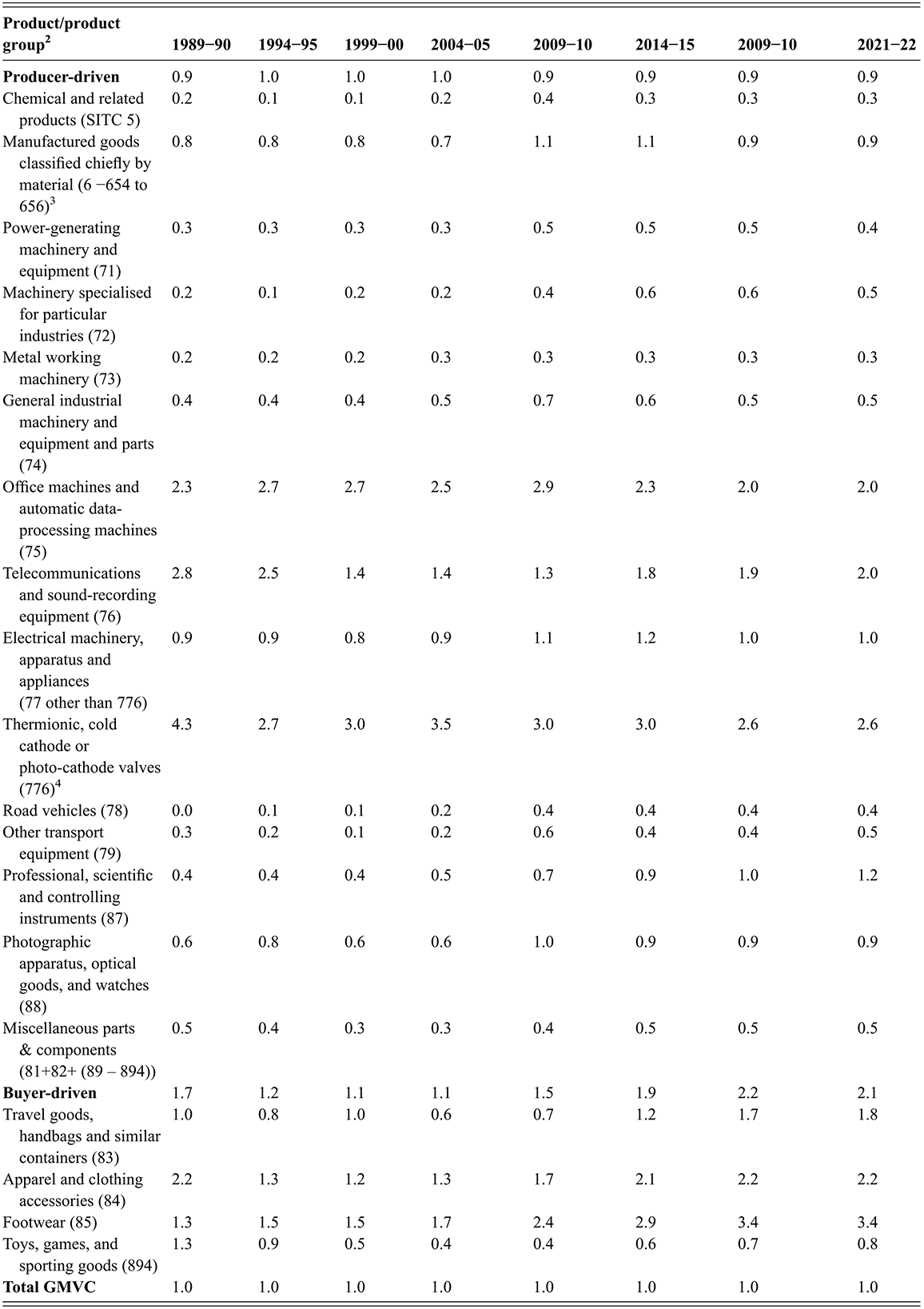
Table 6 Long description
RCA is measured using the method proposed by Bela Balassa. Estimates are provided at the two-digit level of the Standard International Trade Classification (SITC) separately for producer drive and buyer driven GMVC exports.
Notes:
(1) Two-year averages.
(2) Standard International Trade Classification (SITC) codes are given in brackets.
(3) Excluding textile (654 to 656).
(4) Semiconductors.
4.2.2 Geographical Profile of Exports
What have been the implications of engagement in GMVCs for the geographical profile of Asia’s trade patterns? Has the relative importance of extra-regional markets changed with the expansion of trade within GMVCs? How has China’s rise as the centre of GMVCs affected Southeast Asian trade patterns? Would the recently formed Regional Comprehensive Economic Partnership (RCEP) help by reducing Southeast Asia’s historical dependence on traditional markets in North America and Europe? Manufacturing export data, tabulated to help understand these issues, are summarised in Table 7.
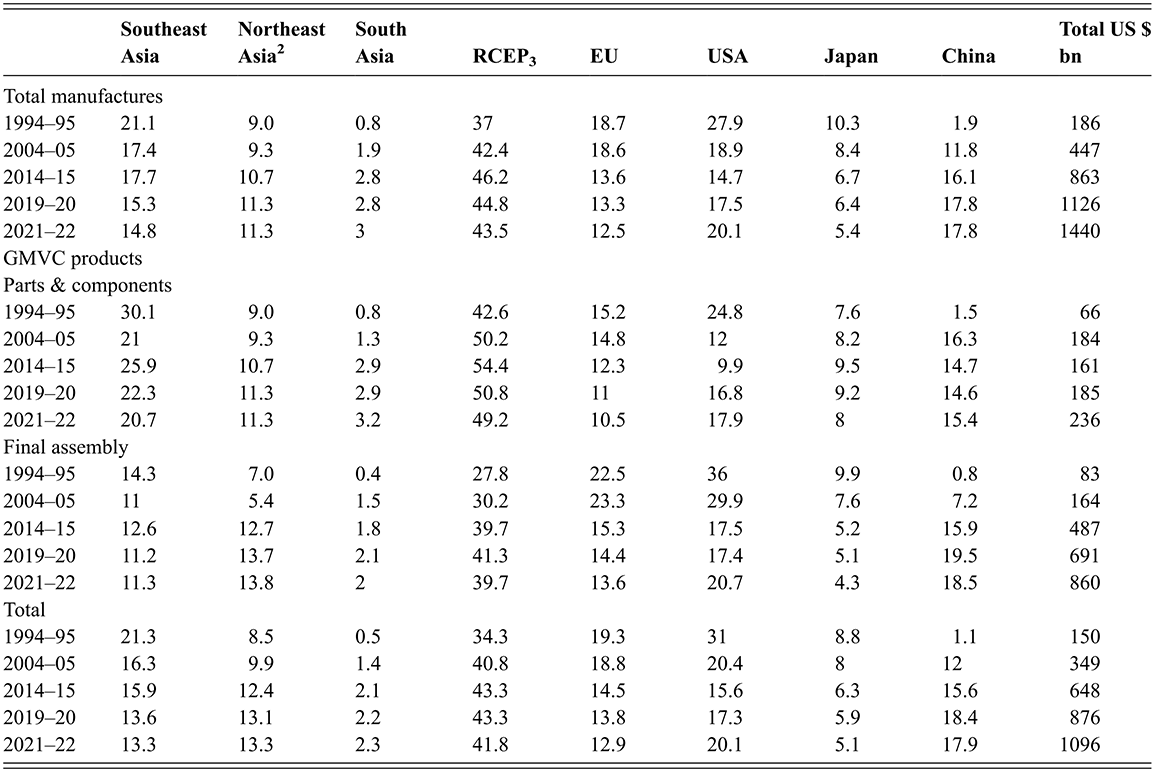
Table 7 Long description
Data are given for shares of manufacturing exports to USA, Japan China and to major destination regions, with total manufacturing exports further disaggregated into final assembly and parts and components of GMVC exports.
Notes:
(1) Annual average.
(2) South Korea & Taiwan.
(3) Regional Comprehensive Economic Partnership (ASEAN, China, South Korea, Japan, Australia, and New Zealand)
The data suggest that, through GMVCs, Southeast Asia has become deeply integrated globally rather than only regionally, that is, within the East Asian region. Contrary to the popular perception Southeast Asia’s intra-regional share of total manufacturing exports and GMVC exports has remained virtually unchanged during the past four decades. The only notable exception shown by further disaggregation of data (not shown here for brevity) is that of parts and component exports within buyer-driven GMVCs. However, these exports account for only a tiny share (less than 5%) of total intra-regional manufacturing exports of Southeast Asia.
The share of exports to China has increased continuously. As expected, exports to China are concentrated within producer-driven networks. Initially, parts and components dominated, but over time, final assembly has gained importance. However, China accounts for less than a fifth of GMVC exports as well as total manufacturing exports. The traditional North American and European markets account for the bulk of Southeast Asian exports. The share accounted for by the member countries of RCEP has increased from 37% in the early 1990s to nearly 45% by the late 2010s, with trade within GMVCs increasing at a faster rate.
4.2.3 Servicification of Manufacturing
An important aspect of the ongoing process of GPS over the past few decades has been the increasing tendency of manufacturing firms to contract out a wide range of knowledge-intensive business services – including after-sales services and solutions – either to affiliated firms or to independent service providers. These services, which were historically embedded within the value of manufactured products, are now delivered separately. This trend, often referred to as servicification, reflects a fundamental shift in the structure of production, blurring the traditional boundaries between manufacturing and services (Bryson & Daniels, Reference Bryson, Daniels, Maglio, Kieliszewski and Spohrer2010; Hoekman & Shepherd, Reference Hoekman and Shepherd2017; Lodefalk, Reference Lodefalk2017). The failure to distinguish between these ‘manufacturing-related services’ from traditional services could, in fact, create a statistical illusion that manufacturing is becoming less important in the national economy. This underestimation bias resulting from the use of the standard trade data could presumably increase when the production processes move from simple assembly activities to higher value-added activities.
To better understand this phenomenon, we draw on data from the OECD TiVA (Trade in Value Added) database, which estimates the services content of manufacturing exports. Table 8 reports the average services content for total gross exports and four GVC-related product categories over the period 2000–20. It is important to interpret these figures with some caution: the services data in the TiVA database include all services as defined in standard national income accounts, not just those traditionally embodied in manufacturing production. Nevertheless, the difference in estimated services content between GMVC-related products and total gross exports provides a useful proxy for the degree of servicification associated with the ongoing process of GPS.
| Total manufacturing | Textiles, wearing apparel, leather products, and footwear | Computers, electronic, and optical products | Electrical equipment | Machinery and equipment | Automotives | |
|---|---|---|---|---|---|---|
| Indonesia | 23.8 | 29.3 | 35.3 | 30.7 | 32.6 | 30.0 |
| Malaysia | 32.5 | 29.1 | 34.3 | 34.8 | 31.1 | 35.8 |
| Philippines | 26.2 | 26.5 | 28.2 | 24.9 | 25.7 | 30.6 |
| Singapore | 41.8 | –Footnote 2 | 51.9 | 44.5 | 44.5 | –Footnote 2 |
| Thailand | 29.9 | 29.8 | 35.0 | 30.3 | 30.3 | 32.0 |
| Viet Nam | 25.2 | 25.0 | 27.5 | 28.3 | 28.2 | 28.4 |
| Southeast Asia | 31.3 | 27.2 | 38.7 | 31.6 | 36.0 | 31.7 |
(1) Service industries include construction, wholesale and retail trade, accommodation and food services, transportation services, information and communications, financial and insurance, real estate, professional, scientific and technical services, administrative and support services, public administration, health, education and personal services.
(2) These products are negligible in exports of Singapore.
In Southeast Asia’s total manufacturing exports, the services content of the four producer-driven product categories – namely computers, electronic, and optical products, and automotive – is, on average, four percentage points higher than the average for total gross exports. As expected, service intensity is significantly lower for apparel and footwear, which are key product categories within buyer-driven GMVCs.
At the country level, producer-driven products in Singapore stand out for their particularly high services intensity compared to other countries in the region. This pattern aligns with Singapore’s more advanced stage of integration into GMVCs and its role as a preferred location for regional headquarters of MNEs operating within these networks. Overall, these estimates lend support to the hypothesis that GPS is closely associated with servicification, that is, the growing role of services in manufacturing.
4.2.4 Country Profiles in GMVC Participation
This section examines the diversity of export patterns within GMVCs of the Southeast Asian countries. Figures 3–11 depict time series data on GMVC engagement over the period 1988 to 2022, distinguishing between buyer-driven and producer-driven GVCs that underpin overall export patterns. Supplementing this, Table 9 summarises some key indicators of export performance within GMVCs.
Indonesia: GMVC Engagement and Export Performance, 1988–2022
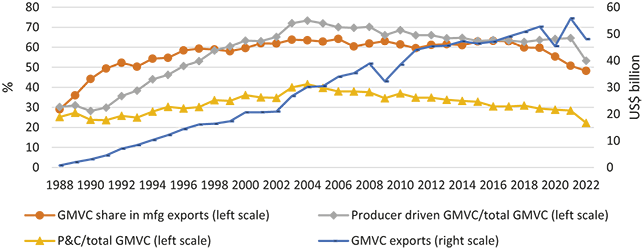
Malaysia: GMVC Engagement and Export Performance, 1988–2022
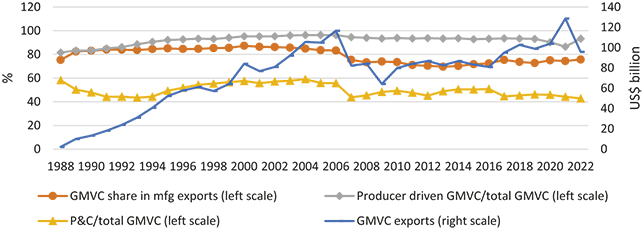
The Philippines: GMVC Engagement and Export Performance, 1988–2022
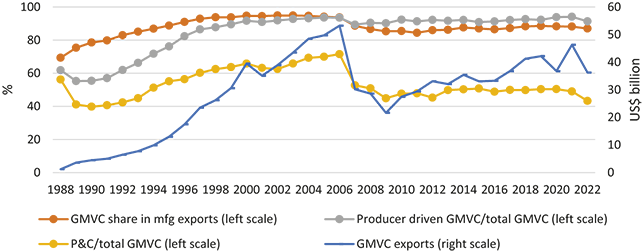
Singapore: GMVC Engagement and Export Performance, 1988–2022
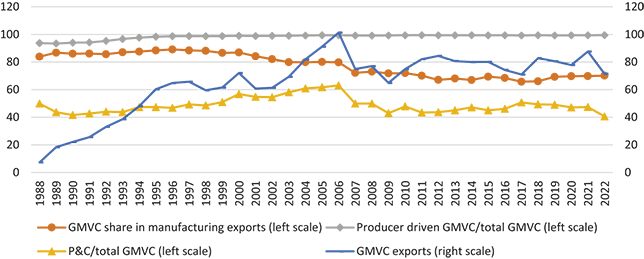
Thailand: GMVC Engagement and Export Performance, 1988–2022
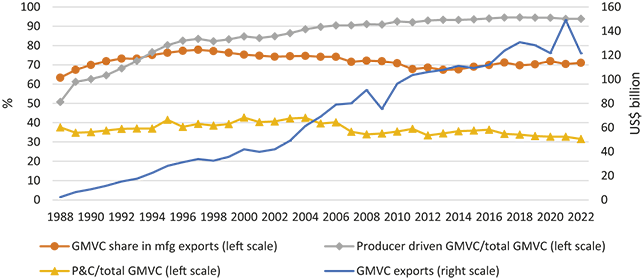
Vietnam: GMVC Engagement and Export Performance, 1988–2022
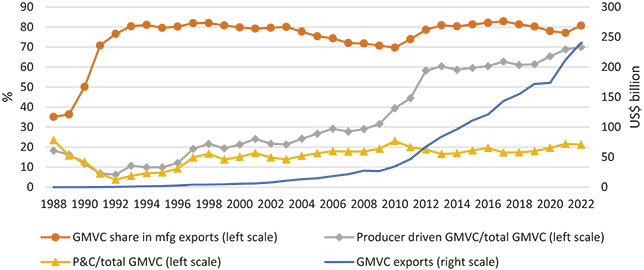
Cambodia: GMVC Engagement and Export Performance, 1988–2022
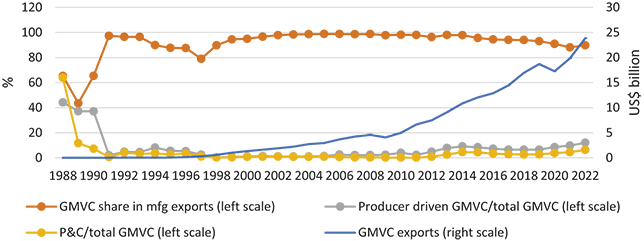
Lao PDR: GMVC Engagement and Export Performance, 1988–2022
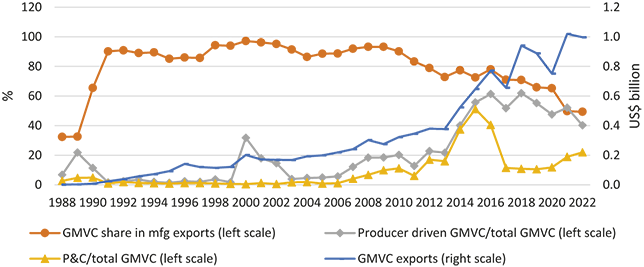
Southeast Asia: GMVC Engagement and Export Performance, 1988–2022
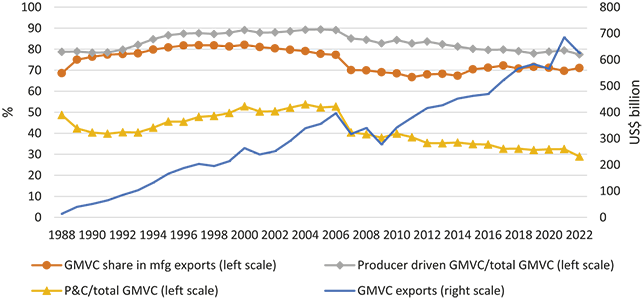
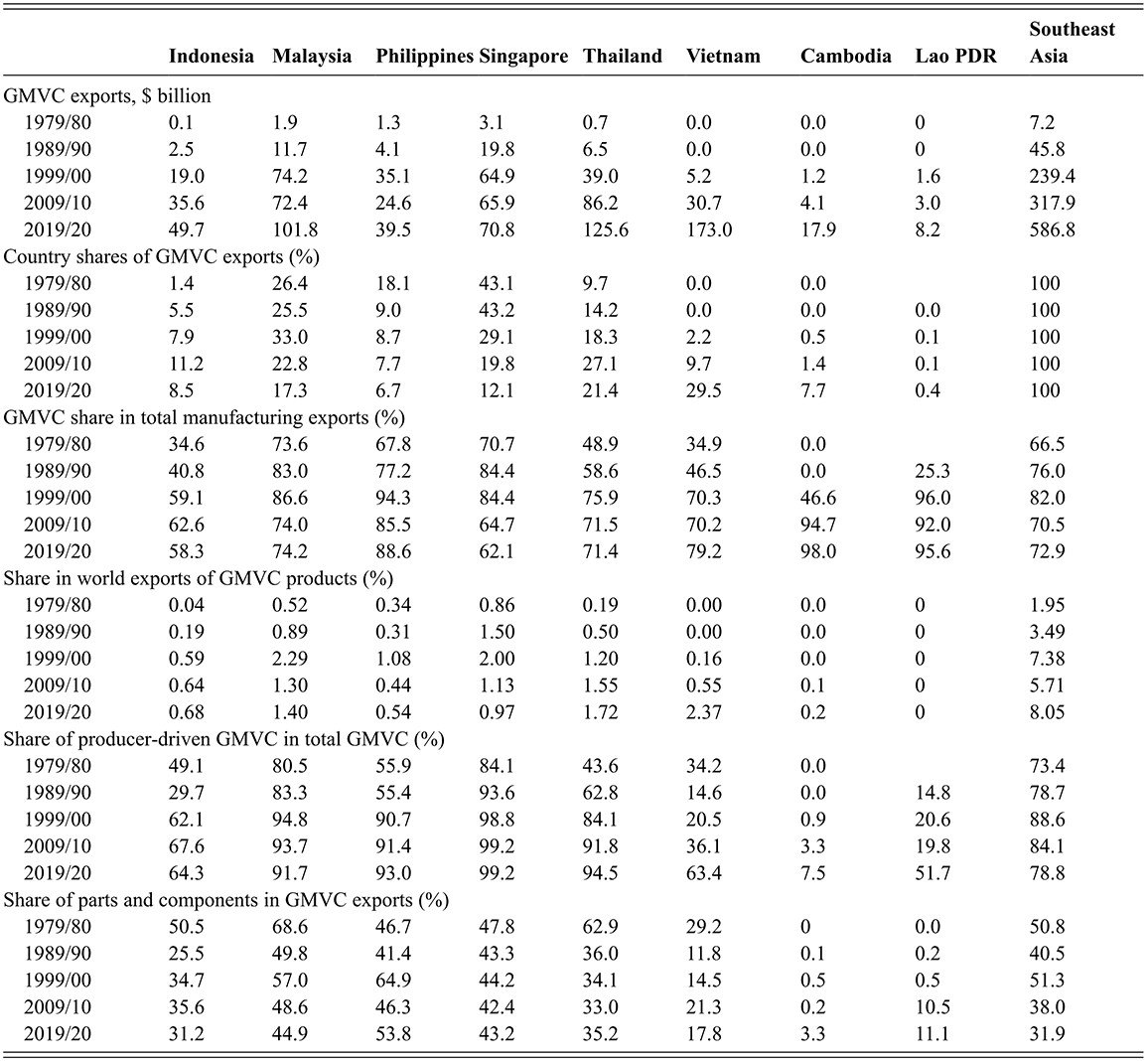
Table 9 Long description
For each country data are given for the total value of GMVC exports, and the country share in total, producer driven and buyer driven GMVC exports, and parts and components.
As discussed, over the past two decades, Southeast Asia’s total manufactured exports have grown at a faster pace than global exports, with the region’s integration into GMVCs serving as a key engine of this growth. At the individual country level, the most striking development has been the meteoric rise of Vietnam. Vietnam’s total GMVC exports surged from around $5 billion in the early 2000s to over $170 billion in 2019/20. Its share in regional GMVC exports over this period increased from 2.2% to 29.5%, while its share in global GMVC exports rose from 0.16% to 2.37%. By 2019/20, GMVC products accounted for nearly 80% of Vietnam’s total manufacturing exports. In that same year, Vietnam represented 2.4% of global GMVC exports, up from just 0.5% a decade earlier. In contrast, both Indonesia and the Philippines, despite promising starts in the 1970s and 1980s, have lagged their regional peers on these key indicators. By the late 2010s, their manufacturing export volumes were each less than one-fourth of Vietnam’s ($173 billion). Meanwhile, data for Singapore, Malaysia, and Thailand present a more mixed picture. Although all three countries show a consistent upward trend in the absolute value of GMVC exports, their performance in terms of global market share and the contribution of GMVCs to total domestic manufacturing exports has varied.
The rise of China as the premier global centre of GMVCs has had a significant impact on the export performance of Southeast Asian countries. There was a notable shift in final assembly – the most labour-intensive stage, which relies heavily on a large labour force – from these countries to China, especially following China’s entry into the World Trade Organization (WTO) in 2001. Initially, this contractionary effect on exports from Southeast Asia was more than offset by increased exports of parts and components from the region to China to support final assembly (Athukorala, Reference Athukorala2009). However, from the late 2000s onward, exports of parts and components to China also began to lose momentum as China’s production base matured (Constantinescu et al., Reference Constantinescu, Mattoo and Ruta2016; World Bank, 2020).
Over the past two decades, there has been a notable reversal in Southeast Asia–China trade patterns within GMVCs, driven first by rapid increases in manufacturing wages in China and, more importantly, by the ‘China Plus One’ strategy adopted by international producers in response to the US–China trade conflict. So far, the primary beneficiaries of this shift have been Vietnam and Cambodia. Indonesia, despite its sizeable labour pool and relatively lower wages (Table 1), has yet to capitalize on this opportunity, mainly due to entrenched policy constraints related to the role of foreign direct investment in the economy (Athukorala & Patunru, Reference Athukorala and Patunru2025). It remains to be seen whether the US ‘Liberation Day’ tariff schedules announced on 2 April 2025 will ever be implemented and, if so, whether they would affect US firms’ investment strategies in the region.
Until the early 1990s, Southeast Asian countries’ participation in GPS was primarily a two-way exchange with the home countries of MNEs: parts and components assembled in Southeast Asia were re-exported to the home countries for incorporation into final products. As supply networks for parts and components became firmly established, MNEs began relocating the final assembly of a growing range of electronics and electrical goods, such as computers, cameras, TV sets, and motor cars, to Southeast Asian locations. This trend accelerated following the rapid appreciation of the yen after the Plaza Accord in 1985, which spurred Japanese MNEs in the electronics and electrical goods sectors to expand operations in the region (Rodrik, Reference Rodrik1997).
The share of parts and components in total GMVC exports from Southeast Asia has declined slightly, from 40% in the late 1980s to 37% in 2020–21. This share varies significantly among countries depending on their relative involvement in buyer-driven versus producer-driven networks, with countries more engaged in producer-driven networks generally exhibiting a higher share of parts and component exports. Singapore, Malaysia, and the Philippines stand out for their heavy reliance on parts and component exports.
Reflecting the overall global pattern, exports from all Southeast Asian countries are heavily concentrated within producer-driven GMVCs. However, buyer-driven GMVCs account for a sizeable share of GMVC exports from Vietnam, Indonesia, and Cambodia. Among the newer entrants, Lao PDR is unique for having a large share of exports within producer-driven networks, at over 50%. These exports primarily consist of low-end assembly of parts and components for firms based in Thailand, and the scale remains very small.
With regard to the product composition of individual countries (Table 10), differences in relative wages appear to influence the balance between producer-driven and buyer-driven exports. Products within producer-driven networks account for over 90% of total exports from Singapore, Malaysia, Thailand, and the Philippines. In contrast, this figure is lower in Indonesia (64%) and much lower in Cambodia (7.5%). Among these countries, Singapore exhibits a relatively more diversified product composition within producer-driven GMVCs. Singapore entered GMVCs in the late 1960s primarily as an assembler of semiconductors (mostly classified under SITC 776). From the late 1970s onward, its product mix expanded to include various categories of consumer electrical goods, medical devices, aircraft parts, and chemicals and related products (Athukorala & Ekanayake, Reference Athukorala and Ekanayake2025). Compared to Singapore, the exports of Malaysia, Thailand, and the Philippines remain heavily concentrated within the broader category of electronics and electrical goods (SITC 75, 76, and 77). The Philippines, in particular, has a relatively narrow export base, mainly confined to a few electronics products.
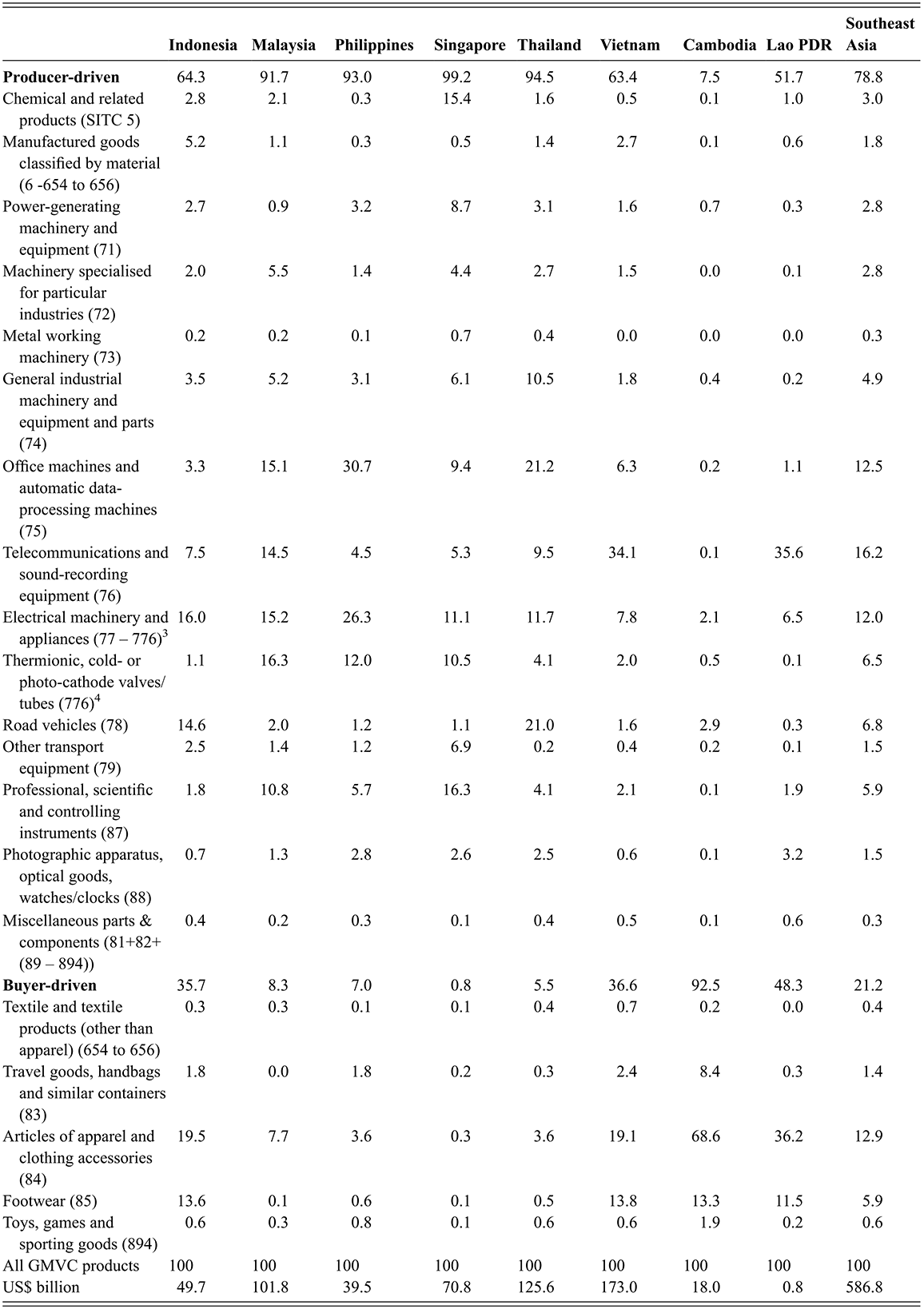
Table 10 Long description
Data are provided separately for exports disaggregated into producer driven and buyer driven GMVC exports at the two digit level of the Standard International Trade Classification (SITC).
A notable difference between Thailand and its Southeast Asian neighbours is its heavy concentration in regional automobile exports, including both passenger vehicles and automotive parts and components. In 2019–20, automobiles accounted for over one-fifth of Thailand’s total GMVC exports, representing nearly 70% of the region’s total automobile exports. These data reflect contrasting policy approaches among the countries. Malaysia missed the opportunity to join the regional automobile network due to its long-standing commitment to developing a national car industry through trade protection and subsidies, without imposing export discipline on its two national carmakers (Studwell, Reference Studwell2013). Both Indonesia and the Philippines previously pursued national car programs by restricting foreign direct investment in the sector (Odaka, Reference Odaka1983; Doner et al., 2022). However, over the past two decades, automobile exports from Indonesia and the Philippines have grown significantly, reflecting their integration into Thailand-centred regional automobile networks. By 2019–20, Indonesia accounted for about 20% of the region’s automobile exports, becoming the second-largest exporter in the region after Thailand.
Disaggregated data indicate that the recent increase in Indonesia’s automobile exports has occurred alongside a continued decline in the country’s export performance in electronics and electrical goods (Figure 12). How can this emerging trend in automobile exports be explained within an overall investment climate that has been less conducive to the operation of electronics and other related GMVC sectors? The answer appears to lie in the intrinsic characteristics of automobiles and the relatively large size of Indonesia’s domestic market.
Indonesia’s relative export performance in producer-driven GMVCs in Southeast Asia (%)
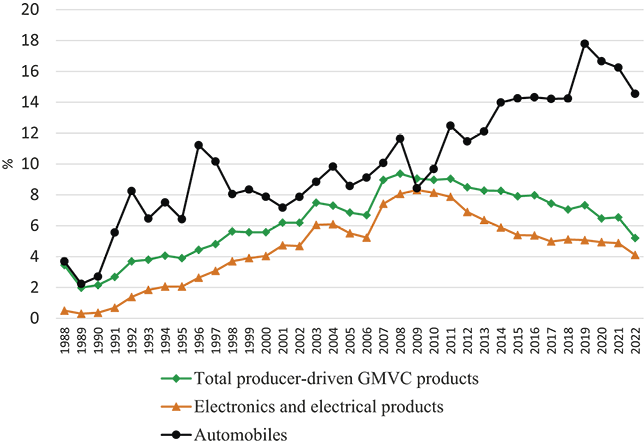
Unlike most electrical and electronics products, automobiles are bulky, ‘low-value-to-weight’ goods, meaning transport costs are a key determinant of market price. As a result, both automobile assemblers and component producers have a natural tendency to co-locate in countries with large domestic markets. This locational decision also helps in designing products to suit the tastes and affordability of local customers. Most automobile components are also bulky and unsuitable for air transport, unlike parts and components in electronics. Thus, parts and component manufacturers tend to set up factories closer to the assemblers to ensure timely delivery, meeting the requirements of just-in-time production. This co-location tendency is further driven by the asymmetrical market power relationship between the two parties within the global automobile industry, where the products of many auto part manufacturers are used by a handful of carmakers. This contrasts with electronics parts, such as integrated circuits and semiconductors, which are used across many industries (Kohpaiboon & Jongwanich, Reference Kohpaiboon and Jongwanich2013).
Once a complete production base – encompassing both final assembly and component production – has been established in a large country, exporting both final assembled vehicles and parts and components to third countries becomes a viable option for automakers. The scale economies gained from domestic expansion make exporting both parts and components, as well as assembled vehicles, profitable as part of their global profit-maximization strategy. Additionally, adapting products to suit domestic demand conditions and lower transportation costs compared to exporting from the home base become key drivers for exporting to regional markets from the new production base.
As a low-wage country by regional standards with a large trainable labour force, Vietnam holds a comparative advantage in both components and final assembly within producer-driven GMVCs, as well as in the production of standard consumer goods (apparel and footwear) within buyer-driven GMVCs. However, products from producer-driven GMVCs still account for a relatively smaller share of Vietnam’s exports (63%) compared to the other five main Southeast Asian countries. Within producer-driven GMVCs, Vietnam’s exports are heavily concentrated in consumer electronics, particularly telecommunication equipment (SITC 76). Meanwhile, within buyer-driven GMVCs, Vietnam’s product mix is predominantly focused on apparel and footwear.
The abolition of country-specific voluntary export restrictions under the Multi-Fibre Arrangement (MFA) in 2005 opened up opportunities for low-wage countries to enter global apparel markets under near free-trade conditions. In Southeast Asia, Vietnam and Cambodia have been the primary beneficiaries of this market liberalization. While apparel also represents a significant share of GMVC exports from Indonesia, the country has not yet capitalized on the MFA abolition to the same extent as Vietnam and Cambodia. Between 2005–09 and 2019–20, Vietnam’s share of world apparel exports increased from 2.4% to 5.2%, and Cambodia’s rose from 1.1% to 1.6%. In contrast, Indonesia’s share remained virtually unchanged at around 2%.Footnote 32 Indonesia’s weaker performance is largely attributed to its more restrictive labour market regulations and ambivalent stance toward FDI (Patunru, Reference Patunru2023).
5 Global Manufacturing Value Chain and Industrialization
This section examines the role of GPS in the manufacturing performance of Southeast Asia countries. The available production–side data (based on manufacturing surveys) do not permit directly linking network trade with manufacturing performance. The second-best approach followed here is to delineate the industries in which GPS is heavily concentrated as revealed by the analysis of trade patterns in the previous section (which we dub here ‘GMVC-related industries’), and compare their performance with the other (non-GPS) industries. The data are compiled from the INDSTAT-4 database of the United Nations Industrial Development Organization (UNIDO), which brings together data from the annual surveys of manufacturing conducted in individual countries under a uniform format at the four-digit level of the International Standard Industry Classification (ISIC).
We examine the contribution of GMVC engagement to the process of industrialization in terms of five performance indicators: share in total manufacturing output (value added), employment, and value added share in gross output, wages, and labour productivity (defined as value added per worker). These indicators for the six major Southeast Asian countries are summarised in Tables 11a and 11b.Footnote 33
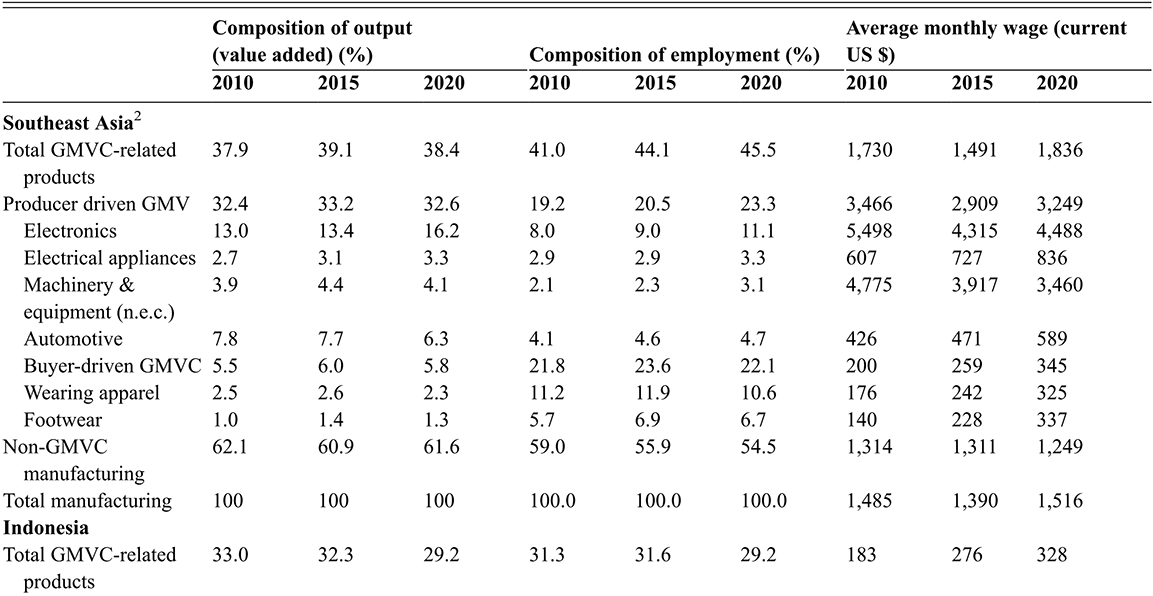
Table 11a(a) Long description
Contains data on output (value added), employment and monthly wages in manufacturing. Fore each variable total manufacturing is disaggregated into producer driven and buyer driven production. Producer driven production is further disaggregated into electronics, electrical appliances , machinery and equipment, and automotive. Under buyer driven production, data are given separately for wearing apparel and footwear.
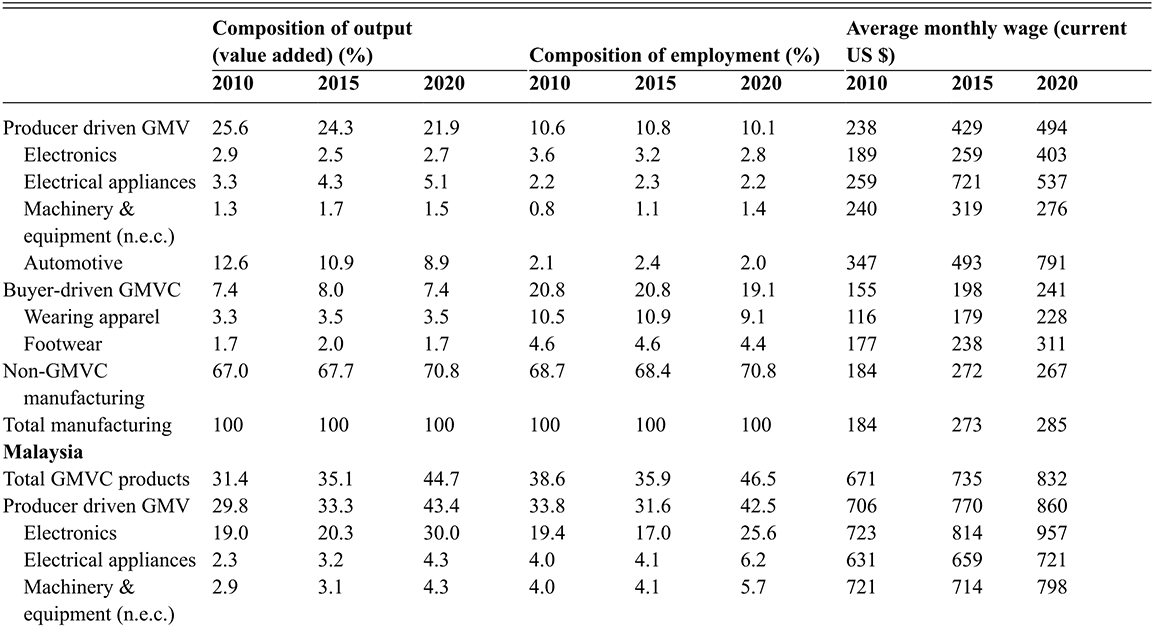
Table 11a(b) Long description
Contains data on output (value added), employment and monthly wages in manufacturing. Fore each variable total manufacturing is disaggregated into producer driven and buyer driven production. Producer driven production is further disaggregated into electronics, electrical appliances , machinery and equipment, and automotive. Under buyer driven production, data are given separately for wearing apparel and footwear.
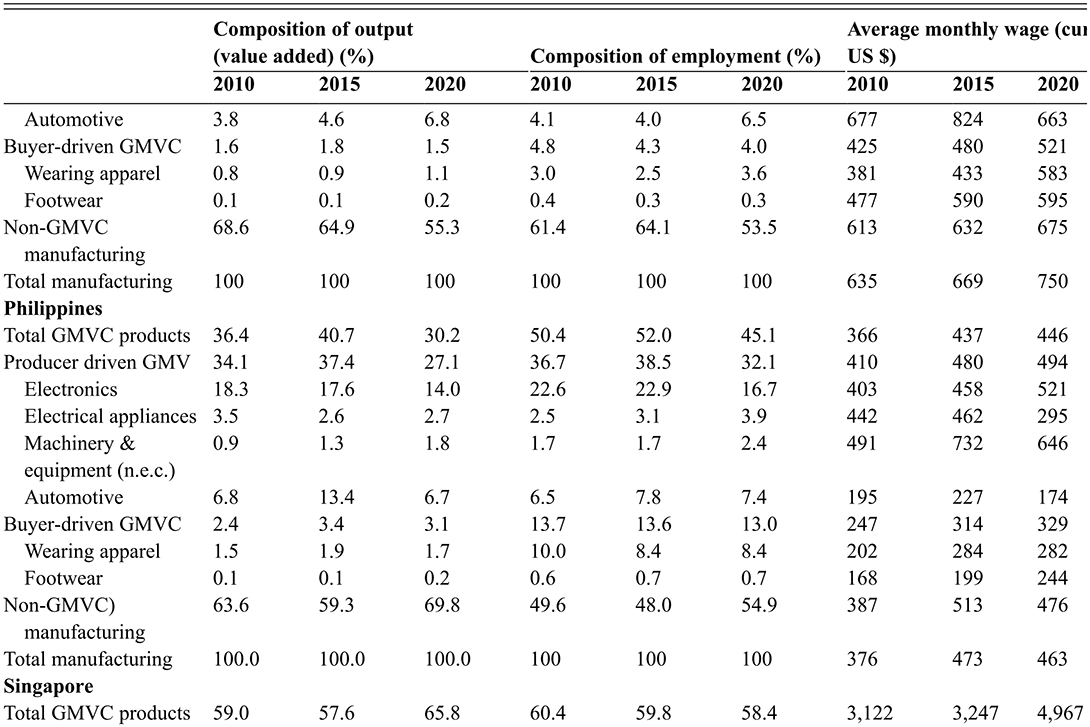
Table 11a(c) Long description
Contains data on output (value added), employment and monthly wages in manufacturing. Fore each variable total manufacturing is disaggregated into producer driven and buyer driven production. Producer driven production is further disaggregated into electronics, electrical appliances , machinery and equipment, and automotive. Under buyer driven production, data are given separately for wearing apparel and footwear.
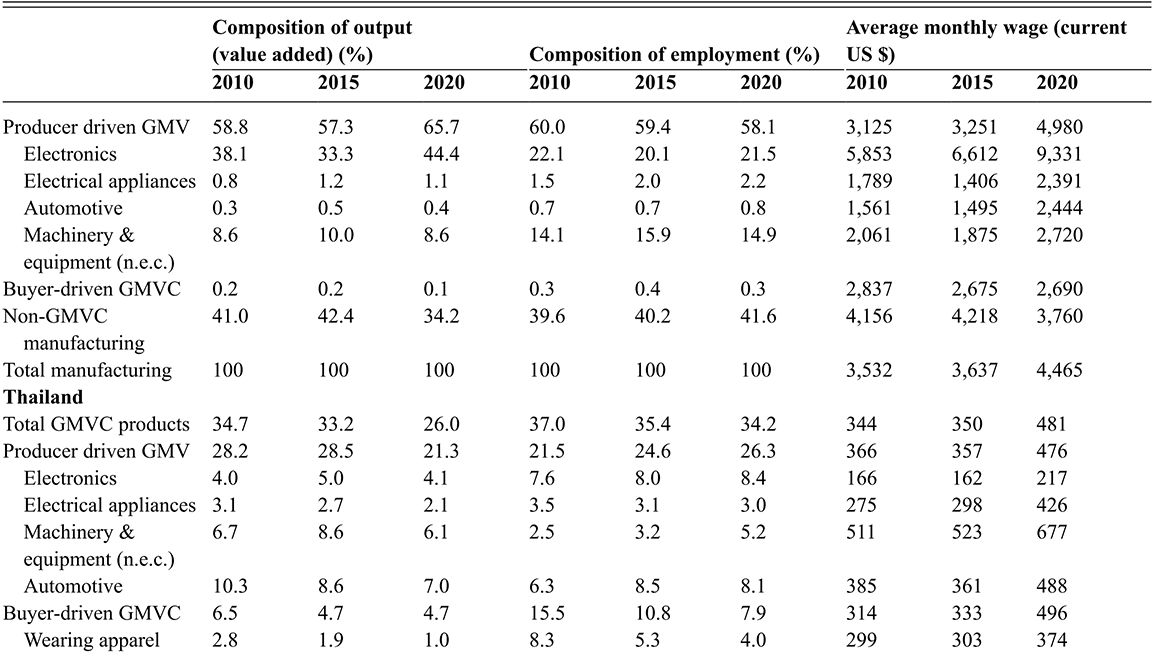
Table 11a(d) Long description
Contains data on output (value added), employment and monthly wages in manufacturing. Fore each variable total manufacturing is disaggregated into producer driven and buyer driven production. Producer driven production is further disaggregated into electronics, electrical appliances , machinery and equipment, and automotive. Under buyer driven production, data are given separately for wearing apparel and footwear.
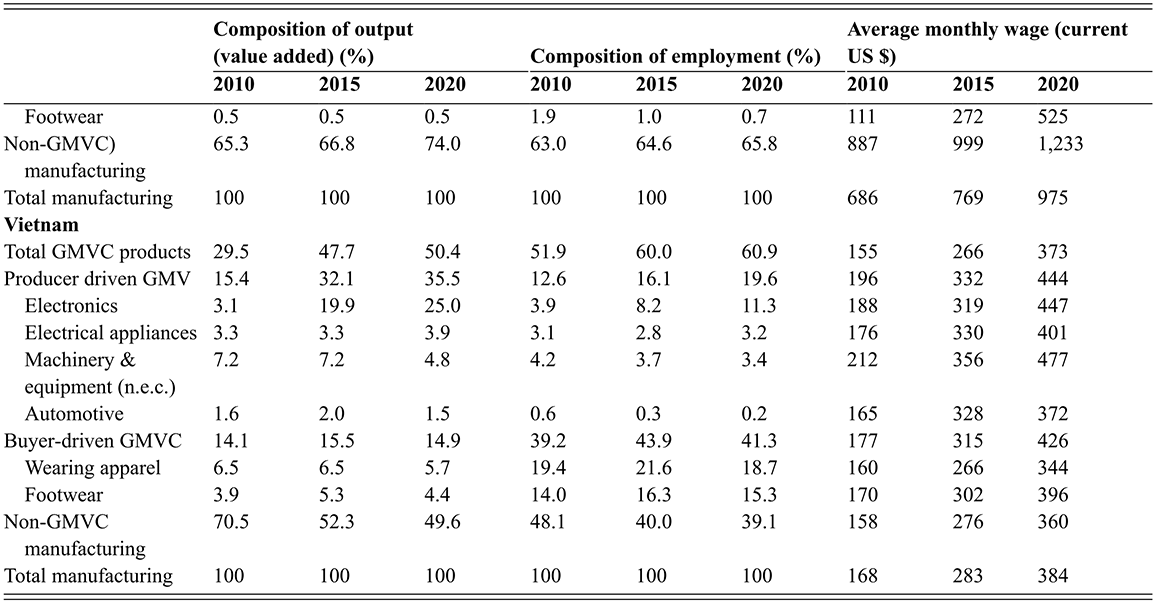
Table 11a(e) Long description
Contains data on output (value added), employment and monthly wages in manufacturing. Fore each variable total manufacturing is disaggregated into producer driven and buyer driven production. Producer driven production is further disaggregated into electronics, electrical appliances , machinery and equipment, and automotive. Under buyer driven production, data are given separately for wearing apparel and footwear.
Notes:
(1) Value added per worker.
(2) Data on the share of value added in gross output exclude Vietnam.
– Data not available.n.e.c. Not elsewhere classified.
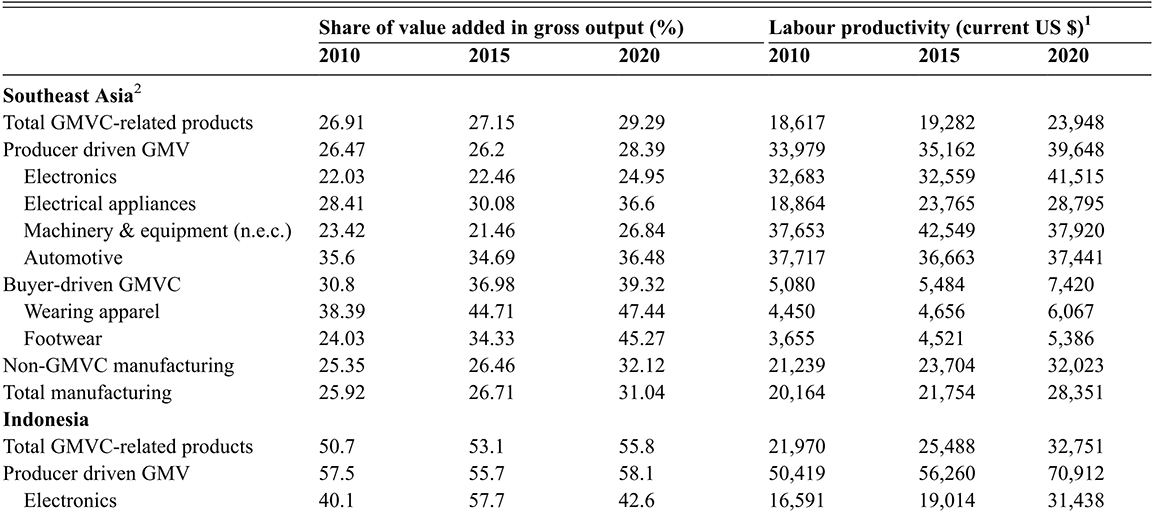
Table 11b(a) Long description
Contains data on the share of value added in gross output and labour productivity in current $.. For each variable, data for total manufacturing are disaggregated into producer driven and buyer driven production. Producer driven production is further disaggregated into electronics, electrical appliances , machinery and equipment, and automotive. Under buyer driven production, data are given separately for wearing apparel and footwear.
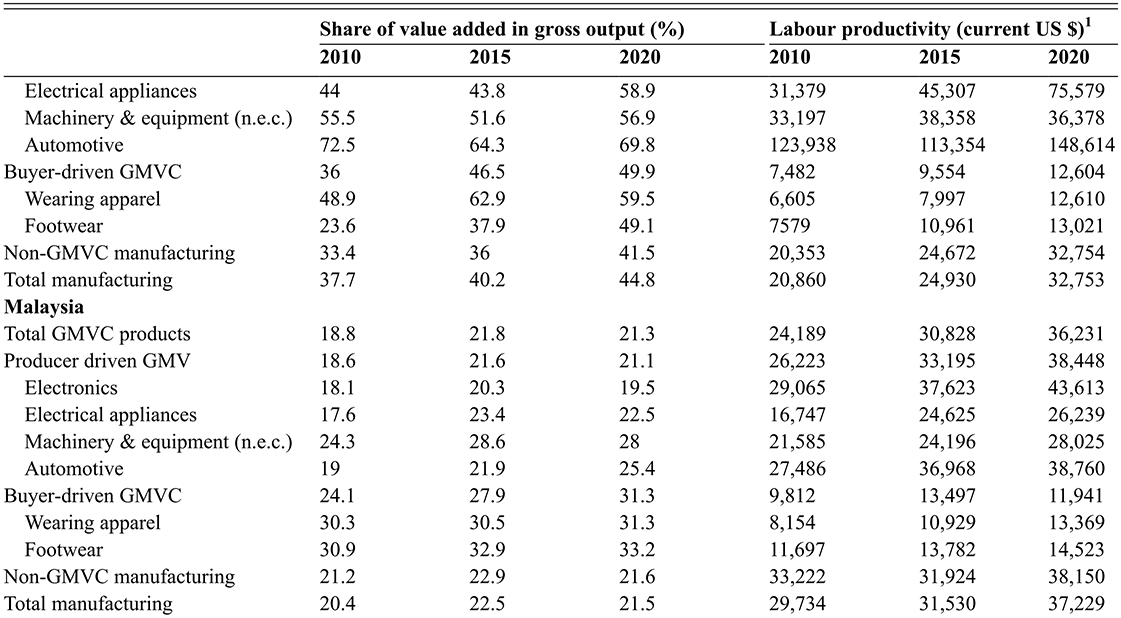
Table 11b(b) Long description
Contains data on the share of value added in gross output and labour productivity in current $.. For each variable, data for total manufacturing are disaggregated into producer driven and buyer driven production. Producer driven production is further disaggregated into electronics, electrical appliances , machinery and equipment, and automotive. Under buyer driven production, data are given separately for wearing apparel and footwear.
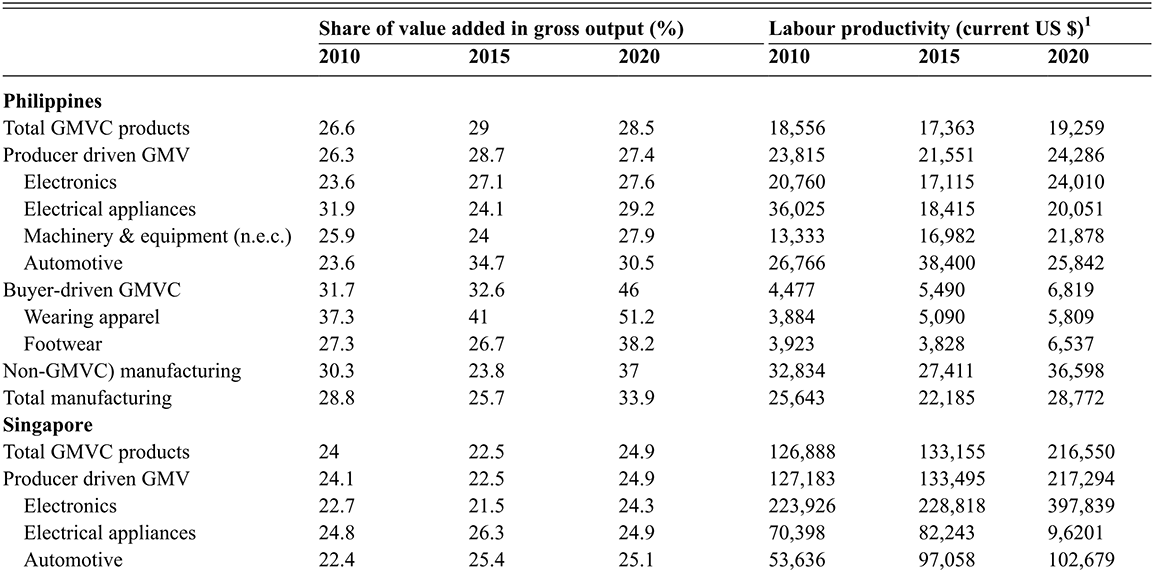
Table 11b(c) Long description
Contains data on the share of value added in gross output and labour productivity in current $.. For each variable, data for total manufacturing are disaggregated into producer driven and buyer driven production. Producer driven production is further disaggregated into electronics, electrical appliances , machinery and equipment, and automotive. Under buyer driven production, data are given separately for wearing apparel and footwear.
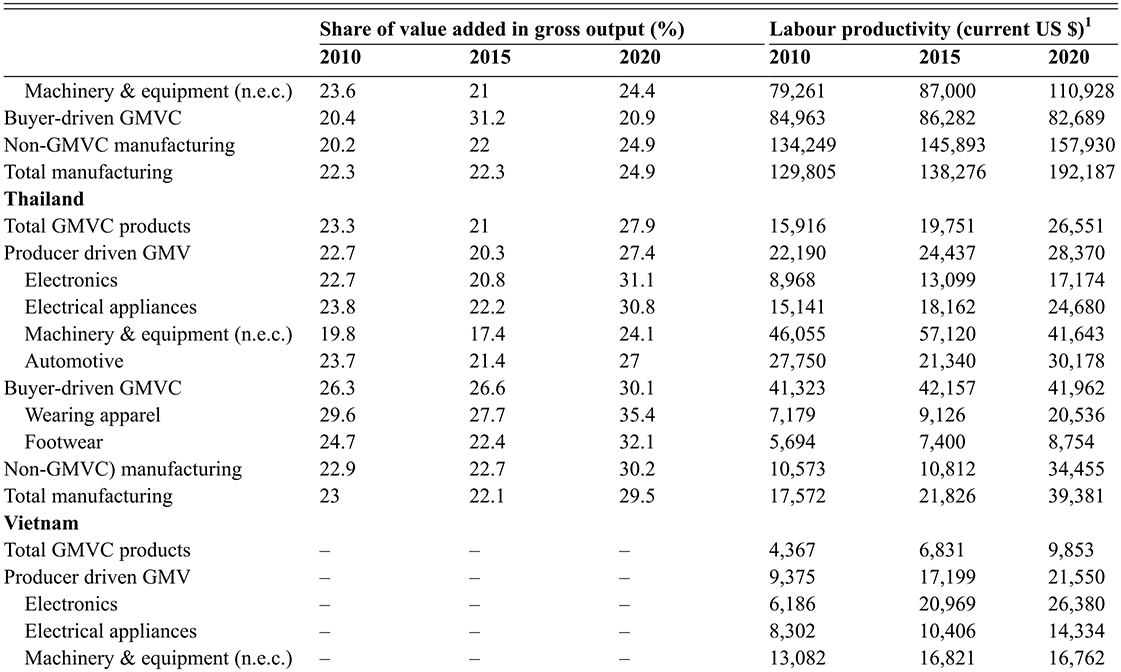
Table 11b(d) Long description
Contains data on the share of value added in gross output and labour productivity in current $.. For each variable, data for total manufacturing are disaggregated into producer driven and buyer driven production. Producer driven production is further disaggregated into electronics, electrical appliances , machinery and equipment, and automotive. Under buyer driven production, data are given separately for wearing apparel and footwear.
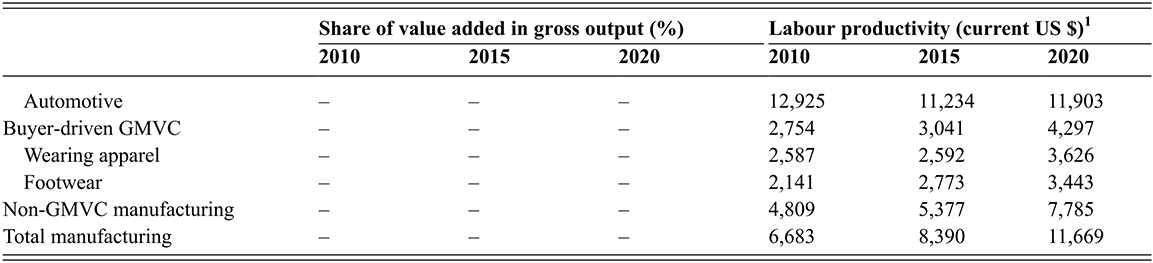
Table 11b(e) Long description
Contains data on the share of value added in gross output and labour productivity in current $.. For each variable, data for total manufacturing are disaggregated into producer driven and buyer driven production. Producer driven production is further disaggregated into electronics, electrical appliances , machinery and equipment, and automotive. Under buyer driven production, data are given separately for wearing apparel and footwear.
Notes:
(1) Value added per worker.
(2) Data on the share of value added in gross output exclude Vietnam.
– Data not available.n.e.c. Not elsewhere classified.
The interpretation of the data below is subject to two caveats. First, manufacturing export data are not available in the UNIDO database. Our approximate matching of output data from UNIDO with export data based on customs records (the Comtrade database) suggests that the actual degree of export orientation in each product category varies among the six countries. For example, comparisons of product and export compositions indicate that the degree of export orientation is notably lower in Indonesia compared to Thailand, Malaysia, and Singapore. In the Philippines, exports are heavily concentrated in electronics, while export orientation in other product categories is much lower, and similar to Indonesia. Second, the share of GMVC-related products in total manufacturing reported here – which is based on nominal manufacturing value added – should be interpreted with caution. During this period, prices of these products, particularly electronics and electrical goods, grew at a slower rate compared to most other manufactured products (Athukorala, Reference Athukorala, Nguyen and London2023).Footnote 34
The relative importance of GMVC-related industries within the domestic manufacturing sector varies significantly among the six countries. Singapore, Malaysia, and Vietnam stand out for the continuous increase in the share of these industries in total manufacturing during the period 2000–2020: from 59.0% to 65.8% in Singapore; from 31.4% to 44.7% in Malaysia; and from 29.5% to 50.4% in Vietnam. In contrast, the output share of GMVC-related products in Thailand and the Philippines remained virtually unchanged, hovering around 30%. The data clearly highlight Indonesia’s ‘outlier status’ regarding the integration of its domestic manufacturing sector within GPNs. The share of GMVC-related products in Indonesian manufacturing declined from 33.0% to 29.2% over the same period. In Singapore and Malaysia, electronics continued to dominate the product mix, while Vietnam’s product mix has become more diversified during this decade. Interestingly, the output share of automobiles recorded a mild decline, from 12.6% to 8.9%, despite its increased share in total exports, as noted earlier. This indicates that the automotive industry has become significantly more export-oriented during this decade.
An in-depth analysis of the underlying causes of inter-country differences in the performance of GMVC industries is beyond the scope of this study. But there is evidence to suggest that at least part of the explanation lies in the investment climate within which GMVC industries operate. Notwithstanding rapid increases in labour and rental costs, Singapore has continued to remain an attractive location within GPNs for high-value, more sophisticated tasks in the value chain because of the excellent overall investment climate, which places the county at the top notch in various global business/investment climate rankings (Athukorala & Ekanayake, Reference Athukorala and Ekanayake2025). The quality of technical and higher education institutions in Singapore has notably improved over the years in line with the requirements of industrial upgrading within GPNs. Singapore has also been following a business-friendly immigration policy, which enables employers to import skilled manpower at high levels, to make up for absent local skills (Athukorala & Manning, Reference Athukorala and Manning1999). In Malaysia impediments to further expansion of GMVC industries with a diversification into other, more sophisticated product lines are deeply rooted in Malaysia’s long-standing ethnic-based economic policy. Of particular importance is the growing scarcity of skilled manpower resulting from the deterioration in the quality of higher education, emigration of skilled workers (brain drain) and the ever expanding role of the public sector, particularly the so-called government linked companies (GLCs), which provides ‘easy and more secure jobs for local jobseekers’ (Menon & Ng, Reference Menon and Thiam Hee2017; Gomez, Reference Gomez2025). Political instability and poor infrastructure often figure prominently in discussions on the nature of the investment climate in the Philippines (Athukorala, Reference Athukorala, Hill, Ravago and Roumasset James2022).
In Malaysia, Thailand, the Philippines, and Vietnam, the share of employment in GMVC-related industries is generally higher than their corresponding output share. This pattern supports the view that specialization within GMVCs tends to promote employment generation. Notably, the gap between employment and output shares is much larger in Vietnam than in the other three countries. This reflects a combination of factors: the labour-intensive nature of production processes at the formative stage of GMVC specialization, and Vietnam’s relatively higher share of production within buyer-driven GMVCs. No clear pattern is visible in the data for Indonesia, likely due to its uneven and fragmented engagement in GMVCs. In contrast, Singapore has seen a slight decline in the employment share of GMVC-related industries, from 60.4% to 58.4%, despite an increase in their output share. This is consistent with a structural shift in the country’s production mix toward more sophisticated, capital- and R&D-intensive products.
The pessimistic school of thought on national gains from GPS argues that, while this form of international exchange may generate employment in host countries, it often fails to deliver broader income gains. MNEs, as the primary actors in GPS, tend to restrain wage growth in a given production location as part of their broader profit-maximization strategy. Proponents of this view argue that these firms possess the flexibility to relocate production facilities across borders in response to changing labour market conditions, a luxury not typically available to import-substitution MNEs, which are more ‘location-bound’. As a result, under stable labour supply conditions, workers employed in export-oriented production sharing ventures are likely to experience slower real wage growth than their counterparts in domestic market-oriented MNE affiliates and local firms.Footnote 35
The wage data reported in Table 11 a&b are, however, not consistent with this view. In all countries, wages in producer-driven GMVC-related industries have been significantly higher compared to those in other industries, although the picture is somewhat mixed relating to buyer-driven GMVC-related production.
The wage restraint critique is based on the popular characterization of export-oriented MNEs in general as ‘footloose ventures’ whose locational decisions are based largely on unit labour costs. This characterization is not consistent with the corporate behaviour of MNEs involved in GPS. New communication technologies and more competitive international markets are causing MNEs to distribute their activities more aggressively across countries through global assembly and marketing networks as part of their business strategy. In this endeavour, they have little room to take a short-term view of the host country labour market conditions. Moreover, alternative investment locations are available in abundance, but in reality, low-wage countries are not necessarily good locations for investment. While labour cost is important, other factors such as the presence of strong (or potentially strong) indigenous supply capabilities, good infrastructure, political stability, and the relevant government policies usually figure prominently in the international investor’s locational decisions. This is the simple reason why, despite widespread attempts to entice MNE participation in export-oriented industries, so far only a handful of countries have been able to establish themselves as investment locations favoured by MNEs in international production. As we have already noted, there is a general tendency for MNE affiliates operating within GPNs to become increasingly embedded in host countries the longer they are present there and the more conducive the overall investment climate of the host country becomes over time. They may, therefore, respond sluggishly to relative cost changes.Footnote 36
Labour productivity (measured as value added per worker) is generally higher in GMVC-related industries compared to other manufacturing sectors. However, this aggregate pattern is primarily driven by producer-driven GMVC industries. In contrast, buyer-driven industries tend to exhibit lower productivity levels compared to the average for total manufacturing.Footnote 37
A common criticism in policy circles of specialization within GMVCs is that it leads to ‘shallow’ industrialization, characterized by weak linkages with the rest of the domestic economy. As a result, it is argued that standard trade statistics (based on customs records) overstate the contribution of GMVC-based exports to national economic performance. The key performance indicator often cited in support of this view is the value-added ratio, defined as the percentage of domestic value retained (i.e., domestic content) in gross output.Footnote 38
However, the use of this conventional value-added metric to assess national gains from GMVC participation is problematic. Global production sharing by definition involves the geographical dispersion of value-added activities in a vertically integrated production process. As such, the share of value added generated in any one location is naturally lower compared to that under horizontal specialization, where the entire product is manufactured within a single country. Furthermore, the input structure of both component production and final assembly at specific locations within a GVC is determined by the logic of the entire international production system. It is virtually impossible to tailor a given task within the chain to align with the industrial policy priorities of a specific country. Therefore, national gains from GMVC engagement should not be assessed solely through the lens of domestic value-added ratios. Instead, they depend largely – if not entirely – on the ‘volume effect’: the expansion of sales turnover (i.e., gross output) made possible through access to vast global markets.
Interestingly, the value-added share in gross output for GMVC industries (Table 11 a&b, Columns 5 and 6) does not appear to align with these industries’ relative contributions to manufacturing output and employment. For example, in Singapore, the value-added share in gross output for GMVC industries declined slightly from 22.5% to 21.8% between 2000–01 and 2007–08, despite notable increases in both their output and employment shares during the same period. Similarly, in Thailand, the rise in employment and output shares of GMVC industries has been accompanied by a remarkable stability in the value-added share, which has remained at around 20%. In both Malaysia and the Philippines, this share has also hovered around 20%, showing little or no correlation with changes in employment or output shares. These patterns suggest that increased participation in GMVCs – measured in terms of total output or employment – does not necessarily translate into higher domestic value added per unit of gross output, further highlighting the limitations of using value-added ratios as a stand-alone indicator of national gains from GMVC engagement.
These observed patterns call into question the relevance of the conventional ‘domestic value-added’ criterion in assessing the gains from industrialization through GPS. In GVCs, the input structure of component production and final assembly within any given country is determined by the broader logic of international production, not by domestic priorities. As such, the expansion of output and employment resulting from participation in GPNs depends predominantly, if not entirely, on the ‘volume effect’: that is, the increase in sales turnover (and thus gross output) made possible by access to vast global markets. For example, the value-added share in gross output is significantly higher in Indonesia (47%) compared to the other four countries. This is unsurprising, as GMVC-related industries in Indonesia are predominantly oriented toward the domestic market, where there is greater scope to use locally sourced inputs in the production process. Taken together, these findings suggest that in the era of GPS the goals of strengthening domestic linkages (i.e., increasing domestic value addition) and achieving rapid growth and employment expansion through integration into international production networks may not always be mutually compatible policy objectives.
To further explore this counterargument, we compiled data on the value-added ratio and total value added for the computer, electronics, and electrical equipment industries using the OECD Trade in Value Added (TiVA) database. This sector represents the core of GMVC trade among the 22 two-digit industries for which disaggregated data are available in the TiVA database. The TiVA estimates include both direct and indirect value added, as calculated through the standard input-output methodology. Figures 13 and 14 plot the relevant data for the six main Southeast Asian countries.
Value-added ratio in gross output in computer, electronics and electrical equipment industries in Southeast Asian countries (%)
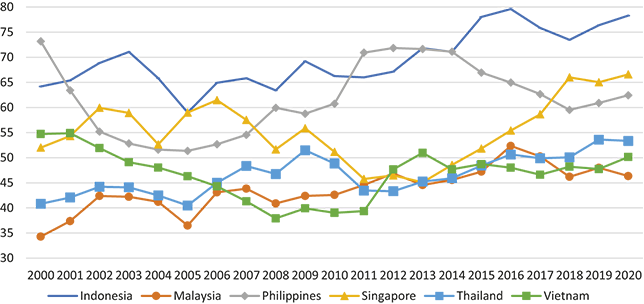
Country shares of total domestic value added of exports in computer, electronics and electrical equipment exports from Southeast Asia
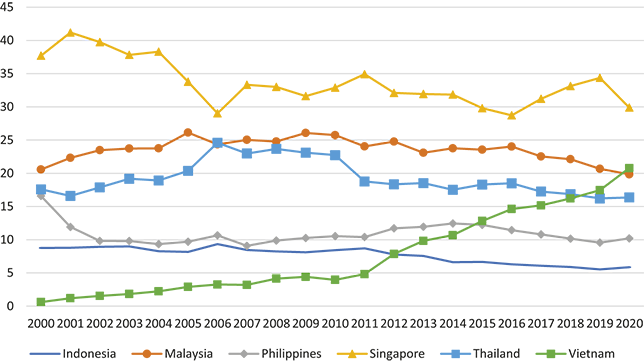
The value-added share in gross output of the Philippines and Indonesia is much larger compared to the other four countries (Figure 13). This presumably reflects the fact that there is much more scope to use locally sourced inputs in the production process of industries predominantly oriented to the domestic market.Footnote 39 However, as illustrated in Figure 14, both the Philippines and Indonesia rank significantly lower than Singapore, Malaysia, Thailand, and Vietnam, countries that have demonstrated far stronger export performance within GMVCs. Singapore and Malaysia lead in total value added, while Indonesia lags at the bottom. This reflects a broader pattern: the more open economies that have successfully integrated into GPNs, by specializing in specific segments of the value chain, are the principal beneficiaries. Although they exhibit lower value added per unit of output, they compensate through scale, achieving much higher total value added. In sum, the evidence suggests that in the era of GPS, the pursuit of deeper domestic industrial linkages (i.e., higher domestic value-added ratios) and the goal of rapid growth through integration into international production networks are not necessarily compatible policy objectives. Efforts to raise domestic value-added shares often come at the cost of missed opportunities for expanding output and employment, ultimately to the detriment of national economic welfare. This trade-off is further compounded by the fiscal burden of incentives typically offered to firms in exchange for higher domestic content, which may yield limited economic returns.
Global production sharing involves the geographical dispersion of value-added activities within a vertically integrated production process. As a result, the share of value added generated in any one location along the value chain is naturally lower than under horizontal specialization, where a product is entirely produced within a single country. Furthermore, the input structure for component production and final assembly in a given country is shaped by the overall logic of international production, making it virtually impossible to tailor these processes to align with national policy priorities. Consequently, the national gains from participation in GMVCs, as measured in terms of contributions to income and employment, depend largely, if not entirely, on the ‘volume effect’: the expansion of sales turnover (and thus gross output) enabled by access to global markets through international production networks.
6 Conclusions and Inferences
Global production sharing has been a key driver of manufactured export growth and industrial transformation in Southeast Asia. Trade within GMVCs has contributed disproportionately to the region’s rising share of world manufacturing trade, alongside large increases in employment, wages, and productivity within domestic manufacturing sectors. Despite varying impacts across individual countries, Southeast Asia has strengthened its position in GMVCs over the past three decades, even as China has emerged as the premier global centre for GMVCs. This position has been further bolstered by the rapid export growth of Vietnam, which has capitalized on its relative labour cost advantage amid rising wages in the early GMVC participants. When accounting for differences in domestic policy environments across countries, there is no evidence supporting claims of deglobalization or the waning relevance of GMVCs.
Several inferences flow from this analysis. First, globalization isn’t dead, as illustrated by these numbers, and despite the constant barrage of gloomy international reporting. Export growth has been sustained, especially as measured in volume terms, and countries that successfully participate in these trade networks unambiguously benefit. Nevertheless, the nature of globalization is changing, reflecting the evolution of, and stresses in, the global commercial policy architecture, changes in technology and logistics, and the rise of new players.
As a corollary also, the ‘export pessimism’ thesis, a perennially appealing school of thought, receives very little empirical support. Our analysis clearly shows that efficient reforming latecomers can still benefit from global economic participation. Vietnam is the prime Southeast Asian (and global) example; on a smaller scale so is Cambodia. But clearly also, countries need to adopt policy regimes and business environments that are aligned with the commercial imperatives of GMVCs.
In this analysis, we have not examined export market shares in any detail. But a glance at the data underlines the continuing importance of China and the United States as the major global players in shaping outcomes. Smaller participant countries will have to continue to be highly nimble in managing the policy currents in these economies, including attempts to build de facto exclusive trading blocs. Southeast Asian countries are not yet directly enmeshed in the China–US trade disputes, unlike Taiwan, Korea, and Japan, whose firms possess the advanced chip technology that is at the heart of this conflict. But it is only a matter of time before Southeast Asia becomes embroiled in these trade disputes as industrial competence progresses and firms in these countries enter ‘frontier technology’ manufacturing. Moreover, they could be seriously affected by rising US protectionism under the second Trump presidency.
Second, this analysis has important implications for the conduct of industry policy as it relates to producer-driven networks. The old ‘tariff factory’ argument for protection breaks down as production itself is disaggregated across many plants and countries. Similarly, the infant industry argument of an extended period of learning behind protective barriers has reduced salience in an environment where MNEs and major international buying groups can locate a previously non-existent industrial activity in a country. As we have seen, there are many such contemporary examples in electronics, garments and other sectors. The key therefore is to develop industry policy in an open-economy context, by building the skills, both generic and industry-specific, to attract and retain these potentially footloose activities, to provide an R&D eco system that supports industrial upgrading as countries lose their comparative advantage in early-stage, labour-intensive industrialization, and to provide a welcoming, internationally competitive business environment. This has been the model that, in different forms, successful economies such as Singapore and Taiwan have adopted. Nevertheless, economic openness is a necessary but not sufficient condition for industrial success. What may be termed a ‘passive open’ trade and investment policy strategy is insufficient to facilitate further rounds of technology upgrading. Countries also need to invest in supply-side capabilities, especially advanced technical skills that enable local firms to deepen their engagement with the initial FDI entrants.
Third, in Southeast Asia to date, only Singapore has mastered this strategy of combining economic openness with enhanced investments in human capital development. Consistent with the much discussed ‘middle-income trap’, this explains why the region’s other more advanced economies, Malaysia and Thailand, have struggled to capitalize on their early mover advantage in electronics, and autos in the case of Thailand. The second and third-tier supplier networks in these industries have not been encouraged to develop on any scale, albeit with some notable success stories, such as Penang. This issue is not yet relevant to Indonesia and the Philippines as they have not been able to attract GMVCs on any scale, nor have their labour markets transitioned through the ‘Lewis turning point’ of rising real wages that renders uncompetitive the more labour-intensive segments of GPS. As noted also, Indonesian policy makers continue to be attracted to a more interventionist industrial policy strategy that discourages the entry of export-oriented firms.
Looking forward, it remains an open question whether the Southeast Asian middle-income economies can manage the transition to high-income status as Singapore, South Korea and Taiwan did at an earlier stage of development. That is, as they lose comparative advantage in labour-intensive activities, are these countries undertaking the necessary reforms in skills, R&D, and institutional innovation to navigate the transition to more technologically advanced activities? The evidence to date is mixed. Competent macroeconomic management and moderately open economies are necessary but not sufficient conditions to manage the transition. These judgements apply even to Southeast Asian countries that have impressive economic records. Thailand has been slow to upgrade its skill base and reform its institutions (Doner et al., Reference Doner, Intarakumnerd and Ritchie2013; Doner & Schneider, Reference Doner and Schneider2019; Nidhiprabha, Reference Nidhiprabha2019). The slow pace of upgrading in its early success stories of hard disk drives and auto production is reflective of this sluggish policy progress. Malaysia has been held back by the political economy of its earlier successful affirmative action programs. An enlarged public sector has become costly and politicized (Gomez, Reference Gomez2025) while education standards have lagged. The dynamism evident at the state level, particularly Penang and also the Singapore spillover to Johor, is constrained by national-level policies. Having completed the easy phase of growth based on competitive wages and near universal literacy, the challenge for Vietnam will be to radically reform its large state enterprise sector, including the closure of uncompetitive firms (Kokko & Nguyen, Reference Kokko and Nguyen2025).
Fourth, the role of services is crucial in this industrialization process. Service link costs are the determinant of ex-factory competitiveness, of getting goods from the factory to the next chain in the production line (for producer-driven goods) and to final markets (for buyer-driven goods). They are also relevant for factory costs, for example, utilities, telecommunications, and land access.
Moreover, services themselves are becoming increasingly tradable, and export success in goods trade and services trade is not necessarily correlated. For example, the Philippines is the major BPO exporter in Southeast Asia, whereas as we have seen it is a relatively minor industrial exporter. The explanation is straightforward: although these goods and services exports draw on semi-skilled labour, different kinds of skills are required. For example, the Philippine BPOs require linguistically proficient staff able to communicate effectively with customers in rich countries. Moreover, because it is telecoms-based, the country’s indifferent port and airport logistics are not a hindrance to its operations. GPS manufacturing requires highly efficient international logistics. Moreover, the country’s high minimum wages relative to its GDP per capita impact on the labour market segments that these manufacturing operations recruit in.
Fifth, to conclude on a statistical note as it relates to empirical trade analysis, in the presence of the slicing up of international production, a factor intensity analysis of trade patterns becomes increasingly problematic, especially for electronics trade. That is, in the absence of exceptionally finely disaggregated trade statistics, a sub-sector that might be classified as relatively ‘capital-intensive’ in a high-wage economy (i.e., relative to other sub-sectors in the same economy) may not necessarily be so classified in a low-wage economy. Therefore, inspection of the composition of finely disaggregated trade statistics becomes essential. For example, some analyses of Philippine export composition concluded that the country’s exports were ‘technology-intensive’ owing to the importance of electronics (Lall et al., Reference Lall, Albaladejo and Zhang2004). However, in reality, the electrical componentry being exported was (and still is) mainly simple assembly-type operations.
Moreover, aggregate export statistics need to be interpreted with caution, especially where producer-driven products are a major share of total exports. Export statistics are reported as gross flows. However, the slicing up of production often results in exports with thin domestic value added. For example, using the export-GDP ratio as a proxy for economic openness across countries with very different export compositions may be misleading. For the same reason, a similar caution applies in the analysis of the relationship between export orientation and economic growth.
Acknowledgements
Riandy Laksono and Navaratne Bandara Kandangama assisted us with data extraction from the UN Comtrade and UNIDO INDSTAT-4 databases, respectively. The two anonymous CUP reviewers provided incisive comments that helped us elaborate on some previously overlooked issues. Kunal Sen at WIDER guided the project to completion with great patience and perseverance. We sincerely thank them all. We are also grateful for the excellent editorial support provided by Cambridge University Press.
Series Editor-in-Chief
Kunal Sen
UNU-WIDER and University of Manchester
Kunal Sen, UNU-WIDER Director, is Editor-in-Chief of the Cambridge Elements in Development Economics series. Professor Sen has over three decades of experience in academic and applied development economics research, and has carried out extensive work on international finance, the political economy of inclusive growth, the dynamics of poverty, social exclusion, female labour force participation, and the informal sector in developing economies. His research has focused on India, East Asia, and sub-Saharan Africa.
In addition to his work as Professor of Development Economics at the University of Manchester, Kunal has been the Joint Research Director of the Effective States and Inclusive Development (ESID) Research Centre, and a Research Fellow at the Institute for Labor Economics (IZA). He has also served in advisory roles with national governments and bilateral and multilateral development agencies, including the UK’s Department for International Development, Asian Development Bank, and the International Development Research Centre.
Thematic Editors
Tony Addison
University of Copenhagen and UNU-WIDER
Tony Addison is a Professor of Economics in the University of Copenhagen’s Development Economics Research Group. He is also a Non-Resident Senior Research Fellow at UNU-WIDER, Helsinki, where he was previously the Chief Economist-Deputy Director. In addition, he is Professor of Development Studies at the University of Manchester. His research interests focus on the extractive industries, energy transition, and macroeconomic policy for development.
Chris Barrett
SC Johnson College of Business, Cornell University
Chris Barrett is an agricultural and development economist at Cornell University. He is the Stephen B. and Janice G. Ashley Professor of Applied Economics and Management; and International Professor of Agriculture at the Charles H. Dyson School of Applied Economics and Management. He is also an elected Fellow of the American Association for the Advancement of Science, the Agricultural and Applied Economics Association, and the African Association of Agricultural Economists.
Carlos Gradín
University of Vigo
Carlos Gradín is a professor of applied economics at the University of Vigo. His main research interest is the study of inequalities, with special attention to those that exist between population groups (e.g., by race or sex). His publications have contributed to improving the empirical evidence in developing and developed countries, as well as globally, and to improving the available data and methods used.
Rachel M. Gisselquist
UNU-WIDER
Rachel M. Gisselquist is a Senior Research Fellow and member of the Senior Management Team of UNU-WIDER. She specializes in the comparative politics of developing countries, with particular arattention to issues of inequality, ethnic and identity politics, foreign aid and state building, democracy and governance, and sub-Saharan African politics. Dr Gisselquist has edited a dozen collections in these areas, and her articles are published in a range of leading journals.
Shareen Joshi
Georgetown University
Shareen Joshi is an Associate Professor of International Development at Georgetown University’s School of Foreign Service in the United States. Her research focuses on issues of inequality, human capital investment and grassroots collective action in South Asia. Her work has been published in the fields of development economics, population studies, environmental studies and gender studies.
Patricia Justino
UNU-WIDER and IDS–UK
Patricia Justino is a Senior Research Fellow at UNU-WIDER and Professorial Fellow at the Institute of Development Studies (IDS) (on leave). Her research focuses on the relationship between political violence, governance and development outcomes. She has published widely in the fields of development economics and political economy and is the co-founder and co-director of the Households in Conflict Network (HiCN).
Marinella Leone
University of Pavia
Marinella Leone is an assistant professor at the Department of Economics and Management,University of Pavia, Italy. She is an applied development economist. Her more recentre search focuses on the study of early child development parenting programmes, on education, and gender-based violence. In previous research she investigated the short-, long-term and intergenerational impact of conflicts on health, education and domestic violence. She has published in top journals in economics and development economics.
Jukka Pirttilä
University of Helsinki and UNU-WIDER
Jukka Pirttiläis Professor of Public Economics at the University of Helsinki and VATT Institute for Economic Research. He is also a Non-Resident Senior Research Fellow at UNU-WIDER. His research focuses on tax policy, especially for developing countries. He is a co-principal investigator at the Finnish Centre of Excellence in Tax Systems Research.
Andy Sumner
King’s College London and UNU-WIDER
Andy Sumner is Professor of International Development at King’s College London; a Non-Resident Senior Fellow at UNU-WIDER and a Fellow of the Academy of Social Sciences. He has published extensively in the areas of poverty, inequality, and economic development.
About the Series
Cambridge Elements in Development Economics is led by UNU-WIDER in partnership with Cambridge University Press. The series publishes authoritative studies on important topics in the field covering both micro and macro aspects of development economics.
United Nations University World Institute for Development Economics Research
United Nations University World Institute for Development Economics Research (UNU-WIDER) provides economic analysis and policy advice aiming to promote sustainable andequitabledevelopment for all. The institute began operations in 1985 in Helsinki, Finland, as the first research centre of the United Nations University. Today, it is one of the world’s leading development economics think tanks, working closely with a vast network of academic researchers and policy makers, mostly based in the Global South.

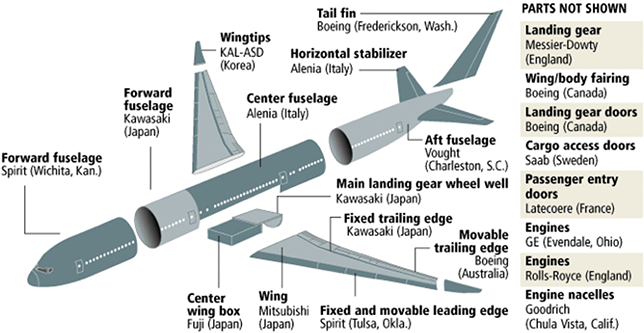
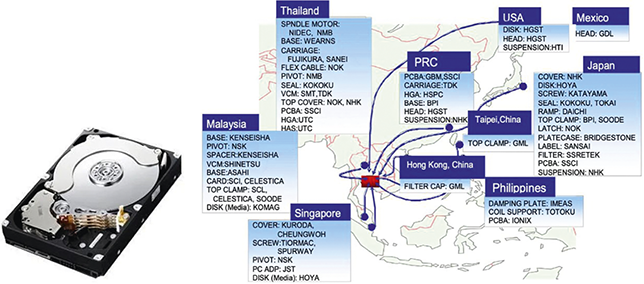
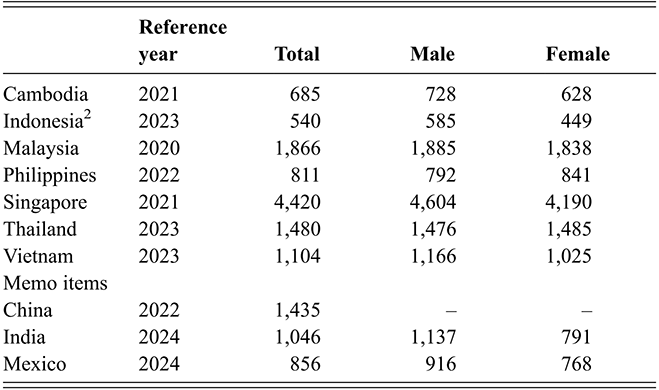
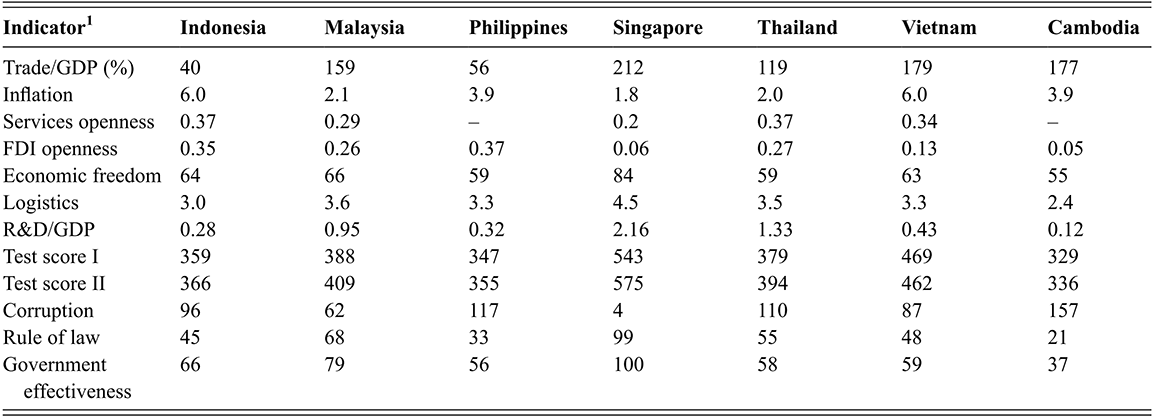
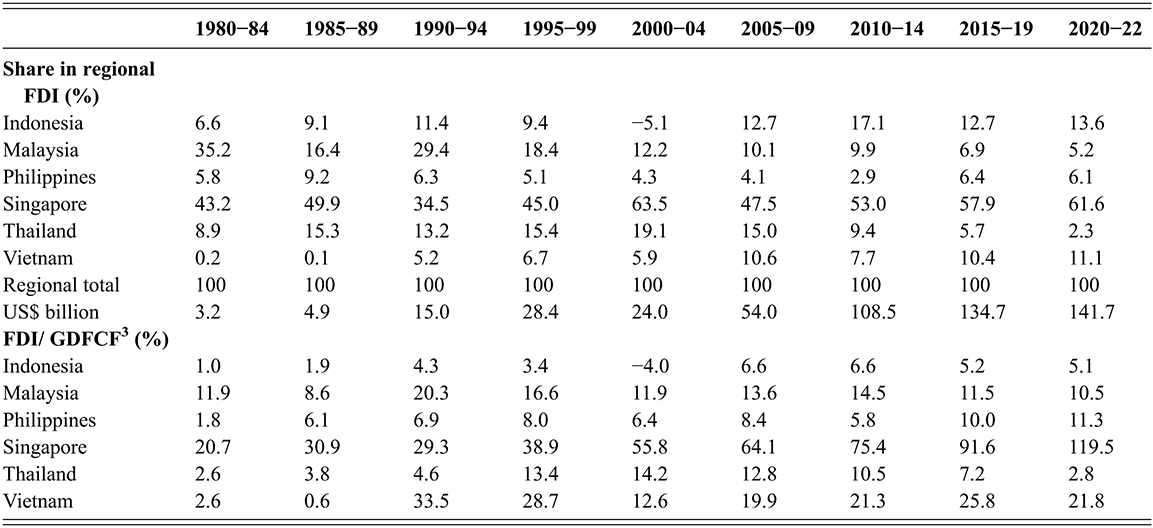
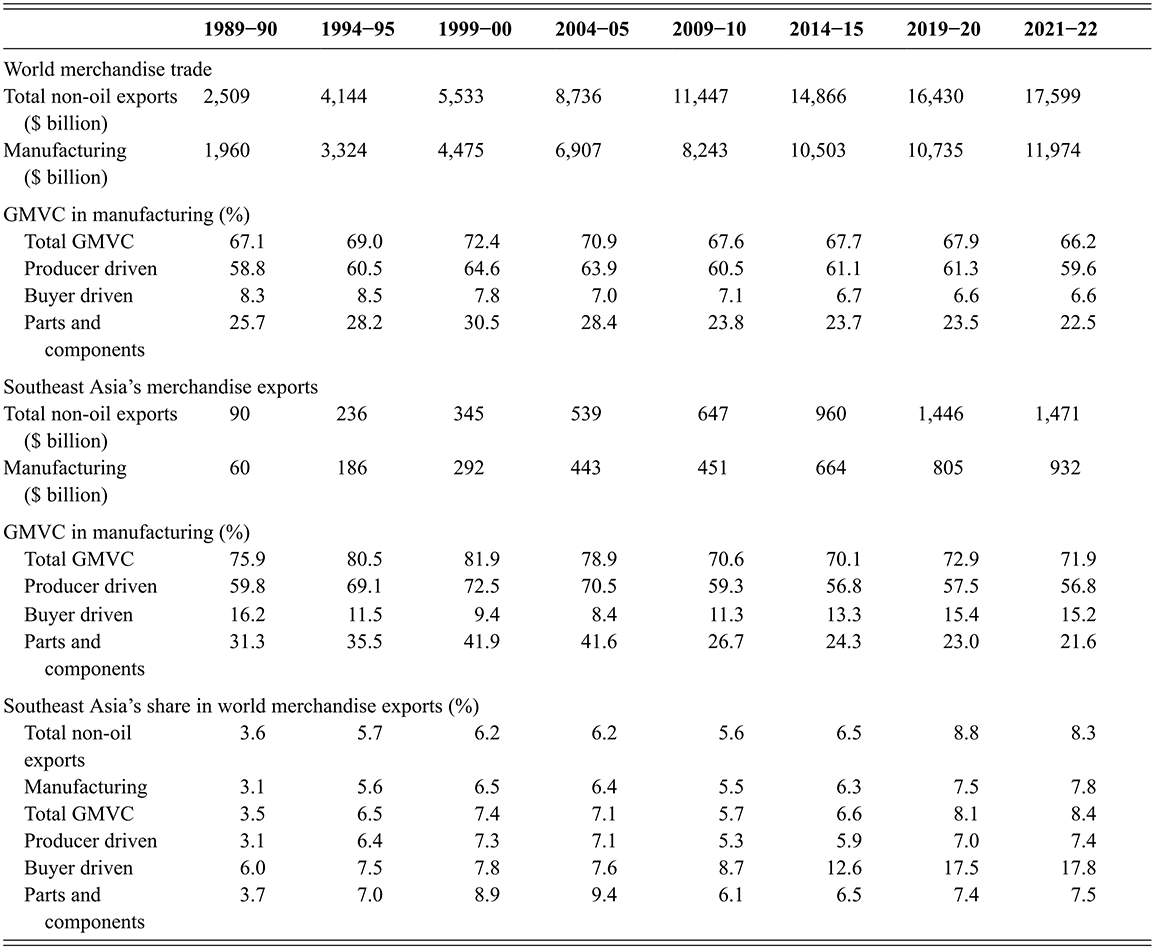
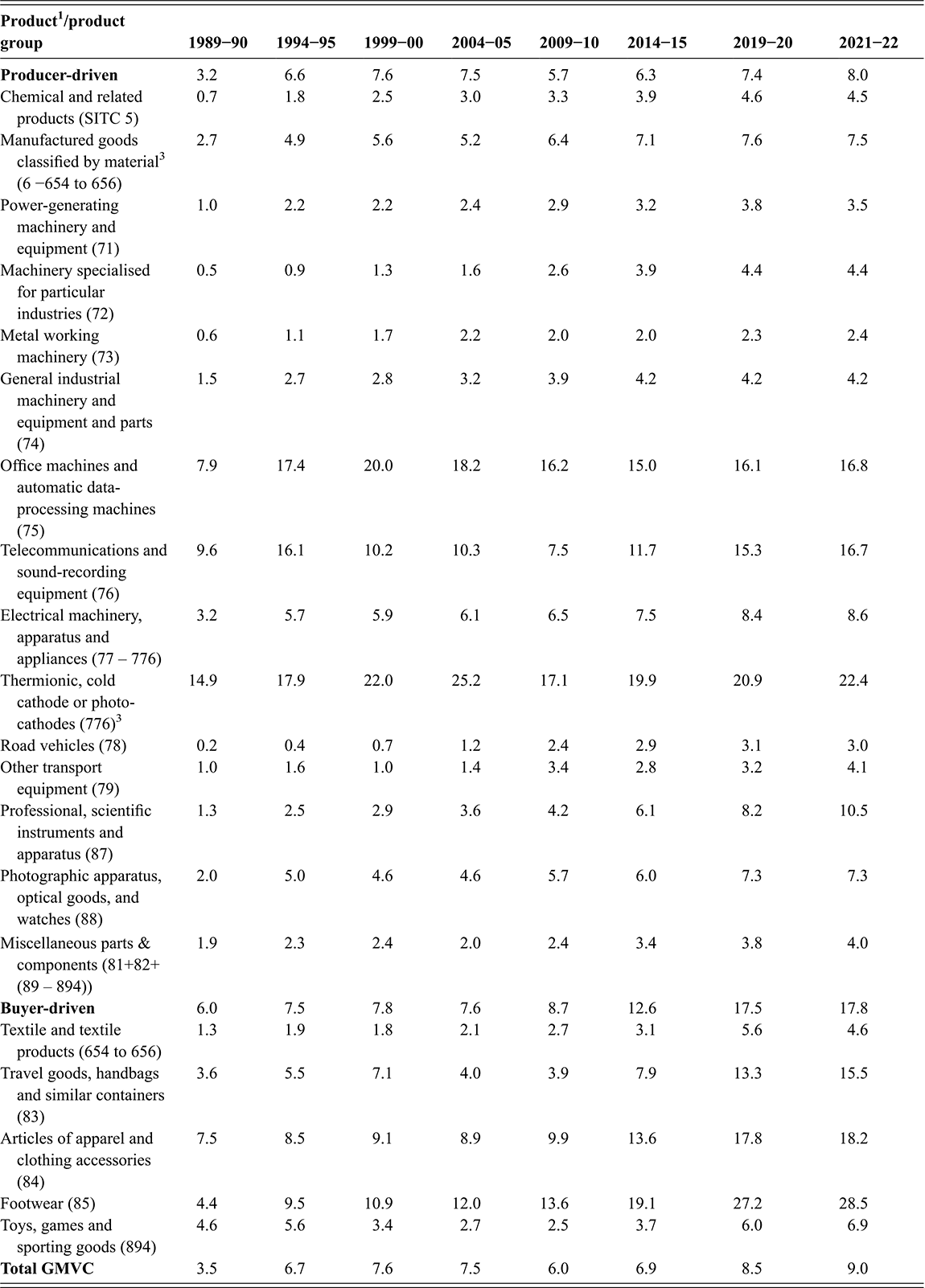
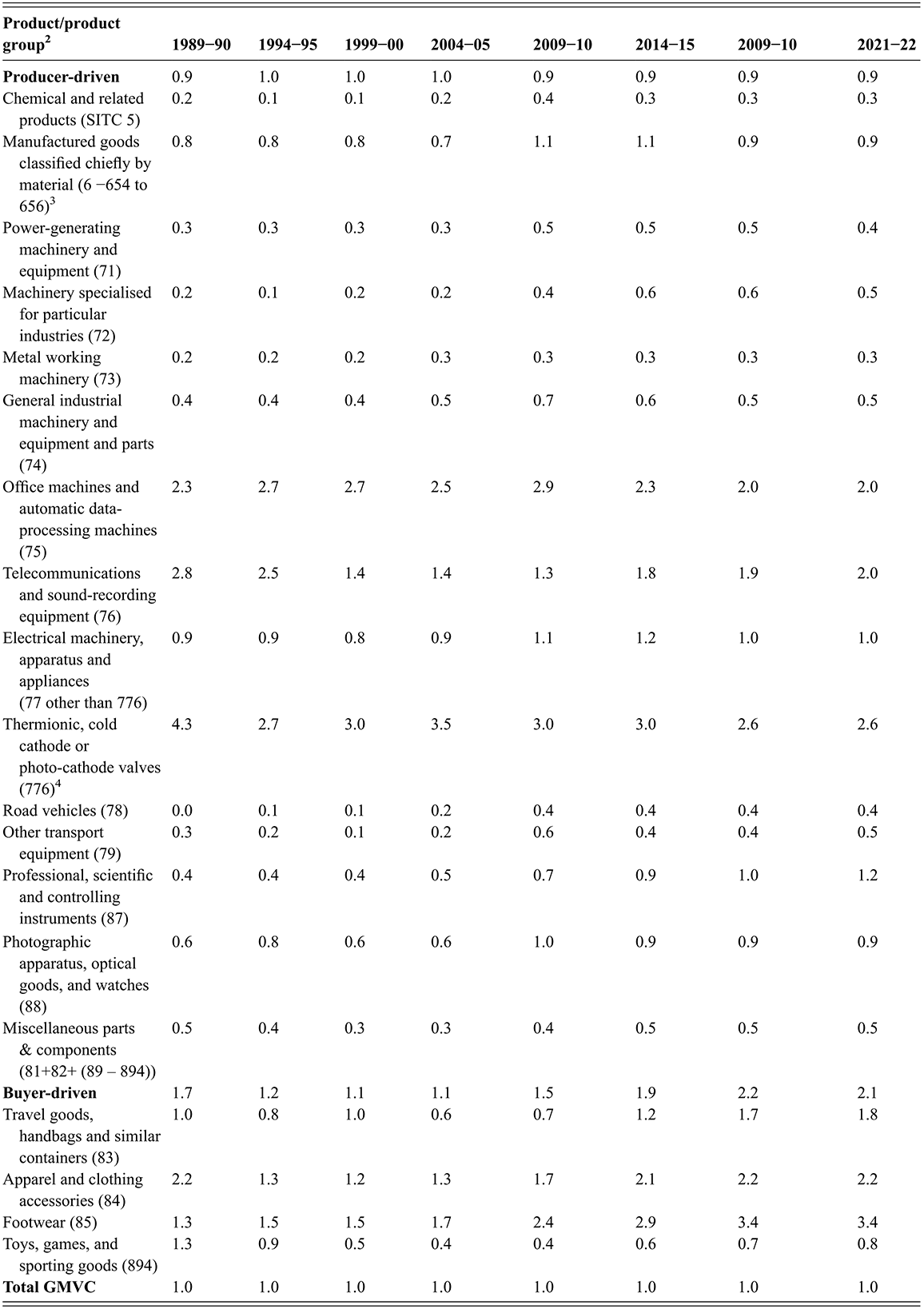
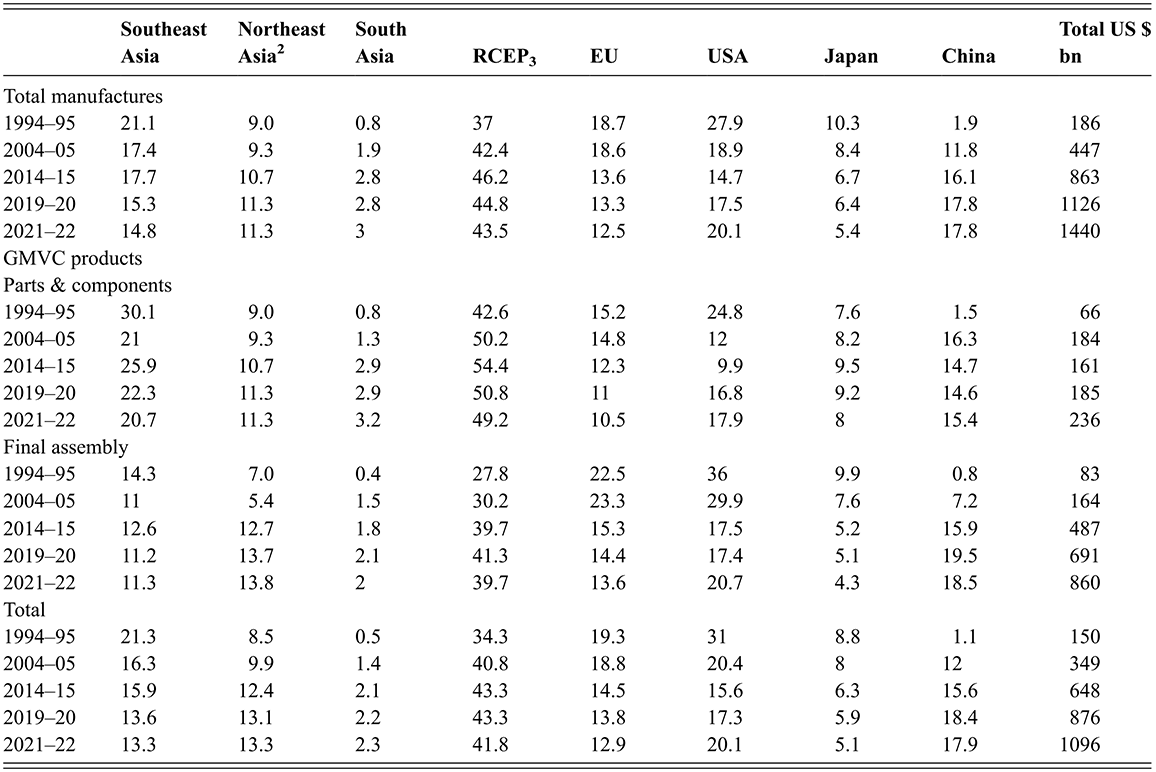
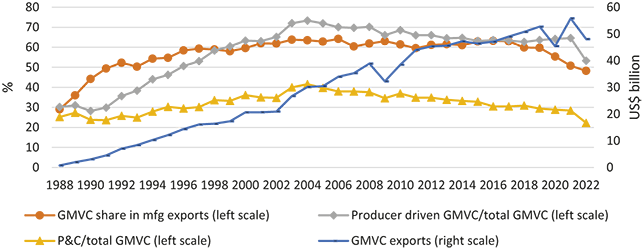
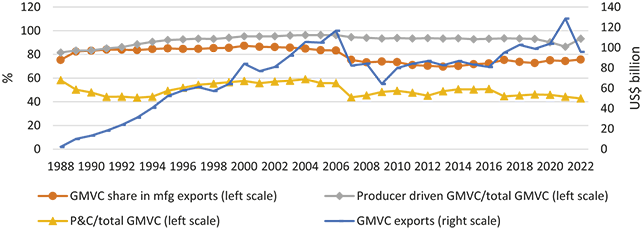
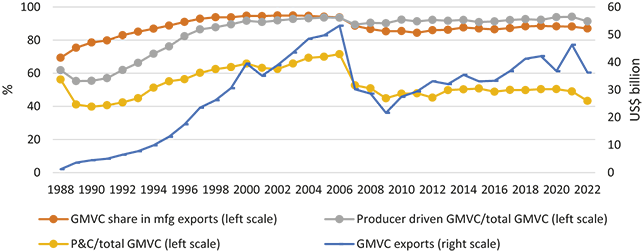
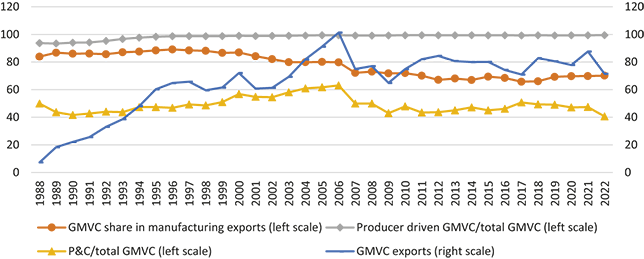
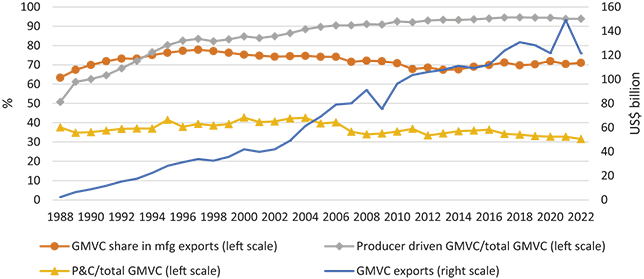
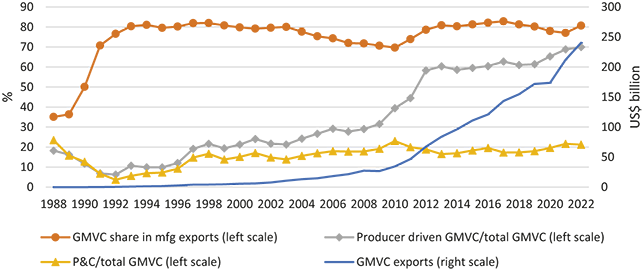
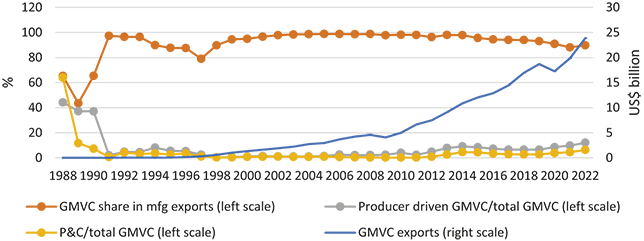
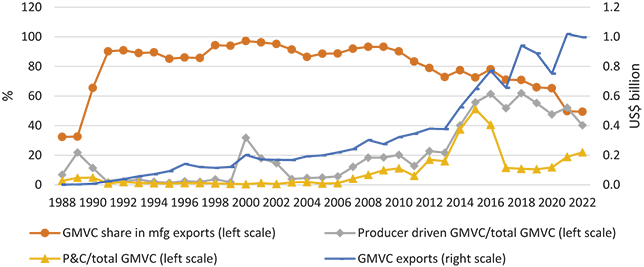
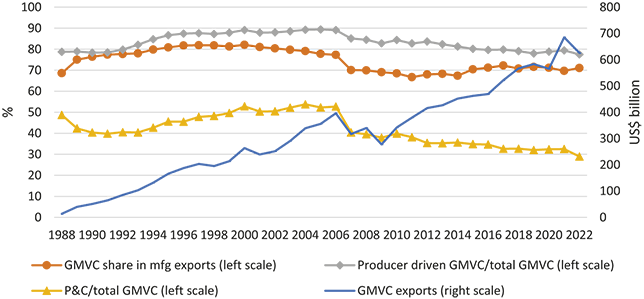
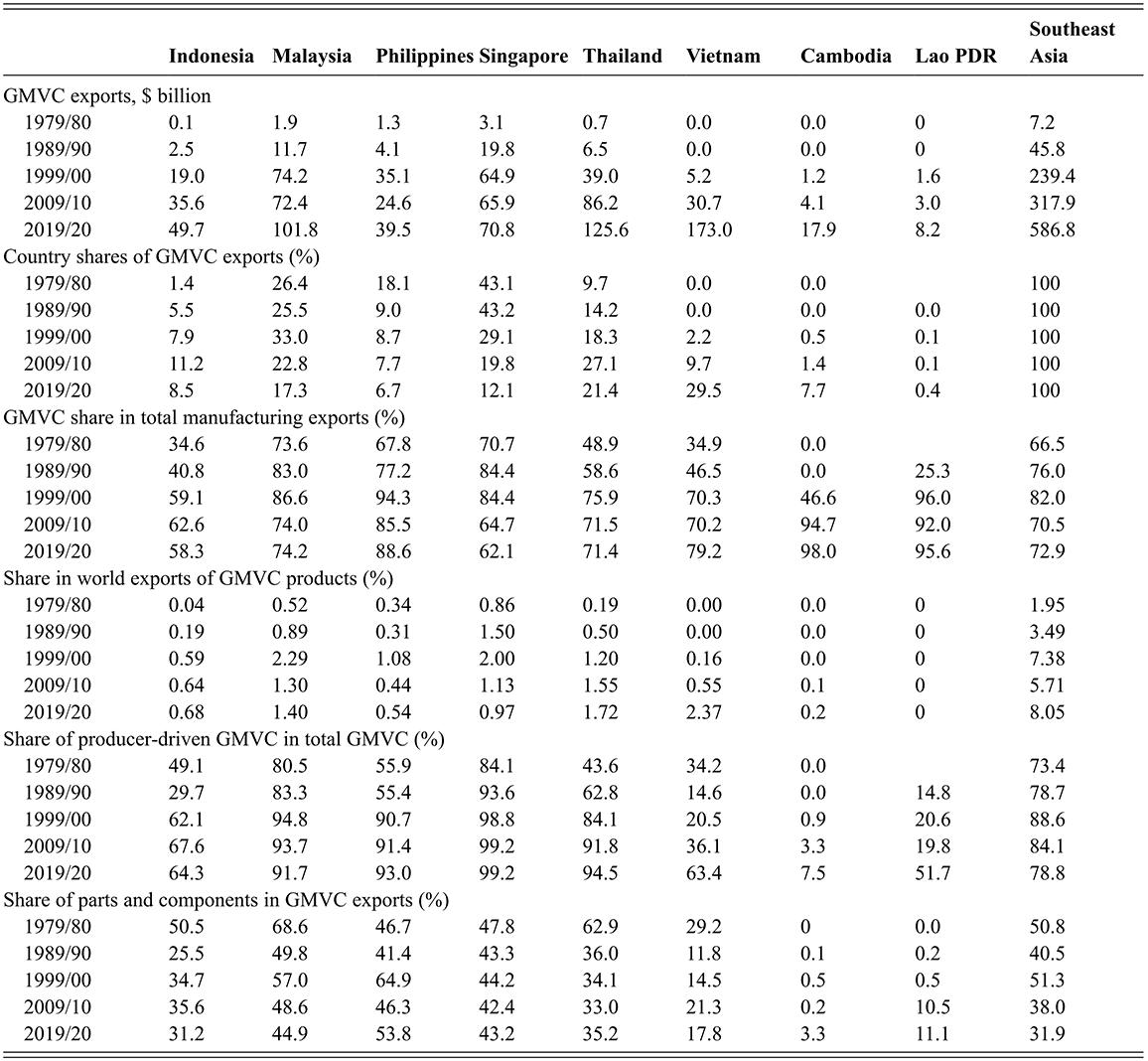
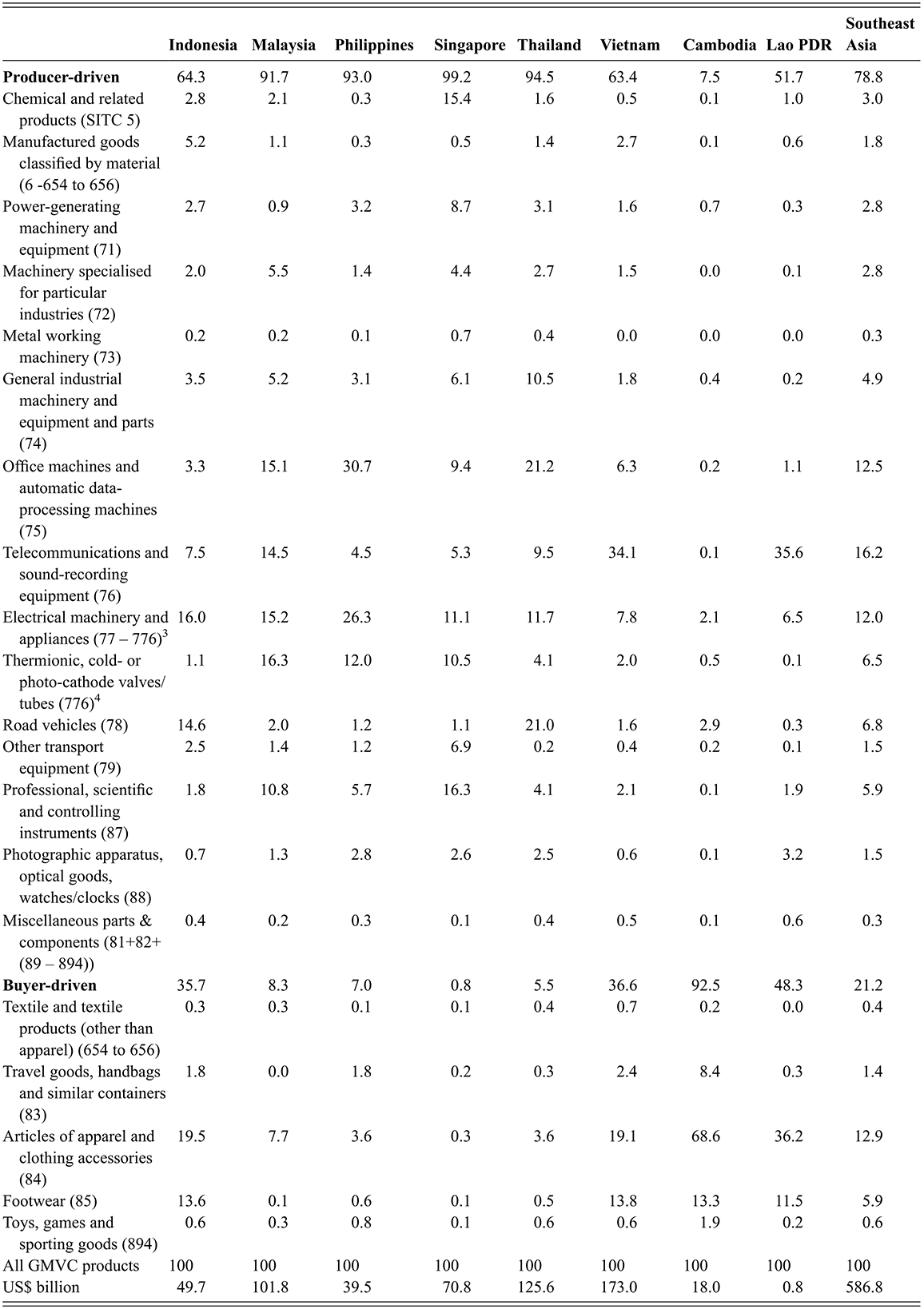
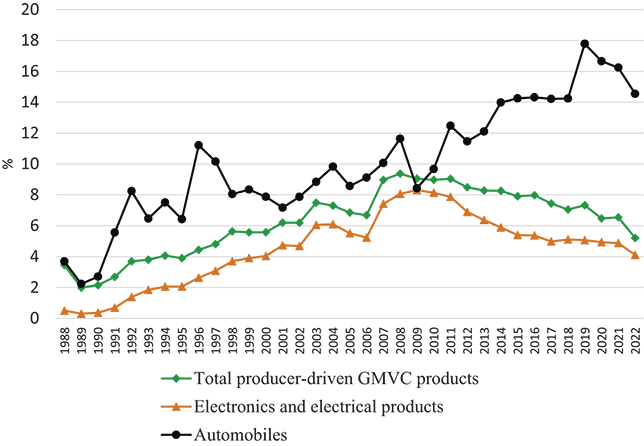
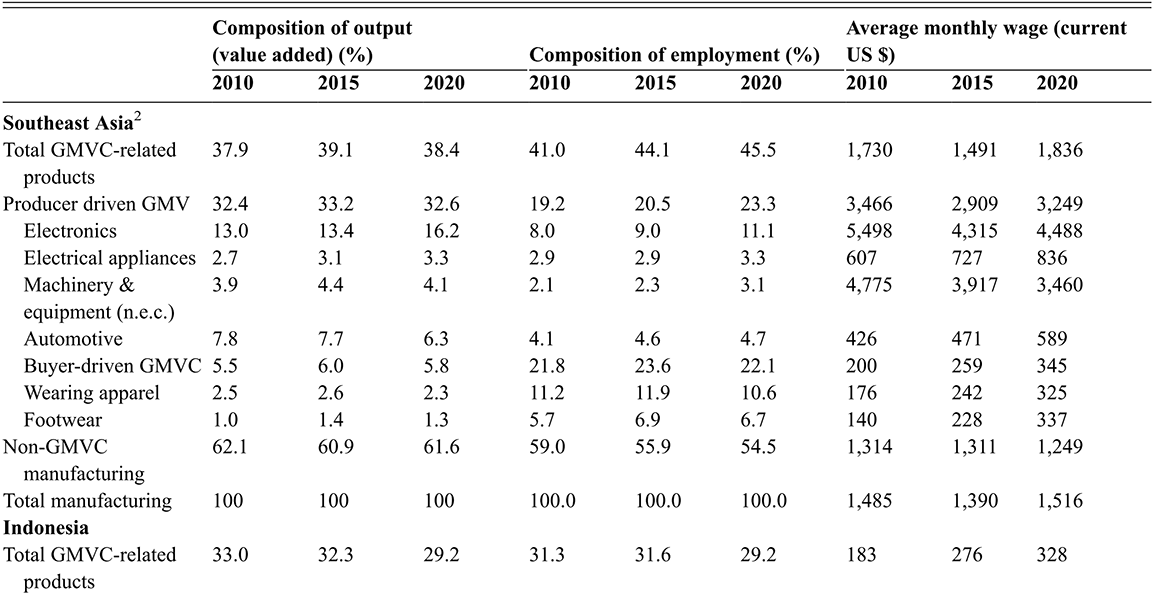
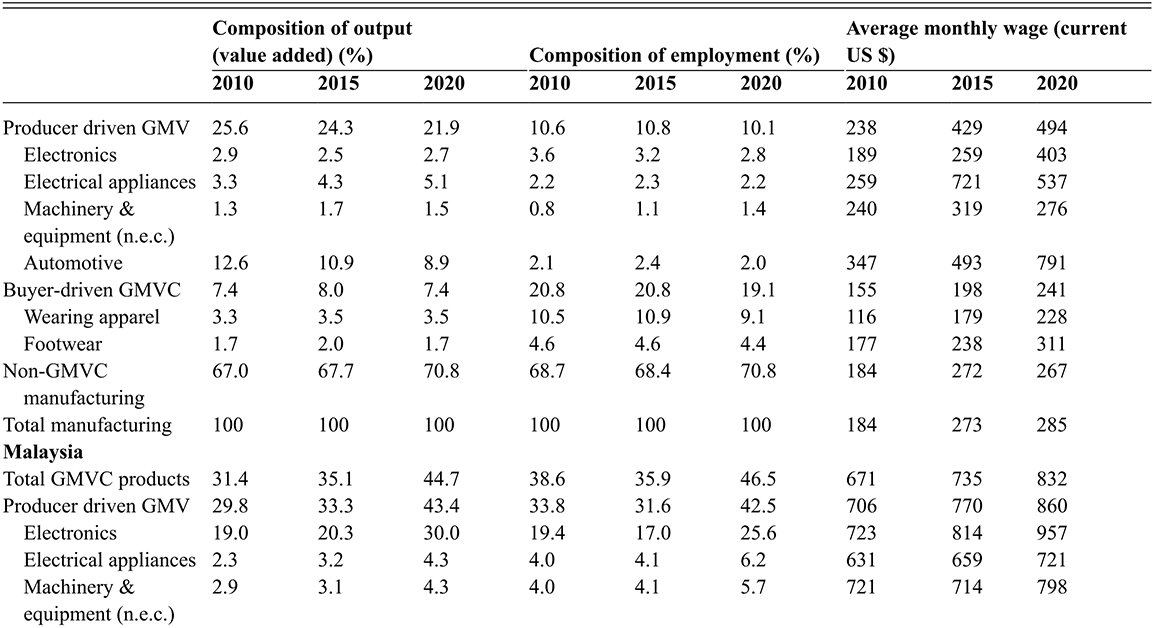
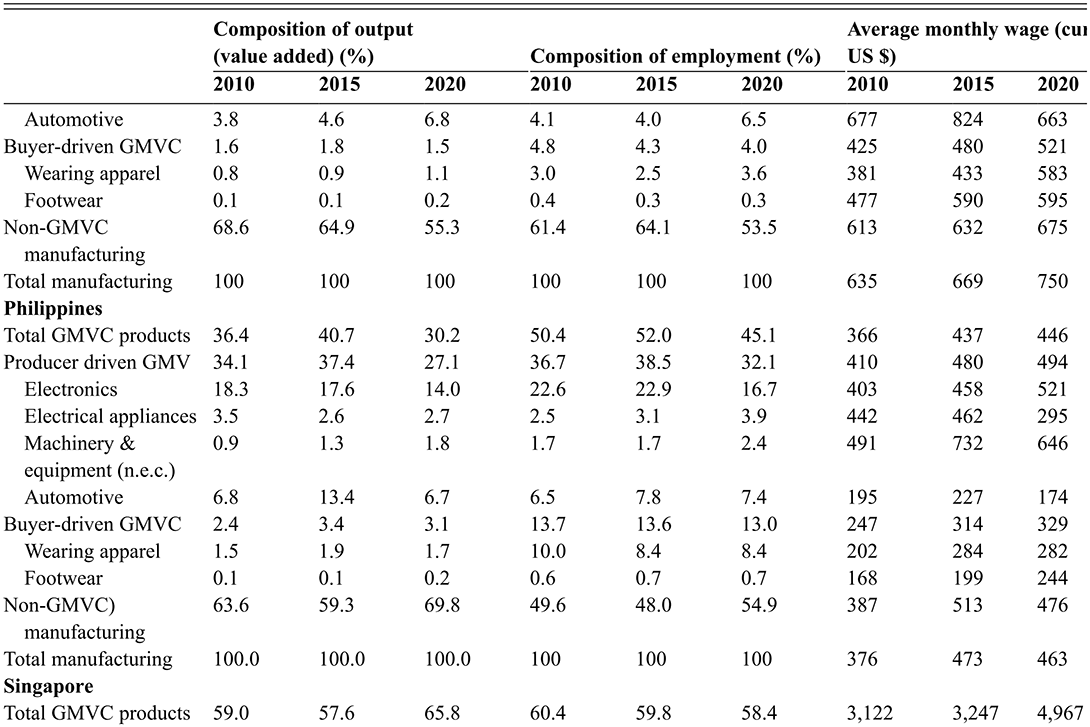
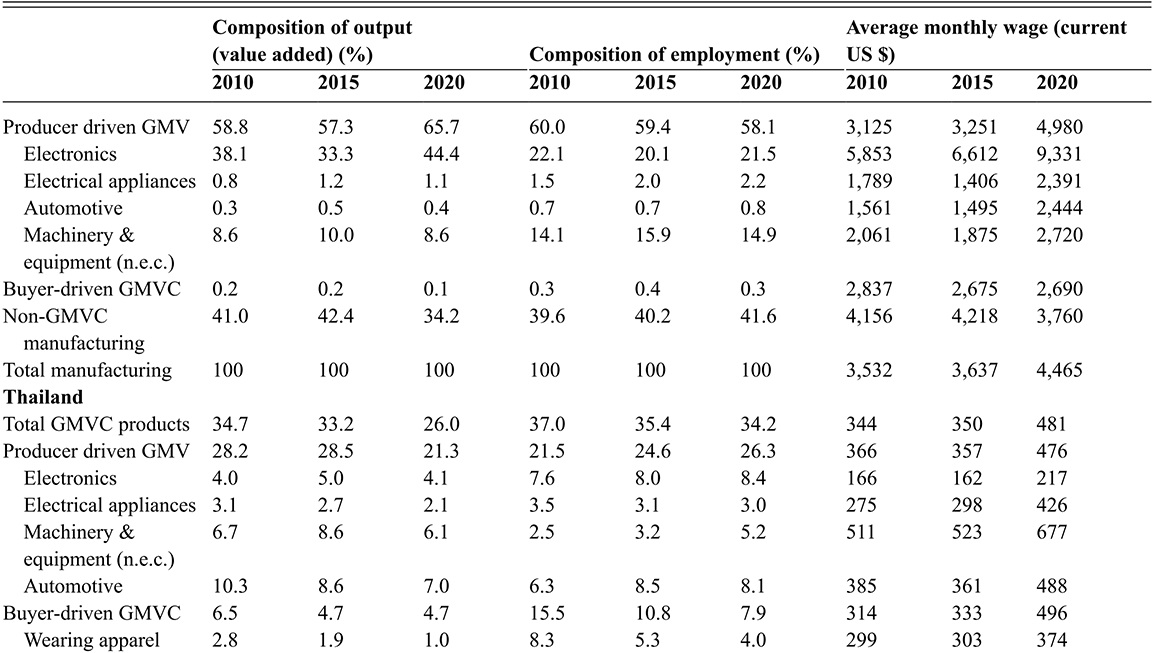
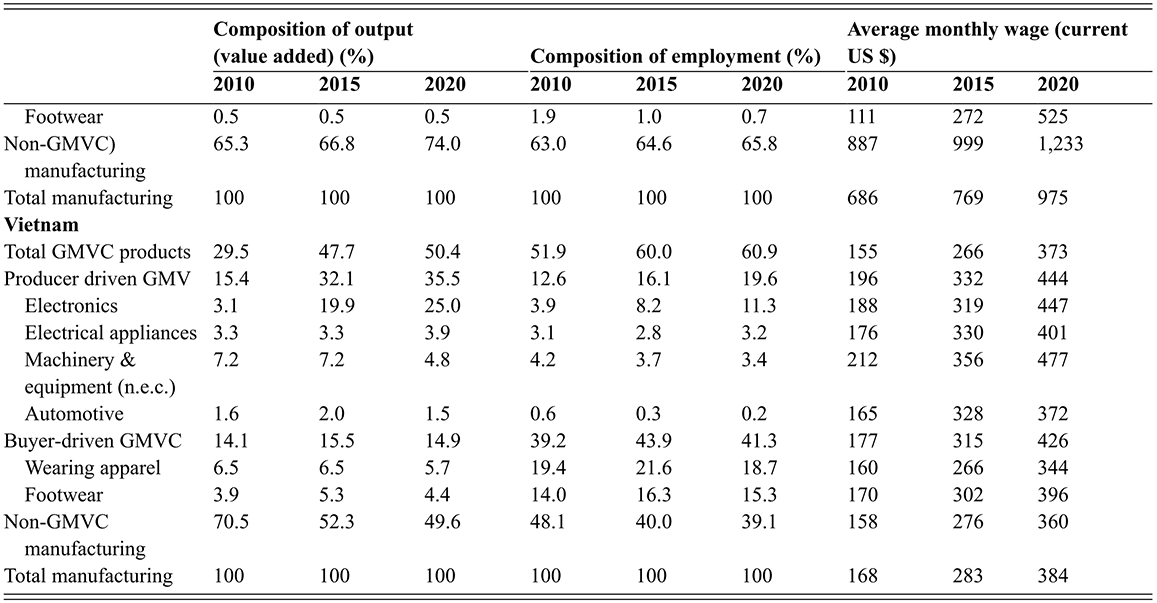
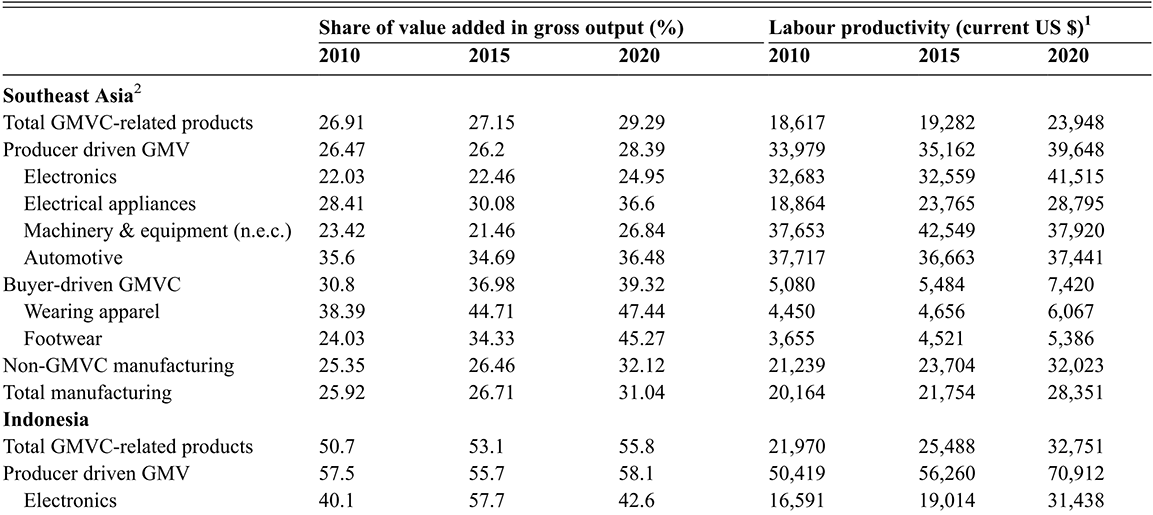
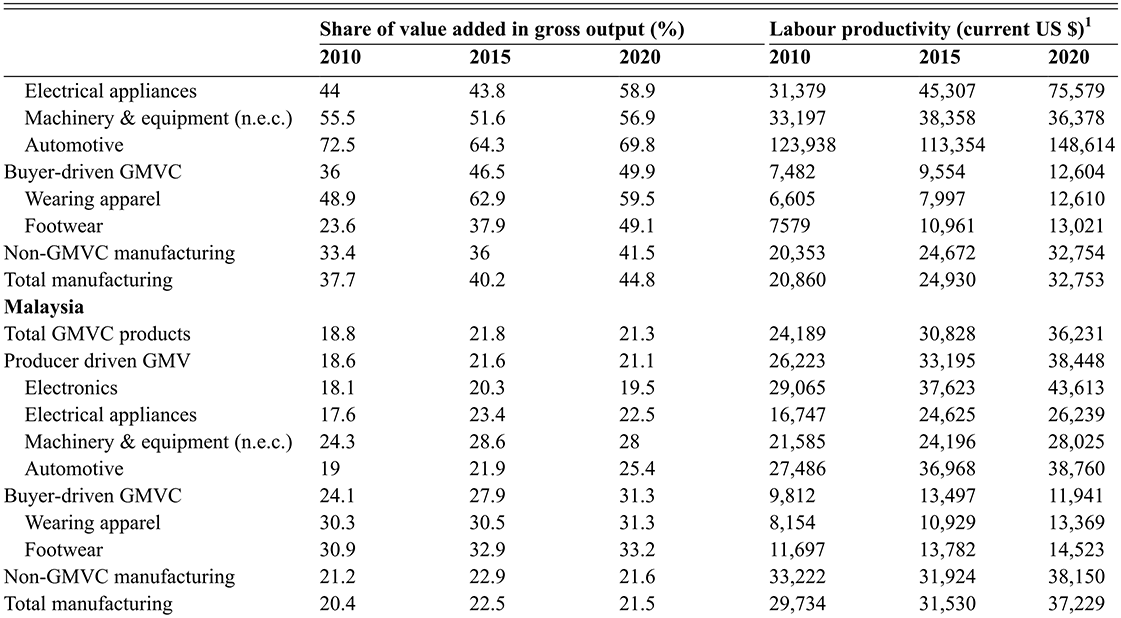
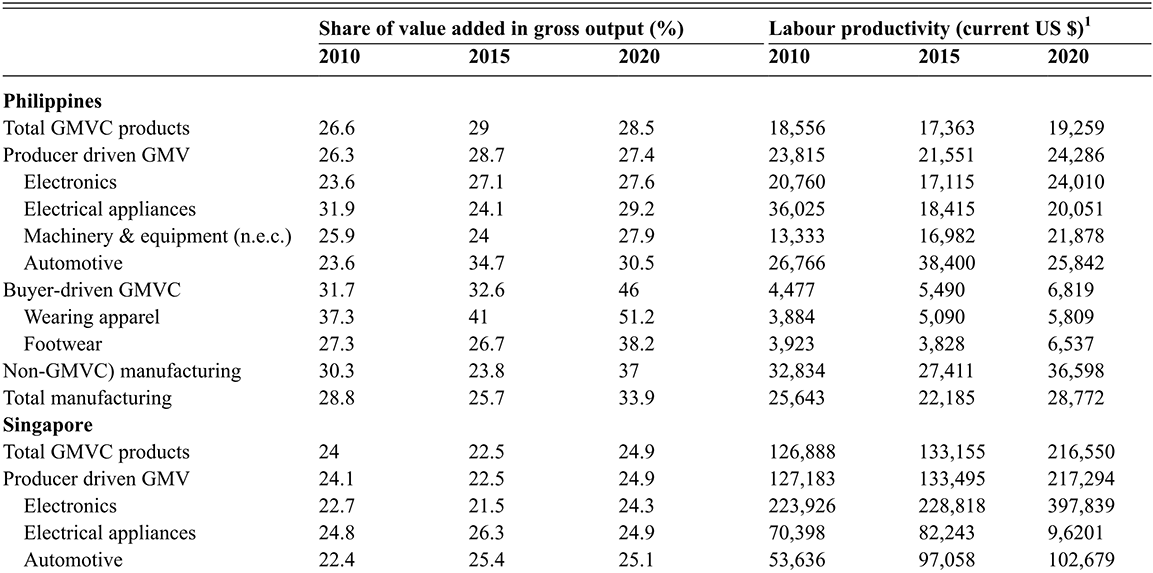
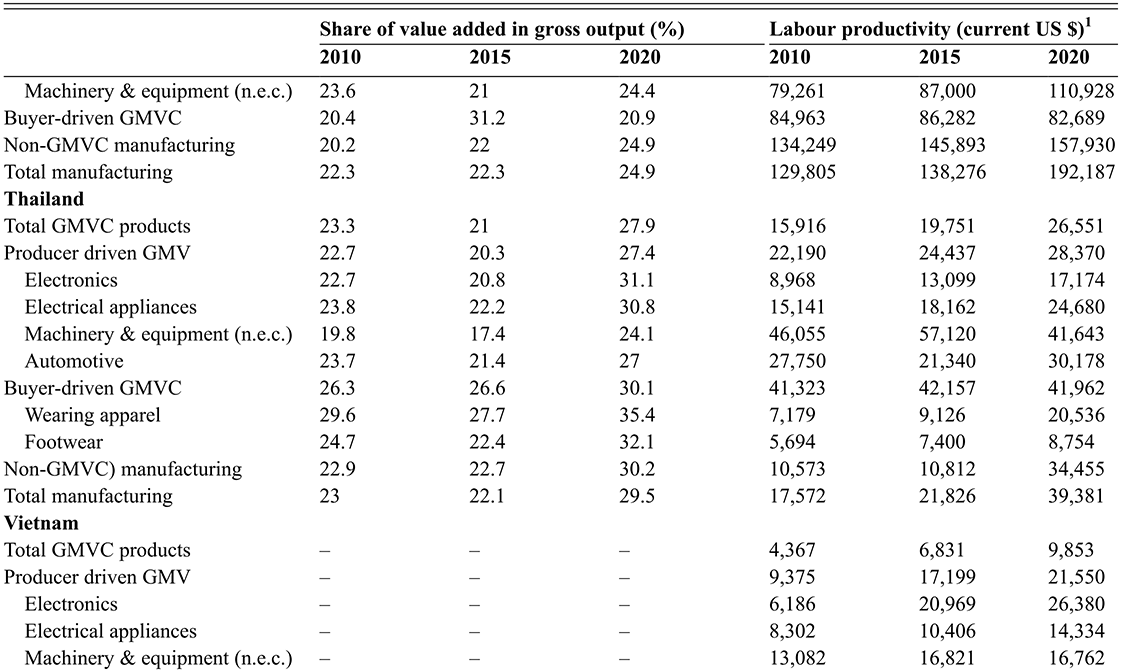
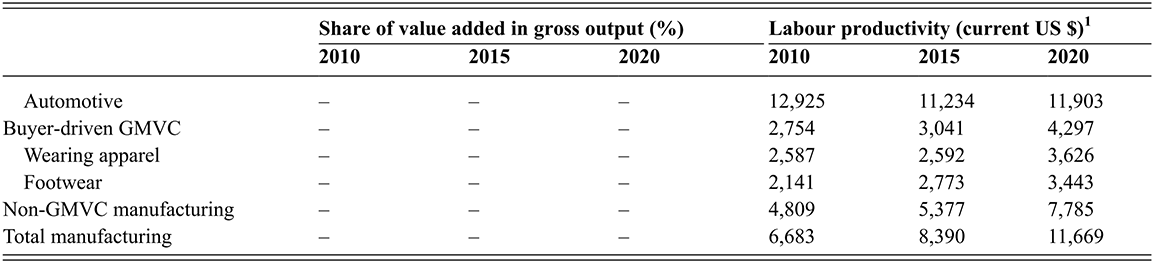
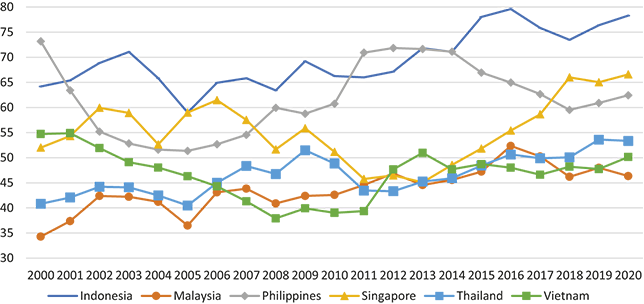
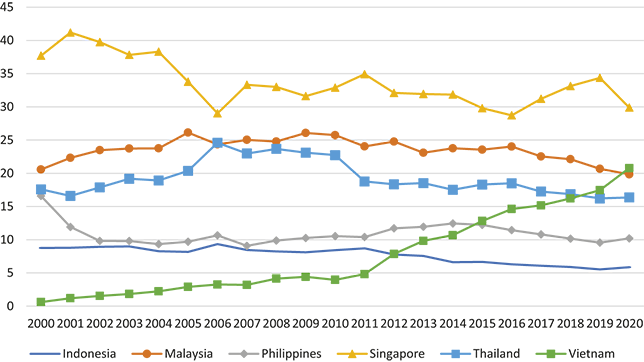

 Open access