




Diplomacy, as it is currently understood, refers to the peaceful management of interactions between two or more states (Hernández-Vela Reference Hernández-Vela2013:1892). While the term itself dates back to the Roman Empire, its modern meaning emerged after the 1815 Congress of Vienna, when states formally recognized diplomatic service as a profession (Nicholson Reference Nicholson2018:29–31; Reyes Morales Reference Reyes Morales2023a:305–306; Reference Reyes Morales2025:147). However, the practice of diplomacy has its roots beyond the Congress of Vienna and even the Roman Empire. Its emergence dates back to the moment when two or more city-states began to interact with each other in such a way that they had to take into account the capabilities and possible actions of the others (Ragionieri Reference Ragionieri, Cohen and Westbrook2000:42–43). Thus, diplomacy arose alongside ancient civilizations and in Eurasia reached its most notable development in the Byzantine Empire (Reyes Morales Reference Reyes Morales2023a:300–307).
Classic diplomacy has attracted sustained scholarly attention, giving rise to a long-standing tradition of academic inquiry. Specialists have analyzed its practice in the Near East (Cohen and Westbrook Reference Cohen and Westbrook2000; Feldman Reference Feldman2006; Munn-Rankin Reference Munn-Rankin1956), Greece (Adcock and Mosley Reference Adcock and Mosley1975), India (Roy Reference Roy1981), and the Byzantine Empire (Bury Reference Bury1907; Canepa Reference Canepa2009; Kaldellis Reference Kaldellis2024; Neumann Reference Neumann2006; Obolensky Reference Obolensky1964; Shepard and Franklin Reference Shepard and Franklin1992), as well as in many other Eurasian civilizations, including its historical development to the present (Hamilton and Langhorne Reference Hamilton and Langhorne2011; Nicholson Reference Nicholson2018). However, there is a lack of studies specifically focused on diplomacy in ancient Mesoamerica. While scholars have explored related topics—such as war and expansion (Hassig Reference Hassig1992, Reference Hassig1995; Monjarás-Ruiz Reference Monjarás-Ruiz1976), imperial strategies (Berdan et al. Reference Berdan, Blanton, Boone, Hodge, Smith and Umberger1996), imperial territorial structure (Carrasco Reference Carrasco1996), political organization (López Austin Reference López Austin2016), trade (León-Portilla Reference León-Portilla1962), and dynastic marriages (Carrasco Reference Carrasco, Harvey and Prem1984)—no one has conducted a systematic examination of diplomacy in pre-Hispanic Mexico.
The only effort specifically addressing pre-Hispanic diplomacy dates back to 1959: an essay titled “Relaciones internacionales en los pueblos de la meseta de Anáhuac” (“International Relations between the Anahuac Plateau Peoples”), written by Ángel María Garibay Kintana. This work was included in a two-volume book published by the National Autonomous University of Mexico in tribute to the prominent Mexican diplomat Isidro Fabela (Fabela Reference Fabela1959). In his manuscript, Garibay analyzed the characteristics of the states and diplomatic relations among peoples in central Mexico. He outlined how the Excan Tlahtoloyan lordships established relations both among themselves and with non-Triple Alliance peoples. He also emphasized the peculiarities of ambassadors and the protocols followed in peace and war conferences (Garibay Reference Garibay K1962:7–18). Finally, Garibay noted that a thorough study of the sources “would provide sufficient information for a history of diplomacy in central Mexico before the Spanish arrival” (Garibay Reference Garibay K1962:19).
This work builds on Garibay’s pioneering approach to revive the study of diplomacy in ancient Mexico and to demonstrate that the nobility of the last pre-Hispanic empire performed one of its most sophisticated forms: palace diplomacy and propaganda. To this end, this paper offers a comparative analysis between Constantinople and Mexico-Tenochtitlan in two sections. The first recaps the diplomatic history of Byzantium to provide context for two key historical moments. The earlier example focuses on cultural exchange between the Roman and Sasanian empires from the third to the sixth centuries of the Common Era, which led to a diplomatic protocol shared by these two realms. The later example examines the Byzantine diplomatic resurgence of the tenth century, in which Liudprand of Cremona visited Byzantium and wrote a remarkable account of the emperor’s diplomatic receptions. Drawing on these descriptions, this paper proposes a comparative matrix based on the key components of Byzantine palace diplomacy and propaganda, which will serve as a framework for analyzing Mexico-Tenochtitlan. The second section outlines elements of Mesoamerican diplomacy and applies the comparative matrix to examine the last 55 years of Mexico-Tenochtitlan’s dominance, during which the rulers of the final pre-Hispanic empire employed these diplomatic tools in the pursuit of territorial expansion.
The Mexico-Tenochtitlan section draws primarily on Hernando Alvarado Tezozómoc’s Crónica Mexicana. As is well known, in the mid-twentieth century Robert Barlow argued that the manuscripts of Tezozómoc (Reference Tezozómoc (Alvarado Tezozómoc)2021) and Fray Diego Durán (Reference Durán1995) stemmed from the same source, a document distinct from the Códice Ramírez and written in Nahuatl by an indigenous author, referred to as the famous Crónica X (Barlow Reference Barlow1945:69). Building on Barlow’s proposal, many prominent scholars have participated in this debate (Colston Reference Colston1973, Reference Colston1974; Lafaye Reference Lafaye, de Tovar Constantino Aznar de Acevedo and Lafayete1972; Nicholson Reference Nicholson1964; Tena Reference Tena, Sosa, Smithers and Martínez Baracs1997). However, recent research suggests that the original manuscript—including the first section of the Crónica mexicayotl—was written by Tezozómoc himself (Kruell Reference Kruell2013, Reference Kruell and de Alvarado Tezozómoc2021; Peperstraete Reference Peperstraete2007; Peperstraete and Kruell Reference Peperstraete and Kruell2014, Reference Peperstraete and Kruell2021). José Rubén Romero Galván, the first to identify Tezozómoc as the original author of Crónica X, argued that only someone with close ties to Mexico-Tenochtitlan nobility could have accessed the information contained in these chronicles (Romero Reference Romero Galván2003:82, 105; Reference Romero Galván2007:175–176; Reference Romero Galván and Galván2011:194). For this reason, the present study relies on Tezozómoc’s Crónica Mexicana, not only because it is the original manuscript, but also because no other source provides such detailed insight into the political events of Mexico-Tenochtitlan. Nonetheless, other sources help corroborate some of Tezozómoc’s account, such as the Anales de Cuauhtitlan (Reference Anales de Cuauhtitlan and Velázquez1975) and, notably, the testimonies of Mexico-Tenochtitlan’s enemies, including Historia de Tlaxcala by Diego Muñoz Camargo (Reference Muñoz Camargo1892), as well as the conquest chronicles of Bernal Díaz del Castillo (Reference Díaz del Castillo2011) and Hernán Cortés (Reference Cortés1866). Additionally, there is relevant information on diplomacy in the works of Friar Bernardino de Sahagún (Reference Sahagún2000), Fernando de Alva Ixtlilxóchitl (Reference Alva Ixtlilxóchitl1975), and Domingo Francisco de San Antón Muñón Chimalpahin Cuauhtlehuanitzin (Reference Chimalpahin Cuauhtlehuanitzin and F1991, Reference Chimalpahin Cuauhtlehuanitzin and Castillo F1997, Reference Chimalpahin Cuauhtlehuanitzin and Quintana2003).
Constantinople
As is well known, Greek settlers from Megara founded Byzantium and Chalcedon on opposite sides of the Bosphorus Strait around the seventh century b.c. (Adcock and Mosley Reference Adcock and Mosley1975:19, 130; Heródoto Reference Heródoto2007:249). From then until the end of the Hellenistic period and the Roman Empire’s dominion, Byzantium fed into the rich Greek diplomatic tradition. This practice included the progressive development of heralds, orators, and proxenos-members of a state-city who agreed to represent the interests of a different polis, multilateral conferences, treaties of various kinds, defensive and offensive alliances, and large confederations such as the Delian, Peloponnesian, and Hellenic Leagues (Adcock and Mosley Reference Adcock and Mosley1975:27–28, 186–189, 227, 231–239, 243–247; Hamilton and Langhorne Reference Hamilton and Langhorne2011:13, 16–17; Nicholson Reference Nicholson2018:23–26; Tucídides 2003:31–50, 65–75). Moreover, Greeks developed propaganda in a sort of religionem terminus [religious terms], not to make a doctrine known—to the pagans—to spread the faith and thereby increase the jurisdiction, power or authority of a Church (Reyes Morales Reference Reyes Morales2025:154), but rather to promote the idea of their supposed physical, intellectual, and moral superiority over the other peoples they encountered (Adcock and Mosley Reference Adcock and Mosley1975:145).
This historic city, with its Hellenic tradition, became the capital of the Roman Empire on May 11, a.d. 330, when Emperor Konstantinos the Great rededicated it to himself and moved the seat of power there (Kaldellis Reference Kaldellis2024:11). The establishment of the new imperial capital presented two main challenges. On the one hand, the vast empire had a natural tendency to fragment. Therefore, one of the imperial objectives was to preserve the Roman oikoumenē with its ancient boundaries and greatness. On the other hand, the location of Constantinople—between two continents, Asia and Europe, and two seas, the Mediterranean and the Black Sea—exposed it to increased foreign threats. A few decades before the foundation of the new capital, repeated barbarian invasions from across the Rhine and Danube, as well as from the Persians who crossed the Euphrates, had already ravaged the empire (Kaldellis Reference Kaldellis2024:16–17). Thus, due to repeated barbarian attacks, such as those of the Huns, who reached their peak under Attila in the first half of the fifth century, many nations previously under Roman rule regained their independence, including the Franks, Visigoths, and Ostrogoths. Moreover, others surrounded the empire, including the Slavs, Moors, Vandals, Saracens, and, of course, the Sasanian Empire (Figure 1). In response, Byzantines adopted what Dimitri Obolensky described as “defensive imperialism” and used diplomacy to achieve their purposes (Hamilton and Langhorne Reference Hamilton and Langhorne2011:20; Kaldellis Reference Kaldellis2024:193–196; Neumann Reference Neumann2006:868; Obolensky Reference Obolensky1964:52).
The Roman Empire in 500 (after Kaldellis Reference Kaldellis2024:“The Roman Empire in 500,” map by Ian Mladjov). Drawing by the author.

Figure 1 Long description
The map illustrates the Roman Empire in 500, with a shaded area representing its extent. Key cities within the empire include Constantinople, Corinth, Ephesos, Jerusalem and Alexandria. Surrounding the empire are various groups and regions such as the Vandals to the southwest, Ostrogoths to the northwest, Slavs to the north and Saracens to the southeast. Major rivers like the Rhine and Danube are marked, along with seas such as the Mediterranean Sea and the Black Sea. The map also indicates the location of Ktesiphon near the Euphrates River, highlighting the proximity of the Sasanid Persia to the east.
Although Byzantine rulers gradually adopted the Hellenic language and customs, the arrival of Roman authorities in Constantinople brought with it their diplomatic tradition and legal system, grounded in concepts and norms of public and constitutional law (Chrysos Reference Chrysos, Shepard and Franklin1992:33; Kaldellis Reference Kaldellis2024:1–2; Liudprand Reference Squatriti2007b:270). This legal framework proved advantageous for Byzantine authorities through the first period of their diplomatic history, spanning from the founding of Constantinople to a.d. 800. In this phase, many peoples surrounding the imperial territory lacked the legal structure necessary to organize themselves as autonomous states. Byzantines utilized their legal knowledge to attract these independent peoples into their sphere of influence. They achieved this primarily through peace treaties, formalized in ceremonies where Constantinople’s monarchs exhibited their cultural and political superiority by granting titles and gifts to foreign rulers. In this way, Byzantines integrated foreign sovereigns into their hierarchical structure based on military power and political development (Chrysos Reference Chrysos, Shepard and Franklin1992:33–37).
Furthermore, even before the founding of Constantinople, Romans began their interactions with the Sasanian Empire, which led to a cultural exchange that ultimately fused ritual elements from both kingdoms. According to Matthew Canepa, these interactions began in the last quarter of the third century and reached their peak in the sixth century, with the reigns of Justinian (a.d. 527–565) and Khosrow I (a.d. 531–579) (Canepa Reference Canepa2009:122, 128; Kaldellis Reference Kaldellis2024:261, 314). Throughout this phase, both empires shared visual and ritual practices to construct their identities, display a symbolic language, and reaffirm their legitimacy, all while projecting power over their realms and counterparts (Canepa Reference Canepa2009:22).
The visual component was primarily architectural and closely linked to rituals. Rulers from both kingdoms created architectural and visual environments designed to serve as stages for ritual activities. These spaces were considered “sites of power” where most imperial accessions took place, such as the Hebdomon, the Hippodrome, and the Great Palace in Constantinople (Figure 2). At the same time, ritual activities shaped the visual and architectural landscapes through subsequent modifications. Notable examples of such interventions include the reconstruction of the Adur Gusnasp sanctuary and Hagia Sophia, the latter under the rule of Justinian. In both cases, these spaces held imperial coronations and celebrations of military victories after their reconstructions. Richness was a defining element of the visual environment, but so was terror. Both realms displayed horrific mutilations, such as heads on pikes, which became a standard feature of victory parades in the fourth century in Constantinople (Canepa Reference Canepa2009:8–15, 20).
The Great Palace of Constantinople (after Canepa Reference Canepa2009:Map 2, “Great Palace of Constantinople, early seventh century”). Drawing by the author.
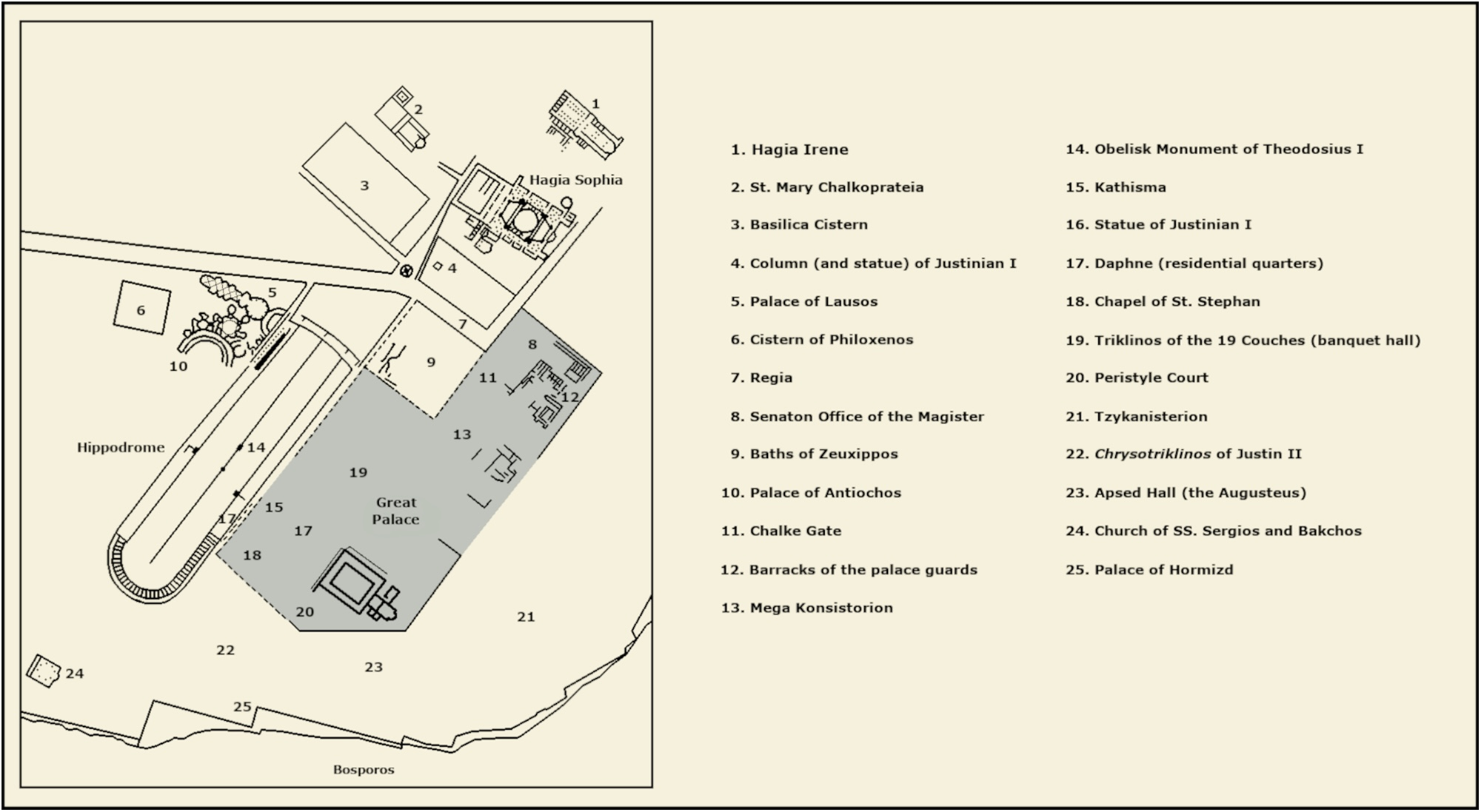
Figure 2 Long description
A map illustrating the Great Palace of Constantinople, featuring various landmarks numbered from 1 to 26. The map includes architectural elements such as Hagia Irene, St. Mary Chalkoprateia, Basilica Cistern, Columns and statues of Justinian I, Palace of Lausos, Columns of Phocas, Regia, Senate Office of the Magister, Baths of Zeuxippus, Palace of Antiochus, Chalke Gate, Barracks of the palace guards, Mega Krenoterion, Obelisk Monument of Theodosius I, Kathisma, Stair of Justinian I, Daphne (residential quarters), Chapel of St. Stephen, Triclinium of the 19 Couches (banquet hall), Privy Court, Tzykanisterion, Chrysotriklinos of Justin II, Augusteum (The Augustaion), Church of SS. Sergius and Bacchus, Palace of Hormisd. The Hippodrome is prominently shown and the map is shaded to highlight specific areas. Each landmark is listed in a legend on the right side of the map, corresponding to the numbered locations.
According to Canepa, the diplomatic ritual consisted of six main components. The first was aural, which included the sounds of musical instruments, songs, and the imitation of animal roars or bird whistles. The second was olfactory, primarily the scent of burning frankincense and myrrh. The third was gustatory, the food. The fourth was ludic, involving sports, especially horse-related activities such as racing or polo. The fifth was haptic, referring to the tactile sensation of fabrics like silk. Finally, the sixth was somatic, linked to the physical sensations derived from various ritual postures, such as lowering the body in obeisance or being carried on shoulders. In addition, there was a seventh element related to the type of message the sovereigns wished to convey: terror. Beyond visual components like heads on pikes, both empires displayed public executions and torture. The Sasanians carried out executions by means such as crucifixion, trampling by elephants, and cauldrons of boiling lead, and both realms employed visual methods of disfigurement as a form of punishment (Canepa Reference Canepa2009:7–8, 19–20).
These cross-cultural actions happened through intense diplomatic exchanges between the two kingdoms, which aimed at conflict resolution, negotiation, and gathering and exchange of intelligence. Consequently, the spectacles and rituals associated with diplomacy were the most influenced. As the relationship between these two empires reached its zenith in the sixth century, a diplomatic protocol emerged that virtually merged Roman and Sasanian court rituals (Canepa Reference Canepa2009:130). The ambassadorial exchanges between these empires ceased at the dawn of the seventh century with the Great War between them (a.d. 602–630). This conflict resulted in no clear victor and weakened both realms, paving the way for the Arab expansion (a.d. 632–644), which destroyed the Sasanian Empire and severely threatened the Romans. Exhausted after 60 years of fighting Persians and Arabs and suffering numerous defeats and territorial losses, the Byzantines were able to stabilize the borders of their diminished empire under Konstantinos IV in the latter half of the seventh century. From this point onward, Romans started winning battles again, initiating a steady course toward long-term recovery that lasted two centuries, from the second half of the seventh to the first half of the ninth (Figure 3; Kaldellis Reference Kaldellis2024:350–372, 375–383, 398–400, 427–428, 478–480).
The Roman Empire in 915 (after Kaldellis Reference Kaldellis2024:“The Roman Empire in 915,” map by Ian Mladjov). Drawing by the author.
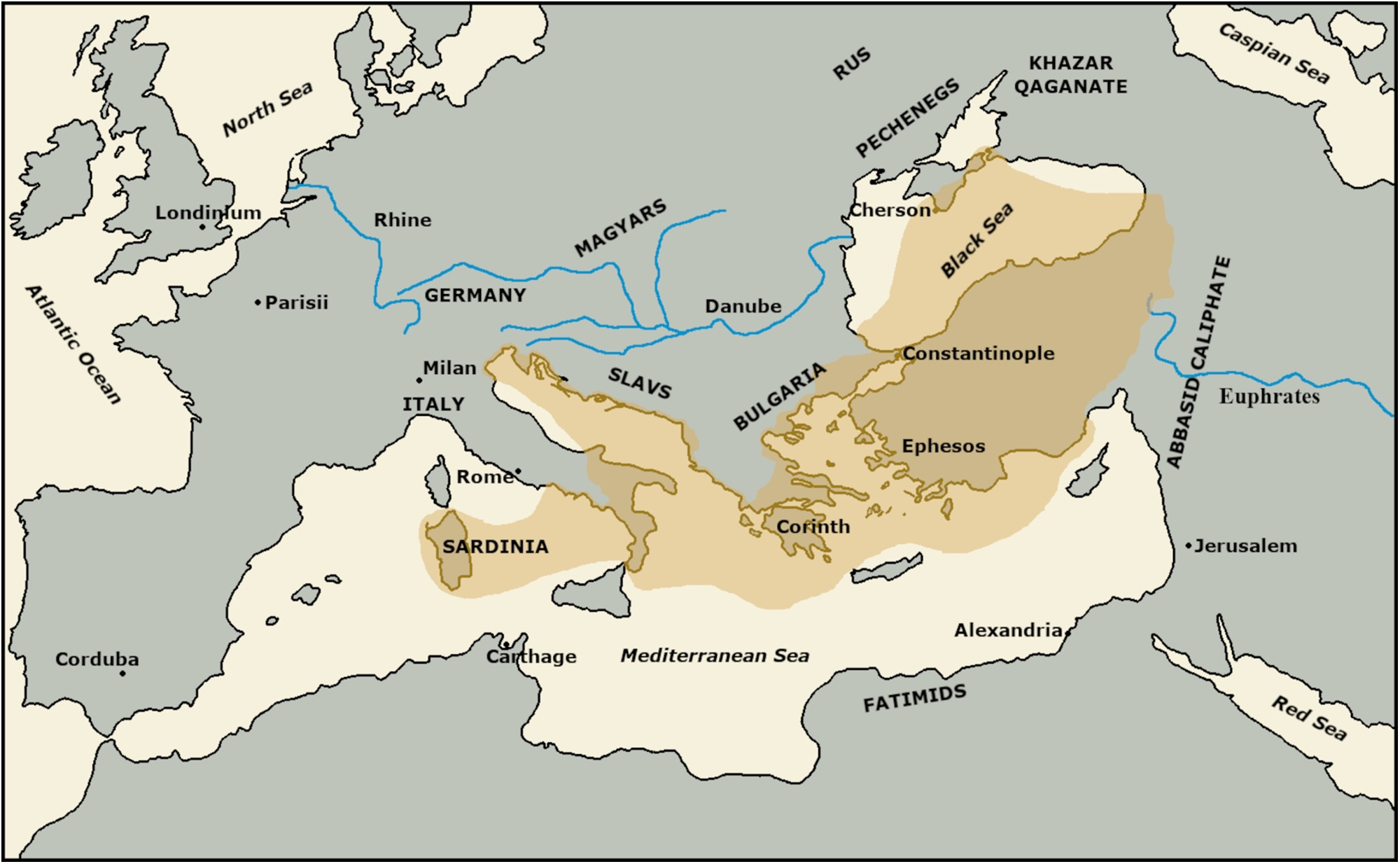
Figure 3 Long description
The map illustrates the Roman Empire in 915, highlighting various regions and cities. The empire is shaded in a distinct color, encompassing areas such as Constantinople, Ephesos, Corinth, Rome and Sardinia. Surrounding regions include Germany, Slavs, Bulgarians and the Abbasid Caliphate. Major bodies of water like the Mediterranean Sea, Black Sea and North Sea are labeled. Rivers such as the Danube are also marked. Cities like Londinium, Milan and Alexandria are indicated, along with other regions like Khazar Kaganate and Fatimids.
In this period, Byzantines consolidated a network of interstate relations, which was key to the period known as the middle stage of Byzantine diplomatic history, which extended from a.d. 800 to 1204 (Shepard Reference Shepard, Shepard and Franklin1992:41). In this phase, Constantinople authorities made an institutional adjustment within the empire that shaped the first foreign ministry in history—the Drome, the post office, which included the Scrinium Barbarorum, the barbarian’s office. The Logotheta was in charge of the Drome, an official who assumed the diplomatic responsibilities that the Magister officiorum had in the transition from Rome to Constantinople. Among the Logotheta’s duties were overseeing translators and interpreters, selecting ambassadors, and playing a prominent role in ambassadorial reception ceremonies. As a result, his position became crucial during a period when diplomacy emerged again as the central mechanism through which the Byzantines maintained their political influence. Similar to their previous interactions with the Sasanian Empire, Constantinople monarchs used diplomatic rituals not only to influence outsiders but also to gather valuable information about foreign peoples (Miller Reference Miller1966:438–439, 444–445; Shepard Reference Shepard, Shepard and Franklin1992:43–44, 54, 61–62, 66).
Byzantine diplomatic strategy began with propositions to foreign dignitaries to visit Constantinople or encourage them to send ambassadors. The motivations and implications behind these requests were multiple. On the one hand, guests could visit Constantinople to discuss a matter relevant to their kingdom or to seek a marriage alliance. Besides, they could seek the emperor’s favor to govern since some guests returned to their realm as rulers after they visited Byzantium. Receiving an invitation from the Basileus—Constantinople’s ruler—was also a symbol of recognition and an opportunity to strengthen the political position of the ruling family. In addition, visiting the court of Constantinople provided a chance to gather information on which neighboring states were in contact with the Basileus. However, accepting the invitation implied acknowledging Byzantium’s imperial status and spreading its fame, which grew thanks to the visitors’ chronicles. Additionally, ambassadors ran the risk of being taken hostage if the attitude of their home lordships became unfriendly, or they could become informants for the emperor once they went back to their kingdoms (Shepard Reference Shepard, Shepard and Franklin1992:60–64). Ultimately, these court guests also became spectators of Byzantine propaganda, shaped by the visual and ritual elements developed through interaction with the Sasanian Empire.
Konstantinos VII Porphyrogenitus systematized palace and diplomatic protocols in the tenth century. He sponsored ghostwriters and anonymous scholars to create a body of textual compilations. Among these works were biographies of emperors from Leon V to Michael III, with the Life of Basileios I standing out (Kaldellis Reference Kaldellis2024:553). Anna Muthesius stated that Konstantinos VII used historiography for political propaganda, depicting his grandfather, Basil I, as the ideal ruler (Muthesius Reference Muthesius, Steward, Parnell and Whately2022:92). Anthony Kaldellis, on the other hand, argued that Konstantinos aimed to legitimate the Macedonian dynasty through these biographies, calling this effort “as close to an ‘official history’ as the palace of Constantinople ever produced” (Kaldellis Reference Kaldellis2024:553). In this context, the emperor also sponsored his famous De Ceremoniis Aulae Byzantinae, a work in which Konstantinos included model acclamations from the fifth and sixth centuries and provided precise guidelines for the reception of foreign embassies (Kaldellis Reference Kaldellis2024:555–556). Konstantinos began his reign with an ambitious diplomatic initiative, sending embassies to distant lands like Spain, Saxony, and Tunisia. His aim was not only to announce his rise to power but also to engage in negotiations with foreign states. Additionally, he hosted ambassadors from various nations, including Liudprand of Cremona, who visited Byzantium in 949 on behalf of Berengar II of Ivrea and wrote one of the most notable accounts of these diplomatic receptions (Bury Reference Bury1907:209; Kaldellis Reference Kaldellis2024:556; Shepard Reference Shepard, Shepard and Franklin1992:48).
Liudprand recorded in his memoirs that he traveled for nearly a month from Italy to Constantinople. Once in Byzantium, his hosts accommodated him in the Magna Aura, the ceremonial hall at the edge of the Grand Palace. On the reception day, eunuchs carried Liudprand on their shoulders to the Throne Room and left him inside the enclosure. There, he observed that “in front of the emperor’s throne there stood a certain tree of gilt bronze, whose branches, similarly gilt bronze, were filed with birds of different sizes, which emitted the songs of the different birds corresponding to their species.” Additionally, on either side of the throne, “lions of immense size seemed to guard him [the emperor], and, striking the ground with their tails, they emitted a roar with mouths open and tongues flickering.” Upon entering Konstantinos’ presence, Berengar II’s ambassador prostrated himself in adoration before the emperor. When he raised his head, he realized that the emperor, who was “sitting elevated to a modest degree above the ground,” suddenly appeared to be “wearing different clothes and sitting almost level with the ceiling of the mansion.” Liudprand noticed that the emperor’s throne was built “in such a way that in an instant it was low, then higher, and quickly appeared at the top.” After this ceremony, given the physical distance between the Byzantine monarch and his guests, the Logotheta carried out palace diplomacy by interviewing visiting ambassadors to obtain information about their kingdoms. He also received the gifts foreign dignitaries sent to the emperor as a token of gratitude for his invitation. Liudprand recorded that, on the occasion of his visit, he offered “nine excellent breastplates, seven excellent shields with gilt bosses, two gilt silver cups, swords, spears, skewers, and four carzimasia slaves, to this emperor the most precious of all these things.” As the bishop of Cremona noted, “the Greeks call a child-eunuch, with testicles and penis cut off, a carzimasium” (Liudprand Reference Squatriti2007a:197–199). At the end of their visit, ambassadors also received gifts from the Basileus (Liudprand Reference Squatriti2007b:271).
Days after the reception, Konstantinos VII invited Liudprand to a banquet, which took place in “a residence near the hippodrome, toward the north, of wondrous height and beauty, which is called Decanneacubita.” This venue featured 19 tables “at which the emperor, and equally his guests, do not eat sitting up, as on other days, but reclining on curved couches; and on those occasions, they are served not with silver but only from gold dishes” (Liudprand Reference Squatriti2007a:199). Liudprand did not mention anything about the food in this chronicle. However, he described it in a later account when he returned to Constantinople at the request of Otto II of the Holy Roman Empire in a.d. 968. In this second memoir, Liudprand recounted that Emperor Nicephorus II offered him one of “his most refined foods,” “a fat goat, one of which he himself had eaten, totally overloaded with garlic, onion, leeks, drowned in fish sauce….” This type of meal seemed unfamiliar in the West since at the end of his description, Liudprand wrote to Otto’s court: “I wish could appear on your own table, my lords, so that, whatever delectables you did not believe fitting for a holy emperor, at least, after having seen these ones, you might believe it” (Liudprand Reference Squatriti2007b:251).
Back in a.d. 949, after the meal at the Decanneacubita, the hosts brought apples in enormous golden dishes carried on carts with purple veils hanging from a pulley system located on the roof, pulled by at least four men. Moreover, various kinds of performances enlivened these banquets. Liudprand recorded one of them because of its “astonishing quality.” It was a balancing act in which a man held “on his forehead without the help of his hands a wooden pole that is twenty-four and more feet long, which had, a cubit below its tip, a crosspiece two cubits long.” Then, two naked boys “climbed up the wooden pole and played around there, and then, clambering back down it with their heads turned upside-down.” Liudprand wrote that the act left him so agape that his admiration “did not escape the emperor himself” who, through an interpreter asked him which seemed to him “more wonderful: the boy who moved so circumspectly that the pole remained steady, or the fellow who held it with his forehead so resourcefully that neither the boys’ weight nor their playing tipped the pole even a little.” Liudprand replied that he “did not know which seemed thaumastoteron,” that is “more wonderful” (Liudprand Reference Squatriti2007a:199–200).
Palace diplomacy reached its zenith in the mid-eleventh century when its influence reached to the Muslim powers. From then on, there was a gradual decline in its practice, linked to the growing number of adversaries confronting Byzantium. Among them were the Crusaders, who emerged as a primary threat in the second half of the twelfth century, ultimately besieging and sacking Constantinople in 1204. Although Byzantines reconquered their city in 1261, the once-great empire had shrunk into a small, decaying state, besieged both externally and internally. On the outside, beyond Western threats, the Ottomans—a Muslim empire with a jihadist ideology—began their expansion in the fourteenth century. Within Constantinople, Christian communities demanded submission to the Roman Church, deepening divisions with the Orthodox groups. On one side, the upper classes saw no harm in an alliance with their Latin partners. On the other, the people preferred to safeguard their faith under Turkish rule. The administration reflected the empire’s gradual decline, as by the fourteenth century, Logotheta became an honorific title without executive attributes. Despite this, their diplomatic tradition was key for the Byzantines to maintain their imperial status for more than a millennium and critical for the empire’s survival in this final stage. The city fell during the reign of Konstantinos XI Palaiologos, who died fighting on the last day of the siege that led to the city’s capture by the Ottomans on May 29, 1453 (Kaldellis Reference Kaldellis2024:875–881, 910–914; Oikonomides Reference Oikonomides, Shepard and Franklin1992:75–76, 78, 88; Shepard Reference Shepard, Shepard and Franklin1992:43–44, 54–56; Whitby Reference Whitby, Shepard and Franklin1992:301).
*
According to this recap, we can organize Constantinople palace diplomacy and propaganda objectives, procedures, components and implications in tabular form (Table 1).
Constantinople palace diplomacy and propaganda

Table 1 Long description
The table outlines the diplomatic strategies of Constantinople, focusing on objectives, procedures, protocol components, and implications for guests. Key objectives include reaffirming legitimacy, gathering information, and projecting superiority. Procedures involve inviting foreign dignitaries to Constantinople. Diplomatic protocols are categorized into visual, ritual, and diplomatic components, emphasizing the city's architecture, wealth, and ceremonial receptions. Guests experience both positive and negative implications, such as gaining recognition or risking becoming hostages. The table highlights the complex interplay between diplomacy and power projection in maintaining Byzantium's imperial status.
Mexico-Tenochtitlan
As in all ancient civilizations, the rise of multiple city-states and their interactions led to the development of diplomacy in Mesoamerica. Moreover, lordships and dynasties expanded in central highlands society in the Postclassic period, leading to the growth of a widely distributed ruling elite (Berdan and Smith Reference Berdan, Smith, Berdan, Blanton, Boone, Hodge, Smith and Umberger1996:210). This political and social expansion fostered the flourishing of diplomacy.
Like the Ancient Greeks (Adcock and Mosley Reference Adcock and Mosley1975:121), Mesoamericans did not codify a body of legal norms which guided the relations between the tlahtocayotl [lordships]. However, customs and laws regulating these relationships did exist. One example of these norms is the 10-year period that lordships had to allow before challenging the supremacy of another kingdom. This law in the central highlands of Mexico is mentioned in Fernando de Alva Ixtlilxóchitl’s Historia de los señores toltecas. According to the Texcocan historian, in a.d. 998, three contesting rulers of the great Topiltzin went to the city of Tula to declare war on him. So, “Topiltzin, feeling oppressed and with no remedy, requested more time, as it was law among them to give notice years before a battle” [“Topiltzin viéndose tan oprimido y que no tenía remedio, pidió tiempo para ello, que como era ley entre ellos que antes de la batalla se avisaban algunos años atrás”]. Ixtlilxóchitl noted that the challengers “gave him 10 years, and at the end of that period, they would fight in Tultitlán” [“le respondieron que 10 años le daban de plazo, y al último de ellos se darían la batalla en Tultitlán”]. He further mentioned that this law “was kept until the Spanish arrived in this land” [“se guardó hasta el tiempo que vinieron los españoles en esta tierra”] (Alva Ixtlilxóchitl Reference Alva Ixtlilxóchitl1975:I:280). Tezozomoc of Azcapotzalco granted Ixtlilxochitl of Texcoco the same period when they disputed control of the Anahuac Valley after Colhuacan’s fall of 1336, from 1410 to 1419 (Anales de Cuauhtitlan Reference Anales de Cuauhtitlan and Velázquez1975:29, 37; Chimalpahin Reference Chimalpahin Cuauhtlehuanitzin and Castillo F1997:115–121, 127; Chimalpahin Reference Chimalpahin Cuauhtlehuanitzin and Quintana2003:91–93; Reyes Morales Reference Reyes Morales2023b:521–522).
Lordships established relations among themselves through the nobles, the pipiltin (López Austin Reference López Austin2016:225). They also formed confederations, the best known of which was the Excan Tlahtoloyan (Figure 4), “The government of the three headquarters.” The lordships of the Anahuac Valley formed this alliance three times. The first one was with Tula, Teocolhuacan, and Otompan from a.d. 856 to 1064, and the second one with Colhuacan, Azcapotzalco, and Coatlinchan from 1193 to 1336. Finally, Mexico-Tenochtitlan, Texcoco, and Tlacopan established the last Excan Tlahtoloyan in 1432, and this lasted until 1521 (Anales de Cuauhtitlan Reference Anales de Cuauhtitlan and Velázquez1975:14, 17, 29, 49; Chimalpahin Reference Chimalpahin Cuauhtlehuanitzin and F1991:7). “The government of the three headquarters” involved cooperation among the three tlahtocayotl in political, judicial, administrative, and military matters (Herrera Meza et al. Reference Herrera Meza, López Austin and Martínez Baracs2013).
The three Excan Tlahtoloyan. Drawing by the author. The Anahuac Valley was the territory in which the Excan Tlahtoloyan was. The Anahuac included the valleys of Toluca, Cuernavaca, Cuautla, and Puebla-Tlaxcala. Finally, Cem Anahuac (all that is near the water) refers to the Tenochca territorial expansion beyond the Anahuac borders (Reyes Morales Reference Reyes Morales2023b:521–522).

Figure 4 Long description
The map depicts the Anahuac Valley, also known as the Valley of Mexico, surrounded by various valleys such as Toluca, Cuernavaca, Cuautla and Puebla-Tlaxcala. Key historical sites are marked with symbols and dates. Tula is labeled with '1 Flint 856', Otompan with '1 Flint 856' and Coatlinchan with '13 House 1193'. Texcoco is marked with '5 Flint 1432' and Mexico-Tenochtitlan with '5 Flint 1432'. Other sites include Azcapotzalco, Tlacopan and Teocolhuacan, each with specific historical dates. The map features mountains and a large central lake, indicating the geographical layout of the region. The map highlights the historical significance of these locations within the Anahuac Valley and their connections to surrounding areas.
Defensive alliances were common, such as that established between the Tlaxcalans and Huexotzincas to protect themselves from Tenochca attacks (Cortés Reference Cortés1866:206). Furthermore, Mesoamericans used multilateral conferences, such as the one convened by the tlahtoani [ruler] of Coyoacan, Maxtla. After his defeat in Azcapotzalco in 1428 by the Tenochca nobility and their allies, Maxtla took shelter in Coyoacan and organized a meeting in Chalco to persuade the peoples of Chalco, Amecameca, Cuitlahuac, and Xochimilco to attack Mexico-Tenochtitlan. At this conference, Maxtla’s ambassadors failed to convince the lords of the southern Anahuac Valley to join him. So, he had to face the war alone, and Tenochca nobles defeated him again in 1430, finally killing him at Ajusco in 1431 (Anales de Cuauhtitlan Reference Anales de Cuauhtitlan and Velázquez1975:42, 46, 48; Chimalpahin Reference Chimalpahin Cuauhtlehuanitzin and Quintana2003:99; Tezozómoc Reference Tezozómoc (Alvarado Tezozómoc)2021:215–217).
Communication between lordships happened through the titlanti, or messengers (Garibay Reference Garibay K1962:17; Molina Reference Molina2008:31). According to Hernando Alvarado Tezozómoc, these ambassadors were noblemen chosen for their rhetorical skills, as well as for their courage and resolve since they risked capture or even death in their missions, particularly those involving contact with enemies (Tezozómoc Reference Tezozómoc (Alvarado Tezozómoc)2021:513–514). Alongside titlanti, two types of pochteca [merchants] were part of diplomatic missions to enemy peoples: the oztomeca and the teucnenenque. The former carried goods with them, while the latter, known as “traveling lords,” were noble traders responsible for conducting negotiations (Gran Diccionario Náhuatl 2012:teucnenenque; Molina Reference Molina2008:79; Tezozómoc Reference Tezozómoc (Alvarado Tezozómoc)2021:513). Although Tezozómoc does not explicitly state it in his Crónica Mexicana, merchants in these embassies may have had a dual purpose. As this manuscript points out, in the conquest of Tepeacac and Tecamachalco, merchants also served as spies since they could enter the territories of unsubjugated peoples under the guise of trading their goods. Thus, much like in ancient India, where undercover agents masked themselves as merchants (Kautilya Reference Kautilya and Rangarajan1992:499, 501), titlanti traveled to enemy lordships within merchant caravans. Often, tlahtoque [rulers] expressed surprise upon seeing messengers from Mexico-Tenochtitlan arrive at their palaces (Tezozómoc Reference Tezozómoc (Alvarado Tezozómoc)2021:83, 412, 513). The second function of the titlanti, and equally important, was to bring “greeting gifts,” which allowed the titlanti to present their message to enemy rulers (Hodge Reference Hodge, Berdan, Blanton, Boone, Hodge, Smith and Umberger1996:44). When distances became too vast for regular personal travel, writing and manuscripts assumed a crucial role, much like in the ancient Near East (Berdan and Smith Reference Berdan, Smith, Berdan, Blanton, Boone, Hodge, Smith and Umberger1996:211; Boone Reference Boone, Berdan, Blanton, Boone, Hodge, Smith and Umberger1996; Munn-Rankin Reference Munn-Rankin1956).
Gifts were another element of Mesoamerican diplomacy. Also similar to the ancient Near East, where presents accompanied messages to convey friendly intentions (Feldman Reference Feldman2006:15–17), gifts in Mesoamerica played a vital role in diplomatic missions since their value was crucial for the reception of the message and even the messenger’s fate. There is an episode about it in the Anales de Cuauhtitlan. When Mexico-Tenochtitlan’s nobility led a coalition against Maxtla and the Azcapotzalco Tepanecs in 1428, this manuscript recounts that one of their allies, the tlatoani of Cuauhtitlan, sent messengers to Huexotzinco to persuade them to join the war. However, the rulers of Huexotzinco refused to receive Cuauhtitlan’s messengers because “their greeting gift was of little value, consisting of few items, and for this reason, they were disregarded and imprisoned, where they were to die” [“su presente de salutación fue de pocas cosas y ninguna de valor, por lo cual fueron tenidos en nada y encarcelados donde habían de morir”]. Further on, the manuscript states that other Tenochca allies, the heir to the Texcoco throne, Nezahualcoyotl, and Tlatelolca’s ambassadors, made the same request to Huexotzinco. However, they “brought their chalchihuites, expensive bracelets, shields, and insignia, which were their greeting gift” [“llevaron sus chalchihuites y ajorcas de alto precio, rodelas e insignias, que fue su presente de salutación”]. In response, Huexotzincas listened to their request and agreed to join the war on the side of Mexico-Tenochtitlan (Anales de Cuauhtitlan Reference Anales de Cuauhtitlan and Velázquez1975:45–46). Merchants also deployed gift-giving when visiting unsubjugated provinces, as the Tenochca pochteca did on their expeditions to Xicalanco (Sahagún Reference Sahagún2000:806–807). Bernal Díaz del Castillo noted the importance of gifts in diplomatic relations. In the early chapters of his work, after the Castilians’ interactions with the people of Tabasco, he wrote: “And what I later came to understand, as time went by, was that in those provinces and other lands of New Spain, it was customary to send gifts when negotiating peace, as you will see later” [“Y lo que yo vi y entendí después, el tiempo andando, en aquellas provincias e otras tierras de la Nueva España se usaba enviar presentes cuando se tratan paces, como adelante verán”] (Díaz del Castillo Reference Díaz del Castillo2011:40).
Other notable elements of Mesoamerican diplomacy, similar to those of the ancient Near East, ancient Greece, and eventually Constantinople, were the protocols, rituals, and codes of conduct shared by the different peoples involved in handling embassies. Examples include the invitations extended to ambassadors to dine and drink with the sovereign they were visiting, as well as the security provided to them on their journey home. Equally significant was the role played by deities in relations between lordships, in which the gods acted as witnesses in treaties between states (Holmes Reference Holmes1975:377; Munn-Rankin Reference Munn-Rankin1956:88, 104–106; Tezozómoc Reference Tezozómoc (Alvarado Tezozómoc)2021:411–412, 414–415). Finally, there was the practice of dynastic marriages, of which there were five different types in Mesoamerica. These classes of marriages were hypogamous and hypergamous, both interdynastic and intradynastic, as well as isogamous interdynastic. For example, in a hypogamous interdynastic union, a subordinate ruler marries the daughter of a superordinate ruler, and their son inherits the lower-ranking position. In contrast, in a hypergamous interdynastic marriage, a superordinate ruler marries a woman from a subordinate dynasty, and their son does not inherit rulership from either side (Adcock and Mosley Reference Adcock and Mosley1975:19–20; Carrasco Reference Carrasco, Harvey and Prem1984:46; Macrides Reference Macrides, Shepard and Franklin1992; Munn-Rankin Reference Munn-Rankin1956:85).
As in other times and places, diplomacy in Mesoamerica was context-dependent. There were periods when one lordship dominated others, and diplomatic relations became colonial-administrative (Hamilton and Langhorne Reference Hamilton and Langhorne2011:18–19). An example of this happened in the Anahuac Valley, where diplomatic exchanges flourished before and during the war Mexico-Tenochtitlan fought against Azcapotzalco in 1428. Over time, however, these exchanges progressively shifted to subordination as the Tenochcas established their dominance over the Valley. Once Mexico-Tenochtitlan’s nobles reestablished the Excan Tlahtoloyan and began the territorial expansion beyond the Valley’s borders, they turned to diplomacy with outside peoples. It was precisely in this context when Tenochca nobles employed palace diplomacy and propaganda in their urbis terminus [city terms], to make demonstrations of power to foreigners and enemies to intimidate them into submission and thereby extend their domains and thus increase the jurisdiction, power or authority of their lordship (Reyes Morales Reference Reyes Morales2025:154).
The earliest references to this topic in the Crónica Mexicana date back to Motecuhzoma Ilhuicamina’s reign, following the conquest of Chalco and Amaquemecan in 1464 (Anales de Cuauhtitlan Reference Anales de Cuauhtitlan and Velázquez1975:67; Chimalpahin Reference Chimalpahin Cuauhtlehuanitzin and Castillo F1997:161–165; Tezozómoc Reference Tezozómoc (Alvarado Tezozómoc)2021:276–277). The emergence of palace diplomacy and propaganda in this context was not casual, as these tools addressed two main power-related challenges arising from the conquest process. The first one involved the growing distances resulting from territorial expansion, which required increasing power to prevent the loss of control over space. The second one concerned the “occupation force,” the strength needed to conquer and maintain any new territory (Ratzel Reference Ratzel and Benjamín Rattenbach1975:49; Ratzel Reference Ratzel1898:449). To overcome both challenges, lordships involved in territorial expansion had to amass enough power to control new lands and maintain authority over their existing territories. Thus, similar to Byzantium, which resorted to palace diplomacy and propaganda to maintain its imperial status, Mexico-Tenochtitlan’s nobles relied on this strategy to overcome the power deficit inherent in their territorial expansion beyond the Anahuac Valley (Figure 5), which had already begun under Itzcoatl (Anales de Cuauhtitlan Reference Anales de Cuauhtitlan and Velázquez1975:66; Códice Mendocino 1979:5v–6r:62–63; Leyenda de los soles Reference Velázquez1975:128).
The Mexico-Tenochtitlan Empire in 1464 (based on Berdan et al. Reference Berdan, Blanton, Boone, Hodge, Smith and Umberger1996:“The Aztec Empire: Outer Provinces”). Drawing by the author.

Figure 5 Long description
The map illustrates the Mexico-Tenochtitlan Empire in 1464, highlighting key regions and landmarks. It includes the Gulf of Mexico to the northeast and the Pacific Ocean to the southwest. Various locations are marked, such as Mexico-Tenochtitlan, Texcoco, Tlacopan and others. The map shows territorial boundaries and significant areas within the empire, providing a geographical context of the region during that period.
Hernando Alvarado Tezozómoc recorded the objectives and methods of Tenochca palace diplomacy and propaganda. In his manuscript, similar to the practices of the Roman and Sasanian empires, this descendant of the indigenous nobility noted that the rulers of Mexico-Tenochtitlan used certain religious and political–religious ceremonies to achieve multiple goals. These included demonstrating their legitimacy to subjugated peoples, reaffirming their dominance, and showcasing their power and grandeur to enemies in hopes of securing voluntary submission (López Austin and López Luján Reference López Austin, López Luján, Brumfiel and Feinman2008:146; Umberger Reference Umberger, Berdan, Blanton, Boone, Hodge, Smith and Umberger1996:103). Among the ceremonies employed for these purposes were tlacaxipehualiztli, in which Tenochcas executed gladiatorial sacrifice, with religious ministers flaying captured victims, along with other political–religious festivals, such as the ascension of the tlahtoque or temple dedications (Sahagún 2000:137–138; Tezozómoc Reference Tezozómoc (Alvarado Tezozómoc)2021:351, 431, 520; Umberger Reference Umberger, Berdan, Blanton, Boone, Hodge, Smith and Umberger1996:97).
Similar to the strategy employed in Constantinople, Tenochcas carried out their diplomatic approach through invitations. Tezozómoc’s Crónica Mexicana includes several speeches attributed to Tlacaelel, the co-ruler of Mexico-Tenochtitlan, who had held the position of Cihuacoatl [snake woman] since Itzcoatl’s reign, representing the feminine and lunar side of the government (Johansson 6). In these discourses, Tlacaelel explains the relevance of inviting both subjugated peoples and enemies to attend the ceremonies. In the context of Ahuizotl’s ascension (Figure 6), and to strengthen power and legitimacy among the subjugated, Mexico-Tenochtitlan’s Cihuacoatl would declare: “I say all this so that the strangers know and understand that these goods and these incomes they give are acquired and won with blood, tears, sighs, labour, and death, and for themselves, at the expense of the Mexitin and past kings…” [“Digo todo esto porque los estraños sepan y tiendan que estos bienes y estas rrentas que dan, ellos son con sangre, lágrimas, sospiros, trabaxos, muertes, adqueridos y ganados, y para ellos propios, tan a costa de los mexitin y rreyes pasados…”]. Regarding palace diplomacy and propaganda as tools of conquest, Tlacaelel allegedly told the Tenochca nobility: “You see that the time has come for the great feast and coronation of our dear and beloved grandson, King Ahuitzotl Teuctli, and the solemn honour of Tetzahuitl Huitzilopochtli, so that our guests may witness our enemies’ raw blood death” [“Ya beis que es llegado el tiempo de la gran fiesta y coronaçión de n<uest>ro caro y amado nieto, del rrey Ahuitzotl teuctli, y la solene honrra del tetzahuitl Huitzilopochtli, para <que> lo bean los <que> son n<uest>ros conbidados de la muerte de sangre cruda de n<uest>ros enemigos”]. A few lines later, after giving more gifts and bidding farewell the emissaries of unsubdued peoples, Cihuacoatl supposedly remarked: “So that their lords understand the greatness of the Mexican Empire and come to our recognition” [“porque <en>tiendan sus prençipales la grande del ynperio mexicano y bengan al rreconosçimiento de nosotros”] (Tezozómoc Reference Tezozómoc (Alvarado Tezozómoc)2021:411, 415–416). As evidenced by these statements, the nobles of Mexico-Tenochtitlan aimed to intimidate their enemies into submission, seeking to avoid military conquest, particularly after the disastrous defeat they suffered against the Tarascans (Smith Reference Smith, Berdan, Blanton, Boone, Hodge, Smith and Umberger1996:139–140).
Ahuizotl’s ascension and the temple dedication ceremony. Plate 39r of the Codex Telleriano-Remensis documents the death of Tizoc and the ascension of his younger brother Ahuizotl in 1486. The scene on the right, dated 1487, depicts the completion and enhancements made to the great temple of Mexico, along with its dedication. A dedicatory New Fire marked the inauguration of the Main Temple, symbolized by the smoking fire drill located just below the structure’s foundations. Numerous human sacrifices were offered during the dedication ceremony, as shown by three white sacrificial figures and symbols representing the number of victims. The annotations note that, according to ancient records, 4,000 war captives from conquered territories were sacrificed. However, the two incense bags and 10 branch-like figures suggest 20,000 sacrifices (Quiñones Reference Quiñones Keber1995:224–225).

Figure 6 Long description
The illustration shows Ahuizotl’s ascension and the temple dedication ceremony. At the top, three boxes labeled 1485, 1486 and 1487 contain symbols. Below, Ahuizotl is depicted with two other figures, one holding a staff. To the right, a temple structure is shown with a smoking fire drill below it, symbolizing the New Fire ceremony. Three white figures represent sacrificial victims and symbols indicate the number of sacrifices. Text annotations describe events related to the ascension and dedication, mentioning Tizoc and Ahuizotl and detailing the sacrifices and ceremonies. The scene includes various symbolic elements and figures, illustrating historical events and rituals.
The way Tenochcas addressed subjugated peoples and enemies differed. The nobles of Mexico-Tenochtitlan frequently invited or received rulers of conquered peoples in their city. Lords from the subjugated tlahtocayotl traveled to Tenochtitlan for various reasons, such as discussing matters of interest to their reign—like border delimitation—seeking marriage alliances or completing their four-year fast before being formally installed as rulers by the Tenochca tlahtoque (Anales de Cuauhtitlan Reference Anales de Cuauhtitlan and Velázquez1975:59; Chimalpahin Reference Chimalpahin Cuauhtlehuanitzin and Castillo F1997:195–197; Chimalpahin Reference Chimalpahin Cuauhtlehuanitzin and Quintana2003:157, 159–163). Additionally, according to Hernán Cortés, the nobility of the conquered peoples maintained permanent residences in Mexico-Tenochtitlan, where they lived seasonally each year. As Cortés describes: “There are in this great city many good and large houses, and the reason for there being so many prime houses is that all the lords of the land vassals of Moctezuma have their houses in the city, and reside there for a certain time of the year” [“Hay en esta gran ciudad muchas casas muy buenas y muy grandes, y la causa de haber tantas casas principales es que todos los señores de la tierra vasallos del dicho Muteczuma tienen sus casas en la dicha ciudad, y residen en ella cierto tiempo del año”] (Cortés Reference Cortés1866:108). Invitations extended to enemy peoples were more intricate. As mentioned earlier, merchant caravans often concealed diplomatic missions to enemy territories. Once inside the lordships, ambassadors secretly entered the rulers’ palaces and requested a personal meeting with the monarch before his senate. The message delivered by the titlanti was generally consistent: “leaving aside enmity and war” [“dexada aparte la enemistad y guerra”] they invited the rulers to Mexico-Tenochtitlan with the sole purpose of witnessing “the manner of the coronation of the Mexitin kings and the celebration of their god, with the solemnities, timing, and festivity, ensuring complete security and placing their god Tetzahuitl Huitzilopochtli as guarantor” [“la manera de la coronaçión de los rreyes mexitin y çelebraçión del dios de ellos, con las solenidades y tiempo y fiesta, con toda seguridad y poniendo por fiador a su dios Tetzahuitl Huitzilopochtli”] (Tezozómoc Reference Tezozómoc (Alvarado Tezozómoc)2021:411–412).
Every two or four years, Mexico-Tenochtitlan monarchs systematically invited rulers from the strategic provinces, those of Tlaxcala, Chollolan, Huexotzinco, Tututepec, Meztitlan, Yopitzinco, Teotitlan, and the Tarascans of Mechuacan to attend these ceremonies (Smith Reference Smith, Berdan, Blanton, Boone, Hodge, Smith and Umberger1996:139–141; Tezozómoc Reference Tezozómoc (Alvarado Tezozómoc)2021:279, 416, 441). In a similar manner to Byzantine strategy, foreign rulers’ decision to accept or reject Tenochca invitations carried significant implications. On the one hand, attending the ceremonies meant maintaining the status quo under Tenochca dominance and exposing themselves to their propaganda. However, it also provided an opportunity to gather valuable information about their main enemy. Tlaxcalans made use of this opportunity, and when Cortés questioned them about Mexico-Tenochtitlan, they supplied detailed insights into the city defenses, especially the causeways and wooden bridges: “by removing any of them, they could isolate them between the bridges, preventing entry to the city” [“en alzando cualquiera de ellas, se pueden quedar aislados entre puente y puente sin entrar en su cibdad”] (Díaz del Castillo Reference Díaz del Castillo2011:235). On the other hand, rejecting the Tenochca invitations was seen as a declaration of war. As Tlacaelel explained to Ahuizotl in the guest count at his ascension ceremony, a second refusal would mean “war with them because they are the ones who cause and desire it” [“la guerra con ellos, pues lo causan y quieren ellos”] (Tezozómoc Reference Tezozómoc (Alvarado Tezozómoc)2021:426).
As the hostility between these lordships was well known, the rulers of Mexico-Tenochtitlan and the foreign realms took great care to ensure that commoners were unaware of their dealings with enemy monarchs. Both Hernando Alvarado Tezozómoc and Diego Muñoz Camargo wrote about this practice. On the one hand, Tezozómoc recounts that, after receiving the message from a Tenochca ambassadors, the ruler of Tlaxcala, Xicotencatl, supposedly told them: “Fine. Rest here in this palace. Do not go outside. Do not let the macehualli see you. We will have an agreement between all the lords and give you our answer tomorrow” [“Sea norabuena. Sosegá aquí en este palaçio. No salgáis fuera, no os bean los maçehuales. Abremos acuerdo <en>tre todos los prençipales. Daros emos la rrespuesta mañana”] (Tezozómoc Reference Tezozómoc (Alvarado Tezozómoc)2021:514). On the other hand, Camargo confirmed the secrecy of the contacts between the Mexico-Tenochtitlan and Tlaxcala monarchs and highlighted the “greeting gifts” delivered by the Tenochca titlanti. The Tlaxcalan historian wrote that the Tenochca and Texcoco lords called truces in certain seasons and “sent the Lords of Tlaxcala large presents and gifts of gold, clothing, cocoa, salt, and all the things they lacked, without the common people knowing it. They greeted each other secretly, maintaining the decorum they owed each other” [“enviaban á los Señores de Tlaxcalla grandes presentes y dádivas de oro, ropa, cacao, sal y de todas las cosas de que carecían, sin que la gente plebeya lo entendiese, y se saludaban secretamente, guardándose el decoro que se debían”] (Muñoz Camargo Reference Muñoz Camargo1892:112).
Secrecy continued throughout the execution of palace diplomacy and propagandistic ritual, which began with the arrival of foreign emissaries at dawn when they entered Mexico-Tenochtitlan without being seen by the Mexica people (Tezozómoc Reference Tezozómoc (Alvarado Tezozómoc)2021:428–429). However, the surroundings and access routes to the city were the first element of Tenochca propaganda. As noted earlier, Tlaxcalans were well acquainted with the city’s defense system. They informed Cortés “of the great strength of their city, the nature of the lagoon, the depth of the water, and the causeways through which they must enter the city” [“de la gran fortaleza de su cibdad, de la manera que es la laguna y la hondura del agua, y de las calzadas que hay por donde han de entrar en la cibdad”] (Díaz del Castillo Reference Díaz del Castillo2011:235). Once in Tenochca territory and in the same way as Roman and Sasanian rulers, Mexico-Tenochtitlan’s nobles turned the visit of enemy ambassadors into a visual and ritual feast aimed at impressing them with their wealth and power. First, as an initial visual demonstration of wealth, Tenochca nobility led their guests to the royal warehouses. The main one was in Colhuacan, but there were two more in Cuauhnahuac and Huaxtepec. These places were under the supervision of the majordomos Calpixqui [the house guardian] and Petlacalcatl [who has the ark house]. The former was in charge of collecting taxes, while the latter was the principal official of the Tenochca tax system and supervised the storage and distribution of food reserves (Carrasco Reference Carrasco1996:123; López Austin and López Luján Reference López Austin and López Luján2012:228; Tezozómoc Reference Tezozómoc (Alvarado Tezozómoc)2021:354, 415, 429–431, 552, 637, 676).
The ritual continued within the guest chambers, where Tenochcas accommodated their visitors “in very rich palaces” [“muy rricos palaçios”] adorning their rooms with “carpets” [“esteras”] and “elegant painted mats” [“petates pintados galanos (alahuacapetlatl)”]. This marked the first introduction of the haptic and gustatory elements of the ritual. The guest rooms featured “seats of tiger skins” [“asentaderos de cueros de tiguere”] and were filled with “all kinds of roses, flowers and perfumers” [“toda suerte de rrosas, flores y perfumadores”] (Tezozómoc Reference Tezozómoc (Alvarado Tezozómoc)2021:354, 430, 544, 552). In addition, the visitors found clothing and blankets, along with a variety of lavish gifts. Among these were “golden or gold earrings and beçoleras and precious stones” [“orejeras y beçoleras doradas o de oro y piedras de gran balor”], as well as “crowns or half mitres of gold paper and bands of gold leather,” “red leather foot bracelets and very rich plumage” [“coronas o medias mitras de papel dorado y bandas de cueros dorados (matemacatl)”, “braçaletes de pies de cuero colorado y muy rrica plumería”] (Tezozómoc Reference Tezozómoc (Alvarado Tezozómoc)2021:415–416). Those in charge of attending the enemy emissaries were the same ambassadors who had previously traveled to invite them, along with women related to the Tenochca tlahtoani, both sisters and wives. Their first task was to address the gustatory component of the ritual: to feed their guests. They served them a wide variety of foods, as many as those found in Mexico-Tenochtitlan. Among the offerings were “tamale and huge tortillas known as ‘huey tlacualli tloxcalpachollin’” [“bollos pinpitados (cuatequicuil tamalli), y tortillas muy grandes que llaman ‘huey tlacualli tloxcalpachollin’”], as well as “all kinds of stews made from birds of the land and mountain hunt, and a variety of cocoa drinks” [“todo género de guisados de abes de la tierra y caça del monte, y todo género de beuer de cacao”] (Tezozómoc Reference Tezozómoc (Alvarado Tezozómoc)2021:353–354).
Ceremonies were central in the Tenochca ritual, and the attention to detail was remarkable. As in Constantinople, the architecture of Mexico-Tenochtitlan served as the primary visual component and had a deep relationship with rites. According to Emily Umberger, the city’s layout appears to incorporate at least three overlapping conceptual designs: two influenced by the ancient towns of Tollan/Tula and Teotihuacan and one rooted in Mexica mythology. Moreover, there was a strong connection between architectural/sculptural monuments and contemporary events. Tenochca nobility made these monuments to mark and commemorate various episodes, military victories, calendrical cycles, mythical events, and the ascensions and deaths of rulers. In addition, sculptures conveyed messages of Tenochca superiority and their political right to conquer; the second Stone of Motecuhzoma I and the Stone of Tizoc are good examples (Umberger Reference Umberger, Berdan, Blanton, Boone, Hodge, Smith and Umberger1996:85–86, 89, 100–101). As evidenced today by the Templo Mayor (Figure 7), building reconstruction was a continuous process in Mexico-Tenochtitlan—as were the visual elements of terror, such as the Tzompantli, fed by ceremonial sacrifices (Tezozómoc Reference Tezozómoc (Alvarado Tezozómoc)2021:303–304, 355). All of these architectural and sculptural elements transformed Mexico-Tenochtitlan’s heart into a setting to conduct ceremonies, in which ritual attire, symbols of status, and various objects were exhibited, distributed, or employed to serve imperial purposes (Umberger Reference Umberger, Berdan, Blanton, Boone, Hodge, Smith and Umberger1996:85).
Templo Mayor of Mexico-Tenochtitlan (after Ignacio Marquilla Reference Marquilla1960 and Recinto Ceremonial, Museo Templo Mayor, INAH). Drawing by the author.

Figure 7 Long description
The illustration depicts the layout of Templo Mayor with numbered structures. Each number corresponds to a specific temple or feature, with descriptions provided on the right. The layout includes: 1. Temple of Tlaloc, God of rain. 2. Temple of Huitzilopochtli, God of war. 3. House of the Eagles, eagle warriors. 4. House of the Jaguars, jaguar warriors. 5. Temple of Xipe Totec, God of fertility. 6. Temple of Tezcatlipoca, God of the near and the close. 7. Temple of Cihuacoatl, serpent woman. 8. Temple of Chicomecoatl, Goddess of corn. 9. Temple of Coatlicue, Goddess of earth. 10. Temple of Xochiquetzal, Goddess of beauty and eroticism. 11. Temple of Quetzalcoatl, God of wind and creator of human life. 12. Temple of Xochipilli, God of flowers and dance. 13. Temple of Tzontemoc, God of sun. 14. Shrine of Ehecatl. 15. Tzompantli, altar of skulls. 16. Calmecac, the school of nobility. 17. Juego de pelota, court for ritual games with rubber ball. 18. Temploztli, sacred spring. The layout is detailed with architectural elements and spatial organization, reflecting the ceremonial and religious significance of each structure.
As part of the visual display and to highlight its beauty, Mexico-Tenochtitlan monarchs covered the top of the Great Temple with “tullin and mountain clover, ocoxochitl” [“tullin y tréuol montesino, ocoxochitl”] and “roses of many and diverse kinds” [“rrosas de muchas y diuersas maneras”] (Tezozómoc Reference Tezozómoc (Alvarado Tezozómoc)2021:415). They applied the same embellishments to the surrounding temples, especially those with balconies where enemy dignitaries would sit to witness the ceremonies. To enhance these areas, they installed canopies covered with branches “of many kinds of flowers” [“de mucho género de flores”], along with “large, elegant seats, called tepotzoycpall” [“asentaderos grandes, galanos, <que> llaman tepotzoycpall”] and other “very supreme seats, called quecholycpalli” [“asentadores muy supremos, <que> llaman quecholycpalli”] (Tezozómoc Reference Tezozómoc (Alvarado Tezozómoc)2021:515, 545). Moreover, to ensure that the enemy nobles “would not be seen by the low-class Mexicans” [“no fuesen bistos por la gente baxa de los mexicanos”], Mexico-Tenochtitlan rulers instructed that on those balconies “shouldn’t be fire only large braziers with lots of charcoal” [“no ubiese lunbre más de sólo brazeros grandes con mucho carbón”] (Tezozómoc Reference Tezozómoc (Alvarado Tezozómoc)2021:516–517).
Ceremonies began at dawn, at “four o’clock in the morning” [“cuatro del alua”], when the singers, accompanied by the teponaztle and tlalpanhuehuetl—both standing and sitting drums—began the solemn music, addressing the aural element of the ritual. Simultaneously, groups of Tenochcas nobles “very well adorned” [“muy bien adornados”] and holding “huge torches” [“lumbreras muy grandes”] went to the houses where the enemy ambassadors were staying. There, they woke them by “performing the areito and mitote with a great deal of noise” [“haziendo el areito y mitote con mucha bozería”] (Tezozómoc Reference Tezozómoc (Alvarado Tezozómoc)2021:515). Once the visiting emissaries were awake, Tenochca nobles escorted them “behind the royal houses along another street, entering into the palace” [“detrás de las casas rreales por otra calle y <en>trados en palaçio”] leading them to their balconies where they ensured that all their guests had a clear view of the ceremony (Tezozómoc Reference Tezozómoc (Alvarado Tezozómoc)2021:516). At this stage, Tenochca nobility took great care to position the enemy emissaries “very close to the viewing points” [“muy frontero de los miradores”] or placed “in the best viewing point of all, which was on the top of the temple of çihuatecpan, very hidden and in great secrecy” [“en el mejor miradero de todos, que estauan <en> lo alto del templo de çihuatecpan, muy escondidos y en muy gran secreto”] (Tezozómoc Reference Tezozómoc (Alvarado Tezozómoc)2021:432, 441). Ceremonies lasted four days, with terror as their main component. In this period, the rulers of Mexico-Tenochtitlan sacrificed 220 captives per day (Tezozómoc Reference Tezozómoc (Alvarado Tezozómoc)2021:554). There were also extraordinary events, such as the Huitzilopochtli temple dedication in Ahuizotl’s reign, in which, according to Chimalpahin and the Anales de Cuauhtitlan, Tenochcas sacrificed more than 80,000 captives (Anales de Cuauhtitlan Reference Anales de Cuauhtitlan and Velázquez1975:58; Chimalpahin Reference Chimalpahin Cuauhtlehuanitzin and Castillo F1997:199; Chimalpahin Reference Chimalpahin Cuauhtlehuanitzin and Quintana2003:168). And although not mentioned by sources discussing this specific event, the ludic component of the ritual could be addressed in the ceremonies, as the Juego de Pelota enclosure was within the main perimeter of the city, next to the Tzompantli.
After the ceremonies, Tenochca nobility organized nocturnal gatherings to entertain the enemy ambassadors, addressing the somatic element of the ritual (Tezozómoc Reference Tezozómoc (Alvarado Tezozómoc)2021:415). In these events, they sang solemn songs, including Melahuacacuicatl, the faithful and upright song. At each hymn, Tenochca nobles danced, and when their guests joined in, majordomos extinguished the torches and lights as a “sign of peace with them” [“señal de paz con ellos”]. At each turn, the emissaries were given “all kinds of clothes as at the beginning” [“les dauan de bestir de todo punto como al principio”] and “various kinds of roses, very elegant perfumers” [“les dauan diuersas maneras de rrosas, perfumaderos muy galanos”] (Tezozómoc Reference Tezozómoc (Alvarado Tezozómoc)2021:415–416).
Palace diplomacy happened in these nocturnal gatherings, as enemy ambassadors used the opportunity to pay their respects to the Tenochtitlan tlahtoani on duty. To do so, they would ask the nobles serving them to request permission from the sovereign, who was in his chambers, “to enter and kiss his royal feet and hands, to see him, and to get to know him” [“les diese liçençia para <en>trar y besarle los rreales pies y manos y beerle y conosçerle”]. Upon meeting the Mexico-Tenochtitlan ruler, the guests “greeted him with much reverence and humility” [“le saludan con mucha rreberençia y umildad”] and delivered “a very eloquent speech” [“una oraçión muy eloquente”] thanking him for the invitation and acknowledging that “his greatness and magnificence exceeded all those in the world” [“beían la grandeza y magnifiçençia suya exçeder a todos los del mundo”] (Tezozómoc Reference Tezozómoc (Alvarado Tezozómoc)2021:517–518). Afterwards, they presented the gifts they had brought from their lords. The tlahtoani used these audiences to gather intelligence about foreign lordships, inquiring about “the quality of their people, houses, temples, police, dances, customs, and ways of eating” [“la calidad de sus personas, casas, templos, puliçía, bailes, danças, usos, maneras de comer”], as well as “the ways of drinking cocoa, as it was grown there and was from their harvest” [“las maneras del beuer cacao como allí se daua y hera de su cosecha”] (Tezozómoc Reference Tezozómoc (Alvarado Tezozómoc)2021:431).
Once the four days of celebration had concluded, Tenochca nobility sent their guests off with an abundance of gifts, far surpassing what they had received upon arrival. Enemy ambassadors departed from their final audience with the lord of Mexico-Tenochtitlan “with garlands of roses and flowers in their hands, covered in finely crafted animal skins delicately marinated” [“con guirnaldas de rrosas y flores <en> las manos, cubiertas con cueros de animales muy sotil y delicadamente adouados”] (Tezozómoc Reference Tezozómoc (Alvarado Tezozómoc)2021:417). Additionally, he gave them “precious golden shields, flint swords, and solid knives” [“muy preçiadas rrodelas doradas, espadartes de pedernal y nabaxones muy fuertes”], as well as clothing adorned “with their bezoneras of gold and emeralds and other rich stones, of clear amber, crystal and other blue and green ones” [“con su beçolera de oro y de esmeraldas y de otras piedras muy rricas, de ánbar claro, de cristal y de otras azules y berdes”] (Tezozómoc Reference Tezozómoc (Alvarado Tezozómoc)2021:441–442). To ensure these emissaries would recount “in their lands what they had seen” [“a sus tierras lo que an bisto”], Tenochca rulers appointed bodyguards to escort them “for their safety, to the heart of the mountains marking the Mexican border” [“por la seguridad de ellos, hasta mitad de los montes de los términos mexicanos”] or, in cases where no common border existed “to their territories” [“hasta sus términos”] (Tezozómoc Reference Tezozómoc (Alvarado Tezozómoc)2021:416, 545).
Although the Tenochca nobility employed this kind of palace diplomacy and propaganda strategies for less than 60 years, the results were almost immediate, as an increasing number of foreign rulers attended Mexico-Tenochtitlan ceremonies. The number of rulers that accepted invitations from each Tenochca tlahtoque is a sign of this success. Initially, when Motecuhzoma Ilhuicamina first implemented these diplomatic strategies, only the neighboring towns attended the ceremonies. Something similar happened with Axayacatl, since in addition to the recurring visitors, only Quiahuiztlan and Zempoalla—recently subjugated lordships—agreed to go to Mexico-Tenochtitlan (Tezozómoc Reference Tezozómoc (Alvarado Tezozómoc)2021:352–353). This situation changed drastically with Ahuizotl, as four of eight Tenochca enemies chose to go to his ascension. Tlacaelel reported this shift to Ahuizotl when recounting the lordships that agreed to visit Mexico-Tenochtitlan: “Only those from Cholula came, and those from Huexoçingo, Tlaxcaltecas, Tliliuhquitepecas, and Tecoacas did not. Only those from Meztitlan, Mechuacan, and Yupitzinco came, who later came to obedience” [“Solos binieron los de Cholula y no binieron de la parte de Huexoçingo y tlaxcaltecas y tliliuhquitepecas, tecoacas. Solos binieron los de Meztitlan y Mechuacan y Yupitzinco, <que> binieron luego a la obidiençia”] (Tezozómoc Reference Tezozómoc (Alvarado Tezozómoc)2021:426). This statement is significant for two reasons. Firstly, after this initial rejection, Tenochcas invited those from Tlaxcala, Meztitlan, Michoacan and Tututepec again, and they accepted the second time (Tezozómoc Reference Tezozómoc (Alvarado Tezozómoc)2021:412, 414). Second, it indicates that the Tenochca nobility viewed the acceptance of their invitations as a sign that their enemies were submitting to their will. Later, in Ahuizotl’s reign, at the dedication of the Huitzilopochtli temple, all rival lordships sent emissaries to Mexico-Tenochtitlan (Tezozómoc Reference Tezozómoc (Alvarado Tezozómoc)2021:441). Finally, the Crónica Mexicana notes that under Moctezuma Xocoyotzin, all enemy peoples sent ambassadors bearing gifts of gratitude from their rulers, offered “with King Monteçuma and the two kings, Neçahualpilli and Tetlepanquetza, present” [“Estando presente el rrey Monteçuma y los dos rreyes, Neçahualpilli y Tetlepanquetza”], the Excan Tlahtoloyan leaders (Tezozómoc Reference Tezozómoc (Alvarado Tezozómoc)2021:517–518, 544) (Figure 8).
The Mexico-Tenochtitlan Empire in 1519 (after Barlow Reference Barlow1949: “The extent of the empire of the Culhua Mexica”). Drawing by the author.

Figure 8 Long description
The map illustrates the Mexico-Tenochtitlan Empire in 1519, highlighting various regions and key locations. The map includes areas such as Meztitlan, Michoacan and Tututepec, marked with distinct symbols. The map also shows surrounding bodies of water, including the Pacific Ocean to the southwest and the Gulf of Mexico to the northeast. The central region features Mexico and Tenochtitlan, with nearby areas like Tlaxcala, Cholula and Huexotzinco. The map uses different colors to distinguish territories and includes labels for each significant location.
The last time Tenochcas employed their propaganda strategy was in the siege of Mexico-Tenochtitlan. In his account, Bernal Díaz del Castillo wrote that every night, Tenochcas “performed great sacrifices and celebrations in the largest temple of Tlatelolco, playing their cursed drums, horns, and conch shells… and then they sacrificed our companions to their cursed Huitzilopochtli and Tezcatlipoca, speaking with them” [“hacían grandes sacrificios y fiestas en el cu mayor del Tatelulco, y tañían su maldito atambor y otras trompas y atabales y caracoles, […] y entonces sacrificaban de nuestros compañeros a su maldito Huichilobos y Tezcatepuca, y hablaban con ellos”]. According to Díaz del Castillo, they did this to intimidate their allies, since “they made them believe that they were going to kill all of us, and the Tlaxcalteca and all the others who came to our aid. And as our friends heard it, they believed it was certain…” [“les hacían en creyente que a todos nosotros nos habían de matar, y a los tascaltecas y a todos los más que fuesen en nuestra ayuda. Y como nuestros amigos lo oían, teníanlo por muy cierto…”] (Díaz del Castillo Reference Díaz del Castillo2011:597). Later, Bernal noted that “Cuauhtemoc sent the heads of the horses, the faces that had been skinned, and the feet and hands of our soldiers that had been sacrificed, to many towns, including Matlatzingo, Malinalco, and Tulapa” [“Guatémuz envió las cabezas de los caballos y caras que habían desollado, y pies y manos de nuestros soldados que habían sacrificado, a muchos pueblos y a Mataltcingo y Malinalco e a Tulapa”]. Finally, the Castillian soldier pointed out that the last Tenochca tlahtoani did that to “send word that more than half of our people had already died and begged them to come to help him so that they could finish killing us” [“y les envió a decir que ya habían muerto más de la mitad de nuestras gentes y que les rogaba que para que nos acabasen de matar que viniesen a le ayudar”] (Díaz del Castillo Reference Díaz del Castillo2011:597). However, as is well known, even though these lordships responded to Cuauhtemoc’s call, it did not prevent the city’s fall.
*
According to these descriptions, we can compare Byzantine and Tenochca palace diplomacy and propaganda’s objectives, procedures, components and implications in tabular form (Table 2).
Comparison between Constantinople and Mexico-Tenochtitlan palace diplomacy and propaganda
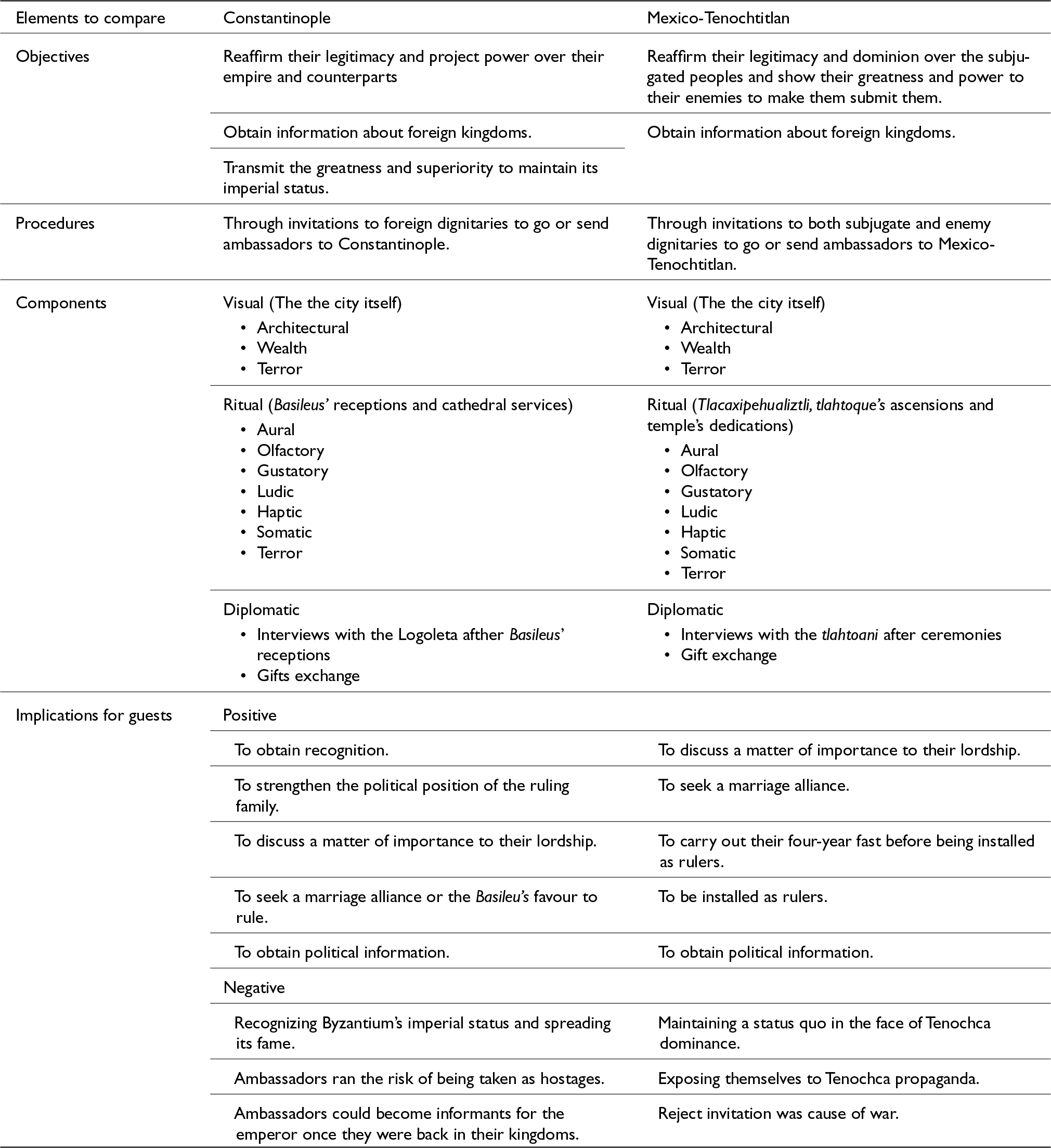
Table 2 Long description
The table compares palace diplomacy and propaganda between Constantinople and Mexico-Tenochtitlan, focusing on objectives, procedures, components, and implications for guests. Both empires aimed to reaffirm legitimacy and gather information about foreign kingdoms, but Constantinople emphasized projecting imperial status, while Mexico-Tenochtitlan focused on dominion over subjugated peoples. Procedures involved inviting dignitaries, with Constantinople hosting foreign ambassadors and Mexico-Tenochtitlan inviting both subjugated and enemy dignitaries. Components included visual, architectural, and ritual elements, with both empires using terror as a component. Implications for guests varied, with Constantinople offering positive outcomes like political alliances, while Mexico-Tenochtitlan posed risks such as exposure to propaganda and potential war if invitations were rejected. Ambassadors in both empires faced risks of becoming informants or hostages.
Conclusions
Through the comparative analysis in this study, we found that the diplomatic and propaganda objectives of Constantinople and Mexico-Tenochtitlan had distinct focuses. Byzantine rulers aimed to maintain their existing empire, while Tenochca nobility sought not only to preserve but also to expand their domain. As a result, Constantinople’s strategy emphasized palace diplomacy, while Mexico-Tenochtitlan focused on propaganda. Despite these differences, both approaches were remarkably similar. Both began with invitations, and their protocols included the same components: visual (architecture, wealth, and terror), ceremonial (including aural, olfactory, gustatory, ludic, haptic, somatic, and terror elements), and diplomatic (interviews and gift exchanges).
The similarities in the diplomatic-ritual protocols of the two kingdoms are significant for several reasons. Firstly, according to Matthew Canepa’s study, Constantinople’s protocol developed from a cultural exchange between the Roman and Sasanian empires, lasting over three centuries. These two empires arose from distinct civilizational centers: the Near East and the Greco-Roman world. In contrast, the Mexico-Tenochtitlan diplomatic protocol developed independently, without such cross-cultural influence. This difference implies that diplomatic practices can emerge from political conditions that include territorial expansion and conflict among diverse political entities, not necessarily tied to external exchanges.
Secondly, the fact that Mexico-Tenochtitlan’s diplomatic protocol mirrored that of Constantinople—despite the latter having at least more than six centuries of development—raises important questions about the social composition of Mexico-Tenochtitlan. As demonstrated in recent studies (Reyes Morales Reference Reyes Morales2024), manuscript and pictographic sources reveal two contrasting narratives regarding the interactions between the Colhuas and the Mexicas. The less-known version states that the Colhua nobility, which governed the Valley of Anahuac from the first Excan Tlahtoloyan and for over five centuries, settled in Mexico-Tenochtitlan through a marital alliance with the Mexicas after Colhuacan’s fall of 1336. This narrative suggests that the Colhua nobles ruled the Mexica people and may have rewritten the history of the natives of Aztlan in Itzcoatl’s reign, creating the most widespread story that also appears in the sources. In this context, it seems more likely that the development of such a sophisticated diplomatic protocol stemmed from the Colhua nobility’s long-standing governance experience rather than the “appropriation of Toltec traditions” supposedly made by the Mexicas upon their arrival at the lake islets.
Finally, this study highlights the relevance of comparative analyses and the significance of systematically addressing diplomacy in Mesoamerica, as similar practices likely happened in other times and places. This kind of analysis could bring light to a better understanding of the cultural and political development of Mesoamerican peoples. Moreover, there are still many areas to compare between the Roman and Sasanian empires and Mesoamerican kingdoms, as the ritual interchange analyzed by Canepa encompasses ceremony dates, art, colors, calendars, and worldviews.
Acknowledgements
This work was supported by the Secretaría de Ciencia, Humanidades, Tecnología e Innovación (SECIHTI) of the Mexican Government. We are grateful to the anonymous reviewers of the original version of this manuscript, as well as to the editors of Ancient Mesoamerica, especially Blanca Maldonado, for her support, and Sarah B. Barber, for their generous comments and invaluable suggestions. We would also like to thank the Academic Writing Program at UNAM, particularly Susana Kolb Cadwell.
Competing interests
The author(s) declare none.
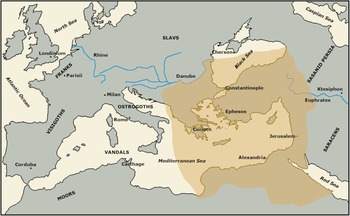
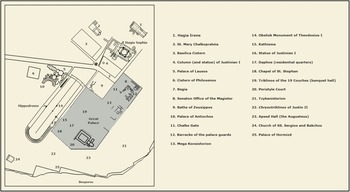
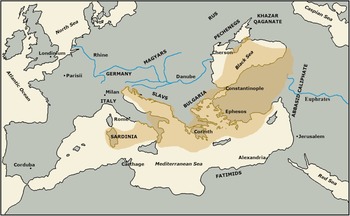
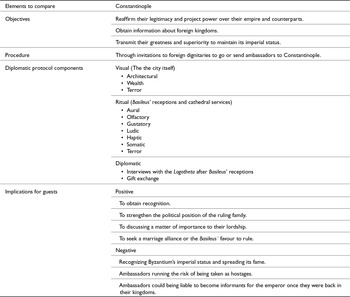
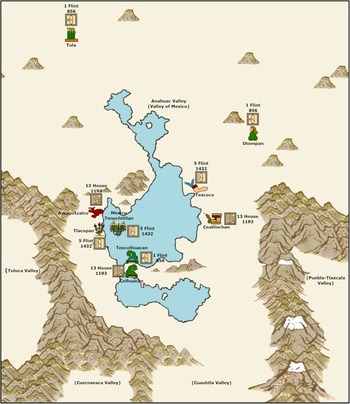
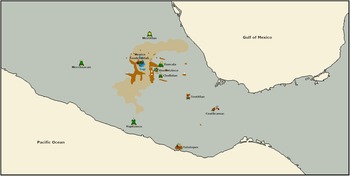
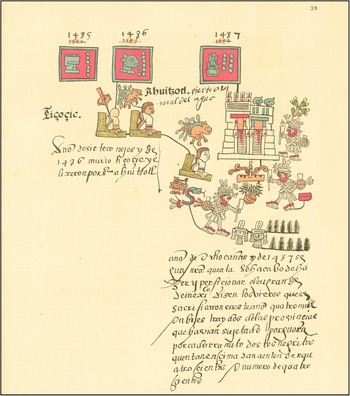
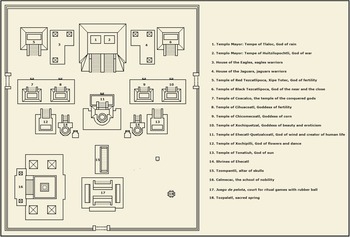
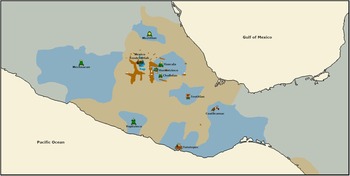
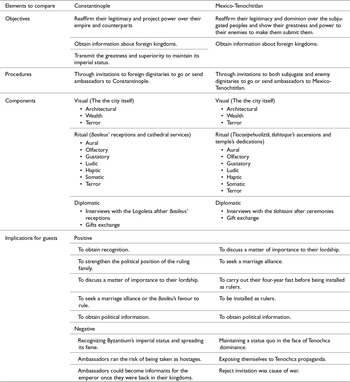

 Open access

