


Introduction
Since the first reported case of a human infection with Shiga toxin-producing enterohaemorrhagic Escherichia coli (EHEC) O157, numerous other outbreaks have been reported in a variety of settings (e.g. foodborne, human to human, waterborne, animal contact), with characteristic complications such as haemolytic uraemic syndrome (HUS) and acute encephalopathy [Reference Riley1–5]. EHEC O157 outbreaks are reported in many developed countries every year [Reference Sinclair6–Reference Butcher9]. In the US, multistate outbreaks account for a very small percentage of all foodborne disease outbreaks, but are increasing in frequency and are often responsible for severe illness [Reference Crowe10]. In Japan, around 4000 EHEC cases are reported annually and almost all are sporadic [Reference Kanayama11, Reference Saitou12]; EHEC O157 is the most frequent aetiological agent of EHEC cases [Reference Kanayama11, Reference Saitou12]. The sources of outbreaks of EHEC O157 across multiple prefectures in the country have been linked to a variety of foods [Reference Jay13–Reference Wendel17]. In the outbreak setting, comparison groups are selected as controls from among the same population, for example, schoolchildren, friends and neighbours. These types of comparison groups are easy to select but can give rise to selection bias, overmatching and other problems [Reference Rothman and Sander Greenland18, Reference Flanders and Austin19]. Moreover, it can be difficult to select controls for case–control studies when outbreak investigations involve multiple areas. Internet surveys are useful investigative tools because bias can be overcome by well-designed selection of the controls [Reference Dillman, Smyth and Christian20]. However, the usefulness of Internet surveys for selecting comparison groups in case–control studies has not been widely discussed [Reference Dillman, Smyth and Christian20, Reference Mook21]. Hence, in this study, we tried to compare the selection methods of both types of control groups in an outbreak setting.
The objectives of the investigation were to reveal the source of infection and assess the effectiveness of an Internet survey for selecting a comparison group in an investigation of a multi-prefectural outbreak of EHEC in Japan.
Outbreak detection
Korean-style barbecue restaurant chain A (Restaurant A) was established in February 1988. As of 1 January 2010, the restaurant chain had 100 branches across Japan with its headquarters in Yokohama City, Kanagawa Prefecture. Meat Processing Company S is based in one of Tokyo's special wards, Adachi. This outbreak occurred across five prefectures (Chiba, Saitama, Tokyo Metropolis, Kanagawa and Okinawa) and among them four (excepting Okinawa) are located in or bordering the Tokyo metropolitan area. The restaurants are categorised as ‘Yakiniku’, referring to the Korean-style barbecue cuisine. Yakiniku restaurants are one of the most popular types of restaurants in Japan. They serve low-cost food, and the Restaurant A chain is popular with patrons. The restaurants serve mainly grilled meat (beef, pork and chicken) that customers grill themselves. Except for intestine, all other cuts of meats are served as approximately 1 mm thin slices from the meat block. The beef hanging tender is derived from the diaphragm, which is a type of offal meat, but is not intestine.
At the end of November 2009, two customers of Restaurant A were diagnosed with EHEC O157 by two medical institutions, which subsequently notified Machida Local Public Health Centre (LPHC), Tokyo. The two cases had consumed a common food at the same branch of Restaurant A in the middle of November, and hence Machida LPHC suspected an outbreak at the restaurant. Thereafter, Machida LPHC conducted active case-finding of EHEC confirmed or suspected cases. Two more cases were found among other customers of Restaurant A branches. One was from Machida LPHC area and the other from Kawaguchi LPHC area, Saitama. Thus, the Bureau of Social Welfare and Public Health of Tokyo Metropolitan and Saitama Prefectural Government offices notified the Health and Social Welfare Bureau of Yokohama City Government Office, which has jurisdiction over the headquarters of Restaurant A. The latter office requested information from offices holding jurisdiction over each restaurant branch because it was recognised that visitors to other branches might have experienced at least one gastrointestinal illness such as diarrhoea, bloody diarrhoea or abdominal cramps/pain. Furthermore, they requested help from other local public health offices for active case-finding of visitors to branches of Restaurant A. The Yokohama City Government Office requested that investigators be dispatched to the Field Epidemiology Training Program from the National Institute of Infectious Diseases.
Methods
Definitions of cases/controls and case-finding
Cases were defined as visitors to Restaurant A from 1 November 2009 to 14 January 2010 who developed at least one gastrointestinal illness such as diarrhoea, bloody stool or abdominal cramps/pain within 14 days of the visit, and who provided a stool sample positive for EHEC O157 with Shiga toxin (stx)2 or EHEC O157 with stx1 and stx2.
Active case-finding
EHEC is a category III notifiable disease in Japan, in accordance with the Act on Prevention of Infectious Disease and Medical Care for Patients Suffering Infectious Disease. After being notified of cases by physicians, the LPHC conducted active case-finding [Reference Yahata22] among patient contacts and visitors to Restaurant A. LPHC staff interviewed visitors and collected faecal specimens from all contacted persons. Thereafter, all LPHCs involved started active case-finding. Staff interviewed visitors and relatives of patients about the food they consumed and their health status, and collected faecal samples. LPHC staff continued to monitor the health of contacts for 14 days.
Study design
We conducted two types of case–control studies. The LPHCs conducted one and the design was analysed by logistic regression analysis. The other was a matched case–control study conducted using an Internet-based survey to recruit controls. The design of the matched case–control study was analysed by conditional logistic regression analysis. Both analyses were performed by SAS ver. 9.4 (SAS Institute Inc., Cary, NC, USA). Details of the design of both studies are discussed below.
LPHC controls
This study was designed as an unmatched case–control study. LPHCs collected samples and investigated for epidemiological information from all companions of cases who had visited Restaurant A as active case-finding. Companions were selected by LPHCs from contact lists. The LPHC collected data for not only food consumed at Restaurant A but also history of activity for risk behaviour of EHEC infection among cases and companions. Companions had no gastrointestinal illness and EHEC O157 was not detected in stool samples.
Internet-based survey
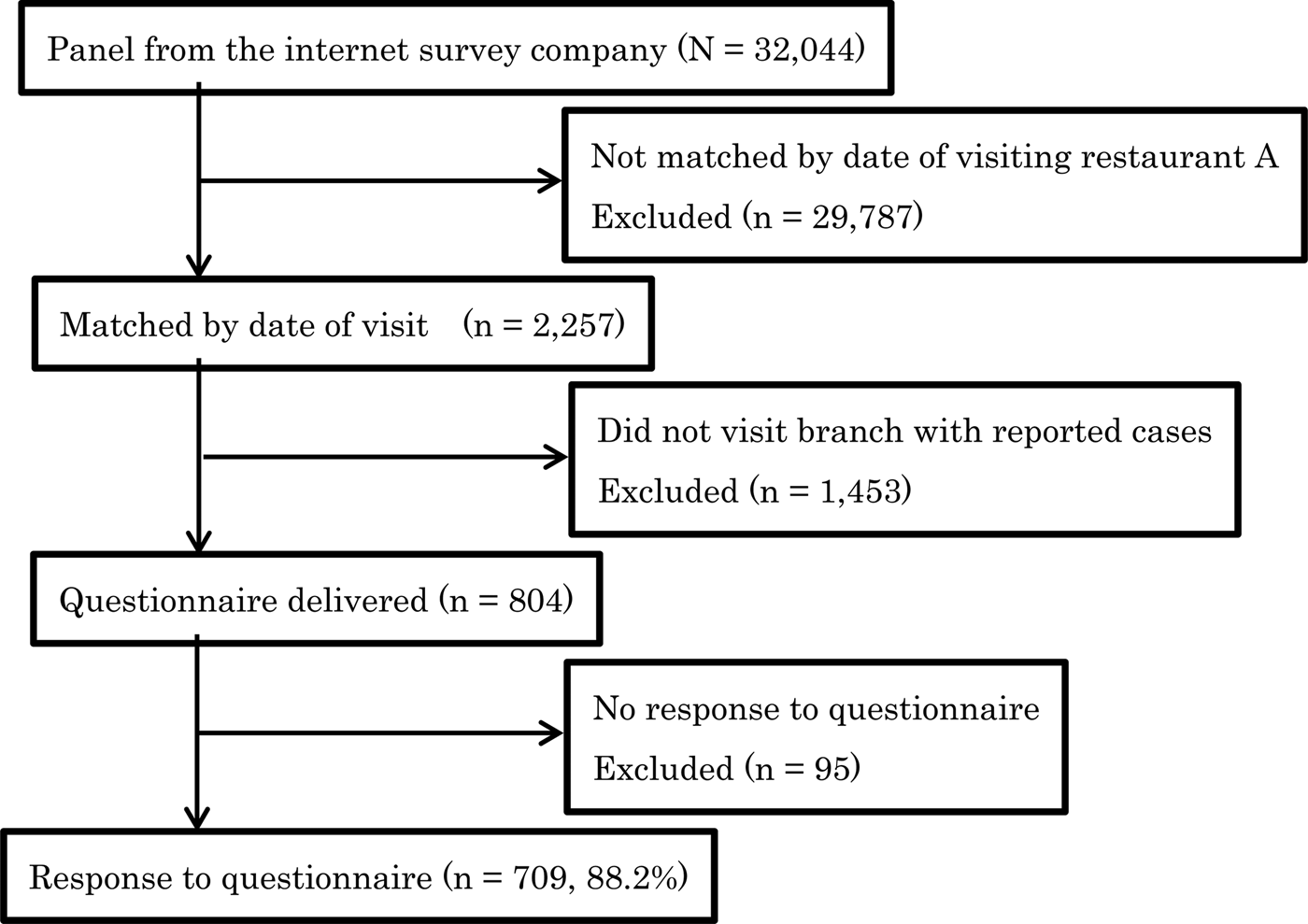
This study was designed as a matched case–control study. For the Internet survey, we selected areas with affected branches, which were under the jurisdictions of LPHCs in the Tokyo metropolitan area and Kanagawa, Chiba, Saitama and Okinawa prefectures. Controls were selected from among a panel registered with an Internet survey company. A preliminary survey was conducted to select participants from the panel. Controls were selected based on whether they had visited a branch of Restaurant A at the same time as a case. We excluded panel members under 18 years old because of the small number of matching cases. Controls were matched by age groups (18–39 and 40–59 years), sex and date of visit to a branch of Restaurant A. The maximum case to control ratio was 1 : 4 and the Internet survey company conducted the panel research. We selected 804 subjects from the Internet survey among 32 044 registered panels (Fig. 1). The response rate was 88.2% (709/804). All responders could receive an incentive of 100 points (about US$1) in rewards from the Internet company. The points could be used as sales credit in the Internet company's cooperative shop.
Selection of subjects for the Internet survey.
Inspection of food processing company and environmental study
Adachi LPHC inspected the premises of Meat Processing Company S. They interviewed staff and examined the meat cutting processes. Furthermore, LPHCs involved collected swabs from kitchen areas, cutting board surfaces and sinks in the kitchens of each branch of Restaurant A. Local public health laboratories in each area tested the swabs.
Trace-back investigation
A trace-back investigation of farms, the food processing company and Restaurant A branches was conducted. All food processing was inspected by the presiding LPHC. LPHC staff interviewed food handlers and inspected the handling of food during processing. Yokohama City Health Office asked Adachi LPHC to conduct a trace-forward investigation of the beef.
Laboratory tests of human and food samples and pulsed-field gel electrophoresis analysis
LPHCs collected faecal samples from all suspected O157 cases and their relatives. Food samples were obtained based on the hypothesis-generating questionnaire and collected from 18 affected branches by LPHCs, in addition to environmental samples. Local public health laboratories tested 48 food samples and the environmental samples collected.
The samples were cultured for O157 and anti-stx antibody was detected or polymerase chain reaction was conducted. Standardised methods for the laboratory tests were recommended by the National Institute of Infectious Diseases, based on the guidelines from the World Health Organization for the detection of EHEC and Klebsiella [23].
Pulsed-field gel electrophoresis (PFGE) analysis was performed as described previously [Reference Terajima24]. The resulting PFGE patterns were analysed using BioNumerics ver. 6.6 software (Applied Maths, Belgium).
Results
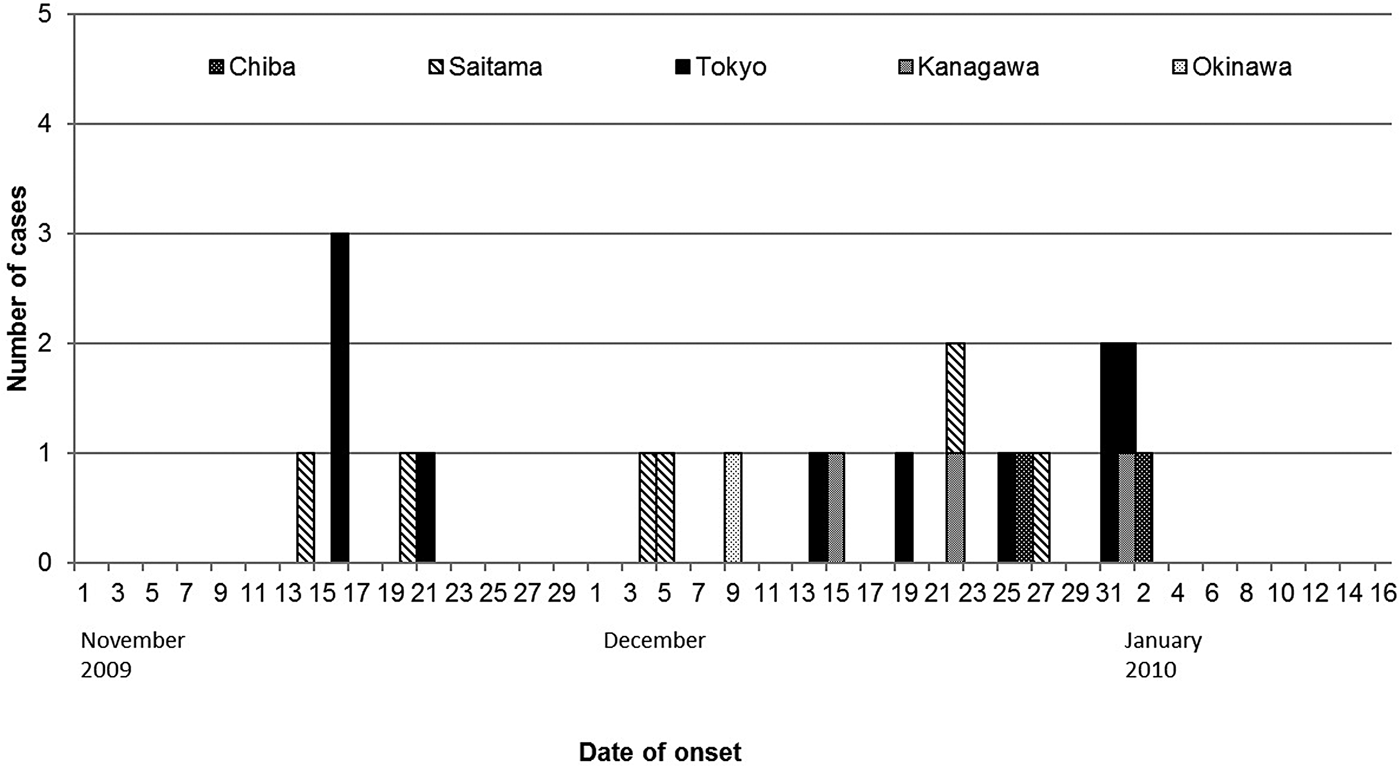
The first case was identified on 14 November 2009 in Chiba Prefecture, and the next three cases were identified on 16 November 2009 during the peak (Fig. 2). Thereafter, O157 cases were reported sporadically in Chiba, Saitama, Tokyo, Kanagawa and Okinawa prefectures until 2 January 2010. All cases had visited a Restaurant A branch serving Korean cuisine.
Dates of onset by prefecture. X-axis: date of onset. Y-axis: number of cases.
A total of 21 cases developed at least one gastrointestinal illness, such as diarrhoea, bloody stool or abdominal cramps/pain (Table 1). Among the 21 cases, 14 were male (58.8%) and the median age was 23 years (range 12–48 years). The most common symptom was abdominal cramps/pain, which occurred in 21 cases (100.0%), followed by bloody stool in 15 cases (71.4%). Of the 21 cases, 14 (66.7%) were hospitalised, but no complications such as HUS, acute encephalopathy or fatal outcome occurred. None of the cases were secondary infections in this outbreak.
Characteristics of subjects
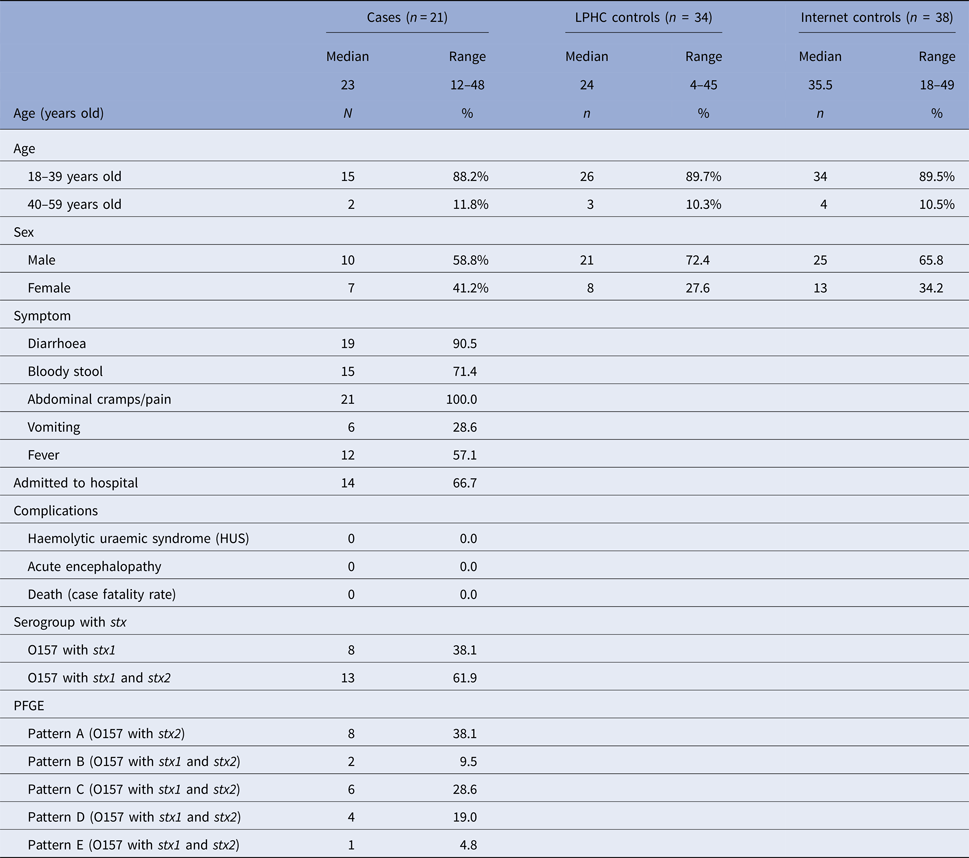
EHEC O157 with stx1 was isolated in eight cases (38.1%) and O157 with stx1 and stx2 in 13 (61.9%; Table 1). In laboratory tests, PFGE showed five patterns. Pattern A (O157 with stx2) occurred in eight cases (38.1%) and was the most common, followed by pattern C (O157 with stx1 and stx2), which occurred in six cases (28.6%).
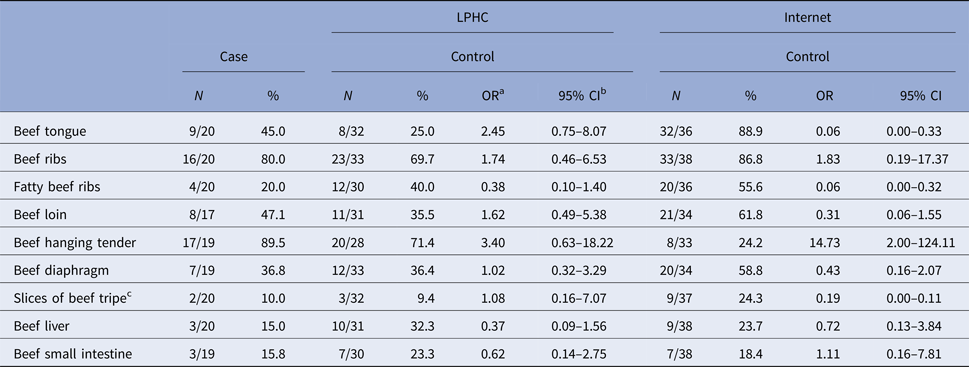
The LPHCs investigated the food consumed at Restaurant A branches (Table 2). The most frequently consumed food was beef hanging tender (17 cases; 89.5%), derived from diaphragm of the cattle, followed by beef tongue (16 cases; 80.0%).
Association between consumption of food and O157 infection in LPHC investigation and using Internet survey controls
a OR: odds ratio.
b 95% CI: 95% confidence interval.
c Exact logistic regression analysis.
Association between exposure and onset
LPHC case–control study
We compared foods consumed by cases and controls recorded by the LPHC case–control study (Table 2). Infected cases consumed more beef tongue, beef ribs, beef hanging tender and beef diaphragm than controls. The LPHC case–control study showed no significant association between any of the foods and the onset of EHEC.
Internet-based case–control study
In our Internet-based case–control study, we compared the rates of consumption of different foods (Table 2). The consumption of beef hanging tender was over 60% higher in cases than in controls of the Internet survey, but it was significantly associated with O157 infection (odds ratio = 14.73; 95% confidence interval 1.85–117.03), while there was no significant association between other foods and O157 infection.
Laboratory test results for food and environment
The local public health laboratories isolated EHEC O157 from beef hanging tender. Of 86 leftover hanging tenders, 21 samples (24.4%) were positive for O157. No contagious agents were found in any of the other 47 foods tested and all environmental samples were negative for EHEC O157.
PFGE analysis
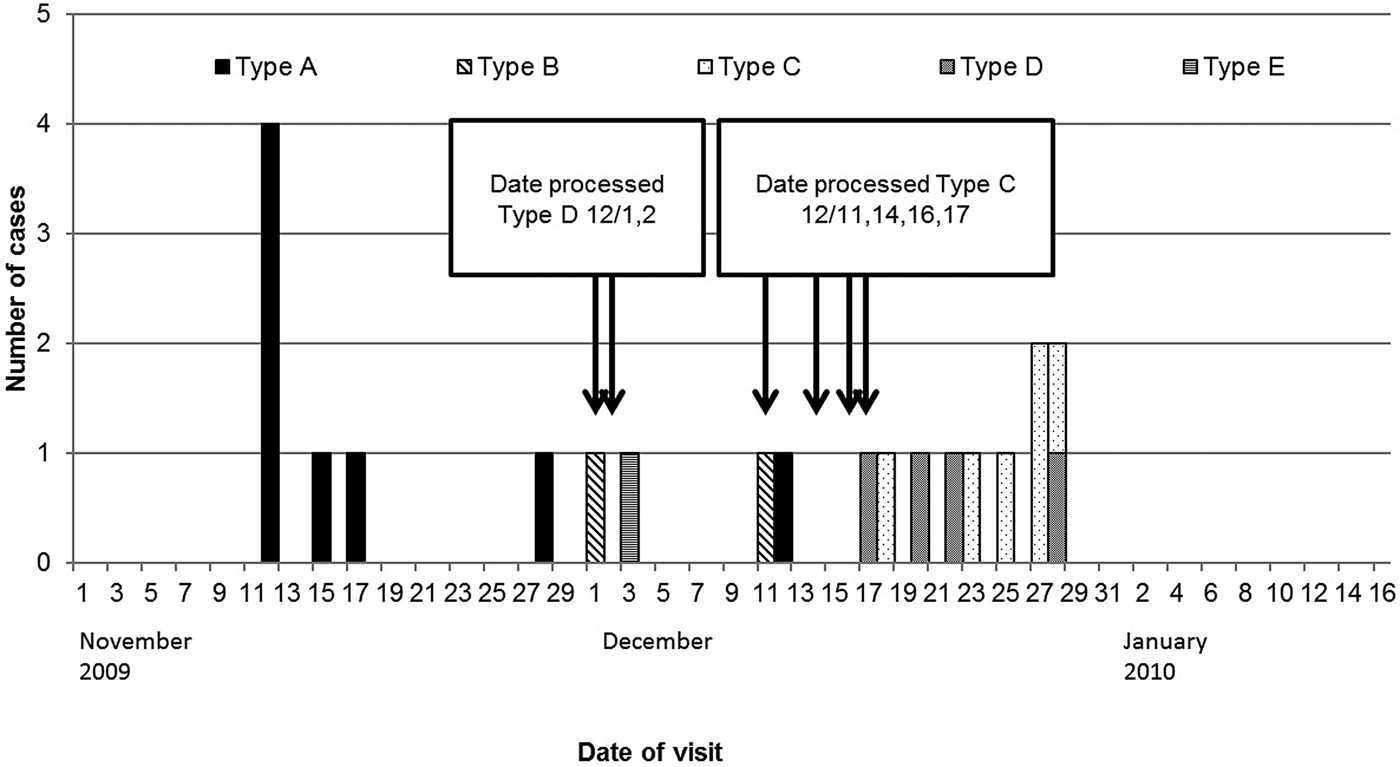
The first cases identified had visited Restaurant A branches on 12 November 2009 and all isolates from these four cases had the same type A PFGE pattern (Fig. 3). Isolates with PFGE type A were also derived from cases who visited Restaurant A branches on 15, 17 and 28 November, and 12 December 2009. Thereafter, the other four PFGE types were sporadically detected: type B was identified in cases who had visited restaurant branches on 1 and 11 December; type E was found in cases who visited the restaurants on 3 December; type C was found in cases who visited on 18, 23, 25, 27 and 28 December; and type D was found in cases who visited on 17, 20, 22 and 28 December. Of 21 isolated O157 strains, six types of PFGE patterns were identified. Types C and D were found in faecal samples from infected cases as well as leftover hanging tenders exhibiting the six PFGE patterns from 21 isolated strains. Among the 21 isolated strains, type C constituted six strains (28.6%) and type D two strains (9.5%).
Dates of visits to Restaurant A branches and PFGE patterns. X-axis: date of visit. Y-axis: number of cases.
Inspection of branches
LPHCs conducted inspections of each affected branch of Restaurant A. All swabs from the kitchen, including cutting board surfaces and sinks, in each branch were negative for O157.
Trace-back and trace-forward investigations
Beef hanging tender was the most frequently consumed food at branches of Restaurant A and was significantly associated with the onset of O157. We conducted a trace-back investigation of beef hanging tender, which was supplied only to Restaurant A branches. Beef hanging tender amounting to 18 tons was imported from Canada by Trading Company N and processed by Food Processing Company C. Food Processing Company C then implemented slaughterhouse and food processing procedures in the same location. After receiving the purchase order from Restaurant A, the trading company shipped the meat to the food processing company. Food handlers sliced part of the 200 kg of meat on cutting boards at the processing company. The company placed two individual portions of hanging tender in each pack, amounting to around 2 kg/pack. Meat Processing Company S processed the hanging tender at a rate of 200 kg/day. We were unable to collect further information about the upper supply chain, such as the farm.
Food preparation in Restaurant A branches
In Restaurant A branches, visitors order the food and the food handlers prepare it. The role of the food handlers is to open the meat packs and place the meat onto a dish. Thereafter, the staff season the meat with sauce, pepper and so on. Restaurant A did not record the lot numbers of foods or keep hygiene records during processing. Moreover, the staff of Restaurant A did not operate a first-in first-out system for all meats. At some branches of Restaurant A, the staff did not try to prevent cross-contamination and did not adhere to hand hygiene practices or use sufficient methods of sanitation. In addition, Restaurant A branches did not keep health records for their staff.
Logistics
Transportation and logistics of all foods were investigated to trace-back from the food processing company in Japan to the slaughterhouse in Canada, but we could not obtain information about the farm in Canada. All transportation companies kept logistics, refrigeration and freezer records. There were no issues affecting the refrigeration of the hanging tender meat during transportation between Meat Processing Company S in Japan and Restaurant A in Japan; therefore, the meat was probably not contaminated during transportation.
Inspection of Meat Processing Company S
The meat processing area was maintained at an appropriate temperature, according to an LPHC inspection of Meat Processing Company S. Furthermore, the beef hanging tender showed no signs of contamination while at the processing company.
Control measures
Restaurant A voluntarily banned the serving of beef hanging tender from 29 December 2011 at 16 : 30 and temporarily closed all affected branches on 31 December 2011 and 1 January 2012. Yokohama City ordered Restaurant A to recall all hanging tender meat from all branches. Restaurant A has now stopped serving hanging tender imported from Food Processing Company C.
Discussion
Source of infection: beef hanging tender
This outbreak investigation examined epidemiological and microbiological data and implicated the consumption of beef hanging tender, which was contaminated with O157. All cases had visited Restaurant A between 12 November and 28 December 2009. The first two cases were in the same group but did not live in the same place. Moreover, other cases had no other epidemiological link such as place of residence, date of visit and/or branch of Restaurant A visited. Thus, the outbreak presented very strong evidence for the implication of Restaurant A. Five PFGE patterns were also noted in this outbreak. All cases were linked with Restaurant A, and cases were significantly associated with consumption of hanging tender. Five PFGE patterns were found among the faecal and meat samples. The different PFGE patterns among the meat samples correlated with the processing dates. Moreover, patterns B and D from faecal and meat samples corresponded to visits to Restaurant A after the meat was processed at the meat processing factory (Fig. 3). Patterns A, B and E were not identified in meat samples. One possibility for their absence might be that the meats had already been consumed. This meat was the most common food consumed in this outbreak, and the only food significantly associated with EHEC O157 infections. Therefore, we believe that this outbreak was caused by the imported meat contaminated with EHEC O157, which originated from Meat Processing Company C with an onsite slaughterhouse.
Comparison of the two case–control studies
In the LPHC case–control study, controls were selected from companions, such as family members and friends. These controls were easy to contact and the data relating to exposure were easily obtained [Reference Rothman and Sander Greenland18, Reference Dillman, Smyth and Christian20]. However, the disadvantage of these controls is that their habits are closely associated with those of the cases [Reference Rothman and Sander Greenland18, Reference Dillman, Smyth and Christian20] so that this type of case–control study requires several hundreds of subjects. However, selecting the controls via an Internet survey targeted other patrons of Restaurant A during the same period as the outbreak cases [Reference Dillman, Smyth and Christian20]. This method can circumvent the use of controls who have habits similar to the cases’. In comparing the design of both types of controls, the Internet survey enabled the recruitment of appropriate controls and sample sizes for this outbreak investigation because the study was specifically designed to avoid selection bias and overmatching. The response rate to the Internet survey was high at about 90%, and it was easy to obtain controls. Dillman et al. have reported that Internet-based surveys offer a simple, and highly robust solution [Reference Dillman, Smyth and Christian20]. Taken together, Internet-based collection of controls could be useful for outbreak investigations.
Contamination and spread
Hazard analysis and critical control point (HACCP) systems in the meat industry [Reference Brown25] acknowledge that visceral organs are heavily contaminated during their removal from carcasses and inspection processes, but that it would be difficult to change the slaughtering processes. This type of contamination occurs because offal contains microbes that are pathogenic to humans but are normal in cattle, and it would be difficult to implement changes if they conflict in any way with inspection procedures [Reference Brown25]. Hanging tender contains visceral organs and therefore the meat can be highly contaminated by the slaughtering process. Preventing contamination of visceral meat might be difficult. Brown [Reference Brown25] pointed out that the meat processing industry needs to introduce an HACCP system in slaughterhouses. We suggest the following. First, the food supply chain and restaurants should be aware that hanging tender meat and other visceral organs are often contaminated during the slaughtering process. Second, the consumer should be made aware that hanging tender might be contaminated by microorganisms such as enterohaemorrhagic EHEC and other agents.
Multiple PFGE patterns
The isolates derived from this outbreak had multiple PFGE patterns, although these patterns showed approximately 85% similarity and could be divided into five clusters of patterns based on 90% similarity. Isolates belonging to cluster types C and D patterns were derived from both faecal samples from infected cases and the meat. There are two possible explanations for EHEC O157 contamination of hanging tender. One pertains to ‘material-related’ issues and the other to ‘process-related’ issues [Reference Brown25]. One possible route of material-related contamination for hanging tender is that it has been already contaminated by cattle faeces at the slaughterhouse. Alternatively, process-related contamination means that the hanging tender was contaminated during processing after contact with contaminated materials. Since cattle are major reservoirs of EHEC O157 and carry genetically divergent clones of EHEC O157, different batches or lots of meat might be contaminated by different strains. Furthermore, because only part of the 200 kg of hanging tender meat was processed on cutting boards at the meat manufacturing company, some batches might be contaminated with EHEC O157 by one or more other contaminated batches. These possibilities could explain why several PFGE patterns were identified in this outbreak. From the results of our investigations into this outbreak, we recommend that meat processing companies should reduce the amount of meat processed at a time to as small a fraction as possible to prevent secondary contamination.
Possibility of central contamination at specific branches
In some branches of Restaurant A, it was noted that staff did not maintain hand hygiene or appropriate hygienic practices in the kitchen. Furthermore, epidemiological analysis showed that the common food was beef hanging tender. This implies that visceral organ beef meat is a common risk factor for O157 infection. PFGE tests showed that different strains were present in different branches. Thus, the hanging tender might not have been contaminated at the affected branches. We recommended that food handlers practice sanitary methods of food handling at each branch in order to prevent cross-contamination.
Success of control measures
We isolated O157 from recalled packets of beef hanging tender. Some restaurant branches had contaminated lots, but temporary closures and recalls of the meat were successful public health measures. After the ban on hanging tender, some meat batches were found to be positive for O157:H7. Thus, the ban proved to be a successful public health measure.
Limitations
This outbreak investigation had some potential biases, including recall bias and the use of a different type of survey in the Internet-based case–control study.
Conclusions
This investigation of a multi-prefectural outbreak of EHEC in Japan revealed the source of infection and demonstrated the effectiveness of an Internet survey for selecting a comparison group.
Acknowledgements
The authors thank Yokohama City Public Health Center and Public Health Laboratory, Kawasaki City Office Public Health Center and Public Health Laboratory, the Local Public Health Center and Bureau of Social Welfare and Public Health of Tokyo Metropolitan Government, Tokyo Metropolitan Institute of Public Health, the Local Public Health Center of Tokyo special wards, the Local Public Health Center and Department of Public Health and Medical Services of Saitama Prefectural Government, and the Local Public Health Center, Department of Public Health and Medical Care, and Public Health Laboratory of Okinawa Prefectural Government.
Financial support
This work was supported by a Health and Labour Sciences Research Grant for Research on Food Safety (H20-Syokuhin-Ippan-006) from the Ministry of Health, Labour and Welfare of Japan.
Declaration of interest
None.
Ethics
This outbreak investigation, case–control study and trace-back investigation were conducted in accordance with the Act on Prevention of Infectious Disease and Medical Care for Patients Suffering Infectious Diseases and the Food Sanitation Act in Japan. Thus, this study did not require approval from an ethics committee.



