


1 Why Lotteries?
1.1 Introduction
Democracy seems to be in a state of crisis. Across the world, politics is increasingly dominated by elitist, corrupt, or authoritarian politicians, and the past decade has seen the rise of populism and extremism in politics (Norris & Inglehart, Reference Norris and Inglehart2019, Berman Reference Berman2021). Traditional parties are losing their members and therefore must focus more on short-term survival and rent-seeking (van Biezen et al. Reference van Biezen, Mair and Poguntke2012, Mair Reference Mair2013); meanwhile, campaign finance makes elections exclusively accessible to elite candidates (Cagé Reference Cagé and Camiller2020). While there is a debate as to the extent of democratic backsliding in established democracies,Footnote 1 it is clear that citizens’ distrust in both politicians and representative democracy is at an all-time high (Cain et al. Reference Cain, Dalton and Scarrow2003, Van der Meer Reference Van der Meer2017). While this “democratic fatigue” or “democratic malaise” (Van Reybrouck Reference Van Reybrouck2016, Reuchamps & Suiter Reference Reuchamps and Suiter2016) stems from several causes, the overarching theme is clear – voters feel neither included nor represented, in a system that is dominated by disconnected party elites.
Political lotteries have dominated both the academic and policy discourse as an alternative to elections to improve inclusion and representation. Recently, a number of academics have advocated for a system of “lottocracy” where the election of legislators is replaced with selection by lot (Guerrero Reference Guerrero2014, Gastil and Wright Reference Gastil and Wright2019, Abizadeh Reference Abizadeh2021). Other scholars have argued for the introduction of randomly chosen consultative or decisional deliberative institutions, such as citizens’ assemblies or mini-publics, to supplement or as part of a system-wide reform of democracy (Landemore Reference Landemore2017, Reference Landemore2020). In all cases, lottocratic selection is advocated as a way to strengthen citizen participation in democratic decision-making, reduce polarization, and combat misinformation among citizens (Dowlen Reference Dowlen2009, Van Reybrouck Reference Van Reybrouck2016, Dryzek et al. Reference Dryzek, Bächtiger and Chambers2019, Gastil and Wright Reference Gastil and Wright2019, Landemore Reference Landemore2020).
Selection by lot is also gaining traction in the policy world.Footnote 2 There are very few cases today where lotteries are used in an institutionalized manner to select representatives or to hand over legislative powers to unelected citizens – notably, Ostbelgien (the third and smallest, German-speaking community of federal Belgium), the city council of Paris, and the borough of Newham in London have created permanent bodies chosen by lottery.Footnote 3 However, a more common and perhaps better-known practice is that of randomly chosen citizens assemblies, initiated all over the world at both the local and national levels, designed to provide nonbinding policy recommendations to governments. Citizen assemblies or mini-publics are now a frequently used political institution worldwide. Notable examples include the Irish Constitutional Convention and Citizen’s Assembly in 2016, the UK Citizens’ Assembly on Brexit in 2017, or the Citizens Convention for Climate in France in 2020. In fact, the OECD has identified no fewer than 566 citizens assemblies or other deliberative processes from 1979 to 2021 (OECD 2021), and there is an even larger catalog of democratic innovations available at https://participedia.net/. Deliberative mini-publics are even going digital – recently the technology company Meta launched a series of online Community Forums that brought together thousands of randomly chosen social media users from thirty-two countries for a weekend-long deliberation, conducted completely online (Fishkin et al. Reference Fishkin, Siu, Chang, Ciesla and Kartsang2023).
So why are political lotteries a solution proposed to reinvigorate democracy? In short, because by their very nature, lotteries equalize opportunity of access to decision-making. The selection of political representatives by lottery, also known as sortition or lottocratic selection, can be incorporated into democratic governance in several ways. Legislative or governing bodies could be chosen entirely or partially by lot, or lotteries can be used to assign leadership, committees, or other political posts. Lotteries can also be used to select citizens to participate in institutions of deliberative democracy, such as in Citizens’ Assemblies or deliberative polling, designed to provide recommendations on policy. Including different perspectives may even improve the quality of decision-making, creating a sort of wisdom-of-the-crowds effect. These types of lottocratic institutions could be permanent or temporary, and could be structured to have either advisory or authoritative powers.
In this Element, we focus on the historical use of political lotteries as a permanent feature of governance, to select representatives or officers in assemblies with legislative, agenda setting, or governing power. While there are many ways to incorporate lotteries in democracy, many modern initiatives are temporary, advisory, and with everyday citizens; instead, we wish to focus on how political selection by lottery affects the characteristics and behavior of political representatives or officers with governing power. Recent calls want to make lottery-based selection, and more generally deliberative institutions, permanent. Yet these proposals are theoretical, and there is very little empirical evidence upon which to base these recommendations. If lottery-based selection is here to stay as a permanent feature of democracy, we need to better understand how they work over time, in a setting with elite politicians and high stakes.
Fortunately, selection by lottery is far from a new idea – lotteries were used in politics in Europe for millennia; from Athens in 300 BCE, to the medieval Italian city-states, to nineteenth-century parliaments of France, Denmark, and many others. It is only in the last 200 years that political culture has shifted toward equating democracy with elections (Stasavage Reference Stasavage2020). Lotteries disappeared with the advent of electoral parliamentary democracy, because of both the development of a theory of political legitimacy that linked legitimacy to consent via elections and the interests of the leading actors of the time (Manin Reference Manin1997). Today, elections and other forms of appointment also appear to best serve the challenges of participation in large, diverse polities who are more or less structured by political parties and career politicians. So why incorporate lotteries back into democracy? Can lotteries improve representation and inclusiveness? Can lotteries prevent elite capture? Can randomly chosen deliberative groups improve policymaking? Can sortition truly replace elections as a method of political selection?
In this introduction, we now review the recent calls for political lotteries, and our historical political economy approach, before providing a roadmap of the Element.
1.2 Recent Calls for Political Lotteries
The case for sortition often begins as a case against elections. Social scientists argue elections currently suffer from two key flaws: a lack of representation and capture by elites (Engelstad Reference Engelstad1989, Dowlen Reference Dowlen2009, Zakaras Reference Zakaras2010, Guerrero Reference Guerrero2014, Abizadeh Reference Abizadeh2021, Landa and Pevnick Reference Landa and Pevnick2021). If elections fail to give a broad subset of citizens the chance to win office, then this leads to a lack of political equality and poor representation. If elected officials are beholden to special interests and campaign finance, and citizens cannot hold these politicians accountable, then this ultimately leads to elite capture of political institutions.
These flaws were emphasized by Belgian writer and journalist David Van Reybrouck in 2016, when he attracted wide attention with an original, short book in which he advocated Against Elections. He argued that people across the world increasingly suffer from what he calls “democratic fatigue,” where citizens in democracies are frequently asked to express their votes but feel they have little influence over actual policy outcomes. While modern democracy is defined by elections, Van Reybrouck discusses that historically democracy was designed to preserve the power of the elite at the expense of the masses. This fundamental tension is now driving democratic fatigue – he writes, “Elections are the fossil fuel of politics. Whereas once they gave democracy a huge boost, much like the boost oil gave the economy, it now turns out they cause colossal problems of their own.”
Van Reybrouck’s claims were radical but influential, and as we will show, many others’ remedy is to bring back the random selection of political representatives from the general public. There is a long and robust academic literature on the theoretical benefits and challenges of sortition (e.g. Elster Reference Elster1989, Manin Reference Manin1997, Landemore Reference Landemore2020), as well as modern-day experiments with participatory and deliberative democracy (e.g. Mansbridge Reference Mansbridge1980, Fishkin Reference Fishkin1995, Reuchamps, Vrydagh, and Welp Reference Reuchamps, Vrydagh and Welp2023). Yet Van Reybrouck, after reviewing experiences with temporary and issue-based citizens’ assemblies and citizens’ parliaments (including the G1000, the Citizens’ Assembly in Belgium, that he himself helped organize), rejects the use of deliberative democracy in temporary assemblies as a solution. He argues that the “democratic fatigue syndrome” cannot be solved by neo-parliamentarian or anti-parliamentarian structures because they cannot address the essential problem of representative democracies: elections (Van Reybrouck, Reference Van Reybrouck2016). For sortition to be used most effectively, it must be used as a tool of political selection for permanent assemblies.
The recent calls for lotteries in democracy operate on a similar, ambitious scale. We now review a number of influential academic proposals. Some propose a radical new form of government called “lottocracy” in which adult citizens would be randomly selected to serve as lawmakers for existing parliaments. Others argue for hybrid, bicameral parliaments, involving both an elected and a sortition chamber. A different set of scholars propose to restructure democracy by involving citizens in frequent and permanent deliberative mini-publics, emphasizing both non-electoral forms of representation and the importance of deliberative democracy. The next sections briefly highlight these recent calls to demonstrate the variety in both scope and rationale for why lotteries may solve democracy’s problems.
1.2.1 The Case for Lottocracy
In a lottocratic system, or “lottocracy,” political representatives are selected not by election but by lottery (Guerrero Reference Guerrero2014, Reference Guerrero2024). Importantly, these randomly chosen citizens would serve in permanent assemblies with full legislative powers and responsibilities (as opposed to citizens’ assemblies, which are often temporary and whose powers are consultative or advisory). There is much diversity in the types of institutional forms a lottocratic regime could take, and several scholars have advocated for the random selection of permanent representatives to either supplement or replace elected officials (Bouricius 2013, Guerrero Reference Guerrero2014, Reference Guerrero2024, Hennig 2017). Even Kofi Annan, former UN secretary general, in 2017 called for democracies to “reintroduce the ancient Greek practice of selecting parliaments by lot instead of election.”
Alex Guerrero (Reference Guerrero2014, Reference Guerrero2024), a political philosopher, outlines a detailed proposal in his recent book, Lottocracy: Democracy Without Elections. He argues for an expansive lottocratic system of national governance. Instead of a country being led by a single, elected “generalist” legislature, there instead should be several (he uses the example of 20) single-issue legislatures chosen by lottery from the relevant citizenry. Four hundred and fifty individuals would be drawn for 3-year terms, with 150 of them renewed each year. In one or two legislative sessions each year, the single-issue lottery-selected legislature would run through all relevant legislative steps, from agenda-setting to information gathering, debating, and, finally, voting (Guerrero Reference Guerrero2024). Citizens chosen to serve would have substantial remuneration and career and family flexibility, while being subject to rules of conduct designed to prevent conflict of interests, undue influence, and bad behavior. Over time, selected citizens would develop informed opinions on these single-issue topics, such as education or agriculture, aided by experts brought into these respective legislatures on the specific issues at hand.
He sets out a number of reasons why a lottocracy is to be preferred over electoral democracy (Guerrero Reference Guerrero2014, Reference Guerrero2024), and discusses a number of problems with lottocracy (which we will revisit next). While Guerrero’s proposal is ambitious, he also recognizes that democratic experimentation might require a gradual approach – such as the introduction of citizens assemblies, or consultative bodies of randomly chosen citizens brought together to discuss and give policy recommendations. Ultimately Guerrero argues, “We should be thinking about comparative improvement, not perfection, and a lottocratic system would have a number of advantages over the current model.”
1.2.2 A Bicameral Solution?
Modern democracy is defined by elections, and replacing them completely would be a seismic shift. Scholars have recognized that instead there might need to be an “institutional compromise” (Abizadeh Reference Abizadeh2021), and have proposed bicameral legislatures where one chamber is selected by election, and the other by lottery (Callenbach and Phillips Reference Callenbach and Phillips1985, Barnett and Carty Reference Barnett and Carty2008, Sutherland Reference Sutherland2008, Zakaras Reference Zakaras2010, Gastil and Wright Reference Gastil and Wright2019). The rationale behind a bicameral system is that the “sortition chamber” can mitigate the many flaws of electoral politics by bolstering democratic principles of inclusion and representation, as well as bringing deliberation back to improve policymaking (Malleson Reference Malleson2018, Abizadeh Reference Abizadeh, Gastil and Wright2019, Reference Abizadeh2021). A hybrid system could combine the best of both worlds, for it still accommodates political parties (who provide important roles in defining issues and mobilizing turnout) as well as provides for traditional career politicians and the development of political expertise. In this way, lottocratic representation operates alongside existing democratic institutions.
Gastil and Wright (Reference Gastil and Wright2019), for example, provide a comprehensive proposal for such a system. They suggest a bicameral legislature, where one chamber consists of elected representatives and the other chamber consists of randomly chosen representatives; importantly, both chambers would have equal powers in both proposing and initiating legislation. While the sortition chamber could theoretically be either chamber, it would most likely replace the upper house. Terms could be short (two years, with the option to extend for another two), or long (five years); terms would be staggered to ensure a mix of experienced and new representatives. Individuals chosen would also receive extensive training and professional support staff. Owen and Smith (Reference Owen and Smith2018) propose an alternative sortition-based legislature, arguing that the assembly must be large (they propose 6,000 members), frequently rotated (1–2 years), and have members who are assigned by lot to specific issue areas and meet only within these smaller issue-based assemblies; the elected chamber(s) would require some support of the sortition chamber for a bill to come law.
Scholars generally argue that the distribution of power between the two chambers is crucial to the success of a hybrid lottocratic system (Vandamme et al. Reference Vandamme, Jacquet, Niessen, Pitseys and Reuchamps2018), but it is not the case that both chambers must possess equal powers. McCormick (Reference McCormick2011) proposed to allow the sortition chamber to veto one piece of congressional legislation, one executive order, and one Supreme Court decision a term. Zakaras (Reference Zakaras2010) instead would let the sortition chamber assess legislation from the elected chamber and vote it up or down. Ultimately, Gastil and Wright argue that chamber interaction in a hybrid system is a strength, in that the legislative process could be driven by a “creative tension between deliberative problem solving in the sortition body and adversarial negotiation in the elected chamber.” As Sintomer (Reference Sintomer, Gastil and Wright2019) concludes, “A sortition chamber could become part of a new kind of mixed government that would couple deliberative democracy with direct, participatory, and representative democracy.”
1.2.3 Open Democracy
Lotteries may instead also be used to complement existing democratic institutions. Many scholars, policy practitioners, and governments support new and alternative democratic regimes that are defined by the inclusion of deliberative democracy into democratic policymaking. Such regimes emphasize the use of deliberative mini-publics, in which randomly chosen citizens debate, develop, and deliver informed policy recommendations (Landemore Reference Landemore2020; Reauchamps, Vrydagh, Welp Reference Reuchamps, Vrydagh and Welp2023). This, in turn, institutionalizes sortition as a means of selection. But unlike lottocracies or even mixed systems, randomly selected bodies do not have exclusive governing authority; deliberative mini-publics can be incorporated as an advisory or consultative body to complement – not replace – an existing parliament. To give a tangible example, in 2019 Belgium pioneered a set of “deliberative committees” in the parliaments of the Ostbelgian and Brussels-Capital regions, consisting of a mixed committee of randomly selected citizens and elected parliamentarians, to perform legislative policymaking; these institutions are an addition to the pre-existing full-fledged committee system in parliament. Here, sortition-based selection is incorporated in a variety of flexible institutional forms.
One prominent vision for lotteries in democracy comes from Helene Landemore, a political scientist at Yale, in her 2020 book Open Democracy: Reinventing Popular Rule for the Twenty-First Century. She argues that the “electoral premises” on which representative democracy was found simply prevent popular rule which “empowers all equally” (Landemore Reference Landemore2020), and she argues that one should view the democratic quality of an assembly as the degree to which access to that assembly is open to all. Landemore proposes a system of “open democracy,” defined by five key principles: participation rights, deliberation, majority rule, democratic representation, and transparency. Similar to scholars advocating for lottocracy, she believes democracy should move away from electoral forms of representation, but her emphasis is on the importance of deliberation among free and equal members as the central institutional principle.
She also sees various roles for political lotteries as non-electoral forms of democratic representation, and the shape of an open democracy is flexible – it could involve multiple institutional bodies, and different modes of political selection (lottocratic but also potentially self-selection and delegate or liquid democracy). Landemore advocates for centering political institutions around the “open mini-public,” or a body of randomly selected citizens tasked with defining laws and policies. These ideas relate to a larger literature on the mechanisms by which deliberative mini-publics and citizens’ assemblies benefit politics by institutionalizing deliberative democracy (e.g. Reuchamps & Suiter Reference Reuchamps and Suiter2016). Deliberation among citizens helps them become more informed, be exposed to different viewpoints, and brings diverse perspectives to policymaking (Manin Reference Manin1987, Bohman Reference Bohman2006, Estlund and Landemore Reference Estlund, Landemore, Bächtiger, Dryzek, Mansbridge and Warren2018). Landemore argues that while previously representation was thought to be necessary for selecting the smartest individuals to contribute to the conversation, recently research has evolved underlying the importance of the variance in information brought by very different individuals. She argues that it is this variance in perspectives which makes groups smart (Landemore Reference Landemore2020).
Many scholars, even if they believe lotteries may be beneficial for many reasons, are still skeptical about this specific, deliberative claim about the ability of regular citizens to improve the quality of decision-making by being better informed (e.g. Lever Reference Lever2024). A related normative argument is whether they can be held accountable for their views in the same way as elected representatives are by the citizenry. Yet whether the quality of decision-making can be improved by lotteries may be an empirical question. Indeed, a recent letter to the American Political Science Review emphasizes how theorists relying on the wisdom-of-the-crowds argument may be overly optimistic about individual biases in decision-making, while pessimists often ignore recent research on the psychology of group decision-making that distinguishes consequential nuances in the contexts in which biases can be overcome. The challenge may rely in understanding precisely which democratic institutions elicit the benefits of group decision-making while avoiding social pressures (Farrell, Mercier and Schwartzberg Reference Farrell and Schwartzberg2023).
This suggests that there is flexibility when incorporating lottocratic selection into politics. In the same vein, Landa and Pevnick (Reference Landa and Pevnick2025) define modified direct democracy (MDD) as any set of institutional arrangements that emulate direct democracy, but incorporate citizens into policymaking by the use of local deliberative venues (such as local councils or participatory budgeting, where members are chosen by lottery). The authors also argue that this institutionalization of sortition could improve the policymaking process without requiring sortition chambers to have governing powers. Overall, systems like open democracy or modified direct democracy try to leverage the benefits of random selection and deliberation, to try to supplement existing democratic structures.
1.2.4 The Case against Lotteries?
Recent calls for lottocratic governance are ambitious, but scholars are fully aware of many challenges facing randomly chosen political assemblies. Lotteries could be equally good or bad as elections for selecting representatives. To start, choosing representatives exclusively by lottery means the citizens that have attributes useful for policymaking – political experience, expertise, or even a passion for politics – cannot be guaranteed selection (Malleson Reference Malleson2018, Owen and Smith Reference Owen, Smith, Gastil and Wright2019). Everyday citizens might also find complex legislative tasks challenging, even in the case of “single issue” sortition legislatures (Bagg Reference Bagg2024). While lottery-based selection eliminates the need for campaign finance, it still cannot insulate representatives from undue influence. Sortition alone is not a mechanism for holding politicians accountable once in office (Abizadeh, Reference Abizadeh2021). Well-organized interest groups could still lobby sortition bodies, and politicians could pursue policies in exchange for future job opportunities or gifts (Malleson Reference Malleson2018, Landa and Pevnick Reference Landa and Pevnick2021). A lottocratic system might also be more vulnerable to bureaucratic capture, as randomly chosen representatives might rely more on experts and civil service (Landa and Pevnick Reference Landa and Pevnick2021, Umbers Reference Umbers2021).
Importantly, it is also unclear what role political parties would play in a lottocratic democracy. In recent calls, some scholars assumed that parties could still exist but will work in a way external to the legislature, or other policy-motivated organizations or associations will be formed to lobby the randomly chosen citizen representatives (Bouricius Reference Bouricius2018, Landemore Reference Landemore2020, Landa and Pevnick Reference Landa and Pevnick2021). If the way in which lotteries may help to improve the quality of decision-making is contested, the role that any organized actor internal or external to the lottery-drawn group can play in manipulating this process is even more so. Meanwhile, we know that modern political parties are strategic actors, who are skilled at navigating the political arena and who have distinct electoral and policy goals; while no one knows what parties would do in a lottocracy, the tension between sortition and existing political actors needs to be addressed.
Even in a hybrid system, scholars argue that spillover from the elected chamber to the sortition chamber could negatively affect politics. The elected chamber and political parties would dominate agenda-setting and policymaking, and representatives chosen by lottery would inevitably defer to the more experienced politicians (Bouricius Reference Bouricius2018). It might be the case that randomly chosen citizens might not have the expertise, interest, or desire to participate fully (Malleson Reference Malleson2018). Many doubt that a full-time legislature or even a second chamber could be randomly selected, and instead argue for a randomly drawn body of citizens to serve oversight or deliberative functions.Footnote 4 There is also no precedent for what happens when elected and lottery-drawn bodies disagree. All of these challenges are legitimate concerns, and are part of ongoing discussions in the lottocratic literature. In this Element, we contribute to the debate by highlighting to what extent these concerns occurred, in real-world cases.
1.3 Historical Political Economy Approach to Evaluating Lotteries
It is challenging to empirically evaluate recent calls for lotteries in politics. The overwhelming majority of proposals have been theoretical. And while there is increasingly good observational and experimental data on citizens’ assemblies, these bodies are temporary, consultative, and low stakes. In order to assess the promises and pitfalls of lottocratic selection as a permanent and salient feature of democracy, we need empirical data from cases where representatives in permanent political assemblies were selected by lottery. Today, this data is almost impossible to generate – researchers are unlikely to convince a modern parliament to randomly select its members or change its selection rules, because political parties and other organized groups have a vested interest in controlling political selection.
This motivates our historical political economy approachFootnote 5 – we can use historical cases to analyze the causal effects of lotteries used in governing bodies. History provides a wide range of use cases – we can see how governing bodies selected exclusively by lot operated in ancient Athens, or how random leader selection worked in medieval Italy; we can also consider how lottery-based procedures operated in nineteenth-century France, and how deliberation in random groups helped write the 1848 constitution in Denmark.
Due to the wide variation in historical context, governance structures, and type of lottery-based procedures, each case is very different and supported by different types of data, and our outcome variables are often not directly comparable or able to be pooled in a single analysis.
As a result, in this Element we do not use the set of cases to test a single hypothesis. Instead, we provide a framework to guide our analysis that lets us present general yet theoretical predictions, use different data and research designs for each country, and then summarize patterns from our findings across cases. For example, the individual characteristics of candidates and what qualifies as an elite politician is defined very differently in ancient Athens and nineteenth-century France, yet our framework can still broadly assess how lotteries affected elite access to power in both cases.
It is important to note, however, that our case selection is driven by two factors: the canonical cases of lottery use in governing bodies (in that over time, these cases drove institutional spillover that led to the use of lotteries in other countries) and the fact that these are the historical cases for which extensive micro-level data has been collected. While our set of cases is not exhaustive, it is influential, and these are also the cases that employed lottery-based procedures either for a substantial set of time (in legislative procedures or governance) or for a significant event in history (in the case of constituent assemblies). Our cases were not selected for their outcomes based on our framework; our framework instead provides us a way to learn from existing canonical cases.
Thanks to innovations in early democratic republics that incorporated lotteries, we can analyze historical evidence on everything from the practical implementation of sortition to how it changed political incentives in the actual process of governing. This allows us to make a new contribution to the literature, in that we can go beyond comparing the “contemporary empirical reality” of democratic systems with some “future ideal of sortition” (Malleson Reference Malleson2018) and instead evaluate real-life cases with actual governing consequences. We also help to better place these historical cases in context – as Sintomer (2018) notes, while cases like ancient Athens are invoked as a model for lottocratic governance, more recent experiments with political lotteries are in the vein of deliberative democracy, not radical self-governance.
Finally, we also address one limitation of the existing literature on sortition, a critique made by Dowlen (Reference Dowlen2009). He argues that more attention has been paid to who lotteries select, and less on the “form and function” of the lottery process. He writes, “The general picture is that those who address the specific issue of the selection of political officers by lot tend to advocate sortition without necessarily examining how it works or what it, as a mechanism, brings to the process of selection.” Since political sortition has been used in different ways throughout history (Manin Reference Manin1997), in this Element we synthesize a wide range of empirical evidence on the real-life practice of lotteries.
1.4 Element Outline
This Element responds to recent calls to incorporate lotteries in democratic selection, by analyzing historical cases of their implementation. We review different types of lottery-based selection used in the past and present a simple framework to guide our synthesis of the historical cases. We focus on the rationale behind and benefits of lotteries – to prevent elite capture, equalize access to power, and improve deliberation – and then the details of their implementation. Throughout the Element, our goal is to assemble empirical evidence, and we rely both on prior quantitative work and our own original, micro-level datasets on lottery assignment and legislative outcomes. Each section then focuses on a different historical case – premodern Athens in 300 BCE and medieval Florence, the constituent assembly of Denmark in 1848, and the National Assembly of France during the Third Republic. We then conclude by extending our findings to modern-day lottocratic bodies and citizen’s assemblies. The uses of lottery-based selection – and its political consequences for selection, policy, and broader political outcomes – deserve more theorizing and empirical testing from social scientists. This Element is our first synthesis of recent historical political economy contributions to this broader research agenda.
In this first section, we have reviewed recent calls to incorporate political lotteries once more in politics, which motivates our empirical study of how lotteries worked in the past. Section 2 thus presents a framework by which to analyze the use of selection by lottery throughout history. We identify three dimensions by which to assess the effect of lottocratic selection—representation, elite capture, and deliberation—and contribute by outlining key details regarding the implementation and execution of sortition.
Sections 3–6 then feature our historical cases. In Sections 3 and 4, we discuss the premodern uses of political lotteries, in the contexts of ancient Athens and medieval Florence. Both regimes chose to select political representatives or leaders by lottery, but employed other institutions of selection and auditing in implementation that we argue are often overlooked. In Section 5, we look at the use of lotteries to create deliberative groups in the Constituent Assemblies of France and Denmark. Using unique micro-level data from Denmark in 1848, we analyze how this affected constitution drafting in a context of high stakes with long-term consequences for the political regime. Section 6 reviews the use of lottery-based procedures, to choose political officers within an elected assembly, a procedure that was used in multiple cases in nineteenth-century Europe. We use original data from the case of the French Third Republic, to study how lottery-based selection interacts with political parties.
Finally, the Conclusion examines how our findings speak to uses of lotteries and deliberative mini-publics in modern democracies. By looking at the primary cases of lotteries used over the centuries, we can juxtapose recent calls with how these lotteries worked in practice. Ultimately, we argue that the study of historical cases, focusing not only on the democratic theory behind lotteries but also on the specific implementation, can inform recent calls for use of lotteries today.
2 Framework
Recent calls to bring back lottery-based selection in national legislatures lack empirical data on cases where they have actually been used. Yet while the idea that random sampling can aid in obtaining a representative cross section of society is familiar to modern readers (Stone Reference Stone2009, Sintomer Reference Sintomer, Gastil and Wright2019), it was also true that historical decision-makers were fully aware of, and sought the benefits of, randomization. The historical use of lotteries as a tool of political selection has been studied on a case-by-case basis, and we are missing a systematic review of empirical patterns across time and space. This Element looks at the set of canonical cases of historical lottery-based selection for which we have empirical data, in order to assess whether the supposed benefits of lotteries were actually achieved.
But since each historical case employs a different type of selection via lottery, and has different data constraints, in this section we present a framework by which to compare the effects of lotteries across cases. First, we define the relevant concepts, and then we present two theoretical hypotheses we examine in all cases, informed by both academic and country-specific historical research – that lotteries equalize access to power, and prevent elite capture. We also discuss a third theoretical expectation relating specifically to deliberative groups selected by lottery, which is to improve decision-making; we can analyze this in depth in 1848 Denmark case. Finally, we discuss an arguably overlooked fact of lotteries, which is their implementation, and present three elements of implementation we survey across cases.
The central argument of this Element is that lotteries employed in bodies with legislative, agenda setting, or governing power were successful in equalizing access to power and preventing elite capture. However, we also argue that we can learn from the implementation of political lotteries, and that historically they were most successful when political elites and/or parties were weak.
Each section of this Element focuses on a different historical use of political lotteries. As a result, we do not test a single hypothesis in each country section. Instead, this framework allows us to empirically and often causally assess a set of foundational arguments about lottocratic selection within each case, using micro-level quantitative and historical analysis, as well as to step back and identify patterns across countries. We have chosen these cases because these are canonical uses of lotteries in Europe that have inspired historical and modern debates; we believe these should be the starting point for our analysis on lotteries in governing bodies. These are also the cases for which the empirical data and academic research exist. Lotteries have been used throughout Europe and across time and have yet to be explored in detail, a fruitful agenda for our ongoing and future research. Our framework may help guide subsequent data collection and analysis of political lotteries.
2.1 Defining Concepts
A lottery generates a fixed number of outcomes with given probabilities, such that appointment by lottery is a mechanical form of decision-making. Its outcome is “arational” (e.g. Elster Reference Elster1989, Dowlen Reference Dowlen2008), in the sense that no individual agent can be held responsible for its outcome (Tridimas Reference Tridimas2011). Lotteries can be employed in a wide variety of ways, or combinations with decision-making which is not arational. In our cases, we encounter three types of lottery-based political selection:
Sortition – the selection of a body of political representatives or a political office directly by lottery
Lottery-based procedure – the incorporation of a lottery into a multistage selection process combining lottery and election
Deliberative committees – the use of a lottery to create groups for deliberation within a legislative body
Table 1 details our cases and the type of lottery used.
| Case | Time | Political body | Selection rule |
|---|---|---|---|
| Athens | 500−300 BCE | Selection of Council of 500 | Sortition |
| Florentine Republic | Fifteenth to sixteenth centuries | Selection of political officers in city-state government | Lottery-based procedure for Political office |
| Danish Constituent Assembly | 1848 | Selection of members of deliberative groups in the Constituent Assembly | Lottery-based procedure for deliberative committees |
| French Third Republic | 1870−1920 | Selection of members of the budget committee in the National Assembly | Lottery-based procedure for legislative office |
Sortition is associated with Athenian democracy, and is also known as “selection by lottery,” “selection by lot,” “demarchy,” or “lottocracy.” It is method of political selection by which individuals are randomly selected from a predefined pool. Today, it is most commonly known as the method for jury selection in Anglo-Saxon countries, though sortition could be used to select entire legislative or governing bodies, committees within such bodies, or any type of consultative assembly. In this Element, we review two premodern cases where political representatives were chosen using lottery: Athens in fifth century BCE, where the Council of 500 (and other political and judicial officers) were selected by lottery, and the Florentine Republic in the fourteenth to fifteenth centuries, where a lottery was used in the selection of the highest office in city-state government.
It is important to note that understanding selection by lottery first involves defining the population. Some authors (e.g. Dowlen Reference Dowlen2008) use the term “sortition” to indicate that no preselection of the population has taken place, either by election or by another rule-based procedure such as eligibility requirements. However, throughout history, selection by lot has been employed in a wide range of cases where the pool has been defined as a function of the time or context, and we see value in studying the random selection of citizens from such predefined pools – even if most literature does not call such random selection “sortition.” In addition, later in this section we also make a distinct argument that the benefits of sortition are always a direct function of how the pool is constructed.
A lottery-based procedure we define as one where randomization is incorporated at some point in a multistage selection process of political officials; here, either choosing a set of random groups by lottery and then having these groups choose political officers (typically by election), or using election to determine the lottery pool, then randomly choosing officers from this pool. Lottery-based procedures were used in several European countries, in both the early and late modern periods: a frequent application comes from nineteenth-century Europe, where parliaments were divided into random groups and then these groups elected members of powerful parliamentary committees (Cirone and van Coppenolle Reference Cirone and Van Coppenolle2018, Reference Cirone and Van Coppenolle2019). In this Element, we first look at the case of the Florentine Republic, which combined election and lottery to select the Standard Bearer of Justice, the leader of government at the time. We also focus on the case of the French Third Republic (from 1870 to 1920), which used a lottery-based procedure to help select representatives to the powerful budget committee; we also discuss the use of similar procedures across Europe.
Lottery-based procedures have been absent from recent calls in favor of sortition, even though they were used more frequently than pure sortition (i.e. selection in which bodies were entirely chosen by lottery from some population). We argue these are important, yet overlooked, methods of selection. While both sortition and lottery-based procedures exploit the element of chance found in randomization, our expectations of the political outcomes are different. Selection using only sortition can reap the benefits of a random draw, while lottery-based procedures are somewhat attenuated (because there is an additional step in the selection process, that involves election). As we will discuss in future sections, while the randomization in the first stage of a lottery-based procedure helps improve access to power and reduce elite capture, the procedure retains the element of election in the second stage (and so may again become more vulnerable to elite capture or corruption, but could positively select on expertise or other characteristics).
Finally, we also examine the use of deliberative committees. Lotteries can be used to randomly draw groups within elected parliaments, who then debate drafts of constitutional or legislative documents. It is important to note here that the lottery is creating deliberative groups, but not selecting the political decision-makers directly. The pool of representatives had already been chosen via election, so a human-choice element was definitely retained. We study this in the context of the 1848 Constituent Assembly in Denmark, where assembly members drafted the constitution in randomly assigned groups.
The rationale for incorporating randomization in political selection is multifaceted, and there are both normative and practical benefits. The literature on sortition is extensive (see Elster Reference Elster1989, Dowlen Reference Dowlen2008, Reference Dowlen, Delannoi and Dowlen2010, Manin Reference Manin1997), and in the interest of space, we will not summarize it here. Instead, in this Element, we use empirical and historical data to examine three of the primary arguments in favor of political lotteries: equalizing access to power, preventing elite capture, and improving deliberation. We also consider implementation. The following sections present our framework to focus on the aspects of lotteries that can be compared across cases and can inform their modern use.
2.2 Equalize Access to Decision-making Power
One of the primary arguments for political lotteries in a democratic setting is that they can help equalize or distribute access to power across citizens or groups, and therefore improve representation. Elections have long been known to be “aristocratic,” because they can be dominated by subsets of an elite population (Engelstad Reference Engelstad1989, Manin Reference Manin1997, Guerrero Reference Guerrero2014, Abizadeh Reference Abizadeh, Gastil and Wright2019). If electoral democracy is having a crisis of representation, it is because politicians and leaders not only consist primarily of the elite but are also increasingly incentivized to serve powerful and wealthy interests, instead of representing a broad range of citizens (Van Reybrouck Reference Van Reybrouck2016).
In contrast, lotteries are often assumed to be egalitarian. By definition, using a lottery means all citizens in the selection pool have equal chances of being chosen to hold political office (or a fair chance when the lottery is weighted, according to the criteria used for stratification); the probability might be small, but selection is exogenous to all observable and unobservable characteristics. In practice, this gives citizens equal chances to serve in political office, regardless of individual resources or connections. Egalitarian selection is better maximized with a universal or near-universal selection pool, from which the representatives are drawn. Importantly, most modern advocates of political lotteries also emphasize the importance of rotation, combined with sortition. With frequent rotation, political power is accessible to all over time (Landemore Reference Landemore2020). Even if the chance of selection is small, it is equally distributed (and thus an improvement over election-based forms of selection).
Equalizing access to power also mechanically improves representation. Lottocratic selection is often designed to help “ensure some form of statistical representativeness of the population affected by the issue” (Curato et al. Reference Curato, Farrell and Geissel2021). Note that one random draw does not necessarily ensure a representative snapshot. In fact, modern lottocratic selection often relies on the use of stratified sampling, or quota sampling, which weights the random draw based on demographic characteristics of the population (such as gender or geographic location). Such sampling techniques can result in a pool of representatives chosen that resembles a “microcosm” of society. In this way, political lotteries induce more diversity in selection or in the characteristics held by minorities in the population from which individuals are drawn, than when the appointment process is controlled by established elites who form part of the majority. Another advantage of “sortition as representation” is that it can lead to more representative policy (Gastil and Wright Reference Gastil and Wright2019).
But did selection by lot actually lead to broader participation of citizens in politics, or were the individuals who volunteered to participate in the lottery a small set of educated, powerful elites? What were the benefits of sortition over time? We argue lotteries equalized access to power and improved representation. To answer these questions, in all sections we assess empirical evidence on the characteristics of representatives chosen by lotteries and compare this to historical accounts of or data on the composition of both the elite class and population at large. While political hierarchies and the diversity of society vary by country and time period – from tribes in Athens, to guilds in Florence, to the elected representatives of France and Denmark – we can use the concept of elites and citizens across cases to comparatively assess how lotteries affected access to power.
2.3 Prevent Elite Capture
The second argument in favor of lottocratic selection is that it can prevent elite capture of the democratic system (Dowlen Reference Dowlen2009). A fundamental flaw of elections is that they generally favor well-resourced and well-networked candidates, who, once elected, may only represent a minority of society – either because they represent the preferences of only the elite or because they are indebted to wealthy or special interests (Zakaras Reference Zakaras2010, Landa and Pevnick Reference Landa and Pevnick2021). Elections are also subject to influence by powerful interest groups and, at the extreme, are susceptible to corruption by political candidates and representatives. In turn, elite capture and corruption can negatively affect policy.
Advocates argue sortition can serve as an anti-corruption device (Dowlen Reference Dowlen2009, Bagg Reference Bagg2024), for a number of reasons. First, selection by lot can help insulate democracy from undue influence in the electoral selection of representatives. Because members are chosen at random and do not need to run for office, representatives do not need to rely on powerful interests to finance campaigns (Landemore Reference Landemore2020). Lotteries also reduce incentives to target private over public interests, while in office – sortition with a sufficient pool ensures almost certainly the same politicians will not be in power the next term, eliminating any ability to exchange government resources or votes for future electoral support.
Preventing elite capture via lotteries can also provide stability to democratic systems. More generally, the chance element in selection by lot, if executed correctly, also means the results of the selection process cannot be known in advance. This can reduce corruption, elite capture, and electoral manipulation. Historically, lotteries helped break up concentrations of power in the early stages of political consolidation and protected nascent democratic institutions (McCormick Reference McCormick2006, Dowlen Reference Dowlen2008, Stone Reference Stone2011).
But did selection by lot prevent politics from being dominated by a subset of elites? Are political lotteries enough to prevent corruption, or does the use of a lottery just shift conflict over office to other aspects of democratic politics? This requires looking at civil conflict in Athens, control by family dynasties in Florence, and the actions of anti-mass-democracy forces in nineteenth-century Europe. We argue that across our historical cases, lotteries improved governance by preventing elite capture and providing stability. Here, we assess the empirical evidence on how lotteries undermined corruption and anti-system elite coordination and prevented self-interested elites from capturing political (and often newly democratic) institutions at the expense of the regime.
2.4 Open Decision-making
A different argument in favor of lottery-based selection is that it can improve policymaking. Academic debates surrounding sortition typically rely on appeals to self-government and radical democracy, but the “new wave” of democratic experiments using lotteries rely instead on the logic of deliberative democracy (Sintomer 2018).Footnote 6 The rationale for direct, deliberative democracy is that all individuals can equally participate in political debate and decision-making. This ability is arguably lacking in modern democracy, where deliberation occurs among people in clearly defined parties who structure the conversation. Therefore, electoral democracy is not very conducive to deliberation or “open decision-making” (Landemore Reference Landemore2020).
How can the use of lotteries in selection help improve decision-making? Electoral democracies only sample the wisdom of a narrow subset of the population (namely, the one that wins elections), while lottocratic selection involves a wider range of individuals. Landemore argues for the importance of technological change in reinventing democracy. Experiments with novel democratic designs have been inspired by revolutions in our understanding of how people aggregate information, by developments in information technology, and by globalization. If previously electoral representation was thought to be necessary for selecting the smartest individuals to contribute to the conversation, we now better understand the importance of the variance in information brought by very different individuals (Landemore Reference Landemore2020). Many argue that this, in turn, improves deliberation (Mercier and Landemore Reference Mercier and Landemore2012, Landemore Reference Landemore2013, Abizadeh Reference Abizadeh2021). Lotteries promise to open access to the debate and could therefore potentially improve the deliberative quality of the decision-making process. Skeptics draw on other recent research to argue precisely the opposite (see Farrell et al. Reference Farrell and Schwartzberg2023 for an overview of the debate).
Recent research has found a number of benefits to randomly selected citizens who deliberate in citizen’s assemblies (Dryzek et al. Reference Dryzek, Bächtiger and Chambers2019, Farrell et al. Reference Farrell, Suiter and Harris2019, Renwick et al. Reference Renwick, Dynes and Johnstone2019), yet there is much less research on how deliberation affects serving politicians (Flinders et al. Reference Flinders, Ghose and Jennings2016, Farrell et al. Reference Farrell, Suiter and Harris2019). Deliberative committees, or the random assignment of citizens and serving politicians to legislative committees within an assembly, are only now being implemented (e.g. in Belgium) and so we have yet to see how open-decision-making works in governing bodies. In particular, since such committees involve seasoned politicians, we might expect different effects.
In Section 5 we focus on the effects of deliberative committees on legislation in governing assemblies in determining high-stakes policy. We are able to use unique micro-level data and exploit the case of Denmark’s Constituent Assembly in 1848, to assess the empirical evidence on the role of deliberation in randomly assigned groups on legislative activity. We use this natural experiment to analyze how random group assignment and exposure to opposing viewpoints affected roll call voting on pro-democratic amendments, which ultimately shaped Denmark’s constitution.
2.5 Implementation
We also emphasize in this Element that “the devil is in the details” – more specifically, that the implementation and specifics of lottery-based selection matter. This is perhaps not surprising, but often absent from media coverage surrounding lotteries. Our perceptions of lotteries also might fundamentally change, because of these details – for example, while ancient Athens is often invoked as a model case, the lay reader might not realize that not only was the eligible pool from which lots were drawn heavily restricted, but individuals chosen were heavily vetted before and after service (Taylor Reference Taylor2007, Carugati et al. Reference Carugati, Ober and Weingast2016). Or France successfully implemented lottery-based procedures for decades in the nineteenth-century Third Republic, but only during the period where political parties were weak (Cirone and Van Coppenolle Reference Cirone and Van Coppenolle2019).
Here, we aim to make a contribution by comparatively assessing both prior research and our own empirical datasets. Implementation varied widely by country, but documenting this variation demonstrates how contemporary policymakers approached the challenges of lottery-based selection. Not only can we learn from these implementation and case-specific details, but they might indicate the conditions under which lotteries can be useful today. We leverage unique variation in our historical cases – implementation rules varied as a function of the historical and political context of the time, and such innovations (or failures) can help us understand the functioning of political lotteries. We consider three elements of implementation: (1) the composition of the lottery pool, (2) accountability devices, and (3) the role of elites and political parties.
First, we consider to what extent there were restrictions, formal or informal, on the pool from which citizens were randomly sampled. Democratic ideals would assume the pool is universal, or at the very least representative of society at large. Otherwise, there is a fundamental selection problem; even if a group is selected by lottery, if the pool is highly restricted, then the representative and diversity benefits of sortition vanish.
Second, we document to what extent there were any methods of accountability for political representatives selected by lottery, in our historical cases. In particular, we look to see if there were any institutions that audited randomly chosen representatives before, during, or after service; or if there were any consequences for office holders who made poor decisions or abused their power in office (Manin Reference Manin1997). We simply note the absence of accountability in cases when lottery-based selection was incorporated in already existing chambers, for these featured almost no institutions to audit politicians or randomly selected groups.
Finally, we consider the role of political elites and political parties. We establish in each case the initial rationale for the adoption of the lottery, and (if applicable) the context in which lottocratic procedures were removed. In the premodern cases, such choices were made by political elites; but in nineteenth-century Europe, the adoption and dissolution of lottery-based selection were done by fledgling parties. We analyze to what extent the rationale for adoption lines up well with democratic theory’s highest ideals, in that institution builders hoped to be inclusive and fair; as well as study whether the reasons behind lotteries related to civil conflict or stability. In either case, understanding how political lotteries were adopted or dismantled can help us understand to what extent they were able to equalize access to power and prevent elite capture, as well as understand if and why this selection rule was retained.
This analysis is also informed by recent failures of modern political parties to work with lottocratic governance. A lack of perceived legitimacy of lottery selection is obvious from the results of democratic experiments that were recently conducted. There is also an unresolved question of how the legitimacy of differently selected assemblies should be balanced. We could, for example, observe this in France where the decisions made by the randomly drawn “Convention Citoyenne pour le Climat” were watered down by the elected parliament. A similar problem emerged both in the Canadian and the Icelandic examples of Citizens’ Assemblies designing constitutional reform. In particular, political parties refused to endorse the constitutional suggestions made by a randomly drawn citizens’ assembly in the Canadian referendum in 2011, and their proposals were subsequently rejected by the population in popular referenda in 2005, 2007, and 2009 (Fournier et al. Reference Fournier, van der Kolk, Carty, Blais, Rose, Fournier, van der Kolk, Carty, Blais and Rose2011). Finally, our focus on elites also speaks to a gap in modern debates about the role, if any, for political parties in lottocratic governments (Landemore Reference Landemore2020).
3 Premodern Use of Lotteries in Greece
Recent calls to adopt lotteries in politics often invoke the premodern uses of sortition.Footnote 7 In particular, they focus on the canonical case of the Greek city-state of Athens, where in 507 BCE leader Kleisthenes introduced a set of political reforms that would lay the groundwork for rule by the people. Notably, these rules included the selection of officers by lot. Every year the Athenians appointed by lot about 1,100 officers, including the 500 members of the Council and another 600 magistrates, as well as 6,000 Court members from a pool of volunteers (Hansen Reference Hansen1999, Tridimas Reference Tridimas2011). Sortition would coincide with democratic practice in Athens for hundreds of years.
Modern debates on lotteries derive from, and take justification from, a claim that sortition is a fundamental, but forgotten, part of democracy (Manin Reference Manin1997, Buchstein Reference Buchstein2009, Van Reybrouck Reference Van Reybrouck2016); the foundation for such arguments originated in ancient Greece. Most notably, the claim that pure democracy and lottery go hand in hand can be found in the writings of Aristotle. Aristotle argues that sortition is a defining characteristic of a democratic regime; in Politics (1294b 7–9), he writes “the use of the lot is regarded as democratic, and the use of the vote as oligarchical.”Footnote 8 Thanks to the epicFootnote 9 efforts of scholars across disciplines, we know a great deal about the use of lotteries in the premodern era.
The specific elements of premodern political lotteries changed through time. In Greece, black and white beans were drawn from bags. Later, the judges for the trials of the day were assigned by a device called the kleroterion (κλε´ροτεριον), that sorted black and white disks or tokens along each row of ten names on bronze plaques, an example of which is still visible in the Agora Museum of Athens today (Hansen Reference Hansen1999).
Ideal point estimation by party bloc. Uses Optimal Classification Roll Call Analysis Software (Poole et al. Reference Poole, Lewis, Lo and Carroll2012), obtained with the OC package in R.

The use of sortition varies by case, but there are a number of premodern insights. The rationale behind the use of political lotteries was quite often to open up the selection process to non-elites, and to loosen the tight grip of an established elite, often a particular family dynasty, over city government. Sometimes, it was also used to create civic consciousness or to involve citizens who would otherwise feel more alienated. In other cases, the idea was to aid coordination and avoid costly conflict or corruption.
But to what extent can the Greek democratic experience inform our use of them today? Was sortition effective in improving citizen participation and ensuring a broader set of socioeconomic viewpoints was represented?
In this section, we discuss the rationale and execution of Athens in fifth century BCE, and invoke recent work that uses historical analysis or quantitative data to shed light on the effects of lottery-based selection. We discuss the use of lotteries in Greece and discuss historical details of implementation – often overlooked – that can inform modern conceptions of the “Athenian Option.”
3.1 Athens in the Fifth Century BCE
The use of lotteries in politics predates the consolidation of democracy in Athens, in the fifth century BCE. There is evidence they were introduced by SolonFootnote 10 in 594 BCE, as detailed in the Athenian Constitution, but these reforms were interrupted by war and the establishment of a tyrannical regime. When Kleisthenes in 507 redefined the rules regarding citizenship and the new powers of the Assembly of the Citizens of Athens, selection by lot was a fundamental part of the design of the Boulè – ordinary citizens were selected by lottery for the Council of 500, as well as other executive, legislative, and judicial posts. As result, selection by lot was widely incorporated in the broader institutional structure (which also involved election), and remained in use until 322 BCE (Dowlen Reference Dowlen2008).
The specifics of each lottery varied by governing institution. The Council of 500, called the Boulè (βουλη`), was a deliberative council selected by lottery from a group of native, male, but not necessarily propertied citizens.Footnote 11 The Council prepared the agenda for the assembly of citizens,Footnote 12 and helped implement laws and conduct administration. The lottery was in fact a stratified lottery, whereby fifty men were drawn from each of Athens’ ten tribes who were drawnFootnote 13 from a combination of groups who inhabited different districts (demes) of Attica (Taylor Reference Taylor2007, Dowlen Reference Dowlen2008). The People’s Court served as a court of appeals for citizens. Yearly, 6,000 citizens, equally from each tribe, swore the oath (Hansen 1999), among which several were then chosen by lot to serve as jurors on any given day (Carugati Reference Carugati2019). Jurors heard individual cases (also assigned by lot) but also served as an executive check on decisions of the Assembly and cases of corrupt officials. They also reviewed the eligibility of citizens selected by lot to serve in other institutions, and reviewed them upon leaving office (Tridimas Reference Tridimas2011). Finally, 9 Archons and 600 executive magistrates responsible for a variety of functions were also selected by lot (Hansen 1991).
At the time, Athenian society was fairly egalitarian, in that all native adult males had the right to participate in politics, and many political decisions were voted on by citizens directly. But notably, they refused to use sortition for all offices. Elections were used for offices that required specific expertise – this included strategoi (commanders of army and navy), military officials, financial officials, and other administrative jobs (Taylor Reference Taylor2007). But still, non-elite citizens were also guaranteed access to politics, because sortition was used in the main governing bodies. This system meant that Athenian citizens spent a considerable amount of time participating directly in government; scholars have estimated that in the fourth century “over a third of all citizens over eighteen, and about two-thirds of all citizens over forty, became councilors, some of them twice” (Hansen Reference Hansen1999, Ober Reference Ober2008).
3.1.1 Equalize Access to Power
Lottery-based selection can improve access to power for a non-elite set of individuals. Prior academic work has found that selection by lot in Athens led to broader participation of citizens in policymaking. For the Council of 500, as Carugati (Reference Carugati2019) writes, “The Council was thus meaningfully representative of the population as a whole, both synchronically and over time.” Historians also argue that since the Council used a lottery-based procedure stratified by neighborhood, it was the institution to best reflect the wide range of political activity in Athens (Rhodes Reference Rhodes1972, Cammack Reference Cammack2013). Recent scholars in political economy have even explored the use of sortition in ancient Athens using both mathematical modeling and formal theory. Tangian (Reference Tangian2008) uses computational modeling to show that a large body selected by lot is representative. Establishing three criteria by which to evaluate representativeness – popularity, universality, and goodness – he demonstrates mathematically that the potential representativeness of democratic bodies in Athens such as the Assembly or Council of 500 was quite high.
Empirical research using micro-level historical data also supports the idea that lotteries improved access and representation. A number of studies have found that sortition was effective in distributing offices across Attica. In the Council of 500, Hansen (Reference Hansen1999) estimates that in the fourth century, “over a third of citizens over eighteen, and about two-thirds of all citizens over forty, became councilors, some of them twice.” For other offices, Taylor (Reference Taylor2007) uses archival data to study how the type of selection method affected geographic representation in Athens. She collected detailed information on two types of important offices – strategoi (generals), who were elected, and tamiai (magistrates), who were selected via lottery. Using a chi-squared test, she analyzes the expected distribution of citizens as a function of geographic population, and finds that a substantial portion of elected officials come from demes close to Athens. Despite the fact that the election required representatives from across the ten tribes, under election the city elite still dominated. In contrast, tamiai selected via lottery were drawn more evenly from demes throughout Attica; Taylor extends the analysis to other offices, and finds that the lottery opened access to different socioeconomic groups (within the boundaries of restricted citizenship).
Manville and Ober (Reference Manville and Ober2023) have argued that the overall success of the Athenian polity was due to the fact that everyday citizens were randomly chosen to take leading positions in public affairs. But assessing the influence of lottery-based procedures on policy and governance is challenging in the Athenian case, due to incomplete historical records (Cammack Reference Cammack2021). It was also the case that policy decisions were a function of more than just the institutions that used selection by lot; for example, it was not necessary to hold office to propose legislation, and gifted orators and political leaders in the Assembly could sway policy (Ober Reference Ober2008, Tridimas Reference Tridimas2019). However, we suggest that there were positive effects on policy and governance from the use of lotteries, which stemmed from both improving access to power and the quality of officials as a result of the scrutiny process.
First, the mixing of politicians from different geographic locations broke down insular, local networks, and led to the sharing of knowledge that improved government (Anderson Reference Anderson2003, Ober Reference Ober2008). Economou and Kyriazis (Reference Economou and Kyriazis2016) show that rich and poor Athenians from different tribes had different policy preferences with respect to war and public goods provision; the selection of the Council of 500 by lottery ensured that more diverse viewpoints from across the city-state were represented. Second, the scrutiny process for candidates selected by lottery was very demanding and was public knowledge; this likely improved the behavior of citizens selected to serve. In contrast to concerns of political philosophers, the longevity of selection by lot may attest to the fact that randomly chosen citizens were able to acquire the knowledge and experience to participate in government (Tridimas Reference Tridimas2011).
3.1.2 Elite Capture
The original rationale for the use of lotteries was very much practical. More specifically, preventing elite capture was a driving force for the use of sortition in Athens. Headlam’s (1933/Reference Headlam1891) canonical book, Election by Lot in Athens, argues that sortition was primarily used to prevent the growth of powerful factions within the government (and thus protected the regime from oligarchic tendencies). In particular, after an interlude of tyranny, two aristocratic families struggled for power in Athens in 510 BCE. Lotteries were used to prevent conflict (Dowlen Reference Dowlen2008), and selection by lot was resorted to in order to help consolidate warring factions in the demos.Footnote 14 These reforms were successful in consolidating the democratic regime until a next relapse, when lotteries were again used, and so on (Dowlen Reference Dowlen2008).
Selection by lot was thought to induce equality of opportunity (particularly when paired with rotation), and protect against factionalism (Aristotle, 1202a). As the city’s existence was often threatened both by other city-states and internally by civil strife, its citizens would have shared strong common values, while partisan, ideological differences would have been small to nonexistent (Ober Reference Ober2008). This may help to explain why lottery against elite capture could have successfully been allowed to play its part, uncorrupted, over such a long time. Notably the ancient Greek theorists were also “democratic dissidents” (Carugati, Ober, and Weingast Reference Carugati, Ober and Weingast2016), and Aristotle, Plato, and Socrates all took issue with elements of sortition (and, more generally democracy). In particular, the fact that the egalitarian nature of lottery prevented skilled individuals from servingFootnote 15 in government was one critique (Dowlen Reference Dowlen2009). Other premodern critiques existed – Dowlen (Reference Dowlen2009) provides historical evidence and a detailed discussion of contemporary criticisms of the practice, from the fifth to the nineteenth centuries – but sortition was still considered to be a solution to issues of elite capture.
3.1.3 Implementation
While modifying our current political institutions using the “Athenian Option” has been proposed, it is also important to understand the implementation details of this historical context, and how that might affect our insights. First, the nature of the polity makes the Athens case unique in many respects, which has implications for generalizability. Second, despite randomization inherent in the lottery, the pool was restricted by both self-selection and citizenship requirements. Finally, Athens took an additional precaution when implementing sortition – adding a layer of scrutiny called dokimasia. We discuss each of these in turn.
While Athens was considered a model for democracy, in many ways it was an exceptional city-state (Hansen Reference Hansen2006). One distinguishing feature of premodern lotteries is that they took place in a relatively delimited and prosperous territory, with a small and homogenous population – in Athens, this was about 30,000 male citizens (Hansen 1991). Colomer (Reference Colomer2014) clearly articulates issues with generalizability:
The experience of self-governed cities relied on a crucial common characteristic of all the aforementioned cases: they were political communities of small size with relatively high degrees of internal harmony, as defined by the economic and ethnic characteristics of their members. These conditions permitted self-government with simple and soft institutional formulas, because it was not difficult to form a majority and develop broad social consensus in support of many collective decisions. The size and sociodemographic composition of Athens made selection by lot, and ultimately policymaking, easier (Carugati Reference Carugati2019).
Relatedly, the pool of candidates was also neither random nor representative of all citizens in the demos. The lottery was voluntary and not forced on anyone; citizens had to come forward to enter the draw, so there was self-selection in those who participated (Dowlen Reference Dowlen2008). In Athens, all adult male citizens were expected to take an active role in the governance of society, and participation in governance was the norm, not the exception; still, no citizen could be forced to volunteer. It was also the case that citizenship requirements influenced the pool. Membership of the citizenry had to be tightly restricted (e.g. native-born, white, male, educated elites) before the lottery could be organized (Manin Reference Manin1997). While the lottery was considered to be democratic, the restriction of political office to a small subset of citizens is more likely to make the lottery resemble an instrument of aristocracies or oligarchies (Buchstein Reference Buchstein2009).
Finally, the dokimasia was an important safeguard to random selection of officers. Dokimasia was a system of review designed to ensure those selected for office were fit to serve (Hansen 1991). Candidates were interviewed as to their character and conduct before assuming office, were subject to misconduct review (if necessary) during office, and then reviewed at the conclusion of service. This additional scrutiny of the pool was introduced in 403 BCE with the aim of keeping supporters of the tyrannical regime from office (Dowlen Reference Dowlen2008). This was an additional check on random selection, to ensure accountability in political office; this system was an important complement to sortition, and should be considered in modern revivals.
3.2 Discussion
While very different historical contexts, premodern cases can provide insight into the use of lotteries today. Both Athens and Florence chose to use such procedures to mitigate conflict and prevent elite capture. However, the use of sortition in these cases was much less representative than commonly assumed; both cases are notable for severely restricting the pool from which officers were drawn. Given the historical context, this still improved representation, though this demonstrates that lotteries could be subject to manipulation through the pool of entrants. Self-selection was also a factor in both cases, which is an issue for modern-day deliberative mini-publics (Lancelle-Webster and Warren Reference Lancelle-Webster, Warren, Reuchamps, Vrydagh and Welp2023, Cirone, Flanigan, and Redman 2025).
We can also learn from other details surrounding implementation. The first insight is that frequent rotation was an important element of implementation. As Tridimas (Reference Tridimas2019) writes, “Sortition implied that any citizen might hold office; rotation implied that every citizen might hold office at some time,” and this allowed citizens to both govern and be governed in turn. Another insight comes from the Athenian case, where the practice of scrutiny played an important role in political selection. Dokimasia was designed to ensure those selected for office were fit to serve, and was a system of screening implemented alongside the lottery. Current calls for lottocracies have focused on providing support and presentations by experts to randomly selected participants in deliberative mini-publics (Gastil and Wright Reference Gastil and Wright2018, Reuchamps, Vrydagh, Welp Reference Reuchamps, Vrydagh and Welp2023), but there have been few detailed calls for screening or auditing participants in lottocratic bodies.
Finally, the premodern cases also demonstrate the ability of elites to manipulate, and even undermine, the use of lotteries in the selection process. In Florence, the Medici dynasty successfully corrupted the procedure such that draws were no longer random. Lotteries may only be a useful tool of political selection if elites support their use.
4 Medieval Lotteries in Italy
Selection by lot was employed 1,000 years later, in the medieval city-states that today form Northern Italy. Italian city-states of the North have long been studied as republican models, because elites and merchants established institutions designed to increase representation and limit economic and political corruption (Stasavage Reference Stasavage2020).Footnote 16 However, it is perhaps surprising to learn how widespread the use of lotteries was in Italy. From as early as the eleventh century, political lotteries were used in different cities across the Northern half of the peninsula: Bologna, 1245–1250, Parma, 1233, Vicenza, 1264, Venice, 1268, Novara, 1287, Florence, 1291, Pisa, 1307, as well as in Brescia, Siena, Pistoia, Lucca, Perugia, Ivrea, Orvieto (Moulin Reference Moulin1998, Sintomer Reference Sintomer2011, Wolfson Reference Wolfson1899).Footnote 17 References to political lotteries in municipal government appear more regularly from at least the thirteenth, sometimes the twelfth, century. Lottery-based procedures were used to select city-state governors, magistrates, or economic leaders (Moulin Reference Moulin1998, Dowlen Reference Dowlen2008), and like in ancient Greece, the city-states often combined the use of lotteries in tandem with elections.
Why did the Italian city-states experiment so intensively with political lotteries? The use of sortition for political selection in Athens was well-known and discussed in the literature on republican government of the fifteenth and sixteenth centuries (see Manin Reference Manin1997, and Sintomer Reference Sintomer2011), and classical Athens was often invoked as a democratic model. For example, in medieval Italy, partially in response to the instability of Florentine politics, Machiavelli acknowledged the utility of lottery-determined selection to ensure the participation of common citizens in government, as well as to limit corruption (McCormick Reference McCormick2010, Boutier and Sintomer Reference Boutier and Sintomer2014). Machiavelli also argued that common citizens became more informed about politics after serving (Machiavelli, of D I.47).
Guicciardini, a contemporary – and patrician rival – of Machiavelli, is often suspected of having cleverly argued against lotteries and in favor of elections (Manin Reference Manin1997), because they could be dominated by oligarchies. He extensively analyzed the institutions of Renaissance Florence which had involved lotteries (Guicciardini [Moulakis] 1512 [1998]; (Guicciardini [2009]). As a patrician from a prominent family aiming for high office, he argued for an institutional framework that would ensure that a ruling oligarchy of elite families would form the selection pool for high office. Once the selection pool was composed, the election itself could safely be trusted to a wider population, or even to chance – if one must use lotteries. Without hope of holding office themselves, a broad group of informed electors would recognize “the best” among those nominated (Guicciardini [Moulakis] 1512 [1998]). While analyzing the democratic potential of lotteries, Guicciardini ended up endorsing representative democracy from an informational perspective, and laying groundwork for a more varied use of lotteries in political selection. As his writings evolved,Footnote 18 he argued that past uses of lotteries in Florence had expanded access to power to a wider segment of the citizenry that was less suitable for governing, and that election used in tandem with lot or election only at final stages was the preferable method of selection (McCormick Reference McCormick2010). Further, because particularistic support such as family links could be enough to dictate the final candidates, Guicciardini argued that it is better to make the final decision dependent on the judgement of even a few votes, than on a random draw (Guicciardini [2009]). Guicciardini thus helped Florentine develop the set of infamous institutions that incorporated randomization into various facets of political selection.
4.1 Lottery-Based Procedures in Florence
The Florentine Republic is particularly known for its long-term use of lottery-based procedures, during a period that corresponded with the height of Florence’s influence in politics, republicanism, and its role as the center of the Italian Renaissance. Florence already used political lotteries to select political officers in 1291 (Manin Reference Manin1997). The first ordinances that established the use of political lottery and scrutiny date from 1328 (Manin Reference Manin1997). As the power of the Medici family grew in the mid-fifteenth century, the procedure became co-opted. Political lotteries were again used after their fall from power in 1494 and after Savonarola until 1512 (who, as a Dominican cleric, was against the use of political lottery and in favor of rational decision-making in line with one’s religious consciousness). Lotteries were used again from 1527 to 1530, or in the second republican system of Florence, as these two time periods together are sometimes called (Manin, Reference Manin1997).
Between the thirteenth and sixteenth centuries, Florence was arguably the birthplace for the modern-day conception of a “republic” (Boutier and Sintomer Reference Boutier and Sintomer2014) in addition to being a major economic hub of trade and industry. Public deliberation, elections, and ballot voting were all developed in the city that was a focal point of the Renaissance. While most well-known for the dominance of its powerful families, elite society was organized around a set of occupational guilds, where membership also dictated citizenship and the franchise. Membership in guilds was also necessary to hold a position in the government. As a result, during this time, the Florentine Republic more resembled an institutionalized oligarchy with limited franchise based on membership of occupational guilds, and balancing the power between these guilds was part of the reason lottery-based procedures were used.
As we discuss in this section, the Florentine Republic used a lottery-based procedure that combined lottery and election (via electoral scrutiny) to select the city’s leader and government. Candidates wishing to run for office had to be chosen by a preselection committee, and then from this pool of accepted candidates the city’s executive was chosen by lot, stratified by guild and geography. Here we focus on how lotteries were used in the selection of the city-state government. The highest office was Standard-bearer of Justice (Gonfaloniere di Giustizia), part of a nine-member priorate (the Signoria). The Priorate drafted and executed laws, while the Standard Bearer was the highest executive office and responsible for internal security. Florence was dominated by powerful families, arranged geographically across four quarters of the city; the Signoria seats were distributed across these four quarters, and the Standard Bearer office rotated across each quarter, to ensure geographic balance of power. These offices were also distributed across the major and minor guilds (McCormick Reference McCormick2011).
The selection process for these offices was a multistage lottery-based procedure (called Tratta), that took place every two months (Sintomer Reference Sintomer2012). The entire process was weighted by allocating offices as a function of membership of the guild association. For the Signoria, a subset of citizens eligible was decided by a process of “electoral scrutiny” by which a special committee would determine via majority voting which citizens were eligible (believed to be a function of past political experience, status, and other factors; see Abramson Reference Abramson2024 or Kent Reference Kent1975). From this pool, names were randomly drawn out of a bag to select members of the Signoria. For the Standard Bearer, a similar process was used, but a separate scrutiny was held to ensure the candidate pool consisted only of the most elite members of guilds (Najemy Reference Najemy1982). Once all offices were selected, candidates were excluded if they were in tax arrears, had criminal records, had recently served, or if they were directly related to recent office holders.
4.1.1 Equalize Access to Power
Recent empirical work can shed light on representation and equalizing access to power, using newly digitized data on individuals chosen via scrutiny and selection for the Signoria and Standard Bearer. Even though the process involved a lottery, subjective elements of the selection process meant elites still retained an advantage. In Florence, just as in Athens, additional rules limited the pool of candidates from which the random sample was drawn, and so restricted the types of candidates who could serve. While the pool varied over time, estimates suggest it was between 5,000 and 5,500 in the fifteenth century, and 6,354 in 1434 – roughly 10 percent of the population (Brucker Reference Brucker2016, Kent Reference Kent1975, Abramson Reference Abramson2024). While not representative, it was most likely more inclusive than other selection methods.
But here it’s also worth considering the role of subjectivity in the process of electoral scrutiny and its effect on the diversity of the pool. This addition of a human element in the multistage lottery-based procedure affected the ultimate outcome. The criteria by which candidates were elected were varied and opaque; as a result, the pool of candidates was more likely to reflect the elite and generally high-status or high-networked individuals (Abramson Reference Abramson2024).Footnote 19 Contrast this to citizenship requirements for office – age, property, or birthplace would still restrict the pool to a small subset of society, but would be requirements that are agreed upon in advance and clearly stated (as opposed to unobserved selection criteria used by elites). In this, lotteries can only improve equal access to power as a function of the composition of the candidate pool.
Lottery-based selection in Florence was characterized by frequent rotation of power across powerful guilds. But how did this diversity affect the composition of government and subsequent governing choices? Abramson (Reference Abramson2024) uses this weighted lottery to estimate the causal impact of leader preferences on policy. He collected micro-level data on Standard Bearer holders, guild membership, and high-frequency price data on the trading value of the Florentine currency, the florin, from price data from 1393 to 1431. He provides statistical evidence that the second-stage lottery was random, looking at balance tests on the distribution of guilds and areas drawn. As a result, he can treat the assignment of Standard Bearer as random, to estimate the casual effect of guild leadership. He demonstrates that the guild association of the leader had a significant impact on the daily price of the florin. Thus, a single two-month term in office by a leader drawn from either the great merchant or banking guilds would produce an increase in prices equal to roughly three-quarters of the average annual change. This demonstrates how powerful the Standard Bearer office was in Florence at the time, but also can provide insight into the use of the lottery-based procedure – such a valuable office would be susceptible to electoral corruption, and so a combination of selection by lot and frequent rotation was used, and diversity of leadership had significant impact on monetary policy.
4.1.2 Elite Capture in Medieval Florence
The Florentine case demonstrates that lottery-based procedures are not immune to elite capture. From 1393 to 1434, there is historical evidence that elites did in fact rely on a system of lottery-based selection that was executed properly. Yet in 1435, Cosimo Medici and the rest of the powerful Medici family consolidated power and began to influence institutional procedures of selection. While procedures remained the same on paper, there is evidence that officers were appointed while retaining the illusion of sortition. The Medici family was successful in capturing political office despite the safeguards of selection by lot, which helped consolidate their dominance of Florentine Republic from 1434 to 1737.
Belloc et al. (Reference Belloc, Drago, Fochesato and Galbiati2022) provide micro-level empirical evidence for the capture of political selection. The authors collect detailed data on political office, and guild and family membership, as well as measures of household wealth from 1393 to 1479. They first document that after the rise of the Medici, rates of individual reelection as a function of the scrutiny process greatly increased. Until the end of the 1420s, the Medici family and their opponents had roughly equal percentages of individuals whose names were drawn and seated; afterward, Medici faction members were also more likely to be selected via scrutiny and be selected via lot.
Further, Belloc et al. (Reference Belloc, Drago, Fochesato and Galbiati2022) then analyze how the co-optation of the lottery led to longer-term institutional “soft-capture.” Taking advantage of the natural experiment in the pre-Medici period, the number of times served is random condition on neighborhood, the guild, the type of office, and the number of bags. They can then instrument the effect of selection on intergenerational outcomes, such as the long-term accumulation of wealth as a result of holding office. Using statistical analysis, they first find in the pre-Medici period that the lottery-based procedure limited any correlation between individual wealth and access to political office, suggesting the lottery helped equalize access. In the post-Medici period, they also demonstrate that holding office is associated with increased wealth (particularly for the Medici, but for other families as well). The authors explore and discount mechanisms of longer tenure and ability, to conclude that the manipulation of selection allowed the Medici and their social networks to profit.
4.1.3 Implementation
The Florentine Republic used a lottery-based procedure, as opposed to pure sortition, that combined election and lottery to select the city’s executive. But the Florentine case is notable in its execution. As already discussed earlier, both Florence and Athens restricted the pool from which officers were drawn. But here we also highlight how rotation in Florence played an important role in political selection that helped protect the long-standing use of the lottery.
The Standard Bearer was a powerful office, and because of this, merchant guilds both wanted to prevent the office from being captured by one guild, and ensure frequent access to the office for each guild. The lottery took care of preventing corruption; assuming no interference, the lottery would randomly choose the Standard Bearer. But the short terms and frequent rotation in office also potentially reduced incentives for corruption – why spend time, money, or social capital rigging the election, if the lottery would reshuffle the leader frequently and often? Particularly given the heavy emphasis on ex ante scrutiny of candidates, lottery paired with rotation was important to achieve a stable appointment of office. But the Medici family helps demonstrate that lotteries, while sanitizing, are not immune to elite capture.
In sum, Florentine sortition was almost oligarchic by design, as the pool of eligible citizens was limited to the most elite of the guild society– this was designed to help ensure control and prevent factional fighting over government office, and to prevent the accumulation of power into powerful families (Brucker Reference Brucker1962). The lottery-based procedure, combined with frequent redrawing of the executive, meant that both low and high guild members were both ensured a fairer shot at power, and prevented from co-opting and consolidating too much power over time. Even though the process was eventually undermined by powerful families, there is substantial evidence to indicate the use of the lottery (alongside other inclusive institutions) extended political participation for over 100 years in fourteenth- to fifteenth-century Florence (Kent Reference Kent1975, Padgett Reference Padgett2010).
4.2 Discussion
The use of lottery is well-documented in Italian republics such as Venice and Florence in the fifteenth and sixteenth centuries. While Athens was often invoked as a democratic ideal, experimentation in a hierachical society defined by guilds let to the strategic use of lottery-based procedures that incorporated an element of randomization but allowed for a multistage selection process to preserve guild influence. They chose to use such procedures to mitigate conflict and prevent elite capture. However, as a result the use of sortition was much less representative than commonly assumed, thanks to severely restricting the pool from which officers were drawn. Given the historical context, this still improved representation, though this demonstrates that lotteries could be subject to manipulation through the pool of entrants.
Finally, the premodern cases also demonstrate the ability of elites to manipulate, and even undermine, the use of lotteries in the selection process. In Florence, the Medici dynasty successfully corrupted the procedure such that draws were no longer random. Lotteries may only be a useful tool of political selection if elites support their use.
5 Lotteries in Constituent Assemblies
A constitution is the foundation of any democracy, and its text shapes the path of democratic development. Yet democratization is often a struggle between the powerful and often anti-democratic elites trying to preserve the prior regime and the liberals pushing for republican government (Rokkan Reference Rokkan1970, Capoccia and Ziblatt Reference Capoccia and Ziblatt2010). Ideally, any constitution drafting process should ensure the representation of a cross section of political interests, and be safeguarded against subversive political factions or corruption from influential elites (Elster Reference Elster and Ginsburg2012, Negretto Reference Negretto2020). Potentially equally important is that conflicts within a Constituent Assembly are also governed by legislative procedures that shape the deliberative quality of the debate (Elster et al. Reference Elster, Gargarella, Naresh and Rasch2018). To manage this struggle, eighteenth-and nineteenth-century European elites once again turned to lotteries.
Lotteries – in the form of deliberative committees – were incorporated in both the constituent assemblies of France in 1789 and Denmark of 1848; in Denmark, this constitution still governs the country to this day. Members in both constituent assemblies deliberated the proposed text of their constitution in randomly assigned groups. Here, the lottery is creating the deliberative groups, but not selecting the political representatives directly (they were already chosen to serve in the assembly via election).
Importantly, this practice speaks directly to the use of lotteries in the modern era. Similar types of deliberative policymaking and the use of randomly assigned assemblies or parliaments to debate constitutional matters are increasingly being advocated as a modern-day democratic reform; both Ireland 2016 and Iceland in 2009 have used citizens’ assemblies to include citizens in constitutional reform. Further, deliberative committees are being incorporated in a regional parliament in Belgium, composed of forty-five randomly chosen citizens and fifteen MPs.Footnote 20
In this section, we begin by explaining the origin of and rationale behind deliberative committees in constitution drafting. We first discuss how deliberative committees were used by French assemblies in 1789. Using the historical record and prior work, our framework qualitatively outlines how and why randomization was used in France (which then, subsequently, inspired the use of lotteries in Denmark decades later).
We then present an empirical analysis of the 1848–1849 Constituent Assembly in Denmark, using our original and micro-level dataset of these groups, biographies of elite politicians, their parties, and legislative activity from nineteenth-century Denmark archival records. We first use our framework to show why the Danish political elites chose to divide their constituent assembly into five groups (afdelinger) by lottery, to debate constitutional amendments. We then use this data to show how selection of committees by lottery increased access to diverse viewpoints and prevented elite capture.
Finally, we dive deeper into the Danish case, to analyze the effect of deliberative groups on legislative behavior. Denmark was a unique natural experiment in deliberative democracy. While a historical case, this empirical data can demonstrate how deliberative constitution making results in policy changes in a high-stakes arena with actual politicians. We conclude this section by discussing how historical cases can inform deliberative practices today.
5.1 French Constituent Assembly in 1789
Deliberative policymaking in random groups within a representative body had its origins in the pre-democratic Assembly of Representatives of the Third Estate in 1789. The Assembly of the Third Estate, one of the bodies of the Estates General, was a large body of 600 deputies. A system of committees was created, which divided the chamber into a set of smaller groups (bureaux) that would be frequently redrawn. These groups were chosen by selecting members in order from the list of election districts (baillages) with deputies in alphabetical order. This is actually a form of systematic random sampling, where samples are selected at series of preset intervals.
The bureau-system was then institutionalized in its successor, the French Constituent Assembly of 1789. The Assembly was even larger – over 1,200 members, from the three different estate assemblies – and French elites again relied on bureaux as an organizing principle. The bureaux had a number of functions, and these functions changed over the course of the assembly. The groups played an important role in discussing the initial draft of the constitution (prepared by a separate Constitution Committee), both via an exchange of views and preparing information and drafting sections (Frederiksen Reference Frederiksen1936). The bureaux also considered motions and elected the president and the secretaries of the assembly (Point du Jour, vol III, p. 87, July 2, 1789 (Session of July 1)).
Why did French elites rely on a lottery-based selection procedure? One rationale for this procedure was to equalize access to the debate. As the Marquis de Ferrière wrote, “I do not speak at all in the general Assembly, and in that I am like eleven hundred and ninety who do not say a word, some because they have nothing to say, others because they do not want to. In the Bureaus I express my opinions, I am listened to there; there one can do some good” (Frederiksen Reference Frederiksen1936). Frederiksen (Reference Frederiksen1936) provides a comprehensive historical analysis of the bureau-system, and noted that the smaller venue allowed individuals from all backgrounds (military, judiciary, clergy) to speak their mind, when otherwise in an assembly of 600 they would be silent.Footnote 21 The bureau provided a means for deputies to exchange ideas, and allowed for persuasion, which could change political attitudes (Dawson Reference Dawson1978).
The creation of the bureau-system in France also sheds light on why lotteries are useful in times of uncertainty, to prevent elite capture. Deputies sought to incorporate committees into the rules of procedure to expedite the assembly’s work, but also realized the necessity of breaking up geographic or provincial loyalties (Frederiksen Reference Frederiksen1936, Dawson Reference Dawson1978). Both the Assembly of Third Estate and French Constituent Assembly were created amid the existence of strongly opposing political factions, and across coalitions of nobility, clergy, and peasants, before the institutionalization of parties occurred to help structure democratic governance. Given the unpredictability in election and naming conventions, this method of selection meant members could not manipulate or anticipate group composition. This is why Sièyes discussed the role of lottery before the French Constituent Assembly first met, and arguably also why rotation initiated by rule-based assignment was adopted to subdivide the unwieldly large assembly in smaller deliberative committees, in order to open up the debate and frustrate factional interests (Frederiksen Reference Frederiksen1936).
The implementation of the bureau-system was retained for use in the constituent assembly, and so the pool consisted of all the deputies already elected to serve in 1789. There was no screening or auditing of deputies or committees. Particularly in nascent institutions, creation of committees by lottery is fair and can prevent corruption or coordination by anti-democratic elites. When the bureau-system was introduced, Mirabeau noted, “However imperfect these provisional rules may be, however vicious may be the meetings by Bureaus, in spite of all the changes demanded it has not been possible to do better in a moment when as yet we have only a feeble knowledge of the tactics of political assemblies and feel the urgent need of some discipline” (Point du Jour, vol. I, p. 298, June 7, 1789, Session of June 6). Mirabeau, however, could not anticipate the future use of these procedures – lottery-based selection would continue to perform a sanitizing and organizing role, and would be used during the Third Republic (as we discuss in the next section).
Finally, the case of the French Constituent Assembly also provides evidence that the random assignment of deputies led to high-quality legislation. In fact, the bureaux also played an essential role in developing one of the greatest documents in constitutional history — the Declaration of the Rights of Man (Dawson Reference Dawson1978). This document was a preamble to the ultimate Constitution, and defined and guaranteed rights such as liberty, property, security, and freedom from oppression. Yet initially, the Constituent Assembly was having difficulty coming to agreement on the text of the Declaration of Rights; various drafts had been sent to the bureaux and soundly rejected (Frederiksen Reference Frederiksen1936). Amid these difficulties, some bureaux created their own drafts for consideration by the Constituent Assembly. The foundational draft of the famous Declaration of Rights actually came from the sixth bureau (Dawson Reference Dawson1978) – the text was first provided by this group, and then slightly modified and adopted by the chamber. The Declaration of Rights was born of the discussion of deliberative, random groups.
5.2 Danish Constituent Assembly 1848–1849
We now turn to an empirical investigation of the effect of deliberative policymaking in the Danish Constituent Assembly in 1848. In the mid nineteenth century, Denmark was a multiethnic kingdom that consisted of mainland Denmark, inland duchies, and overseas territories that had been ruled by an absolutist monarchy since 1665. Yet revolutionary pressures across Europe, namely, the wave of revolutions in 1830 and 1848, had emboldened Danish liberals seeking change. To prevent revolution, a succession of kings voluntarily initiated the transition to a constitutional monarchy, beginning with a Constituent Assembly in October 1848, which then culminated in the adoption of the “June Constitution” on June 5, 1849. Even though Denmark experienced peaceful democratization, during the constitution drafting there was sharp internal conflict between groups wanting radical democracy and those wishing to preserve the power of the king (Neergaard Reference Neergaard1892).
Institutionalized parties had not yet developed in Denmark, but historians and Danish scholars have clearly identified three ideological movements, which we term blocs, corresponding to the Right, Center, and Left (Olsen Reference Olsen1972; Pedersen Reference Pedersen2014; Hansen Reference Hansen2016; Hansen, Klemmensen, and Ralud Reference Hansen, Klemmensen and Ralud2018). Though these were the first manifestations of democratic parties, our case benefits from the fact that blocs had clear positions on the extent to which the constitution should be liberal and democratic.
The Conservative Right (Højre) of the assembly consisted of the aristocratic, landed elites, who wanted to preserve the power of the monarchy and drastically limit suffrage. The National Liberals were a diverse group of centrists, representing the educated elites of the cities. They were pro-democracy (restricted to the educated classes), pro-suffrage, and limiting power of the king, and had pushed for the constitution (with support from farmers groups). However, both the conservative landed proprietors and bourgeois liberals faced a significant threat from the radical left, originating in the agricultural classes. The Left (the Society of the Friends of the Peasants) was a highly organized movement of well-to-do smallholders and farmers that promoted radical, “pure democracy” with the broadest suffrage possible.
Thus, the main cleavage running throughout the constitutional debates, which we explore in our analysis, revolved around the level of freedom in the constitution draft – a tradeoff between expansion of political power to everyday citizens, and powers retained by the constitutional monarch. Importantly, groups were also reasonably cohesive (Hansen, Klemmensen, and Ralud Reference Hansen, Klemmensen and Ralud2018). We estimate ideal points as an insightful summary statistic to describe revealed preferences in the constituent assembly, employing OC non-parametric estimation using all forty-four roll call votes of the Danish constituent assembly (Poole et al. Reference Poole, Lewis, Lo and Carroll2012).
Figure 1 plots the ideal points of each member, as well as their party bloc affiliation from the constituent assembly elections. We can clearly distinguish three ideological blocs that are mostly ordered on a single dimension (hence, our findings are consistent with those of Hansen Reference Hansen2016). It is likely that the first dimension represents the ideological left–right scale, which at the time largely indicated preferences for more or less democracy, while a second dimension could be related to the urban–rural divide (Hansen Reference Hansen2016).
5.2.1 Constituent Assembly Procedures 1848–1849
In the case of the 1849 June Constitution in Denmark, the draft constitution was discussed in randomly assigned groups of legislators that persisted for the duration of the constituent assembly. Similar to the French implementation, the pool from which the groups were drawn was all the elected deputies in the Constituent Assembly.
The Constituent Assembly elections took place on October 5, 1848, under relatively wide property-based suffrage rules, where the Left obtained a clear plurality. King Frederick VII responded by appointing deputies that leaned to the Right and Center, and so an exceptional feature of the Danish case is that the Constituent Assembly also featured thirty-eight members who were selected by the king after the election took place. Ultimately the Constituent Assembly (Den grundlovgivende rigsforsamling) consisted of 152 members, and was fairly balanced across all three groups. It was from this pool that five deliberative groups were assembled.
The assembly was elected to design the constitution and then disband; with a directly elected legislature to follow in 1849. A working text of the constitution was drafted by Orla Lehmann and Bishop DG Monrad and debated within the Constituent Assembly (Neergaard Reference Neergaard1892), and a Constitution Committee of seventeen members was also formed to provide recommendations using in part a lottery-based procedure (Hansen Reference Hansen2016). But to discuss the already drafted text and amendments to the constitution, a lottery was used to create a series of general committees to deliberate the constitution proposal, in anticipation of a larger debate in the assembly.
The procedure was as follows. The entire Constituent Assembly was randomly assigned into five different groups, called “afdelinger,” consisting of either thirty or thirty-one members. The minutes provide the lists of these afdelinger, and the historical record indicates that to assign these groups, names were pulled out of a hat (Beretning om Forhandlingerne på Rigsdagen 1848–1849). The afdelinger groups were drawn first to choose members to the constitution committee and begin discussion on the rules of procedure and upcoming war. They were then drawn a second and final time, to create deliberative groups to discuss the constitution draft; members would stay in these deliberative groups for the rest of the constituent assembly. Each afdelinger debated the constitutional proposal, from January to June 1849, while the constituent assembly also had open floor debates. All voting happened within the full chamber.
5.2.2 Equalizing Access, Preventing Elite Capture, and Implementation
Equalizing access to power was one rationale for the use of deliberative committees. Notably, the historical record shows us that Danish parliamentarians knew of the use and consequences of deliberative groups. The minutes of the Constituent Assembly reference both the French system of bureaux and its use in other countries, when discussing the adoption of such procedures. For example, Algreen-Ussing, a leading conservative member, argued that discussions should happen in the afdelinger because it allows for participation from a broad range of members;Footnote 22 and Ørsted concluded it allows for dialogue across politicians who normally would not speak to each other, and so the system should be tried.Footnote 23 Thus, qualitative evidence shows that the draft constitution was deliberated in randomly assigned groups of legislators in order to ensure equality and diversity in the debate.
Elite capture in this historical case can be defined as the ability of pro-monarchical, conservative elites to draft the constitution in a way that advantaged the monarchy and undermined the ability of other political groups to have access to power. Given that the king appointed additional like-minded deputies – after the election for the Constituent Assembly had taken place – to ensure elite interests dominated, this was a real concern. But were deliberative committees successful in exposing individual deputies to different viewpoints, and preventing the pro-monarch (and anti-radical democracy) elites from dominating the process?
Using our unique, micro-level data on deputies and afdelinger assignment, we can look at how the lottery provided random variation in group composition. Figure 2 demonstrates how party bloc varied across groups as a result of the lottery; for example, the Left-wing deputies had a plurality in afdelinger group 4, but were the smallest faction in afdelinger group 3. It was, therefore, the case that, thanks to the lottery, landed elites were not concentrated in a way where they could capture even one committee – let alone the entire process. In addition, in all groups, members were exposed to crosscutting viewpoints in their deliberation (as opposed to primarily caucusing within their party blocs, as we might have expected in an early nineteenth-century chamber). Since the primary mechanism behind studies of deliberative democracy is exposure to different viewpoints (Goldberg et al. Reference Goldberg and Bächtiger2023), our data demonstrates important variation across the groups.
Composition of randomly assigned afdelinger groups, by party bloc

In terms of implementation, groups to debate the constitution were drawn from a hat. There is no historical evidence to suggest that the lottery was not random or was not implemented correctly. The pool from which the committees were drawn consisted of all deputies elected in the constituent assembly, and so (like in the French case) there was no screening or auditing of deputies or committees. The selection process was an administrative tool, used to constitute the groups, which stayed constant throughout the rest of the session.
5.3 Empirical Study: Open Decision-making in Denmark
Current research on the use of deliberative groups emphasizes their potential for policymaking, but what do we know about deliberative policymaking? How does policy deliberation in randomly assigned groups affect legislator behavior? Modern studies show that deliberation in random groups of mixed partisanship can moderate everyday citizens’ opinions and reduce polarization (Sunstein Reference Sunstein2002; Fujiwara and Wantchekon Reference Fujiwara and Wantchekon2013; Grönlund, Herne, and Setälà Reference Grönlund and Setälà2015; Gastil Reference Gastil2018; Dryzek et al. Reference Dryzek, Bächtiger and Chambers2019; Gastil Reference Gastil2018; Farrell, Suiter, and Harris Reference Farrell, Suiter and Harris2019; Strandberg, Himmelroos, and Grönlund Reference Strandberg, Himmelroos and Grönlund2019; López-Moctezuma et al. Reference López-Moctezuma, Wantchekon, Rubenson, Fujiwara and Pe Lero2022), but they study regular citizens. Other studies have assessed deliberative effects through opinion change in surveys or participant observation, and citizens are rarely asked to vote on policy issues (Farrar et al. Reference Farrar, Green, Green, Nickerson and Shewfelt2009; Esterling, Fung, and Lee Reference Esterling, Fung and Lee2015). One recent experiment (Zelizer Reference Zelizer2022) with present-day legislators conducting (supplemental and voluntary) deliberation on a set of bills demonstrates a causal effect of deliberation on position-taking, but this study relates only to extracurricular caucusing. While group composition is an important determinant of outcomes (Mendelberg and Karpowitz Reference Mendelberg, Karpowitz and Rosenberg2007), we do not know how these theories of deliberation in random groups translate to a national scale with elected politicians, where policy stakes are high.
Our study builds on prior work by exploiting random variation in the partisan composition of groups to test the theory that exposure to diverse viewpoints – as participants debate with members from opposite party groups – changes voting behavior. Our study also contributes by testing these claims in a legislative setting. A standard legislative committee system always involves the deliberation of policy in groups. However, group composition is often dominated by governing parties, and individual members either self-select into their committee assignment or are assigned to them by party members (interfering with our ability to estimate the causal effect of deliberation). Only rarely can we exploit random assignment to committees (Broockman and Butler Reference Broockman and Butler2015, Cirone and Van Coppenolle Reference Cirone and Van Coppenolle2018), and only one recent study, to our knowledge, tests deliberative effects of randomly selected bills in a voluntary, bi-partisan group setting (Zelizer Reference Zelizer2022). Our study builds on this nascent literature, to also estimate the causal effects of deliberation on policymaking over time in a high-stakes setting.
5.3.1 Empirical Strategy
Our primary research question is to what extent deliberative groups affected legislative behavior during the drafting process, as measured by voting via roll calls. To answer this question, we assembled a micro-level dataset based on archival records from Denmark relating to the Constituent Assembly of 1848. We have data of Danish deputies, from 1780 to 1880, generously shared by Martin Hansen and supplemented by our own research. We match this to party affiliations, the random lottery draw, and the official minutes of the constituent assembly, as well as the forty roll call votes that occurred in 1848–1849 (we use the forty votes after deliberative groups were drawn). Our sample consists of maximum 152 deputies elected to the Constituent Assembly.
We provide statistical evidence demonstrating that the afdelinger truly were random in Figure 3; this shows that individual covariates (age, education, whether they were appointed by the king, whether they were of the nobility, whether they were a political before, a deputy from Copenhagen, and party bloc affiliation) did not predict afdelinger assignment.
Balance in characteristics across random groups. P-values shown; characteristics with p-values smaller than 5 percent signify significant differences in a given afdeling compared to afdeling 1 (the base group). Results robust to alternating the base group.

Our treatment variable is the partisan composition of a member’s afdelinger group assignment, measured by the total number of Left or Right deputies. Our control variables measure the individual, pretreatment, and time-invariant characteristics of assembly members. To measure elite status, we include indicator variables for whether the deputy was king-appointed, a member of the nobility, or representing the capital Copenhagen. We also include the age of the deputy and an indicator variable that measures university or law school education. We also consider prior political experience, so we code whether an assembly member had served as a member of one of the consultative assemblies, established in 1834.
We also analyze the parliamentary group of each deputy, relying on Barfod’s (Reference Barfod1849) classification and Hansen’s (Reference Hansen2016) codings. Parties did not yet exist, so our analysis relies on ideological blocs that dominated the election and discussion at the time of the assembly: Left, Centre, and Right, representing the radical left and the Society of the Friends of the Peasant; the National Liberals, and the conservative factions, respectively. Membership was fixed throughout the assembly, and so we use bloc membership and roll call votes to examine party cohesion, using the standard Rice cohesion index. Rice scores are calculated as
 for group
 on vote
 , averaged across all votes to obtain the index (Rice Reference Rice1928, Carey Reference Carey2009). We do this for both party and deliberative group.
Our dependent variables measure different types of voting behavior – voting in support of pro-democratic amendments and voting with one’s ideological bloc. First, if deliberation in diverse groups matters, then one way this might manifest would be in an increased likelihood to vote in favor of pro-democratic amendments. In these deliberative groups, Conservatives and Centrists were randomly exposed to new, radical democratic viewpoints of the Left. To measure this, we restrict the roll call vote sample to eighteen votes relating to democratic governance or king’s powers, and we recode votes such that the ProDemocracy variable takes the value of “1” if the deputy voted in favor of a pro-democratic reform and “0” otherwise. We exclude absences and abstentions. These votes covered topics like age and property requirements for suffrage, the dissolution of the parliament, powers of the king, and the electoral law.
In our estimation strategy, we take advantage of the fact that groups were constructed using a lottery, and so group assignment is orthogonal to other explanations for voting behavior. We provided statistical evidence demonstrating that the afdelinger truly were random (see Figure 3). We then employ a simple specification that estimates the effect of random group composition on voting for constitutional amendments, during the year of the Constituent Assembly, using a legislator-vote panel dataset:

where
 is a member’s vote in support of a pro-democratic amendment at bill
 , or vote against the Party Bloc on an amendment
 .
.
 is a variable that measures, within each Afdelinger n (where n is between 1 and 5), the number of members of a party bloc (excluding the individual legislator
 ). We construct two versions of this variable, looking at either the number of pro-democratic Left or pro-king Right deputies in a specific Afdelinger. Then
 is a vector of individual covariates,
 a set of dummies for each roll call vote, and
 is the error term. We cluster standard errors by individual. Importantly, as afdelinger group is randomly assigned, we can estimate the causal effect of deliberative group composition on behavior. Therefore
 the coefficient on
 can be interpreted as the effect of adding an additional member of a certain party to the deliberative group, on voting behavior.
5.3.2 Open Decision-making Results
We first examine to what extent deliberative group assignment induces cohesion, as a function of moderation of preferences. If constant discussion in deliberative groups changed attitudes, we might see group members exhibit high levels of cohesion within their assigned afdelinger. We construct Rice index scores for the forty deliberated constitutional roll call votes, to measure deliberative group cohesion. These vary from 0 to 1 per group and vote, and average out at 0.41. In contrast, average RICE index per vote for party blocs on all 44 votes was higher – 0.55, 0.60, and 0.69 for the Right, Centre, and Left. Hence, party cohesion scores are higher than deliberative group cohesion scores. Yet this effect might vary over time – if deliberation is inducing cohesion, we might be able to better track this by looking at cohesion over the sequence of votes.
Figures 4 and 5 present these Rice cohesion scores in chronological order of roll call votes, by afdelinger group (Figure 5) and by party (Figure 4), as well as a fitted trend line. Vertical line indicates when afdelinger groups were drawn. Figure 5 demonstrates there is no such clear increasing trend line that is the same in all of the five groups. In contrast, there is such an increasing pattern for party blocs in Figure 4, showing that parties perhaps coordinated slightly better as the Constituent Assembly progressed.
RICE scores by party bloc

RICE scores by afdelinger group

To explore directional effects, we now examine the group composition with respect to both ideological extremes in the case – the left, in favor of radical democracy, and the right, in favor of retaining the powers of the monarchy. Table 2 presents regression results of pro-democratic voting on group composition, party bloc, and individual pretreatment characteristics, and we find no group composition effects. We look at the share of Left Deputies, but also consider the share of Right Deputies, as our treatment variable. Increasing the percentage of Left Deputies, or alternatively the Right, has no statistically significant effect on voting behavior. Instead, we find statistically significant effects of party bloc on voting behavior – this is the case even though political parties were new.

Table 2 Long description
The table presents the results of regressing the dependent variable voting for pro-democratic amendments in the Danish Constituent Assembly. Columns 1 and 2 look at Number of Left Deputies as the treatment variable, and Columns 3 and 4 use the number of Right Deputies. Alternate specifications include pre-treatment, individual controls (King appointed, nobility, on the constitution committee, political experience, Copenhagen, education, and age). Models include party bloc and bill dummies.
We also consider heterogeneous treatment effects, in that group composition might have differentially affected members of different parties; if this is the case, our previous results might be averaging over the true effect. Figure 6 splits the sample to look at effects by party, and similarly finds no statistically significant effect of group composition on voting behavior. This demonstrates that even fledgling party groups exert significant influence on members, even in early stages of democratization.
Main results by party bloc subsample. Dependent variable is voting for pro-democratic amendments. Specifications include bill and afdelinger dummies as well as individual controls (king-appointed, nobility, on the constitution committee, political experience, Copenhagen, education, and age).

As discussed earlier, prior research has consistently found effects of deliberation in mixed ideological groups on preferences, attitudes, and even voting behavior. We find no such effects on behavior, even in a setting where deliberation happened for an extended duration across multiple policy areas, and where other determinants of voting (such as party discipline) were theoretically weak. One limitation of our study is power – while we can exploit the random assignment of the treatment variable, and the voting on amendments over time, we are limited in our sample size (both in the total number of deputies and in the historical length of Constituent Assembly) and thus our ability to detect anything but large treatment effects. Another limitation is that Constituent Assembly voting might not generalize to typical legislative behavior. However, our study still sheds important light on understanding the potential role of deliberation in an actual legislative context.
5.4 Discussion
The Danish case shares much in common with modern-day citizens’ assemblies, frequently used today to debate constitutional reforms, and deliberative committees. In this section, we explored the use of lotteries in constituent assemblies. The French Constituent Assembly in 1789 and the Danish Constituent Assembly of 1848 provide insight into the rationale and use of lottery-based groups in representative assembles. It shows that deliberation in random bureaux was used to provide structure in a time of uncertainty. It also demonstrates the main benefit was deliberation and exposure to different viewpoints, across class and partisan affiliation.
In this section we also provided original evidence on the Danish 1848 case. We exploited a natural experiment that introduced lottery-based deliberation in the 1848 Constituent Assembly of Denmark. We analyzed if policy deliberation in randomly assigned groups has a causal effect on voting behavior, both in supporting the inclusion of democratic amendments and partisan voting. We also examined deliberative group and party cohesion. Overall, we fail to find strong support for the hypothesis that deliberation in mixed groups alters voting behavior, which adds to a growing literature studying the modern implications of deliberative democracy.
There are several reasons why prior findings from research on citizens’ assemblies may not replicate in a legislative context. Effects may be attenuated when the stakes are high, or when politicians know their behavior could shape the democracy for years to come. Legislators also may individually update from deliberation, but instead vote in a way that represents their constituents. Importantly, while we find no deliberative effects, we find statistically significant effects of party affiliation, even in a fledgling democracy. This suggests any changes as a result of deliberation may not be strong enough to upset partisan affiliation.
Though a historical case, the Danish Constituent Assembly provides a natural experiment by which we can learn about the real-life effects of deliberation, in a foundational setting. While modern studies of deliberative policymaking have found that deliberative groups change attitudes of members who are everyday citizens (Carpini, Cook, and Jacobs Reference Carpini, Cook and Jacobs2004, Dryzek et al. Reference Dryzek, Bächtiger and Chambers2019) and legislators who voluntarily deliberate (Zelizer Reference Zelizer2022), these effects might not travel to national arenas that involve repeated high-stakes decision-making and partisan coordination. Further, the introduction of deliberative decision-making is increasingly being advocated as a democratic reform, and our results indicate more research is needed in a legislative context. Finally, even partisan preferences have significant power in early democratization, regardless of innovative institutional procedures.
6 Lotteries in Legislatures
Lottery-based selection has been recently proposed for national legislatures. Yet it is surprisingly difficult to anticipate how lotteries will work in permanent, national assemblies with governing power. Academic research on legislative lotteries is limited, due to their rarity (Flinders et al. Reference Flinders, Ghose and Jennings2016, Farrell et al. Reference Farrell, Suiter and Harris2019). Experiments with randomly drawn citizens’ assemblies are increasing rapidly, but their role is usually advisory only, and they feature citizens, not professional politicians.
To better understand the role for lotteries in modern legislatures, we must examine their much more extensive use in the nineteenth century. Many European countries inserted political lotteries in legislative procedures for decades (Cirone and Van Coppenolle Reference Cirone and Van Coppenolle2019). It is worth noting that these European cases incorporated lotteries in the form of lottery-based procedures, within each country’s national legislature. We define a lottery-based procedure as one where randomization is incorporated at some point in a selection process of elected officials or deliberative groups; here, European parliaments chose a set of random groups by lottery and then had these groups choose political officers within the parliament (e.g. members of committees).
Here, lotteries are not used to select the members of parliament; more generally, there is no example of lottery replacing election in the modern era. Yet because these political lotteries took place within elected legislatures of modern times, they offer us an invaluable historical laboratory to study political selection and political behavior. This section first briefly reviews the use of lottery-based selection in nineteenth-century Europe, focusing on the rationale behind the adoption of the procedure in eighteenth-century France, and how lottery-based selection spread to other European countries.
We then present the case of the nineteenth-century French Third Republic, and discuss in detail the implementation of the lottery-based procedure and how it was used for decades to select members of the powerful budget committee. Our original, micro-level data on deputy characteristics, parliamentary behavior, and lottery-based selection to the budget committee from 1881 to 1914 gives us empirical insights into the effect of this procedure over time. Using our data, we provide quantitative evidence that the lottery-based procedure diversified the budget committee and prevented elite capture. While implementation was seamless when the procedure was in place, we conclude by discussing how and why political parties chose to dismantle this selection procedure, as well as its consequences for committee composition.
Studying the actual use of these political lotteries in real political contexts where the stakes were high is crucial to understand the potential of lottery for democratic renewal today.
6.1 Lottery-Based Procedures in Nineteenth-Century Europe
As mentioned in the previous section, the origins of the modern use of lotteries can be found in the French Revolution and the Constituent Assembly. The use of randomization and lotteries to subdivide the legislature into smaller groups called bureaux continued in the First Legislative Assembly of 1791 (Frederiksen Reference Frederiksen1936), in the different republics and empires in France up to 1870, and then also in the French Third Republic.
But outside of France, and as an example of institutional spillover, other European countries adopted lottery-based procedures (sometimes making explicit reference to the French practice). The Danish Constituent Assembly of 1848 is one example, as discussed in the last section, but lottery-based procedures to subdivide legislators into smaller, deliberative committees, to assign legislative tasks, or to select individuals to committees, were used in different parliaments in the Netherlands from 1815, Imperial Germany from 1871, and in the Austrian Empire from 1875. Table 3 details the use of lotteries in Europe.
| Country | Time period | Procedure |
|---|---|---|
| France | Third Republic (1870−1940) | Each MP randomly assigned to groups (bureaux), which then select committee members |
| Germany | German Empire (1871−1918) | Each MP randomly assigned to groups (abteilungen), which then select committee members |
| Denmark | Constituent Assembly (1848) | Lottery selected deliberation committees (afdelinger), which then select constitutional convention members |
| Austria | Austrian-Hungarian Empire (1875) | Each MP randomly assigned to groups (abteilungen), which then select committee members |
| Netherlands | Constitutional Monarchy (1815) | Each MP randomly assigned to groups (afdelingen), which then study and report on legislative proposals |
The rationale behind the adoption and dissolution of lottery-based procedures seems to have been similar across cases. In the long nineteenth century, there was high distrust among political actors, as there were various, sometimes unknown, individuals supportive of the ancien régime who tried to work against the democratic experiment in favor of the established monarchies. It is precisely in this context of high distrust that individuals will be most likely to agree to a political lottery, which removes the human choice element from the selection (Elster Reference Elster1989). It is also precisely in such a context that the political lottery will be most effective in opening up access to new actors. We argue that the primary concern was to avoid one organized faction, such as the revolutionary or the anti-democratic faction, influencing the debate and decision-making process (Cirone and Van Coppenolle Reference Cirone and Van Coppenolle2019).
Importantly, lottery-based procedures were not necessarily a temporary solution – they remained for decades in the cases of France, Austria, and the Netherlands, and were stable institutional rules as part of regular democratic policymaking. The widespread use across European cases over time demonstrates the utility of lotteries in day-to-day legislative politics.
6.2 Lottery-Based Procedures in the French Third Republic
The French Third Republic was established after military defeat, after a succession of regimes following the violent revolution of the eighteenth century. Civil conflict was rife, and monarchists opposed republicans in how they viewed the future of the country. The National Assembly, the elected lower chamber of the bicameral parliament, was formed in 1871 and existed until 1940. Parties were not legalized in the French Third Republic until 1901. Before then, politicians could hold multiple affiliations to various parliamentary groups. While mass organization was banned, the legislative groups did start to organize and direct legislative activities within the chamber. For most of this period, a lottery-based procedure was used to choose members of the most powerful standing committee – the budget committee.
To shed light on the effects of lottery-based procedures in legislative committees, we undertook a comprehensive study of the powerful budget committee in the French Third Republic after 1870. The data in this section comes from two studies of lotteries in France (Cirone and Van Coppenolle Reference Cirone and Van Coppenolle2018, Reference Cirone and Van Coppenolle2019). Our dataset is a panel of 1,330 deputies by year, from 1881 to 1914. Draws took place before the nomination of the budget committee up to 1909. We collected information on bureaux lists, committee appointments, legislative activity, and district-level electoral outcomes for each deputy. We also conducted detailed biographical research to collect data on deputy qualifications, occupations, and careers. This data allows us to look at the effects of the lottery-based procedure across decades of legislative activity.
6.2.1 Implementation of Lottery-Based Procedures
The lottery-based selection procedure regulated access to the most powerful committee in the French Third Republic at the time: the budget committee. In the National Assembly, initially there were no standing committees. They decided on legislation to be studied and debated in smaller committees in an ad hoc fashion. A significant exception to this rule was made for the important budget committee, whose remit was to study the government’s proposed expenditures across all departments. The committee could also conduct financial audits and liaised with various parliamentary factions about the budget. The committee did not work under a closed rule: individual legislators could offer amendments to budget legislation, which often took longer than a year to pass (Besson Reference Besson1901, Cox Reference Cox2016). Yet the committee had agenda-setting power, as its members could present detailed reports with recommendations to the entire chamber before legislative debate on the budget started (Lowell Reference Lowell1896).
The procedure worked as follows. A lottery was first used to subdivide the chamber into eleven groups of about equal size, about fifty-five members. These groups then met immediately and briefly, for at most two hours or so, before they decided on three of their members to sit on the budget committee for the next year. Importantly, these groups had no other purpose, and were immediately dissolved upon the completion of their task. They held elections over various candidates for the three open seats that each group had to assign. The lottery draw took place repeatedly, every year when the budget committee members were renewed, from 1876 to 1910. Was the lottery implemented fairly, and did it create diverse and random bureaux? As we show in more detail next, statistical analysis shows that the lottery-based procedure was, in fact, random (Cirone and Van Coppenolle Reference Cirone and Van Coppenolle2019).
Finally, the implementation of a lottery-based procedure had other, unintended, consequences. The majority in parliament, on which the executive depended to realize its program, could never be guaranteed to have a majority of the budget committee (Cox Reference Cox2016). Partly as a result of this, the French Third Republic saw a lot of ministerial and ministerial cabinet turnover, with an average cabinet length of about eight months, and very few ministers establishing long careers. Moreover, unlike cabinet turnover later in the Fourth and Fifth Republic (Huber and Martinez-Gallardo Reference Huber and Martinez-Gallardo2004, Kam and Indridason Reference Kam, Indridason, Dowding and Dumont2009), the instability of these cabinets was probably closely related to the lottery-based procedure in place to select budget committee members, as well as to the rules enabling the budget to be easily amended from the floor (Cox Reference Cox2016). Yet interestingly, it was not the government who eventually voted to abolish the procedure, but a plurality of the parties at both extreme ends of the spectrum, as we will discuss at the conclusion of this section.
6.2.2 Representation and Capture in the Budget Committee
The rationale behind the incorporation of a lottery in the selection procedure stems from the fact that the members of the French parliament were wary of factions; as mentioned previously, political parties would be banned from organizing until 1901. Legislators were also concerned with the skill, competence, and motivation of the committee members who would be selected – all of which are certainly required for the highly technical issues studied in detail by the budget committee. But did the lottery-based procedure open access to and diversify the powerful budget committee?
We use our empirical data to show this was the case. In Cirone and Van Coppenolle (Reference Cirone and Van Coppenolle2018), we analyzed our micro-level yearly panel of deputies from 1881 to 1914 and we studied the types of legislators who were selected to the budget committee. In nineteenth-century France, society was roughly divided into the elite, middle class, peasants, and workers, though only the elite and middle class typically served as deputies. The Third Republic was characterized by the rise of the middle-class politician, coming from the grand bourgeoisie of lawyers, doctors, professors, and bankers, at the expense of landed and elite politicians.
We first conducted balance checks and placebo regressions to ensure that no observable and theoretically relevant characteristic predicted group assignment (Cirone and Van Coppenolle Reference Cirone and Van Coppenolle2018). The French adopted an important detail concerning implementation, in that starting in 1894, the bureaux lists were only drawn up two hours before selections were to take place, to protect the budget committee from corruption and to impede coordination across bureaux (Gooch Reference Gooch1928). As a result, the lottery to select the bureaux groups was not manipulated in obvious ways, even as it took place repeatedly over time.
We also collected data on deputy characteristics that would indicate a member of the elite political class or rising middle class, and also look at other demographic data and the ideological bloc (party family). We then compare the composition of the budget committee to the legislature across the entire period during which the bureau-system was in place, from 1887 to 1910, in Figure 7. Under the lottery-based procedure, compared to the chamber average, committee members were younger, more centrist, and more often middle-class.
Deputy characteristics: Chamber versus budget committee under bureaux

But it might have been the case that there were norms or unobserved explanations for why the budget committee composition was different than the chamber during this period. To disentangle this issue, we also exploit the fact that the lottery-based procedure was abolished in 1910, and control over selection of budget committee members was given to party groups. We conducted a statistical analysis to look at who gets selected to the budget committee in the 1906 term (under the lottery-based procedures) to who gets selected in the 1910 term (under partisan selection). Controlling for individual characteristics, like age, wealth, experience, and partisanship, we found a statistically significant difference in selection after the lottery was abolished (see Cirone and van Coppenolle Reference Cirone and Van Coppenolle2018). Once parties obtained this advantage, they once again favored more traditional elites, and more loyal party members.
6.2.3 Legislative Behavior and Expertise
To what extent did this form of selection affect policymaking? We argue the use of the bureau-system in France potentially had other benefits, relating to policy expertise and legislative behavior. The two-step procedure allows for the benefits of randomization in the first stage, in distributing members across random groups, but also the benefits of selection on other dimensions in the second stage. For the Third Republic, we show using both historical evidence and statistical analysis that prior budget committee experience was a key factor to be elected in the second stage.
In Cirone and van Coppenolle (Reference Cirone and Van Coppenolle2018), we first studied how the appointment to the budget committee affected legislative behavior and careers. Our research design exploited random variation in a natural experiment to identify individual career effects of selection. This is a common research challenge for most research of selection effects on career outcomes, as usually these processes are controlled by voters or political brokers such as political parties. To address the causal inference challenge of the effects of committee membership on political careers, we employ an instrumental variable research design that utilizes random variation in group composition – instrument lucky is a variable that measures the total number of other budget incumbents in a legislator’s group (excluding the legislator himself), and the treatment variable is election to the committee. This instrument gives an indication of how competitive one’s randomly drawn group was, thereby creating a type of encouragement design (Sekhon and Titiunik Reference Sekhon and Titiunik2012, Imai, Tingley, and Yamamoto Reference Imai, Tingley and Yamamoto2013); the less competitive the group, the more likely the deputy would advance.
In the case of the French Third Republic, we show using both historical evidence and statistical analysis that prior budget committee experience mattered for lottery-based selection. In contrast, pure sortition cannot guarantee any selection on expertise, because of the random draw; this has been one of the biggest critiques of lottocracy (Landa and Pevnick Reference Landa and Pevnick2021). This shows that incorporating a lottery does not necessarily sacrifice political knowledge or expertise.
We tested whether selection to the budget committee within the next five years led to either individual specialization as measured by future sponsorship of budget bills, or future career rewards, as measured by appointment to a ministerial position, to the indirectly elected senate, or to a party leadership post, as well as reelection (Cirone and Van Coppenolle Reference Cirone and Van Coppenolle2018). We also found that budget committee membership affected future sponsorship of budget legislation. Lucky budget committee members selected from bureaux with fewer committee incumbents were 50–64 percent more likely to sponsor an amendment to the budget within five years. Moreover, we do not find similar effects of budget committee service on other types of legislation, suggesting the skills acquired through budget service were specialized. We also only found evidence for an effect of budget committee membership on ministerial promotions, though not on senatorial or party leadership positions, nor on reelection. The lottery-based procedure allowed for specialization of non-incumbents, without an explicit intervention by a party broker to help screen and reward the right candidates, and a lottery-based procedure need not fully thwart incentives for specialization.
6.3 The Dismantling of Lotteries in France and Europe
Political lotteries played an important role as part of lottery-based procedures during European democratization. Such lotteries helped to bridge the gap by organizing legislative activities while parties were still emerging. Yet lottery-based procedures, even if they were in place for a long time, were typically dismantled or sabotaged once parties became stronger and the party system stabilized. That is because organized parties with stable party leadership prefer to control selection, by election or appointment.
We defined a political party as a group with a given label and a stable membership that acts collectively to achieve policy or office goals (Mainwaring and Scully Reference Mainwaring and Scully1995, Levitsky and Cameron Reference Levitsky and Cameron2003, Lupu and Riedl Reference Lupu and Riedl2013). In new democracies, parties are often fluid groups with changing labels, platforms, and memberships; party factions that undermine a party’s stability can suddenly arise, and very quickly gain support from voters or legislators (Webb and White Reference Webb and White2007). Therefore, when parties are weak, party factions can easily dominate parliamentary or constitutional committees. As long as the lottery-based procedure is in place, the inherent uncertainty ensures that such factions cannot dominate selection. Yet once party membership stabilizes, parties move to eliminate these legislative inefficiencies. Party leadership prefers control over elections or nominations in order to be able to offer selective incentives to their members. In this way, they can encourage legislators to toe the party line, which helps the group improve cohesion and achieve its collective goals in the legislative arena.
In the French Third Republic, parties were legalized to exist outside the legislature in 1901, competed with party labels in 1906, and in 1910 dismantled the lottery-based procedure. In Cirone and van Coppenolle (Reference Cirone and Van Coppenolle2019) we examine the partisan incentives behind institutional reform using an analysis of the roll call vote on the 1910 reform that dismantled the lottery-based procedure. Here, we focus on party instability as an independent variable, which we measure using the proportion of deputies within a party who switched.
The right and the left party groups had a stable membership by 1910, which meant few deputies in that group were part of a different group in the previous legislative term. In stark contrast, within the centrist party group there were many smaller factions who housed members who had recently switched. Party disloyalty is an important predictor of how deputies voted over the 1910 reform which abolished the lottery-based procedure and gave control over selection to parties. The better organized parties of the extremes, with stable membership, voted overwhelmingly for the reform, with over 90 percent of their deputies supporting reform. They were the ones most clearly disadvantaged by the lottery-based procedure, and they wanted to control more seats as well as who would fill these posts. In contrast, the centrist party group was divided over the reform, therefore voting against the lottery-based procedure.
In France, the reform happened in 1910 and not earlier, because at this point party membership had sufficiently stabilized for parties to prefer control over appointments to further the collective goals of their individual members. Thus, party system institutionalization is what explains the move away from the lottery-based procedure.
As we have shown in France, the dismantling of the bureau-system coincided with party consolidation. Evidence from other countries is suggestive (Cirone and Van Coppenolle Reference Cirone and Van Coppenolle2019), and also points to an important role of lottery-based procedures in regulating legislative activity, until parties are cohesive enough to take over.
6.4 Discussion
The use of lottery-based procedures in the French Third Republic can shed insight into the broader use of lotteries in parliament. First, even a lottery-based procedure (as opposed to full lottocratic selection) can equalize access to power and improve representation. In the French Third Republic, the members of the budget committee were more likely to be middle class and centrist politicians. Once the lottery-based procedure was dismantled, and parties retained control of committee assignments, elites dominated once more.
Second, the two-step selection procedure might retain unique advantages. While the randomization in the first stage of a lottery-based procedure helps improve access to power and reduce elite capture, it retains the element of election in the second stage. Candidates who are those most willing, motivated, interested, and capable to serve can still compete for the position in the second stage. That creates very different incentives for legislators compared to sortition, where a random draw cannot select on these characteristics. We found that those chosen by a lottery-based procedure sponsored budget legislation and were to further their careers by serving as ministers in the future; this selection procedure did not return suboptimal candidates. Here we demonstrate that introducing political lotteries need not imply a loss of expertise, all the while opening up the selection process to a more diverse range of candidates.
Finally, the role of parties in modern political selection must be considered.Footnote 24 The modern literature on lottocracy recognizes a lacuna in that there is no proposed solution on how to incorporate political parties into parliamentary politics in the absence of elections (Landemore Reference Landemore2020, Landa and Pevnick Reference Landa and Pevnick2021), with the exception of hybrid parliaments with a sortition chamber that preserve political parties in the elected chamber (Gastil and Wright Reference Gastil and Wright2019). It is also the case that parties have begun to incorporate lotteries at lower levels of selection, such as using a lottery to select candidates to stand in the election from within the party; certain political parties in France, Greece, and Mexico have used such measures recently (Sintomer Reference Sintomer, Gastil and Wright2019, Poertner Reference Poertner2023).
But our evidence demonstrates that any calls for lottocracies must also theorize a place for parties. In European democratization the “arational” element in the selection procedure was only acceptable as long as factions were weak and highly distrustful of each other and was also quickly dismantled once parties became strong and wanted control over selection to reward loyalists (Cirone and Van Coppenolle Reference Cirone and Van Coppenolle2019). Lottery-based procedures must be acceptable to and supported by political parties, or else they will be undermined or dismantled.
7 Conclusion
This Element responded to recent calls to incorporate lotteries in democratic selection, by studying historical cases of their use in governing bodies. We presented a basic framework to compare the use of lotteries across Europe, analyzing to what extent they prevented elite capture and equalized access to power; we also used the Danish Constituent Assembly to study how deliberation in random groups affected decision-making. We also focused on features of their implementation. Our sections then used micro-level empirical data and prior research to analyze the cases of premodern Greece and medieval Florence, and nineteenth-century Denmark and France.
Our findings revealed a number of important empirical insights. First, lotteries consistently increased access to power for citizens or groups that would typically have been excluded under alternative methods of election or appointment. This finding is not context specific – from the “tribes” in Athens to middle-class deputies in France, lottery-based selection diversified the composition of the governing or legislative body. Relatedly, the rationale behind the use of lotteries demonstrates that elite capture was a concern for democratic institution builders. Once implemented, lotteries helped to undermine corruption, preventing self-interested elites from capturing political, often newly democratic, institutions. It is worth noting that lottery-based procedures were stable and were core features of early democratic regimes (which are in contrast to the ad hoc and temporary use of deliberative mini-publics today). Even though they were eventually replaced with other forms of selection, they functioned for decades in Greece and France.
Our historical analysis also demonstrates there are other potential gains to be had from lottocratic selection. We leveraged detailed data from the French Third Republic in 1870, consisting of decades of experience using lottery-based selection, to show that choosing political officers via lottery does not have to sacrifice selection on, or development of, expertise. Also, deliberative groups can exploit lottery-induced diversity to produce significant legislation. In fact, we owe one of the most canonical legislative documents – the Declaration of the Rights of Man and of the Citizen, which would inspire twentieth-century human rights protections – in part to lottery-based deliberative groups.
We also emphasized in this Element that the implementation and specifics of lottery-based selection matter, and we considered three elements of implementation: (1) the composition of the lottery pool, (2) accountability devices, and (3) the role of elites and political parties. In this, our research can also inform the design of lotteries in governing bodies.
The composition of the lottery pool is key in lottery-based selection, both in history and today. In our cases of parliaments in Europe, lottery-based procedures chose deliberative groups or officers from an elected set of officials; the entire chamber was the pool. But in the canonical case of the Council of 500 in Athens, the initial pool from which the citizens were drawn was restrictive and not representative of the population at large (though it was more representative than any other form of government in Greece at the time). In Florence, the Standard Bearer was chosen from a similarly restricted and also highly vetted pool of guild elites. While randomization prevents capture, the diversity benefits of lottery-based selection could disappear with such pool restrictions. Modern uses of sortition often employ stratified random sampling or algorithms (Flanigan et al. 2021) to invite citizens to participate in deliberative mini-publics, which helps ensure representativeness of the population. Unfortunately, if subsequent take-up and participation rates are low it can introduce selection bias. A broad composition of the lottery pool is vital for implementation and should be carefully monitored.
Premodern uses of lotteries also incorporated additional institutions to help ensure accountability. In Athens, citizens chosen to serve were interviewed before, during, and after their service, providing an incentive for good behavior in office and a way to remove potentially corrupt or incompetent officers. This type of procedure is largely absent from modern calls for lottocracy, which focus not on audits, but on the use of randomly chosen bodies to perform oversight functions themselves (Bagg Reference Bagg2024), or how to provide randomly chosen citizens with expert advice or technical support (Reuchamps, Vrydagh, and Welp Reference Reuchamps, Vrydagh and Welp2023). Yet history teaches us that successful sortition bodies included procedures to uphold accountability. While perhaps less relevant for advisory or consultative mini-publics, procedures for accountability could be considered in the case of citizens’ parliaments or citizens’ councils. Whether such monitoring should be linked to punishment devices to avoid agency problems in the accountability relation is far from obvious from a normative point of view. It is also not obvious what the tie-breaking mechanism should be in cases in which chambers of elected representatives vs. lottery-drawn citizens should disagree.
Finally, historical cases demonstrate the need to consider the role of organized political groups, such as political parties. Random assignment of political bodies does not necessarily eliminate partisanship. The 1848 Danish constituent assembly demonstrated that party affiliation was a key predictor of legislative activity, despite exposure to random groups in deliberation. Lotteries were used to help regulate democratic institutions, but it was also the case that lottery-based selection was vulnerable to elite capture of the randomization process, and procedures had to be developed to protect the integrity of the initial random draw. In nineteenth-century France, the lottery-based procedure for committee selection involved a selection rule where groups were assigned two hours before their meeting, preventing ex ante elite coordination.
Yet a consistent finding throughout history is that once parties or societal groups took power, they attempted to dismantle or co-opt lotteries in order to capture the rents from office, and to control the policy outcome. This was the case with the Medicis in Florence, and a number of political parties in nineteenth-century France. In recent discussions of lottocracy, the potentially negative influence of parties is noted, but their role has yet to be resolved (Landemore Reference Landemore2020, Landa and Pevnick 2023). Recent empirical research also indicates that elected politicians may be opposed to, or at best have mixed views toward, sortition for bodies with governing (as opposed to consultative) power (Fung 2007, Jaquet et al. 2020). This is an important direction for future research – from fifth century BCE to 1900 CE, parties have challenged lotteries; modern disciplined parties have been no exception.
Modern democratic politics is structured around political parties and elections, and a drastic transition to lottocracy is unlikely to happen any time soon. Instead, future democratic innovations could involve the incorporation of randomly selected individuals into hybrid institutions meant to support existing democratic regimes. In fact, this Element demonstrates that the most common historical use of lotteries in politics was not the selection of entire bodies by lot, but instead the use of lottery-based procedures to choose officers or committees, in permanent and temporary assemblies chosen by election. As we have demonstrated in our historical cases, incorporating lottery-based procedures into elected chambers preserved many of the benefits of randomization, while allowing for selection on expertise and letting political parties play a role.
When considering permanent assemblies with more than just advisory powers, there are two new lottery-based innovations – citizens’ parliaments or councils, and deliberative committees – that can both respond to recent calls and potentially spur the permanent integration of lotteries into modern democracy. Belgium provides a recent case study of both institutions in action, alongside advisory citizen’s assemblies. In 2019, Ostbelgien – the German-speaking community in eastern Belgium of approximately 80,000 inhabitants – established a permanent Citizens’ Council, as a third democratic institution alongside an elected Parliament and Executive. The Citizens’ Council composed of twenty-four people, randomly selected, who serve for eighteen months. Their duties include setting the agenda and determining the details of all Citizens’ Assemblies (Niessen and Reuchamps 2020). In addition, the Brussels regional parliament has also adopted deliberative committees, which feature Members of Parliament and a random sample of citizens convened to discuss ad hoc policy issues (Moskovic, Saintraint, and Rodman 2024). These recent Belgian experiments in deliberative democracy give citizens an institutionalized voice in policymaking, and will be ones to watch.
Finally, citizens’ assemblies and other initiatives of deliberative democracy are an exciting democratic innovation. These deliberative mini-publics bring together a randomly selected subset of the population, to learn about and discuss pressing policy issues (Curato et al. Reference Curato, Farrell and Geissel2021, Reuchamps, Vrydagh, and Welp Reference Reuchamps, Vrydagh and Welp2023). Since 2000, there have been over 100 citizens’ assemblies in various countries in Europe (Paulis et al. 2026), such that the OECD has called this the “deliberative wave” (OECD 2020). Initial evidence suggests that participants in deliberative mini-publics improve their knowledge of politics and policy, moderate viewpoints and reduce polarization, and increase trust in democratic institutions (Gastil Reference Gastil2018, Dryzek et al. Reference Dryzek, Bächtiger and Chambers2019); there is even spillover to nonparticipating citizens (van der Does and Jaquet 2023). Citizens’ assemblies that have advisory or nonbinding recommendations differ from our historical cases, which all involved political bodies with governing power, and were outside the scope of this Element. This type of sortition today also forms an exciting area of future research.
In this Element, we took a historical political economy approach to analyze the effects of lotteries at high levels of government, namely, legislative office or governing assemblies. Today, such lottery designs are almost impossible to replicate for academic research – researchers are unlikely to convince a modern parliament to randomly select its members or change its selection rules, because political parties and other organized groups have a vested interest in controlling political selection. Yet policymakers and pundits are increasingly proposing solutions involving lottocracy. This is why this Element is important – thanks to innovations in early democratic republics who incorporated lotteries, we can see how they changed political incentives in the actual process of governing.
Today, there is great research potential for the study of any citizen’s assembly or similar initiative using sortition or lottery-based selection. Effective experimentation typically requires a high level of researcher control – here, a researcher can exploit built-in randomization to actively innovate in studying both the effects of the assembly on the citizen, and the potential of the exercise to improve democratic policy or practice. Research teams can also experimentally manipulate features of the design – from the group members to the type of facilitator to the deliberative activities – which greatly adds to our ability to take an evidence-based approach to develop this as a democratic institution (Mendelberg and Karpowitz 2012).
We believe there is distinct promise to the use of lotteries in political selection, to help include more citizens in the democratic process, but much more work needs to be done on how political lotteries should be incorporated into governing bodies. By examining unique institutional experimentation in the past, and by adapting democratic initiatives based on more recent instances of lottery-based selection, it may be possible to alleviate the current crisis of democracy.
Acknowledgements
The authors would like to thank a number of individuals for their help during this project, including Federica Carugati. Martin Hansen, Emily Sellars, Alan Gerber, and the Yale ISPS Democratic Innovations Program. We’d also like to thank the editors, David Stasavage and Mark Dincecco, for their support.
This research was supported by the ERC-2022-STG POLLOT project 101077623. Funded by the European Union. Views and opinions expressed are, however, those of the author(s) only and do not necessarily reflect those of the European Union or the ERCEA. Neither the European Union nor the granting authority can be held responsible for them. Funding from the ERC-2022-STG POLLOT project 101077623 made it possible for this Element to be published open access, making the digital version freely available for anyone to read and reuse under a Creative Commons licence.
University of Michigan
Mark Dincecco is Professor of Political Science at the University of Michigan. His research examines the process of political and economic development both historically and today, with a focus on the drivers of effective governance and its implications for economic prosperity. Dincecco has published numerous articles in leading journals across both political science and economics. He is the author or coauthor of three books, including From Warfare to Wealth: The Military Origins of Urban Prosperity in Europe, the winner of the William Riker Best Book Award. Dincecco received his PhD in Economics from UCLA.
About the Series
The Element Series Political Economy provides authoritative contributions on important topics in the rapidly growing field of political economy. Elements are designed so as to provide broad and in-depth coverage combined with original insights from scholars in political science, economics, and economic history. Contributions are welcome on any topic within this field.
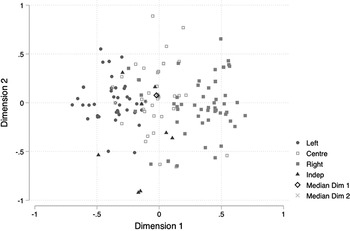
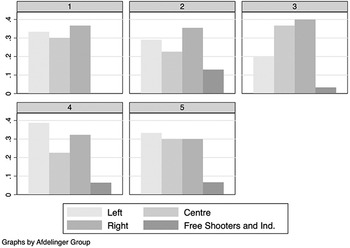
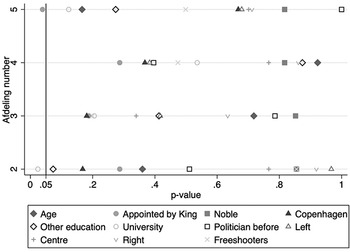
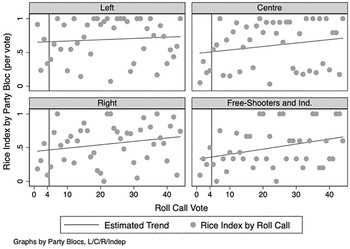
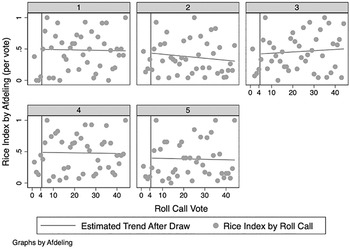
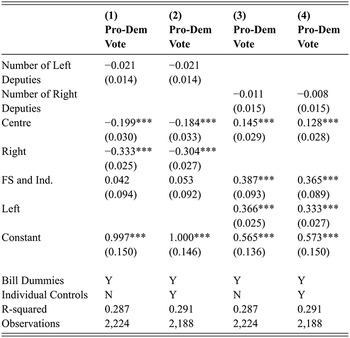
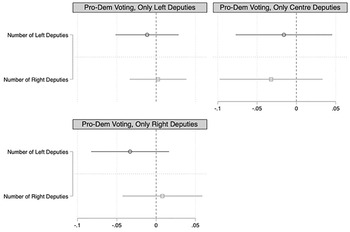
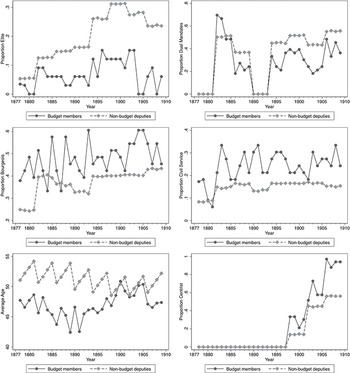

 Open access