

In 1975, amid the backdrop of a world grappling with environmental concerns and the looming challenges of overpopulation, the Okinawa Ocean Exposition unveiled a vision of the future: architect Kikutake Kiyonori’s floating industrial combine, Aquapolis. Aquapolis was not just an architectural attempt to advance sea surface inhabitation but also a profound statement about the imagined future of the human–ocean relationship. Nestled beneath the waves, Aquapolis’s fish farm, the Ocean Ranch, was a blend of technology and biology (see previous Figure 7.2). The facility, encompassing 52,000 square meters along the coastline, represented decades of Japanese research, innovation, and vision in mariculture. In the 1960s, Japanese researchers were recognized as world leaders in this maritime subset of aquaculture, the much older practice of farming any aquatic organism. At the time of the expo, Japanese capture fisheries were suffering from the detrimental effects of coastal industrial pollution and the destruction of nursery grounds for marine organisms. Mariculture was therefore envisioned as a demonstration of a new ethos, positioning humans not only as extractors but as active stewards of the ocean, exemplified by sustainable seafood harvesting. The Ocean Ranch aligned with the exposition’s environmentalist and developmentalist motto, “The Sea we would like to see,” embodying a vision for a desirable oceanic future. This vision was championed by a group of experts, including star architect Tange Kenzō, although he did not join as an expo committee member.Footnote 1 Systems scholar Joe A. Hanson, who in the previous chapter had contemplated mariculture and its synergistic effects with other ocean industries, articulated a global developmentalist agenda of mariculture at that time. He emphasized the need for predictably consistent yields, especially as human activities were altering marine food webs, adversely affecting capture fisheries. Achieving such consistency hinged on both economic and environmental sustainability.Footnote 2
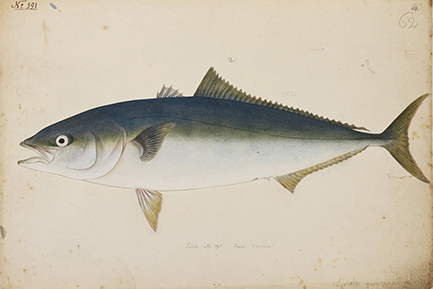
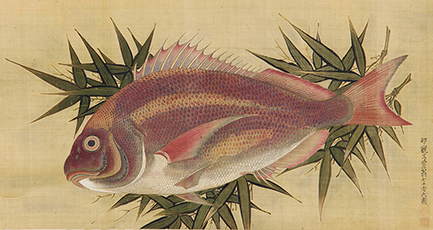
Prior to the exposition, the Ocean Ranch was stocked with tens of thousands of marine fish, such as yellowtail (Japanese amberjack; Seriola quinqueradiata; see Figure 8.1) and red sea bream (Pagrus major; see Figure 8.2). It employed a net-partition approach, using a net-barrier to enclose a section of the seabed and water column along the coastline, to cultivate fish in a manner akin to cattle ranching. This method offered a more natural environment compared to tank-based systems and involved cultivating some of the most popular farmed fish, a form of commodified marine biomass as in the case of fisheries. Like Aquapolis, the Ocean Ranch was a promotional tool, increasing global awareness about the scientific advancements made by Japanese mariculturalists over the course of decades.Footnote 3
Yellowtail/Japanese amberjack (Seriola quinqueradiata), painting by Kawahara Keiga, 1823–1829.
Red sea bream (Pagrus major), painting by Ogawa Haritsu, eighteenth century.
Expo visitors were introduced to a new era of coevolution between humans and marine fish, marked by a domestication process. A particularly immersive experience was visualizing fish life at the Ocean Ranch. Visitors could observe three feeding vessels equipped with automated feeders, refrigeration systems for feed, and acoustic emitters used to train fish to gather for feeding. This domestication process extended to other techno-environmental devices designed to make the underwater habitat more accessible to humans. Inside Aquapolis, a display board composed of forty-eight TV screens showed the live footage of multiple underwater color TV cameras. The locations of several fish within the Ocean Ranch were also picked up by wireless location transmitters, using ultrasonic signals received by underwater receivers and processed by a computer, which enabled this tracking and the visualization of the fish locations.Footnote 4 In the ocean and on land, such tracking technologies, since the 1970s, developed a tremendous impact on conservation, hunting, and research efforts, particularly with whales and other sea animals.Footnote 5 At the exposition, while used primarily for amusement, tracking demonstrated its potential for applications such as temporary fish extraction for health monitoring or harvesting mature fish for food. Technologies like net-partitions and acoustic signals were part of a broader process of humans reshaping marine species habitats by concentrating nutrients and biomass in built environments more accessible to humans. In the following pages, I contribute to the history of biomass as a component of multispecies environmental and oceanic history. My oceanic-vertical perspective shifts attention from individual marine organisms to a broader view, illustrating human-induced alterations in biomass distribution, nutrient flow changes, and the reconfiguration of food webs for human consumption.Footnote 6
I explore Earth’s amphibious transformation by focusing on multispecies interactions between humans and marine life. These interactions, motivated by the mariculturalist goal of biomass concentration, are shaped by built environments, human research, coastal environmental conditions, and the behavior and biology of marine organisms. My analysis centers mainly on Japanese waters, a region where breakthrough advances in mariculture coincided with marine habitat degradation. I examine these multispecies encounters within new dual-habitat built environments, as I will call them, and their vertical spatial arrangements both above and below the sea surface. Viewing these developments through the lens of coevolution provides insights into the implications of nutrient and biomass concentration. The rapid growth of mariculture and its biomass concentrations has become a defining characteristic of the oceanic Anthropocene. Nutrients played a pivotal role in enabling these biomass concentrations, as oxygen and sunlight were usually abundant. This strong interdependence between nutrients and biomass, therefore, shapes the case studies presented in this chapter. I address the questions of why and how new forms of mariculture-related coevolution between humans and marine species, through the construction of dual-habitat built environments, aim to reorient coastal marine food webs toward human consumption.
The central argument of this chapter is that to facilitate human access to submerged habitats, new mariculture facilities intentionally simplified and localized the previously complex interactions within marine ecosystems. Many of these built environments were floating structures, such as rafts with ropes, cages, or nets for oyster and seaweed cultivation, or net-cages and recent semi-submersible platforms for fish mariculture. These structures were designed to integrate the two habitats vertically on either side of the sea surface. Historically, few now farmed marine species were heavily connected to the nonaquatic side of the sea surface through their biology or behavior. However, coevolution with humans has spatially reconfigured their relationship with this boundary. Seen from an oceanic-vertical perspective, constructing a habitat for humans on the sea surface provided downward-oriented access to the volumetric habitat for marine species below the surface, enabling domestication through feeding, cleaning, health checks, and harvesting. Spatially isolating this ecosystem from predators and food competitors served the same purpose, allowing for a three-dimensional concentration of biomass far exceeding pre-mariculture levels. The process of Japanese mariculturalists designing new marine species habitats, and the corresponding extension of human habitats to sea surfaces as the layer above them, represents an important dimension of Earth’s amphibious transformation.
Connected to the placement of such surface and subsurface habitat combinations in coastal seascapes, I further argue that Japanese mariculture was deeply intertwined with the tremendous changes in the archipelago’s coastal environment since the mid-twentieth century. The nation-state framework within which mariculturalists operated had a profound influence in the form of the marine biomass-related impacts of a lost war and subsequent fossil fuel–driven industrialization along coastlines, including the growth of the plastics industry. The production of plastic had numerous consequences, from land reclamation for petrochemical plant construction and the release of various pollutants into the ocean to the use of plastic products in constructing new floating mariculture facilities. As construction materials, plastics could be more than 50 percent cheaper than steel, were much lighter, but also were less durable. The selection of locations for these plastic-made facilities depended on the material conditions of coastal waters, which needed to be conducive to preventing damage to them. For example, bays or inlets, with slow-moving waters, provided shelter from the turbulent impacts of monsoon waves and typhoons but also encouraged the accumulation of industrial pollutants by not readily flushing them into open water. Estuarine conditions often made the negative dimensions of such nonturbulent waters worse when rivers added additional pollution and nutrient overfertilization (eutrophication). The mariculture stock was supplied either through the capture of juveniles in marine waters or through artificial propagation in hatcheries, a special type of facility focused on the very early stages in aquatic species’ life cycles. Juveniles afterward being raised to maturity while confined to mariculture built environments allowed marine biomass concentration by creating human-centered food webs, supplying additional nutrients, and preventing predation and food competition. Another practice, stock enhancement, also utilized hatcheries. This involved raising eggs and juveniles before releasing them into rivers or directly into the ocean, where they were expected to concentrate along oceanic nutrient flows, grow, and later be harvested by fisheries attuned to these flows or, in case of salmon, being captured when returning to river mouths.
I find it somewhat trivial to reiterate that other species share a history with humans, although this is a valid critique of many humanities and social science studies that overlook multispecies interactions.Footnote 7 Even in oceanic history, where such multispecies interactions are more commonly acknowledged, the focus often remains on capture fisheries or the overhunting of various species.Footnote 8 Mariculture, however, is crucial to these discussions, as its supporters frequently tout it as an alternative or even a replacement for capture fisheries. Its practices have led to more intense forms of coevolution, sometimes encompassing the entire lifespan of a marine organism. Therefore, mariculture should be recognized as a relevant topic in any conversation about the “more-than-human” Anthropocene.Footnote 9 Biosphere degradation is not solely a human concern. It can have even more profound effects on other species, whether domesticated or “wild.” This is equally true for other dimensions of the Anthropocene, such as ocean acidification and industrial pollution. However, I find it challenging to speculate on the experiences or potential thoughts of marine organisms, whose bodies, neural networks, and aquatic environments differ vastly from those of humans. Consequently, it is also difficult to transform empirical facts about the drastic problems caused by human coevolution into normative claims about the rights of other species. Such claims often conflict with the reality of ever-changing environments on Earth and the fact that all life is embedded in food webs where most organisms are consumed by others. Therefore, I approach multispecies encounters as coevolution, characterized by genetic or behavioral changes resulting from mutual interactions, rather than through normative concepts. These changes, including those behavioral ones in humans, can occur over very short periods, unlike the evolution of new species through natural selection, which is often measured in thousands or millions of years.Footnote 10 Earth is teeming with life, and coevolution repeatedly changed often complex food webs by recentering them on humans. A primary way humans experience biodiversity is physiological, through consuming it as food or medicine, which means through food webs. Coevolution affected biodiversity, as mariculturalists and fishers have raised specific species in mariculture facilities or captured them through fisheries. Such activities often simplified biodiversity to interactions with a small number of species but also resulted in tangible bodily experiences. These experiences manifested through physical work, which varied depending on the species interacted with. Death and injuries, whether of marine organisms or the mariculturalists and fishers engaged in this physical work, were part of centering a specific part of the food web on human consumers and their corresponding physiological experiences. My aim here is not to pass moral judgment on such work but to highlight, as historian Richard White has in a similar context, that the outcomes of this work have had defining impacts on millions of seafood consumers in Japan and billions globally.Footnote 11 These physiological experiences – taste, in the case of consumers – were accompanied by numerous intellectual considerations that influenced human behavior, ranging from concerns about food security to environmental sustainability.
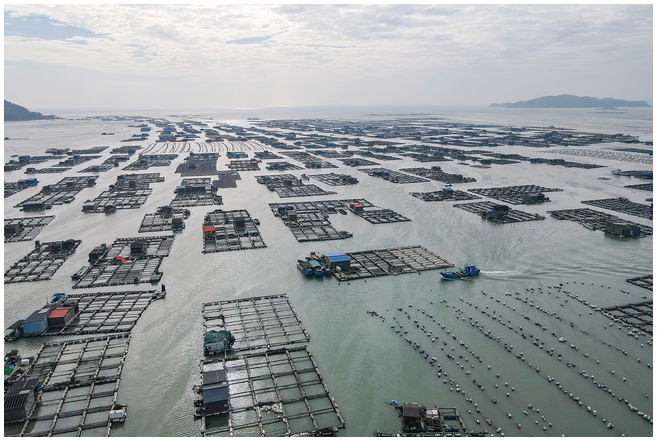
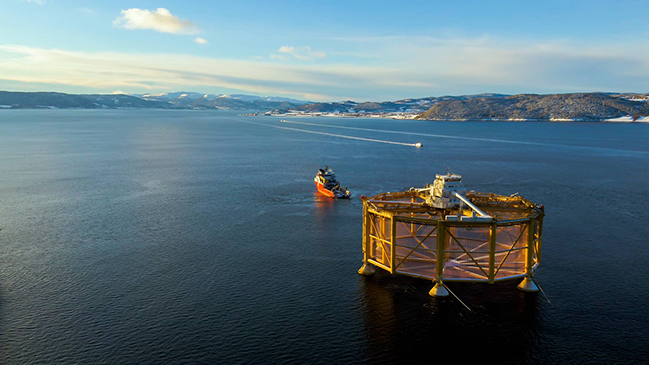
Mariculture is a global phenomenon that exemplifies the trajectory of creating increasingly sophisticated technological links between seafood production and sea surface habitation. The semi-submersible offshore platform Aquapolis and its Ocean Ranch were prominent, albeit short-lived, examples of this process, combining biomass concentration with the extension of the human habitat during the exposition. From the 1950s to the 1970s, research and its application positioned Japanese waters at the forefront of global mariculture growth. However, coastal environments conducive to mariculture, characterized by nutrient-rich waters and numerous bays and inlets, were not unique to Japan. They have also provided the material conditions for mariculture in other parts of East Asia, Southeast Asia, Norway and the North Sea region, Chile, and beyond. The extension of the human habitat through built environments for mariculture purposes did not always involve permanent sea surface habitation. However, in some marine regions this extension merged with historical sea surface habitation practices or led to new ones. For example, during the first stage of ocean-to-land globalization, the growth of mariculture in Asian regions like southern Chinese and Southeast Asian waters integrated earlier forms of sea surface habitation, as seen in floating or stilted fishing villages and fish traps discussed in Chapter 4. In sheltered bays, floating or elevated buildings have been located near or on mariculture facilities (refer to Figure 8.3).Footnote 12 Globally, in such slow-moving waters, coevolution with fish typically led to serious feces pollution and related overfertilization. In the second stage of ocean-to-land globalization, the mariculture-related extension of the human habitat is part of an experimental high-tech endeavor to utilize the material conditions of rougher, open waters to prevent this form of overfertilization. Offshore salmon farm pilot projects set up since the 2010s in Norwegian and Chinese waters, capable of enclosing hundreds of thousands of fish in their submerged habitats, have extended the habitat for a permanent presence of rotating crews to sea surfaces much farther from the coastline (see Figure 8.4).Footnote 13
Mariculture off Dongshan, Fujian, in a bay of the South China Sea. Close to the coast, the floating facilities are accompanied by floating buildings, reminiscent of earlier floating fishing villages that created forms of sea surface inhabitation connected to seafood production. Photo from 2023, CC Share Alike 4.0 International licence.
Ocean Farm 1, a huge offshore fish farm with a capacity to raise about 1.6 million Atlantic salmon (Salmo salar) at a time, in empty, unsubmerged form. Built in China for salmon farming company SalMar ASA, the semi-submersible platform was moved to Norwegian waters in 2017. More than forty years after Aquapolis, Ocean Farm 1 represents sea surface inhabitation for mariculture proposed at places where a huge marine biomass concentration is expected to cause less environmental problems than in slow-moving coastal waters.
Follow the Nutrients
Seen from an oceanic-vertical perspective, the human-driven restructuring of biomass concentrations and food webs is closely tied to the physiology of marine organisms, which evolved in response to the material conditions of their marine habitats. Buoyancy was particularly important, counteracting the gravitational pull on objects and making them weigh less than in air. This reduced weight has led fish to evolve with smaller skeletons – less inedible mass – compared to terrestrial creatures, whose skeletons must provide stability in an environment without buoyancy. Additionally, most fish are cold-blooded, their body temperatures regulated by the temperature of the ocean. Unlike warm-blooded animals that expend energy to maintain a stable body temperature, fish can allocate a greater proportion of their nutrient intake to bodily growth. This results in fish having comparatively less bone and more meat, and a higher efficiency in converting feed into edible biomass than land-based animals, making them more efficient to farm in terms of biomass yield than their terrestrial counterparts. These factors are crucial because they influence the ecological footprint of cultivating carnivorous fish, which are higher up in the food web and would naturally consume other fish but are, as in the case of Atlantic salmon, as efficient in nutrient retention as chicken are on land. (This means they and multiple other farmed aquatic species are more efficient than pigs or cattle.Footnote 14) Similarly, seaweed, under favorable environmental conditions, typically grows faster than most terrestrial plants due to its simpler structure, absorbing nutrients directly from the surrounding water without the need for specialized roots and lacking the need for stability-providing stems due to the reduced weight underwater. Its higher surface area relative to volume allows seaweed to absorb more light than terrestrial plants that rely on leaves. Depending on factors like species and location, seaweed mariculture thus can be much more productive in biomass creation than terrestrial agriculture. The concentration of marine biomass in specific coastal locations such as bays and inlets with calm waters accelerated during the latter half of the twentieth and early twenty-first centuries, turning into another defining characteristic of the oceanic Anthropocene.Footnote 15 Conversely, many other marine regions have experienced declines due to overfishing and other Anthropocene dimensions such as nutrient overfertilization through changes in nitrogen and phosphorus cycles, biosphere degradation through invasive species, industrial pollution, and land-use changes such as coastal landfill that destroyed nursery grounds for marine species. Ocean acidification, the intensification of which will weaken or kill many corals and thereby reduce the productivity of coral reef fisheries, and ocean warming are also increasing concerns.Footnote 16 As noted in Chapter 2, the domestication of marine organisms was very rare before the twentieth century, with some exceptions like shellfish due to their immobility after settlement, which also facilitated assigning public or private ownership rights to shellfish grounds.Footnote 17 Typically, even in these cases the reproductive patterns of marine organisms were unknown and artificial propagation not possible. Marine ecosystems and nutrient flows also were far more complex than those in lakes and ponds, where freshwater fish had been raised for millennia.Footnote 18 This difference underscored the distinct biomass temporality of marine regions compared to land, where the domestication of plants and animals – meaning other forms of spatially concentrating biomass and nutrients – led to the Neolithic Revolution and the growth of human-centered ecosystems. Mariculture yielded much higher caloric intakes per square meter than fisheries. Like offshore oil fields, it provided ghost acres – a concept introduced in Chapter 2 – that reduced the pressure on terrestrial space for food production.
A brief longue durée analysis of the problems of capture fisheries in Japan and globally reveals the drastic changes in marine biomass and nutrient concentrations due to the growth of mariculture since the mid-twentieth century. It does so both in terms of the locations of such concentration and of biomass extraction volumes. In 2019, global aquaculture production (animals and plants) in inland, marine, and brackish waters reached 120,071,580 tons, valued at about US$274.4 billion. Limited to mariculture in brackish and marine waters, the figures were 62,225,407 tons and US$150.9 billion. In the same year, world capture fisheries production (excluding the very small amounts of aquatic plants as well as mammals) was 92,498,001 tons, valued at about US$146.1 billion. Approximately 56.5 percent of seafood by weight and about 65 percent by value came from aquaculture facilities, whose production since the early 2010s has surpassed that of capture fisheries. While the yield of capture fisheries has stagnated for decades, mariculture alone produced a seafood harvest that was about two-thirds the weight of the capture fisheries’ yield, yet its market value was higher. However, as the UN Food and Agriculture Organization (FAO) notes, these statistics are not without issues, particularly regarding the reliability of Chinese data.Footnote 19 Nonetheless, the impact of aquaculture, and mariculture in particular, on seafood production is huge, as are the corresponding shifts in nutrient and biomass concentrations. About fifty years earlier, in 1970, capture fisheries production was roughly seventeen times higher than the aquaculture harvest and about 25 times higher than mariculture alone (for detailed figures, see Tables 8.1 and 8.2). Given these numbers, proponents of mariculture, including the bright green environmentalists discussed in previous chapters, often refer to it as a solution to meet the nutritional demands of a growing global population. While this is not incorrect, it requires contextualization. In 2019, about 17.3 percent of human-consumed animal protein – or 6.8 percent of all protein consumed – came from fish, combining aquaculture and capture fisheries. Marine biomass thus feeds human biomass. Another noteworthy statistic is that in the 2010s, aquaculture’s biomass alone surpassed that of beef production, with mariculture providing about half of that yield.Footnote 20 However, many mariculture products are driven by consumer taste preferences – physiological experiences – rather than rational calculations of feed-to-protein ratios, making the connection to feeding a growing world population somewhat tenuous. Mariculture is a complex and multilayered practice with a diverse range of producers, consumers, and products from different layers of the food web. While a substantial share of mariculture proteins are consumed in high-income countries, they provide income for producers in low-income countries to buy proteins from other sources. Moreover, depending on production methods, fish or shrimp mariculture easily can be ecologically unsustainable, which altogether makes general claims about its role in feeding the global population growth questionable and has attracted well-deserved criticism from scholars, environmentalists, consumers, and others.Footnote 21
FAO data, especially Chinese data, are not particularly reliable due to national bureaucratic deficits, illegal fisheries, etc.; some countries merge data on aquaculturalists and fishers, so the number of aquaculturalists is likely too low; the FAO often separates seaweed and marine animals, putting them into different tables; numbers generally exclude marine mammals (whales, seals, etc.); if not specified, the sum refers to overall aquaculture production (freshwater culture and mariculture); the rows on marine and brackish water production refer explicitly to mariculture. A, animals; F, FAO estimate (some data not available); S, seaweed; quantities given in wet weight.
FAO data, especially Chinese data, are not very reliable due to national bureaucratic deficits, illegal fisheries, etc.; some data not available. F, FAO estimate. Capture fisheries exclude whales, seals, other aquatic mammals, and aquatic plants. Quantities given in wet weight. Sources: FAO, ed., FAO Yearbook 2019. Fishery and Aquaculture Statistics (Rome: FAO, 2021), xxii, 7, 9, 53. Data on 1970 is based on FAO FishstatJ (FAO Global Fishery and Aquaculture Production Statistics).
I will begin by zooming out to the highly problematic impacts of global capture fisheries on oceanic biomass concentrations over extended periods, then zoom in on Japan and its particular environmental and historical contexts. A major issue in fisheries research is the “shifting baseline syndrome,” first identified by marine scientist Daniel Pauly in 1995. This concept describes how each generation of fishers and fisheries officials perceived the marine fauna state at the start of their careers as the norm, using it as a baseline. Over time, they often observed declines from this baseline, but the cumulative, drastic reduction in many fisheries over centuries and the substantial changes in ecosystem compositions often went unnoticed due to these continual baseline shifts.Footnote 22 An “original” baseline for any fishery is elusive, as fluctuations in biomass occur naturally. However, overfishing has led many marine regions, especially coastlines and continental shelves with long histories of fishing going back to preindustrial times, to ecological collapse or the local extinction of certain species. Historical records have been instrumental in revealing these changes.Footnote 23 Japan’s coastal waters today look genuinely different than they did several hundred years ago. Historian W. Jeffrey Bolster aptly noted that despite beliefs in inexhaustible fisheries, the “sea was not immortal.” He also pointed out that while industrial capitalism played a noteworthy role in overfishing, it was “far from the sole offender.” This is evident in the very long history of overfishing in regions like European waters or the overfishing and whaling practices of communist-ruled countries.Footnote 24
The twentieth century saw a surge in overfishing of waters further off the coast, fueled by technological advancements that led to the industrialization of fishing vessels. The use of coal or oil for electricity generation to enable refrigeration and lighting along with new fishing equipment enabled more extensive open-ocean fisheries in its first half. Japan, at times possessing the world’s largest fishing fleet in the twentieth century, strongly contributed to overfishing and marine habitat degradation. Historian William Tsutsui referred to Japan’s extensive fishing operations in the Pacific and Indian Oceans during the 1930s and early 1940s as the “pelagic empire.” These operations were important for generating the foreign exchange needed to sustain Japan’s invasion of China (1937–1945) and had notable domestic dietary impacts.Footnote 25 Before World War II, in the 1930s, the average annual seafood consumption in Japan was about 15 kg per person, a noticeable increase from less than 10 kg per person in the 1910s, though this varied by location. After the war, the development of refrigeration infrastructure from fishing vessel coolers to household fridges quadrupled seafood consumption to about 40 kg per person by about 2000, although it slightly declined thereafter. This increase in consumption played a role in the resurgence of Japanese fishing activities in the latter half of the twentieth century, following a pause due to military use of fishing vessels, defeat, and Allied occupation (1945–1952).Footnote 26 Since 1945, the unilateral declarations of fisheries zones and, from the 1970s, Exclusive Economic Zones (EEZs) up to 200 nautical miles (370 kilometers) off coastlines restricted Japanese fishing activities in what was once a global common. As Nakagawa Tōru (1911–2001), chairman of the Japanese delegation, stated shortly before the adoption of the 1982 UN Convention on the Law of the Sea, catch rates in foreign waters were reduced by nearly half. In 1972, Japanese fisheries in foreign waters yielded about 3.9 million tons, which decreased to 2.1 million tons by 1980.Footnote 27 The collapse of Japanese domestic fisheries around this time is also notable. At their peak in the mid-1980s, Japanese fisheries produced over 11 million tons of seafood (when global production was about 80 million tons), but this rapidly declined to about 5 million tons in 2000. By then, mariculture was already providing more than 1 million tons. In the same year, 2000, Japanese consumers ate more imported seafood than what domestic production supplied. In 2019, years after the 2011 tsunami and nuclear disaster had destroyed many fishing vessels, mariculture facilities, and ruined the waters off Fukushima Prefecture, capture fisheries and mariculture together amounted to just over 4 million tons, with mariculture contributing about 22 percent (more than 900,000 tons) to this total. Mariculture and its biomass concentration produced as much seafood as coastal fisheries did, highlighting the latter’s decline.Footnote 28 In essence, about half of the commercially extracted coastal biomass was concentrated in Japanese built environments, which greatly simplified ecosystems by favoring one or two species. These figures underscore the impact of the invention of mariculture practices on human and marine species coevolution as well as the role of vertical stratification of their habitats through floating built environments.
Now, zooming in on the Japanese archipelago, before the advent of mariculture, capture fisheries and whaling relied on the marine biomass concentrations formed by oceanic nutrient flows. These flows resulted from river discharges, ocean currents, and upwelling effects, where nutrient-rich water from the lower ocean layers was brought to the sunlit upper layers. Japanese fisheries historically benefited strongly from two oceanic currents that led to high biodiversity, marine biomass concentrations, and expanding extraction opportunities, as recent studies like those of Jonas Rüegg have highlighted.Footnote 29 The Kuroshio (Japan Current, or “black current”) is the western limb of the North Pacific subtropical gyre’s clockwise rotation. It carries warm equatorial water to Japan’s south, supporting warm water–oriented marine species. Most of the Kuroshio bends eastward below Kyushu and runs along Honshu’s Pacific coast up to the Bōsō Peninsula – the eastern edge of Tokyo Bay. In the process, the current upwells nutrients along Japan’s Pacific coastline. The Tsushima Current, a weaker and less warm offshoot of the Kuroshio, flows into the Sea of Japan and is named after the islands between Kyushu and Korea that it passes. It upwells nutrients along the Korean peninsula’s southeast coast during summer monsoons, making this southwestern part the Sea of Japan’s most productive area. The cold, subarctic Oyashio (“parental current”), originating from the Bering Sea and flowing southward, cools Hokkaido and part of northeast Honshu. Its collision with the northward-bound Kuroshio forces both currents eastward, forming the North Pacific Current. Around the Kuril Islands and in the Sea of Okhotsk, the Oyashio seasonally upwells nutrient-rich water, giving birth to a rich fish population, as its name suggests.Footnote 30
In premodern Japan, up until 1868, the dynamics of marine nutrient flows, influenced by ocean currents and upwelling, underpinned the sustenance of fisheries and agriculture. Marine giants like whales and migratory species such as tuna traced the nutrient-rich paths of the Pacific over vast distances, inadvertently transporting and dispersing nutrients through their remains post-mortem. These nutrient-laden currents, frequenting the waters off the Japanese archipelago, enriched local biodiversity and bolstered the biomass harvested by Japanese fishers and whalers. Nonmigratory marine life also thrived, accumulating nutrients from these currents. Prior to the advent of advanced refrigeration technology in the late nineteenth and early twentieth centuries, spoilage restricted fresh seafood consumption primarily to coastal communities. Yet, a significant portion of the catch was repurposed as fertilizer, redirecting the marine-derived nutrients to enhance agricultural productivity and sidestep spoilage issues.Footnote 31 The twentieth century saw a shift in this anthropogenic sea–land interaction, marked by extensive fertilizer runoff from farmland into waterways and coastal zones. This runoff, a by-product of land-based biomass production, exemplified intensifying human encroachment on the interplay among land, river, and marine nutrient flows. The growing application of synthetic fertilizers amplified these impacts, a result of the famine experience of the 1940s.Footnote 32
Plastic Power: Built Environments for Biomass Concentrations
The inception of Japanese mariculture was not a response to any dwindling marine populations in coastal areas that once had been abundant, although this factor gained relevance later. The marine species cultured early on were never abundant, meaning that even for the limited number of people who could have gained access to them before refrigeration became commonplace, the majority could not afford them. Through mariculture, these species became more accessible, democratizing what was once an elite culinary experience and food culture. Undoubtedly, the Japanese consumption of raw seafood meant that taste played a very important role in consumer demand for specific marine species, since no cooking or steaming reduced differences in flavor.Footnote 33 Similar to the case of pearl oyster mariculture, the selection of edible species for cultivation was influenced by consumer taste, aesthetic appeal, availability of feed, social prestige to be gained, and the broadening of markets, all the while being filtered through the biological and behavioral possibilities or restrictions of marine life. Protein content was a side story here. These factors, along with the associated scientific and entrepreneurial initiatives, were intimately linked to changes in nutrient concentrations and the establishment of anthropocentric food webs, as will be shown by subsequent investigations of the origins of various Japanese mariculture practices.
Early in the twentieth century, Japanese mariculture pioneers began to actively change aquatic nutrient flows and biomass densities by implementing stock enhancement strategies, such as the release of hatchery-reared juvenile fish into water bodies. One illustrative case were salmon hatcheries, which released North Pacific salmon (Oncorhynchus spp.). The fish were anadromous, matured in the ocean but returned to freshwater rivers like those in Hokkaido to spawn. The nutrient cycles of these rivers were augmented by the decomposing salmon carcasses post-spawning, integrating marine-derived nutrients back into the riverine and subsequently marine ecosystems. Beginning in the 1870s, Japanese government officials and private companies embarked on fish hatchery experiments, borrowing technologies from Europe and North America.Footnote 34 Hokkaido’s first salmon hatchery, established in 1888, was inspired by its US counterparts in the Pacific Northwest, signaling the onset of similar facilities for other salmon species. However, over time, riverine relevance dwindled. An investigation by Richard van Cleve (1906–1984), a fishery expert from the University of Washington, during the post–World War II Allied occupation revealed the devastating impacts of hydroelectric dams without fish-friendly passages, unchecked industrial pollution, and deforestation-induced sedimentation on river habitats. In his view, the consequences were so severe that recovery seemed implausible. Van Cleve’s observations also included nutrient leaching from terrestrial fertilization into the rivers. In the United States there was ample experience of similar ecosystem breakdowns. Regarding Japan’s river fisheries management, van Cleve thus concluded that they “have committed almost every type of error conceivable in handling their freshwater fisheries.”Footnote 35 In essence, the artificial propagation of salmon in hatcheries proved of no practical use to river fisheries, as essential habitats were rendered largely uninhabitable – indeed, lethal – by other human-made structures, such as dams and pollutant-emitting mines and factories. Instead, the purpose of artificial propagation shifted to circumvent these challenges by cultivating salmon with less connections to rivers, often releasing the juveniles near the river mouths. Consequently, traditional salmon fisheries disappeared from the rivers, with the harvesting of returning adult salmon concentrated in coastal areas adjacent to the river mouths. This approach was a technological fix, as the river problems mentioned by van Cleve arose from a disregard for ecological sustainability during industrialization, a stance that went unchallenged by Japanese authorities until the environmental movement’s rise in the 1960s and 1970s. In terms of nutrient and biomass flows, the degradation of river habitats and hatchery-based propagation strategies thus largely eliminated salmon’s role in nourishing river ecosystems. The fix also precipitated clear social injustices toward the local communities reliant on river fisheries. The salmon biomass, which could have supplemented larger amounts of nutrients to rivers post-spawning or provided income to humans and sustenance to wildlife, was largely lost. However, the excessive runoff of fertilizers into rivers meant that human-caused changes in nutrient flows resulted in an overfertilization, rather than underfertilization, of river–ocean ecosystems, peaking in the 1970s. More generally, the simple dual-habitat built environments in the form of hatcheries represented human–salmon coevolution through the concepts of artificial propagation to boost biomass and its focused extraction at specific coastal vicinities, a practice later adopted by other mariculturalists.
In the latter half of the twentieth century, Hokkaido’s rivers experienced amplified nutrient additions due to agricultural runoff. This phenomenon of overfertilization served as a stark reminder of the tremendous impact nutrient concentrations can have on food web compositions. Apex predators, such as bears, relied on consuming salmon rather than fertilizer runoff. As a result, these new nutrient concentrations were predominantly absorbed by aquatic plants and phytoplankton-consuming mollusks, thereby altering the food web dynamics. Concurrently, the expansion of agriculture in Hokkaido, which entailed the removal of forest cover, led to a decrease in the region’s ability to retain stormwater. This, in turn, caused even greater quantities of dissolved nutrients from artificial fertilizers and manure to be washed into the rivers. The first half of the twentieth century had already witnessed an increase in harmful algae blooms, leading to hypoxia (oxygen depletion) and other destructive effects, such as neurotoxin production, on marine organisms. However, these phenomena became more prevalent and intense as time progressed.Footnote 36 Interestingly, artificial nutrient flows also presented opportunities for mariculture, particularly in the cultivation of seaweed and mollusks that can benefit from such conditions. These developments had strong impacts on Japanese mariculture practices.
Historians examining the history of biodiversity have noted that biotic homogenization, characterized by reductions in species diversity and genetic diversity within species, represents a prominent form of coevolution. This coevolution was largely driven by socioeconomic development agendas aimed at maximizing industrial food production and consumer goods like pearls. Throughout the twentieth century, domestic and international legal changes played a pivotal role in the territorialization of marine regions, laying the foundations for the application of these development agendas. In the very early twentieth century, migratory salmon in the ocean were unclaimed until caught, highlighting the shift toward concentrated biomass in government-regulated ownership sites.
Pearl oyster mariculture is a prime example of leveraging nutrient flows for biomass concentration in privately held coastal areas. Historian Kjell D. Ericson noted that the Japanese 1901 Fisheries Law enabled private entities to obtain renewable rights for up to twenty years to use fixed near-coast spaces for mariculture. This law aimed to shift from indiscriminate shellfish gathering to a more structured approach of cultivation, protection, and profit generation within a framework of public space and private leases, as opposed to a global commons.Footnote 37 Mikimoto Kōkichi (1858–1954) and his wife Ume (1864–1896) were trailblazers in the cultured pearl industry, having initiated their venture in 1888 and establishing its viability in the twentieth century. In Ago Bay, on the Pacific coast of Honshu within Mie Prefecture, the Kuroshio Current delivered the essential nutrients for pearl oyster farming. An innovative built environment, markedly different from natural formations, boosted the concentration of oyster biomass and enhanced their survival rates. The 1920s saw the introduction of multitiered metal cages, suspended from floating wooden rafts, which revolutionized the industry. These cages offered protection from predators such as starfish, which were confined to the seabed, and more mobile predators like octopuses. The vertical design of this floating structure expanded human presence to the sea surface, providing direct access to the pearl oysters’ new underwater habitat and facilitating extraction. This innovation represented a pathbreaking shift from the laborious traditional pearl diving techniques, which required divers to dive to the seabed to harvest oysters and return to the surface without hurting themselves or getting attacked by predators. Moreover, the advent of artificial seeding techniques boosted pearl yields, and predator exclusion resulted in oyster populations far exceeding those seen before the advent of mariculture. Beyond pearls, mussel-farming European and other countries over time also adopted the Japanese raft technique.Footnote 38 However, the issue of nutrient concentrations inadvertently leading to other forms of biomass concentration arose. This problem, which Mikimoto and Japanese scientists referred to as red tide (akashio) since at least 1901, involved harmful algae blooms – attributed to dinoflagellates, such as Gymnodinium spp., or Karenia mikimotoi (earlier known as Gymnodinium mikimotoi), named after Mikimoto. These blooms, stemming from both natural and anthropogenic nutrient runoffs, had the detrimental effect of killing pearl oysters, which require years to cultivate a pearl.Footnote 39
Despite these challenges, pearl oyster farming in Ago Bay was a milestone event in Japanese mariculture research. Mikimoto’s experiments demonstrated the potential of dual-habitat built environments in mariculture, simplifying pearl oyster biomass concentration and human access. His success laid the groundwork for subsequent mariculture advancements that through exclusion of predation and food competition enormously surpassed local pre-mariculture biomass levels.
Yellowtail mariculture presents a different approach. After numerous experiments, it became successful by utilizing dual-habitat structures to concentrate the biomass of carnivorous fish that feed on nutrients stored in organisms from higher trophic levels. In this case, the coevolutionary aspect is evident in the later part of the fish’s life cycle, when captured yellowtail juveniles are raised to maturity. This contrasts with pearl oyster mariculture, which manages the oysters throughout their entire lifespan. Juvenile yellowtails, which spawn in the East China Sea and southwestern Japan, use drifting seaweed mats – another form of biomass concentration – for protection, making them easier to capture for mariculture.Footnote 40 This practice differs from hatchery methods, where coevolution focused instead on shaping the early part of a fish’s lifespan. As I mentioned in connection with Aquapolis’s Ocean Ranch, yellowtail is a cherished Japanese seafood staple. Yellowtail farming played a role in addressing Japan’s food production needs but, more importantly, is central to popular dishes like sushi and sashimi.
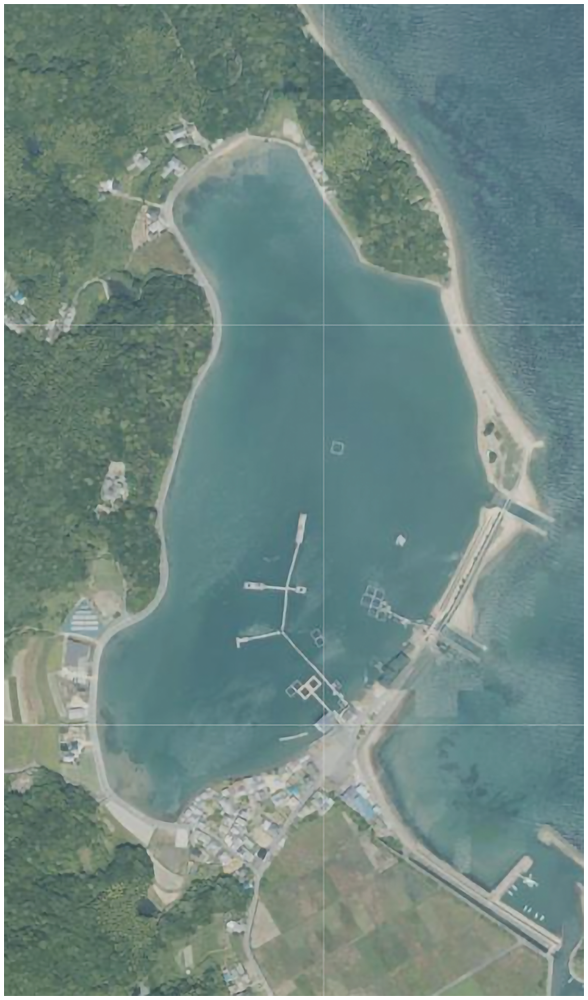
In 1921, Noami Wasaburō (1908–1969), an aspiring fisher, began his studies at a fisheries school in Shima, Mie Prefecture, adjacent to Ago Bay. Noami later stated that he drew inspiration from the mariculture advancements of Mikimoto.Footnote 41 The development agenda that evolved in Noami’s mind in the course of his life foresaw the ability to plan for recurring, sustainable seafood yields by building new ecosystems conducive to the growth of large numbers of a few fish species. In 1927, in his native Hiketa (now part of Higashikagawa) in Kagawa Prefecture on the north coast of Shikoku, he and his father transformed an inlet of the Seto Inland Sea into Ado Pond (Adoike). Spanning approximately twenty-seven hectares and reaching a depth of eight meters, this partially closed ecosystem represented a breakthrough innovation: embankment-style mariculture. The embankment featured two sluice gates, facilitating the tidal flow of seawater and maintaining abiotic (nonliving) ecosystem conditions such as temperature and oxygen levels, crucial for the aquatic ecosystem (see Figure 8.5). It was later observed that the benefits of this horizontal approach of enclosure extended only to the pond’s section nearest to the gates. The remaining two-thirds, with insufficient tidal flow, proved ineffective for cultivation. Despite this, the functional third of Ado Pond barred yellowtail juveniles captured in the Kuroshio from returning to the sea and prevented predator intrusion, thus altering the biotic (living) conditions within the ecosystem. In 1928, after several unsuccessful attempts with other species, the yellowtail experiment succeeded. Additional species like red sea breams, which did not compete with or prey on yellowtails, were introduced.Footnote 42 In terms of coevolution between humans and the two fish species, Noami’s mariculture techniques, reminiscent of Mikimoto’s earlier work, aimed to simplify the food web. By eliminating predator–prey dynamics and competition, his methods centered the new food web on cultured marine life and ultimately human consumption.
Recent image of Ado Pond (Adoike) in Kagawa Prefecture, the site of Noami Wasaburō’s pioneering yellowtail farming efforts beginning in 1928, sparking a boom in marine fish farming that accelerated after the mid-twentieth century. An embankment with sluice gates facilitated water exchange in the adjacent area.
The 1930s saw the replication of embankment-style mariculture at several other locations in Japan, hampered by the high costs of closing off bays and inlets. The Pacific War (1941–1945) and its consequences highlighted a critical flaw: concentrating yellowtail biomass relied on juveniles provided by capture fisheries, which undermined economic sustainability under the new war conditions. Efforts to fully domesticate yellowtails by breeding were unsuccessful due to behavioral challenges. The dependency on capture fisheries was exacerbated by their role in supplying, from their bycatch, feed to the more than 200,000 yellowtails being cultured. The drafting of fishing vessels and fishers, shortages of petroleum and equipment, as well as Allied submarine threats in the Kuroshio cut the feed and juveniles supply. These problems led to a prolonged hiatus in embankment mariculture at Ado Pond and other locations, with the duration of the disruption lasting a decade or more, depending on the site.Footnote 43
The onset of plastic mass production in the mid-twentieth century paved the way for mariculture innovations, first net-based alternatives to embankments and then floating dual-habitat structures. Like refrigeration and electricity generation through fossil fuel combustion, synthetic plastics connected mariculture to fossil fuel economies. Plastics, borne from oil, became integral to mariculture, and fossil fuels provided the energy demand for their production, as they did for steel and concrete. In the early 1950s, bolstered by cooperation between the Japanese Ministry for International Trade and Industry and petrochemical companies, PVC (polyvinyl chloride or simply vinyl) production soared and rose further during the following decades.Footnote 44 In the late 1950s, vinyl-coated wire nets, increasing durability and resistance to corrosion and decomposition underwater, contributed to the development of net-partition-style (or net-barrier) mariculture. These large nets, suspended from concrete poles, enclosed inlets or sections of the coastline. The method lowered capital expenses relative to the construction of embankments with sluice gates. Consequently, plastic materials played a pivotal role in the expansion of this type of mariculture, especially in the warmer southern waters of Japan, which are conducive to yellowtail farming. By 1975, this technology became a hallmark of the Ocean Ranch at Aquapolis, marking its zenith as a yellowtail biomass concentration method.Footnote 45
Harada Teruo (1926–1991), with support from his wife Kaoru (1930–2022), invented the floating net-cage-style mariculture between 1954 and 1956. This innovation became a globally applied technique of combining two habitats. A public–private socioeconomic developmentalism fueled by scientific research, postwar food security concerns, and the expanding consumer market aided by refrigeration technology contributed to the use of these floating built environments that soon overshadowed net-partition-style mariculture. Harada, a carp farmer’s son, after World War II had pursued fisheries science at Kyoto University and joined Kinki University’s (now Kindai University) Fisheries Research Institute (Suisan Kenkyūjo) in Shirahama, southern Honshu, in 1953. Earlier, in January 1942, soon after the onset of the Pacific War, Sekō Kōichi (1893–1965), a member of the Japanese House of Representatives, had critiqued wartime economic controls and foresaw the potential of mariculture to yield affordable, high-quality fish within a decade. The subsequent collapse of fisheries and food shortage in the 1940s had a profound impact on Sekō, who, after the war, assumed the presidency of Kinki University and championed the cultivation of the sea. The ensuing public–private developmentalism, akin to the one spurred by Japan’s energy security issues discussed in Chapter 2, led Sekō to the establishment of the Fisheries Research Institute in 1948 and Harada’s subsequent hiring.Footnote 46 Food security concerns, intensified by neo-Malthusian population growth fears highlighted in the preceding chapter, contributed to the reconstruction of Japan’s fisheries fleet. While this was a crucial response to food security concerns, mariculture was envisioned as a more resilient alternative to wartime disruptions. Consequently, seafood consumption markedly increased in Japan in the subsequent decades, as previously mentioned. It is important to note, however, that this increase was not primarily due to public–private concerns over ecological declines in fishery stocks; at its root was a reaction to the disruptions in seafood access caused by military conflicts.
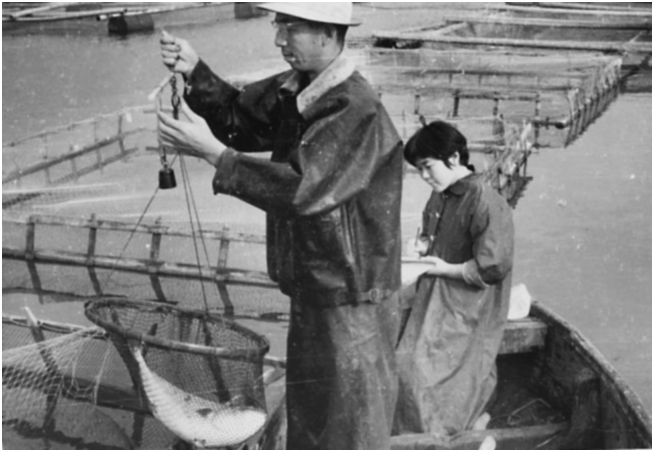
The Haradas’ pioneering work of creating a vertical arrangement of two habitats hinged on a transformative shift from natural to synthetic materials. In terms of experiencing nature though physical work, their early endeavors, involving unwieldy natural materials, provided Harada and his wife, whom he had recently married, with a profoundly bad experience. The initial experimental fish cages provided bamboo walkways, which extended the human habitat to the sea surface but required adept balancing, while heavy nets woven from palm fibers or cotton hung beneath (see Figure 8.6).Footnote 47 By 1956, the Haradas’ persistence paid off when yellowtails, raised for two years in these initial cages, thrived. The breakthrough was important, but the labor-intensive maintenance of the heavy natural nets, which regularly had to be changed for cleaning and fish harvests, prompted them to experiment further. Their use of lightweight synthetic fiber nets around 1957 revolutionized the design, enhancing the floating net-cage design’s efficiency and ease of use. These synthetic nets, fabricated from nylon and later polyethylene, were important examples for the fish farming growth becoming entangled with the mass manufacturing of fossil fuel–derived plastic products.Footnote 48 They facilitated better water exchange than embankment-style mariculture and were less capital intensive than other styles, leading to rapid adoption in Japan and other suitable coastal regions.Footnote 49 For mooring, the mass adoption of plastics also prompted a shift from palm ropes and wire ropes to vinyl-coated wire and then increasingly low-cost plastic ropes. Fiberglass, yet another plastic product, emerged as a preferred material for constructing fish tanks, supported by plastic pipes.Footnote 50 In essence, lightweight, waterproof, and durable synthetic plastics have become the tools for designing the new built environments that domesticated fish and shellfish, concentrated their biomass, and made their habitats easily accessible for human extraction.
Harada Teruo weighing a yellowtail, an assistant taking notes, and several net-cages. The net-cage in the top left illustrates the vertical arrangement of two habitats. Humans operating on the bamboo walkways, kept above the surface by floats (the black devices), could access and extract the submerged fish habitat. The net-cages eventually measured 7.2 m x 7.2 m x 3.6 m and supported a fish cultivation density of 10–80 kg/m³.
Harada Teruo’s research extended to feed composition and fish health, both facilitated by the dual-habitat design. Noami, now a fisheries cooperative official, provided counsel on feeding practices, particularly for carnivorous species like yellowtail. Feed was a crucial concern for Harada and Noami in the Japanese national context of a breakdown of feed fish supplies during the 1940s. Alternative feeds, such as soybean meal, were explored and eventually integrated. It is crucial to emphasize that over time, research on feed composition evolved from a Japan-centric, food security measure designed to prevent disruptions in feed supply during wartime to a practice in mariculture that is acknowledged globally for its role in enhancing ecological sustainability by some decoupling from capture fisheries and overfishing. After eliminating predation and ensuring a supply of sufficient nutrients, overfeeding, parasites, and diseases became the primary causes of fish mortality in mariculture. These problems were exacerbated by the material conditions at mariculture sites, such as weak tides, which, rather than flushing away parasites and pathogens, facilitated their proliferation. The biomass concentration within net-cages meant that fish had no chance to swim to deeper layers to evade parasites that often inhabit the first few meters of the water column. The concentration further accelerated the spread of diseases, not only within a single cage but also to adjacent ones. For Harada, the dual-habitat design caused problems but simultaneously proved beneficial, permitting quite easy access for the temporary removal of fish for cleaning and parasite treatment.Footnote 51
From the 1960s, Japan saw a near hundredfold increase in yellowtail production, from 1,431 tons in 1960 to 43,354 tons in 1970 and 136,834 tons in 2000, surpassing the yield of yellowtail fisheries by the late 1970s. In the 1960s, Harada succeeded in artificial propagation of red sea bream and yellowtail, although the latter continued to be primarily harvested as juveniles in the Kuroshio. Serving as the director of the Aquaculture Research Institute (previously the Fisheries Research Institute) from 1976 to 1991, Harada spearheaded additional advancements, including trials aimed at cultivating species that had been extensively overfished, such as the Pacific bluefin tuna (Thunnus orientalis). This species, a primary target for Japanese fishing fleets tracking the Pacific’s nutrient and biomass currents, finally saw successful rearing and spawning in 2002.Footnote 52
Japanese mariculture’s global acclaim in the 1970s and 1980s was echoed by organizations such as the FAO, European Parliament members, and the multinational Southeast Asian Fisheries Development Center.Footnote 53 This recognition was partly due to breakthroughs like Fujinaga Motosaku’s (1903–1973) large-scale hatchery cultivation of the Japanese tiger prawn (Marsupenaeus japonicus) in 1967, which catalyzed shrimp farming growth in Southeast Asia from the 1970s onward. Driven by the socioeconomic development agendas of governments, international organizations like the World Bank and Asian Development Bank, and commercial enterprises, this growth was punctuated by repeated ecological crises with drastic economic and social consequences for many smallholders.Footnote 54
A final breakthrough in concentrating marine biomass were the spatially layered floating rafts for nori (Neopyropia spp.), a seaweed integral to Japanese cuisine, used in soups and sushi.Footnote 55 Early eighteenth-century nori farming in Tokyo Bay involved bamboo poles placed in shallow waters for natural seeding. Despite this long history, nori remained a delicacy due to irregular harvests resulting from a lack of complete understanding of the seaweed’s life cycle. Japanese imperial expansion into Korea and Taiwan increased nori harvest to 25,057 tons annually around 1930.Footnote 56 The life cycle of nori, however, was finally understood by British algae researcher Kathleen Mary Drew-Baker (1901–1957), whose seminal work on the life cycle of purple laver (Porphyra umbilicalis) led to a Japanese breakthrough in the 1950s. She sent her groundbreaking research, published in 1949, to colleagues in Japan. Segawa Sōkichi (1904–1960), a professor at Kyushu University, and especially his junior colleague Ōta Fusao (1918–2013), a researcher at the Kumamoto Prefecture Fisheries Experimental Station (Suisan shikenjō), leveraged her insights into the dual-phase life cycle of the species. Ōta and others observing the same life cycle stages in nori facilitated artificial propagation in 1953 and the following years, leading to a tenfold increase in nori production between 1945 and 1973. An important element was seeding synthetic nets or ropes and suspending them beneath floating plastic rafts. The plastic materials once again facilitated the creation of a dual-habitat spatial arrangement, which, like in the cases of pearl oysters and fish, shifted marine biomass concentrations from the seabed or water column to a space closer to the surface for easier human access. Drew-Baker’s contribution is commemorated by a statue at Sumiyoshi shrine in Kumamoto Prefecture, overlooking the Ariake Sea, a major nori farming region, and close to the sites where the Japanese researchers had been based.Footnote 57 Research and cultivation of other seaweeds, such as kombu or sweet kelp (Saccharina japonica; previously Laminaria japonica) and wakame (Undaria pinnatifida), expanded in the 1950s and 1960s, consolidating Japanese researchers’ role in reshaping marine food webs for human consumption.Footnote 58
Taking an oceanic-vertical perspective on East Asian waters, the 1960s seaweed farming boom reshaped the nutrient dynamics not only in Japanese waters but also those of China, the Koreas, and Taiwan. Despite divergent political and economic systems, these nations all developed the goal to concentrate marine biomass using floating dual-habitat structures within their respective waters.Footnote 59 In Communist China, the US-educated mariculture scientist C. K. Tseng (Zeng Chengkui; 1909–2005) led government efforts in seaweed farming, marking a rare success during the Great Leap Forward (1958–1962). This initiative ultimately strengthened domestic food security (see Table 8.1), despite temporary setbacks from other campaigns such as the Cultural Revolution (1966–1976), which disrupted research and application efforts.Footnote 60
Beginning in the 1960s, South Korea’s seaweed production surged due to research exchanges and the importation of Japanese seaweed strains. The World Bank’s support for the governmental mariculture developmentalism highlighted the complex domestic and international dynamics driving seaweed demand. Seaweed’s low refrigeration requirements reduced costs and infrastructure needs, especially for predominantly small-scale, family-run operations, unlike fish and shellfish mariculture. From 1962 to 1974, production soared more than tenfold, from 4,247 tons to 54,440 tons. Even with substantial price hikes in the 1970s due to inflation, the proportion of seaweed consumed domestically climbed, indicating greater accessibility for an expanding segment of the population benefiting from rapid economic growth. Although export volumes declined, World Bank officials speculated that the United States, Thailand, and Taiwan might become importers of seaweed, especially as Japanese production was constrained by industrial pollution affecting marine areas. Consequently, any surplus in South Korean production not used domestically was likely exportable.Footnote 61 The mariculture boom was in line with the US socioeconomic development model for low-income, noncommunist countries.Footnote 62 Rather than exploiting farmers and potentially fostering communist sympathies, the strategy involved transforming them into family-based enterprises. Through the acquisition of knowledge and technology, production costs were reduced, leading to increased government tax revenue from the primary sector and a rise in seaweed farmers’ bank savings. Both tax revenue and savings could finance the growth of the secondary sector. Concurrently, seaweed consumption became more widespread among the burgeoning urban population not involved in food production but employed in the other two economic sectors. Eventually, as occurred, exports generated foreign exchange for further technology acquisitions – a possibility facilitated by the detrimental environmental impacts of Japan’s coastal industrialization, which restricted its own seaweed production.
During this period, the popularity of other seaweed species for consumption and industrial uses also grew, as I briefly mentioned in the previous chapter.Footnote 63 Systematic breeding, for example, in South Korea since the 1970s has enhanced seaweed varieties, with improvements in size, disease resistance, and temperature tolerance. These advances reflect the developmentalist approach of creating ecosystems focused on a select number of species, aimed at maximizing biomass concentration and ease of harvest.
This growth of seaweed farming returns attention to the broader picture of human interferences into nutrient flows. Seaweed farming played a nuanced role in such flows. Fertilizer runoff, while polluting rivers and coastal waters, inadvertently supported seaweed growth. Like mollusk farming, seaweed has the potential to absorb high nutrient concentrations before they lead to algal blooms, offering a nature-based solution.Footnote 64 However, the effectiveness of this approach is contested in the presence of other pollutants. Japan’s nori remains of high quality, not being grown in waters with noteworthy heavy metal contamination. In contrast, seaweed cultivation in China faces challenges, as it absorbs not only excess nutrients due to overfertilization, urban sewage, and fish farm feces and leftover feed but also heavy metals from industrial effluents. This quality difference is evidenced by the pricing, as detailed in Table 8.1, where Japanese seaweed products fetch prices nearly sixfold higher than those of the pollution-affected Chinese varieties.Footnote 65
Plastic Problems: Land Reclamation, Industrial Pollution, and Almost Endless Feces
The production chain leading from imported fossil fuels to plastics was a complex yet central factor in transforming Japan’s coastal landscapes. The refineries and petrochemical plants forming coastal industrial combines were responsible for the cheap, floating, and quite durable plastics that enabled the mariculture growth. Yet bays and inlets with calm waters were the locations where two results of plastic production in the form of mariculture facilities and industrial pollution excluded each other. Their marine conditions protected plastic-made mariculture facilities from damage but at the same time did not easily sweep pollutants into the ocean. Like the capture fisheries that were operated by the same fisheries cooperatives to prevent spatial competition for coastal water use, mariculturalists lost marine space to coastal industrialization and its rampant releases of toxic substances. Escalating pollution in the late 1960s wreaked havoc on commercial fisheries and mariculture in Tokyo and Osaka Bays, alongside other environmental catastrophes contributing to the emergence of the Japanese environmentalist movement.Footnote 66 Minamata disease also serves as a stark example, where methylmercury poisoning occurred due to the Chisso chemical complex discharging by-products of the plastics production chain into Minamata Bay.Footnote 67 Similarly, power plants burning coal or oil for energy generation, including for plastic production, emitted mercury into the atmosphere, with a portion settling in coastal waters. Another harmful emission was sulfur dioxide, exemplified by the Showa Oil Refinery in Yokkaichi at Ise Bay, which processed crude oil into petrochemicals for the plastics and other industries. These emissions caused not only the local “Yokkaichi asthma” but also contaminated the adjacent waters of Ise Bay, as detailed by historian Brett Walker.Footnote 68 Walker also described the struggles of local fishers, who lacked lobbying power to advocate for their health or the sustainability of their fisheries.Footnote 69 While mariculture has the potential to produce more biomass per cubic meter than capture fisheries, the extensive industrial pollution of coastal waters along the plastics production chain illustrated that the government’s fossil fuel–driven developmental policy prioritizing manufacturing capacity completely overshadowed its earlier food security concerns.
Through the industrialization of coastlines, the advances in the artificial propagation of a growing number of marine organisms became intertwined with the environmental impacts of land reclamation projects, which were the foundation for many industrial combines. In 1963, Noami and other fisheries cooperative officials harnessed this artificial propagation knowledge to expand the mariculture facilities for rearing juveniles. With the understanding that capture fisheries depend on the availability of commercially valuable marine organisms, the Fisheries Agency and prefectural hatcheries began the annual release of millions, and later billions, of juveniles from a variety of species, now exceeding seventy in number.Footnote 70 Marine scientist Kitada Shuichi noted that, except for scallops, these releases were probably economically inefficient when considering the costs to fisheries cooperatives and government subsidies. Additionally, the fitness of hatchery-raised fish was lower than their “wild” counterparts, particularly if they were bred across multiple generations in captivity.Footnote 71 Furthermore, despite coastal overfishing, a shortage of juveniles was not the main cause of declining catch rates. The only exceptions were rare instances when natural fluctuations in spawning rates further diminished capture rates, which was the primary rationale for continuing the artificial propagation program.Footnote 72 The main issue mirrored that which had previously devastated riverine ecosystems: hydroelectric dams without functional fishways effectively constituted a form of land reclamation in rivers and fragmented these ecosystems, compounded by industrial pollution. However, in the case of Japanese coastal fossil fuels-centered industrialization, the scale of land reclamation was much larger. T. V. R. “Ramu” Pillay (1921–2005), program leader of the FAO’s aquaculture development and coordination program, supported aquaculture research in Asia during the 1960s to 1980s. Pillay and Japanese researchers concluded in the 1970s that coastal fisheries were likely to stagnate or decline. Japanese land reclamation had destroyed water habitats, tidelands, and seagrass and seaweed beds. The destruction of these nursery grounds necessitated improved coastal management rather than stock enhancement, as most released juveniles lacked suitable habitats for survival and growth. Catch rates for certain species, like the Japanese tiger prawn, plummeted despite stock enhancement efforts, compared with rates before the program’s initiation in the early 1960s.Footnote 73 Land reclamation persisted into the 1970s and, albeit at a slower pace, continued thereafter. Additionally, intensified coastal sand and gravel mining since the 1970s further diminished the capacity of nursery and fishing grounds.Footnote 74 The ecological footprint of land reclamation highlighted that the use of floating or elevated structures, extending the human habitat to sea surfaces without complete seabed removal, would have been less impactful. Altogether, the released juveniles typically contributed little to the ecological sustainability of coastal fisheries, except for further nutrient enrichment upon their death. The result was the previously mentioned increase in biomass concentrations within coastal mariculture facilities, juxtaposed with the diminishing yields of coastal fisheries.
This connection between land reclamation and biomass concentrations showcased the contrast between the Japanese government’s fossil fuel–based developmentalism, primarily focused on manufacturing, and the primary sector programs in low-income Southeast Asian countries. The results, nevertheless, were not that different. In Southeast Asia, shrimp biomass concentration drove the destruction of mangrove forests and land reclamation for shrimp pond construction along coastlines. This reclamation had a massive ecological footprint, leading to coastal erosion, flooding, and carbon emissions due to the loss of natural barriers and carbon sinks, along with pollution from pond fertilizers and chemicals. These environmental issues, which emerged in the 1970s, are now widely recognized and being addressed by shrimp farmers, governments, and international organizations through sustainable development programs. However, mangrove deforestation remains an ongoing concern, albeit less extensive than in the twentieth century. Certifications from organizations like the Aquaculture Stewardship Council help consumers identify sustainably produced seafood, adding an economic incentive for companies to adhere to sustainability standards.Footnote 75
By the 1980s, the space for marine biomass concentration in Japanese bays and inlets had plateaued at around 100,000 hectares due to industrial pollution, land reclamation, and the use of plastic construction materials.Footnote 76 The migration of former fishers and mariculturalists to Japan’s expanding cities to find better-paying jobs also slowed the growth of mariculture and fisheries.Footnote 77 However, within the available space, fish mariculture strongly increased nutrient concentrations, leading to overfertilization and impacting nursery ground capacity. While seaweed cultivation helped remove some terrestrial nutrient overflow, fish farms often exacerbated it. Weak tidal currents, often in shallow waters, shielded plastic structures from damage but, similar to industrial pollution, allowed feces and feed leftovers to accumulate under fish net-cages, not easily swept away into the ocean. As observed by Pillay and Japanese researchers in the early 1970s, these nutrients failed to reintegrate into the food web. Instead, these submerged shitscapes of the oceanic Anthropocene caused overfertilization, leading to algal growth and oxygen depletion, killing marine life in the vicinity and even within the fish farms. This form of overfertilization compounded the impact of red tides from agricultural runoff, which caused problems in the remaining nursery grounds and mariculture facilities, particularly affecting yellowtail susceptible to toxins.Footnote 78 By the late 1990s, Japanese marine scientists estimated that mariculture contributed about 70 percent of the nitrogen discharge into Japan’s coastal waters. To put it in more tangible terms, the nitrogen waste discharged was comparable to that produced by five to seven million people, and the phosphorus waste was equivalent to that of nine to ten million.Footnote 79 Japan’s submerged shitscapes vividly illustrate the shift of excrements from a valued commodity to a problematic waste product. In premodern Japan, collecting nightsoil (human excrements) was an important business due to fertilizer scarcity, and such scarcity in the nineteenth century even led to a rush for guano (bird excrement) on Pacific islands.Footnote 80 Given the growing global emphasis on sustainable development during the 1980s, as explored in earlier chapters, the practice of situating fish mariculture facilities in bays and inlets for protection from turbulent waters increasingly attracted environmentalist scrutiny.
In the early twenty-first century, the 2011 triple disaster wreaked havoc on the waters off East Honshu, particularly around Fukushima Prefecture. The hatcheries near the Fukushima Dai-ichi nuclear power plant, briefly discussed in the previous chapter, played a crucial role in the stock enhancement program, leveraging the plant’s warm cooling water to expedite the growth of eggs and juveniles before their release.Footnote 81 When the tsunami hit, it obliterated numerous mariculture facilities along the coastlines of Fukushima, Miyagi, and Iwate Prefectures. The plastic structures, designed for calm waters, were unable to endure the force of the tsunami. Japanese mariculture experienced an approximate 20 percent drop in production compared to the preceding year (2010). Additionally, the tsunami inflicted severe damage on both the hatcheries and the nuclear power plant. In 2011, nuclear contamination led to the closure of nearby waters for fisheries and mariculture, further hampering recovery from this production decline in the subsequent years (see Table 8.1).Footnote 82 The temporary shutdown of nuclear power plants post-disaster also deprived other hatcheries, built in their vicinity, of warm cooling water. It is essential to underscore the tremendous economic impact of Japan’s coastal industrialization program on enhancing living standards from the 1950s to the present. However, this also highlights the vulnerability of coastal ecosystems to anthropogenic collapses, especially when the ocean and even coastlines were long regarded as dumping grounds for various pollutants. The enactment of EEZ proclamations in the 1970s and 1980s, which reduced overfishing by Japanese open ocean fleets, refocused attention on the archipelago’s coastal waters. The decline in Japanese fisheries production over the last decades, coupled with a smaller dip in mariculture yield, underscored the deteriorated state of these waters. Consequently, Japanese consumer demand for seafood over these decades has spurred mariculture growth in other countries, facilitated by the integration of Japanese research into local contexts.
Salmon Sushi and the Likely Offshore Future of Mariculture
Post–World War II, concerns about food and energy security in Japan’s coastal waters catalyzed what can be seen as two major oceanic elements of the Great Acceleration. In terms of oceanic temporalities, mariculture, alongside offshore oil and gas drilling, signaled the first stage of ocean-to-land globalization, transforming marine regions into centers of production and adding ghost acres that effectively expanded Japan’s terrestrial food and energy supply to marine regions. In the 1950s, even before the Dai-1 Hakuryū jack-up rig began exploring offshore oil fields along Japan’s coast and Arabian Oil Co. discovered oil in the Persian Gulf, Japanese mariculture researchers, part of a global scientific community, achieved several breakthroughs in marine organism farming. In the realm of mariculture, the terrestrial and oceanic Ages of Oil synchronized through the mass production of plastics and the opportunity to implement newfound mariculture knowledge through corresponding low-cost structures. This shift reflected the Japanese government’s postwar socioeconomic developmentalism, heavily reliant on fossil fuels, which in turn influenced mariculture practices. Unlike steel and concrete – the primary materials of the Age of Coal, used in offshore platforms to anchor them to the seabed or keep them afloat in turbulent waters – plastics emerged predominantly in the Age of Oil. These materials were produced through a supply chain extending from port facilities to refineries and the petrochemical industry, offering an affordable solution for constructing in tranquil waters. The advent of vinyl-coated nets, synthetic net meshes, plastic rafts, and fiberglass tanks greatly eased physical labor and reduced costs. Mass use of synthetic materials was a pathbreaking advancement from earlier methods such as Noami’s embankment-style mariculture, the nori farms in the waters of southwestern Japan, or the Haradas’ initial net-cage designs primarily using natural materials, all of which were pivotal in increasing yellowtail and seaweed biomass concentrations.
The locations of offshore oil fields, as discussed in Chapter 2, did not pose noteworthy spatial competition for coastal water use in Japan, thus facilitating the establishment of new plastic-based mariculture environments. In contrast, the industrial complexes along Japan’s coastlines, reliant on fossil fuel imports and often built on reclaimed land, posed a different type of spatial competition during the 1960s and 1970s, potentially compromising areas otherwise suitable for seafood production through industrial pollution. Refrigeration technology, another result of fossil fuel–driven socioeconomic development, widely extended the cooling chain from seafood producers to processors, vendors, and households during the period of high growth. This advancement was fundamental in supporting the exponential growth of mariculture. Indirectly, natural gas used in producing nitrogenous fertilizers, which often ended up in coastal waters, also contributed to seaweed and mollusk mariculture’s growth, if it did not lead to harmful algae blooms. Petrochemical and power plants, often erected on reclaimed land, were integral to this production chain. For coastal fisheries, hatcheries had limited success in restocking marine habitats, largely degraded by land reclamation and seabed sand mining. Stronger awareness of the negative consequences of sand and gravel excavation off the coast, including seabed ecosystem breakdowns and accelerated coastal erosion, in the late 2010s contributed to a global sand crisis, after excavation hesitance grew and illegal mining reduced.Footnote 83
Plastic-constructed mariculture facilities serve as a reminder that the vast quantities of plastic found floating in the ocean today do not inherently argue against the use of plastic in general. As environmental scientist Vaclav Smil emphasized, many essential economic activities, including health care, rely on plastics.Footnote 84 Seafood production can also be added to this list. Rather, the issue lies in irresponsible or illegal dumping or accidental loss of gear, which must be curtailed. Indeed, Japanese fishers and mariculturists have contributed to this problem, as evidenced by discarded plastic nets and related items along Japan’s coastlines. The widespread use of plastics is the result of their durability and resistance to decomposition in saltwater and other liquids, with the exception of breaking down at the micro- and nanoscale. In large-scale mariculture, floating plastics were essential for vertically arranging human and marine species habitats above and below the sea surface. In the cases discussed, the human habitats constructed from plastic floats, or previously from natural materials, were often simply platforms for work and access to submerged marine species habitats. However, plastics also frequently served as the foundation for simple floating dwellings in East and Southeast Asia, located on or near mariculture facilities. These simple floating homes, an integral part of seafood production, are part of the broader trend of sea surface habitation using plastic materials. Yet if specific types of plastic waste, such as bottles and barrels, are used to build floating foundations without any treatment, their slow degrading in saltwater raises concerns about microplastic dispersion in the mariculture area. Many advanced floating homes, as mentioned in Chapters 4 and 6, along with floating docks in tranquil waters, utilize plastics – specifically expanded polystyrene blocks encased in concrete – for their foundations, rendering them virtually unsinkable.Footnote 85
By the 1980s, industrial pollution, environmental legislation, and other factors had curtailed the exponential growth of Japanese mariculture. However, scientific and commercial ties with other countries continued to accelerate mariculture expansion in waters off East and Southeast Asia, Chile, and Norway, among others. Historian John R. McNeill noted that the Green Revolution in the 1960s and 1970s led to a doubling or tripling of wheat, rice, and maize yields. This agricultural boom easily overshadowed the contributions of mariculture to marine food production during the decades when it was just beginning to surge but has grown almost thirty-fold since then. Today, this acceleration in seafood production, which an oceanic-vertical perspective makes evident in remote sensing satellite imagery of marine regions off China and South Korea, represents a prominent aspect of the oceanic Anthropocene.Footnote 86
Mariculture plays a pivotal role in bright green environmentalist thought, as discussed in previous chapters. In contrast to the formidable challenges posed by land reclamation, industrial pollution in bays, and overfishing, mariculture presents more manageable impacts. Unlike land reclamation, floating facilities do not permanently alter seabed habitats and can be easily dismantled, leading to the eventual disappearance of their underwater shitscapes. My examples illustrated that seaweed and mollusk cultivation, which together form the bulk of global mariculture by weight, have decoupled harvests from reliance on natural propagation as an ecosystem service and avoided impacting planetary-scale cycles in any harmful way. Crucially for bright green environmentalists, these forms of mariculture do not require artificial feed inputs or accumulate substantial waste. Instead, they help mitigate nutrient overflows. Furthermore, they do not depend on large amounts of freshwater, a scarce resource in many areas but essential for terrestrial food production. Seaweed cultivation sites also can act as carbon sinks. Multi-trophic mariculture, involving species from different trophic levels like seaweed, shellfish, and fish, is an experimental method to reduce feces and feed leftover accumulation beneath fish farms, with seaweed or mollusks absorbing the waste.Footnote 87 Seaweed additionally sequesters carbon dioxide, reducing water acidity locally. Compared to monocultures, such multi-trophic cultivation could lessen the detrimental effects of ocean acidification, especially on shellfish whose shell production is sensitive to these conditions. Such biodiversity potentially facilitating pathogen growth and spread nevertheless is one of the related concerns. Considering national carbon emission trading schemes, a similar approach for nutrient runoff trading could boost seaweed and mollusk cultivation to offset overfertilization. Hybrid projects of mariculture facilities and floating solar PV systems also possibly can contribute to fish growth and provide electricity to mechanically disperse the seabed accumulations. Conversely, dark green environmentalists often oppose fish mariculture. For instance, from 2000 to 2016, the Norwegian salmon industry strongly reduced the marine protein content in its feed from 33.5 percent to 14.5 percent and marine oils from 31.1 percent to 10.3 percent. This strategy effectively lowered the demand for capture fisheries bycatch and drastically decreased toxin accumulation in the salmon. However, this led to criticisms about increased plant protein and oil use, contributing to rainforest deforestation for crop cultivation.Footnote 88 Such criticism is correct, and parts of the industry banned its use, but it is important to note that, as with all food production methods, completely eliminating the environmental footprints of fish farming – with different footprints depending on species – is an unattainable goal. Dark green environmentalism also disfavors open water fish mariculture due to such risks as disease spread and fish escapes, which could harm wild species’ genetic diversity.Footnote 89 Proponents of fish mariculture, however, point to the nutrient dispersion capabilities of open waters and suggest that adequate spacing between structures could mitigate disease and parasite transmission.Footnote 90
The evolution of Norwegian salmon mariculture, its connections to Japanese sushi consumption, and coastal water challenges highlight the ongoing expansion of the human habitat to a new form of dual-habitat structures. In 1970, salmon farming pioneers Ove and Sivert Grøntvedt (1933–2013 and 1928–2003, respectively) built the first Atlantic salmon farm in Norwegian waters, often regarded as the beginning of the industry much like Harada’s cage designs had revolutionized yellowtail farming by eliminating the need to enclose entire bays for harvesting and predator protection. It was an octagonal net-cage installed off the island of Hitra near Trondheim, drawing on Norwegian and other salmon farming experiments dating back to the 1950s.Footnote 91 Since then, salmon cultivation has grown exponentially, with Norway producing more than 1.5 million tons in 2022 as the largest supplier of farmed Atlantic salmon.Footnote 92 By the mid-1980s, the Norwegian government and salmon farmers sought new markets, leading to the successful introduction of salmon in Japanese sushi and sashimi, previously dominated by other seafood. Salmon sushi not only opened a noteworthy export market but also contributed to the global popularity of salmon due to health-conscious diets.Footnote 93 From inspiring salmon net-cages to creating a global salmon sushi and sashimi market, Japanese research and consumer trends have indirectly shaped the trajectory toward experimental offshore farms like Ocean Farm 1. In the mid-1970s, at the peak of Japanese mariculture research innovation, Aquapolis represented a steel-made semi-submersible platform for open waters. However, its Ocean Ranch, a net barrier primarily constructed from plastics, was not suited for open water application. In stark contrast, Ocean Farm 1, a large semi-submersible steel platform, is a tool for the experimental exploration of new locations for fish farming. This initiative was driven by the need to solve the problem of parasites as well as copious amounts of feces and leftover feed, which had polluted both coastal waters and the public perception of fish mariculture. Ocean Farm 1, akin to slightly smaller Chinese counterparts and even more recently built structures like stationary, ship-and-cage–inspired HavFarm 1, marked a novel advancement in high-tech sea surface habitation. By extending the human habitat to production sites in open waters, it served to strongly reorganize marine nutrient and biomass concentrations. Previously, safety concerns, engineering questions, and (for seaweed and shellfish) the problem of low nutrient concentrations in near-surface waters further away from coastlines had prevented this transition. However, since the 2010s, advancements in offshore platform technology, coupled with improvements in communication and navigation, have caused this habitat extension.
Such permanent inhabitation of sea surfaces by small crews on offshore fish farms is a result of the twentieth-century territorialization process, which transformed substantial portions of the global commons into de facto state property. Political decisions, including the Japanese Fisheries Law of 1901 and the declarations of EEZs, have facilitated the application of property rights to marine biomass before extraction. This application has shaped coevolution by strongly increasing biomass concentrations and accessibility, which was achieved through the development of advanced dual-habitat structures. Initially designed for calm waters, these adaptation tools were later modified for more turbulent conditions and became another defining aspect of Earth’s ongoing amphibious transformation.
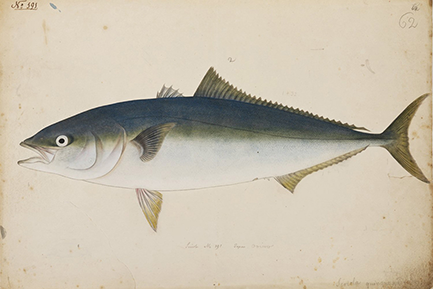
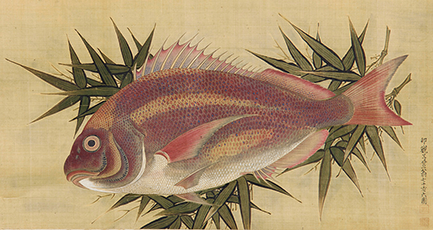
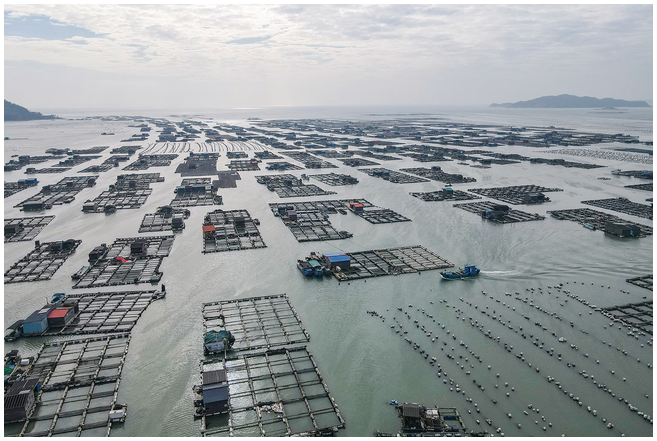
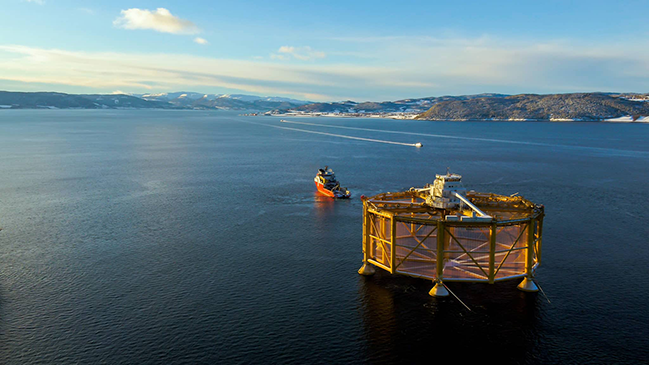
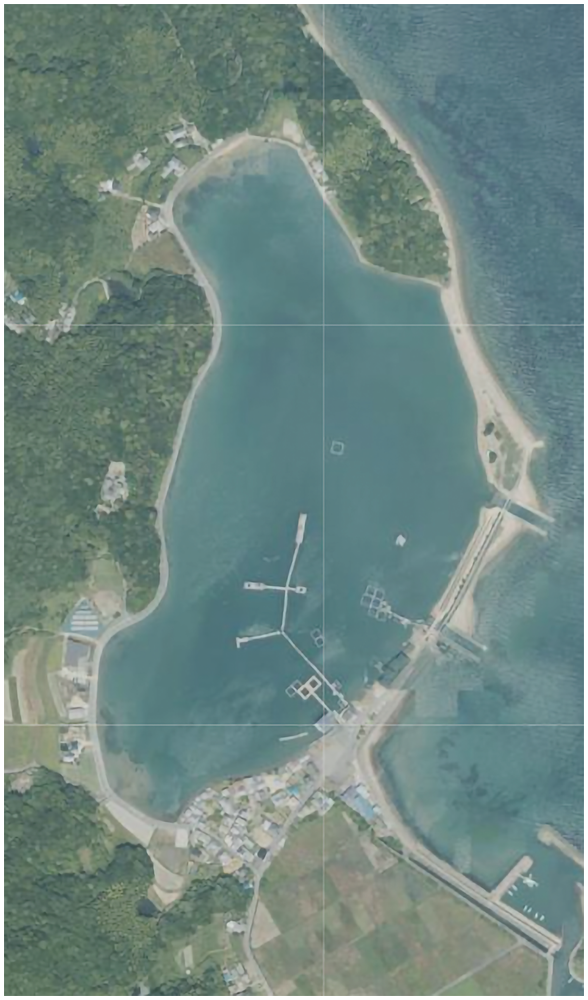
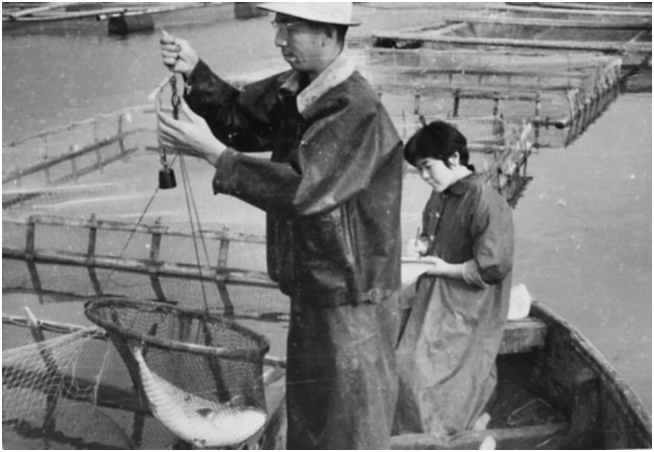

 Open access
_by_Ogawa_Haritsu,_18th_century.jpg)
