

Introduction
Even before the Syrian revolution began in 2011, sexual violence was used against political opponents detained by the successive Al-Assad regimes.Footnote 1 In May 2011, the regime returned the body of a 13-year-old schoolboy, Hamza Al Khatib, to his parents. Hamza had been arrested for spraying graffiti about Bashar Al-Assad on a wall. His body showed signs of torture and sexual violence, including severing of the penis and castration.Footnote 2 This was only the beginning of pervasive and brutal forms of sexual violence inflicted against men and women in detention during the revolution.Footnote 3 Male conflict-related sexual violence (CRSV) included forced nudity, verbalized sexual abuse and threats of sexual violence against detainees and their families, forced witnessing of sexual violence, collective sexualized humiliation, and direct violence to the genitals and anus, including beating, electrocution, burning and anal penetration.Footnote 4 Between 2011 and the fall of the regime on 8 December 2024, estimates suggest that over a million political prisoners were detained in Assad regime prisons.Footnote 5 Syria now faces the task of recovery and reintegration of potentially tens to hundreds of thousands of CRSV survivors, the majority of whom are men suffering from the long-term impact of the violence experienced in detention.Footnote 6
In the authors’ previous study, which was the first phase of a broader research programme, self-reported physical and mental health symptoms were documented among 106 Syrian male former detainees, spanning the period from detention to a mean of 8.9 years post-release.Footnote 7 Data were derived from forensic medical evaluations and subsequent semi-structured research interviews. Findings demonstrated that while many acute physical and psychological conditions diminished over time, more than half of participants continued to report avoidance, mistrust, social isolation, anger and reduced self-worth. Notably, these symptoms persisted at levels comparable to, or exceeding, those reported at earlier points in time since detention. The present study constitutes further analysis of this previously described dataset, addressing a distinct research question focused on self-reported coping strategies within the same cohort.
We hypothesize that these men experienced prolonged post-traumatic symptoms while concurrently developing ways to mitigate their daily impact. In light of this, the present study aims to analyze whether men’s reported individual coping strategies and socio-ecological resources reduced their persistent adverse mental health symptoms. This work is significant because of the long-term disruptive effects of persistent mental health symptoms on the lives of formerly detained Syrian men, their families and their communities, and the central relevance of men to Syria’s future. The results of this study could inform Syria’s mental health and recovery plans by capitalizing on men’s reported pathways to recovery.
The article is structured as follows. After the present introduction, the first substantive section provides evidence-based knowledge and context regarding the impact of CRSV in men and gaps in knowledge about Syrian men specifically; the impact of mental health symptom persistence at the individual, community and societal levels; and men’s strategies and resources for reducing these symptoms, along with their gendered needs for recovery. The second section describes the methodology and results, while the third section discusses the results and offers policy and programming opportunities to support mental health recovery and reintegration for Syrian male CRSV survivors, their families and their communities.
Evidence regarding the impact of CRSV on men
CRSV’s impact on men overall
CRSV has been documented to exert multidimensional, long-term impacts on men.Footnote 8 A systematic review conducted in 2015 reported long-term mental health consequences such as post-traumatic stress disorder (PTSD), depression and anxiety,Footnote 9 and in a 2013 study of immigrant survivors of political violence, pre-migration experiences such as rape/sexual assault were significantly associated with worse PTSD symptoms.Footnote 10 In other studies, male prisoners who reported sexual assault described anger and other symptoms of PTSD after a mean of 2.3 years of detention,Footnote 11 and male CRSV survivors in Uganda and the Democratic Republic of the Congo reported disturbances in their sense of self and the world, masculinity and loss of the protector role, resulting in feelings of powerlessness.Footnote 12 Other reported psychological impacts for male CRSV survivors include low self-esteem, emotional numbing, anxiety disorders, panic attacks, phobias, emotional dysregulation, worthlessness, social isolation, avoidance behaviour, somatic complaints, self-harm, suicidal ideation and substance abuse.Footnote 13 Men were also often noted to conceal emotions and avoid talking about feelings, and rarely sought formal help.Footnote 14 As noted by Janine Clark, “[s]ocially constructed ideas of what it means to be a ‘real’ man leave little scope for men to acknowledge and talk about their own vulnerability, in particular the vulnerability of their manhood”.Footnote 15
Avoidance behaviour rates are associated with overall PTSD severity; the use of avoidance tends to remain chronically elevated unless directly targeted with trauma-focused therapy.Footnote 16 Anger and irritability are also linked to post-traumatic symptom severity. Longitudinal data in male veterans indicate that the association between PTSD and self-isolation is accounted for in large part by anger.Footnote 17 Higher PTSD symptomatology is linked to greater isolation and lower perceived social support, while greater social support predicts subsequent reductions in PTSD symptoms.Footnote 18 A majority of prisoners of war (PoWs) and war refugees with prior captivity report delayed or persistent PTSD decades later,Footnote 19 and for refugees with PTSD, torture experience and male gender are highly correlated with symptom severity.Footnote 20 Men with chronically persistent PTSD symptoms are most commonly survivors of war, detention or torture;Footnote 21 without treatment, symptoms such as isolation, relational problems and interpersonal mistrust tend to persist.Footnote 22
CRSV’s impact on Syrian men
The above impacts are consistent with findings from our long-term follow-up study documenting physical and psychological symptoms reported after Syrian detention.Footnote 23 Men who experienced torture, sexual violence and detention reported common, highly prevalent and, for some men, increasing psychological symptoms years after detention release. Five self-reported mental health symptoms – avoidance, anger, loss of trust, isolation and low self-esteem – emerged as either increasing in prevalence (on average 8.9 years after detention) or persisting after detention release.Footnote 24 These five symptoms are core to PTSD diagnosis, foreshadowing their long-term impact on mental health.Footnote 25
While rates of PTSD diagnosis are commonly referenced in conflict settings, PTSD is increasingly seen as an insufficient concept when considering the decades of conflict, loss, detention, torture and ongoing traumatic exposure associated with armed conflict. The complexity of continuous, overlapping and recurring trauma in Syria is not represented by PTSD, a single or repeated event trauma model.Footnote 26 Syrians live with ongoing and recurrent socio‐political, cultural, structural and communal trauma, and consequently their experiences are most similar to those of Ukrainians (where exhaustion, alienation and helplessness have been reported as signs of continuous traumatic stress),Footnote 27 the high prevalence of complex PTSD found in military veterans,Footnote 28 and the symptoms of chronic traumatic stress disorder described in Palestinians.Footnote 29 This study considers self-reported post-traumatic symptoms, not diagnoses; the need for assessments, diagnoses and mental health models that better reflect the complexity of ongoing traumatic experiences in conflict settings is acknowledged.
Few other peer-reviewed studies directly address CRSV in Syrian men. A qualitative study of a small sample of Syrian refugees in Jordan documented Syria’s torture apparatus, including sexualized torture, and an expanded study of torture and CRSV survivors reported injuries that were “severely traumatizing and had persistent, life-altering implications”.Footnote 30 The expanded study noted that “[s]urvivors are at risk of impaired marital relations, sexual dysfunction, emotional dysregulation, anxious and avoidant attachments, and intimate partner violence”.Footnote 31 A cross-sectional study of men who faced sexual violence and conflict-related trauma reported a high rate of psychological symptoms.Footnote 32
Risks of persistent mental health symptoms
The persistence of mental health symptoms years after violence merits attention and concern, particularly for countries navigating the long and winding road from armed conflict to peace and stability. Persistent symptoms are also significant given their association with radiating harms and negative outcomes at the family, community and societal levels in transitional settings. At the family level, a prospective study of ex-PoWs showed lower levels of marital adjustment and higher levels of PTSD, with loneliness as the major contributor to reduced marital intimacy. Chronic PTSD symptoms reported in these men were associated with aggression and secondary traumatization of spouses.Footnote 33
The five mental health symptoms considered in this study have uniquely negative outcomes. In conflict or atrocity-affected populations, male anger is specifically associated with inter-family violence, described as the “splintering of interpersonal relationships”, as well as with acts of violence and sexual violence within communities.Footnote 34 Inter-familial violence is, in turn, strongly associated with women’s development of mental health problems and physical injury, as well as negative impacts on children’s emotional, behavioural, social and cognitive functioning.Footnote 35 Avoidance is a well-described central coping strategy for men; avoidance of trauma disclosure, trauma-related triggers, intense negative emotions and feelings of shame mediate the relationship between trauma exposure and the risk of developing long-term PTSD and complex PTSD.Footnote 36 Isolation impacts social bonds at the family and community levels, while low self-esteem in men significantly affects relationships with their families and is associated with anger and intimate partner violence.Footnote 37 These symptoms do not remain contained within the individual – they disrupt intimate relationships, erode community cohesion and perpetuate cycles of violence and social withdrawal that can undermine recovery and rebuilding.
There is evidence that common PTSD symptoms, such as the five studied here, impede peacebuilding by undermining social trust and reconciliation, and can result in elevated risks of intra-community violence. An extensive study of PTSD symptoms in Rwanda reported that cumulative trauma exposure resulted in higher reported PTSD rates, more negative attitudes about national justice and belief in community, and reduced support for interdependence with other ethnic groups compared with those who did not meet PTSD criteria.Footnote 38 Persistence of PTSD symptoms can represent critical threats to a State’s future security, development and economic growth, with one study stating that “[c]ollective trauma can be a contributing factor to the root causes of protracted social conflict – the kind of cyclical, endemic violence currently witnessed in fragile and conflict-affected states”.Footnote 39 For the more than 1 million Syrian men detained during the Syrian revolution, prevailing gender norms often pressure them to suppress their symptoms and distress, and much of their collective suffering remains hidden.
How male CRSV survivors cope with mental health symptoms
To date, most of the research around male CRSV has focused on the psychological and social impacts, including barriers to disclosure and help-seeking.Footnote 40 While there has been some research on protective coping skills, socio-ecological resources and mental health strategies over time, relatively little attention has been paid to these factors specifically.Footnote 41 Gendered aspects of mental health pathways and intersectional dimensions beyond gender for male CRSV survivors remain under-represented in research.Footnote 42 Men’s self-reported individual coping strategies and socio-ecological resources are considered in the present study.
Men’s individual coping strategies
Recent studies of male coping strategies for non-CRSV trauma and violence reveal highly gendered aspects that can influence men’s decisions and determine poor mental health outcomes.Footnote 43 Studies emphasize men’s widespread use of avoidance-based coping, including denial, withdrawal and distraction through activities such as productivity/work.Footnote 44 Other common male-associated “action-based” coping strategies such as joining a group or sport, or “silent endurance” strategies like self-blame, may result in avoidance coping, such as escape or denial.Footnote 45 Such coping strategies are associated with poor mental health outcomes and prolonged PTSD symptoms.Footnote 46 Symptoms and behaviours such as shame, self-protection and fear often present as withdrawal from others, increasing men’s isolation. As noted in one study, “[m]en more often seem to develop survival strategies that restore their power and autonomy, sometimes in dysfunctional or self-destructive ways”.Footnote 47
There is also strong evidence that men are much less likely to seek formal help or support for mental health challenges.Footnote 48 Despite high levels of distress, help-seeking rates for men remain very low,Footnote 49 with Seidler et al. noting that “[m]en’s conformity to traditional masculinities such as stoicism, self-reliance and restrictive emotionality” shapes gendered barriers and stigmatizing attitudes that may block help-seeking.Footnote 50 Gender expectations that men should be self-reliant and independent are reported as contributing factors to health difficulties: in one study, “[c]onformity to masculine norms was modestly and unfavourably associated with mental health, as well as moderately and unfavourably related to psychological help seeking”.Footnote 51
The social construction paradigm of gender role strain helps explain why “men’s internalisation of masculinity norms predicts negative attitudes toward psychological help-seeking”.Footnote 52 The strains experienced by men include (1) failure to live up to gender role expectations, (2) restrictive gender norms (being strong or tough, self-sufficient and in charge) influencing their behaviour, and (3) gendered aspects related to the specific violence/trauma.Footnote 53 For male CRSV survivors, sexual violence attacks their masculine identity itself.Footnote 54 Adherence to traditional norms such as self-reliance, toughness and “anti-femininity” is associated with greater depression and limited use of mental health services.Footnote 55
Men’s socio-ecological resources
Studies have also considered the important role of socio-ecological resources that include the family and social environment in which survivors decide and effectuate their individual coping strategies.Footnote 56 “While suffering begins as intensely personal, healing is highly relational; it happens in interaction with others with similar concerns, rather than as an individual process.”Footnote 57 Relationships with “family, with children, with local organisations, with God, with land” provide strength to deal with ongoing challenges and emphasize the importance of connectedness.Footnote 58 Connectivity to families, children, faith and peer groups, NGO engagement and new work environments are examples of socio-ecological resources for survivors.Footnote 59 Family and faith-based commitments are central to recovery in Arabic-speaking refugees.Footnote 60
Survivors’ well-being is optimally viewed through individual, relational, collective, historical, cultural and contextual dimensions.Footnote 61 The science of resilience “is best understood as the process of multiple biological, psychological, social, and ecological systems interacting in ways that help individuals to regain, sustain, or improve their mental wellbeing”, including individual coping mechanisms and socio-ecological resources.Footnote 62 The influence and impact of such a social ecosystem may be positive and protectiveFootnote 63 but may also be adverse and harmful, recognizing the impact of social and institutional stigma, criminalization and other barriers to accessing support.Footnote 64
Work is an example of a gendered socio-ecological resource that is often tied to masculine identity (provider/breadwinner), status, self-worth and relationship stability. Many factors, such as reduced job opportunities/access, physical harm, psychological trauma, social stigma, displacement and systemic marginalization linked to torture experiences, can result in livelihood loss.Footnote 65 The negative effects of unemployment typically stem from financial strain, social isolation and loss of self-efficacy.Footnote 66 Restricted access to work and economic opportunity may erode perceived masculine identity, contributing to increased social isolation and loneliness.Footnote 67
Across multiple societies, men’s unemployment threatens a core identity that is tied to higher stress, impaired intimacy and worse mental health.Footnote 68 Meaningful work can restore identity, autonomy and masculine pride.Footnote 69 The loss of work may also be more than the loss of income, family standing and meaning; it also includes the loss of colleagues, networks, social support and male autonomy.Footnote 70
Interventions associated with reduced symptoms and sustainable mental health
“Protective resources or factors” help cushion the impact of shocks and adversities,Footnote 71 and include factors such as supportive relationships, daily functioning, family roles and work.Footnote 72 With time and culturally responsive support, survivors may expand beyond individual coping strategies to explore changed beliefs, commit to community rebuilding efforts,Footnote 73 make selective disclosures to trusted people, and engage in survivor groups,Footnote 74 moving,Footnote 75 justice efforts,Footnote 76 male identity reconstruction,Footnote 77 parenting,Footnote 78 relationship recovery, advocacy, meaning and altruism.Footnote 79
Re-establishing livelihood for men should be an early, priority intervention since it can reduce symptoms and restore male identity in CRSV survivors. Livelihood recovery likely serves as symbolic repair, given the assault on masculinity that CRSV entails.Footnote 80 Systematic reviews and meta-analyses have consistently shown that employment is associated with better mental health outcomes, while precarious work and unemployment are linked to increased psychological distress. Studies of displaced populations have found that good-quality employment is beneficial to mental health,Footnote 81 and that employment is a protective factor for mental health conditions in male asylum-seekers/refugees.Footnote 82 While economic distress is common during and after periods of intense conflict, and survivors perceive work as being at the forefront of healing, having a job alone does not change affect dysregulation (uncontrolled emotional arousal), negative self-concept, detachment from core relationships or the use of avoidance as an adverse coping mechanism. Livelihood provision and support are necessary but insufficient for recovery, and livelihood programmes should integrate psychological and physical interventions to improve mental and physical health symptoms and programme retention.Footnote 83
Positive disclosure experiences and peer networks are also described as protective factors. Male survivors of sexual abuse report feelings of being recognized and supported through positive disclosure experiences;Footnote 84 as observed by Poirson et al., “[t]he accumulation of positive experiences makes participants feel safe and encourages them to talk about the abuse. In turn, it helps them break out of their isolation, to elaborate and to work on themselves.”Footnote 85 Peer support groups or CRSV survivor networks have emerged as an important source of connection, strength and disclosure opportunity for survivors.Footnote 86 These spaces can nurture social connection, shared consciousness and experiences, provide alternatives to stigmatizing environments,Footnote 87 and enhance trust, recognition and acceptance.Footnote 88 Survivor networks can serve as places to engage on gendered harms and to challenge the discriminatory gender norms and expectations that are barriers to well-being. Augmenting these networks with livelihood or income-generating programming directly confronts the challenge that men face when trying to provide for their families while learning longer-term protective mental health strategies.Footnote 89
Other protective factors that emerge from the literature include sense-making, meaning or purpose and altruism. Sense-making, a conscious reflection on meaning and purpose surrounding survivors’ experiences, has been shown to facilitate acceptance and closure.Footnote 90 Altruism, helping or bringing something positive to others, is considered a pillar of resilience and improves self-esteem.Footnote 91
While formal mental health services can improve recovery for male survivors, mental health access and retention increase when clinics and services have a male-oriented clinic set-up, integrated medical and sexual violence clinics, and entry points and clinic names that do not focus solely on CRSV but rather reference generic violence, with services that do not require disclosure at admission.Footnote 92 Psychological and therapy interventions should generally not be labelled as “trauma-focused” since this typically introduces stigma.Footnote 93 Men engage in services when those services are designed and delivered in ways that align with their preferences, needs, interests and lifestyle practices; otherwise, high male dropout rates persist.Footnote 94
Finally, an important component of male survivor mental health recovery includes cognitive shifts in survivors’ sense of identity, strengthened personal relations, trust in people and institutions, and self-esteem. Five belief systems were found to be disrupted after exposure to traumatic events: beliefs about safety, trust, power and control, esteem, and intimacy. Without specific socio-ecological resources attuned to men, deficits may persist.Footnote 95
Methodology and results
In this study, the authors analyze a distinct research question focused on the self-reported socio-ecological resources and individual coping strategies of 106 Syrian men subjected to torture and sexual violence in detention. This paper serves as a companion piece to the authors’ previous study, which examined mental and physical health symptom trajectories in the same cohort of 106 Syrian men subjected to detention, torture, and sexual violence. The objective is to identify gendered and culturally attuned protective mechanisms which can form the basis of policy and programming responses in Syria as it seeks to build social cohesion, support the reintegration of men subjected to extraordinary levels of trauma and violence, and nurture stability, peace and growth.
Methodology
Between 2012 and 2021, Lawyers and Doctors for Human Rights (LDHR) conducted 535 forensic medical evaluations for Syrian men and women living in Syria and in neighbouring countries; 346 involved adult males who had been detained and tortured. LDHR physicians conducted all forensic evaluations using a standard format developed by Synergy for Justice and LDHR experts, informed by the Istanbul Protocol.Footnote 96 The research protocol analyzed forensic evaluation data including physical and psychological symptoms and findings collected following detention, along with data from a follow-up semi-structured research interview that assessed self-reported health, well-being, individual coping strategies and socio-ecological resources. Individual coping strategies and socio-ecological resources are defined in Table 1 below. Study eligibility included male gender, forensic evaluation completion, self-reported CRSV in Syrian detention during the study period, and current contact information. The first study in the larger research programme described CRSV and torture definitions and detailed the informed consent process, referral pathways, structured interview findings, and confidentiality and safety measures. The methodology used to derive self-reported symptoms and findings at the time of the follow-up research interview is described in detail in that study.Footnote 97
Terminology definitions

Table 1 Long description
The table provides definitions for terminology used to describe influences on mental health distress and responses to trauma. It defines factors as influences at individual, relational, community, and structural levels that affect distress. Individual coping strategies are described as cognitive, emotional, spiritual, or behavioural efforts people report using to manage trauma-related distress. Socio-ecological resources are defined as relational, community, and structural supports intended to reduce social, economic, and psychological consequences of trauma. The table distinguishes positive reported factors as sources of strength, support, or coping, and negative reported factors as those that hinder coping or have harmful effects. It also clarifies that protective factors are attributes or conditions linked with lower levels of adverse mental health outcomes, while adverse factors are linked with worsening outcomes.
The mental health findings form the foundation of this study’s focus on men’s coping strategies and socio-ecological resources. During the research interview, study participants reported exposure to multiple stressors of war, displacement, detention, torture, sexual violence, separation from and loss of family members, and loss of livelihood, with many reported prolonged mental health symptoms.Footnote 98 Research on mental health recovery and development of resilience is complex and crosses multiple disciplines,Footnote 99 and individual coping strategies account for only one of the multi-systemic influences over sustained mental health.Footnote 100 The concepts of individual coping strategies and socio-ecological resources were used to describe men’s self-reported responses to a series of structured, open questions exploring their sources of strength and support, choices that made their lives more manageable, and their selected coping mechanisms. Data on individual coping strategies, socio-ecological resources and experience of disclosure included quantitative (multiple choice) and qualitative data (open question prompted, open narrative). A mixed-methods approach was built into the design, integrating qualitative survivor voices and quantitative data. An inductive thematic analysis of the qualitative data was performed in Nvivo to identify recurring themes for each of the three domains. This analysis was then used to refine the quantitative categories in order to ensure conceptual consistency and completeness. The factors which emerged as reported sources of support and coping strategies are described in Table 2.
Reported individual coping strategies and socio-ecological resources

Table 2 Long description
The table defines a set of individual coping strategies and socio-ecological resources reported by detention survivors, pairing each resource with a brief explanation. It includes personal and spiritual supports such as religion or faith, faith in God, and belief in fate and destiny. It also lists relational and community supports including family, the local community, and survivor networks. Practical and institutional resources are described through work and finances and access to formal support services such as medical, psychological, and community services. Several meaning-making and future-oriented strategies appear, including belief in justice, telling their story in their own words, developing a new identity, sense of meaning or purpose, and hope or optimism. Action-oriented responses include altruism, activism, and joining the armed opposition, with the latter framed as linked to brotherhood, livelihood, responding to violence, and revenge. One item highlights responsibility for meeting children’s needs as a distinct motivator connected to family roles.
Each self-reported individual coping strategy and socio-ecological resource was analyzed and coded by one of the lead authors to ensure a high degree of interpretive consistency (supported by peer discussion, co-lead author debriefing on emergent issues, spot reviews and code support notations), using binary codes for presence and absence in both the quality-assured quantitative data and qualitative data. An additional code was added for men who reported a negative impact from one of the factors.
In addition, participants’ responses were coded for either the presence or absence of a reported positive or negative disclosure experience. Participants were then coded as having a mixed disclosure experience if they reported both a positive and negative disclosure and as having a neutral experience if they reported neither a positive nor a negative experience. All participants had at least one disclosure experience with LDHR, and many had additional disclosure experiences with others. In three cases, questions were not specifically asked to participants about disclosure experiences; those cases were combined with the neutral-coded cases.
Analyses included the prevalence of reported individual coping mechanisms and socio-ecological resources, and their relationships to the group of persisting or growing mental health symptoms. Multivariate logistic regression was used to identify demographic and support factors that were associated with the presence or absence of each of the five mental health symptoms of interest. An approach was utilized that allowed for the consideration of all demographic variables and support factors as influencing the presence or absence of each specific symptom at the time of the research interview. Variables were eliminated one by one in these models if they were found to have no association with the particular symptom. The strength of this approach is that it allows for the exploration of the association of each predictor variable (demographic and support factors) with each outcome variable (mental health symptom). Furthermore, it takes into account the potential confounding effects that demographic variables may have on the relationship between support factors and mental health symptoms. Once the final logistic regression model was determined, odds ratios (OR) were calculated to demonstrate the degree of association between the support factor and the outcome of interest.Footnote 101 The specific methods and tools used are detailed in Annex A. Qualitative data were integrated into the results to bring richer, more survivor-centred contextual understanding of the quantitative outcomes.
Results
145 men met the study inclusion criteria; 106 men consented to participate (five refused and thirty-four were unable to be reached). The demographics of the participating cohort are presented in Table 3.
Study population demographic factors (N=106)

Table 3 Long description
The table summarizes demographics and timing measures for 106 participants, reporting means with standard deviations for ages and detention-related intervals, and counts with percentages for marital and education status. Average age at first arrest was 29.6 years, and average age at the research interview was 38.1 years. The average time from arrest to interview was 8.54 years, indicating interviews occurred many years after arrest for most participants. Average duration of detention was 18.9 months, with substantial variability. Marital status was predominantly married at 63 participants (59.4%), followed by single at 41 (38.7%), and divorced at 2 (1.9%). Education was most commonly primary school at 45 (42.5%), with secondary school and university degree each at 22 (20.8%), university student at 15 (14.2%), and no schooling at 2 (1.9%).
The first study’s findings on the prevalence of persisting and growing mental health symptoms at the time of the research interview are shown in Table 4. Avoidance was the most common symptom, followed by lack of trust, self-isolation, anger and loss of confidence. These symptoms were found to either persist at similar levels or increase from an earlier point in time. Men reported on average experiencing 3.1 adverse mental health symptoms at the time of interview (median 3, range 0–5).
Prevalence of symptoms at research interview (N=106)

Table 4 Long description
The table reports how many of 106 participants had each symptom at the research interview, shown as counts and percentages. Avoidance was the most frequently reported symptom, present in 76 participants (71.7%). Lack of trust was also common at 71 (67.0%). Self-isolation and anger were reported at similar levels, with 62 (58.5%) and 61 (57.5%) respectively. Loss of confidence was the least common symptom but still affected half the sample, with 53 participants (50.0%). Overall, all listed symptoms were reported by about half or more of participants, with avoidance and lack of trust standing out as the highest.
* Avoidance included men’s descriptions of staying away from situations, activities, objects or persons, including actively trying to avert reminders of, forget about or distract themselves from difficult events.
** Lack of trust included descriptions of distrust or loss of trust in family and/or members of the community, as well as broader loss of trust in society or institutions.
*** Self-isolation included descriptions of withdrawal from company or social settings, a tendency to sit or be alone, staying away from loved ones and others, and “shutting people out”.
† Anger included descriptions of irritability, agitation, outbursts, tantrums, rage, loss of temper, aggression, breaking things and sometimes violence.
‡ Loss of confidence included perceived reduction in self-esteem, self-efficacy or self-worth, characterized by increased self-doubt, diminished belief in one’s ability to perform prior roles or tasks, and perceptions of personal inadequacy or reduced capability following exposure to the events described.
Qualitative data from the study participants illustrate how the symptoms affect their lives and loved ones. Reporting avoidance, participants explained:
Detention memories often come to my mind when I get absent-minded and when I ponder. I was trying to avoid those memories through worship and mixing with others.Footnote 102
I am always trying to forget what happened to me during the arrest. I am trying not to go into deep details of the arrest because that hurts me and triggers memories. I am trying to get myself busy with the job to forget what happened.Footnote 103
Reporting anger, a participant stated:
I had to beat my children for simple reasons when they make noises or screams because I cannot bear loud voices. I often apologize to them after I have calmed down and tell them that I did it involuntarily.Footnote 104
Reporting lack of trust, a participant explained:
I have less trust in people and the international community. I do not want to make any friends and do not want to participate in social activities. I have complete withdrawal and isolation from people and society. They have abandoned me in my financial crisis. Everyone is like a monster who wants to loot the other. I refuse to engage in any social activities.Footnote 105
Reporting loss of confidence, a participant disclosed:
I am more afraid than ever. The sense of humiliation that I experienced in detention has changed so much inside me and broke my pride. My experience also broke my self-confidence.Footnote 106
Reporting self-isolation, a participant disclosed:
My wife suffered from a change in my nature. I became a nervous person, she was beaten, and I was not able to perform my marital duties properly. … She suffered from isolation because of me. Even her friends avoided visiting her. My isolation and lack of confidence spread to my wife; she realized that I did not want to sit with her and that I did not trust her.Footnote 107
Prevalence of the top ten self-reported individual coping strategies and socio-ecological resource factors is presented in Table 5.Footnote 108 Men reported predominantly negative effects for work/finance and community, at 38.7% and 29.9% respectively. These two factors are reported as either positive or negative in the multivariate logistic regression (e.g., “Community – positive”, “Community – negative”); all other factors are reported only in relation to a positive report (as a source of strength, support and helping them cope). For example, the presence of “Family” means that it was reported as a positive factor. Study participants’ words demonstrate the importance of the positive and negative factors, and the role these factors play. The most commonly reported positive support factors were family and faith.
She [my wife] was a strong supporter. From the beginning of my release, she told me that she would accept everything that had happened to me and any changes that might have happened in my personality or anything else. My wife stood next to me – she sent me my expenses at the prison from her own money. It was a complete partnership.Footnote 109
My belief in God’s existence has been further consolidated. I believe that every detainee who had been released from prison came out by a miracle of God.Footnote 110
Prevalence of the ten most common coping and resource factors (106 male participants)

Table 5 Long description
Ratings from 106 male participants classify ten coping or resource factors as positive, neutral, or negative, reported as counts and percentages. Family was most often seen as positive at 87 participants (82.1%), with 12 neutral (11.3%) and 7 negative (6.6%). Faith was also largely positive at 79 (74.5%), with 26 neutral (24.5%) and 1 negative (0.9%). Work and finances stood out as the most mixed factor and the most negative overall, with 37 positive (34.9%), 28 neutral (26.4%), and 41 negative (38.7%). Several factors were mainly neutral and had no negative ratings: telling in their own words (37 positive, 69 neutral), moving (35 positive, 71 neutral), altruism (29 positive, 77 neutral), survivor networks (28 positive, 78 neutral), and justice (24 positive, 82 neutral). Community was split across categories, with 26 positive (24.5%), 49 neutral (46.2%), and 31 negative (29.2%). Meaning was mostly neutral at 83 (78.3%), with 22 positive (20.8%) and 1 negative (0.9%).
* Positive factors: participants identified these as a source of strength and support in their lives which helped them to cope or towards recovery.
† Neutral factors: participants did not identify these as a source of strength or support in their lives or as a way to help them cope.
‡ Negative factors: participants identified these factors as having a negative impact on their mental health symptoms and their ability to cope.
While other positive support factors were less common, work/finance (34.9%), telling in their own words (34.9%) and moving (33.0%) were present in a third of men.
Having the ability to get a job and securing a job, along with the blessing of forgetting, made his psychological impacts lighter. He thinks that he has become more integrated and having a job has made him feel that there are people who support him. He began trying to mix with people more.Footnote 111
Community support for him is a source of strength. He tries to engage with society, people, volunteering and leadership work. He has more empathy and more appreciation for those surrounding him.Footnote 112
I became more of a believer in mankind and decided to use my remaining life to build an educated generation rather than a generation that could have monsters like those I saw in prison.Footnote 113
Men reported an average of 4.2 types of support factors (median 4, range 0–12).
Few men described formal support services (N=12, 11.3%), such as mental health (N=7, 6.6%) or medical services (N=5, 4.7%), as strategies that were helpful. Only 6.6% of study participants spontaneously reported that direct mental health services were a source of strength and support. Common barriers to accessing formal services reported in the qualitative data included embarrassment (57.5%), lack of trust (40.6%), absence of male-specific access points (35.8%), restrictive gender norms (34.9%) and fear of others’ reactions (34.0%). One participant noted: “In my view, self-esteem is the biggest barrier to obtaining support.”Footnote 114 Regarding disclosure experiences, eighty-six men (81.1%) reported having had at least one positive experience and twenty-eight (26.4%) reported having had at least one negative experience.
Results of the multivariate logistic regression are shown in Table Series 6a–e. Statistically significant (P<0.05) protective factors (OR<1) and adverse factors (OR>1) are shown for each of the five mental health symptoms studied.
For avoidance, as shown in Table 6a, the only protective factor found was university-level education, which had a strong protective association with avoidance. Multiple factors were associated with increased avoidance: older age at time of arrest and longer duration of detention had a weak adverse association with avoidance. For every month increase in the duration of detention, there was a 4% increase in the odds of reporting avoidance at the time of the research interview. Reports of belief in justice as a positive factor and work/finance as either a negative or positive factor showed a strong adverse association with avoidance.
Protective and adverse factors associated with avoidance (N=106)

Table 6a Long description
The table reports odds ratios with 95 percent confidence intervals and p values for factors associated with avoidance in a sample of 106. University-level education is a protective factor, with markedly lower odds of avoidance (odds ratio about 0.18; confidence interval about 0.04 to 0.72; p about 0.02). Several factors are associated with higher odds of avoidance: older age at arrest (odds ratio about 1.10; confidence interval about 1.01 to 1.22; p about 0.04) and longer detention (odds ratio about 1.04; confidence interval about 1.01 to 1.09; p about 0.03). Belief in justice shows a large increase in odds (odds ratio about 4.15; confidence interval about 1.09 to 19.16; p about 0.05). Work or finance factors are also linked to higher odds, both negative (odds ratio about 4.43; confidence interval about 1.04 to 21.31; p about 0.05) and positive (odds ratio about 4.26; confidence interval about 1.10 to 18.97; p about 0.04).
As shown in Table 6b, work/finance was the only protective association with anger and was strongly protective. Telling in their own words had a strong adverse association with anger.
Protective and adverse factors associated with anger (N=106)

Table 6b Long description
The table reports associations between two factors and the likelihood of anger in a sample of 106 people, using odds ratios with 95 percent confidence intervals and p values. A positive financial situation is a protective factor, with an odds ratio of about 0.20 and a 95 percent confidence interval from about 0.05 to 0.66; the p value is 0.0109, indicating a statistically significant association with lower odds of anger. Telling in their own words is an adverse factor, with an odds ratio of about 3.57 and a 95 percent confidence interval from about 1.25 to 11.27; the p value is 0.0222, indicating a statistically significant association with higher odds of anger. Comparing the two, the financial factor is associated with reduced odds, while the telling factor is associated with increased odds.
Table 6c indicates that three protective factors were associated with lack of trust: being married, positive community support and meaning/purpose all had strong protective associations with lack of trust. There were five adverse factors strongly associated with increased levels of lack of trust: these were family, survivor networks, negative community, belief in justice, and moving.
Protective and adverse factors associated with lack of trust (N=106)

Table 6c Long description
The table reports odds ratios, confidence intervals, and p values for factors associated with lack of trust in a sample of 106 people. Protective factors are those linked to lower odds of lacking trust: being married at arrest (odds ratio about 0.18, p about 0.036), positive community (about 0.25, p about 0.054), and meaning (about 0.16, p about 0.017). Adverse factors are linked to higher odds: survivor networks (about 4.78, p about 0.032), negative community (about 5.81, p about 0.020), belief in justice (about 7.02, p about 0.021), family (about 8.73, p about 0.0067), and moving (about 8.97, p about 0.0074). The largest increases in odds are for moving and family, while the strongest protective association is meaning.
As shown in Table 6d, altruism as a positive support factor had a strong protective association with loss of confidence. Negative disclosure and work/finance experiences had a strong adverse association with loss of confidence.
When I disclosed [my detention] to my friends, I felt that most of them could not believe that I had been compelled, so I hesitated to talk. They blamed me for handing myself in. When I talked to my friends about what happened to me, their reaction ruined my life. If they stood by me and encouraged me to speak, I am sure, I would not suffer what I had.Footnote 115
Protective and adverse factors associated with loss of confidence (N=106)

Table 6d Long description
The table reports odds ratios for factors associated with loss of confidence in a sample of 106 people, with confidence intervals and p values. Altruism is a protective factor, with an odds ratio around 0.14 and a confidence interval from about 0.02 to 0.74, and a p value near 0.03, indicating lower odds of loss of confidence. Two adverse factors show higher odds: a negative disclosure experience has an odds ratio about 6.29 with a confidence interval roughly 1.40 to 34.64 and a p value about 0.02. Negative finances has an odds ratio about 8.40 with a confidence interval roughly 1.77 to 50.62 and a p value about 0.01.
As indicated by Table 6e, there were no protective factors found for isolation. Negative disclosure and altruism experiences had moderate and strong adverse associations with isolation respectively.
Protective and adverse factors associated with isolation (N=106)

Table 6e Long description
The table reports odds ratios for factors linked with higher odds of isolation in a sample of 106 people, along with confidence intervals and p values. Two adverse factors are listed, and both have odds ratios above one, indicating increased odds of isolation. Altruism shows the larger association, with an odds ratio of about 3.50 and a confidence interval from about 1.20 to 11.16; its p value is 0.0268. Negative disclosure experience has an odds ratio of about 2.98 with a confidence interval from about 1.04 to 9.34; its p value is 0.0494.
The results of the multivariate logistic regression analyzed statistically significant (P<0.05) protective factors (OR<1) and adverse factors (OR>1) using the overall number of symptoms reported at the research interview. Including demographic, individual coping and socio-ecology resource factors, only university education was found to have a statistically significant association with the reported number of symptoms, as shown in Table 7.
Factors associated with number of mental health symptoms (N=106)

Table 7 Long description
The table reports the association between a potential protective factor and the odds of having a higher number of mental health symptoms in a sample of 106 people. University education has an odds ratio of 0.74, indicating lower odds of more symptoms among those with university education compared with those without. The 95 percent confidence interval ranges from about 0.56 to 0.98. The p value is 0.0339.
Discussion and recommendations
Discussion
Men affected by conflicts worldwide endure persistent, mostly untreated isolation, mistrust, avoidance, anger and loss of confidence, yet continue to survive and adapt. How they cope with their memories and ongoing trauma is critical to the roles they play as leaders, partners, fathers, sons and workers. Protective and adverse individual coping strategies and socio-ecological resource factors can inform critical early responses and interventions when focused specifically on key modifiable factors aimed at reducing adverse mental health symptoms.
Study results reflect the high prevalence and accessibility of faith and family, which are nearly ubiquitous resources within Syrian communities. Family and faith are highly valued in Syrian society and mostly remain important even during armed conflict and displacement.Footnote 116
For work/finance and community, however, the results are likely impacted by access to these resources and their perceived fit as positive supports. Far more men reported neutral or negative experiences of work or community support than those who reported positive experiences. In detailed responses during the research interviews, many men reported that these resources were not accessible or seen as a positive support.Footnote 117 Work/finance experiences may be impacted by men’s physical access to jobs, open positions, right to work, pay, and skills required, as well as culture, stigma and management’s support of former detainees in the workplace. Community was reported as a negative factor based on concerns such as stigma, displacement, risk of rearrest and active conflict.
Other reported coping strategies and socio-ecological resources were not readily available or emerged later in the conflict. Men considered survivor networks as a positive support factor that became increasingly available as the conflict wore on.Footnote 118 Access to safe places to disclose sexual trauma varied by setting type, and by levels of safety and trust in the providing organizations.Footnote 119 LDHR’s operations, for example, only provided forensic evaluations and referrals to a limited area within Syria and neighbouring countries during active conflict, and used trusted referral pathways and survivors’ word of mouth to ensure safe and confidential access.Footnote 120
Despite efforts to provide referrals, the low proportion of men in the present study who identified formal mental health services as supportive is consistent with prior literature. Male survivors’ engagement with such services is generally limited, and studies rarely report specific estimates of referral, utilization or benefit rates.Footnote 121 This underscores the need to better characterize barriers to access and to develop male-attuned models of care.
Strong protective factors included higher education status (reduced overall number of symptoms and avoidance), positive experiences with work/finance (reduced anger), positive experiences with community (reduced lack of trust), meaning (reduced lack of trust), and altruism (reduced loss of confidence).
Strong adverse factors included stigmatizing or negative disclosure experiences (increased loss of confidence and isolation), limited to no access to work/finance opportunities (increased loss of confidence and avoidance), and lack of community support (reduced trust). Other self-reported coping strategies or socio-ecological resources were associated with higher levels of mental health symptoms such as anger (telling in their own words), loss of trust (family, survivor networks, moving, belief in justice), avoidance (belief in justice) and isolation (altruism).
Importantly, not all factors that the men reported as positive are in fact protective for persisting mental health symptoms. This aligns with literature indicating that gender norms can shape men’s selected coping strategies in ways that may undermine well-being and mental health outcomes.Footnote 122 For example, the adverse association of positive work/finance experiences with avoidance echoes Ganzevoort’s observation that men’s efforts to restore a sense of control or power may take self-defeating forms, such as excessive work or long hours used to distract from or suppress distress.Footnote 123 Additionally, the adverse association between positive experiences of survivor networks and family support, on the one hand, and worsened trust, on the other, warrants further exploration, suggesting that small-group or network-based support alone may have unintended consequences on trust without broader community reintegration and outreach.
Key findings that serve as focused opportunities for intervention in men in the transitional Syrian context are related to education and training, work/finance and livelihoods, community support, gender role strains and mental health services.
Education and training
Higher levels of educational attainment were positively associated with fewer mental health symptoms overall. Educational status was the only protective factor for avoidance, a critical determinant for men’s mental health outcomes as discussed above. However, after fourteen years of armed conflict, Syria’s education system has been decimated, particularly in former opposition-held territory; 42.5% of our sample completed only primary school. Based on our findings, lack of future investment in education and training could have significant implications for the well-being of former detainees, especially given the central role of livelihoods, work and finance in their own accounts of recovery.
This study did not formally assess pre-detention or post-detention social or economic status; thus, specific advantages of higher educational attainment that may influence mental health symptoms cannot be determined. Findings suggest the need for broad reintegration pathways that build on educational attainment and status, including prior qualification validation, access to decent and safe work, job creation, and retraining when previous educational or occupational trajectories have been disrupted.
Work/finance and livelihood
Positive work/finance experiences were associated with reduced levels of anger in study participants. Syria’s gender role narrative sets expectations that men will be the breadwinners and provide for their families. Meaningful work can help men to fulfil expected roles of providing for their family, building self-worth and concordance with hegemonic masculine identities. For displaced Syrians, job loss, irregular work and market barriers can erode men’s sense of masculine identity, status in the family and mental well-being; conversely, decent work/livelihoods restore agency and self-worth.Footnote 124 Participants shared:
I became a hopeless person. I looked at myself as a successful, practical man – a man in every true sense of the word. However, right now that view has changed. I feel overwhelmed and needy. I am a weak man and cannot even meet my children’s basic needs. … I feel less respect for me because I am unable to be a father, a husband, and a son in my family.Footnote 125
I changed from being an active and influential person in society to a person who feels that I have become a burden on my society, and society exchanges the same feeling with me. I lost self-esteem and confidence in myself.Footnote 126
Among participants who reported anger, descriptions frequently included episodic outbursts, property destruction and, in some cases, physical aggression toward intimate partners or children. Livelihood training programmes integrated with male-attuned mental health services offer an important model for Syria, as discussed further in the recommendations section below.
Community support
Positive community support was reported as a protective factor against lack of trust, while negative reports of community were adverse factors for trust. Positive attitudes about detainees in communities, broad social relationships and bonds, and exposure to supportive environments play an important role in well-being, trust and engagement in communities. Negative impacts of community may emerge from perceptions of male former detainees as criminals or terrorists (in regime-held areas at that time)Footnote 127 and stigmatizing beliefs about sexual violence, as well as from characteristics of the conflict such as polarization of society along conflict lines, displacement, loss of family members, fear of arrest and loss of homes, assets and livelihoods. These were especially features of the Syrian conflict for those in opposition to the regime.Footnote 128 Most men expressed fear of stigmatization, shame, humiliation and attacks on their manhood if the sexual violence committed against them were to be known, and some were forced to flee their homes and communities for fear of rearrest.Footnote 129
I needed to be embraced by the community. Instead of blaming me, it should have cherished me.Footnote 130
The social damage was considerable through the stigma that had forced me to leave my community and environment. No one supported me; there are only those who blamed me. … I was stigmatized by the community as a terrorist and criminal. I was threatened with death. … The way the community treated me was more difficult than detention. I was just 15 years old. … I lost my ability to trust others.Footnote 131
These findings reinforce the importance of community relationships, reintegration and active support as key factors in building trust and social cohesion. Opportunities for improved community support include building empathy; reducing stigma about trauma, mental health, detention and sexual violence; facilitating dialogue and understanding; confronting “out-group” behaviours and division, including sectarian fissures; and rebuilding support for individuals within and across groups and neighbourhoods.
The protective factors of altruism (reduced loss of confidence) and meaning/purpose (reduced lack of trust) could strengthen community-based engagement and reconciliation efforts, but such initiatives must be aligned with targeted mental health support. Reintegration and return to supportive communities should help to reduce the lack of trust associated with moving for these Syrian men.
Travel and immigration outside Syria alone increased my isolation and loneliness. My trust in people after arrest decreased. It decreased even more after immigration and travelling alone.Footnote 132
The strong association between lack of trust and family and survivor networks may result from reliance on tight-knit, insular support units, which can increase isolation from the broader society or community. Initiatives focused on broadening community engagement and support-generating activities may reduce this loss of trust.
Gender role strain
Anecdotally, dominant masculine role expectations may be intensifying pressure on male survivors after the fall of the Assad regime on 8 December 2024, amid heightened individual and national narratives about anticipated recovery. As observed by the Syrian co-authors, communities assume that with the end of regime control, men should quickly resume normal life – they should reintegrate, find employment and suppress the need for psychological support or a period of recovery. If accurate, this suggests opportunities for community education on the nature and duration of traumatic recovery in order to better understand and support male survivors, including destigmatizing mental health service access. Gender norms that constrain men’s access to mental health services should be addressed, including by promoting narratives that normalize help-seeking and position engagement with support as being compatible with socially valued male roles such as providing for and protecting family.
Mental health services
The study cohort revealed significant impediments to formal mental health care, such as shame, lack of trust, fear and lack of gender-attuned care.Footnote 133 Well-developed humanitarian response systems, delivered by non-governmental organizations in Northwest Syria, have prioritized improvement of systems of mental health services.Footnote 134 Barriers to care must be understood and remedied in Syria’s transition; service provision was impacted after December 2024 by camp closures and underfunding of services for health and mental care, as well as reduced cash assistance.Footnote 135
Results also highlight the adverse association of negative disclosure experiences with increased isolation and loss of confidence, providing an opportunity for advanced training and competency for all first responders.
Taken together, these findings underscore the central role of social acceptance and belonging, alignment with socially constructed masculine roles, and the restoration of dignity, self-worth and identity through access to education, economic opportunity, family participation and community integration.
Implications for Syria: Policy and programming recommendations
Syria stands at a crossroads. After the fall of the Assad regime, it must now find its way – like so many released Syrian detainees– into the uncertain light of freedom’s possibility. Optimism and almost impossible hope are in the air, but so too is overwhelming grief and trauma, and a deeply held fear that this sweet moment of freedom, won at such cost, could again be lost. The recommendations presented below reflect both the potential for change and the substantial challenges ahead for Syria.
Syria’s transition comes at a time when international assistance and funding are scarce and decreasing ever further, and when global policy has shifted towards securitization and away from investing in peace and stability. Implementation feasibility of these comprehensive recommendations is likely to vary significantly across different regions of Syria due to disparities in governance, security and service availability; thus, a context-sensitive approach with short- and longer-term priorities is essential to achieving equity for former detainees.
The high prevalence of avoidance in men almost nine years after detention likely reflects the centrality and durability of a symptom that is compounded by persistent stigma and threat appraisals, exposure to torture and CRSV, and insufficient services focused on men’s needs. Hundreds of thousands of formerly detained Syrian men, including those who participated in this study, may continue to experience anger, isolation, mistrust, avoidance and diminished self-confidence while being expected to resume familial roles and rebuild their lives amid limited infrastructure and employment opportunities following years of conflict.
The co-authors of this paper include Syrian medical and legal human rights advocates who lived through the conflict and are now witnesses to, and change-makers in, the new Syria. The transition period presents a historic opportunity to rebuild societal institutions on foundations of justice and human rights, and supporting the recovery and reintegration of male survivors of torture is integral to advancing a cohesive and inclusive social order. Many of the recommendations below address policy issues and core messaging which do not necessarily require significant additional funding but rather focus on the optimal utilization of existing resources and experience.
As noted by Lordos et al., “[m]ulti-systemic adversities need to be met with multi-systemic solutions”.Footnote 136 The following recommendations relate to core elements of transformative transitional justice, including accountability and justice reforms and the restoration of rights and reparations for Syrian citizens. Recognition of survivors’ suffering and accountability for those wrongs can rebuild trust in institutions, and legislative and institutional preventative measures can ensure that the long history of torture and sexual violence in detention is over for all Syrians.Footnote 137
A new Syria should promote comprehensive, integrated national policy and programming recommendations that reach every community. The Syrian co-authors offer specific recommendations based on the study findings and their field insights. The recommendations reflect a multi-level, comprehensive response that involves a whole-of-society approach; specifically, they include national recognition and policies for detainees, transformed gendered narratives, comprehensive mental health policies and gender-designed interventions, national strategic communications and information campaigns, education and work initiatives, trust-building, and community and survivor network support. This tangible set of recommendations aims to inform national and local leadership about the critical importance of dignity, gender roles, recognition, belonging, trust and opportunity for all Syrians.
A national body for former detainees
Initially, given the large number of former detainees, a national/State body for former detainees could be a vital form of recognition/acknowledgement and a source of information and survivor-informed development of mechanisms for guarantees of non-repetition through reform, justice, collective support and transformative reparations.Footnote 138 It would be an important vehicle for survivor agency and participation in decision-making and the design of processes by engaged former detainees, and would signify an important move away from seeing survivors as passive recipients of services or as one group among many within society to be consulted. The mandate and tasks of such a body should also be determined with and by former detainees themselves.
Transformed gender narratives
Gender narratives and expectations are a critical central strand for recovery and must inform reform, policies and programming. Authors observed that male survivors are now expected to return to “normal life” without the opportunity to access psychological or social support; anecdotally, gender pressures on men such as social and family responsibilities have intensified post-liberation. These dynamics are likely to further erode male survivors’ self-confidence, trust, and family and social reintegration. Psychological and social support policies for survivors should require co-designed services in order to reduce gendered barriers to access and create new, safe environments where male survivors can express suffering and pain without fear of stigma, shaming or perceived emasculation. Recognizing and reducing institutional gendered barriers in laws (such as gendered definitions in sexual violence laws), service design and protocols should help increase effective access and participation in support and transitional processes.
Comprehensive mental health policies and survivor-designed interventions
While improving access to work is a crucial early step, jobs alone are unlikely to deliver the social safety or mastery needed to reduce men’s dominant pattern of avoidance of trauma. In Syria, State-level mental health policy and nationwide programmes must recognize and respond to trauma’s long-term impact, demonstrating the positive effect of providing assistance for war-time trauma. Mental health policies must address cognitive, relational and action-oriented transformative behaviours in order to acutely reduce symptoms such as avoidance, anger and isolation in men, and must provide more relevant male-accessible formal mental health services. State institutions should be tasked with ensuring the implementation of these policies in every governorate, ensuring affordable, high-quality services.
Community-based psycho-education should normalize care for trauma and help-seeking, which should be framed as part of men’s responsibilities to their family and community, and as signs of strength and confidence. Services should be designed to address the specific needs of men, anchored in Syrian men’s preferred positive coping strategies and sources of strength and countering the current gendered barriers to access.Footnote 139 Policy and programmatic responses should expand beyond mental health symptoms, diagnoses and formal treatment to include Syrian men’s chosen protective strategies and proactive reduction of avoidance and community stigma.Footnote 140
All mental health programming and services should have male-survivor-designed entry points.Footnote 141 Mental health care can be optimally integrated into primary care to reduce stigma, with specialized cultural and gender-attuned protocols that are survivor-centred and trauma-informed.Footnote 142 Specific training to facilitate positive disclosure experiences should be prioritized for all first responders, drawing from the existing experience and expertise of Syrian providers.Footnote 143 Individual mental health or access to individual services is necessary but not sufficient: survivors must have viable social pathways to connection, agency, recognition and engagement in their communities.
National strategic communication and information campaigns
Strategic leadership and media communications should support national policy initiatives and disseminate their importance widely. This work should be linked to community dialogue and community-level programming focused specifically on detainee health, gender roles and well-being, including the latter’s importance to the State and peacebuilding. Stigma education, strategic communication programming and public education should be focused on communities and led by community activists (including survivors and people of influence), and should seek to impact attitudes towards CRSV and male mental health help-seeking. For example, State-distributed brochures could acknowledge the sacrifices made and the role played by detainees in the liberation. Psychological suffering should be highlighted and a new image created of survivors as active contributors who deserve community support.
Education, skills training and livelihood initiatives
Education, training and livelihood programmes should play an early, central role in individual and national recovery, and must be prioritized. As observed by UNICEF, “[n]early 1.7 million internally displaced people and close to 780,000 Syrian refugees have returned to their areas of origin across Syria since December 2024”.Footnote 144 Job creation, retraining and advanced education should be offered to all former detainees in integrated, community-based settings. International funding shortfalls have forced the closure of support centres and disrupted services in displacement camps, including basic services, education and cash assistance.Footnote 145 In the interim, financial support and work access for men may be even worse until Syria’s economy can be stimulated. Supported access to higher education and vocational training is needed at the community level, partnerships with private-sector businesses to hire survivors should be encouraged, and support for the returning population should be seen as a way to stimulate economic growth.
Employment is associated with better health and well-being among refugees, but the point is not merely “having any job” – it is access to decent, safe, socially meaningful work, recognition of prior skills, and pathways for long-term career development with consistent integrated mental health and social support. Successful multifaceted livelihood interventions, integrated with mental health programmes, are reported to improve psychosocial well-being, social empowerment, self-confidence and quality of life among torture survivors.Footnote 146 Integrated livelihood programmes that simultaneously meet men’s needs for improved socialization, emotional regulation training, trauma-focused therapies and family relations are key to long-term symptom reduction and thriving families.Footnote 147 A Syrian equivalent of “Men’s Sheds” (which combine skills training, agriculture and food production, and integrated mental health support to reduce barriers to work and improve cohesion) should be considered in communities to help survivors reframe their experiences and find purpose with peers.Footnote 148 Recovery from conflict-related violence and war is more related to multidimensional socio-ecological resources and connections such as livelihood, relationships, social identity, protection and participation than to employment alone.Footnote 149
Trust-building and community support programming
Active trust-building, such as through community dialogues, peer networks, and religious and cultural activities, promotes opportunities for social interaction and the development of shared values and behaviours. Programmes should address core principles such as community values, education, trust, inclusion, service and altruism,Footnote 150 and should focus on specific pathways for former detainees as programme staff, implementers, contributors to the community, learners and leaders.
Survivor network support
Over the course of the Syrian conflict, detainee associations and peer networks began to emerge and expand. Study participants describe the importance of these, with one stating: “I never like to talk about what I went through because no one is going to feel what I feel. That is why I communicate with survivors, because they understand my feelings and what I went through.”Footnote 151 One man explained that he communicates with several survivors through a WhatsApp group, saying: “I feel a great sense of happiness and comfort. I feel that they understood me, they know what I feel, and what I lived through. With them, I feel I am back to normal.”Footnote 152 Survivors and survivor groups must be included in all stages of policy and programming related to detainees (design, implementation, review/evaluation), searching for missing persons, pursuing justice, and supporting fellow survivors. As highlighted in the discussion, implementation of peer support in conflict-affected settings requires active facilitation, trust-building and safeguards, rather than reliance solely on spontaneous group formation.Footnote 153
Future research
Several study results highlight opportunities for future research. The strong association between belief in justice and increased avoidance and associations with the decades-long absence of criminal justice avenues nationally and internationally should be explored. The association between altruism and isolation may be understood using former detainee reports that their helping behaviour focused on detainees within the regime’s detention centres, remote from participants’ locations, leading to further isolation.
Additional research is needed on male disclosure experiences, gender and culturally adapted interventions, and opportunities during forensic evaluations to systematically collect data on men’s coping strategies and livelihood losses. More studies are needed on the long-term impact of persistent mental health symptoms in males following CRSV, specific clusters of trauma-based symptoms predictive of adverse outcomes, and men’s perspectives on the types and qualities of relationships that contribute to well-being. Mental health policy interventions focused on survivors’ chosen strategies which reduce harmful symptoms, as well as co-designed mental health services, are fertile ground for research. Model programmes that include community-anchored and gender-attuned mental health services, and the risks and benefits of peer networks for male CRSV survivors, should be evaluated. Finally, a broader study across a more diverse population of men would enable a comprehensive analysis of intersectional dimensions of coping strategies and socio-ecological sources of support.
Limitations
This study was conducted entirely within the Syrian context, during intense conflict and with men who were tortured psychologically, physically and sexually. This cohort may not be representative of Syrian male former detainees as a group, as these were men who volunteered for forensic evaluations, disclosed sexual violence, were contactable by LDHR and chose to participate in this research. Participant homogeneity, at least on dimensions such as marriage, religion, geography, detention experience and political affiliation, was quite high, preventing full intersectional analyses of self-reported coping strategies and socio-ecological support.
Men’s self-reported mental health symptoms were collected during the forensic evaluations when they reflected on symptoms and findings during, immediately after and, often, years after detention. Current mental health symptoms and coping strategies were additionally collected during the research interviews, months to years after the forensic evaluations. These extensive yet single-point-in-time interviews introduce potential recall bias, which was mitigated by the use of structured open-ended questions with requests for specific details, examples of key events and clarifications on time frame and perceptions of detention and post-release periods. Nevertheless, interviews were likely influenced by men’s life context, trauma recall, ongoing displacement, exposure to conflict and lack of treatment access, all expected factors during active conflict.
While the research interviews deployed open questions, responses did not systematically address severity of symptoms or quality or levels of coping strategy support, and did not use formal assessments of resilience or post-traumatic growth. This study focused on high prevalence and persistent or increasing mental health symptoms, and thus, recommendations are limited to those symptoms. The design of the study supported two intensive single-point-in-time interviews and examinations of survivors; it was impossible to contact the men during or immediately after detention. No formal psychiatric diagnoses were made during forensic evaluations – international protocols recommend documenting behavioural observations and survivor-reported symptoms, with diagnoses and treatment offered in follow-up mental health settings.Footnote 154
Conclusion
In summary, this study provides a stark warning about the national and human costs of denying symptoms such as avoidance, mistrust, isolation, anger and loss of confidence in men in our societies – our husbands, brothers, sons and fathers. The impacts are persistent and destructive, radiating from these men into their families and communities, and hindering national efforts to stabilize and thrive. The findings remind us that men’s well-being is connected to meaningful work and providing for their families, and that dignity and self-worth are often tied to the fulfilment of societal expectations and roles for men. Families, faith and supportive communities play a central role in men’s recovery, emphasizing the significance of social connections and belonging. The recommendations describe strategic and practical responses to the compelling gendered mental health improvement opportunities highlighted in this paper. Recognizing the courage and faith of the men who escaped death in Syrian regime detention, the authors trust that Syria’s leaders will seriously consider the key lessons that these men teach us.
Annex A: Statistical methodology
For continuous variables, means were calculated and compared between groups utilizing an unpaired two-sided student’s t-test for normally distributed variables. For non-normally distributed data, medians were calculated, and distributions were compared utilizing rank sum tests. Differences in the distributions of categorical variables between the two groups were compared utilizing Chi-square tests, except in situations where the contingency tables had a low expected value in the cell, in which case Fisher’s exact test was implemented. This method was selected because some of the variables of interest were <5 occurrences, provided a conservative estimate and reduced the likelihood of a Type I error. Two-sided tests were performed with a significance level of 0.05 selected prior to analysis.Footnote 155
As described in the study, multivariate logistic regression was used to identify demographic and support factors that were associated with the presence or absence of each of the five mental health symptoms of interest.Footnote 156 This resulted in the creation of five logistic regression models, one model for each mental health outcome variable of interest (avoidance, lack of trust, self-isolation, anger and loss of confidence). The following demographic variables were included in each model: age at research interview, duration of detention, marital status and education status. Age at arrest was omitted given collinearity with age at the time of the research interviews. Additionally, all support factors in Table 2 were included. A backward selection process was then utilized whereby all potential covariates were included initially, and covariates that contributed the least to the Akaike Information Criterion (AIC) were eliminated sequentially until covariate removal resulted in a significant increase in the AIC value. Resultant models were then checked for separation using the “detect separation” package in R.Footnote 157 To prevent such separation in the regression model, if a specific level of a categorical variable had fewer than ten events, it was combined with the next-closest level. For example, only one participant identified faith as having a negative influence on their mental health; this was combined with the neutral category, as including it as its own distinct category would result in complete separation of the logistic regression model and unstable estimates. Once the final logistic regression model was determined, odds ratios with their corresponding 95% confidence intervals were calculated for each variable. Given that the outcomes of interest were common in the study population, the odds ratios should not be interpreted as risk ratios. For the purposes of the associations observed in this study, odds ratios are interpreted as follows:
• 1.0–1.49: weak adverse effect.
• 1.5–2.99: moderate adverse effect.
• ≥3: strong adverse effect.
Conversely, odds ratios less than 1 are interpreted as follows:
• 0.667–1.0: weak protective effect.
• 0.334–0.666: moderate protective effect.
• ≤0.333: strong protective effect.
To evaluate associations with the total number of symptoms present at the final time point, Poisson regression was used where the number of symptoms was modelled as the outcome variables. The same set of demographic and support factors were utilized as predictors. A backwards selection process was followed. All analysis was conducted in R.Footnote 158
Annex B: Funding declaration
This work was conducted as part of funding provided by the UK Foreign Commonwealth and Development Office and the Arts and Humanities Research Council. These organizations had no role in study design, in collection, analysis or interpretation of data, in writing the study or in the decision to submit the paper for publication. Study activities were approved by the institutional review board of the National University of Ireland, Galway’s (NUIG) Research Ethics Committee (REC), which granted ethical approval on 5 July 2021 (REC Application Ref. No. 2021.05.009). We obtained written informed consent for the use of research data, approved by the NUIG REC. Additional funding and support from Synergy for Justice was provided during the analysis, drafting stage and author workshops.
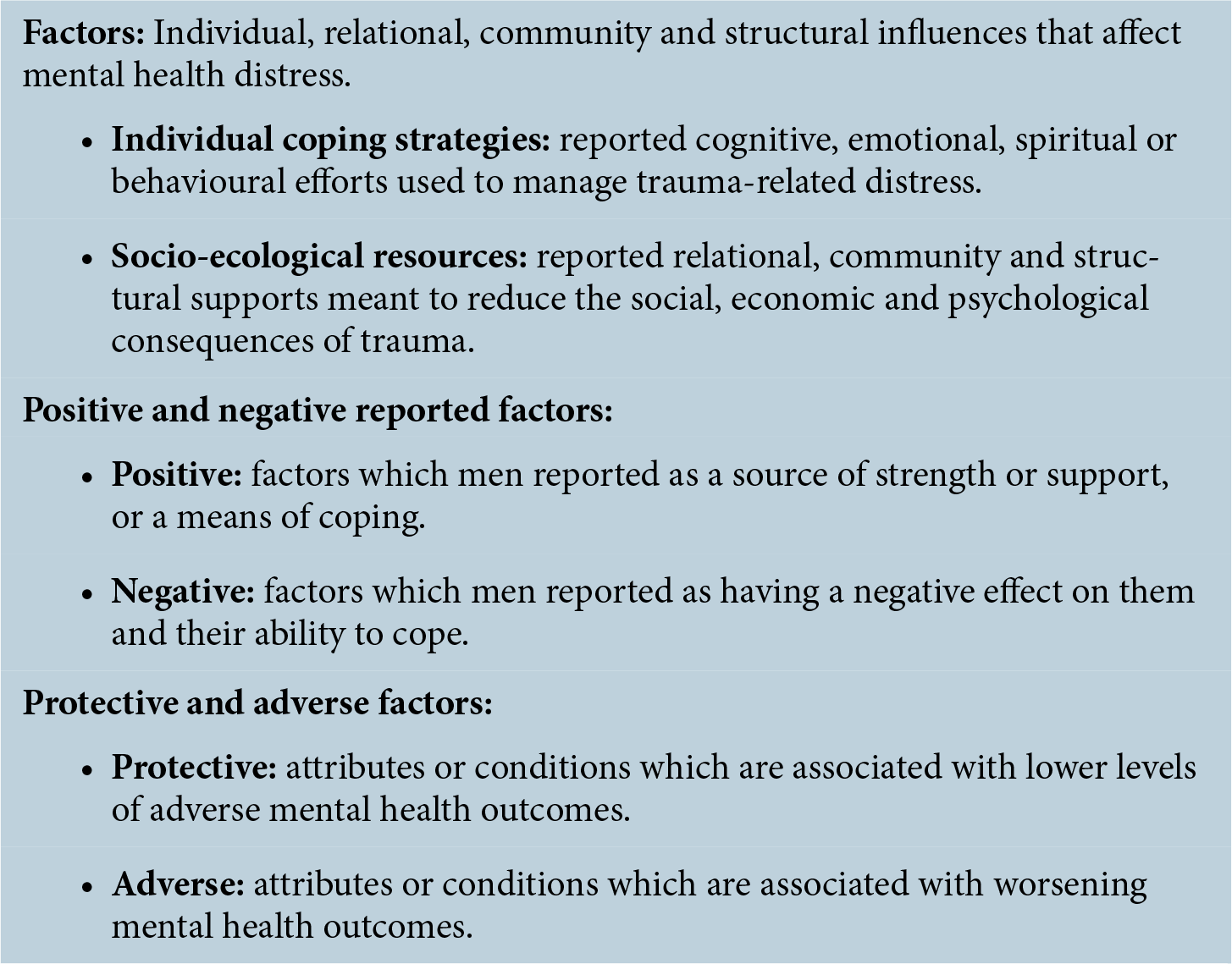
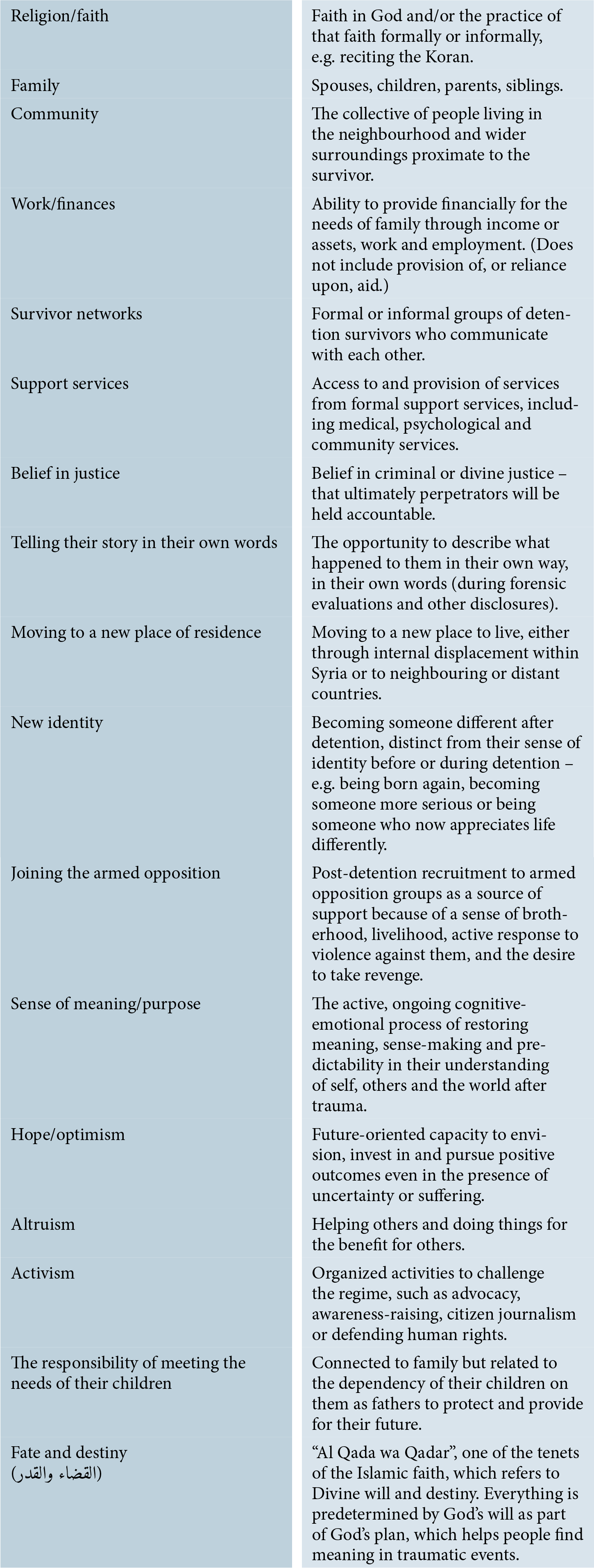
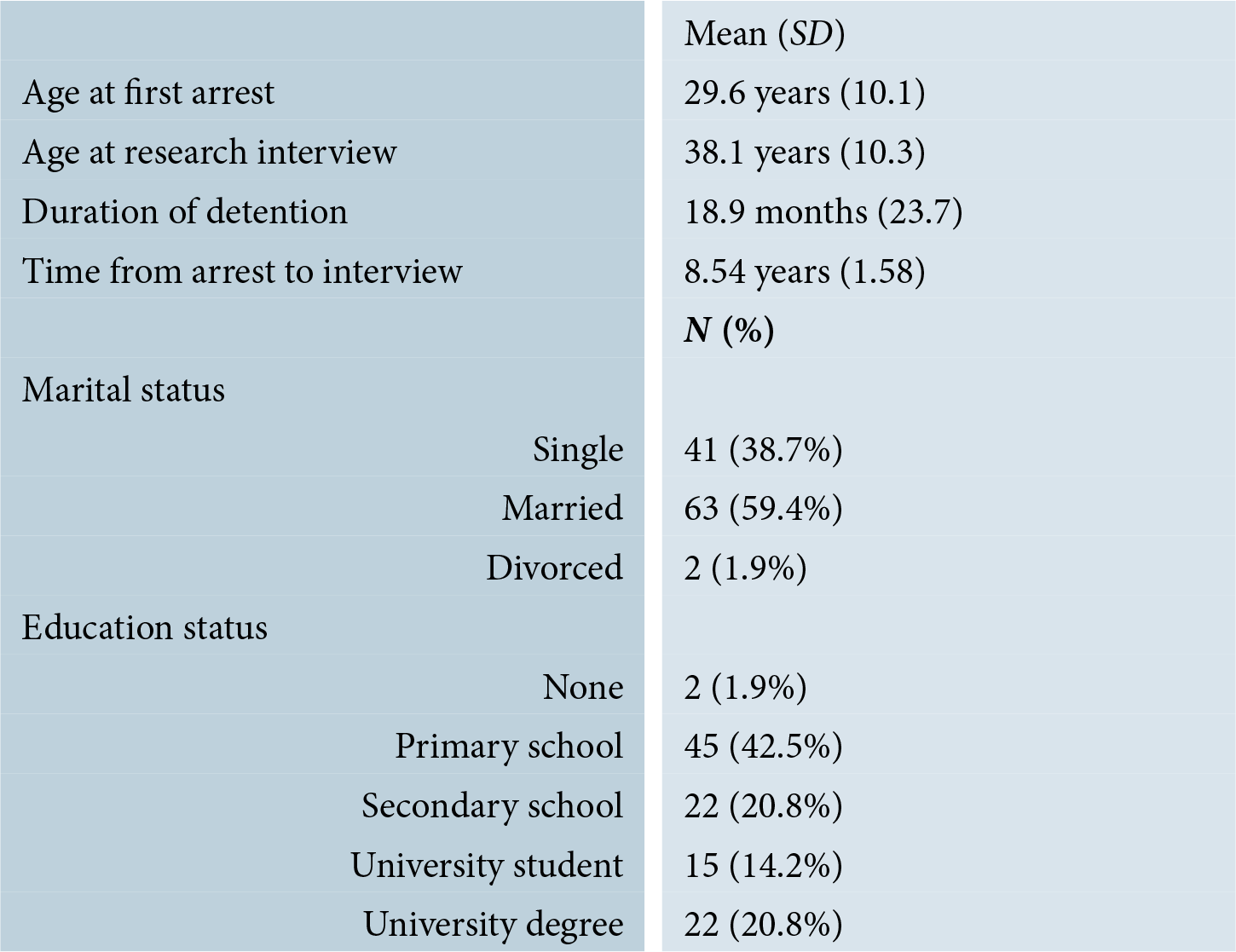
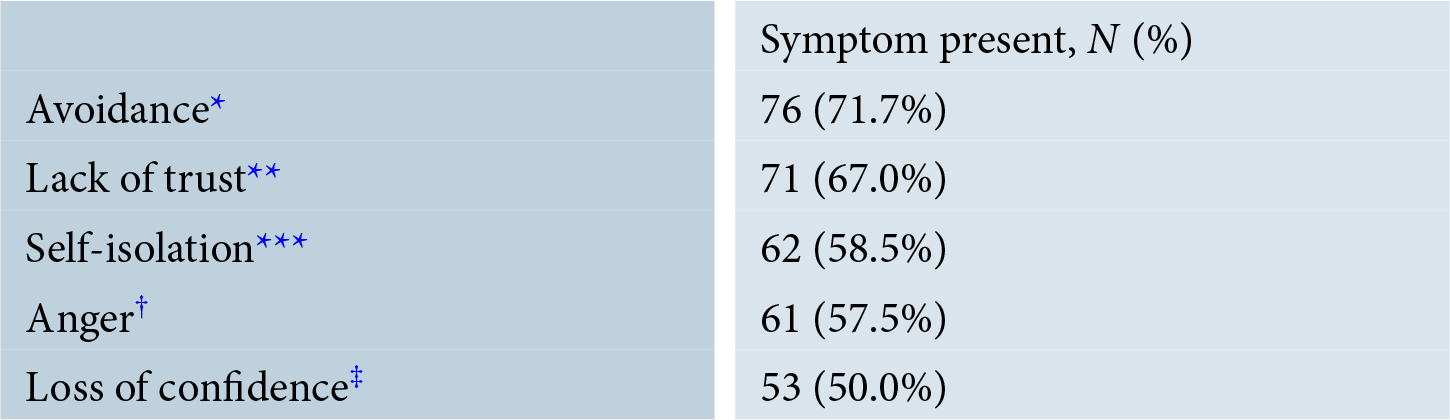
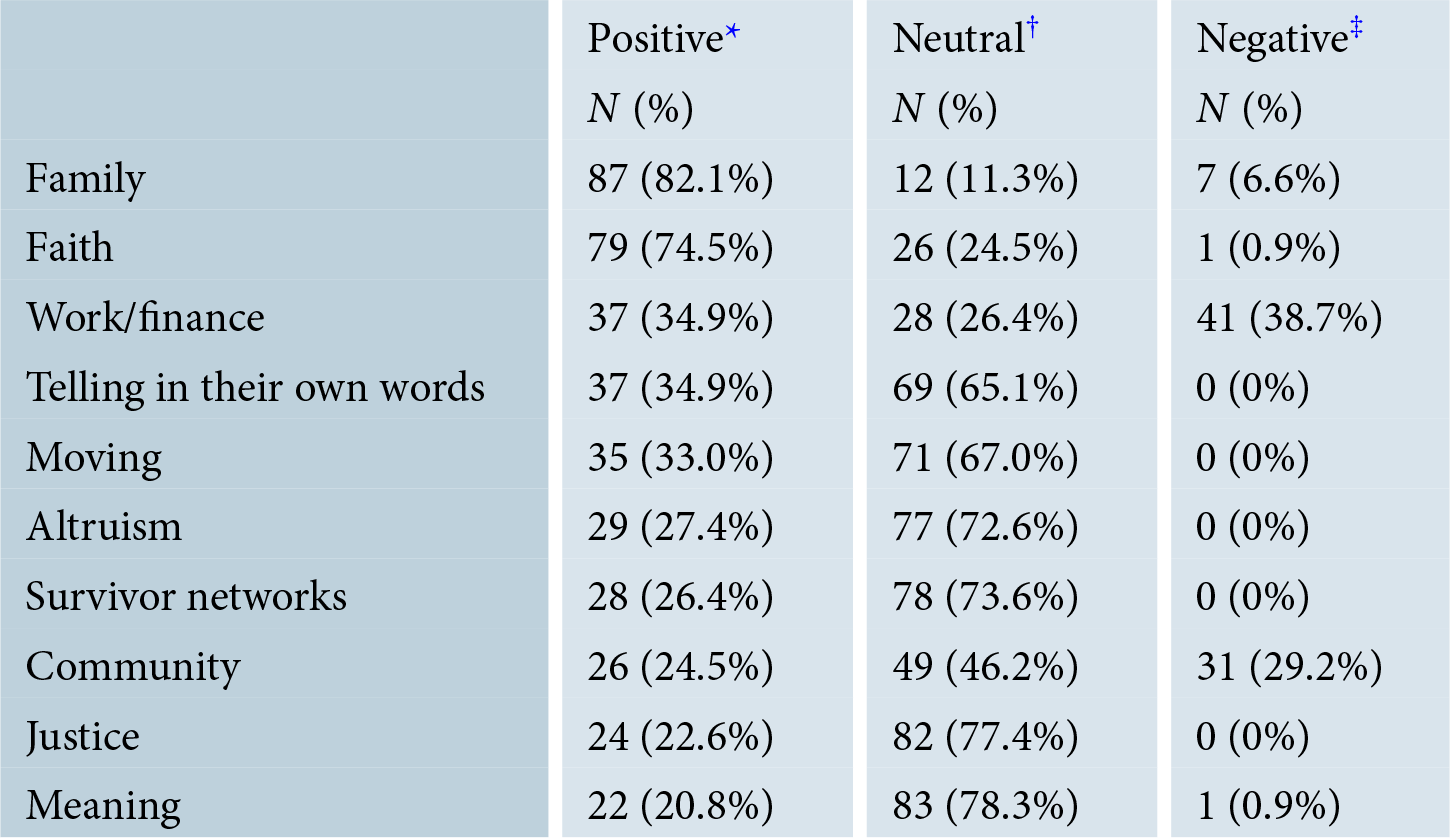
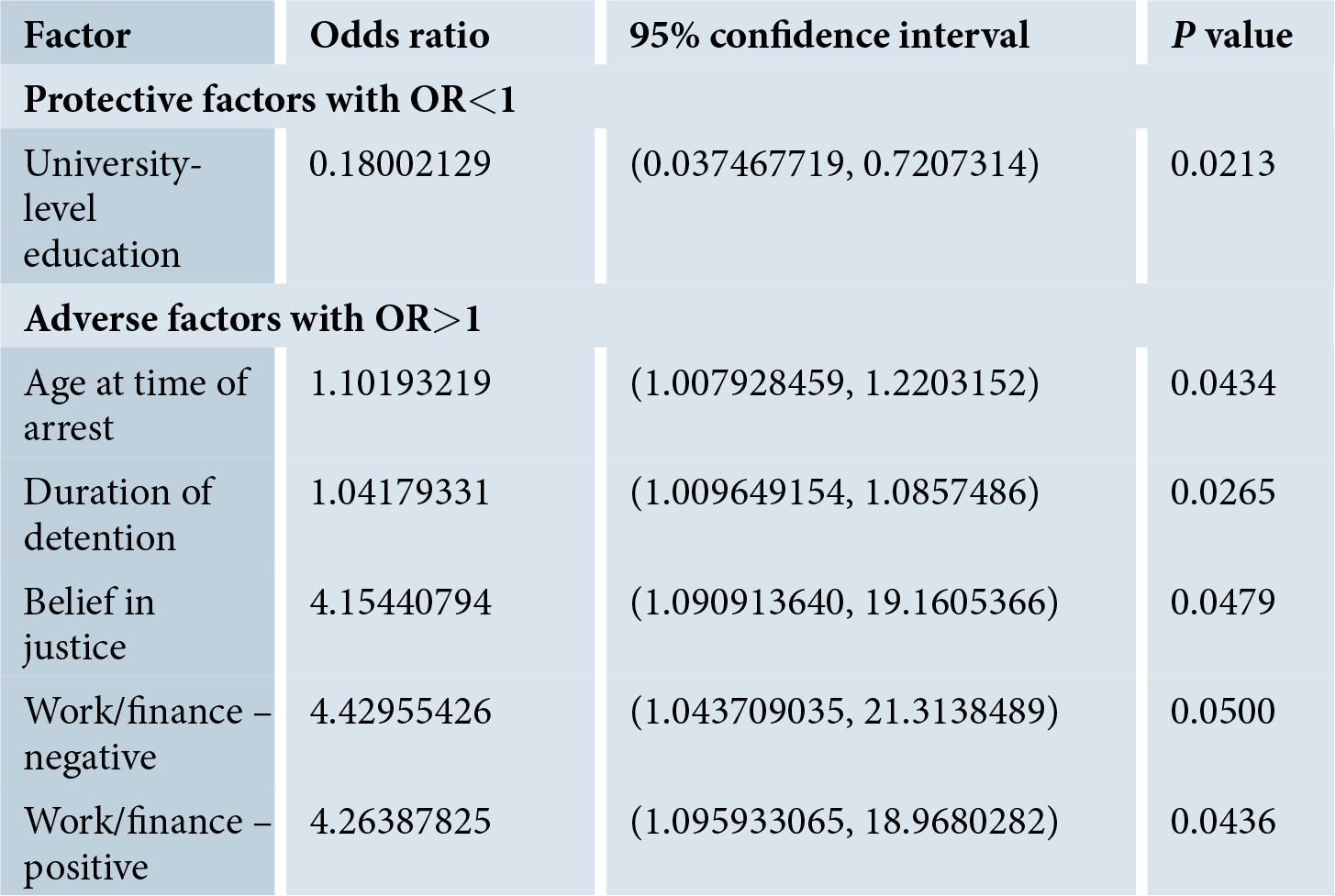
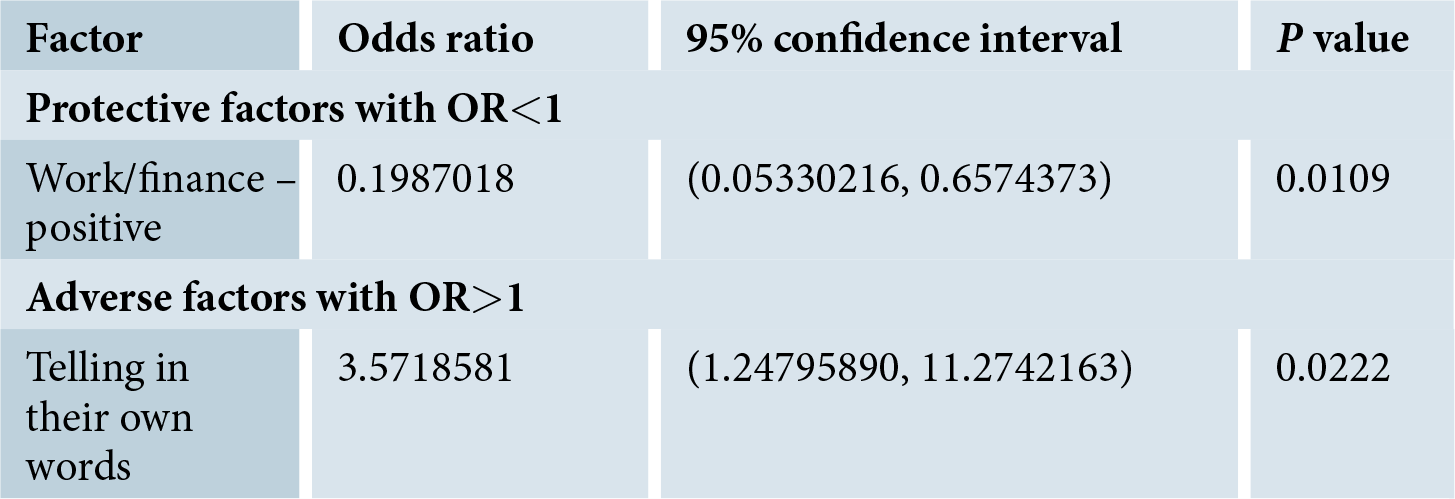
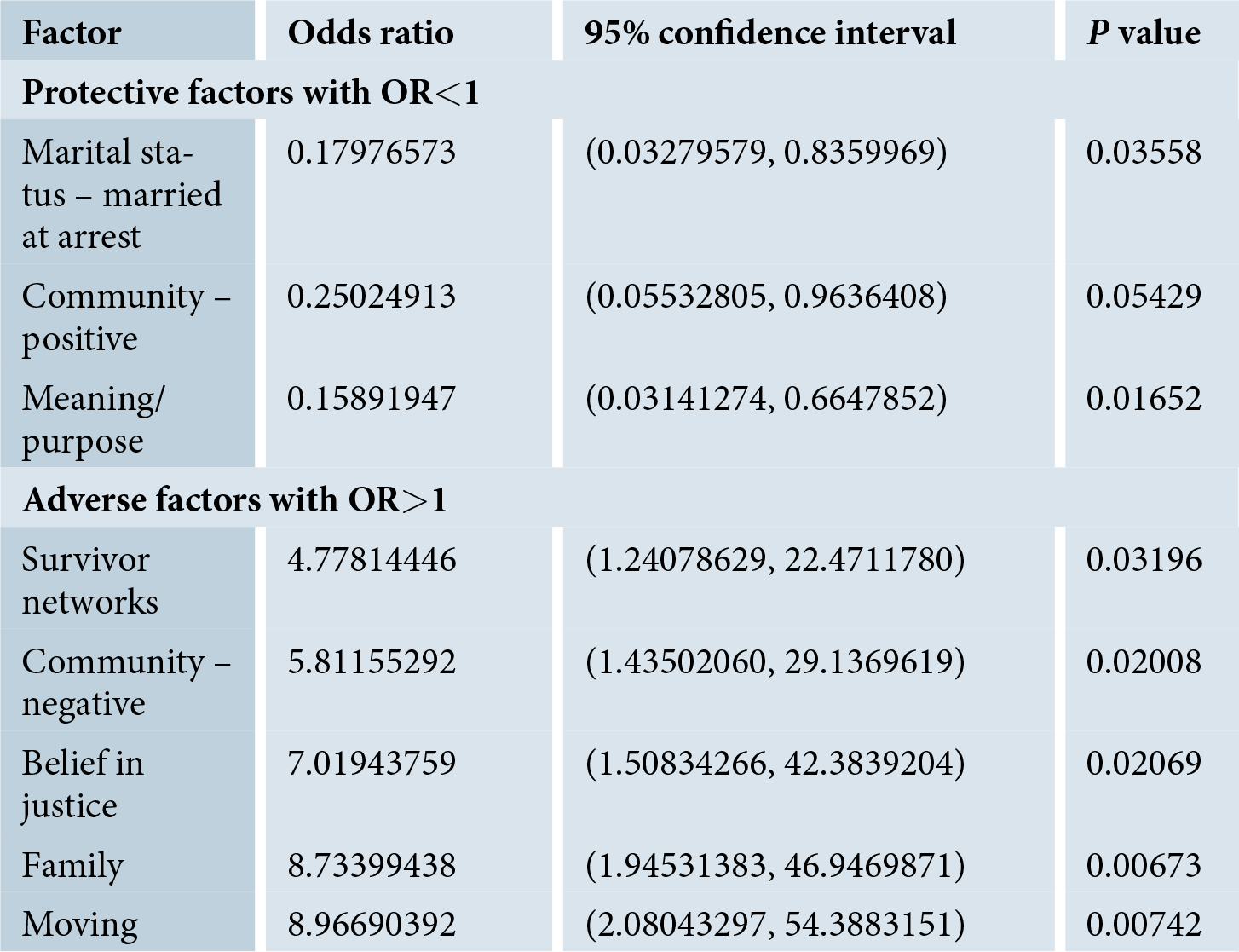
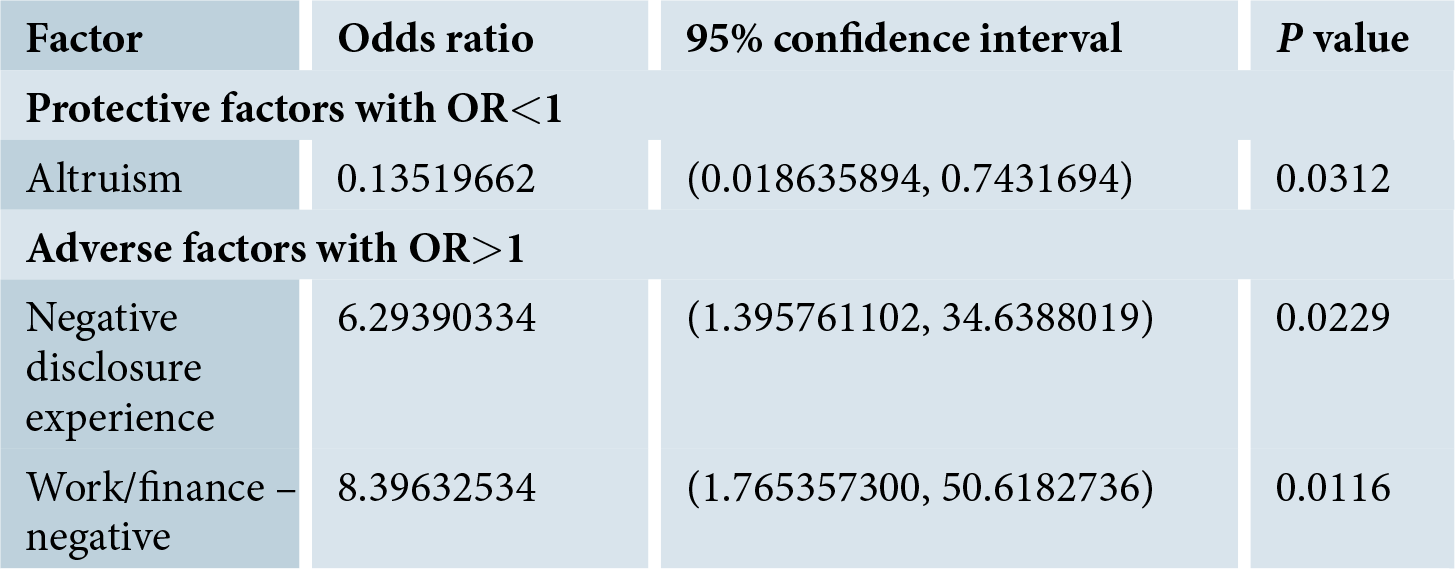
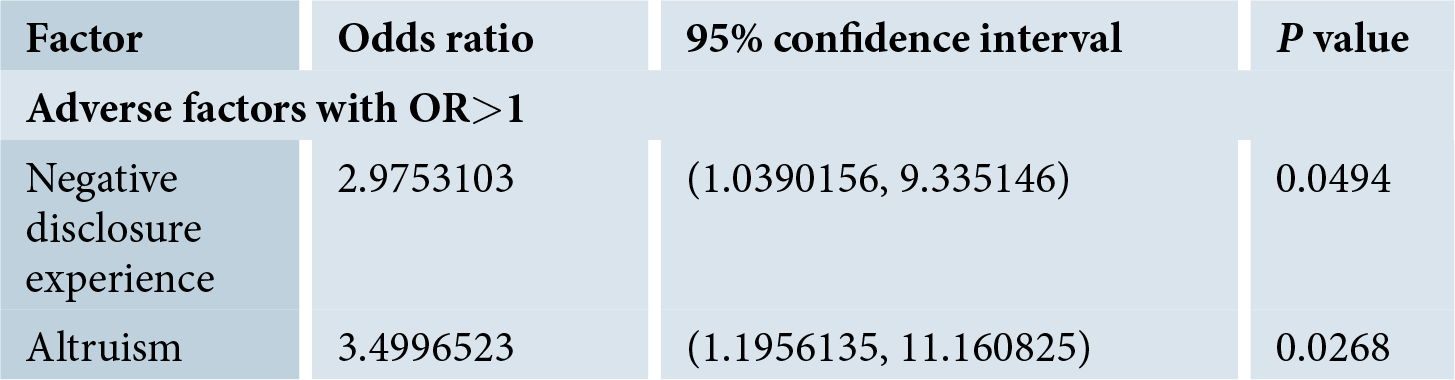


 Open access

