


In Part I of this volume Charis Psaltis states that the direct predecessors of the theoretical framework of genetic psychology he is developing can be found in Piaget’s genetic epistemology, Lucien Goldmann’s genetic structuralism, and Serge Moscovici’s genetic model of social influence. The ideas of these scholars were further elaborated in Gerard Duveen’s contributions directed towards the advancement of genetic social psychology. Psaltis states that common threads binding these approaches together were the concepts of the dialectics of genesis and structure, part–whole relations and temporality. Psaltis emphasises that these common threads were linked with the fundamental epistemological questions that had already preoccupied philosophers such as Immanuel Kant, Georg W. F. Hegel and Karl Marx. In this commentary I shall suggest that while the questions about the nature of knowledge bind these philosophers together, their proposed answers surpass their common links because, depending on their epistemological presuppositions, their answers are based on diverse concepts concerning the nature of knowledge. Consequently, these answers were reflected in different ways in the contributions of Piaget, Goldmann, Moscovici and Duveen in their studies of the dialectics of genesis and structure.
Epistemological questions of Kant, Hegel and Marx about the nature and possibility of knowledge necessarily bring into focus the relations between the knower and the object to be known – that is, between the individuals’ minds and their outside world. The objects to be known in the outside world encompass physical, biological, social and symbolic phenomena and, therefore, entail different modes of understanding. In posing questions about the nature of knowledge, Piaget and Goldmann approached them in terms of relations between the individual (or transindividual) and object, while Moscovici and Duveen approached them as the triadic self–other–object relation. Epistemological issues these different kinds of relations imply are fundamental for answering the questions about the dialectics of genesis and structure. However, as we shall see in this commentary, answers to these questions are determined in specific ways in concrete instances of the problem these researchers attempt to solve.
There are several concepts that, in my view, distinguish Piaget’s genetic epistemology from interactional (or genetic) epistemology of Moscovici. Among these, I shall choose three of Piaget’s concepts that exemplify theoretical distinctions between Piaget and Moscovici, namely the epistemic subject, equilibrium and a linear or continuous development. These concepts of Piaget are of course well known to all developmental psychologists, but I shall briefly remind the reader of them in the first part of my comment; they also apply to Goldmann’s interpretation of Piaget’s theories. In the second part of my comment, I shall discuss oppositions to these three concepts in Moscovici’s and Duveen’s genetic epistemologies.
Genetic Epistemology of Piaget and Its Interpretation by Goldmann
Epistemic Subject
In his Critique of Pure Reason, Immanuel Kant (1781/Reference Kant1929) stated that despite enormous efforts of rationalists and empiricists, their attempts to answer the question of how knowledge is possible have failed. Both rationalists and empiricists assumed the existence of two separate realities: the knower and the object to be known. Rationalists presupposed that the mind logically deduces the truth from self-evident universal principles and applies them to reality. Empiricists presupposed the existence of the physically structured reality which humans acquire in daily experience by inductive reasoning. Rationalists and empiricists, such as Descartes and Locke, thought that ideas, either innate or acquired in experience, respectively, merge together and resemble objects in the outside world. For example, Locke stated that an object that signifies a swan is composed of simple ideas such as white colour, long neck, red beak and so on. These simple ideas, when connected, resemble a swan (Locke, 1690/Reference Locke and Yolton1961, II, xxiii) existing in the outside world.
In contrast, Kant postulated that the ideas of humans do not resemble objects as Descartes and Locke thought. Having been critical of the duality between the knower and the object to be known, Kant introduced the concept of a ‘phenomenon’ (appearance) that explained how objects appeared to individuals. He assumed that structural elements of knowledge which organise human experience are mental structures. The ‘phenomenon’ or an ‘appearance’ of an object results from interaction between the knower’s (subject) mental structures and the object of knowledge. Kant argued that objects (appearances) must conform to human concepts (Kant, 1781/Reference Kant1929, B xvi–xviii). He proposed that the knower (subject) is equipped with a priori mental structures or categories such as time, space, number, quantity, and causality and others. Categories impose themselves on the knower’s experience of objects, and so they construct their appearances. Therefore, Kant viewed the knower as an agent in the construction of knowledge. This Kant’s idea was a vital innovation in philosophy. However, Kant conceived a priori categories of knowledge as atemporal and fixed universals, thus following the Platonic concept that true knowledge was atemporal and universal.
Just like Kant, Piaget was critical of rationalism and empiricism, and he suggested that the major determinants of the individual’s knowledge were mental structures. However, in contrast to Kant, he believed that mental structures produce knowledge in the process of the structuration of biological tendencies of the human mind in their living environment. These processes, to which Piaget referred as ‘genetic epistemology’, take place during the child’s development, and are the proper solution to the problem of knowledge. New structures are progressively elaborated by the child as an epistemic subject (Piaget, Reference Piaget and Mussen1970, p. 728) in the dialectical process of development and transformation. This process is rational, and it logically evolves in the epistemic subject due to autoregulation and equilibration. The epistemic subject, which became the centre of genetic epistemology, was an analytical abstraction conceived as an ideal knower cognising physical objects or persons. The epistemic subject was concerned with the forms of knowledge rather than with concrete contents of the individual’s knowledge. These forms were common to all children who are at the same level of development of cognitive structures. Piaget distinguished the so conceived epistemic subject from the psychological subject, which included non-cognitive activities of the individual.
Duveen (1984/Reference Duveen, Moscovici, Jovchelovitch and Wagoner2013, p. 73) drew attention to the difference between the epistemic and psychological subject already in his early writings and continued to refer to it throughout his career. He did not use the concept of Piaget’s epistemic subject in his own work but was concerned with a holistically conceived psychological person including cognitive and non-cognitive activities in his/her interactions with others. Although he was critical of Piaget’s view of the epistemic subject as being ‘transindividual’ (see later discussion), Duveen emphasised that it was essential for Piaget’s theory to conceptualise the epistemic subject as an abstract concept in order to bring into focus the point of view that the epistemic subject was not an individuated subject. Nevertheless, Duveen kept emphasising that one of the limitations of Piaget’s genetic epistemology was that it did not pay attention to the holistic psychological subject.
Piaget’s concept of epistemic subject was related to his approach to language. Elkind (Reference Elkind and Piaget1967) pointed out that the Piaget essay on ‘Language and thought from the genetic point of view’ is one of few attempts of Piaget to deal systematically with the relation between thought and language. Piaget’s position was that language and thought have different origins: thought is derived from the abstraction of the child’s acting upon things, while language arises from imitations provided by adults and, therefore, is not the product of the child’s proper activity. While thought precedes language, once language emerges, language and thought become linked in a genetic circle, in which they ‘both depend on intelligence itself, which antedates language and is independent of it’ (Piaget, Reference Piaget1967, p. 98). When language emerges, it starts to interact with and becomes a tool for further transformation of thinking, and for the attainment of more advanced forms of equilibrium. Having explored language in concrete operations and propositional logic, Piaget concluded that language is necessary but not sufficient to construct logical operations, because these are rooted in actions of thinking and in sensorimotor mechanisms, and these, Piaget emphasised, are deeper than linguistics.
Equilibrium
In his essay on ‘Genesis and Structure in the Psychology of Intelligence’, Piaget (Reference Piaget1967) explained what he meant by ‘structure’ and ‘genesis’. He defined ‘structure’ very broadly, as a system which has laws and properties as a totality. It holds true for human species; as forms of knowledge are progressively constructed, their emergence is explained by assimilation and accommodation as the two poles of an interaction between the organism and the environment (Piaget, Reference Piaget1954, p. 353). Development is an active process of progressive equilibration (e.g. Piaget, Reference Piaget1967, p. 104) through the transformation of disequilibrium and re-equilibration of cognitive structures. Equilibration is achieved when new contents and newly formed kinds of knowledge are integrated into the existing cognitive mathematical and logical structures through a succession of stages. While equilibrium is characterised by stability, it does not mean immobility. Equilibrium is both mobile and stable. Its stability is achieved by movements in opposite directions. Its specific role is to compensate for the intrusion coming from the external world by the actions of the subject: ‘Equilibrium, thus defined, is not something passive but, on the contrary, something essentially active; the greater the equilibrium, the more activity is required … Equilibrium is synonymous with activity. … A structure is in equilibrium to the extent that an individual is sufficiently active to be able to counter all intrusions with external compensations’ (Piaget, Reference Piaget1967, p. 151).
Linear or Continuous Development
Piaget’s theory of the child cognitive development postulated the stages in which knowledge becomes progressively more complex. This development is hierarchical, in which lower stages form a necessary grounding for the higher stages. Each stage is characterised by equilibrium, and its disturbance forms the basis for a restructuring that leads to a higher stage. The stage development presupposes a hierarchical development conceived as a progressive continuity and as a path towards the development of logical thinking. The stage development is a fundamental Piagetian perspective in which the child, by means of assimilation and accommodation, acquires progressively higher forms of knowledge. Such linear and continuous process was also incorporated in Durkheim’s perspective, by means of which, in a historical process, religious representations are gradually transformed into scientific representations.
Lucien GoldmannFootnote 1
Piaget’s ‘genetic epistemology’ attracted the Romanian humanist, philosopher and sociologist Lucien Goldmann (1913–1970). A deeply convinced Marxist, Goldmann migrated through several European countries, and during the Second World War he came to Switzerland to work with Piaget whom he viewed as ‘the most authentic dialectician, at least in the West’ (Cohen, Reference Cohen1994, p. 57). Goldmann was a prominent critic of static forms of structuralism in literature and arts, to which he applied his method of genetic structuralism. As a part of his critique, he attempted to synthesise György Lukács’s Marxist philosophy and genetic epistemology of Piaget.
Goldmann (Reference Goldmann1959) was convinced that there was a strong correspondence between Piaget’s genetic epistemology and Marx’s dialectical method. He believed that Piaget’s ideas concerning the epistemic subject’s construction of knowledge as a universal process corresponded to Marx’s position according to which the individual must be conceived as a transindividual subject – that is, as a subject who, in basic respects, is the same as other subjects. Goldmanm adopted the credo of young Marx: ‘Man’s individual and species-life are not different … In his consciousness of species man confirms his real social life and simply repeats his real existence in thought, just as conversely the being of the species confirms itself in the species-consciousness and exists for itself in its generality as a thinking being’ (Marx, Reference Marx1959, p. 46, emphasis in the original). In this context Goldmann quoted Piaget saying that ‘it is necessary for sociology to envisage society as a whole, even though this whole, which is quite distinct from the sum of individuals composing it, is only the totality of relations or interactions between these individuals’ (Piaget, 1947/Reference Piaget2001, p. 171). These references show why Goldmann viewed Piaget’s genetic epistemology as a parallel to the Marxist dialectic method. As a psychologist, Piaget was concerned with the development of equilibrium between the individual’s cognition and natural environment, and this process was the same for all subjects at the same developmental stage. As a sociologist, Goldmann argued that every social group – that is, the transindividual subject – looks for equilibrium in developing a coherent response to problems that are common to all members, in their social and natural environment. Goldmann’s transindividual subject creates history, generates world views and makes possible societal changes (Boelhower, Reference Boelhower, Goldmann and Boelhower1980). World views have concrete historical and cultural contents. They cannot be developed by individuals; they are forms of collective consciousness. Collective consciousness of social classes is linked with their actions. As social classes make up fundamental sections of society, they can achieve societal changes that individuals could never make,Footnote 2 by understanding the relations of production and the development of productive forces.Footnote 3 Goldmann emphasised that his concept of collective consciousness had nothing to do with Durkheim’s ‘collective consciousness’ because Durkheim’s concept was external to subjects existing as affixed reality (Goldmann, Reference Goldmann1980).Footnote 4
Subject–Object in Piaget’s and Goldmann’s Genetic Epistemologies
To the extent that Piaget and Goldmann conceived the question of knowledge in terms of the relation between the subject and object, they both followed Kant’s solution, according to which the knower (subject) is equipped with the structural elements of knowledge. In contrast to Kant, the active epistemic subject of Piaget and of Goldmann constructs knowledge from these mental structures during his/her experience in interacting with biological and social environment, explained as ‘genetic epistemology’ and ‘genetic structuralism’, respectively. According to both scholars, the subject’s mental structures were the same for everybody in human species. I suggest that this presupposition implied that to explain the nature of knowledge, it was not necessary to postulate the concept of the other because in cognitive terms, the other was the multiplied single subject. ‘Others’ existed, of course, in non-cognitive terms as psychological and social individuals, but with respect to generating knowledge, ‘others’ were no more than mental structures that were the same for everybody.
Goldmann, however, as a sociologist, went beyond this point of view. He emphasised cultural and historical changes in societies in which groups were dependent on other groups and linked to class consciousness. The Marxist notion of class consciousness was inseparable from social practices by means of which proletariat would achieve its historical goal of uniting working people, developing a new world view and substituting the capitalist systemFootnote 5 by socialism.
I suggest that the most important issues that attracted Duveen to Goldmann were (1) Goldmann’s social, historical and cultural approach and (2) the concept of identity. Concerning the former, Goldmann’s dialectics went far beyond Piaget’s epistemic subject with its emphasis on the links between collective action and collective consciousness. Duveen suggests that in child development, the external coordination of the child’s action with others is important for the child’s construction of internal coordinations of actions – that is, for the construction of operations. These operations are products of collective actions, and Duveen (1984/Reference Duveen, Moscovici, Jovchelovitch and Wagoner2013, p. 71) refers again to Goldmann’s transindividual subject. According to Goldmann’s perspective, both the epistemic subject and the transindividual subject are active and collective agents. Their functions in social events are defined as activities of the social subjects who are adapting or transcending their natural and social environment (Mayrl, Reference Mayrl1978).
For Duveen, Goldmann’s approach offered a historically and culturally based social perspective on child development and the acquisition of identity. Without going into complex arguments about the separation of the subject and the object of knowledge (see earlier discussion) and about the identity of subject and object in Marx, Hegel and Lukács, Goldmann postulated the concept of partial (or possible) identity, linking it to culture or world views.Footnote 6 Identities are constructed in cultures, which for Duveen meant that they were constructed in social representations. Duveen acknowledged Goldmann’s ideas that stabilities and changes in identities are linked to stabilities and changes of representations and social influences as cultural phenomena. Identities are not fixed forms of consciousness, but they are possible forms of consciousness because they develop in the changing world views. Identities constrain representations in the sense that they determine what forms of consciousness individuals or groups might find acceptable and what they might resist. Goldmann thought that potential (possible) consciousness was the most important contribution to the dialectical method (Mayrl, Reference Mayrl1978). Duveen also appreciated that Goldmann linked identity to communication by drawing attention to what is possible to communicate and what is incommunicable. In problematic communication, cultural identities become particularly visible (Duveen, 2001/Reference Duveen, Moscovici, Jovchelovitch and Wagoner2013).
In conclusion, let us remind ourselves that the question of ‘genesis’ or ‘development’ was a feature of not only ‘genetic epistemology’ but all social and humanistic approaches that rejected non-developmental positions of rationalism and empiricism since the late 17th century (e.g. Vico) through to the 20th century (e.g. Mead, Levinas, Bakhtin and many others). Some of these scholars also emphasised structures of thought, or were sympathetic to structural approaches (e.g. Marx, Husserl, Luckmann, Berger, Schutz, Cassirer). The uniqueness of Piaget and Goldmann was to place ‘genesis’ and ‘structure’ at the centre of their approaches. Concerning Goldmann’s interest in Piaget’s genetic epistemology, I suggest that although it was motivated intellectually, it was primarily inspired politically. As a convinced Marxist, Goldmann viewed and interpreted all genetic ideas of Piaget in terms of Marxist dialectic, disregarding any other possibilities.
In discussing the psychology of intelligence, and the structure and genesis in psychology, Piaget (Reference Piaget1967) commented that psychology, in contrast to sociology, did not stem from systems such as those of Hegel and Marx. In the history of psychology and biology, Piaget argued, although the concepts of structure and genesis have been used, they were not conceived as dialectically related: genesis was conceived without structure or structure without genesis. According to Piaget, genesis originates from a structure and culminates in another structure. All structures presuppose a construction, and therefore, structure and genesis are indissociable. In psychology and biology, dialectics of structure and genesis was developed by Piaget, Vygotsky, Moscovici and Duveen (see Psaltis, Part I of this volume).
Piaget was sympathetic to Goldmann’s efforts to develop genetic structuralism in human and social sciences. He appreciated Goldmann as ‘a creator of ideas as one rarely meets in a lifetime’ and ‘the inventor of a new form of symbolic thoughts’ (Cohen, Reference Cohen1994, p. 4), and he arranged in Switzerland a studentship for Goldmann’s PhD project on Kant. Goldmann made Piaget read Marx, but it is not clear to what extent Piaget adopted Goldmann’s ideas in his genetic epistemology.
Genesis and Structure in Moscovici’s and Duveen’s Approaches
In his article on ‘Genesis and structure’ Duveen (Reference Duveen, Deaux and Philogène2001/Reference Duveen, Moscovici, Jovchelovitch and Wagoner2013) posed the question: In what ways did Piaget inspire Moscovici? He responded to his query by referring to Moscovici’s concern with the study of structures and social change: ‘most characteristic of Moscovici’s socio-psychological imagination is the attempt to thematise change’, or even better, ‘it is the way in which change is thematized in Moscovici’s social psychology which is distinctive’ (Duveen, Reference Duveen, Deaux and Philogène2001/Reference Duveen, Moscovici, Jovchelovitch and Wagoner2013, p. 61). Yet despite this, while adopting Piaget’s constructivist epistemology in general terms as an opposition to static approaches to the acquisition of knowledge, Moscovici conceived ‘structure’ and ‘genesis’ as being embedded in the triangular relation of the self–other–object. This signified several vital epistemological differences between him and Piaget. First, in contrast to Piaget, who studied logical and mathematical constructions in child development, Moscovici studied transformations in social knowledge not only in terms of relations between thought and action but, vitally, as a process of communication. Second, and following from the first, in contrast to Piaget, for Moscovici language was not just a tool expanding thought but the defining feature of social knowledge and of social influence. Therefore, the relation between self and other was characterised not only by cooperation and constraint in terms of action and interaction; rather, these were language- and communication-based activities.
Duveen (2001/Reference Duveen, Moscovici, Jovchelovitch and Wagoner2013), who adopted the triangular model in his studies, emphasised that to understand transformations of social knowledge, following Moscovici, we must focus not only on dynamics of cognitive processes but also on transformations of values, ideas and practices. These developmental processes are always embedded in communication, whether interpersonal or mass mediated, and this implies that ‘the structure of any social representation is a construction and thus the outcome of some developmental process’ (Duveen & Lloyd, Reference Duveen and Lloyd1990, p. 5). This sociogenetic perspective was the feature of the three above-mentioned concepts that distinguished Piaget’s genetic epistemology from Moscovici’s epistemology, as will now be shown.
Epistemic Subject versus Psychological Subject
Duveen and Psaltis (2008/Reference Duveen, Psaltis, Moscovici, Jovchelovitch and B. Wagoner2013) pointed out that even in his most sociological writings Piaget did not appreciate the constitutive importance of social interaction in the genesis of structures. In contrast, social interaction is the leading force in Duveen’s sociogenesis, and particularly in microgenesis. Rather than adopting Piaget’s model of the epistemic subject in the form subject–object in the child’s development of knowledge, Duveen embraced the triangular ego–alter–object relation (Moscovici, Reference Moscovici, Israel and Tajfel1972), making the constructivist position inherently social. The child does not acquire knowledge solely through his or her own reasoning, but he/she constructs knowledge in the dynamics of social life which involves values and ideas that are embedded in communication and social practices. The child–child–task/object is a fundamental unit of analysis in the studies of interaction and knowledge and an excellent example portraying the ego–alter–object triangular model of the epistemology of social representations. This epistemology assumes the totality of living experience embedded in, and accumulated through, history and culture.
The epistemology of living experience implies that in one sense, relations between the ego–alter are those of constraint and force, leading to compliance due to the authority of the other. In another sense, relations between the ego–alter capture trust and communication rather than in the constraint due to asymmetric relations and authority. Developmental, situational, cultural and societal constraints carry the symbolic value in social representations.
Equilibrium versus Development through Conflict
One of Moscovici’s early influences was Wiener (Reference Wiener1948) who, in his studies of cybernetics, explored logical relations between the individual and social groups. He showed that individuals do not create a group or community to achieve homeostasis, but that a society is created by numerous kinds of interactions among members and their modes of communication involving patterns, gestalts and configurations. The concepts of ‘structuredness’ and ‘formness’ in cybernetics thus fundamentally contrasted with concepts of ‘elements’ or ‘stimuli’ and with their aggregates that prevailed in positivistic and behaviouristic approaches at the time. Equally, these concepts contrasted with many kinds of interaction in social psychology that were characterised by the tendency for symmetry, homeostasis, reciprocity and equilibrium, all searching to establish or restore balanced states. For example, Kurt Lewin’s group dynamics is underlain by the idea of homeostasis and equilibrium among interacting agents and driving forces encouraging social change and restraining forces that resist change (Lewin, 1947/Reference Lewin and Cartwright1951). The driving and restraining forces both contribute to creating equilibrium. Piaget’s concept of interaction, just like Lewin’s interaction, places emphasis on equilibration of cognitive structures through accommodation and assimilation (Piaget, Reference Piaget1954).
In a series of articles published in the 1990s, rather than building on psychological and sociological concepts of interaction, Galam and Moscovici (Reference Galam and Moscovici1991, Reference Galam and Moscovici1994, Reference Galam and Moscovici1995) took as their point of departure thermodynamics and statistical physics, specifically the concept of spontaneous symmetry breaking. Drawing on electrodynamics, they discussed the breaking of symmetry as a more general phenomenon that is ‘evidenced at several levels of reality from cosmology to biology’ (Galam & Moscovici, Reference Galam and Moscovici1994, p. 481). Both physical and biological systems emerge from spontaneous movements of matter, from its symmetrical to asymmetrical states – that is, from static to dynamic states. The concept of symmetry in modern physics retains its importance with reference to laws of invariance, and it still dominates certain fields in physics, for example, the theory of relativity (Einstein rejected the concept of asymmetry as being too complex). Nevertheless, spontaneous symmetry breaking has become one of the most important concepts in accounting for dynamic physical effects and has become widely discussed and researched. Interaction breaks invariances; when humans interact and become interdependent, homeostasis and symmetry change into asymmetric and diverse forms of interaction. Individuals have a capacity to switch from asymmetry to symmetry, from equilibrium to disequilibrium, from conformity to innovation, and vice versa. It is the breakdown of symmetry that initiates a dynamic order, an order that is evolving, encouraging innovative ways of thinking, differentiating and generating new patterns of knowledge, beliefs, images and activities (Galam & Moscovici, Reference Galam and Moscovici1994).
Interactions in social representations are directed towards both symmetries and asymmetries. Symmetries lead to compromise and a relative stability of social representations and recall Durkheim’s collective representations. Some forms of communication, such as rumours or information provided by the media, may seem to encourage the metaphor of the spread by contagion (Sperber, Reference Sperber, Fraser and Gaskell1990) and relative inactivity. In contrast, asymmetries of knowledge and of perspectives in which humans are actively involved are likely to create conflict and tension, instigate communication and motivate innovation.
Pre-established Stages versus Dynamic and Open Systems
Finally, Moscovici rejected Piaget’s perspective that mental structures are determined by pre-established stages. Instead, he was attracted by two kinds of new developments that were taking place during the 1950s and 1960s. One was the phenomenological perspective of Merleau-Ponty (Reference Merleau-Ponty1964) who understood child’s development as a dynamic and open system in a holistic manner. Merleau-Ponty (Reference Merleau-Ponty1964) did not view the child’s representations as being initially inadequate or irrational and only gradually, through the passage of cognitive stages, reaching mature and logical adult thinking. Instead, Merleau-Ponty emphasised that children’s mental processes and activities are adequate to their ‘lived experience’ in which these processes and activities take place. The other development concerned newly emerging fields such as cybernetics, system theories and communications. Among these, Moscovici was attracted to the study of intricate interactions between humans and nature. Exploring the interdependence between nature and culture, humanity and animality, as well as nature as historical and humans as natural, Moscovici (1974/Reference Moscovici2012) postulated the concept of biunique societies as a new episteme. ‘Biunique’ implied the one-to-one relationship between each society or community and its specific natural environment. Both humans and nature transform one another in the dynamic and historical process that for Moscovici defined the ecological movement in the 1960s and 1970s. Just like Moscovici, the French philosopher Edgar Morin adopted this perspective in the ecological movement. Morin’s epistemology of dialogical thinking and Moscovici’s new episteme were motivated by the Hegelian/Marxian ideas of dynamic and historical interdependencies of antagonistic processes. The dialogical principle regards antagonistic processes as being united in a complementary way in a single reality, and so indissociable from one another. Whilst the classic scientific thinking strictly separated order from disorder, organised from disorganised states, and rationality from irrationality, Morin (Reference Morin2008, p. 19) does not view opposites as excluding one another. Instead, the logical core of dialogical complexity is to treat ‘separability-inseparability, whole-parts, effect-cause, product-producer, life-death, homo sapiens-homo demens’ as complementary in the Hegelian manner. Moscovici subscribed to an open logic based on living experience without any predetermined stages. The structure transforms itself in dependence on the newly selected, de-selected and re-selected features based on the oppositional nature of human thinking, such as hidden/apparent, involuntary/voluntary, inner/outer.
Moscovici and Morin reject ‘hierarchy’ as an organising principle of the system. For Moscovici, the alternative to ‘hierarchy’ is not anarchy, promiscuity or randomness, but ‘heterarchy’, which means that the tasks between individuals and groups are distributed to coordinate their actions in cooperation. Heterarchy presupposes a decentralised organisation which safeguards a degree of freedom and establishes a reflexive relationship between parts. As an example of heterarchy, let us recall an extreme event showing multiple self–other relations that followed the catastrophe of the Grenfell Tower fire in London on 14 June 2017 in which 72 people tragically died. Flora Cornish (Reference Cornish2021), who has undertaken an ethnographic study of this catastrophe, showed multiple heterarchical relations between the self and members of the community and between the self, community and institutions. Cornish explained that while much literature focuses on ‘collective actions’ as being successful, the experience of activism after Grenfell has been characterised by frustrating partial wins, inertia, delays and setbacks, or what she calls ‘activism beyond hope and despair’. She described how the affected individuals transformed into activists demanding changes in public policies to ensure that such a tragedy would never happen again. Collective actions of survivors of the catastrophe and their struggle with institutions implicated by this event showed that activism is not modelled on a linear and hierarchical journey to succeed or fail, but is a frustrating heterarchical journey in which setbacks, glimpses of hope, delays and short steps forward all take pace simultaneously.
Conclusion
Although the constructivist epistemologies of Piaget, Goldmann, Moscovici and Duveen are linked by questions about the nature knowledge, I have tried to show in this commentary that these epistemologies are not ‘the same’. Their responses concerning the construction of knowledge are based on different concepts of rationality which, in one case, are answered in ‘cognitive’ terms and in the other case include both ‘cognitive’ and ‘non-cognitive’ characteristics. Such a broad distinction between constructivist epistemologies, however, requires further stipulations, because specific research and professional problems demand different epistemological arguments. Let us consider two examples which show that what is meant by the ‘same’ or ‘different’ epistemology depends on the problem with which the researcher is concerned in the concrete here-and-now.
In one context, Duveen (1997/Reference Duveen, Psaltis, Moscovici, Jovchelovitch and B. Wagoner2013) stated that Moscovici and Piaget shared the same epistemological stance. He made this claim in the context of Piaget’s and Moscovici’s defences and elaborations of their constructivist positions, arguing against empiricism or a priori rationalistic approaches: both Piaget and Moscovici insisted that human world is constructed from interactions between the individual and environment, and the term ‘genetic’ expressed the constructivist epistemological positions that they both held. To that extent it was meaningful to state that Piaget and Moscovici shared the same epistemological stance.
In another context, when Duveen was exploring (e.g. Duveen, 1984/Reference Duveen, Psaltis, Moscovici, Jovchelovitch and B. Wagoner2013; Duveen and Psaltis, 2008/Reference Duveen, Psaltis, Moscovici, Jovchelovitch and B. Wagoner2013) the epistemology of social representations within in the context of constructivism, he expressed doubts about genetic epistemology as formulated by Piaget. Piaget’s constructivist epistemology was concerned only with the epistemic subject and not with the psychological subject, and this seriously reduced the relevance of genetic epistemology for social representations. Duveen kept raising the perspective of Piaget’s differentiation between the epistemic subject and the psychological subject throughout his career, both defending and critiquing Piaget’s perspective (see also Psaltis, Part I in this volume).
In this commentary I chose this latter case in order to contrast constructivist epistemologies of Piaget/Goldmann (based on the subject–object interaction) and Moscovici/ Duveen (based on the subject–other–object interdependence). I focused on their diverse perspectives in relation to three concepts, namely epistemic versus psychological subject, equilibration versus the development through conflict, and linear or continuous development versus discontinuity. Both kinds of epistemology refer to themselves as dialectic. Piaget and Goldmann conceive their epistemologies as dialectic because they emphasise evolution and the transformation of knowledge. Just like the dialectic of Marx or Hegel, they assume the hierarchical development of less advanced into more progressive stages. These kinds of dialectic are based on the idea that evolutions and histories strive towards predetermined goals (for details of ‘histories’ with a goal, see Marková, Reference Marková2003, pp. 21–23). For Piaget, the dialectic hierarchical progression is completed when the child achieves formal operations.
Moscovici rejected dialectics based on the development in stages and hierarchies. He and Morin (see earlier discussion) argued that hierarchies are not organising principles of living systems. Instead, processes between individuals and groups are organised as ‘heterarchies’ – that is, decentralised organisations which safeguard a degree of freedom and establish reflexive relationships among components of the system. Moreover, the triadic self–other–object relation presupposes a communicative interdependence. Communication and dialogue are open processes that cannot be organised into hierarchies, and one cannot predict where the development will lead. This is one of the most important features that distinguish dialectics with a predetermined goal from dialogicality as an open system leading to undetermined events. As Michael Bakhtin insisted, the last word has not yet been spoken. Social representations, as Moscovici and Duveen showed, develop in and through dialogue.
Introduction
Psaltis (Part I in this volume) invites us to rethink the aims of social and developmental psychology to address our contemporary challenges better. We currently face a ‘polycrisis’ – that is, interacting crises that feedback on themselves, catalysing themselves. This term originated in the 1990s (Kern & Morin, Reference Kern and Morin1993) and has recently gained traction in characterising how several crises are compounding one another (Derbyshire, Reference Derbyshire2023). Climate change, inequality, infectious diseases, inflation and war are mutually reinforcing crises. This escalation creates uncertainty. What should individuals and societies do? The aim of science, Dewey (Reference Dewey1929) argued, is to reduce uncertainty.
One source of certainty in our unfolding polycrisis concerns our role in it. We can take hope and despair, in equal measure, from the fact that human behaviour is implicated in each crisis. While it is tragic that we are grappling with problems of our own making, it should also give us courage because in so far as we have made these problems, we also have the potential to address them. It is not just the polycrisis but specifically our role in either exacerbating or attenuating these crises that necessitates a rethink of social and developmental psychology.
Given our central role in the polycrisis, is it still sufficient for social and developmental psychology to describe people as they are? Questions about how people develop and interact, in a timeless sense, seem quaint. Surely, our current conditions call for more radical questions. How could we develop? What could we become? The question is not whether humans can agree a plan to address our various crises, but rather how we can make it so that humans can address these crises.
The Aims of the Research
While there is some debate about the extent to which the scientific method is independent of social and political concerns (Beland & Cox, Reference Beland and Cox2010), there can be no debate about the fact that what we choose to direct the scientific method at is inherently guided by social and political concerns. The problems that we choose to address with science reflect the concerns of our time (Mead, Reference Mead and Moore1936; Rorty, Reference Rorty1998). The scientific method can address an infinite number of questions, but the vast majority have no apparent theoretical or practical interest. For example, measuring the distance from each grain of sand on a beach to every other grain of sand would be a herculean task, dwarfing the resource investment of any scientific study to date. But we choose (quite sensibly) not to pursue it. The questions we choose to pursue tend to benefit someone – and not always the people being studied (e.g. research on advertising, persuasion and manipulation). The point is that there is no neutral scientific question because every scientific study entails a choice not to study something else. The choice of what to study is always social and political.
Social and developmental psychology have amassed mountains of empirical data – hundreds of thousands of studies. But Psaltis (2023) asks: What for? Beyond the cynical answer to this question – that it is ‘for’ career advancement – Habermas (Reference Habermas1968) has identified three broad interests guiding knowledge construction, namely technocratic, hermeneutic and emancipatory interests.
Technocratic interests seek knowledge that predicts, guides interventions and can influence the world and especially other people. For example, political parties use big and small data to make strategic choices on policy issues to increase the chances of being elected. Governments research the impact of remote working, lockdowns and citizen incomes to manage and guide societal changes. Technocratic interests do not require understanding, merely prediction and control. In the social sciences, technocratic interests often entail one group (e.g. companies, governments, health services) creating knowledge to predict the behaviour of another group (e.g. consumers, citizens, patients).
Hermeneutic interests seek knowledge that provides understanding, explanation and tells a good story. This interest leads to knowledge that provides insight into the world, history and the human condition. From a hermeneutic standpoint, technocratic knowledge (e.g. prediction) is unsatisfying because it does not explain the ‘why’ of human behaviour. Knowledge answering to hermeneutic interests does not need to predict or control anything; it only aims to explain, using narratives and metaphors, to help us make sense of our predicaments.
Emancipatory interests seek knowledge that empowers people to act on the world or themselves. Habermas (Reference Habermas1968) argues that this entails reflective reason grasping itself as interested and attempting to transcend those interests. Habermas gives the example of psychoanalysis, which provides people with concepts they can use to liberate themselves from their unconscious. Emancipation often begins with understanding the causes of behaviour, but then, through this understanding, humans can manipulate these causes to produce different outcomes. Thus, ironically, understanding these so-called causes of human behaviour can liberate humans from these causes, turning them into choices (e.g. choices about genetic modification, socialisation and education).
Psaltis’s (2023) proposal for genetic social and developmental psychology is emancipatory. He aims to offer a theory of social change as a road map that will enable humans to think critically and subsequently guide themselves into the future. Specifically, he seeks to build on the work of Piaget (Reference Piaget and Smith1977) and Duveen (Reference Duveen2008) to construct a theory that captures the dynamics of social change that foregrounds heterogeneity, identity and asymmetries. This aim is laudable and deserves our support. But does it go far enough to address our current polycrisis?
Using a road map entails a desired destination. Most maps can lead to many destinations. How should one choose? And how do tourists decide to travel to a destination that they have never been to before? They choose based on pre-imagined potential destinations. Before arrival, there is an expectation. Indeed, much of popular culture (films, novels, internet stories) scaffold our imagination of distant destinations, enabling us to imagine a wide range of destinations. These imaginations empower tourists to choose their destinations (Gillespie, Reference Gillespie, Simao and Valsiner2007). Similarly, we can conceptualise human development as a journey. From this standpoint, we need to begin with an understanding of the possible destinations of human development. Thus, it is not enough to have a theory of social change based on what is (as if our knowledge is a mirror of nature; Rorty, Reference Rorty1981). Instead, we must refocus on what could be (Gergen, Reference Gergen2015; Rorty, Reference Rorty1999). We need to create possibilities through which people become emancipated to make choices about their development. That is to say, in addition to creating road maps, social and developmental researchers also need to help people imagine the possible destinations of human and societal development. And more narrowly, researchers need to become more explicit about their role in the social change process. Even ignoring researchers’ role in social change is a choice.
To rethink the future of social and developmental psychology, I argue two assumptions need to be adopted. First, human social and societal development is open-ended. Second, research should aim not merely to describe what is but also to imagine what could be.
Open-ended Development
Despite many profound insights, neither Piaget nor Vygotsky fully appreciated the diversity of possible outcomes for human or societal development. Their work was foundational for understanding how social relations drive human and societal development through scaffolding (Berk & Winsler, Reference Berk and Winsler1995; Gillespie & Hald, Reference Gillespie and Hald2017; Vygotsky, Reference Vygotsky1978) and relations of cooperation and constraint (Psaltis & Duveen, Reference Psaltis and Duveen2006, Reference Psaltis and Duveen2007). Their ideas form the basis for a sociocultural understanding of how humans shape their own material and social environments, which in turn feed back and shape human and societal development. But they both assumed that individuals (and, to a lesser extent, societies) were teleologically developing towards an endpoint. However, since their pioneering work, the assumption of linear development has been increasingly challenged. The metaphor of human development as linear should be replaced with less normative and prescriptive metaphors (Zittoun & Gillespie, Reference Zittoun and Gillespie2020). Research on people with autism that attempts to give up on neurotypical assumptions and study autistic people on their own terms has found increasingly subtle forms of sociality (Heasman & Gillespie, Reference Heasman and Gillespie2017, Reference Heasman and Gillespie2019). Research on animals continues to surprise not only in terms of how advanced they are relative to humans but especially in terms of how advanced they are on their own terms (Wynne & Udell, Reference Wynne and Udell2020). And research on plants increasingly reveals communication and coordination capabilities that are simply incomparable to any human ability (Bonfante & Anca, Reference Bonfante and Anca2009). The metaphor of the ‘tree of life’ adequately captures the innumerably diverse development endpoints, both between and within species. We need to become more attuned to the diversity of potential developments both between and within species. This sensitivity logically entails a new research question. The question is not how individuals or societies develop. The question becomes: What type of individuals or societies do we want?
There is a paradigmatic difference between dialectical and dialogical development (Wegerif, Reference Wegerif2008). Piaget and Vygotsky, influenced by Marx and Hegel, had teleological or dialectical models of development. They assumed that development was towards a singular and known point. In contrast, consider Bakhtin’s (Reference Bakhtin1981, Reference Bakhtin1986) ideas about dialogical development. Novels, like dialogues, Bakhtin argued, can have multiple endings: they do not teleologically progress toward a predefined endpoint. Instead, they are fundamentally open-ended. Participants in a dialogue make history; the sequence of words in context and the emerging nuances will be unique (assuming it is more than a formulaic interaction). There are so many degrees of freedom in a dialogue, with multiple parties contributing, that the development is fundamentally creative and emergent. Similarly, novels have an infinity of possible endings because of the infinite degrees of freedom being laid down, word by word, by the author. The key point is that although the outcome of dialogues, novels and, by extension, human life is unpredictable and creative, it does not mean we should give up studying development. It means we should examine the agency and responsibility of all participants to make their future. It means we should investigate the extent to which the participants can critically reflect on the future that they are making, and whether they are aware of alternative futures.
Like Psaltis (2023), I believe that social and developmental psychology needs a strong future orientation. Some may see this as optimistic, but it is also the basis for pessimism. Without humans on the planet, I would be much more optimistic about the future of all terrestrial plants and species. Humans have growing agency; we are increasingly responsible for the fate of ourselves, other species, and even the earth’s ecology. In each case, our individual and collective behaviour could lead to diverse outcomes.
However, human agency cannot be taken for granted. As Psaltis (2023) argues, agency can be cultivated or curtailed. Certain institutions, patterns of education and societal norms can conceal the choices that people could make individually and collectively. The mere awareness of alternative possibilities has been enough to change individuals’ life trajectories and alter the course of entire societies (Power, Reference Power2020; Wagoner et al., Reference Wagoner, Moghaddam and Valsiner2018; Zittoun & Gillespie, Reference Zittoun, Gillespie, de Saint-Laurent, Obradovic and Carriere2018). This is why alternatives are so destabilising (Gillespie, Reference Gillespie2008). Revolutions, for example, begin not with what is, but with ideas about what could be (Zittoun & Gillespie, Reference Zittoun and Gillespie2015).
Research that aims only to describe the world as it is, rather than what it could be, is complicit in naturalising our current polycrisis. By naturalising I’m referring to the tendency to see human-made crises as a product of nature rather than a product of human activity (Berger & Luckmann, Reference Berger and Luckmann1967). To study what is, to only make predictions about what will be, as if the present inevitably leads to the future, is to conceal humans’ role in constructing the future. Such research is, arguably, dangerous because it obscures our responsibility for the crises we face and the future we will create. Thus, from the idea of open-ended development, we must recover a sense of personal and collective responsibility for our individual and societal trajectories. We must acknowledge that whatever happens, the outcome could have been different depending on our actions.
Creating Possibilities
Choosing the goals of human and societal development is not a scientific question. Social scientists should not seek to solve our contemporary crises. Instead, researchers can play a critical role in helping people to imagine possible futures and provide rigorous speculation about possible pathways. It is not for researchers to tell people which possible future to strive for. Instead, they should help people to envision their individual and collective possible futures. This has already happened in climate change simulations that show the impact of various policies and the models that were used during the COVID-19 pandemic to project mortality rates under various interventions. I propose to extrapolate this basic idea into the core business of social science in general and social and developmental psychology in particular.
Assuming that social and developmental psychology has an emancipatory aim, the question becomes: How should we best achieve that aim? Given the infinity of possible research questions, which research questions should we pursue? What research projects are most likely to emancipate and empower people? Research already examines the factors that lead to our current state of human and societal development. What is lacking is more abductive and creative research on alternative trajectories of human and societal development. What pathways of ontological development are possible? What are the possible near, medium and far goals for human societal development? And, for any developmental trajectory, what are the most useful resources to empower people and societies on their journey (Gillespie & Zittoun, Reference Gillespie and Zittoun2010)?
As a case study in development, Psaltis’s (2023) account of moving from a nationalist to a reflective and sceptical position is instructive. It reveals the many sociocultural layers that hold the Cypriot conflict in place: politics and education are obvious barriers, but also grandparents, family history, classroom practices and students’ dreams for the future (e.g. in education or the military). Psaltis’s account, beyond showing the forces of stasis, also provides insight into how social change, at least at the level of an individual, can occur and how a perspective-transcending viewpoint can emerge. How does this happen? In Psaltis’s case, leaving Cyprus (first for military training in Greece, and then for higher-level studies in the United Kingdom) seems particularly important. This physical distance from Cyprus arguably enabled psychological distancing (Gillespie & Martin, Reference Gillespie and Martin2014) and self-reflection (Gillespie, Reference Gillespie, Valsiner and Rosa2018). It also put Psaltis in contact with other people who think differently, who saw the conflict from the outside, and who provided new discourses about conflict, nationalism and the infrastructure that is needed to imagine a community and prolong a conflict. These encounters with people and ideas enabled Psaltis to see the Cyrus issue in a new light; to see possibilities for the future that had been obscured. But such cognitive distanciation and self-reflection is insufficient. Creating the future requires conviction and a sense of responsibility to act upon such insights, to cease being determined by history, and instead to try and create history – as Psaltis did with his colleagues when they established the Home for Co-operation.
When analysing a conflict situation such as Cyprus, current social psychological theory turns to the contact hypothesis (Allport, Reference Allport1954). Hundreds of studies have refined the conditions for positive contact, including institutional support, the prototypicality of interactants, successful outcomes, clear role division and interacting on the basis of group rather than individual identities (Paluck et al., Reference Paluck, Green and Green2019; Zhou et al., Reference Zhou, Page-Gould, Aron, Moyer and Hewstone2019). Studies have examined the frequency of contact, whether the contact is voluntary, whether the observed behaviour confirms or disconfirms expectations, whether the contact is superficial or intimate, face-to-face or mediated and so on. And yet, despite so many studies, with so many variables, our capacity to overcome group conflict remains minimal. The problem is that the so-called theory is, more accurately, a ‘laundry list’ of variables (Gillespie, Reference Gillespie, Psaltis, Gillespie and Perret-Clermont2015; Pettigrew, Reference Pettigrew1998). Each time the theory fails, another condition is added to the list. But maybe no one set of conditions will inevitably yield conflict reduction. Perhaps it is necessary to go beyond generic factors to consider specific factors. Perhaps it is necessary to go beyond the push from the past to consider the potential full for the future. Thus, the focus should be less on what caused the conflict and more on what can be done to construct a future that sufficiently addresses peoples’ specific concerns. The aim is not for a perfect ‘solution’ or ‘resolution’ but rather to create in incremental improvement upon the present (Lederach, Reference Lederach2005).
Psaltis (2023) correctly focuses on the ‘prospect’ of the group: that is, what the representational project of the group is (Bauer & Gaskell, Reference Bauer and Gaskell1999). I suggest building on this insight. The aim of contact should not be to resolve the past but to transform the future (Mitchell, Reference Mitchell2002). The communities should be helped to envision various scenarios out of the multitude of possible futures, for example, a continuation of the status quo, conflict escalation or living together. An alternative future becomes possible once the participants have agreed upon it and believe they have the power to institute it. As Psaltis points out, such progress will likely require substantial material changes to education, media and communication. These challenges are real and should not be underestimated. My point is that such changes are impossible unless communities desire a new future and believe they have the agency to make it a reality. Thus, the aim is not to resolve or rewrite the irreversible events of the past, but rather to create tomorrow’s history by seizing today (Lederach, Reference Lederach2015).
Making a new future is challenging. There are many barriers and forces of stasis that must be overcome. To overcome these obstacles, research can be helpful. Psaltis (2023) shows how education in Cyprus prevents the creation of a future in which both Turkish and Greek Cypriots live together. Instead, education emphasises the events of 1974 and implies that a return to the past is the only fair and natural outcome. The problem is that such narratives can be ‘semantic barriers’ (Gillespie, Reference Gillespie2020; Psaltis, Reference Psaltis2012) that block engagement with alternative futures. A return to the past is not realistic for either side. The current starting point is not in the past but in the present. The question becomes: What changes might improve what is rather than what was? But engaging in such future-making requires openness. And researchers can promote such openness by critically examining the ideas that block the exploration of possible futures (Zittoun & Gillespie, Reference Zittoun and Gillespie2015).
Conclusion
It can seem naïve to write about creating possibilities in a time of crisis (Glăveanu, Reference Glăveanu2022). But we must keep in mind that we have created, or at least contributed to, our current crises. Creating possibilities is not just about the upside. Humans have shown, time and again, that we are tragically able to create downside possibilities. The crises we face are, in large part, human creations. Yet, despite causing them, we have not fully taken responsibility for them. The point is that we need to appreciate that our future will be, in part, our collective creation. With the increasing power of technologies (both material and social), we are increasingly shaping our future. Only by acknowledging this can we become sufficiently empowered to choose our future. Conversely, not acknowledging this, and continuing to study human development as we find it, risks perpetuating our current crises. Given our polycrisis, the real naïvete is naturalising the future, assuming that it happens to us independently of human choices.
Introduction
When one is a developmental psychologist, how is it possible to study a phenomenon as complex as the historical transformation of an island together with the experience of its inhabitants? How can we both try to understand the history of the division of Cyprus and at the same time how it affects the everyday lives of people? And how, then, can we conceive that these persons whose lives are deeply shaped by the conflict may imagine new possible futures?
To address such difficult questions, Charis Psaltis proposes a research program, or rather a theoretical approach, that he refers to as genetic social psychology. In his words, ‘It is the grasp of the totality of an object of study through an investigation of its development through time’ (see Part I of this volume). The core question raised by such an approach is: How to conceptualise a complex phenomenon, made of components of different sorts (institution, ideologies, walls, people), that obey different forms of processes and yet interact? Various meta-theories have proposed ways to conceptualise complex systems in psychology, based on various ontologies and epistemologies (Bronfenbrenner, Reference Bronfenbrenner, Moen, Elder and Luscher1995; Doise & Valentim, Reference Doise, Valentim and Wright2015; Engeström & Sannino, Reference Engeström and Sannino2010; L. B. Smith & Thelen, Reference Smith and Thelen2003). One criterion for the choice of such models is how well they respect the requirements of the type of explanation to be given to a phenomenon under study. Here, Psaltis wants to address development (of the child, the person, intergroup dynamics, the country) and how these various actors conceive the others – both in terms of cognitive understanding and meaning-making. This thus requires a model that captures the temporality – the historicity, or the genesis of the phenomena at hand – and its complexity at different scales (Lemke, Reference Lemke2000). In his project of a genetic social psychology, Psaltis proposes to integrate various strands of psychology along the tripartite concepts of sociogenesis, microgenesis and ontogenesis. He applies it to the case study of Cyprus and its long-standing division. His analysis aims at integrating the sociogenesis of the social representations of the out-group – Greek Cypriots vs Turkish Cypriots, the microgenesis of intergroup contacts and the ontogenetic narrative of his own biographical trajectory
In this chapter, I first propose to retrace three conceptual variations of the tripartite model, and I highlight conceptual ambiguities they maintain around the issues of affects, and their model of the subject. Second, drawing on these two points, I emphasise the role of affects in the case study reported by Psaltis, and I argue that it needs an adequate model of the person. Third, as an opening, I propose to engage a dialogue with sociocultural psychological approaches; a dialogue across case studies may bring us to develop a more integrative understanding of how humans develop in a changing world.
Articulating Sociogenesis, Microgenesis and Ontogenesis: A Triple Genealogy of Concepts
For his project of a genetic social psychology, Psaltis draws on the work of Gerard Duveen, who precisely devised a simple system to address the genesis of social representations in people, in interactions and in the social world with the notions of sociogenesis, microgenesis and ontogenesis. This tripartite concept has a great heuristic power, but it also has some limits. Looking closer at their genealogy, it appears that similar conceptualisation came to be in the 1990s, but with different roots. Although they partially overlap, they also differ – and interestingly, it is in their divergences that lay the weaker points of the proposal.
A First Genealogy of a Tripartite Concept
As carefully retraced by Psaltis (Part I in this volume), in the early 1990s, Duveen proposed to articulate the contributions of social psychology, especially Serge Moscovici’s social representations (Moscovici, Reference Moscovici and Duveen2000, Reference Moscovici and Duveen2008), and of developmental psychology in the double lineage of Jean Piaget and Lev Vygotsky. He defined the project of a ‘genetic social psychology’ by which he meant that both cognitive schemes à la Piaget and social representations could be seen as structures ‘as a particular moment in development’: ‘a structure is the relative enduring organisation of a function, while the realisation of a function implies its organisation in a structure’ (Duveen & Lloyd, Reference Duveen, Lloyd, Lloyd and Duveen1990, p. 5). Looking at the genesis of these structures, Duveen and Lloyd identified
Sociogenesis, which concerns the construction and transformation of social groups about specific objects, ontogenesis, which concerns the development of individuals in relation to social representations, and microgenesis, which concerns the evocation of social representations in social interactions.
In this tripartite analysis, the authors focus on the construction of social representations. Sociogenesis demands a diachronic analysis, they underline, to examine how diverse groups meet social representations and transform them, and how these evolve historically. In ontogenesis, the authors propose to examine how a child constructs a given representations, or how people meet them as part of certain groups; it is about ‘how social representations become psychologically active for individuals’ (Duveen & Lloyd, Reference Duveen, Lloyd, Lloyd and Duveen1990, p. 7), and how these participate to the construction of social identities. Finally, ‘there is a genetic process in all social interaction in which particular social identities and the social representations on which they are based are elaborated and negotiated’ (Duveen & Lloyd, Reference Duveen, Lloyd, Lloyd and Duveen1990, p. 8); this is microgenesis, and it may involve conflicts of perspectives, new coordination and occurs through language.
For Duveen and his colleagues, the three forms of genesis are always related. Note that if some of their examples are about social representations – for instance, how a child gets to consider gender – other transformations concern knowledge in general. For instance, they suggest:
Let us assume that we are dealing with an Einstein or Freud proposing a radical new interpretation of the human situation or human experience. Through various forms of social interaction (publications or lectures) the scientist tries to communicate his theory to colleagues. The communication will have been successful to the extent that other scientists will have understood the concepts proposed and also accepted that these concepts are well founded and not in error. The outcome will be ontogenetic transformations in the representations held by these scientists as individuals, as well as sociogenetic transformation in the representations held by the scientific community as a social group.
Finally, they suggest that ‘microgenesis constitutes a motor, as it were, for the genetic transformation of social representations’ (Duveen & Lloyd, Reference Duveen, Lloyd, Lloyd and Duveen1990, p. 9), an idea that has then been taken on by others (Duveen & de Rosa, Reference Duveen and de Rosa1992; Gillespie & Cornish, Reference Gillespie and Cornish2010; Kadianaki & Gillespie, Reference Kadianaki and Gillespie2015).
Thus, if the tripartite concepts proposed by Duveen were meant to encompass the development of knowledge in the child, à la Piaget, and of social knowledge, as in Moscovici, it could potentially include any form of formal or informal knowledge, scientific or social – as long as it can somehow be described in terms of a structure, or at least of a form of system, held by a group, unfolding in an interaction or organising a person’s thought.
Duveen’s tripartite organisation has been inspirational; it has become a methodological standard in the studies of social representations (Flick et al., Reference Flick, Foster, Caillaud, Andreouli, Gaskell, Sammut and Valsiner2015) and a theoretical guidance in social and cultural psychology (Gillespie & Cornish, Reference Gillespie and Cornish2010; Zittoun et al., Reference Zittoun, Cornish, Gillespie, Aveling, Wagner, Sugiman and Gergen2008).
An Alternative Genealogy of a Tripartite Concept
The research of a complex analysis of developmental process was of course also conducted by others. Before Duveen’s proposal, it was the case of Lev Vygotsky, who was aiming at combining an analysis of historical development and ontogeny. By ontogeny, a term used many times in his Notebooks (Zavershneva & Van der Veer, Reference Zavershneva and Van der Veer2018), Vygotsky meant both the development of specific functions and the development of the child, as the study of ontogeny meant ‘the problem of the child’s thinking; the problem of instruction and development’ (Vygotsky, 1932, in Zavershneva & Van der Veer, Reference Zavershneva and Van der Veer2018, p. 279). According to Vygotsky, ontogeny is related to ‘the development of ideology’ (Vygotsky, 1929, in Zavershneva & Van der Veer, Reference Zavershneva and Van der Veer2018, p. 122); in that sense, it seems closer to what Duveen would call sociogenesis.
In their long-standing analysis of Vygotsky’s contributions (Valsiner & Van der Veer, Reference Valsiner and Van der Veer2000; Van der Veer & Valsiner, Reference Van der Veer and Valsiner1988, Reference Van der Veer and Valsiner1993, Reference Van der Veer and Valsiner1994), Jaan Valsiner and René Van der Veer mention the three forms of processes also in the early 1990s. Ontogenesis – a term used by Vygotsky – thus designates the development of the child via the mastery of sign systems inherited from previous generations – that is, culture (Van der Veer & Valsiner, Reference Van der Veer and Valsiner1993). The study of ontogenesis is linked to actual occurrences of problem solving or interactions. Thus ‘Vygotsky’s consistent emphasis on taking a developmental perspective of psychological phenomena, be they those of child development (ontogenesis) or adults’ and apes’ problem-solving (microgenesis), is an approach well worth continuing today’ (Van der Veer & Valsiner, Reference Van der Veer and Valsiner1993, p. 398). Hence, Van der Veer and Valsiner connect ontogeny to microgenesis, but it is not clear whether the latter term exists in Vygotsky (as indicated by Psaltis, the term can be found in Werner & Kaplan [Reference Werner and Kaplan1963] and others).
Finally, historical or ‘ideological’ development itself is not called sociogenesis in Vygotsky. According to Van der Veer and Valsiner, sociogenesis designates in his work what has often been called the first law of social development, that ‘higher psychological functions emerge first in the collective behavior of the child, in the form of cooperation with others, and only subsequently become internalized as the child’s internal functions’ (Van der Veer & Valsiner, Reference Van der Veer and Valsiner1993, p. 317) – an idea they trace back to the work of Mark Baldwin and Pierre Janet (Van der Veer & Valsiner, Reference Van der Veer and Valsiner1988):
We now are in the position to summarize Vygotsky’s concept of sociogenesis. All higher psychological processes (thinking, volition) rest on the application of social means to the self. These means are mastered in a social relationship between two people (Vygotsky, Reference Vygotsky and Kozulin1986, p. 53)Footnote 1 and afterward will become internalized by the individual child. They were first used to influence others and afterward to influence the self. Words are by far the most powerful social means. “Sociogenesis is the key to higher behavior”
Hence, in this reading of Vygotsky, sociogenesis has a very different meaning than in Duveen’s integration of Moscovici and Piaget. Of course, not reading the Russian original, it is difficult to know if Vygotsky was actually using the term ‘sociogenesis’ or a term that has been thus translated later.
A Third Origin of the Tripartite Concept
Interestingly, there is a third line of tripartite concepts, which are rarely brought in the discussions in social and cultural psychology. It is the one pursued by Geoffrey Saxe, a developmental psychologist that studies mathematical cognition in diverse countries and within contrasting cultural systems. His work, initially anchored in Piagetian scholarship, was developed in dialogue with North American cultural psychology and their early reading of Vygotsky (Cole, Reference Cole1996; Scribner & Cole, Reference Scribner and Cole1986; Wertsch, Reference Wertsch1998). In his obituary to Piaget, Saxe emphasised the author’s double interests in sociogenetic processes, as sociohistorical development of ideas, and ontogenesis (Saxe, Reference Saxe1983).Footnote 2 Although he had long studied children’s mathematics (Saxe, Reference Saxe1981, Reference Saxe and Brainerd1982), he started to present his work along three levels of genesis only in the late 1990s, where he presented his approach as developmental as follows:
A core assumption is that novel cognitive developments emerge in individuals’ efforts to structure and accomplish goals in practices. The focus is on three levels of analysis, each of which concerns the interplay between cultural forms, such as number systems, and cognitive functions, the purposes for which forms are used as individual structure and accomplish practice-linked goals. The analyses concern processes of (1) microgenesis, or cognitive changes that occur as individuals transform cultural forms into cognitive means for representing and accomplishing goals in practices; (2) ontogenesis, or shifting relations between individuals’ uses of particular forms and functions in practices as they grow older; and (3) sociogenesis, or changes that occur in cultural forms as individuals’ representational and strategic accomplishments become valued by other members of a community and spread to serve variant functions in individuals’ practice-related goals.
Here, the tripartite concept is applied to functions, recreated by individuals in culture, thus transforming that cultural environment. Microgenesis is used in reference to Vygotsky (Reference Vygotsky and Kozulin1986) and Werner and Kaplan (Reference Werner and Kaplan1963) ‘to refer to a process by which forms – with the cognitive functions they afford – are transformed into means for accomplishing emerging goals in the activity’ (Saxe, Reference Saxe2012, p. 19 n. 11). Sociogenesis applies to the transformation of a skill or an operation; it ‘involves the microgenetic activities of multiple sites that, collectively, constitute a process in which representational forms and functions and reproduced and altered in a community over time’ (Saxe, Reference Saxe2012, p. 29). Sociogenesis is thus understood as a form of diachronically and synchronically distributed activity, also defined as ‘the reproduction and alteration of collective forms of representation in community networks through historical time’ (Saxe, Reference Saxe2015, pp. 477–478).
Hence, in his own synthesis of the Piagetian tradition and Vygotskian-inspired cultural psychology, Saxe comes to a proposition very close to that of Duveen; as neither of the two authors quotes the other (to my knowledge), it is impossible to know if they were aware of each other’s work.
On Three Possible Confusions
These three lines of readings of the complex social and cultural development of the person and their minds have many overlaps, among which are a fundamental developmental take and a sense that human psyche and knowledge can only be understood as a social process, in time. However, these three lines of thinking have also used some notions with partly or fully conflicting meanings, which is important to underline here. I will highlight three possible confusions, some more important than others, and with different implications.
First, ontogenesis seems to designate at times the development of the child, and at other times the development of a specific function, or of a form of knowledge. Eventually, what should be studied: the genesis of social representations (Barreiro & Castorina, Reference Barreiro and Castorina2017), of cognitive function or perations, or of social knowledge, identities, and scientific knowledge? These slight divergences are not a deep problem; they relate to the long-standing question of ‘what it is that develops’ (Perret-Clermont, Reference Perret-Clermont1993). They also demand a reflection on the types of knowledge that are considered socially and culturally cultivated, and on how these are differentiated and categorised (Zittoun, Reference Zittoun2022, Reference Zittoun2023). And there, for instance, one may wonder why scientific knowledge and social representations are always emphasised while ignoring other modes of more literary, artistic or affective knowledge. It is important to underline that these modes of knowledge were at the heart of the Vygotskian enterprise (Vygotsky, Reference Vygotsky1931, Reference Vygotsky1971, Reference Vygotsky2004; Zittoun & Stenner, Reference Zittoun and Stenner2021); they are still only rarely addressed in this line of research (but see Sánchez et al., Reference Sánchez, Haye and Sebastián2022). Here, the knowledge Psaltis addresses is of a different kind; it is historical knowledge, anchored also in daily narratives and fictions. Although history can be constituted as formal, secondarised knowledge (Rochex, Reference Rochex1998), it does not obey the logic of mathematical sciences. This will need to be further examined.
Second, if this first concept of ontogeny applies not to skills or knowledge but to a person, then who is the subject of psychology? As it is well documented, Jean Piaget turned to the study of the ‘epistemic child’, which implies that his studies considered interpersonal variations and idiosyncrasies – even of his own children – as negligible (Morgado, Reference Morgado, Quelhas and Pereira1998). To this, various authors have tried to oppose a socio-psychological child (Psaltis, Reference Psaltis2011), a clinical child (de Ribaupierre, Reference de Ribaupierre1976) or a more global subject (Inhelder & de Caprona, Reference Inhelder and de Caprona1997). In contrast, Vygotsky was clearly leaning in favour of a psychology of the person as a whole. He thus proposed in 1927, ‘Psychology is the science of mental life. But what is mental life? The answer is psychology as a whole’ (Zavershneva & Van der Veer, Reference Zavershneva and Van der Veer2018, p. 109). He would come back to this point as he was further defining ‘Psychology as the science of mental life’ around 1933:
Life not in the biological sense, but in the sense of a biography, a life description. After all, it is not breathing and blood circulation that form the topic of a biography, of one’s existence, of a drama, of a novel, but the events of a human life, i.e., the problem of the psychologie concrète comes first.
This is an attempt that seems to be worth pursuing (Brinkmann, Reference Brinkmann2020; Zittoun, Reference Zittoun2019) and to which I will also return.
The third confusion is the most problematic. Sociogenesis at times designates the development of the competence of the person via social mediation, as read by Valsiner and van der Veer (Reference Van der Veer and Valsiner1993), or the development of knowledge or competences across persons in a given society (Duveen & Lloyd, Reference Duveen, Lloyd, Lloyd and Duveen1990; Saxe, Reference Saxe2012, Reference Saxe2015), a confusion identified and discussed by Duveen (Reference Duveen1996), or the historical development of a society as a whole (Psaltis, Part I in this volume). Clearly the same term is being used here to designate different phenomena. I believe Duveen’s, Saxe’s, and Psaltis’s views are compatible as they apply to collective transformation, and so I will align with their positions and will reserve sociogenesis to speak about the development of the social world.
Hence, this first exploration of the concepts constituting the project of a genetic social psychology brought us to clarify one use of the notion of sociogenesis, and to highlight two under-theorised issues: the role of affects in knowledge; and definition of the person, or the subject of such a psychology. Going deeper into Psaltis’s case study of Cyprus, I propose to highlight their importance.
Affects and the Person in Complex Case Studies
Psaltis proposes to apply the tripartite genetic reading to Cyprus: at the sociogenetic level, he retraces the history of the division of Cyprus in a Greek Cypriot and a Turkish Cypriot part, retracing the rupturing events in 1963–1964, leading to the war of 1974 (a ‘historical trauma’), with the recent opening of checkpoints 2003, until the present situation. With it, he shows the development of two conflicting social representations of the island, and of the other group (via historical consciousness, narratives, remembering, projects, etc.). He finally shows the progressive transformation of an ‘ethical (imaginative) horizon’ associated to the change of leadership, the implementation of new educational programs (2008), the initiatives toward bicommunal committees, etc. At a microgenetic level, he recalls the intergroup reconciliation process that took place through intergroup contact or reconciliation history teaching. He thus shows the difference between superficial compliance to the other’s perspective and the long-term transformation of representations. Finally, at the ontogenetic level, he presents his autobiographical trajectory and the development of his ideas, from his early experiences as a child of a displaced family to the progressive transformation of his representation of the past and the other groups, thanks to interpersonal relations, dialogues and the use of various knowledge as resources, before he himself took an active role in an initiative towards a reconciliation between the two communities.
The overall analysis is courageous and inspiring and demonstrates the relevance of the analytical proposition. Given his theoretical background, Psaltis sees knowledge as way to overcome the conflict: reconciliation should be achieved through an acknowledgement of historical facts, as well as the other group’s perspectives. It should thus be a work on the cognitive understanding of history, as a culturally constructed body of knowledge, and a reduction of social representations that polarise the relation to the out-group.
The history retraced by Psaltis is a dramatic one; it is that of a close war on an island, translated into forced mobility, people losing their houses and properties, confrontation between armed forces and intergroup tensions. Reading both children testimonies and Psaltis’s autobiographic narratives, one cannot help but notice the strong impact these experiences had on families – on the generation that experienced the war and expropriation, and on their children that grew up with the sense of loss. It is of course not a surprise that these experiences are associated with negative social representations of the out-group; and it is of course a fundamental work undertaken by Psaltis and his colleagues to bring people to be able to reconstruct these representations in the hope of a reconciliation. In addition, the situations brought to the fore by Psaltis strike me for their strong emotional and embodied aspects; yet these aspects are absent of his theoretical exploration. Interestingly, this unquestioned aspect also corresponds to the two questions we raised: the role of affects and the model of the person that can be integrated in a tripartite reading of development. In what remains of this chapter, I will quickly address them; I will argue that a full sociocultural psychology, or social genetic theory, ought to address them.
Affects in Complex Case Studies
First, let us consider affects. People experiencing situations, interpersonal encounters, and social and political discourses are not only cognitively treating the information; they actively make sense of the situations they meet, the conduct of people they interact with, and the discourses they are confronted by. Primarily these encounters are always and also affective: we ‘feel into’ situations as much, or perhaps more, than we grasp them (Fonagy et al., Reference Fonagy, Gergely, Jurist and Target2005; Valsiner, Reference Valsiner2020). Importantly, potentially affective meanings circulate at all levels – socio-, micro- and ontogenetic. Think, nowadays, at the impact of news about the pandemic situation, or the war in Ukraine; they provoke affects in the audience, which are discussed and lead to actions. The affective nature of the semiosphere has recently been demonstrated by various authors in cultural psychology (Neuman, Reference Neuman2014; Neuman et al., Reference Neuman, Hames and Cohen2017; Salvatore et al., Reference Salvatore, De Luca Picione, Bochicchio, Mannino, Langher, Pergola, Velotti and Venuleo2021; Valsiner, Reference Valsiner2019, Reference Valsiner2020). The affectivisation of the semiosphere is not detached from the affective life of people. Single persons have emotionally loaded experiences, and these may find echoes in the experiences of other persons; in addition, social discourses may feed into these affective experiences, as well as be nourished by them (Zittoun, Reference Zittoun1996). Affects circulate at onto-, micro- and sociogenetic levels and among them.
Let us go back to some of the elements mentioned by Psaltis. At the ontogenetic level, he mentions in his autobiographical narrative that he was aged one year when the 1974 war took place, and his Greek Cypriot family had to abandon their house and properties. He may not remember that forced movement, yet he remembers his father’s anxiety when listening to the radio, and his visits to relatives in a zone patrolled by soldiers:
I was terrified of the Turkish soldier who patrolled there and resided in one small house, that belonged to my aunt, with the UN soldier. I remember, years later, to have repeating nightmares until my early adulthood: me being chased by a Turkish soldier in that strip of land and/or the Turkish army moving further forward to kill the whole family and myself.
Experiences of terror for a child – that is, overwhelming experiences of fear that a child cannot contain or elaborate – are traumatic and likely to appear as repetitive dreams (Abraham & Torok, Reference Abraham, Torok and Rand1972; Kaës, Reference Kaës1993; Tisseron, Reference Tisseron1995). In a family, parents have experienced the same events but with their own perspective, life history and capacities to make sense of them, and possibly contain them. These experiences – intense fear oriented towards a soldier of the out-group – can also be amplified in everyday encounters; Psaltis thus reports the teacher’s hateful discourse against the Turkish Cypriots, as they met his early life experiences. These can also be amplified by social discourses, historical narratives and the media – and here note that Psaltis speaks of a ‘cultural trauma’. Hence, the children Psaltis interviews 30 years later still report some aspects of this affective load, which, we can hypothesise, was transmitted in families and the semiosphere. For example,
My homeland was enslaved by the Turks because Turks came and took away from us our prettiest cities, we made a lot of war and thus we were enslaved. The war, when the Turks came, it was horrific because they took our mother from her house and forced her to leave Morfou with only the clothes she wore.
It is beyond the scope of this chapter to explore this systematically; what I wish to underline is the core role of affective dynamics in human development. Psaltis identifies them as part of the attitude toward the out-group in terms of prejudice vs positive attitude, distrust vs trust or lack of empathy vs empathy. In contrast, I wish to say that these are more than attitudes or valences of social representations; they are associated with vital memories (Brown & Reavey, Reference Brown and Reavey2015), are structuring for the person, infuse the people’s encounters with others and can be amplified, guided or constrained by social discourses. As an ontogenetic process, it takes a lot of time to unpack, deploy, elaborate and transform such experiences, as Psaltis himself retraces (also see Zittoun, Reference Zittoun, Wagoner, Brescó de Luna and Zadeh2020). The implication of this is, I believe, that complex case studies built at three levels need to account for these affects and their circulation, as they play a pivotal role not only in people’s lives but in interpersonal encounters, intergroup dynamics and social transformation – and backwards, in all dialogical possible directions.
The Person in Complex Case Studies
If affects have to be taken seriously in complex case studies analysed from a social genetic or sociocultural perspective, then one has to hold a consistent theory of the person. If the subject of psychology is a purely epistemic or cognisant one, it is impossible to account for these affective dynamics, and the fact that they play a key role in actual thinking and representing. Vygotsky’s plea for a science of the living person with their biography, evoked earlier in this chapter, is more convincing here. Let us again turn to the case described by Psaltis. In Cyprus, anyone arriving on the island from the airport and driving to Nicosia, the capital, can see a beautiful landscape unfolding, with the city and the forest and hills beyond. Only on the hill, a giant Turkish flag has been embedded in the landscape; one can thus immediately, quasi-physically experience the national conflict. Nicosia, an old and majestic city, is cut in two by a wall, and one can cross to the other side only by passing through a military-guarded checkpoint and crossing a buffer zone patrolled by UN soldiers. The buffer zone, and so probably the ‘ghost towns’ mentioned by Psaltis, is a disquieting experience for anyone coming from a European region at peace.Footnote 3 Living in a divided city and island can thus be physically experienced in one’s daily life. In other words, the subject of a psychology that aims to account for the interplay between socio-, micro- and ontogenetic process needs to be a person with an embodied mind, who feels, acts, remembers, imagines as well as makes sense and reasons. Hence, when Psaltis recalls that ‘there is no place in genetic social psychology for individuation’ (see Part I in this volume), I would respond: the genetic social psychology can only account for human development if it accounts for both the development of knowledge and the development of person who builds, experiences, feels and lives through that knowledge.
Opening: Integrative Developmental Psychologies
Genetic social psychology is a scientific project which positions itself in a genealogy of approaches articulating studies of cognitive development with social dynamics (Carugati & Perret-Clermont, Reference Carugati and Perret-Clermont2015; Duveen, Reference Duveen, Smith, Bockrell and Tomlinson1997, Reference Duveen1998; Perret-Clermont, Carugati, et al., Reference Perret-Clermont, Carugati, Oates, Oates and Grayson2004; Perret-Clermont, Pontecorvo, et al., Reference Perret-Clermont, Carugati, Oates, Oates and Grayson2004; Perret-Clermont, Reference Perret-Clermont, Psaltis, Gillespie and Perret-Clermont2015; Psaltis et al., Reference Psaltis, Gillespie, Perret-Clermont, Psaltis, Gillespie and Perret-Clermont2015). Rooted in the same sources, sociocultural developmental psychology has, over the past 20 years, addressed a comparable question: How does the person develop in their changing sociocultural environment (Valsiner, Reference Valsiner2021; Zittoun et al., Reference Zittoun, Duveen, Gillespie, Ivinson and Psaltis2003; Zittoun & Gillespie, Reference Zittoun, Gillespie, Bamberg, Demuth and Watzlawik2022)? Sociocultural psychology of the lifecourse has many similarities with the project of genetic social psychology; foremost, it also analyses developmental dynamics at the scale of socio-, micro- and ontogenesis (Brinkmann & Kofod, Reference Brinkmann and Kofod2017; Gillespie, Reference Gillespie2021; Power et al., Reference Power, Zittoun, Akkerman, Wagoner, Cabra, Cornish, Hawlina, Heasman, Mahendran, Psaltis, Rajala, Veale and Gillespie2023; Valsiner, Reference Valsiner2021; Wagoner, Reference Wagoner2017; Zittoun, Reference Zittoun2016; Zittoun et al., Reference Zittoun, Valsiner, Vedeler, Salgado, Gonçalves and Ferring2013). In contrast to genetic social psychology, though, it emphasises semiotic dynamics, the circulation of signs, at all levels of individual and collective experiences, rather than simply cognition; doing so, it opens the space for the primacy of affects in human experience, as well as for a diversity of modes if sense-making and imagining (Zittoun et al., Reference Zittoun, Valsiner, Vedeler, Salgado, Gonçalves and Ferring2013). However, comparably to genetic social psychology, sociocultural psychology has recently privileged case studies to progress both empirically and theoretically (Demuth, Reference Demuth2018; Molenaar & Valsiner, Reference Molenaar, Valsiner, Salvatore, Valsiner, Strout-Yagodzynski and Clegg2008; Salvatore & Valsiner, Reference Salvatore and Valsiner2010).
In our own work, like Psaltis, we tried to apply such understanding at the scale of case studies, with regional case studies – studies at the scale of a hill, an island or a canton (for instance, Pedersen, Reference Pedersen2022; Zittoun, Reference Zittoun2019; Zittoun et al., Reference Zittoun2022). We consider in sociogenesis any historical or sociological transformations that enable us to understand the constitution of the phenomena we study and that guide people’s experiences. In microgenesis, we analyse situated activities, interactions, negotiations, meaning-making occurrences, etc. And through ontogenesis, we reconstruct the development of the person, usually bringing to the fore the transformations of their understanding or activities through time – sense-making, imagination, relationship to the past, etc. In order to account for the circulation of meaning and power across these temporal scales, we proposed a dialogical framing (Cornish, Reference Cornish2020; Marková, Reference Marková2017; Marková et al., Reference Marková, Zadeh and Zittoun2020). For instance, we currently work on a regional, dialogical case study of the transformation of the landscape of care at the scale of a Swiss canton. We thus study the sociogenesis of a new policy regarding housing modes for older persons, the microgenetic negotiations as people inhabit their homes, explore their environment or are engaged in shared activities in daily lives or in institutions, and, more longitudinally, the ontogenetic transformation of the person (Cabra & Zittoun, Reference Cabra and Zittoun2022; Grossen et al., Reference Grossen, Gfeller, Cabra and Zittoun2022; Zittoun et al., Reference Zittoun, Cabra, Gfeller, Grossen, Iannaccone, Cattaruzza and Schwab2024). Working on the experience of older persons in a highly politicised debate, affects become central – both at the collective and the individual level; and when we study the trajectories of older person, we must account for the whole complexity of their embodied, affective and biographical experience. We are thus faced with the same challenges as Psaltis: to account for affects and the person from an integrative perspective.
To conclude with an opening, then, I believe that complex, integrative approaches to developmental psychology are necessary to understand lives in complex and changing societies. In that sense, complex endeavours such as genetic social psychology, or sociocultural psychology, will best progress by engaging in a dialogue, possibly around case studies, and on crucial concepts, for it is reasoning through case studies – that is, theorising in dialogue with the world – that remains one of the most powerful ways to advance our understanding of human development in changing worlds.
Introduction
The therapeutic work … would consist in ridding the piece of historical truth of its deformations and its support on the real present, and bringing it back to its place in the past. Just as our construction has no effect except by restoring a piece of the lost life story, so the delusion owes its convincing force to the bit of historical truth it puts in the place of the rejected reality. (Freud, Reference Freud1937, p. 72)
The relationship between collective and individual trauma is central to the theory and research presented in Part I of the book. The question of microgenesis, ontogenesis and sociogenesisis is part of a reflection on the construction of the relationship to oneself, to the other and to the object in conditions that can be turned upside down by a traumatic encounter. Psychoanalytic thought, for its part, has been very interested in the weight of history and its interpretations in understanding the present. While psychotics remain locked in an exclusive relationship with primary objects, in the grip of a very real past violence that they continue to project onto current situations, we are all affected by the reproduction of our relationship with the past in our perception of the present. Becoming aware of this, working on interpretations of one’s own history and working out past traumas by differentiating them from current contexts are all necessary conditions for projecting oneself into a present and a future that are not confined to the traumatic reproduction of the past, of one’s anxieties or of one’s ways of relating to others.
Thinking about the subject’s links to the group to which he or she belongs and to society as a whole in situations of individual and collective trauma presupposes first of all questioning the meaning of trauma as a psychic intrusion, then focusing on the movements of identification and the ways in which trauma is transmitted within communities of memory, and finally evoking the forms of memorial and narrative reconstruction of representations of oneself and one’s relationship to the past in the groups concerned.
A Psychoanalytical Approach to Individual and Collective Trauma
Reflection on trauma is consubstantial with the birth of psychoanalysis. Freud’s first hysterical patients suffered from reminiscences, and the talking cure revealed early experiences of seduction. Although Sigmund Freud initially supported a traumatic aetiology for his patients’ disorders, on 21 September 1897, in his Equinox letter, he confided to his friend Fliess that he no longer believed in his Neurotica (Moussaieff Masson, Reference Freud1985). For the father of psychoanalysis, fantasy reality took precedence over material reality. In the new approach adopted by the founder of psychoanalysis, it was not the traumatic event itself but the way in which the subject experienced a situation that had overwhelmed his or her defences that was important. We will attempt to understand the way in which trauma, both individually and collectively, undermines the ability to process conflictual situations, by encouraging a regression to archaic anxieties and defences. To do this, we will first look at the way in which psychoanalysis thinks about trauma at individual and collective levels, based on the distinction between material reality, or the state of facts, and phantasmatic reality, or the subjective interpretation of factual reality. It will then be important to look at the notion of the repetition compulsion, which is very present in traumatic dreams, in the construction of the symptom and in the representation of the aftermath or second stage of the trauma, which gives full meaning to the initial experiences. Finally, we feel it is essential to examine the archaic anxieties associated with the traumatic experience.
For Freud, the psychic construction of the subject is thought out from the outset in relation to the hypothesis of the unconscious, the instance of the first topic, which constitutes an attempt to represent the different psychic spaces: unconscious, preconscious and conscious. The Freudian unconscious represents what escapes the subject’s consciousness. Its main mechanism is repression, which makes it possible to keep intolerable representations away from consciousness. This first topical approach was made more complex by the contributions of the second topical approach, which introduced the separation of id, ego and superego, while in the 1920s Freud introduced the notion of the death drive into psychoanalysis, defined as the tendency to return living beings to an inorganic state.
The death drive is particularly present in repetition compulsion. It drives the subject to reproduce traumatic experiences that are familiar to them, through symptoms or nightmares, no doubt because they are under their influence, in a passive position, or because they unconsciously identify with their tormentors, identification with the aggressor being a way of finding oneself in an active position. At the same time, repetition is a first attempt to elaborate or symbolise something of the trauma, to appropriate what has happened by linking fragments of one’s history, to change the actors in the traumatic scenario, leading to a first form of differentiation.
In Psaltis’s story (Chapter 5 in this volume), a frequent traumatic dream, linked to the arrival of Turkish soldiers who would seize his house, signals the presence of a fear of which the dream is both a symptom and an attempt at self-healing. It is to be understood as an initial effort to process the traumatic charge. After the age of 18, the traumatic dream that had accompanied him throughout his childhood disappeared; this signals a change in his relationship with the past and the ways in which he defended himself against it.
In the psychoanalytical approach, the perception, representation and interpretation of a situation are more important than the nature of the situation itself, and their meaning is always linked to a psychic work determined by the subjectivity of the actors. The subject’s history and psychic organisation, as well as exogenous factors linked to the context of the traumatic encounter, play a decisive role not only when confronted with a traumatic experience but also when it is recorded in the memory and later narrated. Within the same family, each person has his or her own representation of what happened, even if there are links between the narratives of different people (Bruner, Reference Bruner1990). The resulting memory traces are determined by the individual’s way of maintaining a psychological relationship with the experience, the essential thing being what each person does unconsciously with the traumatic encounter in relation to their internal resources. The clinical question of the forms of ‘reminiscence’ and ‘reviviscence’ (representation of the affect) thus refers back to a theory of memory, of its forms of inscription and conservation, but also of the forms of ‘return’ of previous traces of the subjective experience (Roussillon, Reference Roussillon2003). This return concerns what had been repressed and buried in the unconscious or cleaved, denied and preserved in encysted form (Abraham &Torok, Reference Abraham, Torok and Rand1994).
The encounter with trauma often takes place in two stages. A first experience, the meaning of which escapes the subject, and a second temporality, that of the aftermath, which gives meaning to the traumatic experience a posteriori.
The “aftermath” process is a theory in action. It contains the virtuality of theories of temporality, causality and generativity, all of which refer to the whole of advent-disappearance-resurgence … So the psyche is a factory of returns in its anti-traumatic function, and a factory of formations of the unconscious in its generative function. What emerges is a need to remember, a duty to multiple, unconscious memories. Memory reveals itself as the messenger of what compels it to inscribe itself as such, and of what threatens to erase it. It reveals itself as the memory of psychic processes, those that have already taken effect and those that are prevented or remain potential. The aftermath is a reminiscence of the processes that constitute it and the tendencies that constrain and animate it. It is a processual memory.
It may be possible to see traumatic repetition as an unconscious search for an aftermath that would link the fragments of the past and present, in relation to the questions left unanswered in the subject’s history, to find out what lies behind them and try to make sense of them. Repetition obeys a logic of reconstituting the ‘scene of the crime’ with the unconscious aim of mastering its unfolding a little more, if not understanding its meaning.
While Freud often sees trauma as intrinsically linked to the human condition, with every human being experiencing experiences that psychically overwhelm them and attack their excitatory barrier, we find it interesting to note in his work the idea of Hilflosigkeit (Freud, Reference Freud1926). This is the infant’s ‘original distress’, which echoes in all our subsequent experiences of powerlessness. An infant’s powerlessness in the face of a world on which he or she is entirely dependent at the beginning of life can confine a being to an imaginary omnipotence that is all the more difficult to dialectise (i.e. to develop something through a process of oppositions) and overcoming these oppositions (thesis, antithesis, synthesis), because he or she has not been able to experience sufficiently satisfying and containing responses from his or her environment. As Winnicott would later show, it is the ability of those around the child to help them experience a good enough response to their needs that will gradually enable the child to emerge from this delusion of omnipotence and become progressively disillusioned. Intrapsychic and intersubjective bonds are built by internalising the other person’s good relational qualities. It is this introjection that enables the subject to psychically process the anxieties of early life and those of major traumatic experiences, which take us back to the quality of our first bonds and our narcissistic foundations.
The analogy between the primitive anxieties of the infant, exposed to a feeling of acute powerlessness in an environment that is not good enough, and the re-actualisation of this initial distress in the face of major collective disasters should not obscure the differences that exist between the two types of experience. This would be an epistemological pitfall to be avoided, as would the concept of cultural trauma, which confuses the experiences of victims, perpetrators and bystanders of traumatic events (Kansteiner, Reference Kansteiner2004). In one case, an under-resourced child must face up to a hostile world; in the other, a human community is plunged into the most extreme adversity. The two contexts are different, and to equate them would be to run the risk of denying the uniqueness of each situation, trivialising its seriousness and minimising its impact on those involved. Our aim, however, is to show that confrontation with collective trauma encourages massive regression and gives rise to anxieties and defences that can be found both in the mental world of the very young child and in the clinic of psychosis.
The question of archaic anxieties concerns the earliest stages of the subject’s psychological construction, in a quasi-archaeological approach in which the earliest strata are more or less well buried.Footnote 1 These anxieties involve physicality, the infralanguage and early bonds. They concern the anxiety of collapse, of falling, of liquefaction, of fragmentation, of intrusion, of emptying.Footnote 2 In the wake of the thinking of Donald Winiccott and René Roussillon, we could call them agonistic.Footnote 3 Later, the anxieties relate to separation and the loss of an object, to be understood as the disappearance of the loved one. When all goes well, the archaic anxieties are relatively calmed and other anxieties more related to the oedipal crisis, such as castration anxiety, linked to the prohibition of incest and parricide, take over. Early traumatic experiences hinder both the creation of a feeling of internal security, which guarantees the ability to relate to others, and the more general ability to perceive others and otherness not as a threat to one’s own integrity but as an intersubjective encounter, rich in emotional and intellectual exchanges.
If new layers are added to the oldest strata of the psyche, these remain accessible and determine subsequent constructions. To take this geological metaphor a step further, we would add that these layers can come to the surface during an earthquake, particularly in seismogenic terrain. Exposure to major trauma, such as an earthquake, puts to the test both the quality of the initial constructions and the solidity of the later buildings and soils involved. In the case of extreme trauma, primitive fears take over and are expressed by a disintegration of the drive to live and the drive to die. Confrontation with mortifying experiences encourages regression movements that sometimes lead to massive anguish and the mobilisation of defence mechanisms that are just as consequential, situated on the side of primary processes, namely the immediate and unbound discharge of psychic energy.
Some particularly hateful political discourse finds fertile ground in the emergence of these archaic anxieties and their defence mechanisms. To protect themselves, individuals or groups deny the violence on their own side, divide their relationship with the world into those who are all good and those who are all bad, and project everything that is bad onto the enemy group. The demonisation of the political enemy or an ethnically and culturally different group builds on these mechanisms of denial of our common humanity, of the Manichean dichotomy of the world and of the essentialisation of the other as the bearer of all evil.
The traumatic experience unravels the work of linking the inside and outside of oneself, whereas a therapeutic approach to trauma enables us to re-establish links between the present and the past, between our emotional experiences and our thoughts, between ourselves and others. Although Freud (Reference Freud1933, p. 82) said that crystal only shatters according to the fracture lines in its structure, our experience with patients who have lived through situations of war, genocide or torture shows us that in the face of experiences of massive dehumanisation, depersonalisation and derealisation, phenomena specific to psychosis can emerge and even persist. Non-psychotic subjects may also experience decompensation in the face of extreme experiences, taking on the appearance of psychotic disorders, with delusions and hallucinations.
People confronted with war, deportation or genocidal violence are caught up in a regression to the most primitive strata of their psyche. Some of them, younger when they were confronted with the trauma, may remain attached to problems linked to a stage in their psychosexual development. This is particularly the case with certain children for whom reality collides with fantasies in a collapse between the two that can be more or less long-lasting (Janin, Reference Janin1996). Losing one’s father at a time when strong feelings of unconscious hostility are present can plunge the subject into significant guilt, hinder the mourning process and even take the form of melancholic identification. Being exposed to a mother’s depression in the first two years of life, when the children themselves are confronted with massive anxieties, theorised by Melanie Klein under the terms of schizo-paranoid anxieties and depressive anxieties, can make it much more difficult for them to cope, and can lead some children who have previously had a good enough environment to constantly try actively to ‘repair’ this distressed mother, or even to adopt sacrificial positions within the family and the community. Becoming a model pupil by trying to live up as closely as possible to parental ideals is also sometimes a way of remedying the parents’ distress.
The context in which the trauma is experienced is very important, and the collapse of a certain symbolic order in the world, as in the experience of war, can play a drastic role in undoing what may have been established as relatively acquired, what formed the psychic and group envelope for the subjects. Didier Anzieu has referred to the ‘group envelope’ (Anzieu, Reference Anzieu, Béjarano, Kaës, Missenard and Pontalis1972) as a way of thinking about the differentiation between the inside and the outside, following on from the notion of the ‘ego-skin’: ‘Through its internal face, the group envelope enables the establishment of a transindividual psychic state that I propose to call a group Self … It is the container within which a phantasmatic and identificatory circulation will be activated between individuals. It is the Self that brings the group to life’ (Anzieu, Reference Anzieu1981/1999, p. 2).
The advantage of this approach is that it allows us to think about the various psychological functions that the group performs for the subject in terms of containment. The ego-skin is used to evoke any boundary, any interface that separates, unites and connects. Transposed to the group, these concepts make it possible to think about what constitutes a link and containment within a group in relation to the subject’s psychic needs. They are particularly useful for thinking about all the attacks to which members of a group are subjected because they are members of that group. Anything that overflows the group’s excitation barrier, and is therefore on the side of trauma, attacks the main functions of this protective interface and exposes the members of the group to very archaic anxieties.
For a family, the loss of their home or the intrusion of soldiers into it can be experienced as an invasion of the envelope that protects the ‘good’ psychic objects within the group. For the members of the group, hoping to find the lost house can mean rediscovering a moment of ‘group illusion’, of fusional euphoria where all members of the group feel good together and are delighted to form a good group (Anzieu, Reference Anzieu1981). As time goes by, rediscovering the lost home, the way of life of yesteryear – an unattainable ideal, in short – becomes the emblem of all the aspirations, hopes and disappointments endured individually and collectively since the loss.
Confrontation with traumas that undo the symbolic order of the world, that legitimise unlimited violence, that attack the social meta-frameworks (René Kaës, Reference Kaës, Altounian and Altounian2009a, Reference Kaës2009b) as guarantors of the existence of protective laws, is capable of undoing what may have been achieved from the point of view of the psychic construction of the subject and the group. The trauma that attacks the subject’s links to the group and, more broadly, to society is thus interesting to question in so far as it undoes a sense of belonging to humanity. At the collective level, as at the individual level, confrontation with trauma leads to a disintegration of the drive, a regression to the most archaic strata of the psyche and a deconstruction of the group’s symbolising capacities through the mobilisation of massive defences of projection, cleavage and denial of otherness. The result is a weakening of the difference between inside and outside, accompanied by intense fears of persecution. The impact of this trauma is not limited to the generation directly confronted with it. It is passed on to subsequent generations through an interplay of identifications, projections and unconscious transmissions.
Between Identification, Projection and Unconscious Transmission of Trauma
How can we think about the mechanisms of identification and transmission within groups confronted with collective trauma? After a brief diversion into some Freudian reflections on the way institutionalised groups function, we will look at the processes of identification, projection and unconscious transmission of trauma within communities that are victims of mass violence.
In his work Group Psychology and Analysis of the Ego, Freud (1921) looks more specifically at the affective links between the individual and the collective, with a clear interest in both crowd movements and institutions that require the subject to identify strongly with the group and its leader, such as the church or the army. It is important here to emphasise the affective dimension of membership of these groups – in other words, the way in which they are psychically invested by the subjects. Their highly hierarchical mode of operation presupposes not only adherence to the dominant ideas and beliefs but also submission to the authority figures who determine their decisions, and implies strong conflicts of loyalty in the event of disagreement with some of their decisions. These are institutions responsible for perpetuating an established social order, which find their internal legitimacy in their ability to elicit a degree of identification with, or adherence to, the group’s ideals from their members, and which have little tolerance for internal dissent or disobedience. They are also institutions that seem to guarantee a certain relationship to national identity at different times and in different places.
In Greece and Cyprus, the image of the army and the church is strongly linked to a certain version of Greek Orthodox national identity, which is not very open to the internal plurality of each place. The various ethnic, religious and cultural minorities thus seem to be ignored in the dominant narratives, with a semblance of cohesion for some taking place at the expense of recognition for others. A narrative that homogenises the demographic composition, multiculturalism and religious diversity of each country constructs a fixed, ahistorical and essentialist image of its national identity (Alexopoulos de Girard, Reference Alexopoulos de Girard2017).
It is interesting to note that this ostracism of the other can relate to groups considered to be very different from one’s own (Christians vs Muslims) but also to groups that are relatively close (opposition between centre and periphery). The question of the narcissism of small differences, which seems to us fundamental to thinking about the rejection of groups that are culturally or geographically close but outside one’s own group, is largely explained by Freud in Civilization and Its Discontents (1930):
It is always possible to unite a greater mass of men to one another by the bonds of love, on the sole condition that there remain others outside it to receive the blows. I once dealt with the phenomenon of neighbouring and even related communities fighting and mocking each other; for example, Spaniards and Portuguese, North and South Germans, English and Scots, etc. I called it ‘narcissism’. I have called it the ‘narcissism of small differences’, a name that does little to illuminate it. It is a convenient and relatively harmless way of satisfying the aggressive instinct, which makes it easier for members of a community to remain together. From this point of view, the Jewish people, by virtue of the fact that they were scattered all over the world, served the culture of the peoples who welcomed them with dignity.
It seems to us that sometimes relations between Greek Cypriots and Turkish Cypriots are thought of in terms of this racism of small differences, which accentuates everything that is not identical, deliberately minimising similarities in the interests of maximum differentiation. It is as if the identity of one group is based on its differentiation from another group, sometimes even, and especially, when the two are similar.
Freud’s work on social psychology, while varying over time, highlights the psychological mechanisms at work in identification with the leader and in the adoption of an ideology in place of the ideal self. The libidinal bonds between peers, the love for the father figure of the leader and the idealisation of the leader constitute the very ‘flesh’ of political, military or religious commitment, in the sense that they literally embody the relationship between the different members of the group, giving it a libidinal basis. For Freud, identification with the figure of the leader or his co-disciples is seen less in terms of representations and more in terms of affects. It is very important to keep this idea of an embodied link to the ideological, religious or military fact in order to be able to think about the question of identification, as a psychic movement of appropriation of the traits of the beloved or hated figure, and projection as an attempt to get rid of everything that is thought to be intolerable for one’s conscience.
Identification is classically defined as a ‘psychological process by which a subject assimilates an aspect, a property, an attribute of the other and transforms himself, totally or partially, on the model of the latter. The personality is constituted and differentiated by a series of identifications’ (Laplanche & Pontalis, Reference Laplanche and Pontalis1967). Projection is defined as ‘the operation by which the subject expels from himself and locates in the other, person or thing, qualities, feelings, desires, or even objects that he does not recognise or reject in himself’ (Laplanche & Pontalis, Reference Laplanche and Pontalis1967). In conditions of war, the group under attack experiences movements of projections and identifications constructed in response to archaic anxieties linked to threats to the group’s survival. Achieving a dialectical vision of its relationship with the other presupposes introspective work on these movements of identification and projection. It means moving away from a compact, Manichean vision of oneself, one’s group and those outside it to nuance one’s view, admitting one’s own dark side in individual and collective terms, while recognising the humanity of every individual and every group.
In his testimony, Psaltis (Chapter 5 in this volume) refers to various father figures in the persons responsible for his education, whether university or military. It is interesting to note the way in which these encounters shaped, constructed and transformed his thinking, from an approach that was rather close to the official Hellenistic-centric historiography to a gradual ability to emancipate himself from it. Meeting his future wife also enabled him to embrace some of her ideas, socialising with some of his teachers seemed to authorise him to think about things differently, and the confrontation with his military instructor came to determine a breaking point on the side of a shared rejection. Thought of as a Greek from the periphery, abused by this man in accordance with the operating world of the military, confronted with the absurdity of the army, Psaltis nevertheless managed to resist the alienation mechanisms of this institution as described by Françoise Sironi (Reference Sironi1999, Reference Sironi2007).
This emancipation from monolithic and exclusive nationalist authority figures enabled him to construct a way of thinking oriented towards otherness. Integrating the point of view of the other, external to the group, also means breaking out of a relationship of control that refuses all forms of exteriority, to gain access to a dialectical vision of the historical role of each party. It is very important to be able to move away from a projective mode of operation, based on the exclusion of a demonised otherness, towards a capacity to recognise otherness in ourselves and identity in the other, without minimising the place of the affects of fear, hatred or despair that may have been present.
Projecting outside the group what is intolerable for oneself, or recognising one’s own violence, is a very archaic mechanism that we find whenever there is a feeling of threat in real, symbolic or imaginary terms. While this mechanism initially helps us to form a kind of ‘sacred union’ with the group, it does not allow us to recognise the violence on our own side and freezes everyone in Manichean roles. Trauma can convey an overly compact vision of oneself, of others and of the past, silencing the internal polyphony of each human group.
The question of identification and projection is central to thinking about the relationship with trauma in terms of the memory issues at stake in our communities of belonging or reference, and more generally in the construction of imaginary communities (Anderson, Reference Anderson1983). It is important here to emphasise the unconscious transmission of trauma at work in the processes of identification and projection. The violence suffered is transmitted not only through verbal expression but also through a whole series of signs that consciously, but more often than not unconsciously, give shape to the trauma endured by previous generations. The younger generations thus identify with the distress of their parents, continue to project onto the enemy groups of yesteryear the image of a threatening and fundamentally ‘evil’ otherness, and receive from their families a transgenerational mandate to honour that commits them to a series of acts of loyalty.
When Psaltis’s son tells him that the Turks are bad because they took their house, this phrase interprets the paternal grandmother’s factual description of the spoliation. It brings back repressed representations, obeying a logic of identification with the discourse of his elders and of explicitation of its latent content. The child’s projection of all that is ‘bad’ onto the enemy group allows him to give meaning to his family’s painful experience by naming the negative experiences that have been kept silent, pointing the finger of blame and attributing responsibility for this painful experience to an ‘evil’ other.
At the same time, it speaks of a process of transmission in which Psaltis’s self-censorship, carried out in the name of the ideal of preserving his child from any discourse of rejection of the other, is thwarted by the unconscious need of the son and grandparents to come and signify something of an unresolved original prejudice. If the grandparents’ generation is imbued with a deep sense of prejudice, and the children’s generation tries to rationalise this approach through scientific reflection on the causes and consequences of intercommunity violence, by advocating solutions that bring people together, it is fairly predictable that the third generation will recall the negative representations of the enemies of yesteryear that the parental discourse had tried to sweep under the rug. Overcoming this feeling of prejudice presupposes the explicit recognition and uncensored recounting of one’s own suffering in the same way as that of the other side. If Psaltis’s son felt the need to tell him that the Turks are bad, it was undoubtedly because Psaltis was following a logic of intercommunity rapprochement, trying to defend himself against the suffering and powerlessness he had once felt and to cut through his own mother’s ‘infant distress’ and possible depression in the early years after the war. Psaltis failed to tell his son how psychically painful the loss of his home had been for him, how the fear of the return of the Turks had instilled itself in his heart, expressed through his many traumatic dreams, and how for his displaced parents this experience had been a nameless trauma and an endless sadness, having turned their lives upside down forever. Family trauma needs to be recognised as such, to be recounted and elaborated, so that it can then be considered in a more general context of condemnation of the violence committed by both sides and adherence to ideals of justice, peace and dialogue. Any rational discourse about overcoming conflict that fails to take account of the pain experienced by those involved blocks out a great deal of psychological work and can be found in encrypted form in the next generation.
The transgenerational transmission of trauma builds victim identifications at the same time as massive projections, which are very difficult to get rid of because they constitute a vital link with beloved figures whose narcissistic foundations and object relationships have been attacked. In a way, the unconscious transmission of trauma obeys a logic of force of attraction, where everything that is unrepresentable or unspeakable comes back as an unconscious problem for the subject and the group, sometimes leading to acting out. It is important, then, to think of the traumatic burden as a psychological and social fact that can prevent a bonding process based on the elaboration of the past, blocking the expression of negative affects and representations and hindering the effective recognition of the double trauma within memory communities. Emerging from victim identification and its transmission to the next generation in the form of encysted trauma (Abraham &Torok, Reference Abraham, Torok and Rand1994), which forms the basis of a ‘narcissistic pact’ – in other words, an internal image of the group that leaves no room for otherness – presupposes work on one’s own violence and suffering. Telling the story of the past should enable us to work on the emergence of painful affects and repressed representations.
Reconstructing Memories and Passing on Trauma through Testimony
Recalling and recounting the past, as attempts to make sense of what has happened to oneself and by oneself, can help to avoid reproducing the trauma in favour of elaborating it. On the other hand, this can also obey a logic of reiterating patterns of thought that leave no room for otherness and that re-actualise the original feeling of injury. Lastly, this can oscillate between the two functions, at times becoming a form of expression as much as a way of concealing different memory issues. We will see how, by forming part of a polyphonic testimonial network, the telling of one’s story and the recognition of its emotional charge open the way to a possible differentiation from the models with which we are familiar, heirs to a past of suffering and impasses.
The work of reconstructing our memories, which is partly unconscious, consists of trying to tell ourselves and others a certain version of what may have happened to ourselves and our loved ones. As Paul Ricœur (1984–Reference Ricoeur1988) shows us, all narratives are selective. It is therefore important to be aware of the work of selection that sometimes takes place, even without our knowledge, when a testimonial is given. Depending on the framework in which it is expressed, this talk about the past may borrow from community matrices, by repeating a dominant discourse within the group, take the form of an interface that is both an opaque screen and a support for subjective speech, or take on a cathartic function by enabling the subject to be as close as possible to his or her internal reality. Very often, after a conflict ends, the discourse that relates to it embodies a heroic version of the facts and an idealisation of one’s own camp, while gradually the axis of conflict shifts from the opposition between us and them to a capacity for self-criticism within one’s own community or even within one’s own history, between oneself and the other.
Recalling the past in a suitable therapeutic or research context is a way of revisiting what is still active in us, of becoming aware of it and sometimes of proposing a meta-analysis. Psaltis’s nuanced account, which includes a significant reflexive approach to his journey and its links to the narratives of his group, shows that a narrative can have psychic and mental developmental values, and even give rise to an epistemophilic investment in the field of knowledge involved.
The way in which we remember as members of a group and as a society as a whole sheds light on our individual and collective relationship with authority figures, the ways in which we identify with discourse or ideas and the various forms of conscious or unconscious transmission to which we have been subjected. The memory of trauma is often transmitted by what is said, but also by unconscious attitudes. The formation of the image of the self and the other and the construction of a political and social memory of the past are the result of a twofold movement. There is a move from the factual to the interpretative, and vice versa, in such a way that every historical reality becomes the object of social and individual reconstructions endowed with an imaginary of their own (Wagoner, Reference Wagoner2017). All the fantasies of an event consciously or unconsciously condition the perception and transmission of various facets of its reality.
Memory representations are social constructs with a group phantasmatic resonance and an individual unconscious anchoring. They evolve over time and maintain a causal and consecutive relationship with the discursive realities that frame them, since they are conditioned by them while in turn being likely to determine their contours. Discourses on the memory of the 1974 war, the intercommunity tensions of the 1960s and the experience of forced displacement within Cyprus are transformed into social objects that grapple with the endo-psychic and interpsychic issues of the subjects. They address themselves and the other at the same time, mobilising an enunciative act anchored in the here-and-now of the narrative while referring to a spatiotemporal elsewhere, and reflecting the internal polyphony of a plurality of memories divided inside and outside each community.
The transgenerational issues involved in the transmission of testimonies concern both the descendants and symbolic heirs of the witness and the researchers who take their testimonies and who find themselves confronted with the traumatic scare ‘not experienced by the subject, expelled from the fray, which then crosses the generations of the descendants by creating a gap, an inhibition of the contact that would constitute speech likely to address the objects loved’ (Altounian, Reference Altounian and Chiantaretto2004, p. 48). Working on one’s own subjectivity as a researcher is necessary to understand the way in which our history determines our relationship with our objects of study. Becoming aware of it means identifying its strengths and limitations, based on what constitutes our desire: the assertion of loyalty to parental figures or those hierarchically assimilated to them, the expression of conflict in the face of what seems to us to be hindering the fulfilment of our desire (for peace, for a return to the land, for a national claim) or, on the contrary, the expression of conflict in the face of what seems to us to be hindering the fulfilment of our desire (for peace, for a national claim) or, on the contrary, the search for a solution that silences or partially conceals an intrapsychic or intersubjective conflict that puts us at odds with the dominant discourse of our group and/or our own ideals of the solution to be achieved – the search for possible ways of compromising between our aspirations and the principle of reality.
The recording of the testimonial accounts of those involved on both sides, the research carried out on issues of inter- and intracommunity conflict, the work of reflection and the writing of a meta-analysis of the data collected must contribute to a process of collective recollection that allows for the recognition of traumatic experiences on both sides. Recognition of the status of victims for all those involved in a conflict is essential if people are to rebuild their psyches by breaking away from the state of emergency or war into which the trauma plunges them. Stepping out of the victim’s position to recognise the trauma suffered by others, particularly when they belong to the opposite group, presupposes that you feel that your own status as a former victim has been recognised. It is therefore a question of double recognition within communities of memory. However, it is difficult to escape from one’s victimised position when the dominant narratives within one’s group crystallise around victimisation, making it the basis of a narcissistic contract that also acts as a ‘denial pact’ (Kaës, Reference Kaës2014).
In the case of individual or collective trauma, it is interesting to consider the process of fetishisation in which the trauma is invested with the image of a partial, sacralised and fixed object. While this process can be found in both individual and collective trauma, it can be accompanied within a group by an attempt to instrumentalise the memory by public authorities constructing policies of remembrance based on the evocation of sacrificial and victim figures. This is the well-known martyrological nature of narratives of memory and official history in nationalist representational schemes, discourses and practices.
Finally, the recognition of double trauma, to be understood as the ability to acknowledge one’s own share of responsibility and suffering, as well as those of the other within each community of memory, is a way of providing a point of exteriority to the narratives conducted within each group. It thus enables one to escape a compact vision of identity and leaves room for the internal polyphony of each community. By making room for the other, outside the group, we also allow ourselves to rehabilitate the voices within our own group, and vice versa.
Conclusion
This chapter has explored how psychoanalysis perceives trauma in its individual and collective aspects, with reference to the traumatic encounter, to the unconscious reproduction of what has broken into the subject’s psyche and to the way in which each aftermath, sometimes unconsciously sought, remembers painful experiences that have been lived through without always being experienced. Repetition serves both to attach us to the past, possibly melancholising the link, and to replay the traumatic scenario, in an attempt to bring about some kind of transformation, however small. Changing our position and moving from a passive to an active role, by becoming the author of this play, thus represent the first attempt at subjective appropriation of a legacy that is heavy to bear.
In the history of the subject, the confrontation with early traumas, both in terms of too much excitement and emotional deficiencies, the absence of a sufficiently good and protective family environment, and repeated attacks on the envelope at individual and group levels hinder the passage through crucial stages of psychosexual and cognitive development by encouraging movements of fixation or regression. While archaic anxieties and the defence mechanisms deployed to deal with them are common to everyone, confrontation with major traumatic experiences can undo symbolisation capacities that had previously been successfully put in place. Trauma thus has a force of attraction that hinders separation from a painful past and can plunge the subject into very archaic modes of functioning.
In a group situation, confrontation with major collective trauma encourages the return of the archaic, the retreat of mental processing capacities and recourse to the reproduction of traumatogenic situations. It is as if very archaic mechanisms are summoned up, allowing a form of dehumanisation of the other: projection of the bad object outside the group, division between a very good self-image and a very bad image of the other, denial of the suffering and humanity of the enemy group. This mortifying, binary and projective logic encourages all kinds of violent acts, in a cycle of repeated violence from which it is important to find a way out.
To do this, it is vital to work on the dual recognition of trauma, specifically the ability to pass on to future generations a narrative of the past that leaves room for the internal and external polyphony of narratives without obscuring the emotional charge of what has been experienced. Integrating the point of view of the other, whether outside or within one’s own group, also opens the way to expressing conflict within oneself and one’s group by rejecting a compact, homogenous or monolithic vision of the identity and history of each group. Acknowledging the suffering of the other as well as one’s own enables the individual and the group to emerge from a position of victimhood or screen discourse, to integrate the traumatic experience into a more dialectic and authentic vision of their history, and to project themselves into a less Manichean and more constructive vision of the future, opening the way to a process of co-creation.
Introduction
The advent of modernity, followed by the post-modern era, precipitated certain cultural conditions in various societies that sought to establish a social order beyond traditional religious dogma on the one hand or feudal aristocracy on the other. At the centre of this cultural and philosophical upheaval was the rise of the individual, a thinking being in its own right endowed with a set of basic, inalienable human rights. As the authority of arguments replaced arguments of authority (Jovchelovitch, Reference Jovchelovitch2007), the individual emerged as the seat of reason, perspective, experience and free will. The fundamental consequence of this state of affairs was the rise and recognition of diversity. The individual was no longer noble or plebeian; anointed, infidel or heretic. Social class divisions were reconfigured along the lines of wealth and capital, whilst individuals became entitled to their own ideas, their personal opinions and their individual talents. These made them different from everyone else. Individuals also came to enjoy the right to exercise their freedoms, interests and pursuits despite their differences. Herein lies the American dream, that is, the aspiration to establish a social order where a self-reliant and determined individual, regardless of ascribed personal characteristics, can pursue an innovative idea or scarce talent that leads at once to the betterment of society as well as to unlimited personal success. In these conditions, diversity is positively connoted as the harbinger of innovation, which in turn enables progress. The absence of diversity leads to a stale order that grants social harmony but that preserves inequalities and fails to adapt to changing circumstances. The result of a lack of diversity that short-circuits innovation is deemed as potentially catastrophic.
Whilst the post-modern condition has, to some extent, taken root across the globe, it masks two critical fractures. Firstly, the recognition and respect of diversity is accompanied by a relativistic pluralism where any idea is, at least initially, held to be as good as any other. The merit of ideas hinges on their pragmatic utility and whether they are useful in practice regardless of moral considerations. Social order, however, necessitates a basic consensus with regards to some fundamental precepts. As Asch (Reference Asch1952) argued, one cannot have plural definitions in a single society of what constitutes a crime. The solution to relativism in post-modern societies that has replaced traditional forms of authority is black letter law, which is continually challenged, revised and updated. This is why politics is a highly charged and contentious activity. It is the process that diverse human beings engage in to legitimate and regularise their own ways. Secondly, humans have evolved a sense of self that helps them to identify friend from foe. In this way they are able to collaborate in mutually beneficial projects as well as avoid doing the same with enemies or cheats (Park & Van Leeuwen, Reference Park, Van Leeuwen, Zeigler-Hill, Welling and Shackleford2015). This identification process pits them with some as well as distinguishes them from others when they are identified as members of some particular group. For this reason, individuals cultivate their identities to tap into the collaborative potential that group membership confers, that is, to tap a group’s social capital (Sammut, Reference Sammut2011). Human psychology is thus fundamentally political. Whilst our sense of identity is meant to define our individuality in terms that delineate us from everyone else, we only ever achieve this by recounting who we are in terms of categories that we share with many others (e.g. mother, Muslim, middle aged, black, Maltese, Arsenal fan, etc.). Given this banded diversity, therefore, the postmodern condition leads to the recognition that, as Giddens (Reference Giddens1991) famously noted, we cannot subscribe to any dictates without knowing, at the same time, that others in the same public sphere subscribe to wholly different and potentially opposing precepts. Post-modern societies are thus essentially imbued with the political challenge regarding whose dictates will ultimately prevail.
Identity Politics: Who I Am Is Who I Am Not
Identity politics – that is, the cultivation of identity in politically consequential ways (Fukuyama, Reference Fukuyama2018) – has replaced traditional party politics based on ideological criteria in many societies. The striving of subjects towards some utopic ideal that can only ever be approximated in reality but that can never be fully realised in practice has fuelled many political movements throughout history based on religious or national orders. Modernity has usurped these traditional orders. The freedom of association enjoyed by individuals today, enshrined in their basic human rights, also means that they are at liberty to establish coalitions to further their own aims and interests based on who they are or who they want to become. Membership in a social group confers identity and provides access to myriad resources associated with belonging. Human beings today enjoy the freedom to determine for themselves who they want to be for others. Crucially, this means that an individual is not fully identifiable through ascribed criteria alone (Cadge & Davidman, Reference Cadge and Davidman2006). Rather, individuals have a choice when it comes to who they want to be identified as. The post-modern cosmopolitan identity, which becomes available in cosmopolitan publics marked by a high degree of interconnected diversity, is based on loose, fluid and individualistic identity criteria that are meaningful to the self but that do not require social recognition (Beck, Reference Beck2002). In other words, I might be black and male, but I might also feel that I do not particularly identify either with my skin colour or with my masculinity. I might identify more strongly as a musician, or as a pet owner, and I use these criteria to associate in a public space that is so diverse that neither skin colour nor gender at birth serve as social markers of any kind any more than being into music or into pets does. Whilst this possibility is very real in highly diverse publics and offers some individuals self-enhancing and liberating possibilities in practice, it is worth noting that this state of affairs requires in any case a political commitment to the cosmopolitan vision (Bayram, Reference Bayram2017). I can only be gender fluid in a society that recognises gender fluidity, and this is by no means a political given. Recognition typically involves an emancipatory struggle, of a political nature, that opens new possibilities beyond established common sense.
The process of social identification thus bears political ramifications. One should note that negotiating a personal identity is an irreducibly social process, even in a cosmopolitan sense. I am not able to declare myself chairperson of any committee, no matter how much I might identify with the chair’s role or how much I feel the designation truly reflects my personal attributes. The formal status I am able to achieve as a result of my self-declared identity depends very tangibly on its recognition by others. In this way, therefore, our identities serve to establish relations with similar- and different-minded others relative to some object of concern. This triangulation of social relations is modelled on the systemic conception of social representations (Sammut & Howarth, Reference Sammut, Howarth and Teo2014) as a field of relational activity established between a minimal triad of two interacting subjects [S1, S2] concerned with an object [O] (Bauer & Gaskell, Reference Bauer and Gaskell1999; Sammut, Reference Sammut, Sammut, Andreouli, Gaskell and Valisner2015). A fourth element implicated in this relational activity is the project [P] that underlies the scope of interaction. The project essentially constitutes the social representations’ political dimension and unites subjects relative to an object of mutual concern. In this way, according to Bauer and Gaskell (Reference Bauer and Gaskell1999),
Representations have a triple genitive; representations of the subjects, representations of the object, and representations of the project. Subjects, object and project form a system of mutual constitution; the third mediating between the other two. This structure is essential if we want to understand how in the object, the project of the subjects is represented; or how in the subjects the object appears in relation to a project; or how the project links the subjects and the object. (p. 168)
Individuals are implicated in social representations whenever they associate with others in pursuit of some interest of mutual concern. Like identity, interests are typically understood in exclusively personal terms but transpire as irreducibly social under further scrutiny. In its basic etymological sense, an interest instantiates a ‘being together’ (Arendt, Reference Arendt1958; Sammut, Reference Sammut2011). Whilst interests can be pursued alone, such as when a musician plays music at home without an audience, or a trekker hiking alone on a mountain trail, they always minimally associate a subject with an object. The involvement of another subject establishes a social representation linking the two interacting subjects to a mutual interest, which is understood as an object of a certain kind – the kind that mutually fulfils the separate interests of the independent subjects. Understood in any other way, the object fails to satisfy one or another interest (e.g. hiking as a physical challenge versus a relaxing pastime). The result of this is a disinterested subject that breaks the interrelational triad. To overcome this breakdown, the object will require re-presentation by the subjects (e.g. hiking as a relaxing activity involving a degree of physical exercise) (Chryssides et al., Reference Chryssides, Dashtipour, Keshet, Righi, Sammut and Sartawi2009; Buhagiar & Sammut, Reference Buhagiar and Sammut2020).
The interested activity pursued in representational work of this kind instantiates a political project that aspires at serving mutual interests. In this way, the processes involved in social re-presentation are characteristically interobjective serving social constructionist aspirations (Sammut, Daanen & Sartawi, 2012). The understanding that inheres in established social representations serves as a common sense across implicated subjects and frames their individual interests. An individual coming from the outside who joins the established triad [S, S, O] in an effort to negotiate an inclusive identity with them partakes in this common sense and subscribes to the project entailed in the social representation. To the extent that this individual, however, holds discrepant interests to the other subjects that require accommodation through re-presentation of the object (e.g. hiking as a social activity), and where the re-presentation entailed is antithetical to the original project, then the members of the group will need to reformulate their project and revise their common sense in line or proceed with excluding the new interest to preserve the old. In such cases, the alien must pursue their discrepant interest by association with other non-belonging subjects – a competing coalition. This gives rise to a new project yielding an alternative common sense that satisfies the latter’s interests and that may well collide with the former’s.
To illustrate using the political context of Cyprus, a child growing up in Larnaca to parents who identify as Greek Cypriot internalises social representations of Cyprus as historically Hellenic and distinct from Turkey. The child goes on to assume a Greek Cypriot identity to the extent that she makes these representations her own and partakes in the political project of reclaiming Northern Cyprus from Turkey perceiving it as a commonsense reaction to the violation of national sovereignty suffered by Cyprus at Turkey’s hands. The child may, however, encounter alternative representations of the conflict during its development and opt to negotiate a different identity, such as an inclusive Cypriot identity. This might contrast with that of her parents. The child, however, partakes in social representations that frame the conflict as a historical misfortune and the Cypriot nation as ethnically diverse. The project pursued by such identification would be a project of unification, not reclamation, sensitive to ethnic diversity instead of overlooking it or subjugating it. The latter project re-presents Turkish Cypriots [the object] in a different way than the former, as co-nationals rather than invaders, towards fulfilling a project with diametrically opposed aspirations.
Framed in this way, it is clear that political conflict of any kind involves discrepant projects based in competing common senses serving diverse interests. Conflict occurs when not all interests are, or can be, accommodated in the face of new demands, requiring subjects to pursue alternative means. This conception of conflict also makes clear that the negotiation of identity based on the political pursuit of interests is as much a process of inclusion as it is of exclusion. In other words, who we choose to be in terms of what we choose to do defines us as much as who we choose not to be and what we choose not to do. Both sides of this identity coin put us in coalition with some pursuing similar interests and in competition with others involved in contrasting pursuits. The post-modern drift of identity politics culminates in a-ideological populist deeds that are more concerned with who to leave out than with who to allow in (Zaslove, Reference Zaslove2008).
Social Cognition and Social Influence
A frequent strategy pursued by politicians in instances of conflict is a call to dialogue. The idea behind dialogue is that through communication, parties pursuing different and conflicting ends acquire some sensitivity to the other side’s aspirations and negotiate, in light of this understanding, mutually satisfactory solutions. In successful cases, dialogue averts the need for armed conflict (Sammut & Bauer, Reference Sammut and Bauer2021). In practice, however, dialogue is no panacea and may not succeed in resolving an impasse that involves the forfeiture of some interests (Chryssides, Reference Chryssides2018; Condor, Reference Condor2018; Hopkins, Reference Hopkins2018; Nesbitt-Larking, Reference Nesbitt-Larking2018). Aside from the fact that it might not be in some subjects’ interest to yield – that is, take a loss of any kind for the other party to obtain a commensurate gain – as human beings we are ill-equipped to handle discrepant perspectives. Our social cognition relies on socio-cognitive strategies that discount the other’s perspective so that we can march ahead with our own. Wason (Reference Wason1960) noted how evidence that confirms our hypotheses is given more weight than disconfirming evidence, leading to failure to reject false beliefs. Kunda (Reference Kunda1990) observed how reasoning is motivated to fabricate arguments that justify the conclusions we wish to believe and to reject conclusions we are uncomfortable with. Ross and Ward (Reference Ross, Ward, Reed, Turiel and Brown1996) argue that human beings are naïve realists – that is, they naturally assume that their subjective perceptions and experiences are in fact objective, and therefore others perceive and experience things in the same way that they do. Moreover, to the extent that others argue differently, their thinking must be at fault and if they had access to our own knowledge, they would necessarily agree with us. Sammut and Sartawi (Reference Sammut and Sartawi2012) report attributions of ignorance on the part of those who hold contrasting beliefs to others, requiring education, not understanding. And Marques, Yzerbyt and Leyens (Reference Marques, Yzerbyt and Leyens1988) observed how group members judge deviant in-group members more severely than they do out-group members who disagree with them.
These biased socio-cognitive processes, embedded in human psychology over evolutionary time, may well have proven adaptive during our ancestral environment when resources were scare and different coalitions competed in zero-sum strategies for evolutionary survival (Campbell, Reference Campbell1965; Jackson, Reference Jackson1993). These biases have seemingly enabled the cultivation of bonding social capital amongst group members (Sammut, Reference Sammut2011) that would have enabled a sharing of resources with other identified (and identifiable) group members, such as amongst extended kinship networks, which would have facilitated survival through reciprocity and altruism within the group. This also would have necessitated discrimination towards out-group members and withholding of prosocial relations outside of one’s own group. In this way, social identity is evolutionarily adaptive and serves to consolidate projects over time that are self-serving and help dissenters to yield to mutual interests. Undoubtedly, these biases also get in the way of overcoming discrepancies in social representations and lead us down a path of conflictual standoffs in instances of discord, as both parties attribute ignorance to one another (Sammut & Sartawi, Reference Sammut and Sartawi2012).
Social cognition, in essence, fuels the spiral of conflict between differently interested social groups (Sammut, Bezzina & Sartawi, Reference Sammut, Bezzina and Sartawi2015). Interests, therefore, bind individuals together in collective projects (Sammut, Reference Sammut2011), which is how identity issues come to impact material interests (Moghaddam, Reference Moghaddam2010). These can only be secured if individuals stick to their guns and sustain their self-serving projects, personally and in collectives, over time. For this reason, if we must, we are able to socially re-present objects in ways that help our projects to survive in the face of challenge. There is perhaps no better example of this than Moscovici’s (1976/2008) own study of psychoanalysis, re-presented by the Catholics in France as a form of confession. The Catholic Church’s re-presentation strategy for survival is evident in other instances, such as its reconciliation with science through Pope John II’s encyclical of Fides et Ratio or the re-presentation of The Shroud of Turin from the burial shroud used in Jesus’ crucifixion to an iconic relic that invites contemplation of The Christ and His teachings. In this manner, social representation is an extension of motivated reasoning (Kunda, Reference Kunda1990) that enables the group’s project to survive. In the face of challenge by discrepant perspectives, therefore, human beings are not always motivated to dialogue in an open-minded manner, questioning the validity of their own perspectives (Sammut & Gaskell, Reference Sammut and Gaskell2010). Rather, they are often motivated to adopt self-preserving strategies and seek to influence the other party to recognise the legitimacy of their own ways. This happens both when social groups are in a dominant majority as well as when they find themselves in a non-dominant minority. In a majority, social groups seek compliance for minorities to conform to their own ways. In their turn, minorities pursue strict internal conformity, ostracising dissenters (Marques, Yzerbyt & Leyens, Reference Marques, Yzerbyt and Leyens1988), to pursue conversion for the majority. In any case, they have at their disposal a range of social influence tactics, from crowd activism, to leadership, laws, authority, mass media, artefacts, persuasion strategies and others, to pursue the legitimation of their own ways. Failing social influence, social groups are also capable of hard power and fighting, literally, for the recognition and preservation of their own ways, including such group altruistic self-sacrificing strategies as suicide bombing and terrorism (Sammut & Bauer, Reference Sammut and Bauer2021). Clearly, as the authors of the Harvard Method for conflict resolution advocate, when engaging another party in dialogue, it is always worth having a plan B (Fisher & Ury, Reference Fisher and Ury1981).
Positioning
In understanding how human beings orient themselves differently to social objects or events, the social sciences have traditionally relied on the study of attitudinal inclinations. Attitudes are conceptualised as the individual’s evaluation of an attitude object. Consequently, knowing one’s attitude towards some object or event reveals that person’s alignment towards the object as well as relative to others holding similar or discrepant attitudes (Sammut, Reference Sammut, Sammut, Andreouli, Gaskell and Valisner2015). In this way, the study of attitude-based public opinion relies on aggregated scores that reveal the proportion of those who are favourably inclined, those are who unfavourably inclined and lastly those who are neutral towards the object of inquiry. In this conception, political activity emerges as a rhetorical exercise of social influence that aims to tip the scales of public opinion one way or another in an effort to secure a decisive majority. This conception is useful in understanding the political battle for hearts and minds that typically observes democratic principles when engaging opponents. The numerous public opinion polls in the run-up to democratic elections in Western countries demonstrate the utility of this pursuit. It is arguably less useful, however, in understanding conflict resolution strategies that incorporate elements of both hard and soft power across incommensurable divides.
Billig (Reference Billig1987) argues that a fundamental shortcoming of the attitude construct is that it does not adequately reveal alliances in the social domain. According to Billig, when individuals express a socially relevant attitude, they are doing more than articulating a personal disposition towards an attitude object. In certain circumstances, articulating an attitude serves in taking up a position and occupying a standpoint in social domains rife with highly charged controversies that are also materially consequential. The passive measurement of attitudes using the pervasive Likert scale fails to take these implications into account. Consequently, with regards to social controversies, the study of attitudes may not reveal much and provides little insight when it comes to understanding the nature of a dispute and identifying strategies for how to resolve it.
For instance, a social scientist may very easily measure individual attitudes towards salted-caramel chocolate bars. To do this, a researcher typically presents respondents with an item pertaining to the attitude object and asks individuals to evaluate the item using a rating scale from Strongly Agree to Strongly Disagree. The exercise will reveal how many are favourably or unfavourably inclined towards the object as well as how many are sitting on the fence and might be tempted, with some effort, one way or another. This exercise may be very useful when deciding how much stock of a given product to manufacture or acquire given the size of the market. The same method, however, may be less useful in understanding individual inclinations towards controversial events like Brexit, the American forces’ withdrawal from Afghanistan, or the Cyprus–Turkey dispute. This is because some attitudes are not trivial. Rather, they are underlined by deep-seated standpoints on matters of controversy that position individuals for or against some issue and, consequently, with some people against some others in the very social domain they inhabit. In this way, changing attitudes is not merely an act of changing preferences. In certain cases this involves actually changing the environment in which the attitude is embedded, by constraining or legitimating contrasting positions which stand to overturn the prevalent order and usher in a new common sense (Sammut & Bauer, Reference Sammut and Bauer2021). For instance, following Brexit, the British are no longer European. This is the new common sense standing across the Brexit divide (Andreouli & Nicholson, Reference Andreouli and Nicholson2018).
It should be clear by now that not all positions regarding social controversies are reconcilable. Some involve trade-offs that benefit some at the expense of others. Others involve contrasting common senses that present different depictions of the social order and how it can or should be maintained. For instance, to the extent that one understands the present Cyprus–Turkey dispute in terms of a Turkish invasion of Cyprus, a strategy to dispel Turkish influence makes sense. But to the extent that one understands the dispute in light of the Greek military junta or as an ethnic problem of two conflicting nationalisms in Cyprus, one is able to see Turkish intervention in a new light. These nuanced levels of meaning are not revealed by attitudes but can be articulated as accounts (Harré & Secord, Reference Harré and Secord1972) that provide insight into the sense that inheres in taking a stand, through adopting a certain attitude, for or against some controversial issue. Accounts provide a gateway to understanding a subject’s point of view, which reveals how the subject perceives the issue relative to other perceiving subjects (Sammut & Gaskell, Reference Sammut and Gaskell2010; Sammut, Reference Sammut, Sammut, Andreouli, Gaskell and Valisner2015). That is, in furnishing accounts, subjects are able to articulate how they see things relative to how others are seeing the same thing and why the two points of view do not square up. Crucially, this understanding can be pursued across both sides of a conflict. The exercise ought to reveal discrepant realities, and if one is to pursue a reconciliatory strategy, the key must lie in fabricating solutions that are mutually satisfactory given the social representation of the issue already in place and the projects these have effectively sustained over time.
Bridging the Gap
In the rest of this chapter, I present a methodological procedure for reconciling divergent common sense that is based on a reformulation of social representations (Buhagiar & Sammut, Reference Buhagiar and Sammut2020). The study of social representations has typically foregrounded disputed objects whose representations are studied amongst particular social groups towards a deep understanding. This tradition of social representations research can be traced back to Moscovici’s (1976/Reference Moscovici2008) original study of psychoanalysis in France. In this study, the object of psychoanalysis was investigated amongst three group: Catholics, Communists and Liberals. This and many other studies in the social representations tradition (see Buhagiar & Sammut, Reference Buhagiar and Sammut2020) follow the implicit formula of studying the Social Representation [SR] of an Object [X] held by Group [Y] in Context [Z]:
SR of X by Y in Z
Buhagiar and Sammut (Reference Buhagiar and Sammut2020) provide a reformulation of social representations that is intended to complement the one presented above. They argue that whilst the traditional formula is useful in understanding the content of an existent social representation, it does not provide any detail regarding how the social representation provides users with an objectification serving some particular purpose. In other words, if processes of social re-presentation (Chryssides et al., Reference Chryssides, Dashtipour, Keshet, Righi, Sammut and Sartawi2009) serve social constructionist aspirations, then social representations are re-presented over time by particular groups for the purposes of pursuing self-serving projects. In this way, social representations change and evolve to accommodate emerging realities in ways that enable the group’s project to survive (Nicholson, Reference Nicholson2017; Sammut, Tsirogianni & Wagoner, Reference Sammut, Tsirogianni and Wagoner2012) over time. Consequently, it is only natural for Catholics to elaborate a different representation of psychoanalysis than Communists or Liberals would. That elaborated by Catholics serves the Catholic project whilst that elaborated by Communists serves the Communist project, and similarly for Liberals. In this way, the French public sphere contended with three social re-presentations that objectified psychoanalysis differently at the time. Moreover, the three groups also elaborated alternative representations (Gillespie, Reference Gillespie2008) of the other groups’ own social representations that enabled each group to retain certain meanings whilst keeping others that threatened the group’s underlying project. Formulated in this way, the study of social representations essentially involves the study of a Social Representation [SR] that serves Project [P] as Object [X] and Alternative Representation [AR] for Group [AY], by Group [Y] in Context [Z]:
SR for P as X + AR(AY) by Y in Z
To illustrate, in the Cyprus–Turkish dispute, one can readily identify three groups pursuing distinct political projects. Firstly, Greek Cypriots pursue a project of reunification of Cyprus by incorporation of Turkish Cypriots into the national population, as a minority, and the direct expulsion of Turkish intervention. Secondly, Turkish Cypriots pursue a project of reunification of Cyprus that involves a regional devolution of powers. Thirdly, non-aligned Cypriots persist in pursuing a Cypriot independence from both Hellenic and Turkish influences that melts and supersedes ethnic divides. To understand the conflict well enough to attempt a reconciliatory effort, one needs a deep understanding of how the social representations elaborated in pursuit of the different projects are justified and sustained in light of competing alternatives.
To this end, an empirical effort is required to unravel the different identity-positions entailed and to identify convergences that can be used towards fabricating mutually satisfactory solutions. The first step is to elicit arguments in favour or against an overarching project that all groups relate to. Arguments are typically elicited through qualitative interviews with subjects who are questioned about their views concerning a particular project. These interviews are analysed using an argumentation analysis (Sammut et al., Reference Sammut, Jovchelovitch, Buhagiar, Veltri, Redd and Salvatore2018) that reveals their structural components. Crucially, the researcher is looking to identify claims that are supported by warrants and justified by data but that can also be qualified or rebutted. The claims represent the argument’s conclusion and can be elaborated across different subjects who advance the same proposition. This first task needs to be undertaken separately for the different social groups that are identified as relevant players or stakeholders in the conflict.
The second step is undertaken once a list of claims has been elicited for the various groups. This involves a thematic analysis of claims to identify and categorise the ones that recur across the various groups. Limited claims that are proposed by less than the full range of groups involved are discarded, as these manifestly do not resonate with some groups and will thus serve no purpose in a reconciliatory effort. Some claims, however, will recur even if justified in different ways by different groups using different types of warrants or data. For instance, with regards to the Cyprus–Turkey dispute, one would expect the claim that ‘The unification of Cyprus is not feasible’ to emerge both amongst Greek Cypriots and Turkish Cypriots but to be justified differently by the two groups with reference to each other’s actions over the years. Similarly, the claim that ‘The unification of Cyprus is the only legitimate way forward’ would be expected to emerge in both groups, as one would expect at least some members of either group to endorse and elaborate this position even if in a minority, but that the claim would also be justified differently across the groups.
The third step is carried out once a full list of claims that resonate across the divide is identified and involves rank ordering the claims from those that support the project most to those that support the project least and/or those that oppose the project most. Rank ordering typically relies on experts and serves the purpose of devising an ecologically valid scale that includes practically extreme positions as well as other more or less polarised positions in between. For the sake of symmetry, the researcher should retain a similar number of claims for as against, with or without a neutral middle claim depending on the project’s characteristics.
In the fourth step, the scale is administered in a survey with populations of the different groups to measure the relative endorsement of claims within the various groups. The exercise should involve measurement of the extent (a) to which an individual endorses each of the claims and (b) to which the individual thinks each of the other groups is inclined to endorse the same claims. This yields insight into alternative representations that may have been elaborated to dismiss alternatives presented by others that contradict the group’s avowed project.
The fifth step involves an analysis of responses that is aimed at identifying convergences across groups in their endorsement of the claims as well as in their beliefs concerning the other group’s endorsement of the claims with the other group’s actual endorsement of the claims. For instance, this analysis might demonstrate diametrically opposite relative endorsement of claims, in which case the groups will converge with regards to the middle items. Alternatively, it might reveal similar general tendencies but differing proportional endorsements, in which case the range of items between one group’s most endorsed option and that of the other groups will provide a common ground. Moreover, the group’s beliefs about the other group and the other group’s actual beliefs can be contrasted to identify misrepresentations. For instance, a particular group may oppose unification if holding a mistaken impression that the other group does not wish for this and will only seek advantage if this option is tabled. In this case, the strategy for intervention should not target any particular group’s beliefs, but should instead target their attributions to other groups.
Finally, the identified convergences/common ground should be used for staircasing mutually plausible solutions. For instance, one group might lag behind another in endorsing some particular ends. In such a case, one group can be nudged up and another group nudged down towards a converging position. Alternatively, groups may be on the same page but hold contrasting representations of each other. In this case, their misperceptions of each other should be targeted to enable the groups to see eye to eye.
Fabricating a reconciliatory strategy utilising this empirically based method should (a) proceed from the most highly endorsed claim for the particular group in the direction towards the desired ends, like a staircase that enables movement up or down one step at a time, and (b) involve communicative appeals that resonate with the particular groups in their own terms. That is, appeals should utilise ecologically validated justificatory grounds as identified during the initial phases of research using this method, due to the fact that these are rooted in the particular group’s own common sense. In this way, claims that traverse different common senses may nevertheless hold appeal across the divide by recourse to different justificatory grounds that are, however, sensible within their own context (Jovchelovitch, Reference Jovchelovitch2007). In this way, this empirically based method presents a sequence of palatable options to different groups that enables their movement towards a mutually satisfactory common ground (Table 10.1).

Table 10.1Long description
The table lists the following.
1. Elicit Arguments.
Elicitation of arguments advanced by social groups in favour or against a project and analyse in terms of structural argumentation components with a focus on identification of Claims.
2. Thematic Analysis.
Identify and categorise Claims that recur across different social groups.
3. Rank Order.
Subject Claims to a rank-order exercise, typically expert ranking, to empirically determine order of Claims for and against the project in relative terms.
4. Population Measurement.
Survey relative endorsement of Claims in a population constituted by different social groups along with extent to which one group thinks the other groups endorses the respective Claims.
5. Identify Convergences.
Analyse results to identify convergences or approximations in relative endorsement by respective groups along with correspondences of endorsement by one group relative to attributions of endorsement by other groups.
6. Staircase.
Propose convergent arguments in terms of respective argumentation justifications proferred by the different groups to solicit agreement, then proceed to incrementally introduce ranked Claims in a staircasing order towards mutually plausible solutions.
Conclusion
The resolution of conflict that is rooted in different interests and aspirations requires a reconciliatory effort that avoids rewarding one group at the expense of another. Whilst a mutually satisfactory solution may not be evident, the empirical exploration of particular group projects and the social representations that are fashioned in their support may reveal convergences across conflicting groups that, if pursued in ecologically sensitive ways, may open up a window onto mutually satisfactory outcomes. This chapter has proposed an empirically based method for conflict resolution that is based on the investigation of social representations that are rooted in particular projects that grant individuals identity. The sobering reality of various age-old intractable conflicts across the globe (Bar-Tal, Reference Bar-Tal2000) provides a stark warning against highly optimistic silver-bullet solutions based on limited success. More likely, there is no one-size-fits-all approach to conflict resolution. A more realistic aspiration seems to be the installation of reconciliatory projects in themselves (Nicholson, Reference Nicholson2016, Reference Nicholson2019), faithful to the diverse contexts involved as well as to the grievances and animosities perpetrated in the past. This chapter has articulated a method for pursuing a reconciliatory ends based in processes of social identification and social representation (Sammut, Andreouli, Gaskell & Valsiner, Reference Sammut, Andreouli, Gaskell and Valsiner2015). The effort, aside from an empirically based procedure, requires the implementation of a strategy for shifting common sense and changing social representations for the future (Sammut & Bauer, Reference Sammut and Bauer2021). However daunting, the enterprise remains in any case preferable to the alternative of settling for long-standing and seemingly inevitable discord.
Background
The particular situational contexts of any conflict under discussion are key in acknowledging the role of the past in developing perceived social realities. A short chapter cannot take into account the complexities of such conflicts, but it can provide an introduction to possibilities of discussing these through a brief history, based on the author’s interpretation from a wide range of sources. This serves to suggest how developing social representations can become embedded across communities, societies and their peoples.
Both Cyprus and Israel/Palestine have been subject to various forms of colonial rule over many centuries culminating in the Ottoman Empire dynasty until the First World War (1914–1918) when Britain, after defeating Germany with her allies, used its powerful global position to attain influence in both locations, amongst many others, for differently held strategies. In Cyprus, its geographical position was useful for Britain’s continued colonial endeavours, leading to its independence in 1961 as the British Empire had been dismantled over previous years. The base of the Israel–Palestine conflict is similarly constructed around political power, competition over land rights and ethnic belonging. Palestine was pledged by Britain, supported by France and the United States, as a ‘national home for Jewish people’ in the Balfour declaration of 1917. Just 10% of the population at that time was Jewish, peacefully co-existing with the Palestinian Arab inhabitants. Promises of a wider independent Arab state were, at the same time, disregarded, and the division of lands gained by France and Britain following the First World War resulted in a new set of geopolitical power struggles across the Middle East (Barr, Reference Barr2011; Smith, Reference Smith2013). Although Britain and France have long given up their direct colonial enterprises in the area, legacies live on through the deeply embedded political cultural fabric created over time. With the rise of the United States as a global power following the Second World War and the end of the Cold War in the late 20th century, a global political shift across the area, both in terms of US security and liberal democratic peace processes, has played a direct role. Since Israel’s own self-claimed statehood in 1948, it has remained the more powerful partner in contrast to the Palestinian position. The complexity of geopolitical changes and further armed conflict inflicted over time has resulted in four separated geographical areas: that of Israel itself, the occupied West Bank (often referred to as Judea and Samaria by Jewish Israelis), Gaza and East Jerusalem. Within each area the intergroup relationship differs, resulting in a particular set of possible contact conditions, as outlined in Figure 11.1.

Figure 11.1 Map and population groups across different areas.
Figure 11.1Long description
The map of Israel and its surrounding regions, including the West Bank, Gaza Strip, Jordan, Lebanon, and Egypt, with key locations such as the West Bank and East Jerusalem labelled. Below the map, a table titled Populations across mapped areas (2022 slash 2023) presents population figures. The Israeli Jewish population is distributed as follows. 7.3 million in Israel, 475,000 Israeli settlers in the West Bank, 220,000 Israeli settlers in East Jerusalem, and none in Gaza, totalling 8 million. The Palestinian population is categorised as 1.8 million Israeli Arabs within Israel, 3.1 million in the West Bank, 361,000 in East Jerusalem, and 2.1 million in Gaza, amounting to a total of 7.3 million. The total population across all regions sums to 15.3 million. Additionally, control areas within the West Bank after the Oslo Accords in 1993 are detailed, specifying that Area A comprises 18 percent under Palestinian control, Area B consists of 22 percent under joint Israeli and Palestinian control, and Area C accounts for 60 percent under Israeli control.
There have been several attempts at peace negotiations, most notably the Oslo Accords of 1993. During these negotiations, a shimmer of a sustained and peaceful future was envisaged with the setting up of a National Palestinian Authority as a first step towards Palestinian statehood and the division of the West Bank as illustrated in Figure 11.1. However, further fractures have resulted in a stalemate position, both within and across cultural and political structures. Palestinian resistance to Israeli hegemony through direct attacks on the Jewish population plus two intifadas have only served to strengthen Israel’s military security systems and defensive attacks to defend their perceived, and often real, weakened status and vulnerability. Internal and antagonistic Palestinian politics developing between Hamas, in power in Gaza, and Fatah within the West Bank and East Jerusalem adds to this mix of political turmoil embroiled within the wider conflict. Palestine remains without sovereignty and statehood, under a continued military occupation and surveillance in the West Bank, a blockade in Gaza and annexation in East Jerusalem. Israel continues to increase its settler population against international and UN responses.
Within the state of Israel, 20% of the population are of Palestinian descent. Collectively known as Israeli Arabs or Palestinian Israelis who remained after the Nakba of 1948 at the time of the birth of Israel, they are given full Israeli citizenship. Two-thirds of the indigenous Palestinians fled or were forced out into refugee camp during the Nakba, to what is now the West Bank, Gaza and nearby states (Lebanon, Syria and Jordan), where their descendants remain. Israel is a democratic state, a member of the United Nations, with close ties with the West, particularly the United States, as both benefactor and supporter for security concerns against local and wider terrorist threats.
Focus on Intergroup Relationships
The relationship across and between conflicting groups is key to understanding the social and cultural maps that form the backdrop to any discussions. Each conflict bears witness to its own particular present and past circumstances, so any generalisation across contexts is fraught with challenges. However, certain processes are common across different contexts, highlighting a process approach over one of entity and structure (Wagoner, Reference Wagoner2014). The process of the dynamic and dialogical nature of each group’s representations of the other remains paramount (Liu, 2006) where each group remains embedded within their knowledge base of their history and culture. The epistemological significance of natural thinking and communication is at base dialogical, multidimensional, heterogenous and diverse (Marková, Reference Marková2016). Any dialogue becomes a carrier of social representations for both individuals and the wider community that communicates and interacts with others in the pursuit and development of social knowledge. The complexity of any social reality can be explored through this dialogical trajectory, to take into account the relationship across groups as co-partners in conflict. Key is the maintenance of this base, coupled with points of any social change through communication, where the co-authoring of a relationship is dependent on perspectives about the other even when not necessarily in direct communication (Moscovici & Marková, Reference Moscovici and Marková1998; Nicholson, Reference Nicholson, Wagoner, Brescó de Luna and Zadeh2020). This chapter takes this genetic framework as a base from which to explore how a complex concrete reality might be discussed through a lens of intergroup contact.
In the case of the Israeli–Palestinian conflict, both histories are parallel histories, where each group can be defined through their collective narratives of past, present and future aspirations, and which, for the most part, have followed divergent paths (Shlaim, Reference Shlaim2009). The consequences of one group’s acting out of those aspirations onto the other activates a response, which activates yet another, as members of both groups continue to be locked in a dialogical painful duet of mutual suffering (Nicholson, Reference Nicholson2016, Reference Nicholson2017). At base there is – and continues to be – a deep-seated asymmetry where the reins of power remain within the domain of Israel’s political and religious practices and ideology. The backing of Western international support reflects how little change is forecast to foster Palestinian autonomy that satisfies Israeli security needs. The resulting political and cultural barriers across the two peoples remain hardened and antagonistic where any political shift to change to the status quo appears more and more distant. A semantic blocking of the realities of the other remains paramount (Gillespie, Reference Gillespie2008, Reference Gillespie2020). And yet during this long period there have also been incidents of intergroup contact that have resulted in the softening of intergroup boundaries, reflecting social change in action across these intergroup relationships (Nicholson & Howarth, Reference Nicholson, Howarth, de Saint-Laurent, Obradović and Carriere2018).
Levels of Explanation
Taking microgenesis, ontogenesis and sociogenesis (Psaltis, Part I in this volume) as a theoretical genetic base when discussing the concrete reality of the intergroup conflict in Cyprus, I turn to Doise (Reference Doise1980, Reference Doise1986) and four levels of explanation to add a further theoretical and empirical perspective. The origins of his work were exploratory to monitor different levels across and between individuals taking part in social psychology experiments as reported in the first 27 volumes of the European Journal of Social Psychology. From this base a theoretical development was followed to reflect how these levels might be viewed to aid discussion of different empirical contexts. The first level (I), the intrapersonal, that of the individual and the ways in which perceptions are organised within a social context, remained the foundation of much of social psychology experimental work. The second level (II), the interpersonal and situational, follows the dynamics of any given individual in any given situation, although it is the individuals who remain the focus of analysis. The third level (III), the positional, explores the effects of differences in social positions between different categories that are represented within group behaviour. Finally, the fourth level (IV), the ideological, represents how society develops its own systems of representations, beliefs, values and norms. I suggest these levels correspond to a deepening of the analysis from the individual to the societal, from the microgenetic to the sociogenetic and the ontogenetic. It is not assumed that a particular social reality is structured around these levels, but by analysis of each of them, as in the case of protracted conflict, we can highlight combinations of perceived social relationships about the other. Doise (Reference Doise1986) suggested that any interactions in negotiations would require the discussion of analysis at levels II (interpersonal and situated) and level III (group membership). Any mediator would need to take into account the ideological aspects of the conflict, so the analysis of these levels II and III should be added at level IV (ideological) for a more comprehensive study of intergroup negotiations and relationships.
Intergroup Contact
The original contact hypothesis formulated by Allport (Reference Allport1954) has been widely used as a base for improved intergroup relations with an assumed plethora of positive effects – but only under certain conditions. The four base relational contexts that form the basic foundations of optimal contact – that of equal group status, common goals, intergroup cooperation and the support of authorities, law or custom – are key to the possibilities of what might be considered a way forward. An oft-cited extensive metanalysis of 515 studies (n = 250,000) (Pettigrew & Tropp, Reference Pettigrew and Tropp2006) reported a significant reduction in prejudice following contact initiatives, more pronounced when contact situations were made through group friendships under a cloak of equality. However, marked differences between the perceptions of minority and majority groups are also evident, suggesting that the different groups might construe interaction differently (Swart, Hewstone, Christ & Voci, Reference Swart, Hewstone, Christ and Voci2011). The erroneous notion that intergroup contact stands to produce improved relations between groups still persists. Assumptions of changing individuals’ prejudice to ripple outwards to shape wider patterns of intergroup conflict and discrimination can lie at the base of the contact hypothesis, yet simple antipathy can be the exception rather than the rule. Prejudice can be seen as the manifestation perceiving a negative attribute and acting upon this judgment towards the outgroup as though it were objectively true (Hall, Reference Hall1997). Yet prejudice is not simply experienced at the level of attitudes across individual interactions, but represents a complex array of underlying attributes that require further analysis and theoretical development. The metaphor of an iceberg (Duveen & Lloyd, 1990), reiterated by Psaltis (Part I in this volume), is useful to illustrate how the tip of the iceberg representing an individual prejudiced attitude towards others can result in only a partial analysis. The greater portion that lies submerged beneath the water, that of the group’s layers of cultural and social values and all that is represented within that, needs to be explored to allow a fuller account to emerge.
Stigmatising representations can be understood as being ideologically constructed, communicated and resisted in systems of difference and privilege that constitute and communicate the social norms and consensual beliefs of a culture (Howarth, Reference Howarth2009) through the media, material culture, social spaces and embodied practices (Howarth, Nicholson & Whitney, Reference Howarth, Nicholson, Whitney and Mason2013). Attempts at shifting these resulting representations across groups in conflict with one another remain at the basis of planned contact work. Yet unplanned contact also plays an important role within this discussion. The key is to explore contextual differences where the study of any form of prejudice cannot be considered worthwhile ‘without taking into account of its life space’ (Moscovici, Reference Moscovici2011, p. 452).
The Context of Israel–Palestine Contact
The geopolitical context of Israel–Palestine remains central to contact discussions; the four distinct regions as described previously in Figure 11.1 present different contact scenarios, though all have in common different degrees of asymmetrical relationships. Through the lens of the four levels of explanation (Doise, Reference Doise1980, Reference Doise1986) different contact scenarios will be discussed to add to the comparison of contact opportunities between that of Cyprus and the Israeli–Palestinian relationship. Significant is the difference between planned and unplanned contact. The opening of the checkpoints in Cyprus in 2003 allowed for unplanned contact between Greek Cypriots and Turkish Cypriots as the two communities found ways of meeting each other with reduced prejudice and increasing friendship opportunities over time (Psaltis, Part I in this volume). One of the studies focused on extended contact, a form of indirect contact where cross-group friendships are imagined through knowing that other ingroup members have cross-group friends. These results align with the concept of imagined contact (Crisp & Turner, Reference Crisp and Turner2009) defined as mental simulation with members of perceived outgroupswhere actual contact is not possible, or as a means of preparing people for future face-to-face contact. In a meta-analysis of more than 70 studies, Miles and Crisp (Reference Miles and Crisp2014) demonstrated that overall prejudice was reduced with imagined positive intergroup behaviour through these imagined contact scenarios. These studies, based on levels I and II of explanation, where individual perceptions of intergroup behaviour demonstrate shifts and development in imagining and thinking, stand out as pertinent developments within this context.
Unplanned Intergroup Contact in Israel/Palestine
Unplanned contact within the four geopolitical areas shown in Figure 11.1 demonstrates differences across all four levels of explanation. First, in Gaza, the Palestinian population is excluded from the rest of the region through an Israeli blockade. Wars between the political resistance party Hamas, denounced as a Palestinian terrorist group by Israel and most of the international community, and the Israeli military have continued over many years, resulting in high numbers of Palestinian deaths and loss of infrastructure throughout the region in 2008, 2012, 2014, and 2023. From 2008 to 2020, 95% of deaths through conflict were on the Palestinian side (UN Office for the Coordination of Humanitarian Affairs, 2021).
Second, within East Jerusalem, both Jewish Israelis and Palestinians, although living segregated lifestyles with security police evident, share the streets across the Old City and the surrounding areas. Recent research (Faibish et al., Reference Faibish, Rajabi, Miodownik and Maoz2023) reports on unplanned encounters between Palestinian and Jewish Israeli students who choose to study at an Israeli higher education institution on a specially designed one-year preparatory programme for later studies within the Israeli education system. The levels I and II study explored how spontaneous intergroup encounters resulted in more positive attitudes towards more intergroup integration within the city of Jerusalem as well as higher cooperation with Israeli Jews. It was also found that the campus allowed a safe space for Palestinians to enable cross-group interactions (Halibi, Reference Elcheroth, Doise and Reicher2022). However, there was no report that considered if Jewish Israelis were similarly changed by having these same opportunities to mix with East Jerusalem Palestinian students.
Third, unplanned contact encounters within the West Bank are not the norm, as the two communities remain separated through Israeli occupation and Jewish settlers scattered across the region, thus military checkpoints throughout the region serve as places of contact. Longo et al. (Reference Longo, Canetti and Hite-Rubin2014) explored whether contact at checkpoints between Palestinians and the Israeli military had the effect of supressing violence or perpetuating it, exploring levels I and II with reference to level III, based on individual and intergroup perceptions. Taking the opportunity of some checkpoints in the Jenin corridor being eased, an opportunity arose to examine political attitudes both before the easement and afterwards. Palestinians during easement were found to be less likely to support violence against Israel or support the militant Islamist group Hamas over the secular-nationalist Fatah. It was suggested that humiliation, rather than fear or financial loss, was a strong variable leading to support violence against Israel. This negative form of contact leading to possible negative consequences has also been observed in Cyprus (Psaltis, Part I in this volume) when Turkish Cypriots crossing into southern regions face a lukewarm or racist attitudes from Greek Cypriot police officers. As conditions of repression lessened, so did the subject population’s preference for dissent. Living within Palestinian communities close to surveillance infrastructures was also found to have an effect on a range of attitudes around forms of action (Penic et al., Reference Penic, Donnay, Bhavnani, Elcheroth and Albzour2024). Living in highly surveilled communities served to make support for forms of support for co-operative actions less likely, suggesting that the silencing of alternative narratives is key, eroding collective support for more local co-operative forms of actions. This is made more apparent when forced indiscriminate surveillance is enforced by a powerful and threatening outgroup (Adelman & Dasgupta, Reference Adelman and Dasgupta2019; Ariyanto et al., Reference Ariyanto, Hornsey and Gallois2010). Thus the aim of stemming violence to boost security might, in effect, undermine a social representation of pluralism, resulting in more aggressive and/or unilateral forms of action (Penic et al., Reference Penic, Donnay, Bhavnani, Elcheroth and Albzour2024).
Fourth, within Israel where Jewish and Palestinian citizens of Israel c-oexist within the state (see Figure 11.1), there is surprising little research into unplanned contact yet an abundance on planned contact, addressed later. Israel is defined through its essence of Jewish ethnicity, allowing worldwide Jewry to freely immigrate to embrace its biblical language of Hebrew, with its particular institutions, official holidays and cultural symbols (Smooha, Reference Smooha1993). The Palestinian Israelis stand as a bicultural minority within this structure, where segregation amidst cultural divisions of separate systems of education, sociopolitical institutions, language (Arabic) and religious following (Muslim, Christian and Druze) form the base of their minority social and cultural reality (Yaftel, Reference Yaftel2000). Military service is not obligatory as it is for all Jewish Israelis, although a small minority of Israeli Arabs choose it. Despite this, there are areas of co-existence where cross-group relational contact is visible, notably within the tertiary education sector and workplaces. For example, Weiss (Reference Weiss2021) found that Jewish contact with a Palestinian medic tended to increase positive attitudes towards the minority group in general. Desivila (Reference Desivilya1998) explored professional relationships within a medical setting on levels of co-existence amongst Jewish and Palestinian Israeli physicians and nurses finding unplanned contact had resulted in satisfactory professional intergroup relationships. However, there were no changes across any perceived sense of changes in national identity across the groups. This result at levels I, II and III demonstrates how intergroup perceptions can remain positive under a cloak of professional equality and yet leave a boundary of divergent national belonging beneath this surface. My own work in this area explored how unplanned contact with both Jewish and Palestinian Israeli medics might be explored that takes into account their professional relationships in the workplace compared to their lives outside of that (Nicholson, Reference Nicholson2019). Their shared work environment, based on medical ethics of life enhancement and healthcare through equality across all staff and patients was key to where respect and friendship flourished in a safe, equal and satisfactory work setting. However, this contrasted with the context away from the work setting where structural and social asymmetry tended to take precedence with the minority group affected by inequality through their Palestinian Israeli status. A sense of threat was picked up within some Jewish Israeli’s narratives, highlighted by the war in Gaza (2014) six months previously, leading to some intergroup tensions that seeped into their relationships. Each group’s narratives fell into distinct foundational bases, stemming from the far and near past, that affected their own and the other’s understanding of these relationships, justifying each group’s way of dealing with the complexity of the situation. These perspectives had shifted back to pre-war relationships at the time of the interviews, yet they had given a glimpse of the uncertainty stemming from the ease with which a threatening context can so easily shift the status quo to one of division rather than forms of co-existence. The study highlights the benefits of exploring the intergroup relationship within two specific contexts to determine their genetic developments with each other rather than taking one group as the focus of study. The four levels, from individual perspectives, to intergroup dynamics, to positioning of oneself in relation to others within this matrix, to the development of cultural norms and belief systems exemplify the utility of exploring these levels of explanation. These unplanned contact studies reflect how all four levels of explanation are intertwined within the societal context, demonstrating its utility in pursuing this mode of study.
Planned Intergroup Contact in Israel
Much of the contact research across the intergroup relationship within Israel has centred on co-existence movements within the state to offset right-wing power groups. Suileman (Reference Suileman2004) directed such encounter groups over an extended period of time between Jewish and Palestinian Israeli students at Haifa University, a city in northern Israel, where intergroup co-existence was judged to be more prominent than in other cities in Israel. He reflected that attempts to play down political components led to the failure of meaningful intergroup contact across the asymmetry, as the sessions tended to reflect a microcosm of the external social reality where ‘a basic contradiction exists between the structure of the encounter group and its potentiality to advance intergroup contents and processes’ (Suileman, Reference Suileman2004, p. 325). Here the tendency is a focus on the first two levels, that of the intrapersonal and interpersonal, while the social, cultural and ideological positions with deeper representations held by the groups remained outside the remit of the group. Maoz (Reference Maoz2011) addressed this examined contact work over a period of 20 years between Jewish and Palestinian Israelis, finding that particular ways of approaching encounter groups was key to reaching across group boundaries to gain intergroup knowledge and understanding. Encounter groups that followed programmes based on the sharing of narratives, as well as those that offered possibilities of confrontation, were found to be more successful in softening boundaries. The co-existence model is based on the spirit of the contact hypothesis (Allport, Reference Allport1954) that promotes a sense of shared intergroup understanding and tolerance in order to reduce stereotypical representations of the other.
However, this approach also comes with a number of limitations. First, it ignores the institutionalised base of discrimination and concentrates more on changing group members’ representations of the other. Second, the joint projects model is designed to cross intergroup boundaries to work together with superordinate goals to unite the group, but it ignores the significance of different identities, collective memories and social representations of their social realities and thus preserves the status quo by normalising existing power asymmetries. Third, the confrontational model is designed to modify constructions of group identities by encouraging awareness of the majority/minority positioning and the ensuing asymmetry, supposedly opening up the way for the Palestinian Israelis to bring up and voice, rather than ignore, aspirations of national identities, discrimination and asymmetry (Halabi & Sonnenschein, Reference Halabi and Sonnenschein2004). In practice, however, challenges in approaching key sensitive topics had the potential to result in verbal violence and degradation of the other, thus leading to distrust and disappointment at not being able to voice and discuss the intergroup relationship in any meaningful depth (Maoz, Bar-On & Yikya, Reference Maoz, Bar-On and Yikya2007). Finally, the narrative model combines elements of the co-existence and confrontational models in an attempt to work through unresolved anger and pain. Sharing individual narratives opens a space for opportunities to build social representations of understanding through storytelling about individual experiences within the conflict, making it possible to build a more complex yet realistic image of intergroup relationships (Bar-On, Reference Bar-On2000; Bar-On & Kassem, Reference Bar-On and Kassem2004).
These models suggest how different levels of enquiry produce different outcomes that reflect the depth to which individuals are compromised by their identification with one group established in the process of protracted conflict with another. Any shift in becoming open to the other assumes that a level where individual positioning, which includes a historical ideological component (level IV), is recognised within an intergroup dialogical relationship and remains central to the encounter. The development of these models demonstrates how the confrontational model supported by the narrative model has the potential to increase intergroup social knowledge encounters. On a smaller scale but offering possibilities for equalising intergroup relationships within Israel, educational developments such as the Hand in Hand schools, where Jewish and Palestinian children come together in equal bilingual and bicultural settings from nursery to high school, suggest a viable alternative route for the future. How they might fare when conducted outside that particular space, where the asymmetry is deeper and conflict narratives are never far from the public consciousness, remains to be investigated.
Planned Intergroup Contact with Israelis and Palestinians by External Agencies
Much of the planned contact between Israelis and Palestinians from the West Bank, East Jerusalem and Gaza are conducted through non-governmental organisations and international agencies as opportunities for intergroup peace building that bypass the political reality to initiate relationships at the local level as a starting point for possible political movement at a later stage. Three such initiatives are presented to exemplify all levels from I to IV. First, following the narrative approach, Hammack (Reference Hammack2011) directed a summer camp in the United States with a group of young Palestinians and Israelis with daily meetings and social activities with a group of young Americans who acted as third-party mediators. All participants were encouraged to think about their own and the other’s social identities, juxtaposed with those of young Americans through group exercises, social events and the writing of individual diaries. The overall approach was based on the softening of intergroup boundaries through these narratives around their social identities that had the potential for transformation towards more understanding of the other. These experiences were thought to be successful in achieving these aims. By opening new identity boundaries it was hoped that once they returned to their respective homes within a conflict zone, a path to better co-existence might be envisaged at some time in the future. However, a year later when revisiting the students, their previous home social identities began to take hold. The importance of this context was key, showing that the political structure of the conflict was a factor (Hammack, Pilecki & Merrilees, Reference Hammack, Pilecki and Merrilees2014), where pressure to remain loyal to the group took precedence as their newly found identities began to fade.
Second, White et al. (Reference White, Schroeder and Risen2021) collected seven years of data from Jewish Israeli and Palestinian youth participating in a ‘Seeds of Peace’ three-week summer camp in the United States. The aim of the organisation, financed by public donations, bases itself on conflict transformation where potential leadership plays a vital role in the future lives of its alumni of more than 8,000 ‘seeds’ as they focused on their personal transformation in the context of wider societal change in the future. This study centred on intergroup relationship formation through joint activities: for example, sharing rooms, dining and dialogue groups. Previous research suggested competing theories for whether propinquity – that is, feeling a sense of kinship – is stronger in developing in-group or outgroup relationships. In this study it was found to be significantly more impactful for outgroup relationships. White et al. (Reference White, Schroeder and Risen2021) proposed that the actual sharing of an activity group can be influential for dyads that are more dissimilar, as it is less likely to spontaneously engage with outgroup members in ways that promote relationships, concluding that well-structured and meaningful engagement can counteract homophily. However, their data was obtained via surveys, based on levels I, II and III, where intergroup perspectives and positions were examined. By exploring level IV across societal and political developments, much needed data to chart deeper changes have been added. As a joint project model, the study exemplifies how the beginning of attachments can occur under optimal conditions, but less so how their ongoing friendships may or may not develop once back in their original asymmetric positions.
Third, the Olive Tree Project, took place in London, UK between 2004 and 2016, where academically successful Israeli and Palestinian students from all areas across the region were sponsored to follow a three-year undergraduate course at City University (Hollis, Reference Hollis2019). As part of this endeavour, students met weekly for group discussions and other programmed events, mediated by the director and an assistant, as well as other activities to support the programme. All models of contact as discussed by Maoz (Reference Maoz2011) were evident: co-existence, joints projects, confrontational and narrative models. Levels I, II, III and IV (Doise, Reference Doise1986) were integral to the students’ group meetings and developing relationships by allowing communication between and across individual perspectives, set within the social, cultural, political and ideological fabric of their experiences. The object was not to change perspectives but to note shifts in the narratives of how the students reacted and related to one another over a relatively long time period. Ideas around theories of resolving the asymmetric conflict were not central to the programme. Instead, opportunities to explore the entrapment of group and personal narratives were encouraged, to retrieve a measure of agency.
The Narrative Trap
The narrative trap as introduced by Hollis (Reference Hollis2019), reflecting levels I to IV, reveals how each group can enshrine a positive trajectory that relies on negative constructions of the other, with the participants moving towards increasingly more extreme behaviour. A survey carried out with Olive Tree students and young people, matched for age and education in Israel and the Occupied Territories, demonstrated how their narratives had shifted during their time away from their homeland, from a base of each group’s narrative having its own internal logic, existing in parallel and blaming the other for forcing them to behave as they do, to a development change after ongoing and prolonged dialogue. Olive Tree Jewish Israelis accepted the legitimacy of a Palestinian nationalism by framing it as a response to the occupation rather than as a direct response to Zionism. The non–Olive Tree Jewish Israelis described Israel as a necessary safe place free from European and wider persecution, and the resulting conflict as a clash between two national movements, with the non–Olive Tree Palestinians harbouring resentment about their resulting losses. Non–Olive Tree Palestinians attributed the origins of the conflict to imperial powers dividing up this area in the Middle East after the First World War, whilst Olive Tree Palestinians perceived it through a lens of cycles of violence and retribution with Israeli settlements expansion and the resulting occupation. The development of the construction of alternative narratives through the unblocking of social and semantic barriers (Bar-Tal & Halperin, Reference Bar-Tal, Halperin and Bar-Tal2011; Gillespie, Reference Gillespie2008, Reference Gillespie2020) highlights genetic shifts that corresponded with the microgenetic at all four levels, the sociogenetic within the social, cultural and political frameworks and the ontogenetic which reflects these developments and change over time. No research to date has been carried out to explore any long-term social representations of the Olive Tree students’ relationships with one other, political perspectives or career paths chosen since graduating.
Level of Explanation and the Genetic Framework in Intergroup Contact Research
Intergroup contact has traditionally been an avenue for the possibilities of developing more tolerant intergroup relations across an array of conflict-ridden contexts. In the case of the Israeli–Palestinian conflict as suggested here, results have been mixed. The social and political asymmetric context of planned contact lies at the base of how social change might be achieved to any satisfactory degree. Surface individual and intra-individual levels show some positive but also ambiguous or negative results, depending on the research strategy (Maoz, Reference Maoz2011). When deeper levels of identity positions within political and ideological constructs are included, some positive results show development, yet the long-term context within the asymmetric interdependent relationship exemplifies the complexities of such well-meaning initiatives.
Within the West Bank, contact programmes have achieved little political symmetry, leading to criticism from Palestinians attempting to build normal relations with Jewish Israelis in the present political climate. Paradoxically, positive intergroup contact experiences can contribute to perpetuating the status quo and entrenching inequalities as deeper levels are overlooked. Normalisation of the context at these levels can act as a sedative to social change by lessening motivation to engage in forms of peaceful resistance where asymmetry remains central (Albzour et al., Reference Albzour, Penic, Nasser and Green2019, Reference Albzour, Bady, Elcheroth, Penic, Riemer and Green2023). Within the context of protracted and asymmetrical conflict we need to ask in what way the contact hypothesis might be a useful tool at all. Durrheim and Dixon (Reference Durrheim, Dixon and Hammack2018) have argued that basing contact research on a form of utopian exercises to find an ideal world bears little relevance to the real complex world. In the case of intergroup conflict, the layers of mistrust and hatred, fuelled by communication of propaganda and strengthening of ingroup and outgroup identities, act as both cultural and semantic barriers to inhibit any softening of boundaries to permit equal contact. Within this framework using an approach that suggests intergroup harmony as a solution to conflict can be deemed simplistic and unrealistic (Dovidio et al., Reference Dovidio, Saguy, Gaertner, Thomas, Dixon and Levine2012). If the goals of contact research tend towards promoting social change by empowering the disadvantaged group, the Palestinians, there remains the issue of the advantaged group, the Israelis, not being in a position to support this endeavour. The intrinsic need to be liked by the other for their involvement in contact work (Bergsieker et al., Reference Bergsieker, Shelton and Richeson2010), as well as searching for intragroup commonalities rather than differences to protect one’s own moral image (Knowles et al., Reference Knowles, Lowery, Chow and Unzueta2014), can become a key concern. Furthermore, intergroup discussions focusing on group differences hold the possibility of heightening threat perceptions, leading to anxiety (Saguy et al., Reference Saguy, Tausch, Dovidio and Pratto2009). All of these practices may lead to remaining motivated to maintain the present status quo (Saguy & Kteily, Reference Saguy and Kteily2014) rather than finding opportunities to move beyond it. And yet initiatives for social change often start at the individual level through personal experiences (Nicholson, Reference Nicholson, Wagoner, Brescó de Luna and Zadeh2020) that widens out to the societal levels leading to collective action (Tropp & Barlow, Reference Tropp and Barlow2018).
The four basic relational contexts that form the foundations of optimal contact from the original work by Allport (Reference Allport1954), that of equal group status, common goals, intergroup cooperation and the support of authorities, law, or custom, remain relevant to these arguments. For each contact situation discussed in this chapter that have shown promise in crossing boundaries from an asymmetric base towards one of intergroup tolerance and some measure of understanding, these basic relational contexts have been present. And with a shift of the social context to one more embedded within an asymmetrical context, any positive move towards tolerance can easily become dislodged to reflect each ingroup positioning and group narratives and thus drawing away from possibilities of any desired political and social change.
Introduction
Psaltis proposes a genetic social psychological theory that integrates ontogenetic, microgenetic and sociogenetic analyses in order to capture three types of transformation involved in societal change. I find this proposal particularly enticing for scholars, like me, interested in investigating how to develop in youth a critical understanding of social conflict and violence that contributes to peacebuilding.
Throughout my research trajectory, I have struggled with the limitations of analytic frameworks that focus their attention only on the individual’s mind, or on the influence of social context. Many of these struggles relate to concepts and propositions advanced by Psaltis in Part I of this volume, so engaging with his model allowed me to shed light on the challenges I faced and on the “solutions” I devised to overcome them. I thus decided to take his invitation to write a commentary on his chapters as an opportunity to trace the continuities and transformations in my own work, and to evidence the connections that exist between different parts of it that emerged at different times, in response to different methodological quandaries. My hope is that this self-reflective exercise also serves to illustrate the different components of Psaltis’s model, and the importance of integrating them in a holistic way if we want research and practice to contribute to conflict transformation (Psaltis, Carretero, & Cehanic-Clancy, Reference Psaltis, Carretero and Cehanic-Clancy2017).
This chapter is organized in three sections that describe the evolution of my work over time and the connections I draw with the three processes analyzed by Psaltis. The first discusses my research on critical thinking in the social domain and relates it to an ontogenetic perspective focused on analyzing the cognitive challenges that students face in understanding interpersonal conflicts and social controversies. I illustrate this with the analysis of an ostracism incident among adolescent girls in an American middle school. I then explain the limitations I faced with the cognitive approach I used, which could not account for how other factors, such as the construction of identities or social asymmetries, informed students’ critical thinking. The second section explains how the previous quandary led me to adopt a discursive approach in order to situate students’ performance of critical thinking in their relational and social contexts. I discuss the similarities between this phase of my work and the microgenetic perspective described by Psaltis, and illustrate it with a revised analysis of the ostracism incident and with a second case study of an online discussion about racism and police brutality among American high school students. The third section introduces my current research on the narrative normalization and de-normalization of violence and applies some of its ideas to an ongoing project on the memory and history of violence in the Spanish Basque Country. I draw parallels between this work and the sociogenetic perspective outlined by Psaltis, as it focuses on the societal level in which collective narratives are produced, disseminated, disputed, and transformed. The chapter ends with a brief recapitulation of the interconnections I see between the three analytic perspectives, in my own work and in the similarities with the model proposed by Psaltis.
Addressing Ontogenesis – Cognitive Tools of Critical Inquiry
I began my professional trajectory in Colombia, where I was born and raised. I am sure this shaped my interest in history education as a tool for peacebuilding. In one of my earliest studies, I analyzed how students progressively learn to integrate causality and intentionality in historical explanations, and how this shapes their understanding of agency in processes of social change (Bermudez & Jaramillo, Reference Bermudez, Jaramillo, Dickinson, Gordon and Lee2001). My assumption at the time was that the development of an increasingly sophisticated understanding depended on the individual’s capacity for historical thinking, which in turn was an expression of their intellectual experience reasoning about historical topics (Carretero & Voss, Reference Carretero and Voss1994; Dickinson, Lee, & Rogers, Reference Dickinson, Lee and Rogers1984). A similar view informed my work on moral education (Bermudez & Jaramillo, Reference Bermudez and Jaramillo2000). Research on the development of students’ moral judgment informed the design of pedagogical guidelines proposed to engage teachers and students in exploring moral dilemmas related to issues typical of adolescent life in school and community: stealing, lying, engaging in risky or destructive practices, hurting others to achieve what you want. Drawing on Kohlberg’s tradition (Reference Kohlberg1984), our approach emphasized the limited reach of choices and solutions when dilemmas are addressed with a simplistic mindset – and the improvement that comes about when reasoning takes into account diverse perspectives, beyond the immediacy of time, space, and norms.
Important as this work was, and is still today, looking back, I see that our conceptual frameworks, with a focus on universal reasoning structures and operations, made context irrelevant or insignificant. In a social setting of pervasive corruption, violence, inequality, and abundant discourses to justify them, students’ judgments were most likely influenced by their interactions with such context and discourses. But this did not capture our attention at the time. We had no room in our analytic models for the influence of context.
In 2001, I moved to start my doctorate at Harvard Graduate School of Education, and I brought this individual-centered constructivist mindset with me. Building upon educational interventions and datasets developed by Facing History and Ourselves (FHAO),Footnote 1 my dissertation investigated two cases of young people engaged in controversies about current and past violence: the Ostracism Case Study and the Twilight L.A. Case Study. Under the mentorship of Robert Selman and David Perkins, my goal was to analyze student learning to establish if an increasing capacity for critical thinking afforded a more sophisticated understanding of the dynamics of violence and its ethical problems. I developed an analytic model (Table 12.1) that established four tools of critical inquiry in the social domain, drawing upon different conceptualizations of critical thinking in the fields of cognitive and moral psychology, critical pedagogy, and historical thinking. The model reconciled a seeming divergence of approaches in four categories – problem-posing, reflective skepticism, multi-perspectivity, and systemic thinking – that capture the central intellectual operations that these traditions define as critical (Bermudez, Reference Bermudez2015).

Table 12.1Long description
The table has two columns. Column 1 titled Critical Inquiry Tool, Shed light on. Column 2 titled Intellectual Operations.
Row 1 column 1 titled Problem posing, lists the following.
1. Need and possibility of inquiry.
2. Personal and social relevance of historical knowledge.
Row 1 column 2 lists the following.
1. Generate questions to investigate matters of truth, epistemological, and justice, ethical.
2. Establish connections between past, present, and future and between individual and society.
3. Provoke emotional sensitivity and ethical reflection on the consequences and legacies of the past in the present.
Row 2 column 1 titled Reflective skepticism, lists the following.
1. Interpretive nature of social and historical knowledge.
2. Dialogic nature of knowledge construction.
Row 2 column 2 lists the following.
1. Evaluate the validity of truth claims and the plausibility of explanations.
2. Evaluate the rigor of epistemic procedures, the evidence that supports explanations and interpretations, and the logic of argumentation.
3. Stress the importance of disciplined procedures in the construction of knowledge.
Row 3 column 1 titled Multiperspectivity, lists the following.
1. Diversity of perspectives.
2. Beliefs that motivate individual or collective agency.
Row 3 column 2 lists the following.
1. Recognize the plurality of perspectives.
2. Reconstruct the viewpoints of different people in the past and in the present.
3. Situate the beliefs, practices, decisions, and actions of people in their contexts of meaning.
Row 4 column 1 titled Systemic thinking, lists the following.
1. Larger social systems and processes in which discrete events and practices are located.
2. Power relations that shape historical events and people’s agency.
Row 4 column 2 lists the following.
1. Differentiate social, political, economic, psychological, and cultural dimensions of events and explain how they affect each other.
2. Identify and coordinate multiple causes and consequences.
3. Establish interactions between causality and motivated action.
4. Identify continuity and change in historical processes.
5. Uncover the social structures and forces that define the range of options available to historical actors.
In this model, critical thinking consists of a set of reflexive cognitive operations with which individuals construct, confront, and transform knowledge. The four tools afford the means to recognize and work through various challenges, particularly vivid in situations of conflict and controversy. Individuals use these tools with different degrees of sophistication that define the quality of their critical thinking and the adequacy of their understanding. This approach to critical thinking is consonant with Psaltis’s description of an ontogenetic analysis that is concerned with “the process of change of the representations of a single individual over time” aiming to map the development of understanding “from simpler to more complex forms, chiefly through a process of reflective transformation” (see Part I in this volume).
The Ostracism Case Study
I first used this model in the Ostracism Case Study (Bermudez, Reference Bermudez2014), focused on a real incident in a group of girls involved in a long grim story of bullying in an urban middle school in the United States.
In December of 1995 Sue and Rhonda considered each other best friends. They belonged to a popular group of girls in the 7th grade. One day, Sue wrote a note to Ronda saying that she thought their friend Jill was “stupid to break up with her boyfriend.” Also in the note, Sue asked Rhonda to keep the note private because she had not yet told Jill that she felt that way. Rhonda decided to tell Jill what Sue had written anyway. Jill confronted Sue and they argued in front of many peers. Their fight snowballed, and many students joined together against Sue. Rhonda, Tina and Patti sided with Jill, and influenced other girls to do the same. For over a year, they excluded Sue from their group, teased her, spread rumors, and wrote hurtful letters to her. Sue went from being a strong student to getting poor grades, not wanting to go to school, and seriously considering suicide.
Researchers from FHAO interviewed seven girls involved in the incident in 1996 and again in 1997 and 2001. Each time, the girls reflected on the ostracism incident, and on other social and historical issues addressed in the curriculum. I was fascinated by the very different explanations that the girls gave of the incident and their own participation in it, and proposed to investigate how the girls’ capacity for critical reflection defined their understanding of the conflict and their sense of responsibility in it.
I first coded the interviews from time 1, identifying excerpts that revealed how each girl used the critical inquiry tools to construct their initial account of the incident. The results for each girl were contrasted through comparisons that exposed the varying levels of complexity of their explanations (cross-sectional analysis). Next, I focused on Rhonda and Patti’s interviews at times 2 and 3, using the analytic model to identify if their explanations gained complexity over time. These results were contrasted through comparisons with the critical complexity demonstrated in time 1 (longitudinal analysis).
Rhonda intrigued me more than any of the girls because, even though she had actively harassed Sue, she felt proud of her behavior. When first interviewed, she placed all the blame on Sue and didn’t doubt the rightfulness of her own actions: Sue had violated their trust, and Jill deserved to know what her “friend” was saying behind her back. Her initial account of the incident showed a simplistic use of the critical inquiry tools. Rhonda never considered Sue’s hurt or perspective (multiperspectivity). While she questioned the teachers’ and Sue’s judgment, she didn’t question her own, nor the incongruence of questioning Sue for exactly the same thing she was doing: telling the story exclusively from her viewpoint (reflective skepticism). Further, Rhonda attributed the escalation of the incident solely to the personal motives of the girls, not recognizing her leadership and obscuring the power dynamics at play (systemic thinking).
One could argue that temporal proximity and Rhonda’s own emotional involvement explained her difficulty in questioning her role. However, other girls, equally involved, did offer a more self-critical account. Rhonda’s simplistic use of the critical inquiry tools offered an important clue to understand her limited sense of responsibility for hurting Sue. Confirming this, subsequent interviews showed a clear improvement in multiperspectivity and systemic thinking, in parallel with a growing acknowledgment of the hurt she inflicted, an expression of regret, and the consideration of alternative solutions (problem posing).
My cognitive interpretation of Rhonda’s simplistic understanding of the incident seemed reasonable, but something did not fit well. Other sections of the interviews, in which she reflected about school and society, showed a more complex use of the critical inquiry tools. Already in early eighth grade, Rhonda was articulate about issues of discrimination and prejudice (problem posing and systemic thinking). She was surprisingly aware of stereotypes, skeptical of social conventions, and challenged what others saw as unquestionable truths or fair social arrangements (multiperspectivity and reflective skepticism). What puzzled me was the contrast between the sophistication of Rhonda’s critical reflection regarding the social world around her and the simplicity with which she reflected on her own involvement in the conflict.
I shared my puzzle with some colleagues working from a critical race theory perspective, who contested my cognitive interpretation of Rhonda’s simplistic and self-indulgent account of the incident. They underlined something that I knew but had no effective tools to address: Rhonda was a tall, thin African American girl with a broad smile, often wearing a red bandana wrapped around her head. She was the youngest of five in a close-knit working-class family. In school, she was one of the few black girls bused daily into an affluent school with a primarily white population. Despite being in the minority, she was popular and a strong leader in her peer group. Teachers described her as very smart and hardworking but sometimes insensitive to other people’s feelings (Barr, Reference Barr1998).
How did all that make a difference? The cognitive approach I had taken could not offer a convincing explanation, and in fact revealed a significant limitation: it had no means to examine how students’ identities and the social asymmetries in which they find themselves play a role in their ways of making sense of social conflict. I had analyzed Rhonda as a “thinking individual,” disregarding her sense of self, her relationships and her sociocultural context. Psaltis (Part I in this volume) describes this limitation as the weakness of an ontogenetic analysis that is conducted from a developmental perspective that fails to capture the situated nature of thinking and understanding. Drawing on the work of Duveen (Reference Duveen2002), he identifies the roots of this weakness in the Piagetian assumption that individuals are able to fix their own inconsistencies through reflective autoregulation, disregarding the influence of the relations of cooperation and co-construction of which they are a part. Resolving this limitation requires, in their view, moving from the study of the epistemic subject toward the study of the social psychological subject.
In light of the interaction with my critical race theory colleagues, Rhonda’s background information, irrelevant in the cognitive analysis, turned significant and raised a new question: How did Rhonda’s experience within the social dynamics of school and society influence her use of critical inquiry tools? Selman, one of my dissertation advisors, recognized my struggle. His early work on the development of role-taking (Selman, Reference Selman1980), rooted, among others, in Kohlberg´s theory, had been subject to similar criticisms, and subsequent transformations of his theory took account of other noncognitive factors that affected children’s relationships and the development of their social awareness (Selman et al., Reference Selman, Watts and Schltz1997; Selman, Reference Selman2003). Selman introduced me to Helen Haste – who had recently started a visiting professorship at Harvard – considering that her Vygotskian and discursive perspectives on morality and civic engagement (Haste, Reference Haste, Noam and Wren1993, Reference Haste2004, Reference Haste and Magioglou2014) could help me unlock the quandary I was in without forgoing my interest in analyzing individuals’ capacity for critical thinking. She read my work and begun to raise questions that turned my thinking upside down and gave way to a long-lasting conversation.
Addressing Microgenesis – Discursive Processes in Controversy
Haste insisted that I needed to consider three domains of meaning-making, and their interactions, in order to get a better grasp of the complexities of people’s engagement in social controversies: (1) the domain of the individual agent that makes meaning of social issues through active cognitive processes that take place “inside the head”; (2) the domain of interpersonal interactions in which the individual engages in dialogue, argumentation, and negotiation with others, drawing upon and shaping his or her individual reasoning and identities; and (3) the domain of the sociocultural production of narratives and discourses that are invoked by individuals and communities to make sense of issues within the frames of collective meaning (Haste, Reference Haste2004). She then led me into the work of social psychologists Rom Harre (2003) and Michael Billig (Reference Billig1996) to understand their discursive perspective on controversy. They regard both thinking and discussion as relational and situated activities that must be analyzed within the interpersonal and sociocultural context in which they perform “function-oriented productions.” Through them, individuals strive to accomplish a variety of social goals, not simply intellectual ones. For instance, they establish relationships of alliance, hostility, or subordination, and within these relationships they talk in ways that make language “do social work” such as establishing bonds, undermining someone’s authority, or reifying an existing account. Three core discursive processes – narrative, rhetoric, and positioning – seemed the most relevant to analyze the ostracism incident taking into account students’ identities, their positions regarding the controversial issues they were dealing with, and the impact of the relationships, power asymmetries, and struggles they were embedded in.
Narratives reflect the cultural systems of representation and construction of meaning that are particular to historical times and cultural contexts. Individuals draw upon the narratives available in their contexts to make sense of social events. They don’t construct meaning through lonesome reflection, but through invoking, negotiating, and transforming these narratives (Haste, Reference Haste2004). Narratives provide the language with which people think and talk about an issue. They define what elements of an issue are connected or disconnected, what aspects are placed in the foreground or background of an argument, and what is taken for granted, what is considered good or appropriate, or, conversely, strange or problematic. Therefore, the meaning of every single position expressed by an individual must be analyzed within the context of these larger social discourses. In controversies, in which multiple narratives collide, participants negotiate with each other the relevance, meaning, and trustworthiness of the different accounts.
Individuals engage with social narratives through the adoption of rhetorical stances. Billig (Reference Billig1996) claims that thinking is, primarily, a process of arguing with others or with yourself. Thus, participants adopt different rhetorical stances, depending on whether they seek to expose ideas that others take for granted, challenge the merits of a claim, resist its meaning and implications, or, alternatively, justify personal beliefs that are disregarded by others or persuade others of their value. Any statement implies another one that is being affirmed or disputed, and we can only understand its meaning if we grasp what it is arguing for or against.
Positioning: Narratives make certain identity categories available that allow participants to position themselves and others as being this or that kind of person. Harré uses the concept of positioning to capture the involvement of the self in the process of argumentation. In controversies, individuals take on and ascribe to others different identities and negotiate the implications that historical accounts have for their sense of self and for the management of interpersonal and social relationships. Therefore, the sense of “self” and “other” that individuals bring to a conversation is constantly redefined through the process of arguing (Harré & Moghaddam, Reference Harré and Moghaddam2003). The analysis of positioning reveals how the participants in a controversy relate to one another through the content of their arguments. Who you are is partly defined by what you argue for or against. Likewise, ideas are signified depending partly on who is claiming or contesting them.
This discursive perspective radically challenged my approach to the analysis of critical inquiry, highlighting the limitations of the cognitive-individualistic framework I had taken so far. If, as Billig (Reference Billig1996) claimed, the form and content of thinking and arguing are significantly defined by “outward dialog” rather than simply by the internal structures of the mind, I had to make room in my analytic model for the relational and sociocultural contexts in which individual reasoning operated and developed. Importantly, this discursive perspective that regards the individual as an active agent (rather than as a passive agent subject to external social forces) provided me with the categories to analyze the discursive activity of the individual, not by displacing my attention from the cognitive operations of critical inquiry, but by situating them in the relational and social dynamics that modulate the performance of critical complexity. This revised approach to critical inquiry resonates with Psaltis’s conceptualization of microgenetic research. The integration of a discursive perspective in the analysis of critical thinking was my way to move from the study of the epistemic subject toward the study of the social psychological subject. Indeed, this move allowed me to capture the interplay between self-regulation and other-regulation that, as claimed by Duveen (Reference Duveen2002), is “rendered intelligible by the embedding of the epistemic subject in group life in a network of symmetric and asymmetric social interactions” (see Psaltis, Part I in this volume).
Discursive Insights on Rhonda
The discursive analysis of Rhonda’s narratives (Bermudez, Reference Bermudez2014) paid special attention to her discussion of the larger social issues. Inequality, discrimination, power, and violence were rather stable in her experience, and therefore had a remarkable continuity across the three interviews. This analysis shed a different light on the source and meaning of her “simplistic and indulgent” interpretation of the ostracism incident.
The Organic Meaning of Critical Inquiry
Discursive analysis suggests that Rhonda’s negotiation of her identity and relationships modulated her engagement in critical inquiry.
Rhonda talked sharply about her personal life, her school and her social milieu, and took active stances regarding them. As she reflected on the tensions she navigated daily, she evoked social narratives about racism, black identity, and white expectations and stereotypes about black people. Three pairs of narrative themes – Fakeness/Authenticity, Bias/Outspokenness, and Exclusion/Independent agency – revealed her perception of interpersonal and social relationships and delineated the sociocultural context of meaning of her arguments. Drawing upon them, Rhonda positioned herself and others in ways that helped her negotiate her black identity and minority status in a white affluent community in which she was placed in the margins and overburden with a social identity that she could not take for granted as the other girls did.
Several anecdotes stress Rhonda’s perception that people were fake. They pretended to care about others more than they really did. In the face of conflict, they hid their views to avoid confrontation. Challenging their attitude and resisting their expectations, Rhonda positioned herself as authentic. At age 13, she stated that Rosa Parks and Harriet Tubman inspired her, or “anybody that sticks up for what they believe in.” However, she knew that what she interpreted as being genuine, others read as being mean. Looking back, in her last interview she explains, “People say I was mean, but I didn’t think I was mean. People say I’m mean now… maybe because I tell people what’s on my mind.”
Rhonda also talked profusely about her experience of bias in relationships. On the basis of skin color, she explained, black people are typified as a source of unease and concern, prone to crime, untamed sexuality, and slang-talk. These stereotypes prevented others from knowing who she truly was, so, in response, Rhonda positioned herself as outspoken. If others won’t listen, she will speak loud and frankly to assure that she gets her point across. Throughout the three interviews she repeated, “I’ll say whatever I want to. I don’t care what other people think about me.”
Adding to the negative stereotypes that pitted her against the normative criteria of what is good and desirable, Rhonda offered several examples of incidents of discrimination. Against the risk of exclusion and disempowerment, she presents herself as assertive and willing to do whatever is necessary to hold her place. Already in eighth grade Rhonda described herself as “an outgoing person who, like, thinks about themself first (sic), … independent, maybe.”
From a cognitive perspective, I was struck by the disparity between Rhonda’s “self-oriented critical thinking” and her “other-oriented critical thinking.” However, discursive analysis revealed a remarkable similarity between Rhonda’s moral claims regarding the conflict with Sue and her perception of relationships in school and society: Sue tried to keep an appearance of being Jill’s best friend when in fact she “went behind,” talking about her behind her back. In questioning Sue’s fakeness and claiming that Jill deserved better, Rhonda asserted her own moral regard for authenticity and outspokenness.
Risk and Vulnerability of Critical Inquiry
Rhonda’s use of the critical inquiry tools was informed by her sense of self and her management of positioning. The experience of living in the margins, together with her sense of authenticity and outspokenness, inclined her to differentiate her perspective from others’ and to dispute stereotypes and biases. However, when she was called into question, sophisticated critical reflection seemed to make her vulnerable and to put her at risk in the negotiation of identities and relationships. Considering the effort Rhonda had put into resisting and challenging negative stereotypes about black youth, the open recognition of contending perspectives regarding the Ostracism Incident could have appeared to Rhonda as accepting the dominant views and values (e.g., black girls are too loud, too blunt, too insensitive) that placed her in the margins. Coordinating her views with other perspectives might have felt as “giving in” to the stereotypes that threatened to erode her sense of self-worth and her standing in peer relationships. In contrast, not caring about what others said about her helped her resist the weight of expectations that she did not share, and the deprecating effect of the identity labels laid on her.
Similarly, considering the disempowering context in which she found herself, overlooking the role she played in the dynamics of fear and peer pressure during the ostracism incident could have seemed necessary to protect one of the few sources of peer recognition available in her minority status. If Rhonda’s strength in this context rested on her commitment to “stay true to herself,” how could she scrutinize the consistency and validity of her own claims and motives in the conflict with Sue without threatening her sense of authenticity and leadership?
A situated view of Rhonda’s use of the critical inquiry tools indicates that her simplistic and self-indulgent reflection about the ostracism incident may have seemed to her the best she could do to stay safe in a precarious environment. While from a cognitive perspective higher critical complexity in thinking and arguing is regarded as better, from a discursive perspective one must consider that the display of critical complexity by specific participants in particular contexts may generate vulnerability in the face of significant social and relational risks. This insight allowed me to understand that, for strategic reasons, Rhonda did not always use the critical thinking capacities she had. Critical inquiry turned out to be too costly for her, undermining her identity, her social relationships, and her management of the conflicts she was immersed in.
In turn, the analysis of Rhonda’s case and the integration of cognitive and discursive perspectives led me to new insights that transformed my understanding of critical inquiry (Bermudez, Reference Bermudez2014). People are not simply individual thinkers, but thinkers-in-relation-to-others, so the relational dynamics need to be considered when explaining how individuals “think critically with others.” Social controversies set in motion an intellectual dynamic in which individuals make use of critical inquiry tools to construct reliable knowledge of the issues at hand. Yet, controversies also set in motion a social dynamic in which individuals engage in discursive processes of affirmation, recognition, and contestation that intertwine with the intellectual processes.
The new interpretation of Rhonda’s understanding and management of the ostracism incident illustrates well the effect of relocating the analysis of critical inquiry in a microgenetic perspective that pays attention to the interaction between individuals, the sociocognitive conflicts that emerge between their different social representations, and the transformations that emerge as they negotiate and (re)construct their representations, identities, and relationships (Psaltis, Part I in this volume). My transformed interest in the dynamics of thinking-critically-with-others echoes the claim that the significant structure to be studied is the functioning of the subject–object–other triad. Applied to Rhonda, the discursive manner of “embedding the epistemic subject in group-life” revealed the “interplay between self-regulation and other-regulation” that shaped her particular way of making sense of interpersonal and social conflicts and of her own and others’ responsibilities in them.
The Twilight L.A. Case Study
With this new understanding of critical inquiry, I embarked in a second case study of an online discussion about racism and police brutality among diverse youth in the United States (Bermudez, Reference Bermudez, Carretero, Asensio and Rodríguez Moneo2012). The “Twilight L.A. Case Study” was based on the extensive documentation of a pedagogical discussion facilitated in 2002 by FHAO teachers on the 10th anniversary of the riots that followed the nonguilty verdict of the white police officers accused of beating African American Rodney King in Los Angeles. Over a hundred African American, Latino, and white students attending different high schools took part in heated controversies that spanned over a month. I used the cognitive and discursive approaches to critical inquiry to analyze the complexity of students’ rendition of the riots and of police brutality, and the role that their identities, positions, and relationships played in their meaning-making and arguing.
One discussion thread involved 20 students arguing about the slavery roots of current racism and the value of historic legacies and memory.Footnote 2 The analysis of rhetorical stances showed that up until the middle of the discussion thread the controversy had divided pretty strongly into two discourses. One sustained that racism was a sore reality that had its roots in a long history of oppression of the African American people and other minorities (Latinos and Native Americans). These participants argued that racism was still alive in the inequalities, stereotypes, and discrimination that marked the life of these minorities in the present. The other discourse sustained that racism is a self-perpetuating fiction, resulting from black people’s resentment against white people. For these participants, racism remained alive in the racial tension created by the attitude of African Americans who blamed their problems on white people. These different narratives operated as the larger context of meaning that framed participants’ contending claims about the role and significance of the past in the present.
RightWinger: In a nutshell, the riots were minority groups protesting white men doing their job and defending their lives against a black felon.
Kit Koi: One thing to remember is that the Rodney King verdict was not the entire reason for people to react the way they did; it was also from oppression they had felt for quite some time then. This incident may just have been the breaking point.
This short interaction already evidences a significant difference in the representation of time. RightWinger’s explanation of the riots as ‘minority groups’ protesting ‘white men doing their job’ confines the issue to discrete actions in the present. In contrast, Kit Koi explains the riots as “the breaking point” in an ongoing social experience of oppression. The controversy continued to build up as other participants chimed in, and what emerged as contrasting narratives about racism as reality or fiction evolved into contrasting narratives about the continuity and discontinuity between past and present.
Jessie: In case you didn’t know, the Rodney King incident was an opportunity. Many people came out of their shells to fight for what they believed in. […] Did you know that the Mexican-Americans had to suffer through stereotyping of being trouble-makers during the zoot-suit riots?
Jfoxx: Zoot suit riots had nothing to do with the King beating.
Jessie: For your information it wasn’t just the blacks that were involved in the riots. It was everyone in L.A., and the zoot suit riots did have something to do with it. The Hispanic community has been through a lot. The zoot suit riots were a root of why they jumped in.
Jfoxx: How long ago was that?!? How many people that lived in the 90s were in it?!?!? Please let me know.
Jessie: So what if the zoot suit riots were a long time ago? The woman’s rights to vote were also a long time ago, and that’s still a motivation for women to come out and do what they have too.
Jessie builds over the image of continuity suggested by Kit Koi. His notion of ‘opportunity’ extends the metaphor of a ‘breaking point’ and provides a concrete image: Hispanics “came out of their shells.” He also explains that the experience of people in the past motivates the action of people in the present. In turn, Jfoxx challenges Jessie’s temporal connection and states an explicit discontinuity between past and present. For him, events that happened long ago cannot motivate people who did not live through them, and with this he supports RightWinger’s claim that the events of the present are to be explained within the present.
These narratives reflect larger social discourses and moral values that provide individuals the language to think, feel, and talk about particular issues, and in this way ‘prescribe’ and ‘proscribe’ their thinking and meaning-making. The discussion between these students reflects a larger controversy at the heart of American culture: The narrative that highlights continuity and fluidity between past and present resembles the Black Heritage discourse. The narrative that highlights discontinuity between past and present, and a present-future orientation, resembles the American Dream discourse. However, as the controversy evidences, the narratives invoked by participants become the object of discursive negotiations in which individuals play an active and creative role disputing established accounts and exposing the two-sidedness of the phenomenon.
Students mobilized the different identity categories made available by the respective narratives to position themselves and each other, and thereby achieve different constructions of self and other identities. The continuous and discontinuous views of past and present implicate different definitions of the boundaries and qualities of “I,” “We,” and “They.”
NubiaQueen: Jfoxx, you have no idea of what AFRICANS AMERICANS go through in our day to day lives. Your ancestors brought us over here to do your dirty work, they raped our women and killed our men. They would burn us inside of our own houses and they would hang our men right in front of our children. […]. African American men are always being followed by police officers or we are always accused for something that we never did. […] The white man took this land away from the NATIVE Americans and from MEXICANS. […] Look into your ancestor background and you’ll probably find out that you ancestors killed mine.
NubiaQueen blends the historic and the contemporary self. In describing the experience of African Americans, she moves fluidly between then and now, stressing the continuity between violence and oppression in the past and between discrimination and stereotyping in the present. A continuous “we” is victimized over time. The past lives with you. She also blends the individual and collective self. The boundaries between I/We are also fluid, so the experience of her ancestors is her own experience. She sees herself as part of a ‘collective actor’ that was ‘brought over here’ and ‘raped.’ Likewise, she positions Jfoxx as one of the “whites” that enslaved and harmed her people in the past. Not surprisingly, Jfoxx responds to Nubia’s provocation with a very different management of identities.
Jfoxx: Slow down there, Queen Latifa. My ancestors had nothing to do with anything. Before you start making assumptions about my heritage, can you guess where my heritage starts?? My grandpa came from England. He was born and raised there until he was about 10 years old. He then moved to Hawaii and then into the States. There he had my dad and my dad had me. So, what was that about me doing stuff to your ancestors?
Wow, I never knew you are in slavery. … I’m sorry you feel that I had blacks do my “dirty work,” and that I “raped” the black women and “killed” the black men. I have no recollection of myself ever doing that. I laugh when I hear people like you talk about what you go through because of slavery. You have never been through it. If you have, then you would be how old?? rrriiiiggghhttt.
Jfoxx resists how NubiaQueen positions him. He responds with facts about his ancestors, to prove that they were not involved in slavery and thus he cannot be blamed for it. Highlighting their individuality, Jfoxx makes a clear distinction between his ancestors and the general category of “white men.” He then turns to challenge NubiaQueen’s definition of herself. With irony he questions her use of the collective voice and her adoption of the experience of slavery and victimization of her ancestors as her own experience. By pointing to the chronological impossibility of her account, he positions NubiaQueen as ignorant or confused. A new participant builds off of Jfoxx to position NubiaQueen and her perspective as childish and immature
Holiday: NubiaQueen: you need to grow up and face the facts. Slavery is over!!! You will amount to nothing in your life if you can’t let the past go. It’s good to know the past, but don’t live in it.
Holiday reinterprets NubiaQueen’s connection with the past as not wanting to “accept reality” and a misleading strategy of blaming everything on others instead of taking charge of her own life and moving forward.
Taken together, these excerpts depict how the discourses of “reality of racism+ past-present continuity” and “fiction of racism + past-present discontinuity” also implicate a sharp contrast between fluid and discrete identities. In the discussion, the students that regarded the past as an indelible heritage that lives in you were confronted for being “too obsessed with the past.” In turn, the students that regarded the past as a burden you must let go of were confronted for being “too stuck in the present.” These discursive interactions help explain why some students were more inclined to situate the L.A Riots within a long-term process of race relations and others more inclined to connect them to the weight of individual’s actions and choices in the present. The difference between them does not necessarily indicate a more developed cognitive capacity for systemic thinking on the part of some students, or the lack of such capacity on the part of other students. Rather, it indicates that the discursive context of controversy informs how students make use of the cognitive tools of critical inquiry, and of whatever capacities they had. Interestingly, these findings seem to echo Duveen & Lloyd’s (Reference Duveen and Lloyd1990) claim that “an adequate account of ontogenesis needs to describe how social representations become psychologically active for individuals” (cited by Psaltis in Part I of this volume). In the conflicting interpretations that RightWinger, KitKoi, Jessie, JFoxx, NubiaQueen, and Holiday make of the Los Angeles Riots of 1992, the particular reconstruction of their respective social identities appears to be what makes a given social representation become active for some of them but not for others.
Important insights gained on critical inquiry, such as the discrepancies that may exist between “self-oriented critical thinking” and “other-oriented critical thinking,” or the social and relational vulnerability of “thinking critically with others,” are clear manifestations of the importance of articulating the ontogenetic and microgenetic perspectives of analysis and, within that, integrate the role that identity, social asymmetries, and sociocultural context have in the development of a critical understanding of social phenomena.
Addressing Sociogenesis – Narrative Mechanisms in the Representation of Political Violence
In the Ostracism and in the Twilight case studies, I used the categories of rhetoric stances, positioning, and narratives to analyze how these three discursive processes played out in shaping interpersonal interactions and meaning-making in the discussion of controversial issues. In respect to narratives, I focused on how participants drew upon or invoked particular social narratives that gave authority and significance to their claims. Yet the Twilight forum highlighted the enormous power that narratives have to frame peoples’ thinking, prescribing and proscribing their understanding of interpersonal and social conflict and their critical reflection about them. This increased my interest in studying the processes of narrative production and circulation, at a societal level, separately from the individual’s discursive gestures of invoking available narratives to ground their claims in a controversy.
In 2011, I moved to the Center for Applied Ethics at Deusto University (Basque Country, Spain) to study the ethical potential of formal and informal history education. In particular, I wanted to deconstruct the narratives about violent pasts that are communicated to young people through artifacts of historical culture, such as school textbooks or museum exhibits, and to examine the implications they could have for conflict transformation and peace building. Historical narratives have powerful and often-unexamined ways of constructing and sustaining social representations that have meaning and practical value in the present. For instance, narratives about violent pasts do not simply describe or explain the occurrence of particular violent events; they also communicate social representations about the nature, functions, and meaning of violence in human relations over time, and these representations inform people’s understanding and action in the face of current conflict and violence.
This last iteration of my research interests relates to what Psaltis characterizes as a sociogenetic analysis (and pedagogical practice) concerned with the “transformation of collective narratives of social groups about specific objects, in historical time” (see Part I in this volume). Indeed, a distinct contribution of history education to the construction of well-rooted cultures of peace rests in the possibility of fostering a critical interrogation of collective representations of conflict and violence. Educational interventions at this level can cultivate in students the capacities and dispositions necessary for a reflective engagement with the social narratives that are available in their communities, exposing the extent to which they open or close the possibilities of a critical understanding of their violent pasts (Bermudez, Sáez de la Fuente, & Bilbao, Reference Bermúdez, de la Fuente and Izaskun y Bilbao2020). This kind of pedagogical work requires research that investigates the processes of production, dissemination, appropriation, and transformation of collective narratives.
In line with these considerations, it called my attention that most of the history taught to young people across the world is a history of violence. Textbooks are full of battles, conquests, and colonizing enterprises, dictatorships, and so forth. However, despite being a dominant motif, violence is rarely discussed or made the object of explicit analysis. Quite the contrary, it is most often treated as a natural trait of human affairs, an inevitable feature of historical processes that is not regarded as problematic and, therefore, requires no explanation. It is not that violence is hidden from the students. Much is said about it, but by avoiding an explicit analysis of its causes, consequences, and alternatives, textbook narratives tend to normalize violence and often hinder critical reflection on it (Bermudez, Reference Bermudez2019). The analysis of textbook accounts on different episodes of the violent pasts of countries like Colombia, Spain, the United States, and Serbia led me to identify 10 narrative mechanisms involved in the normalization of violence (Table 12.2).

Table 12.2Long description
The table lists the following.
1. Conflation of conflict and violence.
Conflict and violence tend to be treated as inseparable, implying that where there is conflict, violence follows. Historical narratives rarely explain why an episode turned violent, how violence evolved, or how violence defined the development of historical events.
2. Narrative framing that justifies violence.
Historical accounts frame the meaning of specific events by locating them within larger historical process. Most narratives portray violence as an unfortunate but necessary means to valued social ends, such as attaining progress, gaining independence, or building a nation.
3. Biased coordination of different narratives.
Historical accounts tend to convey dominant narratives that marginalize alternative viewpoints. Events and perspectives that go against the dominant storyline that justified or sanitized violence are reframed, distorted, or entirely suppressed.
4. Marginalization of the perspective of the victims.
Historical narratives tend to understate the extent and depth of violence leveled against certain sectors of the population, particularly if they belonged to an out-group. Thus, the accounts of a violent past come across as stories of violence with no hurt.
5. Marginalization of nonviolent alternatives.
Historical narratives rarely represent the historical actors that expressed disagreement, actively opposed the use of violence, or advocated for nonviolent strategies to deal with the conflicts at stake. This silence suggests that there were no alternatives to violence.
6. Obscured depiction of human agency.
Most historical narratives portray violence as a spontaneous and inescapable response to conflict, disguising the fact that violence was often socially constructed, that is, that it involved decision-making and operated as a deliberate and instrumental practice. In this way, historical narratives convey stories of hurt with no blame, in which violence is disconnected from authorship
and responsibility.
7. Disjointed discussion of the social structures that propel and sustain violence.
Violent practices are often described in a vacuum, disconnected from the complex interaction of social structures that generate conflict and trigger or motivate the use of violence as a means to manage tensions and contradictions.
8. Simplistic account of the destructive effects of violence.
Beyond the number of human casualties, textbooks did not offer a comprehensive representation of the costs and losses generated by violence at different levels, including, for instance, psychosocial trauma, the destruction of cultural heritage, the loss of economic resources, or environmental devastation.
9. Omission of group-based benefits of violence.
Historical narratives provide virtually no discussion of what was gained, by some with the use of violence, who gained from it, and who paid for it. This silence concealed the economy of violence, or the social interests and dynamics that mobilize the recourse to violence.
10. Disconnected Past.
Historical narratives rarely make explicit connections between the violence lived in the past and its ripple effects in the present, between societal processes and individual experiences, or between academic knowledge of the violent past and collective memory of traumatic events. In this way, historical narratives cast a shadow over the purpose and potential of historical inquiry about the violent past.
Subsequent research conducted in a memorial museum has shown that these mechanisms can be inverted, so to speak, to represent violent pasts in ways that invite critical reflection (Bermudez & Epstein, Reference Bermudez and Epstein2020). Thus, a new analytic model that integrates the two orientations of narrative mechanisms toward the normalization or de-normalization of violence is currently being developed for research and pedagogical purposes: the model may be used to deconstruct the narratives that circulate through formal and informal sites of history education or to design pedagogical mediations that engage students in a critical and ethical examination of violent pasts.
Memory, History Education, and Peace Building in Euskadi
The model of narrative mechanisms involved in the normalization or de-normalization of violence is one of the foundations guiding the “Learning Community on Memory, History Education and Peace Building in Euskadi,” an ongoing project led by the Center for Applied Ethics at the University of Deusto
Ten years after ETA’sFootnote 3 final ceasefire, young people in the Basque Country, the first generation not to have firsthand experience of violence, complained that there were few safe environments where they could ask questions about and discuss the political violence that permeated the last six decades. Many of the university students that participated in the learning community referred repeatedly to the weight of a “legacy of silence” in their families, peer groups, schools, and community (Saéz de la Fuente, Bermudez, & Prieto, Reference Saéz de la Fuente, Bermudez and Prieto2020).
“Whenever I heard something about the Basque conflict, my mother told me not to talk, not to comment on it. […] She said I should better shut up so I wouldn’t get in trouble.” (S.10)
“My parents have not told me anything about what happened, on this subject there has only been silence.” (S.1)
“It’s impossible to talk about the Basque conflict with my friends without arguing. […] I have not experienced the Basque conflict in the first person, but I have felt the tension that continues and that remains today.” (S.2)
“When I hear ‘Basque conflict’ I feel afraid, it has always been a hidden topic that cannot be talked about.” (S.7)
I joined the learning community because I wanted to “learn about the ‘taboo of the Basque conflict’. We, young people, know very little about it, and we feel uncomfortable talking about it.” (E.3)
Aware of the detrimental effect of such forced silence on peacebuilding, the Center for Applied Ethics convened the learning community in 2019 with the goal of fostering a critical dialogue across generations and across political and disciplinary perspectives. During 2019 and 2020 it facilitated an exploratory year-long process of 10 youth from different ideological backgrounds who came together to share and explore their questions and reflections concerning the conflict and violence.
The Basque society is, like any other, plural. However, among the different narratives of the Basque conflict that have coexisted and rivaled for visibility and recognition, the leftist narrative that justified the armed struggle led by ETA has had a long-lasting and relatively dominant hold on public opinion (Sáez de la Fuente, Reference Sáez de la Fuente2011). According to it, the Basque people have been unwillingly subjected to an incessant historical conflict by the Spanish people, who have recurrently strived to invade and conquer their land and destroy their culture. Victimized by foreign oppressors, Basques have been forced at different times in history to resort to violence to defend themselves. ETA’s armed struggle was only the last manifestation of a necessary and inevitable defensive strategy.
Despite their varied social and political backgrounds, many of the students that took part in the learning community recognized traces of this narrative in the fragmented memories they had inherited about the recent past. For instance, one of them recalled how her father tried to explain the conflict,
“‘Say this is a house, with different rooms. And someone comes into my house and settles in my rooms, and decides what he wants to cook and starts cooking […] and decides at what time he has dinner […] That’s how they have entered and started telling us how we have to do things’. And that’s his way, so simple, to explain the subject.” (S.4)
Later on, in a workshop dedicated to analyzing a variety of sources (press articles, journalistic accounts, cartoons, and political statements of various actors), students promptly identified some of the key features and silences of this dominant narrative.
“A central idea that appears in all the texts is that they [ETA] took-up arms because that is part of the history of Basque people. But they do not tell what that violence translated into. Not only do they try to justify what ETA did, but they discredit the complaints or criticisms made by the entire Spanish society and part of Basque society […] We got that impression because … it seems that taking up arms and planting bombs is the normal thing to do, given the history we’ve had. We also noticed that there were immense gaps that can be manipulative […] When they talk about the bombing of Gernika, they don’t mention that Madrid was also bombed during the war because it was full of reds [communists]. So, it is as if suddenly in Madrid everyone went from being red to being Franco supporters. And the Basques were all resistant and we are still all resistant.” (S.2 and S.7)
“Well, we have seen more or less the same, on the one hand, the central idea of building the identity of a people, the Basque people, which comes from antiquity …, as it had always been there. And then also, the attempt to justify ETA taking-up arms. This is always the consequence, it is never an initiative but the consequence of other violent acts on account of which they have suffered oppression by different nations, peoples, ideologies … It is a victimist discourse, we are the victims and we, in legitimate defense, take-up arms and unite to fight against oppression … Another thing we observed is that there is a dichotomous logic of identity construction. There is ‘us’ and there is the ‘others’. ETA understood ‘us’ in a way that didn’t recognize that there were political differences [within the Basque people]. … ETA had the idea that there was a single identity of the Basque people, that there was no room for a plural identity. Basically, it was a ‘us’ or ‘them’, and ‘them’ is identified with evil, the oppressor, the first to attack, and the one who will continue to attack throughout history.” (S.3)
“We have seen an idea of a combat of historical roots, of the Basque people against the invaders. The Basque people, we see our identity as rooted in past generations that have not hesitated to die and kill. Those generations have served so that we today have our language and our identity. It is like justifying [violence] with its utility, it has been useful. And then also, with a sense of legitimate vengeance, we suffered with the flames of Gernika, the hatred we have is because we have suffered, and we want to √ our victims […]. We also realized that in this story there is only one option, an absolute, unquestionable truth, which is ours. And if you do not share it, then you become part of the ‘others’, you are no longer part of ‘us’.” (S.4)
It is easy to recognize the narrative mechanisms at play in the accounts that the students refer to: they frame the recent violent past within a long-term story of victimization and legitimate defense. The perspective and experience of the victims of violence are lost in the heroic rendition of the armed struggle. The intentional agency of the perpetrators of violence is erased, as they were forced by others to take that path. Other possible accounts of the conflict are silenced, ridiculed, or stigmatized as foreign, evil, oppressive, and the like. The wide-ranging and costly consequences of ETA’s violence are dismissed. In these different ways, the still dominant collective narrative of the Basque conflict normalizes and justifies violence.
It is nevertheless worth noting that the ways in which students distanced themselves from the texts they read, reinterpreted their meaning, and discussed them with each other reveal the development of significant fractures in the dominant narrative that open renewed possibilities to interrogate available discourses, express discrepancies, and raise controversies that many would say were improbable a decade ago. What happened in the learning community is, to a certain extent, the result of the active intellectual engagement of the students as they grow older (ontogenesis), and of the holding environment that the group developed to facilitate a collaborative exploration and a safe discussion of a deep-seated social taboo (microgenesis). However, it is also an expression of an ongoing social transformation that is eroding the hold that the dominant narrative had on Basque public opinion and historical culture (sociogenesis). This change is clearly evident in the recent boom of cultural productions that give voice to different perspectives and experiences of the conflict and violence and invite the public to recognize and engage constructively with the pluralism of the Basque society and of its memory of the violent past. A few examples of these productions are Patria (Homeland), the best-selling novel by Fernando Aramburu (2016), turned into a short HBO series that tells the story of two families in a small Basque town pitted against each other by ETA’s ideology and violence, and describes in fine detail the traumatic experience of each of the members of the family that lost the father; Maixabel, a prize-winning movie directed by Iciar Bollain (2021) that tells the real-life story of one of the “restorative encounters” that brought together the wife of an assassinated socialist politician and one of the imprisoned ETA ex-militants that murdered her husband; or Gesto, a crowd-funded documentary directed by Xuban Intxausti (2022) that narrates the 30-year painstaking work of pacifist organization Gesto por la Paz. Also indicative are two new permanent museum exhibits on the topic, one housed at the Centro Memorial de las Víctimas del Terrorismo (Memorial Center of the Victims of Terrorism) that opened to the public in 2021, and Plaza de la Memoria, a 450-m2 itinerary exhibit developed by Gogora – Instituto de la Memoria, la Convivencia y los Derechos Humanos (Remember – Institute for Memory, Coexistence and Human Rights) that since 2016 is placed in public spaces of different Basque towns.
The fractures in the dominant narrative, and the changes they bring about, are also visible in the assessment that students made of their year-long experience in the learning community:
“I would highlight the process of dialogue, the fact that we have been in this community with people who did not always think the same, diverse people. My classmates had questions similar to mine, but some from a different prism, because of the conditions they had in their lives…, people who had lived in a more nationalistic environment, others who had not… It has helped me understand better.” (E.7)
“I take away a lot of experiences from many people, above all, I also take away a new capacity for understanding […] At least in my case it has helped me to understand better and to be able to empathize with all kinds of people and points of view.” (E.5)
“The good thing about the group was that there were people from different backgrounds, ages, and family backgrounds. […]. Being able to talk to all these people in a safe environment, understanding how the conflict marked each family, has served me to have a broader vision, and also to understand that all the victims of violence have suffered a similar pain.” (E.2)
“I have met a lot of people who wanted to talk about the subject, to discuss it, to express their points of view, to convince or to be convinced, simply to contrast opinions and also to contrast facts and do self-criticism, a little of everything […].” (E.6)
“What I have found in the learning community has pleasantly surprised me. There are other young people like me quite interested in what has happened and in looking for solutions thinking about the future. And also to share it with older people, who have lived it, because in the end, we are the children or grandchildren of those who have lived it […].” (E.4)
“I wanted to expose myself to other ideologies and other ways of seeing history and having lived history, and that was totally fulfilled […]. In your close environment the opinions are usually more homogeneous and you are not exposed to opinions that confront yours. And yet in these last sessions studying the history of the conflict, our opinions clashed with each other, and that gave rise to doubts that would not come up if you are only in contact with people from your closest environment.” (E.7)
“If I had to sum up the experience in one sentence, it would say that I had to unlearn what I had learned as a child […] In my environment, the ideas were much more radical. Here I have found a space where I can openly discuss issues which might be uncomfortable outside. It has introduced me to new perspectives, and in the end to seeing different versions of the same conflict. I have come to rethink what I knew so far, what I have absorbed since I was little, I’ve had to question all my ideals.” (E.4)
“To me, the most important contribution is that I can now see the conflict from another perspective. There is a hegemonic discourse that we all have in our heads, and this experience has helped me to demystify that discourse a little, to see what things are true, which are not so true, and to form my own opinion.” (E.3)
The last sessions served us all to open our eyes, because at home, in class, with friends, only one version was told, and what we have seen in the learning community is that that version is distorted.” (E.2)
Aiming to build off this work with young people, the Learning Community inaugurated in 2022 a new phase that convenes a group of historians, political sociologists, ethical philosophers, and pedagogues to develop educational resources that engage young people in a critical exploration of contending collective memories and their contrast with disciplined historical research. We anticipate using these resources to structure critical history–memory dialogues among diverse youth in universities, hoping to foster conflict transformation and peace building in the Euskadi. In turn, this will allow us to investigate not only how the narratives invoked by participants frame their engagement in critical inquiry and controversy about the violent past but also how guided critical inquiry may enrich the discursive negotiation of meaning among them, and thereby contribute to transform the representations of conflict and violence in their communities.
The vision of these memory–history dialogues brings together the three dimensions of change described by Psaltis, as it articulates the active and reflective intellectual engagement of young people, the propitious environment of a learning community that scaffolds productive controversy, and the wider dialog that unfolds from the sociogenetic dynamic of challenging belief-based social representations through their contrast with knowledge-based social representations. Illustrating this distinction proposed by Moscovici (Reference Moscovici and Flick1998), through the learning community we can see how representations grounded on beliefs tend to be “more homogenous, affective, impermeable to experience or contradiction, and leave little scope for individual variations,” while social representations founded on knowledge are “more fluid, pragmatic, amenable to the proof of success or failure, and leave a certain latitude to language, experience, and to the critical faculties of individuals” (cited by Psaltis in Part I of this volume).
Conclusions
In this chapter, I discussed several challenges that I encountered in my research and how I tried to “solve” them by developing analytic frameworks that progressively integrated categories to account for the role of individual, relational, and social dynamics in the construction of a critical understanding of social conflict and violence. I attempted to show how the three frameworks, designed to analyze the use of critical inquiry tools, the discursive dynamics of controversy, and the narrative mechanisms of the normalization or de-normalization of violence, resemble the ontogenetic, microgenetic, and sociogenetic analyses conceptualized by Psaltis.
To be sure, there are also important differences in how we conceptualize particular elements of these processes and the particular methodologies we use to investigate them, but the analysis of such differences is far beyond the scope of this chapter and the depth of my experience with Psaltis’s model. It is nevertheless striking that, coming from somewhat different disciplinary backgrounds and theoretical traditions, we arrived at a similar view of the limitations of research (and educational interventions) that focus only on individual’s thinking, group interactions, or societal dynamics at the expense of capturing the intricate interplay of these dimensions and its impact both on understanding and on the possibilities of conflict transformation. I coincide with Psaltis on that each of the three perspectives of analysis are necessary because they give us important information that the other ones cannot yield. And each perspective also affords important insights on how to intervene, socially and pedagogically, if we aim to foster conflict transformation. Yet, both in research and in educational practice, the three perspectives must be kept in interaction with each other. As illustrated with a variety of examples, individual cognition is embedded in the discursive dynamics deployed in relationships and is framed by the narratives available in particular social contexts. And it is in the interaction between them that we find the possibilities of conflict transformation. Through guided critical inquiry and dialogue, individuals can mobilize their agency to reorient interactions with others and, in this manner, contribute to interrogating and transforming social narratives that sustain conflict and violence.
Introduction
In a now classic work, Doise (Reference Doise1982) explored the challenge of maintaining a dialectical understanding of individuals and society in studying social knowledge. Based on the different ways research on social knowledge translated this tension, Doise distinguished different intertwined levels of analysis, highlighting the field’s heterogeneity. This chapter will focus on the intra-individual level of analysis because its specificity allows us to draw the relationships, similarities, and differences between the revisited genetic psychology, where our work is framed (Castorina & Barreiro, Reference Castorina and Barreiro2023), and genetic social psychology (Psaltis, Reference Psaltis, Psaltis, Gillespie and Perret-Clermont2015; Psaltis & Zapiti, Reference Psaltis and Zapiti2014), with the aim of advancing the understanding of social knowledge construction. Such intention involves researchers being able to raise questions to grasp how individuals and cultures are linked in such a process and to delineate units of analysis suitable for empirically addressing them.
To study the development of social knowledge, it is necessary to consider, as in any other field of knowledge, researchers’ philosophical assumptions that constrain the visible and the invisible in this process, allowing specific problems to be raised and making it difficult to delimit others. In other words, it is necessary to reflect upon an interconnected set of principles that emerge or operate in different instances of research, transcending theories and methods. These principles define the context in which theoretical concepts or methodologies are constructed and act implicitly in the everyday practice of science. They also influence the elaboration of explanatory models but do not determine the validity of research that follows specific criteria (Castorina, Reference Castorina2021a).
The dialectical perspective for studying psychological development, assumed by both Piaget and Vygotsky, involves a relational ontology (Castorina & Baquero, Reference Castorina and Baquero2005). In such a worldview (Garcia, Reference García2002), each element of human experience only exists by its constitutive relation with its counterpart, in a dynamic transformation process between the organism and the environment, nature and culture, individual and society. The intervention of such a dialectical framework makes the genetic social psychology epistemologically compatible with the revisited genetic psychology perspective (Castorina, Reference Castorina2017; Psaltis, Reference Psaltis, Barreiro and Carretero2024).
The levels of analysis from which each discipline deals with social knowledge development are different, giving them their theoretical and methodological specificity. Both disciplines assume the challenge of adopting an ontogenetic approach to studying social knowledge construction, being aware of its historical and collective dimensions. We agree with the following statement by Duveen and Lloyd (Reference Duveen, Lloyd, Duveen and Lloyd1990) when defining ontogenesis: “An adequate account of ontogenesis needs to describe how social representations become psychologically active for individuals … ontogenesis is a process through which individuals re-construct social representations, and that in doing so they elaborate particular social identities” (p. 7). However, revisited genetic psychology is dedicated to studying the cognitive mechanisms involved in such processes. In other words, the specificity of the genetic psychology’s developmental approach is its focus on the conceptualization of the processes by which individuals reconstruct social knowledge as they appropriate it. It also implies explaining the constructive dynamics that allow appropriating collectively constructed knowledge during such a process. We understand that the study of such mechanisms constitutes the main contribution of revisited genetic psychology to genetic social psychology.
Finally, this chapter will analyze how these theoretical developments could provide helpful insight to design didactic interventions to develop social knowledge, specifically for teaching controversial historical processes that conform to current intergroup relations.
Social Knowledge Construction and the Revisited Genetic Psychology
As it is well known, Piagetian theory was mainly dedicated to the explanation of the process involved in the passages from one lower level of physical or logical-mathematical knowledge to a higher level, and it is necessary to introduce the analysis of the delimitation of the “social” character of knowledge by revisited genetic psychology. This assumption must be made explicit, as it can acquire different meanings depending on the adopted disciplinary approach. It is a problem that requires conceptual discussion and the production of empirical evidence to be fully interpreted. Therefore, we will delimit from conceptual analysis the epistemological and methodological approaches that, for us, determine the specificity of the processes of social knowledge construction in a broad sense that encompasses different dimensions.
The constructivist epistemological perspective inherited from the Piagetian tradition, in which we critically inscribe ourselves, focuses on the constitutive relationship between subject and object of knowledge, understood as two inseparable poles of the activities carried out in the world. In knowledge development, the systems produced in subject–object interactions are not contained in the previous ones; that is to say, they allow for the construction of novelty.
In this framework, our perspective is inspired by Duveen (Reference Duveen, Guareschi and Jovchelovitch1994, 1998), who interprets social psychology from a relational worldview and critically approaches Piagetian tradition. In so doing, he affirms that the construction of individual theories or hypotheses is situated in the context of collectively constructed knowledge transmission. It is essential to clarify that foregrounding the social interactions in which knowledge construction processes take place and the appropriation of collectively constructed knowledge, such as ideological beliefs or social representations, do not imply neglecting the constructive processes that take place at the individual cognitive level. In other words, doing so does not imply abandoning the active character of the subject in this process, which is one of the central theses of Piagetian theory.
In this framework, the following questions arise: To what extent does the appropriation of collective knowledge processes involve a truly original construction of knowledge by individuals? What degree of freedom does someone who appropriates collectively constructed knowledge have? What is the dynamic through which an individual makes a collective belief or social representation his or her own? To answer these questions, it is necessary to investigate the relationships between social representations and the constructive dynamics of knowledge development – that is, to elucidate their ontogenesis (Barreiro & Castorina, Reference Barreiro and Castorina2017). In this sense, positing the existence of a process of individuation (Barreiro & Castorina, Reference Castorina and Barreiro2010; Castorina, Reference Castorina2017, Reference Castorina2010) in the framework of the ontogenetic process of social representations is not equivalent to the defense of an isolated subject or of an individual identity, based on the self and radically dissociated from society. On the contrary, our position holds that when a person appropriates the social representations constitutive of his or her social identity during interaction with others – both peers and adults – he or she engages in an individual cognitive activity. In other words, we highlight the constructive process widely recognized by Duveen (Reference Duveen, Guareschi and Jovchelovitch1994). From this perspective, we reject the idea that social beliefs are assimilated to an individual cognitive apparatus or are transformed by an individual subject detached from the social practices in which they participate. Foregrounding the existence of cognitive mechanisms, in line with the intra-individual level of analysis in Doise’s (Reference Doise1982) scheme, does not imply the existence of an individual subject apart from his or her cultural environment.
Basically, for the revised Piagetian developmental psychology in which we frame our work, as for genetic social psychology, the subject is a constitutive part of a relational triad composed of a social subject, the object of knowledge, and alter (individuals, groups, or educational and normative institutional practices such as schools). Thus, throughout the unfolding of the research program of constructivist developmental psychology, the epistemic subject of the classical Piagetian tradition was progressively abandoned in favour of a psychosocial subject. This subject is constituted by his or her participation in social practices where the relations between him or her and the others, rooted in collective beliefs and practices, play a constitutive role. As we have already pointed out, it is precisely this dialectical epistemic framework that makes revisited genetic psychology and genetic social psychology compatible (Castorina, Reference Castorina2017; Duveen, Reference Duveen, Guareschi and Jovchelovitch1994). Both share the relational and interactive character of the components of social experience – whether historical, moral, or political – assuming its components exist only in their interpenetration. As Psaltis and Marková point out in this volume, there was a theoretical shift from the dual subject–object dialectic in classic Piagetian works toward a triadic dialectical unity of analysis: subject–object–other.
Returning to Moscovici’s initial contributions (Marková, Reference Marková2010; Moscovici, Reference Moscovici1961), social knowledge is constructed in a dynamic semiotic triangle ego–alter–object (representation/symbol). From the point of view of revisited Piagetian developmental psychology, this triadic dialectical unity becomes specific in terms of the study of the constructive dynamics involved in cutting out the object of knowledge through the inferences that the subject makes during social practices (Barreiro & Castorina, Reference Barreiro and Castorina2017; Horn et al., Reference Horn, Castorina and Barreiro2023). This approach allows for studying the developmental processes involved in the individual appropriation of social representations. The inquiry focuses on the individual inferential activity aimed to make sense of the object of knowledge. However, the social interactions in which both are immersed constitute this process (Barreiro, Reference Barreiro2013a; Barreiro & Castorina, Reference Barreiro and Castorina2017).
The careful study of individual conceptualization processes amid social interaction, in which collective beliefs are constructed and expressed, is the object of the revisited genetic psychology study. In this way it coincides with genetic social psychology in the psychosocial character of the subject, leaving aside the decontextualized epistemic subject characteristic of Piaget’s classic works. From a microgenetic level of analysis as discussed by Psaltis and Duveen (Reference Psaltis and Duveen2006, Reference Psaltis and Duveen2007), to analyze the conversation types aimed at social recognition and cognitive change – for example, how social representations of gender modulate discussions about the conservation of quantities – social interactions are not only the context in which the equilibration process of cognitive structures unfolds but also provide the resources for them to emerge (Psaltis & Zapiti, Reference Psaltis and Zapiti2014). In this empirical and conceptual perspective, the psychosocial subject (the subject of genetic social psychology) in its conversational interactions with others about a social object is taken as the unit of analysis. Even the precedence of social interactions of cooperation or constraint over cognitive achievements pointed out by Psaltis, which Piaget (1932/Reference Piaget1948) studied as mutually necessary for moral development, does not prevent us from considering their cognitive specificity. The latter is expressed in the temporal duration and the cognitive effort that the ontogenetic process of appropriation of social representations requires, as shown by the studies from this perspective (Barreiro, Reference Barreiro2013a, Reference Barreiro2013b; Duveen & Lloyd, Reference Duveen, Lloyd, Duveen and Lloyd1990). Nevertheless, the progressive equilibration of cognitive structures was proposed by Piaget (1975/Reference Piaget1985) to explain the passage from structural preoperational thinking to operational. Therefore, the specificity of social knowledge brings us back to the question with which we began this section: If a psychosocial subject has replaced the Piagetian operational subject, can the equilibration mechanism be used to explain the development of social knowledge?
The Psychosocial Subject versus the Operational Subject in the Construction of Social Knowledge
At this point, it becomes necessary to reconsider the operational subject in the light of the postulate of a psychosocial subject whose development follows specific conceptual trajectories and who interacts with t polysemic objects of knowledge. On the one hand, in recent decades, a debate has occurred in Piagetian developmental psychology concerning the scope of the changes that lead to the construction of new acquisitions and knowledge: that is, whether development occurs in specific domains or is carried out by a general process of logical structure construction, affecting different knowledge domains as if they were isomorphic. In classical Piagetian constructivism, such a general process was the equilibration of thought structures culminating in formal operations. In Piaget’s theory, structures have been clearly differentiated from contents.Footnote 1 It has been argued that the contents of knowledge are diverse, but the way of thinking about them is determined by the structures constructed by the subject, whether it is historical, physical, moral, or logical knowledge.
Thus, in a first and long period, the inquiries of Piagetian psychologists who dealt with the construction of social notions approached this process from a general domain perspective, focused on the study of a subject isolated from social interactions. Instead, the subject interacts with the object of knowledge in isolation, and cognitive development follows a universal sequence (Berti, Reference Berti, Carretero and Voss1994; Delval, Reference Delval, Carretero and Voss1994; Jahoda, Reference Jahoda1979). From this perspective, it is assumed that the social and cultural context exerts some influence on the content of knowledge from the outside but does not affect the form of the cognitive process. That is to say, from such perspective, context does not intervene in the increasingly complex trajectory of judgments and arguments elaborated by individuals and sustained by the operational structures (Castorina, Reference Castorina and Castorina2005).
By contrast, empirical research carried out in the past four decades (Castorina & Barreiro, Reference Castorina and Barreiro2023; Ferreiro & Teberosky, Reference Ferreiro and Teberosky1991; Martí, Reference Martí, Martí and Rodríguez2012; Smetana et al., Reference Smetana, Jabom, Ball, Killen and Smetana2014; Smetana & Villalobos, Reference Smetana, Villalobos, Lerner and Steinberg2009; Turiel, Reference Turiel1983) has highlighted the existence and centrality of the so-called specific domains of development. Domains are knowledge sets about a class of phenomena that share specific properties. These studies have shown that it is possible to distinguish different domains of knowledge (moral, mathematical, historical, physical, and several others) that are defined by their conceptual organization, assuming their constructive paths about a specific field of experience. For example, Turiel (Reference Turiel1983) identified three domains of social experience (moral, psychological, and conventional) based on the different characteristics of social interactions in each of them, together with the distinct developmental trajectories identified in children’s justifications about how and why not respecting a social norm in such social interactions could be okay. When considering knowledge from the point of view of the subject’s activity, the notion of the domain is distinguished from its interpretation in terms of biologically determined internal representations, as well as from the peculiarity of cultural instruments or from reality. In our view, a domain is neither contextually given nor internal to the subject, but is constructed – that is, it is modified through interactions with social phenomena. From this perspective, social knowledge is the field of phenomena and relations about which individuals formulate ideas during their social experiences (Castorina & Faigenbaum, Reference Castorina and Faigenbaum2003; Castorina et al., Reference Castorina2010). Thus, the social domain is not constituted by a particular application of general individual knowledge systems, as in the classical Piagetian tradition. Therefore, it is possible to identify constructive paths specific to each field of societal experience (Barreiro, Reference Barreiro2012, Reference Barreiro2013a, Reference Barreiro2013b; Horn, Reference Horn2021; Turiel, Reference Turiel1983). Individuals construct domain-specific conceptual systems about social objects of knowledge during their experience with them within institutional practices. In this way, social practices and the beliefs that are expressed and transmitted in them constitute constraints to the construction of social knowledge by individuals, as they limit and at the same time enable this process (Barreiro & Castorina, Reference Barreiro and Castorina2012; Castorina & Faingenbaum, Reference Castorina and Faigenbaum2003; Castorina et al., Reference Castorina2010). The latter implies affirming that they are neither external nor associated with a general process of knowledge construction; instead, they constitute it. The objects of social knowledge are constituted as such in the social practices of individuals; therefore, without them, thinking is impossible (Castorina et al., Reference Castorina2010).
On the other hand, if the epistemic subject of knowledge is thought of as the expression of a general logical cognitive structure, even if this structure is embedded in social practices (Psaltis & Zapetti, Reference Psaltis and Zapiti2014), we would be conceiving a subject with little flexibility to understand the social world. However, the knowledge necessary to live in a social world, particularly about others, is volatile, unpredictable, and variable. Similarly, if one adopts a classical Piagetian perspective, explaining the specificity of logical operational part–whole relations is problematic when it comes to knowledge about others in terms of the social groups to which they belong. In a pioneering study, Piaget and Weil (Reference Piaget and Weil1951) attributed the problems that children had up to the age of 10–11 in understanding the notion of homeland and the relations with foreigners to the development of part–whole logical inclusion relations and of the relativity or symmetrical character of relations that allows them to coordinate perspectives. Both capacities would be the result of operational activities that are based on reciprocity. On the one hand, understanding that one’s city is located within a country implies a process of cognitive decentering. Thus, the child would first understand the notion of the neighborhood, then that of the city, then that of the province, and finally that of the nation. Developing this intellectual coordination consists in mastering reciprocal operations. Piaget states that this understanding requires a cognitive effort and is slow to develop. Up to the age of 7–8, children think in terms of juxtaposed relations between their city and the country in which they live. Although they affirm that Geneva is in Switzerland, they still need to understand this affirmation in terms of the spatial and logical relations that it implies. Later, children can understand the spatial and temporal inclusion of Geneva in Switzerland, but this still needs to correspond to a relationship of inclusion, because they think that it is not possible to be Swiss and, at the same time, Genevan. In other words, the children do not accept the dual belonging to the city and the country. Regarding the construction of the notion of foreigner, Piaget focuses his analyses on the understanding of relativity (in this case, the symmetrical nature of the logical relations involved) as the result of an operational activity that allows the conversion operation to be carried out to transform A = B into B = A. In other words, it is an operation of symmetry.
Inspired by Piaget, Psaltis resorts to the operational construction of part–whole relations when considering the possible reduction of prejudice through intergroup contact. He analyzes the individual possibilities of generalizing a social/national group feature from a single case in the future without considering the variability of the objects (the others in this case) toward which thought is directed in the domain of social knowledge. Part–whole relations, defined by the functioning of operational structures described by Piaget, refer to a logical category that would homogenize and stereotype the diversity of singular identities within a social group. The relations of necessity between logical classes – for example, in a set of roses and daisies, there are more flowers than daisies, even if there are more daisies than roses – cannot be extended to social knowledge. The whole and inclusion in the whole seems to presuppose the diversity of individuals’ traits in that whole. People, even if they belong to the same national or ethnic group, are diverse and behave differently. More than operational arguments are needed to explain how subjects think about social phenomena such as nationality or homeland. It is necessary to appeal to the changing and diverse relations between individuals and social groups to conceptions that modify their meaning or specify it beyond operatory thought.
The logical necessity, the awareness of the necessity to which individuals arrive, is the indicator of logical operations in the logical-mathematical field. However, it is debatable whether its acquisition accounts for social knowledge development. Even if there were such a necessity in social thought, its transformation does not go in that direction – in other words, the genesis of social knowledge does not go in the direction of the conquest of logical necessity, but of conceptual systematicity. Developmental transformations in this field go toward social representations and other collective beliefs that circulate in individuals’ social groups, driving their cognitive development. We are not saying that operational logical thinking ceases to be part of social knowledge, but rather that its development does not explain the specific ideas of this domain. From the subject’s point of view, it is possible to speak of necessity retrospectively, but it is not a logical necessity. The subject who has advanced conceptually may believe that it is necessary to think in this way, but this results from a history characterized by its indeterminacy, much more significant than in the shaping of other knowledge domain, because of the nature of the practices in which he or she participates. Only once a subject conceptualizes a notion does it become the real object for them, and only then is it experienced as “necessary” by them. This necessity is very different from the one inherent to operational logic, according to which the nonexistence of a specific state of facts is not possible.
The indeterminacy and coexistence of the different meanings that an object of social knowledge can acquire constitute one of the basic principles of the social representations theory. Multiple meanings that can be given socially to the same objects because the social contexts in which they are included are also multiple, giving rise to a state of cognitive polyphasia (Moscovici, Reference Moscovici1961; Wagner & Hayes, Reference Wagner and Hayes2005). This implies that even contradictory meanings of the same object of knowledge can coexist. Thus, social psychologists explicitly criticize the postulate that thinking does not progress from pre-logical to logical states or from lesser to greater validity, but different logics of thinking coexist, even in adults. Everyday thinking involves the construction of representations with contradictory meanings to each other. However, such contradictions are not disturbing to individuals as long as the representations are locally consistent and not expressed simultaneously in their discourse (Wagner et al., Reference Wagner, Duveen, Verma, Themel and Hass2006). In this sense, the logical framework of commonsense representations is reminiscent of the transductive thinking described by Piaget (1959/Reference Piaget1999) in young children, whose reasoning goes from particular cases to particular cases without recourse to universality or logical necessity.
However, it is essential to note that when social psychologists speak of polyphasia, they generally compare scientific knowledge or disciplinary knowledge with commonsense knowledge (considered chiefly in terms of social representations) and contrast everyday thinking with scientific knowledge. Social psychologists do not generally accept individual appropriation elaboration of concepts, with the exception of Duveen, Leman, and De Rosa (Duveen & De Rosa, Reference Duveen and De Rosa1992; Leman, Reference Leman1998; Leman & Duveen, Reference Leman and Duveen1996). However, we have identified the existence of processes by which subjects construct their knowledge about the world that are not exhausted in a passive incorporation of social beliefs because this is not immediate; that is, it is needed to recognize that individuals carry out a process of conceptual elaboration (Castorina et al., Reference Castorina2010). The results of empirical research in developmental psychology show that the construction of social knowledge, from the perspective of individuals, requires a prolonged effort of intellectual elaboration and reorganization of the framework of ideas. Such studies point to a constructive process that progresses from states of lower to higher differentiation and integration of knowledge. For example, in studying the ontogenesis of the social representations of justice, we found that the initial independent utilitarian (what makes me happy) and retributive representations (punish who did wrong) were held by children from 6 to 9 years of age. From 10 to 17, such independent representations are integrated, conforming to the social hegemonic representation of justice that prevails in Argentine society: justice is what makes everyone happy, and the method to achieve this is to punish who did wrong and to reward those who did good (Barreiro, Reference Barreiro2013a, Reference Barreiro, Ungaretti, Etchezahar and Wainryb2020; Barreiro & Castorina, Reference Barreiro, Wainryb and Carretero2016).
Similarly, the appropriation of historical master narratives (Carretero & Bermudez, 2011) or children’s experiences with cultural artifacts charged with collective meanings cannot be explained by limiting them to logical structures. Moreover, Piaget described cognitive structures in analyzing the relations of people’s activity with the physical world. As we said earlier, we do not deny the existence of operational logic and its intervention in, for example, the classification of social phenomena, as in the case of the part–whole inclusion relations applicable to the categories of city and country. However, it is not only through these relations that it is possible to explain the transformation processes of the meanings given to the objects of the social world, including the others. In this way, the concepts of foreigners or nations studied by Piaget would be products of operational structures, losing their specificity as social concepts. Operational classification is ahistorical, but social knowledge is historical, variable, and unpredictable. In other words, this knowledge is situated in a world of contingency, of a changing intervention of others on cognitive activity (what Habermas [1987] called “the revenge of the object”), of historically constituted social practices that structure people’s knowledge. Therefore, operational relations cannot capture signification, since, in historical knowledge, conceptual formations cannot be reduced to operational logic.
The ontogenetic transformation of a collective belief cannot be understood in terms of the development of operational reasoning because it is not an inferential process about logical categories, but concepts with specific referents. By contrast, logical categories are generic and universal. The explanatory model that leads to the necessary relations between classes, elaborated by Piaget, does not capture the specificity of a concept such as justice, defined in terms of its relations with other concepts and materialized in the social practices in which children participate. The specificity of generic logical categories allows us to understand the world conceived as scientific knowledge based on mathematics and logic. But it is problematic to apply it to knowledge in the social world, which operates on other logics, whether narrative (Bruner, Reference Bruner1986) or commonsense representations (Moscovici, Reference Moscovici1961). In this sense, in order to account for the ontogenesis of social collective beliefs, it seems necessary to attend to the significant aspect of equilibration, considering the inferential processes named dialectical inferences that, according to Piaget (Reference Piaget1980), allow for novel articulations of meanings or concepts (Barreiro & Castorina, Reference Barreiro and Castorina2017; Horn et al., Reference Horn, Castorina and Barreiro2023).
Is It Possible to Change Social and Historical Knowledge through Educational Interventions? The Case of History Education
Does questioning the explanation of the progression of social and historical knowledge as a function of the passage from one stage or logic of thought to another imply abandoning the assumption of a greater complexity of knowledge? Our answer is no. Let us start with our studies on social knowledge, because history understanding is always intertwined with social issues. Different studies show that knowledge of the social world is transformed toward more complex and abstract forms. Still, such studies also show that more is needed to explain them than appealing to the differences between preoperational and operational reasoning (Barreiro, Reference Barreiro2013a, Reference Barreiro2013b; Horn, Reference Horn2021; Horn, Castorina & Barreiro, Reference Horn, Castorina and Barreiro2023). In the case of social knowledge, the progressive increase in abstract thinking in the passage from childhood to adolescence requires revising current explanatory models. For example, the meritocratic ideological belief in a just world (Lerner & Clayton, Reference Lerner and Clayton2010), which refers to people getting what they deserve according to their actions, would be false if analyzed through hypothetico-deductive thinking. Yet, it is present from childhood to adulthood in subjects. Such belief conforms to an overarching explanatory frame for the social process; for example, it becomes essential in commonsense understanding of historical conflicts. Despite its persistence in adulthood, when analyzing its ontogenesis, it was possible to identify inferential processes that indicate increasing levels of abstraction in children’s thinking (Barreiro, Reference Barreiro2013b). In Piaget’s (Reference Piaget1980) terms, its ontogenetic developmental process, referring to the elaboration of logical structures, was driven by dialectic inferences, different from logical inferences, since the conclusion does not reiterate the premises, explaining the construction of conceptual novelties. We have identified such processes in the processes of appropriation of the social representations of justice (Barreiro & Castorina, Reference Barreiro and Castorina2017), the ideological belief in a just world (Barreiro, Reference Barreiro2013b), and the children’s right to intimacy in school (Horn et al., Reference Horn, Castorina and Barreiro2023). In the appropriation process of the belief in a just world, appealing to such mechanism, we have identified transformation ranging from the idea that objects can punish wrongdoing in children from 6 to 9 years to justifications based on processes of social reciprocity, from 10 to 17 years. Thus, there is clearly a step from minor to major in increasing conceptual relativization and integration, expressed in a complexification of individuals’ arguments. Producing these more complex arguments involves processes of abstraction that reorganize previous ideas but cannot be characterized in terms of a sequence of general stages moving forward a single line of general development for all notions.
This way of understanding the transformations of social knowledge acquires great relevance for thinking about teaching processes. For example, in the processes of knowledge construction by students about historical processes, three different types of knowledge intervene: (1) commonsense knowledge (e.g., social representations, ideologies) proper to children belonging to social groups and which, therefore, are constitutive of their social identity; (2) school knowledge resulting from the didactic transposition (Chevallard, Reference Chevallard1985) of scientific knowledge; and (3) knowledge resulting from individual intellectual elaboration when appropriating both. Thus, teachers’ work with students’ commonsense prior knowledge is not reduced to identifying it to try to eliminate or correct it. Nor is it a matter of making a previous diagnosis independent of the teaching situation; instead, students’ knowledge emerges during the didactic situation. Students assimilate the knowledge to be taught according to the knowledge they have, facilitating or hindering their learning. At this point, didactic interventions on commonsense beliefs play a central role. The modification of collective knowledge in the learning knowledge in school depends on the nature of activities organized by the teacher, since the didactic situation defines the encounter between the different types of knowledge, enabling its reconstruction or problematization (Castorina, Reference Castorina, Roso, Guareschi, Novaes, Accorssi and dos Santos Goncalves2021b).
Now, we have characterized social domain knowledge as polyphasic, as a field in which different meanings coexist about objects of knowledge that may be contradictory to each other and that are highly resistant to change, since they involve the social identity of students. Thus, as we have stated when delimiting the concept of cognitive polyphasia, contradictory representations or beliefs about the same object of knowledge coexist without conflict among them, since they belong to different ways of thinking. The contradictions between them do not occur spontaneously but require the intervention of another, which makes it possible for them to become evident to the subject when they are expressed in his or her discourse. Therefore, constructing such contradictions may intentionally occur through teaching interventions within the framework of specific school contents – that is, in didactic situations. This process can be illustrated by the answers of María, an 8-year-old Mapuche girl, when asked about her knowledge of the Argentine historical process known as the “Conquest of the Desert,”Footnote 2 a military campaign carried out by the Argentine state at the end of the 19th century to conquer territories inhabited by indigenous peoples (for further details on this research, see Barreiro et al., Reference Barreiro, Ungaretti, Etchezahar and Wainryb2020; Barreiro et al., Reference Barreiro and Castorina2017; Barreiro, Wainryb, et al., Reference Barreiro, Wainryb and Carretero2016, Reference Barreiro and Castorina2017). María tells us that the “Conquest of the Desert” was something that happened between the Indians [sic] and the people who lived there, and when asked if she thought it was right or wrong what each of those groups did, she answers the following:
María: (…) And the Indians on the one hand… bad, because I uh… one day I read in a book too, that said that the Indians were good and bad. On the one hand… good and… on the other… bad. And how would that be? Let’s see, were they good on one side because of what? … Let’s see, how can I explain it to you? I read it in a book… I would say because the… those who were not Indians had stronger huts. And the Indians… on the one hand, I would say that they would fight for that hut. Because… I don’t know… every time it rained water would fall […] Because there are two kinds of Indians, I don’t know what, but… My… my grandfather told me that there are two kinds of Indians: one that speaks Mapuche and another one that speaks… I don’t know… all kinds… Let’s see, how can I say? One part Indian and the other part Mapuche [ …] They killed… they killed the horses and lived in tiny huts. The Indians? Yes and mhm… the Indians did not kill the horses, the others, the other Indians. Ah! These two kinds of Indians you were telling me about…
In María’s answers it can be seen how the collective memory, typical of the official narrative of the Argentine state about what happened during the “Conquest of the Desert”, which presents indigenous people as violent and uncivilized, whose domination was necessary to consolidate the nation (“the bad Indians”), enters into contradiction with her own experience as a Mapuche (“the good Indians”). At the beginning of her arguments, she becomes aware of the contradiction, moving from one knowledge to another, successively alternating cognitive centrations. This movement leads her to resolve the conflict by differentiating between “two types of Indians”: the bad ones, who speak Mapuche; and the good ones, who do not speak Mapuche. María does not speak Mapuche, and although her family is fluent in this language, they do not use it in their daily exchanges. In this way she manages to integrate her previous knowledge into the dialogic intervention, thus constructing a new narrative about what happened during the “Conquest of the Desert.” This narrative allows her to coherently include both the existence of “good Indians” and “bad Indians,” thus preserving her social identity and the epistemic authority of the version of the past that she legitimizes by saying, “I read it in a book.” Both pieces of knowledge are transformed by being integrated into a narrative about the past, which can be interpreted as a “beta” compensatory reaction, taking up the progression of ways of compensating for disturbances identified by Piaget (1975/Reference Piaget1985) in the processes of cognitive equilibration. It is an incomplete compensation of the perturbation, which expresses the modification of the system to accommodate it. However, the integration of the disturbance occurs nonsystemically; therefore, it is a compromise solution that only works for a specific case, and does not imply a passage to a state of more stability in knowledge.
At this point, it is necessary to clarify that these interpretations diverge from the original Piagetian theory, given that we are using the theory of equilibration for explaining the process of appropriating collective beliefs, which is very different from the constructive processes of operatory thinking. In addition, the permeability of the knowledge to be taught and the collective beliefs could be more robust because students often tend to anticipate what teachers expect from them without committing or investing their personality in the didactic situation (Castorina, Reference Castorina, Roso, Guareschi, Novaes, Accorssi and dos Santos Goncalves2021b). It is difficult for students to take the necessary distance from their common sense to be able to problematize their beliefs to produce an epistemological rupture, since they are constitutive of their social identity. Thus, this kind of dialogical interventions on the students’ beliefs or social representations usually fails to achieve their modification simply and directly in the teaching process. Their transformation does not follow a linear path toward the knowledge to be taught, wholly stripped of common sense.
Even if they do not abandon their commonsense knowledge, students may reach more complex representations on social and historical processes or recognize the existence of multiple perspectives about them. Moreover, teaching interventions must be aimed at providing more than just new or contradictory information that students already have, since such contradiction does not necessarily imply overcoming it. People already have these contradictory representations; therefore, what is essential is the way of accompanying the problematization of this contradiction, putting it into words within the framework of a dialogic process of making explicit the representations themselves, and, once they have been made explicit, guiding the way to resolve it (Castorina, Reference Castorina, Roso, Guareschi, Novaes, Accorssi and dos Santos Goncalves2021b).
This example shows how a dialogical intervention aimed at confronting two alternative versions of the same historical process makes it possible for Maria to become aware of the contradiction between her previous knowledge, which she had previously held independently. Recent and extensive reviews (Luis & Rapanta, Reference Luis and Rapanta2020) and empirical work (Cantabrana & Carretero, Reference Cantabrana, Carretero, Carretero, Rodríguez-Moneo, Cantabrana and Parellada2021; Reisman, Reference Reisman2015) have shown the importance of adopting a dialogical approach in history education, emphasizing the potential of teaching historical issues in a context of constructive controversies and discussion in the classroom. Additional work has pointed to the success of this approach to civic, political, and historical topics (Freedman, Reference Freedman2020; McAvoy & Hess, Reference McAvoy and Hess2013). Reconstructing knowledge in this field means not having a version of history imposed on students but instead increasing critical thinking. The latter implies that students become aware of their prior knowledge and can integrate it and approach the different ways a historical process or event can be understood. History teaching should be directed not only toward the knowledge of the past but also allow students to understand how the interpretations of what happened intervene in interpreting the present, defining rights and obligations, and supporting the vindictive claims of a particular social group. In this sense, history teaching should be directed toward the relations between the past and the present, looking toward possible futures.
Finally, it is essential to point out that while cognitive polyphasia results from the appropriation of collective knowledge, the interventions carried out at the individual level (ontogenetic) aimed to produce representational changes in students require processes of change at the social level (sociogenetic) aimed to transforming the social representation present in the society in which the students live. It should not be forgotten that states of cognitive polyphasia are expressed in individuals but originate in social contradictions that must also be problematized. In this sense, the dispute between different social representations or ideological beliefs is part of the discussions to be promoted for the conceptual change of social knowledge, which involves teachers taking a position on them (Castorina, Reference Castorina2017).
Introduction
I would first like to thank all the contributors for their commentaries and their thoughtful reflections, insights and critiques. I found all commentaries extremely useful in helping me to sharpen my proposal for a genetic social psychology. The development and presentation of the genetic social psychology framework have been a journey of intellectual exploration that started together with some of the colleagues that offered their commentaries whilst all pursuing our studies in Cambridge University in the ‘triangle’ reading group in the period 2000–2005. In this group, with Alex Gillespie, Flora Cornish and Tania Zittoun, we would discuss classical texts of psychology (mostly social and developmental psychology, American pragmatism and epistemology) all under the direct or indirect influence of the late Gerard Duveen. Later, Brady Wagoner would also join our discussions in this reading group. Some of these earlier explorations were published as Psaltis (Reference Psaltis2005), Zittoun et al. (Reference Zittoun, Duveen, Gillespie, Ivinson and Psaltis2003), Zittoun and Psaltis (Reference Zittoun and Psaltis2006) and Zittoun et al. (Reference Zittoun, Gillespie, Cornish and Psaltis2007) and more recently in Power et al. (Reference Power, Zittoun, Akkerman, Wagoner, Cabra, Cornish and Gillespie2023).
In Part I of this volume I outlined the pressing need for an interdisciplinary social and developmental psychology with historical depth, poised to address the complexities of societal change and human development that can come into dialogue with anthropology, politics, sociology, economics and cultural evolution. What I propose as genetic social psychology is a holistic approach to understanding human development and societal change through a historical lens that integrates insights from key theorists like Piaget, Vygotsky, Moscovici, the social Genevans, Furth and Duveen, among others. Genetic social psychology emphasises the need for a multidimensional analysis that includes the intrapersonal, interpersonal, intergroup, ideological and inter-societal levels of analysis.
I believe that in the 21st century, considering the nature of polycrisis mentioned by Gillespie (Chapter 7 in this volume), such a discipline can contribute meaningfully to both understanding and changing the societal dynamics, marked by increasing conflict, inequalities, fragmentation and the spread of misinformation. My proposal is based on the case study of the Cyprus conflict. This deeply divided society in the Eastern Mediterranean where east meets west, Christians meet Muslims and share an island is a case study to explore a situation beyond what Henrich (Reference Henrich2015, Reference Henrich2020) calls WEIRD societies. Cyprus, with its conflicting past, offers many opportunities to study various developmental pathways in a rapidly changing society (especially after joining of the EU in 2004) with a mix of characteristics that are neither eastern nor western (Uskul et al., Reference Uskul, Kirchner-Häusler, Vignoles, Rodriguez-Bailon, Castillo, Cross and Uchida2023). However, I identify three distinct microgenetic paths as processes of social representing that I believe are universal, as they are based on the quality of human social relationships that can essentially take three forms independent of any part of the world one finds themselves in: (1) the submissive-traditional, (2) the dominant-individualist and (3) the co-operative.
In each society or country all pathways of development can be found, but some become more or less likely depending on the external inter-societal relationships, internal political economy of a country and the level of socio-economic development and historical trajectory of each society, with family, education (formal, informal and non-formal) and the media being the epicentres of socialisation. These three pathways are directly mediated by attachment style in infancy, parenting styles (authoritarian, laissez faire, authoritative), family dynamics, in-group norms (family, school and the wider context), threats and specific value priorities and configurations. In-group norms and intergroup contact regulate how wide the ethical horizon of an individual becomes, as well as collective identifications.
Ontogenetically, there are developmental constraints on how wide the ethical horizon is in the period from birth to age 10–11 years, but after this age the ‘group nous’ (Abrams et al., Reference Abrams, Rutland, Pelletier and Ferrell2009) and quantity and quality of intergroup contact will regulate how wide or narrow the horizon of each individual will actually be. The role of history teaching and values attached to it is crucial, as it regulates semantic contact with the out-group perspective (Gillespie, Reference Gillespie2020) and has a key role in formulating the developmental pathway to be taken in each nation state. The traditional submissive position is supported by one-sided victimisation narratives and religiosity which forms part–whole relations where the individual is submitted to the group. The domination-individualist one is a position where the individual–group part–whole relationship tilts towards an unchecked individualism, egocentrism and machiavellianism. The co-operative is the position of mutual respect at the interpersonal level, equality at the intergroup level and balance between the individual and the group in part–whole relations (Piaget, Reference Piaget1995).
Sociogenetic changes in historical time (period and cohort effects) of social representations largely depend on exogenous factors to the individual (war, ethnic conflict, geopolitics, economic development and relations of production, urbanisation, diminant denomination of religion in each country and how central religion is in society as an institution). However, changes in values can also support the emergence of new norms and institutions following the opposite evolutionary path (Henrich, Reference Henrich2020).
The real challenge, and the most complex task ahead for this proposal, is the innovation of new methods of data collection that will do justice to the study of the articulation of the processes of microgenesis, ontogenesis and sociogenesis in real-world contexts. Through the various commentaries run some common threads to which I would like to offer a rejoinder that follows.
Epistemological Issues, Different Developmental Pathways and Domains: Is There Linear Development?
In the commentaries by Marková (Chapter 6), Gillespie (Chapter 7), Zittoun (Chapter 8) and Barreiro et al. (Chapter 13) there seems to be the critique that given the strong Piagetian basis of genetic social psychology, we need to abandon the assumption of linear development. Marková views the dialectic epistemologies of Piaget and Goldmann I discussed in Part I as emphasising evolution and the transformation of knowledge. Just like the dialectic of Marx or Hegel, they assume the hierarchical development of less advanced into more progressive stages. These kinds of dialectic are based on the idea that evolutions and histories strive towards predetermined goals. For Piaget, the dialectic hierarchical progression is completed when the child achieves formal operations. Marková rejects this epistemological stance and proposes the alternative of an open-ended dialogical epistemology that rejects both the predetermined end of development and the hierarchies. She situates Moscovici’s and Duveen’s work in this camp. I think this argument is premised on collapsing ontogenetic and sociogenetic processes that need to be differentiated.
It is interesting to note that usually theoreticians do not challenge the notion of less or more advanced, progressed or powerful knowledge in discussions about ontogenesis of human beings. Even if they reject the idea of stage-like development and that the end state is what Piaget proposed as formal operational stage, they would still espouse some kind of more powerful knowledge in a trajectory from less to more differentiation, one-sided to more multi-perspectival view of the world and less to more complex understandings (Zittoun & Gillespie, Reference Zittoun, Gillespie, Bamberg, Demuth and Watzlawik2022). It seems to be accepted that we expect and indeed find differences in cognitive and emotional development from birth to adulthood. It would simply be absurd to suggest otherwise, as it would be tantamount to disregarding the findings of developmental psychology.
When we move to sociogenesis, however, the issue can certainly be contested, and we should recognise that change is an open-ended process with no predetermined end, as it depends on the quality of norms and institutions and the kind of subject–object–other configurations they sustain. Nevertheless, certain structural historical changes (e.g. economic development, urbanisation, setting up institutions of formal education) as suggested by Patricia Greenfield can have predictable changes in the values of communities, quality of social relationships and learning environments (Greenfield, Reference Greenfield2009). We argue this takes place through the mediating role of changes in the quality of social relationships between people or changes in the microgenetic processes of subject–object–other configurations within and between groups. In this sense Duveen was right to claim that microgenesis is the motor for ontogenesis and sociogenesis.
Protesting the idea of historical progress seems legitimate when stage-like ideas from the individual level of analysis are projected onto whole groups or countries to serve powerful group’s interests, raising the spectre of ethnocentric or even racist views. It is when forms of knowing become an instrument for human rights violations, submission, domination or exploitation (e.g. colonialism, imperialism) that people legitimately object to the notion of more and less progressed knowledge.
From a process account of social representations (significant structures as forms of representing) like the one of genetic social psychology, there is no basis for one-to-one linkages between the three basic structural ways of representing that we identified (submission, domination, co-operation) and any collectivity, because these forms of representing can be identified in different institutions or social networks in various countries of the world, albeit in different proportions in varying domains of social life. For example, most countries have hierarchical institutions like the army. In such institutions in-group norms sustain forms of submission and domination, and to deny this would amount to negating the possibility of any ideological critique of institutions within each country or nation state.
In some domains of knowledge, especially under conditions of central control by governments like history teaching, it is again possible to locate a greater emphasis on submission to a romantic kind of master narrative controlled by a central authority. Barreiro, Castorina and Carretero (Chapter 13) offer a critique of traditional divisions in psychology. Their commentary underscores the need for a more integrated approach that bridges the often-artificial divides between cognitive, social and emotional domains of human experience. Their discussion of domain-specific vs. domain-general knowledge is very insightful and allows for further deepening of some of the connections between representations of the past or history and Piagetian thinking. The tension between domain-specific and domain-general knowledge is similarly discussed in some of the recent work by Zittoun et al. (2023), who propose that in adult learning and development both the processes of differentiation and distanciation are crucial. The process of differentiation and progressive integration entails some notion of development. In contrast to normative propositions, the ‘norm’ (‘better’ expertise or knowledge) is given by a criterion related to the system itself: it is about the acquisition of more stability of the system (e.g. equilibrium) or towards – at least locally – more stable organisation. The process of distanciation through semiotic elaboration can be said to occur on three main dimensions: progressive generalisation, relation to time and imagination (Zittoun et al., 2023).
In the case of representations of the past and history teaching, differentiation and distanciation from the concrete in a domain could be threatening to the self or collective identity. As a consequence, the potential for generalisation and more abstract thinking is obstructed. History teaching is a very good example. For example, in Cyprus a narration that threatens the master narrative which relativises the pain or the perspectives of the two communities would cause resistance to be accepted, and thus a multiperspective structure of thinking would become more difficult to achieve in this case. In contrast, in the case of mathematics, such resistances are somewhat less likely albeit not impossible as we know from the work of Guida de Abreau under the supervision of Gerard Duveen. As Barreiro et al. posit, this is an instance in which thinking cannot be separated from contents, or from the activities of which they are a part. The activities in this case could be school nationalist commemorations, reenactments of collective victimisation or participation in collective activities that serve national or patriotic interest and vindication. This would be an enunciation of what Barreiro et al. find in Piagetian thinking as pre-causal and transductive thinking according to which reasoning is constructed by going from particular cases to particular cases, without recourse to universality or logical necessity. As they say, there could be necessity here, but it would be the necessity to support the nation state and its cause, not a logical necessity. Agreement with this approach steers clear of the murky waters of postmodern relativism, as it recognises that this necessity to support the nation state through this instrumentalisation of history teaching will be consequential for various other dimensions of the significant structure under formation. In this way it fundamentally changes the way students will construct their collective self, feelings of threat, prejudice, distrust and a value system, in a way that undermines their critical thinking (Bermúdez, Chapter 12 in this volume).
Genetic social psychology is certainly not in favour of cultural relativism or postmodern ideas of the kind that ‘everything goes’. On the contrary, one of the main aims of genetic social psychology, as mentioned by Gillespie (Chapter 7 in this volume), is emancipatory, to bring to the surface the submerged part of the iceberg of these significant structures so that a critical distance can be taken towards them and act on the world on the basis of the consequences of each one for human and societal development.
A particular example of the genetic social psychology perspective on this issue can be given from the sphere of history teaching in Canada. In 2015, the Truth and Reconciliation Commission of Canada (TRC) identified that education plays a central role in developing new, reconciliatory relationships between Aboriginal and non-Aboriginal peoples. This education would involve learning about residential schools and their assimilationist policies but would have a broader focus on transforming education into a place where Indigenous experiences would be integrated, racism and coloniality would be rejected, and equal respect for Indigenous and Western epistemologies could be demonstrated (TRC, 2015b).
The aim of reflecting on history teaching in Canada for reconciliation in this case is certainly praiseworthy; however, the reference to ‘Indigenous and Western epistemologies’ seems to me to be flirting with cultural relativism which can in fact end up undermining the aim of reconciliation in the first place. It seems like a recipe for ‘fighting’ colonialism by paradoxically appropriating its ideological machinery of essentialist thinking. For example, some Indigenous scholars, such as Marker (Reference Marker and Clark2011), claim that Western historiographies with an emphasis on historical evidence, human agency, progress and modernity disregard Indigenous understandings of the process of time and principles of ecological knowledge systems. Marker has identified four characteristics of Indigenous ways of knowing: (1) the circular nature of time and ways of telling oral histories, with recurring events merged in a non-linear fashion; (2) the central relationship between humans, landscape and animals as a source of knowledge and wisdom; (3) the emphasis on local landscape as containing the full meaning of time and place; and (4) Indigenous narratives as both physical and metaphysical journeys that challenge histories of colonization.
As rightly pointed out by both Peter Seixas (Reference Seixas, Carretero, Asensio and Rodríguez-Moneo2012) and Stephan Levesque (Reference Lévesque2016, Reference Lévesque2017), the historical thinking approach in Canada is well suited to develop the narrative competence of students by incorporating the voices and perspectives of aboriginals in teaching. But this, I would add, in no way implies accepting any voice or narration as true without evaluation or because the tradition and the chiefs of the community present it as ‘true’. The historical approach should not be downgraded to a ‘heritage’ approach that essentialises the culture, historical consciousness or epistemology of aboriginals. First, as I mentioned in the previous paragraph, we should never assume homogeneity of any form of representing (submission, domination, co-operation) in any collectivity, and in that sense there is no homogeneous aboriginal culture, historical consciousness or epistemology, as there is no homogeneous western culture, historical consciousness or epistemology. In fact, when such an in-group–out-group grammar is evoked, essentialist identities imbued with feelings of realistic and symbolic threat take the upper hand that furthers antagonism, competition and conflict between the groups, taking us far away from the goal of reconciliation.
The words of Moscovici (Reference Moscovici1993) from his acceptance speech of the honorary PhD he was awarded from the university of Seville with the title “Reason and Cultures” here are germane:
All cultures have good reasons, past, present or future, to believe they are incomparable. And indeed, they are. But when it is stated that they are so because of their identity, because of their mentality, because of their ethnocentrism or because of their incommensurability, or because of any type of attributions of the same style, deep down, it starts from the principle that they are separable or that they only see in the others what distinguishes them, defining themselves outside of all reflexibility. As if they kept asking themselves Goethe’s question: ‘How can I be myself if another exists?’ which arouses the desire for absolute singularity or irreconcilable difference. For such a difference can only reveal fragility, hide the obsession of a closed ‘self’. Organizing collective memory, transforming history into an instrument in charge of legitimizing separation, continues to be a permanent temptation.
The application of relations of co-operation could overcome essentialist ways of thinking and could fruitfully encompass a number of policies: (1) a joint committee for the writing of history textbooks by both Indigenous and Euro-Canadians; (2) the promotion of multi-perspectivity in history teaching; (3) reflecting on master narratives of various groups and their role in promoting essentialist identities, threats and prejudice; and (4) the role of colonialism, nationalism and various other ‘isms’ in instrumentalising narratives of the past for submission, domination and exploitation, and (5) mutual interactions and influence on values, and ideas and practices through contacts between members of different groups.
Marková (Chapter 6) also criticises the hierarchy of knowledge forms in the dialectical epistemologies of Piaget and Goldmann, proposing as an alternative the idea of heterarchy from Moscovici’s work. Heterarchies are defined as decentralised organisations which safeguard a degree of freedom and establish reflexive relationships among components of the system. Here there seems to be a collapse of two different types of hierarchies into one. A hierarchy of knowledge, however, is altogether different from hierarchies relating to part–whole relationships in groups, so there is no reason why rejecting the one should also mean rejecting the other.
One of the major challenges for genetic social psychology is the articulation of these two types of hierarchies through microgenetic processes. This is something that we have explored experimentally with Duveen around social representations of gender and social interaction on Piagetian tasks between asymmetrical dyads in terms of knowledge on the same tasks in same and mixed sex dyads (Psaltis & Duveen, Reference Psaltis and Duveen2006, Reference Psaltis and Duveen2007). But even if the intention of Marková in her commentary is to reiterate Moscovici’s reluctance to place scientific knowledge on top of common-sense knowledge, one has to recognise that from a processual account of social representing, Moscovici does favour more reflective and decentred ways of representing otherness. This is clear in his studies of representations of Gypsies with Perez (Moscovici, Reference Moscovici2011) and his masterful talk for his honorary doctorate at the University of Seville quoted above (Moscovici, Reference Moscovici1993) that we take as aligned with our idea (Psaltis, Reference Psaltis2012) that a hierarchy of knowledge can be located in ways of thinking within cultures but not between cultures, since cultures are not homogeneous entities.
I thank Ivana for reminding me of the work by Galam and Moscovici (Reference Galam and Moscovici1991, Reference Galam and Moscovici1994, Reference Galam and Moscovici1995) because I believe there is a lot of inspiration to be taken from this work in unifying Moscovici’s genetic models of social influence with his social representations theory, an idea discussed by Marková (Reference Marková2021) herself elsewhere. I take the main message of this work to be the importance of ‘asymmetry breaking’ as the process that leads to individual and societal innovations. Their complex systems way of thinking reminds us that there are processes of emergence at the group level that we need to account for on the basis of social interactions or social influence between people. In our work with Duveen we revealed exactly this complex process of emergence of a co-operative relationship in conditions of conflicting asymmetries of knowledge and status in what we identified as the ‘Fm’ effect. This was when non-conserving boys were interacting with conserving girls (6–8-year-olds). In these interactions we observed longer discussions, more socio-cognitive conflict, but also forms of intersubjectivity that entailed reflection and novelty (Psaltis & Duveen, Reference Psaltis and Duveen2006, Reference Psaltis and Duveen2007; Duveen & Psaltis, Reference Duveen, Psaltis, Mueller, Carpendale, Budwig and Sokol2008). More recently, in the context of intergroup contact in Cyprus, we applied an agent-based model (ABM) that simulated interaction between members of the two communities projecting aggregate reductions in prejudice at the communal level on the basis of varying impact of contact in prejudice reduction and percentage of people crossing the checkpoints.Footnote 1 There is certainly much more to be done in terms of capturing the complexity of transformations with the help of systems or complexity theory, and we have started exploring some of this complexity by mapping belief networks using a new method proposed by Carpentras et al. (Reference Carpentras, Lueders and Quayle2021).
The vision of Galam and Moscovici can easily be extended to be tested with ABM, as it includes agents who have internalised norms and social representations in various degrees. This internalisation creates a personal field that orients the agents into certain beliefs or actions. At the same time in-group norms create pressures to conform to certain beliefs or actions. One source of influence is a central authority figure (leader of a state, god, etc.) with which an aggregate of individuals may comply even if they do not actually interact with each other. Another source of influence is the idea of a small group where individuals know each other and interact on a regular basis. These two forms of social influence according to their view lead to two different forms of polarisation. They also identify three forms of power corresponding to three phases of group organisation that they call the ‘paradigmatic, transitional and agonal’ stages. Small groups can be seen as the prototypical case where conformity to in-group norms is the usual function. Then, as the group becomes bigger in a transitional stage, there is more conflict which leads to the emergence of power in the form of central forms of authority demanding compliance or conformity without the need for direct social interaction between members of the in-group. Finally, once groups learn to be resilient to conflict and appreciate diversity for its generativity and innovation, then, in the agonal stage, conformity pressure lessens and reflexivity, novelty and innovation are favoured by conflicts of perspectives in societies. It could be argued that our post-industrial societies are now at this agonal stage where our historical wager is to promote the co-operative position described in Table 2.1, which overcomes the Scylla of submission-traditional and the Charybdis of rugged individualism-domination.
In the same ‘Reason and Cultures’ speech, Moscovici (Reference Moscovici1993) had a chance to explain with clarity the relationship between rationality and culture. He reiterated that we need a social psychology which resembles an anthropology of our everyday lives aiming to know how people elaborate their culture, resist it or dominate it. This is something that justifies a line of ‘genetic research’, as he says, and something that we described as the need for the study of part–whole relations in this book. It is a line of research capable of describing and understanding cultures when they are being developed. Once again, in this talk he believes there is something important in the ideas of Lévy-Bruhl regarding the opposition between collective representations stemming from beliefs and representations based on knowledge. He sees this distinction as constituting the seed of a social psychology of belief that can be verified and applied, which will give it its main attraction. We see asymmetrical relations as largely promoting representations based on belief and co-operative symmetrical social relations as largely promoting representations based on knowledge. However, real social interactions are always messy and are formulated as co-operative or asymmetrical in the process of negotiating various knowledge and status asymmetries in social interaction (Psaltis, Reference Psaltis2005; Duveen & Psaltis, Reference Duveen, Psaltis, Mueller, Carpendale, Budwig and Sokol2008).
The challenge for Moscovici consists in replacing what has been learned by comparing societies and cultures with each other with the most vivid contrast that exists within a society – a culture that is within ours and includes both representations based on belief and representations based on knowledge. What we need to do with our genetic approach, he argues, is to follow the transformations of one into another in order to capture the transformations of society and culture in themselves. Duveen (2007/Reference Duveen, Moscovici, Jovchelovitch and Wagoner2013) saw culture as a system of social representations, and in his last paper (Duveen, Reference Duveen, Psaltis, Mueller, Carpendale, Budwig and Sokol2008) he further extended this discussion about heterogeneity in our current societies by proposing that the three communicative genres identified by Moscovici in the second part of his book on psychoanalysis support three different types of social groups. Propagation supports a way of relating that he calls communion, propaganda supports a group based on solidarity, and diffusion supports a group based on sympathy. For him this was a way to challenge the notion of a social group which became mainstream due to Tajfel’s Social Identity Theory. The way to overcome the homogenisation of the notion of culture and nationalism or racism that promotes such homogenising notions of the collective is not only to recognise the heterogeneity of communicative genres or positions in the representational field of each community, country or society but, maybe more importantly, to render intelligible the processes of internal transformation from one position to the other (Psaltis, Reference Psaltis2012). We see the proposal in this book as offering one possible answer to this challenge.
In this book what I proposed as submission, domination and co-operation can also be seen as being supported by different communicative genres or types of social groups. They are all living generative representations. They are not a ‘representation of the world’ but ‘for the world’ as Moscovici (Reference Moscovici1993) argues. Even if the elements of each configuration are fleeting and illusory, they keep form, meaning and power of action that converge in a social reality. Different forms of historical consciousness relating to each position regulate connection between past, present and future orientations in different ways.
Social Representations and Conflict Transformation: The Role of Emotions
Both Zittoun (Chapter 8) and Alexopoulos (Chapter 9) suggest that genetic social psychology engages more closely with the role of emotions. Zittoun reproaches me when I claim that there is no place in genetic social psychology for individuation, as she argues that ‘genetic social psychology can only account for human development if it accounts both for the development of knowledge and the development of person who builds, experiences, feels and lives through that knowledge’. Let me first give some context to my claim on individuation. I was referring to a word used by Castorina (Reference Castorina2010) in one of his two commentaries on Duveen’s work and genetic social psychology. Castorina (Reference Castorina2010) wrote in his commentary something that both Patrick Leman (Reference Leman2010) and myself (Psaltis, Reference Psaltis, Carretero and Barreiro2024) found objectionable: he wrote about ‘the significance of some of his [Duveen’s] empirical studies which link psychological development to social identity’ as describing a process of individuation in social psychology.
Leman (Reference Leman2010) replying to Castorina wrote that to cast the individual as a unit of theoretical interest is a mistake: the individual is often necessarily an empirical focus, but development is, always, a social process according to Duveen (1997/Reference Duveen, Moscovici, Jovchelovitch and Wagoner2013). This was the sense in which I wrote that there is no place in Duveen’s writing where the process of internalising social representations could be described as individuation, and thus there is no place in genetic social psychology for individuation. There are at least two reasons for this: (1) Duveen was describing the process of the ontogenesis of social representations as the emergence of the social actor and the internalisation of a social identity, not a personal or ego identity – Duveen was interested in the social-psychological and not the psychological subject; (2) even in the original genetic psychology of Piaget his research interest was with the epistemic subject which is not an individual subject but a mere abstraction dealing with the coordination of actions irrespective of whether these take place intra- or interpersonally. In other words, the study of idiosyncratic or individual trajectories of individuals did not seem to be the priority for Duveen despite his own interest in psychoanalysis and the ethnographic method. There is no doubt that what is proposed by Zittoun in her study of diaries or Valsiner as idiographic science can offer a lot of insights in the service of developing our understanding of the articulation of microgenesis, ontogenesis and sociogenesis, but, at least for me, this is one of the various methodologies to help in this articulation and not an aim in itself. Indeed, I see the autobiographical method that I proposed in this book as valuable in helping to realise some important points about this articulation: (1) The image of Varoshia as ‘hostage’ in my early childhood is acting as a guiding principle for the rest of my life. My efforts to build the home for co-operation in the buffer zone could be seen as some kind of substitute for the loss of my home. (2) Technological innovation is crucial in life trajectories. Would I have been in a position to locate Duveen and his work and eventually study with him were it not for the internet that just appeared and made possible my locating his work. (3) Hierarchical relationships not only have superficial influence on people but can actually lead to the opposite results. Hazing in the army in Greece led me to develop a distaste for hierarchies and the army itself.
My autobiographical analysis also shows that both Zittoun and Alexopoulos are correct in requesting further integration of emotions in my theoretical framework. Although I am personally not vested in psychoanalysis in any way, it is important to recognise that foundational ideas for the formation of genetic social psychology directly relate to Freud’s work through the influence of Hans Furth on Duveen. As I showed in Chapter 1 of this book, Furth, who was Duveen’s first supervisor, was a psychoanalyst and offered Duveen a vision of genetic social psychology of the need to insert a role of identity/social relational dynamics in knowledge construction. I believe Duveen’s turn to the study of social interaction and cognitive development in that sense was no coincidence. For him to understand the role of social interaction in cognitive development was a way to understand the role of emotions in cognitive development also. In fact, I was struck by some of the arguments made by Piaget in his Intelligence and Affectivity. He used the exact same argument about the role of emotions in cognitive development with the role of social interaction in cognitive development when commenting on the work of the social Genevans’ (Doise, Mugny & Perret-Clermont, Reference Doise, Mugny and Perret‐Clermont1976) in the special issue for his 80th birthday (see Psaltis & Zapiti, Reference Psaltis and Zapiti2014). In short, like social interaction, emotions are offering the energetics and dynamogenic dimension but not the structure of knowledge.
Now, from the perspective of the study of the epistemic subject that Piaget was interested in and his definition of changing knowledge as change in operatory structures, this is probably correct. However, from the perspective of genetic social psychology interested in the study of the social psychological subject, emotions have a more constitutive function in the three significant subject–object–other significant structures of representing identified (submission, domination, co-operation), as they are integral parts of a socio-emotional and cognitive configuration described in Table 2.1 of Chapter 2 in this book. The further and deeper step in the study of emotions requested by Zittoun that hinges on the study of extreme cases of emotions (child trauma, PTSD, etc.), which is certainly relevant in post-conflict settings, is a new avenue for exploration which I hope to explore more in collaboration with colleagues from clinical psychology in the future.
Genetic Social Psychology for World-Making and Its Application: The Limits of Intergroup Contact
Gillespie (Chapter 7) rightly recognises the need for a psychology that empowers humans to critically reflect on and collectively navigate changes, focusing on creating possibilities and distributing world-making tools fairly. In line with our recent proposal with colleagues (Power et al., Reference Power, Zittoun, Akkerman, Wagoner, Cabra, Cornish and Gillespie2023), social psychology as a historical science (e.g. Muthukrishna, Henrich & Slingerland, Reference Muthukrishna, Henrich and Slingerland2021) should focus on ‘world-making’ in two senses. First, people are future oriented and often are guided more by what could be than what is. Second, social psychology can contribute to this future orientation by supporting people’s world-making as well as critically reflecting on the role of social psychological research in world-making. This endeavour is fundamental, for example, in Furth’s work when he draws on Castoriades and his radical imaginary. In any emancipatory proposal, as also shown more recently by Zittoun and Gillespie (Reference Zittoun and Gillespie2015, Reference Zittoun, Gillespie, de Saint-Laurent, Obradovic and Carriere2018) and Glăveanu (Reference Glăveanu2020), the role of imagination and creativity is crucial. Recent work by anthropologists and archaeologists (Graeber & Wengrow, Reference Graeber and Wengrow2021) shows that in the history and prehistory of humanity all possible forms of social organisation (egalitarian, hierarchical, matriarchal, patriarchal, etc.) were possible, many times co-existed and often varied seasonally even within a single society. There is no specific historical necessity for complexity to lead to power, and indeed Galam and Moscovici’s work shows that more complex heterarchic organisations, resilient to conflict of ideas that view diversity as opportunity for innovation, novelty and richness, are possible in our post-industrial worlds. One does not need a lot of imagination to see the value in what Piaget was proposing in 1932 as co-operative relations (Piaget, Reference Piaget1932) in his Moral Judgment of the Child as a solution to post-industrial dilemmas. To the west of the Federation of Switzerland,Footnote 2 in New York, he witnessed the rugged individualism and the Wall Street Crash of 1929, and just next to his country he saw rising fascism in Italy and Nazism in Germany. About 100 years later the challenge remains the same. Let us hope that humanity will not need a nuclear holocaust to rediscover the importance of co-operation over competition, as this realisation was probably a phenomenon related to the shock caused by the Second World War (see Figure 5.1).
It is our belief that family structures, education and the media hold the key to cultivating what is ‘possible’ and the imagination of a better society. Genetic social psychology proposes interventions on the basis of direct and indirect forms of intergroup contact, semantic contact through media and co-operative relationships at all levels of analysis. Interventions like the ones proposed by Bermúdez, Sammut and Nicholson in this volume are at the heart of a way forward.
Bermúdez (Chapter 12) offers a compelling example of how integrating ontogenetic, microgenetic and sociogenetic analyses can enrich our understanding of societal change and the development of critical thinking about social conflict and violence. Her reflection on the evolution of her research underscores the importance of considering individual cognitive processes, relational dynamics and societal narratives collectively. Her perspective highlights the value of a holistic approach to theoretical frameworks that aims to address complex social issues. Her current research on how collective narratives around violence are produced, disseminated and transformed at the societal level in the Spanish Basque country suggests more ways of applying our framework in various other contexts of post-conflict settings beyond Cyprus. For example, like the Basque country, in Cyprus there is also a secessionist feeling in a certain community that at some historical point took up arms to make this a possibility. Unlike Cyprus, in her example there was not a powerful neighbour to support this claim militarily, and therefore the situation evolved differently. In either case, the loss of life is a tragedy, and what is proposed by Bermúdez as a way to critically evaluate the normalisation of violence is compatible with our approach to promote co-operative relationships. Methods like the one proposed by Bermúdez and Sammut are desperately needed to connect theory to praxis. Sammut (Chapter 10) similarly reveals the complexities of reconciling divergent perspectives rooted in contrasting world views which shape social order and relations. Sammut argues that human action is inherently self-interested and oriented towards social relations that support collective projects. These projects are legitimised by common sense, which grants meaning to social objects and events. Overcoming conflict requires unpacking contrasting action strategies in terms of supported projects and logical perspectives. The argumentation analysis protocol proposed by Sammut is promising in identifying convergent claims in a contested terrain. While these claims do not reconcile contrasting projects, they provide building blocks for mutually satisfactory solutions and reveal targets for social representations interventions.
The possible limitations of contact theory and contact interventions are brought to the surface in Nicolson’s commentary (Chapter 11) that focuses on the Israeli–Palestinian conflict through the lens of genetic social psychology, specifically examining the potential for societal change through various forms of intergroup contact. Nicholson explores the complexities of this protracted conflict by applying a multilayered analysis that considers individual, intergroup and societal ideological contexts. The commentary emphasises the importance of acknowledging asymmetry in intergroup perceptions and actions, using empirical findings to discuss the role of intergroup prejudice and its impact on the microgenesis, ontogenesis and sociogenesis of social representations of the conflict.
Nicholson advocates for a comprehensive approach to understanding the Israeli–Palestinian conflict, highlighting the need to consider individual experiences within broader intergroup and societal contexts and underscores the critical role of power asymmetry in shaping intergroup contact and its outcomes. Nicholson points out that this aspect is often overlooked in discussions of the contact hypothesis, yet it significantly influences how groups perceive and interact with each other.
Indeed a recent meta-analysis by Kende et al. (Reference Kende, Phalet, Van den Noortgate, Kara and Fischer2018) of 660 samples across 36 cultures suggested that egalitarianism at country level moderated the expected contact-reduced prejudice association, as it led to stronger contact–prejudice associations. Higher cultural hierarchy values and social dominance orientation corresponded with weaker contact–prejudice associations. Nicolson’s work shows that in unplanned encounters under conditions of military occupation the challenges could be even higher. Nicholson’s sensitivity to the historical and geopolitical background of the conflict is setting the stage for a discussion on the possibilities and challenges of intergroup contact, the differences between unplanned and planned contact scenarios and highlighting differences in perceptions and outcomes between minority and majority groups.
Indeed, as we have seen in Cyprus, contrary to what one might expect on the basis of other findings where numerical minorities benefit less than numerical majorities from prejudice reduction through contact (Pettigrew & Tropp, Reference Tropp and Pettigrew2005), prejudice reduction for Turkish Cypriots through contact was equal if not bigger compared to the one for Greek Cypriots in the period after the opening of the checkpoints. In a condition of a warm and escalating conflict like the 2023–2024 conflict in Israel and Gaza, one can easily see the limitations and maybe even failure of these unplanned interventions in earlier periods because of the highly asymmetrical and challenging situations of occupation in the Israeli–Palestinian conflict described by Nicholson. In such contexts planned contacts in safe environments would probably produce much better results.
All in all, commentaries from Nicholson, Sammut and Bermudez encompassing different conflict and post-conflict settings offer valuable perspectives on the complexities of intergroup relations and the potential for societal change through contact, argumentation and dialogue. By applying a multilayered analysis, all three commentaries enrich the discussion on genetic social psychology’s applicability to real-world conflicts. They all emphasise the importance of considering asymmetry, societal context and the nuanced dynamics of intergroup contact in understanding and addressing protracted conflicts.
Conclusion
The proposal in this book of a genetic social psychology puts forward one way that psychology can be seen as a historical science (Muthukrishna, Henrich & Slingerland, Reference Muthukrishna, Henrich and Slingerland2021). What Henrich (Reference Henrich2020) describes as the dark matter of psychology that prepares the ground historically for the emergence of new institutions is actually social representations. But there is a struggle between representations to define the future on the basis of different visions and projects that we identified as significant structures. They are significant structures in the sense that they are enduring forms of social interaction with a predictable pattern of relationships between values, ideas and practices. We proposed three distinct significant structures (submission, domination and co-operation) that can be mapped on positions in the representational field of a certain conflict. Our aim should be to understand the processes that lead to some of these structures becoming more or less strengthened due to historical, political and economic developments. In the early years after conflict it is expected that significant structures of submission and domination take the upper hand and form a certain equilibrium that will tend to freeze representations around a more traditional ethos of conflict (Bar-Tal, Reference Bar-Tal2023). However, a process of conflict transformation must be put in place that will increasingly favour the co-operative structure. Such a process will probably be taking place in parallel with historical processes of socio-economic changes (urbanisation, rise in GDP) and unexpected events (financial crises, pandemics, wars) that also influence value change in certain directions discussed in this book. International non-governmental and intergovernmental organisations tasked with promoting peace and stability can offer external help when internal dynamics are very difficult. The motor for positive ontogenetic and sociogenetic change is microgenesis as predicted by Duveen and Lloyd (Reference Duveen and Lloyd1990) and the major institutions that can support microgenetic processes of co-operation is family the educational system and the media with increasing importance of each in a human life trajectory.
As we are reminded by Duveen (2001/Reference Duveen, Moscovici, Jovchelovitch and Wagoner2013), social identities are a function of representations and are concerned both with identifications and being identified; they can be construed as positions within the symbolic field of a culture. Thus the three positions in the representational field that we identified in the Greek Cypriot community in 2007 and the four positions in 2017 form the ‘thinking society’ of adult expectations of the ‘being identified’ part for students in the microgenetic process of social interaction between parents and students and teachers and students depending on their social network. In Cyprus, as in other parts of the world, only a minority of people are close to political parties. Thus, only a minority of students would be exposed to views more or less politically articulated (as I was from my father; see my autobiographical note), but the majority will be influenced by some of the grassroots understandings that we have seen earlier. Given the multiplicity of positions, one could assume that students extract their sense of in-group norms from the stance of the majority of their teachers and the official policy and rituals of the school.
Microgenetic processes of social influence and the development of agency will be regulated by the forms of recognition between subject and other, with closer and deeper interpersonal relationships having a stronger influence on the consciousness of students in either direction although relations of constraint will be more likely connected with the ‘superficial layer of beliefs’ (Duveen, 2002/Reference Duveen, Moscovici, Jovchelovitch and Wagoner2013) in Piagetian terms than reconstructed knowledge as depicted in Chapter 2 here (Table 2.1).
Children in childhood and adolescence become agents in the field of ethnic identity in the sense that they start choosing their friends by seeking or avoiding intergroup contact. This makes clear the dialectic between social representations and identities. The role of gender is not unrelated to the emergence of ethnic conflict. Representations of gender and gender identities are ontogenetically formulated first and probably form a template of asymmetrical expectations formulated in the first two to three years of life that become the core on which later forms of asymmetry are formed. Challenging patriarchal structures of asymmetry equals challenging the heart of asymmetrical militaristic and nationalistic structures also (Hadjipavlou & Mertan, Reference Hadjipavlou and Mertan2010; Demetriou & Hadjipavlou, Reference Demetriou, Hadjipavlou, Richmond and Visoka2020).
As noted by Duveen (2001/Reference Duveen, Moscovici, Jovchelovitch and Wagoner2013), Lucien Goldmann (Reference Goldmann1976) saw so penetratingly that the identities that emerge in the course of development constrain the representations which individuals or groups might accept. In his terms the limiting case was one where the conditions for the acceptance of a new representation entailed the dissolution of an existing identity. But identities here are not understood as simply a categorisation or the strength of identification or importance of belongingness to a group as in Social Identity Theory. As proposed by Duveen (Reference Duveen2008) in his last published paper, we should reconceptualise our notion of group and identity in social psychology by recognising heterogeneity of social groups that depend on the communicative genre or position supporting each representation. This will lead to the realisation that there are in fact more similarities between certain social networks of people across societies or social divides and countries than social networks within societies, countries or communities. In Cyprus, for example, the pro-reconciliation positions in both communities share many similarities in the definition of the Cyprus history, current feelings and trust for the other community and reduced feelings of threat. Thus, a position of co-operation is an identity itself that might carry more social-psychological weight in the sociopolitical sphere than being Greek Cypriot or Turkish Cypriot.
As we have seen in Chapter 1, there has been some theoretical engagement with genetic social psychology beyond the positive commentaries by Moscovici (Reference Moscovici, Jovchelovitch and Wagoner2013), Valsiner (Reference Valsiner, Moscovici, Jovchelovitch and Wagoner2013) and Nicolopoulou and Weintraub (Reference Nicolopoulou and Weintraub2009), by Juan Antonio Castorina (see Psaltis, Reference Psaltis, Carretero and Barreiro2024 for a more extended dialogue). Based on previous commentaries and the seven commentaries in this volume I see some avenues for further work on genetic social psychology and some contributions it can make to more traditional disciplines. There is certainly a need for more ethnographic work in the school context to understand everyday processes of constructing representations of ethnic conflict. Ethnographic work, mostly through in-depth interviews, can shed more light on autobiographical stories of people belonging in all birth cohorts of interest in a certain conflict case. Experimental ethnography that sets up conditions of social interaction under conditions of conflicting asymmetries is also needed. Analysis of how children and students give meaning to media news and social media that present aspects of a conflict is also of crucial importance for the future.
Hopefully, the genetic social psychology framework proposed here will facilitate theoretical expansions in various other disciplines and areas of interest. In social developmental psychology it could help to overcome the fragmentation of mini models of developments in various domains. The Piagetian tradition can turn its attention to further refinements of the work of Piaget and Weil (Reference Piaget and Weil1951) that was stopped short due to concerns by the Genevan public in the Cold War climate of the times. Social representations theory can attain a more critical edge, as it often ends up just being a descriptive enterprise failing to find a place for power and its critique in its theoretical model. The field of history didactics can also enlarge its understanding of historical consciousness through an articulation of the processes of microgenesis, ontogenesis and sociogenesis. Finally, the field of conflict transformation can obtain a better understanding of both opportunities and challenges in the process of reconciliation in post-conflict settings from a better engagement with the developmental literature. At the same time further developments in these fields will naturally enlarge the purview of genetic social psychology itself.

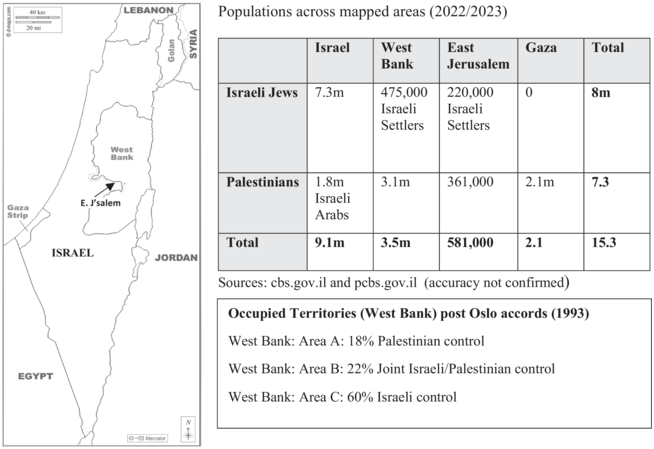


 Open access