

Introduction
Improving farm animal welfare is currently an expectation from a section of the public (Clark et al. Reference Clark, Stewart, Panzone, Kyriazakis and Frewer2016; Alonso et al. Reference Alonso, González-Montaña and Lomillos2020). Animal welfare can be scientifically defined as “the positive mental and physical state linked to the satisfaction of its physiological and behavioural needs, as well as its expectations. This state varies according to the animal’s perception of the situation” (Anses 2018; p 16). Although farm animal welfare awareness varies with socio-demographic characteristics, such as age, gender, education and location (urban or rural), the notions of naturalness and humane treatment have been reported as central constituents to public acceptability (Clark et al. Reference Clark, Stewart, Panzone, Kyriazakis and Frewer2016). These notions could explain why specific management practices or topics are concerning for a part of the public, as ensuring outdoor access for animals or managing ‘surplus’ dairy calves (Hötzel et al. Reference Hötzel, Cardoso, Roslindo and Von Keyserlingk2017; Wilson et al. Reference Wilson, Canning, Giacomazzi, Keels, Lothrop, Renaud, Sillett, Taylor, Van Huigenbos, Wynands, Zuest and Fraser2020). Meeting public expectations such as these contributes to address the social sustainability of farm animal industries (Bolton et al. Reference Bolton, Vandresen and Von Keyserlingk2024). Indeed, when farming practices align with public values, consumers are more likely to continue purchasing animal-based products (Clark et al. Reference Clark, Stewart, Panzone, Kyriazakis and Frewer2017). Nonetheless, willingness-to-pay for higher standards of animal welfare vary across people, and have been reported to decrease with social characteristics like age and incomes (Lagerkvist & Hess Reference Lagerkvist and Hess2011; Clark et al. Reference Clark, Stewart, Panzone, Kyriazakis and Frewer2017). This attitude-behaviour gap could pose a challenge when it comes to financing improvements in animal welfare. Indeed, addressing public expectations by improving farm animal welfare requires time and money investments from farmers (Grethe Reference Grethe2017). Farmers need to learn to carry out new practices, invest in new equipment, face new challenges, or build new housing to comply with welfare recommendations and regulations (Sumner et al. Reference Sumner, Matthews, Mench and Rosen-Molina2010; NFACC 2023). As a result, farmers play a key role in improving animal welfare and addressing public expectations.
Yet, farmer well-being is rarely considered within public expectations (although no consensual definition seems to exist, an individual’s well-being can be defined as “the state of being healthy, happy, or prosperous; physical, psychological, or moral welfare” [Oxford English Dictionary 2023]). Furthermore, practices favouring farmer well-being have been reported to be valued less by the public than those favouring animal welfare. By way of example, “All cattle must have access to outdoor exercise areas for at least 4 hours per day, weather permitting” was considered to be more important than “All workers are provided paid 15-minute breaks for every 4 hours worked, and a 30-minute [meal] break between each 4-hour shift” (Kaminski et al. Reference Kaminski, Caputo and McKendree2024; Tables 1 and 3, respectively, pp 26 and 31). The existence of a lower consideration towards farmer well-being is concerning, given that physical and mental health disorders are over-represented in the farming population. Regarding physical health, over-representations of respiratory attack related to work, and long-standing musculoskeletal pain have been reported (respectively compared to skilled manual collar, and skilled white collar; Steen et al. Reference Steen, Krokstad and Torske2023). Regarding mental health, over-representations of symptoms of psychological stress, anxiety, depression, burn-out, suicidal ideation, and suicide have been described in farming populations (Kallioniemi et al. Reference Kallioniemi, Simola, Kaseva and Kymäläinen2016; Jones-Bitton et al. Reference Jones-Bitton, Best, MacTavish, Fleming and Hoy2020; Steck et al. Reference Steck, Junker, Bopp, Egger and Zwahlen2020; O’Shaughnessy et al. Reference O’Shaughnessy, O’Hagan, Burke, McNamara and O’Connor2022; Montgomery et al. Reference Montgomery, Basey, Baucom and Scoggins2024).
Improving animal welfare may require addressing farmer well-being. Farmers themselves considered taking care of their own well-being as the most important and influential way to improve animal welfare (Kauppinen et al. Reference Kauppinen, Valros and Vesala2013). On one hand, farmers experiencing poor well-being may struggle to improve the welfare of their animals, as they may not be physically, mentally or emotionally available to do so. In such circumstances, asking farmers to address public expectations for improved animal welfare could be particularly challenging. On the other hand, improved farmer well-being may foster more positive attitudes toward animals. Positive attitudes are associated with improved management practices and animal welfare outcomes, such as less fearful cows, lower prevalences of carpus skin lesions and lameness in ewes at mid-pregnancy (Kielland et al. Reference Kielland, Skjerve, Østerås and Zanella2010; des Roches et al. Reference des Roches, Veissier, Boivin, Gilot-Fromont and Mounier2016; Munoz et al. Reference Munoz, Coleman, Hemsworth, Campbell and Doyle2019). Besides, improving animal welfare can be mentally rewarding for farmers (Kauppinen et al. Reference Kauppinen, Vainio, Valros, Rita and Vesala2010). A positive association between farmer well-being and the welfare of their animals may therefore exist. To support this hypothesis, it is necessary to examine and better understand the relationships between farmer well-being and the welfare of their animals. If evidence supports this hypothesis, it could not only highlight the importance of addressing farmer well-being but also help to identify leverage points to improve animal welfare.
The One Welfare approach provides a framework to examine the relationships between farmer well-being and the welfare of their animals. One Welfare “serves as a call to recognise the many interconnections between human [well-being], animal welfare and the integrity of the environment” (Pinillos et al. Reference Pinillos, Appleby, Manteca, Scott-Park, Smith and Velarde2016). Although conceptually close to the One Health approach, it completes it by explicitly integrating welfare considerations (WHO 2023). The One Welfare approach is relatively recent, having been first introduced in 2014 (OneWelfare 2023).
As the One Welfare approach is recent, methods for examining the relationships between farmer well-being and the welfare of their animals are potentially still being explored. In particular, a range of methods can be used to assess both farmer well-being and animal welfare. For instance, different audits with distinct items and scoring methods can be used to assess dairy cattle welfare alone (Welfare Quality® Reference Quality®2009; Dairy Farmers of Canada 2023). Such differences in methods limit direct cross-study comparisons. However, comparable results are essential to determine whether findings align. Mapping the methods used to describe the relationships between farmer well-being and the welfare of their animals could support future study designs and contribute to enhance cross-study comparability. Indeed, such a mapping would provide an inventory of methods used to date (including questionnaires, audits or tools used, indicators calculated, and data analyses conducted) and allow recommendations to be suggested, addressing methodological gaps and limitations.
A scoping review is “a type of evidence synthesis that aims to systematically identify and map the breadth of evidence available on a particular topic” (Munn et al. Reference Munn, Pollock, Khalil, Alexander, McInerney, Godfrey, Peters and Tricco2022). Unlike a systematic review followed by meta-analysis, a scoping review does not aim to determine the effect of an intervention, nor to critically appraise individual evidence sources. Instead, it allows a qualitative examination of “how research is conducted on a certain topic or field”, and to “identify the types of available evidence in a given field” (Munn et al. Reference Munn, Pollock, Khalil, Alexander, McInerney, Godfrey, Peters and Tricco2022). A scoping review seems thus well-suited to map the methods used so far to examine the relationships between farmer well-being and the welfare of their animals, as well as to compile potential pieces of evidence of such relationships. These pieces could inform discussion regarding whether a positive relationship exists between farmer well-being and the welfare of their animals. To date, scoping reviews were carried out to investigate the effect of farmers’ personality and attitudes on dairy cattle welfare (Adler et al. Reference Adler, Christley and Campe2019), and the role of human-animal relationships in dairy cattle welfare (Adamczyk Reference Adamczyk2018). To the best of our knowledge, no scoping reviews have been carried out to explore the relationships between farmer well-being and the welfare of their animals on commercial farms.
The primary aim of this scoping review was to identify the methods used to describe the relationships between farmer well-being and the welfare of their animals in primary research articles. Specifically, the review focused upon the questionnaires or tools used, indicators measured, and data analyses conducted. The secondary aim was to compile results of relationship descriptions between the farmer well-being and the welfare of their animals from the articles included in the scoping review.
Materials and methods
Protocol
The protocol for this scoping review was developed in accordance with the PRISMA extension for Scoping Reviews (PRISMA-ScR; Tricco et al. Reference Tricco, Lillie, Zarin, O’Brien, Colquhoun, Levac, Moher, Peters, Horsley, Weeks, Hempel, Akl, Chang, McGowan, Stewart, Hartling, Aldcroft, Wilson, Garritty, Lewin, Godfrey, Macdonald, Langlois, Soares-Weiser, Moriarty, Clifford, Tunçalp and Straus2018), and guided by the recommendations of Peters et al. (Reference Peters, Godfrey, McInerney, Khalil, Larsen, Marnie, Pollock, Tricco and Munn2022). The protocol was developed before starting the study and was pre-registered at the following repository: https://doi.org/10.5281/zenodo.13284408 (Levallois et al. Reference Levallois, Buczinski and Villettaz Robichaud2024).
Eligibility criteria
Primary research articles of any study design were eligible for inclusion, provided they included the relationship description between at least one farmer well-being indicator, and at least one indicator of their farm animals’ welfare.
Farmer well-being
To be eligible, a farmer well-being indicator had to meet two criteria. First, it had to measure a state related to one of the five well-being dimensions mentioned below. These dimensions were conceptualised in this review to allow for a precise mapping of the indicators used to assess farmer well-being. According to the Oxford English Dictionary (2023), individual well-being is defined as “the state of being healthy, happy, or prosperous; physical, psychological, or moral welfare”. That is why it was considered that a farmer well-being indicator had to measure a state, related to farmers’ (1) mental health, (2) physical health, (3) satisfaction towards a life aspect (so that more aspects than only prosperity could be considered), or (4) emotion (to include more emotions than just happiness). A fifth category, feelings, was added to distinguish emotions from feelings. This distinction was based upon the idea that an emotion has a ‘rapid onset, short duration’, whereas a feeling is the cognitive integration of an emotion having a longer duration (Ekman Reference Ekman1992; Damasio Reference Damasio1995). Including this distinction enabled more nuanced mapping of the well-being indicators. The term ‘farmer well-being dimensions’, as used throughout this review, refers to these five categories as distinct aspects of well-being. Second, a farmer well-being indicator had to be measured at a farmer-level, as the review focuses on the relationships between individual farmer well-being and the welfare of their animals. Measures of farmer well-being indicators conducted at broader scales, like a population scale, were excluded because they do not specifically inform about one farmer. Of note, a distinction was made between assessing a farmer well-being state and assessing the perceived farmer well-being importance. The latter was not eligible as a farmer well-being indicator in this review, as it does not reflect an actual well-being state.
Animal welfare
Only livestock and poultry were considered (animals from aquaculture were excluded; for more details regarding the animals considered, see Table 1). To include a potential diversity of livestock and poultry species, no geographical restrictions were applied to the search strategy.
Search strings used to retrieve primary research articles where the relationships between farmer well-being, and the welfare of their animals was assessed

To be eligible, an animal welfare indicator had to meet two criteria. First, it had to measure a state, or an aspect related to one of the six welfare dimensions mentioned below. As with farmer well-being, these dimensions were conceptualised to enable a precise mapping of the indicators used to assess animal welfare. According to Anses (2018; p 16), animal welfare “is the positive mental and physical state linked to the satisfaction of its physiological and behavioural needs, as well as its expectations. This state varies according to the animal’s perception of the situation”. Based on this definition, an animal welfare indicator had to measure a state, with an animal-based measure related to physiology, behaviour or physical health. In addition, although they do not inform about a welfare state, measures related to housing environment and management practices were also deemed eligible. They indeed provide insights into the animals’ living conditions. Six categories, based on the five domains described by Mellor and Beausoleil (Reference Mellor and Beausoleil2015) with the addition of farm management, were considered to classify the animal-based, environmental-based, and management-based measures: (1) nutrition, (2) environment, (3) health, (4) behaviour, (5) mental state, and (6) management (practices unrelated to nutrition, environment and health, e.g. handling to move animals). As with farmer well-being dimensions, the term ‘animal welfare dimensions’ used hereunder refers to these six categories. Second, an animal welfare indicator had to be measured at an animal-, herd-, or farm-level. Of note, production indicators, like average daily gain or milk production per year, were not considered as welfare indicators, as they do not directly inform about a welfare state, nor the life conditions of the animal. Likewise, assessments of the perceived importance of animal welfare were excluded, as they do not inform about the actual welfare state or animals’ living conditions.
Besides these criteria, there were no date nor language restrictions. An article written in a language other than English was translated using the file translation feature in DeepL (DeepL SE, Cologne, Germany; https://www.deepl.com/en/translator).
Information sources
Three databases were used for the literature search: Web of Science Core Collection (https://www.webofscience.com), MEDLINE (https://pubmed.ncbi.nlm.nih.gov), and CABI digital library (https://www.cabidigitallibrary.org). The search was conducted using the full range of publication dates available in each database.
Literature search
The final search was completed on September 3rd, 2024, by two independent reviewers (PL and MVR). The final search is detailed in Table 1 and was adapted to the format requirements of each database. The final search was conducted on the Web of Science Core Collection considering all fields, MEDLINE considering only the “title/abstract” field, and CABI digital library considering only the “abstract” field for content to which we had access. References retrieved from the three databases were exported and merged into a single Excel® file (Microsoft®, Redmond, WA, US). Deduplication was then carried out on the Excel® file in three steps before title and abstract screening: (1) references which had a DOI were deduplicated based on DOI information; (2) all references were then deduplicated based on reference titles; (3) remaining duplicates were manually removed during the initial screening based on titles and abstracts.
Of note, the use of the asterisk “*” in strings 1 and 2 was pre-tested on the Web of Science Core Collection (Table 1). For each keyword (from ‘farmer’ in string 1, to ‘flock’ in string 2; excluding keywords without suffixes such as ‘calves’, ‘veal’, or ‘cattle’), the number of search results was observed with and without the asterisk. If adding the asterisk did not affect the number of the results, it was removed from the final search string.
Selection of sources of evidence
Sources of evidence were selected in two steps: (1) title and abstract screening, followed by (2) full-text screening. Both steps were conducted independently by two reviewers (PL and MVR). Discussions between both reviewers regarding the selection of sources of evidence occurred only twice: at the end of each step.
The screening questions are detailed in the pre-registered protocol (Levallois et al. Reference Levallois, Buczinski and Villettaz Robichaud2024). Briefly, these questions were designed to assess the following eligibility criteria: (1) the article was a primary research study; (2) it examined the relationship between at least; (3) one farmer well-being indicator; and at least (4) one welfare indicator of their farm animals; (5) in livestock or poultry species. Of note, precisions were added after protocol registration to two questions regarding the full-text screening. It specified that the farmer well-being and animal welfare indicators had to relate to their respective dimensions as previously defined.
At the end of each step, any disagreement regarding the inclusion of a study in the next phase of the review was resolved by consensus, following consultation with a third author (SB). Reasons for exclusions at the second step were recorded.
Data charting process
The selection and inclusion process was recorded according to the Preferred Reporting Items for Systematic Review and Meta-analysis (PRISMA) flow diagram proposed by Moher et al. (Reference Moher, Liberati, Tetzlaff and Altman2009). An Excel® spreadsheet was created to compile the retrieved items from the included articles.
Data extraction
Data extracted from the articles included in the scoping review concerned nine main categories, as outlined in the pre-registered protocol (Levallois et al. Reference Levallois, Buczinski and Villettaz Robichaud2024). Additional data not specified in the pre-registered protocol were also extracted. Details regarding the rationale for including these additional data, as well as how they were recorded, are provided below the itemised list. Briefly, the (1) study characteristics, (2) authors affiliation, (3) objective and hypotheses of the study, (4) study design, (5) animal genus and breed studied, and (6) total number of participants to the study (plus the justification of respective sample sizes, when available) were extracted. Moreover, the method(s) used to assess (7) farmer well-being and (8) animal welfare (including for both: questionnaire or tool used, dimension concerned, aspect of the dimension assessed, indicators measured or calculated from the data collection), as well (9) to describe the relationships between the farmer well-being indicator(s), and animal welfare indicator(s) (data transformation of measured or calculated indicators, statistical analysis in quantitative studies, derivation of themes in qualitative studies) were extracted. Of note, the ENTREQ guidelines was considered to extract methodological information from qualitative studies (Tong et al. Reference Tong, Flemming, McInnes, Oliver and Craig2012; notably regarding the methodological rationale, i.e. framework, model, philosophy, and derivation of themes). Finally, (10) the results of the relationship descriptions between the farmer well-being indicator(s) and animal welfare indicator(s) were compiled. Each positive relationship that was statistically significant in quantitative studies, or reported in qualitative studies, was considered as a piece of evidence. The nature of extracted results differed between quantitative and qualitative studies:
-
• Quantitative study: statistical indicator used to examine a relationship between the farmer well-being and animal welfare indicators (based on the data analysis and result sections of the publications); value of the statistical indicator describing a such relationship; P-value.
-
• Qualitative study: quotes where the presence (or absence) of a relationship between indicators of the farmer well-being and the welfare of their animals was explicitly mentioned (i.e. when wording directly referred to well-being or welfare dimensions or aspects thereof). If the same relationship between two indicators was mentioned multiple times in the same article: (1) only one illustrative quote was extracted, and (2) the relationship was counted as a single piece of evidence.
The authors’ affiliations were examined in more detail to determine whether each study involved collaboration between researchers from human and animal science departments in describing potential relationships between farmer well-being and the welfare of their animals. Such interdisciplinary collaboration may be required for adequately examining these relationships. Authors’ affiliation was recorded as stated in the articles. An author was classified as affiliated with a human science department when the affiliation included: “public health” or “medicine” (excluding veterinary), “psychology”, “social” or “sociology”. An author was classified as affiliated with an animal science department when the affiliation included: “animal”, “beef”, “dairy”, “life sciences”, “veterinary” or “wildlife”. An author was classified as affiliated with a department other than human or animal science when the affiliation included: “economics”, “environment” or “statistics”. Sometimes, the affiliation wording was not specific, including: “agricultural research”, “farm advisory service”, “university of [town or country]”, “scientific research”. When it occurred, these affiliations were coded as “unknown” to avoid mis-recording. To ensure accuracy, all affiliations classified as human or animal science department (or unknown) were double-checked by consulting the websites of the related research departments.
Assignment to a farmer well-being dimension was justified by precising which aspect of the dimension was assessed, i.e. for (1) mental health: stress, anxiety, depression, burn-out, somatisation, worries, trauma, resilience; (2) physical health: pain, injury, sickness; (3) satisfaction: life in general, work, standard of living, future, social relationships, environment; (4) emotion: anger, disgust, fear, happiness, sadness (Ekman Reference Ekman, Dalgleish and Power1999); (5) feeling: bewilderment, frustration, hopelessness, loss of confidence, miserability, optimism, relaxation, self-doubt, shame, usefulness.
Assignment to an animal welfare dimension was similarly justified by precising which aspect of the dimension was assessed, i.e. for (1) nutrition: feed and water intakes; (2) environment: housing comfort (thermal, air, space for movements); (3) health: body condition, injury, mortality, specific disease or disorder related to digestion, locomotion, metabolism, udder health, reproduction, respiration, as well as the prevention and treatment of diseases; (4) behaviour: social behaviours; (5) mental state: emotion, feeling; (6) management: practices implemented not included in the environment, nutrition or health (e.g. animal handling) (Mellor & Beausoleil Reference Mellor and Beausoleil2015).
Note that some farmer well-being and animal welfare indicators targeted the dimension in general, without reference to a specific aspect; in such cases, the aspect was labelled as ‘overall’.
Data extraction regarding the nine categories was carried out independently by one reviewer (PL). To ensure consistency, data extraction was pre-tested by both reviewers from five references (PL and MVR). Any disagreements during the extraction process were resolved by consensus, following consultation with a third author (SB).
Synthesis of the results
Extracted data were synthesised into three summary tables, each focusing on the methods used to (1) assess farmer well-being, (2) assess animal welfare, (3) describe the relationships between both. Quantitative variables, like the number of participants to the study, were described with basic statistics (distribution, mean) using R software version 4.4.0 (R Core Team 2024). For cases in which the number of farms, farmers, or animals was not reported, these studies were excluded from the corresponding calculations, and statistics were computed only from the available data.
Six heat maps were created based on all reported relationships between farmer well-being indicators and animal welfare indicators. Every indicator was related to a dimension and one of its aspects, as mentioned above. The heat maps provided an overview of which (1) dimensions, and (2) aspects thereof of farmer well-being and animal welfare, were the most frequently paired in relationship testing, and which combinations remained unexplored. Six separate heat maps were created to distinguish relationships tested in quantitative (four heat maps in total) and qualitative (two heat maps) studies. Heat maps were generated in Prism version 9.5.0 (Prism, GraphPad Software, Boston, MA, US; graph family = ‘grouped’, graph type = ‘heat map’).
Results
Search results
The flow diagram presenting the search results is displayed in Figure 1. In total, 10,189 articles were obtained after deduplication for the title and abstract screening, 28 selected for the full text screening and 22 articles were finally included in the review. Of note, there were disagreements for six articles at the end of the first step, and a consensus was obtained consulting the eligibility criteria. There was no disagreement at the end of the second step. There was only one study per article, except for two articles which included results from a mixed-method approach, each including one quantitative and one qualitative study (Crimes & Enticott Reference Crimes and Enticott2019; Nuvey et al. Reference Nuvey, Kreppel, Nortey, Addo-Lartey, Sarfo, Fokou, Ameme, Kenu, Sackey, Addo, Afari, Chibanda and Bonfoh2020; of note, the qualitative study in both articles did not meet the eligibility criteria since they, respectively, did not include [1] an animal welfare indicator and [2] a farmer well-being indicator). Only the quantitative approach of both articles was eligible for this review. Therefore, only one study was considered in all the included articles. One article was translated from Spanish to English (Medrano-Galarza et al. Reference Medrano-Galarza, Ahumada-Beltrán, Zúñiga-López, Cubides-Cardenas, Rojas-Morales, Albarracín-Arias, Gómez-Mesa, Rodríguez-Rodas, Rojas-Barreto, Cerinza-Murcia and García-Castro2023).
Flow diagram synthesising the results of the search process to retrieve primary research articles regarding the relationships between farmer well-being and the welfare of their animals. N.B. (1) Searches were carried out on Web of Science Core Collection considering all fields, MEDLINE considering only the ‘title/abstract’ field, and CABI digital library considering only the ‘abstract’ field for content we had access; (2) n = number of studies.

Study-level characteristics
Characteristics of the 22 included articles are described in Table 2. Most of them were published since 2019 (n = 17 studies; 77%). Studies were mainly carried out in Europe (n = 12), then Africa (n = 3), Oceania (n = 3), North America (n = 2), and South America (n = 2). Most of the 22 studies were cross-sectional (n = 18; 82%) and had a quantitative approach (n = 16; 73%). The time of year in which studies were carried out was not mentioned in six articles (27%).
Description of the study, author, and studied population characteristics regarding the 22 articles included in a scoping review aiming to map the methods used to describe — and compile pieces of evidence of — relationships between farmer well-being and animal welfare

1: Authors affiliation = Affiliation to a department of animal sciences, human sciences, other sciences (such as economics [n = 2 researchers], environment [n = 4], or statistics [n = 1]), based on the wording of authors’ affiliations and a double check on the websites related to affiliations. 2: NA = No Affiliation was recorded since the affiliation wording could be not specific. 3: NX = Total number of farms, farmers, or animals recruited in the study. 4: NM = Not Mentioned. The total number of farmers or animals was not explicitly mentioned in five studies (only the median number or quartile distribution was provided) and was not mentioned at all in seven studies. 5: Qualitative = This study is based on a prospective longitudinal modelling with quantitative data. However, results are only descriptive and no statistical relationships were described. Therefore, the descriptive results were used as if the study had a qualitative approach.
A minority of articles were written by authors affiliated to both animal and human sciences departments (n = 5 studies/18, excluding the four studies with an ‘unknown’ affiliation for this ratio; 28%).
Study population characteristics
Overall, studies included 4,117 farms (the number of farms was not mentioned in one article), 4,685 farmers (the number of farmers was not mentioned in one article), and 279,945 animals every genus considered (the total number of animals was not explicitly mentioned or mentioned at all in eleven articles). The median numbers of samples per study were 52 farms (interquartile range [IQR] = [19; 127]), 75 farmers (IQR = [27; 303]), and 2,218 animals every genus considered (IQR = [787; 31,389]) (based on the available numbers of farms, farmers, and animals in articles). When mentioned in the 16 quantitative studies, sample sizes were justified with references and statistical calculations only in two studies for farm sample, three studies for farmer sample, and three studies for animal sample. In qualitative studies, sample sizes were convenient (when mentioned). However, the rationale behind the convenience samples was systematically explained in all the six studies and justified with a reference in one study.
Bos was the most studied genus (n = 16 studies), followed by Ovis (n = 6), Sus (n = 2), Capra (n = 1), and Gallus (n = 1). Six studies out of 22 interested in two, or three genera/study. Breed was only specified in seven studies (32% of reviewed articles). The detailed numbers of farms, farmers, and animals per genus are presented in Figure 2 (when available).
Description of the samples recruited in the 22 reviewed studies according to animal types. N.B. (a) the only study focusing on poultry included both chicken and egg-laying hen farms, (b) total number of studies in which the type of animals was included (of note, one same study could include different type of animals or genera, see the text for the total number of studies per genus), (c) total number of farms in the studies in which the given type of animals was studied (sometimes, the number of farms for the given type of animals was not explicitly mentioned or mentioned at all, hence the ratio between parentheses above the total number of farms: it informs about the number of articles where the number of farms was provided/the total number of articles where the given type of animals was studied, e.g. 1,801(6/14) means that 1,801 farms were included in 6 studies/14, and that the number of farms was not explicitly mentioned or mentioned at all in 8 studies), (d) total number of farmers in the studies in which the given type of animals was studied (the ratio between parentheses above the total number of farmers informs about the number of articles where the number of farmers was provided/the total number of articles where the given type of animals was studied) and (e) total number of animals in the studies in which the given type of animals was studied (the ratio between parentheses above the total number of animals informs about the number of articles where the number of animals was provided/the total number of articles where the given type of animals was studied).

Farmer well-being assessment
Questionnaires used to assess farmer well-being differed considerably between quantitative studies (Table 3). Indeed, a total of 11 referenced questionnaires were used in seven studies (out of 16). Nine questionnaires out of 11 were validated (no explicit evidence of validation were retrieved for the Stanford Presenteeism Scale; Koopman et al. Reference Koopman, Pelletier, Murray, Sharda, Berger, Turpin, Hackleman, Gibson, Holmes and Bendel2002, nor the Subjective well-being questionnaire from the Office for National Statistics of the United Kingdom in Crimes & Enticott Reference Crimes and Enticott2019; Of note, the Psychosocial Index of Sonino & Fava Reference Sonino and Fava1998 compiles questions from different validated questionnaires). In other studies, questionnaires were either created (8 studies/16) or adapted (1 study/16). Different questionnaires could thus be used to assess one same aspect of a dimension. For instance, stress was assessed in six studies with five different questionnaires (Table 3). Only four referenced questionnaires were used in more than one study (the World Health Organisation Quality of Life Questionnaire [The WHOQOL Group 1998] in Fasina et al. Reference Fasina, Jonah, Pam, Milaneschi, Gostoli and Rafanelli2010 and Nuvey et al. Reference Nuvey, Haydon, Hattendorf, Addo, Mensah, Fink, Zinsstag and Bonfoh2023; the Perceived Stress Scale [Cohen et al. Reference Cohen, Kamarck and Mermelstein1983], Hospital Anxiety and Depression Scale [Zigmond & Snaith Reference Zigmond and Snaith1983], and refined version of the Connor-Davidson Resilience Scale [Campbell-Sills & Stein Reference Campbell-Sills and Stein2007] in King et al. Reference King, Matson and DeVries2021 and Medrano-Galarza et al. Reference Medrano-Galarza, Ahumada-Beltrán, Zúñiga-López, Cubides-Cardenas, Rojas-Morales, Albarracín-Arias, Gómez-Mesa, Rodríguez-Rodas, Rojas-Barreto, Cerinza-Murcia and García-Castro2023). On average, 21 questions related to farmer well-being were answered per quantitative study (median = 6, IQR = [3; 22]).
Synthesis of the methods used to assess the farmer well-being in the 16 reviewed studies with a quantitative approach, included in a scoping review aiming to map the methods used to describe — and compile pieces of evidence of — relationships between farmer well-being and animal welfare

1: Number of items related to the assessment of farmer well-being in the questionnaire. 2: Indicator of farmer well-being used in the articles to describe potential relationships between the farmer well-being and the welfare of their animals.
The most often studied farmer well-being dimension in the 16 quantitative studies was the satisfaction towards a life aspect (10 studies/16), followed by mental health (9/16), physical health (2/16), emotions (2/16), feelings (2/16), and overall well-being (2/16). On average, 1.7 dimensions were considered per study (median = 1.0; IQR = [1; 2]).
The most often studied aspect of dimensions in the 16 quantitative studies was the work satisfaction (8 studies/16), followed by psychological stress (5/16). On average, 3.7 aspects were considered per study (median = 3.5; IQR = [1; 4]).
The most used indicators to assess farmer well-being in quantitative studies were questionnaire scores (used in 12 studies/16), followed by factors, components or clusters synthesising information of several variables (5/16) (see Table 3; for more details regarding the construction of used indicators, see Supplementary material S1).
Semi-structured interviews followed by transcription and thematic analyses were carried out for most of the questionnaires in qualitative studies (5 studies/6; Table 4). Farmer well-being information was a priori approached at an overall level in interviews, allowing flexibility and freedom to farmers to share their experiences (five studies; Table 4). Methodological rational was explicitly mentioned in three studies. The derivation of theme being inductive or deductive was explicitly mentioned in one study.
Synthesis of the methods used to assess the farmer well-being, animal welfare and their relationships in the six reviewed studies with a qualitative approach included in this scoping review (aiming to map the methods used to describe — and compile pieces of evidence of — relationships between farmer well-being and animal welfare)

1: Indicator = Indicator showing a relationship between farmer well-being and the welfare of their animals. 2: As a reminder, this study is based on a prospective longitudinal modelling with quantitative data. However, results are only descriptive, and no statistical correlation were described. Therefore, the descriptive results were used as if the study had a qualitative approach. 3: Not Applicable (cf note n°2).
Animal welfare assessment
Methods used to assess animal welfare differed between quantitative studies (Table 5). Most of questionnaires were created (8 studies/16) and referenced audits were only used in two studies (Welfare Quality® Reference Quality®2009: Andreasen et al. Reference Andreasen, Sandøe, Waiblinger and Forkman2020 and Spigarelli et al. Reference Spigarelli, Berton, Corazzin, Gallo, Pinterits, Ramanzin, Ressi, Sturaro, Zuliani and Bovolenta2021; Protocol made by the EFSA Panel on Animal Health and Animal Welfare 2015). A new audit was created in one study (Hansen & Østerås Reference Hansen and Østerås2019). In other studies, clinical observations based on protocol from previous studies (two studies: King et al. Reference King, Matson and DeVries2021; Medrano-Galarza et al. Reference Medrano-Galarza, Ahumada-Beltrán, Zúñiga-López, Cubides-Cardenas, Rojas-Morales, Albarracín-Arias, Gómez-Mesa, Rodríguez-Rodas, Rojas-Barreto, Cerinza-Murcia and García-Castro2023), diagnostic tests (two studies: Fasina et al. Reference Fasina, Jonah, Pam, Milaneschi, Gostoli and Rafanelli2010; Crimes & Enticott Reference Crimes and Enticott2019), or a behavioural test (one study: Calderón-Amor et al. Reference Calderón-Amor, Beaver, Von Keyserlingk and Gallo2020) were carried out. On average, ten animal welfare indicators were measured per quantitative study (median = 2, IQR = [1; 9]).
Synthesis of the methods used to assess animal welfare in the 16 reviewed studies with a quantitative approach included in this scoping review (aiming to map the methods used to describe — and compile pieces of evidence of — relationships between farmer well-being and animal welfare)

1: Number of items related to the assessment of animal welfare in the questionnaire. 2: Indicator of animal welfare used in the articles to describe potential relationships between the farmer well-being and the welfare of their animals.
The most often studied animal welfare dimension in the 16 quantitative studies was health (11 studies/16), followed by management (6/16), mental state (4/16), environment (4/16), behaviour (3/16), and nutrition (2/16). On average, 1.9 dimensions were considered per study (median = 1.5; IQR = [1; 2]).
The most often studied aspect of dimensions in the 16 quantitative studies were udder health and locomotion (both in 5 studies/16), closely followed by body condition, respiration, and mortality (each one in 4 studies/16). On average, 4.2 aspects were considered per study (median = 2.0; IQR = [1; 7]).
The most often used indicator to assess animal welfare was prevalence (of clinical observations or mortality) (6 studies/16), followed by total scores of animal welfare (3/16) (see Table 5; for more details regarding the construction of used indicators, see Supplementary material S1). No indicator was fully identical between studies, due to differences in indicator construction, or genus studied. For instance, the prevalence of under-conditioned animals was assessed with similar body condition scales ranging from 1 (emaciated) to 5 (obese) in both King et al. (Reference King, Matson and DeVries2021) and Medrano-Galarza et al. (Reference Medrano-Galarza, Ahumada-Beltrán, Zúñiga-López, Cubides-Cardenas, Rojas-Morales, Albarracín-Arias, Gómez-Mesa, Rodríguez-Rodas, Rojas-Barreto, Cerinza-Murcia and García-Castro2023). However, this prevalence was calculated in different species (dairy cows and sheep, respectively), while using different low body condition score cut-offs (≤ 2.5 and < 2.0, respectively).
In qualitative studies, animal welfare indicators were mainly related to specific animal diseases (three studies) (Table 4). Besides, animal welfare indicators constituted a part of the interview context and were not measured nor identified from discussions with farmers (e.g. the occurrence of an animal welfare incident was a recruitment criterion in Devitt et al. Reference Devitt, Kelly, Blake, Hanlon and More2015).
Relationships description between farmer well-being and the welfare of their animals
Relationships between farmer well-being and the welfare of their animals were mostly explored with models in quantitative studies (9 studies/16) (Table 6). Most of the models were multivariable (n = 7 studies; with a manual backward [n = 4], forward [n = 2] or no [n = 1] stepwise process). No correction, for instance Bonferroni or Holm, was applied to the P-values in multivariable models. Association or comparison between only two variables were carried out less often (5/16; with tests like t-tests, Chi-squared, spearman rank correlation, or ANOVA). Component analysis and clustering were the least used statistical method to explore associations between farmer well-being and the welfare of their animals (3/16). Component analysis, as well as factor analysis, were however used to synthesise variables into components (or factors) and used thereafter as an output or explanatory variable in models (3/16) (Table 6).
Synthesis of the statistics used to describe potential relationships between farmer well-being and the welfare of their animals in the 16 reviewed studies with a quantitative approach included in this scoping review

At dimension-level, most of the 178 tested relationships concerned indicators of farmer mental health and of their animal physical health (n = 78 tested relationships), then indicators of satisfaction towards a farmer’s life aspect and the management of their animals (n = 29) (Figure 3[a]). At aspect-level, the most tested relationships concerned indicators of farmers’ work satisfaction and culling practices (n = 13), then animal handling (n = 10) (Figure 4[a]). Many relationships between dimensions are yet to be explored, such as that between farmer physical health and the environment of their animals.
Heat maps at dimension-level of the distribution of the (a) 178 tested and (b) 70 significant relationships between indicators of farmer well-being and the welfare of their animals, as reported in the 16 reviewed quantitative studies included in this scoping review. Each cell shows the number of relationships tested between indicators corresponding to the two intersecting dimensions. For instance, ‘78’ in (a), second row and fourth column means that 78 relationships were tested between indicators of farmer mental health and of animal physical health; for (a) n = total number of tested relationships involving indicators from the given dimension and for (b) n = ratio of the number of significant relationships/the total number of tested relationships for the given dimension. Of note, a dimension in this article refers to distinct type of information regarding farmer well-being or animal welfare.

(a) Heat maps at aspect-level of the distribution of the (a) 178 tested relationships and (b) 70 significant relationships between indicators of farmer well-being and the welfare of their animals in the 16 reviewed quantitative studies included in this scoping review. For (a) n = total number of tested relationships concerning indicators from the given aspect, and for (b) n = ratio of the number of significant relationships/the total number of tested relationships for the given aspect. Of note, an aspect in this article refers to distinct type of information regarding a farmer well-being or animal welfare dimension.

Pieces of evidence of the relationships between farmer well-being and the welfare of their animals
A total of 70 significant relationships were described in the 16 quantitative studies. At dimension-level in quantitative studies, the most frequent significant relationships concerned indicators of farmer mental health and the physical health of their animals (n = 20 significant relationships; i.e. 29% of the significant relationships in quantitative studies), then indicators of satisfaction towards a farmer’s life aspect and the management of their animals (n = 16; 23%) (Figure 3[b]). More precisely, at aspect-level, poorer overall farmer mental health (n = 4; 6%) and well-being (n = 3; 4%) were associated with higher herd mortality rates (Figure 4[b]). Also, a lower work satisfaction in farmers was associated with a higher culling rate and a younger age at culling (n = 8; 11%). A higher work satisfaction was associated with positive, calm and patient animal handling (n = 6; 9%).
A total of 24 reported relationships were reported in the six qualitative studies. At dimension-level in qualitative studies, the most frequent reported relationships concerned farmer mental health and the physical health of their animals (n = 9 reported relationships; i.e. 38% of the reported relationships in qualitative studies), then farmers’ feelings and the physical health of their animals (n = 7; 29%) (Figure 5[a]). More precisely, at aspect-level, animal mortality was reported to induce negative emotions and feelings (sadness, shame and miserability), increased stress and worries (n = 6; 25%) (Figure 5[b]).
Heat maps of the distribution at (a) dimension-level and (b) aspect-level of 24 reported relationships between farmer well-being and the welfare of their animals in the six reviewed qualitative studies included in this scoping review (n = total number of reported relationships for the given dimensions or aspects. Of note, a dimension in this article refers to distinct type of information regarding farmer well-being or animal welfare, and an aspect refers to distinct type of information regarding a farmer well-being or animal welfare dimension).

Considering both quantitative and qualitative studies, 99% of pieces of evidence, from the overall to the aspect level, described that an improved farmer well-being was associated with an improved animal welfare, and vice versa (93 pieces out of 94; for more details regarding the pieces of evidence, see Supplementary material S2).
Discussion
The results of this One Welfare scoping review are discussed below with two perspectives: (1) to provide a support for future study design, discussing observed gaps and limitations in methods used to date; and (2) to grasp the implications of compiled pieces of evidence on commercial farms.
Methods of description
Description in the material and methods
Several reviewed studies lacked a complete description of the material and methods. First, sample sizes were not explicitly reported in more than half of the reviewed articles, especially for animals. Similarly, Winder et al. (Reference Winder, Churchill, Sargeant, LeBlanc, O’Connor and Renaud2019), in their review which aimed at describing the completeness of reporting key items, found that animal sample size was not explicitly reported in 43% of 137 reviewed articles (of intervention trials published in the Journal of Dairy Science in 2017). Systematically reporting animal sample size would improve research reproducibility and help readers to better interpret the results. Moreover, providing a justification for a sample size would also strengthen methodological rigour. In the current review, farm, farmer and animal sample sizes were justified in only a minority of articles. Sample sizes could be justified in future studies considering the results and sample sizes of the reviewed studies. Second, the time of year in which data were collected was mentioned in only one-quarter of the reviewed articles. Yet, this information is relevant, as farmers’ physical and mental states can vary seasonally, partly due to workload increase related to crops from spring to summer and reduced daylight in winter (Westrin & Lam Reference Westrin and Lam2007; Ahmed et al. Reference Ahmed, Du, Haynatzki, Tucker, Ramos and Rautiainen2024). Seasonal effects could thus influence farmer well-being and subsequently affect the observed relationships with animal welfare outcomes. Reporting the study period is therefore important for contextualising results. Finally, animal breed was not reported in over two-thirds of the reviewed articles. Yet, breed could influence observed behaviours through differences in personality traits, which could in turn affect their associations with farmer well-being indicators (Morris et al. Reference Morris, Cullen, Kilgour and Bremner1994; Sutherland et al. Reference Sutherland, Rogers and Verkerk2012; Setser et al. Reference Setser, Neave and Costa2024). Moreover, breed could influence stress response indicators, as reported in Meishan and Large White pigs exposed to the same stressor (Désautés et al. Reference Désautés, J-P and Mormède1997). Such differences could be partly explained by differences in densities of mineralocorticoid and glucocorticoid receptors, which are involved in the stress response (Perreau et al. Reference Perreau, Sarrieau and Mormède1999). To conclude, comprehensive reporting in the material and methods detailing the exact animal sample size, study period, breed specification, and more generally any relevant characteristics of the recruited sample would not only support interpretation of results but also promote reproducibility across studies.
Questionnaires used to assess farmer well-being
Different questionnaires were used to assess the same aspect of farmer well-being, but variations in item content can hinder comparability of results across quantitative studies. For instance, total score of psychological stress was measured using three different questionnaires across four of the reviewed studies (Perceived Stress Scale; Cohen et al. Reference Cohen, Kamarck and Mermelstein1983; Psychosocial index, Sonino & Fava Reference Sonino and Fava1998; Short form of the Depression, Anxiety and Stress Scale, Henry & Crawford Reference Henry and Crawford2005). The three questionnaires differ in the numbers of items (14, 18 and 7, respectively), nature of the information assessed (feelings and thoughts, occurrence of stressors, or feelings and behaviours, respectively), and the time-frame considered (last month, last year, or last week, respectively). As a result, total stress scores from the three questionnaires are likely to reflect different aspects of stress, which may limit the comparability of their results. Limited comparability of results due to methodological variability is not specific to the reviewed topic, since similar issues were reported in other systematic reviews (e.g. regarding the diversity of refractometers used to assess bovine quality colostrum, or drugs administered for pain management in cattle castration) (Buczinski & Vandeweerd Reference Buczinski and Vandeweerd2016; Nogues et al. Reference Nogues, Stojkov, Stojkova, von Keyserlingk and Weary2025). Two suggestions could be considered to address the issue of results comparability in the reviewed topic. First, standardising the use of a single questionnaire for each well-being aspect would enable comparisons across studies. A limitation to standardisation could be its feasibility, considering the diversities of questionnaires and aspects related to farmer well-being. However, standardisation at a well-being aspect-level like psychological stress may be easier, since it targets a single specific construct. In that regard, standardisation should be conducted considering indicators of internal consistency and test-retest reliability, such as Cronbach’s alpha and intraclass correlation coefficient (ICC), respectively. Cronbach’s alpha between 0.7 and 0.9, and ICC ideally over 0.90 indicate satisfying reliability (Tavakol & Dennick Reference Tavakol and Dennick2011; Koo & Li Reference Koo and Li2016). Second, explicitly defining the investigated well-being aspect, rather than solely naming it, would provide a conceptual framework to guide meaningful comparison across studies (Ferraro et al. Reference Ferraro, Fecteau, Dubuc, Francoz, Rousseau, Roy and Buczinski2021). Such definitions would support both critical appraisal of the selected questionnaire and informed inclusion process in future meta-analysis. Future meta-analyses could, for instance, include only articles whose definition of the examined aspects align with their conceptual framework.
Synthesis of data into indicators
No animal welfare indicator was fully comparable across the reviewed quantitative studies. This outcome could be partly explained by the large number of welfare aspects assessed across a relatively small number of studies. However, even when indicators had the same name, differences in the unit scale of an explanatory variable in models (somatic cell count of tank: 1,000 cells mL–1 in King et al. Reference King, Matson and DeVries2021; 10,000 cells mL–1 in Lee et al. Reference Lee, Schexnayder, Schneider, Oliver, Pighetti, Petersson-Wolfe, Bewley, Ward and Krawczel2020), cut-off value to define a clinical sign (poor body conditions using the same scale range: ≤ 2.5 in King et al. Reference King, Matson and DeVries2021; < 2 in Medrano-Galarza et al. Reference Medrano-Galarza, Ahumada-Beltrán, Zúñiga-López, Cubides-Cardenas, Rojas-Morales, Albarracín-Arias, Gómez-Mesa, Rodríguez-Rodas, Rojas-Barreto, Cerinza-Murcia and García-Castro2023), construction of total scores (total score of animal welfare: range = [0; 100] based on items from the six dimensions in Andreasen et al. Reference Andreasen, Sandøe, Waiblinger and Forkman2020; range = [–141; 141] based on health and production items in Hansen & Østerås Reference Hansen and Østerås2019), or studied genus hindered full comparability between the results of reviewed studies. Regarding total scores of animal welfare obtained from different audits, associations between scores could be tested to assess their comparability. However, as suggested by the results of Barry et al. Reference Barry, Ellingsen-Dalskau, Winckler and Kielland2024, such comparisons may be limited due to differences in audit and score constructions (out of the 240 correlations tested between [a] 10 sub-indicators of the Animal Welfare Indicator used in Hansen & Østerås Reference Hansen and Østerås2019 and [b] 24 welfare measures of the Welfare Quality® used in Andreasen et al. Reference Andreasen, Sandøe, Waiblinger and Forkman2020, 238 were either negligible or weak, and only two were moderate). To enhance comparability across studies, it is crucial to standardise welfare indicators whenever relevant, ensuring consistent measurement methods, unit scales, and thresholds where applicable.
Total score derived from farmer well-being questionnaires or animal welfare audits were used in three-quarters of the reviewed quantitative studies. Total score could reflect overall well-being (e.g. Nuvey et al. Reference Nuvey, Haydon, Hattendorf, Addo, Mensah, Fink, Zinsstag and Bonfoh2023) or welfare (e.g. Hansen & Østerås Reference Hansen and Østerås2019), overall dimension (e.g. total score of mental health in Nuvey et al. Reference Nuvey, Haydon, Hattendorf, Addo, Mensah, Fink, Zinsstag and Bonfoh2023), or a single aspect (e.g. psychological stress in King et al. Reference King, Matson and DeVries2021). However, total score at a broader level than the aspects of a dimension could be overly synthetic to accurately describe relationships between farmer well-being and the welfare of their animals. As illustrated by the heat maps, farmer well-being and animal welfare encompass a wide range of dimensions and aspects. Aggregating different information into a total score could hinder a nuanced understanding of the relationships between farmer well-being and the welfare of their animals. For instance, in the studies by King et al. (Reference King, Matson and DeVries2021) and Medrano-Galarza et al. (Reference Medrano-Galarza, Ahumada-Beltrán, Zúñiga-López, Cubides-Cardenas, Rojas-Morales, Albarracín-Arias, Gómez-Mesa, Rodríguez-Rodas, Rojas-Barreto, Cerinza-Murcia and García-Castro2023), the prevalence of severe lameness related to locomotion aspect of animal health was significantly associated with farmer psychological stress score in multivariable models, while the tank somatic cell count related to udder health aspect of animal health was not. Had both indicators been aggregated into a total welfare score, such differences in associations would likely have been masked. To accurately capture the relationships between farmer well-being and the welfare of their animals, a total score should be calculated at the aspect-level or lower, rather than at a dimension- or overall-level.
Data analysis
Modelling was the most frequently used method to describe associations between farmer well-being and animal welfare indicators in quantitative studies. Estimated regression and correlation coefficients provided insights into the direction and relative importance of an association. However, eta squared (η2) was not calculated in any of the reviewed studies. Eta squared is an effect size measure that quantifies the proportion of variance explained by each explanatory variable in a model (Cohen Reference Cohen1988). Including eta squared in model outputs would provide information complementary to P-values regarding the strength of an association. Various effect sizes can be measured according to the type of data and statistical test conducted (Fleiss Reference Fleiss, Cooper and Hedges1994; Rosenthal Reference Rosenthal, Cooper and Hedges1994). The systematic reporting of effect size measures would enhance the understanding of the relationship importance between farmer well-being and the welfare of their animals.
The derivation of themes was not extensively described in qualitative studies. In most studies, it can remain unclear for readers unused to qualitative methodology whether the analytic process was an inductive, deductive or mixed approach. Such limited reporting raises concerns regarding transparency and interpretative depth, as the approach to theme derivation can strongly influence the findings (Braun & Clarke Reference Braun and Clarke2006). Future qualitative research exploring relationships between farmer well-being and the welfare of their animal would benefit from explicit description of the procedures used to derive themes (for instance, considering established reporting standards, such as ENTREQ; Tong et al. Reference Tong, Flemming, McInnes, Oliver and Craig2012).
Intersectoral collaborations
Intersectoral collaboration was carried out in only a minority of studies. In particular, no researcher in human sciences a priori took part in about two-thirds of the quantitative studies. It is worth noting that this proportion may be overestimated, since authors’ training was not checked. Some authors may have a background in human sciences and were only affiliated to department of animal sciences in the reviewed papers (or vice versa). In such cases, intersectoral collaborations would have been missed. Either way, intersectoral collaboration is strongly suggested since it could support the structuring and advancement of the One Welfare research, notably in the selection of appropriate questionnaires and indicators to assess farmer well-being. Even so, barriers to intersectoral research will have to be addressed to foster such collaborations. According to an umbrella review, two key barriers are the lack of shared vision between collaborators and insufficient funding dedicated to intersectoral research (Amri et al. Reference Amri, Chatur and O’Campo2022). Overcoming both barriers would require engaging communication between collaborators to identify common goals and creating funding grants dedicated to intersectoral research. Facilitating intersectoral research would not only benefit the One Welfare approach, but also the One Health approach, and contribute more broadly to addressing the 17 Sustainable Development Goals identified by the United Nations (United Nations 2015; Destoumieux-Garzón et al. Reference Destoumieux-Garzón, Mavingui, Boetsch, Boissier, Darriet, Duboz, Fritsch, Giraudoux, Le Roux, Morand, Paillard, Pontier, Sueur and Voituron2018; Trowbridge et al. Reference Trowbridge, Tan, Hussain, Osman and Ruggiero2022).
Pieces of evidence
A total of 94 pieces of evidence documenting relationships between farmer well-being and the welfare of their animals were compiled. Given their singularity, each piece of evidence could offer only a limited insight into a given aspect. Nonetheless, when considered collectively, pieces of evidence can provide synthetic and convergent results on a given aspect. For instance, the 16 pieces related to animal mortality consistently suggested that a poorer farmer well-being was related to the mortality of their animals, as an increased mortality was associated with poorer farmer overall well-being, overall mental health, and was reported to induce negative emotions, feelings, and more stress to farmers (Phythian & Glover Reference Phythian and Glover2019; Nuvey et al. Reference Nuvey, Kreppel, Nortey, Addo-Lartey, Sarfo, Fokou, Ameme, Kenu, Sackey, Addo, Afari, Chibanda and Bonfoh2020, Reference Nuvey, Haydon, Hattendorf, Addo, Mensah, Fink, Zinsstag and Bonfoh2023). To meaningfully appreciate the relationship between specific aspects of farmer well-being and animal welfare, it is therefore essential to consider the pieces of evidence collectively rather than individually. Of note, three factors should be accounted for when considering pieces of evidence collectively. It remains uncertain the extent to which differences in (1) the animal genera studied, (2) farm system within the same genus (e.g. conventional vs organic) and (3) industrialisation level of the country where the study was conducted might hinder the collective consideration of pieces of evidence. It is assumed that such collective consideration remains possible when the animal welfare indicator (or farmer well-being indicator) has (1) similar construction across studies and (2) comparable implications for farms across genera, farm systems, and industrialisation level (e.g. mortality, expressed as a percentage, can affect farm profitability regardless of animal genera, farm systems and industrialisation levels of countries). Besides, indicators too specific to a genus (or a farm system) may not exist in other genera (or farm systems), which would limit comparison per se.
From the overall to the aspect level, all pieces of evidence (except one) showed that an improved farmer well-being was associated with an improved animal welfare, and vice versa. This result could be pivotal in initiating a paradigm shift in how welfare improvement strategies are conceived on farms. Since pieces of evidence suggest that farmer well-being and animal welfare could be influenced by each other, on-farm strategies should not focus solely upon improving animal welfare but also improving farmer well-being. Indeed, farmers experiencing poor well-being in presence of poor animal welfare could need physical, social or psychological support. In extreme cases, incidents of poor animal welfare can even stem directly from severely deteriorated farmer well-being. As reported Devitt et al. (Reference Devitt, Kelly, Blake, Hanlon and More2015; pp 407–408): “In one situation that involved a neglected animal illness, the farmer attributed the stress to marital and family separation, financial concerns and ill health: ‘When [the separation] started I got a heart attack and that sort of put the clatter on farming – the pressure of it all was too much, the stress, and I just couldn’t cope with it’”. Pieces of evidence thus also suggest to not overwhelm farmers. This suggestion is particularly important given public expectation towards animal welfare improvement (Clark et al. Reference Clark, Stewart, Panzone, Kyriazakis and Frewer2016; Alonso et al. Reference Alonso, González-Montaña and Lomillos2020). Farmers can indeed be held accountable by the public for what can be perceived as poor animal welfare management (Duley et al. Reference Duley, Connor and Vigors2022; Kuenzler et al. Reference Kuenzler, Vogeler, Parth and Gohl2024). Yet, this accountability can be stressful for farmers (Kallioniemi et al. Reference Kallioniemi, Simola, Kaseva and Kymäläinen2016). A One Welfare perception from public, acknowledging the close interconnections between farmer well-being and the welfare of their animals, could help foster a more constructive and empathetic approach to improving farm animal welfare.
Further research
Methods used to assess farmer well-being in future studies could differ from those currently employed. First, a greater number of study designs could be longitudinal. While most of the reviewed studies were cross-sectional, longitudinal studies could provide complementary insights into how farmer well-being and the welfare of their animals co-evolve over time. Two retrospective longitudinal studies from the same cohort, published after the final literature search, showed such results (Steen et al. Reference Steen, Muri and Torske2024, Reference Steen, Rosvold and Torske2025). For instance, over a two-year period, an overall relative livestock welfare score had a significant greater decrease on farms where farmers experienced symptoms of anxiety, depression, psychological distress, or poor life satisfaction, compared to farms where the farmer did not experience such symptoms (Steen et al. Reference Steen, Muri and Torske2024; for more detail regarding the study design, see their companion-paper: Torske et al. Reference Torske, Steen, Ursin, Krokstad, Nørstebø and Muri2024). Besides, longitudinal studies could allow researchers to establish causal relationships, thereby providing a higher level of evidence than cross-sectional associations described to date (Altman & Krzywinski Reference Altman and Krzywinski2015; Lee et al. Reference Lee, Aronson and Nunan2024). Identifying causal relationships could help to develop a One Welfare monitoring on commercial farms and enable the development of early intervention strategies, based on the evolution of key indicators. For instance, deteriorated animal welfare indicators could serve as a warning sign of deteriorating farmer well-being. In such cases, sentinels like veterinarians or other farm advisors, could report this information to farm social workers to prompt timely support. Nonetheless, such a system still needs to be developed and strengthened across countries. On one hand, sentinels must be trained to identify distress in farmers and to hand over cases to an appropriate support service, while maintaining emotional boundaries to protect themselves (Gunn & Hughes-Barton Reference Gunn and Hughes-Barton2022; Wheeler et al. Reference Wheeler, Szaboova and Lobley2025). On the other hand, the physical and psychosocial support landscape that takes over sentinels needs to be reinforced in many countries, as a farm social worker or accidental counsellors are neither available nor trained everywhere (Gunn & Hughes-Barton Reference Gunn and Hughes-Barton2022). Second, complementary questionnaires or indicators to those used to date could be employed to expand the scope of investigated aspects. For instance, using a referenced questionnaire to assess farmers’ satisfaction towards life aspects which has not been done in the reviewed studies could be considered (see for instance the Personal Wellbeing Index – Adult version, International Wellbeing Group Reference Cummins2024).
Aspects of both farmer well-being and animal welfare could be described more specifically, frequently and across a broader scope. Regarding farmer well-being, aspects of physical health could be described more specifically, since only overall physical health was considered in reviewed studies (Fasina et al. Reference Fasina, Jonah, Pam, Milaneschi, Gostoli and Rafanelli2010; Nuvey et al. Reference Nuvey, Haydon, Hattendorf, Addo, Mensah, Fink, Zinsstag and Bonfoh2023). Feelings and emotions could be assessed more frequently, since they were described in only a limited number of quantitative associations (12 in total) and qualitative reports (8 in total) (O’Kane et al. Reference O’Kane, Ferguson, Kaler and Green2017; Phythian & Glover Reference Phythian and Glover2019; Vallance et al. Reference Vallance, Espig, Taylor, Brosnahan and McFetridge2023). Besides, farmer burn-out was not considered at all, despite an average prevalence of 13.7% reported in the systematic review of O’Shaughnessy et al. (2022) (range = [9.0; 19.0]; average prevalence based on four studies carried out in Canada, Finland, Morocco and New Zealand, and a cumulative sample size of 1,904 farmers). As for animal welfare, the scope of behaviour and mental state aspects could be expanded, as only two and four indicators were used, respectively (Andreasen et al. Reference Andreasen, Sandøe, Waiblinger and Forkman2020; Calderón-Amor et al. Reference Calderón-Amor, Beaver, Von Keyserlingk and Gallo2020; Medrano-Galarza et al. Reference Medrano-Galarza, Ahumada-Beltrán, Zúñiga-López, Cubides-Cardenas, Rojas-Morales, Albarracín-Arias, Gómez-Mesa, Rodríguez-Rodas, Rojas-Barreto, Cerinza-Murcia and García-Castro2023). For instance, long-term stress, an aspect of mental state, can be assessed through concentrations of hair cortisol in mammals (Heimbürge et al. Reference Heimbürge, Kanitz and Otten2019), or feather corticosterone in poultry (Romero & Fairhurst Reference Romero and Fairhurst2016). Enhancing the specificity, frequency, and breadth of the aspects assessed would allow for a more comprehensive examination of the relationships between farmer well-being and the welfare of their animal. Of note, broadening the scope of assessed aspects should not be detrimental to cross-study comparability. Future studies could thus rely upon previously used methods or integrate only complementary ones.
Further research is needed to deepen our understanding of the relationships between farmer well-being and the welfare of their animals. First, while existing pieces of evidence show converging patterns, each piece is almost unique and requires confirmation. Second, numerous potential relationships have yet to be explored. The heat maps considering relationships retrieved from quantitative and qualitative studies help identity gaps that had not been explored as of the literature search (September 3rd, 2024). However, hypotheses should be formulated prior to future exploration, to justify the relevance of examining certain relationships and to further support the One Welfare approach. For instance, relationships between animal housing comfort and farmer physical health have not been explored. Still, musculoskeletal disorder prevalence is high in farming populations, which could be detrimental to routine tasks involving physical force, like bedding management (prevalence of musculoskeletal pain or discomfort affecting work of 3,288 US mid-western farmers in 2020: 65.4%; prevalence of musculoskeletal pain ≥ 3 months of 1,143 Norwegian farmers between 2017 and 2019: 52.1%) (Chengane et al. Reference Chengane, Beseler, Duysen and Rautiainen2021; Steen et al. Reference Steen, Krokstad and Torske2023). Third, relationships between farmer well-being and the welfare of their animals have undergone greater scrutiny in certain genera (e.g. Bos) compared to others (e.g. Sus, Gallus, or Capra). Further research on under-studied genera would deepen our knowledge and may enable the adaption of different One Welfare approaches across animal genera. Fourth, exploring relationships between farmer well-being and the welfare of their animals across diverse farming systems is of interest, given that most reviewed studies focused upon conventional farm systems in industrialised countries. Such exploration may also enable the adaption of different One Welfare approaches across systems and world regions. Finally, future qualitative research could provide complementary findings to quantitative studies and allow generation of future hypotheses. For instance, farmers’ opinions on the relationships between their well-being and the welfare of their animals could be explored.
Study limitations
Production indicators were not eligible as welfare indicators in this review. Still, production indicators could fall within the welfare definition used (Anses 2018). Moreover, the scientific conception of welfare proposed by Fraser et al. (Reference Fraser, Weary, Pajor and Milligan1997) includes the notion of “growth and normal functioning of physiological” system, which can, in part, be measured by production indicators. Had production indicators been eligible, additional articles could have met the inclusion criteria, potentially increasing the number of pieces of evidence retrieved (see, for instance, Hanna et al. Reference Hanna, Sneddon and Beattie2009). However, a production indicator remains a non-specific proxy-outcome for welfare. Production indicator, like milk yield, can be high despite a degraded health status, and thus not necessarily reflect a positive welfare state (Coignard et al. Reference Coignard, Guatteo, Veissier, Lehébel, Hoogveld, Mounier and Bareille2014). Moreover, production indicators are related to farm profitability (Krpálková et al. Reference Krpálková, Cabrera, Kvapilík, Burdych and Crump2014; Schorr & Lips Reference Schorr and Lips2018). It would have been difficult to discern whether any association with farmer well-being indicator stemmed from improved animal welfare or economic performance. Given this scoping review aimed to provide, for the first time, a map as robust as possible of the relationships between farmer well-being and the welfare of their animals, it was decided to limit eligible indicators to those directly reflecting animal’s state, or management practices likely to influence their quality of life.
Publication bias may explain why 93 out of 94 pieces of evidence were positive relationships. Negative relationships may be less likely to be published in journals (DeVito & Goldacre Reference DeVito and Goldacre2019). Publishing such results would nonetheless be useful to provide a better understanding of the relationships between farmer well-being and the welfare of their animals. It would subsequently help to tailor the One Welfare approach to different farm contexts, considering potentially different profiles of relationships between farmer well-being and the welfare of their animals.
Sample sizes in reviewed quantitative studies were often small and rarely justified. Small samples in quantitative studies can introduce biases that may limit the validity of results. Selection or volunteer biases may have occurred, which would hinder sample representativeness (Brassey et al. Reference Brassey, Mahtany and Spencer2017; Nunan et al. Reference Nunan, Bankhead and Aronson2017). When representativeness is not ensured, results cannot be extrapolated. Indeed, the presence and importance of some relationships may have been inaccurately described due to a random error. However, it is worth noting that the One Welfare approach remains relatively recent (Pinillos et al. Reference Pinillos, Appleby, Manteca, Scott-Park, Smith and Velarde2016), and some study designs have been described as exploratory (King et al. Reference King, Matson and DeVries2021). Results based on small samples in quantitative studies should therefore be interpretated as exploratory rather than generalisable. This does not diminish their importance, as they provide a first overview of the relationships between farmer well-being and the welfare of their animals, and are useful for generating further hypotheses. In contrast, small sample sizes in qualitative studies are not a limitation, considering the saturation principle (Saunders et al. Reference Saunders, Sim, Kingstone, Baker, Waterfield, Bartlam, Burroughs and Jinks2018). Moreover, some sampling techniques as the maximum variation sampling used in Noller et al. (Reference Noller, Doolan-Noble, Jaye and Bryan2022) enable the collection of a wide diversity of data with a small sample (since interviewees with distinct experiences, or perspectives on a topic are recruited).
A scoping review does not provide a critical appraisal of individual sources of evidence (Munn et al. Reference Munn, Pollock, Khalil, Alexander, McInerney, Godfrey, Peters and Tricco2022). Therefore, neither the quality of the data collected nor the particular risk of bias in included studies were assessed. Some studies may have not been included with a critical appraisal, like that of Lee et al. (Reference Lee, Schexnayder, Schneider, Oliver, Pighetti, Petersson-Wolfe, Bewley, Ward and Krawczel2020). The animal welfare indicator used in their study was a bulk tank somatic cell count self-reported by dairy farmers. The use of self-reported data can limit the accuracy and validity of the results in that particular study. Nonetheless, such a limitation does not compromise the validity of the results in this scoping review. Rather, the results presented here should be considered as a first step in mapping the existing evidence on the relationships between farmer well-being and the welfare of their animals.
Animal welfare implications
An improved animal welfare was associated with an improved farmer well-being in 93 pieces of evidence out the 94 retrieved. This suggests that welfare improvement strategies on farms should not solely focus upon improving animal welfare, but also farmer well-being. An improved farmer well-being may indeed be a facilitator to reach and sustain an improved animal welfare.
Conclusion
This One Welfare scoping review contributed to mapping the description of the relationships between farmer well-being and the welfare of their animals. The results showed the need to standardise the methods used to describe relationships, in order to improve cross-study comparison. The comparability across studies is essential for building a coherent body of evidence and increase its strength over time. Suggestions were proposed in the discussion to address comparability issues, gaps and limitations identified in the methods used to date. Importantly, the scoping review compiled for the first time pieces of evidence regarding the relationships between farmer well-being and the welfare of their animals. All identified pieces of evidence (except one) showed that improved farmer well-being was associated with improved welfare of their animals, and vice versa. This result suggests that strategies to improve welfare on farms should not focus solely on animals, but also on farmer well-being. Further research is needed to generate additional pieces of evidence to strengthen the importance of the One Welfare approach on commercial farms. In particular, a deeper exploration of causal relationships could help identify early warning indicators of deterioration in both farmer well-being and animal welfare, thereby enabling timely interventions.
Supplementary material
The supplementary material for this article can be found at http://doi.org/10.1017/awf.2025.10056.
Acknowledgements
This study was funded by the Biofood Innovation Program 2023-2028, Component 2 - Applied research, experimental development and technological adaptation, under the Canadian Partnership for Sustainable Agriculture, an agreement between the governments of Canada and Quebec. The Biofood Innovation Program 2023-2028 is managed by the Ministry of Agriculture, Fisheries and Food of Quebec. This study was also funded by the Fonds de recherche du Québec – secteur Nature et Technologie (https://doi.org/10.69777/343347).
This research was supported by Mitacs as part of the Mitacs Acceleration programme, with a co-funding from Mitacs and Les Producteurs de lait du Québec.
The study was carried out with the financial support of the Fonds Louis-Philippe Phaneuf, Faculty of veterinary medicine at the University of Montreal.
This project was funded by Zoetis and carried out as part of the work of the Centre for Expertise and Clinical Research in Animal Health and Welfare in the Faculty of Veterinary Medicine at the University of Montreal.
We thank Les Producteurs de lait du Québec and Au Cœur des familles Agricoles for supporting the study.
Competing interests
None.
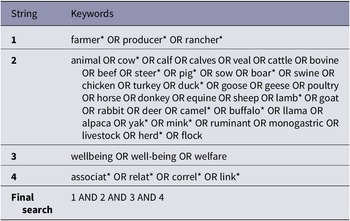
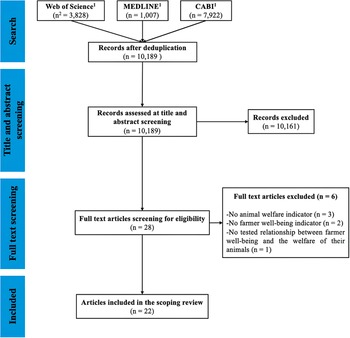
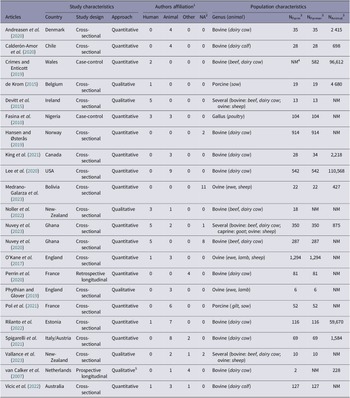

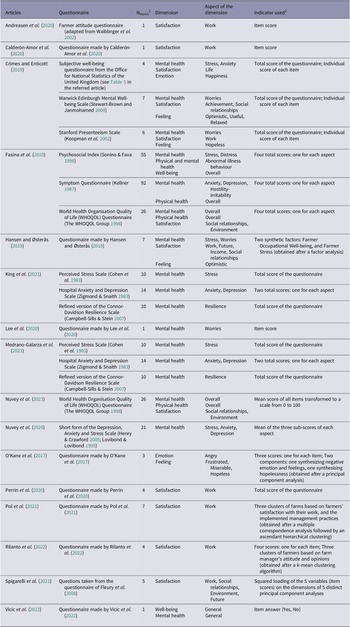
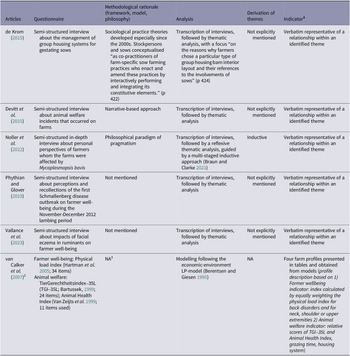
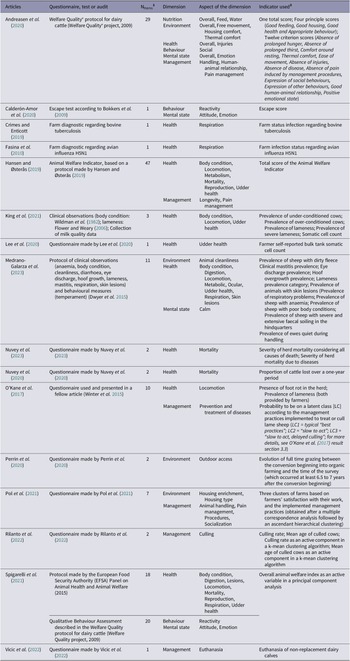
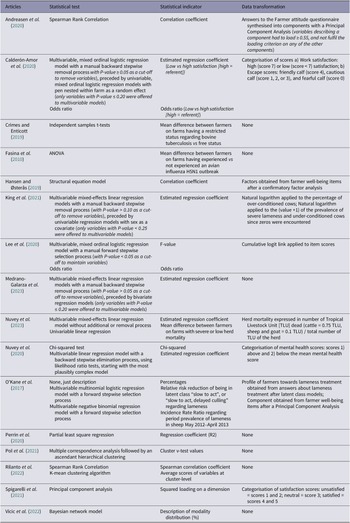

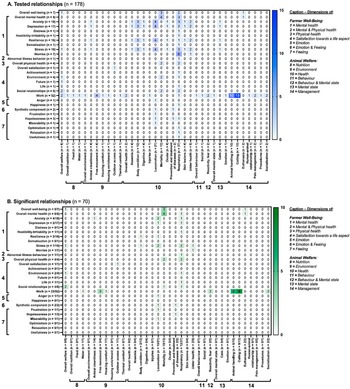


 Open access

