

Introduction
A total of 25,670 unaccompanied asylum-seeking children (UASC) were registered within the European Union (EU) in 2017 and this number has increased significantly over the last 5 years (Eurostat, 2018). The term UASC is used to refer to children and young people under the age of 18 who are outside their country of origin, separated from both parents, are not being cared for by an adult who by law or custom has responsibility to do so, and who have applied for asylum in their own right (Home Office, 2016).
Children and young people become separated from their families and are forced to leave their country of origin for a number of reasons, including fear or experience of persecution, torture, violence, war and trafficking (Kohli and Mather, Reference Kohli and Mather2003). As a result, UASC are likely to have experienced multiple losses, have had limited or no periods of stability, and have often endured trauma in their country of origin as well as on the journey away from their home country, which can take many months (Fazel and Stein, Reference Fazel and Stein2002). Disruption within their country of origin and during their journey means that many young people have not had access to formal education or healthcare (Fazel et al., Reference Fazel, Reed, Panter-Brick and Stein2012). These experiences occur during a key developmental period (Blakemore, Reference Blakemore2012; Konrad et al. Reference Konrad, Firk and Uhlhaas2013).
Within the refugee population, UASC are considered to have distinctive psychosocial needs and, following arrival in the receiving country, are required to navigate a multitude of social systems relating to their legal status, housing, care needs, health and education. UASC do not have access to buffering social support from family members which other refugee children might have, resulting in demands and responsibilities above and beyond what is typically expected of a child. While settling in the receiving country young people might experience displacement, discrimination, social exclusion and an increased sense of isolation (Bronstein and Montgomery, Reference Bronstein and Montgomery2011; Fazel and Stein, Reference Fazel and Stein2002). In addition, the asylum process is a significant aspect of settling in a receiving country. Although young people seeking refugee status are allowed to reside in a receiving country until the age of 18, UASC are required to begin the asylum process; they have to contend with processes including giving a detailed testimony, an extended asylum interview, the threat of being returned to their country of origin, and prolonged periods of uncertainty while waiting for a decision. This process and the associated unpredictability can lead to considerable anxiety for young people.
Prevalence estimates of mental health disorders in unaccompanied asylum-seeking children range from 41 to 69% (Bronstein and Montgomery, Reference Bronstein and Montgomery2011; Coyle et al., Reference Coyle, Bowen, Mullin, Sayer, Siggers and Bennett2016; Fazel and Stein, Reference Fazel and Stein2002; Jakobsen et al., Reference Jakobsen, Demott and Heir2014). UASC often present with disrupted sleep and feeding patterns, which can exacerbate emotional lability and distress (Polivy, Reference Polivy1996; Bronstein and Montgomery, Reference Bronstein and Montgomery2013). The most frequent psychiatric diagnoses seen in refugee and asylum-seeking children are post-traumatic stress disorder (PTSD), anxiety with sleep disorders, and depression; however, children can also present with a mixture of symptoms without meeting criteria for a single diagnostic category (Fazel and Stein, Reference Fazel and Stein2002). The prevalence of mental health difficulties in UASC are estimated to be higher than for children seeking asylum with their families and for children who are not from refugee or asylum-seeking backgrounds (Huemer et al., Reference Huemer, Karnik, Voelkl-Kernstock, Granditsch, Dervic, Friedrich and Steiner2009) and is influenced by a number of individual, family, community and societal risk and protective factors (Fazel et al., Reference Fazel, Reed, Panter-Brick and Stein2012).
The mental health needs of UASC often relate to the consequences of significant exposure to multiple stressors and traumatic experiences during three different stages, as outlined above; while in their country of origin (pre-flight), during the journey to safety (flight) and when settling in the receiving country (post-flight; Yule, Reference Yule2002). Although UASC have an increased level of vulnerability, adolescence presents a unique opportunity within which psychosocial support can play a key role with the potential to modify developmental trajectories (UNICEF, Reference Eruyar, Huemer and Vostanis2017).
UASC may be unfamiliar with help seeking for any health need and the idea of psychological support may appear alien and confusing or, for some young people, threatening. Mental health needs are often interpreted differently within the cultures of origin for UASC and seeking support for mental health needs can be highly stigmatized. It is understood that there are a number of barriers for unaccompanied minors attending mental health services (Majumder et al., Reference Majumder, Vostanis, Karim and O'Reilly2018). Initial assessment interviews for mental health services may also replicate interviews which UASC have to comply with as part of their asylum application, potentially making health appointments more aversive.
This paper outlines a psychological skills group developed for unaccompanied asylum-seeking and refugee young people in the context of a mental health service in the UK, and describes specific considerations and adaptations made to meet the needs of this population. This paper includes a review of the acceptability and suitability of this approach using routine outcome monitoring, attendance data and feedback from young people.
Psychosocial approaches with refugee children
There is a growing evidence base for psychosocial interventions for children and young people from refugee and asylum-seeking backgrounds, which play a key role in addressing the needs of this population. Hobfoll et al. (Reference Hobfoll, Watson, Bell, Bryant, Brymer and Friedman2007) highlight five key principles for interventions for children and families who have been affected by war and mass violence: a sense of safety, calming, a sense of self-and-community efficacy, connectedness and hope.
Recent reviews highlight the multifaceted nature of the needs of refugee and asylum-seeking children and adolescents and the importance of considering their wider context (Eruyar et al., Reference Eruyar, Huemer and Vostanis2017; Fazel and Betancourt, Reference Fazel and Betancourt2017). A number of key protective factors have been identified that support the psychological wellbeing of adolescent refugees, including social support networks and maintaining cultural links, which have led to suggestions that potential areas for intervention include friends and peers (Weine et al., Reference Weine, Ware and Hakizimana2014).
There is a need for cultural adaptations in interventions to address the diverse needs of children from refugee and asylum-seeking backgrounds (Fazel and Betancourt, Reference Fazel and Betancourt2017) and for those who have been exposed to traumatic events (Purgato et al., Reference Purgato, Gross, Betancourt, Bolton, Bonetto, Gastaldon, Gordon, O'Callaghan, Papola, Peltonen, Punamaki, Richards, Staples, Unterhitzenberger, van Ommeren, de Jong, Jordans, Tol and Barbui2018). Interventions to address exposure to trauma have predominantly focused on PTSD (Fazel and Betancourt, Reference Fazel and Betancourt2017) with specific interventions such as Narrative Exposure Therapy (Schauer et al., Reference Schauer, Neuner and Elbert2011) demonstrating encouraging outcomes for refugees in high- and low-income countries (Neuner et al., Reference Neuner, Schauer, Klaschik, Karunakara and Elbert2004; Robjant and Fazel, Reference Robjant and Fazel2010; Ruf et al., Reference Ruf, Schauer, Neuner, Catani, Schauer and Elbert2010). There is currently a mixed evidence base for other mental health interventions; however, there is an increasing focus on transdiagnostic treatments using common elements from evidence-based interventions, such as cognitive behavioural therapy, and including additional techniques aimed at establishing strengths, social-support building, or mind/body oriented skills (Fazel and Betancourt, Reference Fazel and Betancourt2017; Purgato et al., Reference Purgato, Gross, Betancourt, Bolton, Bonetto, Gastaldon, Gordon, O'Callaghan, Papola, Peltonen, Punamaki, Richards, Staples, Unterhitzenberger, van Ommeren, de Jong, Jordans, Tol and Barbui2018).
Psychosocial approaches, including targeted interventions as well as group-based psychoeducation interventions, have been shown to be effective in reducing PTSD and functional impairment and in increasing hope, coping and social support in low-resource settings (Purgato et al., Reference Purgato, Gross, Betancourt, Bolton, Bonetto, Gastaldon, Gordon, O'Callaghan, Papola, Peltonen, Punamaki, Richards, Staples, Unterhitzenberger, van Ommeren, de Jong, Jordans, Tol and Barbui2018) and in middle- and high-income countries (Ehntholt et al., Reference Ehntholt, Smith and Yule2005; Fazel and Betancourt, Reference Fazel and Betancourt2017; Sarkadi et al., Reference Sarkadi, Ådahl, Stenvall, Ssegonja, Batti, Gavra, Fängström and Salari2018).
UNICEF (2017) highlights the acceptability of psychoeducation around stress to adolescents and that this can lead to significant reductions in stress hormone levels and symptoms of depression. Adolescence is a key developmental period with continued neural development and hormonal changes that interact with various psychological factors and changes in social contexts (Blakemore, Reference Blakemore2012; Sawyer et al., Reference Sawyer, Afifi, Bearinger, Blakemore, Dick, Ezeh and Patton2012). This is considered to be a crucial time in which to intervene to support young people and interventions have the potential to improve mental health and wellbeing beyond adolescence (Patel et al., Reference Patel, Flisher, Hetrick and McGorry2007; Sawyer et al., Reference Sawyer, Afifi, Bearinger, Blakemore, Dick, Ezeh and Patton2012; Laski, Reference Laski2015; UNICEF, 2017).
Applicability of cognitive behavioural approaches
Cognitive behavioural approaches hold the basic understanding that different internal and external factors influence the development and maintenance of mental health difficulties and psychological distress. External factors include biopsychosocial influences in a person's history and current environment. Cognitive behavioural theory defines internal factors as emotions, physical sensations, thoughts and beliefs, and behaviours (Greenberger and Padesky, Reference Greenberger and Padesky1995). These factors have a reciprocal influence on each other and it is proposed that particular patterns of thinking and behaviour can lead to and maintain mental health difficulties and psychological distress. This also provides an avenue for intervention; change in one area is thought to influence change in others, and so supporting people to make helpful changes in one area can ameliorate symptoms of mental health difficulties and psychological distress. Therefore, providing coping strategies within the different areas of this model is likely to support wellbeing. The current group offered different interventions relating to thoughts, emotions, behaviours and physiological responses. There is an established evidence base for cognitive behavioural therapy (CBT) for children and adolescents presenting to mental health services (Graham and Reynolds, Reference Graham and Reynolds2013) and encouraging evidence for supporting the psychological needs of child refugees in high income countries using a CBT approach (Ehntholt et al., Reference Ehntholt, Smith and Yule2005; Sarkadi et al., Reference Sarkadi, Ådahl, Stenvall, Ssegonja, Batti, Gavra, Fängström and Salari2018).
Although not everyone who participates in this group may reach diagnostic thresholds for PTSD, due to the history of UASC, a trauma-informed approach was taken using ideas from trauma-focused therapeutic approaches. These were adapted from the stabilization phase of trauma-focused treatment including establishing a sense of safety, symptom management, and developing emotional awareness and emotion regulation skills (McFetridge et al., Reference McFetridge, Swan, Heke, Karatzias, Greenberg, Kitchiner and Morley2017). This was deemed to be important due to the instability that many UASC experience upon arrival in the UK, for example in relation to their legal status and housing. A phased model of intervention and holistic approach to care has been recommended for refugee children and young people (Ehntholt and Yule, Reference Ehntholt and Yule2006; Murray et al., Reference Murray, Cohen, Ellis and Mannarino2008).
The Skills Training in Affective and Interpersonal Regulation (STAIR) approach to trauma developed by Cloitre and colleagues (Reference Cloitre, Koenen, Cohen and Han2002) highlights different components to emotion regulation, adapted from Dialectical Behaviour Therapy (DBT; Linehan, Reference Linehan1987, Reference Linehan1993). These include identifying and labelling emotions, managing emotions, distress tolerance, acceptance of feelings and experiencing positive emotions. Difficulties with emotion regulation have been shown to mediate the relationship between trauma exposure and PTSD and depression in refugees, suggesting the importance of focusing on emotion regulation within therapy (Nickerson et al., Reference Nickerson, Bryant, Schnyder, Schick, Mueller and Morina2015). Furthermore, emotion management and social support have been identified as important resources that can facilitate protection against developing PTSD and in recovery (Charuvastra and Cloitre, Reference Charuvastra and Cloitre2008). Ideas from this approach were therefore utilized within the group.
Another approach drawn on was Compassion Focused Therapy (CFT; Gilbert, Reference Gilbert2009, Reference Gilbert2014). One of the key aims of CFT is to help develop experiences of safeness and soothing through compassion (Gilbert, Reference Gilbert2009, Reference Gilbert2014). UASC report experiencing a high sense of current threat and instability, which follows a period of high threat during their pre-flight and flight experiences. Young people describe limited or no experiences of soothing and safeness during these times. Specific compassion-focused techniques were therefore employed to support young people in reducing their current sense of threat and in developing experiences of safety and soothing.
Service context
The intervention being described takes place within a statutory National Health Service (NHS) child and adolescent mental health service for refugees and asylum seekers. The service operates within an ecological model (Bronfenbrenner, Reference Bronfenbrenner and Vasta1992) making use of systemic therapeutic approaches, offering consultation and resilience-based approaches within community settings, alongside assessment and intervention for specific mental health difficulties. In 2017, 69% of the referrals to the service were for unaccompanied asylum-seeking young people.
Within the service, there is a need for an intervention for unaccompanied young people who present with varied mental health needs, and where individual work may not be indicated due to factors including unstable social circumstances or reluctance to engage in individual or trauma-focused work. Fazel and Betancourt (Reference Fazel and Betancourt2017) identify how group approaches may offer unique benefits for this population though peer support and normalization, as well as encouraging connections among young people. The idea of an open group for UASC to address individual wellbeing was implemented in the service from February 2017. The group described in this paper was implemented from November 2017. Prior to this current group, the group had been informed by liberation and empowerment approaches, which identified that young people valued forming part of a group. The group is open to individuals regardless of the language they speak and is described to young people as a way of supporting overall wellbeing within an informal environment with other young people from similar backgrounds.
Group content
The group covers a range of ongoing topics to address the wellbeing needs of the young people. This was informed by the current evidence base around supporting the mental health needs of UASC, cognitive behavioural approaches, and an understanding of UASC health needs (UASC Health, 2016, unpublished data). This included the mental health consequences of trauma sequalae and the socio-emotional needs of young people. The group content was also informed by resilience-building approaches and coping skills relevant to adjusting to a new social environment. This led to three key themes around which the content of the group was based: physical health needs, emotional wellbeing, and resilience-building and empowerment. An outline of the content covered within the group is given in Table 1.
Outline of the content of the group sessions
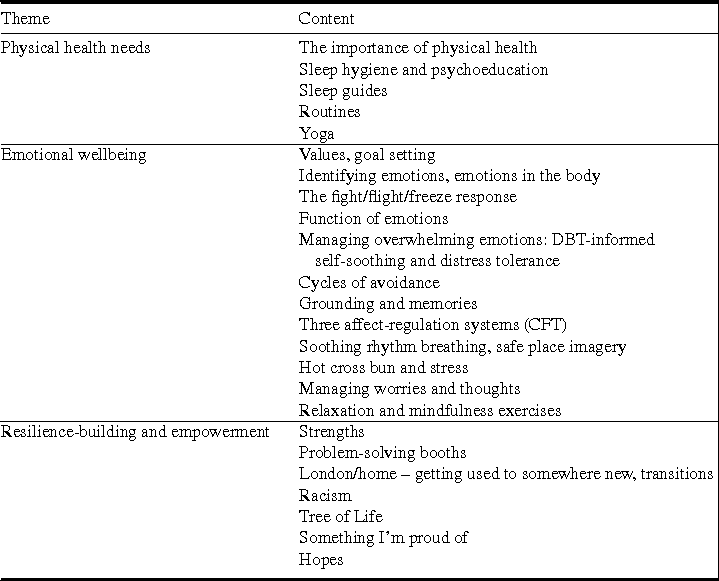
DBT, dialectical behaviour therapy; CFT, compassion focused therapy.
Group participants
Young people are referred to the group by clinicians in the service. This is an open group so young people can join at any time. Fourteen young people have been referred to date; Table 2 offers a representation of the young people within the group and their respective cultural backgrounds. Three young people no longer attend the group due to varying individual circumstances; one had conflicting schedules with other commitments and felt that he no longer required mental health support, one also felt that he no longer required mental health support, and one decided to engage with individual rather than group support. Eleven young people therefore attend on a consistent basis.
Demographic information for young people taking part in the group
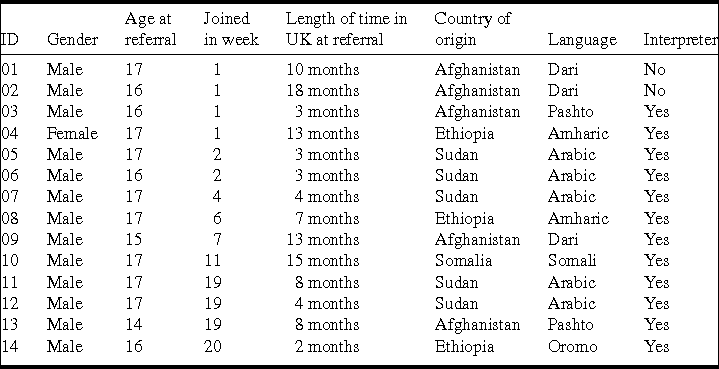
The mean age at referral was 16.36 years (SD = 0.93) and 13 of the 14 young people referred were male. Interpreters were used to support 12 of the 14 young people referred to the group.
Adaptations
There are a few documented adaptions of CBT for clients from refugee backgrounds. Hinton et al. (Reference Hinton, Rivera, Hofmann, Barlow and Otto2012) noted that in a 14-week stabilization group for adults with PTSD, interventions specifically focused on different somatic symptoms relating to anxiety, irritability and stress. In a 6-week group intervention for child refugees with psychological difficulties in secondary school, Ehntholt and colleagues (Reference Ehntholt, Smith and Yule2005) made use of sleep hygiene, grounding strategies, imagery, activity scheduling and EMDR (eye movement desensitization and reprocessing) techniques to support young people with intrusions, hyperarousal and poor sleep.
The needs of the group required adaptations on the basis of ethnicity, language, culture, literacy and developmental needs. Vygotsky's Zone of Proximal Development (Vygotsky, Reference Vygotsky1978) informed the process of adapting interventions to ensure that these were accessible for young people who were unused to attending formal healthcare appointments, who were new to the country and who had a different understanding of mental health. This supported the rationale for scaffolding the psychoeducation interventions (Wood et al., Reference Wood, Bruner and Ross1976); beginning with understanding clients’ own frame of reference then building to more complex interventions, such as the role of thoughts and the function of emotions, as the group's understanding developed.
The coordinated management of meaning theory (Cronen et al., Reference Cronen, Chen and Pearce1988; Cronen, Reference Cronen2001) helped to inform how young people may make sense of their identity, experiences and difficulties. This informed adaptations within this group to make cognitive behavioural therapy more accessible. As facilitators, it was helpful to consider our own differences within the group context; this was at times named and acknowledged in discussions. It was also considered helpful to maintain an open stance of curiosity and to present interventions as suggestions or ‘one’ approach. The language used by facilitators also aimed to be mindful of young people's concerns relating to stigma around having mental health difficulties (Majumder et al., Reference Majumder, Vostanis, Karim and O'Reilly2018); for example, the word ‘stress’ was often used instead of more nuanced terms such as psychological distress. As many clients were practising Muslims, concepts such as evolution were not presented as a part of psychoeducation discussions due to the different perspectives about evolution within Islam (Dagher and BouJaoude, Reference Dagher and BouJaoude1997; Guessoum, Reference Guessoum2016). When introducing CBT approaches, it was acknowledged that different ideas and practices may be more or less helpful for different individuals within the group, as young people had different presenting difficulties and strengths.
Beginning with physical health
Common presenting concerns reported by young people at assessment in the service included a number of physical health complaints including poor sleep, difficulties concentrating, headaches, pain and stomach aches. There is evidence in the research literature that individuals from non-Western cultures may report physical health difficulties more readily than psychological difficulties (Hinton and Lewis-Fernandez, Reference Hinton and Lewis-Fernandez2010). A deliberate decision was made to begin the group with a discussion of physical health needs. It was thought that clients would engage better with such content at the beginning of the group, on the basis of their presenting complaints and being less familiar with talking therapies. This incorporated psychoeducation sessions on the roles of diet, routine and the importance of physical health. We used the PLEASE MASTER skill informed from the DBT approach as a way of introducing this (Linehan, Reference Linehan2015): treat physical illness, balanced eating, avoid mood altering drugs, balanced sleep, exercise, achieve mastery.
Sleep
Sleep is considered a unique need among UASC as, in addition to this being a possible expression of trauma-related arousal and reactivity within PTSD, sleep difficulties are often a consequence of having to alter one's sleep patterns and survive on significantly reduced sleep whilst on the journey to the receiving country. A multi-pronged approach to sleep was employed and young people were supported through implementation in a two-stage approach. The first session involved psychoeducation around the science of sleep and the introduction of a sleep diary to document day- and night-time factors that may affect sleep. The second session involved reviewing diaries and introducing strategies to respond to difficulties falling asleep and difficulties staying asleep. This included grounding strategies, sleep hygiene strategies and a behavioural sleep guide that offered instructions on gradually changing sleep patterns. The intervention also involved providing practical resources such as night lights, soothing scents, and grounding images to orient young people to their current location following nightmares or dissociation. As young people often spoke about rumination and worry before bed time, worry dolls were included as a means of helping young people to externalize their worries overnight (UASC Health, 2016, unpublished data). Efforts were made to make the resources more accessible; diaries were made using pictures and response formats were constructed so that young people could simply mark onto the diary rather than write. Young peoples’ sleep was continually reviewed as part of the group process and sleep difficulties appeared to persist as a consequence of difficulties relating to post-traumatic stress.
Supporting engagement with the group
Unaccompanied minors’ relationship with services, as well as their relationship to help overall (Reder and Fredman, Reference Reder and Fredman1996) was addressed from the start of the intervention. Prior to attending the group, the facilitators met with each young person to assess their unique mental health needs as well as how they felt about attending a group and whether they had any concerns about this. Group and individual reviews were held approximately every quarter, to gather feedback on whether young people felt the group was meeting their needs and to ascertain whether there were any topics the young people hoped to cover in future group sessions. It is thought that this supported young people's engagement with the group and enabled the facilitators to pre-empt or respond to any potential difficulties.
To determine what topics to prioritize within the group, strategies informed by Acceptance and Commitment Therapy (Hayes et al., Reference Hayes, Luoma, Bond, Masuda and Lillis2006) were employed to support clients to name goals in line with their individual values. The young people were asked to think about someone they admire and were interviewed by the facilitators to support this discussion, how these people were remembered and considered within their community, and what it is they value about them. Young people were asked to explain the meaning of this specific value in their culture. These were written on the board and other young people were asked about this concept, its meaning and expression in their culture and language. These concepts were then transformed into individual goals for the young people within the group.
Power, race, status, control over circumstances
Issues related to power, racism and status within receiving countries are acknowledged to have an impact on refugee mental health (Kastrup, Reference Kastrup2016). UASC often report having limited or no control over their circumstances and adult figures are often required to coordinate much of their care without consulting the young person. To respond to this when using a cognitive behavioural model, the group facilitators took an explicitly collaborative stance throughout the group. Young people were invited to give their perspectives and the difficulties around professionals in power in some circumstances were openly named. Anxiety relating to young people's asylum application was also discussed in the group. When introducing the Greenberger and Padesky (Reference Greenberger and Padesky1995) CBT model to the group, here and now worries as a consequence of the asylum process was used as an illustration, as well as helpful or less helpful ways of responding to this.
Certain interventions within the group also took on a more explicit empowerment aim. One such example is the use of problem solving booths (Owls, 2017, unpublished data), which allows young people to share their skills to support one another as well with individuals with more ascribed power, such as clinicians. Race and gender were also named and acknowledged alongside the impact of the other social graces on understanding and expressing mental health needs (Burnham, Reference Burnham and Krause2012), as well as on the differences within the group and between the group and the facilitators.
Young people's circumstances were understood to have an impact on their quality of life and which may exacerbate their mental health difficulties (Carlson et al., Reference Carlson, Cacciatore and Klimek2012; Fazel and Betancourt, Reference Fazel and Betancourt2017; Fazel et al., Reference Fazel, Reed, Panter-Brick and Stein2012). Alongside the group intervention, young people received practical support with their different social needs; at times liaising with others in the professional network and reporting on young people's mental health needs as part of the asylum process. Information about additional support young people received alongside the group can be found in Table 5.
Language
Limited spoken English was not a barrier to taking part in the group. Following the British Psychological Society's best practice guidance for working with interpreters (2017), a language needs analysis was carried out as part of the initial assessment for the group, allowing clients to state their preferred spoken language and dialect. Using interpreters enabled the provision of an equitable and accessible service, in line with National Institute for Health and Care Excellence (NICE) guidelines (2005) as well as best practice recommendations for working with refugees (Mind, 2009). To respond to the concerns regarding the ongoing cost of interpretation, an alternative model of organizing interpreter bookings was suggested by employing interpreters directly through the NHS Trust, eliminating costly agency administration fees.
In setting up the group rules it was agreed that everything that was said in the group is interpreted, even if it was something said between young people who speak the same language. Interpretation within the group required active facilitation, reminding young people to pause when talking to allow for interpretation and monitoring when young people wanted to speak. For this reason, it is thought necessary to have two clinical facilitators to effectively run this group.
Less content was planned for each group session to account for the increased amount of time required to support interpretation. The language used by facilitators was intentionally kept simple and as jargon free as possible to support reliable interpretation and prevent distilling of the CBT model. During activities in the group, written language was avoided as much as possible as some participants were unable to read, even in their preferred language. However, when words were put on paper, interpreters or young people were invited to add the relevant word in their own language.
Five interpreters were required to run the group. The selected interpreters were familiar with mental health provision in the service and were invited for a training session prior to the start of the group. During this session, preferences for interpretation style around clarity and explanation were discussed, along with discussions around boundaries with young people and translating within a group. Care was taken to support interpreters who frequently worked with the group. Although it was not possible to formally debrief every session due to limitations on booking times, feedback was given to interpreters when possible, including positive feedback and noting appreciation of their contribution. Client responses to interpreters were also observed, and when clients had difficulty with a specific interpreter this was acknowledged and a different interpreter was booked for future sessions.
Needs of young people
The final consideration was being mindful of the needs of the group as young people. Adaptations were made for the content to be more user-friendly and interesting and to be delivered in a manner that considered young people's developmental stage (Sauter et al., Reference Sauter, Heyne and Westenberg2009; Stallard, Reference Stallard, Graham and Reynolds2013). The start of every session included warm-up activities such as young people telling a joke, highlighting a pleasant event from the previous week or something new that they learned, with the aim of creating an informal and friendly atmosphere.
Games were used to identify different processes and concepts within the group to support engagement and salience of the content. Topics such as avoidance were introduced with a movement game asking young people to stand up or sit down if they ever engaged in certain avoidance activities. Metaphors relating to stress were brought to life using a bucket and water which the young people held and filled until it overflowed. Concepts such as the fight-or-flight response and the dual representation theory of memory (Brewin et al., Reference Brewin, Dalgleish and Joseph1996) were acted out by facilitators in a caricatured way to make them engaging and memorable. See Fig. 1 for a summary of the adaptations made for the group.
Adaptations made for the group

Acceptability and feasibility of this approach
The acceptability of this approach for UASC was evaluated using percentage attendance, review questions informed by the client change interview (Elliott, Reference Elliott1999) and session rating scales (Miller et al., Reference Miller, Duncan and Johnson2000). The feasibility of this intervention was explored through reviewing the pragmatics of running such an intervention and preliminary effectiveness data.
Acceptability
The attendance was measured for every group session. Over the 35 weeks of the group included in this report, the mean attendance was 65% (SD = 18.04). Non-attendance reasons included conflicting appointments and social activities, withdrawal of funding for travel from the local authority, and additional requirements during the month of Ramadan.
In a formal review session, group members were asked questions informed by the client change interview (Elliott, Reference Elliott1999) around how they were feeling, perceived helpfulness of the group, and any changes they may have noticed since the start of the group. All seven of the young people present during this session were able to identify and share ways in which they found the group helpful, what they valued about the group and suggestions for future content. Young people shared that they felt welcome and respected, valued being part of a group of young people in a similar position, learned a lot from the group and felt less stressed since joining. A few quotes from young people which offer an illustration of their feedback are given in Table 3.
Example quotes from young people taken from the group review session
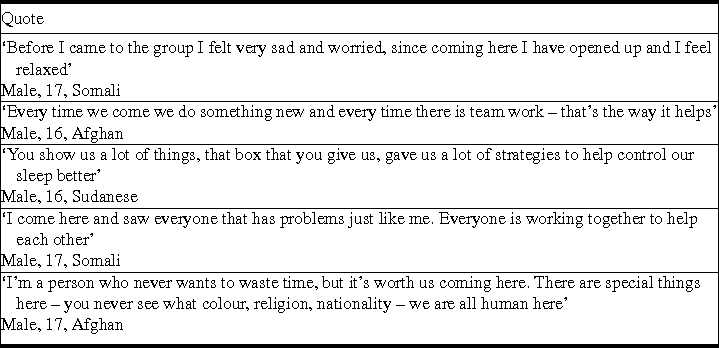
Reviewing feedback from group members allowed us to evaluate whether the considerations made in planning and facilitating the group had been an acceptable method of providing mental health care for UASC within an NHS setting.
To monitor the suitability of the group and the adjustments made, Group Child Session Rating Scales (CGSRS) were used at the end of each session. This makes use of four visual analogue scales which prompts for ratings on listening, importance of topic, approach of content and overall approach to the group (Duncan et al., Reference Duncan, Miller, Sparks and Murphy2011). Practice recommendations for using the CGSRS include having open discussions when receiving feedback. This allowed for further flexibility in our approach and changes were made in subsequent groups in line with applicable feedback received at the end of each group session. The scales were measured and rated using a 12-point scale. Mean percentages for each category were calculated for ratings over 34 weeks of group feedback. The mean ratings on all four categories across 34 weeks were consistently over 90%. A summary of the ratings for each category is provided in Table 4.
Summary of ratings on the Session Rating Scale
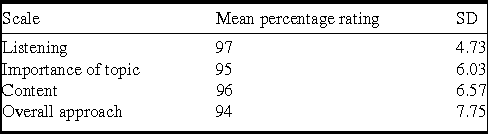
SD, standard deviation.
Feasibility
The practicalities relating to running an open group for unaccompanied minors alongside interpreters was considered in the feasibility of this intervention. Within this service, the group was facilitated by final year trainee clinical psychologists, who were not directly employed by the trust, which minimized the cost of the intervention. Interpreter costs were also minimized through sharing interpreters. One interpreter was booked per language requirement, meaning that, at times, up to five young people only required one interpreter. It is also thought to be more cost effective to run a group intervention which young people attended rather than offering several individual appointments which unaccompanied minors may not attend due to mistrust of formal appointments and adults in positions of authority (Mind, 2009; Majumder et al., Reference Majumder, Vostanis, Karim and O'Reilly2018). A group approach is also indicated to reduce social isolation, which is understood to prevent exacerbation of mental health difficulties (Fazel and Betancourt, Reference Fazel and Betancourt2017) that may require more complex interventions in the future (Cloitre et al., Reference Cloitre, Courtois, Ford, Green, Alexander, Briere, Herman, Lanius, Stolbach, Spinazzola, Van der Kolk and Van der Hart2012).
Clinical outcomes
The Strengths and Difficulties Questionnaire (SDQ; Goodman, Reference Goodman1997, Reference Goodman2001) was used to monitor clinical outcomes. This is a measure routinely used across child and adolescent mental health services and within child settings such as schools and social care settings (Wolpert et al., Reference Wolpert, Görzig, Deighton, Fugard, Newman and Ford2015). Symptoms of PTSD were monitored using the Child Revised Impact of Events Scale 8-item version (CRIES-8; Perrin et al., Reference Perrin, Meiser-Stedman and Smith2005); however, this was completed at later stages in the group and was not used to monitor group outcomes.
The reliable change index (RCI; Jacobson and Truax, 1991) was used to determine whether change in scores between pre-intervention and a review at 35 weeks was deemed to be a statistically reliable change, beyond that which could be accounted for by measurement error. It was also reviewed whether scores crossed the clinical threshold, as recommended by Wolpert and colleagues (Reference Wolpert, Görzig, Deighton, Fugard, Newman and Ford2015). Effect size using Cohen's d (Cohen, Reference Cohen1988) was calculated for SDQ data for comparison of the change in scores from baseline to review.
Using normative data for the SDQ (Meltzer et al., Reference Meltzer, Gatward, Goodman and Ford2000), it was calculated that statistically reliable change at the 5% significance level was indicated by a score change greater than 6.32. Of the eight people for whom paired data were available, four showed a reliable improvement in scores on the SDQ. One person was just below the statistically reliable threshold for improvement. No young people showed a deterioration; see Table 5.
Outcome measure data, number and percentage of sessions attended by each young person, and additional support and treatment received alongside the group
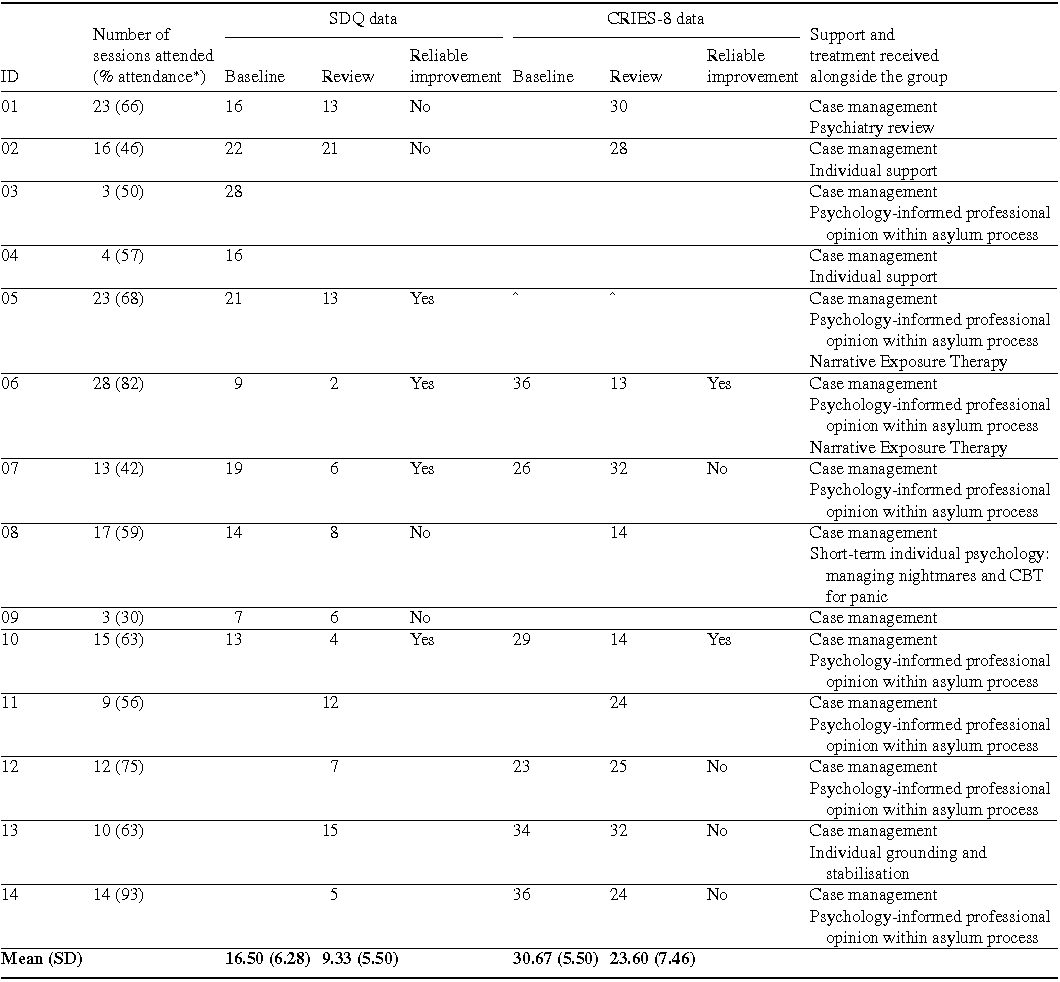
*Individual percentage attendance is calculated based on the number of possible sessions the young person could have attended taking into account the week they started and ended the group. ^Completed the Child PTSD Symptom Scale (CPSS-V) instead of the CRIES-8.
Statistically reliable change on the SDQ has been calculated to be indicated by a score change of greater than 6.32. Statistically reliable change on the CRIES-8 has been calculated to be indicated by a score change of greater than 13.03.
The clinical threshold for identifying the presence of a psychiatric disorder for the self-report SDQ is a score of ≥18 (Goodman, Reference Goodman1997, Reference Goodman2001). At baseline, four of the young people for whom data were available (N = 10) scored above the clinical threshold on the SDQ. At the review time point, one of the young people for whom data were available (N = 12) scored above the clinical threshold; see Table 5.
Cohen's d for SDQ data was calculated to be 1.08, representing a large effect size (Cohen, Reference Cohen1988).
A discrepancy was identified between the total difficulties scores for young people on the SDQ and the difficulties identified on the CRIES-8. At baseline, of the six young people who completed the CRIES-8, all scored above the clinical cut-off of 17 (Perrin et al., Reference Perrin, Meiser-Stedman and Smith2005). One young person completed the Child PTSD Symptom Scale for DSM-5 (CPSS-V; Foa et al., Reference Foa, Asnaani, Zang, Capaldi and Yeh2018) instead of the CRIES-8 and scored 59 at baseline, which is above the clinical cut-off score of 31 (Foa et al., Reference Foa, Asnaani, Zang, Capaldi and Yeh2018). At the review time point, seven of the young people for whom data were available (N = 10) scored above the clinical threshold on the CRIES-8; see Table 5.
Discussion
This write up has attempted to describe how CBT approaches can be employed to meaningfully benefit UASC as part of a broader care package to support their mental well-being. In planning this group as clinical psychology doctoral students in the United Kingdom, many different skills garnered throughout our training were applicable. The content of the group was similar to that of other psychological skills groups that may exist in routine services; however, the manner in which these have been offered and delivered have been adjusted to ensure that they were applicable and helpful for UASC. Awareness of the evidence base, knowledge of the needs of UASC and the different difficulties that were prevalent for individuals in the group allowed us to put together an informed group plan to support young people's mental health needs.
UASC require a broad package of care. Being flexible in the manner with which care is delivered, allowing young people the opportunity to connect with others in a similar situation, and staging interventions to accommodate UASC biopsychosocial needs can support young people to engage with services which were previously unfamiliar. Responding to client needs and aiding with practical issues and the asylum process also provided the opportunity to shape young people's relationship with health services, particularly as larger institutions may be perceived as threatening (Majumder et al., Reference Majumder, Vostanis, Karim and O'Reilly2018). Throughout the 35 weeks of the group, we have been struck by the young people's engagement. Once young people started attending the group, the return attendance rates have been very consistent. This, along with the session-by-session data outlined above, informs our understanding that the adaptations and the content of the group are meaningful and useful for UASC.
In our experience, the group has served a number of different functions. For young people who were reluctant to engage in more formal therapeutic provision, the group allowed UASC to receive empirically grounded support for a range of emotional needs while having their mental health needs reviewed as appropriate. Unlike other groups described in the literature or available in routine settings, eligibility is not limited to having a formal diagnosis. This has allowed the facilitators to consider UASC's wide-ranging needs and begin to offer psychoeducation regarding distressing symptoms, such as those characteristically associated with PTSD. This group may also be considered the first part of a phased approach for supporting complicated presentations (Cloitre et al., Reference Cloitre, Courtois, Ford, Green, Alexander, Briere, Herman, Lanius, Stolbach, Spinazzola, Van der Kolk and Van der Hart2012).
The value of running this group as an open group is also considered significant. For young people whose social circumstances were quite chaotic, or for whom there are multiple demands on their time due to competing appointments, a time-limited intervention could have meant that young people could not access a significant proportion of what was offered. An open group also served as a place where young people could link in for further support and young people in this group reported valuing the accessibility of this format. Practically, young people were asked to notify facilitators via text message when they were unable to attend in order to cancel the interpreter booking, and this was frequently done. While this group included mostly new content every week, it is thought running the group in a modular format could make this more sustainable.
This paper has been able to identify preliminary effectiveness data for this approach using routine outcome measures. Unfortunately, outcome data was at times incomplete, which is reflective of some of the challenges of using measures to evaluate outcomes within routine CAMHS practice (Wolpert and Rutter, Reference Wolpert and Rutter2018). The SDQ, while not intended to identify potential PTSD symptoms, is largely used in child settings and may not be sensitive or specific enough to the needs of this client group (Stolk et al., Reference Stolk, Kaplan and Szwarc2017). This was identified by the proportion of young people in this group scoring below the clinical threshold on the SDQ while scoring significantly above the clinical cut-off for PTSD symptoms on the CRIES-8 or CPSS-V. Using a measure for global difficulties such as the Young Person's CORE (Twigg et al., Reference Twigg, Barkham, Bewick, Mulhern, Connell and Cooper2009) may better capture specific needs within this client group including sleep difficulties, distressing thoughts and feelings and the perceived ability to reach out for support. This measure is being implemented more frequently with unaccompanied minors (The Children's Society, 2018). A specific measure to screen for symptoms of PTSD and for signs of distress within refugee populations, such as the CRIES and the Refugee Health Screener-15 (Hollifield et al., Reference Hollifield, Verbillis-Kolp, Farmer, Toolson, Woldehaimanot, Yamazaki, Holland, Clair and SooHoo2013) is considered to be a useful addition as young people may be unlikely to voluntarily report these difficulties.
While the trauma histories of UASC can at times be overwhelming, having the opportunity to be part of this group has allowed us to witness the many strengths, resilience and compassion that these young people possess. Slight adaptations to traditional practice allowed us to provide empirically grounded interventions to UASC at a developmental turning point and support young people's mental health, which has the potential to prevent the development of future difficulties.
Main points
(1) Unaccompanied asylum-seeking young people present with distinct psychosocial needs and there is a need for evidence-based interventions to support their mental health needs, delivered in a manner that is acceptable and meaningful for young people. It is crucial that interventions consider the wider context of young people, draw on protective factors and consider the existing evidence base alongside cultural adaptations in order to meet the needs of this population. Adolescence is a key time in which to intervene, and intervening at this stage has the potential to support mental health and wellbeing into adulthood.
(2) This paper described a number of adaptations made in routine clinical practice which allowed a cognitive behavioural informed group intervention to be delivered in a way that is acceptable to unaccompanied asylum-seeking young people. This group was delivered in the context of routine care in an outpatient mental health service in the UK and was feasible to implement in this setting. Return attendance rates were high and young people valued both the content of the group and the opportunity to meet other young people in similar situations. As facilitators, we felt privileged to work with these young people and witness their resilience and compassion, saw the importance of taking a flexible approach, and valued the opportunity to adapt our existing skills and knowledge to meet the needs of this population in a meaningful way.
Acknowledgements
We would like to thank the young people who have participated in this group for their enthusiasm, dedication and compassion during the group sessions as well as their support to write this paper. We would also like to thank Ms Katie Wilson and Ms Yaman Al Qadri, Masters students on placement in the service, who greatly supported the delivery of this project.
Ethical statements
The authors have abided by the Ethical Principles of Psychologists and Code of Conduct as set out by the American Psychological Association. Ethical approval was not required for this paper as it was not deemed to be research, as defined by the UK Policy Framework for Health and Social Care Research. However, written consent was sought from all young people who took part in the group for the inclusion of their anonymized demographic information and quotes in this paper.
Conflicts of interest
Dorothy King and Glorianne Said have no conflicts of interest with respect to this publication.
Financial support
No financial support was provided for this group or the write up of this paper.
(1) To provide an overview of the psychosocial needs of unaccompanied asylum-seeking minors.
(2) To discuss the relevance of cognitive behavioural therapeutic approaches to this client group.
(3) To describe culturally informed ways of working within an outpatient mental health setting.
(4) To review the acceptability of this approach for young people and the process as professionals.




Comments
No Comments have been published for this article.