

Introduction
Obesity is the primary nutritional disorder in companion dogs (German, Reference German2010). Recent surveys estimated that 34–59% of pet dogs in the United States, Europe and China are overweight or obese (Linder et al., Reference Linder, Freeman, Holden, Biourge and German2013; Mao et al., Reference Mao, Xia, Chen and Yu2013; McGreevy et al., Reference McGreevy, Thomson, Pride, Fawcett, Grassi and Jones2005). Overweight dogs can have a shorter, reduced-quality of life (German, Reference German2010; Kealy et al., Reference Kealy, Lawler, Ballam, Mantz, Biery, Greeley, Lust, Segre, Smith and Stowe2002; Linder et al., Reference Linder, Freeman, Holden, Biourge and German2013) and an increased risk for developing chronic diseases such as diabetes, cardiovascular and respiratory disease, urinary tract infections, pancreatitis, osteoarthritis, and some types of cancer (German, Reference German2006; Linder, Reference Linder2014).
For clinically healthy dogs, the primary treatment for obesity is nutritional therapy (NRC, 2006). Because excess adiposity is directly related to a positive energy balance, the most practical dietary approach for weight loss is caloric restriction. An adequate weight loss diet has a nutrient composition that supports lean mass retention, induces fat mass reduction, and increases satiety (Linder et al., Reference Linder, Freeman, Holden, Biourge and German2013). Diets high in protein and fibre have been shown in both humans and dogs to promote weight loss and maintain lean muscle mass (Butterwick and Markwell, Reference Butterwick and Markwell1997; German et al., Reference German, Holden, Bissot, Morris and Biourge2010), as well as reduce voluntary food intake in dogs (Weber et al., Reference Weber, Bissot, Servet, Sergheraert, Biourge and German2007). Emerging research has shown that, in addition to macronutrients, there are specific feedstuffs and dietary patterns that may promote weight loss as a function of bioactive components and phytochemicals (Deibert et al., Reference Deibert, Konig, Schmidt-Trucksaess, Zaenker, Frey, Landmann and Berg2004; Rayalam et al., Reference Rayalam, Della-Fera and Baile2008; Shai et al., Reference Shai, Schwarzfuchs, Henkin, Shahar, Witkow, Greenberg, Golan, Fraser, Bolotin, Vardi, Tangi-Rozental, Zuk-Ramot, Sarusi, Brickner, Schwartz, Sheiner, Marko, Katorza, Thiery, Fiedler, Blüher, Stumvoll and Stampfer2008). For example, in humans the consumption of non-soy legumes such as common beans (Phaseolus vulgaris, L.), split peas, lentils, and chickpeas is associated with decreased risk for obesity, (Papanikolaou and Fulgoni, Reference Papanikolaou and Fulgoni2008), reduced adiposity without caloric restriction (Mollard et al., Reference Mollard, Luhovyy, Panahi, Nunez, Hanley and Anderson2012), voluntary reduction of caloric intake (Borresen et al., Reference Borresen, Gundlach, Wdowik, Rao, Brown and Ryan2014), increased satiety, and in some cases, resulted in higher levels of weight loss with 30% caloric restriction compared to an isocaloric, low legume or legume-free diet intervention (McCrory et al., Reference McCrory, Hamaker, Lovejoy and Eichelsdoerfer2010).
Common beans, such as navy, black and pinto varieties, are excellent candidates for a weight loss-promoting food because they contain high quality protein, have a carbohydrate profile with a low glycemic index, are abundant in dietary fibre, and are rich sources of iron, zinc, folate and magnesium (Mudryj et al., Reference Mudryj, Yu and Aukema2014). The high protein content and amino acid profiles of beans have been associated with increased energy expenditure during weight loss and the arginine and glutamine content in particular was associated with improved carbohydrate and fat oxidation (Rebello et al., Reference Rebello, Greenway and Finley2014). The fibre fraction from beans is abundant in resistant starch, which can augment weight loss via slower carbohydrate digestion and increased microbial fermentation (Hayat et al., Reference Hayat, Ahmad, Masud, Ahmed and Bashir2014; McCrory et al., Reference McCrory, Hamaker, Lovejoy and Eichelsdoerfer2010). Furthermore, bean fibre provides prebiotics sources for the gut microbiome, which contributes to energy balance via production of short chain fatty acids (SCFA) that have been shown to regulate hormones involved in food intake regulation, such as glucose-like protein 1 (GLP-1) and leptin (Huazano-Garcia et al., Reference Huazano-Garcia and Lopez.2015). Common beans contain a wide range of bioactive phytochemicals such as alpha-amylase inhibitors, phenolic compounds, and phytosterols which may modulate excess nutrient absorption, reduce dietary energy availability, promote satiety, and improve lipid metabolism (Barrett and Udani, Reference Barrett and Udani2011; Chávez-Santoscoy et al., Reference Chávez-Santoscoy, Tovar, Serna-Saldivar, Torres and Gutiérrez-Uribe2014; McCrory et al., Reference McCrory, Hamaker, Lovejoy and Eichelsdoerfer2010; Ramírez-Jiménez et al., Reference Ramírez-Jiménez, Reynoso-Camacho, Tejero, León-Galván and Loarca-Piña2015). Due to the fact that dry bean consumption promoted weight loss in humans and rodents, the potential of beans to promote weight loss in dogs merits investigation because dogs have similar digestive physiology, obesity related co-morbidities and environmental exposures to people.
Common beans are safe and digestible in normal, healthy weight dogs (Forster et al., Reference Forster, Hill, Gregory, Weishaar, Lana, Bauer and Ryan2012a). Bean-based diet formulations support short-term apparent weight loss, and were reported effective at reducing low density lipoprotein (LDL), high density lipoprotein (HDL), and triglycerides (TG) when compared to a control, bean-free diet (Forster et al., Reference Forster, Ollila, Burton, Hill, Bauer, Hess and Ryan2012b). Therefore, the objectives of this current study were to: 1) evaluate the apparent total tract digestibility (ATTD) of nutritionally complete, navy (NB) and black (BB) bean diets in overweight or obese dogs undergoing calorically restricted weight loss and 2) determine the nutritional adequacy and utilisation bean-based diets compared to a bean-free, nutrient-matched control (CON) diet using the outcome measurements defined by the Association of American Feed Control Officials (AAFCO, 2010) compared to an isocaloric, nutrient matched, standard ingredient, control diet. It was hypothesised that cooked bean powders added at 25% weight/weight (w/w) into a nutritionally complete extruded dog food formulation will be digestible, support weight loss, and maintain indices of nutritional adequacy as compared to a bean-free control diet.
Materials and Methods
Study design
The four-week (short-term) and twenty-six-week (long-term) studies were conducted as randomised, double-blinded, controlled dietary intervention clinical trials for calorically-restricted weight loss comparing three study diets: CON, NB, or BB. The short-term weight loss study was conducted at the Colorado State University Veterinary Teaching Hospital (Fort Collins, CO, USA) and the long-term study was conducted at the Wellington Veterinary Hospital (Wellington, CO, USA). Owners signed an informed consent form and provided a medical history before dogs were enrolled in the study. All dogs were transitioned to the study-provided diet (CON, NB, BB) over a four day period by increasing the proportion of the test diet mixed into the dog's regular food as previously described (Forster et al., Reference Forster, Hill, Gregory, Weishaar, Lana, Bauer and Ryan2012a). At the end of the study period, all dogs were transitioned back to their regular food. Owners were instructed to exclusively feed the study kibble in the amounts prescribed. For the short-term study, owners were given pre-measured daily packets of food, and in the long-term study owners were given measuring cups with lines marked to indicate the appropriate amount of kibble to feed daily. All owners were instructed to feed only the prescribed dog food for the duration of the study. Water was provided ad libitum and no treats were allowed.
Body weights were assessed every two weeks and caloric intake was adjusted as needed to achieve a target weight loss of 0.5% – 2% body weight per week. For the short-term study (n = 30), a 96-hour faecal collection was performed after the dogs had been exclusively consuming the study food for 10 days. For the long-term study (n = 15) a 96-hour faecal collection was performed 12 weeks into the trial. Owners were instructed to collect faecal samples from the dogs within five hours of being voided. Samples were frozen and stored at −20° C until analysis. Compliance to the study protocol was determined by owner surveys, diet logs (short-term study only), number of faecal samples collected and apparent weight loss.
The Colorado State University Institutional Animal Care and Use Committee approved all clinical trial operations, animal care procedures, and collection of biological samples for analysis before beginning the study (IACUC 13-4316A).
Adult male and female dogs between the ages of 2–7 years, with a body condition score (BCS) of at least six on a nine point scale (Laflamme, Reference Laflamme1997) and a body weight of at least 10 kg, with no known health concerns were recruited for study participation. All dog owners provided written informed consent for participation. After enrolment, all dogs were evaluated by the study veterinarian, assessed for haematological and biochemical anomalies, assigned a BCS, and screened for hypothyroidism with a total thyroxine (T4) test as previously described (Forster et al., Reference Forster, Ollila, Burton, Hill, Bauer, Hess and Ryan2012b). Dogs were excluded from participation for hypothyroidism, abnormal blood results (unless determined by the veterinarian to be within normal limits for a specific dog), or a history or diagnosis of cancer, inflammatory disease, or current infection. Dogs were also excluded if they had been administered antibiotics or analgesics within one month of starting the study. The preventive use of anthelmintics was allowed. Dogs could be removed from the study at the discretion of the study veterinarian or request of owner. All dogs were monitored throughout the study for adverse changes in clinical blood, serum, or plasma samples. At the end of each study period, haemoglobin, packed cell volume (PCV), albumin, and alkaline phosphatase (ALP) were compared to the AAFCO reference ranges for nutritionally adequacy (AAFCO, 2010). One dog (short-term study, CON) had chronically-elevated ALP (830 g/dl at baseline that decreased to 320 g/dl at four weeks) and participated at the discretion of the attending veterinarian. Haemoglobin and PCV values were not obtained from one dog at the end of study (long-term study, BB) due to a clotted blood sample, post-collection.
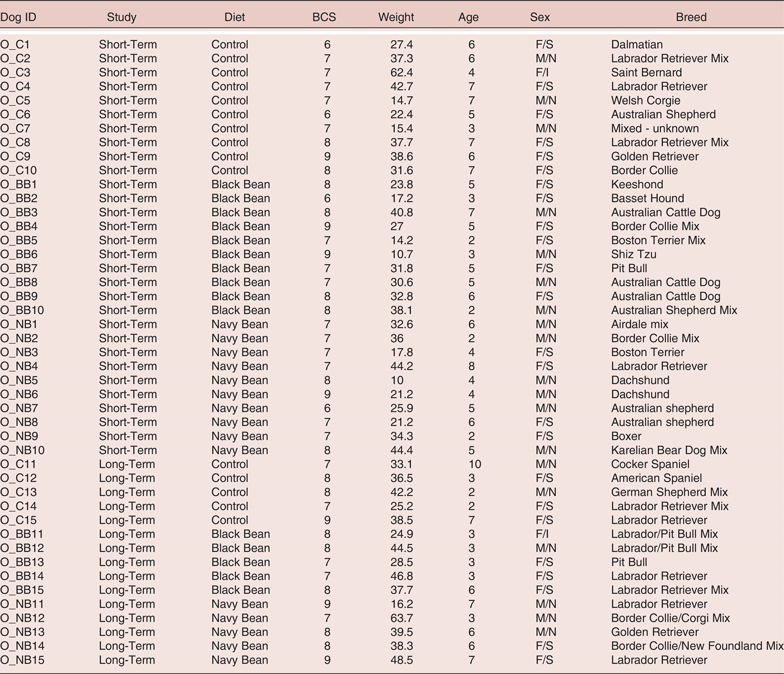
Of the fifty-six dogs screened for participation in the short term or long term weight loss study, 49 were enrolled. Seven dogs failed the pre-screen exam for either renal or hepatic abnormalities (n = 2), detection of previously undiagnosed cancer (n = 2), hypothyroidism (n = 1), urinary tract infection (n = 1) or aggression and difficult handling (n = 1). Thirty-three dogs were enroled in the short-term study and randomised based on BCS to CON, BB, or NB study groups. Three dogs were withdrawn due to physical injury (n = 1), owner unable to keep study-related appointments (n = 1) and not consuming the study provided dog food (n = 1) (Forster et al., Reference Forster, Ollila, Burton, Hill, Bauer, Hess and Ryan2012b). Sixteen dogs were enrolled in the long-term study and randomised based on BCS to the CON, BB, or NB study groups. One dog was withdrawn from the long-term study after diagnosis with tapeworm and the owner's non-compliance to protocol by feeding dog treats. Individual characteristics of each dog are presented in Appendix 1 and summaries of the baseline characteristics are shown in Table 1. Breeds included dogs from retriever, terrier, herding, and working lineages, and spanned both purebred and mixed breeds. Dogs were equally distributed between study diet groups for age, weight, sex and BCS. There was one dog in each of the short-term and long-term studies that was not neutered. One eight year-old dog was included in the short-term study and one 10-year-old dog was included in the long-term study at the discretion of the study veterinarian.
Baseline characteristics of dogs completing cooked bean powder-based calorically restricted weight loss study interventions
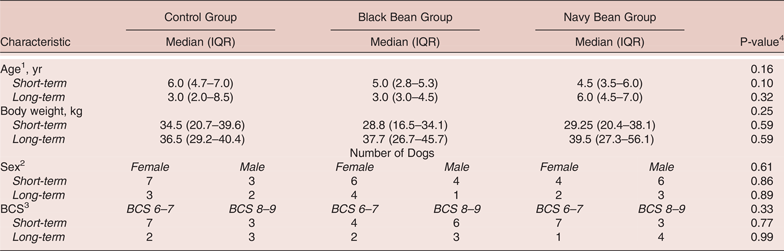
Thirty dogs completed the short-term, 4 week study: Control Diet, N = 10; Black Bean Diet, N = 10; Navy Bean Diet, N = 10. Fifteen dogs completed the long-term, 6 month study: Control Diet, N = 5; Black Bean Diet, N = 5; Navy Bean Diet, N = 5.
1Age as reported by owner.
2All dogs were neutered with the exception of one female in the short-term study control group and 1 female in the long-term study black bean group.
3Body Condition Score (BCS) was determined using a 9 point scale (Laflamme, Reference Laflamme1997).
4Continuous variables (age and weight) were evaluated for differences across groups using a Kruskal-Wallis test and categorical variables (sex and BCS) were evaluated using a Chi-square test. P values are shown across short-term and long-term studies and within study across diet. P < 0.05 was considered significant.
Dietary formulations
CON, BB, and NB diets were provided as a dry, extruded, kibbled dog food that was formulated to meet nutritional recommendations for adult dog maintenance (AAFCO, 2010; NRC, 2006) and adjusted to consist of 27% protein and 8% fat as-fed. The CON, BB, and NB diets were mixed and manufactured under the same conditions and location (ADM Alliance Nutrition Feed Research Pilot Plant, Quincy, IL; Applied Food Biotechnology Plant, St. Charles, MO) and formulated to be isocaloric and containing equivalent levels of nutrients. The CON diet ingredients consisted of poultry meal, wheat, corn, brewer's rice, pork and bone meal, flaxseed, fishmeal, brewer's yeast, and added vitamins and minerals (Table 2).
Diet ingredient and chemical composition
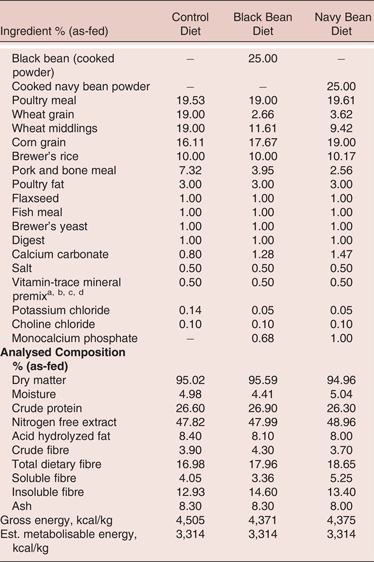
a. Provided per kilogram of control, black bean, and navy bean diets: vitamin A, 7,500 IU; vitamin D, 750 IU; vitamin E, 93.75 IU; thiamine 3.75 mg; riboflavin, 30 mg; pantothenic acid, 12 mg; niacin, 15 mg; pyridoxine, 1.88 mg; folic acid, 0.26 mg; vitamin B12, 37.5 µg; choline, 534.4 mg; Fe from ferrous sulfate, 282 mg; Cu from copper sulfate, 15 mg; I from calcium iodate, 2.025 mg.
b. Manganese from manganous oxide provided per kilogram: 10.125 mg (control, black bean), 32.01 mg (navy bean).
c. Zinc from zinc oxide provided per kilogram: 213.068 mg (control), 150 mg (black bean), 198.02 mg (navy bean).
d. Selenium from sodium selenite provided per kilogram: 0.6463 mg (control), 0.2250 mg (black bean, navy bean).
The BB and NB diets contained identical ingredients as the CON diet with the inclusion of cooked BB or NB bean powder (ADM Bean Specialties, Decatur, IL) added at 25% w/w to the BB and NB diets. To account for the inclusion of the cooked bean powders, the wheat and corn ingredients were reduced to achieve iso-nutrient formulations to the CON diet. The metabolisable energy (ME) of the diets was calculated using modified Atwater Factors and estimated at 3,314 kcal/kg (NRC, 2006).
Calculations for energy requirements and caloric restriction
BCS was used to estimate ideal bodyweight (BW), and determined using a nine point scale (Laflamme, Reference Laflamme1997). A score of less than four was considered underweight, a score of either four or five was considered ideal BW, a score of six or seven was overweight, and a score of eight or nine was considered obese (Forster et al., Reference Forster, Ollila, Burton, Hill, Bauer, Hess and Ryan2012b). For each BCS point over five, a dog was considered to be 10% above his or her ideal body weight in kilograms (German et al., Reference German, Holden, Bissot, Morris and Biourge2009). Using ideal weights determined by BCS, daily ME requirements for weight maintenance were calculated for each dog using the following formula:
 $${\rm ME}\left( {{\rm kcal}/{\rm day}} \right)\, = \,110 \times {\left( {\hbox{ideal BW, kg}} \right)^{0.75}}$$
(Forster et al., Reference Forster, Hill, Gregory, Weishaar, Lana, Bauer and Ryan2012a; NRC, 2006)
Dogs were calorically restricted to approximately 60% of their maintenance energy requirement.
Proximate analysis, apparent total tract digestibility, and bomb calorimetry
Proximate analysis was used to determine the crude nutrient profiles of the food and faecal samples as previously reported (Forster et al., Reference Forster, Hill, Gregory, Weishaar, Lana, Bauer and Ryan2012a). Soluble and insoluble fibre fractions were determined as described by Prosky et al. (Reference Prosky, Asp, Schweizer, Devries and Furda1992). ATTD was evaluated at two weeks for the short-term study, and at twelve weeks for the long-term study and was calculated for total dry matter (TDM), crude protein (CP), crude fat (CF), and nitrogen free extract (NFE). The following formula was used to determine NFE:
 $$\eqalign{{\rm NFE} \,\% &= {\rm TDM} \,\% - {\rm CP} \,\% - {\rm CF} \,\% - \hbox{crude fibre} \,\% \cr & \quad - {\rm ash} \,\% }$$
For each nutrient component, the ATTD was calculated on a dry matter (DM) basis using the following formula (AAFCO, 2010):
 $$\eqalign{{\rm ATTD \%} & = [(\hbox{g of nutrient consumed} - \hbox{g of nutrient excreted}) \cr & \quad /(\hbox{g of nutrient consumed} )] \times 100.}$$
Total gross energy (GE) content was measured by bomb calorimetry for each diet and in each faecal sample taken at two weeks for the short-term study and at twelve weeks for the long-term study. ME (kcal/kg) was determined at two weeks during the short-term study, and at twelve weeks during the long-term study and reported in kcal/kg using the following formula (AAFCO, 2010):
 $$\hbox{ME} ={\matrix{\{\hbox{GE consumed} - \hbox{GE of faeces} - \hfill \cr \quad [(\hbox{protein consumed g} - \hbox{protein in faeces g}) \cr \quad \times 1.25] \}\hfill}\over \hbox{food consumed g} \times 1,100}$$
where GE was in kcal/g, 1.25 kcal/g was used as the correction factor for energy lost in urine, and both diet and faecal values were on a DM basis.
Dogs were excluded from the ATTD and ME analysis if owners reported dietary indiscretion during the faecal collection period, were unable to differentiate between samples from different dogs, or collected faecal samples for less than three days. CON group exclusions: short-term n = 4 and long-term n = 1; BB group exclusions: short-term n = 1 and long-term n = 1; and NB group exclusions: short-term n = 3 and long term n = 0.
Non-parametric analyses were performed on all measures. For percent apparent weight loss, a two-way ANOVA (repeated measures) was performed within each study. For ATTD, ME, and food intake/kg BW, a two-way ANOVA (non-repeated measures) was performed. Bonferroni post-hoc tests were applied to correct for multiple comparisons. Statistical analyses were performed using GraphPad Prism, Version 5.03 (San Diego, CA, USA). Confidence limits were set at 95% (P < 0.05).
Results and Discussion
Nutrient profiles of bean-based dog foods
Proximate analysis and bomb calorimetry results confirmed that the CON, NB and BB dog food formulations were equal in nutrient levels and isocaloric (Table 2). On an as-fed basis, for all diets, the estimated ME content of the diets was 3,314 kcal/kg, CP content was approximately 26%, and CF was 8%. Crude fibre was similar between the CON, BB, and NB diets (~4%), while TDF was ~1% higher in NB and BB diets when compared to CON. Insoluble fibre was slightly increased in the BB diet (~1.5%), while soluble fibre was slightly increased in the NB diet (~1%).
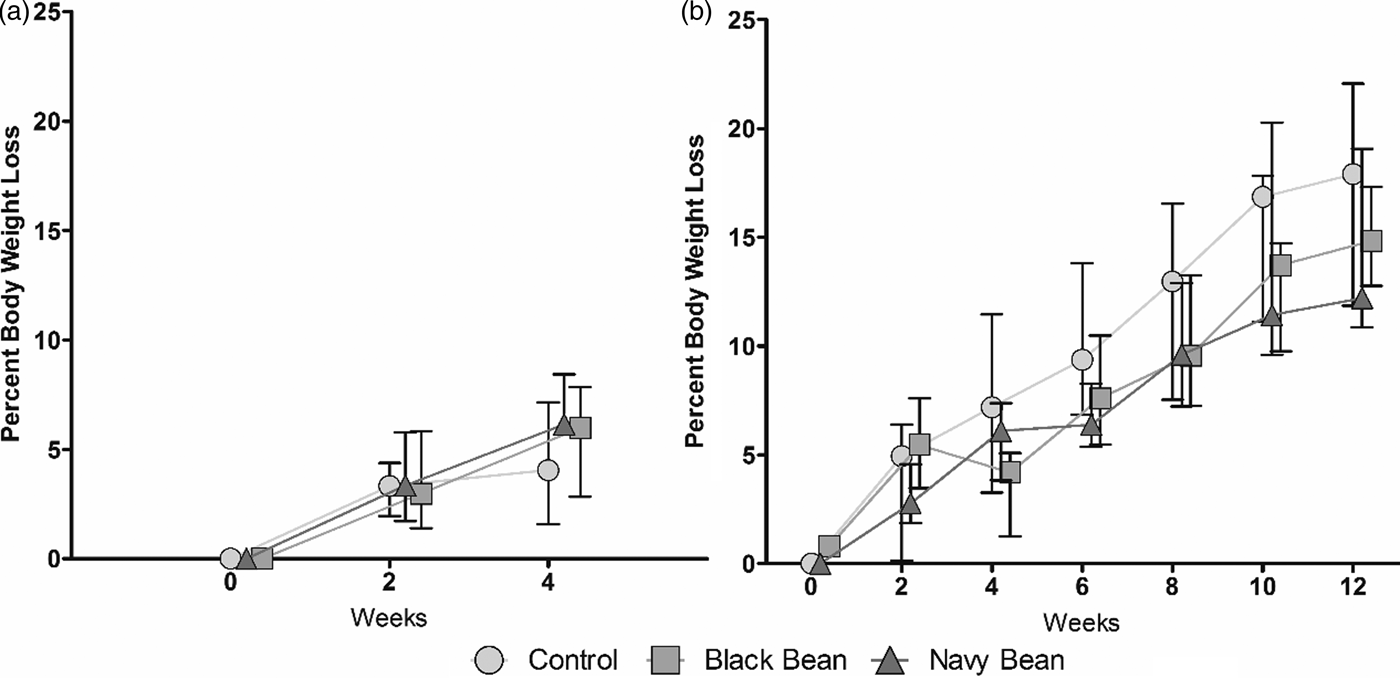
There was no difference in sex, median age, or BCS between dietary treatment groups or studies (Table A1). In both the short and long-term studies, percent apparent weight loss increased over time (P < 0.0001) and was similar between dietary treatments in each study. In the short-term study the median weight loss was 4.05% in the CON group, 5.98% in BB, and 6.14% in NB. For the long-term study, the median weight loss was 17.90% in CON, 14.0% in BB, and 12.21% in NB (Figure 1).
Percent apparent weight loss in dogs consuming a bean-based or control diet over (a) 4-weeks (short-term study, n = 30) and (b) 12-weeks (long-term study, n = 15). In both (a) and (b) percent apparent weight loss increased over time (p < 0.05), but not between dietary treatments at any time point. Data are shown as median and IQR.
Daily nutrient intake (g/kg ideal BW) was not different between groups (Table 3) except for soluble fibre, which was significantly higher (P < 0.001) in NB group (~0.4 g/kg ideal BW) compared to BB (~0.25 g/kg ideal BW), but not different from CON (~0.3 g/kg ideal BW, P > 0.05). All dogs consumed approximately 2.5 g CP per kg ideal BW (medians ranged from 2.1 g – 2.7 g/kg ideal BW), and dogs within the BB and NB group consumed, on average, 2 g cooked bean powder per kg ideal body weight (Table 3).
Daily nutrient intake of forty-five overweight or obese adult, companion dogs undergoing calorically restricted weight loss on nutritionally complete diets.
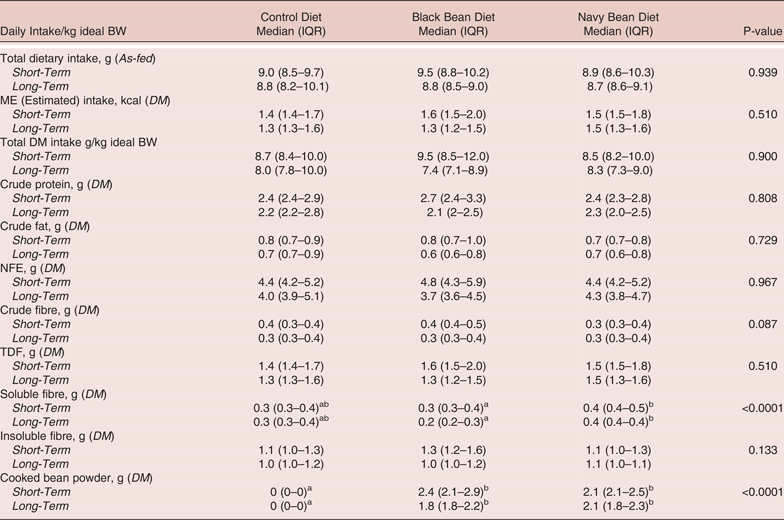
To determine differences in daily intake between diets and studies, each nutrient was evaluated with 2-way ANOVA. There were no differences between studies or interactions terms. A Bonferroni post-test was used to determine the groups with significant differences. Groups not sharing the same letter superscript are significantly different from each other.
Apparent total tract digestibility and metabolisable energy of black and navy bean-based dog diets during weight loss
In the CON, BB, and NB diets, nutrient ATTD was consistent with expected ranges for standard ingredient and bean-based extruded dog diets (Forster et al., Reference Forster, Hill, Gregory, Weishaar, Lana, Bauer and Ryan2012a). TDM, CP, CF, and NFE ATTD are presented as median and range (min-max; Table 4). There were no differences in ATTD between each study group of the short and long-term study. In the short-term study, median TDM ATTD was higher (P < 0.05) for BB (83.0%) than CON (74.6%), while NB was similar to both (80.2%). In the long-term study, TDM ATTD was similar for all three diets: CON (73.7%), BB (79.6%), and NB (77.5%). For the NB diet, these results were consistent with previous studies demonstrating equal TDM ATTD compared to a nutrient matched CON diet (Forster et al., Reference Forster, Hill, Gregory, Weishaar, Lana, Bauer and Ryan2012a). To our knowledge, this is the first report of the ATTD of a BB based canine diet. To verify that TDM ATTD was higher for the BB diet compared to CON, we performed a pooled analysis on the results from both trials. The differences in TDM ATTD between CON and BB remained significant (data not shown), further supporting that that the BB TDM was indeed more digestible than CON and may have not been significant in the long-term study due to the sample size.
Digestibility and metabolisable energy of three nutritionally complete diets fed to overweight or obese adult companion dogs undergoing calorically restricted weight loss.

1Digestibility was calculated on a DM basis. 2–4Five, two, and three dogs were excluded from analysis in the CON, BB, and NB groups, respectively. Total number of dogs analyzed: CON, n = 6 (short-term), n = 4 (long-term); BB, n = 9 (short-term), n = 4 (long-term); NB, n = 7 (short-term), n = 5 (long-term). 5To determine differences in digestibilities between diets and studies, each nutrient was evaluated with 2-way ANOVA. There were no differences between studies or interactions terms (data not shown). A Bonferroni post-test was used to determine the groups with significant differences. Groups not sharing the same letter superscript are significantly different from each other.
In the short-term study, CP ATTD was higher in BB (85.7%) compared to CON (78.6%; P < 0.01), and NB was similar to both (83.5%). In the long-term study, CP ATTD was similar between the CON (80.9%), BB (82.5%), and NB (79.4%). Again, the difference in CP ATTD between CON and BB remained significant when data from both the long and short-term studies were pooled (data not shown). During the long-term study, the consistency of CP digestibility and cumulative weight loss between dietary treatments supported the use of common beans as a as a staple ingredient in weight loss dog food formulas. Past work with dogs has demonstrated that dietary protein intake is associated with lean mass retention and is central in facilitating a healthy metabolism during weight loss (Laflamme, Reference Laflamme2012). Given that cooked beans are both highly digestible and capable of supporting weight loss, the role of bean-based diets as a novel protein source in supporting canine lean mass retention warrants further investigation.
CF was equally digestible between all diets in the short-term study: CON (89.8%), BB (95.2%), and NB (92.9%) and the long-term study: CON (93.2%), BB (94.1%), and NB (89.4%). Carbohydrate ATTD, as measured by NFE, was higher in both the BB (89.3%) and NB (87.6%) diets compared to CON (83.2%) in the short-term study, and similar between all diets in the long-term study: CON (82.1%), BB (86.5%), and NB (85.1%). The NFE ATTD remained significantly higher in both bean groups when data from both the short and long-term studies were pooled (data not shown) supporting that the carbohydrates derived from the BB and NB were more digestible than those derived from corn and wheat based diets. Recent metabolomic studies have shown that metabolism of carbohydrates may be modulated in normal weight dogs consuming bean-based diets (Forster et al., Reference Forster, Heuberger, Broeckling, Bauer and ryan2015) even though carbohydrate digestibility was the same as the a control diet (Forster et al., Reference Forster, Hill, Gregory, Weishaar, Lana, Bauer and Ryan2012a). For dogs undergoing weight loss, BB diets influenced relative NFE digestibility (Table 4), which may be due to differential modulation of carbohydrate metabolism compared to the CON diet. Future metabolomic investigations using samples from this study may reveal distinct carbohydrate compositions contributing to these effects in overweight and obese dogs.
ME was calculated for each group to determine the amount of energy provided by the CON, BB, and NB foods, which was similar between both the short and long-term studies and across all diets. Results are presented as a median (min-max, Table 4). The median ME for the CON diet was 3,446 kcal/kg for the short-term and 3,519 kcal/kg for the long-term study. In the BB diet, ME was 3,632 kcal/kg for the short-term and 3,507 kcal/kg for long-term study. In the NB diet, ME was 3,571 kcal/kg for the short-term and 3,434 kcal/kg for the long-term study. ME was highest in the BB short-term study (3,632 kcal/kg) and this was the only measured ME that was higher than the estimated ME of 3,314 kcal/kg (p = 0.004). These data demonstrated that the energy utilisation from bean based dog food was equivalent to standard ingredient dog food formulations in dogs undergoing calorically restricted weight loss.
Whole blood analyses and serum biochemistry
No negative physiological effects were observed in any measured parameter (data not shown). To demonstrate the nutritional adequacy of the dog food formulations, each dog's results were compared to AAFCO reference limits or haemoglobin, PCV, albumin, and ALP at the end of the study period. Results were presented as a median (min-max) along with the AAFCO limits for each parameter (Table 5).
Plasma and serum biochemical analysis of three diets fed to overweight or obese adult companion dogs undergoing calorically restricted weight loss.

Values for blood and serum samples were determined at four weeks (short-term), and twenty-six weeks (long-term). Reference values were taken from AAFCO guidelines (AAFCO, 2010) for group means and individual dogs.
The median albumin for the CON group was 3.9 g/dl and 3.9 g/dl; 3.9 g/dl and 4.0 g/dl for the BB group: and 3.9 g/dl and 4.1 g/dl for the NB group for the short and long-term studies respectively. The median ALP for the CON group was 40.5 IU/l and 41.0 IU/l; 51.0 IU/l and 31.0 IU/l in the BB group; and 27.5 IU/l and 47.0 IU/l in the NB group for the short and long-term studies, respectively. The median PCV for the CON group was 51.0% and 51.0%; 49.5% and 56.0% in the BB group; and 51.0% and 51.0% in the NB group for the short and long-term studies, respectively. The median haemoglobin for the CON group was 17.7 g/dl and 18.0 g/dl; for BB was 17.7 g/dl and 20.0 g/dl; and for NB was 17.8 g/dl and 17.9 g/dl for the short and long-term studies, respectively. Serum values fell within AAFCO established reference limits, demonstrating that the NB and BB dog foods provided adequate nutrition and were safe to consume during both short and long-term weight loss. AAFCO values were applied for adult dog weight maintenance because there were no established values for dogs undergoing calorically restricted weight loss. Given that differences in canine serum samples have been reported for overweight and obese dogs compared to normal weight dogs, and that changes occur during weight loss (Forster et al., Reference Forster, Ollila, Burton, Hill, Bauer, Hess and Ryan2012b; Yamka et al., Reference Yamka, Friesen and Frantz2006), future studies need to determine if AAFCO reference values should adjusted for diets targeting weight management.
Conducting weight loss and digestibility studies with companion dogs, as opposed to colony dogs, presented new challenges due to owner compliance in feeding and faecal collection and lapses in dietary discretion when feeding and collecting samples in a multiple dog household. Although this study was successful in achieving weight loss, many dogs did not achieve their ideal weight during or following completion of the long-term study. This may complicate interpretation of the results, however, these challenges emphasise the need for effective communication and perhaps an accelerated translation of canine weight loss study findings to real clinic settings for body weight management planning.
Conclusions
In this study, it was demonstrated that nutritionally complete dog foods containing cooked bean powders were digestible by overweight or obese, adult, companion dogs undergoing short or long-term calorically restricted weight loss. The dog foods supported apparent weight loss, provided utilisable energy, and the dogs maintained indices of nutritional adequacy when compared to a bean-free control dog food. The higher NFE ATTD in both the BB and NB diets compared to CON suggested that bean based dog foods may impact canine carbohydrate metabolism. It can be concluded that cooked common beans are safe and digestible when used as a major food ingredient during canine weight loss and when fed in a nutritionally complete, extruded kibble. This provides a rationale for the continued investigation of the potential for cooked beans to improve protein, lipid, and carbohydrate metabolism, which are important for overall canine health.
Acknowledgements
We would like to thank ADM Alliance Nutrition for providing the dog foods and Gordon Gregory at ADM Edible Bean Specialties for providing the cooked bean powder. We would also like to thank the Wellington Veterinary Hospital and the Flint Animal Cancer Center Clinical Trials Core for providing companion dogs for participation in this study and clinical oversight. Additionally, we would like to thank Cadie Tillotson for technical assistance with study coordination. This research received no specific grant from any funding agency, commercial or not-for profit sectors.
Declaration of Interest
Bean powder was supplied by ADM Edible Bean Specialties and dog food formulations and proximate analysis were completed by ADM Alliance Nutrition labs. While these studies and analysis of results were completed at Colorado State University and should be considered free from any experimental bias, commercialisation of bean-based dog foods are in early stages of development by members of this investigative team.