




Introduction
Yield risk of a cropping system (CS) describes the reliability of expected yields under various environmental conditions and can be estimated in multiple ways by considering the yield performance, the temporal/spatial yield variability and the probability of a certain level of yield losses. Regarding climate change, a more detailed understanding of how yield risks of CSs will be affected by future climate is essential to ensure food security. This can be mainly assessed using system modelling and future climate projections (Olesen et al., Reference Olesen, Trnka, Kersebaum, Skjelvåg, Seguin, Peltonen-Sainio, Rossi, Kozyra and Micale2011; Ozturk et al., Reference Ozturk, Sharif, Baby, Jabloun and Olesen2017; Ray et al. Reference Ray, West, Clark, Gerber, Prishchepov and Chatterjee2019). In Europe, the yield risk of wheat is expected to increase as shown in recent modelling studies (Trnka et al., Reference Trnka, Rötter, Ruiz-Ramos, Kersebaum, Olesen, Žalud and Semenov2014; Kahiluoto et al., Reference Kahiluoto, Kaseva, Balek, Olesen, Ruiz-Ramos, Gobin, Kersebaum, Takac, Ruget, Ferrise, Bezak, Capellades, Dibari, Makinen, Nendel, Ventrella, Rodriguez, Bindi and Trnka2019). While wheat production in Northern European countries may benefit from a longer crop-growing period, more climatic variability continues to challenge their performance (Porter and Semenov, Reference Porter and Semenov2005; Ozturk et al., Reference Ozturk, Sharif, Baby, Jabloun and Olesen2017; Ray et al., Reference Ray, West, Clark, Gerber, Prishchepov and Chatterjee2019). For Denmark, higher annual mean temperatures, more precipitation in winter and less in summer, longer and greater frequencies of abnormal weather events, such as heat waves, drought, heavy downpours and storms, are expected in the future (Olesen et al., Reference Olesen, Skovgaard Madsen, Ankjær Ludwigsen, Boberg, Christensen, Cappelen, Bøssing Christensen, Krogh Andersen and Hesselbjerg Christensen2014; Ozturk et al., Reference Ozturk, Sharif, Baby, Jabloun and Olesen2017). These projections are assumed to severely impact regional wheat production and increase temporal yield variability (Olesen et al., Reference Olesen, Jensen and Petersen2000; Kristensen et al., Reference Kristensen, Schelde and Olesen2010; Patil et al., Reference Patil, Laegdsmand, Olesen and Porter2012).
In Eastern Denmark, the prevalent local farming types are conventional, arable systems focusing on CSs with winter wheat. This region is relatively homogenous and characterized by favourable soil conditions and high wheat yields of approximately 8.3 t/ha during the recent years 2015–2019 (Statistics Denmark: https://www.statbank.dk). Traditional diverse mixed farms (crop livestock) have been replaced over time by specialized arable farms with lower crop diversity (Schiere et al., Reference Schiere, Ibrahim and Van Keulen2002). A trend towards higher proportions of cereal-dominated CSs has been observed, which can increase the risk of yield losses (e.g. Berzsenyi et al., Reference Berzsenyi, Gyorffy and Lap2000; Babulicova, Reference Babulicova2014; Babulicova and Dyulgerova, Reference Babulicova and Dyulgerova2018; Nielsen and Vigil, Reference Nielsen and Vigil2018), inter alia, due to higher weed pressure or soil-borne diseases (Petersen et al., Reference Petersen, Haastrup, Knudsen and Olesen2010).
The extent to which CSs are vulnerable to climate change depends on the actual exposure to climate change (e.g. country/region), their sensitivity, adaptive capacity and the underlying soil conditions in the field (Porter et al., Reference Porter, Xie, Challinor, Cochrane, Howden, Iqbal, Lobell and Travasso2014). Although there has been increasing attention to climate change adaptation, a better understanding is needed on how yield risk can be reduced under increasing climate variability by improved agronomic management factors (Porter and Semenov, Reference Porter and Semenov2005; Reidsma and Ewert, Reference Reidsma and Ewert2008). A few studies based on field experiments showed that more diverse CSs with favourable preceding crops (pre-crop) and catch crop usage may be an adaptation strategy (Berzsenyi et al., Reference Berzsenyi, Gyorffy and Lap2000; Christen, Reference Christen2001; Cociu, Reference Cociu2012; Macholdt and Honermeier, Reference Macholdt and Honermeier2018; Liu et al., Reference Liu, Johnson, Blackshaw, Hossain and Gan2019). Straw management may be another important management factor influencing yield risk. Straw incorporation rather than straw removal increases the soil organic carbon (C) content, total nitrogen (N) content and microbial biomass, which is relevant for long-term soil functionality and sustainable agriculture (Gaind and Nain, Reference Gaind and Nain2007; Powlson et al., Reference Powlson, Glendining, Coleman and Whitmore2011; Macholdt and Honermeier, Reference Macholdt and Honermeier2018; Macholdt et al., Reference Macholdt, Piepho, Honermeier, Perryman, Macdonald and Poulton2020a, Reference Macholdt, Styczen, Macdonald, Piepho and Honermeier2020b). Besides this, the future yield risk of wheat is expected to differ significantly on the regional scale depending on specific soil and management conditions (Olesen et al., Reference Olesen, Jensen and Petersen2000). Thus, regional risk assessments of CSs that include agronomic management factors are of direct and increasing relevance to farmers. A regional specific modelling approach with related quantitative risk assessment of modelled yield results offers the opportunity to investigate multiple agronomic adaptation strategies under future climatic scenarios (Ebrahimi et al., Reference Ebrahimi, Manschadi, Neugschwandtner, Eitzinger, Thaler and Kaul2016), which cannot be observed to this extent by retrospective analyses of long-term field experiments.
Through systems modelling, this study aims to quantify the impact of future climate on the yield risk of winter wheat for two common soil types of Eastern Denmark. The agro-ecosystem model DAISY was used to simulate arable, conventional CSs and the study focused on the three main management factors: cropping sequence, usage of catch crops and cereal straw management. The following hypotheses were addressed:
1. The yield risk of winter wheat is higher under future climate scenarios than under recent climate scenarios. (#H1)
2. Cropping sequence: Cereal preceding crops lead to a higher yield risk of subsequent wheat compared with non-cereal preceding crops. (#H2)
3. Catch crop: Catch crops within rotations reduce the yield risk of wheat compared with rotations without catch crops. (#H3)
4. Cereal straw management: Straw incorporation (of all cereal crops in the rotation) diminishes the yield risk of wheat compared with straw removal. (#H4)
Materials and methods
Model simulation approach
The study was conducted in Zealand, one of the five administrative regions of Denmark. The crop production of winter wheat for the case region of Eastern Denmark (Zealand) was simulated under three climate scenarios (recent, near future and far future climate projections) on two of the most prevalent soil types and for 22 CSs with differences regarding cropping sequence (pre-crop effect), usage of catch crops and straw management (Fig. 1). The simulation approach based on the agro-ecosystem model DAISY (open source version 5.93; 64 bit) is described in the following paragraphs.
Schematic representation of the methodological approach used in this case study.

Agro-ecosystem model DAISY
DAISY is a mechanistic model system, initially developed for Denmark, which simulates water, heat, organic C, organic N, and solute balances (here, ammonium and nitrate) and crop production in the one-dimensional soil–plant–atmosphere system subjected to various management strategies (Hansen et al., Reference Hansen, Jensen, Nielsen and Svendsen1990, Reference Hansen, Jensen, Nielsen and Svendsen1991, Reference Hansen, Abrahamsen, Petersen and Styczen2012; Abrahamsen and Hansen, Reference Abrahamsen and Hansen2000). Driving variables in DAISY are weather and management data. A general description of DAISY can be found in Hansen et al. (Reference Hansen, Abrahamsen, Petersen and Styczen2012), while specific processes relevant for the current study are described in the following.
Water flow in soils is calculated using Richard's equation (Richards, Reference Richards1931). Solute transport is calculated using the advection-dispersion equation (Bear, Reference Bear1972). The C balance is simulated considering photosynthesis and build-up of plants, as well as the turnover of plant residues and added organic materials. Assimilated C is lost to maintenance and growth respiration or loss of dead material. The turnover of organic matter is described by two ‘added organic matter’ pools for each type of added material, two soil microbial biomass (SMB) pools and two soil organic matter (SOM) pools, parameterized in long-term experiments (Bruun et al., Reference Bruun, Christensen, Hansen, Magid and Jensen2003). N is mineralized or immobilized from each pool depending on the C/N relationship. Mineral N may be in the form of ammonium or nitrate, which may sorp, nitrify, denitrify, be taken up by roots or leach. The robust performance of DAISY in terms of short- and long-term simulation of nutrient and SOM dynamics when compared to field data has been documented in a number of publications (de Willigen, Reference De Willigen1991; Diekkrüger et al., Reference Diekkrüger, Söndgerath, Kersebaum and McVoy1995; Smith et al., Reference Smith, Smith, Powlson, McGill, Arah, Chertov, Coleman, Franko, Frolking, Jenkinson, Jensen, Kelly, Klein Gunnewiek, Komarov, Li, Molina, Mueller, Parton, Thornley and Whitmore1997; Bruun et al., Reference Bruun, Christensen, Hansen, Magid and Jensen2003, Reference Bruun, Hansen, Christensen, Magid and Jensen2006; Gyldengren et al., Reference Gyldengren, Abrahamsen, Olesen, Styczen, Hansen and Gislum2020).
The model calculates photosynthesis on an hourly basis based on leaf area and crop architecture and distributes assimilation to the root, leaves, stem and storage organ as a function of growth stage. Photosynthesis may be limited by water or N stress (lack of water/N) or senescence. The water stress model is based on the following assumptions. Potential transpiration rates E t,p are estimated from meteorological data and crop growth. Integrated root water uptake over the whole root zone or actual transpiration is calculated in DAISY using the microscopic approach, and the main controlling factor is the energy status of the water in the soil (Abrahamsen and Hansen, Reference Abrahamsen and Hansen2000). If the soil is wet, E t,p rates are satisfied, whereas if the soil is (partially) dry, E a is determined by the transport of water to the roots. Water stress is calculated as a function of the ratio of actual transpiration plus actual evaporation from the intercepted water to their potential transpiration components. These assumptions lead to the following approximation for how the actual photosynthesis rate is reduced from the potential (dimensionless/unitless):

where F w is water-limited photosynthesis, F p is potential photosynthesis, E t and E t,p are actual and potential transpiration, respectively, and E i and E i,p are actual and potential evaporation of intercepted water, respectively. The water stress term is the second part of the equation, which has values between 0 and 1. The accumulated days where this term is <0 is indicating days of growth lost due to water stress (unit in days).
N uptake may be passive (advection) or active (by diffusion). The demand is calculated according to a potential N content found by multiplying biomass of roots, leaves, stems and storage organs with respective potential N concentrations, which depend on growth stage. Similarly, a critical and non-functional level is calculated. If the N content is below the critical level, N stress is calculated as (actual N content minus non-functional N content)/(critical N content minus non-functional N content) (e.g. Gyldengren et al., Reference Gyldengren, Abrahamsen, Olesen, Styczen, Hansen and Gislum2020).
Climate scenarios
Three climate scenarios were used in this study (recent, near future and far future climate projections). Each data set contained a 3000-year-long synthetic weather data series, which was generated and published by Rasmussen et al. (Reference Rasmussen, Blenkinsop, Burton, Abrahamsen, Holm and Hansen2018), with hourly weather data for precipitation and daily data for min/max temperature, wind, vapour pressure, diffuse radiation and global radiation. In Fig. 2, the monthly mean air temperature and precipitation for the case region are shown for the three climate scenarios (the related data table is in Appendix Table A1). A climatic trend of increasing CO2 concentrations was not included. The data set comprises a control scenario based on the recent climate (1983–2012; abbreviated as ‘RC’ in the following) with 30 years of meteorological data from East Denmark (Copenhagen), which was used for calibration. Furthermore, two future (projected) climate scenarios represent the near future (2030–2059; abbreviated as ‘NFC’ in the following) and the far future (2070–2099; abbreviated as ‘FFC’ in the following). The future climate scenarios were based on the global circulation model ECHAM, developed by the Max Planck Institute of Meteorological Germany (Roeckner et al., Reference Roeckner, Bäuml, Bonaventura, Brokopf, Esch, Giorgetta, Hagemann, Kirchner, Kornblueh, Manzini, Rhodin, Schlese, Schulzweida and Tompkins2003), paired with the regional circulation model HIRHAM5, which was developed by the Danish Meteorological Institute (Christensen et al., Reference Christensen, Drews, Christensen, Dethloff, Ketelsen, Hebestadt and Rinke2006).
Climate diagram of the recent (RC), near future (NFC) and far future climate (FFC) scenarios assumed for the case region of Eastern Denmark. Note: Weather data set provided by Rasmussen et al. (Reference Rasmussen, Blenkinsop, Burton, Abrahamsen, Holm and Hansen2018), based on the HIRHAM climate model developed by the Danish Meteorological Institute (Christensen et al., Reference Christensen, Drews, Christensen, Dethloff, Ketelsen, Hebestadt and Rinke2006). The data table for air temperature and precipitation values is shown in Appendix Table A1.

Soil types
In Eastern Denmark, the soil texture is mainly loamy sand or sandy loam (Danish Centre for Food and Agriculture, 2014). In some areas, the parent material is uniform in depth, but in other areas, the parent material consists of mixed texture composition. To represent some of the variation in East-Danish agricultural soils, two model soils were chosen. The main difference between them is the subsoil, where soil 1 is a sandy loam with a uniform soil texture throughout the soil column (abbreviated as ‘SL’ in the following), while soil 2 is a sandy loam with sandy subsoil that limits root growth to 1 m (abbreviated as ‘SL-SS’ in the following). Both model soils have a systematic tile drain system at 1.2 m depth with a drain distance of 16/18 m and a discharge to drain ratio of 55/30% (as % of total discharge) on soil 1 and soil 2, respectively, which is representative of Danish soil conditions (Danish Centre for Food and Agriculture, 2014). The lower boundary condition, which is a conceptual description of the interaction between the simulated system and its surroundings, is defined as an aquitard. An aquitard is a layer with low water permeability as opposed to free internal drainage. The hydraulic properties of each soil horizon are determined by the HYPRES model on the basis of soil texture using the Mualem-van Genutchen equations for water flow (Wösten et al., Reference Wösten, Lilly, Nemes and Le Bas1998). Organic matter initiation was set for C according to the pre-history of the actual fields on which the descriptions are based (6340 kg C input per hectare and year for soil type 1; and 6170 kg C input per hectare and year for soil type 2). The model soil parameters are summarized in Table 1.
Model soil parameters used for the simulations

a Horizon abbreviations: Ap, plow layer; Bd, plow sole (compacted layer); Bt, subsoil with clay illuviation; C, substratum; maximal root depth: 175 cm for soil 1 and 100 cm for soil 2. Data provided by Gyldengren et al. (Reference Gyldengren, Abrahamsen, Olesen, Styczen, Hansen and Gislum2020).
Cropping systems
The CS designs (Table 2) were based on common crops grown in conventional, arable farming systems in the case region (Appendix Table A2). Three typical cropping sequences (3-year rotations) were defined: (i) oilseed winter rape–winter wheat–spring barley, (ii) ryegrass (for seed production)–winter wheat–spring barley and (iii) sugar beet–winter wheat–spring barley. Furthermore, a fourth pure cereal cropping sequence, ‘winter rye–winter wheat–spring barley’, was added. This cropping sequence is not common but is still relevant to have a reference baseline for testing cereal v. non-cereal pre-crop effects on the subsequent winter wheat (#H1). Except for the first crop in each rotation, the sequence of the subsequent two crops (winter wheat and spring barley) was kept constant in all CSs to achieve a high level of comparability regarding the test factors.
Description and differentiation of the simulated cropping systems (CS)

a Referred to the straw of main cereal crops: winter wheat and spring barley (+winter rye in CSs 17–22); WW, winter wheat (Triticum aestivum L.); BY, spring barley (Hordeum vulgare L.); oilseed radish (Raphanus sativus var. oleiformis); OR, oilseed winter rape (Brassica napus L.); RG, Italian ryegrass (Lolium multiflorum L.); SB, sugar beet (Beta vulgaris subsp. vulgaris); WR, winter rye (Secale cereale L.). Standard yield level and mineral N fertilization of the main crops used for the simulations shown in Table 3.
Standard yield level and mineral N fertilization of the main crops used for the simulations

Based on the Danish regulatory system ‘N fertilization norm for the growing season 2019/2020’ (Ministry of Environment and Food of Denmark, 2020a, 2020b), values corrected depending on the pre-crop (wheat/barley/rye: 0 kg N/ha; ryegrass/oilseed rape: −23 kg N/ha; sugar beet: −3 kg N/ha), year and site specifics with ‘−15 kg N/ha’ according to the soil type in the Ap-horizon (sandy loam) and region (region B) (Ministry of Environment and Food of Denmark, 2020b).
To evaluate the effect of catch crops (#H2), all four cropping sequences were simulated without and with the usage of catch crops (grown before a spring crop, here before sugar beet and spring barley) according to Danish guidelines (Ministry of Environment and Food of Denmark, 2020a, 2020b). The two most common catch crops for the area, oilseed radish and winter rye, were selected. Due to phytosanitary reasons, oilseed radish was not tested in rotations with oilseed winter rape (e.g. Plasmodiophora, Verticillium and Sclerotinia).
To test the effects of cereal straw management (winter wheat, spring barley and winter rye in CS 17–22), all CSs were simulated with straw removal and straw incorporation (#H3). In the scenario with straw removal, the cereal straw of rye, wheat and barley was removed from the field, excluding the stubble of 8 cm. In the case of cereal straw incorporation, the stubble, stem and leaves of all cereal crops were simulated as remaining on the field with incorporation during stubble cultivation and ploughing afterwards. In all scenarios, the plant residues (stems/leaves) of the other crops within the rotation were incorporated in the soil. The standard yield level and mineral N fertilization of the main crops used for the simulations are shown in Table 3; further crop-specific management actions are described in Appendix Table A3. Plant disease and weed occurrence are not simulated in the DAISY model. It had to be assumed that plants stayed healthy and that the fields were free from weeds.
Model simulation
The crop modules selected for the study were the Danish standard crop modules (‘dk-crops’) applied together with standard parameterizations for general agronomic management (tillage, sowing and harvest; see Appendix Table A3). These crop modules are distributed with DAISY and specifically calibrated to generate yield levels and N-response curves in accordance with experience in practical Danish agriculture (field trials in farmers' fields, statistics and case studies) (Styczen et al., Reference Styczen, Hansen, Jensen, Svendsen, Abrahamsen, Børgesen, Thirup and Østergaard2004). The same modules were used by Bruun et al. (Reference Bruun, Hansen, Christensen, Magid and Jensen2006) and similar calibration goals were used by Nielsen et al. (Reference Nielsen, Yoshida, Rajil, Scheutz, Jensen, Christensen and Bruun2019) and Fan et al. (Reference Fan, Henriksen and Porter2017).
The winter wheat module used builds on the default winter wheat parameterization in DAISY, which has been used in several articles, providing good correspondence between measured and simulated values of biomass production and N dynamics (Abrahamsen and Hansen, Reference Abrahamsen and Hansen2000), crop production, soil water fluxes and nutrient dynamics (Hansen et al., Reference Hansen, Jensen, Nielsen and Svendsen1990; Diekkrüger et al., Reference Diekkrüger, Söndgerath, Kersebaum and McVoy1995; Groh et al., Reference Groh, Diamantopoulos, Duan, Ewert, Herbst, Holbak, Kamali, Kersebaum, Kuhnert, Lischeid, Nendel, Priesack, Steidl, Sommer, Pütz, Vereecken, Wallor, Weber, Wegehenkel, Weihermüller and Gerke2020), and yield estimates (Palosuo et al., Reference Palosuo, Kersebaum, Angulo, Hlavinka, Moriondo, Olesen, Patil, Ruget, Rumbaur, Takáč, Trnka, Bindi, Çaldağ, Ewert, Ferrise, Mirschel, Şaylan, Šiška and Rötter2011; Ozturk et al., Reference Ozturk, Sharif, Baby, Jabloun and Olesen2017). A new parametrization of winter wheat was recently presented by Gyldengren et al. (Reference Gyldengren, Abrahamsen, Olesen, Styczen, Hansen and Gislum2020), based on recent experimental data from Eastern Denmark.
As recommended by Hansen et al. (Reference Hansen, Abrahamsen, Petersen and Styczen2012), the simulated CS performances were tested and validated using the present standardized Danish yield level and allowed fertilizer norms depending on the preceding crop, soil type, year and region (Table 3) (Ministry of Environment and Food of Denmark, 2020a, 2020b). The present norms are determined based on the economic optimum of the different crops at the corresponding soil found in experimental N response field trials. The discrepancy between simulated v. Danish norm yields was below 8% (acceptable simulation error) and re-calibration appeared to be unnecessary in this study. Due to the hypothetical and complex approach of this study with a large variety of tested CS designs, measured data based on an appropriate field experiment (for specific calibration) were unavailable.
The parameterization of the organic matter module was calibrated on a Danish long-term experiment (Bruun et al., Reference Bruun, Christensen, Hansen, Magid and Jensen2003), with and without straw incorporation as well as a range of other fertilization treatments. Plant residue effects of cereal straw and catch crops (ryegrass, rape, grass and oil radish) straw on N-mineralization/immobilization and of SMB N were investigated by Müller et al. (Reference Müller, Thorup-Kristensen, Magid, Stoumann Jensen and Hansen2006), and the effects of ryegrass residues on C and N dynamics by Bruun et al. (Reference Brrun, Rayan, de Neergaar and Berry2020). The effect of catch crop use (ryegrass, Brassica) and rooting pattern was compared with data in Pedersen et al. (Reference Pedersen, Thorup-Kristensen and Jensen2009). In regard to European model intercomparisons, DAISY was tested successfully and performed well for predicting crop production in typical European crop rotations (Kollas et al., Reference Kollas, Kersebaum, Nendel, Manevski, Müller, Palosuo, Armas-Herrera, Beaudoin, Bindi, Charfeddine, Conradt, Constantin, Eitzinger, Ewert, Ferrise, Gaiser, de Cortazar-Atauri, Giglio, Hlavinka, Hoffmann, Hoffmann, Launay, Manderscheid, Mary, Mirschel, Moriondo, Olesen, Öztürk, Pacholski, Ripoche-Wachter, Roggero, Roncossek, Rötter, Ruget, Sharif, Trnka, Ventrella, Waha, Wegehenkel, Weigel and Wu2015; Yin et al., Reference Yin, Kersebaum, Kollas, Manevski, Baby, Beaudoin, Öztürk, Gaiser, Wu, Hoffmann, Charfeddine, Conradt, Constantin, Ewert, de Cortazar-Atauri, Giglio, Hlavinka, Hoffmann, Launay, Louarn, Manderscheid, Mary, Mirschel, Nendel, Pacholski, Palosuo, Ripoche-Wachter, Rötter, Ruget, Sharif, Trnka, Ventrella, Weigel and Olesen2017). Thus, we can safely assume that the DAISY model can simulate correctly the different CSs and their effects on future crop yields (pre-crop #H1; catch crop #H2; straw #H3).
Lastly, a warming up period of 100 years (control scenario RC) was used to initialize the soil conditions (i.e. water content) in each CS and was not included in the statistical analysis. After the warming up period, the simulations covered each random set of 300 yearlong weather series (3-year rotations), resulting in 100 harvest years of the target crop winter wheat. Each CS was simulated using the same annual weather conditions over the same number of years to test the systems under comparable environmental conditions. The results of the 132 DAISY simulations (3 climate scenarios × 2 soil types × 22 CSs) with respect to the grain yield of winter wheat with 100% dry matter content (0% moisture) were used for the subsequent statistical analysis.
Statistical analysis
For a comprehensive yield risk assessment, four complementary parameters were calculated: (a) mean yield performance; (b) temporal yield variability; (c) rank-sum approach considering both mean yield performance and temporal yield variability; and (d) probability of certain yield reductions. The analyses were performed separately for each environmental combination (climate scenario × soil type).
(a) The CS mean yield performances were analysed with a univariate variance analysis with regard to testing for significant (P < 0.05) differences between the CSs within a climate scenario and between the climate scenarios within a CS (random factor: year and year × CS; fixed factor: CS; post hoc test: Tukey's-b).
(b) To estimate the temporal (year-to-year) yield variability, Shukla's approach was used (Shukla, Reference Shukla1972), where the yield variance ($\sigma _i^2$
 ) of winter wheat grown in a certain CS (i = 1,…,K) can be described as its variance across years (j = 1,…,N) after the main effects of year means have been removed (Piepho, Reference Piepho1994):(2)$$\sigma _i^2 = \displaystyle{{KW_i} \over {( {K-2} ) ( {N-1} ) }}-\;\displaystyle{{\mathop \sum \nolimits_{i = 1}^K W_i} \over {( {K-1} ) ( {K-2} ) ( {N-1} ) }}$$


where $W_i = \mathop \sum \limits_j ( {y_{ij}-\;{\bar{y}}_{i\;}-\;{\bar{y}}_j + \bar{y}} ) ^2$ with y ij = wheat yield of CSi in year j and $\bar{y}_i = \mathop \sum \nolimits_j y_{ij}/N$
 ; $\;\bar{y}_j = \mathop \sum \nolimits_i y_{ij}/K$
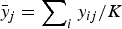 ; $\bar{y} = \mathop \sum \nolimits_{ij} y_{ij}/KN$
Lower $\sigma _i^2$ values indicate lower temporal yield variability or better yield stability, and vice versa. As stated by Döring et al. (Reference Döring, Knapp and Cohen2015), no systematic relationship between lower yield variabilities and increasing mean yields should be present, or the stability results may be misleading. In this analysis, there was no such dependency between the mean yield and yield variability $s_i^2 \;$
 estimations.
(c). Kang's rank-sum (Kang Reference Kang1988) was calculated, which gives a weight of one to both mean yield performance and temporal yield variability (based on Shukla's yield variance $\sigma _i^2$
) to identify high-yielding and stable CSs. The CS with the highest wheat yield and lower $s_i^2$ were assigned a rank of one. Then, the ranks of yield and $\sigma _i^2$ were added for each CS, and the CS with the lowest rank-sum was the most desirable one (high and stable yields); in contrast, CSs with high rank-sums were assumed to have low and non-stable yields.(d). The probability of certain yield reductions was estimated based on Eskridge's approach (Eskridge et al. Reference Eskridge, Byrne and Crossa1991), which predicts the probability P (i) of wheat yield with which a CSi is not achieving a certain threshold δ (here, the average yield across all CSs over all three climate scenarios) in a randomly chosen year:
(3)$$P\,( i) = \Phi \left({\displaystyle{{\delta -m_i} \over {s_i}}} \right)$$where Φ is the cumulative density function of the standard normal distribution, δ is the threshold, m i is the mean, and s i is the standard deviation. The threshold was set as −10%/−20% under the average yield across all CSs and climate scenarios, separately for the two soil types. The thresholds can be chosen as required and were selected for this study to show the largest differences between CSs, which are also in a relevant range of yield reductions for farming practice.


For statistical analysis, SPSS software (Version 24; IBM SPSS Statistics; Armonk, New York, USA) was used.
Results
Mean yield
In comparison with climate scenarios (#H1), the mean yield of winter wheat decreased slightly from the RC (9.5 t/ha) to the FFC scenario (9.3 t/ha), for the uniform SL (soil 1; Table 4) across all CSs. In contrast, the mean yields of SL-SS (soil 2; Table 5) increased slightly for the FFC (9.3 t/ha) compared with the RC and NFC (9.2 t/ha). The wheat yields ranged from 8.1 t/ha (CS 11) to 10.2 t/ha (CS 4) for both soils under the RC; and from 7.7 t/ha (CS 11) to 10.1 t/ha (CSs 4/6/8/10/20/22) under the FFC scenario.
Colour online. Cropping system (CS)-specific yield performance of winter wheat depending on the climate scenario for the uniform sandy loam (soil type 1; uniform ‘SL’)

WW, winter wheat (Triticum aestivum L.); BY, spring barley (Hordeum vulgare L.); oilseed radish (Raphanus sativus var. oleiformis); OR, oilseed winter rape (Brassica napus L.); RG, Italian ryegrass (Lolium multiflorum L.); SB, sugar beet (Beta vulgaris subsp. vulgaris); WR, winter rye (Secale cereale L.). aRefers to straw of winter wheat and spring barley (+winter rye in CS 17–22); bsignificant (P < 0.05) differences between CS within a climate scenario (per column) are displayed by different capital letters and between climate scenarios within a CS (per row) by different small letters. Yield variability: lower values indicate less variable/more stable yields (green cells), and higher values indicate more variable/unstable yields (red cells); Kang's rank-sum: lower rank-sums indicate a good combination of high and stable yields (green cells), and higher ranks indicate lower and variable/unstable yields (red cells).
Colour online. Cropping system (CS)-specific yield performance of winter wheat depending on the climate scenario for the sandy loam with sandy subsoil (soil type 2; ‘SL-SS')

WW, winter wheat (Triticum aestivum L.); BY, spring barley (Hordeum vulgare L.); oilseed radish (Raphanus sativus var. oleiformis); OR, oilseed winter rape (Brassica napus L.); RG, Italian ryegrass (Lolium multiflorum L.); SB, sugar beet (Beta vulgaris subsp. vulgaris); WR, winter rye (Secale cereale L.). aRefers to straw of winter wheat and spring barley (+winter rye in CS 17–22); bsignificant (P < 0.05) differences between CS within a climate scenario (per column) are displayed by different capital letters and between climate scenarios within a CS (per row) by different small letters. Yield variability: lower values indicate less variable/more stable yields (green cells), and higher values indicate more variable/unstable yields (red cells); Kang's rank-sum: lower rank-sums indicate a good combination of high and stable yields (green cells), and higher ranks indicate lower and variable/unstable yields (red cells).
The following ranking of pre-crops according to their positive effects on the mean yield of the subsequent winter wheat (#H2) was found: ryegrass > oilseed winter rape > winter rye > sugar beet. We noted that this ranking was nearly similar in all three climate scenarios and for both soils. This pre-crop effect on wheat yield was slightly higher in CS when straw was removed and without a catch crop (CC). For example, the wheat yield in the RC scenario (see first column in Table 4) showed the following ranking (t/ha): CS 5 with ryegrass: 9.87 > CS 1 with rape: 8.66 > CS 17 with rye: 8.36 > CS 11 with sugar beet: 8.29. These effects were less and not significant when straw was incorporated and CCs were used in the rotation: see, for example, wheat yields under the RC (e.g. see first column in Table 4; CS 4 with rape: 10.18; CS 10 with ryegrass: 9.98; CS 16 with sugar beet: 10.08; CS 22 with rye: 10.10 t/ha). In CSs with CC usage (#H3), winter wheat showed slightly higher mean yields under all three climate scenarios and for both soils, as in CS ‘sugar beet–winter wheat–spring barley’ with straw removal under the FFC (e.g. see third column in Table 4; CS 11: 7.71 t/ha v. CSs 13/15: 8.24/8.34). No significant differences could be found between the two types of CCs. Regarding cereal straw management (#H4), in all CSs, higher mean wheat yields were obtained (up to >1 t/ha) in simulations with straw incorporation compared with straw removal. This effect was found in all three climate scenarios and on both soils (e.g. see first column in Table 4; CS 1: 8.66 v. CS 2: 10.04 t/ha), but was not significant in all cases (e.g. see first column in Table 5; CS 5: 9.47 v. CS 6: 9.55 t/ha).
Temporal yield variability
The temporal yield variability was higher under the RC than under the future climate scenarios (#H1; see average across all CS in Table 4: 0.46 v. 0.25; in Table 5: 0.71 v. 0.29), indicating more stable future wheat yields. The yields showed higher temporal variabilities in the SL-SS (soil 2; see fourth column in Table 5: 0.71) than on the SL (soil 1; see fourth column in Table 4: 0.46), but this was only the case for the RC. Under the NFC and FFC, the results for both soils were lower and in a similar range (see fifth and sixth columns in Tables 4 and 5: 0.25–0.29).
Regarding the cropping sequence (#H2), the most stable wheat yields were determined for wheat grown after winter rye (CSs 17–22) and sugar beet (CSs 11–16), in particular under the FFC (e.g. see sixth column in Table 4; CS 14/16 with sugar beet: 0.06/0.07). In comparison, the pre-crop ryegrass and oilseed winter rape led to somewhat higher temporal yield variability in the subsequent wheat crop, which was most evident under the RC (e.g. see fourth column in Table 5; CS 1/3 with oilseed rape: 2.13). These effects were found for both soils. The usage of a CC (#H3) gave no conclusive results. In some cases, there was a slightly reduced temporal yield variability in wheat (e.g. see sixth column in Table 4; CS 12: 0.16 v. CS 14/16: 0.06/0.07), but there was no clear CC effect in most of the cases and no clear differentiation of yield variability due to the CC type (oilseed radish v. winter rye).
Cereal straw incorporation (#H4) reduced the temporal yield variability in wheat compared with straw removal, particularly under future climate scenarios (e.g. see fifth column in Table 5; CS 1 with straw removal: 0.65 v. CS 2 with straw incorporation: 0.20). This positive straw effect was not evident in CSs 5–10 with the cropping sequence ‘ryegrass–winter wheat–spring barley’; here on both soils, a lower yield variability in wheat was determined under straw removal (e.g. see fourth column in Table 5; CS 5 with straw removal: 0.50 v. CS 6 with straw incorporation: 0.63).
Combined assessment of mean yield and temporal yield variability
Kang's rank-sum allowed for merging of the previous results of mean yield and temporal yield variability to identify high-yielding and stable CSs (indicated by lower rank-sum), which are mainly pursued in agronomic practice. Low rank-sums occurred most frequently across all three climate scenarios and on both soils for wheat grown in a cereal-CS with winter rye as the pre-crop, straw incorporation and CC usage (CSs 20/22; rank-sums: 6–9). A nearly appropriate combination of high and stable wheat yields (rank-sums: 9–13) was determined for wheat grown in CSs with sugar beet or oilseed winter rape as pre-crop, straw incorporation and CC usage (CSs 4/14/16) but predominantly under future climate scenarios (similar for both soils; Tables 4 and 5). Unfavourable combinations of low and unstable wheat yields (rank-sums > 30) were found in CSs, where the cereal straw was removed and no CCs were included in the cropping sequence (CSs 1/5/11/17; Tables 4 and 5).
In addition, a graphical comparison of the mean yield performance and temporal yield variability in wheat was shown for selected and contrasting CSs grown under the FFC scenario on both soils (Fig. 3). The CSs with CC usage in the rotation and straw incorporation showed higher and more stable future wheat yields (chequered boxes in the right bottom corner), particularly on the uniform SL (soil 1). These results were determined for CSs with the pre-crops of oilseed winter rape (CS 4), sugar beet (CS 16) and winter rye (CS 22). The best combination of a high and stable yield level was found for CS 16 on the uniform SL with a mean yield of 9.96 t/ha and a temporal yield variability of 0.07 (Fig. 3). All combinations of CSs with ryegrass as a pre-crop (CS 5/10) showed high and varying yields of the subsequent wheat (e.g. soil 2: mean yield: 10.12 t/ha; yield variability: 0.52; Fig. 3). The worst combination of low and varying yields was found for CS 1 on the SL-SS (mean yield: 8.46 t/ha; yield variability: 0.65; Fig. 3).
Comparison of mean yield v. temporal yield variability in winter wheat for selected CSs grown under the far future climate (FFC) scenario for uniform sandy loam (soil 1) and sandy loam with sandy subsoil (soil 2). Note: Full coloured boxes indicate cropping systems (CSs) without catch crop (CC) usage in the rotation and cereal straw removal; chequered boxes indicate CSs with CC usage in the rotation and cereal straw incorporation. Different boxes indicate different pre-crops: oilseed winter rape (rhombs), Italian ryegrass (circle), sugar beet (triangle) and winter rye (square). The underlying values of the mean yield and temporal yield variability are shown in Table 4 (soil 1) and Table 5 (soil 2).

Probability of yield reductions
The probability of wheat yield reductions (risk across all CSs; Table 6) increased slightly from recent to future climate on the uniform SL and decreased slightly for the SL-SS (#H1). Under the RC, the risk was 6–11% higher for SL-SS than uniform SL but on a similar level for both soils under future scenarios (see Table 6; probability of 10% yield reduction: 23–25%). The risk estimations were similar under NFC and FFC. Winter wheat showed different probabilities of yield reductions (risk) depending on the pre-crop (#H2), with the following ranking from higher to lower risk: sugar beet > winter rye > oilseed winter rape > ryegrass (e.g. see first column in Table 6; CS 11: 60% > CS 17: 56% > CS 1: 41% > CS 5: 12%). In CSs 5–10 with the cropping sequence ‘ryegrass–winter wheat–spring barley’, a lower sensitivity to CC usage and straw management was observed compared with the other CSs (on both soils). Across all CSs, mainly straw incorporation (#H4), as well as CC usage (#H2) to a lesser extent, led to a reduced probability of wheat yield reductions. Furthermore, in each CS with straw removal and no CC (CSs 1/5/11/17), the probabilities for wheat yield reductions were comparably high and increased from recent to future climate, particularly for wheat grown in cropping sequences with sugar beet as a pre-crop (see soil 1 in Table 6; CS 11: 60% RC→85% NFC→92% FFC). In contrast, wheat grown in CSs with winter rye or oilseed winter rape as a pre-crop (#H2), CC usage (#H3) and, in particular, straw incorporation (#H4) showed the lowest probabilities for yield reductions, with risk values remaining at a low level or even decreasing from recent to future climate (see CS 4 in Table 6; soil 1: 1% in all three climate scenarios; soil 2: 13% RC→9% NFC→4% FFC).
Cropping system (CS)-specific probability of yield reductions for winter wheat depending on the climate scenario and soil type

WW, winter wheat (Triticum aestivum L.); BY, spring barley (Hordeum vulgare L.); oilseed radish (Raphanus sativus var. oleiformis); OR, oilseed winter rape (Brassica napus L.); RG, Italian ryegrass (Lolium multiflorum L.); SB, sugar beet (Beta vulgaris subsp. vulgaris); WR, winter rye (Secale cereale L.). aRefers to straw of winter wheat and spring barley (+winter rye in CS 17–22).
Water stress of winter wheat
From the RC to the FFC scenario, the water stress of winter wheat, measured as the duration in and frequency of wheat-growing seasons, decreased (Table 7; see average across all CS for e.g. soil 2; duration: 6.9→4.5 days; frequency: 49.7→42.9%). This trend was found for both soils, with higher water stress on the SL-SS (soil 2: 6.9 days under RC) than on the uniform SL (soil 1: 3.8 days under RC; average across all CS in Table 7). Regarding the pre-crop effect, the water stress of winter wheat was lowest in CSs with preceding oilseed rape, followed by CSs with sugar beet, winter rye and ryegrass as pre-crop (e.g. see first column in Table 7; CS 1: 2.8 > CS 11: 3.2 > CS 17: 3.8 > CS 5: 4.6 days). No clear effect of CC usage within the rotation was found. Compared to straw removal, the straw incorporation had no effect or led to a minimal increase in water stress of winter wheat in some cases (e.g. see first column in Table 7; CS 11 with straw removal: 3.2 > CS 12 with straw incorporation: 3.7 days).
Cropping system (CS)-specific information about the water stress of winter wheat depending on the climate scenario and soil type

WW, winter wheat (Triticum aestivum L.); BY, spring barley (Hordeum vulgare L.); oilseed radish (Raphanus sativus var. oleiformis); OR, oilseed winter rape (Brassica napus L.); RG, Italian ryegrass (Lolium multiflorum L.); SB, sugar beet (Beta vulgaris subsp. vulgaris); WR, winter rye (Secale cereale L.). aRefers to straw of winter wheat and spring barley (+winter rye in CS 17–22).
Net nitrogen mineralization
The net N mineralization, both in wheat-growing seasons and over the entire rotation, was highest in CSs with ryegrass, followed by oilseed rape, and lower in CSs with sugar beet and winter rye (e.g. see first column in Table 8; CS 1: 80 > CS 5: 120 > CS 11: 60 > CS 17: 51 kg N/ha). This ranking was similar in all three climate scenarios and on both soils, with somewhat higher net N mineralization under the FFC scenario than RC; and higher on the SL-SS (soil 2; e.g. RC: 111 kg N/ha; FFC: 129 kg N/ha) than on the uniform SL (soil 1; e.g. RC: 108 kg N/ha; FFC: 113 kg N/ha) (see average across all CS in Table 8). The difference between the soils is caused by SL-SS being better drained, thus less moist and warmer, favouring mineralization. The usage of CC within the rotation resulted in all CSs in higher net N mineralization (e.g. CS 5 without CC: 130 v. CS 7/9 with CC: 143/146 kg N/ha), but there was no clear differentiation between the two CC used (oilseed radish/winter rye). A clear effect was also found for straw management. In all CSs, the straw incorporation led to increased net N mineralization – both in wheat-growing seasons and cumulated over rotation – compared to straw removal. This effect was found in all soil × climate scenarios (e.g. first column in Table 8; CS 1 with straw removal: 80 kg N/ha v. CS 2 with straw incorporation: 111 kg N/ha).
Cropping system (CS)-specific information about the net nitrogen (N) mineralization in winter wheat-growing seasons and accumulation over the rotation depending on the climate scenario and soil type

WW, winter wheat (Triticum aestivum L.); BY, spring barley (Hordeum vulgare L.); oilseed radish (Raphanus sativus var. oleiformis); OR, Oilseed winter rape (Brassica napus L.); RG, Italian ryegrass (Lolium multiflorum L.); SB, Sugar beet (Beta vulgaris subsp. vulgaris); WR, Winter rye (Secale cereale L.). aRefers to straw of winter wheat and spring barley ( + winter rye in CS 17–22).
Soil organic matter content
Across all CS, the SOM content decreased for C, and slightly for N, from the RC to the FFC scenario (see last row in Table 9; e.g. soil 1: 322.3 RC→317.6 NFC→315.2 t C/ha FFC). The level of C and N content in the SOM was higher on the uniform SL (322.3 t C/ha; 17.7 t N/ha in recent climate) than on the SL-SS (146.7 t C/ha; 11.9 t N/ha in recent climate; Table 9). The higher SOM-content on the uniform SL is in line with the lower mineralization described above. The CSs with oilseed rape showed the highest SOM, followed by systems with ryegrass or sugar beet, and were lowest in cereal CSs with winter rye (e.g. see first column in Table 9; CS 1: 314.9 > CS 5: 306.4 > CS 11: 303.6 > CS 17: 295.4 t C/ha). A similar ranking was found on both soils. The CC within rotations led to a slight increase in SOM (C and N content) compared to no CC usage, but no clear differentiation between CC species. Straw management showed a greater impact, with straw incorporation resulting in higher SOM (C and N content) than straw removal (e.g. see fourth column in Table 9; CS 5: 16.3 t N/ha straw removed v. 18.2 t N/ha straw incorporated). Overall, cereal CS without CC usage and straw removal showed the lowest SOM contents, with a decreasing trend over time (see Table 9; soil 2 – CS 17: 123.1→116.4 t C/ha; 9.7→9.1 t N/ha). In contrast, in CSs with a more diversified cropping sequence, CC usage and straw incorporation (e.g. CS 4/8/10/14/16), higher SOM contents were found, slightly decreasing from the RC to the FFC scenario (e.g. see Table 9; soil 2 – CS 10: 157.6→153.8 t C/ha; 12.9→12.5 t N/ha).
Cropping system (CS)-specific information about the soil organic matter (SOM) content (carbon and nitrogen) depending on the climate scenario and soil type

WW, winter wheat (Triticum aestivum L.); BY, spring barley (Hordeum vulgare L.); oilseed radish (Raphanus sativus var. oleiformis); OR, oilseed winter rape (Brassica napus L.); RG, Italian ryegrass (Lolium multiflorum L.); SB, sugar beet (Beta vulgaris subsp. vulgaris); WR, winter rye (Secale cereale L.). aRefers to straw of winter wheat and spring barley (+winter rye in CS 17–22).
Discussion
More stable future wheat yields due to lower water stress
The overall decreasing trend towards lower temporal yield variability under the future climate, as shown for nearly all CSs and for both soils (Tables 3 and 4), was mainly related to the lower water stress of wheat within the wheat-growing periods and less frequent years with water stress (Table 7). The lower water stress is due to higher annual net precipitation, which is increasing by 24% from the RC to the FFC scenario, especially during the months of November to May (see Appendix Table A1), although there are also higher temperatures and consequently higher evapotranspiration of wheat plants. Ozturk et al. (Reference Ozturk, Sharif, Baby, Jabloun and Olesen2017) and Rasmussen et al. (Reference Rasmussen, Blenkinsop, Burton, Abrahamsen, Holm and Hansen2018) estimated an increasing annual sum of precipitation for Denmark under the future climate but also with a higher variation in precipitation from one year to the next and more frequent heavy rainfall events. However, the indirect effects of climatic changes were not considered by the model (e.g. effects of rainfall on lodging or Septoria disease), which could instead increase yield variability, and the observed positive trend in the present study could be levelled out.
Yield risk strongly depends on management factors
The future yield risk of wheat does not necessarily increase under climate change for Eastern Denmark, but it largely depends on the management factors or CS design, as demonstrated for the effects of cropping sequence (pre-crop), CC usage and straw management. If a CS is not favourable and is characterized by consequent straw removal and no CCs are grown within the rotation (CSs 1/5/11/17), higher yield risks were observed for wheat. This management effect interacts with the climate, so the effect is pronounced in the future climate scenario. Thus, it is possible that farmers will face more frequent yield reductions and decreasing, or less stable wheat yields under the projected future climate scenario than currently. This finding has also been observed in a recent climate change impact study of Denmark by Ozturk et al. (Reference Ozturk, Sharif, Baby, Jabloun and Olesen2017), where wheat yield decreased in continuous wheat CSs, despite increasing CO2 concentration in the atmosphere. One of the major determining factors of crop yield is the N supply, which also has a great impact on yield variability and yield risk. In this context, one reason for the lower yields and higher risk in these non-favourable CSs (CSs 1/5/11/17) within the present study is the relatively low net N mineralization in growing seasons with wheat and over the entire rotation, which even decreased from the RC to the FFC scenario (Table 8). These non-favourable CSs also had a lower SOM level with decreasing trend over time (Table 9), and the N recycling within the rotation was not as effective (higher N losses; Appendix Table A4). These findings are in line with the long-term effects of straw removal observed by Xu et al. (Reference Xu, Han, Ning, Li and Lal2019), which led to lower and more variable wheat yields and lower soil organic C storage (compared with straw return). Thus, from an agronomic and environmental point of view, these not so favourable CSs lead to higher production risk and are not preferable under the present and particularly under the future climate conditions.
In contrast, favourable CSs with a more diverse cropping sequence, CC usage and straw incorporation (CSs 4/8/10/14/16/20/22) maintained their capacity and helped to reduce the yield risk both now and in the future. Based on the modelling results, an increasing, or at least stable yield trend (from recent to future climate), combined with lower temporal yield variability and less probability of yield reductions can be expected for wheat grown in this kind of system. These findings are confirmed by studies of Lin (Reference Lin2011), Gaudin et al. (Reference Gaudin, Tolhurst, Ker, Janovicek, Tortora, Martin and Deen2015) and Degani et al. (Reference Degani, Leigh, Barber, Jones, Lukac, Sutton and Potts2019), who showed that CSs with additional added organic material and crop diversity provide a systems approach for improving resilience and stress resistance, as well as maintaining crop yields with reduced external inputs under greater climate variability and extreme events. In contrast, St-Martin et al. (Reference St-Martin, Vico, Bergkvist and Bommarco2017) found diverging results from long-term experiments across Europe and stated that winter wheat in more diverse CSs led to higher yields but did not find consistent benefits of reduced temporal yield variability.
The greater and stable yield performance in the more favourable CSs within the present study was caused, inter alia, by the higher soil organic N content (Table 9), better N recycling (less nitrate leaching; Appendix Table A4) and higher net N mineralization (Table 8). Similar first indications of higher SOM content supporting yield and yield stability of winter wheat, and vice versa, have also been shown in a Serbian study by Seremesic et al. (Reference Seremesic, Milosev, Djalovic, Zeremski and Ninkov2011). Furthermore, the residual N remaining in the soil or mineralizing in the following growing seasons is a key factor in determining subsequent wheat yields in the absence of diseases or other restrictions (Christen, Reference Christen2001; Kirkegaard et al., Reference Kirkegaard, Christen, Krupinsky and Layzell2008; Angus et al., Reference Angus, Kirkegaard, Hunt, Ryan, Ohlander and Peoples2015). A study by Kyveryga et al. (Reference Kyveryga, Caragea, Kaiser and Blackmer2013) showed that in years with favourable growing conditions, crops were able to respond to higher N availability, resulting in higher environmental adaptability and a lower risk of yield loss (Kyveryga et al., Reference Kyveryga, Caragea, Kaiser and Blackmer2013). Knapp and van der Hejden (Reference Knapp and Van der Heijden2018) also confirmed that a larger supply of plant-available N could be a very important factor in reducing interannual yield variability if plant growth is not limited by other constraints. Regarding the potential pre-crop effects, Evans et al. (Reference Evans, Scott, Lemerle, Kaiser, Orchard, Murray and Armstrong2003) showed that based on a crop rotation experiment in Wales (UK), the allocation of residual N and the total N content within the soil significantly affects the yield of the subsequent crops. This finding can be confirmed by Kollas et al. (Reference Kollas, Kersebaum, Nendel, Manevski, Müller, Palosuo, Armas-Herrera, Beaudoin, Bindi, Charfeddine, Conradt, Constantin, Eitzinger, Ewert, Ferrise, Gaiser, de Cortazar-Atauri, Giglio, Hlavinka, Hoffmann, Hoffmann, Launay, Manderscheid, Mary, Mirschel, Moriondo, Olesen, Öztürk, Pacholski, Ripoche-Wachter, Roggero, Roncossek, Rötter, Ruget, Sharif, Trnka, Ventrella, Waha, Wegehenkel, Weigel and Wu2015) and within the present study, where the higher net N mineralization rate (Table 8) and higher soil organic N content (Table 9) also explain the better yield performance of wheat grown after ryegrass and oilseed winter rape rather than grown after sugar beet or winter rye. Compared with ryegrass and oilseed winter rape, the pre-crop winter rye led to lower temporal yield variability in wheat. This result is in line with the findings of Engström and Lindén (Reference Engström and Lindén2009) based on a rotational experiment in south Sweden, where wheat yields were more unstable/variable after oilseed winter rape compared with a cereal pre-crop. Another crop rotation experiment from Germany showed contrasting results, with higher temporal yield variability of winter wheat grown after winter rye and more stable wheat yields with previous oilseed winter rape (Macholdt and Honermeier, Reference Macholdt and Honermeier2018). These findings are based on field experiments and cannot be easily transferred to the modelling results. The full spectrum of crop rotational benefits, for example, plant healthiness and reduced weed pressure (Angus et al., Reference Angus, Kirkegaard, Hunt, Ryan, Ohlander and Peoples2015), cannot be shown in a modelling approach like this, where all plants stayed healthy and biotic stressors were not be considered, such as soil-borne root pathogens or weeds. Thus, the simulated pre-crop effects were partly underestimated, and the better yield stability of wheat in the cereal-CSs (CSs 17–22) might not hold under real field conditions. The same issue can occur in cereal-CSs under field conditions, when the straw of only cereal crops (rye, wheat, barley) was incorporated, with related potential increases of fungal diseases (Babulicova, Reference Babulicova2014; Xu et al., Reference Xu, Han, Ning, Li and Lal2019).
In the present study, a clear differentiation between the two CCs (oilseed radish and winter rye) could not be determined. Thus, future research projects focusing on the analysis of a broad range of CC species and their potential impact on the yield risk of subsequent crops or entire CSs are needed.
However, for all CSs, a decreasing SOM trend from the RC to the FFC scenarios was observed (Table 9), partly due to the increased temperature. A different equilibrium level has to be expected when the temperature is higher, because it increases SOM breakdown. Thus, CS management seemed insufficient for maintaining the SOM content over a long-term period in future climates, which is an important indicator of soil quality and agronomic sustainability in agro-ecosystems (Seremesic et al., Reference Seremesic, Milosev, Djalovic, Zeremski and Ninkov2011; Liu et al., Reference Liu, Johnson, Blackshaw, Hossain and Gan2019). More temporal and spatial diversification of CSs by introducing legumes or perennial crops in the cropping sequences combined with more frequent CC usage or green manure (Liu et al., Reference Liu, Johnson, Blackshaw, Hossain and Gan2019; Macholdt et al., Reference Macholdt, Piepho and Honermeier2019), cover crops and intercropping (Raseduzzaman and Jensen, Reference Raseduzzaman and Jensen2017), etc., would be conceivable ways to make CS improvements with regard to resilience, which are worthwhile investigations for follow-up research studies.
Limitations of this study
The impact of climate change on the yield risk of wheat was assessed with a focus on changes in air temperature and precipitation, while the content of CO2 in the atmosphere was not considered. A comparable climate change study by Kristensen et al. (Reference Kristensen, Schelde and Olesen2010) reported prospective negative effects of increased temperature, particularly during grain filling, on winter wheat yield in Denmark when increased CO2 in the atmosphere was not considered. They estimated a 3.5% decline in dry matter yield for wheat due to a 1°C rise for a sandy loam (Kristensen et al., Reference Kristensen, Schelde and Olesen2010), which is similar to the observed slight decrease in wheat yield (across all CSs) on the uniform SL used in the present study (soil 1; Table 4). A further climate change study by Ozturk et al. (Reference Ozturk, Sharif, Baby, Jabloun and Olesen2017) also indicated a decrease in wheat yield for Denmark under future climate conditions in scenarios where the increase in CO2 in the atmosphere was ignored. When the CO2 increase was combined with increased temperature, initially, a positive trend towards slightly higher yields was simulated. However, after prolonged exposure to increased CO2 concentrations, the stimulatory effect slows down, and the positive yield trend stagnates, which was also observed for spring wheat in a FACE (free-air CO2 enrichment) experiment under different soil N conditions by Wall et al. (Reference Wall, Adam, Brooks, Kimball, Pinter, Lamorte, Adamsen, Hunsaker, Wechsung, Wechsung, Grossman-Clarke, Leavitt, Matthias and Webber2000). Based on their findings, under higher CO2 concentrations, an acclimatory response (downregulation) in the photosynthetic apparatus of field-grown wheat can be assumed if N is not in ample supply (Blackshaw et al., Reference Blackshaw, Larney, Lindwall and Kozub2017; Ozturk et al., Reference Ozturk, Sharif, Baby, Jabloun and Olesen2017).
`In addition to the importance of climate and agronomic management, differences in the yield risk of wheat are closely related to soil conditions, which were exemplarily shown in this study by two common soil types for the case region of Eastern Denmark. There is a wide range of soils, and even within a field, there is often soil heterogeneity. Since soil texture (bulk density) and hydraulic parameters remain fixed throughout this study, the effects in these scenarios should be considered conservative. It should be noted that other soil conditions and climate predictions may lead to different results.
It is expected that breeding progress and warmer temperatures will allow farmers to grow new crop species and genotypes, which are better adapted to future agroclimatic conditions and help to reduce the production risk. This aspect, as well as an economic risk assessment (Stanger et al., Reference Stanger, Lauer and Chavas2008), was not part of the present study but should be the subject of future research, for which comprehensive data sets and experimental results are needed. Given the limitations, this study was useful for providing initial and regional estimates of how future climate-depending agronomic management will impact the yield risk of wheat CSs.
Conclusion
For the case region of Eastern Denmark, the future yield risk of wheat does not necessarily increase under climate change mainly due to lower water stress; rather, it depends on appropriate management (hypothesis H1 partly accepted). The cropping sequence had an impact on the subsequent wheat performance, but rye, as a preceding cereal crop, did not generally lead to higher risk than non-cereal preceding crops (hypothesis H2 rejected). The major determining factor for the yield risk of wheat was residue management with related N supply and added organic material during the rotations. Here, wheat grown in systems with cereal straw removal and no CC usage led to a higher yield risk in future climate scenarios. In contrast, more favourable CSs with CC usage and straw incorporation maintained their capacity and resulted in a lower yield risk of wheat under future climate scenarios (hypotheses H3 and H4 accepted).
This study quantifies the risk-reducing impact of appropriate management pronounced under a changing climate, even under current farming conditions. Further studies are needed to validate the robustness of the results and their transferability to different crops, production systems or site conditions. A better understanding of how agronomic management practices can help C sequestration and guard against increasing yield risk in the future would be an appropriate complement.
Acknowledgements
The authors acknowledge the developers of DAISY at the Agrohydrology group, University of Copenhagen (https://daisy.ku.dk/). We additionally thank the excellent reviewers whose willingness and comments to improve the manuscript is greatly appreciated and thank the editor Simone Orlandini for their work.
Financial support
The first author was funded by the German Research Association (DFG), grant number MA 7094/1-1. This research received no further external funding.
Conflict of interest
None.
Ethical standards
Not applicable.
Appendix
Monthly averages of minimum and maximum air temperature (T min; T max) and monthly average sum of precipitation used for the simulations under recent, near future and far future climate scenarios in the case region of Eastern Denmark

Main crops with more than 10 000 hectares of cultivated area grown in 2019 in Eastern Denmark (Region Zealand)

Description of the crop-specific management actions used for the simulations

CS-specific information about the average denitrification and N leaching (accumulated over the rotation) depending on the climate scenario and soil type


 Open access

