

Introduction
As the world population rises to an estimated 9 billion by the mid-21st century, demand for maize and other staple crops is expected to increase substantially (Foresight, 2011). Given the limited potential to expand agricultural lands, there is a great need to increase grain production sustainably around the globe, particularly in under-yielding nations (Baldos and Hertel, Reference Baldos and Hertel2014).
Yield gap analysis represents a common approach to address this issue and identify intensification prospects. Yield gap is defined as the difference between actual yield and potential yield and is considered at the soil, field and crop level (van Ittersum and Rabbinge, Reference van Ittersum and Rabbinge1997). Numerous approaches exist to estimate yield gaps. Farmer surveys can compare average yield with the best yield achieved in similar environmental conditions. Additionally, yield gaps can be evaluated through field experimentation, where farmer-level yield data are generated by replicating farmer management practices, and attainable yield is estimated by minimizing plant stress to the extent possible via the use of improved technologies and agrochemical inputs. Field experimentation can help to identify site-specific combinations of management practices that are conducive to high yields and low-risk input recommendations (Grassini et al., Reference Grassini, van Bussel, Van Wart, Wolf, Claessens, Yang, Boogaard, de Groote, van Ittersum and Cassman2015).
While yield gap analysis is not a new concept in applied agronomy, it has not been adequately applied in many regions of the world, including Central America. Yield gap analysis in Central America is often grouped with the rest of Latin America, making region-specific recommendations difficult (Fischer et al., Reference Fischer, Byerlee and Edmeades2009; Licker et al., Reference Licker, Johnston, Foley, Barford, Kucharik, Monfreda and Ramankutty2010). Understanding and addressing limitations to production in the region could have a large positive impact on production and food security, given the dietary reliance on maize (Zea mays L.) and beans (Phaseolus vulgaris L.) and particularly low yields in the region. Farmers in the Central American countries of El Salvador, Guatemala, Honduras and Nicaragua produce maize on a cumulative 2.4 million hectares. A large proportion of these maize systems include beans, either through relay cropping (when beans are planted between maize rows at physiological maturity of maize) or by intercropping (when alternating rows of maize and beans are planted at approximately the same time). Maize yields average around 2.28 t/ha and are low in a global context, while modelled theoretical yield is estimated to be as high as 10 t/ha (Hengsdijk and Langeveld, Reference Hengsdijk and Langeveld2010). This suggests a great potential to improve production and overall food security in the region.
Factors contributing to low maize yields can include water shortage, inadequate nutrient management, insufficient or improper application of labour or mechanization, lack of technical expertise and damage due to pests, weeds and disease. Limiting factors to production are region-specific and depend on socioeconomic and agroecological location. For example, in arid environments or regions with large year-to-year variation in rainfall, farmers often use risk management tactics, such as low plant density, and limit investment in inputs that may be unprofitable in the event of a drought (Lobell et al., Reference Lobell, Cassman and Field2009). Furthermore, subsistence-oriented systems are often less-intensively managed, as profits are lower and farmers often cannot afford the best available technologies that allow them to reach yield potential (Affholder et al., Reference Affholder, Poeydebat, Corbeels, Scopel and Tittonell2013). Understanding the primary causes of yield gaps allows for more effective research and policy efforts aimed at improving grain production and regional food security.
The current research aims to understand factors contributing to yield gaps, defined as differences between attainable and actual yield, in six high maize- and bean-producing agroecological regions in Central America. Yield gap was estimated in intercropped or relay cropped maize and bean systems through field experimentation at six sites. The considered limiting factors were water stress, nutrient deficiency, pest and disease pressure and/or inter-plant competition. The technologies implemented to address these yield limitations included supplemental irrigation, optimized fertilization, pest and disease control, and/or planting arrangement. It was hypothesized that optimized fertilization and supplemental irrigation would have the greatest effect on maize and bean yields, but not necessarily profits due to the relatively high cost of inputs in the region.
Materials and methods
Site selection
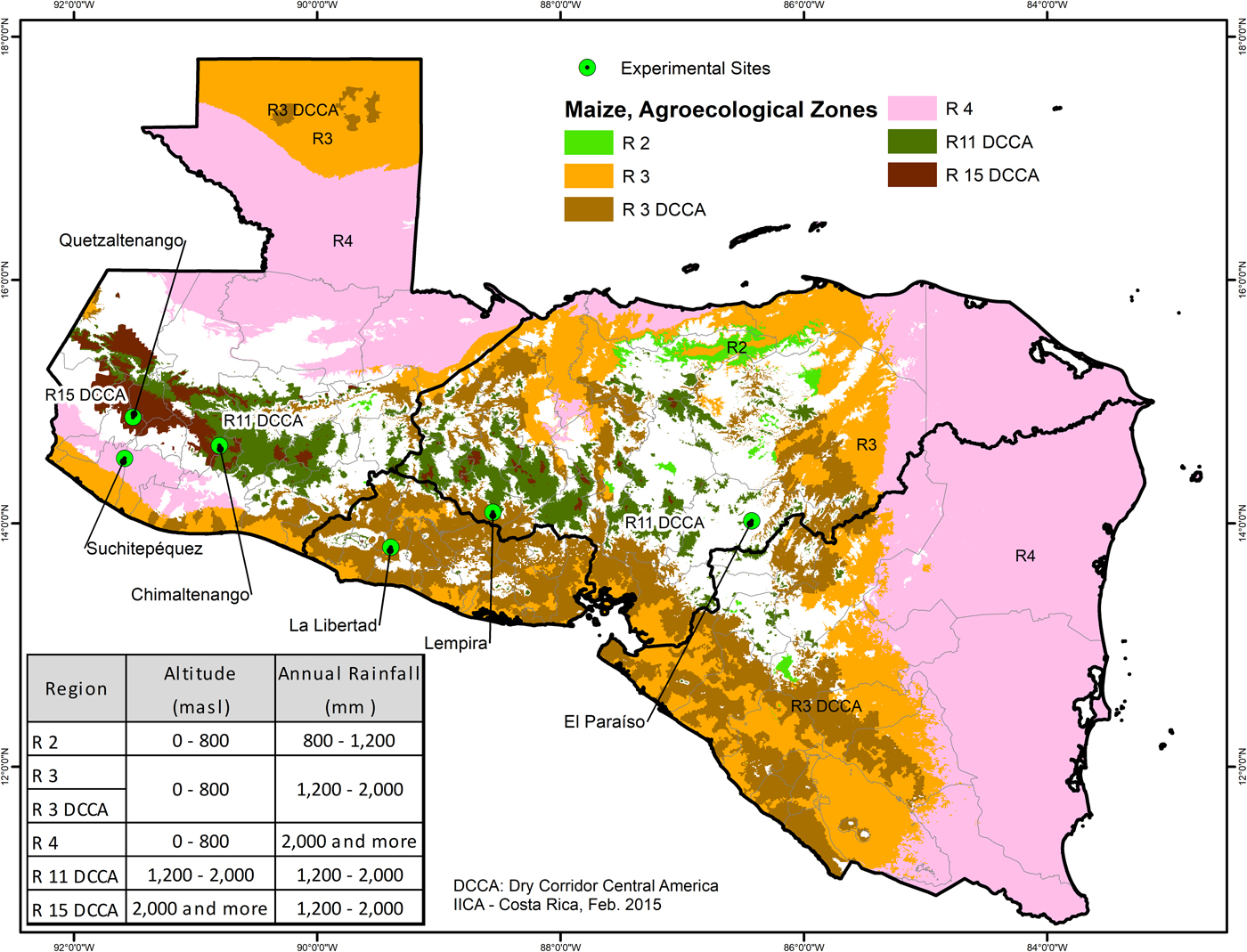
Study sites were selected to represent distinct agroecological zones in Guatemala, El Salvador and Honduras (Fig. 1). Agroecological zones were characterized by long-term annual rainfall and altitude, sourced from WorldClim Global Climate Data from NASA's Shuttle Radar Topography Mission, and were prioritized according to the area (total ha) of maize and bean production (You et al., Reference You, Wood and Wood-Sichra2009). Six study sites were selected to represent agroecological zones that cover about three-quarters of the maize-producing area and 0.65 of the bean-producing area. Sites were identified based on technical capacity and interest of the collaborating institution and land availability (Table 1). Economic activity in all regions was heavily focused on agriculture, specifically maize production.
Study sites and six important agroecological zones, characterized by long-term annual rainfall and elevation, in Honduras, El Salvador, Guatemala and Nicaragua..
Characteristics of study sites (named after the department they are in) selected for field trials to evaluate production limitations in six maize- and bean-producing regions in Central America

Soil samples were taken at 0–30 cm depth before planting in 2017.
a 2017 growing season defined as planting of the first crop to the maturity of the last sown crop.
b Based on Mehlich 3 extraction.
c Walkley-Black method.
Climate and soil characteristics
Altitude across sites ranged from 315 to 2390 m a.s.l and annual rainfall ranged from 800 to 3500 mm/year (Table 1). All sites experienced a distinct dry season from late November to April and a rainy season from May to early November. Rainfall was bimodal, with a short dry period in early August, referred to as the canícula or mid-summer drought. Topography also varied among sites. While Suchitepéquez was located on a coastal plain and La Libertad, El Salvador and El Paraíso, Honduras were located in valleys, farmers in Quetzaltenango and Chimaltenango, Guatemala and Lempira, Honduras were faced with the challenge of steep, mountainous terrain that was highly susceptible to erosion. Soils ranged between clay loams and sandy loams, with a slightly acidic pH (Table 1).
Characterization of local management practices through semi-structured interviews
Semi-structured interviews were conducted in communities neighbouring each site to characterize local management practices of maize and beans. The survey had three sections: general characteristics of the farm (including farm size, crop type and quantity produced and income sources), management practices (seed varieties, land preparation, fertilization plan, pest and weed control, and planting and harvest dates) and farmer-perceived limitations to maize and bean production. Community leaders from the six sites were asked to select between five and ten maize farmers from their community, who represented high, low and average production. Local agronomists and practitioners verified survey findings in each region.
Experimental design
The six field trials were implemented during the 2017 growing season, which generally spanned from March to December. Protocols for each trial were designed based on common management practices in surrounding communities and the most pertinent limitations to maize and bean production, as determined by local agronomists and farmers. Therefore, treatments to address limitations varied slightly among sites (Table 2), including (1) supplemental irrigation, (2) fertilization, (3) pest and disease control, and/or (4) planting arrangement.
Treatment design for six field trials established to evaluate limitations to production of maize and beans in Honduras, Guatemala and El Salvador in the 2017 growing season
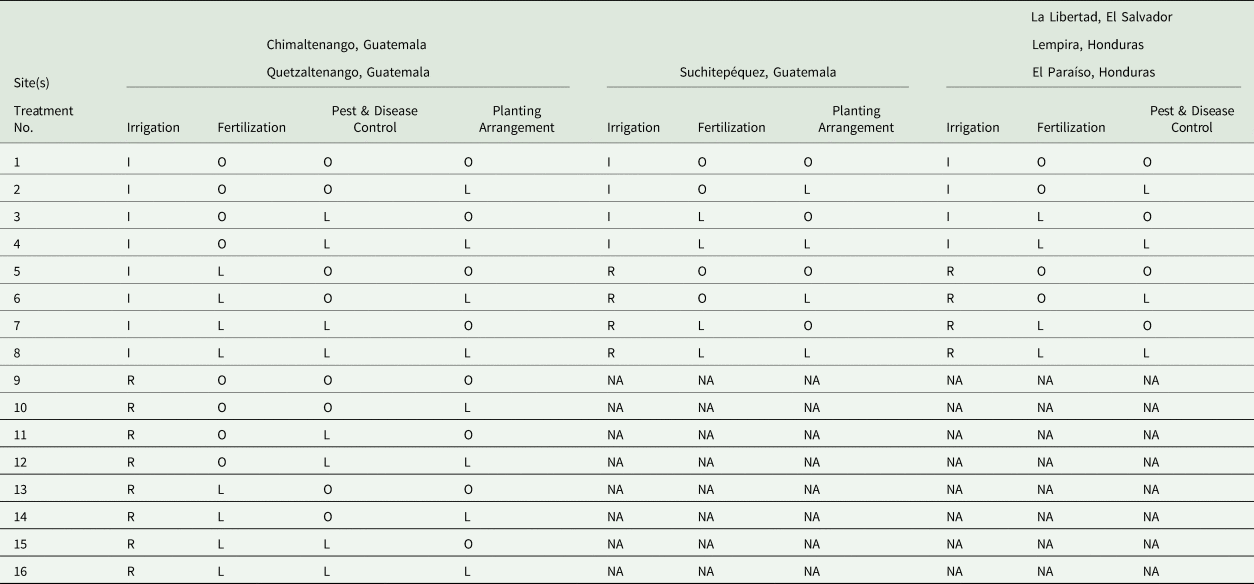
I, irrigation; R, rainfed; O, optimized; L, local; NA, not applicable since not all treatments present at all sites.
While all treatment designs included supplemental irrigation and fertilizer management, pest and disease control and planting arrangement were only evaluated at sites where these factors were considered to be sub-optimal by local farmers and agronomists. The effect of improved varieties on yield was anticipated to be an important limitation that would be evaluated at sites, but after extensive discussion with local farmers and agronomists, it appeared that improved genotype was either already adopted by farmers or not accessible in the region. The variety used at each site, therefore, represented the most commonly used in each region and was kept consistent among all treatments at each site.
Each experiment consisted of a full-factorial, randomized complete block design with split-split-plot treatment arrangement and three replicates per treatment. Whole plots contained different irrigation treatments (drip irrigation vs. rain-fed), with sub-plots representing pest and disease control treatments and sub-sub-plots, ranging from 40 to 135 m2 in size, which represented a factorial combination of fertilization and planting arrangement (where applicable).
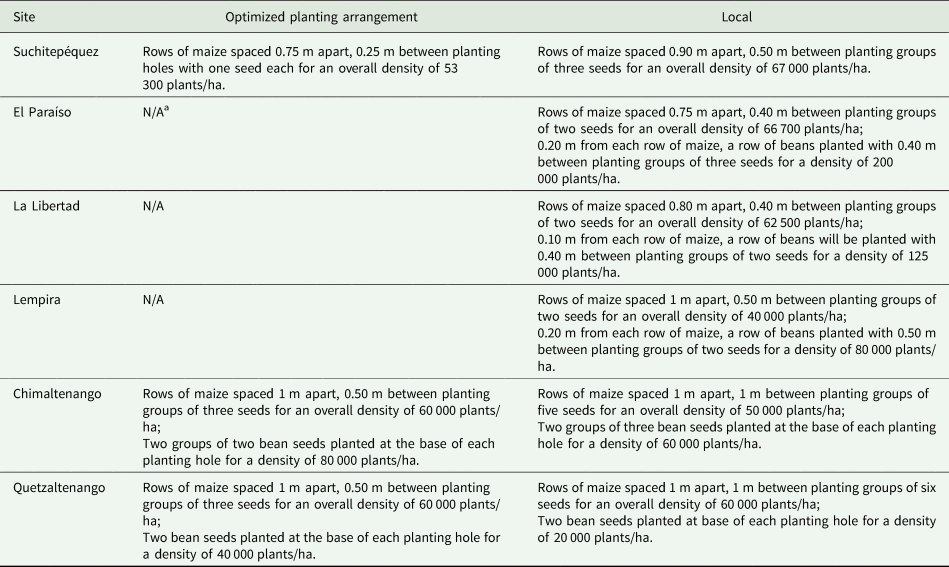
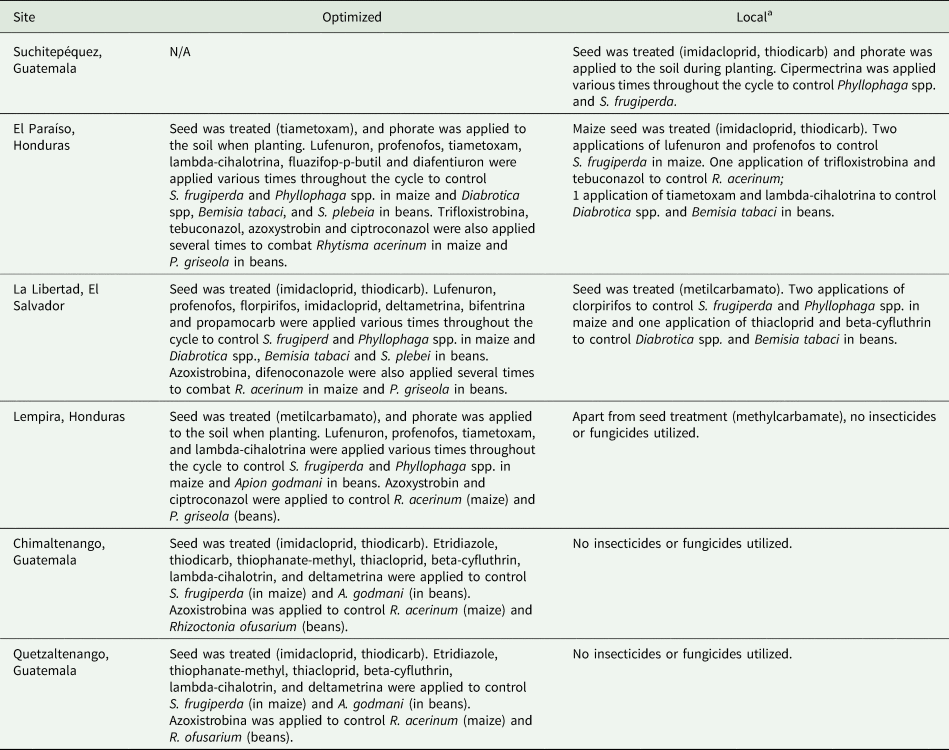
Each factor evaluated included a ‘control’ level that represented the common management practices near the site, as well as an optimized treatment level. The control level was based on results of the semi-structured interviews, while the optimized level was determined through discussions with local agronomists and expert farmers. As a result, local and optimized plans for fertilization, pest and disease control, and planting arrangement differed among sites (Table 3). Fertilization plans were adjusted in terms of the timing, rate and method of application and were optimized according to soil analyses and recommendations from local government extension services to overcome any potential nutrient deficiencies (Table 3). Planting arrangements were optimized in terms of spacing between rows and planting holes, as well as a number of seeds per planting hole (Table 4). Optimal planting arrangements did not necessarily increase seed density but rather focused on optimizing spacing between plants to allow for reduced intra-specific competition for resources, as well as potentially higher overall canopy cover and increased photosynthetically active radiation (Andrade et al., Reference Andrade, Calviño, Cirilo and Barbieri2002). In the case of pest and disease control, preventative pesticide applications were scheduled to combat common pests and disease, but plots under optimized management were monitored and, if necessary, extra applications were used to minimize plant stress (Table 5). It should be noted that optimized factor levels were based on previous experimentation and observation in the region, and designed to minimize yield loss due to the targeted limited factor, but may not always succeed in completely eliminating any stress. Moreover, these treatments were not designed to be recommendations for farmers, e.g. the pest and disease control measures were implemented to reduce pest and disease incidence as much as possible, but the amount of pesticide applications would not be recommended to farmers.
Fertilization plan for six field trials established to evaluate limitations to production of maize and beans in Honduras, Guatemala and El Salvador in the 2017 growing season
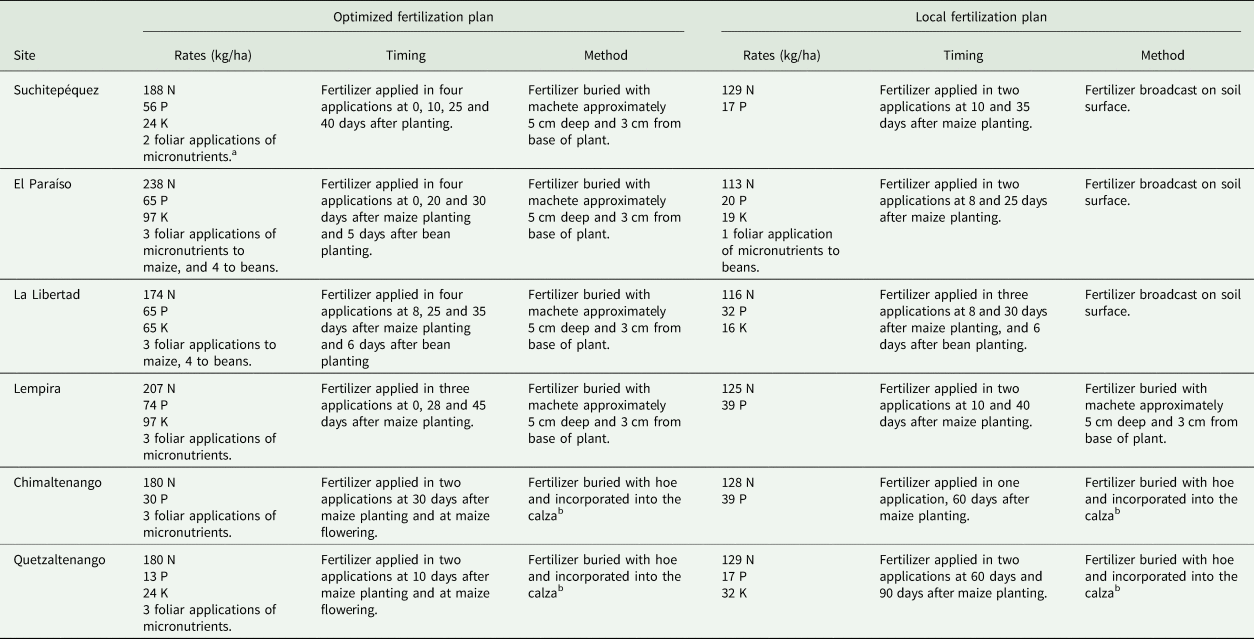
a Foliar micronutrient application consisted of 9.1% N, 6.6% P2O5, 5% K2O, 1250 ppm S, 332 ppm B, 17 ppm Co, 666 ppm Zn, 332 ppm Cu, 42 ppm Mo, 207 ppm Ca, 332 ppm Mn, 415 ppm Fe and 207 ppm Mg.
b The calza is a traditional practice in which soil is formed into a volcano-like structure at the base of maize stalks.
Optimized and local planting arrangements for six field trials established to evaluate limitations to production of maize and beans in Honduras, Guatemala and El Salvador in the 2017 growing season
a In the event that planting arrangement was not evaluated as a factor in the trial, the local plan applies to all treatments.
Pest and disease control plans for six field trials established to evaluate limitations to production of maize and beans in Honduras, Guatemala and El Salvador in the 2017 growing season
a In the event that pest and disease control was not evaluated as a factor in the trial, the local plan applies to all treatments.
In irrigated treatments, water was applied before planting to achieve field capacity. Every 3 days, the difference between crop demand (estimated to be 5 mm/day) and rainfall since the last irrigation was calculated. If the rainfall received did not meet estimated crop demand, that quantity of water was supplemented in irrigated treatments.
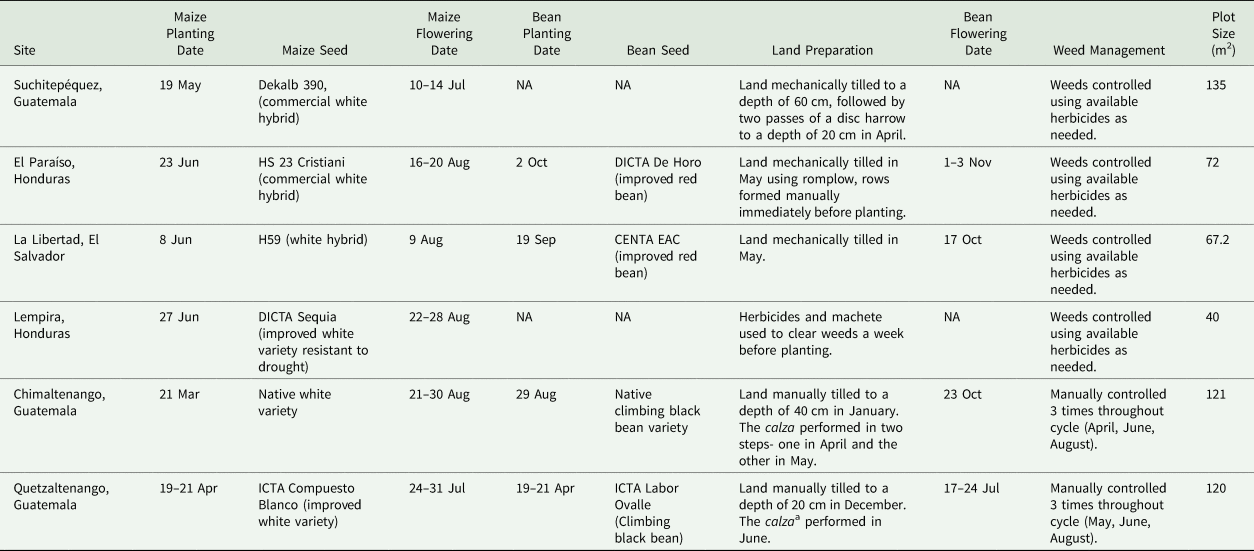
Depending on typical maize systems in each region, maize (Zea mays L.) was relay cropped or intercropped with beans (Phaseolus vulgaris L.). In Quetzaltenango, Guatemala, maize and climbing beans were intercropped. In Chimaltenango, La Libertad and El Paraíso, maize and beans were relay cropped. In Lempira and Suchitepéquez, only maize was planted. Similarly, land preparation, sowing and harvest dates, seed varieties and herbicide management mirrored common management practices in each region and therefore were distinct across sites (Table 6).
Planting dates, seed type, land preparation and weed management for six field trials established to evaluate limitations to production of maize and beans in Honduras, Guatemala and El Salvador in the 2017 growing season
Management practices apply to all treatments evaluated in study sites.
a The calza is a traditional practice in which soil is formed into a volcano-like structure at the base of maize stalks.
Data collection
Climate data
Climate data were obtained from weather stations at each experimental site. In Chimaltenango and Quetzaltenango, Guatemala, weather stations from the National Institute of Seismology, Volcanology, Meteorology and Hydrology (INSIVUMEH) were used. In the Quetzaltenango site, 2 days of rainfall data were missing, which were counted as zeros in the cumulative rainfall data. For the remaining sites, a Vantage Vue (Davis Instruments, 2017) weather station was installed. All weather stations captured minimum and maximum temperature, rainfall, relative humidity and hours of sunlight at daily intervals.
Plant and yield measurements
The flowering date was noted at the time that 50% of maize plants released pollen from the tassel and at the opening of the first flower in 50% of bean plants.
At harvest, the central area (excluding the two outer rows on each side of the plot) was harvested manually. Grain-to-cob ratio was determined on a sub-sample of cobs and grain yield was adjusted to 14% moisture content. To calculate biomass and harvest index, three planting holes from each plot were randomly selected and the dry weight of grain, cobs and other plant matter was determined.
Bean plants were harvested from the central area of each plot, dried in the sun and threshed manually. Beans were then weighed and moisture content was measured to adjust yield to 14% moisture.
Economic data
For each treatment at each site, the total cost was calculated as the sum of manual labour, mechanized land preparation and inputs associated with all management practices performed before, during and after the growing cycle. Though farmers occasionally rent land for cultivation, the land was assumed to be owned by the farmer and rental costs were not incorporated into the economic analysis. Local currencies were converted to USD based on the exchange rate on 8 November 2017. Costs of inputs were quoted from local agricultural supply stores. The cost of irrigation was calculated as the total cost of supplies (i.e. motor, tubing and associated hardware) and installation, considering a depreciation period of 5 years for the equipment. The cost of manual labour was estimated by local agronomists who assisted in the implementation of the field trials and with ample experience in the region and was based on the amount of labour a local farmer would need to perform each task on 1 ha. Gross revenue was calculated by multiplying the maize and bean (if applicable) yields of each experimental unit by the price that farmers typically receive for their crop (based on pre-trial semi-structured interviews). Net profit was calculated as the difference between the gross profit and the total cost of inputs for each treatment.
Statistical approach
Maize and bean grain yields and net profits were analysed using a multifactor ANOVA, with each site and treatment factor (fertilization, planting arrangement, irrigation and pest and disease control) included as a fixed effect and block, whole plot and sub-plots included as random effects. Since there were significant interactions between site and treatment, site-by-site analysis was conducted in the same way, excluding site from the model. All analyses were performed using R statistical software (R Core Team, 2017), and residual and normal-QQ plots were examined to ensure that the data met the assumptions of ANOVA (normality and homogeneity of variance).
Tukey-adjusted pairwise comparisons, generated by the emmeans package in R (Lenth, Reference Lenth2018), were used to estimate the difference in maize yield between optimized management and farmer practices for each treatment factor. To calculate yield effect or the proportion increase in yield attributed to each treatment factor, the estimated difference between factor levels was divided by mean yield of the farmer-practice level. The ‘overall’ yield effect, or the effect of optimizing all treatment factors, was based on the comparison of the treatment with all factors under optimized management v. the typical farmer practice (control).
Results
Farmer interviews
The semi-structured farmer interviews suggested that management practices varied among sites and generally depended on whether farming systems were for subsistence or commercial purposes (Table 7). Commercial systems were usually more dependent on hybrid seeds, mechanization and pesticide and herbicide use, while subsistence systems employed traditional practices, including use of native varieties, manual land preparation and minimal to no pesticide use. Average farm size varied according to region, ranging from 0.4 to 4.5 ha (Table 7).
Farm characteristics and general management practices in six study sites in Central America as determined by interviews with local farmers during the 2017 growing season

a Values represent mean ± standard error.
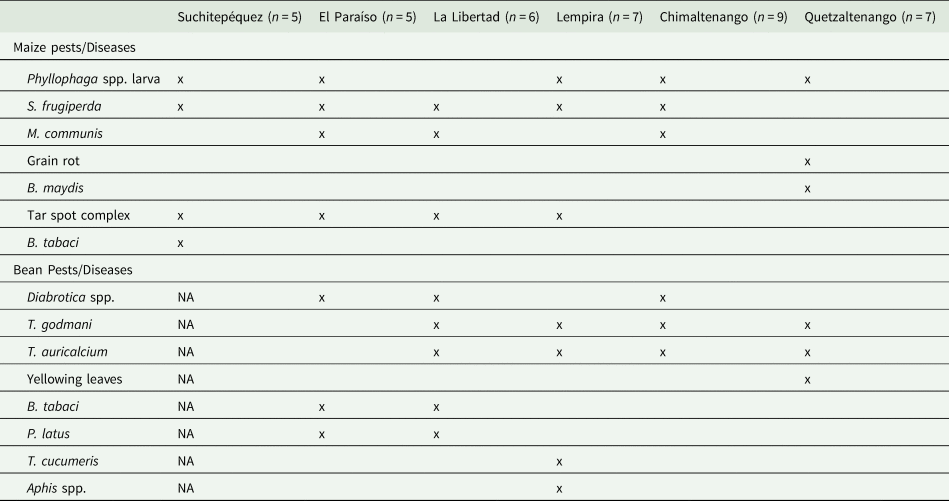
Farmer-perceived limitations to production included both biophysical factors, such as water stress and increased incidence of pests and disease, as well as socioeconomic factors, such as lack of economic access to inputs and small farm size (Table 8). The most frequently mentioned limitations were water stress due to unreliable rainfall and inadequate nutrient management. Farmers were also requested to name pests and diseases that commonly impact their maize and bean yields (Table 9). Some of the most commonly mentioned pests were the larva of Phyllophaga spp., which can damage maize roots in the early vegetative stages, and Spodoptera frugiperda, which causes foliar damage and direct injury to the ear.
Farmer-perceived limitations to maize and bean production as reported in semi-structured interviews in six study sites in Central America prior to the 2017 growing season
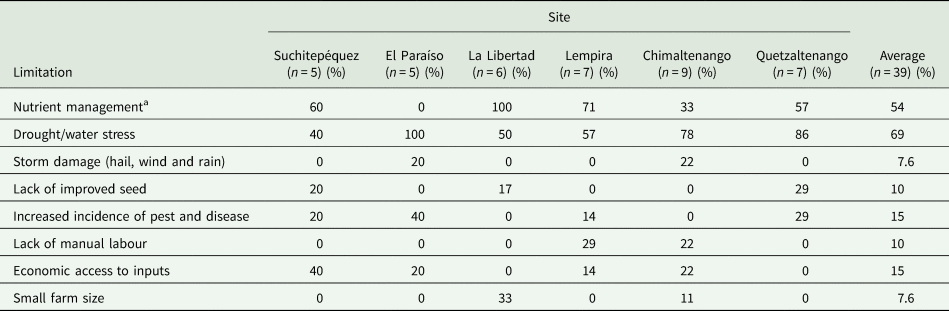
a Nutrient management included any mention of degraded soils, lack of access to fertilizer and/or lack of technical knowledge regarding nutrient application.
Farmer-reported pests and disease that affect maize and bean yields as reported in semi-structured interviews in six study sites in Central America prior to the 2017 growing season
Rainfall
The 2017 growing season experienced approximately average rainfall levels at all sites. Study sites received between 759 and 2133 mm of precipitation during the 2017 growing season (Table 1). Monthly rainfall corresponded roughly with the long-term average precipitation rates. Rainfall was distributed evenly throughout the growing season, and the canícula was not as pronounced as it had been in previous years. Therefore, supplementary irrigation was only applied to the supplemental irrigation treatments two to four times at each site.
Maize yields
Supplemental irrigation did not increase yields significantly in the year studied. However, optimized nutrient management, optimized planting arrangement and pest and disease control all had positive effects on maize yield when analysed across all sites and with varying degrees of influence on yield at the individual site level (Fig. 2; Table 10).
Effect of irrigation, optimized fertilization, optimized pest and disease control and optimized planting arrangement on maize yield in six experiments in Central America in the 2017 growing season. Data shown for individual sites as well as averaged across all sites. Yield effect for a particular factor is defined to be the estimated difference in mean yield for the optimized and farmer-replicated level divided by the farmer-replicated level. Error bars represent standard error of the mean. P values are given in Table 10.

Main and interaction effects of irrigation (Irr), optimized fertilization (Fert), optimized pest and disease control (P&D) and optimized planting arrangement (Plant) on maize yield in six experiments in Central America in the 2017 growing season

NA, not applicable.
P values are presented for all main and two-way interaction effects.
At Chimaltenango, El Paraíso and La Libertad, optimized pest and disease control significantly increased grain yield by 30, 26 and 15%, respectively. Optimized fertilization and optimized planting arrangement had significant positive effects on yield in Quetzaltenango (38% increase due to fertilization and 26% due to planting arrangement) and Suchitepéquez (16% due to fertilization and 18% due to planting arrangement). In El Paraíso, the optimized fertilization plan negatively affected production, with a 10% decrease in grain yield.
In Quetzaltenango, a significant interaction effect (P < 0.05) was observed between planting arrangement and fertilization. Pairwise comparison between planting arrangement and fertilization levels showed that relative response to optimized fertilization decreased when planting arrangement was optimized (Fig. 3); the yield increase associated with fertilizer levels was significant in treatments with the local planting arrangement (70%; P < 0.01), but not in treatments with the optimized arrangement (18%; P = 0.211).
Interaction effect between planting arrangement and fertilization on maize yield in Quetzaltenango in the 2017 growing season. Error bars indicate standard error of the mean.

Bean yields
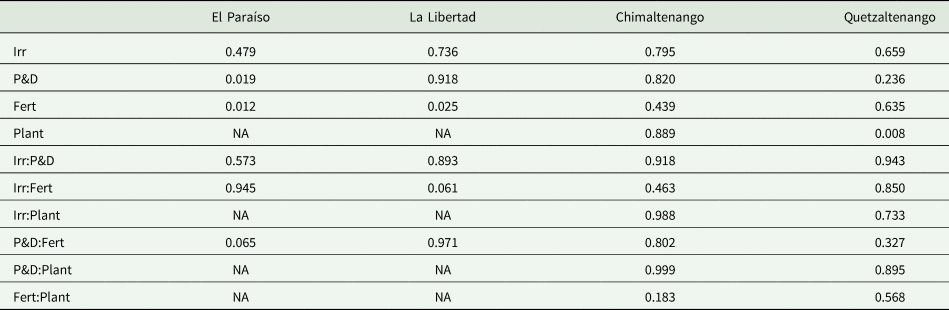
When analysed across the four sites that included beans, none of the factors had a significant effect on bean yield; however, significant effects were observed at the individual site level (Fig. 4; Table 11). In El Paraíso, pest and disease control and fertilization both significantly increased bean yield by 28 and 22%, respectively, while in Quetzaltenango, optimized planting arrangement improved bean yield by 51% (P < 0.05). In La Libertad, the optimized fertilizer plan negatively impacted bean yield, with a 10% reduction (0.23 t/ha ± 0.065; P < 0.01) relative to the farmer practice.
Effect of irrigation, optimized fertilization, optimized pest and disease control and optimized planting arrangement on bean yield in four experiments in Central America in the 2017 growing season. Data are shown for individual sites as well as averaged across all sites. Yield effect for a particular factor is defined to be the estimated difference in mean yield for the optimized and farmer-replicated level divided by the farmer-replicated level. Error bars represent standard error of the mean. P values are given in Table 11.

Main and interaction effects of irrigation (Irr), optimized fertilization (Fert), optimized pest and disease control (P&D) and optimized planting arrangement (Plant) on bean yield in four experiments in Central America in the 2017 growing season
NA, not applicable.
P values are presented for all main and two-way interaction effects.
Economic analysis
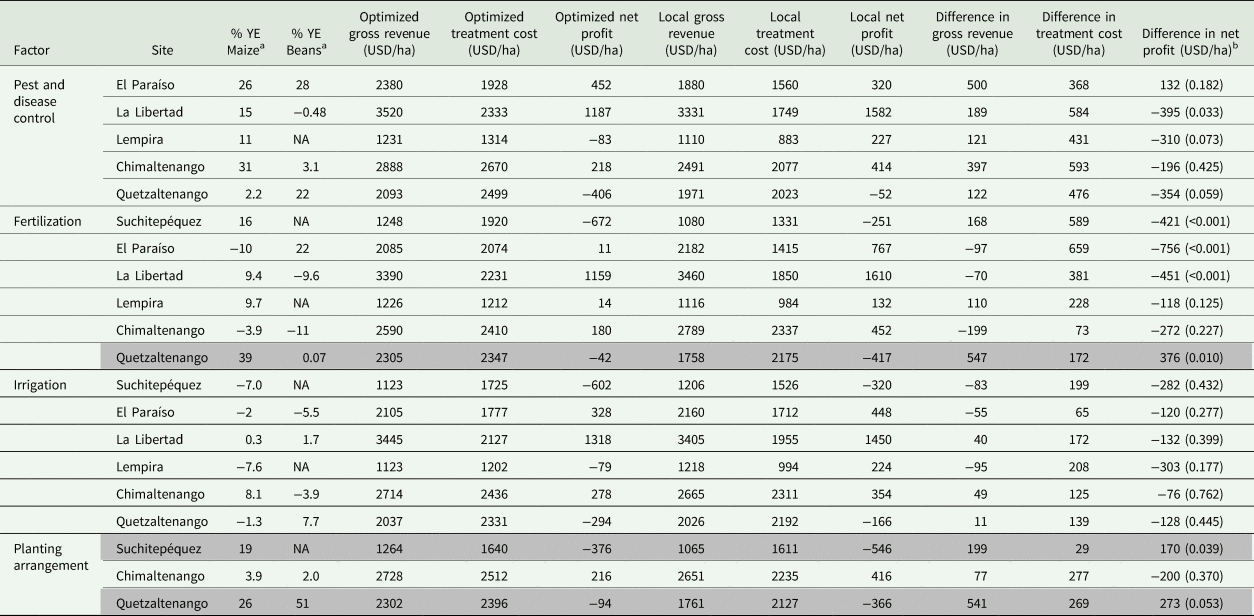
While the evaluated management factors reduced limitations for maize and bean production, an increase in yield did not always result in an increase in net profit (Table 12). Optimized planting arrangements in Quetzaltenango and Suchitepéquez caused an increase in net profit of US$272/ha (a 75% increase) and US$170/ha (a 31% increase), respectively. In Quetzaltenango, optimized fertilization also resulted in a US$375/ha (90%) increase in net profit. No other treatments at any of the sites resulted in a significant increase in profit.
Yield effect (YE, %) for maize and beans, change in gross profit, difference in treatment cost and change in net profit for irrigation, optimized pest and disease control, optimized fertilization and optimized planting arrangement for six experiments in Central America in the 2017 growing season
NA, not applicable.
Differences (in gross revenue, treatment cost, and net profit) are expressed in USD/ha and were calculated by subtracting the local treatment level from the optimized level. Rows in grey emphasise factor and site combinations that show positive change in net profit.
b P values of the differences in net profit are included in parenthesis.
Several factors that increased inputs, but did not have large positive effects on yield, resulted in a significant decrease in net profit. For example, in El Paraíso, optimized fertilization resulted in a US$756/ha (99%) decrease in net profit, and in La Libertad, optimized pest and disease control resulted in a US$395/ha (25%) net profit decrease. While irrigation did not lead to any significant increase in production, it also was not costly enough to decrease net profit significantly.
Yield gaps
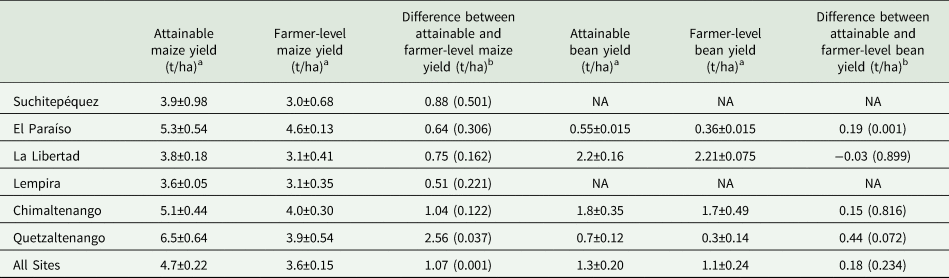
Including all sites, the optimization of all management factors increased maize yield significantly (P < 0.001) relative to farmer practices, from 3.6 t/ha to the attainable yield of 4.7 t/ha, resulting in an estimated overall yield gap of 1.1 ± 0.29 t/ha across all sites (Table 13). At individual sites, the attainable yield was consistently larger than the farmer level treatment, but the yield gap was only statistically significant in Quetzaltenango (P < 0.001). The attainable yield ranged between 3.55 t/ha and 6.28 t/ha and varied significantly across sites (P < 0.05). However, farmer-level yield and yield gap were not significantly different among sites.
Attainable maize and bean yields (estimated by average yield of treatment with irrigation, optimized pest and disease control, optimized fertilization and optimized planting arrangement) and farmer-level maize and bean yields (estimated by average yield of treatment with rainfed crop, local pest and disease plan, local fertilization and local planting arrangement) in six experiments in Central America, as well as averaged across all sites
NA, not applicable.
aMean ± Standard Error.
bP values of the differences are included in parenthesis.
For bean yields across all sites, the average attainable yield (1.3 t/ha ± 0.20) did not differ significantly from the farmer-level yield (1.1 t/ha ± 0.24; P > 0.05; Table 13). The yield gap was only statistically significant (P < 0.001) in El Paraíso, where the yield gap was an estimated 0.20 t/ha, the difference between the farmer-level yield (0.35 t/ha) and the attainable yield (0.55 t/ha). While both farmer-level yield and attainable yield vary significantly according to the site (P < 0.01), estimated yield gap was not different among sites.
Discussion
While water stress was not a principal limitation due to rainfall distribution in 2017, inadequate nutrient management, sub-optimal seed arrangement and pest and disease stress all contributed to limit yields under typical farmer practices. However, yield and limitations to production varied across sites according to the ecological context and conventional management practices in the region. This confirms the importance of site-specific ecological intensification, or local analysis that seeks to understand how more efficient use of abiotic resources, complemented by deliberate use of agricultural inputs, can increase crop productivity (Cassman, Reference Cassman1999; Tittonell and Giller, Reference Tittonell and Giller2013). By understanding management and resource deficiencies at a local level, technologies can be developed that are accessible to farmers, require a less initial investment and promote long-term resource use efficiency in agricultural systems.
Overall, the yield of farmer-level treatments averaged 3.6 t/ha, and was thus higher than the 2.2 t/ha average for the region (Hengsdijk and Langeveld, Reference Hengsdijk and Langeveld2010). Research farms are commonly situated on more fertile soil (van Ittersum et al., Reference van Ittersum, Cassman, Grassini, Wolf, Tittonell and Hochman2013) and, aside from the farmer-level treatment factors evaluated in the study, stresses such as weeds and untimely management were intentionally minimized in order to observe the attainable yield.
Water stress
Water stress undoubtedly affects crop production in Central America. The mid-summer drought (regionally known as canícula), or period of reduced precipitation that typically occurs in July and August, poses a major limitation in the region, as this period usually coincides with the flowering date and subsequent grain-filling stage of maize development (Edmeades et al., Reference Edmeades, Bänziger, Mickelson and Peña-Valdivia1997). In the 3 years prior to the current study (2014–2016), El Niño conditions led to widespread drought throughout the region. Crop harvests were decreased by 50–90% and 1.6 million people were left moderately or severely food insecure in El Salvador, Guatemala and Honduras (Diaz and Burgeon, Reference Diaz and Burgeon2016). In interviews conducted at the start of the current study, farmers recovering from recent harvest losses frequently cited drought and climate variability as a major limitation to production.
Although rainfall totals were about average in 2017, the mid-summer drought was less pronounced and quantity and distribution of rainfall throughout the growing season was seemingly sufficient to meet crop demands. Despite other findings, farmer-perceived limitations and the hypothesis that water stress would limit yields, no significant yield differences were observed between irrigated and rain-fed treatments for either maize or beans at any of the study sites. These findings highlight the need to consider multiple years of data, given the large inter-annual yield variability that is attributed to climatic trends (Lobell et al., Reference Lobell, Cassman and Field2009). The minimal water stress observed in the study year presented the advantage of allowing other limiting factors to be expressed and explored more thoroughly.
Pest and disease stress
Optimized pest and disease control resulted in an average maize yield increase of 16% across all sites, but did not significantly improve bean yields overall. As the current study includes a mixture of subsistence and commercial systems, farmer-level pest and disease control regimes varied across sites according to the degree of intensification of local farmer practices. In Chimaltenango, Quetzaltenango and Lempira, for example, pesticides are not typically used due to high input costs as well as local traditions. Farming systems in these regions are normally smaller and subsistence-based. Conversely, farms in La Libertad and El Paraíso are typically larger, more commercial systems and customarily use insecticides and seed treatments, although at relatively low levels.
The effect of pest and disease control also depended on the biotic stresses present at each site and the degree to which local farmers typically control such stresses. In Chimaltenango, for example, the main pest outbreaks were the larva of Phyllophaga spp., which causes damage to roots, and Spodoptera frugiperda, which causes foliar damage and direct injury to the ear. The farmer-level pest and disease treatment did not receive any pesticides and therefore exhibited notable damage, while pests were monitored and controlled in the optimized treatments, resulting in a maize yield increase of 30%.
Meanwhile, in the lowland regions of El Paraíso and La Libertad, which are characterized by more rainfall and higher average temperatures, the main biotic stress in the 2017 growing season was the tar spot complex, a disease caused by a synergistic interaction of fungal species Phyllachora maydis and Monographella maydis (Hock et al., Reference Hock, Kranz and Renfro1995). Farmers working in these commercial systems regularly use insecticides and seed treatments to control S. frugiperda, Phyllophaga spp. and other known pests. Despite these efforts, both El Paraíso and La Libertad saw significant yield increases with optimized pest and disease control measures. This probably occurred because fungicides are expensive and must be applied preventatively in order to effectively control tar spot complex and other diseases.
In Lempira and Quetzaltenango, optimized pest and disease control did not significantly increase maize yield. Farmer practice at these sites did not include pesticide use, but pest and disease incidence were low.
While pest and disease control are not a new concern for farmers, climate change is worsening the issue by changing the distribution, population dynamics and frequency of incidence (Lal, Reference Lal, Lal, Singh, Mwaseba, Kraybill, Hansen and Eik2015). Tar spot complex, for example, had a devastating effect on maize production in southern Mexico in the 1980s (Hock et al., Reference Hock, Kranz and Renfro1995), but its presence in La Libertad and El Paraíso is relatively recent. New outbreaks of pests and disease could be caused by the changes in rainfall patterns and higher temperatures associated with climate change, leaving farmers to look for solutions to maintain or enhance crop productivity (Rosenzweig et al., Reference Rosenzweig, Iglesias, Yang, Epstein and Chivian2001). Integrated pest management plans based on economic thresholds as well as technical knowledge should be identified to reduce yield losses in an economically viable manner.
Nutrient deficiency
Farmers’ perception of nutrient limitations was strong; in pre-trial interviews, about half cited nutrient limitation as a barrier to production. The implementation of optimized fertilization plans had a significant, positive effect on maize yield overall. However, at the site level, it increased maize yields significantly at only two out of the six sites (Quetzaltenango and Suchitepéquez) and bean yield at one site (El Paraíso), fewer than anticipated given the large expected contribution of nutrient deficiency to the yield gap.
Inconsistent fertilizer responses across sites can be related to the different baseline levels of fertilizer being applied and differences in nutrient recommendations, which were informed by government extension services and local Non-Governmental Organizations (NGOs). Research stations and plots designated for experimentation are commonly situated on fertile soils with favourable topography and routinely have higher baseline soil fertility than is found in farmers’ fields (van Ittersum et al., Reference van Ittersum, Cassman, Grassini, Wolf, Tittonell and Hochman2013), potentially minimizing the difference in nutrient limitation between the local and optimized fertilization treatments. Baseline soil analyses of each trial site showed that organic matter content, pH and, in some cases, even available P and K levels were generally at acceptable levels, which may not be the case on surrounding farmers’ fields. This could explain why optimized fertilizer plans did not increase maize yields in Lempira, La Libertad, El Paraíso and Chimaltenango. In El Paraíso, recommended fertilization was associated with a 10% decrease in maize yield. This was not anticipated since the difference between local and optimized N rate was largest at this site (+101 kg N/ha). However, baseline macronutrient and soil organic matter content were already high at the field site, so the reduction in yield may be explained by the role that excess N can have in promoting vegetative growth, sometimes at the cost of grain or fruit production (Norse et al., Reference Norse, Lu and Huang2012). Furthermore, significant rain events occurred at the El Paraíso site following both the first and second fertilizer applications (22 and 45 mm, respectively). This may have increased leaching and denitrification, preventing the increase in fertilizer from translating to an increase in N available for crops. A similar effect was observed in La Libertad, where bean yields were decreased by 10% under optimized fertilization.
Optimized fertilization plans involved an adjustment in nutrient rates as well as timing and method of application, so observed yield effects due to fertilization result from the cumulative effect of these factors. In Suchitepéquez, for example, the optimized fertilizer plan increased total N and P applied and fractionated doses into four applications instead of the usual two applications that farmers apply. Fertilizer was also buried rather than broadcasted, which is known to increase its availability and reduce losses (Bryla, Reference Bryla2011). These changes, combined with an overall increase in rate, resulted in a significant increase in maize yield. In Quetzaltenango, the first fertilization of the optimized plan was applied 10 days after planting, whereas farmers typically wait until silking for the first fertilization. Fertilization in the vegetative stage is essential for adequate root development, which in turn affects growth and production throughout the growing cycle (Scharf et al., Reference Scharf, Wiebold and Lory2002). The difference in timing between the local and optimized plans contributed to the large increase in yield (39%) between fertilization treatments at this site. Timing and method of application could represent promising intervention strategies to improve nutrient use efficiency without increasing fertilization rates and while limiting associated environmental and economic costs.
Planting arrangement
In Central America, planting arrangements are commonly less than optimal; the number of seeds planted per hole is high while spacing between planting holes is wide (Barber, Reference Barber1999). This planting arrangement has traditionally been implemented to reduce labour, at the cost of increased crowding and greater intraspecific competition, resulting in lower water, light and nutrient use efficiency (Andrade et al., Reference Andrade, Calviño, Cirilo and Barbieri2002). Optimized planting arrangement was incorporated into the treatment design for three of the six study sites. This practice increased yields significantly in two sites and resulted in an average 18% increase in maize yield across all three sites in which it was studied, making it the most influential factor evaluated in this study.
The optimized planting arrangement did not necessarily increase planting density. Chimaltenango was the only site in which optimized planting arrangement increased seed density, albeit slightly, from 50 000 plants/ha (at five seeds per hole, planted every 1 m2) to 60 000 plants/ha (at three seeds per hole, planted every 0.5 m2). However, this did not result in any significant effect on either maize or bean yield. Conversely, in Suchitepéquez, the change from local to optimized planting arrangement decreased seed density from 67 000 plants/ha (at three seeds per hole, planted every 0.45 m2) to 53 300 plants/ha (one seed per hole, planted every 0.19 m2), and resulted in an 18% (0.6 t/ha ± 0.17) increase in grain yield. This is consistent with previous findings that indicate narrowing row spacing, while maintaining overall seed density, reduces intra-specific competition and increases light, water and nutrients use efficiency (Andrade et al., Reference Andrade, Calviño, Cirilo and Barbieri2002). Furthermore, the manipulation of row spacing and number of seeds per planting hole has been shown to impact canopy structure (Wei et al., Reference Wei, Wang and Dong2014). Canopy cover was not measured in the current study, but the more even distribution in optimized treatments may have resulted in greater overall canopy cover and thus an increase in photosynthetically active radiation. This increase, along with reduced competition for water and nutrition, may have contributed to the increased yields seen in the optimized treatments.
Farmers in the hillside region of Quetzaltenango, Guatemala plant at 1 m between planting holes, with six seeds per hole (60 000 plants/ha). Reducing this spacing to 0.5 m between planting holes with three seeds per hole (still 60 000 plants/ha) resulted in a 26% (1.3 t/ha ± 0.31) yield increase in maize and a 51% (0.20 t/ha ± 0.070) in beans. The lower yields associated with the local planting pattern could be attributed to the barrenness and decrease in kernel size associated with inter-plant competition for resources (Sangoi, Reference Sangoi2001). In the early stages of development, plants in less crowded environments can develop greater root length density, allowing for better nutrient use efficiency throughout the growing season (Barbieri et al., Reference Barbieri, Echeverría, Saínz Rozas and Andrade2008). This was further confirmed by a significant interaction effect (P < 0.05) between planting arrangement and fertilization, where optimized fertilization mainly increased yield in the sub-optimal planting arrangement. In conditions similar to Quetzaltenango, the optimization of planting arrangements could present an opportunity to increase yield through enhanced nutrient use efficiency without the need to increase farm inputs.
Profitability, risk aversion and sustainability
While agronomic management can be optimized to lessen the yield gap, crop productivity is determined in large part by farmer decisions that take into consideration profit maximization (Tilman et al., Reference Tilman, Cassman, Matson, Naylor and Polasky2002). Additional inputs, such as fertilizer, water, seed, labour and pest control, have been shown to have diminishing returns as yield approaches potential levels. Thus, an increase in productivity does not guarantee an increase in net farmer profit (Lobell et al., Reference Lobell, Cassman and Field2009).
The experimental design in the current study focused on the identification of yield limiting factors and treatments were not designed with the aim of testing economically feasible options for farmers. Therefore, the economic analysis gives a first idea of the economic feasibility of applying certain technologies, but results need to be interpreted with caution and other, more sustainable and profitable technologies will need to be evaluated to minimize the identified yield limiting factors. While many of the identified limitations to crop growth were mitigated using agricultural inputs, the increase in production was not always reflected in net profits.
Optimized fertilization plans necessitated an increase in input costs as well as manual labour, since fertilizer rates were often fractionated into several applications rather than the local practice of just one or two applications per cycle. However, in Quetzaltenango, the optimized fertilizer practice was relatively similar to the local practice and thus the cost of labour increase was relatively small. This resulted in an improvement in yield that was sufficient to justify the optimized fertilization practice. Optimized planting arrangement also represents an increase in manual labour, since planting is largely done by hand in this region and halving the seed spacing results in approximately double the manual labour for both planting and fertilization. However, labour costs in this region are relatively low (about US$10/person/day), and since optimizing planting arrangement does not require any additional inputs, the treatment cost was less than that of fertilizer or pest and disease control. In the two out of three cases in which optimized planting arrangement increased production (Suchitepéquez and Quetzaltenango), net profit was also significantly improved.
Actual farmer yields are not only limited by high input costs, but also by risk aversion (George, Reference George2014). The inherent riskiness of grain production is often high, particularly under rain-fed conditions and as climate patterns become increasingly unpredictable (Hayman et al., Reference Hayman, Wilhelm, Alexander, Nidumolu, Dove and Culvenor2010). Drought years could render all investment in agricultural inputs a loss and can prevent farmers from having the capital to invest in more inputs the following year. In interviews, farmers frequently identified the tar spot complex as a limitation to production, but they also discussed the risk of investing in fungicides that are only effective when applied preventatively, while the incidence of the disease is highly variable.
When aiming to close the yield gap, economically feasible strategies as well as technologies that reduce farmer uncertainties, must be identified for technologies to be adopted at the farmer level (Lobell et al., Reference Lobell, Cassman and Field2009). Therefore, the next step after identifying the limiting factors in a production system is to evaluate sustainable technologies to address these factors. For example, improved varieties that are higher-yielding and/or resistant to pest and disease could be particularly relevant, due to the prevalence of native cultivars throughout Central America. Furthermore, given the mountainous landscapes in the region, agroforestry practices and improved residue management are also low-cost strategies with the potential to increase water capture and retention, mitigate erosion control and stabilize soil organic matter (Turmel et al., Reference Turmel, Speratti, Baudron, Verhulst and Govaerts2015; Kearney et al., Reference Kearney, Fonte, García, Chan, Siles and Smukler2019). Further research is needed to better understand the potential of these technologies to close yield gaps while supporting ecosystem services and overall sustainability in a way that is accessible to smallholder farmers.
Acknowledgements
Any opinions, findings, conclusion, or recommendations expressed in this publication are those of the authors and do not necessarily reflect the view of HGBF and CRS. We thank the responsible researchers and support staff at ICTA Chimaltenango, ICTA Quetzaltenango, Centro Universitario del Suroccidente de la Universidad de San Carlos, ITC Jose Maria Medina, DICTA El Paraíso and CENTA La Libertad for implementation of the field trials and data collection, including Edwin Argueta, Eduardo Rodrigo Fuentes Navarro, Eduardo Alexander Chay, Guillermo Tello, Daniel Vasquez, Jose Maria Bonilla, Danilo Escoto, Oscar Cruz, Manuel Betancourt, Laoro Alarcon, and Riquelmi Siguenza. We thank Leonardo Lugo at CIMMYT for his assistance in setting up field trials. We also thank Jessica G. Davis and Raj Khosla from Colorado State University for their revisions and helpful comments in the writing of the manuscript.
Financial support
This work was implemented by CIMMYT as part of the project ‘Agroecosystem characterization, prioritization and yield gap limiting factor identification for maize and bean production in Central America’, and CRP MAIZE, in collaboration with Colorado State University, made possible by the support of the Howard G Buffett Foundation through Catholic Relief Services-United States Conference of Catholic Bishops.
Conflict of interest
The authors declare no conflict of interest.
Ethical standards
Not applicable.


 Open access

