





Introduction
H. pylori is a helical and partially oxygen-dependent bacteria that can endure in the stomach and establish a permanent presence. The incidence of H. pylori infection exhibits significant disparity among countries, with rates as high as 80% in African nations and above 60% in Latin American countries (Ref. Reference Hooi, Lai and Ng1). Economic development, education level and sanitary conditions all have an impact on the variation in H. pylori infection prevalence (Ref. Reference Tran, Saad and Tesfaye2). Research has indicated that the primary variables contributing to the transmission of H. pylori during childhood are living in a crowded household, having a low socioeconomic position and having parents, particularly mothers, who are infected with H. pylori (Ref. Reference Rothenbacher, Bode and Berg3). The primary modes of transmission for this infection are oral–oral, fecal–oral and gastro–oral routes (Ref. Reference Stefano, Marco and Federica4). Transmission by raw chicken flesh is another recently studied route of infection (Refs. Reference Piri-Gharaghie, Ghajari and Tolou-Shikhzadeh-Yazdi5, Reference Asadi, Rahimi and Shakerian6). A complex interaction of host, bacterial and environmental factors mediates the clinical consequences of H. pylori infections (Ref. Reference Xu, Xu and Xu7). Possible consequences include gastritis, ulcers in the digestive tract, lymphoproliferative gastric lymphoma and even stomach cancer (Ref. Reference Aumpan, Mahachai and Vilaichone8). In addition, H. pylori is responsible for extra-gastrointestinal diseases, such as skin disorders, kidney illnesses, allergy symptoms, metabolic syndrome, ischemic cardiovascular disease and autoimmune diseases (Ref. Reference Mărginean, Mărginean and Meliț9). At present, there are four main first-line treatment regimens for H. pylori: clarithromycin-containing triple therapy, concurrent therapy, sequential therapy and bismuth quadruple therapy. The recommended initial treatment is quadruple therapy (Ref. Reference Zagari, Frazzoni and Marasco10). It is possible for probiotics to improve intestinal microecology and overall health through their anti-inflammatory and antioxidant processes; nevertheless, they are not capable of increasing the pace at which H. pylori infections are eradicated. Because of this, probiotic therapy can only be utilised as an additional therapy in order to lessen the number of adverse events that are associated with antibiotics (Ref. Reference Lu, Sang and He11). Nevertheless, the eradication of H. pylori is becoming increasingly challenging due to various factors, including biofilm formation and resistance to antibiotics (Ref. Reference Tshibangu-Kabamba and Yamaoka12). In addition, despite the successful elimination of bacteria, H. pylori infection can potentially recur, causing financial and psychological burdens for patients. Hence, it is imperative to prioritise the focus on vaccine development.
Despite the potential of the vaccine as a viable solution to achieve worldwide eradication of H. pylori, its development remains a formidable undertaking. The majority of research pertaining to this matter is still in its nascent phase and encounters significant obstacles, such as uncertainties surrounding H. pylori’s ability to evade the immune system and financial constraints (Refs. Reference Sutton and Boag13, Reference Li, Zhao and Xia14). Subsequently, the quest for a vaccination against H. pylori has entered a phase of swift advancement. Multiple H. pylori vaccines have been subjected to ongoing or concluded clinical trials. The primary obstacles to the development of an H. pylori vaccine encompass the absence of sophisticated vaccine candidates (Refs. Reference Sutton and Boag13, Reference Li, Zhao and Xia14), H. pylori’s immune evasion tactics (Ref. Reference Mohammadzadeh, Menbari and Pishdadian15), restricted efficacy, insufficient animal models (Ref. Reference Amalia, Panenggak and Doohan16) and the financial and adherence aspects (Ref. Reference Sukri, Hanafiah and Patil17).
This review article seeks to offer a succinct summary of the factors to be taken into account when choosing the most suitable antigens, adjuvants, vaccine delivery systems, route of administration, laboratory animal models and the associated obstacles. Moreover, we will examine other substantial challenges in the field of establishing an efficacious vaccination for H. pylori.
Vaccination against H. pylori, yes or not?
Considering that almost 30 years have passed since the initial vaccine against H. pylori underwent a clinical trial, and no further progress has been made, it prompts the question of whether immunisation against this bacterium should be pursued or not. If we persist in following this course of action, what are the impediments, and what strategies may we employ to enhance our accomplishments?
The development of a vaccine against H. pylori has been challenging, and there are currently only a few vaccines in phase I clinical trials (Refs. Reference Li, Zhao and Xia14, Reference Zhang, Moise and Moss18, Reference Dos Santos Viana, Cordeiro Santos and Santos Marques19). In addition, some progress has been made in the production of an efficient vaccine against H. pylori, with a recent phase III clinical trial reporting good prophylactic aspects for an oral vaccine (Ref. Reference Zeng, Mao and Li20). Vaccination against H. pylori might have either positive or negative outcomes. The potential risks of an H. pylori vaccine include the possibility of adverse effects for conditions that are inversely associated with H. pylori prevalence in worldwide populations, as H. pylori eradication may have unintended consequences (Ref. Reference Zhang, Moise and Moss18). Additionally, the limited protection generated in animal models raises concerns about the effectiveness of the vaccine in providing complete immunity (Ref. Reference Sutton and Boag13). Furthermore, the use of antibiotics in current H. pylori eradication therapies has drawbacks, such as limited compliance, adverse reactions and the risk of bacterial antibiotic resistance development (Ref. Reference Longet, Abautret-Daly and Davitt21). Therefore, the potential risks of H. pylori vaccine development encompass not only the safety and efficacy of the vaccine itself but also the broader implications of H. pylori eradication and the limitations of current treatment options. Besides, vaccination has been shown to be effective in the prophylaxis and therapy of infectious diseases, and an H. pylori vaccine could protect against peptic ulcer disease and mucosa-associated lymphoid tissue lymphoma (Refs. Reference Sutton and Boag13, Reference Svennerholm and Lundgren22). Some vaccine formulations have shown a significant reduction in H. pylori colonisation in animal models, indicating the potential for disease prevention. Additionally, vaccination could limit the use of antibiotics for H. pylori treatment, potentially reducing adverse reactions and the development of antibiotic resistance (Refs. Reference Li, Zhao and Xia14, Reference Sukri, Hanafiah and Patil17). Overall, an effective H. pylori vaccine could provide significant benefits in terms of disease prevention, treatment and public health impact. Despite these challenges, vaccination against H. pylori is considered the only practical approach to large-scale elimination of the bacterium (Ref. Reference Sukri, Hanafiah and Patil17).
Current status of the H. pylori vaccine
Efforts by businesses and research institutions to create H. pylori vaccines in recent years have met with no results. Vaccines are now in their infancy, with the majority being in either phase I or preclinical development. Table 1 summarises the most important potential vaccines, adjuvants, animal models and immunological outcomes.
Table 1. A summary of the primary Helicobacter pylori vaccines published in the literature, including their compositional properties and immune response data

Due to the continuous regeneration of the stomach mucosa and the acidic pH of the stomach, H. pylori is able to evade the body’s immunological response (Ref. Reference Prashar, Capurro and Jones23). Also, complete eradication of H. pylori does not guarantee continuous safety. An H. pylori vaccination would decrease the occurrence and intensity of gastrointestinal diseases while also providing protection or large-scale elimination of the bacterium (Ref. Reference Elbehiry, Marzouk and Aldubaib24). Choosing a viable technique for administering a preventative or therapeutic vaccine, along with efficient adjuvant and immunogenic bacterial antigens, is crucial (Ref. Reference Matić and Šantak25). Vaccines contain several antigens associated with vaccination, such as urease (UreB and UreA), vacuolating cytotoxin A (VacA), cytotoxin-associated gene A (CagA), neutrophil-activating protein A (NapA), H. pylori adhesin A (HpaA), blood group antigen-binding adhesion (BabA), hook-associated protein 2 homologue (FliD), outer membrane proteins (OMPs), heat shock protein A (HspA), gamma-glutamyl transpeptidase (GGT) and outer inflammatory protein A (OipA) (Ref. Reference Mohammadzadeh, Menbari and Pishdadian15). The CFAdE (Ref. Reference Guo, Yin and Xu26), CTB-HUUC (Ref. Reference Pan, Ke and Niu27) and CWAE (Ref. Reference Guo, Yang and Tang28) vaccines consist of antigens and adjuvants that contain epitopes specifically expressed on CD4+ and CD8+ cells. Mucosal adjuvants, such as cholera toxin (CT) and Escherichia coli enterotoxin, have been used to increase the immunogenicity of many vaccinations, including whole-cell, subunit and multiepitope vaccines (Ref. Reference Mohammadzadeh, Soleimanpour and Pishdadian29). Moreover, it is recommended to use intramuscular H. pylori subunit vaccines along with aluminum hydroxide adjuvants. Additionally, administering live vector vaccines, such as Salmonella, Lactobacillus and Listeria monocytogenes, that express H. pylori antigens orally can help improve long-lasting immunity (Refs. Reference Malfertheiner, Schultze and Rosenkranz30–Reference Wang, Ma and Ji33).
Vaccines are predominantly in the preclinical or phase I stages, exhibiting inconsistency and yielding varying outcomes. The findings of a phase III randomised trial, however, demonstrated that oral vaccinations containing recombinant UreB were both safe and efficacious in children (Refs. Reference Li, Zhao and Xia14, Reference Dos Santos Viana, Cordeiro Santos and Santos Marques19, Reference Zeng, Mao and Li20). H. pylori vaccinations proved ineffective in reducing microbial load and only offered limited immunity in smaller animals and people (Ref. Reference Stubljar, Jukic and Ihan34). One of the best ways to stop malignant gastric tumors and other serious problems linked to H. pylori infection, though, would be to create a vaccine that targets the bacteria (Ref. Reference Malfertheiner, Megraud and Rokkas35). Especially in the context of antibiotic resistance, the development of vaccines could make a particularly significant contribution (Refs. Reference Li, Zhao and Xia14, Reference Elbehiry, Marzouk and Aldubaib24, Reference Zhang, Li and Shan36). Potential candidates for the H. pylori vaccination are thoroughly reviewed in the references (Refs. Reference Li, Zhao and Xia14, Reference Zhang, Li and Shan36, Reference Yunle, Tong and Jiyang37).
Host immune response against H. pylori
H. pylori can trigger a diverse range of immune responses, leading to chronic inflammation and infection in the stomach. Bacterial components, such as lipopolysaccharide (LPS), peptidoglycan, lipoteichoic acid, HspA, hypo-methylated CpG DNA and NapA, stimulate pattern recognition receptors, leading to the activation of many signal transduction pathways in gastric epithelial cells (Ref. Reference Mohammadzadeh, Menbari and Pishdadian15). The intracellular signaling pathways involving mitogen-activated protein (MAP) kinases and NF-κB play a significant role in activating the c-fos and c-jun genes. This activation leads to a substantial increase in the production of proinflammatory cytokines, specifically IL-8 (Ref. Reference Yang and Hu52). A recent study discovered a correlation between certain variations in the genes responsible for toll-like receptors (TLRs) 1, 2, 5 and 10 and an increased occurrence of H. pylori infection in a population from Turkey (Ref. Reference Kalkanli Tas, Kirkik and Tanoglu53). This discovery corroborates previous studies that have highlighted the significance of these pattern recognition receptors in the commencement of the infection (Refs. Reference Pachathundikandi, Müller and Backert54, Reference Varga and Peek55). The conserved domain D1 is found in bacterial flagellins and is acknowledged by TLR5. It is noteworthy that H. pylori does not exhibit this domain. However, a recent study found that the CagL protein, which is a component of the type IV secretion system (T4SS), can activate TLR5 even in the absence of flagellins (Ref. Reference Pachathundikandi, Tegtmeyer and Arnold56). Furthermore, as reviewed in (Ref. Reference Ansari and Yamaoka57), the T4SS plays a crucial role in facilitating the activity of CagA by delivering this pathogenic factor directly into the cells of the gastric epithelium.
At first, when the immune system is triggered, phagocytes are called upon, specifically in the stomach mucosa. Additional mechanisms include the production of targeted antibodies and the movement of activated CD4+ and CD8+ T cells to the stomach epithelium (Ref. Reference Nie and Yuan58). There is increasing evidence, suggesting that a T helper 1 (Th1) response, which stimulates inflammation, may arise (Ref. Reference Lima de Souza Gonçalves, Cordeiro Santos and Silva Luz59). Furthermore, inspection of H. pylori infection in adults discovered increased levels of IL-17, emphasising the significance of T helper 17 (Th17)-type cytokines in that particular context (Ref. Reference Araújo, Marques and Santos60). An interesting component of the effectiveness of the anti-H. pylori vaccine is its ability to stimulate the Th17 immune profile (Refs. Reference Dewayani, Fauzia and Alfaray61, Reference Zhao, Chen and Herjan62). H. pylori must decrease the activity, proliferation and clonal expansion of effector T cells (Th1 and Th17 subsets) in order to colonise successfully. GGT and VacA are two important virulence factors that destroy T-cell-mediated immunity. As a result, considering these two Th subsets and eliciting vaccination against GGT and VacA is critical to developing an effective vaccine (Ref. Reference Müller and Hartung63). Furthermore, interleukin-27 (IL-27) is a cytokine that plays a crucial role in determining the consequences of H. pylori infection. The latest investigation revealed that the levels of IL-27 are elevated in patients who are positive for H. pylori in comparison to those who are negative for H. pylori. Remarkably, this molecule was discovered to have a positive correlation with Th1 cytokine expression and a negative correlation with Th17 cytokine expression in both human serum and stomach mucosa (Ref. Reference Rocha, de Melo and Cabral64). When developing an anti-H. pylori vaccine, it is crucial to consider the role of IL-27 as it seems to have a substantial inhibitory impact on the Th17 profile.
Several studies evaluated cell- and antibody-mediated immunity in urease vaccine-induced H. pylori protection in mice. The research shows that vaccination with the urease antigen requires MHC class II-restricted, cell-mediated pathways to protect against H. pylori infection, not antibody responses. Cell-mediated immunity was essential to removing H. pylori in mice injected with urease vaccination and adjuvants (Refs. Reference Garhart, Nedrud and Heinzel65, Reference Ermak, Giannasca and Nichols66). Post-H. pylori infection, gastrointestinal mucosa responses were dominated by CD4+ T cells, notably Th1 cells that produce interferon-gamma (IFN-γ) (Refs. Reference Sayi, Kohler and Hitzler67, Reference Ito, Tsujimoto and Ueno68). In addition, H. pylori infection increased CD4+ T cells in rhesus monkey stomachs (Ref. Reference Mattapallil, Dandekar and Canfield69). The main immunological responses seen were Th1 responses, typified by IL-2 and IFN-γ production, and proinflammatory cytokine responses. No T helper (Th2) response was observed (Ref. Reference Mattapallil, Dandekar and Canfield69). Tregs suppress the immune system by releasing immunosuppressive cytokines like IL-10 and transforming growth factor-β (TGF-β) to manage the inflammatory response to H. pylori (Refs. Reference Azadegan-Dehkordi, Shirzad and Ahmadi70, Reference Rahimian, Shahini Shams Abadi and Mirzaei71). In purposefully infected mice, Tregs decreased CD4+ T cell development, which may persist the infection (Refs. Reference Raghavan, Fredriksson and Svennerholm72, Reference Raghavan and Holmgren73). Conversely, mice without Treg cells had lower bacterial levels, increased Th1 responses and more severe gastritis (Ref. Reference Raghavan, Fredriksson and Svennerholm72). According to accumulated evidence, the protective immunity that the H. pylori vaccination induces might not be an antibody-based response. Ermak et al. showed that the urease vaccination protected B-cell-deficient mice and wild-type mice (Ref. Reference Ermak, Giannasca and Nichols66). A study found that B-cell-deficient (μMT) mice had better H. pylori eradication after 8 weeks of infection compared to wild-type mice (Ref. Reference Akhiani, Schön and Franzén74). However, investigations have shown that antibodies are essential for H. pylori eradication (Ref. Reference Fujii, Morihara and Oku75). Targeted monoclonal antibodies can effectively inhibit urease (Ref. Reference Hirota, Nagata and Norose76). Guo et al. created and tested the UreB vaccination on mice. This immunisation increased IgG and IgA antibody production, which blocked urease and reduced H. pylori in mice’s stomachs. Thus, increased antibodies may protect against H. pylori (Ref. Reference Guo, Liu and Zhao77).
Vaccine design against H. pylori varies between pediatric and adult populations (Ref. Reference Razavi, Bagheri and Azadegan-Dehkordi78). Most infections typically arise during childhood and persist without receiving any treatment throughout a person’s lifetime. Children often do not show symptoms and develop an immunological response that promotes tolerance. This response involves T-regulatory cells and their products, as well as immunosuppressive cytokines, including IL-10 and TGF-β. In contrast, adults with H. pylori infection experience a primarily inflammatory immune response that includes Th1 and Th17 cells, as well as inflammatory cytokines like TNF-α, IFN-γ, IL-1, IL-6, IL-8 and IL-17. Infected children generally experience less stomach inflammation and peptic ulcer disease compared to adults. Different vaccines may be necessary for children and adults because of the variations in the immune responses to H. pylori colonisation. One could argue that adults benefit more from therapeutic vaccines and children from prophylactic ones. The innate and specific immune responses against H. pylori are summarised in Figure 1.

Figure 1. Schematic representation of the host immune system’s reactions to the Helicobacter pylori infection in the stomach. The first inflammation eradicates the bacteria and inhibits its dissemination. Capillary wall cells generate chemical mediators that infiltrate white blood cells at the site of injury during inflammation. As a result, neutrophils and monocytes in the blood are rejected. Dendritic cells, macrophages, neutrophils, lymphocytes and endothelium activate simple CD4+ T cells and trigger antigen-specific responses in Th1 and Th17 cells. Th1 cells produce IFN-γ and regulate cellular immunity, whereas Th17 cells produce IL-17. IL-12 and IL-23 are also present in H. pylori-stimulated macrophages. A T-reg regulatory cellular response is also observed, which enhances immunity while suppressing Th1- and Th17-induced immunity by generating IL-10 and TGF-β.
Antigen screening
In order to prevent infections and/or treat existing diseases, vaccine-induced immunity must be achieved, which is known to be a complex process that depends on numerous variables. Considering the context of H. pylori infection, various antigens have been examined as prospective candidates for the development of vaccinations. It is widely acknowledged that vaccination antigens are often chosen based on unique traits. The presence of target antigens on the surface of the bacteria is necessary for their detection by the immune system. The antigens should be abundant, able to trigger an immune response, present in every bacterial isolate and factors that contribute to the pathogenicity of the bacteria (Refs. Reference Dos Santos Viana, Cordeiro Santos and Santos Marques19, Reference Mohammadzadeh, Soleimanpour and Pishdadian29, Reference Del Giudice, Malfertheiner and Rappuoli79). Figure 2 shows a schematic representation of the primary targets for H. pylori vaccines that have been discussed in the literature. Some of these targets are described below.
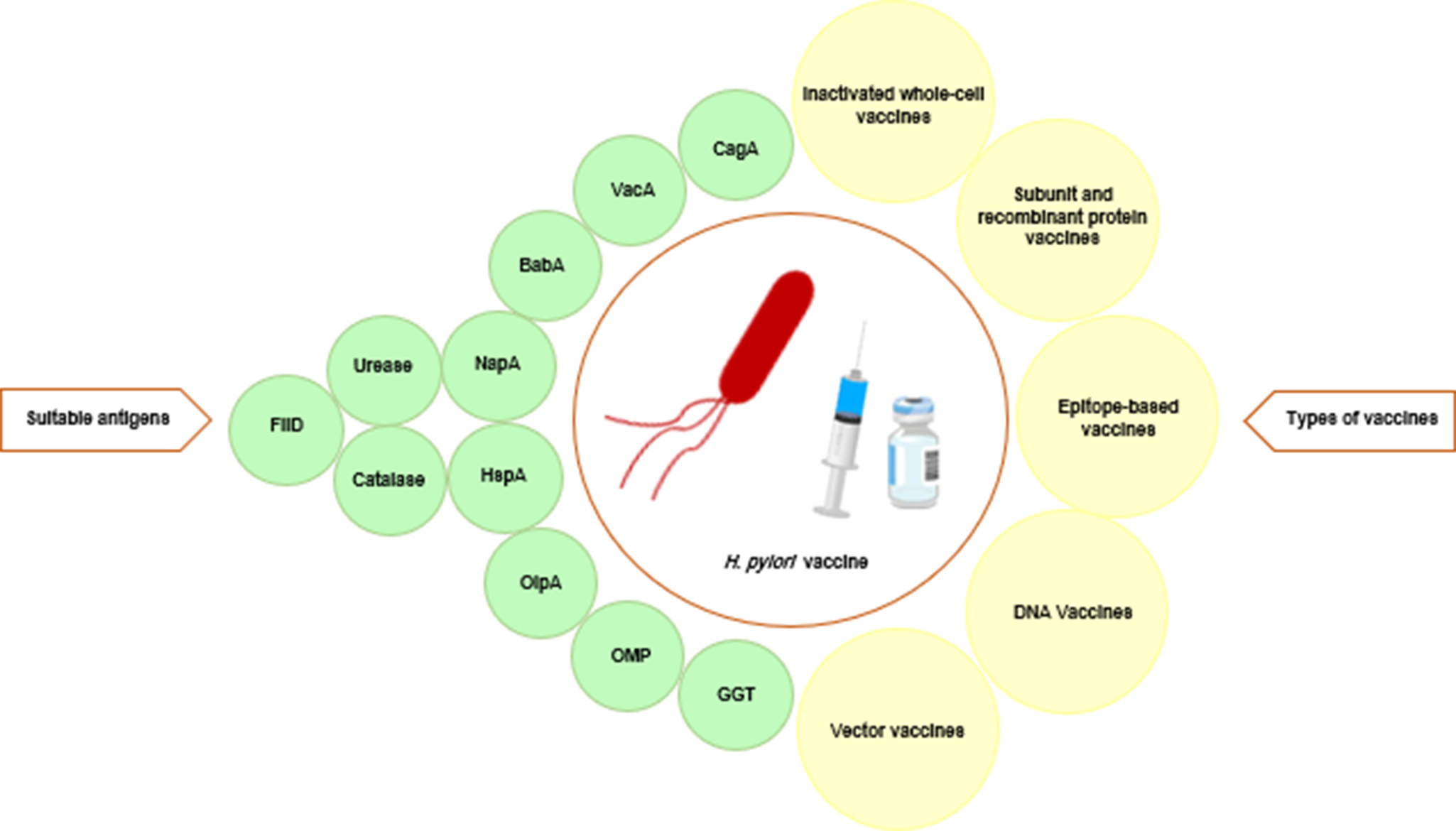
Figure 2. Most effective antigens and various types of vaccines used in vaccine development against Helicobacter pylori.
cagPAI
The cag pathogenicity island (cagPAI) is a segment of the chromosome that spans 40 kilobases and contains a functional T4SS. This system is crucial for the development of H. pylori-related diseases. Within this region, there are three genes, namely, cagA, cagL and cagW, which can serve as potential antigens for incorporation into vaccines (Ref. Reference Chehelgerdi and Doosti44, Reference Aliramaei, Khorasgani and Rahmani80, Reference Stein, Ruggiero and Rappuoli81). While the presence of cagPAI ensures the presence of a functional CagT4SS, around 30% of H. pylori strains lack cagPAI entirely, and in certain strains, it is only partially present (Refs. Reference Censini, Lange and Xiang82, Reference Akopyants, Clifton and Kersulyte83). The clinical results caused by H. pylori vary in severity based on the presence of cagPAI. Consequently, partial deletions within cagPAI lead to a decrease in pathogenic characteristics (Refs. Reference Patra and Chattopadhyay84, Reference Nilsson, Sillén and Eriksson85). The cagPAI is present in around 70% of all H. pylori strains worldwide, with a prevalence of 60% in western isolates and 95% in East Asian isolates (Ref. Reference Hatakeyama and Higashi86).
The CagA is situated near the terminal region of cagPAI, which is strongly associated with the synthesis of VacA (Refs. Reference Javed, Skoog and Solnick87, Reference Sharndama and Mba88). Evidence suggests that CagA fragments can elicit an immune response. The recombinant protein CagA (rCagA) is bound to human antiserum (Ref. Reference Shapouri Moghaddam, Mansouri and Neshani89). Mohabati-Mobarez et al. showed that the combined-immunisation group of mice showed a robust Th1 immunoresponse, following rCagA and LPS immunisation, in contrast to the control group (Ref. Reference MohabatiMobarez, Salmanian and Hosseini90). Paydarnia et al. also postulated that a CpG adjuvant containing H. pylori LPS and rCagA protein would generate a robust Th1-biased immunoresponse while also maintaining the recombinant protein’s antigenicity throughout the experiment (Ref. Reference Paydarnia, Mansoori and Esmaeili91). Research indicates that CagA-positive strains have a greater ability to enhance the immune system’s function by activating dendritic cells and promoting the production of IL-12, IL-17 and IL-23. Therefore, this molecule is proposed as a potential antigen for enhancing vaccinations (Refs. Reference Abadi, Mahdavi and Khaledi92–Reference Keikha, Eslami and Yousefi94). In addition, clinical trials have also shown that CagA is an excellent candidate antigen for eliciting immune responses (Refs. Reference Malfertheiner, Schultze and Rosenkranz30, Reference Malfertheiner, Selgrad and Wex51).
Both CagW and CagL are proteins involved in the T4SS of H. pylori (Refs. Reference Pham, Weiss and Jiménez Soto95, Reference Kumari, Shariq and Sharma96). CagA is able to travel past the bacterial membrane barrier as a result of the interaction with CagW, which offers favorable circumstances (Ref. Reference Kumari, Shariq and Sharma96). The use of cagW as a DNA vaccine resulted in significant activation of both the mucosal and humoral immune responses in mice (Ref. Reference Chehelgerdi and Doosti44). CagL attaches to receptors on host cells and initiates the activation of signaling pathways (Ref. Reference Bergé and Terradot97). Mice that have been immunised with recombinant cagL can make IgA antibodies that specifically target cagL (Ref. Reference Aliramaei, Khorasgani and Rahmani80).
VacA
All strains of H. pylori have a single copy of the vacA gene on the chromosome, but only about half of these strains can make cytotoxin proteins (Ref. Reference Chauhan, Tay and Marshall98). VacA, which is associated with gastritis and peptic ulcers, induces cellular injury and the formation of pores in the plasma membrane (Ref. Reference Foegeding, Caston and McClain99). H. pylori’s lifelong colonisation and pathogenesis are facilitated by VacA’s effects on host cells, which include induction of apoptosis, autophagy, membrane depolarisation, activation of MAP kinases, inhibition of T cell function, interfering with MHC II antigen presentation and mitochondrial dysfunction (Refs. Reference Chauhan, Tay and Marshall98, Reference Sundrud, Torres and Unutmaz100–Reference Jain, Z-Q and Blanke105). Guo et al. recently developed a vaccine called FVpE employing a polysaccharide adjuvant (PA) that contains Lycium barbarum polysaccharides (LBPs) and chitosan. This vaccine has Th1 immunoadjuvants NAP, VacA, CagA and functional fragments of urease multiepitope peptides. When compared to the natural urease vaccine, FVpE is capable of eliciting elevated levels of antibodies that specifically target the antigen. Additionally, FVpE is able to significantly decrease the population of H. pylori in mice that are infected (Ref. Reference Guo, Hong and Wang48). In phase II clinical research, a vaccination containing VacA, CagA and HP-NAP, along with aluminum hydroxide, induced targeted antibody and T cell responses to all three antigens in healthy volunteers who were negative for H. pylori. Compared to the placebo group, this vaccine can boost the immune system’s response to important H. pylori antigens. These antigens have been shown to be good candidates for vaccination because they contain vacuolating toxins (Ref. Reference Malfertheiner, Schultze and Rosenkranz30).
Urease
The production of urease by H. pylori is crucial for the bacterium’s ability to colonise and survive, leading to gastric infection (Ref. Reference Ansari and Yamaoka57). The H. pylori urease is composed of UreB and UreA heterodimers, which together form a polyenzyme. This enzyme makes up approximately 10–15% of the total protein content in the bacteria (Ref. Reference Ha, Oh and Sung106). The urease enzyme facilitates the transformation of urea into ammonia and carbon dioxide, which in turn elevates the acidic pH of the stomach to a neutral level. This process effectively neutralises the acidic environment, providing protection to H. pylori bacteria against its detrimental effects (Ref. Reference Reyes107). Carbon dioxide can shield bacteria from the poisonous effects of ONOO−, hence facilitating the growth and establishment of harmful microorganisms (Ref. Reference Wang, Shao and Xu108). Ammonia has the ability to counteract excessive gastric acid, hinder the activity of neutrophils, facilitate the creation of harmful chemicals (Ref. Reference Suzuki, Miura and Suematsu109) and disrupt the integrity of connections between gastric epithelial cells (Ref. Reference Wroblewski, Shen and Ogden110). Inhibiting urease activity plays a role in preventing and treating H. pylori by limiting its ability to colonise the stomach (Ref. Reference Debowski, Walton and Chua111). Urease has been predominantly employed as a possible antigen in most research studies (Refs. Reference DiPetrillo31, Reference Ermak, Giannasca and Nichols66, Reference Michetti, Kreiss and Kotloff112–Reference Corthésy, Boris and Isler114). In a mouse model that has been infected with H. pylori, the administration of the genetically engineered plasmid pcDNA3.1 (+)-ureA can induce an immune response (Ref. Reference Nasr-Esfahani, Doosti and Sazegar115). The urease antigen is found in most immunisations that have progressed to the clinical trial stage (Refs. Reference Zeng, Mao and Li20, Reference Aebischer, Bumann and Epple50, Reference Banerjee, Medina-Fatimi and Nichols116–Reference Sougioultzis, Lee and Alsahli118).
Outer membrane proteins
H. pylori OMPs maintain the outer membrane structure, transfer materials and facilitate interaction with the host (Ref. Reference Egan119). H. pylori OMPs are mostly lipoproteins, porins, iron-regulated proteins, efflux pump proteins and adhesins (Ref. Reference Alm, Bina and Andrews120). These OMPs can cause disease in three ways: by adhering to surfaces as adhesins, by breaking down protective barriers and by evading the immune system (Ref. Reference Xu, Soyfoo and Wu121). The adhesins of OMPs can activate the immunological response of the host cell and facilitate the intracellular transmission of signals in proinflammatory cells, thereby making OMPs suitable for use as an immunising antigen (Ref. Reference Voss, Gaddy and McDonald122).
H. pylori OipA is a key virulence component that helps bacteria adhere to host cells, resulting in the generation of proinflammatory cytokines and host adaptation (Refs. Reference Dossumbekova, Prinz and Mages123, Reference Tabassam, Graham and Yamaoka124). The OipA gene can be “on/off” as well. OipA production usually produces positive CagA, indicating that these two proteins are linked (Ref. Reference Farzi, Yadegar and Aghdaei125). Chen et al. demonstrated that oral therapeutic immunisation with the Salmonella-delivered codon-optimised oipA construct (SL7207/poipA-opt) effectively eradicated H. pylori colonisation in the stomach in mice. Furthermore, protection was associated with a robust Th1/Th2 immune response (Ref. Reference Chen, Lin and Li126). In another study, Soudi et al. demonstrated that recombinant OipA, when administered orally or intravenously, can stimulate Th1 immunoresponse and generate IFN-γ production in mice (Ref. Reference Soudi, Falsafi and Mahboubi127).
Blood-group antigen-binding adhesin (BabA) and sialic acid-binding adhesin (SabA) are the main types of adhesins that are needed for infection and colonisation. The BabA protein binds to fucosylated H-type 1 and Lewis B glycans, and the SabA protein recognises sialyl-Lewis A and X glycans (Ref. Reference Matos, Amorim and Magalhães128). Positive BabA in H. pylori strains is linked to duodenal ulcers and gastric adenocarcinoma progression, aiding in vaccine development (Ref. Reference Skoog, Padra and Åberg129). SabA-expressing strains can cause gastric illnesses, excessive neutrophil infiltration and gastric atrophy after infection and have a high colonisation capacity (Ref. Reference Doohan, Rezkitha and Waskito130). Bugaytsova et al. found that administering the BabA vaccine to humans and rhesus macaques produced blocking antibodies, which reduced inflammation in the gastric mucosa, maintained gastric juice acidity and provided complete protection against H. pylori-induced gastric cancer in a mouse model (Ref. Reference Bugaytsova, Piddubnyi and Tkachenko131).
H. pylori adhesion A (HpaA) is a conserved lipoprotein that binds to glycosylated components on gastric epithelial cells, allowing H. pylori to attach to the mucosa (Refs. Reference Evans, Karjalainen and Evans132, Reference Banga Ndzouboukou, Lei and Ullah133). It also plays a role in dendritic cell development and antigen presentation (Ref. Reference Banga Ndzouboukou, Lei and Ullah133). The activation of TLR2 by HpaA depends on its N-terminal lipid component (Ref. Reference Lindgren, Pavlovic and Flach134). Tobias et al. found that administering formaldehyde-inactivated Vibrio cholera-expressing HpaA to mice increased serum antibody responses against HpaA, especially when co-expressed with fimbrial enterotoxigenic E. coli colonisation factors on the bacterial surface (Ref. Reference Tobias, Lebens and Wai135).
Catalase
Catalase (CAT) breaks down hydrogen peroxide into water and oxygen, protecting the body from gastric acidity (Ref. Reference Keikha, Eslami and Yousefi94). Its selection for anti-H. pylori vaccines is based on its significant expression rates (1% of the total protein of H. pylori) during pathogenic infection and its presence in various bacterial cell locations (Ref. Reference Radcliff, Hazell and Kolesnikow136). CAT protects bacteria from reactive oxygen species (Ref. Reference Harris, Hinds and Beckhouse137) and macrophage engulfment (Ref. Reference Basu, Czinn and Blanchard138), acting as a defense mechanism against harmful effects from the host. Recently, CAT’s immunodominant Th1 epitopes were fully identified. Seven unique CAT epitopes promote a significant Th1 response via IFN-γ expression (Ref. Reference Makvandi, Neissi and Tarighi139). Miyashita et al. proved that immunisation with pcDNA3.1-kat by intranasal and intracutaneous routes can elicit substantial production of IgG antibodies, diminishing the severity of gastritis and effectively shielding mice from H. pylori colonisation (Ref. Reference Miyashita, Joh and Watanabe140).
NAP
H. pylori NAP is an adhesion and is present in almost all H. pylori isolates. NAP preferentially attaches to high-molecular-weight mucins to help bind to host cells. NAP’s proinflammatory and immunomodulatory capabilities contribute to H. pylori-related diseases (Refs. Reference Codolo, Coletta and D’Elios141, Reference de Bernard and D’Elios142). Recent advances have been made in NAP’s potential as a vaccine candidate (Refs. Reference Guo, Yang and Tang28, Reference Guo, Hong and Wang48, Reference Malfertheiner, Selgrad and Wex51, Reference Peng, Zhang and Duan143, Reference Liu, Zhong and Chen144). Scientists used a brand-new type of salmonella vaccine called PIESV to deliver and activate several H. pylori antigen genes. These genes are HpaA, Hp-NAP, UreA and UreB. In 70% of mice, this method completely prevented H. pylori SS1 infection. More IgG1, IgG2c, total IgG and stomach IgA antibodies were found in immunised mice than in control mice, and the immunised mice also had unique cellular memory responses (Ref. Reference Ghasemi, Wang and Sahay145). In another study, mice administered with a multivalent subunit vaccine containing NAP, UreA, UreB and double-mutant heat-labile toxin as an adjuvant exhibited a notable immune response characterised by Th1/Th17 cell activation and the production of antigen-specific antibodies (Refs. Reference Liu, Zhong and Chen144, Reference Zhong, Chen and Liu146).
HspA
HspA, which is found in both the cytoplasm and on the cell surface (Ref. Reference Dewayani, Fauzia and Alfaray61), has been identified as a suitable antigenic option for developing vaccines against H. pylori. HspA plays a crucial role in sequestering nickel for urease activity. Intranasal immunisation of mice with HspA resulted in decreased bacterial colonisation in the stomach. The protection was achieved through a robust immune response, both at the systemic and localised levels, involving the production of antibodies and a well-regulated balance of Th1/Th2 cytokines (Ref. Reference Zhang, Zhang and Yang147). Zhang et al. discovered two immunogenic, highly conserved HspA B-cell epitopes (Ref. Reference Zhang, Sang and Guan148).
Lpp20
Lipoprotein 20 (Lpp20), a membrane-associated conserved lipoprotein, is only detected in H. pylori. Nearly, all H. pylori strains have Lpp20. Numerous studies have identified it as a promising H. pylori vaccine candidate due to its immunogenicity (Refs. Reference Guo, Yin and Xu26, Reference Li, Chen and Ye149–Reference Sun, Zhang and Duan151). Sun et al. successfully developed Lpp20 in Lactococcus lactis recombinants. This vaccine increased blood IgG and decreased gastric urease activity in mice when orally administered (Ref. Reference Sun, Zhang and Duan151). An H. pylori vaccine, based on a baculovirus, was administered through different routes. The Thp1 transgene in this vaccine codes for nine H. pylori epitopes. These are carbonic anhydrase, urease B subunit, GGT, Lpp20, Cag7 and CagL. The results showed a robust IgG-antibody response in the serum of mice, which was not dependent on the use of an adjuvant (Ref. Reference Montiel-Martínez, Vargas-Jerónimo and Flores-Romero152).
GGT
GGT converts glutamine to glutamate and ammonia and glutathione to glutamate and cysteinyl glycine (Ref. Reference Ricci153). GGT functions in immune system activation by suppressing dendritic cell maturation, increasing Treg responses and altering the CD4+ T cell cycle, making it a viable vaccine target (Ref. Reference Wüstner, Anderl and Wanisch154). GGT-containing vaccinations block GGT rather than neutralising H. pylori, unlike other immune stimulants. This inhibition prevents T cell repression by increasing activated T cells and protecting against H. pylori infections (Ref. Reference Oertli, Noben and Engler155). Intranasal GGT and HspA immunisation reduced stomach bacterial colonisation in mice. Strong antibodies and a finely balanced Th1/Th2 cytokine response provided protection (Ref. Reference Zhang, Zhang and Yang147).
Flagellin
Flagella, essential for bacterial motility, is required for H. pylori infection and colonisation. FlaA and FlaB components are crucial for gastric mucosal damage and could be potential antigens for vaccine development (Ref. Reference Gu156). Mice were given a DNA vaccine, and the pBudCE4.1-flaA construct successfully expressed flaA in cells and raised levels of cytokines and immunoglobulins in their blood (Ref. Reference Ansari, Tahmasebi-Birgani and Bijanzadeh43). Yan et al. constructed the recombinant plasmid pET32a-flaB and showed that rFlaB has satisfactory immunoreactivity and antigenicity in mice (Ref. Reference Yan157).
Multivalent and/or multiepitope vaccine
Individual subunit vaccines have limitations, including not providing immunity against all H. pylori antigens, not stimulating protective immune responses against different strains and potentially causing adverse reactions, such as allergic reactions or autoimmune diseases (Refs. Reference Li, Zhao and Xia14, Reference Mohammadzadeh, Soleimanpour and Pishdadian29, Reference Youssefi, Tafaghodi and Farsiani158, Reference Wang, Cao and Zhang159). In addition, existing H. pylori vaccines struggle due to the bacteria’s genetic variability. Also, H. pylori can adapt and evade the host’s immune response, making it difficult to develop a monovalent universal vaccination that targets all strains. The persistence of H. pylori infection requires a prolonged immune response, which is difficult to achieve with conventional vaccines (Refs. Reference Li, Chen and Sun160, Reference Ikuse, Blanchard and Czinn161). These issues highlight the need for novel vaccines that can overcome H. pylori’s genetic diversity. Creating a multivalent and/or multiepitope vaccination that targets multiple bacterium strains may increase the likelihood of immunity (Refs. Reference Guo, Yang and Tang28, Reference Guo, Hong and Wang48, Reference Li, Zhang and He162).
As shown in Figure 2, the immunodominant antigens of H. pylori that elicit an immune response have been utilised in several forms of vaccines, including whole-cell vaccines (Ref. Reference Holmgren, Nordqvist and Blomquist163), DNA vaccines (Refs. Reference Kotloff, Sztein and Wasserman41, Reference Chehelgerdi and Doosti44, Reference Nasr-Esfahani, Doosti and Sazegar115, Reference Chen, Lin and Li126), subunit vaccines (Ref. Reference Shapouri Moghaddam, Mansouri and Neshani89, Reference Bugaytsova, Piddubnyi and Tkachenko131), vector vaccines (Refs. Reference Aliramaei, Khorasgani and Rahmani80, Reference Peng, Zhang and Duan143, Reference Zhang, Peng and Duan150) and epitope-based vaccinations (Refs. Reference Guo, Yin and Xu26, Reference Guo, Yang and Tang28, Reference Montiel-Martínez, Vargas-Jerónimo and Flores-Romero152).
Genetic diversity
H. pylori’s high mutation and recombination rates create a diverse and ever-changing population within hosts, making vaccine development difficult (Ref. Reference Wilkinson, Dickins and Robinson164). This population’s genetic diversity can lead to specialised adaptations and strong natural selection, underscoring the necessity for a vaccination that targets this varied group (Refs. Reference Wilkinson, Dickins and Robinson164, Reference Calado165). Immunogen virulence factors, including VacA and CagA, are generally targeted for H. pylori vaccination. However, these traits show genetic variability, complicating vaccine development (Ref. Reference Khan, Khan and Ali166). To address this issue, a vaccination based on conserved epitopes that target many H. pylori proteins could be cost-effective and cover the bacteria’s genetic heterogeneity (Ref. Reference Calado165). Innovative vaccination research uses immunoinformatics to locate T- and B-cell epitopes (Refs. Reference Calado165–Reference Chehelgerdi, Heidarnia and Dehkordi168). The development of a multivalent epitope-based vaccine aims to capture the genetic diversity of the bacterial population, resulting in long-lasting and efficient immune protection (Ref. Reference Calado165).
Choice of vaccine adjuvant
H. pylori proteins have limited immune response capabilities, making it difficult to eradicate the infection. Therefore, immunological adjuvants are essential during H. pylori vaccination. Adjuvants enhance the immune response’s potency and duration, alter the immunological response’s nature and reduce vaccine production costs by reducing the amount of immunogen used (Ref. Reference Yunle, Tong and Jiyang37). Also, adjuvants increase antigen immunity by enhancing inflammation and phagocytic penetration (Figure 3). The challenge lies in designing an adjuvant system for H. pylori vaccination, as existing efficacy in mice does not translate to humans, necessitating further experimentation and study to determine their suitability for human use.

Figure 3. Overview of the function of vaccines and adjuvants. Antigenic proteins in vaccines, called pathogen-related molecular patterns (PAMPs), are presented to antigen-presenting cells (APCs) and are identified by their pattern recognition receptors (PRRs), such as toll-like receptors, at their surface. Adjuvants often act as PAMPs, which are identified by the PRR of the innate immune system. In the absence of adjuvants, mucosal delivery of vaccine antigens may result in T and B cell tolerance rather than effective immunization. Once identified, they are processed and placed on the major histocompatibility complex proteins (MHC-I or MHC-II) and are delivered to T cells native CD4+ that stimulate cellular and humoral immune responses. This stimulation leads to the production of antibodies in the humoral immune system and cytokines in the cellular immune system.
Mutants of CTB and LTB
E. coli (ETEC) produces heat-labile enterotoxin (LT), a diarrhea-inducing toxin linked to CT (Ref. Reference Biernbaum and Kudva169). Many studies have tried to make recombinants or mutants of CT or LT to lower their toxicity, even though they are very harmful to the intestines and cause severe side effects (Refs. Reference Pizza, Giuliani and Fontana170–Reference Sjökvist Ottsjö, C-F and Clements172). CT complexly regulates lymphokine generation, T cell proliferation, antigen presentation, IgA synthesis and B cell isotype differentiation. Its nontoxic binding subunit fraction (CTB) boosts mucosal immune responses to linked foreign antigens or epitopes (Ref. Reference Guo, Yin and Xu26, Reference Guo, Yang and Tang28, Reference Holmgren, Lycke and Czerkinsky173). Recently, Guo et al. constructed a multivalent epitope vaccine called FVpE, which includes the NAP, fragments from CagA and VacA and a urease epitope. This vaccine was found to enhance the protective effect of an oral vaccine by exacerbating mucosal inflammatory injury and inducing mixed CD4+ T cell responses (Ref. Reference Guo, Hong and Wang48). There is strong evidence that vaccines with LTB as an immunoadjuvant can boost immunity (Refs. Reference Banga Ndzouboukou, Lei and Ullah133, Reference Xie, Zhao and Zou174, Reference Peng, Zhang and Wang175). LTB has some side effects but is used as an immunoadjuvant in most H. pylori vaccination clinical trials (Refs. Reference Zeng, Mao and Li20, Reference Kotloff, Sztein and Wasserman41, Reference Michetti, Kreiss and Kotloff112, Reference Sougioultzis, Lee and Alsahli118). In a clinical trial, Banerjee et al. demonstrated that low-dose LTB maintains immunogenicity and decreases toxicity (Ref. Reference Banerjee, Medina-Fatimi and Nichols116).
Cytokines
ILs are used as immune adjuvants in H. pylori vaccine development due to their ability to provide immunomodulatory effects at low doses through high-affinity specific receptors. Many studies have demonstrated that the DNA vaccination can preferentially elicit Th1 immunoresponse, including IL-2, IL-1, IL-6, IL-15 and IL-12, when combined with a cytokine gene-encoding plasmid (Refs. Reference Nemattalab, Shenagari and Taheri45, Reference Chen, Lin and Li47, Reference Zhang, Qiu and Zhao176). IL-18, IL-17A and IL-22 modulate the immune response and enhance the efficacy of DNA vaccines. The co-administration of the OipA gene and IL-17A has been demonstrated to induce sterile immunity in mice challenged with H. pylori (Ref. Reference Nemattalab, Shenagari and Taheri45). Another study inoculated mice mucosally with the recombinant Lactobacillus lactis-expressing UreB-IL-2 chimeric protein. This vaccine produced anti-UreB antibodies, lowered the bacterial load and elevated IFN- γ, IL-4 and IL-1 (Ref. Reference Zhang, Qiu and Zhao176).
Chitosan
The utilisation of chitosan, a natural polysaccharide derived from D-glucosamine and chitin, as an adjuvant in a H. pylori vaccine has been investigated in the studies conducted by Gong et al. and Xie et al. Chitosan, characterised by its non-toxicity, non-irritability, non-allergenicity, biodegradability, biocompatibility and bioadhesiveness, has shown promising results in these studies. Gong et al. reported that a chitosan-adjuvanted H. pylori vaccine elicited higher levels of H. pylori-specific antibodies and cytokines, including IFN-γ, IL-10, IL-2 and IL-12, and achieved a superior H. pylori elimination rate of 58.33%, compared to a CT-adjuvanted vaccine with an elimination rate of 45.45% (Ref. Reference Gong, Tao and Wang39). Furthermore, Xie et al. found that the chitosan-adjuvanted vaccination generated both Th1 and Th2 immune responses and gave immunoprotection in 60% of the tested mice, a substantially greater rate than that observed in the H. pylori antigen-only group (Ref. Reference Xie, Zhou and Gong42). These findings underscore the potential of chitosan as an efficacious adjuvant in H. pylori vaccination.
cGAMP
Cyclic guanosine monophosphate-adenosine monophosphate (cGAMP) is a signaling molecule that regulates the body’s immune responses and enhances antigen-specific responses, particularly the Th1 response (Ref. Reference Kato, Omura and Ishitani177). It is created when DNA ligands stimulate cyclase, activating the STING receptor protein and producing cytokines (Ref. Reference Corrales, Glickman and McWhirter178). STING agonists like cGAMP are promising immunoadjuvants (Ref. Reference Ou, Zhang and Cheng179). Chen et al. found that intranasal and subcutaneous vaccinations with recombinant H. pylori UreA, UreB and NAP adjuvanted with cGAMP reduced stomach mucosal colonisation in mice. Antigen-specific serum IgG and mucosal IgA responses increased considerably in all challenged immunised animals. Only intranasally infected mice produced IL-17 responses, which were connected to antigen-specific Th1 and Th17 responses and vaccine-induced protection (Ref. Reference Chen, Zhong and Liu180).
CpG ODNs
TLR 9 can recognise CpG oligodeoxynucleotides (CpG ODNs), which turn on immune cells and are added to vaccines to protect against cancer, allergies and infections (Refs. Reference Duan, Du and Xing181–Reference Kayraklioglu, Horuluoglu and Klinman183). Studies have shown their effectiveness in eliciting immune responses against H. pylori in mice, with intranasal administration of CpG ODNs with whole cell antigens, significantly increasing specific IgG, IgA and IFN-γ responses and enhancing protection against infection (Ref. Reference Shi, Liu and Gao40, Reference Nyström-Asklin, Adamsson and Harandi184). Furthermore, the combination of the rCagA protein with CpG not only maintains the antigenicity of the recombinant protein but also stimulates a strong immune response, specifically targeting Th1 cells (Ref. Reference Paydarnia, Mansoori and Esmaeili91). These findings underscore the potential of CpG ODNs as effective mucosal adjuvants for H. pylori vaccines.
α-GalCer
α-Galactosylceramide (α-GalCer) is a glycolipid obtained from a marine sponge that triggers both humoral and cellular immune responses (Ref. Reference Ko, Ko and Chang185). It activates iNKT cells through CD1d, resulting in the release of Th1 and Th2 cytokines (Refs. Reference Kawano, Cui and Koezuka186, Reference Gonzalez-Aseguinolaza, Van Kaer and Bergmann187). The impact of the α-GalCer adjuvant closely resembles that of conventional CTB (Ref. Reference Longet, Abautret-Daly and Davitt21). α-GalCer as an adjuvant can enhance immune responses to various pathogens, including H. pylori, the herpes simplex virus and enterotoxin-producing E. coli (Refs. Reference Longet, Abautret-Daly and Davitt21, Reference Davitt, McNeela and Longet188, Reference Lindqvist, Persson and Thörn189). In the case of H. pylori, relying on the signaling of CD1d, IL-1R and IL-17R, intragastric immunisation against H. pylori using whole-cell inactivated antigen and α-GalCer produced strong Th1 cellular immune responses and antigen-specific antibody responses in both mucosal and systemic regions (Ref. Reference Longet, Abautret-Daly and Davitt21). Overall, α-GalCer shows promise as an adjuvant for oral vaccinations targeting H. pylori infection, as it enhances immune responses and promotes protective mucosal immunity.
Plant polysaccharides
Plant polysaccharides, such as Astragalus polysaccharides, Epimedium polysaccharides, chitosan and LBPs, are biologically active compounds that possess distinctive properties and minimal toxicity (Ref. Reference Mohammed, Naveed and Jost190). Studies have demonstrated that PAs are efficacious vaccination adjuvants that enhance both cellular and humoral immunity (Refs. Reference Chen, Lu and Srinivasan191–Reference Pi, Chu and Lu193). For instance, the addition of chitosan and polysaccharide mucosal adjuvant in LBPs has been found to improve the efficacy of the protective effect of a multivalent epitope (CagA, VacA and NAP) vaccination (Ref. Reference Guo, Hong and Wang48). Similarly, the Astragalus polysaccharides and rUreB can stimulate a combined Th1 and Th17 immune response, potentially enhancing the mice’s ability to defend against H. pylori infection (Ref. Reference Liu, Luo and Xue194).
Propolis
Propolis is a resinous compound collected by honeybees from flowers and has immunostimulatory and immunomodulatory properties (Ref. Reference Özsezen and Karakaya195). In a study, the use of propolis as an adjuvant with an inactivated vaccine against swine herpesvirus type 1 (SuHV-1) resulted in increased cellular and humoral immune responses compared to a control vaccine (Ref. Reference Fischer, Paulino and Marcucci196). Another study found that propolis as an adjuvant increased the level of IFN-γ by increasing the mRNA synthesis of IFN-γ and enhanced the intensity of the cellular immune response in mice vaccinated with an H. pylori OipA protein vaccine (Ref. Reference Soudi, Falsafi and Mahboubi127). This suggests that propolis, as an adjuvant, can contribute to the effectiveness of vaccines.
Melittin
Melittin, the primary constituent of bee venom, is composed of 26 amino acids and possesses immunomodulatory properties that augment the production of IFN-γ and thus boost the functionality of Th1 cells. This brief peptide also has the capacity to decrease IL-10 and enhance IL-1β in the equilibrium of cytokines. Melittin can serve as an adjuvant for the H. pylori vaccination. Jafari et al. designed, produced and isolated a multiepitope vaccine comprising CD4+ T cell epitopes of UreB, HpaA and NapA antigens, with an emphasis on IFN-γ production targeting H. pylori, utilising melittin as an adjuvant. However, the efficacy of using melittin as an adjuvant in the H. pylori vaccine has not been documented.
Vaccine delivery systems
Developing a safe and effective vaccine against H. pylori is crucial for eradicating the bacterium on a large scale. However, the complexity of the mucosal immune environment has made this challenging (Ref. Reference Prashar, Capurro and Jones23). These systems aim to enhance the immune response by delivering antigens in a targeted and efficient manner. The choice of the delivery system depends on factors such as the target antigen, desired immune response and specific vaccine application (Ref. Reference Lakshmi, Bhaskaran and Saroja197). Each system has its own advantages and can contribute to the development of safe and effective H. pylori vaccines. Despite the development of various adjuvants and delivery modalities for immunisation, there is currently no licensed inactivated whole cell vaccination for H. pylori. Enhancing the immunogenicity and ensuring the safety of vaccines continue to be challenges (Ref. Reference Zhang, Li and Shan36).
OMVs
Outer membrane vesicles (OMVs), which contain proteins, poisons and lipids, play a significant role in bacteria–host interactions (Ref. Reference Toyofuku, Schild and Kaparakis-Liaskos198). They have shown promise as a delivery mechanism for antigens with the successful transportation of heterologous proteins to vesicles (Ref. Reference Mat Rani, Alzubaidi and Butt199). Two articles discuss the potential of OMVs as delivery systems to promote protective efficacy against H. pylori infection in mice. Song et al. found that orally administered OMVs from H. pylori 7.13 showed protective activity without significant toxicity. OMVs triggered Th2-based immune responses, reducing the bacterial load after H. pylori Sydney strain 1 assault. Liu et al. demonstrated that OMVs reduced H. pylori infection via Th2-biased immune responses (Ref. Reference Liu, Li and Zhang200). Moreover, OMVs are recognised as a promising adjuvant because of their minimal toxicity and capacity to elicit a comprehensive immune response (Ref. Reference Song, Li and Zhang201).
Vaccine vectors
The research articles offer useful insights on the prospective utilisation of bacterial, yeast and viral vectors for the advancement of vaccines against H. pylori infection (Ref. Reference Zhang, Li and Shan36). The attenuated vector can display H. pylori immunogens to antigen-presenting cells, activating host immune responses. Hence, vector vaccines mimic natural infection, causing a lasting immune response (Refs. Reference Wang, Ma and Ji33, Reference Ghasemi, Wang and Sahay145).
Bacteria
The mucosal delivery of lactic acid bacteria target proteins can trigger systemic humoral and cellular immunoresponses (Ref. Reference Qiao, Du and Zhong202). Gou et al. created LL-plSAM-FVpE, an L. lactis surface display method targeting M cells. plSAM can increase M cell phagocytosis and transport of antigens in the gastrointestinal tract and elicit a protective immunoresponse (Ref. Reference Guo, Zhang and Wang32). In another study, high mucosal SIgA antibody levels and enhanced mouse protection against H. pylori infection can be achieved with recombinant Lactobacillus acidophilus expressing Hp0410 (Ref. Reference Hongying, Xianbo and Fang203). A L. lactis strain was used to express HpaA and Omp22, and the orally vaccinated mice had a strong systemic humoral immune response compared to PBS controls (Ref. Reference Zhang, Duan and Shi204). Aliramaei et al. created a L. lactis MG1363-carrying CagL vaccine, and the levels of specific IgA, IL-17 and IFN-γ dramatically increased in mice (Ref. Reference Aliramaei, Khorasgani and Rahmani80). L. lactis-delivering Lpp20 effectively reduces the bacterial load in H. pylori-challenged mice. The serum IgG levels and lowered urease activity in the stomach following H. pylori challenges demonstrated its potential for mucosal immunisation against H. pylori (Ref. Reference Sun, Zhang and Duan151).
Live immunisation with attenuated Salmonella can induce an immune response against Salmonella and stimulate mucosal, humoral and cellular immunity to transport antigens after immunisation (Ref. Reference Galen, Wahid and Buskirk205). Nasal immunisation of mice with Salmonella typhimurium phoPc-expressing H. pylori urease A and B subunits made 60% of mice resistant. This shows that the vaccine can induce Th1- and Th2-type responses, protecting against H. pylori (Ref. Reference Corthésy-Theulaz, Hopkins and Bachmann206). Chen et al. developed an attenuated S. typhimurium bacterial ghost (SL7207-BG) vaccination to deliver an H. pylori OipA gene DNA vaccine. This immunisation reduced bacterial colonisation in C57BL/6 mice challenged with H. pylori strain SS1 and elicited a mixed Th1/Th2 immune response (Ref. Reference Chen, Li and She207). T cell reactivity against H. pylori antigens was linked with the elimination or considerable reduction of H. pylori burden in volunteers who were orally inoculated with Salmonella enterica serovar Typhi Ty21a, producing H. pylori urease (Ref. Reference Aebischer, Bumann and Epple50). Oral administration of a live, attenuated S. enterica serovar Typhi vaccine generated mucosa-homing CD4+ and CD8+ T lymphocytes. These immune-enhancing cells may target H. pylori’s habitat (Ref. Reference Lundin, Johansson and Svennerholm208). These studies collectively suggest that Salmonella-based vaccines can induce protective immunity against H. pylori infection, potentially offering a promising strategy for controlling this common bacterial infection.
Researchers used Bacillus subtilis spores to deliver H. pylori urease B, using the spore coat protein CotC as a fusion partner. The result showed significant levels of urease B-specific IgA and IgG in feces and serum, indicating an immune response. Spore-carrying CotC-UreB was administered orally to a mouse model, resulting in an 84% reduction in H. pylori-positive mice (Ref. Reference Zhou, Gong and Yang209). Recently, a vaccine based on spores of B. subtilis- and H. pylori-protective antigens UreA and UreB has shown potential for further development and clinical trials. Mice were orally inoculated and challenged with H. pylori to assess immunological responses and colonisation. Antigen-specific mucosal responses (fecal sIgA), seroconversion (serum IgG) and up to 1-log less H. pylori load indicate the development of protective immunity (Ref. Reference Katsande, Nguyen and Nguyen210).
The Shigella 2aT32-based vaccination tested the UreB-HspA fusion antigen for H. pylori protection in mice. Oral administration with or without a parenteral boost produced specific antigen immune responses and dramatically reduced H. pylori colonisation after challenge, suggesting the vaccine’s ability to prevent H. pylori infection (Ref. Reference Zhang, Sang and Guan211).
The optimised attenuated L. monocytogenes carrying a multiepitope chimeric antigen can significantly reduce the colonisation of H. pylori and induce a high level of anti-H. pylori antibodies after intragastric and intravenous immunisation (Ref. Reference Wang, Ma and Ji33).
Yeasts
Cen et al. developed a Saccharomyces cerevisiae-based oral vaccine, producing recombinant UreB and VacA. The vaccine demonstrated significant humoral and mucosal immunoresponses and significantly reduced the H. pylori load in mice (Ref. Reference Cen, Gao and Ren212).
Viruses
It may be possible to improve long-lasting immunity against H. pylori by the use of viral vectors (Ref. Reference Zhang, Li and Shan36). Clinical trials have demonstrated that the measles virus (MV) may offer a novel and flexible approach to the treatment of infectious diseases and cancer (Ref. Reference Msaouel, Opyrchal and Dispenzieri213). In a study, mice received a baculovirus containing a Thp1 transgene encoding nine H. pylori epitopes intramuscularly, intragastrically and intranasally. H. pylori-specific IgG and IgA antibodies were found in serum samples 125 days and feces samples 82 days after immunisation, respectively (Ref. Reference Montiel-Martínez, Vargas-Jerónimo and Flores-Romero152). A recombinant MV Edmonston vaccination strain expressing the H. pylori HspA antigen was created by Iankov et al. The outcomes demonstrated the recombinant MV-HspA strain’s potent immunogenicity to the H. pylori HspA antigen, as well as its potent anticancer activity. To improve these viruses’ efficacy, safety and administration, more research is needed (Ref. Reference Iankov, Kurokawa and Viker214).
Nanotechnology
Nanotechnology has the potential to boost H. pylori vaccine efficacy by limiting degradation and improving delivery. With current H. pylori treatment methods failing, developing a vaccine that can be distributed effectively could be a cost-effective solution to manage H. pylori epidemics (Ref. Reference Lai, Wei and Du215).
Zhang et al. developed a self-assembling nanoparticle with hydrophilic and slightly negative surface properties containing UreB, which demonstrated enhanced systemic and mucosal immune responses in mice, suggesting their potential as oral vaccines against H. pylori (Ref. Reference Zhang, Li and Wang216). The researchers synthesised protein nanocapsules using the A subunit of H. pylori urease (UreA) and tested their efficacy in a mouse model. The study found that mice vaccinated with the nanocapsules, combined with an adjuvant andshowed significantly reduced H. pylori colonisation (Ref. Reference Skakic, Francis and Dekiwadia217). Liu et al. designed HP55/poly (n-butylcyanoacrylate) (PBCA) nanoparticles to carry the H. pylori subunit vaccine, CCF. The nanoparticles promoted the production of serum antigen-specific antibodies, mucosal secretory IgA and proinflammatory cytokines. In mice vaccinated with HP55/PBCA-CCF NP, stomach tissue showed an enhanced Th1/Th17 immune response and lymphocyte activity, possibly limiting H. pylori colonisation (Ref. Reference Liu, Liu and Tan218). Additionally, Yang et al. developed an intranasal vaccine nanoemulsion containing a dominant HpaA epitope peptide. The system’s delayed antigen release elicited a significant Th1 immune response. The nanoemulsion prolonged the epitope peptide in the nasal cavity and boosted its absorption into cells, boosting vaccination-induced Th1 immune responses and reducing bacterial colonisation. Mixing the vaccine with a CpG adjuvant increased protection (Ref. Reference Yang, Chen and Sun219). However, although nanoemulsions are widely used for combating bacterial growth and are easy to produce and preserve, there are very few studies on the eradication of H. pylori using them (Ref. Reference Vargas and Y-S220). Therefore, the applicability of nanoemulsions as effective alternatives for H. pylori therapy requires further investigation. In summary, these studies highlight the potential of nanoparticle-based vaccines for combating H. pylori infection.
Vaccine route administration
H. pylori vaccine administration routes struggle to produce a significant and protective immune response. The vaccine administration method affects immune response type and magnitude. Oral, nasal, parenteral, rectal, subcutaneous and intramuscular administration routes have all been investigated for the H. pylori vaccine. Kleanthous et al. studied UreA-LTB administration via oral, nasal and rectal routes in mice. All routes of administration prevented H. pylori infection and dramatically reduced stomach urease activity relative to the sham-immunised control group. All mouse immunisation strategies reduced H. pylori by 97%. Before the H. pylori challenge, rectal immunisation produced the most gastric antiurease IgA (Ref. Reference Kleanthous, Myers and Georgakopoulos221). Another study investigated the protective effect of a multicomponent (UreB, HspA and HpaA) vaccine with two different adjuvants (Al (OH)3 and LT (R72DITH)) in administration either intragastrically or intramuscularly to Mongolian gerbils against H. pylori infection. The triple antigen vaccine combined with the LT (R72DITH) adjuvant showed an average protection rate of 86.3%, which was significantly higher than the vaccine combined with the Al (OH)3 adjuvant (average 53.4%) both intragastrically and intramuscularly. The intragastric route induced higher levels of gastric anti-H. pylori IgA and IgG and lower levels of gastric inflammation and ulceration compared with the intramuscular route (Ref. Reference Wu, Shi and Guo222).
For H. pylori, mucosal immunity is particularly important, as the infection occurs in the gastric mucosa. Oral vaccines are attractive because they can directly target the mucosal immune system and are more convenient and acceptable, especially in low- and middle-income countries (LMICs), where the burden of H. pylori-related diseases is the highest (Ref. Reference Neutra and Kozlowski223). Oral vaccines are a promising approach due to their direct action on mucosal immunity, but they must be designed to withstand the harsh gastrointestinal environment. The development of mucosal vaccines for H. pylori infection has faced several challenges, including the complexity of the host immune response, the lack of safe mucosal adjuvants and the inconsistent results obtained from different mucosal routes of vaccination, such as sublingual, rectal and intranasal (Refs. Reference Longet, Abautret-Daly and Davitt21, Reference Malfertheiner, Schultze and Rosenkranz30, Reference Pappo, Czinn and Nedrud224, Reference Walduck and Raghavan225). Also, the barrier provided by mucosal surfaces to prevent antigen delivery and immune response is the constant exposure of mucosal surfaces to commensals and innocuous foreign substances, which may lead to tolerogenic responses (Refs. Reference Lavelle and Ward226–Reference Rathore and St. John228). Moreover, the dose of mucosal vaccine that actually enters the body cannot be accurately measured due to the labor-intensive and technically challenging recovery and functional testing of mucosal T cells (Ref. Reference Neutra and Kozlowski223). As a result, only a few mucosal vaccines have been approved for human use, and they were not specifically designed for mucosal application. Despite these challenges, some studies have shown promising results in using various adjuvants and antigens to induce protective immune responses (Ref. Reference Longet, Abautret-Daly and Davitt21, Reference Sjökvist Ottsjö, Jeverstam and Yrlid229). For example, an oral α-GalCer-adjuvanted H. pylori vaccine has been found to induce protective IL-1R- and IL-17R-dependent Th1 responses (Ref. Reference Longet, Abautret-Daly and Davitt21). However, more research is needed to overcome the barriers associated with mucosal vaccination and to develop an effective H. pylori vaccine.
Intramuscular vaccines with adjuvants have shown efficacy in animal models, but more research is needed to optimise these vaccines for human use. Challenges associated with these routes of immunisation include the need to overcome the immune-modulating capacity of H. pylori, the development of resistance to treatment and the host’s propensity to downregulate the immune response following infection (Ref. Reference Malfertheiner, Schultze and Rosenkranz30). Some studies have explored the use of different adjuvants, such as aluminum hydroxide, to enhance the immune response to H. pylori antigens (Refs. Reference Malfertheiner, Schultze and Rosenkranz30, Reference Pappo, Czinn and Nedrud224). However, no study has reported protective immunity with intramuscular vaccines (Ref. Reference Czinn and Blanchard230). However, the most promising route of administration for H. pylori vaccines in humans is yet to be conclusively determined and requires further research and development, as challenges such as the need to induce sterilising immunity and the selection of the right adjuvant for human use remain.
Selection of animal models for vaccine evaluation
To test H. pylori preventive and therapeutic vaccinations, animal models must be colonised and given pathophysiological conditions that mimic human gastrointestinal illnesses (Ref. Reference Ansari and Yamaoka231). Finding an acceptable model is challenging due to chronic stomach colonisation and unknown infection patterns (Ref. Reference Amalia, Panenggak and Doohan16). The intricate interaction between H. pylori and the stomach epithelium over decades produces gastric cancer. Thus, animal models of H. pylori infection and immune response are being sought (Refs. Reference Nedrud232,Reference Taylor and Fox233). H. pylori may infect dogs, cats, pigs, monkeys, mice, Mongolian gerbils and guinea pigs (Ref. Reference Amalia, Panenggak and Doohan16). Below, we delve into the top animal models.
H. pylori Sydney strain 1 causes gastric cancer and CG in mice, but wild-type models like BALB/c and C57BL/6 cause moderate gastritis or slowly progressing diseases (Refs. Reference Lee, O’Rourke and De Ungria234–Reference Wang, Willén and Svensson236). These models provide limited insights into H. pylori pathogenicity, as the mouse stomach’s structural makeup differs from the human stomach and may include microorganisms affecting infection (Ref. Reference Kodama, Murakami and Nishizono237, Reference Pritchard and Przemeck238). To study H. pylori, several mouse models, including insulin–gastrin, IFN-γ, TNF-α, IL-1β and IL-10 knockouts, Fas antigen transgenic, p27-deficient and CagA-transgenic mice, are used (Ref. Reference Ansari and Yamaoka231).
The most common animal model for H. pylori infection is Mongolian gerbils. Mongolian gerbils mimics human H. pylori-induced stomach colonisation, inflammation, ulceration and carcinogenesis (Refs. Reference Ogura, Maeda and Nakao239, Reference Hirayama, Takagi and Yokoyama240). Several further studies have demonstrated that Mongolian gerbils exposed to H. pylori develops stomach, duodenal and intestinal metaplasia (Refs. Reference Hirayama, Takagi and Kusuhara241–Reference Ohkusa, Okayasu and Miwa243). H. pylori colonisation of the stomach mucosa causes a varied lamina propria inflammatory infiltrate, similar to human diseases. This infiltration contains neutrophils and mononuclear leukocytes (Ref. Reference Tatemaisu, Nozaki and Tsukamoto244, Reference Boivin, Washington and Yang245). Hence, they are effective and affordable rodent models.
Guinea pigs are lab animals with human-like stomachs. It can create an inflammatory response from stomach epithelial cell IL-8 release. Like the mouse model, guinea pig models show how easy animal care is due to their small size. The guinea pig stomach also has a cylindrical epithelium, maintains sterility, produces IL-8 and lacks a non-glandular area (Refs. Reference Rijpkema, Durrani and Beavan246, Reference Keenan, Rijpkema and Durrani247).
H. pylori strains can infect macaques (Ref. Reference Hashi, Imai and Yahara248). Macaques may acquire H. pylori from humans or be a natural reservoir for the pathogen. Rhesus macaques offer many advantages over tiny animal models. Socially housed rhesus macaques are naturally infected with H. pylori and resemble humans physiologically and morphologically (Ref. Reference Drazek, Dubois and Holmes249). Additionally, all infected macaques will develop chronic gastritis, and a fraction may develop gastric atrophy, a histological characteristic that precedes gastric cancer (Ref. Reference Correa and Piazuelo250). However, studies on non-human primates are time-consuming, laborious and expensive, making it impossible to assess H. pylori pathogenicity. H. pylori typically infects the human stomach mucosa; however, few captivity-raised macaques are spontaneously infected (Ref. Reference Dubois, Fiala and Heman-Ackah251).
Finding an animal model that accurately replicates all features of H. pylori infection in humans is challenging. While mouse models provide limited insights into H. pylori pathogenicity, Mongolian gerbils are effective and affordable rodent models that mimic human H. pylori-induced stomach colonisation, inflammation, ulceration and carcinogenesis. Guinea pigs, with their human-like stomachs, can also create an inflammatory response similar to that of humans. Macaques offer advantages as they are naturally infected with H. pylori and resemble humans physiologically and morphologically, but studying them is time-consuming, laborious and expensive. Overall, based on our present understanding of virulence factors and their interactions with the immune system, it may be required to select an animal model based on certain optimum conditions. Factors such as the utilisation of antigens that activate cellular or humoral immunity, recruiting various cells of the immune system, and categorising the vaccine as therapeutic, prophylactic and anti-disease rather than anti-pathogen might play a crucial role in selecting the appropriate animal model. Thus, given the present circumstances, it may be unattainable to accomplish all required objectives with a solitary animal model.
Conclusions and prospects
An optimal H. pylori vaccination for human use should possess not only efficacy and safety but also necessitate high patient adherence and provide durable protection over an extended period of time. Despite the efforts, an effective vaccine against H. pylori infection has not yet been developed (Ref. Reference Yunle, Tong and Jiyang37). The key challenges in designing vaccines against H. pylori include (1) the considerable genetic diversity and molecular mimicry exhibited by H. pylori; (2) the immune evasion strategies employed by H. pylori; (3) the constraints in choosing suitable animal models and (4) the identification of an appropriate vaccine delivery system to overcome various obstacles in the stomach. This review adds to the existing knowledge by summarising the advances in H. pylori vaccine research, including host–immune interaction, candidate antigens, adjuvants, animal models and delivery systems.
Several vaccine candidates have been explored, including recombinant subunit vaccines using UreB, VacA, CagA, NapA, HpaA and so on as the vaccine antigen, which have shown good prophylactic effects. Multiple investigations have shown that single-antigen immunity against H. pylori is insufficient. Immunity to H. pylori is typically provided by administering a cocktail of antigen subunits or combining epitopes from several antigens (Refs. Reference Calado165, Reference Rahman, Ajmal and Ali167). Thus, many research institutions create H. pylori vaccines using various antigens. Epitope-based vaccines are cheaper than mixed proteins and can target more protein targets. Thus, multiepitope vaccinations are gaining interest (Refs. Reference Dos Santos Viana, Cordeiro Santos and Santos Marques19, Reference Mohammadzadeh, Soleimanpour and Pishdadian29, Reference Guo, Hong and Wang48, Reference Meza, Ascencio and Sierra-Beltrán252). In this scenario, advanced contemporary immunoinformatic techniques can also be employed in the development of multiepitope vaccines (Refs. Reference Hegde, Gauthami and Sampath Kumar253–Reference Rawat, Keshri and Kaur255).
An effective H. pylori vaccine could substantially reduce the burden of bacterial load, gastric cancer and other H. pylori-related diseases, particularly in developing countries. Nevertheless, several endeavors have been made in preclinical and clinical trials to attain sterile immunity, following prophylactic or therapeutic vaccination against H. pylori. Perhaps, it is now opportune to shift our perspective towards an antidisease approach rather than an antibacterial one. Also, not everyone who is infected with H. pylori develops these diseases, and some studies suggest that H. pylori may also have some beneficial effects, such as protecting against asthma and inflammatory bowel disease (Refs. Reference Chen and Blaser256, Reference Luther, Dave and Higgins257). Therefore, some researchers are exploring the possibility of developing a vaccine that does not aim to eliminate H. pylori from the stomach but rather to modulate the immune response and reduce the harmful inflammation that it triggers (Ref. Reference Liu and Liao258). Such a vaccine would target the specific molecular pathways that are involved in the inflammatory process and could potentially prevent or treat the diseases associated with H. pylori infection while preserving its possible benefits.
Future research could concentrate on (1) identifying immune responses related to protection in experimental models; (2) developing a better understanding of the protective mechanisms and identifying a cocktail of strong protective antigens or recombinant bacterial strains expressing such antigens; (3) investigating novel vaccine delivery methods and adjuvants to improve the effectiveness of H. pylori vaccines; (4) using mRNA vaccines capable of encoding many antigens and inducing both humoral and cellular protection; (5) creating multivalent vaccines that can target different strains and variants of H. pylori, as well as different stages of infection and disease progression, and (6) testing alternative immunisation routes that can elicit both systemic and mucosal immunity, such as intranasal, oral or sublingual administration.
Despite significant progress in H. pylori vaccine research, there is still a need for further advancements to develop an effective vaccine against this prevalent pathogen. Addressing the challenges and limitations associated with vaccine development, as well as fostering collaboration with industrial partners, could pave the way for the successful development of an H. pylori vaccine.
Declaration of interests
The authors do not have any affiliations or financial ties with organisations or entities that have a financial interest or conflict related to the subject matter or materials covered in the paper.
Author contribution
All authors contributed to the writing and review of the manuscript. All authors critically reviewed, refined and approved the manuscript.
Funding
This work was supported by the National Institute for Medical Research Development (NIMAD) (Grant No. 989320).


 Open access

