

Introduction
Long-term care (LTC) is one of the most rapidly developing policy areas in the majority of the developed world. This, in part, is due to ageing demographics but also to the cost of providing LTC whatever the welfare mix. LTC policies need to achieve a number of competing outcomes, including expansion of coverage and cost containment, while recognising individuals’ citizenship, as well as consumers, and promoting quality of care provision (Daly, Reference Daly2012). These policy developments recognise, to some extent, LTC as part of citizens’ basic needs where the state has certain duties in terms of recognising and meeting these needs. However, these policies have also been implemented within a context of fiscal challenges in the majority of European countries, where the level of state-funded LTC varies considerably. Within this context, the policy of personalisation has become increasingly central as a policy objective.
Across advanced economies governments are adopting consumer-directed ‘personalised’, ‘individualised’ or ‘cash-for-care’ schemes as an integral part of the provision of long-term care (Brennan et al., Reference Brennan, Cass, Himmelweit and Szebehely2012; Ungerson, Reference Ungerson1997). These schemes either provide cash transfers or budget allocations to individual care recipients or family caregivers with which to purchase care services (Colombo et al., Reference Colombo, Llena-Nozal, Mercier and Tjadens2011: 11), or allocate a certain budget, which is then ‘managed’ by social services. A central aim of such personalisation schemes is to enhance independence, choice and control by placing people receiving publicly funded care at the ‘centre’ of their own support, in principle tailoring support to their individual needs (Carr, Reference Carr2012) and providing them with more choice about the type of help they receive, when they receive it and who provides it. Thus, personalisation aims to enable those in need of care to exercise choice and control as consumers to meet their particular needs and preferences, rather than having to access standardised services. It is also considered by some to provide a means of cost containment by the state (Pavolini and Ranci, Reference Pavolini, Ranci, Ranci and Pavolini2014) and has come to embody a set of values that set it apart from person-centred care (Woolham et al., Reference Manthorpe, Stevens, Samsi, Aspinal, Woolham, Hussein, Ismail and Baxter2015). However, the provision of cash-for-care, or Personal Budgets (PB) as it is known in England, can also be regarded as a form of family-oriented policy to address the burden of family carers, by providing them with financial support directly or indirectly (Bayern, 2008). Meanwhile personal budgets can lead to significant changes in the labour market and the organisation of paid care work, which may include substantial risks in terms of job quality; income and working-time security; health and safety; skill development; and representation (Beresford, Reference Beresford2014; Glendinning, Reference Glendinning2012; Leece, Reference Leece2010; Ungerson and Yeandle, Reference Ungerson, Yeandle, Ungerson and Yeandle2007).
In England where social care is means tested, Personal Budgets (PBs) are an important means of implementing the policy of personalisation (HM Government, 2007). Personalisation involves an assessment of needs which is used to allocate a sum of money judged to be sufficient to purchase the support or equipment needed by the eligible individual. PBs can be managed by local council staff as a Managed Personal Budget – MPB or offered, either in full or in part, as a Direct Payment (DP) to eligible individuals. DPs were declared ‘the preferred option’ (Department of Health [DH], 2010) when offering PBs to eligible individuals. PB implementation thus has become core to councils’ social care activity. In 2011, over 338,000 people were reported to have a PB, including 125,000 DP recipients, an increase from 107,000 in 2009–10 (Gheera, Reference Gheera2012).
The original commitment to provide PBs followed a policy direction established in the Community Care (Direct Payments) Act 1996. In 2000, provision of DPs was extended to include older people. Later, the government placed a ‘duty’ on local councils to offer DPs to eligible people who were judged to be able to manage them with or without assistance, meaning that proxies (typically family members) are permitted to manage such arrangements if it is in the best interests of the eligible individual. The Care Act (2014)Footnote 1 strengthens this policy through its Statutory Guidance:
Everyone whose needs are met by the local authority . . . must receive a personal budget as part of the care and support plan, or support plan (DH, 2014 , 152 Emphasis in original).
Earlier studies revealed that some perceived risks of PBs stemmed from a perception that they could only be available as cash payments (Glendinning et al., Reference Glendinning, Arksey, Jones, Moran, Netten and Rabiee2008). However, as noted above, PBs may be taken or managed in different ways. With MPBs, care managers help recipients, if necessary, to make decisions about the kinds of support required and then commission care providers to deliver this support within the calculated budget. Individuals choosing a DP make their own arrangements for purchasing services, often with support from families and sometimes from third-sector organisations such as Centres for Independent Living. PBs might also involve ‘hybrid’ arrangements whereby part of the budget is taken as a DP and part is managed on the person's behalf.
The central argument around PBs and the wider policy of personalisation is that they offer greater independence, choice and control; goals for which younger disabled people have campaigned since the mid-1980s. Early commentators argued that this development would be key to reshaping welfare delivery in a way that is beneficial to end users (for example, Oliver and Sapey, Reference Oliver and Sapey1999). It has also been argued that enhanced choice may inherently promote safeguarding (or freedom from abuse or neglect) because care users can choose who provides their support and how it is provided. This potentially ‘creates the correct framework for preventing abuse by strengthening citizenship and communities’ (Duffy and Gillespie, Reference Duffy and Gillespie2009; Tyson, Reference Tyson, Poll and Duffy2008). The conceptual basis for this argument is that personalisation creates the conditions necessary for individualised tailored services that are difficult to achieve through a ‘one-size-fits-all’ approach (Boxall et al., Reference Boxall, Dowson and Beresford2009). Such arrangements could be perceived to improve individuals’ autonomy and enhance their decisions around care, which in turn may improve their wellbeing and overall safety (Glasby, Reference Glasby2011).
However, scepticism has also been expressed about the potential of PBs to meet social care outcomes, particularly when extended to other groups of people with eligible social care needs including older people (e.g. Mickel, Reference Mickel2008; Slasberg et al., Reference Slasberg, Beresford and Schofield2012; Barnes, Reference Barnes2011; Lloyd, Reference Lloyd2010; Woolham et al., Reference Manthorpe, Stevens, Samsi, Aspinal, Woolham, Hussein, Ismail and Baxter2015). Particular concerns have been voiced about potential risks for vulnerable individuals and those who may lack decision-making capacity and for whom ‘suitable persons’ hold the money (Schwehr, Reference Schwehr2010). Concerns about risks of financial exploitation and abuse in particular were voiced by participants in several studies (see for example Henwood and Hudson, Reference Henwood and Hudson2007; and more recently Manthorpe and Samsi, Reference Manthorpe and Samsi2013). Some have also argued that personalisation may become too persuasive a term to judge its suitability objectively, especially when combined with marketisation and outsourcing of services. Marketisation of care is contentious when care users are constructed as consumers and care as a commodity to be bought and sold. Marketisation has increased the role of the private sector in delivering care and the centrality of profit where suppliers of all sizes must operate in competitive markets and reduce costs. This is combined with reduced funding from central government in many European countries, following the banking crises of 2008, contributing to continuing problems associated with low wages and poor working conditions (Hussein, Reference Hussein2011; Gardiner and Hussein, Reference Gardiner and Hussein2015) as well as lack of proper training and concerns about the care quality (Lewis and West, Reference Lewis and West2014). England was the first European country to marketise the social care sector through progressive outsourcing programmes and later personalisation policies (Pavolini and Ranci, Reference Pavolini and Ranci2008). Most Nordic countries have followed suit, yet with much smaller share of the market but with reported implications for inequalities in the provision of care services as well as working conditions (Brennan et al., Reference Brennan, Cass, Himmelweit and Szebehely2012). To the extent that these reforms shift responsibility from the state back on to individual, and sometimes vulnerable, citizens, safeguarding concerns, among other risks, should therefore be considered critically by policy makers as well as frontline social workers (Ferguson, Reference Ferguson2007).
Balancing empowerment and safeguarding is thus an important consideration when implementing the personalisation agenda and may involve a complex process of negotiation, risk-assessment and management. The current analysis takes as its theoretical point of departure, these different perspectives around personalisation, specifically in the form of PBs, and safeguarding in adult social care in England.
The analysis and findings presented in this paper form part of a larger mixed-method study (Stevens et al., Reference Stevens, Manthorpe, Hussein, Ismail, Woolham, Samsi, Baxter and Aspinal2014) examining possible relationships between PBs, in particular DPs, and patterns of alleged abuse among people in receipt of social care services. The paper presents quantitative analysis from this research with the core aim of investigating possible links between levels and patterns of alleged abuse and the receipt of different forms of PB (MPBs and DPs), using nationally and locally collected data on referrals of abuse and receipt of PBs. In particular, it focuses on an exploration of the conceptual links between PB and: risks of abuse; the alleged perpetrators, for example, family members or main carers; and home-care workers such as directly-employed Personal Assistants or those working for care agencies. The paper also aims to explore the patterns and levels of other types of alleged abuse visited upon those receiving PBs. In doing this, where the data permits, the paper will separately analyse abuse experienced by those receiving DPs and MPBs to investigate if there is any evidence to suggest that one or the other type of PB is more or less likely to be associated with abuse or safeguarding concerns.
Data and methods
The findings and discussion presented here are based on analysis of two types of data. The first are national safeguarding (Abuse of Vulnerable Adults (AVA) data) and Adult Social Care Combined Return (ASC-CAR) data. These summarise data provided by English local councils at the local council, rather than the individual, or case, level. The second type of data, which are at an individual level, come from three purposively selected councils. These were also analysed to explore relationships according to the framework of the analysis. Within the three councils participating in the study, interviews were also undertaken that aimed to explore links between safeguarding and personalisation at practice and service user experience levels. Findings from these qualitative interviews are reported elsewhere (Stevens et al., Reference Stevens, Woolham, Manthorpe, Aspinal, Hussein, Baxter, Samsi and Ismail2016; Manthorpe et al., Reference Manthorpe, Stevens, Samsi, Aspinal, Woolham, Hussein, Ismail and Baxter2015). The data relates to the years 2010 and 2012, and the study took place between 2011–2014. The study received ethical approval from the Dyfed Powys Research Ethics Committee (Ref 12/WA/0191) and each local authority research site gave Research Governance approval.
Though both AVA and ASC-CAR returns provide data on all 152 Councils with Social Care Responsibilities in England, the basic unit of analysis was the council itself because the data is presented by the Health and Social Care Information Centre in aggregate. This meant we were able to investigate our research questions at council rather than individual service-user level. The initial analysis used 2010–11 returns but repeated these using 2011–12 data subsequently to ensure up-to-date sources were used. It should also be noted that the Abuse of Vulnerable Adults returns from local councils have subsequently been replaced by Safeguarding Adult Returns.
In addition to the national data, we collected anonymised individual data on referrals in three purposively selected research sites (referred to as local data), investigating 2,209 individual referral records. However, the number of individuals with DP only was relatively small (n = 88).
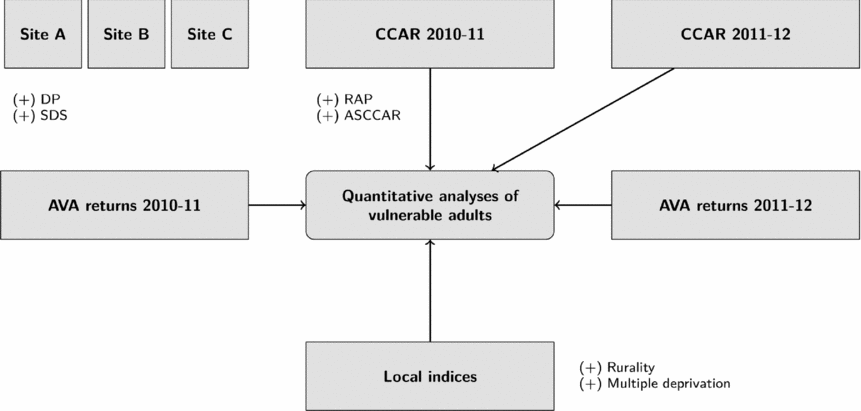
Figure 1 presents a description of data used for the analysis.
Data used for analysis
The Adult Social Care Outcomes Framework, England (HSCIC, 2014) counts a user as receiving Self-Directed Support (SDS) when the person (adult, older person or carer) ‘must either: be in receipt of a direct payment; or have in place a personal budget which meets all the following criteria:
-
1. The person (or their representative) has been informed about a clear, upfront allocation of funding, enabling them to plan their support arrangements; and
-
2. There is an agreed support plan making clear what outcomes are to be achieved with the funding;
-
3. The person (or their representative) can use the funding in ways and at times of their choosing’.
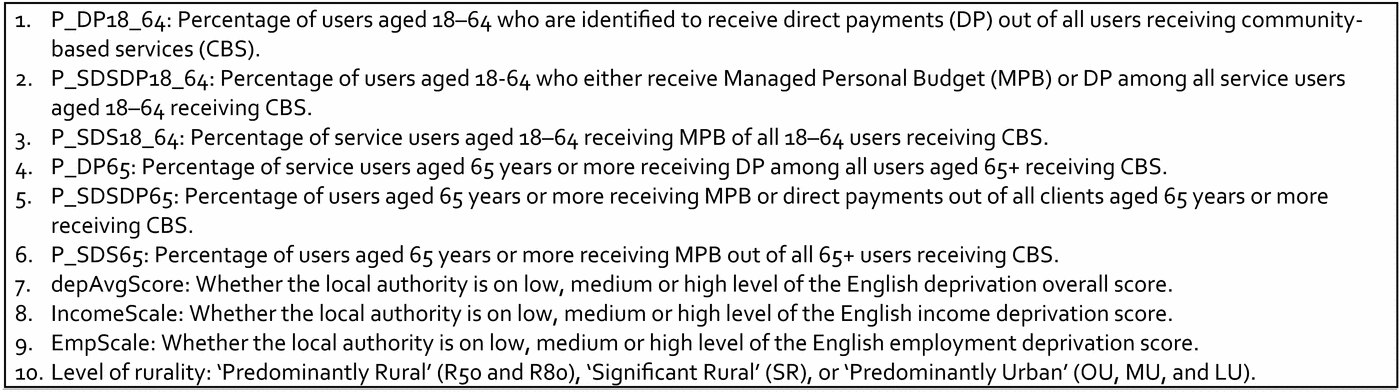
In addition to AVA and ASC-CAR datasets, Referrals, Assessments and Packages of Care (RAP) and the Adult Social Care Combined Activity Return (ASC-CAR) separate the number of people receiving a MPB from the number of people in receipt of DPsFootnote 2 . To investigate any links between local area characteristics and our research questions, these AVA and ASC-CAR datasets were also linked to other indicators; namely: the English Indices of Deprivation sub-scales of unemployment and poverty (Noble et al., 2008) and level of ruralityFootnote 3 (Office of National Statistics). Using these additional data sources, we derived a number of indicators at local council level likely to reflect proxies for uptake of DPs or MPBs among different groups of service users. These indicators, along with other local authority characteristics (deprivation and level of rurality), were used to investigate patterns of referral in relation to local council characteristics. Figure 2 presents the ten explanatory indicators derived from the aggregate data at the local council level. The first group of variables show the percentage of DP users by age group (variables 1 and 4 in Figure 2); the second group shows the combined percentage of those using DPs and MPBs (variables 2 and 5 in Figure 2); and the third group of variables show the percentage of people using any form of Self-Directed Support (variables 3 and 6 in Figure 2). The challenges of using these aggregate datasets are discussed elsewhere (Ismail, forthcoming).
Local authority indicators of uptake of personal budgets, deprivation and rurality
Our three individual research sites provided information about whether service users received a DP or MPB. However, definitions of DP and MPB seemed to differ slightly between sites. In this paper, therefore, the term ‘MPB’ may include various elements of DP or MPB. Local councils appeared to classify those in receipt of a ‘cash’ payment clearly as DP users but categorisation of MPB was less clear. This affected the kind of analysis possible and meant that, though it was possible to infer relationships within the general uptake of PBs, it was more difficult to distinguish between those in receipt of a DP or MPB.
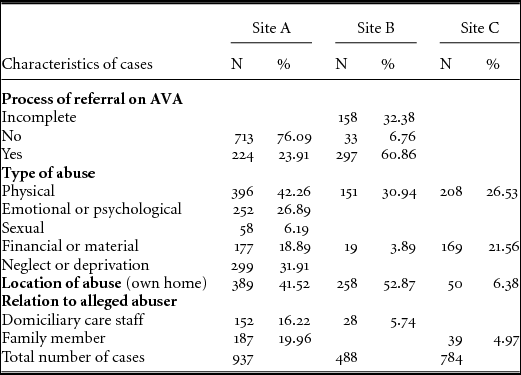
We also asked the three local councils for detailed information of referrals of abuse during the two years prior to the analysis (to cover 2010–2012) including details of whether the suspected or alleged victims received any form of PBs at the time of referrals. The three sites responded to our request for data with varying degrees of completeness. Table 1 provides a summary of characteristics of safeguarding referrals in the local data.
Characteristics of individual safeguarding referrals from the three study sites
In presenting our findings, particularly those relating to the national datasets, we employed data visualisation techniques, specifically the use of box-plots to facilitate summarising and comparing several factors simultaneously. Each box-plot shows ‘notches’ at the median point to enable a visual judgment to be made of how significant the difference between the three distributions is likely to be (Chambers et al., Reference Chambers, Cleveland, Kleiner and Tukey1983); (where notches overlap there is no statistical differences between the distributions). Local councils were grouped into 3-level categorical variables according to their distribution by each of our 10 explanatory variables (except for their level of rurality, where they were grouped as PU ’Predominantly Urban’; SR ’Significantly Rural’ and PR ’Predominantly Rural’). For each indicator, local councils can score a level of low, medium or high according to how their data is distributed. For example, for the first explanatory variable (P DP18 64), local councils’ data are distributed according to the proportion of 18–64-year-old users who receive PBs (low: first third of the distribution, medium: second third and high: top third). The statistical analyses and graphical visualisation were carried out using R-Statistical Environment (ver 3.1) on Unix (R Development Core Team, 2007).
Findings
Using our derived indicators of levels of PBs uptake within local councils, by different age groups and levels of local deprivation and rurality, the analysis of the national aggregate data indicated no significant difference in the median and distribution of number of referrals across local councils with various levels of PBs uptake. The analysis suggested slightly higher levels of referral and repeated referrals in significantly rural areas. Data obtained from the three local council study sites showed that proportionally more referrals were reported on councils’ AVA data returns about people receiving either a DP or a MPB when compared to those not appearing to receive any type of PB. For example, 40 per cent of allegations related to people receiving DPs were reported on AVA, compared to 22 per cent among those who did not receive any element of a PB (χ2= 5.957, P=0.015).
Nature of alleged abuse
Analysis of AVA returns indicated that the most common forms reported were physical abuse, followed by financial abuse. In 2011–12 local councils reported an average of 139 referrals for people aged 65 years and over with an element of physical abuse (min=5Footnote 4 , median= 100, max=1060) and 101 referrals involving financial abuse (min=5, median= 82, max= 660). Other forms of abuse, such as emotional and sexual abuse, were reported less often. On average, each local council reported 67 referrals involving allegations of emotional abuse (min=0, median=50, max=590) and 14 referrals involving sexual abuse (min=0, median=10, max=100) for people aged 65 and over. A similar pattern of reported allegations of abuse was observed for referrals relating to people aged 18–64 years old.
Financial abuse
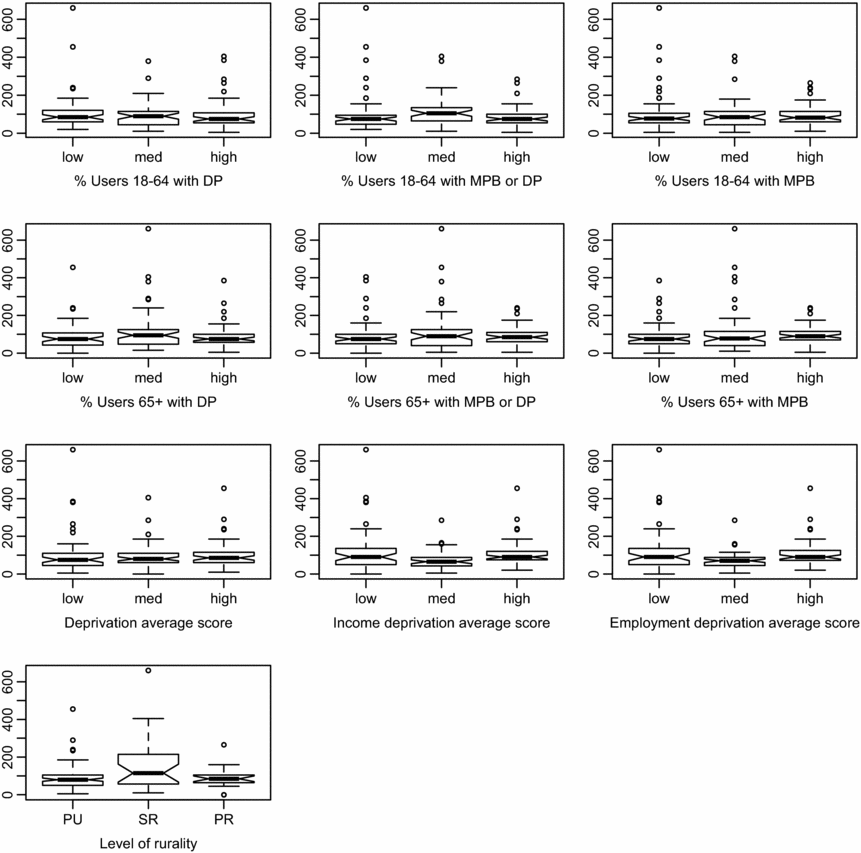
We used the derived indicators of levels of PB uptake within local councils by different age groups and levels of local deprivation and rurality, as explained above, to explore possible relationships between the ten key explanatory variables. These analyses are presented in Figure 3, indicating a very similar distribution of referrals across local councils despite different levels of uptake of DPs and MPB (first two rows of graphs). There were no clear differences associated with local area deprivation levels for both income and employment deprivation. However, there were slight, but not significant, differences in financial abuse in relation to level of rurality.
Distributions of aggregate referrals with nature of financial abuse, for users 65+, local authority level
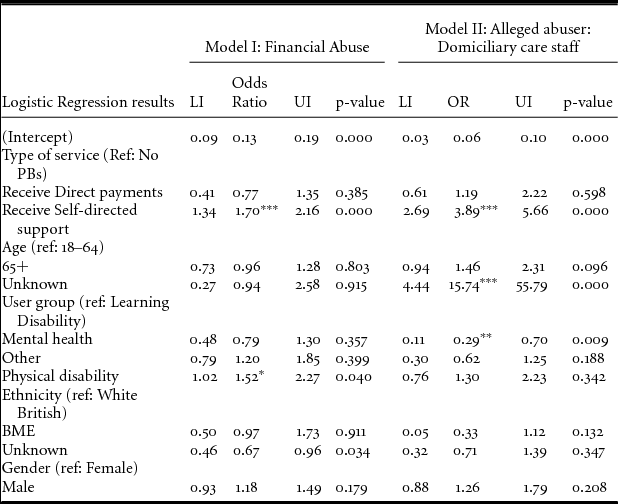
Analysis of individual referral records from the local data, shown in Table 2, also revealed no significant differences in levels of allegations of financial abuse between those in receipt of DP and those not receiving any form of PBs (16 per cent compared to 15 per cent). To examine these differences further, we conducted a logistic regression model, utilising all local data. This looked at the relationships between individual factors and receiving PB through either a DP or an MPB on the probability of allegations of financial abuse. A total of 2209 individual records were included in the regression model and the results of the final model are presented in Table 3. The only significant associations were observed among people in receipt of an MPB and those with reported physical disability; with increased likelihood of allegations of financial abuse when compared to those not in receipt of any forms of PB and those with no physical disabilities (Odds Ratio 1.7, CI (1.34-2.16), P<0.001 and OR=1.52, CI (1.02-2.27), P=0.04, respectively). This suggests a small increase in the likelihood of a referral being made on the grounds of alleged financial abuse for MPB users.
Prevalence of different types of alleged abuse and alleged abuser among users in receipt of Direct Payment (DP); Self-Directed Support (MPB) and those who do not receive Personal Budgets in cases of referrals obtained from the three study sites
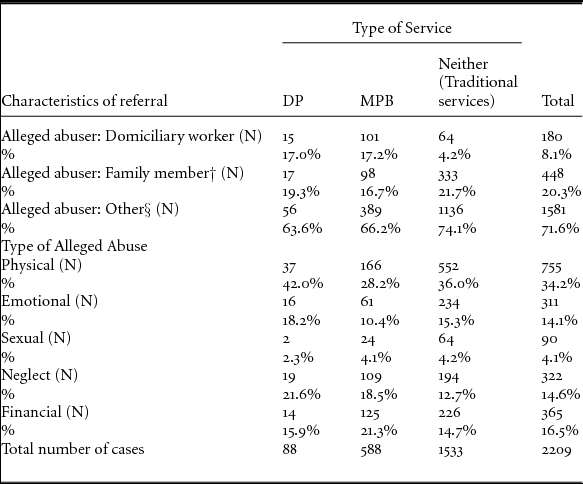
† Includes partner or other family member
§ Includes day care staff; neighbour/friend; not known; other; other professional; other vulnerable adult; residential care staff; social worker/care manager; stranger; volunteer/befriender
χ2 (12) = 133.8, p-value < 0.001
Results of logistic regression models to examine prevalence of financial abuse where alleged abuser is domiciliary care staff, using individual cases obtained from three study sites
*** P<0.001
** P<0.01
* p<0.05
Other types of abuse
Using national aggregate national data, the analysis did not indicate any clear relationship between the level of uptake of DPs and level of referrals of physical abuse. For example, the median number of referrals involving allegations of physical abuse was 80 cases per local council (among local councils with a low uptake of DP for people aged 18–64 years); 82.5 cases among those with a median level of uptake, and 85 cases among those with a high level of uptake. These differences in the median were not statistically significant. Analysis of individual records did not indicate a significant relationship between the uptake of MPBs or DPs and the likelihood of being referred for physical abuse, although there were differences between those identified as having a DP and those receiving other types of PBs. For example, people with MPBs showed a significantly lower prevalence of allegations of physical abuse compared to those receiving a DP and those not receiving any forms of PBs (28 per cent vs. 42 per cent and 36 per cent respectively, χ2= 7.769, P<0.001; Table 2).
Analysis of the national datasets indicated that the distribution of referrals involving allegations of emotional abuse were almost identical among local councils with different levels of DPs and MPB uptake. Analysis of individual records from our three sites, presented in Table 2, indicated some significant differences in allegations of emotional abuse according to whether people received some forms of PB. For those in receipt of DPs there was a higher prevalence of allegations of emotional abuse (18 per cent) compared to those with MPBs (10 per cent) and compared to those who did not receive any form of PBs (15 per cent).
Figure 4 visually represents the distributions of referrals arising from allegations of sexual abuse, by level of uptake of PBs within individual local councils and local area characteristics. Box-plots presented in the first two rows of Figure 4 show no significant differences in the prevalence of alleged sexual abuse and uptake of DP and MPB at local council level. However, the analysis of national data suggests a tentative relationship between allegation of sexual abuse and local deprivation level (see third row of Figure 4).
Distributions of aggregate referrals with nature of sexual abuse for users 65+, local authority level

The findings point to a higher prevalence of referrals with allegations of sexual abuse within areas with lower overall multi-deprivation, income and unemployment sub-scales (i.e. wealthier areas). While these differences were not significant, they may be related to other factors in these areas, for example, higher levels of awareness, greater surveillance or monitoring, and active reporting or whistleblowing in more affluent areas: variables we were unable to capture using current datasets. There were also some differences according to level of rurality; with median referrals for alleged sexual abuse being higher, but not significantly so, in rural areas.
Individual records from the three local councils were analysed to investigate the same factors. Information on referrals involving sexual abuse allegations was not provided by site C. Table 2 shows that the percentage of referrals with allegations of sexual abuse was two per cent among people who received DPs compared to four per cent among people receiving MPB and a similar percentage among those receiving traditional services. The latter suggests a lower prevalence of reported allegations of sexual abuse among the small group of those receiving DPs, this might be linked to available mechanisms to report these particularly sensitive allegations but also might be due to the relatively small number of this group (n=88).
Relationship of alleged abuser to alleged victim
Care workers as alleged abusers
National aggregate data analysis indicated that each local council reported an average of 51 allegations of abuse where the alleged abuser was a home-care worker (median=37, max=345). Very few local councils reported any referrals where alleged abusers were self-directed support paid workers (i.e. workers directly employed by users in receipt of PBs such as Personal Assistants) (mean=3, median=0), thus it was not possible to investigate this further. Analysis of aggregate data indicated no significant differences in the distributions of allegations of abuse by home-care staff as the abuser according to different indicators of uptake of PBs at local council level. However, we found some slight differences in the prevalence of allegations related to home-care staff according to income and employment deprivation scale at the local authority level.
Examination of individual records from the three local councils found a higher prevalence of referrals where alleged abusers were home-care workers among users in receipt of PBs – both DPs and MPB – compared to allegations involving other people – including family, other staff, or volunteers (for details see footnote on Table 2). Table 2 shows that 17 per cent of safeguarding referrals of people in receipt of DPs or MPB involved allegations in relation to home-care staff; this compared to only 4 per cent among people not receiving DPs (χ2= 9.931; P<0.001). To investigate this association further, we conducted a logistic regression model on data obtained from sites A and B with 1,425 cases included in the model (Site C did not include information on whether the alleged abuser was a home-care worker). The regression model examined this association while controlling for other individual alleged victims’ characteristics including age, gender, ethnicity and type of needs (classified as physical disability, learning disability, mental health and other). The results of the logistic regression model are presented in the second set of columns in Table 3. The analysis indicated a significantly positive association between receiving MPB and the likelihood of the alleged abuser being a home-care worker (OR=3.89, CI (2.69- 5.66), P<0.001). By contrast, referrals of people with mental health needs had a significantly lower likelihood of being the subject of a safeguarding referral involving home-care staff as alleged abusers (OR=0.29, CI (0.11-0.70), P=0.01) (possibly as they receive less home care). While the odds ratio of alleged abusers being home-care staff was higher than that among people who receive DPs when compared to other alleged victims, this association was not significant (P=0.60).
Main carer as alleged abuser
The number of allegations where the main carer (e.g. family member but also other people e.g. friends) was reported to be the abuser was relatively high at the national level, with a mean of 721 referrals per local council (min=5, median=525, max=4320). The analysis of aggregate data indicated no association at the local council level between level of uptake of PBs, level of local deprivation or rurality, and the alleged abuser being the main carer. Individual referral records did not include any information on whether the alleged abuser was the main carer.
Other family member as alleged abuser
Aggregate information from local councils indicated that, on average, 54 allegations of abuse where the alleged abuser was a family member (but not the main carer) were reported for each council (min=0, median 30, max 465). Distribution of these referrals did not suggest any association with PB uptake, deprivation level or level of rurality at the local council level. Furthermore, analysis of individual referral records obtained from the three study sites did not indicate a clear relationship between receipt of PBs and the alleged abuser being a family member. As Table 2 shows, the percentage of users receiving DP or MPBs where the alleged abuser was a family member was lower than that for people not receiving any forms of PBs (19 per cent and 17 per cent vs. 22 per cent respectively, but not significantly different- χ2= 0.904; P=0.636).
Discussion
The analysis presented in this paper examines data in relation to the theoretical link between PBs and safeguarding. The analysis is, however, limited in a number of ways. These are related to the nature of available data on both the uptake of personal budgets and safeguarding referrals. The national data included aggregate information at the local council level thus inhibiting detailed in-depth analysis of the relationship between receipt of PBs and different aspects of abuse at the individual user level. This only enabled the investigation of proxy relationships via averaged information. Thus it might not reflect true associations at the individual level, potentially diluting some real associations at an individual level. To address this, we analysed individual level data from three councils. While the findings based on these three local councils offer valuable insight, they might not be generalisable nationally. However, the large sample of individual records obtained from the three sites the relationships observed deserves attention, yet the small number of DP holders (n=88) should be acknowledged.
Despite the limitations of this study, this is believed to be the first one to utilise national and local datasets to investigate associations between types of alleged abuse among people receiving MPBs or DPs. Given that the majority of incidents of financial abuse among older people living at home are allegedly perpetrated by family members (O'Keeffe et al., Reference O'Keeffe, Hills, Doyle, McCreadie, Scholes, Constantine, Tinker, Manthorpe, Biggs and Erens2007), we purposefully focused on investigating whether such individuals are at higher risk of allegations of abuse (referrals) from home-care workers, main family carers or other family members due to the nature of PBs.
People receiving DPs are likely to purchase their care from family, friends and others who are not regulated, such as directly employed care workers (sometimes termed personal assistants (PAs)), and for whom criminal record disclosure is not mandatory. Consequently, there is a theoretical risk of increased exposure to financial abuse and potentially other types of abuse when receiving this form of PB.
Earlier research pointed to the increased risk of financial exploitation and levels of abuse for DP holders from the perspective of safeguarding practitioners (Samsi et al., Reference Samsi, Manthorpe and Chandaria2014). Financial abuse constituted nearly half of the cases of allegations of abuse that took place in domiciliary or home-care services reported to the Protection of Vulnerable Adults List (Hussein et al., Reference Hussein, Stevens, Manthorpe, Rapaport, Martineau and Harris2009). The current analysis shows that, at the local council level, there were no significant relationships between the levels of uptake of PBs and the prevalence of allegations of any type of abuse. However, we found indications of increased levels of financial abuse in more deprived areas, potentially pointing to a linkage between poverty and financial abuse, although in deprived areas there will be more disabled people entitled to council-funded social care compared to more affluent areas. The financial abuse of service users in receipt of PBs might be related to the current economic climate and overall cuts to welfare benefits, which potentially increase poverty within the family unit, and potentially lead to a situation in which the DP comes to be perceived as core family income rather than specific to the needs of care users.
The analysis of aggregate at local council level also pointed to a higher prevalence of referrals for allegations of sexual abuse within local council areas with lower multiple-deprivation (i.e. wealthier areas). These differences were not significant, and may mean that other factors, such as level of awareness and active reporting as well as the level of trust that vulnerable people have in ‘the authority’, are different in more affluent areas and might affect the reporting of abuse, but this needs further investigation.
The findings presented in this paper suggest some evidence of a higher risk of alleged financial abuse among some PB holders including those in receipt of DPs and MPBs. It also points to a greater likelihood of the alleged abuser being a home-care worker when referrals were made concerning those defined as people with an MPB by the local council. Additionally, analysis of individual referrals highlighted important associations between care users’ personal characteristics (and care needs) and the likelihood of allegations of financial abuse and place of abuse. However, this could only be established from individual cases drawn from a small number of local councils. Analysis of aggregate data at the national level produced no clear differences in patterns of abuse according to a range of indicators including the overall uptake of PBs at aggregate, local council level. However, these findings are likely to be affected by the aggregated nature of the dataset and the consequent restrictions this placed upon the kind of analysis possible. At the national level, there are some consistent suggestions of different patterns of referral for abuse in relation to levels of rurality and local deprivation, which also may warrant further research.
Situating the findings of this research within the wider debate of personalisation and safeguarding, we find that personalisation, via different elements of PBs, may either produce no change in the level of abuse or, potentially, might increase some forms of abuse, especially financial abuse. This is consistent with findings from other studies examining the association of different outcomes from PBs; such as Activities of Daily Living and General Health Questionnaire (Woolham and Benton, Reference Woolham and Benton2012); and other measures of wellbeing (Glendinning et al., Reference Glendinning, Arksey, Jones, Moran, Netten and Rabiee2008) particularly for older people. A more recent study revealed that people with DPs and MPBs, when compared with non-DP holders, experience little difference in relation to other outcomes including health, stress and quality of life (Woolham et al., Reference Manthorpe, Stevens, Samsi, Aspinal, Woolham, Hussein, Ismail and Baxter2015).
On a conceptual level, the link between increased choice and control through PB and better safeguarding outcomes does not seem to hold true. This is likely to be affected by many factors including the practicalities of PB arrangements when balancing and prioritising tight local budgets, individual care needs and ideals of empowerment; which encompass social needs and choice of who provides care. However, it might also be due to a lack of a theoretical link between PBs as a vehicle of empowerment and safeguarding. The deeply embedded marketisation and privatisation of social care in England that preceded the ideal of personalisation, coupled with reduced public funding for social care, might also have implications for such a conceptual link, reducing the positive impact of any increase in, or possibly limiting of, choice and control. Some argue that personalisation is part of a process of privatising risk rather than increasing choice and the two to some extent might not go hand in hand (Ferguson, Reference Ferguson2007).
The findings have some practical implications for people using social care services and their family carers as well as for social workers and care coordinators when they are planning and reviewing support through the provision of different types of PBs. For service users and their carers, there is evidence of some increased risk of financial abuse but this is likely to be mitigated by individual factors and pre-existing vulnerability. In relation to social work practitioners, the findings from the qualitative interviews (Stevens et al., Reference Stevens, Woolham, Manthorpe, Aspinal, Hussein, Baxter, Samsi and Ismail2016) highlight the importance of balancing enablement and risk through a proactive and continuous process of support and review when MPBs or DPs are offered. They reinforce the dilemma many social work practitioners face of promoting greater choice as well as managing and reducing risk of harm when implementing PBs within the local regulatory, financial and contractual contexts. There is increasing evidence that the role of social work practitioners is changing within the context of PBs and the findings of this research (Stevens et al., Reference Stevens, Woolham, Manthorpe, Aspinal, Hussein, Baxter, Samsi and Ismail2016) highlight the importance of tactical and evidence-based risk management taking centre stage.
Our findings also have a number of policy implications. Firstly, our findings support others (e.g. Baxter and Glendinning, Reference Baxter and Glendinning2008) who have suggested that councils need to ensure that clear information is provided to budget holders about protective behaviours, and they should take steps to ensure that this information can be understood, providing support where necessary. We have also highlighted some discrepancies between local and national datasets, in which local datasets reveal evidence of abuse not picked up nationally because of the way the statistical return is produced. Ideally, Safeguarding Adult Returns might contain individual level data. Alternatively, the possibility of exploring safeguarding issues in a future user experience survey might be considered.
Conclusion
Our study found no strong association between a higher uptake of DPs or MPBs at the local council level and risk of reported alleged abuse of any type. By contrast, the analysis of individual-level safeguarding referral records revealed some significant associations between elements of PBs and increased risk of allegations of abuse from care workers, especially around finance. However, these findings might be linked to a number of other factors that it was not possible to control for using the data available for analysis collected by councils. For example, these include the different circumstances of the individuals involved or how significant PBs are in relation to the overall family or household income. These could be particularly important given the associations observed in relation to the overall deprivation level of an area. These findings highlight the important intersection between personalisation and safeguarding as two inter-correlated social policy aims. Safeguarding and personalisation goals present two key facets of LTC policies that require an understanding of how to balance elements of risk when supporting people in receipt of PBs. It is now mandatory, in England, to offer PBs to all eligible people, suggesting that risk management might become a more pressing concern for social workers and other professionals. At an interpersonal level, the findings suggest that practitioners should work with care users, family members and other supporters to co-produce approaches to care delivery that minimise risks of harm as an integral part of PB support and planning, particularly when DPs are being offered.
Acknowledgment and Disclaimer
This study was funded by the National Institute of Health Research School for Social Care Research (SSCR) (Ref: T976/EM/KCL2). Research ethics approval was received from the Dyfed Powys Research Ethics Committee (Ref 12/WA/0191) and each local authority research site gave Research Governance approval. We are grateful to the funder, data holders and other participants in our study. The views presented in this paper are those of the authors alone and do not necessarily represent that of the SSCR.



