




Introduction
Low-temperature storage is the main method for preserving seed resources. Seeds can be divided into the following three types according to their storage behaviour: orthodox, recalcitrant and intermediate (Ellis et al., Reference Ellis, Hong and Roberts1990). Orthodox seeds can be dried to a low moisture content (3–7%) and stored under freezing conditions for decades (Dickle et al., Reference Dickle, Ellis, Kraak, Ryder and Tompsett1990). Because recalcitrant seeds do not undergo a maturation dehydration step during seed maturation, they have a relatively higher water content at the time of abscission. Recalcitrant seeds are non-viable if they are dried excessively (i.e., moisture content less than 30%) (Roberts, Reference Roberts1973), making them more sensitive to freezing stress (Peng and Fu, Reference Peng and Fu1994), which is not conducive to low-temperature storage. Based on these earlier studies, the negative relationship between the moisture content and tolerance to freezing temperatures makes the preservation of recalcitrant seeds difficult.
Hydrated lettuce seed is a research model for studying the relationship between the seed moisture content and freezing tolerance (Keefe and Moore, Reference Keefe and Moore1981, Reference Keefe and Moore1983; Jaganathan and Liu, Reference Jaganathan and Liu2014). Previous studies revealed the responses of hydrated lettuce seeds to different cooling rates. The supercooling occurring during fast-cooling treatment (>5°C h−1) reportedly decreases the freezing temperature of the embryo, thereby enabling it to withstand freezing stress (Juntilla and Stushnoff, Reference Juntilla and Stushnoff1977). Under slow-cooling conditions (<5°C h−1), ice crystals form outside first, which promotes the migration of free water from the embryo to the outside and leads to the desiccation of the inside embryo, which finally protects the embryo from freezing injury (Keefe and Moore, Reference Keefe and Moore1981). Cooled seeds with slow-cooling treatment achieved a higher survival rate when cooled to −20°C (Jaganathan et al., Reference Jaganathan, Han, Li, Song, Song, Shen, Zhou, Zhang and Liu2017).
In one of our previous studies involving hydrated lettuce seeds, the ubiquitination pathway is induced in response to slow-cooling treatment (Jaganathan et al., Reference Jaganathan, Han, Li, Song, Song, Shen, Zhou, Zhang and Liu2017). In animal cells, parthenolide (PN) is an inhibitor of MDM2, an E3 ring-finger domain-containing ubiquitin ligase. Specifically, PN promotes the ubiquitination of MDM2, which leads to the activation of P53 (i.e., anti-cancer protein) (Gopal et al., Reference Gopal, Chanchorn and Van Dyke2009). Hydrated seeds imbibed with PN reportedly exhibit more severe freezing-related damages than control seeds under slow-cooling treatment (Han et al., Reference Han, Yu, Zhou, Jaganathan, Shen, Zhou Q and Liu B2021).
In this study, we clarified the effects of PN on the freezing tolerance of lettuce seeds. More specifically, a proteomics analysis was conducted to identify PN's targets in plants and elucidate the mechanism underlying ubiquitination and freezing stress conditions.
Material and methods
Seeds
Seeds of the Lactuca sativa cultivar (Luoshalv) were purchased from Fengmingyashi Seed Company (Beijing) and stored at 15% RH at 15°C until being used in the experiments. The viability of the seeds was tested before the experiments.
Seeds imbibition
PN was dissolved in dimethyl sulfoxide-acetic anhydride (Me2SO) and diluted to a final concentration of 20 and 50 μM in 1% agar medium (1 g of agar was boiled in 100 ml deionized water and solidified). MG132 (100 μM), pevonedistat (100 μM), PYR-41 (50 μM), rotenone (25 and 50 mg/l), oligomycin (5 mg/l) and dicoumarol (2 mg/l) were also applied in imbibition medium. About 1% agar medium was used as a control. Three replicates of 25 seeds were imbibed at 21 ± 1°C for 11 h until the seeds reached full imbibition but did not germinate (Han et al., Reference Han, Yu, Zhou, Jaganathan, Shen, Zhou Q and Liu B2021).
Programmed cooling of fully hydrated seeds and survival rate tests
The fully hydrated but non-germinated seeds imbibed with the above agents were surface-dried by placing them between soft tissue pads. These seeds were cooled in a programmable freezer (Kryo series III) at the rates of −3°C h−1 (slow cooling) to the final temperature of −17°C. The cooled seeds were incubated in 1% agar medium at 21°C, and the germination was monitored for 5 days. The seeds with radicles extending more than 2 mm were scored as germinated (Yu et al., Reference Yu, Han, Ding, Li, Jaganathan and Liu2023). Three replicates of 25 seeds were used for each treatment.
Proteomics analysis
The seeds were fully imbibed with 1% agar medium or PN medium (50 μM), followed by slow-cooling (−3°C h−1) treatment to be −17°C. Then protein was extracted from slow-cooled seeds with or without PN using SDT lysis buffer (4% SDS, 100 mM DTT, 100 mM Tris–HCl, pH 8.0). The sample was boiled for 5 min and further ultrasonicated and boiled again for another 5 min. Undissolved cellular debris was removed by centrifugation at 16 000 g for 15 min. The supernatant was collected and quantified with a BCA Protein Assay Kit (Bio-Rad, USA).
Protein (200 μg for each sample) digestion was performed with the FASP method described by the previous study (Wisniewski et al., Reference Wisniewski, Zougman, Nagaraj and Mann2009).
LC–MS/MS was performed on a Q Exactive Plus mass spectrometer coupled with Easy 1200 nLC (ThermoFisher Scientific). The MS data were analysed using the MaxQuant software version 1.6.0.16. MS data were searched against the UniProtKB Lactuca sativa database (downloaded 08/14/2018). The database search results were filtered and exported with a <1% false discovery rate (FDR) at the peptide spectrum-matched level and protein level, respectively. Label-free quantification was carried out in MaxQuant using the intensity determination and normalization algorithm as previously described (Schwanhausser et al., Reference Schwanhausser, Busse, Li, Dittmar, Schuchhardt, Wolf, Chen and Selbach2011; Cox et al., Reference Cox, Hein, Luber, Paron, Nagaraj and Mann2014).
Analyses of bioinformatics data were carried out with Perseus software (Tyanova et al., Reference Tyanova, Temu, Sinitcyn, Carlson, Hein, Geiger, Mann and Cox2016). To annotate the sequences, information was extracted from the UniProtKB /Swiss-Prot, Kyoto Encyclopaedia of Genes and Genomes (KEGG) (Kanehisa et al., Reference Kanehisa, Goto, Sato, Furumichi and Tanabe2012). KEGG enrichment analyses were carried out with Fisher's exact test, and FDR correction for multiple testing was also performed. Enriched KEGG pathways were nominally statistically significant at the P < 0.05 level. Three replicates were performed for each treatment.
Real-time PCR analysis
The seeds were imbibed with and without PN (50 μM) followed by slow-cooling (−3°C h−1) treatment to be −17°C. Total RNA was extracted using the Trizol agent (Takara, Japan) (Jaganathan et al., Reference Jaganathan, Han, Li, Song, Song, Shen, Zhou, Zhang and Liu2017). Then cDNA was synthesized using reverse transcriptase and real-time PCR (Takara, Japan). Primers were designed with the Primer5 software and then synthesized by Shanghai Sangon Bioengineering Co., Ltd. The primers are listed in Supplementary Table 1. The relative expression of related genes was calculated by the 2−ΔΔCT method. Significant differences among groups were determined using the paired T-test. A value of P < 0.05 was considered as an indication of statistical significance.
The interaction prediction of PN with E3 ubiquitin-protein ligases
The 3D structure of PN was obtained from the RCSB protein database (PDBID: 6OCH), and the protein structures of MDM2-1 (XP_023735408) and MDM2-5 (XP_023744889.) were predicted by AlphaFold2 (Bryant et al., Reference Bryant, Pozzati and Elofsson2022). The hollow spaces in the above proteins were detected as docking sites using the CB Dock server (Liu et al., Reference Liu, Grimm, Dai, Hou, Xiao and Cao2020). Molecular docking was performed at each docking site using the Autodock Vina programme, and the positions and conformations with the best affinity were selected (Trott and Olson, Reference Trott and Olson2010). Interaction analysis was conducted using Discovery Studio 4.5 Client (Wu et al., Reference Wu, Zhang, Dou, Lv, Ge, Wang, Xie and Zhu2021). The MDM2 from Homo sapiens (NP_001138809) was analysed as a positive control.
The interaction prediction of MDM2-5 with NADH2 and uncoupling protein 1
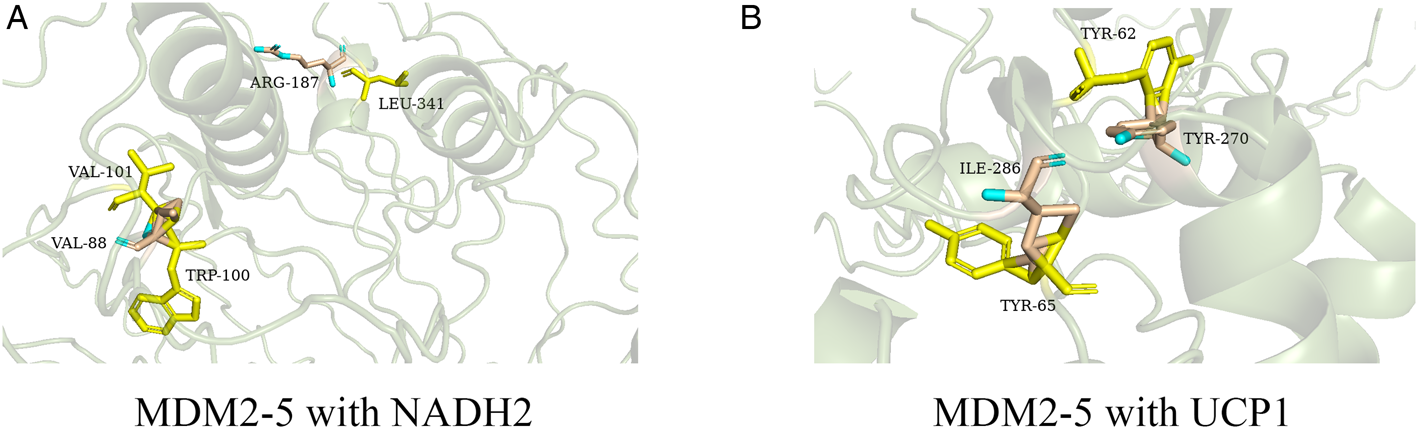
The interaction between proteins was analysed on the ZDOCK website (http://zdock.umassmed.edu). MDM2-5 (XP_023744889) was set as a receptor, and NADH2 (QXI86698) and uncoupling protein 1 (UCP1) (XP_023734839) were set as ligand proteins. The docking of active sites in ligand proteins on the amino acid residue of receptor proteins was analysed. The interaction forces between ligands and receptors after docking were analysed by the PPCHECK website (http://caps.ncbs.res.in/ppcheck). Hydrogen bonds and hydrophobic interactions within the effective distance (3.5–5 Å for hydrophobic interaction and <5 Å for hydrogen bond) were selected and visualized using Pymol (Seeliger et al., Reference Seeliger, de Groot and Seeliger2010) for the 3D diagram.
Yeast two-hybrid
To further investigate the interaction of MDM2-5 with NADH2 and UCP1, the full length of the above genes was isolated. The primers for full-length cDNA are listed in Supplementary Table 2. Then the full-length cDNA of MDM2-5 was inserted into the pGBKT7 vector (Clontech, USA). The full length of NADH2 and UCP1 was inserted into pGADT7 (Clontech, USA). The yeast host strain AH109 (Clontech, Mountain View, CA, USA) was co-transformed with pGBKT7-MDM2-5 as the bait and the plasmid pGADT7 with a full open reading frame of NADH2 and UCP1 as prey. An empty pGBKT7 was the negative control. Transformants with binding domain and activation domain were mated on 2× YPDA medium at 30°C for 1.5 h. Mated colonies were picked and mixed with 5 ml of 0.9% NaCl, then spotted on SD/–Leu/–Trp/–His/–Ade/ agar media. The plates were cultured at 30°C and photographed after 2–3 days.
Knockdown of LSMDM2-5 and changes in freezing tolerance
Double-strand RNA for LSMDM2-5 was prepared by MEGAscript™T7 (AM1334, ThermoFisher). Firstly, the seeds were imbibed for 6 h. Then the dsRNA was added to the imbibition of seeds for 3 h. Then the imbibed seeds were cooled with slow-cooling treatment (−3°C h−1), and the survival rate was counted. Moreover, the expression change of MDM2-5 and energy metabolism-related genes including NADH2, UCP1, and ATP synthesis 1 were determined. The sequences for real-time PCR are listed in Supplementary Table 1.
Data analysis
For comparison of all data groups, Student's t-test was carried out for statistical analysis, in which the control imbibition group was used as the control, and the treatment with PN and other reagents were used as the treatment group. For all the statistical analyses, an alpha value was set as 0.05.
Results
PN increased the sensitivity of hydrated seeds to freezing stress under slow-cooling conditions
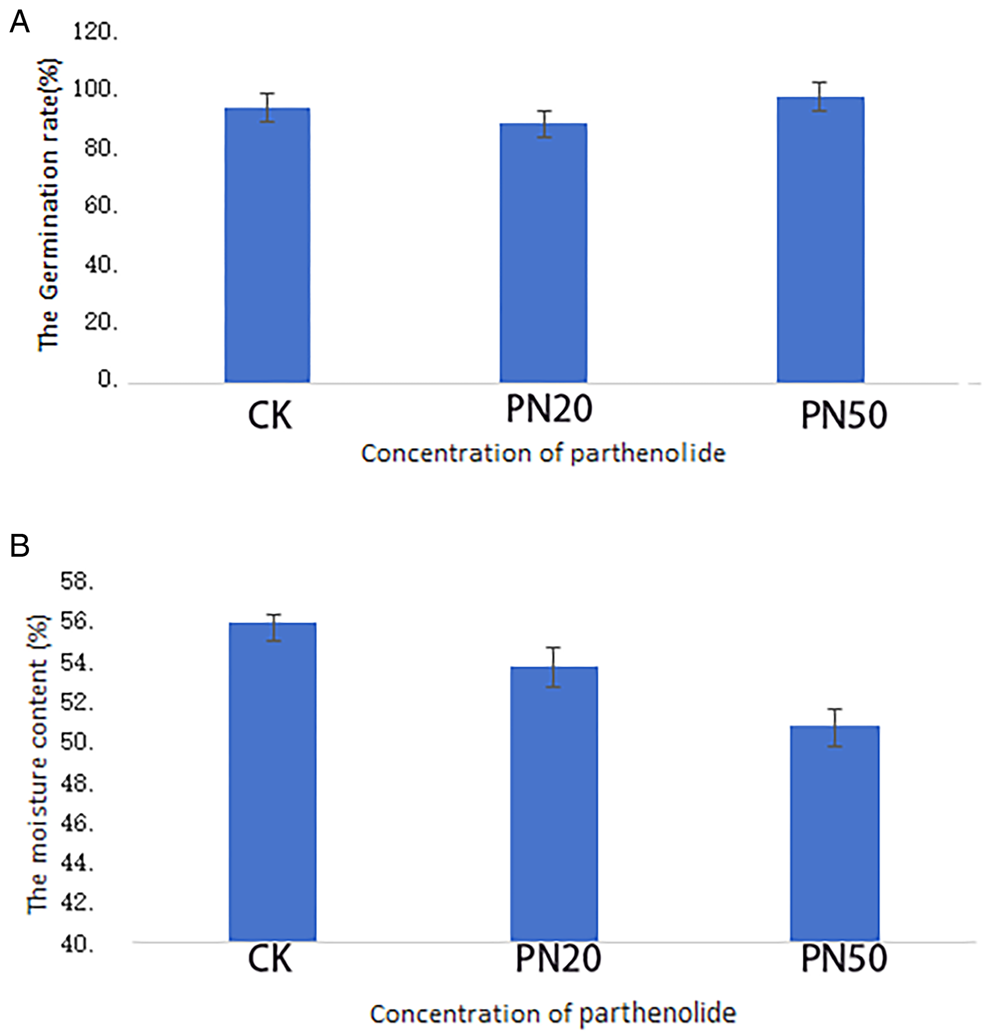
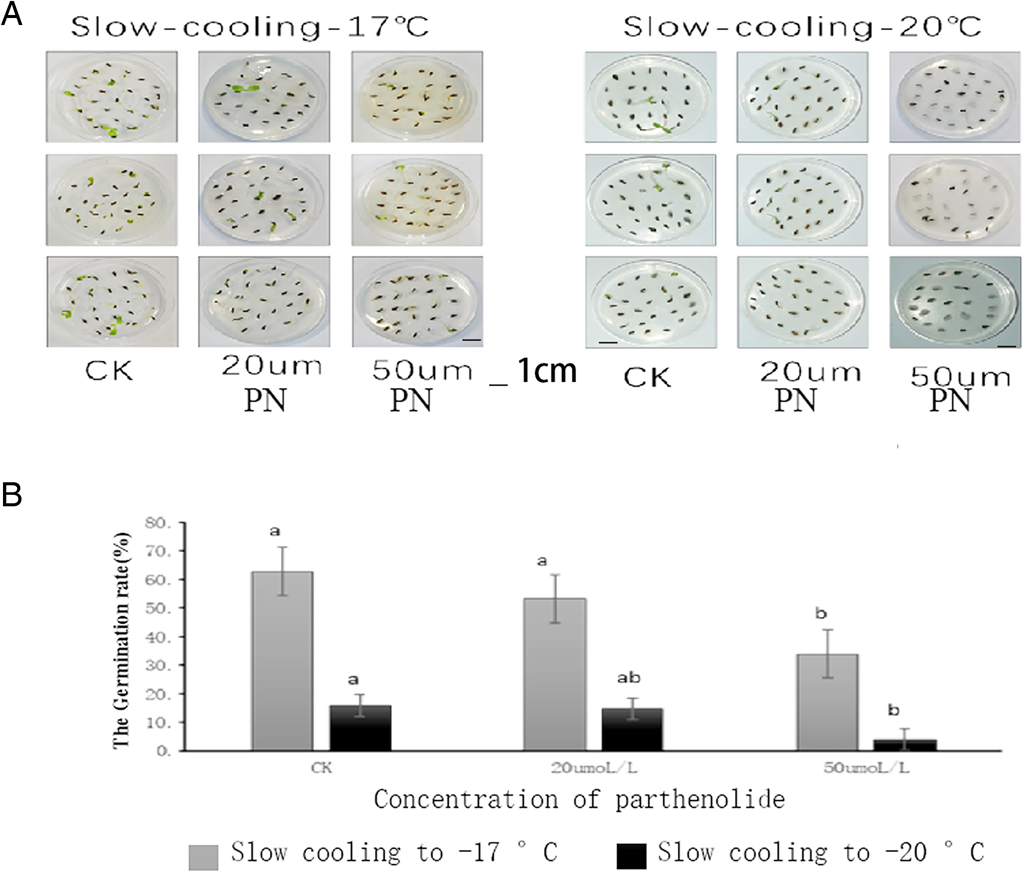
At room temperature, there was no difference in the moisture content and germination percentage between the PN and control treatments after imbibition (Fig. 1A, B; P > 0.05). Slowly cooling the hydrated seeds to −17 and −20°C with PN treatment (50 μM) resulted in a significant decrease in the survival rates compared with control imbibition (Fig. 2A, B; P < 0.05). When the hydrated seeds were cooled to −17°C, the survival rate of seeds with PN50 μM treatment decreased by 20% compared with control imbibition (Fig. 2B). When the hydrated seeds were cooled to −20°C, the survival rate of seeds with PN50 μM treatment decreased 10%, compared with control imbibition (Fig. 2B).
The germination rates and the moisture content of fully imbibed seeds with control and PN (20 and 50 μM) treatment.

The survival rate of hydrated seeds imbibed with control and PN after slow cooling treatment (−3°C h−1). (A) The phenotype of PN treatment after slow-cooling treatment. (B) The germination rate of PN treatment after slow-cooling treatment; Different letters indicate a significant difference (P < 0.05).

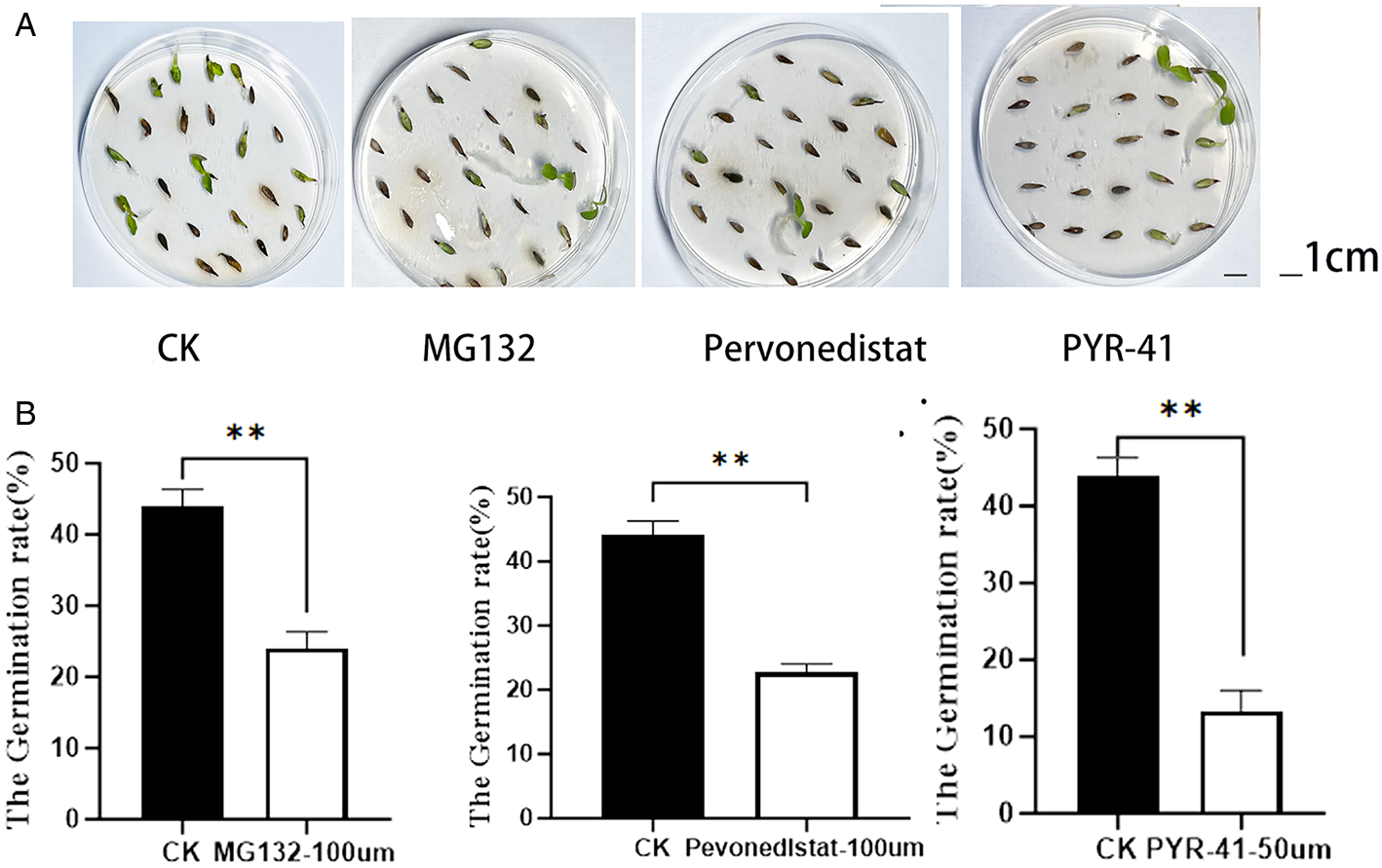
Imbibition with MG132, pevonedistat, and PYR-41, which inhibit ubiquitination, adversely affected freezing tolerance (Fig. 3A, B). The survival rate of hydrated seeds after slow-cooling treatment decreased by 50% in both MG132 and pevonedistat treatment (Fig. 3B) and decreased by 60% in PYR-41 treatments compared with control imbibition (Fig. 3B).
The survival rate of hydrated seeds imbibed with ubiquitination inhibitors after slow-cooling treatment (−3°C h−1). (A) The phenotype of the hydrated seeds was treated with three ubiquitination inhibitors and slow-cooling treatment. (B) The survival rate of the hydrated seeds treated with three ubiquitination inhibitors and slow-cooling treatment. **P < 0.05.

The above finding implied that ubiquitination influences the resistance of hydrated seeds to freezing conditions.
Enriched pathways associated with differentially expressed proteins with PN in slow-cooling treatment
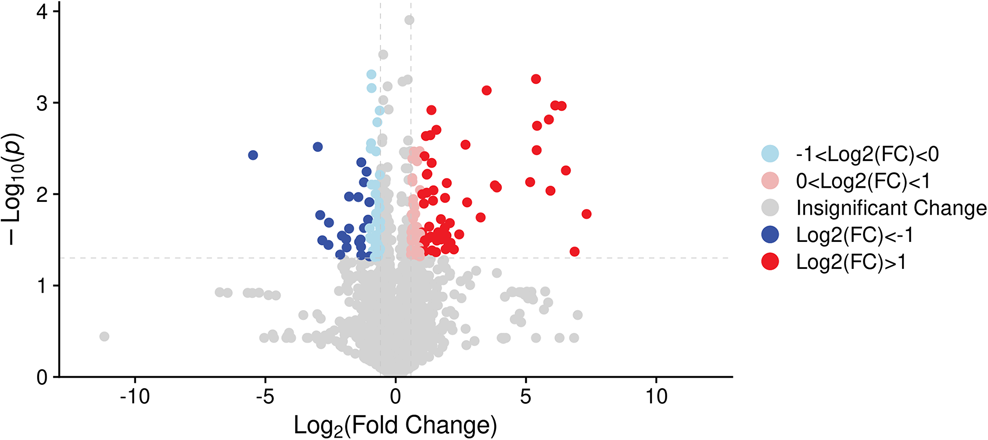
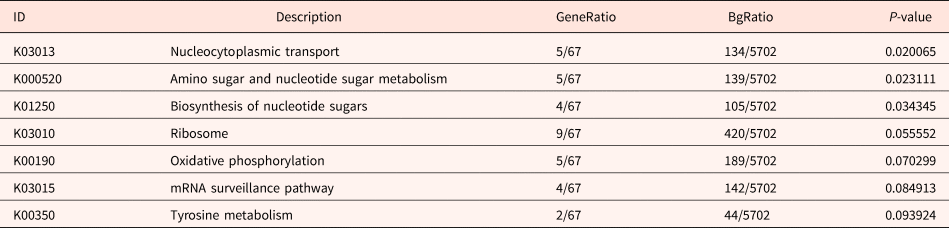
Hydrated seeds that underwent the PN and slow-cooling treatment were included in a proteomics analysis. A total of 160 differentially expressed proteins (DEPs) were identified, of which 100 were up-regulated and 60 were down-regulated in response to the PN treatment (Fig. 4). The pathway enrichment analysis identified the following seven pathways that were significantly or marginally significantly enriched in the PN treatment (Table 1; P < 0.1): (1) nucleocytoplasmic transport, (2) amino sugar and nucleotide sugar metabolism, (3) biosynthesis of nucleotide sugars, (4) ribosome, (5) oxidative phosphorylation, (6) mRNA surveillance pathway, and (7) tyrosine metabolism.
The number of DEPs according to proteomic analysis between control and PN treatment.

The pathways enriched in parthenolide treatment based on proteomics

Note: The seeds were imbibed with or without parthenolide (50 μM), then cooled after slow cooling (−3°C h−1) to −17°C.
Proteins involved in energy metabolism might be targeted by PN
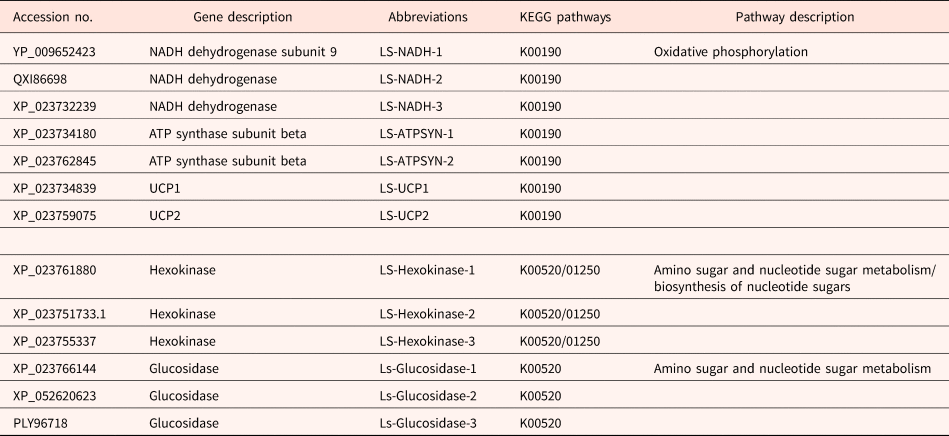
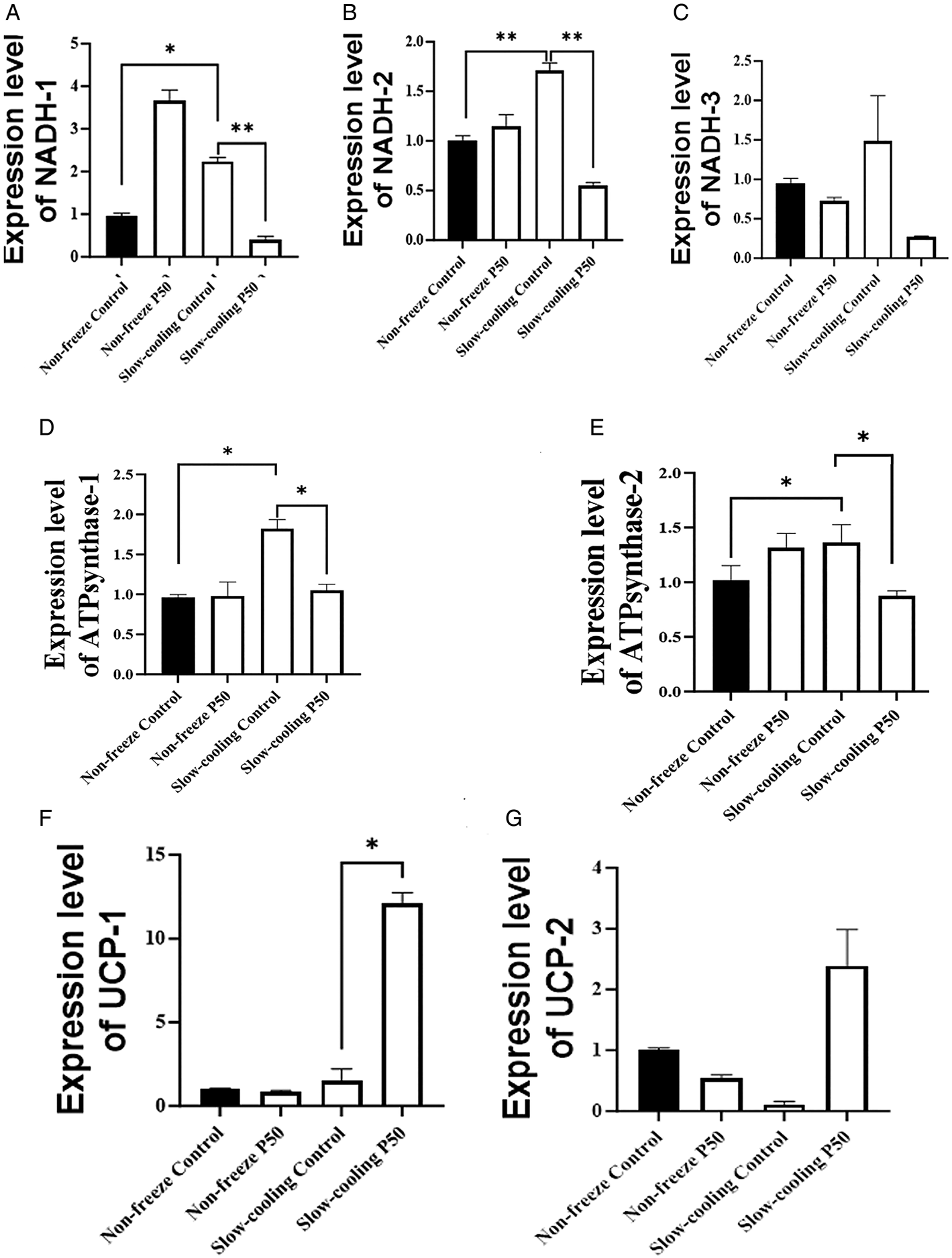
According to the identified DEPs, which included NADH dehydrogenases (NADH), ATP synthase (ATPsyn) subunits, hexokinases, glucosidases, and UCPs, PN may affect energy metabolism (Table 2). All the proteins contribute to ATP synthesis. The accumulation of NADH dehydrogenases (NADH1–3), which are involved in the oxidative phosphorylation pathway, increased in response to the slow-cooling treatment, but the increase was inhibited by PN after cooling treatment (Fig. 5A–C; P < 0.05). The production of ATPsyn was also suppressed by PN under slow-cooling treatment conditions (Fig. 5D, E; P < 0.05). The abundance of UCPs, which eliminate proton concentration differences between the mitochondrial intermembrane space and matrix, increased following the PN and cooling treatment (Fig. 5F, G; P < 0.05), likely leading to decreased ATP synthesis.
The DEPs involved in energy metabolism
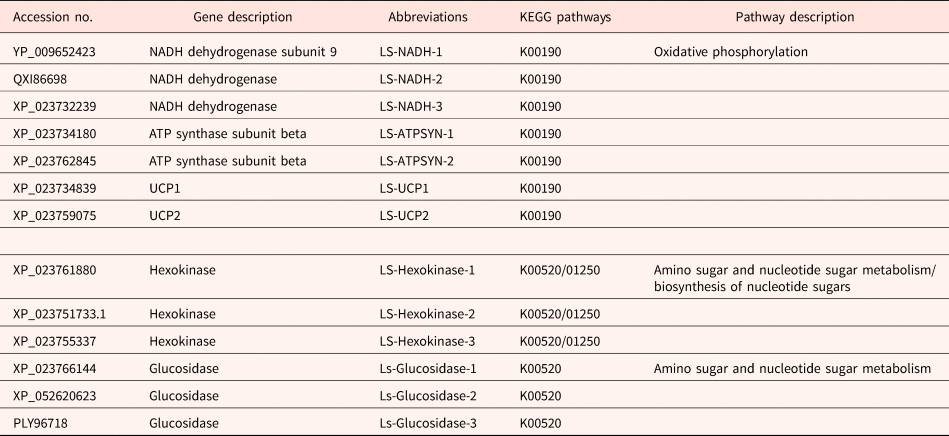
Note: UCP: mitochondrial uncoupling protein. Hexokinase (EC 2.7.1.1) belongs to both amino sugar and nucleotide sugar metabolism (K00520) and the biosynthesis of nucleotide sugar pathways (K01250).
The expression of factors in oxidative phosphorylation under PN and slow-cooling treatment. (A–C): NADH dehydrogenase; (D,E): ATPsyn; (F,G): UCPs. *P < 0.05, ** P<0.01.

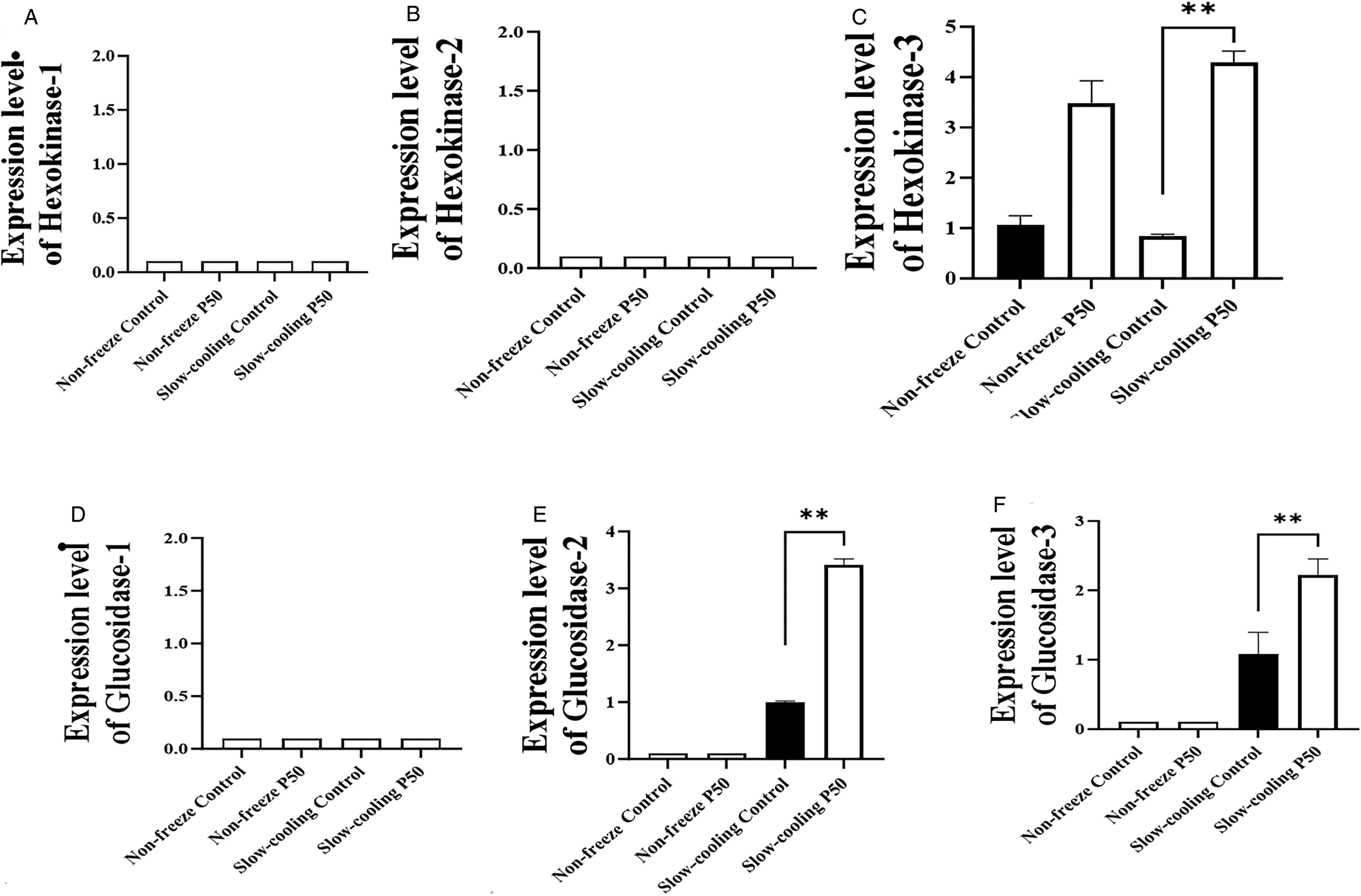
Hexokinase-1 and Hexokinase-2, which affect glycolysis, were not detected in hydrated seeds (Fig. 6A, B), whereas Hexokinase-3 was induced by PN under both non-freezing and slow-cooling treatment conditions (Fig. 6C; P < 0.01). Glucosidase-1 was undetectable in hydrated seeds, but Glucosidase-2 and Glucosidase-3 accumulated in response to the PN and slow-cooling treatment (Fig. 6D–F; P < 0.01).
The expression of factors in energy metabolism under PN and slow-cooling treatment. (A–C) Hexokinases and (D–F) Glucosidases. **P < 0.05.

Effects of oxidative phosphorylation inhibitors on the freezing tolerance of hydrated lettuce seeds
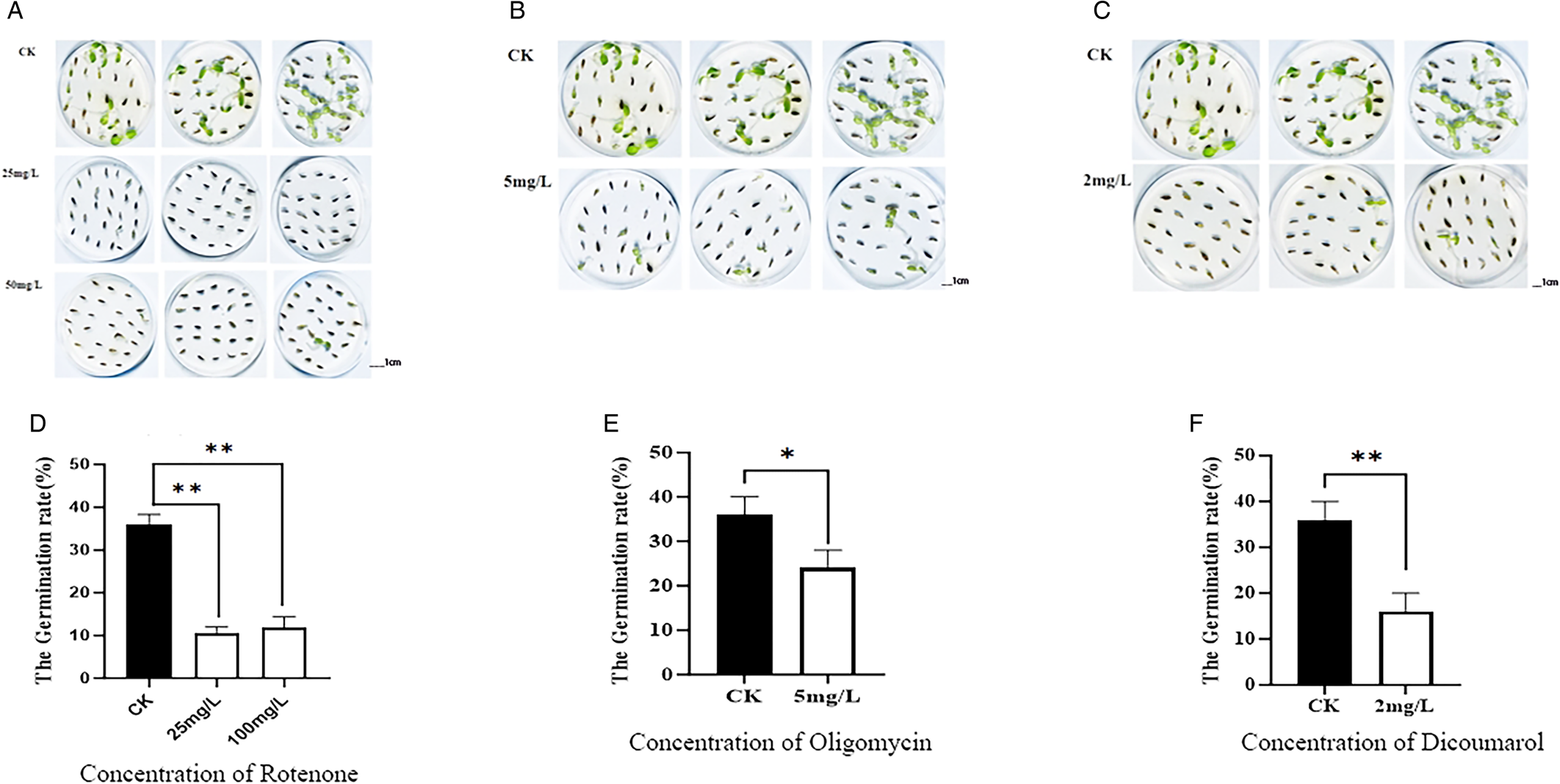
Because oxidative phosphorylation may influence the freezing tolerance of hydrated seeds, several oxidative phosphorylation inhibitors, including rotenone, oligomycin and dicoumarol, were added into the imbibition medium for an analysis of the associated changes to the survival rate under slow-cooling conditions.
In control treatment, the survival rate was about 35% after freezing treatment (Fig. 7D–F). Rotenone, which has inhibitory effects on the electron transport chain (ETC) and ATP synthesis, significantly increased the sensitivity of hydrated seeds to freezing stress with a survival rate of 23.5% (Fig. 7A, D; P < 0.01). This was consistent with the decreased production of ATPsyn and increased freezing sensitivity of the PN-treated hydrated seeds.
The agents preventing oxidative phosphorylation reduced the freezing tolerance of hydrated lettuce seeds. (A, D) Rotenone (25 and 50 mg/l); (B, E) oligomycin (5 mg/l) and (C, F) dicoumarol (2 mg/l). *P < 0.05, ** P<0.01.

Oligomycin is another inhibitor of ATP synthesis. In this study, it decreased the freezing tolerance of imbibed seeds with a survival rate of 25.0% (Fig. 7B, E; P < 0.05). Dicoumarol is an uncoupler that separates ETC from ATP synthesis. Specifically, it inhibits ATP synthesis by preventing the formation of ion gradients between the mitochondrial matrix and the intermembrane space. In this study, dicoumarol decreased the freezing tolerance of hydrated lettuce seeds with a survival rate of 15% (Fig. 7C, F; P < 0.01). All the above three treatments caused a significant decrease compared with the control treatment (P < 0.05).
The interaction prediction of Lactuca MDM2-like proteins with PN
In animal cells, PN targets MDM2. We conducted a BLAST search of the L. sativa proteome using a H. sapiens MDM2 (i.e., HsMDM2) sequence as a query, which resulted in the identification of two MDM2-like proteins including MDM2-1 (XP_023735408) and MDM2-5 (XP_023744889),
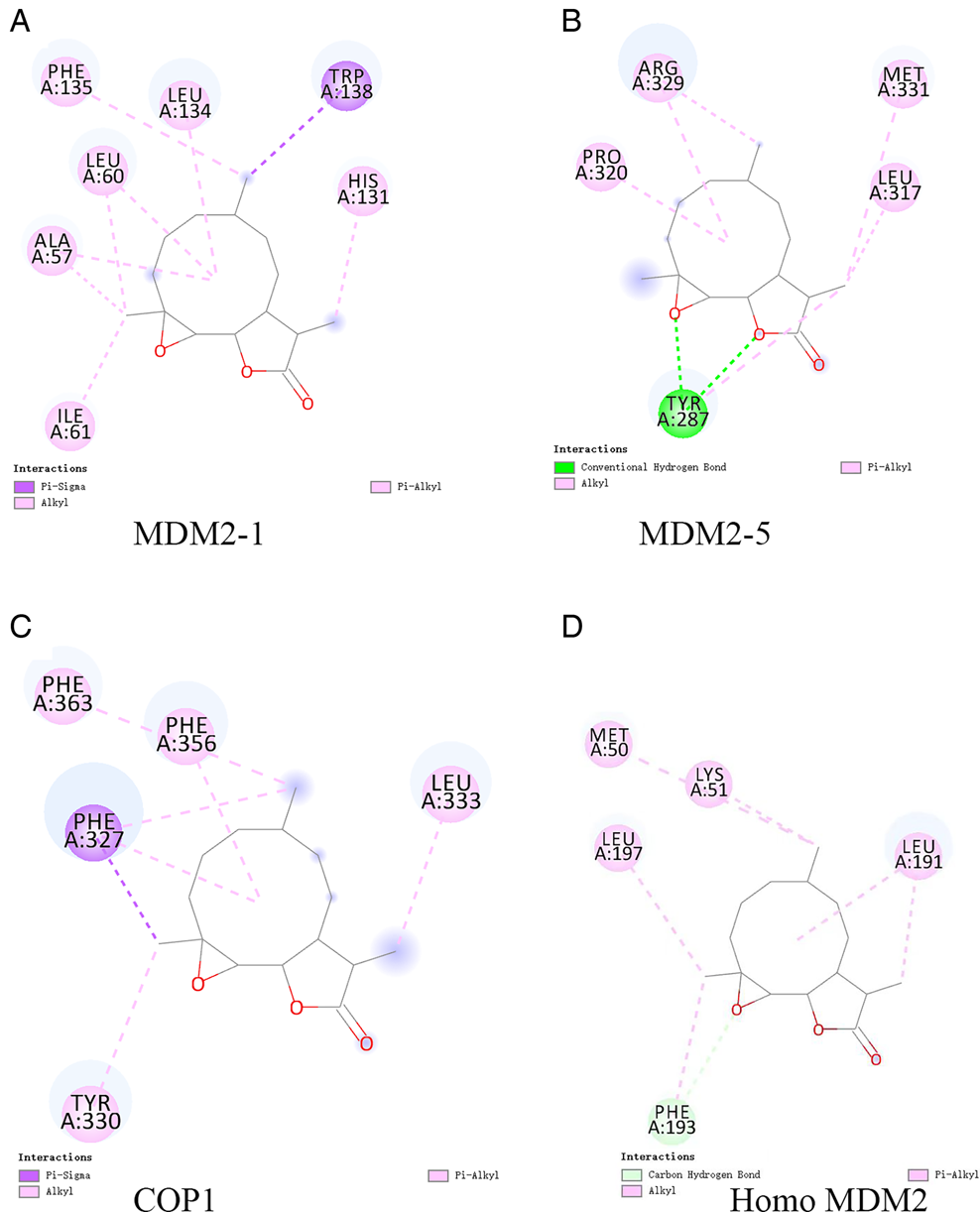
The potential interaction between MDM2s and PN was predicted (Fig. 8A, B). In an earlier study, we determined that the expression of COP1 (XP_023731094), which encodes the E3 ubiquitin ligase constitutive photomorphogenesis protein 1, is suppressed by PN (Han et al., Reference Han, Yu, Zhou, Jaganathan, Shen, Zhou Q and Liu B2021). Therefore, the interaction between PN and COP1 was also predicted (Fig. 8C). According to the analysis, PN can bind to these three proteins including MDM2-1, MDM2-5 and COP1, via hydrophobic interactions involving several amino acid positions (Fig. 8A–C). Notably, Tyr287 of MDM2-5 may form two hydrogen bonds with PN (Fig. 8B). In addition, one hydrogen bond between Phe193 of HsMDM2 and PN was detected (Fig. 8D). These interaction between specific amino acids and PN indicated that MDM2-5 are much likely PN's targets.
The interaction of Lactuca MDM2 proteins and COP1 with parthenolide. (A) Lactuca MDM2-1; (B) Lactuca MDM2-5; (C) Lactuca COP1 and (D) MDM2 from H. sapiens.

Interactions between MDM2-5 and candidate target proteins in oxidative phosphorylation pathway
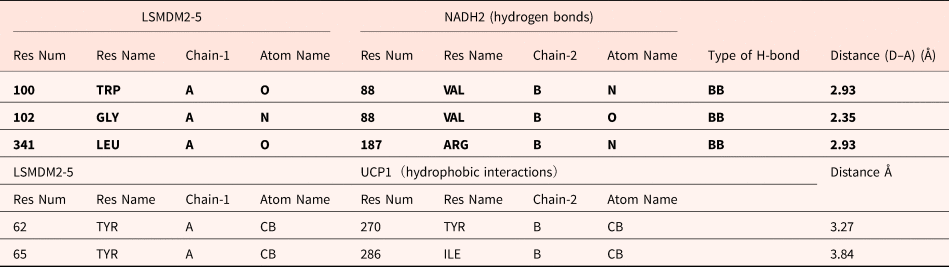
The possible interactions between MDM2-5 and NADH or UCPs were examined using ZDOCK. Three residues of MDM2-5 form hydrogen bonds with residues of NADH2 (Fig. 9A, Table 3). However, the interaction between MDM2-5 and UCP1 is relatively weaker (Fig. 9B, Table 3).
The interaction prediction of Lactuca MDM2-5 with NADH dehydrogenase (NADH2) and UCP1. (A) MDM2-5 with NADH2 and (B) MDM2-5 with UCP1.

The interaction between MDM2-5 and NADH & UCP1

Note: NADH: NADH dehydrogenase. The words in bold indicated the stronger affinity between two proteins compared with other protein interactions.
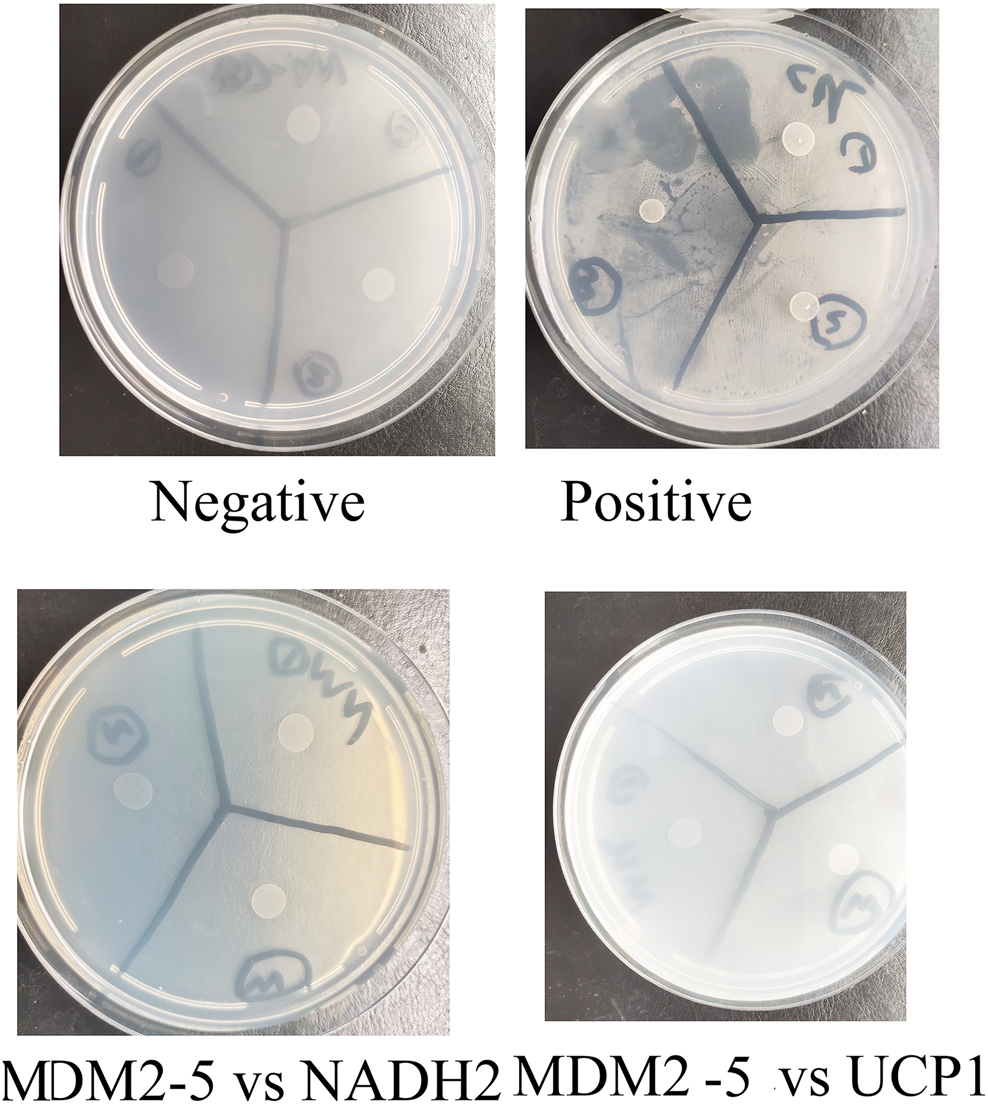
Yeast 2-hybrid assays were performed to screen for interactions between MDM2-5 and NADH2 or UCP1 (Fig. 10). According to the signal intensities of the yeast 2-hybrid assay, MDM2-5 can interact directly with NADH2 (Fig. 10). The interaction between MDM2-5 and UCP is relatively weaker (Fig. 10).
Yeast 2-hybrid of MDM2-5 with NADH2 and UCP1.

Knockdown of MDM2-5 increased the freezing tolerance of hydrated seeds
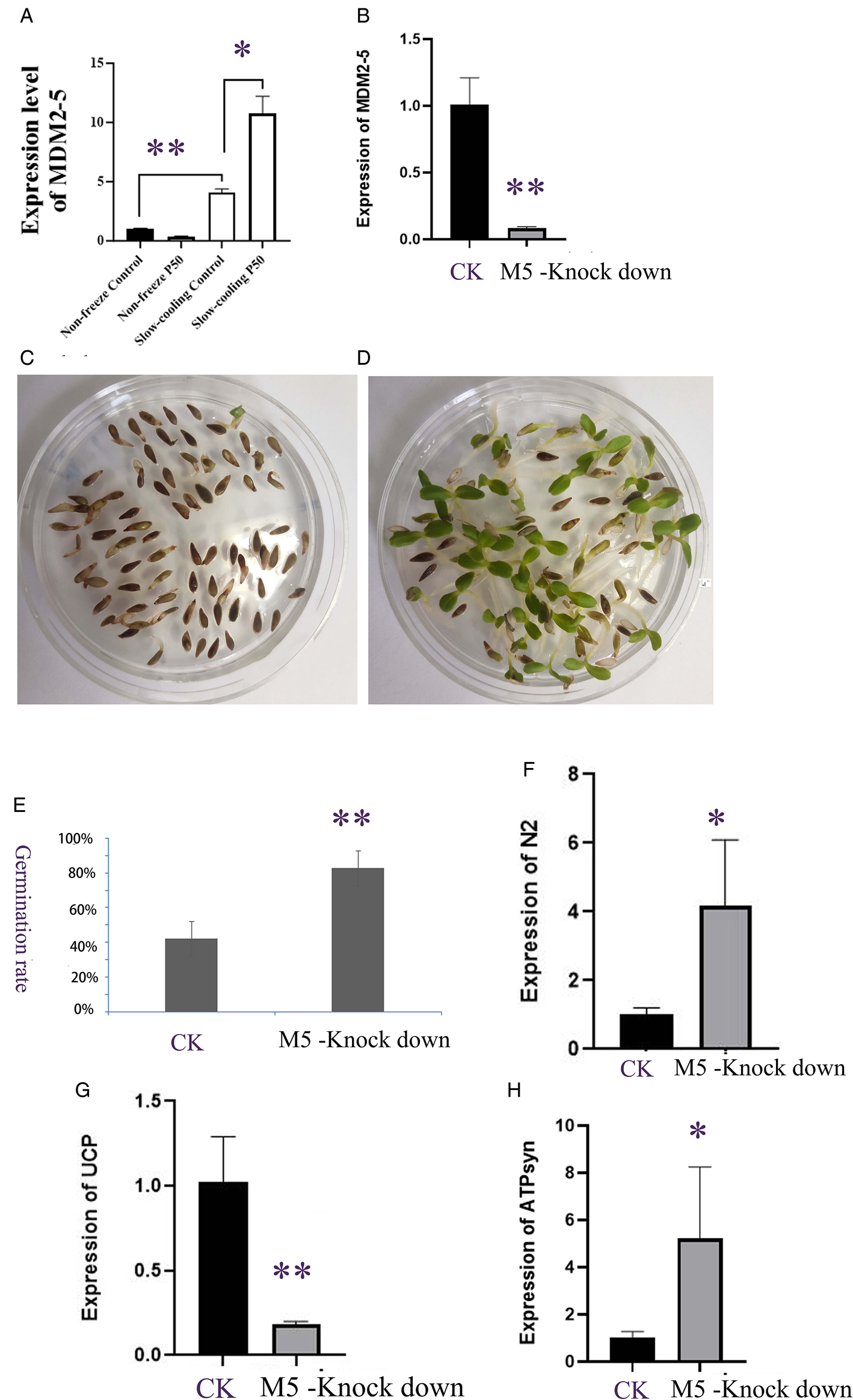
The expression of MDM2-5 was determined that PN promoted the expression of MDM2-5 (Fig. 11A; P < 0.05). When the MDM2-5 was knocked down using RNAi, the mRNA level of MDM2-5 was sharply down-regulated (Fig. 11B; P < 0.01).
Knockdown of MDM2-5 increased the survival rate and ATP synthesis of hydrated lettuce seeds after slow-cooling treatment. (A) The increased mRNA level of MDM2-5 under PN treatment. (B) The decreased mRNA level of MDM2-5 in the knockdown treatment of MDM2-5. (C) The survival of hydrated seeds after slow-cooling in control treatment. (D) The survival of hydrated seeds after knockdown of MDM2-5 and slow-cooling treatment. (E) The survival rate of hydrated seeds after knockdown of MDM2-5 and slow-cooling treatment. (F) The increased mRNA level of NADH2 in the knockdown of MDM2-5 and slow-cooling treatment. (G) The decreased mRNA level of UCP-1 in the knockdown of MDM2-5 and slow-cooling treatment. (H) The increased mRNA level of ATPsyn in the knockdown of MDM2-5 and slow-cooling treatment. *P < 0.05; **P < 0.01.

Then the germination rate of hydrated seeds was counted after slow-cooling treatment. The result indicated that knockdown of MDM2-5 led to increased survival rates of hydrated lettuce seeds (Fig. 11C–E; P < 0.01). The expression of NADH2 and ATPsyn was up-regulated after the knockdown of MDM2-5 (Fig. 11F, H; P < 0.05). On the contrary, the mRNA level of UCP1 was down-regulated after the knockdown of MDM2-5 (Fig. 11G; P < 0.01).
Discussion
Earlier research showed that PN is a small anti-inflammatory agent that can facilitate the ubiquitination of the E3 ubiquitin ligase MDM2, thereby activating the anti-cancer protein P53 (Gopal et al., Reference Gopal, Chanchorn and Van Dyke2009). However, PN's targets in plants have not been identified and characterized.
In a previous study, ubiquitination affects the freezing tolerance of hydrated lettuce seeds (Jaganathan et al., Reference Jaganathan, Han, Li, Song, Song, Shen, Zhou, Zhang and Liu2017). In a subsequent study, we determined that adding PN to the imbibition medium increases the susceptibility of hydrated lettuce seeds to freezing stress (Han et al., Reference Han, Yu, Zhou, Jaganathan, Shen, Zhou Q and Liu B2021). Based on RNA-seq analysis, PN affects the endoplasmic reticulum-associated degradation pathway (Han et al., Reference Han, Yu, Zhou, Jaganathan, Shen, Zhou Q and Liu B2021), while it also decreases the expression of COP1, which is a single RING-type E3 ubiquitin ligase (Han et al., Reference Han, Yu, Zhou, Jaganathan, Shen, Zhou Q and Liu B2021).
In this study, proteomics analysis identified more PN targets in plants. According to the proteomics analysis, several pathways were enriched in PN treatment, including the following: oxidative phosphorylation, amino sugar and nucleotide sugar metabolism, and biosynthesis of nucleotide sugars (Grabelnych et al., Reference Grabelnych, Borovik, Tauson, Pobezhimova, Katyshev, Pavlovskaya, Koroleva, Lyubushkina, Bashmakov, Popov, Borovskii and Voinikov2014). These pathways are associated with energy metabolism. In the oxidative phosphorylation pathway, the expression of NADH and ATPsyn was inhibited by PN. NADH, which belongs to complex I, transfers H+ to the mitochondrial intermembrane space, resulting in a higher H+ concentration in the intermembrane space than in the mitochondrial matrix. This electrical potential difference provides the energy necessary for ATP synthesis.
Consistent with the above results, PN induced the expression of UCP under slow-cooling treatment, which is expected to inhibit ATP synthesis by uncoupling the proton gradient. Moreover, PN induced the expression of genes encoding glucosidases and hexokinases, which promote glycolysis and the release of glucose. These may compensate for the decrease in ATP synthesis.
Consistent with these results, compounds preventing oxidative phosphorylation, including rotenone, oligomycin and dicoumarol, had detrimental effects on the freezing tolerance of hydrated lettuce seeds.
In a recent study about muscle atrophy, transcriptome sequencing was performed, and the analysis results indicated that the function of ubiquitination was enhanced, while oxidative phosphorylation including NADH (ubiquinone) activity and ATP synthesis were reduced, which indicated that ubiquitination and oxidative phosphorylation are contradictory (Chen et al., Reference Chen, Li, Chen, Wang, Zhang, Ji, Chen, Ni, Shen and Sun2021). Another recent study demonstrated that freezing stress severely impairs the link between ETC and ATP synthesis (Stetina and Kostál, Reference Stetina and Kostál2024). In Arabidopsis thaliana, the vacuolar H+-ATPase c subunit may enhance ATP synthesis, ultimately leading to increased cold tolerance (Lin et al., Reference Lin, Yu, Wang, He, Chen and Peng2023). In addition, increased ATP contents may provide some protection against low-temperature stress (Lin et al., Reference Lin, Yu, Wang, He, Chen and Peng2023). According to this study, enhancing oxidative phosphorylation and ATP synthesis might increase the freezing tolerance of hydrated seeds. Whether this mechanism is also involved in the resistance of seedlings and mature plants will need to be determined in future studies.
In animals, PN contributes to the ubiquitination and degradation of MDM2. Because oxidative phosphorylation was also affected by PN based on proteomics analysis, we want to determine whether MDM2-like proteins affect the function of oxidative phosphorylation. Protein interactions and yeast 2-hybrid assays indicated that the MDM2-5 can interact with NADH2 directly. Knockdown of MDM2-5 caused higher expression of NADH2 and ATPsyn, and a higher survival rate of hydrated seeds after slow-cooling treatment, which indicated the negative regulation of ATP synthesis by MDM2-5.
Therefore, ubiquitination might directly or indirectly regulate oxidative phosphorylation. This study provided useful insights for future studies, which focus on the interaction mechanism between ubiquitination and energy metabolism.
Conclusion
According to this study, PN increases the sensitivity of hydrated seeds to freezing stress. Proteomics analysis indicated that PN decreases oxidative phosphorylation and ATP synthesis and increases the expression of UCP in mitochondria. Treatments with oxidative phosphorylation inhibitors decreased the survival rate of hydrated seeds under freezing conditions, which indicated that energy metabolism is related to the freezing tolerance of hydrated seeds. Furthermore, PN can interact with E3 ubiquitin ligase (LsMDM2-5) and induce the expression of LsMDM2-5. Knockdown of LsMDM2-5 leads to higher freezing tolerance of hydrated seeds and higher expression of NADH dehydrogenases 2 and ATP synthesis. In conclusion, enhancing oxidative phosphorylation and ATP synthesis can maintain a higher freezing tolerance of hydrated seeds.
Supplementary material
The supplementary material for this article can be found at https://doi.org/10.1017/S0960258525000042.
Acknowledgement
We thank Liwen Bianji (Edanz) (www.liwenbianji.cn) for editing the English text of a draft of this manuscript.
Ethical standards
The author solemnly promises that this paper is an original paper, that all or part of the content has never been published in any other journal in any form, that there is no problem of repeated submission, that there is no plagiarism of others, and it does not contain any violations of laws and regulations or content that violates the rights of others.
Competing interests
The authors declared that they have no conflicts of interest. We declare that we do not have any commercial or associative interests that represent a conflict of interest in connection with the work submitted.


 Open access

