


Background
The relationship between migration and schizophrenia risk is well-established (Ødegaard, Reference Ødegaard1932; Cantor-Graae and Selten, Reference Cantor-Graae and Selten2005; Fearon and Morgan, Reference Fearon and Morgan2006; Bourque et al., Reference Bourque, van der Ven and Malla2011; Cantor-Graae and Pedersen, Reference Cantor-Graae and Pedersen2013; Close et al., Reference Close, Kouvonen, Bosqui, Patel, O'Reilly and Donnelly2016), and extends to children of migrants (Cantor-Graae and Selten, Reference Cantor-Graae and Selten2005; Bourque et al., Reference Bourque, van der Ven and Malla2011). The risk appears higher among visible minorities, such as the black Caribbean and African populations in the UK (Fearon et al., Reference Fearon, Kirkbride, Morgan, Dazzan, Morgan, Lloyd, Hutchinson, Tarrant, Fung, Holloway, Mallett, Harrison, Leff, Jones and Murray2006; Kirkbride et al., Reference Kirkbride, Errazuriz, Croudace, Morgan, Jackson, Boydell, Murray and Jones2012b), and is not explained by differences in age, sex, or socioeconomic position (Kirkbride et al., Reference Kirkbride, Barker, Cowden, Stamps, Yang, Jones and Coid2008). By contrast, elevated rates have not been consistently shown for bipolar disorder among migrants (Swinnen and Selten, Reference Swinnen and Selten2007) or their children (Cantor-Graae and Pedersen, Reference Cantor-Graae and Pedersen2013; Pignon et al., Reference Pignon, Alexis Geoffroy, Thomas, Roelandt, Rolland, Morgan, Vaiva and Amad2017). Despite this, previous studies have rarely distinguished between bipolar disorders presenting with and without psychotic features. When restricted to those with psychosis, there is some evidence of higher rates of bipolar disorder in migrants and their children (Lloyd et al., Reference Lloyd, Kennedy, Fearon, Kirkbride, Mallett, Leff, Holloway, Harrison, Dazzan, Morgan, Murray and Jones2005).
The impact of migration and social adversity on mental disorders also varies over the life course (Patel and Goodman, Reference Patel and Goodman2007), although only limited, equivocal research has investigated the role that age-at-migration may play in shaping risk (Veling et al., Reference Veling, Hoek, Selten and Susser2011; Pedersen and Cantor-Graae, Reference Pedersen and Cantor-Graae2012; Kirkbride et al., Reference Kirkbride, Hameed, Ioannidis, Ankireddypalli, Crane, Nasir, Kabacs, Metastasio, Jenkins, Espandian, Spyridi, Ralevic, Siddabattuni, Walden, Adeoye, Perez and Jones2017b). For example, a Dutch study found the highest risk of psychotic disorders with infant migration (Veling et al., Reference Veling, Hoek, Selten and Susser2011), while a more recent British study found risk peaked with early childhood migration (Kirkbride et al., Reference Kirkbride, Hameed, Ioannidis, Ankireddypalli, Crane, Nasir, Kabacs, Metastasio, Jenkins, Espandian, Spyridi, Ralevic, Siddabattuni, Walden, Adeoye, Perez and Jones2017b). Finally, a Danish study found no association between age-at-migration and schizophrenia (Pedersen and Cantor-Graae, Reference Pedersen and Cantor-Graae2012). No study to date has examined age-at-migration in relation to bipolar disorders, with or without psychosis.
To clarify these issues, we used national register data from Sweden, a country of 10 million people with a long history of immigration (OECD, 2017), to investigate whether migrant status, region of origin, and age-at-migration acted specifically on the risk of developing psychotic disorders, including schizophrenia, affective psychoses (i.e. bipolar disorder with psychotic symptoms or psychotic depression), or also extended to non-psychotic bipolar disorder and mania. Given the earlier research, we hypothesized that excess risk in migrant groups would be limited to psychotic disorders. Similarly, we hypothesized that migration during infancy and early childhood would increase psychosis risk, but not non-psychotic bipolar disorder and mania. These periods of the life course are marked by rapid social, neurobiological, and cognitive development, including maturation of the dopaminergic system in the prefrontal cortex during infancy (Rothmond et al., Reference Rothmond, Weickert and Webster2012; Selemon and Zecevic, Reference Selemon and Zecevic2015) and development of ‘theory of mind’ and general cognition during early childhood (Perner and Lang, Reference Perner and Lang1999; Garety et al., Reference Garety, Kuipers, Fowler, Freeman and Bebbington2001; Colvert et al., Reference Colvert, Rutter, Kreppner, Beckett, Castle, Groothues, Hawkins, Stevens and Sonuga-Barke2008). Migration during such periods may disrupt typical neurocognitive development, which subsequently increases psychosis risk. Whilst cognitive deficits have been observed in both schizophrenia and bipolar disorder, cognitive impairments in bipolar disorder appear less severe (Trotta et al., Reference Trotta, Murray and MacCabe2014), and other developmental abnormalities also show specificity towards psychotic disorders during this period (Reichenberg et al., Reference Reichenberg, Weiser, Rabinowitz, Caspi, Schmeidler, Mark, Kaplan and Davidson2002; Hill et al., Reference Hill, Reilly, Keefe, Gold, Bishop, Gershon, Tamminga, Pearlson, Keshavan and Sweeney2013).
Methods
Study design and population
We used multiple national Swedish registers to identify all individuals born between 1982 and 1996, living in Sweden after their 15th birthday, including those who immigrated to Sweden. Cohort entry was age 15 years, or date of first immigration to Sweden, if later. Individuals were followed from cohort entry (earliest: 1 January 1997) until 31 December 2011, or exit from the cohort due to the diagnosis of a psychiatric disorder of interest (see below), emigration or death, whichever came sooner. The Cause of Death register was used to obtain the date of death and the Migration Register was used to record date of migration. Individuals who died emigrated for the final time, or who were diagnosed with a psychiatric outcome before age 15 were excluded.
Outcomes
We linked participants to the National Patient Register to determine a psychiatric diagnosis in either inpatient or outpatient settings according to the International Classification of Diseases, 10th revision [ICD-10]. We studied four psychiatric outcomes: schizophrenia or schizoaffective disorder (F20.X, F25.X); affective psychotic disorders (F30.2, F31.2, F31.5, F32.3, F33.3), other non-affective psychotic disorders (F21.X-F24.X, F28.X- F29.X) and; bipolar disorder or manic symptoms without confirmed psychotic symptoms (F30.1, F30.8, F30.9, F31.0–31.1, F31.3–31.4, F31.6–31.9). For individuals who received diagnoses on multiple visits to in- or outpatient services, we adopted a hierarchal classification system, informed by clinical expertise (GL, CD, CM, AH) and consistent with earlier research (Björkenstam et al., Reference Björkenstam, Björkenstam, Hjern, Reutfors and Bodén2013), as follows: schizophrenia or schizoaffective disorder, affective psychotic disorders, other non-affective psychotic disorders, and finally, non-psychotic bipolar disorder or mania; date of cohort exit was defined as the date at which they received this diagnosis.
Exposures
We defined migrant status according to information in the Total Population and Multi-Generational registers. Participants were classified as (i) migrants if they were born outside of Sweden; (ii) children of migrants if they were born in Sweden with one or both parents born outside of Sweden, and; (iii) Swedish-born if they were born in Sweden to two Swedish-born parents. The region of origin was defined by Statistics Sweden as Sweden, Finland, other Nordic countries, other European countries, Asia and Oceania, the Middle East, Africa, North America, South America, and unknown, based on country of birth. For migrants, we categorized age-at-first-migration into five groups: infancy (0–2 years), early childhood (3–6 years), middle childhood (7–12 years), adolescence (13–18 years) and early adulthood (19–29 years). We considered sex, current age, and follow-up period (see below) as a priori confounders. We also controlled for income in supplemental analyses, obtained from the Longitudinal Integration Database for Health Insurance and Labour Market Studies [LISA]. Since 1990, LISA has estimated total disposable family income from all sources each year (salary, wages, welfare, pensions), weighted for family size. As age 16 is the earliest an individual is included in the LISA, for most participants, we utilized information on their family income at age 15 via linkage to their parents, including adoptive parents where relevant. For migrants arriving in Sweden after age 15, we included their family income as first recorded in the LISA database. Where no income could be estimated, participants were excluded from these analyses (see below). We calculated income quintiles in each year for the entire population and assigned this value to participants in the year of their cohort entry. This method implicitly takes income inflation into account.
Statistical analysis
We first generated descriptive characteristics of the sample. Next, for each outcome, we investigated whether incidence varied by migrant status, region of origin, and age-at-migration using Cox proportional hazard regression. We estimated unadjusted and adjusted hazard ratios [aHR] and 95% confidence intervals [95% CI] for each exposure. To account for possible period effects (e.g., due to possible changes in health care services over the 14-year follow-up period), we split the data into 5-year bands of calendar time (1997–2001, 2002–2006, 2007–2011), modelled as a time-varying covariate. We also modelled age as a time-varying covariate (15–17, 18–20, 21–23, 24–26, 27–30 years), given risk of psychiatric disorders varies substantially by age (Hollander et al., Reference Hollander, Dal, Lewis, Magnusson, Kirkbride and Dalman2016; Kirkbride et al., Reference Kirkbride, Hameed, Ankireddypalli, Ioannidis, Crane, Nasir, Kabacs, Metastasio, Jenkins, Espandian, Spyridi, Ralevic, Siddabattuni, Walden, Adeoye, Perez and Jones2017a). The proportional hazards assumption was evaluated using Schoenfeld residuals and examination of log-log plots. We conducted two sensitivity analyses. First, because income may have been on the causal pathway between migration-related exposures and risk of psychiatric disorders, these adjustments were presented as sensitivity analyses, excluding those with missing information on this variable. Second, we included a washout period to exclude migrant participants diagnosed with an outcome of interest within 2 years of immigration to Sweden, who may have been prevalent cases. All modelling was conducted in Stata, version 13.
Results
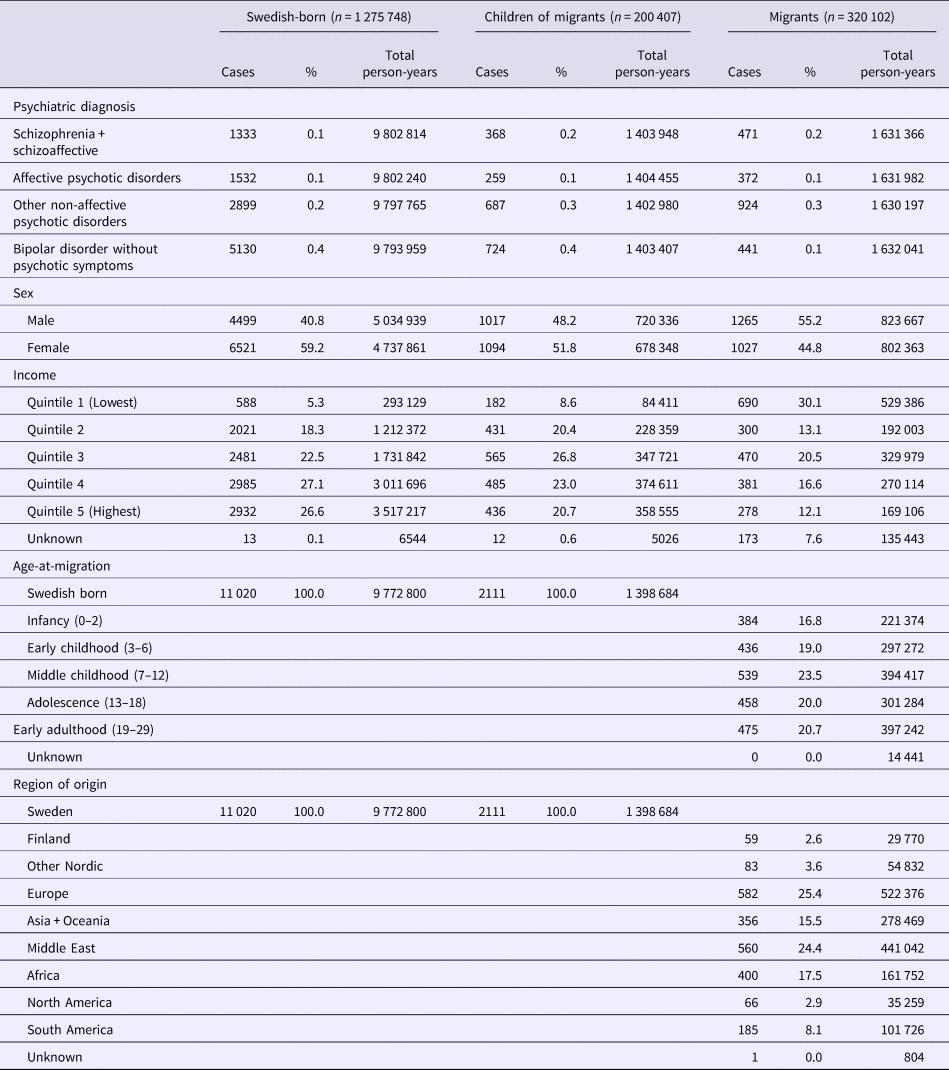
We identified 1 796 257 individuals who contributed over 12.79 million person-years of follow-up (Table 1). Of these, 17.8% were migrants and 11.2% were children of migrants. In all, 15 423 individuals (0.9%) were diagnosed with an outcome of interest during follow-up, including 2172 individuals (0.1%) with schizophrenia or schizoaffective disorder, 2163 (0.1%) with an affective psychotic disorder, 4510 (0.3%) with another non-affective psychotic disorder, and 6295 (0.4%) with non-psychotic bipolar disorder. Among cases, the proportion of women diagnosed with a psychiatric disorder varied by migrant status (χ2 on 2 degrees of freedom [df]; p < 0.001), being highest amongst the Swedish-born population (59.2%) and lowest amongst migrants (45.0%). As expected, migrants with psychiatric diagnoses were more likely to be in the lowest income quintile (30.2%) compared to 5.3% of Swedish-born, and 8.6% of children of migrants (χ2 on 10 df; p < 0.001). Additional cohort characteristics are presented in Table 1.
Cohort characteristics by migrant status
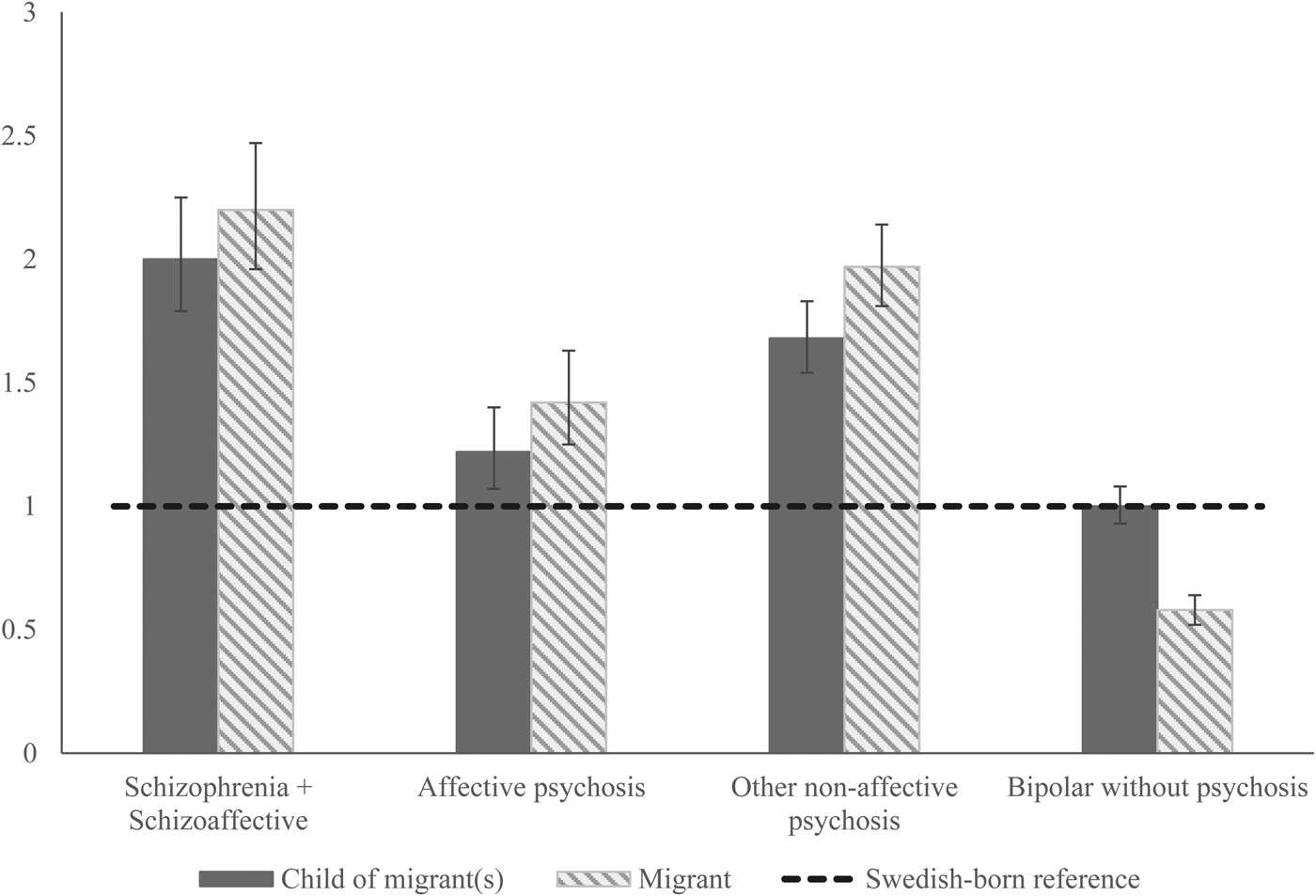
Risk of all psychotic disorders was elevated among migrants and their children compared with Swedish-born individuals, after adjustment for confounding. For example, risk of schizophrenia and schizoaffective disorder was approximately doubled in migrants (aHR: 2.20; 95% CI 1.96–2.47) and their children (aHR: 2.00; 95% CI 1.79–2.25), with similar results obtained for other non-affective psychotic disorders (Table 2). Risk of affective psychoses was also elevated amongst migrants (aHR: 1.42; 95% CI 1.25–1.63) and their children (aHR: 1.22; 95% CI 1.07–1.40), albeit to a lesser extent than for schizophrenia and other psychoses (Fig. 1). In contrast, migrants were at reduced risk of bipolar disorder without psychosis (aHR: 0.58, 95% CI 0.52–0.64) compared with the Swedish-born population, while the risk was equivocal for children of migrants (aHR: 1.00, 95% CI 0.93–1.08).
Risk of schizophrenia, schizoaffective, and bipolar disorders by migrant status, region of origin, and age-at-migration. A national cohort study of 1.8 million people. Adjusted hazard ratios by migrant status. 95% CI, 95% confidence interval. 1Adjusted for age, sex, and time period.
Unadjusted and Adjusted hazard ratios by migrant status
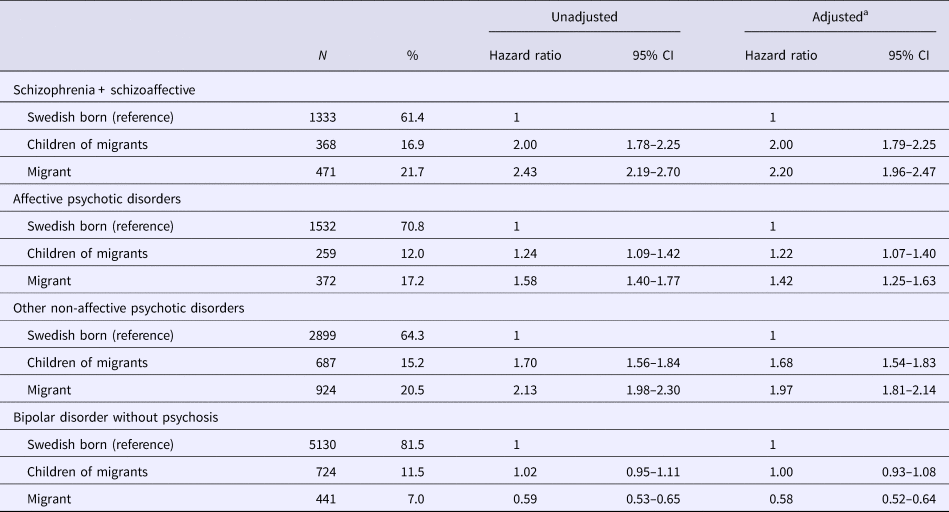
95% CI, 95% confidence interval.
a Adjusted for age, sex, and time period.
The excess risk of psychotic disorders in migrants persisted for participants from all regions of origin (Table 3). Thus, for schizophrenia and schizoaffective disorder, all migrants (except people of ‘other Nordic’ origin) were at increased risk, while other non-affective psychotic disorders were elevated for migrants from all regions of origin. For affective psychoses, migrants from Africa, South America, Asia & Oceania, and the Middle East were at increased risk. For all psychotic outcomes, risk was highest amongst migrants from Africa, including schizophrenia (aHR: 5.24, 95% CI 4.26–6.45), other non-affective psychoses (aHR: 4.39, 95% CI 3.77–5.10), and to a lesser degree, affective psychosis (aHR: 2.01, 95% CI 1.49–2.70). By contrast, migrants from Africa, Europe, the Middle East, Asia, and Oceania showed reduced risk of bipolar disorder without psychosis compared with the Swedish-born population (Table 3), and only migrants from Finland (aHR: 1.56, 95% CI 1.01–2.41) and North America (aHR: 1.69, 95% CI 1.15–2.50) had elevated risk.
Unadjusted and adjusted hazard ratios by region of origin
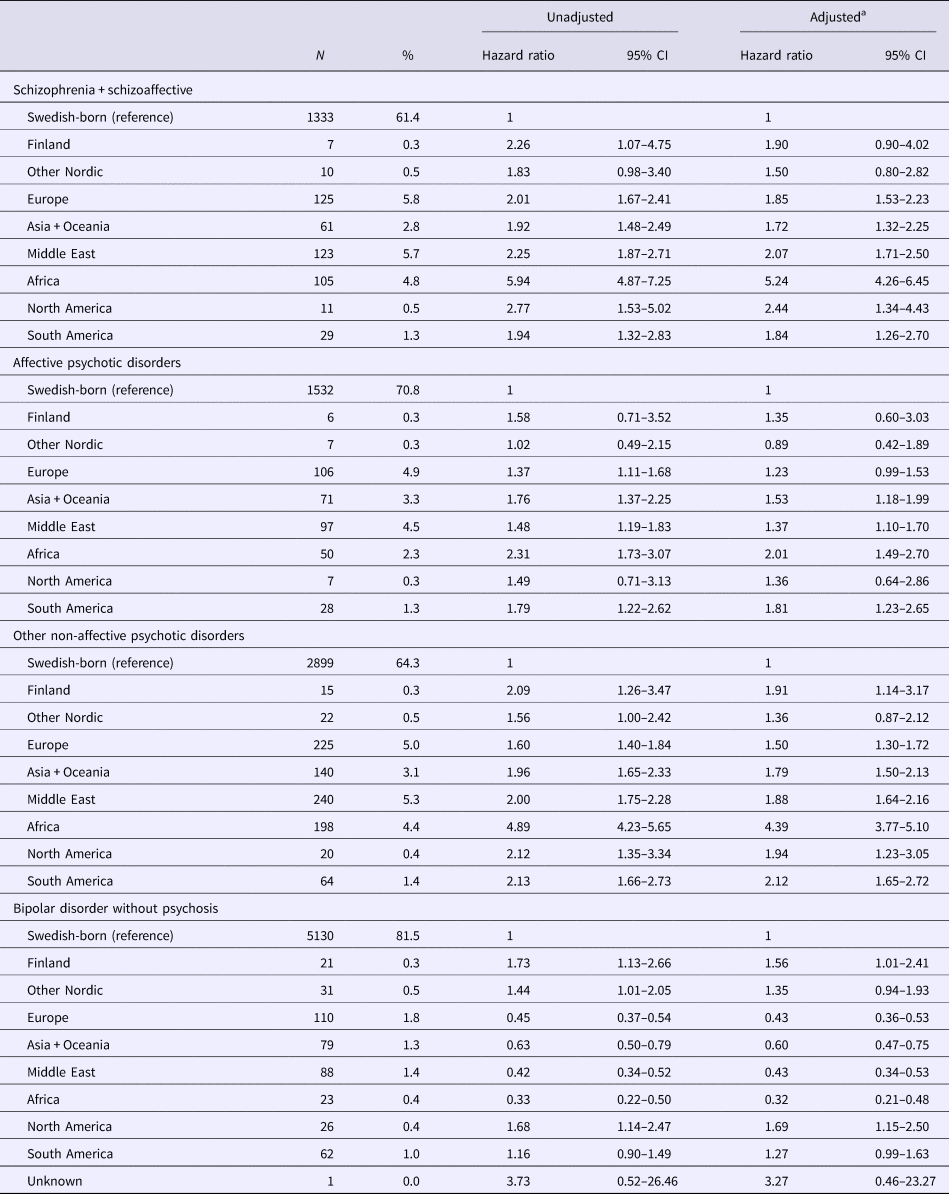
95% CI, 95% confidence interval. There were no cases of schizophrenia/schizoaffective disorder, affective psychosis, or other non-affective psychosis among people of ‘unknown’ region of origin.
a Adjusted for age, sex and time period.
Risks of all psychotic disorders were elevated across most ages-of-migration compared with the Swedish-born population (Table 4). For schizophrenia and schizoaffective disorder elevated risk was apparent across all ages-of-migration relative to the Swedish-born population, and was highest for those migrating in adolescence and early adulthood (aHRadolescence: 2.38, 95% CI 1.79–3.16; aHRearly adulthood: 2.77, 95% CI 1.64–4.69). For other non-affective psychotic disorders risk was elevated at all ages-of-migration, except early adulthood (aHR: 1.17; 95% CI 0.80–1.72). Risk of affective psychosis was elevated among those who migrated in infancy (aHR: 1.71, 95% CI 1.31–2.24), adolescence (aHR: 1.81, 95% CI 1.42–2.30) and early adulthood (aHR 2.05, 95% CI 1.20–3.52), but not childhood. In contrast, bipolar disorder without psychosis was associated with lower risks at all ages-of-migration, except during infancy (aHR: 1.20, 95% CI 1.01–1.42).
Unadjusted and adjusted hazard ratios by Age-At-Migration
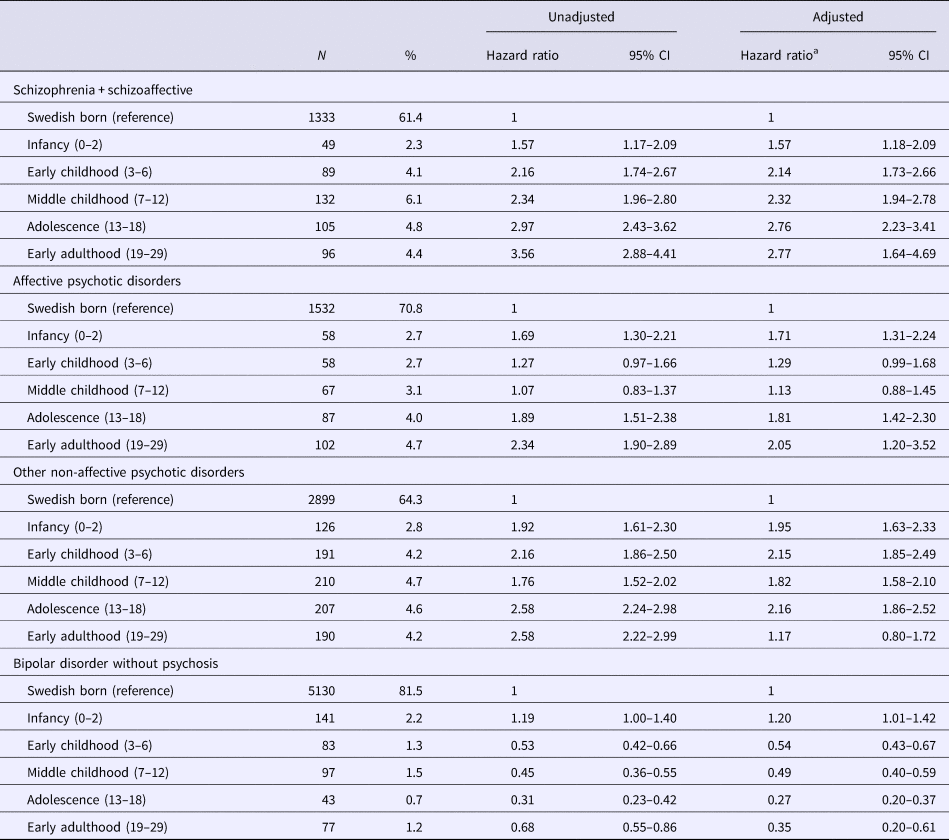
95% CI, 95% confidence interval; Swedish-born reference category. Children of migrants excluded as results shown in Table 2.
a Adjusted for age, sex, and time period, baseline Swedish-born.
These associations were partially attenuated following adjustment for income, but this did not substantially alter our findings (online Supplementary Tables S1–S3). A sensitivity analysis excluding possible prevalent cases in migrants (diagnosed within 2 calendar years of immigration) did not change the pattern of our results (online Supplementary Tables S4–S6). Schoenfeld tests and examination of log-log residual plots revealed no evidence of departure from proportionality across our main exposures for schizophrenia or affective psychosis (online Supplementary Table S7). These tests did suggest a departure from proportionality for our other two outcomes, but log-log residual plots revealed these effects were small and the departure from a zero-slope was negligible (online Supplementary Fig. S1).
Discussion
Principal findings
This is the first longitudinal study to investigate how migrant status, region of origin, and age-at-migration affect the risk of schizophrenia, schizoaffective disorder, affective psychotic disorders, other non-affective psychotic disorders, and non-psychotic bipolar disorder. We discovered distinct signatures of risk, which varied according to the presence or absence of psychosis. Thus, migration-related exposures substantially increased the risk of psychotic disorders, albeit with more attenuated effect sizes for affective psychoses. In contrast, non-psychotic bipolar disorder showed a markedly different pattern, with generally lower risks across our three migration-related exposures compared with the Swedish-born population. Our results were impervious to adjustment for income and were unlikely to be explained by prevalent cases amongst migrants, or by age, sex, or period effects.
Strengths and limitations
We used to register data from a nationwide cohort of nearly 1.8 million people, with nearly complete coverage, and virtually no loss-to-follow-up. Clinical recording of schizophrenia spectrum disorders is known to be highly complete in the registers with good validity (Dalman et al., Reference Dalman, Broms, Cullberg and Allebeck2002; Hollander et al., Reference Hollander, Dal, Lewis, Magnusson, Kirkbride and Dalman2016), although this requires demonstrating for bipolar disorders. We limited our follow-up period to 1997–2011 when ICD-10 was the sole diagnostic classification system used in Sweden. This avoided major changes in diagnostic practice over the cohort period and allowed us to distinguish between bipolar disorders with and without psychosis for the first time in this population. Our decision to use a hierarchical diagnostic classification did not bias findings; similar results were obtained when we classified participants by their first or final diagnosis in the registers (data available from authors). To account for possible changes in case ascertainment over time, including the introduction of more outpatient services in Sweden after 1997, we included calendar time to control for period effects. There was no evidence of a violation of proportional hazards across our three migration-related exposures for schizophrenia or affective psychosis. Departures from proportionality for other outcomes were small, and were likely driven by our large sample size, and would likely have had trivial effects on the interpretation of our results.
We have no reason to believe that our estimates of the incidence of bipolar disorder and affective psychosis are not valid, however, unlike non-affective psychosis, these disorders still require validation in the Swedish registry data. In our sample, psychosis was only diagnosed in 25.6% of those with bipolar disorder/mania, which is lower than previous lifetime estimates between 50 and 61% (Goodwin and Jamison, Reference Goodwin and Jamison1990; Dunayevich and Keck, Reference Dunayevich and Keck2000). This may reflect the young age of our sample, meaning that some people diagnosed with bipolar disorder without psychosis for the first time in our study may eventually go onto experience an episode of psychosis. Alternatively, bipolar disorder with psychosis may be under-diagnosed in Sweden. Nonetheless, the overall incidence of affective psychosis in our sample (15.9, 95% CI 15.2–16.6) was higher than reported in previous studies (Kirkbride et al., Reference Kirkbride, Fearon, Morgan, Dazzan, Morgan, Tarrant, Lloyd, Holloway, Hutchinson, Leff, Mallett, Harrison, Murray and Jones2006), favouring the former explanation than one of under-diagnosis. For all migration exposures, elevated risk of schizophrenia and schizoaffective disorders was of the order of magnitude higher than for affective psychosis. For children of migrants (although not migrants) the confidence intervals around the elevated risk of affective psychosis narrowly overlapped those for the non-significant difference in risk of bipolar disorder without psychosis between children of migrants and the Swedish-born populations; we cannot, therefore, exclude the possibility that our findings have partially arisen from chance, although the consistency and pattern of our results suggest this is unlikely; nevertheless, further, large studies are required to replicate our results.
In our study, case participants were based on contact with mental health services, which may have led to some underestimation of the true incidence of psychiatric disorders within the population, although register-based approaches appear to lead to more complete case ascertainment than first contact designs (Hogerzeil et al., Reference Hogerzeil, van Hemert, Rosendaal, Susser and Hoek2014). Nevertheless, if migrants and their children had differential treatment-seeking behaviours compared with Swedish-born individuals, differential ascertainment bias could have affected our results. Research from the Netherlands has demonstrated a larger gap between mental health care need and service use among migrants compared with native Dutch (Koopmans et al., Reference Koopmans, Uiters, Devillé and Foets2012). Despite the universal availability of health care in Sweden, such differences in help-seeking may have conservatively biased our estimates of risk amongst some migrants, particularly for less severe phenotypes such as bipolar disorder without psychosis for which people may be less likely to seek mental health care. Nevertheless, our findings for bipolar disorders without psychosis are in line with previous studies which have not consistently found elevated risk in migrants or their children (Swinnen and Selten, Reference Swinnen and Selten2007; Cantor-Graae and Pedersen, Reference Cantor-Graae and Pedersen2013; Pignon et al., Reference Pignon, Alexis Geoffroy, Thomas, Roelandt, Rolland, Morgan, Vaiva and Amad2017).
Our sensitivity analyses suggested our results were not due to confounding by income. Nevertheless, our income covariate was differentially missing by migrant status (7.4% in migrants, 0.5% in their children, 0.1% in the Swedish-born), which may have introduced bias vis-à-vis residual confounding; from the available data, however, any confounding effect appeared modest, and income may lie on the causal pathway between migration and mental health, making adjustment inappropriate.
Further sensitivity analyses suggested our results were unlikely to be attributable to prevalent cases amongst migrants, arguing against selective migration, consistent with previous observations (Selten et al., Reference Selten, Cantor-Graae, Slaets and Kahn2002; van der Ven et al., Reference van der Ven, Dalman, Wicks, Allebeck, Magnusson, van Os and Selten2014). Migration is a cognitively-demanding process, requiring effective planning skills, which would be inconsistent with premorbid cognitive defects experienced by people who go onto develop psychosis (Rosenthal et al., Reference Rosenthal, Goldberg, Jacobsen, Wender, Kety, Schulsinger and Eldred1974; Cannon et al., Reference Cannon, Bearden, Hollister, Rosso, Sanchez and Hadley2000; van der Ven et al., Reference van der Ven, Dalman, Wicks, Allebeck, Magnusson, van Os and Selten2014).
Comparison with the previous literature
Our results are consistent with previous research demonstrating an increased risk of schizophrenia-spectrum disorders among migrants and their children (Lloyd et al., Reference Lloyd, Kennedy, Fearon, Kirkbride, Mallett, Leff, Holloway, Harrison, Dazzan, Morgan, Murray and Jones2005; Coid et al., Reference Coid, Kirkbride, Barker, Cowden, Stamps, Yang and Jones2008; Cantor-Graae and Pedersen, Reference Cantor-Graae and Pedersen2013). Some studies have also shown an increased risk of affective psychosis in migrants and their children (Lloyd et al., Reference Lloyd, Kennedy, Fearon, Kirkbride, Mallett, Leff, Holloway, Harrison, Dazzan, Morgan, Murray and Jones2005; Coid et al., Reference Coid, Kirkbride, Barker, Cowden, Stamps, Yang and Jones2008). Our results also mirror the wider literature, which has shown that region of origin has a significant impact on psychosis risk (Kirkbride et al., Reference Kirkbride, Errazuriz, Croudace, Morgan, Jackson, McCrone, Murray and Jones2012a; Pedersen and Cantor-Graae, Reference Pedersen and Cantor-Graae2012), notably amongst visible minority populations (Fearon et al., Reference Fearon, Kirkbride, Morgan, Dazzan, Morgan, Lloyd, Hutchinson, Tarrant, Fung, Holloway, Mallett, Harrison, Leff, Jones and Murray2006; Coid et al., Reference Coid, Kirkbride, Barker, Cowden, Stamps, Yang and Jones2008; Kirkbride et al., Reference Kirkbride, Errazuriz, Croudace, Morgan, Jackson, McCrone, Murray and Jones2012a).
Comparisons with previous findings with respect to age-at-migration and psychotic disorders require careful attention. In one study (Veling et al., Reference Veling, Hoek, Selten and Susser2011), the highest risk of non-affective psychoses amongst migrants relative to the background population was associated with migration during infancy, with risk declining thereafter, such that adulthood migration was not associated with differences in risk. Two further studies (Anderson et al., Reference Anderson, Cheng, Susser, McKenzie and Kurdyak2015; Kirkbride et al., Reference Kirkbride, Hameed, Ioannidis, Ankireddypalli, Crane, Nasir, Kabacs, Metastasio, Jenkins, Espandian, Spyridi, Ralevic, Siddabattuni, Walden, Adeoye, Perez and Jones2017b) found some evidence that elevated psychosis risk peaked with migration during adolescence relative to the background population, consistent with our observations for non-affective psychotic disorders. Nevertheless, in all these studies, including our own, overlapping confidence intervals for risks at different ages-of-migration mean these findings are also consistent with those reported by Cantor-Graae and Pedersen and Pedersen (Reference Cantor-Graae and Pedersen2003) in Denmark, who found no statistically significant differences in psychosis risk by age-of-migration, when migration at birth provided the reference category. In our study, the only robust differences in risk by age-of-migration occurred for bipolar disorder without psychosis, never previously examined, where risks were elevated with infant migration, but significantly reduced at all other ages of migration, relative to the Swedish-born population.
Meaning of findings
The different signatures of risk we observed between psychotic and non-psychotic disorders with respect to migration suggest that exposure to adversities related to migration and minority status could act specifically on psychotic rather than affective pathways. Emerging research supports the hypothesis that psychotic and non-psychotic bipolar disorder may have distinct neurodevelopmental origins (Murray et al., Reference Murray, Sham, Van Os, Zanelli, Cannon and McDonald2004; Maggioni et al., Reference Maggioni, Altamura and Brambilla2017). For example, structural magnetic resonance imaging has revealed that non-psychotic bipolar disorders do not show deficits in cortical grey matter volume, in contrast to affective psychosis and other psychotic disorders (Maggioni et al., Reference Maggioni, Altamura and Brambilla2017). Moreover, schizophrenia (Green, Reference Green2006) and bipolar disorder with psychosis (Glahn et al., Reference Glahn, Bearden, Barguil, Barrett, Reichenberg, Bowden, Soares and Velligan2007; Bora et al., Reference Bora, Yücel and Pantelis2010; Hill et al., Reference Hill, Reilly, Keefe, Gold, Bishop, Gershon, Tamminga, Pearlson, Keshavan and Sweeney2013) also appear to share premorbid cognitive deficits, not consistently observed for non-psychotic affective disorders (Reichenberg et al., Reference Reichenberg, Weiser, Rabinowitz, Caspi, Schmeidler, Mark, Kaplan and Davidson2002; Trotta et al., Reference Trotta, Murray and MacCabe2014). These deficits could contribute to a plausible pathway, through which repeated exposure to social adversities, including migration, leads to psychotic symptoms via increased stress reactivity (Bentall et al., Reference Bentall, De Sousa, Varese, Wickham, Sitko, Haarmans and Read2014). Individuals who develop non-psychotic bipolar disorder may not experience comparable premorbid cognitive deficits (Goodwin et al., Reference Goodwin, Martinez-Aran, Glahn and Vieta2008; MacCabe et al., Reference MacCabe, Lambe, Cnattingius, Sham, David, Reichenberg, Murray and Hultman2010; Vreeker et al., Reference Vreeker, Boks, Abramovic, Verkooijen, van Bergen, Hillegers, Spijker, Hoencamp, Regeer, Riemersma-Van der Lek, Stevens, Schulte, Vonk, Hoekstra, van Beveren, Kupka, Brouwer, Bearden, MacCabe and Ophoff2016). However, the evidence remains equivocal, as a recent meta-analysis did not find different trajectories of cognitive functioning between schizophrenia and bipolar disorder (Bora and Özerdem, Reference Bora and Özerdem2017), though did not differentiate between those with and without psychosis in the latter.
Repeated exposure to factors associated with migration – including social disadvantage, trauma or discrimination experienced prior to, during, or following migration – may also prime individuals to expect a greater level of threat from the environment (Reininghaus et al., Reference Reininghaus, Kempton, Valmaggia, Craig, Garety, Onyejiaka, Gayer-Anderson, So, Hubbard, Beards, Dazzan, Pariante, Mondelli, Fisher, Mills, Viechtbauer, McGuire, van Os, Murray, Wykes, Myin-Germeys and Morgan2016). Such processes may sensitize neurobiological pathways relevant to psychosis, including dysregulation of the mesolimbic dopaminergic system (Kapur, Reference Kapur2003), particularly amongst those with impaired neurocognition, who may be more prone to errors in salience appraisal of irrelevant or benign environmental stimuli (Kapur, Reference Kapur2003; Roiser et al., Reference Roiser, Stephan, den Ouden, Barnes, Friston and Joyce2009). Given the absence of similar neurocognitive impairments in non-psychotic bipolar disorder (Kapur, Reference Kapur2003; Roiser et al., Reference Roiser, Stephan, den Ouden, Barnes, Friston and Joyce2009), such psychological and biological mechanisms may partially underlie the observed differences between psychotic and non-psychotic disorders.
We should also give credence to another possible explanation of our results: misdiagnosis. It has been suggested that higher rates of psychotic disorders in some ethnic minority groups are due to diagnostic bias, with people from the majority group less likely to receive a stigmatizing diagnosis such as schizophrenia compared with bipolar disorder (Schwartz and Blankenship, Reference Schwartz and Blankenship2014). Although we did not have data on ethnicity in our study, migrants from regions where they were most likely to be visible minorities in Sweden (i.e. Africa, the Middle East, Asia & Oceania) were more likely to be diagnosed with a psychotic disorder, and less likely to be diagnosed with bipolar disorder without psychosis than Swedish-born participants. Together with the finding that only migrants from Nordic countries or North America were more likely to be diagnosed with the non-psychotic bipolar disorder than the Swedish-born population, this is consistent with the misdiagnosis hypothesis. Nonetheless, our data do not entirely support this explanation. Finnish, other Nordic and European, and North America migrants were also all at increased risk of psychotic disorders, to a similar extent to groups from the Middle East, Asia, and South America. Furthermore, in our data, European migrants were also less likely to be diagnosed with the non-psychotic bipolar disorder, which does not readily fit with the hypothesis that people of white ethnicities are likely to receive less stigmatizing (non-psychotic) diagnoses instead of psychotic ones. In general, the misdiagnosis hypothesis is not borne out by other available evidence (Lewis et al., Reference Lewis, Croft-Jeffreys and David1990; Hickling et al., Reference Hickling, Mckenzie, Mullen and Murray1999; Selten et al., Reference Selten, Laan, Veen, Blom, Veling and Hoek2010; Zandi et al., Reference Zandi, Havenaar, Smits, Limburg-Okken, van Es, Cahn, Algra, Kahn and van den Brink2010), and previous epidemiological studies – with some blinding of diagnosticians to ethnicity – have demonstrated elevated rates of psychotic disorders persist in several black and minority ethnic groups (Fearon et al., Reference Fearon, Kirkbride, Morgan, Dazzan, Morgan, Lloyd, Hutchinson, Tarrant, Fung, Holloway, Mallett, Harrison, Leff, Jones and Murray2006).
Conclusion
The shared patterns of risk across three categories of psychotic disorders with respect to various migration-related exposures suggest that migration may act specifically on psychotic rather than affective pathways to disorder. This provides potentially important clues to the aetiology of serious mental illnesses and should galvanise efforts to identify the exact social, environmental, and biological determinants of this preventable, gross inequality experienced by migrant and minority populations (Kirkbride, Reference Kirkbride2017).
Supplementary material
The supplementary material for this article can be found at https://doi.org/10.1017/S0033291718003227
Author ORCIDs
Jennifer Dykxhoorn 0000-0001-6391-8626.
Acknowledgements
This work was supported by a Sir Henry Dale Fellowship jointly funded by the Wellcome Trust and the Royal Society (grant number: 101272/Z/13/Z to JBK), by Mental Health Research UK (to JBK/JD), UCLH NIHR Biomedical Research Centre, and by a UCL Overseas Research Scholarship (to JD).
Conflict of interest
Ms. Dykxhoorn, Dr Hollander, Prof. Magnusson, Prof. Lewis, Prof. Dalman, and Dr Kirkbride report no competing interests.


 Open access

