

Keep awe in mind to stay out of improper behaviour. (Chinese proverb)
Awe has long been of interest to philosophers and theologians in diverse cultures. Indeed, traditional Chinese, Japanese, and Greek cultures are steeped in references to awe, linking feelings of awe to attitudes and ethical behaviour of humility, modesty, reconciliation, and avoidance of conflict (Parkes, Reference Parkes2012; Ren, Reference Ren2010; Woodruff, Reference Woodruff2002). Sparked by the advent of positive psychology and the seminal work of Keltner and Haidt (Reference Keltner and Haidt2003), psychologists are also now beginning to study the emotion and experience of awe (Dong, Peng, & Yu, Reference Dong, Peng and Yu2013).
From a psychological perspective, awe is defined as a feeling of wonder and amazement evoked by experiencing something vast (objects, actions, or people whose physical, moral, or social stature is perceived to be much larger than the self) that transcends the individual's current frames of reference and that requires new schemas to accommodate what is being perceived (Keltner & Haidt, Reference Keltner and Haidt2003). Thus, vastness and accommodation are the two central features of prototypical elicitors of awe, such as nature scenes, art works, and extraordinary human accomplishments (Keltner & Haidt, Reference Keltner and Haidt2003; Shiota, Keltner, & Mossman, Reference Shiota, Keltner and Mossman2007).
Experimentally induced experiences of awe have been demonstrated to affect social cognition, self-concept, and decision making. Moreover, results from a body of empirical studies have consistently evidenced support for the link between awe and prosocial behavior proposed by philosophers and theologians (Griskevicius, Shiota, & Neufeld, Reference Griskevicius, Shiota and Neufeld2010; Piff, Dietze, Feinberg, Stancato, & Keltner, Reference Piff, Dietze, Feinberg, Stancato and Keltner2015; Prade & Saraglou, Reference Prade and Saroglou2016; Rudd, Vohs, & Aaker, Reference Rudd, Vohs and Aaker2012; Shiota et al., Reference Shiota, Keltner and Mossman2007; Valdesolo & Graham, Reference Valdesolo and Graham2014; Van Cappellen & Saroglou, Reference Van Cappellen and Saroglou2012). Several pathways by which experiences of awe influences prosocial behaviour have been suggested.
Awe-evoking experiences that totally absorb people in their vastness and/or intensity tend to make people feel small and insignificant (Piff et al., Reference Piff, Dietze, Feinberg, Stancato and Keltner2015; Shiota et al., Reference Shiota, Keltner and Mossman2007; Van Cappellen & Saraglou, Reference Van Cappellen and Saroglou2012). Thus, in response to awe, people are likely to experience a sense of ‘small self’, a self-construct wherein one's sense of self is relatively diminished. When people experience a sense of small self, personal concerns and self-interests are de-emphasised and one's place within the greater world or universal category is more salient. Piff et al. (Reference Piff, Dietze, Feinberg, Stancato and Keltner2015) reported that in a series of studies, small self mediated the relationship between awe and prosociality.
Awe has been shown to enhance self-transcendent emotions of religiousity and spirituality and thereby influence behaviour. In studies conducted by Van Cappalelen and Saraglou (Reference Van Cappellen and Saroglou2012), participants in awe conditions were more likely to select a spiritual (Tibet) than a hedonistic (Haiti) travel destination and to express feelings of oneness with others, relative to participants in control conditions. Experiencing awe appears to expand cognitive ‘space’ and one's propensity for paying attention to others’ issues (Griskevicius et al, Reference Griskevicius, Shiota and Neufeld2010). Time also seems to expand during awe-evoking experiences. People report feeling less pressured, as though more time is available. Experimentally evoking awe in participants results in individuals exhibiting greater patience, paying increased attention to others’ needs and interests, and a greater likelihood of spending time helping others (Rudd et al., Reference Rudd, Vohs and Aaker2012).
Although evidence has accumulated that indicates that awe enhances prosocial behavior, a research gap exists. No research that we are aware of has specifically examined awe's effect on aggression.
Awe and Aggression
Aggression has been defined as any behaviour intended to harm another being who does not want to be harmed (Anderson & Bushman, Reference Anderson and Bushman2002; Bushman & Huesmann, Reference Bushman, Huesmann, Fiske, Gilbert and Lindzey2010). Aggressive behaviour has been heavily studied. A variety of theories have been proposed explaining incitements to aggression and aggressive responses; numerous studies have investigated both induction and reduction of aggressive behaviour (Anderson & Bushman, Reference Anderson and Bushman2002; Bandura, Reference Bandura1973; Berkowitz, Reference Berkowitz1989; Dollard, Doob, Miller, Mowrer, & Sears, Reference Dollard, Doob, Miller, Mowrer and Sears1939; Huesmann, Reference Huesmann1986; Heise, Reference Heise1998; Tedeschi & Felson, Reference Tedeschi and Felson1994; Zillmann, Reference Zillmann, Geen and Donnerstein1983). Aggressive behaviours and responses can be categorised as either reactive or proactive (Dodge & Coie, Reference Dodge and Coie1987).
Reactive aggression, sometimes called affective or hostile aggression, is a defensive action in response to real or perceived provocation or frustration (Anderson & Bushman, Reference Anderson and Bushman2002; Hubbard, Mcauliffe, Morrow, & Romano, Reference Hubbard, Mcauliffe, Morrow and Romano2010; Vitaro, Brendgen, & Barker, Reference Vitaro, Brendgen and Barker2006). It is impulsive and thoughtless behaviour catalysed by an interaction between an individual's personality and their spontaneous, defensive appraisal of a given situation evoking cognitions, affect, and physiological arousal leading to swift, aggressive reactive behaviour. However, when sufficient cognitive, motivational, and external resources exist, reactive aggressors may conduct a more complex re-appraisal and override any activated aggressive urges, resulting in more rational, less impulsive, less aggressive action (Bluemke & Teige-Mocigemba, Reference Bluemke and Teige-Mocigemba2015). Given that experiences of awe expand people's perception of time, making them feel less pressured and more patient (Rudd et al., Reference Rudd, Vohs and Aaker2012), we hypothesised that awe will also result in less impulsive, reactive aggression. Awe's time-broadening effect may provide individuals with the cognitive and emotional space needed to reappraise a situation in a more thoughtful, deliberate manner.
Proactive aggression is premeditated behaviour intended to hurt another being and is instigated without provocation. Proactive aggressors are self-interested and engage in aggressive behaviour geared towards securing material and/or territorial gain or social dominance (Anderson & Bushman, Reference Anderson and Bushman2002). As noted above, experiences of awe evoke a sense of small self, shifting attention away from the self towards others and the greater community (Piff et al., Reference Piff, Dietze, Feinberg, Stancato and Keltner2015). We hypothesised that the sense of small self evoked by awe would therefore reduce proactive aggressive behaviour in that when individuals place less significance on their own self-interests, the need to aggressively maintain power or social status should be diminished. Indeed, empirical studies have evidenced that when awe is evoked, individuals are more willing to incur costs and sacrifices to engage in prosocial behaviour (Joye & Bolderdijk, Reference Joye and Bolderdijk2014). In general, we posited that experiences of awe may not only increase prosociality, as evidenced by prior research, but may also reduce aggression.
We conducted three experiments in order to test the hypotheses that elicited awe would (1) reduce aggression, (2) increase a sense of small self, (3) increase prosociality, and (4) that a sense of small self would mediate the relationship between awe and reduced aggression. Awe was experimentally induced via a narrative recall task (Study 1 and Study 2) and video clips (Study 3). In order to determine whether the hypothesised decrease in aggression would result from other positive emotions, or whether the effect was specific to awe, we included control conditions in which pride, happiness, or amusement were induced. A neutral emotion control condition was also utilised. After the emotional manipulation, aggression was assessed via participants’ self-ratings of aggression (Study 1), aggressive behaviour in games and tasks (Studies 1, 2, and 3), and via an implicit measure of aggression (Study 3).
STUDY 1
The objective of Study 1 was to investigate the hypothesis that the manipulation of awe would result in lower levels of aggressive behaviour compared to control emotions. We experimentally elicited awe and control emotions (pride, happiness, and neutral affect) by having participants recall a prototypical experience of the target emotion. This methodology is a well-validated technique for eliciting specific emotions (e.g., Griskevicius et al., Reference Griskevicius, Shiota and Neufeld2010; Piff et al., Reference Piff, Dietze, Feinberg, Stancato and Keltner2015). After the recall task, participants’ mood, and both state and trait aggression were assessed.
Method
Participants
A total of 213 Chinese college students from a university in China participated in the study for partial course credit (82 female; M = 18.41, SD = 0.76, range: 16–20).
Materials and Procedure
Participants were invited to the experimental room in groups of 10–16 where they were individually randomly assigned to one of four conditions: awe (n = 52), pride (n = 60), happiness (n = 43), or neutral (n = 58). Respective emotions were induced with a narrative recall task adapted from Griskevicius et al.’s (Reference Griskevicius, Shiota and Neufeld2010) experimental materials. For example, instructions for the awe condition were as follows: ‘Please think about the meaning of awe and write down at least five lines describing your understanding of this emotion. Please then recall an experience of awe (which can be an event or a scene) and immerse yourself in this for a few minutes. After you have reflected on this, please write down, with as much detail as possible, a minimum of five lines describing the event or scene. Include details on what was happening, where you were, and descriptions of your mood and physiological responses.’ Participants in the neutral condition were instructed to recall, immerse themselves in, and describe a recent life experience.
After the writing task described above, participants reported the extent to which they experienced seven mood states (anger, awe, disgust, fear, pride, sadness, and happiness) using single items scored from 1 (not at all) to 7 (extremely).
Next, we assessed participants’ trait aggression using the Chinese version of the Aggression Questionnaire (AQ; Buss & Perry, Reference Buss and Perry1992; Li, Xi, Niu, Wen, & Du, Reference Li, Xi, Niu, Wen and Du2010). The AQ contains four subscales: physical aggression (nine items; e.g., ‘If somebody hits me, I hit back’), verbal aggression (five items; e.g., ‘I tell my friends openly when I disagree with them’), anger (seven items; e.g., ‘I have trouble controlling my temper’), and hostility, (eight items; e.g., ‘I am sometimes eaten up with jealousy’). Participants rated each of the 29 items on a scale ranging from 1 (strongly disagree) to 5 (strongly agree). Reliability of the AQ in the present study was satisfactory (α = .72).
Lastly, participants completed a measure of state aggression, the Shooting Game Questionnaire (SGQ; adapted from Russell, Arms, Loof, & Dwyer, Reference Russell, Arms, Loof and Dwyer1996; and Zhang, Gao, & Fu, Reference Zhang, Gao and Fu2011). The SGQ is a validated measure of aggressive behaviour in Chinese college students (Zhang et al., Reference Zhang, Gao and Fu2011). It is important to note that although the instructions may seem highly improbable to Western sensitivities, the context is largely within acceptable norms for this sample population. The instructions were as follows: ‘After this experiment, as a reward for your participation, you can participate in a shooting game in the zoo where you can shoot at a bear. The bear is in an iron cage and it cannot escape. You can choose one of seven toy guns that have been reduced in power, but still vary in strength. For example, Gun #1 is fairly weak, Gun #4 is about average, and Gun #7 is fairly strong. You can take between one and seven shots at the bear. Now, please choose the power of the gun and the number of bullets you will shoot.’
Once participants had completed these tasks and chosen their ‘gun'and ‘bullets’, it was explained that the game would not really be played. Participants were debriefed and thanked for their participation.
Results
Manipulation Checks
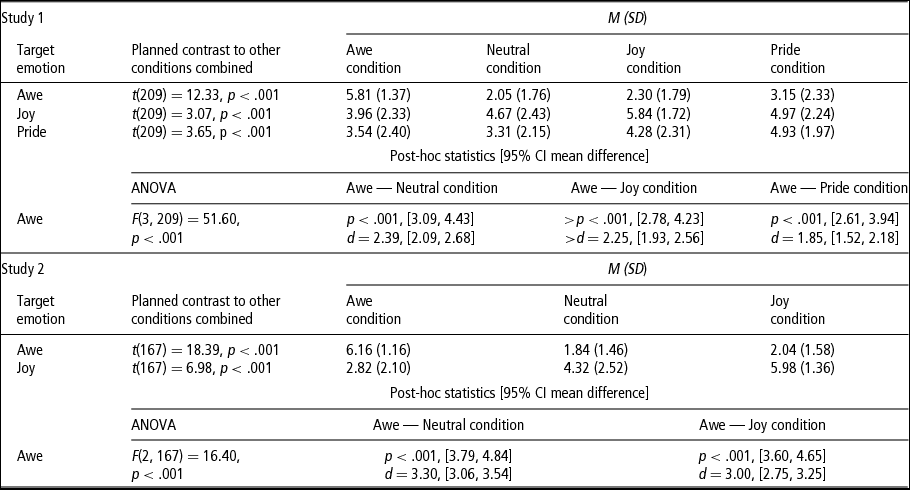
We conducted a series of ANOVAs with planned contrast analyses to determine whether the target emotions were successfully induced within each respective condition (see Table 1 for detailed statistics). Given that the comparison of awe to other positive emotions was of critical importance, we also conducted a post-hoc analysis comparing the awe condition to each of the other three conditions. Results indicated that the narrative recall task effectively evoked the target emotion in each condition (i.e., awe, happiness, pride). Planned contrasts revealed that the level of each target emotion was significantly higher in its respective condition than in the other three conditions combined (ps < .001). Post-hoc analysis revealed that participants in the awe condition reported experiencing significantly higher levels of awe than did participants in the neutral, happiness, or pride conditions (ds = 2.39, 2.25, 1.85).
Study 1 and Study 2: Between-Group Differences in Mood Post-Manipulation
Hypothesis Tests
In order to examine whether levels of trait aggression differed among conditions, we conducted a series of ANOVAs with post-hoc analyses on the total score from the AQ and on each of the four subscales. Levels of trait aggression did not differ significantly across conditions (CIs for all ds spanned zero; see Table 2 for detailed statistics).
Study 1: Between-Group Differences in Trait and State Aggression
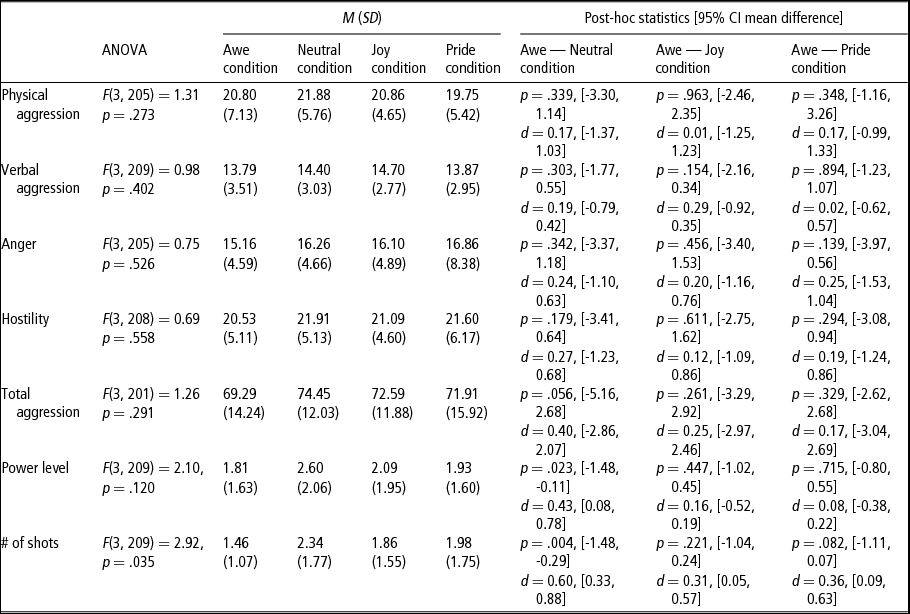
We next conducted ANOVAs with post hoc analyses to examine whether state aggression, as assessed by the power level of the gun and number of shots chosen in the SGQ, differed across condition (see Table 2 for detailed statistics). Post-hoc analyses revealed that power level and number of shots were significantly lower in the awe condition compared to the neutral condition (ds = 0.43, 0.60], but not compared to the two positive emotion conditions (happiness: ds = 0.16, 0.31; pride: ds = 0.08, 0.36).
Discussion
Using a narrative recall task to induce emotions, we tested whether experiencing awe would result in lower levels of aggression relative to neutral affect and the positive emotions of happiness and pride. Our hypothesis was partially supported. Participants in the awe condition chose significantly lower power levels of the gun and a fewer number of shots compared to participants in the neutral condition; no significant differences were found between the awe, happiness, and pride conditions. Trait aggression did not differ significantly across conditions.
Personality traits are, by definition, relatively stable across situations; thus, it is perhaps not surprising that a single narrative recall task would not significantly shift individuals’ levels of trait aggression. With respect to state aggression, awe significantly reduced gun power level and number of shots relative to the neutral condition. The data did not, however, support disentanglement of an effect of awe from a general positive mood effect. We speculate that a floor effect may have occurred. Gun power level and number of shots were low across all three positive emotion conditions (i.e., awe, happiness, pride); these already low levels of state aggression may not have allowed for differentiation between a positive mood effect and an effect of awe.
In Study 2, therefore, we employed a different measure of aggression. Although the SGQ is a validated measure of aggressive behaviour — in particular, with samples of Chinese college students (Zhang et al., Reference Zhang, Gao and Fu2011) — it has limitations as an aggression assessment tool. While the majority of participants did not question or object to the shooting game, some students questioned the scenario and withdrew from the study. The scenario may be too violent for some participants, as suggested by the floor effect of low gun power levels and number of shots. Additionally, the SGQ only assesses aggression; it does not assess prosocial behavior. Previous research on aggression and prosociality has utilised tools such as the Help/Hurt button (Liebert & Baron, Reference Liebert and Baron1972), the Picture Selection Task (Mussweiler & Förster, Reference Mussweiler and Förster2000), and the Tangram Help/Hurt Task (Saleem, Anderson, & Barlett, Reference Saleem, Anderson and Barlett2015); these measures are designed to assess both aggression and prosociality. Hence, in Study 2 we broadened our investigation and employed the recently developed and validated Tangram Help/Hurt Task in order to test awe's effect on both aggression and prosociality.
STUDY 2
Our objective in Study 2 was to investigate whether manipulation of awe would result in higher levels of a sense of small self and prosociality, and lower levels of aggression, compared to control emotions. We also sought to examine whether a sense of small self would mediate the expected relationship between awe and aggression, and to conceptually replicate, in a Chinese sample, previous research evidencing that a sense of small self mediated the relationship between awe and prosociality (Piff et al., Reference Piff, Dietze, Feinberg, Stancato and Keltner2015). The Chinese are a practical people (Bonn & Tam, Reference Bonn and Tam2016). We hypothesised that in our Chinese sample awe would elicit a sense of small self, which in turn would orient our participants towards prosocial acts of a practical nature, such as giving people an easier, as opposed to more difficult, task. To experimentally induce awe, happiness, and neutral affect, we used the same narrative recall task that we employed in Study 1. We then assessed mood, sense of small self, and both aggression and prosociality.
Method
Participants
Participants were 176 undergraduates (81 females) from a university in China who received partial course credit for participating in the experiment. Six participants were excluded because of substantial missing data (N = 170, 79 females). Participants’ ages ranged from 18 to 23 years (M = 19.78, SD = 0.88).
Materials and Procedure
Participants were invited to enter the experimental room in groups of 20–40, where they were individually randomly assigned to one of three conditions: awe (n = 57), happiness (n = 56), or neutral (n = 57). Target emotions were induced with the narrative recall task employed in Study 1. After completing this task, participants reported the extent to which they experienced nine mood states (empathy, awe, compassion, fear, hostility, moved, anxiety, happiness, and anger) using single items scored from 1 (not at all) to 7 (extremely).
Next, sense of small self was assessed with a 10-item scale adapted from Piff et al. (Reference Piff, Dietze, Feinberg, Stancato and Keltner2015). Items referring to vastness and self-diminishment (e.g., ‘I feel like I am in the presence of something grand’, ‘I feel small relative to something more powerful than myself’) are rated on a 7-point scale ranging from 1 (not at all) to 7 (extremely). Item scores are summed and averaged to provide an overall score of sense of small self. Piff et al. reported good reliability (α = .89; in the present study, α = .85).
Participants then completed the Tangram Help/Hurt Task (Saleem et al., Reference Saleem, Anderson and Barlett2015), a validated measure that assesses both helpful (prosocial) and hurtful (aggressive) behaviours and motivation. This task is composed of 30 puzzles preclassified into three levels of difficulty: easy, medium, and hard; each level contains 10 puzzles. Participants are instructed to select 11 of the 30 puzzles across the three difficulty levels for an ostensible partner to complete. Participants are told that if their ‘partner’ completes 10 of these puzzles in 10 minutes then that individual will win a prize (e.g., gift certificate). But, if the participant's ‘partner’ cannot complete the task in 10 minutes, he/she will get nothing. The number of easy and hard puzzles that the participant chooses for their ‘partner’ to complete are used as indices of prosocial/helpful and aggressive/hurtful behaviour respectively.
Lastly, participants rated the extent to which they agreed with each of four items assessing their motivation while completing the Tangram Help/Hurt Task. Two items assessed prosocial/helping motivation (i.e., ‘I wanted to help the other person win the gift card’, ‘I wanted to make it easier for the other participant to win the gift card’); two items assessed aggressive/hurting motivation (i.e., ‘I wanted to make it difficult for the other person to win the gift card’, ‘I wanted to hurt the other person's chances of winning the gift card’). Items are rated on a 5-point scale ranging from 1 (strongly disagree) to 5 (strongly agree).
Upon completion, participants were debriefed and thanked for their participation.
Results
Manipulation Check
As in Study 1, we conducted a series of ANOVAs with planned contrast analyses to determine whether the target emotions were successfully induced within each respective condition (see Table 1 for detailed statistics). Given that differentiating an effect of awe from a more general positive mood effect was critically important, we also conducted a post hoc analysis comparing the awe condition specifically to each of the other two conditions. Results indicated that the narrative recall task effectively elicited the target emotion in each condition (i.e., awe, happiness). Planned contrasts revealed that the level of each target emotion was significantly higher in its respective condition than in the other two conditions combined. Post hoc analysis revealed that awe was significantly higher in the awe condition compared to the neutral and happiness conditions (ds = 3.30, 3.00).
Hypothesis Tests
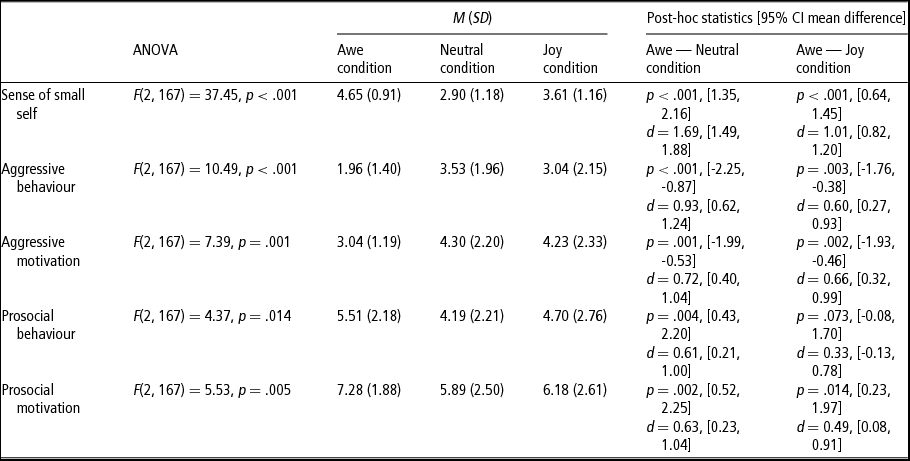
We conducted a series of ANOVAs with post hoc analyses to examine whether levels of a sense of small self differed across conditions (see Table 3 for detailed statistics). Post hoc analyses revealed that sense of small self was significantly higher in the awe condition compared to the neutral (d = 1.69) and happiness (d = 1.01) conditions.
Study 2: Between-Group Differences Sense of Small Self, Aggression, and Prosociality
With regard to aggression and prosociality, we first ran a correlation matrix on the number of easy puzzles selected (i.e., prosocial behaviour), number of hard puzzles selected (i.e., aggressive behaviour), scores on prosocial/helping motivation, and scores on aggressive/hurting motivation. Significant positive correlations were revealed between the number of easy puzzles selected and prosocial motivation (r = .68), and between the number of hard puzzles selected and aggressive motivation (r = .71). Significant negative correlations were revealed between: the number of easy puzzles selected and aggressive motivation (r = -.56); the number of hard puzzles selected and prosocial motivation (r = .70); the number of easy and the number of hard puzzles selected (r = -.74); and between prosocial motivation and aggressive motivation (r = -.59). All rs (170); all ps < .001.
We then conducted a series of ANOVAs with post hoc analyses to examine whether levels of aggression and prosociality differed across conditions (see Table 3 for detailed statistics). With regard to aggression, post hoc analyses revealed that compared to both the neutral and happiness conditions, aggressive behaviour was significantly lower in the awe condition (ds = 0.93, 0.60), as was aggressive motivation (ds = 0.72, 0.66). With regard to prosociality, post hoc analyses revealed that prosocial behaviour and motivation were significantly higher in the awe condition compared to the neutral condition (ds = 0.61, 0.63). Relative to the happiness condition, prosocial behaviour was marginally higher in the awe condition (d = 0.33), while prosocial motivation was significantly higher in the awe condition (d = 0.49).
Mediation Analyses
A series of mediation analyses were conducted to examine whether a sense of small self mediated the relationship between awe and aggression, and between awe and prosociality. Given that our primary interest was in comparing the effects of awe beyond a positive mood effect, mediation analyses were conducted using only the awe condition and the happiness condition.
Simple mediation analyses using ordinary least squares path analysis did not suggest that the relationship between awe and aggression or the relationship between awe and prosociality was mediated by a sense of small self. Bias-corrected bootstrap confident intervals for the indirect effects based on 10,000 bootstrap samples contained zero (aggressive behaviour: 95% CI [-0.23, 0.02]; aggressive motivation: 95% CI [-0.19, 0.08]; prosocial behaviour: (95% CI [-0.03, 0.21]; prosocial motivation: 95% CI [-0.06, 0.21]) thus indicating non-significant indirect effects (see Tables 4 and 5 for model coefficients).
Study 2: Model Coefficients for Mediation Analysis for Outcome of Aggression
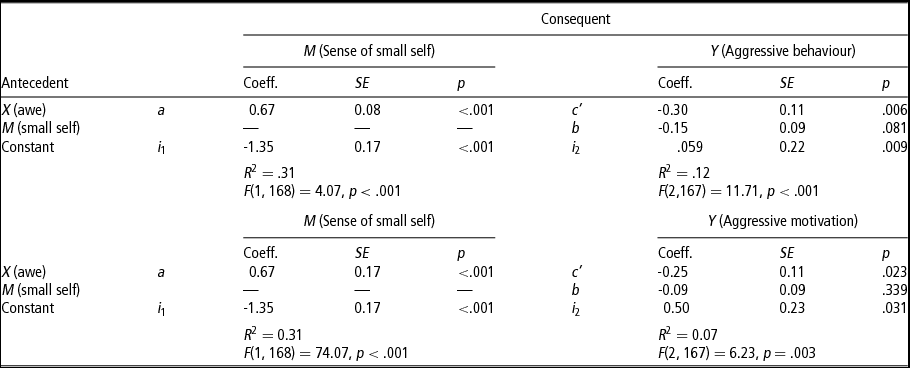
Note: β coefficients are standardised.
Study 2: Model Coefficients for Mediation Analysis for Outcome of Prosociality
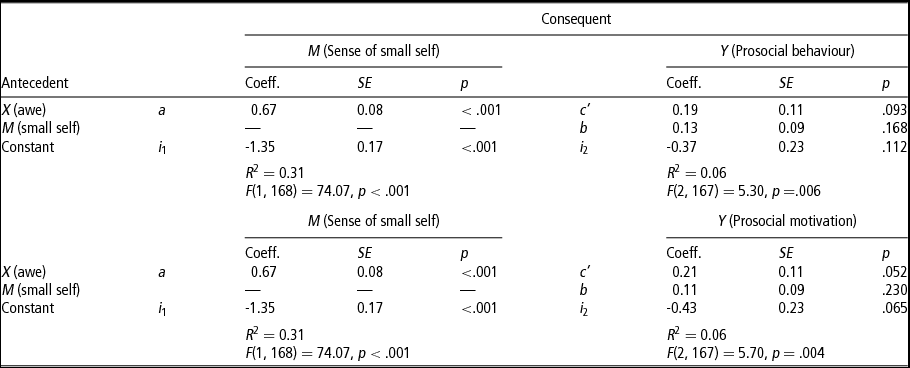
Note: β coefficients are standardised.
Discussion
Using a narrative recall task to induce emotions, in Study 2 we tested whether experimentally induced awe would result in higher levels of a sense of small self and prosociality, and lower levels of aggression. Our hypotheses were supported. Participants in the awe condition evidenced significantly higher levels of a sense of small self than did participants in the control conditions. They also chose significantly fewer hard puzzles and a greater number of easy puzzle for their ‘partners’ to complete than did other participants. Levels of aggressive motivation were significantly lower and levels of prosocial motivation significantly higher for participants in the awe condition compared to those in the control conditions of neutral affect and happiness.
Results of Study 2 not only replicated results of Study 1 with respect to awe's reduction of aggressive behaviour, these findings also provide evidence for awe's aggression-reducing effect beyond a positive mood effect. With respect to awe's enhancement of prosociality, findings are consistent with and extend cross-culturally previous research findings from Western samples. We also tested whether a sense of small self mediated the relationship between awe and aggressive behaviour, and between awe and prosociality. These hypotheses were not supported. These findings were surprising and are inconsistent with previous research that has evidenced a significant mediation by a sense of small self (Piff et al., Reference Piff, Dietze, Feinberg, Stancato and Keltner2015).
Studies 1 and 2 evidenced significant effects of awe on state, but not trait, aggression. Researchers have recently employed implicit tests to measure individual differences in trait-aggressiveness (Banse, Messer, & Fischer, Reference Banse, Messer and Fischer2014; Lemmer, Gollwitzer, & Banse, Reference Lemmer, Gollwitzer and Banse2015). Hence, in Study 3 we broadened our investigation and employed an Aggression-IAT in order to test awe's effect on implicit trait aggression. We also employed a different methodology of inducing awe.
STUDY 3
Our objective in Study 3 was to replicate significant findings from Studies 1 and 2, and to investigate whether manipulation of awe would alter individuals’ implicit trait aggression. We induced awe (and our control emotions of amusement and neutral affect) via video clips. We then assessed implict trait aggression and both state aggression and prosociality.
Method
Participants
Our sample consisted of 184 undergraduates from a university in China. Participants received a notebook as compensation for their participation. Data from 10 participants were excluded from analyses (N = 174; 85 females). Two participants were excluded because they guessed the aim of the study, and a further eight participants were excluded who did not complete the experiment. The mean age of participants was 18.97 years (SD = .78, range: 17–21 years).
Materials and Procedures
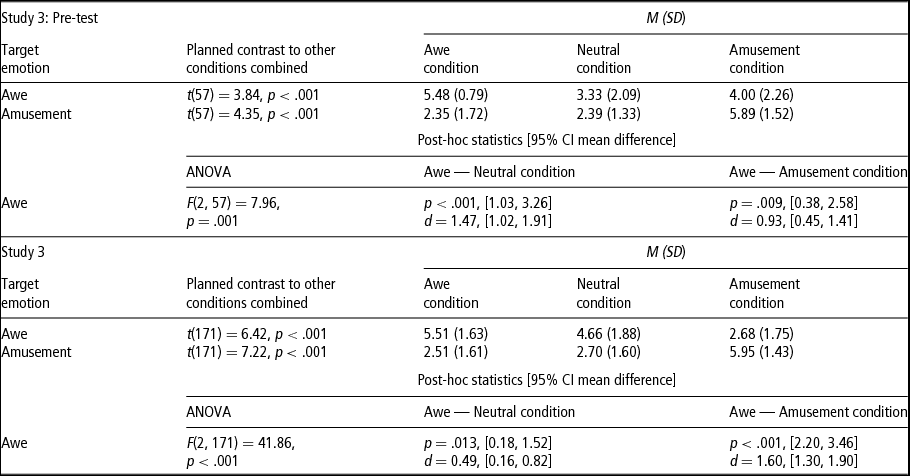
Prior to the study, we compiled videos to induce the target emotions of awe, amusement, and neutral affect. The 3.5-minute awe video consisted of panoramic views of nature from the BBC's Planet Earth series; views included polar scenes, forests, oceans, and mountains. The first author of the current article compiled this video based on research utilising a similar awe-induction methodology (i.e., Van Cappellen & Saroglou, Reference Van Cappellen and Saroglou2012). The 3.5-minute amusement video was excerpted from the well-known humour series, Mr Bean; the 3.5-minute neutral affect video was excerpted from a short-documentary, A Bite of China, depicting how to make pickles. We conducted a pretest to ensure that each video was effective in inducing the respective target emotion. Sixty participants viewed the three video clips and rated their emotions of empathy, awe, compassion, fear, hostility, feeling moved, anxiety, amusement, and anger using single items (1 = not at all, 7 = extremely). Analyses of the data confirmed that the three videos induced the intended target emotions. (See Table 3 for detailed statistics.)
Participants in Study 3 were individually randomly assigned to one of three conditions: awe (n = 55), amusement (n = 66), or neutral (n = 53). After watching the 3.5-minute video respective to their condition, participants reported the extent to which they experienced nine mood states (empathy, awe, compassion, fear, hostility, moved, anxiety, amusement, and anger) using single items scored from 1 (not at all) to 7 (extremely). Participants then completed the adapted assessment of small self (Piff et al., Reference Piff, Dietze, Feinberg, Stancato and Keltner2015) used in Study 2.
Next, implicit trait aggression was assessed via Implicit Association Test (IAT) methodology. We employed a previously validated Aggression-IAT (Bluemke & Teiege-Mocigemba, Reference Bluemke and Teige-Mocigemba2015; Dai, Yang, & Wu, Reference Dai, Yang and Wu2005; Lemmer et al., Reference Lemmer, Gollwitzer and Banse2015). In the Aggression-IAT, participants are asked to categorise attributes (e.g., ‘cooperation’; ‘attack’) and target items (e.g., ‘Me’ vs. ‘Others’) into predetermined categories via keystroke presses. The basic task is to press the left key (E) if an item (e.g., ‘cooperation’) belongs to the category presented on the left (e.g., ‘Not Aggressive’) and to press the right key (I) if the word (e.g., ‘attack’) belongs to the category (e.g., ‘Aggressive’) presented on the right. For practice, participants sort items into the target categories ‘Me vs. Others’ and the attribute categories ‘Not Aggressive vs. Aggressive’. For the test itself, participants are asked to sort categories into the paired/combined categories (e.g., ‘Me OR Not Aggressive’ on the left vs. ‘Others OR Aggressive’ on the right). Pairings are reversed for a second test (e.g., ‘Others OR Not Aggressive’ on the left vs. ‘Me OR Aggressive’ on the right). Order of pairings is counterbalanced. The following words were used as stimuli for the ‘Not Aggressive’ attribute category: peace, gentle, cooperation, trust, kindheartedness; for the ‘Aggressive’ attribute category, the following words were used: attack, fight, war, avengement, aggression. For the target category ‘Me’, the following words were used: self, me, I, us; for the target category ‘Others’, the following words were used: he/she, him/her, they, other.
Participants completed seven blocks of associations combining target (Self vs. Others) and attribute words (Not Aggressive vs. Aggressive). In all blocks, participants are instructed to respond as quickly as possible. Latency of response is measured in milliseconds; responses slower than 1,500 ms were not counted. As per Greenwald, Nosek, and Banaji (Reference Greenwald, Nosek and Banaji2003), means and standard deviations for compatible versus incompatible blocks were used to calculate a D-score showing the standardised strength of the relationship between the target and attribute categories. The D-score provides a numeric index of the degree to which the person associates ‘Self’ with ‘Aggressive’. A higher D score indicated greater implicit trait aggression. Quicker reaction times to self + aggressive blocks compared to self + not aggressive blocks reflects greater implicit trait aggression.
Lastly, participants completed the Tangram Help/Hurt Task (Saleem et al., Reference Saleem, Anderson and Barlett2015) employed in Study 2. Upon completion, participants were debriefed and thanked for their participation.
Results and Discussion
Manipulation Check
As for Studies 1 and 2, we conducted a series of ANOVAs with planned contrast analyses to determine whether the target emotions were successfully induced in the respective conditions (see Table 6 for detailed statistics). We also conducted post hoc analyses as we did in Studies 1 and 2 to compare the awe condition specifically to each of the other two conditions. Results indicated that the videos effectively elicited the target emotion in each condition. Planned contrasts revealed that the level of each target emotion was significantly higher in its respective condition than in the other two conditions combined. Post hoc analysis revealed that awe was significantly higher in the awe condition than in either the neutral or the amusement condition (ds = 0.49, 1.60).
Study 3: Between-Group Differences in Mood Post-Manipulation
Hypothesis Tests
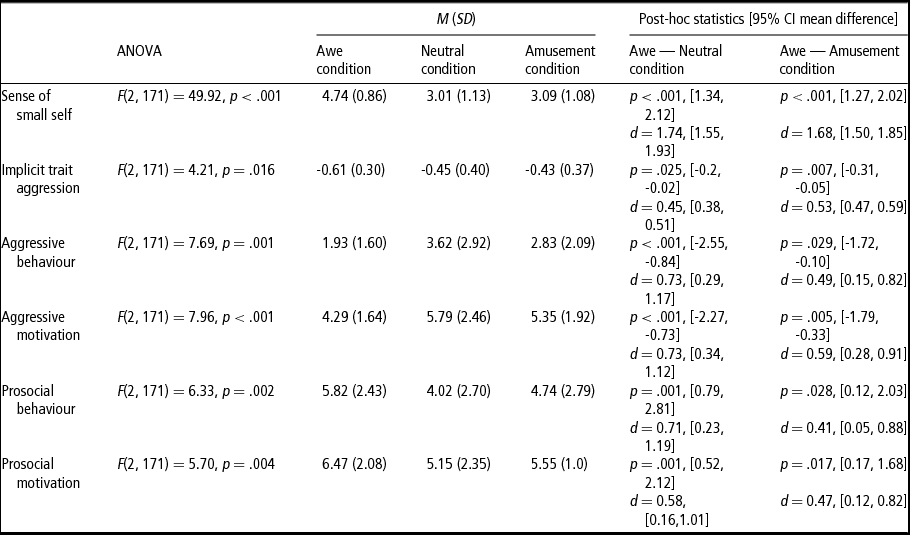
We conducted a series of ANOVAs with post hoc analyses to examine whether levels of a sense of small self and implicit trait aggression differed across conditions (see Table 7 for detailed statistics). Post hoc analyses revealed that sense of small self was significantly higher and implicit trait aggression was significantly lower in the awe condition compared to the neutral (ds = 1.74, 0.45) and amusement (ds = 1.68, 0.53) conditions.
Study 3: Between-Group Differences Sense of Small Self, Implicit Trait Aggression, Aggression, and Prosociality
With regard to state aggression and prosociality, as in Study 2, we first ran a correlation matrix of the number of easy puzzles (i.e., prosocial behaviour), number of hard puzzles (i.e., aggressive behaviour), scores on prosocial/helping motivation, and scores on aggressive/hurting motivation. Significant positive correlations were revealed between the number of easy puzzles selected and prosocial motivation (r = .63) and between the number of hard puzzles selected and aggressive motivation (r = .62). Significant negative correlations were revealed between: the number of easy puzzles selected and aggressive motivation (r = -.56); the number of hard puzzles selected and prosocial motivation (r = .63); the number of easy and the number of hard puzzles selected (r = -.84); and between prosocial motivation and aggressive motivation (r = -.71). All rs(174); all ps < .001.
We then conducted a series of ANOVAs with post hoc analyses to examine whether levels of aggression and prosociality differed across conditions (see Table 7 for detailed statistics). With regard to aggression, post hoc analyses revealed that compared to both the neutral and amusement conditions, aggressive behaviour was significantly lower in the awe condition (ds = 0.73, 0.49), as was aggressive motivation (ds = 0.73, 0.59). With regard to prosociality, post hoc analyses revealed that compared to both the neutral and amusement conditions, both prosocial behaviour and motivation were significantly higher in the awe condition compared to the neutral condition (ds = 0.71, 0.58) and amusement condition (ds = 0.41, 0.47).
Mediation Analyses
A series of mediation analyses were conducted to examine whether a sense of small self mediated the relationship between awe and aggression, and between awe and prosociality (see Tables 8 and 9 for model coefficients). Similar to Study 2, mediation analyses were conducted using only the awe condition and the amusement condition. Simple mediation analyses using ordinary least squares path analysis suggested that awe indirectly influenced both aggressive and prosocial behaviour through effects on sense of small self. Bias-corrected bootstrap confidence intervals for the indirect effects based on 10,000 bootstrap samples did not include zero, evidencing statistically significant mediation (aggressive behaviour: 95% CI [0.19, 0.84]; prosocial behaviour: 95% CI [-0.73, -0.15]). Confidence intervals for the indirect effects of sense of small self on aggressive and prosocial motivation, however, contained zero, thus indicating non-significant indirect effects (95% CI [-0.03, 0.57]; 95% CI [-0.60, -0.00]).
Study 3: Model Coefficients for Mediation Analysis for Outcome of Aggression
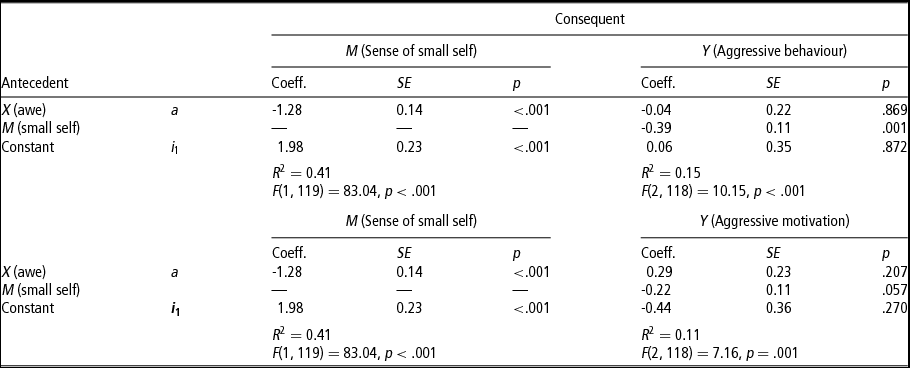
Note: β coefficients are standardised.
Study 3: Model Coefficients for Mediation Analysis for Outcome of Prosociality
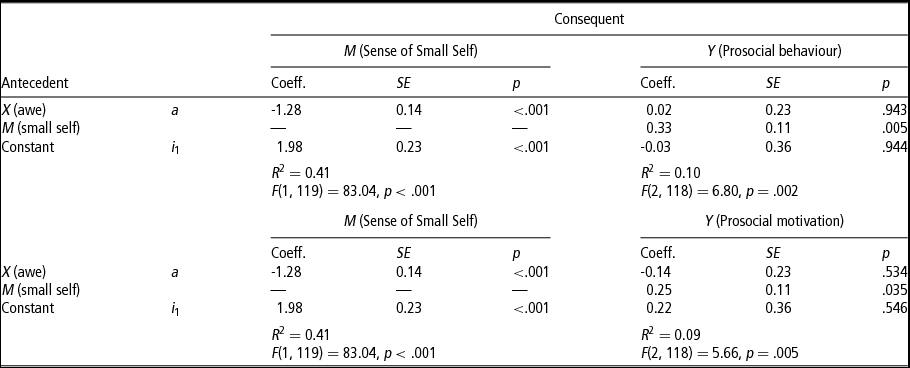
Note: β coefficients are standardised.
Discussion
Using video clips to induce emotions, in Study 3 we tested whether awe would enhance a sense of small self and state prosociality, and whether awe would reduce implicit trait aggression and state aggression. We also investigated whether a sense of small self mediated the relationship between awe and aggression, and between awe and prosociality. Our hypotheses were largely supported. A sense of small self was significantly higher in the awe condition. Compared to participants in the control conditions of neutral affect and amusement, participants in the awe condition evidenced significantly higher levels of a sense of small self and significantly lower levels of implicit trait aggression. Participants in the awe condition choose significantly fewer hard puzzles and a significantly greater number of easy puzzles for their ‘partners’ to complete than did other participants. Additionally, levels of aggressive motivation were lower and levels of prosocial motivation higher among participants in the awe condition than among participants in either the neutral affect or amusement conditions.
A sense of small self significantly mediated the relationship between awe and both aggressive and prosocial behaviour (but not aggressive and prosocial motivation). Results of Study 3 replicated results of Studies 1 and 2 with respect to awe's reduction of aggression. These findings also replicated results from Study 2 evidencing awe's aggression-reducing effect beyond a positive mood effect. With respect to awe's enhancement of prosociality, findings are consistent with, and extend cross-culturally, previous research findings from Western samples.
General Discussion
The current work advances our understandings of the outcomes of awe and its underlying psychological mechanism. Across three experiments, using different methods of emotional induction (narrative recall in Studies 1 and 2, watching a video in Study 3), awe reduced aggression, and increased prosociality and a sense of small self. In Study 1, relative to neutral affect, awe significantly reduced the power level of a ‘gun’ and the number of shots that participants chose to ‘shoot’ at a bear. In Studies 2 and 3, awe significantly reduced aggression (i.e., number of hard puzzles selected for a ‘partner’ and aggressive motivation), significantly increased prosociality (i.e., number of easy puzzles selected for a ‘partner’ and prosocial motivation), and significantly increased a sense of small self; in Study 3, awe also reduced implicit trait aggression. As a whole, results of these three studies support our hypothesis that experiencing awe decreases people's aggression.
Awe is a discrete positive emotion with its own elicitors, prototypical displays, and subsequent outcomes compared to other positive emotions (Shiota, Campos, & Keltner, Reference Shiota, Campos and Keltner2003; Tong, Reference Tong2015). Previous research has demonstrated that moral and existential consequences of awe are specific to awe and are not the result of other positive emotions such as pride or amusement (Piff et al., Reference Piff, Dietze, Feinberg, Stancato and Keltner2015; Rudd et al., Reference Rudd, Vohs and Aaker2012; Saroglou et al., 2008; Valdesolo & Graham, Reference Valdesolo and Graham2014; Van Cappellen & Saroglou, Reference Van Cappellen and Saroglou2012). In the present research, in Studies 2 and 3, reduction of aggression and enhancement of prosociality was specific to awe and was not the sole result of a positive mood effect. Our findings thus replicate and extend research with respect to awe as a discrete positive emotion.
An emerging body of research has evidenced the effect of awe on prosociality (Griskevicius et al., Reference Griskevicius, Shiota and Neufeld2010; Piff et al., Reference Piff, Dietze, Feinberg, Stancato and Keltner2015; Prade & Saroglou, Reference Prade and Saroglou2016; Rudd et al., Reference Rudd, Vohs and Aaker2012). Our research replicated this effect and provides cross-cultural evidence of the link between awe and prosociality. Previous research suggests that awe leads to greater prosocial tendencies by broadening people's perspectives beyond their own self-interests. Experiences of awe involve sensing something vaster than the self and transcending one's usual reference-point focused on the self. In turn, significance of the self is diminished and one feels ‘small’ (Keltner & Haidt, Reference Keltner and Haidt2003; Shiota et al., Reference Shiota, Keltner and Mossman2007). Previous research suggests that the sense of small self may be a psychological mechanism that explains the prosocial outcomes of awe. Extending this line of research, we hypothesised that a sense of small self is a causal pathway to reduced aggression. Findings in the current research were mixed with regard to this hypothesis. Results of Study 3 supported our hypothesis that a sense of small self mediates the relationship between awe and aggressive behaviour, but results of Study 2 were inconclusive in this respect.
Further research is needed to examine mediation pathways and moderators of the relationship between awe and prosociality and reduced aggression. Future studies are needed to shed light on awe's effect on highly aggressive individuals and individuals high in psychopathic tendencies. Studies employing longer-term or regularly occurring awe experiences, rather than brief, short-term experiences of awe are required to assess the duration of awe's effect.
In sum, our present work explored awe's effect on aggression and prosociality in Chinese university students. Findings supported a role of awe in reducing aggression, in addition to replicating, methodologically, conceptually, and cross-culturally, the role of awe in enhancing prosociality. Emphasis within Chinese culture is placed on the collective, not on the individual. Sacrificing self-interest to maintain social harmony is highly valued. Thus, experiencing awe — and its triggering of a sense of small self — may be especially significant for Chinese people. Through triggering a sense of small self, awe may prompt people to de-emphasise one's self-interest, behave prosocially, and reduce aggression.



