Introduction
Noise-induced hearing loss is a permanent sensorineural hearing loss caused by regular exposure to loud noise. It is characterised by high frequency hearing loss between 3 and 6 kHz on audiometric assessment (Figure 1). With continued exposure, a wider range of frequencies may be affected, thereby increasing the hearing impairment experienced by the individual.
Left ear air conduction (crosses) with bone conduction (triangles), demonstrating a ‘notch configuration’ of noise-induced hearing loss: there is a dip in the hearing threshold between 3 and 6 kHz, and a subsequent increase at 8 kHz.

Hearing impairment is widely described in the literature as a binaural average hearing threshold of more than 25 dB HL over frequencies between 1 and 4 kHz. An average of more than 40 dB HL at 0.5, 1, 2 and 4 kHz in the better ear corresponds to the World Health Organization (WHO) definition of ‘a quantifiable burden of disease’ or disabling hearing loss.Reference Concha-Barrientos, Campbell-Lendrum, Steenland, Pruss-Ustun, Campbell-Lendrum, Corvalan and Woodward1
A primary cause of noise-induced hearing loss is exposure to hazardous noise levels within the workplace. The risk of developing noise-induced hearing loss increases with the duration of exposure and the magnitude of occupational noise.Reference Arndt, Rothenbacher, Brenner, Fraisse, Zschenderlain and Daniel2–Reference Palmer, Griffin, Syddal, Davies, Panett and Coggon4
There are personal consequences for those affected by noise-induced hearing loss, including social isolation, impaired communication, increased injury risk, anxiety, irritability and low self-esteem. The condition also results in increased costs for employers associated with the loss of productivity and compensation pay-outs.Reference Concha-Barrientos, Campbell-Lendrum, Steenland, Pruss-Ustun, Campbell-Lendrum, Corvalan and Woodward1
Noise can be defined as unwanted sound and is measured in terms of A-weighted sound pressure levels (SPLs). This is a measure of sound as applied to the spectrum to which human ears are sensitive to damage (in units of A-weighted decibels or dBA). Occupational noise exposure is quantified by converting an average A-weighted SPL to an 8-hour equivalent level. This represents exposure over an average working day in a 5-day working week. The WHO recognises an A-weighted equivalent 8-hour SPL of 85–90 dBA as moderately high and over 90 dBA as high noise exposure. The WHO speculate that because of the lack of hearing conservation programmes in developing countries, 95 per cent of production workers in these countries are exposed to high occupational noise levels.Reference Concha-Barrientos, Campbell-Lendrum, Steenland, Pruss-Ustun, Campbell-Lendrum, Corvalan and Woodward1
Nepal's population is approximately 30 million, with 64 per cent aged over 15 years and a life expectancy at birth of 68 years.5 Previous surveillance of hearing in the general population revealed an age-standardised hearing impairment prevalence of 15.3 per cent (more than 25 dB HL), with 8.7 per cent having a hearing loss of over 40 dB HL.Reference Mathers, Smith and Concha6 Because of the robust nature of the sampling within that study, it was feasible to extrapolate the findings to the general population, which indicated that an estimated 2.7 million Nepali individuals had a hearing impairment.Reference Little, Bridges, Guargain, Freidman, Prasad and Weir7 However, the proportion of hearing loss attributable to noise exposure was unknown.
The published research on noise-induced hearing loss in Nepal is minimal. A Medline-indexed literature search identified only one occupational noise-induced hearing loss study, and one study relating to environmental noise-induced hearing loss. Joshi et al. conducted a questionnaire-based assessment of the health-related effects of environmental noise, with an imbedded retrospective cohort study (36 cases and 25 controls). They examined a group exposed to environmental noise (of more than 70 dBA) and a non-exposed group (noise levels below 55 dBA).Reference Joshi, Devkota, Cahmling and Shrestha8 The exposed group had a noise-induced hearing loss prevalence of 39.3 per cent, with a significant odds ratio of 4.2.
The absence of research on small-scale industry (the primary type of industry in Nepal), and a differing degree of industrial development, makes it inappropriate to extrapolate findings from occupational noise-induced hearing loss research conducted in most other Asian nations to Nepal. The most applicable study carried out an audiometric assessment of 165 randomly selected workers from 12 small- and medium-scale casting and forging industries in Northern India.Reference Singh, Bhardwaj and Deepak9 This study observed a medium and high frequency hearing loss in 90 per cent of workers exposed to an A-weighted equivalent SPL ranging between 60.3 and 105.1 dBA. Although that study demonstrates an alarmingly high level of hearing impairment, it does not quantify the proportion of hearing loss that was noise-induced, as opposed to alternative causes of hearing loss.
The only previous occupational noise-induced hearing loss research from Nepal was conducted on traffic police officers in Kathmandu.Reference Shrestha, Shrestha, Pokharel, Amatya and Kark10 This study of 110 participants used audiometric assessment to diagnose noise-induced hearing loss. It did not measure the ambient noise levels or make any attempt to control for variables such as environmental noise exposure (which had already been shown to be a significant contributor to noise-induced hearing loss in Kathmandu by Joshi et al.Reference Joshi, Devkota, Cahmling and Shrestha8). The study found a noise-induced hearing loss prevalence of 66.4 per cent. The authors concluded that increasing age and duration of working were significant contributing risk factors, in addition to smoking and alcohol intake, but they failed to quantify the amount of smoking and alcohol intake amongst the participants, and used limited statistical methods to reach this conclusion.
Adult-onset hearing loss is the 15th largest cause of disability worldwide. This is projected to rise to become the seventh largest contributor of worldwide disability by 2030.11 This is in part the result of the increasing industrialisation of the workforce. Within the WHO South-East Asia Region D (which includes Nepal), an estimated 16 per cent of adult-onset hearing loss is attributable to occupational noise (24 per cent in men, 9 per cent in women).Reference Nelson, Nelson, Concha-Barrientos and Fingerhut12
As many countries develop industrially, the risk of workers being exposed to hazardous levels of noise in the workplace will increase. In Nepal, the proportion of the workforce employed in industry increased from 3 per cent in 1991 to 13 per cent in 2001.5 While there have been studies conducted in the WHO South-East Asia Region D examining both the level of noise exposure associated with various occupations and the associated prevalence of noise-induced hearing loss, these were almost exclusively carried out in large industries in countries with developing occupational health and safety standards. Noise exposure within the examined industries ranged from 68 to 115 dBA, with an associated noise-induced hearing loss prevalence of 18 to 89 per cent.Reference Fuente and Hickson13 The large range may not necessarily reflect a true variation. Much of the noise-induced hearing loss research lacked definitive and comparable methods of assessing noise exposure, with no standardised criterion for assessing noise-induced hearing loss.
Across the region, Asian governments are recognising this risk, and implementing permissible exposure limit legislation to regulate noise in the workplace and dictate monitoring procedures. The majority have set permissible exposure limits of 85 dBA, with that in neighbouring India set at 90 dBA.Reference Fuente and Hickson13 In Nepal, there is no such legislation.
There is a need for research in all subsectors of employment in Asia, especially in Nepal where no research in industrial workplaces has ever been conducted and where such research may aid the generation of permissible exposure limit legislation. Furthermore, the lack of research into noise-induced hearing loss risks in small-scale industries globally indicates a need to assess the effect of occupational noise in workplaces with greater variability of work patterns and noise exposure.
The present study aimed to examine and compare the prevalence of noise-induced hearing loss between metal workers in Pokhara, Nepal and a control population, and to determine the occupational noise exposure levels at the workplace in a variety of industries in Pokhara, Nepal.
Materials and methods
Ethical approval for this study was granted by the University of Birmingham Internal Ethics Review Committee, the International Nepal Fellowship Research Ethics Committee and the Nepal Health Research Council. The study was conducted within the guidelines set by all three committees.
This quantitative cross-sectional study involved assessment of workplace noise levels, and was based in Pokhara, Kaski district, in Western Nepal. Metal workers comprised the study population, with hotel staff selected as a control (non-noise exposed) population.
Pokhara is Nepal's second largest city, with a population of around 300 000 people and an annual growth rate of 7.41 per cent.14 There are over 31 000 registered cottage and small manufacturing industries in Nepal.15 In Pokhara, 2650 small- and medium-scale industries are registered in 87 separate trades, employing approximately 21 000 people.14 Around 1500 to 1800 people are employed in over 150 registered and unregistered metal industries within Pokhara (NK Poude, personal communication).
Exclusion criteria for this study included: age of less than 15 years, bilateral outer- or middle-ear pathology as confirmed by ENT specialists, permanent hearing loss prior to the age of 15 years or prior to starting work, and working in a metal industry only for less than 1 month.
Minimum sample sizes were calculated based on the hearing loss prevalence rates reported by Joshi et al.Reference Joshi, Devkota, Cahmling and Shrestha8 The noise exposed group prevalence of 39.3 per cent was used for the metal workers, and an overall of 13.5 per cent for the control group. In order to detect a significant difference at a power of 0.9, it was calculated that 50 metal workers and 100 controls would be required.16
Snowball sampling was used to identify the metal workers. The International Nepal Fellowship (an international non-governmental organisation based in Pokhara) provided contact with the initial metal industry, and all other sites were recruited via verbal referral from existing sites. The control group comprised hotel staff working in the Lakeside area of Pokhara. All hotels within 400 m of central Lakeside were randomised (n = 83) and selected in order of randomisation until sufficient numbers of employees were gained. Only hotels reporting employment of more than five members of staff were included for feasibility reasons. All employees of each site (metal industry and hotel workers) were invited to participate.
All consenting participants underwent a hearing and occupational history survey, followed by otoscopy. Any cases of potential pathology were referred to the ENT department at Gandaki (Western Regional) Hospital to confirm inclusion or exclusion and receive any necessary treatment.
Air conduction pure tone audiometry was carried out in accordance with the British Society of Audiology recommended procedure, using a manufacturer-calibrated Amplivox 260 diagnostic audiometer (Amplivox, Oxford, UK).17 Circumaural headphones were fitted with TDH39 audiocups (Amplivox) to reduce the impact of ambient noise, which was maintained below 50 dBA at all times. Any participants with a single ear pure tone average of more than 25 dB HL at 0.5, 1, 2 and 4 kHz, or more than 25 dB HL at 4 kHz, underwent further audiometry, consisting of air conduction pure tone audiometry at 3, 6 and 8 kHz, and bone conduction pure tone audiometry at 1, 2 and 4 kHz. Masking was performed in accordance with the British Society of Audiology recommended procedure.17 Patients found to have a significant air–bone gap (equal to or more than 20 dB HL) or significant asymmetry between their air conduction thresholds (equal to or more than 20 dB HL), without any apparent pathology to account for this, were excluded. This was to minimise the risk of unidentified middle-ear pathology confounding the study results. The effect of temporary threshold shifts was limited by providing participants with earplugs capable of reducing ambient noise by 37 dB, for use while working and worn for at least 24 hours prior to testing.
For the purposes of this study, noise-induced hearing loss was defined as a peak threshold between 3 and 6 kHz (an increased threshold within this range that reduced again at 8 kHz).
For workplace noise assessment, a Sinometer SL812 Type 2 sound meter (Sinometer, ShenZhen, China), accurate to ±0.1 dB, was used. The A-weighted equivalent SPL measurement was taken over 1 hour at a random point during the working day for each workplace included. Ambient noise readings reported by Singh et al. indicated a difference in sound levels between short-term measurements (such as this) and long-term measurements (e.g. 8 hours) of only 0.5–1.0 dBA.Reference Singh, Bhardwaj and Deepak9 The peak noise level was measured using C-weighted peak sound levels (this is recognised to be more appropriate for measuring peak levels).18 These data were extrapolated to find A-weighted equivalent 8-hour SPL, using the following formula.
 $${L_{Aeq\comma 8h\; }} = \; {L_{Aeq\; }} + 10{\log _{10}}\left({\displaystyle{{{T_e}} \over {{T_0}}}} \right)$$
‘LAeq’ is the measured average noise level, ‘T0’ is 8 hours and ‘Te’ is typical working time per day for the participant (in hours).18
Statistical analysis was conducted using the Statistical Package for the Social Sciences software, version 19 (SPSS; Chicago, Illinois, USA). Comparison of the study group and control group was conducted using the chi-square test for the categorical variables and the Mann–Whitney U test for the continuous data (all continuous data had non-normal distribution). Prevalence and odds ratios with 95 per cent confidence intervals were calculated. Multiple regression analysis was employed to examine whether any of the independent variables could be used to predict hearing loss.
Results
Demographics
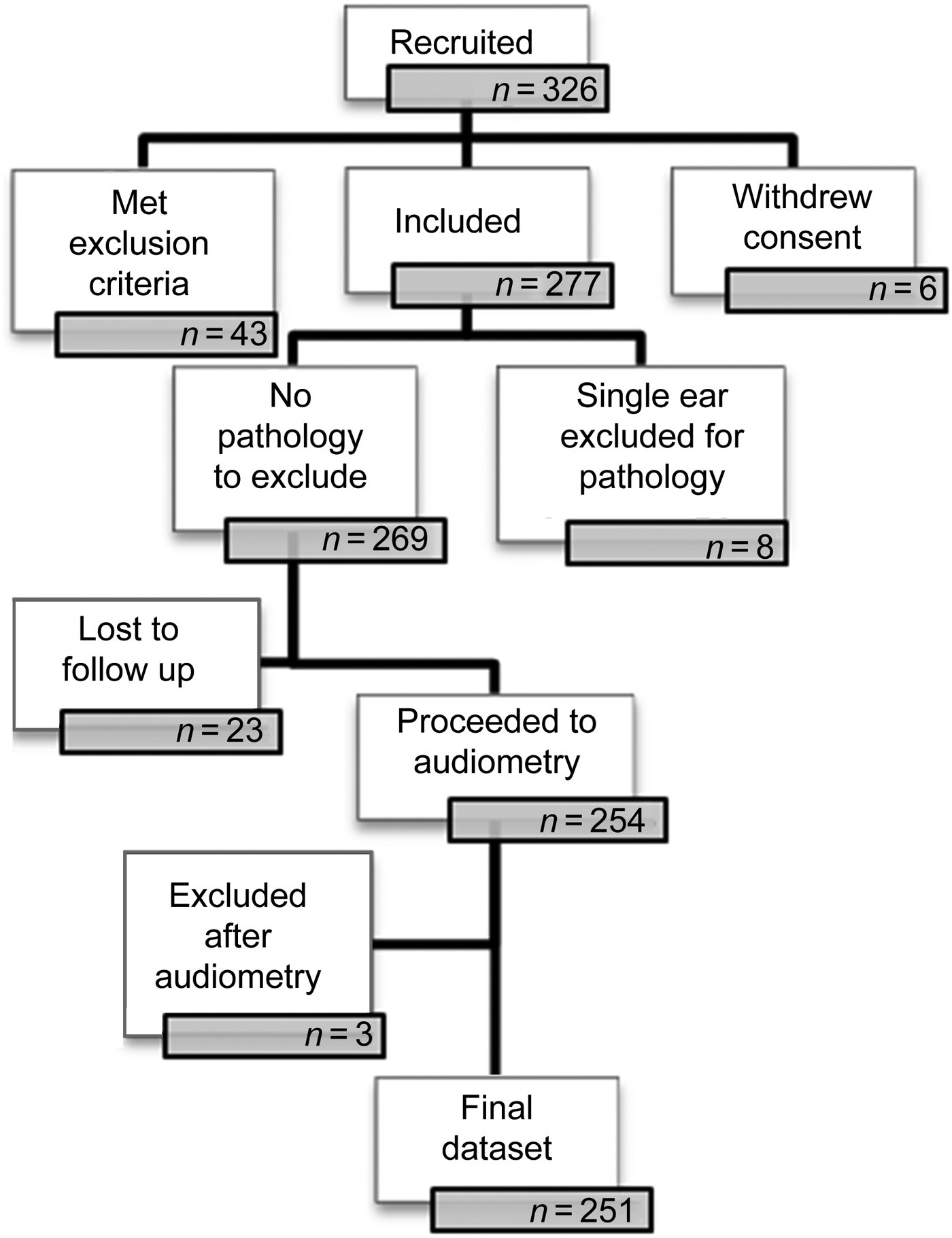
A total of 326 people consented to take part in the study, of which 77.0 per cent completed the assessment (n = 251). Figure 2 shows a Consolidated Standards of Reporting Trials (‘CONSORT’) diagram of the recruited population.
Consolidated Standards of Reporting Trials (‘CONSORT’) diagram of the recruited population.
Of those who took part, 123 were classified as ‘hotel staff’, 115 as ‘metal workers’ and 13 as workers in ‘metal-related occupations’. Metal-related occupation workers included painters, office staff and aluminium assembly-line workers; these individuals were excluded from analysis because their exposure to noise was fundamentally different to those working with metal directly. Metal workers included steel fabricators, metal craftsmen and those with mixed roles that involved similar noise exposure.
The metal working workplaces in Pokhara comprised a limited number of workers using power tools (grinding, cutting and drilling), which generated continuous noise; the majority worked metal with their hands, using hammers which generated intermittent impact noise. During periods of the day with no power, all workers employed the use of hand tools in working metal or assembling gates, fences and other steel structures. These scheduled power cuts varied on a daily basis, but ranged from between 4 and 6 hours a day.
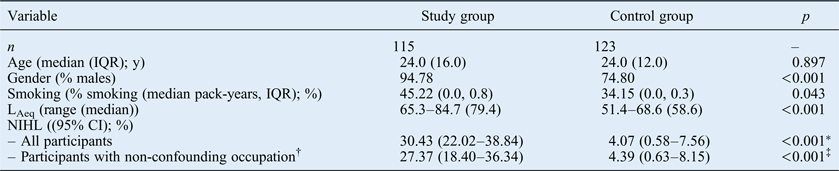
Table I illustrates the demographics of the metal workers (study group) and the hotel staff (control group). All continuous data were tested for normality using the Kolmogorov–Smirnov test and were found to be non-normally distributed (p < 0.001).
Demographic and NIHL prevalence data
*Chi-square = 29.557; odds ratio (95% confidence interval (CI)) = 10.325 (3.879–27.486). †n = 95. ‡Chi-square = 21.666; odds ratio (95% CI) = 8.214 (3.011–22.407). NIHL = noise-induced hearing loss; IQR = interquartile range; y = years; LAeq = A-weighted equivalent sound pressure level
Of those workers included in the final dataset, 81.1 per cent had a smoking history of less than 1 pack-year, with 2.1 per cent having a smoking history of 10 pack-years or more. In this study, 54.6 per cent of participants were aged 25 years or younger, and 90.3 per cent were aged 45 years or younger. Of the study population, 72.7 per cent had been employed within their current occupation for 10 years or less, 18.9 per cent had been employed for between 10 and 20 years, and 8.4 per cent had been employed for more than 20 years. There was no significant difference in the distribution of employment time between the study group and control group (p = 0.880).
A number of participants had previous occupations that may have potentially confounded the results because of the high likelihood of excessive noise exposure within these work roles. These occupations included carpenter or wood cutter, mechanic, stone cutter, bus or truck driver/operator, military personnel, construction worker and night club worker. Of the hotel staff and metal workers, 7.3 per cent and 17.4 per cent respectively had potentially confounding previous occupations with a cumulative employment time of at least one month, and, where stated, these individuals were excluded from the analysis. Repeated normality testing following the exclusions revealed that all data remained non-normal (all p < 0.001, except for average hearing thresholds in controls where p = 0.012).
Noise-induced hearing loss prevalence and severity
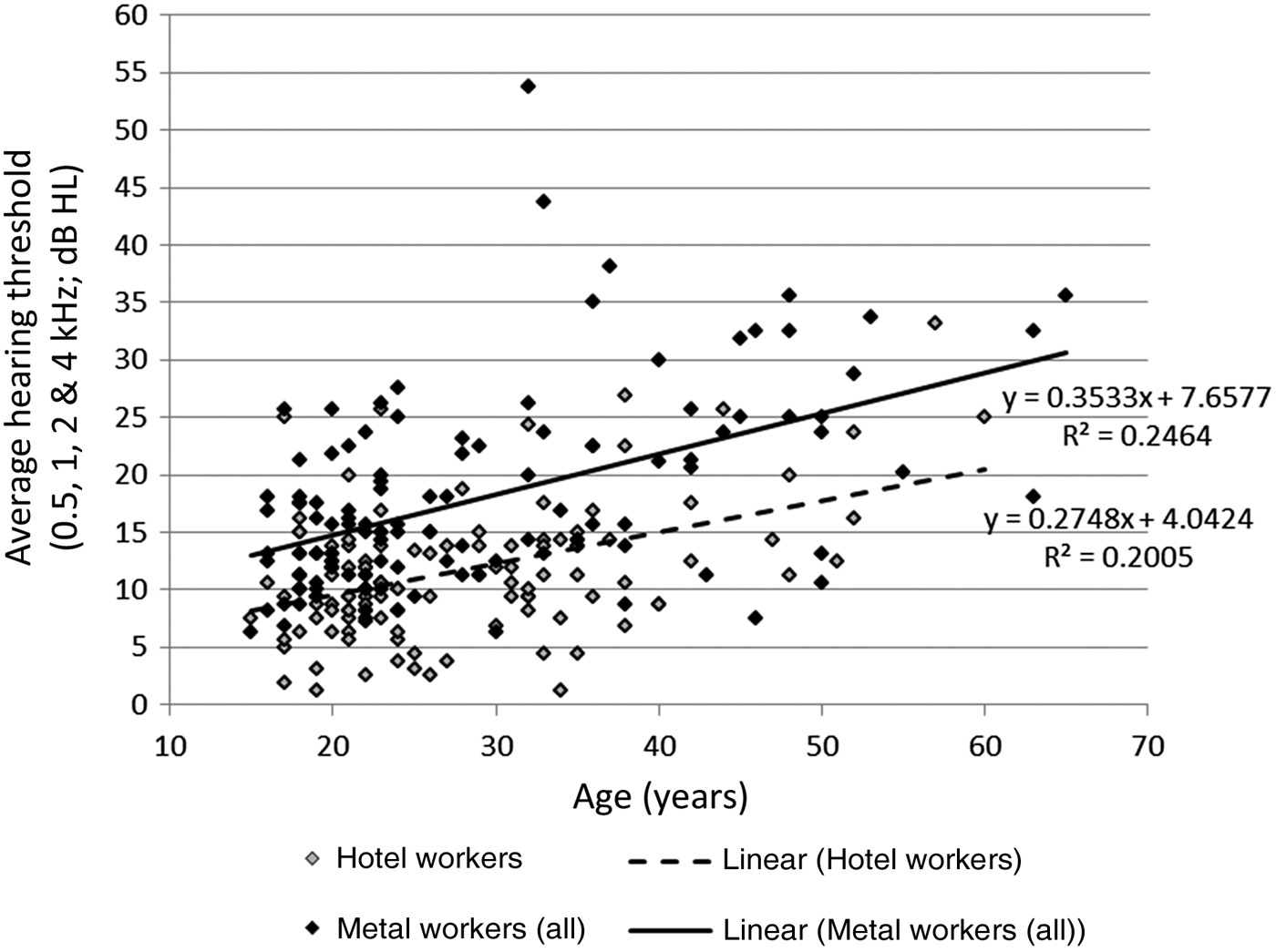
Table I demonstrates the significantly higher prevalence of noise-induced hearing loss (defined as described above) within the study group as compared with the control group. There was also a significant difference in the distribution of the average hearing thresholds between the groups (p < 0.001), with medians (interquartile ranges) of 10.63 (6.25) dB HL and 16.23 (11.25) dB HL in the control group and study group respectively. The prevalence of hearing impairment (average hearing threshold of more than 25 dB HL) was significantly higher in the study group than in the control group (16.5 per cent vs 3.3 per cent; chi-square = 11.99, p = 0.001). Figure 3 demonstrates the relationship between average hearing threshold and age, showing increased average hearing thresholds in metal workers compared with controls of a similar age. The exclusion of individuals with potentially confounding previous occupations resulted in a reduced odds ratio for noise-induced hearing loss (Table I).
Scatter plot demonstrating the association between average hearing threshold and age in the study group and control group, and the strength of these associations.
Workplace noise
Table I demonstrates the large distribution of workplace noise measurements (A-weighted equivalent SPL) recorded in metal industries and hotels. However, interquartile ranges of 3.5 and 2.1 for metal industries and hotel sites respectively suggest that the majority of values were very close to the medians.
There was a significant difference in the distribution of 8-hour equivalent noise exposure (A-weighted equivalent 8-hour SPL) (p < 0.001), with medians of 58.87 dBA (interquartile range, 4.03) for hotel staff and 80.56 dBA (interquartile range, 3.46) for metal workers. There was a positive but weak association between the A-weighted equivalent 8-hour SPL and average hearing threshold (R2 = 0.0956). The C-weighted peak sound levels in metal sites ranged from 86.1 to 102.0 dBC.
Regression analysis
Regression models examined the ability to predict average hearing threshold and noise-induced hearing loss status, using noise exposure level, gender, age, pack-years of smoking, time in occupation and ear protector use as predictors. In light of concerns over the lack of validity of the noise exposure data, additional models were run with occupational group replacing A-weighted equivalent 8-hour SPL as a proxy of high or low noise exposure. The remaining variables entered were identical.
In order to predict average hearing threshold, multiple linear regression models were generated using forward stepwise regression; a p-value of less than 0.05 was required for variables to be entered into the model. Multicollinearity was examined, with no variance inflation factor or tolerance statistic presenting any abnormalities (maximum variance inflation factor = 2.032; minimum tolerance = 0.492). The influence of individual cases on the models was examined using Cook's distance statistic; no case expressed any undue influence.
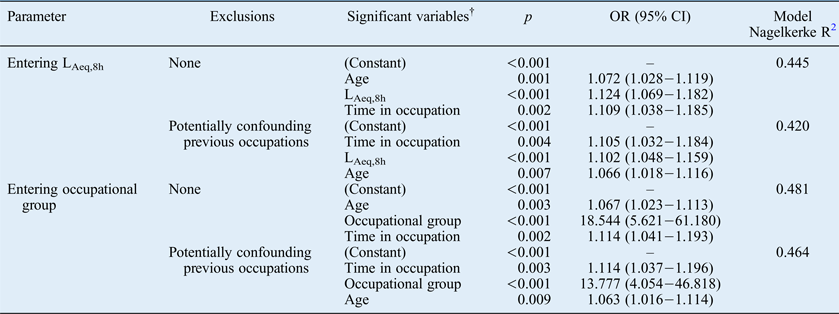
Binary logistic regression was employed to generate models to predict noise-induced hearing loss status. Forward stepwise models were run using the likelihood ratio test for progression, with Nagelkerke RReference Arndt, Rothenbacher, Brenner, Fraisse, Zschenderlain and Daniel2 used to demonstrate the strength of the models. Table II presents the result of this analysis.
Regression analysis results*
* Binary logistic regression was performed to identify predictors of noise-induced hearing loss status, with and without exclusions for previous potentially confounding occupations, using A-weighted equivalent 8-hour sound pressure level (LAeq,8 h) as a previously planned variable and occupational group as a proxy of noise exposure. †Predictor variables presented in order of entry into the model. OR = odds ratio; CI = confidence interval
All models demonstrated a moderate strength in predicting their outcome variable. Models predicting noise-induced hearing loss showed greater strength than those predicting average hearing threshold. All of the models were consistent in finding age, time in occupation, and occupational group or occupational noise exposure as the only significant predictors. The binary logistic regression model examining noise-induced hearing loss with no exclusions demonstrated the strongest correlation (Nagelkerke RReference Arndt, Rothenbacher, Brenner, Fraisse, Zschenderlain and Daniel2 = 0.481). This particular model showed that when age and time in occupation were taken into account, the risk of developing noise-induced hearing loss was 18.54 times higher in a metal worker than in controls. After excluding those with potentially confounding previous occupations, the risk in metal workers was 13.78 times higher than in controls. Models predicting average hearing threshold using occupational group indicated that working exclusively in metal increased the average hearing threshold by 5.7 dB HL, when accounting for age and time in occupation.
Discussion
This is the first study to examine the effects of industrial noise on occupational noise-induced hearing loss in Nepal. In addition, it is, to our knowledge, the largest control-based audiometric assessment of noise-induced hearing loss in workshop industry in the world. The findings of this study demonstrate a substantial and significantly greater prevalence of noise-induced hearing loss in metal workers compared with controls. Before discussing these findings, it may be appropriate to consider various factors other than occupational noise which might have had an influence on hearing loss.
Demographic differences
Previous studies have demonstrated the impact that age and smoking have on hearing, in addition to occupational noise.Reference Ferrite and Santana19 These factors are unlikely to have confounded the results in this study. There was no significant difference in the age distribution between the control and study populations, and the median age was the same. Therefore, the effect of age is likely to be comparable in each group. Additionally, only a small proportion of the study population were at an age associated with a high risk of presbycusis (only 9.7 per cent were over 45 years).Reference Gates and Mills20
Smoking has been suggested to accelerate noise-induced hearing loss in previous research conducted in Iran and Nepal.Reference Shrestha, Shrestha, Pokharel, Amatya and Kark10, Reference Pouryaghoub, Mehrdad and Mohammadi21 Although the smoking history for the study group and control group in this study were significantly different (probably for social reasons), very few participants had a substantial smoking history. The impact of this level of smoking on hearing ability is likely to be negligible. In the Iranian research, the mean number of pack-years was 13.6, compared with 1.33 in metal workers and 0.46 in hotel staff in this study. In addition, none of the regression models found pack-years of smoking to be a significant predictor of hearing loss. Smoking levels comparable to our Nepal-based study were observed in Northern India, where participants typically smoked less than three cigarettes a day, with no associated relationship to hearing threshold.Reference Singh, Bhardwaj and Deepak9
The difference in the proportion of males and females in the groups may have had an influence. There are no biological reasons for sound to affect a female cochlea differently to that in a male. However, cultural differences may have played a role. These could include the working roles held by each gender, willingness to take precautionary action and level of education. While this may be an important consideration, global non-significance of gender in regression analyses suggests this was not an influence on hearing in this study. The lack of female recruits in previous research carried out in this geographical location makes it impossible to conduct a representative assessment of the influence of gender on hearing. Nevertheless, an audiometric assessment of over 9000 Taiwanese workers from various occupations with an average noise exposure of more than 85 dBA, including a sufficient number of both genders (male = 7074 and female = 2354), was able to conclude that men had a significantly higher degree of hearing loss at 4 kHz.Reference Wu, Liou, Shen, Hsu, Chao and Wang22 However, the study did not specify the occupation or working role in which males and females were employed, and therefore equal noise exposure for males and females cannot be assumed.
There was a significantly higher than average A-weighted equivalent SPL for the metal workers compared with the hotel staff, with an overlap in range but a very small interquartile range. This demonstrates a large difference in the noise exposure experienced within the two types of workplace. After examining the above-mentioned demographic variables, and having considered their ability to generate differences in hearing loss between the groups, we must conclude that the occupational noise experienced by the metal workers is the most likely reason for the substantial clinical differences in both noise-induced hearing loss and hearing impairment prevalence.
Hearing impairment risk
The higher levels of hearing impairment in metal workers can be partially explained by examining Figure 3. Although the correlations are weak, the figure demonstrates that the hearing thresholds of metal workers are generally higher than those of similar-aged controls. The level of hearing loss generally increases with age; however, the gradient of the trend line is greater in metal workers (3.53 vs 2.75), suggesting that exposure to noise in this occupation has a proportionally greater effect on hearing the older the worker becomes. This could be the effect of presbycusis or an increased risk associated with working for a longer period of time in noisy conditions. Both age and time in occupation had a statistically significant influence on hearing loss; however, the lack of multicollinearity demonstrates that the effects on hearing were independent of each other (maximum variance inflation factor = 2.032; minimum tolerance = 0.492).
The high frequency hearing loss typical of noise-induced hearing loss is more likely to affect hearing clarity in background noise. Metal workers work in an environment with high levels of background noise; their noise-induced hearing loss may therefore make communication in this environment disproportionately more difficult. Hence, while metal workers may not recognise a hearing impairment in most circumstances, the high frequency hearing loss (associated with noise-induced hearing loss) could still cause significant disability for the workers in their workplace and in situations where there is significant background noise.
Noise-induced hearing loss risk
This study found a clinically and statistically significant higher prevalence of noise-induced hearing loss among metal workers compared with controls. The odds ratio demonstrates a 10.33 increased risk in the general metal worker population compared with controls. This gives a ‘real life’ risk level, but excluding those with previous occupational noise exposure history suggests that the risk of noise-induced hearing loss remains significantly higher (odds ratio = 8.41) for those who experience exclusive exposure to metal working noise.
This prevalence is important in light of permissible exposure limits in Asia. Most such limits in Asian nations are set at 85 dBA (90 dBA in India), yet no A-weighted equivalent SPL in this study was greater than 84.7 dBA. These findings suggest that either the WHO estimation of occupational noise in manufacturing in developing countries (95 per cent working in over 90 dBA) is inaccurate, or that the industry studied in Nepal would be judged to be sub-small-scale. This latter point is supported by the sound level readings recorded in Northern India in small-scale metal industries, where a significantly higher range of ambient noise was observed.Reference Singh, Bhardwaj and Deepak9 This suggests that the comparably low level of noise in the Nepali workshop industry is associated with a significant risk of noise-induced hearing loss not previously recognised at this sub-small-scale industry level.
The prevalence finding may reflect one weakness of this study – the difficulties in measuring personal noise exposure (see Study limitations). Although ambient noise levels within the workplace were measured, it is personal exposure that determines noise-related hearing damage and this study was limited in its ability to measure this. A second possible explanation for the high prevalence of noise-induced hearing loss might be that in countries with permissible exposure limits, the workforce may be more aware of hearing conservation and the risk of noise at work. Therefore, they may take precautions or use ear protection even when the exposure level is below that of the permissible exposure limit, giving them adequate protection from hearing damage in lower intensity noise. Finally, it is possible that permissible exposure limits in other nations do not protect workers from noise-induced hearing loss.
It is important to consider that most estimates of noise exposure correlating to noise-induced hearing loss risk are based on a 5-day working week. For the metal workers in this study, the average working time was 8.88 hours per day for 6.24 days per week. This may contribute to the unexpectedly high prevalence of noise-induced hearing loss for the corresponding noise levels.
This study demonstrates a need for future research with personal noise dosimetry to accurately estimate personal noise exposure. It also illustrates that estimates of permissible exposure limits based on 5-day working weeks may not be applicable in developing countries where the working time is likely to be substantially greater.
Future impact for Nepal
The observed prevalence of noise-induced hearing loss and hearing impairment in this study is considerable, despite the fact that the industry examined is workshop-based rather than factory industry based. It is therefore reasonable to speculate that as Nepal's industry develops further, the risk of noise-induced hearing loss and hearing-related disability is likely to rise.
The age distribution of the study population was heavily positively skewed, with over half of the population under the age of 25 years. This means that a number of the workers may have been exposed to damaging levels of noise, but because of their age the impairment had not yet manifested itself. As industry develops in Nepal, proportionally more younger people will be exposed to high levels of occupational noise, causing hearing damage that may or may not be immediately apparent to the individual. In turn, the prevalence of hearing impairment in the general population and the burden on healthcare is likely to increase.
Over 70 per cent of the study population had been exposed to occupational noise for less than 10 years. In more industrially developed countries, this exposure time is generally greater. As industry develops, Nepal may see more workers remaining in one industry type for longer, increasing the duration of exposure to noise and risk of noise-induced hearing loss. Equally, as industry develops and the work becomes higher in intensity, the magnitude of noise experienced by industrial workers is likely to increase. These points make a good argument for Nepal to take steps towards regulating occupational health and safety, alongside developments in industry. In this way, hearing conservation programmes may become more accepted and adhered to.
The majority of workplaces surveyed were subjected to scheduled power cuts. During times with electricity supply, noise levels were substantially higher because of the use of power tools. As Nepal develops, it is likely that the power supply will become more consistent. Two effects of this are: the duration of noise exposure is likely to increase; and a reliable power supply is likely to drive the development of heavier industry, which is in turn associated with a greater level of noise exposure.
Study limitations
The primary weakness of this study is the lack of validity of the average noise level measurements. A-weighted equivalent SPL was measured at random using spot measurements. This is valid as a method of assessing workplace noise at any one point in time and demonstrates little difference in results when compared with long-term measurements.Reference Singh, Bhardwaj and Deepak9 However, with unanticipated power cuts, the ability to use machinery is sporadic and the noise exposure is inconsistent. In this situation, using spot measurements to calculate A-weighted equivalent 8-hour SPL is less likely to be representative of the true level of noise exposure for the individuals within that workplace. In addition, during power cuts many workers left the workplace to work off-site and it was impractical to assess noise levels at these various locations. Consequently, categorisation by occupational group, rather than A-weighted equivalent 8-hour SPL, may be a more appropriate means of distinguishing those workers who are exposed to significant noise from those who are not. This was demonstrated by the regression analysis models.
In the literature examining noise-induced hearing loss, there are variations in the protocols for the measurement of noise. This makes the external validity of the noise exposure data in the research papers difficult to assess.
Similarly, the definition of noise-induced hearing loss varies between papers. The definition used in this study was an increase in the hearing threshold between 3 and 6 kHz, but the method of audiometric screening used meant that the individual must have already had a single ear average threshold of over 25 dB HL or over 25 dB HL at 4 kHz. This method therefore failed to identify individuals potentially suffering from noise-induced hearing loss who had a dip in their 4 kHz hearing threshold, the magnitude of which was less than 25 dB HL. However, of the 238 participants for whom complete datasets were obtained, only 20 had a dip in their hearing at 4 kHz of less than 25 dB HL (more than 10 dB HL of the single ear average), thus giving a methodological sensitivity of 91.6 per cent. Similarly, any cases where a threshold dip may have been present at 3 kHz or 6 kHz, but not at 4 kHz, will have been missed.
The impact of temporary threshold shifts is also unclear. Although the study provided ear protection that would reduce temporary threshold shifts (which participants were keen to use), there was no method to ensure adequate compliance. For this reason, there may be some bias in the threshold results for the individuals who experienced noise exposure during their working day (predominantly metal workers).
The study attempted to control for hearing loss caused by traumatic noise exposure, but following data collection it was felt that individual interpretation of a hazardously loud, sudden noise was too inconsistent to analyse.
As this is the largest published audiological study conducted on occupational noise-induced hearing loss in workshop industry identified in the English literature, there is a lack of comparable results generally.
• Noise-induced hearing loss is a significant health risk for industrial workers around the world
• Industry is rapidly developing across all Asian nations including Nepal; research is needed to quantify the risks for these nations, across all industry sectors
• This research provides the most comprehensive audiological assessment of noise-induced hearing loss in Nepal to date
• The control-based evidence suggests that the Nepali industrial workforce is at significant risk of occupational noise-induced hearing loss
• Noise-induced hearing loss within unregulated small-scale industries in the developing world could be substantial
• Noise-induced hearing loss may become a significant health burden as these nations develop economically
Future research
It is important that further research is carried out on occupational noise-induced hearing loss in Nepal. There is a need for research into exposure levels using personal noise dosimetry to accurately gauge personal noise exposure within the metal industry and manufacturing, especially within the workshop industry where occupational noise levels may be lower than previously estimated. Feasibility studies examining how to implement occupational health and safety changes in Nepali workshop industry will be invaluable to guide effective hearing conservation programmes. Finally, this study illustrates that estimates of permissible exposure limits based on 5-day weeks may not be applicable in developing countries where the working time is likely to be substantially greater.
Conclusion
Metal workers in Pokhara, Nepal were at a significantly higher risk of noise-induced hearing loss than a control population matched in terms of age and duration of employment. This is most likely attributable to a significantly higher magnitude of noise exposure within this occupation. These results support the need for further research into occupational noise-induced hearing loss in Nepal and in small-scale industry globally. In Nepal, such research may prompt the development of permissible exposure limit legislation to protect the hearing of an industrial workforce that is likely to expand in the years to come.
Acknowledgements
We would like to thank: Eka Dev Devkota and the International Nepal Fellowship; Kisan Koirala, Aamod Koirala and Shisir Godar (for translation); Dr Sayeed Haque (for statistics); The Steel Fabricator Association Pokhara; the ENT department at Gandaki Hospital; and all participants and managers. The project received funding in part from the University of Birmingham, UK.