

OUTLINES AND LEGAL FRAMEWORK
Metal detecting is a scientific and social present-day challenge in most European countries (for overviews, see, for example, Dobat et al. Reference Dobat, Deckers, Heeren, Lewis, Thomas and Wessman2020; Lagerlöf Reference Lagerlöf2013). This is also the case in the Czech Republic, where metal detectors have become popular over the last 20–30 years. Since the fall of communism and the gradual establishment of new democratic conditions after 1989, the metal-detecting scene has slowly evolved, almost invisibly, in relative isolation, and often antagonistically toward archaeology. In the 1990s and at the beginning of this millennium, the extent and impact of this development remained unclear, even to the professional community. Occasional calls to avoid the loss of common archaeological heritage could only be found in a few texts in the pages of professional periodicals (e.g., Waldhauser Reference Waldhauser1995, Reference Waldhauser2001).
The boom in metal detecting occurred at the turn of the millennium and continues today. In the 2000s, the “consternation” of professionals (Kuna Reference Kuna2006:323) was expressed in a considerable number of topic-focused articles (e.g., Čižmář Reference Čižmář2006; Smrž Reference Smrž2006; Vencl Reference Vencl2006; Vích Reference Vích2006). However, these considerations generally remained at the level of ethical condemnation and depictions of disappointment, without any efficient attempt to formulate an effective and realistic approach toward metal detecting that could be generally accepted both within the archaeological and, to some extent, the detectorist community. Nevertheless, a part of the archaeological community, probably due to natural generational transformation, gradually adopted a pragmatic—albeit not particularly enthusiastic and not too publicly accentuated—approach, which was willing to “quietly” admit to receiving finds either on loan or as a donation to an archaeological institute and publishing them (e.g., Goláňová et al. Reference Goláňová, Komoróczy, Kmošek, Kolníková, Vlach and Zelíková2020; Komoróczy et al. Reference Komoróczy, Vlach, Hložek, Čižmářová, Venclová and Březinová2014, Reference Komoróczy, Vlach, Zelíková, Droberjar and Komoróczy2017, Reference Komoróczy, Vlach, Zelíková, Sedláček and Růžičková2019; Vích Reference Vích2011, Reference Vích2013; Zeman Reference Zeman2017). No other approach was possible given that increasing numbers of professionals were gradually confronted with thousands of detectorists prospecting the country's archaeological sites. The number of artifacts collected by the detectorists is challenging to estimate, but most models calculate them in the order of approximately 100,000 per year (e.g., Čižmář Reference Čižmář2006:284; Komoróczy et al. Reference Komoróczy, Vlach, Hložek, Čižmářová, Venclová and Březinová2014:780; Navrátil Reference Navrátil2015:122–123; Vích Reference Vích2011:999; cf. Deckers et al. Reference Deckers, Dobat, Ferguson, Heeren, Lewis and Thomas2018:326–327; Hardy Reference Hardy2017; Karl Reference Karl2011). This shocking rate of the loss of archaeological data led to professional outrage and galvanized many archaeologists to search for pragmatic ways of effecting at least a partial rescue.
The State Monument Care Act (Act No. 20/1987; partially updated several times; in general, see Mařík Reference Mařík and Lagerlöf2013) has been in force in the Czech Republic for the entire period that this development has taken place. However, the Act does not explicitly address the issue of metal detecting. It states that archaeological fieldwork can only be carried out by the Archaeological Institutes of the Academy of Sciences (there are two: Prague for Bohemia; Brno for Moravia and Silesia), which partially fulfill the position of a state administrative authority. Furthermore, other nonprofit organizations or even natural persons (individuals) can obtain from the Ministry of Culture of the Czech Republic, with the approval of the Czech Academy of Sciences, different licenses limited by region and duration, provided they meet various professional requirements (e.g., personnel, capacity, equipment). Altogether, 111 licensed organizations exist in the Czech Republic, of which only a minority of institutions have licenses covering larger territorial units. Within Czech archaeology, the heritage sector (i.e., the National Heritage Institute) has no executive powers and only a limited role in the organization of archaeological heritage management. On the other hand, as a central institution founded by the Ministry of Culture, it could be a significant organization for providing expert opinions and helpful recommendations when creating or amending legal standards.
The law does not define the form and methodology of archaeological fieldwork. However, on the side of archaeology and the heritage sector, the conviction prevails to include any survey activities (targeted searches for archaeological finds on the terrain surface), including metal detecting (Křivánek and Kuna Reference Křivánek, Kuna, Kuna, Beneš, Dreslerová, Gojda, Hrubý, Křivánek, Majer, Prach and Tomášek2004; Kuna Reference Kuna2006; Mařík Reference Mařík and Lagerlöf2013). There is also no exact definition and specific protection of archaeological sites (only a tiny part of all known archaeological sites have a specific legislative form of protection, such as being listed as cultural and national cultural monuments). Therefore, the general conditions for archaeological fieldwork are valid in virtually the whole of the country (in terms of metal detecting, this is a significant difference from countries with more explicitly defined and therefore protected archaeological sites; cf., Dobat Reference Dobat, Martens and Ravn2016; Karl Reference Karl2016; Wessman et al. Reference Wessman, Koivisto and Thomas2016).
The Act also states that archaeological finds are public property, regardless of the location of the find or who found it (this is similar, for example, to the so-called Schatzregal—but without the Hadrianic division—that exists in some federal states of Germany [cf. Möller Reference Möller2019] or to the Treasure Trove in Scotland [Bailie Reference Bailie2017:8]). Depending on the circumstances of their discovery, only the state, regional authorities, or municipalities can become owners of movable archaeological finds. In this legal constellation, no claim for compensation arises for the finder and/or landowner. The law only allows for financial rewards for so-called accidental findings. The state, regional authorities, or municipalities set up the institutions to manage this public property, which can carry out archaeological research or preserve archaeological finds (usually the same organization—predominantly regional museums with a territorially limited scope of fieldwork license). According to the legal definition, an archaeological find is “an object (or a set of objects) that is leftover evidence of human life and activity from the beginning of its development to the modern age” (Mařík Reference Mařík, Novaković, Horňák, Guermandi, Stäuble, Depaepe and Demoule2016). Unlike many other countries, archaeological finds are not defined by a particular age, which leaves designation to the experts at individual institutions (cf. Bailie Reference Bailie2017:8) and leads to frequent speculation and misunderstandings among the public.
Despite these conditions, which appear secure and beneficial for archaeology, when observing the thousands of archaeological sites plundered by illegal or irresponsible detectorists—on websites, social media platforms, and internet auction portals—and the usually positive news in the media about an exciting discovery, it is easy to get the impression that the search, collection, and sale of artifacts in the Czech Republic takes place in an unregulated free regime. State authorities and the heritage sector perceived the State Monument Care Act as a sufficient guarantee, and this view has remained unchanged. They are content with occasional ethical condemnations that often, unfortunately, target practical solutions sought by archaeologists rather than the substance of the problem and with the illusion that what the law does not allow does not happen (cf. Dobat et al. Reference Dobat, Deckers, Heeren, Lewis, Thomas and Wessman2020:2; Huth Reference Huth2013; Karl Reference Karl2016:284–287; Karl and Möller Reference Karl and Möller2016). In the case of warnings about damage caused to common archaeological heritage, the criticism aimed most commonly at the archaeological community is that it is not active enough to enforce the requirements of the law. Apart from the fact that this view is erroneous and attributes to the professional community something that is not and cannot be its role (inter alia due to a lack of relevant powers and education), the Act does not contain any direct sanctions. The theoretically possible penalization for metal detecting and private holding of archaeological finds (mentioned by Mařík Reference Mařík, Novaković, Horňák, Guermandi, Stäuble, Depaepe and Demoule2016:215) based on other legal standards (e.g., the Civil Code) is extraordinarily complicated and not feasible in practice. This is attested to by the fact that the number of successful prosecutions of illegal activity within the past 20 years in relation to the actual number of active detectorists can be counted on the fingers of one hand. Most of society—including law enforcement authorities—do not understand the problem in detail, do not consider it socially serious, and instead regard it as a partial dispute between two equal parties: the archaeological and metal-detecting communities (cf. Scheschkewitz Reference Scheschkewitz and Lagerlöf2013:54–55). Despite the occasional optimistic anticipations (e.g., Mařík Reference Mařík, Novaković, Horňák, Guermandi, Stäuble, Depaepe and Demoule2016:216), it cannot be expected that any fundamental amendments to the law on the issue of metal detecting can be enforced in the near future.
I have witnessed and studied the extent and intensity of threats to archaeology through the loss of vast amounts of data due to metal detecting by the public for more than two decades. I am actively involved in various activities both within the archaeological community and toward metal detectorists, and I have long sought to find adequate civic cooperation models within the current legislative frameworks. These activities include an empirical study in the form of intensive personal communication and a long-term ongoing netnographic study (cf. Karl and Möller Reference Karl and Möller2016; Rasmussen Reference Rasmussen2014:85–87). I also deal with specific case studies studying the effects of the metal-detection phenomenon on professional practice in the field of protohistorical archaeology (e.g., Komoróczy et al. Reference Komoróczy, Vlach, Zelíková, Droberjar and Komoróczy2017). As a representative of a central scientific institution, I also attempt to deal with metal detecting on a general level in the Czech Republic, which motivated me to compile an extensive questionnaire survey in 2017 (inspired by, for example, Bailie Reference Bailie2017; Dobat and Jensen Reference Dobat and Jensen2016; Karl Reference Karl2011; Thomas Reference Thomas2012; Winkley Reference Winkley2016).
THE QUESTIONNAIRE
The questionnaire, which could be filled out as a web form, was published in numerous archaeology and metal detecting groups' social networks, some with Facebook groups with up to 10,000 members. It was also sent to the two largest Czech detection technology sellers’ web portals, which also advertised the questionnaire (https://www.lovecpokladu.cz/; https://www.detektorweb.info/). These portals have weekly traffic of around 20,000. In the professional community, the questionnaire was mainly distributed by bulk e-mail. The questionnaire was not prepared using the strict methodology of “objective” sociological surveys, and it clearly stated that the questions reflected topics of interest to field and academic archaeologists. Nevertheless, the questions were formulated in such a general way that the results could be considered sufficiently informative. The entire survey has not yet been published (for partial results, see Komoróczy Reference Komoróczy2018; Komoróczy and Fedor Reference Komoróczy and Fedor2020). Here, published for the first time are the majority of questions, without graphs to save space (a more exhaustive analysis of the survey results in English will be published later). I focus only on the answers in the categories for metal-detector users (Table 1) and active professional archaeologists (Table 2).
Metal Detecting in the Czech Republic Survey: Detectorists.

Metal Detecting in the Czech Republic Survey: Professional Archaeologists.
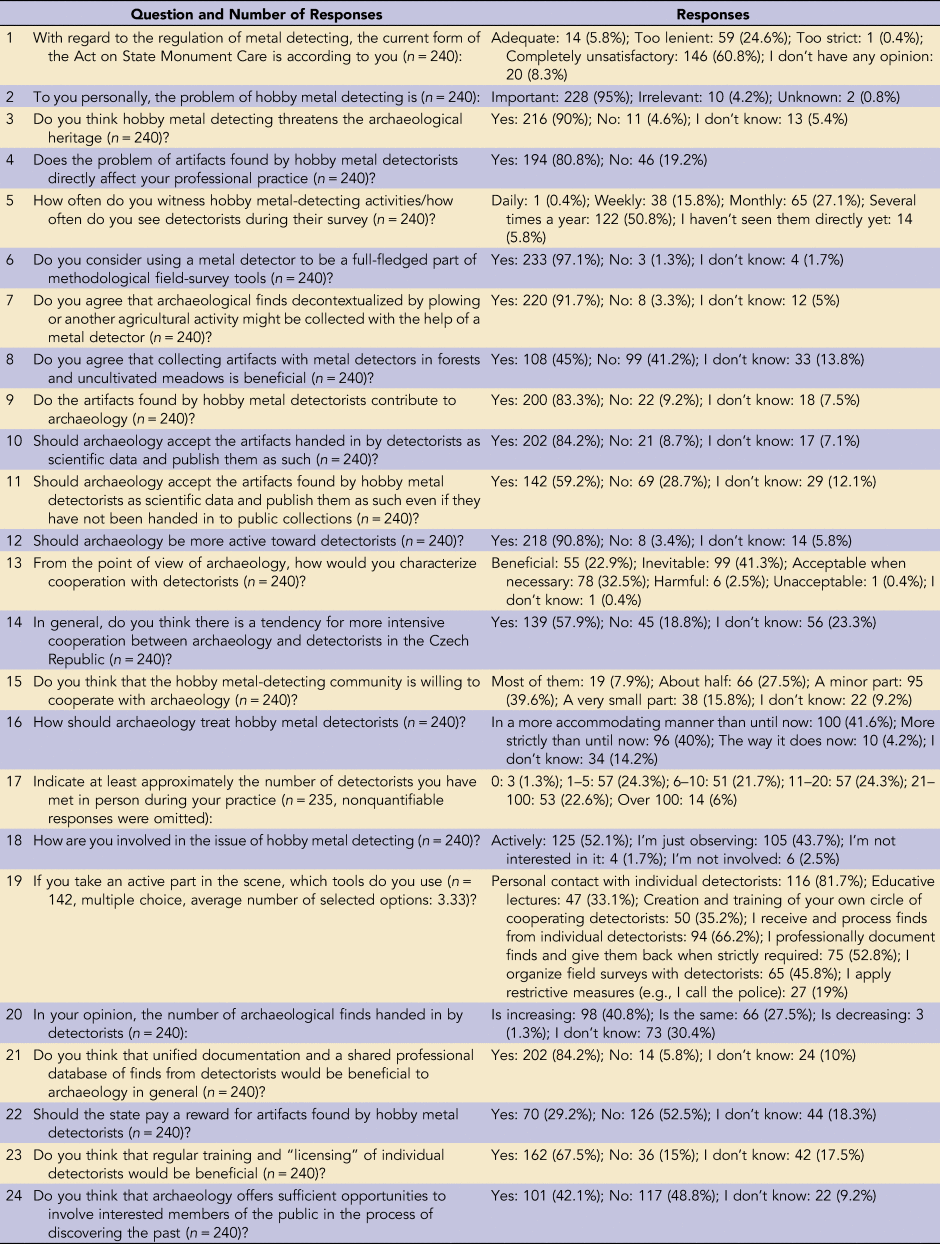
The participation of 240 active archaeologists corresponds to 40%–45% of the total estimated number in the Czech Republic (Aitchison et al. Reference Aitchison, Alphas, Ameels, Bentz, Borș, Cella and Cleary2014; cf. Mařík Reference Mařík and Lagerlöf2013:106–107), and it can be considered representative. The 1,606 respondents who completed the questionnaire in the role of detectorist can be generally considered to be in the range of 5%–10% of this segment of the public. Even in this sample size, the data obtained can be attributed a considerable degree of representativeness (with similar biasing factors including the overrepresentation of those detectorists who have already established a connection to archaeology and accepted many of its prevailing paradigms, as mentioned in the case of 2015 Danish detectorists survey; cf. Dobat and Jensen Reference Dobat and Jensen2016:79). Due to the minor presence of organized forms of metal detecting in the Czech Republic, estimating the total number of detectorists is complicated. In general, it is constantly expanding and can range from 20,000 to 30,000 people (cf. estimates by Čižmář Reference Čižmář2006; Mařík Reference Mařík and Lagerlöf2013; Komoróczy et al. Reference Komoróczy, Vlach, Hložek, Čižmářová, Venclová and Březinová2014:779; Navrátil Reference Navrátil2015). This is a high number, which probably exceeds estimates from neighboring countries with similar legislative conditions (e.g., Germany: Zanier Reference Zanier2001:19; Poland: Kobyliński and Zspanowski Reference Kobyliński, Zspanowski, Thomas and Stone2009:18; Makowska et al. Reference Makowska, Oniszczuk and Sabaciński2016; Hungary: Szabó Reference Szabó2019:18; Austria: Karl Reference Karl2011:120), as well as countries with more liberal metal detecting rules (e.g., England and Wales: Thomas Reference Thomas2012:58; Denmark: Dobat Reference Dobat, Martens and Ravn2016).
In both groups of respondents, we initially asked for opinions on the current legal regulation of metal detecting and on models of solutions abroad, which could be suitable for the Czech Republic. The existing legal regulation is considered unsatisfactory by the majority of both archaeologists and detectorists, even though the detectorists show an evident tendency to perceive the leniency of existing legal standards as an advantage. As a potential legislation model, among both groups, the most frequently mentioned country was England (cf. Lewis Reference Lewis2016:127).
Questionnaire Results: Metal Detectorists
First, I summarize some of the critical tendencies obtained from the answers of metal detector users. Their answers showed that metal detecting is predominately a male hobby: only 3.2% of respondents identified as female (cf. Thomas Reference Thomas2012:51). In terms of educational composition (8.3% primary education, 76% high school education, 15.7% university education), this community corresponds to the conditions that have been seen in the Czech Republic for many years (see data from the Czech Statistical Office 2021). This corrects the occasional prejudice on the part of the Czech academic archaeological community, which sometimes associates metal detecting with lower education. Metal detecting is educationally (and professionally) relatively uncompromising, permeating virtually all major components of society. It is not insignificant that even members of law enforcement often practice this hobby.
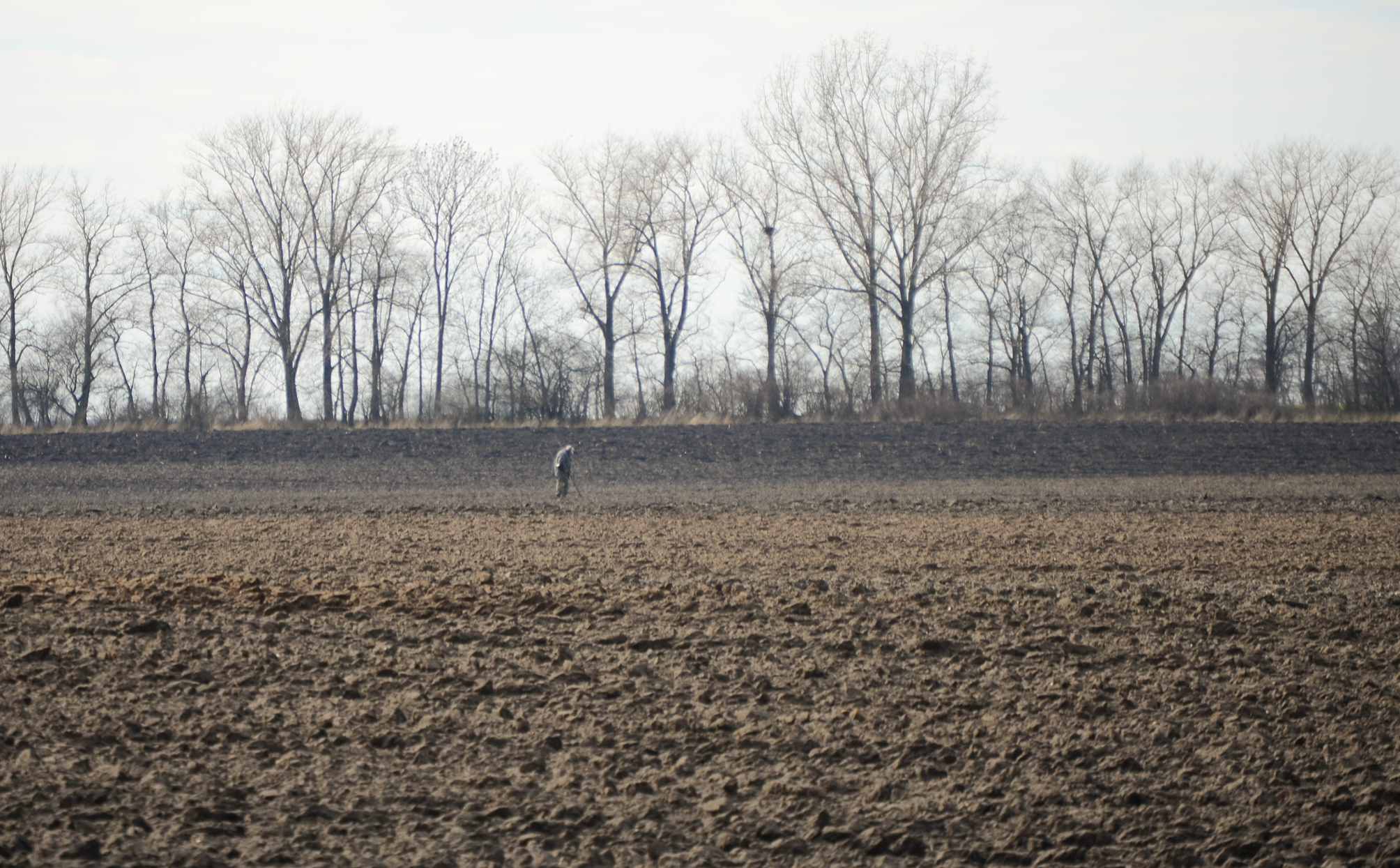
The constantly growing community of metal detectorists in the Czech Republic is highly active. Its members prefer individual prospecting (Figure 1) with a relatively high degree of intensity (cf. Dobat and Jensen Reference Dobat and Jensen2016:76, Figure 5), and more than half are active in an extensive territory beyond the borders of a proximate neighborhood (administrative district) to their place of residence (cf. Winkley Reference Winkley2016:1; for the administrative division of the Czech Republic, see, for example, Norsk Senter for Forskningsdata 2022). About 25% practice metal detecting across the whole country. Many detectorists reside in areas with limited potential for archaeological finds from the pre-medieval age, so they must naturally cross the borders of administrative districts and regions to find artifacts from older periods. This partially contradicts the system of organization of archaeological science and heritage protection (Mařík Reference Mařík, Novaković, Horňák, Guermandi, Stäuble, Depaepe and Demoule2016) and is therefore a complicating factor in creating regionally structured communities of responsible detectorists in some parts of the Czech Republic.
Characteristic scenery of an agricultural field in the region of South Moravia, illustrating the predominant individual form of metal detecting in the country. (Photo courtesy of the Institute of Archeology Czech Academy of Sciences, Brno.)
A substantial number of detectorists declared as their primary motivation a neutral interest in outdoor recreation or a positive goal of contributing to the knowledge of the past and the rescue of endangered movable monuments. These motivational factors do not usually contradict the interests of archaeology. The spatial parameters of their activities do not necessarily pose a direct threat to immovable monuments in their original context and almost exclusively affect movable finds from sediments (plow horizons), which archaeology often does not have the opportunity to investigate in more detail, especially not in the regime of so-called rescue excavations. Of respondents, 93.8% stated that they usually find artifacts at a depth of 0–25 cm below the surface (cf., for example, Karl Reference Karl2011:Figure 10). The share of those who declared an effort to also pay attention to other material components of archaeological heritage rather than just metal artifacts is relatively high (cf. Dobat and Jensen Reference Dobat and Jensen2016:77). From the answers to the question about the method of locating the finds, it is clear that the older form of plotting in printed maps has decreased. It would certainly be welcome archaeologically if each artifact had its own GPS coordinates, which only 20% of the respondents mentioned as a standard (e.g., in Denmark more than 85%; cf. Dobat and Jensen Reference Dobat and Jensen2016:77). However, personal experience with responsible metal detectorists firmly corrects this result and shows that the majority could move easily and quickly to the exact location of each find.
The majority of metal detectorists regard their activities as a contribution to the knowledge of history. However, the issues of handling the finds generated less pronounced and partly contradictory responses. Approximately 28% are unconditionally willing to let the archaeological finds they discover become part of public collections, which is the only option that the interpretation of the law allows. Other options to deal with archaeological finds selected by the respondents show a greater or lesser degree of choice, yet 71.3% of the answers mention behavioral schemes that at least allow archaeology to comprehensively document archaeological finds discovered by detectorists. It is noticeable that the willingness to hand over coin finds permanently to the relevant authorities is distinctly lower. The issue of voluntary and unconditional handover of archaeological finds to the relevant professional institutions is perceived as crucial on the side of archaeology, is understood as a decisive part of good practice, and is an important filter in the identification of responsible detectors. In the case of the generally formulated question of whether the finds from amateur detector surveys should be part of public collections, most detectorists responded positively. The questionnaire also confirmed the empirically long-registered opinion of most metal detectorists that a financial reward should be paid for each artifact handed over.
Attitudes that prevail among metal detectorists toward archaeological science, its institutions, and archaeologists themselves are also important to consider. Generally, detectorists are perceptive to archaeology and are active consumers of its primary and secondary outputs. Simultaneously, the digital space is the dominant environment for acquiring general knowledge about the topics studied by archaeology and for the exchange of information on subtopics or specific sites. The detectorists’ attitude here is no different from the rest of the public, but unlike members of the public, detectorists use the digital environment very actively, on their own initiative, and with considerable motivation. Digital platforms are also their primary source of information about the age or function of the objects they find.
Despite some controversial preferences, a relatively significant number of detectorists do not perceive themselves as opposed to archaeology. There is already a relatively substantial connection between the detectorists and archaeological institutions. However, the dominant form of contact is a periodic or one-time handover of finds rather than systematic cooperation. The reflection of their contact with archaeological institutions is primarily positive, and empirical discoveries confirm a significant improvement in recent years. Nevertheless, those who have never been in contact with archaeologists have the largest share of the answers.
Regarding the potential for building institutionalized forms of cooperation with archaeological institutions, the metal-detecting community is—to a significant extent—willing to undergo unspecified forms of periodic educational training. Yet, this positive attitude is accompanied by a very negative view of the possible conditions for obtaining official permission from archaeological institutions. Opinions are relatively diverse on whether archaeological institutions maintain the finds safely, and many detectorists perceive a “loss of contact” with their discoveries after they have been handed over. Many detectorists also believe that archaeological institutions do not involve them sufficiently in the process of discovering the past.
Questionnaire Results: Archaeologists
Some 240 active archaeologists (65.4% men, 34.6% women) from all the age categories took part in the questionnaire survey, with a predominance of the younger and middle generation (85.9% younger than 50). The age structure of respondents dominated by younger professionals (25.4% between 21 and 30, and 41.7% between 31 and 40) is not without significance. This is probably conditioned by several factors, among which is the transformation of behavioral schemes within the field since the 1990s when the topic of metal detecting only began to establish itself more significantly in Czech archaeology.
It is not surprising that metal detecting is regarded as an important problem by archaeological respondents. Some 90% of respondents consider it an increased threat to archaeological heritage, and 80% of them stated that finds by detectorists have a direct impact on their professional life. Metal detecting is not invisible to them, and archaeologists often witness their activities. The vast majority of professionals in the Czech Republic consider the use of metal detectors to be part of archaeological fieldwork and therefore of archaeological research in general. They mostly agree that collecting archaeological finds, deprived of their original context—for example, by agricultural activities—is beneficial (Figure 2). However, they are significantly more polarized regarding the usefulness of metal detecting in forests and uncultivated meadows.
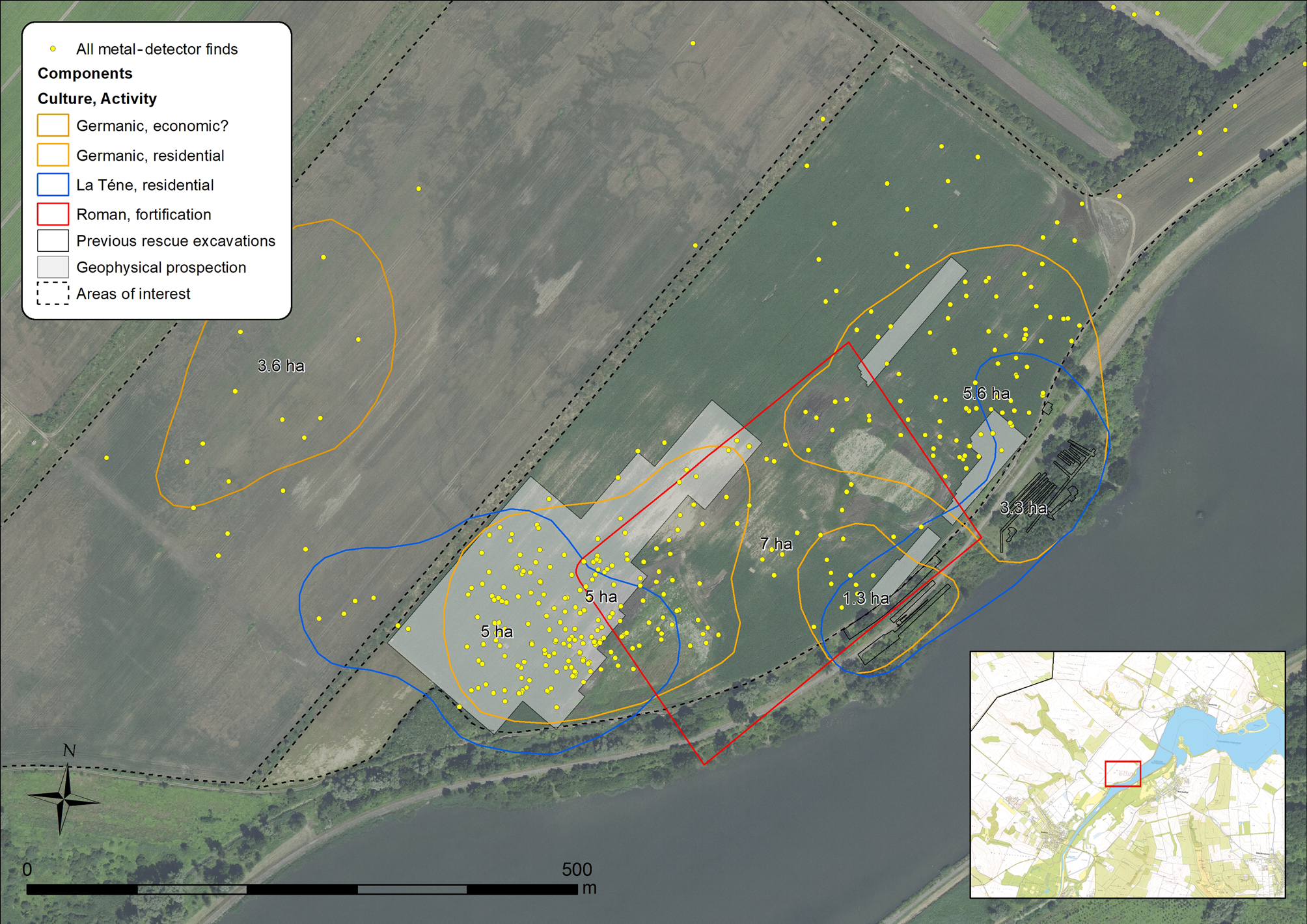
The map illustrates the contribution of metal-detector finds to the spatial delimitation of the extent of supposed areas of activities on the Drnholec site in South Moravia (Komoróczy et al. Reference Komoróczy, Vlach, Zelíková, Sedláček and Růžičková2019). (Map courtesy of the Institute of Archeology Czech Academy of Sciences, Brno.)
Understanding the controversy of the formal and informal frameworks is essential in explaining how archaeologists view the finds discovered by metal detectorists. Most respondents consider archaeological finds unearthed and handed in to be scientifically beneficial in general. Such artifacts are considered scientific data. Nevertheless, a more pronounced polarization of opinions is clear in the case of reported detector finds that archaeology has the opportunity to document and study but that are not permanently handed over to public collections. This is a fundamental and controversial aspect, which also significantly affects the legal possibilities of archaeology—for example, with respect to the issue of building open user-filled databases of finds. In terms of logic, these finds do not differ in their scientific value. There is no need to explain why a serious scientific study analyzing the distribution of certain types of artifacts must work with all available finds that have a verified site of discovery (i.e., plausible spatial context), regardless of their subsequent disposal. Therefore, the differing views on this issue are not motivated by scientific arguments but, in my opinion, by a sense that is not precisely definable of inappropriateness and unethical behavior (cf. Deckers et al. Reference Deckers, Dobat, Ferguson, Heeren, Lewis and Thomas2018:329–330). The willingness to respect public ownership of archaeological finds may be a legitimate decisive criterion in creating long-term forms of cooperation between responsible metal detectorists and archaeological institutions. However, it cannot limit rational scientific work through voluntary disregard for available data. In the Czech Republic, where archaeology is almost exclusively financed from public sources, the discipline's primary duty in the societal context is to develop scientific knowledge by all applicable methods in all scientifically definable issues for the benefit of society as a whole.
Despite these contradictions, considering the questionnaire's results and the results of empirical research, archaeologists in the Czech Republic consider being active in the metal-detecting community inevitable. Almost 97% of the respondents state in general that cooperation with detectorists is inevitable, beneficial, or acceptable. What is practically absent in the Czech professional discourse is the idea that a collaborative approach encourages illegal practice (e.g., Lecroere Reference Lecroere2016:183; Rasmussen Reference Rasmussen2014). The questionnaire did not address it, but the empirical results confirm that most professionals involved in the issue know that it is based on a lack of awareness of the basic mechanisms of the metal detecting scene. More than half of archaeologists believe that the current development leads to more intensive cooperation, although they are skeptical about detectorists’ degree of willingness to such cooperation. The answers to how archaeology should deal with detectorists reflect the generally shared need to change existing behavioral patterns and reveal the polarization of attitudes at the same time. The explanation for this phenomenon may be that although most archaeologists maintain individual contact with a higher or lower number of detectorists (or at least meet with them within educational and awareness-raising activities), only half of the respondents are actively and practically engaged in the topic.
The actively involved archaeologists pursue various activities in relation to the metal detectorists, typically several forms in parallel. Logically, most of them are based on individual direct contacts, and among these, those that focus on the initial rescue of artifacts or the scientific information encoded in them predominate. As mentioned, although they believe that this development leads to more intensive cooperation, the attitude about whether it also leads to an increasing number of handed-in archaeological finds is not unified. It is a consequence of exclusively individual contacts, often nontransferable and strongly tied to particular individuals within the professional community.
Equally important is the absence of a unified and generally accessible platform for sharing the results of this cooperation within the discipline at the time of the questionnaire. A more significant segment of the professional community differs from detectorists in that it opposes paying financial rewards for discoveries. Conversely, it positively perceives the solution of only allowing metal detecting on the condition of obtaining regular training and official permission. At the same time, respondents were divided on the question of whether archaeology currently involves interested members of the public sufficiently in the process of learning about the past.
SOUTH MORAVIAN EXPERIENCE
The questionnaire's results can be interpreted differently in various detailed questions, and it is also clear that they reflect relatively heterogeneous views on the issue of metal detecting. Nevertheless, it can be stated that within given conditions—or more precisely, despite these conditions—an attitude has gradually developed in the Czech Republic that, from the point of view of archaeology, can be described as a strongly individualized form of selective tolerance or acceptance. A part of the professional community is able to implement a cooperative approach (cf. Dobat et al. Reference Dobat, Deckers, Heeren, Lewis, Thomas and Wessman2020:3–5) in a way that is beneficial for the rescue and research of archaeological finds. Among detectorists, a substantial number are willing to accept the most important professional and legal requirements in exchange for being able to pursue their hobby relatively freely.
The revealing of this attitude was also one of the impulses for launching a long-term conceptual collaboration within the project “Joint Forces in Order to Discover the Common Archaeological Heritage of the South Moravian Region” between the Institute of Archaeology of the Czech Academy of Sciences (Brno) and the South Moravia Region in 2018 (Komoróczy and Fedor Reference Komoróczy and Fedor2020; Komoróczy and Zelíková Reference Komoróczy and Zelíková2019). This project has since been cofinanced annually under a Program of Regional Cooperation grant by the Czech Academy of Sciences. The importance of this partnership lies mainly in that the South Moravian Region and its government are the owners of archaeological finds defined by law, the founding entity of seven regional museums with significant archaeological activities and collections, and the monument care authority. The general goal of this collaboration is to gradually create conditions for the establishment of citizen science in the sphere of metal detecting in the region. Its main idea is the positive approach to the public interested in responsible and moderated participation in discovering material shreds of evidence of our past. In 2020, this approach also became part of the regional government's political program.
In this collaborative effort, we communicate through slightly different messages with the general public, state administration bodies, and law enforcement authorities. In particular, we try to explain when and under what conditions metal detecting is legal, responsible, and beneficial. We also emphasize the threats this activity may pose to cultural heritage and the environment. And most important, we convey the message that archaeology can distinguish between responsible detectorists and those who, on the contrary, are harmful and behave illegally. It also authorizes those responsible in a verifiable form, and therefore this distinction cannot be a problem for other public authorities either. However, positive education directly focused on the detectorist community appears to be the most effective tool to date.
The program partners believe that despite many negative factors, animosities, and an unsuitable legislative framework, at least part of the metal detecting community can be offered a legal opportunity for meaningful cooperation and involvement in the discovery process of history, even using metal detectors. Models of this cooperation are the so-called Schleswig-Holstein model in Germany (e.g., Majchczack Reference Majchczack, Martens and Ravn2016; Segschneider Reference Segschneider2008; von Carnap-Bornheim et al. Reference von Carnap-Bornheim, Ickerodt and Siegloff2015) or the successfully developing community archaeology projects in Hungary (e.g., Rácz Reference Rácz2021). There are also very similar legislative frameworks in both countries. Formally, this can only be done by an organization authorized to carry out archaeological fieldwork by establishing cooperation with metal detectorists operating in the territory of its license. Such cooperation is voluntary—not mandatory—for detectorists and archaeologists and largely depends on the capacity, interest, willingness, and communication skills of the local professional staff. It requires personal contact, mutual trust, and a willingness to cooperate and accept the agreed limitations. In particular, these include (1) setting the area where the professional institution accepts metal detecting and (2) determining the method of mutual communication.
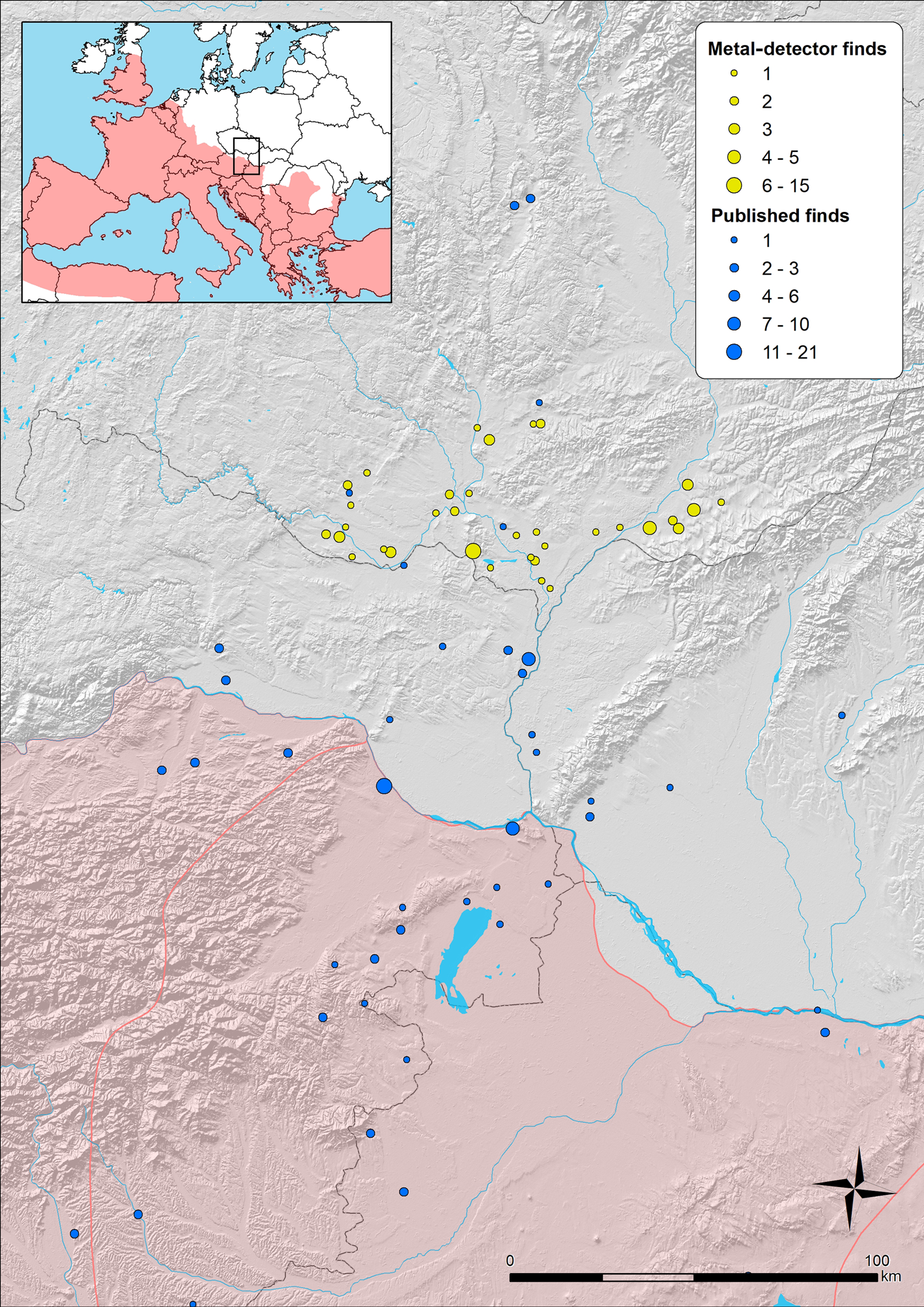
At the same time, the program launched intensive, positively motivating communication targeting those detectorists without a robust negative attitude toward archaeology. Even the questionnaire results demonstrated a particular “gray zone” in this community, which fundamentally does not reject our arguments but rather does not have sufficient information or know how to establish contact with archaeological institutions. This communication emphasizes factual and emotional motivational factors, which is brought to the attention of as many members of the detectorist community as possible through any available forms of communication (e.g., meetings, educational workshops and field activities, public lectures, production and distribution of printed and digital information materials, etc.) and in a repetitive, noncommanding manner. Arguments include the enormous information potential of well-localized and professionally documented artifacts for the development of historical knowledge (Figure 3). We emphasize that we are not only interested in those who find treasures but that every archaeological find, regardless of its characteristics, is an essential piece in the mosaic of the diverse past cultures and civilizations in our territory. We explain the importance of the context and the need to record GPS coordinates of all discovered artifacts. We emphasize the honesty of individuals who are informed and in voluntary cooperation with professional workplaces, and archaeology's gratitude and respect for such people. We underline the importance and significance of citizen science in archaeology and seek to break down subordinating, academically exclusive attitudes in communicating with responsible detectorists.
The map illustrates the change in our knowledge of the distribution of Roman provincial Jobst 4F–type brooches by adding hobby metal-detector finds to hitherto published records (after Komoróczy et al. Reference Komoróczy, Vlach, Zelíková, Droberjar and Komoróczy2017). An example of an illustrative, understandable, and historically easily interpretable case, successfully applied in awareness-raising activities focused on the detector community. (Map courtesy of Institute of Archeology Czech Academy of Sciences, Brno.)
Our aim is also to strengthen regional ties on the artifact–museum–citizen axis. A sound form of local patriotism is an important motivating factor, which coincides with the negative view of detectorists in a particular region of colleagues who go to that region from more distant parts of the country and potentially take away local heritage. We also try to understand and respect the attitudes of detectorists; for example, the often mentioned “loss of visual contact” with their finds was the motivation for creating a continuously updated digital gallery of collaborators' findings (https://www.archeologiemusov.cz/virtualni-muzeum). Given that neither the legal framework nor the real possibilities of archaeology allow for the application of systemic financial compensation of responsible detectorists, we try to create other benefits for them. These include the attempt to break down communication barriers and, of course, mention the names of the finders, either in publications or, for example, exhibition projects (for a model, see Goláňová et al. Reference Goláňová, Komoróczy, Kmošek, Kolníková, Vlach and Zelíková2020). We also organize thematic meetings and lectures with invited specialists, conduct joint surveys, invite collaborators for our field research, and organize excursions to archaeological monuments and exhibitions.
There are seven regional museums and at least one central institution available to those interested in cooperation in the South Moravian Region. Objectively, however, it must be acknowledged that even on the part of archaeology, not everyone understands or accepts the principles of citizen cooperation. Therefore, the program partners provide support and advice to professionals in ongoing consultations and prepare informative materials to apply to detectorists. At the same time, they emphasize the continuous and repeated dissemination of information and educational materials in general toward the metal detecting community. Informative flyers and educational booklets were issued from the program funds, which are continuously distributed, for example, during lectures and contact meetings in museums and at various gatherings of detectorists, in public institutions, at museum ticket counters, and through detection technology stores. Digital educational materials are also created on an ongoing basis and placed, for example, on the web platform of the Archaeological Institute (https://www.archeologiemusov.cz/hledani-detektorem) and especially on social networks.
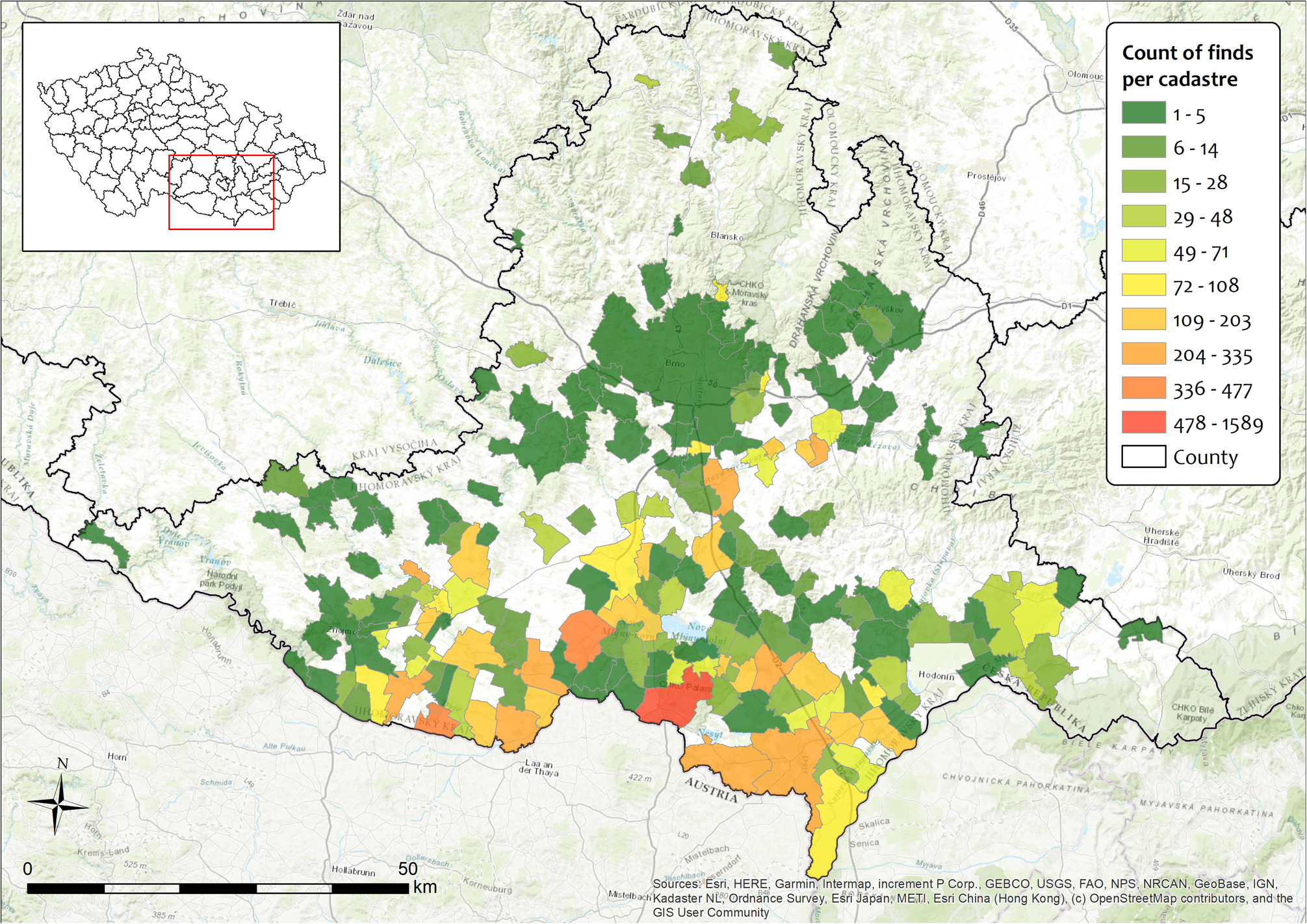
Some professional institutes are only now beginning the process of building trust and connections with a few detectorists. In contrast, the author's workplace, which has been involved in this process for a long time, maintains some form of controlled voluntary cooperation with approximately 150 detectorists active in a relatively large part of the South Moravia region (Figure 4). All are regularly trained, we continuously consult and oversee the places where they carry out their detector surveys, and they participate in joint surveys within the scope of our research activities. The data obtained by them form a significant contribution to our scientific activities and the basis for numerous archaeology-oriented projects and publications, particularly those related to landscape. However, it should be emphasized that this approach requires considerable effort from archaeology and the investment of both material and immaterial resources. Currently, there are no institutions in the Czech Republic involved in this activity as a primary part of the work. Our workplace, a central archaeological institution with capacities that thoroughly exceed those of the average archaeological workplaces in the country, is at the limit of its capacity in terms of civic cooperation with detectorists. This is a crucial aspect because in general, archaeology is significantly under-resourced. The provision of additional resources for shaping citizen science around the particular archaeological institutions, and especially for the care of its results, is an extraordinary and inevitable challenge for the near future.
The territorial distribution of detector finds made by collaborators of the author's workplace: the total count of finds for cadasters of the South Moravia Region. (Map courtesy of the Institute of Archeology Czech Academy of Sciences, Brno.)
PORTAL OF AMATEUR COLLABORATORS
In the last year, the South Moravian program contributed significantly to the creation and launching of a new registration platform within the Archaeological Information System of the Czech Republic (acronym AIS; in general, Kuna et al. Reference Kuna, Hasil, Novák, Boháčová, Čulíková, Demján and Dreslerová2015), designated the Portal of Amateur Collaborators (acronym PAS; http://www.archeologickamapa.cz/?page=pas). This portal is a unified and common tool for all archaeological institutions for the professional registration of findings obtained through the activities of their volunteer collaborators, and it also allows collaborators to enter, store, and share the results of their efforts with the public. In this sense, it is fully compatible with the vision and key features of the European Public Finds Recording Network (EPFRN) recording schemes (Dobat et al. Reference Dobat, Deckers, Heeren, Lewis, Thomas and Wessman2020). In addition, it provides basic legal and methodological support for cooperation with responsible metal detectorists for all archaeological institutions in the country. It is to gradually become a binding environment for moderated sharing of archaeological citizen-science results in the Czech Republic.
The portal, which has only been in operation since April 1, 2021, is codifying the only model of cooperation with detectorists that corresponds to all valid legislative conditions in the Czech Republic. An archaeological institution or its authorized person can establish a research project focused on a field survey in the AIS system. The project must have a defined territorial scope that does not exceed the license terms of the given institution, the duration of the project, and a specific professional leader. The number of projects in one institution is not limited and mainly depends on how the institution or its authorized individual wants to structure the activities of their amateur collaborators in the given region. Unlike classical field research, a project can include not only one site but also a larger territorial unit—practically the entire territory—where the license for the responsible organization applies.
Any number of collaborators can be involved in conducting a project. A simple written agreement on this cooperation must be made with them, and this formally regulated relationship must also be registered in the PAS portal. It is entirely in the purview of the project leader to select the detectorists with whom to cooperate within the project and to set the parameters of their activities in the field, their training, and methodological guidance. The project leader is also fully responsible for their actions. Detectorists therefore become voluntary but full-fledged members of research teams. If possible, one detectorist can be a member of more than one team, although the initial phase of the portal's operation shows the preexisting links between archaeologists and their collaborators that have been transferred to it so far. The detectorists will also receive confirmation of this legal collaboration in the form of a pass, which allows them to prove the legality of their activities.
Collaborators can enter their finds—including GPS coordinates, photographs, and other data—into the web form of the portal, directly in the field, or during subsequent processing. Each find must be registered under the project in which the finder's activities fall, although these finds also remain registered under the name of the collaborator in the system. The findings must then be authorized by the archaeologist leading the project during the physical handover. At this point, each artifact must receive an official inventory number. At the end of the selected implementation period, the findings registered in the PAS portal become, in the form of an inventory, part of the project report, which undergoes the same archiving regime as the reports on any field research. After the central validation process, each registered find is published in the Digital Archive segment of AIS (https://digiarchiv.aiscr.cz/results?entity=samostatny_nalez). This is freely accessible, and the only attribute whose publication is arbitrary and exclusively in the competence of the project leader is the location of the findspot. This can be published in one of three ways: exactly, only made available in the system to registered archaeologists, or kept completely secret (blurred out so only the name of the political district unit is shown).
CONCLUSION
To reduce the loss of archaeological heritage, at least a segment of the professional archaeological community has gradually started creating partial, regionally limited, and personally based cooperation platforms with metal detectorists in the last decade. Some of the metal detectorists have begun to cooperate, especially those who increasingly perceive some level of responsibility for the rapidly declining state of archaeological heritage while becoming convinced that archaeology in the institutions is not locking itself into an exclusive, academically isolated position. It is also the result of intensive, structured public communication, in which central institutions such as the author's workplace play an indispensable role. Although it is clear that the current legislative conditions are not evaluated positively by either party, regionally tested forms of the cooperative approach represent an acceptable way of life for a substantial number of the archaeological and metal detecting communities. The professionally and legally acceptable principles of responsible metal detecting can only be defined within this cooperative approach, making it possible to change the generalized image of treasure hunters and distinguish those whom archaeology must support from those who are engaging in illegal and destructive activities. A formalized environment has also been created for registering and sharing the results of citizen participation. With the mutual acceptance of the limitations arising from the law, this development can lead to positive results for archaeological science and society's perception of it. However, this process is far from over—and in some regions and institutions, it has not begun. This is a significant challenge for the near future. The successful implementation of a cooperative approach in most archaeological institutions in the country with increasingly clear positive results is the only way citizen science can gain a lasting and unquestionable position in archaeology.
Acknowledgments
The article was created as an output of the projects “Proto historical Communities of the Marcomannic Settlement Zone of the Middle Danube Region – Structure and Dynamics on the Basis of Digital Modelling” of the Czech Grant Agency (Project No. 20-11070S) and “The Middle Course of Dyje River – Protohistoric Landscape as a Digital Archive of Human Activities in Space and Time” (Project No. 510019) within the Research Program Digital Humanities of the Strategy AV21 of the Czech Academy of Sciences. The questionnaire survey was conducted with institutional support for the long-term conceptual development of a research organization (Nr. RVO: 68081758 – The Czech Academy of Sciences, Institute of Archaeology, Brno). I want to thank Pavla Růžičková and Marek Vlach for their participation in its creation and implementation.
Data Availability Statement
No original data were used.
Competing Interests
The author declares none.


 Open access

