

Scholars have been studying absorbed residues for many years looking for evidence of ancient food-related cultural practices (Barnard and Eerkens Reference Barnard and Eerkens2007; Evershed et al. Reference Evershed, Heron and Goad1990; Evershed et al. Reference Evershed, Heron, Charters and Goad1992). This is especially the case in the archaeological search for evidence of subsistence changes associated with the origins of agriculture, seasonal variation, or environmental shifts (for example, Copley et al. Reference Copley, Berstan, Dudd, Docherty, Mukherjee, Straker, Payne and Evershed2003; Dudd et al. Reference Dudd, Evershed and Gibson1999; Reber and Evershed Reference Reber and Evershed2004). More recently, absorbed residues have become a tool in identifying the use of nonfood substances made from plants such as cacao (Theobroma cacao; Hall et al. Reference Hall, Tarka, Hurst, Stuart and Adams1990; Hurst et al. Reference Hurst, Tarka, Powis, Valdez and Hester2002; Powis et al. Reference Powis, Valdez, Hester and Hurst2002; Zarrillo et al. Reference Zarrillo, Gaikwad, Lanaud, Powis, Viot, Lesur, Fouet, Argout, Guichoux, Salin, Solorzano, Bouchez, Vignes, Severts, Hurtado, Yepez, Grivetti, Blake and Valdez2018) and yaupon holly (Ilex vomitoria; Crown et al. Reference Crown, Emerson, Gru, Jeffrey Hurst, Pauketat and Ward2012; King et al. Reference King, Powis, Cheong and Gaikwad2017), as well as fermented beverages such as wine (McGovern et al. Reference McGovern, Luley, Rovira, Mirzoian, Callahan, Smith, Hall, Davidson and Henkin2013) and pulque (Correa-Ascencio et al. Reference Correa-Ascencio, Robertson, Cabrera-Cortésc, Cabrera-Castrod and Evershed2014). These studies give us a means for finding the remains of ritual beverages, exploring associated material culture, and understanding their contexts of use. This, in turn, makes possible the exploration of issues relating to medicine traditions, ritual practices, elite culture, and how these were adopted, changed, and moved across cultural boundaries.
In this essay we apply mass spectrometry to the identification of residues of Datura in late prehistoric shell and pottery vessels from western Mexico and the southeastern United States. Datura is a genus of flowering plants that contain hallucinogenic alkaloids that are still in use by native peoples in the region today. The use of Datura before the coming of Europeans has been confirmed by direct archaeological evidence and indirectly through iconography and early historical texts. However, identifying its use through absorbed residue studies has not been accomplished until now. Using liquid chromatography mass spectrometry, we have identified a key Datura alkaloid (atropine) in samples collected from 14 shell cups and 7 pottery vessels found in Mississippian and Caddoan Mississippian (AD 1000–1600) contexts in Arkansas and Oklahoma, as well as in an additional 6 pottery vessels recovered from precolumbian contexts in West Mexico. Our results go beyond simply demonstrating that Datura residues can be identified. They also reveal correlations between the presence of Datura and particular vessel forms and modes of decoration.
DATURA USE IN NORTH AND CENTRAL AMERICA
Humans have been using hallucinogens derived from plant and fungi sources for millennia (Ratsch Reference Ratsch2005:37–41). In North America, one of the most potent hallucinogens was, and still is, produced from plants in the genus Datura. Members of the Solanaceae family, Datura are a series of flowering plants whose leaves, seeds, and flowers contain tropane alkaloids such as atropine, scopolamine, and hyoscamine (Lester et al. Reference Lester, Nee, Estrada and Hawkes1991). These alkaloids produce hallucinogenic effects but also are toxic when consumed in high enough doses.
Datura plants are found around the world, from North and South America to Asia, Europe, and Africa. However, its natural range is difficult to determine because it has become so widespread (Lester et al. Reference Lester, Nee, Estrada and Hawkes1991). Datura is cultivated commercially in Central America, North Africa, Ethiopia, India, and England for pharmaceutical purposes (Gerlach Reference Gerlach1948) and is a common ornamental plant found throughout North America.
Its use in North America before the coming of Europeans has been confirmed by various kinds of archaeological evidence. Datura seeds have been found in Archaic period contexts in the Lower Pecos of Texas (Boyd and Dering Reference Boyd and Dering1996), in Ancestral Pueblo (AD 1250–1300) contexts in Colorado (Litzinger Reference Litzinger1981), and in Mississippian (AD 1100–1200) contexts in Illinois (Emerson and Jackson Reference Emerson and Jackson1984). Further, it has been argued that imagery and Datura fruit effigy pottery vessels confirm its presence from Mexico (Kan et al. Reference Kan, Meighan and Nicholson1989) into the Southwest and even into the Southeast (Lankford Reference Lankford2012, Reference Lankford2014). The sixteenth-century Aztec-language Florentine Codex includes Datura as an important medicine plant among the Aztecs (Ratsch Reference Ratsch2005:41), and Datura continues to be part of Native American medicine ways and ritual practices to this day (Ratsch Reference Ratsch2005:480–482).
Descriptions of modern-day practice indicate that Datura is used for a variety of purposes, depending on the dose and method of consumption (see Ratsch Reference Ratsch2005:477–485). In Mexico and the American Southwest, Datura is included in topical medicines designed to treat physical injuries and ailments. Low doses, often delivered by smoking the leaves, are considered an aphrodisiac and also used in ritual divination. Tea produced from the leaves and seeds delivers the highest doses of alkaloids and creates the powerful hallucinatory experiences associated with shamanism and spiritual journeys (Ratsch Reference Ratsch2005:477).
THE SAMPLE AND METHODS
In an attempt to find evidence of Datura use through absorbed residues, we sampled 18 shell and 55 pottery vessels held in the collections of the Gilcrease Museum at the Thomas Gilcrease Institute of American History and Art in Tulsa, Oklahoma. The tables below include information on each vessel included in this study. Because all were acquired by Thomas Gilcrease from dealers in the early twentieth century, we do not know the full history of each piece, and this creates limitations that are apparent in the tables as well as others that we will discuss below.
Thomas Gilcrease was an enrolled member of the Creek Nation who had a lifelong passion for western American art, especially as it related to the history of the west and his own Native American culture. As a tribal member, Gilcrease wanted his collections to exemplify the artistry, sophistication, and genius of Native Americans, past and present, and his collecting was guided by that goal. Thanks to wealth generated by his oil businesses, Gilcrease became a very successful collector of art, historical documents, and Native American artifacts. In 1955, after decades of collecting and an attempt to establish a museum in San Antonio, Texas, Gilcrease transferred his collection to the city of Tulsa, Oklahoma, and the museum that bears his name was established (Gilcrease Museum 2018). The Gilcrease archaeology collections are products of their time, when standards guiding the recovery and acquisition of artifacts were different. Although we do not have specific information for each vessel included in this study, we presume that many were recovered using methods that today would be considered destructive. Further, we suspect that many were acquired by Gilcrease in ways that do not meet today's ethical standards (Society for American Archaeology 2018).
Thirty-one of the ceramic vessels sampled (Table 1) derive from various Mississippian and Caddoan Mississippian sites in Arkansas. Contextual information associated with each vessel is quite limited. However, thanks to the assistance of David Dye of Memphis University and Ann Early and George Sabo of the Arkansas Archaeological Survey, we were able to assign each vessel to a type, time period, and, in some cases, a known archaeological site. All vessels date to the period between AD 1400 and 1700 and were chosen because of their unique forms (most often bottles and effigies) and recognizable imagery (engraved or incised in two dimensions or as three-dimensional forms). Our operating assumption was that bottles and symbolically loaded vessels are likely to have contained special liquids in the past. In most cases, we know little more about their context than the state and county where they were found.
Mississippian and Caddoan Mississippian Ceramic Vessels Sampled.

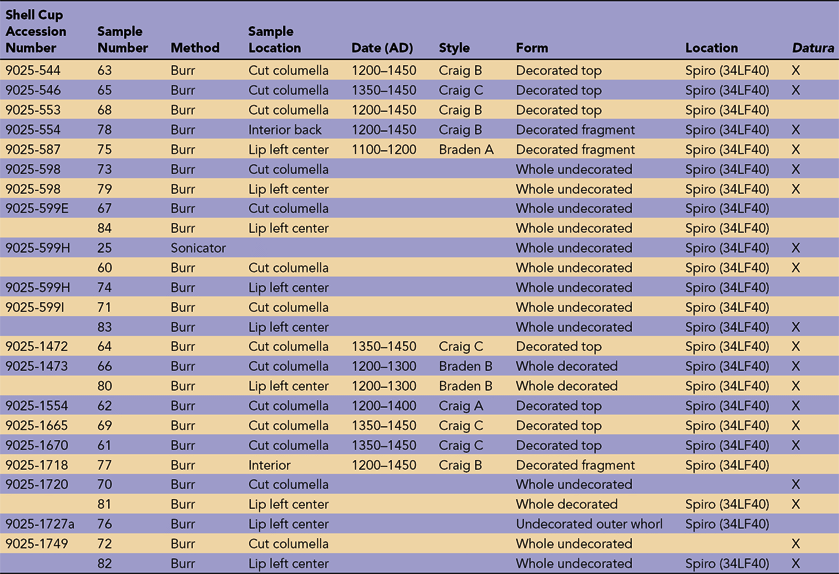
The shell cups and fragments sampled (Table 2) all reportedly come from the famous Mississippian period Spiro site in LeFlore County, Oklahoma (see Brown Reference Brown1996). Spiro is well known for its Craig Mound, built between AD 1250 and 1450, and was first brought to the attention of professional archaeology in the 1930s by treasure hunters who leased the mound from the Pocola Mining Company (La Vere Reference La Vere2007). Subsequent systematic excavations and decades of work to reconstruct the nature of the features it contained have revealed a unique set of mortuary practices that included incredible quantities of engraved and plain shell cups along with an unequaled cache of various sacred objects made of pottery, shell, stone, and copper (Brown Reference Brown, Sullivan and Mainfort2010). We presume that the shell samples at the Gilcrease are part of that Craig Mound assemblage, but we do not know for certain. Alex Barker of the University of Missouri's Museum of Art and Archaeology assisted with stylistic associations for each of the decorated cups included in Table 2.
Mississippian and Caddoan Mississippian Shell Vessels Sampled.
It has long been assumed that shell cups, made from the outer whorl of whelk shells (genus Busycon), were used as dippers for serving and consuming ritual beverages. This assumption is based on the many historic-period descriptions of Native Americans using shell cups in ritual settings, particularly for the consumption of a Native American tea made from yaupon holly called the Black Drink (see Hudson Reference Hudson2004).
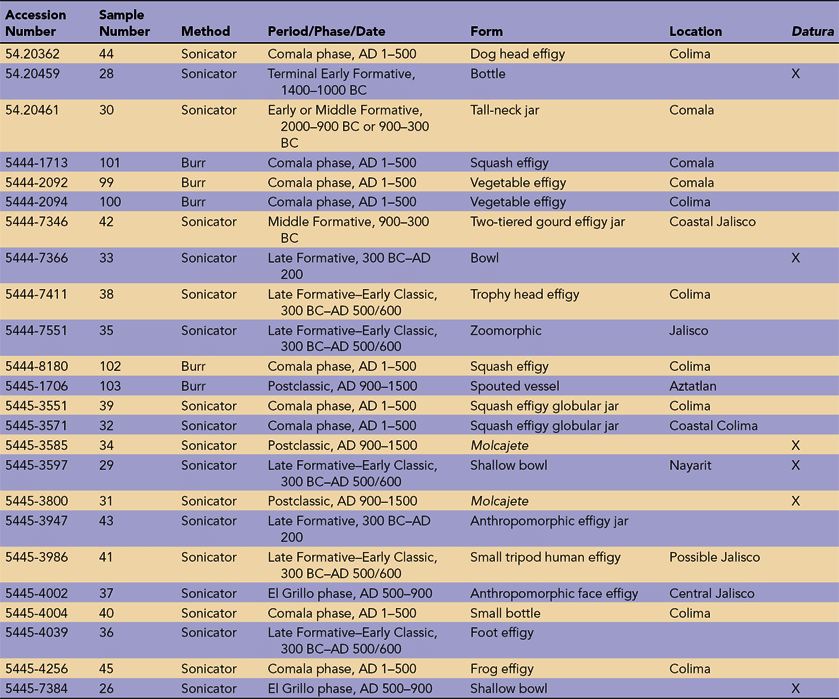
Twenty-four of the ceramic vessels we sampled were collected from various sites in western Mexico dating between the Early Formative (1400–1000 BC) and Early Postclassic (AD 900–1250) periods. While very little contextual information is associated with the vessels (Table 3), Chris Beekman of the University of Colorado assisted in assigning each vessel to a type, cultural affiliation, and time period. The vessels were chosen for sampling because of their unusual shapes—often specialized functional types or effigy vessels—and because we assume that these unique vessels may have held special liquids.
Western Mexico Ceramic Vessels Sampled.
Our samples were collected using one of two methods (Tables 1–3). The first, known as the burr method (Powis et al. Reference Powis, Valdez, Hester and Hurst2002), removes a portion of the interior surface and vessel through abrasion. For this sampling method, a clean piece of sandpaper was used to collect each sample, and gloves were worn and changed between samples. Each sample was collected on a fresh piece of multipurpose paper and transferred to a clean vial for transport. Although sample sizes varied, our target size was at least 1 ml.
The second method employed a Branson 2510 Ultasonic Benchtop Cleaner. Traditionally used to clean objects, a sonicator has a water tank that is vibrated using sound waves. In our sampling, we placed 100 ml of distilled water in each vessel and then placed the vessels in a shallow plastic container that floated on the surface of the water in the tank. The water and the vessel floating on it were then vibrated for 30 minutes, after which time the samples were transferred to clean vials for transport.
Each sample collected was analyzed using mass spectrometry, looking for peaks indicative of atropine and scopolamine. These are two of the primary alkaloids found in Datura giving the plant its hallucinogenic properties. In North and Central America, no other plants are known to contain these particular alkaloids, making it possible to use them as exclusive biomarkers for the presence of Datura (Duke Reference Duke2015).
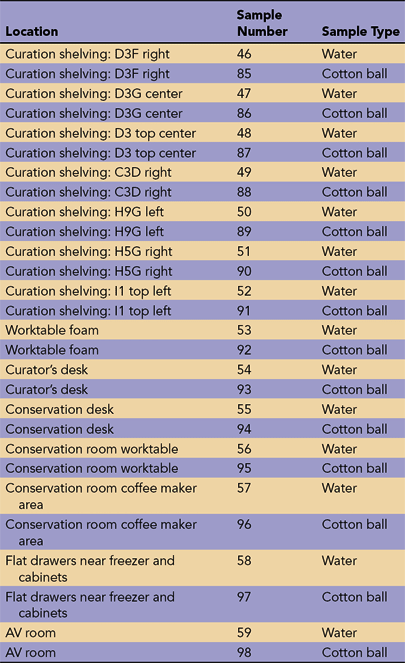
All of the objects from which our samples were taken are stored at the Gilcrease on open shelves. As a result, there is the possibility that they have been, and continue to be, exposed to modern sources of contamination through air circulation systems and human activities. For example, artifacts stored in this way are exposed to caffeine-laden dust, which confounds the search for cacao residue (Washburn et al. Reference Washburn, Washburn and Shipkova2012). As a way of assessing the potential for modern contamination in the Gilcrease samples, we collected and analyzed dust from shelving units and work areas at the museum (Table 4). Contamination samples were collected by swabbing areas with cotton balls that had been cleaned with alcohol and dampened with distilled water and by wetting areas with distilled water, which was then collected using clean pipettes.
Contamination Samples.
LABORATORY METHODS
Atropine, scopolamine, and formic acid were purchased from Sigma-Aldrich Chemical Co. (St. Louis, Missouri). All solvents were mass spectrometry grade, and all other chemicals used were of the highest grade available. An ACQUITY UPLC C18 1.7 µm (1 × 150 mm) column was purchased from the Waters Corporation, Milford, Massachusetts.
A total of 117 samples were extracted using the following procedure. For the burr samples, 90 to 200 mg of burr from each sample were added to a 0.25 ml water:methanol mixture (1:1). Samples were vortexed and incubated at 80°C for 30 minutes. After incubation, samples were sonicated (one minute), vortexed (one minute), and centrifuged (three minutes). The resulting precipitate from each sample was removed, and the supernatant was filtered with 5 kD membrane filters. Water-based samples obtained by sonicator were freeze-dried completely. A 0.25 ml water:methanol mixture (1:1) was added, and the samples were sonicated (one minute), vortexed (one minute), and centrifuged (three minutes). The supernatant was filtered with 5 kD membrane filters. The filtrates from both extraction methods were transferred to vials for ultra performance liquid chromatography (UPLC)/tandem mass spectrometry (MS-MS) analysis.
Linearity, accuracy, precision, limit of detection, and limit of quantitation parameters were determined for atropine and scopolamine. To calculate limits of detection, various concentrations—0.05, 0.10, 0.25, 0.50, 1.0, 2.5, 5.0, 10, 25, 50, 100, 250, 500, 1,000, and 5,000 pg/ml—of the analytes were injected to UPLC/MS-MS. The injected amount that resulted in a peak with a height at least three times as high as the baseline noise level was used as the limit of detection. Intraday precision and accuracy were determined by calculating the percent coefficient of variation and relative error of the measurement of five replicates of each of the validation standard concentrations, analyzed on the same day.
A Waters Xevo TQ triple quadrupole mass spectrometer was used to record MS and MS-MS spectra using electrospray ionization in positive ion mode, with capillary voltage of 3.0 kV, an extractor cone voltage of 3 V, and a detector voltage of 500 V. Cone gas flow was set at 50 L/hour, and desolvation gas flow was maintained at 600 L/hour. Source temperature and desolvation temperature were set to 150 and 350°C, respectively. The collision energy was varied from 6 to 13 to optimize four different daughter ions. The acquisition range was 20–350 D. Pure standards (Figure 1; atropine and scopolamine) were introduced to the source at a flow rate of 10 μl/minute by using a methanol:water (1:1) and 0.1% formic acid mixture as the carrier solution to develop a multiple reaction monitoring method for UPLC/MS-MS operation.
Ultra performance liquid chromatography/tandem mass spectrometry chromatograms: (A) standard atropine; (B) blank; (C) representative Gilcrease sample confirming the presence of atropine.
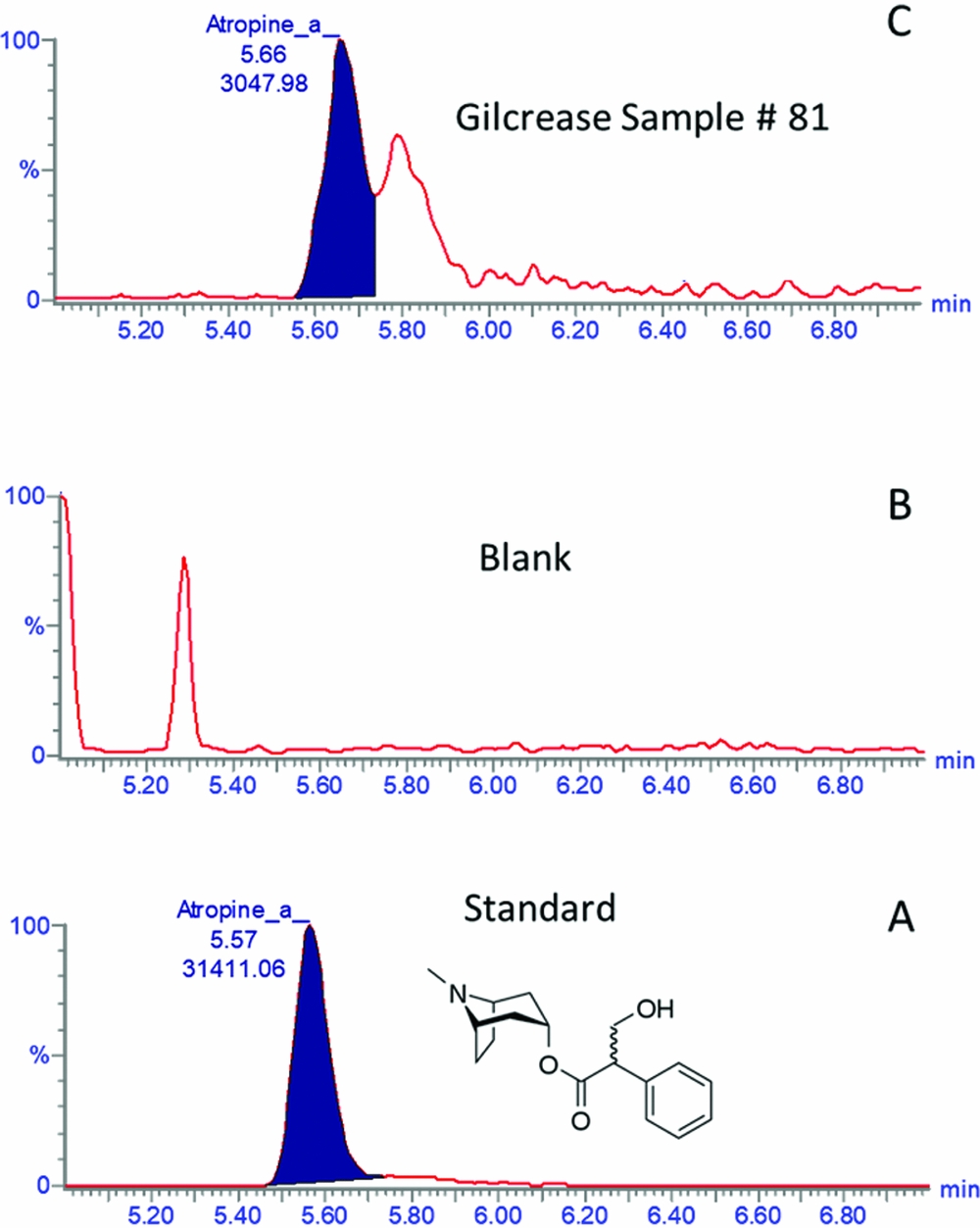
UPLC/MS-MS analyses of all the samples were carried out with a Waters ACQUITY UPLC System connected with a Xevo TQ triple quadrupole mass spectrometer. Analytical separations on the UPLC system were conducted using an ACQUITY UPLC C18 1.7 µm column (1 × 150 mm) at a flow rate of 0.15 ml/minute. The gradient started with 100% A (0.1% formic acid in H2O) and 0% B (0.1% formic acid in CH3CN) changed to 50% A over three minutes, followed by a four-minute linear gradient to 10% A, resulting in a total separation time of seven minutes. The elutions from the UPLC column were introduced to the mass spectrometer, and the resulting data were analyzed and processed using MassLynx 4.2 software (Figure 1). A pure standard mixture was used to optimize the UPLC conditions prior to analysis. Blanks were run in duplicate at the beginning, middle, and end of each run after the standards.
The developed method was validated by determining limit of detection, limit of quantification, linear dynamic range, precision, and accuracy (Table 5). The analytical parameter determinations of the atropine and scopolamine were done using standard mixtures. The results indicated that the limit of detection was 0.5 and 1 pg and the limit of quantitation was 1.5 and 3 pg for atropine and scopolamine, respectively, suggesting that the developed method is highly sensitive. The linearity of the method was determined from the calibration curves constructed for atropine and scopolamine. The data for accuracy, precision, and recovery are presented in Table 5. These results provide support that this method is dependable and reproducible for the analysis of atropine and scopolamine.
Validation of Detection Method.

Note: % CV = percent coefficient of variation; % RE = percent relative error.
RESULTS
As Table 1 shows, seven of the 31 Mississippian ceramic vessels returned results positive for atropine, while none contained scopolamine. The presence of atropine was further confirmed by co-chromatography (Supplemental Figure). All of these positives were identified in samples collected using the sonicator. This might suggest that the burr method somehow systematically selected against recovering atropine. However, the eight vessels sampled using both the sonicator and burr method produced consistent results, in this case all negative. These findings, along with the results from the shell samples, suggest that both methods are equally effective in recovering atropine residue. Among the positive Mississippian vessels are bottles and bowls, including special effigy forms, potentially representing both the storage and consumption of Datura beverages.
Fourteen of the shell cups and fragments we sampled contained traces of atropine (Table 2), while none contained scopolamine, a pattern also seen with the ceramic vessels. Only one shell cup was sampled using the sonicator (Cat. #54250-1949). Because the vessel had to float in the sonicator for this method to work, curators at the Gilcrease agreed to allow this sampling method with only one shell. The sonicator sample found traces of atropine in the cup, but the two subsequent burr samples from the same cup did not. Seven other cups or fragments were sampled in two locations using the burr method. Those locations included the area along the outer whorl of the cup and the cut surface at the top of the shell where the inner column had been removed. Our results show that both areas have the potential to contain atropine traces.
Of the 24 vessels deriving from western Mexico, 6 had traces of atropine, but scopolamine was absent in all cases (Table 3). These vessels range from the Early Formative (1400–1000 BC) to the Early Postclassic (AD 900–1250), showing that Datura use persisted over a long period in the region. Three of the vessels are simple bowls that we can assume were used to consume Datura beverages. Two of the vessels are tripodal mocajetes with a grinding surface built into their form, suggesting that they were used in the preparation of Datura beverages. The last sampled vessel is a small bottle that may have been used to hold prepared Datura beverages.
As noted above, we also collected and analyzed samples of dust recovered from 14 different locations in the curation and work areas of the Gilcrease Museum (Table 4). In all cases, no traces of atropine or scopolamine were found in the dust samples. The absence of these alkaloid residues on the shelves suggests that the atropine we found in the shell and pottery vessels was likely not introduced through contamination within the museum. While it is still possible that the atropine residues detected are the result of other kinds of contamination, we see that as unlikely. Atropine is not found in high levels in groundwater like other alkaloids such as caffeine (Fram and Belitz Reference Fram and Belitz2011), so postdepositional contamination through water percolation or postrecovery contamination through washing seems unlikely. Given that we do not know the full history of the Gilcrease Museum objects sampled, it is possible that they were contaminated with modern sources of atropine through intentional or unintentional human actions. This is unlikely because, outside of recreational use, the most common uses of atropine are in the medical field, where it is most often administered intravenously or through injection (American Society of Health-System Pharmacists 2016).
DISCUSSION
All of the Mississippian vessels that tested positive for atropine either are decorated with iconographic motifs or are effigy vessels in forms related to the Mississippian cosmological concept of the Beneath World—one of three realms of the Mississippian cosmos (Lankford Reference Lankford, Reilly and Garber2007a, Reference Lankford, Lankford, Reilly and Garber2011; Reilly Reference Reilly, Townsend and Sharp2004). The others are the sky realm, or Above World, and the surface realm, This World. Each of these three realms was associated with its own supernaturals, unique powers, and ritual themes. The Beneath World was a place of chaos and the realm of the dead, as well as the source of water and the growth of the natural world. Each day when the setting sun descended into the Beneath World, the day sky and the Beneath World switched places. Beings such as the Lord of Death and an earth mother figure associated with the moon inhabited this underwater and night sky realm. Given these associations, Beneath World powers would have been involved in rituals associated with death, but they were also important as sources of rain and the productivity of the earth and human populations.
One vessel that tested positive for Datura is a medium-sized bottle incised with images representing the Underwater Panther and the Great Serpent (Figure 2; Perino et al. Reference Perino, Willoughby and Lemley1960). According to Lankford's (Reference Lankford, Reilly and Garber2007b) research with Native American sacred narratives, both of these images represent avatars of the Lord of Death in the Beneath World. Keeping with this thematic association, two additional Datura-positive vessels are effigies of frogs or a turtle, both of which are associated with the watery Beneath World, and another is engraved with a swirl design also arguably associated with that same realm (Lankford Reference Lankford, Lankford, Reilly and Garber2011).
Drawing of imagery on Walls Engraved bottle, GM 5425–824, Gilcrease Museum, Tulsa, Oklahoma (Perino et al. Reference Perino, Willoughby and Lemley1960:149; reproduced with permission of Central States Archaeological Journal).

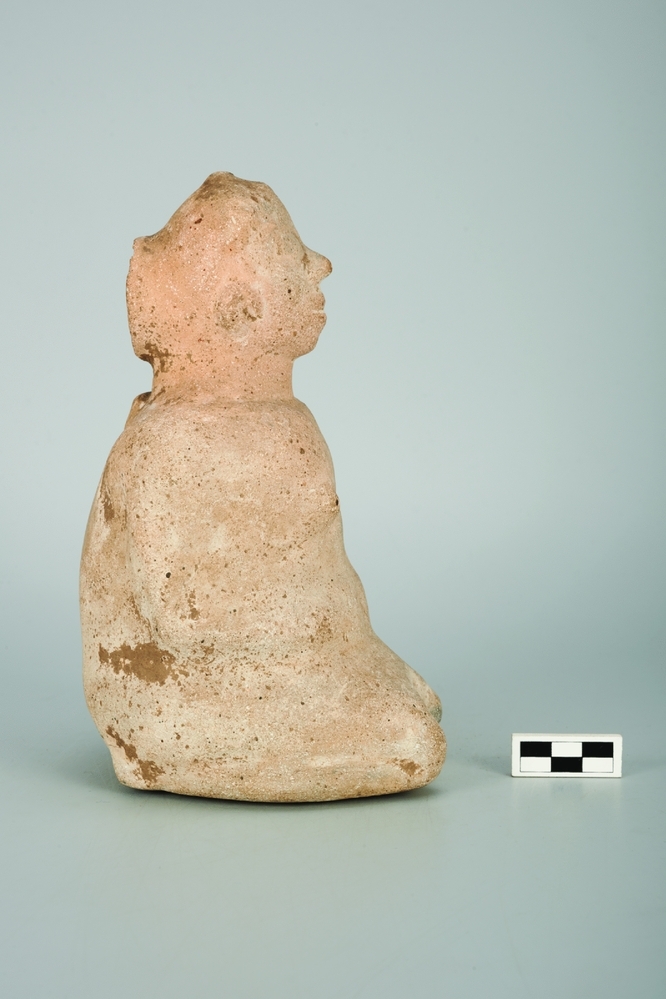
Another of the Datura-positive Mississippian vessels is an effigy of a female figure, understood to be a cognate of historic-period earth mother figures such as Old-Woman-Who-Never-Dies (Figure 3). Many groups in the Eastern Woodlands of North America consider this woman to be the moon in the night sky, so she is often associated with the Beneath World realm and its powers (Duncan and Diaz-Granados Reference Duncan, Diaz-Granados, Diaz-Granados and Duncan2004). Dye (Reference Dye2015) has argued recently that female effigy vessels found in the Lower Mississippi Valley may have helped create a connection between women and female guardian spirits. These bottles were effigies of those spirits as well as living manifestations of them. In her study of guardian spirits, Ruth Benedict (Reference Benedict1923) noted their widespread occurrence in North America and the use of Datura as a source of dreams through which women found and communicated with such spirits. Our discovery of atropine residue in a female effigy bottle from Arkansas lends support to this argument.
Female effigy bottle, GM 5425-1514, Gilcrease Museum, Tulsa, Oklahoma.
Carson Red-on-buff human head effigy bottle, GM 5425-1303, Gilcrease Museum, Tulsa, Oklahoma.
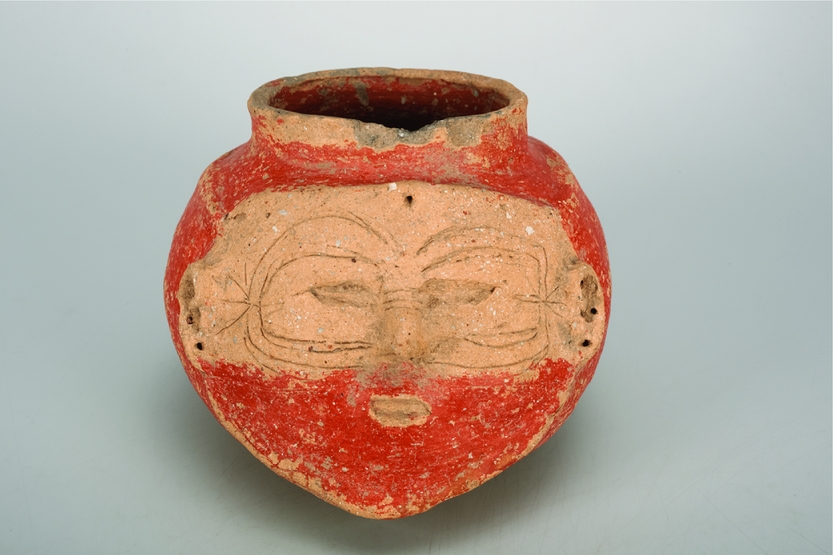
The remaining Datura-positive vessel is a human head effigy (Figure 4). Similar heads appear as early as the twelfth century in Mississippian art, and they have been interpreted as belonging to an Above World creator figure who was decapitated battling monsters in the Beneath World (Brown Reference Brown, Reilly and Garber2007; Walker Reference Walker, Townsend and Sharp2004). This decapitated creator figure was brought back to life by his sons after they brought his head back from the Beneath World. While there are multiple potential associations of this human head effigy, it may also be related to powers and rituals of the Beneath World. If that is the case, then it may have been part of rituals focused on the return of spirits after death.
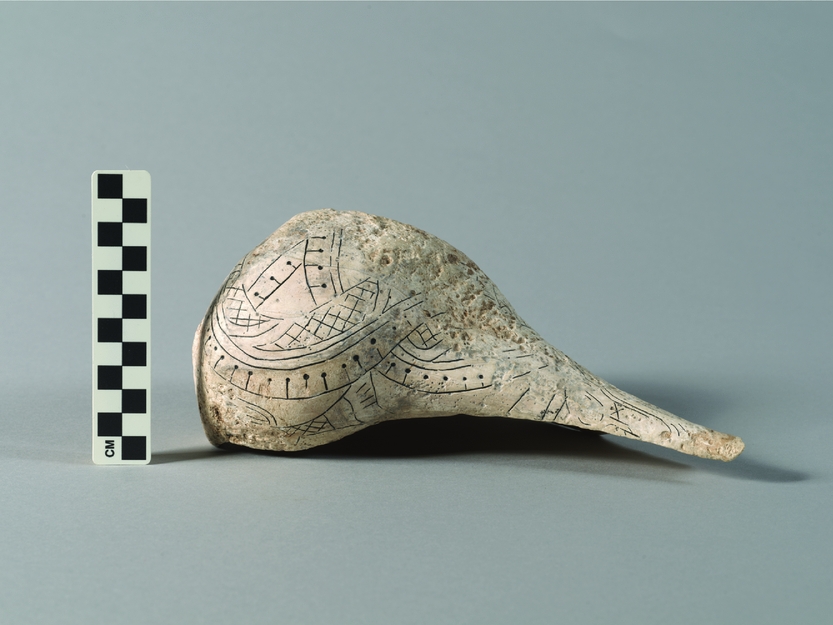
Ten of the shell cups and fragments with atropine residue were decorated, and their stylistic assignments are listed in Table 1. Only one of these is a whole vessel, and it was decorated in the Braden B or Late Braden style (Phillips and Brown Reference Phillips and Brown1978). It exhibits the amphisbaena theme, which is a creature with snakelike characteristics associated with the Beneath World (Figure 5). The other eight atropine-positive samples are vessel fragments and all exhibit imagery executed in the Craig A, B, or C style (Phillips and Brown Reference Phillips and Brown1984). The theme of the imagery on each is difficult to understand given their fragmentary nature. It may be important to note that, regardless of attached imagery, shell is associated with water and therefore the Beneath World.
Braden B shell cup, GM 9025-1473, Gilcrease Museum, Tulsa, Oklahoma.
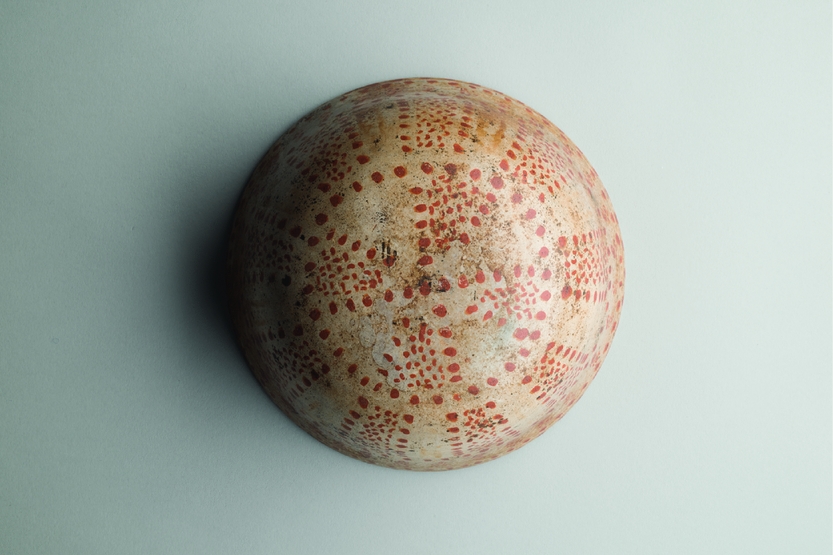
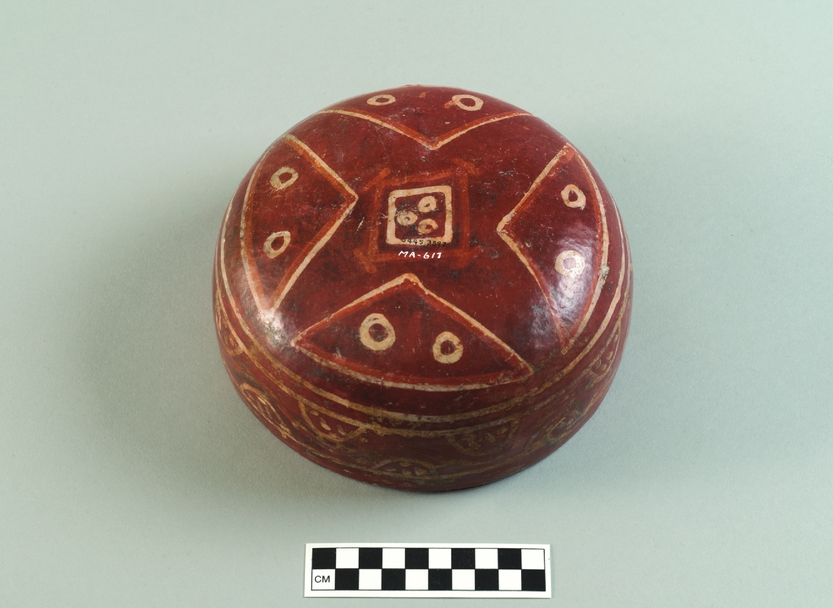
There is also some interesting patterning in the decoration and form of the Datura-positive vessels from West Mexico. Two of these bowls are painted with designs that appear to mimic Datura seedpods. One of the vessels is a shallow bowl (Cat. #5444-7366) dating to the Late Formative period (300 BC–AD 200) with imagery resembling a maturing Datura seedpod (Figure 6). Another vessel is a shallow bowl (Cat. #5445-3597) dating to the Late Formative/Early Classic period (300 BC–AD 500/600), and it is decorated with motifs that resemble an opening Datura seedpod (Figure 7). Ceramics in the region are well known for taking recognizable effigy forms of plants, fruits, and even animals. It is often assumed that the vessel form is related to its use (Schondube Reference Schondube and Townsend1998), and this pattern appears to be the case for these two bowls with Datura residue in them.
Late Formative bowl, GM 5444–7366, Gilcrease Museum, Tulsa, Oklahoma.
Late Formative–Early Classic bowl, GM 5445-3597, Gilcrease Museum, Tulsa, Oklahoma.
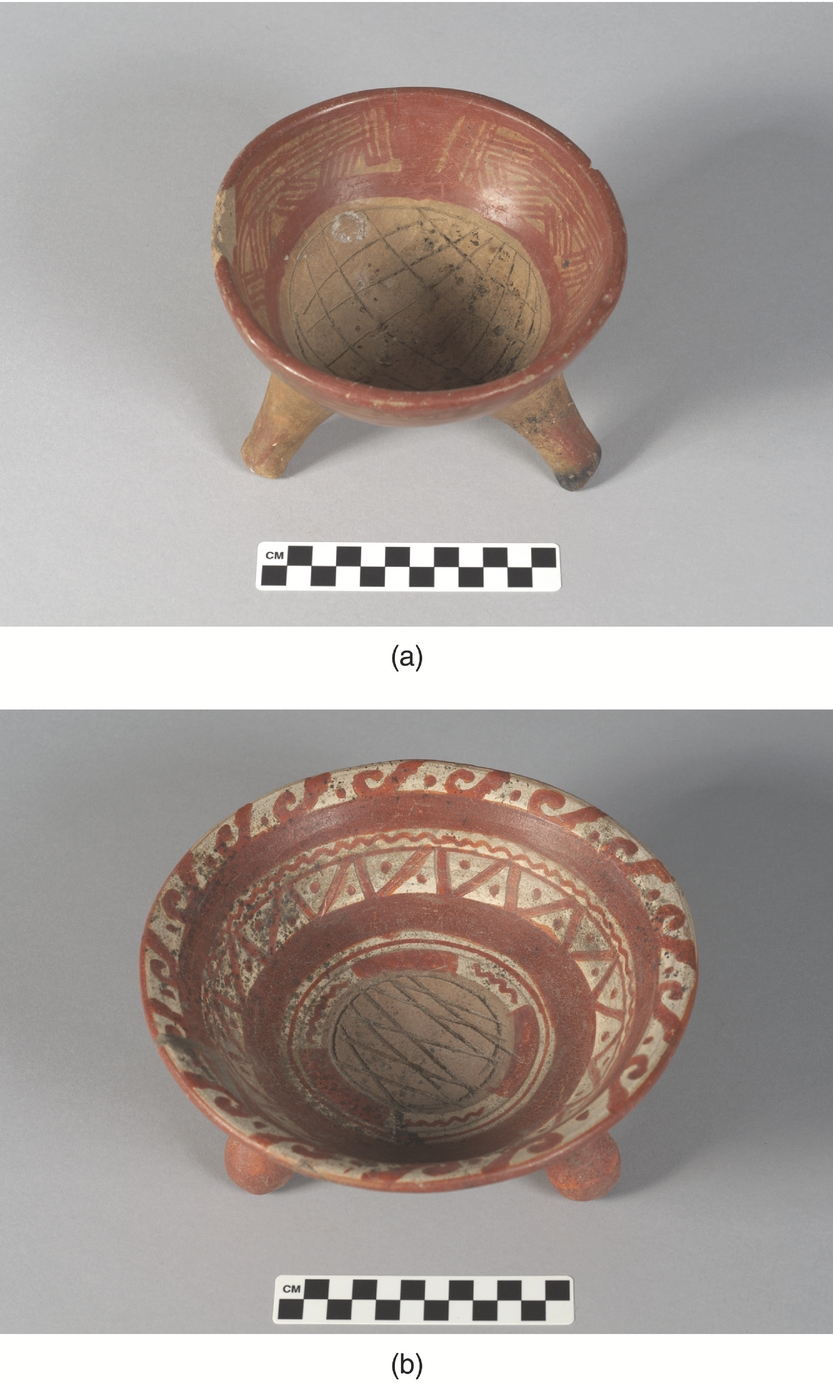
It is worth noting that two of the Datura-positive vessels take the mocajete form (Figure 8) and date to the Early Postclassic period (AD 900–1250). While this may be an artifact of our limited ceramic sample, it appears that earlier uses of Datura in West Mexico were associated with bowls decorated with Datura motifs. Later Datura preparation and consumption are associated with another kind of specialized vessel, this time one with a prepared grinding surface built in.
Molcajete vessels, Gilcrease Museum, Tulsa, Oklahoma: (a) GM 5445-3800 (b) GM 5445-3585.
SIGNIFICANCE
Until now, the only direct means of identifying Datura use in prehistoric contexts was through the recovery of preserved portions of Datura plants. Charred seeds have been found in context (Emerson and Jackson Reference Emerson and Jackson1984:333), and there is the possibility that Datura phytoliths may be recoverable as well. The use of Datura has also been inferred more indirectly through the interpretation of imagery as well as the presence of what some have argued are Datura fruit effigy vessels. With our demonstration that Datura is preserved as absorbed residues in both pottery and shell vessels, we have introduced another means of directly identifying the plants’ use in prehistoric contexts. Absorbed residues have the benefit of being preserved more commonly than actual plant remains and being recoverable from a ubiquitous type of material culture (pottery), whose form and style allow it to be dated and sourced fairly readily. Also, often vessels are directly associated with imagery that further allows for some understanding of the connection between Datura use and ritual themes.
In this study, we have demonstrated the efficacy of the sonicator sampling method for recovering absorbed residues from pottery and shell, especially residues containing atropine. While other water-based sampling methods have been used to recover caffeinated beverage residues from pottery (Washburn et al. Reference Washburn, Washburn and Shipkova2012), the sonicator method has not been used to sample pottery for absorbed residues until now. However, Zarrillo and colleagues (Reference Zarrillo, Gaikwad, Lanaud, Powis, Viot, Lesur, Fouet, Argout, Guichoux, Salin, Solorzano, Bouchez, Vignes, Severts, Hurtado, Yepez, Grivetti, Blake and Valdez2018) did use a sonicator to collect starch grains from ceramic vessels and also to sample cacao absorbed residues from stone bowls. The sonicator method is less destructive than burr methods, which actually remove a portion of the vessel. It also has the benefit of using vibration to release absorbed residues from vessel matrices, while other wash sampling methods rely only on solubility to collect samples.
Admittedly, the provenience information available for the objects we sampled does not meet modern standards, and that places limits on what we are able to infer from our results. Despite this limitation, we can make some useful inferences from the data generated. We can, with reasonable confidence, conclude that Datura was used in Mississippian and Caddoan contexts in Arkansas and from the Middle Mississippian (AD 1350–1450) to the Protohistoric (AD 1500–1700) period in Oklahoma in both ceramic and shell vessels. We already had an idea that it might have been used in this area because of mentions in ethnographic reports and archaeological data, but now we have confirmed it. We can also conclude that Datura consumption involved ceramic bottles and bowls, as well as shell vessels. Based on historical information, it has long been assumed that shell cups were used in ceremonies that included the Black Drink—a tea made from yaupon holly leaves. Now we must be open to the idea that these vessels were used in the consumption of more than one kind of ritual beverage.
Because we chose Mississippian and Caddoan Mississippian vessels that carried imagery (through their form or decoration), we made it possible to explore the correlation between what we understand about the thematic associations of particular imagery and Datura consumption. In these areas there is a clear correlation between the presence of Datura and Beneath World beings and locatives on Mississippian and Caddo pottery vessels. That association holds for the shell cups decorated in the Braden stylistic tradition. The Craig imagery is different in that it depicts ritual events that likely involved both people and supernaturals. These are important observations because they give us clues to the rituals that included Datura use in these cultural settings.
We can also be reasonably confident that Datura was prepared and consumed in West Mexico during the Late Formative to the Early Postclassic period. The presence of atropine in the mocajete vessel form suggests that grinding was part of the preparation of Datura. Because modern mocajetes are used to grind spices, including chili, it is often assumed that prehistoric versions were used for the same purpose. While this has yet to be demonstrated, it is apparent that the vessel form was used to grind other plants included in specialized beverages, particularly Datura. Those beverages were served in, and probably consumed from, simple bowls decorated to resemble a Datura seedpod.
Probably the most important contribution this study makes is in the potential it opens for future research. We have shown that atropine preserves in ancient shell and pottery vessels, it can be recovered using both sonicator and burr methods, and it can be measured using liquid chromatography mass spectrometry. The inferences we can draw from our current sample are limited because of a lack of contextual information. However, future targeted studies using objects with more detailed contextual information can begin to explore a whole host of interesting questions.
Several researchers (Lankford Reference Lankford2012; Litzinger Reference Litzinger1981), along with this study, have suggested that there may be particular vessel types and decorative forms associated with Datura use. These ideas can now be evaluated. We have introduced some inferences about the thematic associations of Datura use in the Mississippian period. Future studies that correlate Datura presence and iconographic interpretations will surely give us a fuller understanding of how and why Datura beverages were prepared and consumed in different cultural contexts. We know a good deal about recent uses of Datura (Ratsch Reference Ratsch2005), but we know much less about its older contexts of use and where it fit into ritual practices and ancient social systems. With targeted sampling of more vessels from various places and contexts, it will be possible to generate a clearer understanding of the use of Datura in time and space.
Finally, special beverages like those made from Datura are associated with ritual practices. Like so many other aspects of human behavior, these practices often have a place of origin and history of spread, alteration, and adaptation to new settings. The study of ritual beverages allows for the exploration of ritual complexes, their histories, and how they are part of culture-making on local and regional scales.
Acknowledgments
We would like to express our appreciation to the curators and staff at the Gilcrease Museum for providing us with access to their collections for sampling. In particular we would like to thank Ann Boulton, Laura Bryant, Susan Buchanan, Joanna Didik, and Kate Galatian for their help, understanding, and patience. The Savannah River Archaeological Research Program, the South Carolina Institute for Archaeology and Anthropology, and the Gilcrease Museum each funded portions of the project. A thank-you also goes to Rob Cross of the Gilcrease Museum for taking the vessel photographs. Finally, we wish to thank the anonymous reviewers for providing valuable comments and improving our essay.
Data Availability Statement
The mass spectrometry data generated using samples collected from pottery vessels, shell vessels, and surfaces at the Gilcrease Museum are archived at the Gaikwad Steroidomics Laboratory (http://gaikwadsteroidomics.com/) and are available upon request. The unanalyzed portions of the physical samples collected from archaeological specimens and surfaces at the Gilcrease are also stored at the Gaikwad Steroidomics Laboratory.
Supplementary material
To view supplementary material for this article, please visit https://doi.org/10.1017/aap.2018.30 Supplemental Figure. UPLC-MS/MS chromatograms of sample extract (bottom) and sample extract spiked with standard atropine (top).



