




Introduction
Potato (Solanum tuberosum L.) remains one of the most relevant food crops worldwide due to its high productivity, adaptability to diverse environments, nutritional value, and its essential role in food security and in supplying table, processing, and seed-production chains (Ojha et al., Reference Ojha, Karki and Ali2025). It is widely recognized as the third most important food crop globally, consumed regularly by billions of people (Mickiewicz et al., Reference Mickiewicz, Volkova and Jurczak2022).
In a context marked by increasing pressure on water resources and arable land, rising incidence of soil-borne diseases, and the growing need for pathogen-free propagative material, structural challenges emerge for conventional potato production systems (Martínez-Prada et al., Reference Martínez-Prada, Curtin and Gutiérrez-González2022). Under these conditions, soilless cultivation systems have attracted attention as sustainable alternatives (Kumar and Verma, Reference Kumar and Verma2024). Among them, aeroponics stands out as a promising technique for potato production because it enables precise control of the root environment, high root-zone oxygenation, reduction of soil-related diseases, more efficient use of water and nutrients, and the possibility of shorter and more sanitary production cycles (Tican et al., Reference Tican, Cioloca, Chelmea, Popa and Ștefan2024).
Despite this theoretical potential and the growing number of experimental studies on aeroponic potato cultivation, the specialized literature remains highly fragmented and characterized by methodological diversity. Previous reviews, whether focused specifically on potato (Naz et al., Reference Naz, Hanif, Dogar, Umar, Nigar, Arif, Noor, Imtiaz, Ali, Ali, Muhammad, Farooq and Kabir2024; Sinha et al., Reference Sinha, Solankey, Akhtar, Patel and Solankey2025; Rathore et al., Reference Rathore, Mahakul, Tiwari, Prajapati, Maheshwari, Yadav, Vasure, Tiwari and Singh2025) or on soilless systems more broadly (Garzón et al., Reference Garzón, Montes, Garzón and Lampropoulos2023; Amjad et al., Reference Amjad, Arulmozhi, Shin, Kang and Cho2025; Kumar et al., Reference Kumar and Verma2024), tend to present results in a narrative manner, emphasizing yield or technical advantages while failing to systematically examine the methodological foundations of the experiments. These works rarely consider, in a critical way, fundamental variables such as cultivar genetic diversity, the type of propagative material used, nutrient-solution protocols, environmental conditions, misting regimes, planting density, and the wide array of agronomic, physiological, and production-related parameters. This lack of critical assessment limits the ability to compare studies, synthesize evidence, and formulate general recommendations.
Thus, despite the increasing volume of recent publications, a structural gap persists in the literature: the absence of a systematic and critical review that evaluates not only experimental findings but also methodological consistency, genetic variability, experimental context, and potential geographic and technical biases. Such analysis is essential to determine the extent to which results are comparable, replicable, and applicable across different agroecological contexts.
Given this scenario, conducting a systematic and critical review of the recent literature on aeroponics applied to potato becomes necessary, one capable of identifying patterns, inconsistencies, and methodological gaps, thereby strengthening discussions on the feasibility and limitations of the technique and informing future research, breeding programmes, and technology adoption across diverse production settings. The review is based on the following hypothesis: that the main limitation in research on aeroponic potato cultivation is not technological, but stemming from a lack of standardization in experimental design, system characterization, and results presentation. Many studies are methodologically adequate within the context of their own experimental objectives, as they are designed to address specific research questions under controlled and well-defined conditions. In this sense, the experimental designs, treatments, and measurement approaches are often sufficient to produce valid, repeatable, and internally consistent results within each individual study.
However, their limitations become apparent when attempting to move beyond the scope of single experiments. Differences in nutrient-solution composition, environmental conditions, system configuration, plant material characterization, and the selection and measurement of agronomic variables introduce a high degree of methodological variability across studies. As a result, findings that are robust at the individual-study level are not easily comparable with those from other experiments.
This lack of harmonization restricts the possibility of conducting rigorous cross-study comparisons, limits the feasibility of quantitative meta-analyses, and ultimately hinders the development of generalized technical recommendations applicable across diverse production systems and geographic contexts. Consequently, while individual studies contribute valuable insights, the absence of standardized frameworks prevents their effective integration into a coherent and cumulative body of knowledge.
Methodology
Data extraction and construction of the systematized database were conducted in accordance with the PRISMA guidelines (Preferred Reporting Items for Systematic Reviews and Meta-Analyses) as established by Tricco et al. (Reference Tricco, Lillie, Zarin, O’Brien, Colquhoun, Levac, Moher, Peters, Horsley, Weeks, Hempel, Akl, Chang, McGowan, Stewart, Hartling, Aldcroft, Wilson, Garrity, Lewin, Godfrey, MacDonald, Langlois, Soares-Weiser, Moriaty, Clifford, Tunçalp and Straus2018), ensuring rigour, transparency, and reproducibility throughout all stages of the review. The systematic search was performed exclusively in the Scopus database, selected for its broad coverage of indexed journals, its concentration of recent publications related to soilless cultivation systems, and its more robust filtering mechanisms compared with other multidisciplinary platforms (Bass et al., Reference Baas, Schotten, Plume, Côté and Karimi2020; Pranckutė, Reference Pranckutė2021). This choice aimed not only to ensure editorial consistency but also to accurately capture the state of the art in aeroponics applied to potato production.
The search strategy was carefully structured to identify studies that directly and experimentally investigated aeroponic potato cultivation, spanning physiological and productive responses as well as structural, nutritional, and technological aspects of aeroponic systems. The keywords ‘potato‘ OR ‘Solanum tuberosum‘ AND ‘aeroponic‘ were selected to maximize search sensitivity while minimizing the loss of relevant articles using terminological variations. Specific filters were applied to restrict the scope to publications from 2021 to 2025, prioritizing contemporary literature produced after the global expansion of aeroponic systems, and limiting document type to ‘research article,‘ thereby excluding reviews, technical notes, editorials, or preliminary studies lacking experimental robustness. Additional thematic filters corresponding to Agronomy, Botany, Plant Physiology, and Agricultural Engineering ensured conceptual alignment among the selected studies.
The initial search yielded 78 documents. Title and abstract screening resulted in the exclusion of 49 studies that did not experimentally address aeroponics, focused exclusively on hydroponics, NFT, or soil-based cultivation, or mentioned aeroponics only as contextual justification without empirical evaluation of the system. Consequently, 29 articles were deemed eligible and were subjected to full-text reading and detailed analysis, forming the final dataset of the review.
During the extraction and analysis phase, substantial heterogeneity was observed in how the studies were described. Due to this inconsistency, it was not possible to construct certain standardized figures and tables encompassing all studies for presentation in the Results and Discussion section. Thus, the synthesis adopted a predominantly analytical and descriptive approach, maintaining methodological rigour without forcing comparisons to be rendered unfeasible by the lack of standardization in literature. The decision not to employ snowballing techniques was deliberate, diverging from broader reviews, because the aim of this study was to construct a systematic, up-to-date panorama directly linked to Scopus. Far from limiting the review, this restriction strengthened its methodological consistency by avoiding the inclusion of gray literature, nonindexed references, or studies of heterogeneous editorial quality, particularly important in an emerging and methodologically dispersed field such as aeroponics. Many studies are methodologically adequate within their own experimental scope, while their limitations mainly arise when attempting cross-study comparison, meta-analysis, or the development of generalized technical recommendations.
The selection process, including the stages of identification, screening, eligibility, and final inclusion, is represented in the PRISMA Flow Diagram (Figure 1), which visually and objectively summarizes the number of records obtained at each step and the criteria guiding their inclusion or exclusion. This analytical structure reinforces the rigour of the methodology and enables other researchers to fully replicate the process adopted in this review, thereby enhancing the reliability of the conclusions presented and contributing to the consolidation of a more standardized scientific framework for aeroponics applied to potato production.
Identification, screening, and eligibility stages following the PRISMA protocol, indicating the number of studies retrieved, excluded, and included.

Figure 1 of PRISMA flow diagram illustrates the selection process of the articles included in the critical review of aeroponic potato cultivation.
Results and discussion
Spatial patterns of distribution and concentration of research
Figure 2 synthesizes two central patterns in the recent dynamics of aeroponic potato research. Panel (A) shows that the number of articles published per year between 2021 and 2025 follows a trajectory of continuous growth, with increasing values across the period, with 4 studies in 2021, 6 in 2022, 12 in 2023, 2 in 2024, and 5 in 2025, demonstrating a notable rise in the adoption of aeroponics as a research theme. Despite fluctuations, the overall trend reveals clear expansion and methodological consolidation, with 2023 standing out as year of heightened scientific activity. Panel (B), in turn, illustrates the spatial distribution of countries conducting experimental aeroponic studies: a total of 18 nations appear on the map, but with marked disparities in participation. Colour intensity highlights India as the leading country, with up to nine publications, while regions such as Brazil, Bangladesh, China, the Czech Republic, South Korea, Turkey, Kenya, Ethiopia, and Russia contribute moderately; the remaining countries appear only with isolated studies. This spatial variability indicates that although aeroponics is present across multiple continents, its consolidation occurs unevenly, reflecting structural inequalities in technological capacity and research investment.
Number of articles published per year (a) and distribution of countries conducting experimental aeroponic research (b) between 2021 and 2025.

The temporal and spatial analysis of scientific production reveals that, despite consistent growth, aeroponic potato research remains relatively recent and characterized by strong geographic asymmetry and concentrated clusters of activity in both time and space. When consolidating the studies included in this review, a clear increase in publications emerges beginning in 2021, with a substantial rise in 2022 (e.g., Silva Filho et al., Reference Silva Filho, Fontes, Ferreira, Cecon and dos Santos2022; Čížek & Komárková, Reference Čížek and Komárková2022; Tiwari et al., Reference Tiwari, Buckseth, Singh, Zinta, Thakur, Bhardwaj, Singh, Kumar and Kumar2022) and a marked peak in 2024, when a large share of studies was published (Cheema et al., Reference Cheema, Ma, Wang, Tang, Zhang, Jahandad, Saba, Fang, Shahzad, Ansar, He and Zheng2024; Zinta et al., Reference Zinta, Tiwari, Buckseth, Goutam, Singh, Kumar and Thakur2024a; Rahman et al., Reference Rahman, Islam, Mumu, Ryu, Lim, Azad, Cheong and Lim2024; Silva Filho et al., Reference Silva Filho, Fontes, Ferreira, Cecon and dos Santos2024; Sumarni et al., Reference Sumarni and Farid2024; Dianawati et al., Reference Dianawati, Hamidah, Hamdani, Nurjanah, Sulistiyori, Haryati, Clarical, Rahadiep, Nashran and Rahayuningtias2024; Abitew, Reference Abitew, Kakuhenzire and Enyew2024). In 2025, interest remains high, with new studies focusing on economic performance (Singh et al., Reference Singh, Upadhyay and Singh2025), physiology under different nitrogen regimes (Zinta et al., Reference Zinta, Tiwari, Buckseth, Goutam, Singh, Thakur, Kumar, Singh and Kumar2025), and the use of plant growth-promoting microorganisms (Hartinger et al., Reference Hartinger, Matos, Moccellin, Faria and Kawakami2025; Melyan et al., Reference Melyan, Martirosyan, Sahakyan, Sayadyan, Melikyan, Barsegheyan, Vardanyan, Martirosyan, Harutyunyan, Mkrtchyan, Hakobjanyan, Dangyan, Terteryan, Khazaryan and Galstyan2025). This upward trend not only reflects thematic maturation but also indicates that aeroponic potato research remains in a phase of scientific diffusion and methodological consolidation.
Between 2021 and 2025, a shift in the profile of investigations becomes evident: early studies emphasized the technical feasibility of aeroponics and comparisons with conventional or hydroponic systems (e.g., Tkachenko et al., Reference Tkachenko, Evseeva, Terentyeva, Burygin, Shirokov, Burov, Matora and Shchyogolev2021; Čížek and Komárková, Reference Čížek and Komárková2022). Starting in 2023, more specialized research emerges, evaluating planting density, mist depth, light quality, and tuberization physiology. In 2024 and 2025, comprehensive studies incorporating metabolomics, transcriptomics, abiotic stress, and plant–microorganism interactions appear, indicating increasing scientific sophistication. This methodological deepening, however, reinforces the need for contextualization, as factors such as photoperiod, altitude, temperature, greenhouse infrastructure, and level of automation critically shape potato performance in aeroponic systems.
From a spatial perspective, asymmetry is even more pronounced. India stands out as the global hub of aeroponic potato research, leading advancements in protocols, nutrient-solution refinement, nitrogen-use efficiency studies, and cultivar evaluations (e.g., Buckseth et al., Reference Buckseth, Singh, Tiwari, Sharma, Gautam, Sharma, Sadawarti and Kumar2022; Tiwari et al., Reference Tiwari, Buckseth, Singh, Zinta, Thakur, Bhardwaj, Singh, Kumar and Kumar2022; Cheema et al., Reference Cheema, Ma, Wang, Tang, Zhang, Jahandad, Saba, Fang, Shahzad, Ansar, He and Zheng2024; Singh et al., Reference Singh, Upadhyay and Singh2025; Zinta et al., Reference Zinta, Tiwari, Buckseth, Goutam, Singh, Thakur, Singh, Kumar and Kumar2024b, Reference Zinta, Tiwari, Buckseth, Goutam, Singh, Thakur, Kumar, Singh and Kumar2025; Sadawarti et al., Reference Sadawati, Singh, Buckseth, Singh, Samadhiyala, Katare, Kumar, Singh, Sharma and Singh2023). This dominance stems from the strategic importance of potato in Indian agriculture, where high-quality minituber production is essential for seed systems.
Bangladesh and other South Asian countries also form important centres, particularly at the biocontrol–aeroponics interface (Abuhena et al., Reference Abuhena, Al-Rashid, Azim, Khan, Kabir, Barman, Rasul, Akter and Huq2022). In East Asia, South Korea and China focus primarily on environmental factors, such as light quality and spectral composition (Rahman et al., Reference Rahman, Islam, Mumu, Ryu, Lim, Azad, Cheong and Lim2024).
In Latin America, scientific production is concentrated almost exclusively in Brazil, with studies targeting nutrient-solution optimization, morphophysiological parameters, and interactions with growth-promoting microorganisms (Silva Filho et al., Reference Silva Filho, Fontes, Ferreira, Cecon and dos Santos2022, Reference Silva Filho, Fontes, Ferreira, Cecon and dos Santos2024; Hartinger et al., Reference Hartinger, Matos, Moccellin, Faria and Kawakami2025). Hispanic Latin America is nearly absent, with only a single study published in Spanish (García-Segura et al., Reference García-Segura, Valdez-Aguilar, Ramírez-Rodríguez, Zermeño-González and Cadena-Zapata2021), despite the Andes being the cultural and genetic centre of origin of the potato.
In the Europe–Eurasia axis, research is significant but equally concentrated. The Czech Republic conducts comparative studies evaluating aeroponics versus conventional methods, emphasizing seed productivity and quality (Čížek & Komárková, Reference Čížek and Komárková2022). Turkey investigates planting density under semi-arid conditions, aiming to integrate aeroponics into regional production chains (Çalışkan et al., 2020, Reference Çalışkan, Yavuz, Yağiz, Demirel and Çalışkan2021). Former Soviet states, such as Russia, Armenia, and the Caucasus region, develop in vitro tuberization and minituber production protocols (Tkachenko et al., Reference Tkachenko, Evseeva, Terentyeva, Burygin, Shirokov, Burov, Matora and Shchyogolev2021, Reference Tkachenko, Evseeva, Kargapolova, Kulikov, Gulevich, Gulevich and Muromtsev2023; Melyan et al., Reference Melyan, Martirosyan, Sahakyan, Sayadyan, Melikyan, Barsegheyan, Vardanyan, Martirosyan, Harutyunyan, Mkrtchyan, Hakobjanyan, Dangyan, Terteryan, Khazaryan and Galstyan2025). Additional isolated records appear in the Balkans (Oljača et al., Reference Oljača, Broćić, Pantelić, Rudić, Poštić and Momčilović2024) and North Africa/Middle East (Khalil et al., Reference Khalil, Samy, Abd El Halem and Emam2024).
In Africa, research presence remains modest, concentrated primarily in Kenya and Ethiopia. Atieno et al. (Reference Atieno, Almekinders, Sharma, Schulte-Geldermann and Struik2025), within the International Potato Center, highlights aeroponics as a strategic solution to overcome structural limitations in basic seed systems. Abitew (Reference Abitew, Kakuhenzire and Enyew2024) evaluates planting density and container size, evidencing efforts to adapt aeroponics to screenhouse conditions. Nevertheless, the continent remains underrepresented compared with India, Brazil, or Central Europe.
This geographic concentration imposes critical limitations on the generalization of results. Selected period may influence the observed geographical distribution, it should be considered that it also reflects the current dynamics of published, indexed research activity, which is directly relevant for assessing methodological comparability and identifying present gaps in reporting and standardization. In this sense, the geographical pattern identified should be interpreted as representative of recent scientific output, rather than of the historical evolution or technological maturity of aeroponics in different regions. Countries such as Kenya may show increasing interest in aeroponics because their seed systems are undergoing dynamic development and require reliable decentralized seed production technologies. Conversely, in Western Europe, such systems may already be well established, reducing the number of recent experimental publications despite extensive prior development and operational use. The apparent absence of Hispanic South America in the reviewed dataset should not be interpreted as a complete absence of research, expertise, or technological development in the region. Rather, it reflects the temporal and database limits of our search strategy. Institutions such as the International Potato Center in Peru contributed substantially to the early development and description of aeroponic and hydroponic approaches prior to the period analysed in this review.
In comparing the results, it is necessary to point out that aeroponics is highly sensitive to variables such as photoperiod, thermal amplitude, light quality (solar versus artificial), altitude, water chemistry, water availability, and the degree of automation of the system. For example, studies conducted in India are shaped by subtropical conditions with specific light and temperature cycles, whereas research in the Czech Republic occurs under tightly controlled environments with strong seasonal variation in radiation. This means that replicating planting density, misting interval, or nutrient composition from Asian or European studies in Andean, humid tropical, or low-technology environments may lead to entirely different physiological responses – not because the original studies are flawed, but because the evidence base lacks ecological and operational diversity.
Furthermore, spatial concentration reflects inequalities in scientific infrastructure, technological investment, and national research priorities. Regions with greater investment in protected agriculture and applied science publish more, while highly relevant potato-growing regions, such as the Andes, Central America, Western Europe (the Netherlands, Germany, France), and much of Hispanic Latin America, remain largely absent from the literature.
This imbalance introduces several biases, including: (i) overestimation of aeroponic yield potential, since many studies are conducted in highly optimized environments; (ii) underrepresentation of native or regionally important genetic materials; and (iii) limited ecological representativeness, as conditions of low technification, water/energy constraints, or smallholder agriculture are rarely evaluated.
The present synthesis demonstrates that, despite quantitative and qualitative progress, the ‘map‘ of aeroponic potato research remains uneven and concentrated in a few scientific hotspots. The geographic limitation of the evidence base should be explicitly acknowledged as a major barrier to the global robustness of technology. To address this, the following actions are recommended: (a) expand research into underrepresented regions, particularly the Andes, Central America, Western Europe, and non-Anglophone African countries; (b) incorporate local and native cultivars to enhance socioeconomic applicability; (c) promote multicentric studies with standardized protocols for nutrient solutions, planting density, and misting regimes; and (d) evaluate aeroponics under low-technology conditions reflecting smallholder realities.
Only through such geographic and methodological expansion will it be possible to establish aeroponic potato cultivation as a truly global, representative, and applicable technology, minimizing contextual biases and strengthening its agroecological, productive, and socioeconomic relevance.
Diversity and distribution of cultivars
The synthesis of cultivars used across the studies reveals a highly fragmented and asymmetrical scenario in which varietal selection is strongly linked to geographic context, regional agronomic priorities, and access to certified genetic material. In total, this review identified more than 80 potato cultivars tested under aeroponic conditions between 2021 and 2025, yet their distribution is uneven and heavily concentrated in countries such as India, China, Brazil, Turkey, and Russia. This large nominal diversity, however, does not translate into true global genetic diversity: many countries repeatedly test widely distributed commercial cultivars, while regions of exceptionally high genetic diversity, such as the Andes and Central America, are almost entirely absent.
Nearly half of all identified cultivars originate from studies conducted in India or from breeding programmes strongly influenced by Indian research. Extensive varietal sets, such as those reported by Sadawarti et al. (Reference Sadawati, Singh, Buckseth, Singh, Samadhiyala, Katare, Kumar, Singh, Sharma and Singh2023), included more than 20 commercial cultivars from the ‘Kufri‘ portfolio. The most frequently studied include Kufri Jyoti (Singh et al., Reference Singh, Upadhyay and Singh2025; Zinta et al., Reference Zinta, Tiwari, Buckseth, Goutam, Singh, Thakur, Kumar, Singh and Kumar2025; Buckseth et al., Reference Buckseth, Singh, Tiwari, Sharma, Gautam, Sharma, Sadawarti and Kumar2022; Sadawarti et al., Reference Sadawati, Singh, Buckseth, Singh, Samadhiyala, Katare, Kumar, Singh, Sharma and Singh2023), Kufri Pukhraj (Singh et al., Reference Singh, Upadhyay and Singh2025; Zinta et al., Reference Zinta, Tiwari, Buckseth, Goutam, Singh, Thakur, Kumar, Singh and Kumar2025; Sadawarti et al., Reference Sadawati, Singh, Buckseth, Singh, Samadhiyala, Katare, Kumar, Singh, Sharma and Singh2023), and Kufri Khyati (Singh et al., Reference Singh, Upadhyay and Singh2025; Zinta et al., Reference Zinta, Tiwari, Buckseth, Goutam, Singh, Thakur, Singh, Kumar and Kumar2024a; Buckseth et al., Reference Buckseth, Singh, Tiwari, Sharma, Gautam, Sharma, Sadawarti and Kumar2022; Sadawarti et al., Reference Sadawati, Singh, Buckseth, Singh, Samadhiyala, Katare, Kumar, Singh, Sharma and Singh2023). Numerous additional cultivars (e.g., Kufri Mohan, Kufri Sutlej, Kufri Anand, and Kufri Himalini) also appear repeatedly, reflecting India’s leading role in aeroponic potato research and its structural need for rapid production of high-quality basic seed.
This dominance introduces a bias concerning global applicability: Indian cultivars are bred for subtropical high-altitude environments, display specific physiological responses to short-day photoperiods, possess distinct nutritional requirements, and do not represent the broader global genetic diversity of potato. Consequently, their performance in aeroponic systems cannot be straightforwardly extrapolated to temperate, Andean, or Mediterranean regions.
China emerges as another important hub, particularly in the studies by Cheema et al. (Reference Cheema, Ma, Wang, Tang, Zhang, Jahandad, Saba, Fang, Shahzad, Ansar, He and Zheng2024), which evaluated cultivars such as Feureta, Qingshu-9, N6-22, Sichuan taro-5, Chuanyu-56, and Liangshu-97. These genotypes are region-specific and adapted to the agroecological conditions of southwest China, a region characterized by high humidity, large thermal variation, and strong disease endemicity. As in India, the use of locally bred material is suitable for national technological development but limits global inference, especially because such cultivars are rarely commercialized internationally.
African studies, in turn, rely almost exclusively on regional cultivars. Atieno et al. (Reference Atieno, Almekinders, Sharma, Schulte-Geldermann and Struik2025) employed Única, Konjo, Wanjiku, Lenana, Chulu, Nyota, Shangi, Asante, Dutch Robijn, and Sherekea, varieties widely cultivated in Kenya and neighbouring countries. Similarly, Abitew (Reference Abitew, Kakuhenzire and Enyew2024) evaluated Belete and Gudene, Ethiopian cultivars developed for high-altitude, cool environments. While this strengthens local relevance, it highlights a continental varietal isolation: virtually none of these cultivars are tested outside their native regions or under different climate regimes, limiting comparative assessments and reducing the generalizability of physiological responses.
Brazil appears with two primary cultivars: Ágata (Silva Filho et al., Reference Silva Filho, Fontes, Ferreira, Cecon and dos Santos2022, Reference Silva Filho, Fontes, Ferreira, Cecon and dos Santos2024; Hartinger et al., Reference Hartinger, Matos, Moccellin, Faria and Kawakami2025) and BRS F63 (Camila) (Hartinger et al., Reference Hartinger, Matos, Moccellin, Faria and Kawakami2025). Both are mid- to short-cycle cultivars developed for subtropical environments. Outside Brazil, Granola L (Dianawati et al., Reference Dianawati, Hamidah, Hamdani, Nurjanah, Sulistiyori, Haryati, Clarical, Rahadiep, Nashran and Rahayuningtias2024) is the only notable Latin American cultivar identified, yet it appears in a study conducted in Chile.
In Hispanic Latin America, only one study was identified (García-Segura et al., Reference García-Segura, Valdez-Aguilar, Ramírez-Rodríguez, Zermeño-González and Cadena-Zapata2021), and it did not specify the cultivar used. This absence is particularly problematic given that the Andes constitute the cultural and genetic centre of origin for potatoes. The lack of studies involving Andean native cultivars, primitive landraces, pigment-rich varieties (high in antioxidants), and high-altitude ecotypes severely limit understanding of how genetically diverse materials respond to aeroponic cultivation.
Central and Eastern Europe contribute limited diversity to aeroponic research but provide some temperate cultivars, including Adéla, Zuza, and Ornella (Čížek et al., Reference Čížek and Komárková2022); Cleopatra, Kennebec, and Désirée (Oljača et al., Reference Oljača, Broćić, Pantelić, Rudić, Poštić and Momčilović2024); Cara, Diamant, Hermes, Lady Rosetta, and Spunta (Khalil et al., Reference Khalil, Samy, Abd El Halem and Emam2024); and Nevsky and Kondor (Tkachenko et al., Reference Tkachenko, Evseeva, Terentyeva, Burygin, Shirokov, Burov, Matora and Shchyogolev2021, Reference Tkachenko, Evseeva, Kargapolova, Kulikov, Gulevich, Gulevich and Muromtsev2023), as well as Red Scarlet (Melyan et al., Reference Melyan, Martirosyan, Sahakyan, Sayadyan, Melikyan, Barsegheyan, Vardanyan, Martirosyan, Harutyunyan, Mkrtchyan, Hakobjanyan, Dangyan, Terteryan, Khazaryan and Galstyan2025). These cultivars are mostly commercial varieties bred for European markets – seed production, processing, or table use. Although their inclusion facilitates international comparison due to their wide global distribution, European diversity remains underutilized: nearly no studies employ long-cycle, pigmented, or traditional cultivars.
Altogether, the analysis reveals a clear preference for nationally established commercial cultivars, whether Indian, Chinese, Brazilian, Turkish, or European. Very few studies evaluate local, indigenous, or non-commercial cultivars, reducing the genetic representativeness of the literature. Most cultivars appear only once, with notable exceptions such as Kufri Jyoti, Kufri Pukhraj, Ágata, and Nevsky. This low repetition limits multilocational comparisons, assessment of genotypic stability, and the development of robust meta-analyses.
The most critical gap identified is the near absence of Andean native cultivars, high-altitude ecotypes, and primitive diploid and tetraploid varieties. These materials are essential for understanding aeroponic performance under extreme conditions, precisely where the technology may be most needed. Moreover, varietal heterogeneity directly affects the extrapolation of findings. Because each cultivar responds differently to planting density, tuberization speed, misting frequency, nutrient composition, photoperiod, and water or thermal stress, results obtained with ‘Kufri Jyoti‘ in India cannot be automatically applied to ‘Ágata‘ in Brazil or to Andean landraces in high-altitude environments.
The diversity of cultivars tested in aeroponic systems reveals three central issues. First, there is low comparability among studies because, even under similar experimental conditions, physiological and productive responses are strongly genotype-dependent, hindering reliable generalizations. Second, there is a risk of overestimating productivity since some studies employ highly responsive cultivars such as Kufri Khyati, which may create unrealistic expectations in regions dominated by less responsive materials. Third, a clear misalignment exists between published research and the local needs of many potato-producing regions: Andean countries, Central America, and West Africa often adopt aeroponics with cultivars that have never been tested in such systems, limiting predictability of outcomes.
Given these limitations, it is essential to guide future research toward greater genetic and geographic representativeness. The systematic inclusion of native and regional cultivars, especially from the Andes, Central America, West and Southern Africa, Mediterranean regions, and Western Europe, would allow a more accurate understanding of the true range of agronomic responses under aeroponics. Additionally, multicentric trials using a minimal set of standard cultivars would enhance international comparability. Studies must also provide detailed descriptions of cultivar characteristics, including growth cycle, virus susceptibility, nutritional requirements, and tuberization habits. Standardizing performance indicators, such as tuber number per plant, fresh and dry biomass, tuberization rate, nitrogen-use efficiency, and stolon index, would support the development of robust and comparable meta-analyses.
In summary, the review of cultivars used in aeroponic systems shows that despite the large nominal diversity, there is strong geographic bias, low repetition across studies, predominance of commercial varieties, and underrepresentation of ecologically relevant native genotypes. This gap undermines the global robustness of aeroponic technology and reinforces the need for genetic and geographic diversification to enable reliable application across diverse production contexts.
Environmental and structural parameters of the experiments
The experimental conditions adopted in aeroponic potato studies constitute one of the main axes of heterogeneity identified in this review. The way systems are assembled, considering aeroponic module design, growing environment (greenhouse, glasshouse, screenhouse, controlled-environment chamber), temperature and humidity regimes, light intensity and photoperiod, as well as misting frequency and mode, has a direct impact on plant physiology, tuberization dynamics, and minituber yield. However, the synthesis of the analysed studies reveals a highly fragmented picture, with substantial variation between experiments and, in many cases, incomplete descriptions of environmental conditions. This severely limits comparability and constrains the development of robust quantitative syntheses, as has also been highlighted in recent critical reviews in agronomy.
In general, experiments are conducted in greenhouses or glasshouses with some degree of climate control, but with wide variation in the level of automation. Highly controlled systems, such as the one described by Singh et al. (Reference Singh, Upadhyay and Singh2025), combine a greenhouse equipped with a fan-and-pad cooling system, cultivation boxes with plant-support structures, explicit control of canopy and root zones, and clearly defined temperature ranges: air temperatures below 28 °C, root-zone temperatures below 20 °C, and, during tuberization, 20–24 °C during the day and 10–15 °C at night, with nutrient solution maintained between 14 and 21 °C (day) and 12 and 16 °C (night). Relative humidity is kept between 80 and 95%, and the misting regime is finely tuned to plant phenology, with 30–40 s misting pulses alternated with intervals of 300–900 s, differentiated between day and night. This level of detail reflects a highly regulated environment, approaching semi-industrial conditions for basic seed production.
At the other end of the spectrum, some studies operate under far less standardized conditions. Sumarni et al. (Reference Sumarni and Farid2024), for example, conducted experiments in a semicylindrical greenhouse, reporting light intensity in lux and temperature and humidity at three time points (07:00, 13:00, and 16:00), with daytime peaks reaching 35.5 °C and relative humidity around 55%, conditions much more prone to thermal and water stress. In other studies, such as Atieno et al. (Reference Atieno, Almekinders, Sharma, Schulte-Geldermann and Struik2025), descriptions focus on the physical size of the structure (18 m × 9 m, capacity for 1,500 plants) and the type of environment (greenhouse/screenhouse with planting boxes), but detailed information on temperature, humidity, and light regime is lacking, making it difficult to interpret plant performance and its environmental drivers.
Temperature and humidity thus represent a critical axis of variation. In chamber or tightly controlled greenhouse systems (Zinta et al., Reference Zinta, Tiwari, Buckseth, Goutam, Singh, Thakur, Kumar, Singh and Kumar2025; Melyan et al., Reference Melyan, Martirosyan, Sahakyan, Sayadyan, Melikyan, Barsegheyan, Vardanyan, Martirosyan, Harutyunyan, Mkrtchyan, Hakobjanyan, Dangyan, Terteryan, Khazaryan and Galstyan2025; Rahman et al., Reference Rahman, Islam, Mumu, Ryu, Lim, Azad, Cheong and Lim2024), temperature is generally maintained between 18 and 25 °C, with a maximum variation of ±2 °C, and relative humidity is closely monitored, often using data loggers (as in Hartinger et al., Reference Hartinger, Matos, Moccellin, Faria and Kawakami2025). By contrast, studies conducted under more field-like or partially controlled conditions show larger thermal amplitudes and, in some cases, provide only point averages or approximate ranges rather than continuous records of temperature and humidity. As a result, plants grown under 23 ± 2 °C in controlled chambers cannot be meaningfully compared with plants exposed to peaks of 30–35 °C in semi-controlled greenhouses, even if the aeroponic system is conceptually similar.
Light constitutes another component with marked variability. Some studies employ strictly controlled photoperiods, such as 16 h light / 8 h dark (Melyan et al., Reference Melyan, Martirosyan, Sahakyan, Sayadyan, Melikyan, Barsegheyan, Vardanyan, Martirosyan, Harutyunyan, Mkrtchyan, Hakobjanyan, Dangyan, Terteryan, Khazaryan and Galstyan2025; Rahman et al., Reference Rahman, Islam, Mumu, Ryu, Lim, Azad, Cheong and Lim2024; Oljača et al., Reference Oljača, Broćić, Pantelić, Rudić, Poštić and Momčilović2024) or 11 h light / 13 h dark (Zinta et al., Reference Zinta, Tiwari, Buckseth, Goutam, Singh, Thakur, Kumar, Singh and Kumar2025), with intensities reported in µmol m−2 s−1 (e.g., 50–60 µmol m−2 s−1 during in vitro or acclimatization phases, as described by Buckseth et al. (Reference Buckseth, Sharma, Tiwari, Kumar, Sharma, Challam, Sadawarti and Singh2024; Zinta et al. (Reference Zinta, Tiwari, Buckseth, Goutam, Singh, Kumar and Thakur2024b). Other articles, such as Sumarni et al. (Reference Sumarni and Farid2024), report radiation in lux, making conversion to photosynthetically active units less straightforward and hindering direct comparison with studies using µmol m−2 s−1. In many cases, light is simply described as ‘natural‘ or ‘natural daylength,‘ with no quantification of intensity, which prevents adequate assessment of radiation effects on tuberization, a process known to be highly sensitive to both photoperiod and light intensity.
With respect to aeroponic system design, there is a wide spectrum ranging from commercial modules (for example, the Urozhay 9000 system described by Tkachenko et al. (Reference Tkachenko, Evseeva, Kargapolova, Kulikov, Gulevich, Gulevich and Muromtsev2023) to custom-built systems made from wooden boxes, polystyrene panels, and black polyethylene sheeting (Silva Filho et al., Reference Silva Filho, Fontes, Ferreira, Cecon and dos Santos2024; Buckseth et al., Reference Buckseth, Sharma, Tiwari, Kumar, Sharma, Challam, Sadawarti and Singh2024; Khalil et al., Reference Khalil, Samy, Abd El Halem and Emam2024). These modules differ in volume, root-chamber depth, number of emitters per unit area, emitter placement, and thermal insulation materials. In Hartinger et al. (Reference Hartinger, Matos, Moccellin, Faria and Kawakami2025), for instance, the root chambers are wooden modules with polystyrene walls (1.0 × 1.0 × 0.85 m), equipped with a pressurized pump and sprinklers, installed in a greenhouse with evaporative cooling and shading screens. Silva Filho et al. (Reference Silva Filho, Fontes, Ferreira, Cecon and dos Santos2024), in contrast, use wooden boxes (1.0 × 0.6 × 0.7 m) insulated with expanded polystyrene and lined in black, nebulized by MA-30 nozzles, also within a greenhouse with evaporative cooling. Although both setups are described as ‘aeroponic systems,‘ the mist dynamics, air circulation, and internal temperature gradients likely differ substantially.
Misting frequency and emitter type are perhaps the most evident sources of variation among studies. High-pressure atomization systems producing droplets ≤ 50 µm (Singh et al., Reference Singh, Upadhyay and Singh2025; Melyan et al., Reference Melyan, Martirosyan, Sahakyan, Sayadyan, Melikyan, Barsegheyan, Vardanyan, Martirosyan, Harutyunyan, Mkrtchyan, Hakobjanyan, Dangyan, Terteryan, Khazaryan and Galstyan2025; Buckseth et al., Reference Buckseth, Sharma, Tiwari, Kumar, Sharma, Challam, Sadawarti and Singh2024; Khalil et al., Reference Khalil, Samy, Abd El Halem and Emam2024; Oljača et al., Reference Oljača, Broćić, Pantelić, Rudić, Poštić and Momčilović2024) are designed to maximize the contact area between nutrient solution and roots and to increase rhizosphere oxygenation. These studies generally employ short misting pulses (10–40 s ON) interspersed with OFF periods of 2–15 min, adjusted according to the developmental stage, for example, 30 s ON / 300 s OFF early in the cycle, shifting to 30 s ON / 600–900 s OFF as root systems expand. In contrast, other studies use micro-sprinklers (Rahman et al., Reference Rahman, Islam, Mumu, Ryu, Lim, Azad, Cheong and Lim2024) or longer misting cycles (Dianawati et al., 2024: 3 min ON / 7 min OFF), resulting in very different wetting–drying patterns in the root zone.
Additional variation arises from the logic used to control misting: some systems are time-based (timer-controlled), while others respond to relative humidity, such as the system described by Melyan et al. (Reference Melyan, Martirosyan, Sahakyan, Sayadyan, Melikyan, Barsegheyan, Vardanyan, Martirosyan, Harutyunyan, Mkrtchyan, Hakobjanyan, Dangyan, Terteryan, Khazaryan and Galstyan2025), which triggers misting when humidity drops to 45% and stops when it reaches 65–70%. These differing wet–dry regimes directly influence root oxygenation, nutrient-solution temperature, and the microclimate surrounding the roots, thereby modulating growth rate and tuberization.
Another poorly standardized aspect is experimenting with size and plant density. Not all articles report plant density (plants m−2) or the total number of plants per treatment. Some, such as Atieno et al. (Reference Atieno, Almekinders, Sharma, Schulte-Geldermann and Struik2025), mention only the total system capacity (1,500 plants), without detailing how plants are distributed among treatments and replications. Others describe the number of plants per box but do not relate these values to the effectively cultivated area, making it difficult to calculate density and, consequently, to compare productivity in terms of minituber number or mass per unit area. The lack of clear information on the experimental unit (individual plant, module, box, or plot) and the number of biological replicates is another critical issue, as it compromises statistical interpretation and limits extrapolation of results.
Borderline cases also exist, such as the study by Abitew (Reference Abitew, Kakuhenzire and Enyew2024), conducted in a screenhouse using containers filled with a mixture of sterilized sand, compost, and soil (1:1:1), irrigated manually according to container volume (2, 6, and 10 L). Although highly relevant to seed production in protected environments, this system, strictly speaking, resembles pot or substrate culture more than true aeroponics, illustrating a terminological problem: conceptually distinct systems are frequently grouped under the label ‘aeroponic,‘ increasing methodological confusion in the literature.
In summary, the experimental conditions reported in aeroponic potato studies are extremely heterogeneous, both in terms of system design and automation level and in terms of environmental variables and misting regimes. This diversity is not problematic – indeed, it reflects the adaptation of the technology to different climatic realities, investment levels, and production goals. However, the lack of detailed and standardized reporting of experimental conditions prevents this diversity from being properly incorporated into comparative analyses.
For systematic reviews and meta-analyses to advance, it is essential that future studies: (i) explicitly report temperature, relative humidity, photoperiod, and light intensity using comparable units; (ii) accurately describe system design, including root-chamber volume, number and type of emitters, operating pressure, and nutrient-solution recirculation mode; (iii) specify plant density, experimental unit, and number of replications; and (iv) clearly document the logic used to control misting (time-based, humidity-based, or hybrid).
Without this minimal standardization effort, the literature will remain fragmented: technically interesting results will continue to accumulate, but with limited integrability and restricted generalization capacity, precisely the type of methodological gap this review aims to expose and that, according to established models of critical review, must be regarded as one of the main barriers to consolidating aeroponic potato cultivation as a globally robust and comparable technology.
Nutrient solution conditions, electrical conductivity, and pH
Nutrient solution management is arguably the most critical, yet simultaneously one of the most fragile and vulnerable aspects of the literature on aeroponic potato cultivation. A comprehensive analysis of the studies included in this review reveals pronounced heterogeneity in solution formulation, concentration levels, chemical forms of nutrients, reporting units, and the monitoring of electrical conductivity (EC) and pH, as well as, in many cases, incomplete descriptions of replenishment and renewal practices. Overall, there is a clear absence of coherent standardization in nutrient dosages, composition, and in the reporting of EC, pH, monitoring frequency, and renewal strategies. This combination of genuine variability and incomplete reporting makes it extremely difficult to compare results across studies, develop quantitative syntheses, and, above all, derive robust technical recommendations for different production contexts – precisely the type of methodological limitation that recent critical reviews in agronomy have identified as a key constraint in the advancement of soilless and protected cultivation systems. A direct consequence is that comparisons between experiments that appear to evaluate ‘high‘ or ‘low‘ nitrogen doses are often not methodologically valid, as they are based on fundamentally different ionic architectures rather than equivalent nutritional conditions.
Broadly, literature organizes itself into two major groups. In the first group are studies that explicitly anchor their nutrient solutions in reference formulations such as Otazú, Furlani (and ‘modified‘ variants), Hoagland, Steiner, Farran & Mingo-Castel, as well as classical media such as Murashige & Skoog and relatively well-documented commercial solutions such as General Hydroponics or AB-mix–based formulations. This is the case in Silva Filho et al. (Reference Silva Filho, Fontes, Ferreira, Cecon and dos Santos2022, Reference Silva Filho, Fontes, Ferreira, Cecon and dos Santos2024), who structure their treatments around two stock solutions (NS1 from Otazú and NS2 from modified Furlani), tested at different percentages (20, 50, 100, and 150%) and described in terms of mmolc L-1 for the main cations and anions, associated with clearly reported EC values (approximately 1.1–2.7 dS m-1) and pH maintained at 5.5. Similarly, Tengli et al. (Reference Tengli, Narasimhamurthy, Koppad, Govind and Raju2022) detail Hoagland and modified Hoagland solutions in mg L−1 for each salt, explicitly distinguishing contributions of NO3−, NH4+, K+, Ca2+, Mg2+, SO42−, and micronutrients (Fe, Mn, Zn, Cu, B, Mo), and linking these to a target EC (∼1.2 dS m-1) and pH between 6.5 and 6.8. Čížek et al. (Reference Čížek and Komárková2022) test both a commercial solution (General Hydroponics) and the Otazú solution, reporting EC ranges (0.9–2.0 dS m−1) and pH (5.5–6.5) at different stages. Studies such as García-Segura et al. (Reference García-Segura, Valdez-Aguilar, Ramírez-Rodríguez, Zermeño-González and Cadena-Zapata2021) and Silva Filho et al. (Reference Silva Filho, Fontes, Ferreira, Cecon and dos Santos2022, Reference Silva Filho, Fontes, Ferreira, Cecon and dos Santos2024) fall within this higher methodological tier, as they allow the solution to be reconstructed with reasonable fidelity, thereby facilitating reproducibility and partial comparison across environments and genotypes.
The second group encompasses a considerable number of articles that adopt ‘informal‘ or poorly transparent formulations. In many cases, authors describe only the total nitrogen content (e.g., 60, 240, or 420 mg L−1 N in Cheema et al., Reference Cheema, Ma, Wang, Tang, Zhang, Jahandad, Saba, Fang, Shahzad, Ansar, He and Zheng2024), a target EC (e.g., 1.5–2.0 dS m−1) and a pH range (5.5–6.5), without clearly specifying the combination of salts used to achieve these values. In other cases, the solution is described generically as ‘commercial hydroponic solution,‘ ‘complete nutrient solution for potato,‘ or ‘standard aeroponic solution,‘ often linked to institutional acronyms, such as the patented CPRI aeroponic solution in Buckseth et al, (Reference Buckseth, Singh, Tiwari, Sharma, Gautam, Sharma, Sadawarti and Kumar2022, Reference Buckseth, Sharma, Tiwari, Kumar, Sharma, Challam, Sadawarti and Singh2024), with no public description of ionic composition. There are also studies that describe ‘own‘ or ‘modified‘ solutions without clearly explaining their compositional logic, or that report only total concentrations of N, P, K, Ca, and Mg, without detailing the sources. In such cases, external researchers cannot know whether N comes predominantly from nitrate, ammonium, urea, or a mixture; what the K:Ca:Mg balance is; the proportion of sulphates, chlorides, and phosphates; or whether there are significant amounts of Na+ and Cl−, elements relevant for salinity and plant physiological responses. In patented or commercial systems such as the CPRI solution, EC and pH are reported, but ionic composition remains unknown, preventing the solution from being reconstructed and undermining full reproducibility.
The compiled table in this review further shows that concentration units vary widely. In some studies, macro- and micronutrients are reported in mg L−1; in others, in mM or mmolc L−1; and not infrequently, only EC is given without any chemical breakdown. In Silva Filho et al. (2022, Reference Silva Filho, Fontes, Ferreira, Cecon and dos Santos2024), for example, the solution is described in terms of equivalents (mmolc L−1) for the main cations and anions, with systematic use of two reference formulations (Otazú and modified Furlani) and percentage variation (20, 50, 100, and 150%), always associated with EC values (∼1.1–2.7 dS m-1) and a standardized pH of 5.5. In Tengli et al. (Reference Tengli, Narasimhamurthy, Koppad, Govind and Raju2022), Hoagland and modified Hoagland solutions are detailed in mg L-1, with explicit description of each salt, the concentrations of NO3-, NH4+, K+, Ca2+, Mg2+, SO42−, and micronutrients, alongside EC (1.2 dS m−1) and pH (6.5–6.8). By contrast, other studies merely state, ‘complete nutrient solution‘ or ‘commercial solution,‘ accompanied by an EC range (e.g., 1.5–2.0 dS m−1 in Buckseth et al. (Reference Buckseth, Singh, Tiwari, Sharma, Gautam, Sharma, Sadawarti and Kumar2022, Reference Buckseth, Sharma, Tiwari, Kumar, Sharma, Challam, Sadawarti and Singh2024); 0.9–2.0 dS m−1 in Čížek et al. (Reference Čížek and Komárková2022) and target pH (5.5–6.5), without specifying macro- and micronutrient proportions or their sources. In many articles, macronutrients are given in mg L−1 and micronutrients in µmol L-1; in others, all appear in mmolc L−1; in others still, concentrations are expressed as salt mass (e.g., g L−1 Ca(NO3)2 or KNO3), without explicit conversion to ionic elements. This creates a situation in which three publications may claim to work with ‘low, medium, and high N doses,‘ when in practice, the main difference lies in salt combinations, NO3−/NH4+ ratio, and accompanying loads of K+, Ca2+, and SO42−, rather than the total amount of N itself.
The issue becomes even more critical when considering NO3−/NH4+ balance and nitrogen supply form. Studies such as Zinta et al. (Reference Zinta, Tiwari, Buckseth, Goutam, Singh, Thakur, Kumar, Singh and Kumar2025) and Tiwari et al. (Reference Tiwari, Buckseth, Singh, Zinta, Thakur, Bhardwaj, Singh, Kumar and Kumar2022) explicitly explore distinct nitrate–ammonium combinations, defining treatments with 0.5- or 5-mM N and composing solutions in which the NO3−/NH4+ ratio is clearly specified, along with detailed description of other major ions. By contrast, studies such as Cheema et al. (Reference Cheema, Ma, Wang, Tang, Zhang, Jahandad, Saba, Fang, Shahzad, Ansar, He and Zheng2024) and Khalil et al. (Reference Khalil, Samy, Abd El Halem and Emam2024) adjust N dose (in mg L−1) by altering the proportions of calcium and potassium nitrates and, in some cases, ammonium sulfate, without thoroughly discussing how these ionic changes might affect rhizosphere pH, competitive cation uptake, and the sensitivity of tuberization to ammonium. In several other articles, the same nominal nutrient (e.g., N) is supplied via different combinations of salts, calcium nitrate, potassium nitrate, ammonium nitrate, ammonium sulphate, urea, altering not only the NO3−/NH4+ balance but also collateral inputs of Ca2+, K+, SO42-, and Cl-, with direct impacts on nutrient uptake, rhizosphere pH, and tuberization physiology. This plasticity in source selection, rarely discussed critically, makes it very difficult to ‘compare nitrogen doses‘ across studies, because in many cases what is being compared are entirely different ionic architectures under the same label of ‘low,‘ ‘medium,‘ or ‘high‘ N.
Regarding EC, there is a partial effort toward standardization around typical values between 1.0 and 2.5 dS m−1, consistent with the intermediate salinity range acceptable for potato in soilless systems. However, the way EC is reported remains quite irregular: some studies use dS m−1, others mS cm−1 (semantically equivalent, but not always made explicit), others still resort to mmho or express values only as ‘ppm of dissolved solids‘ or ‘TDS.‘ In some experiments, EC is kept nearly constant over the cycle (e.g., 1.2–1.7 dS m−1), with adjustments made only via replenishment solutions; in others, such as Khalil et al. (Reference Khalil, Samy, Abd El Halem and Emam2024), different ‘solution stages‘ (vegetative vs. tuberization) are used, with EC progressively adjusted (e.g., 1.7, 1.9, 2.0, 2.1 dS m−1) according to developmental stage and formulation. In studies such as Buckseth et al. (Reference Buckseth, Singh, Tiwari, Sharma, Gautam, Sharma, Sadawarti and Kumar2022, Reference Buckseth, Sharma, Tiwari, Kumar, Sharma, Challam, Sadawarti and Singh2024), Čížek et al. (Reference Čížek and Komárková2022), Silva Filho et al. (Reference Silva Filho, Fontes, Ferreira, Cecon and dos Santos2022, Reference Silva Filho, Fontes, Ferreira, Cecon and dos Santos2024), Rahman et al. (Reference Rahman, Islam, Mumu, Ryu, Lim, Azad, Cheong and Lim2024), and García-Segura et al. (Reference García-Segura, Valdez-Aguilar, Ramírez-Rodríguez, Zermeño-González and Cadena-Zapata2021), EC ranges are clearly reported and adjustments over time are indicated; however, in many other articles EC is not mentioned at all, or is cited only once, with no indication of whether it was maintained, corrected, or allowed to vary with nutrient uptake and evaporation. Given this confusing diversity, the need to standardize EC units becomes more pressing, ideally adopting dS m−1 as a universal reference. Even this simple standardization would represent a significant advance, enabling fairer comparisons between studies irrespective of nutritional formulation, particularly if accompanied by reporting of initial EC, target management EC, observed variation range, and strategy used for solution replenishment or renewal.
The pH represents another axis of superficial consensus and substantial practical variability. Most studies report working within relatively narrow ranges, typically between 5.5 and 6.5, with small deviations (e.g., 5.5 in Silva Filho et al., Reference Silva Filho, Fontes, Ferreira, Cecon and dos Santos2022, Reference Silva Filho, Fontes, Ferreira, Cecon and dos Santos2024; 5.5–6.5 in Cheema et al., Reference Cheema, Ma, Wang, Tang, Zhang, Jahandad, Saba, Fang, Shahzad, Ansar, He and Zheng2024; 6.0 in Hartinger et al., Reference Hartinger, Matos, Moccellin, Faria and Kawakami2025; 6.5–6.8 in Tengli et al., Reference Tengli, Narasimhamurthy, Koppad, Govind and Raju2022; 5.8–6.0 in García-Segura et al., Reference García-Segura, Valdez-Aguilar, Ramírez-Rodríguez, Zermeño-González and Cadena-Zapata2021). However, it is rarely explained how this pH was maintained, which acids or bases were used for correction (HNO3, H3PO4, KOH, and NaOH), whether the solution was buffered, how frequently pH was monitored (daily, weekly), or whether differences existed between reservoir pH and the actual root-zone environment, especially in high-frequency misting systems. This lack of detail is particularly problematic in treatments with higher NH4+ proportions, as nitrification, preferential cation uptake, and root respiration can substantially acidify the rhizosphere, altering the availability of P, Fe, Mn, Zn, and Cu even when tank pH remains within the ‘ideal‘ range.
Another poorly standardized aspect concerns solution renewal and management over the crop cycle. Some studies explicitly state that the solution is completely renewed every 7–10 days, as in the CPRI solution in Buckseth et al. (Reference Buckseth, Singh, Tiwari, Sharma, Gautam, Sharma, Sadawarti and Kumar2022), or adjusted in distinct phases, vegetative and tuberization, with gradual changes in concentration and EC, as in Khalil et al. (Reference Khalil, Samy, Abd El Halem and Emam2024) and Silva Filho et al. (Reference Silva Filho, Fontes, Ferreira, Cecon and dos Santos2022, Reference Silva Filho, Fontes, Ferreira, Cecon and dos Santos2024). In other works, authors mention only ‘replacement of evapotranspired water,‘ without clarifying whether nutrients were also proportionally replenished, whether EC was corrected, whether the solution was partially discarded or only diluted. In experiments simulating nutritional stress, low vs. high N or P doses, this information is crucial: without it, it is impossible to know whether the stress is truly due to concentration, progressive depletion, ionic imbalance, or a combination of these factors.
Moreover, micronutrient characterization is extremely uneven. More detailed studies such as Zinta et al. (Reference Zinta, Tiwari, Buckseth, Goutam, Singh, Thakur, Kumar, Singh and Kumar2025), Tiwari et al. (Reference Tiwari, Buckseth, Singh, Zinta, Thakur, Bhardwaj, Singh, Kumar and Kumar2022), Tengli et al. (Reference Tengli, Narasimhamurthy, Koppad, Govind and Raju2022), Silva Filho et al. (Reference Silva Filho, Fontes, Ferreira, Cecon and dos Santos2022, Reference Silva Filho, Fontes, Ferreira, Cecon and dos Santos2024), and García-Segura et al., (Reference García-Segura, Valdez-Aguilar, Ramírez-Rodríguez, Zermeño-González and Cadena-Zapata2021) explicitly indicate concentrations of Fe-EDTA or FeSO4, MnSO4, ZnSO4, CuSO4, H3BO3, Na2MoO4, CoCl2, and others, often in µmol L−1 or mg L−1. In many other studies, however, micronutrients are referred to only as ‘micronutrient mixture,‘ ‘commercial micronutrient solution,‘ or ‘micronutrients as recommended by several authors,‘ without further specification. In aeroponic systems, where roots are completely exposed and there is no solid matrix for adsorption, small variations in Cu, Zn, Mn, or B concentrations can strongly affect root growth, membrane integrity, photosynthesis, and hormonal signalling. Omitting this dimension from methodological descriptions means relinquishing the opportunity to understand an important portion of the variability among experiments.
Taken together, these elements generate issues at three levels. At the first level, there is legitimate diversity in formulations, nutrient sources, and management strategies (classical vs. commercial vs. modified solutions; vegetative and tuberization phases with specific compositions; different NO3−/NH4+ balances), reflecting adaptation of the technology to local contexts and diverse research goals. At the second level, this diversity is not accompanied by a common descriptive language, resulting in a mosaic of units, scales, and uses of EC and pH that prevents direct comparison, quantitative synthesis, and robust meta-analyses, turning the literature into a patchwork of incommensurable data. At the third and most serious level, a fraction of studies still fails to minimally characterize the solution, omitting EC, pH, ionic balance, renewal frequency, and micronutrient details, compromising methodological transparency, reproducibility, and the usefulness of results to the scientific community.
Given this scenario, this review underscores the need for a minimum reporting protocol for nutrient solutions in aeroponic potato systems. In practical terms, future studies should: describe nutrient solutions in terms of molar concentration (mM or mmolc L−1) of each macro- and micronutrient, clearly identifying the salt sources used; report EC in standardized units (dS m−1) and indicate initial EC, target management EC, and its variation range; maintain target pH within a clearly defined range, specifying not only the value but the correction method and monitoring frequency; detail solution-renewal strategy (interval, full or partial renewal, possible distinct compositions for vegetative vs. tuberization phases); and refer explicitly to well-established formulations (Otazú, Furlani, Hoagland, Steiner, Murashige & Skoog, Farran & Mingo-Castel) whenever these are adopted or modified, providing technical justification for adjustments. Without such a coordinated effort toward harmonization and transparency, aeroponic potato research will continue to advance in isolated ‘islands‘ of evidence: the literature will remain rich in individual results but poor in comparability and synthesis, perpetuating exactly the methodological gap this review aims to highlight and hindering the consolidation of global nutritional recommendations and reliable agronomic parameters for different potato-producing regions.
Morphophysiological, productive, and physiological plant variables
The analysis of agronomic variables used in aeroponic potato studies reveals an extremely heterogeneous, fragmented, and methodologically inconsistent scenario. Although there is a recurrent set of morphophysiological indicators associated with vegetative performance and minituber yield, the literature shows very little standardization regarding the type of variable, units of measurement, quantification methods, and timing of data collection along the crop cycle. In many cases, there is not even a clear definition of growth stages or days after transplanting at which evaluations are performed. This lack of methodological coherence not only hampers quantitative synthesis of the data but also compromises comparability among cultivars, growing environments, and nutritional regimes, constituting one of the most critical – and, in some respects, most striking – gaps identified in this review.
First, variables related to vegetative growth, plant height, stem length, leaf number, leaf area, canopy cover, stolon length and number, and number of lateral branches have been measured inconsistently across studies, both in terms of presence/absence and frequency of assessment. For example, studies such as Cheema et al. (Reference Cheema, Ma, Wang, Tang, Zhang, Jahandad, Saba, Fang, Shahzad, Ansar, He and Zheng2024) and Rahman et al. (Reference Rahman, Islam, Mumu, Ryu, Lim, Azad, Cheong and Lim2024) adopted regular measurements of plant height and leaf number, using standardized units such as centimetres and leaves per plant, whereas studies such as Silva Filho et al. (Reference Silva Filho, Fontes, Ferreira, Cecon and dos Santos2022, Reference Silva Filho, Fontes, Ferreira, Cecon and dos Santos2024), Tkachenko et al. (Reference Tkachenko, Evseeva, Kargapolova, Kulikov, Gulevich, Gulevich and Muromtsev2023), and Zinta et al. (Reference Zinta, Tiwari, Buckseth, Goutam, Singh, Thakur, Kumar, Singh and Kumar2025) incorporated additional, more refined metrics, including total leaf area per plant, canopy cover, stolon length, stolon number per plant, and even stem length and diameter, as well as lateral branch production. However, there is rarely a clearly defined phenological calendar (e.g., evaluations at 30, 60, and 90 days after transplanting, or at equivalent physiological stages). In many cases, the same variable appears in some studies only as a final harvest value, in others as both initial and final measurements, and in others is not measured at all. The absence of standardized evaluation dates prevents temporal alignment among experiments, undermines growth-curve modelling and dynamic meta-analyses, and severely limits the construction of robust comparisons among systems and cultivars.
Regarding the root system, divergence is even greater. Some high-precision physiological studies, such as Zinta et al. (Reference Zinta, Tiwari, Buckseth, Goutam, Singh, Thakur, Kumar, Singh and Kumar2025) and Melyan et al. (Reference Melyan, Martirosyan, Sahakyan, Sayadyan, Melikyan, Barsegheyan, Vardanyan, Martirosyan, Harutyunyan, Mkrtchyan, Hakobjanyan, Dangyan, Terteryan, Khazaryan and Galstyan2025), employ sophisticated root-architecture analyses, quantifying root surface area, root volume, total length, and mean diameter by thickness class, typically using scanners and specialized software. By contrast, most studies restrict themselves to recording root length or root dry mass, often without specifying drying method (temperature, time, type of oven), sample size per plant or per plot, or which portion of the root system was evaluated (whole root system, primary roots, fine roots, stoloniferous system, etc.). In many cases, it is not even clear whether sampling encompassed all plants in the module or only subsamples. This methodological inconsistency compromises integrated interpretation of root dynamics in aeroponic environments, precisely the component most sensitive to misting regime, rhizosphere oxygenation, and the particularities of soilless systems. In short, while some articles treat the root system as a central object of study, with detailed measurements and a focus on architecture, others reduce it to a single biomass endpoint, almost accessory, limiting our understanding of the relationships among root structure, nutrient uptake, and tuber formation in aeroponics.
When productive performance is considered, an essential axis for any technology aimed at basic seed and minituber production, the heterogeneity becomes even more evident. The literature alternates among variables such as tuber number per plant, tuber number per stolon, tuber number per square metre, mean fresh tuber weight, total fresh weight per plant, dry weight per plant, yield per area (kg m−2), tuber-size distribution by calibre classes, and tuber dry matter content. Studies such as Hartinger et al. (Reference Hartinger, Matos, Moccellin, Faria and Kawakami2025), Sadawarti et al. (Reference Sadawati, Singh, Buckseth, Singh, Samadhiyala, Katare, Kumar, Singh, Sharma and Singh2023), and Abitew (Reference Abitew, Kakuhenzire and Enyew2024) present relatively complete sets of variables, combining tuber number, total weight per plant or per area, and size classes, thus enabling a more integrated view of productivity and propagative material quality. In contrast, other works, such as several of the Zinta series (2024–2025) and some of Buckseth’s (Reference Buckseth, Sharma, Tiwari, Kumar, Sharma, Challam, Sadawarti and Singh2024) studies, focus on a single metric (e.g., number of minitubers per plant), omitting aboveground biomass, tuber dry mass, dry matter content, or size distribution. In such cases, even when significant differences among treatments are detected, it is difficult to determine whether the response is associated with tuber number, the balance between number and size, total yield per unit area, or qualitative aspects such as dry matter content and physiological vigour of propagative material. This lack of uniformity prevents integration of data into comparative models of aeroponic efficiency and hinders the development of standardized performance indicators.
An additional and critically underreported aspect concerns the operational definition of what constitutes a ‘tuber‘ and the associated harvest strategy. Very few studies explicitly define the minimum size threshold required for a structure to be classified as a tuber, despite this parameter being essential for interpreting productivity results and comparing outcomes across experiments. In some cases, very small structures may be counted as tubers, whereas in others only commercially relevant sizes are considered, leading to inconsistencies in reported yields.
Moreover, studies differ substantially in their harvesting approach. While some experiments perform a single harvest at the end of the crop cycle, others adopt repeated harvesting strategies, collecting tubers once they reach a predefined minimum size without destroying the plant. This distinction is particularly important for longer-cycle cultivars, in which staggered tuberization allows multiple harvest events. However, harvest frequency, minimum tuber size, and collection criteria are rarely described in sufficient detail.
The absence of standardized definitions for tuber size and harvesting protocols introduces significant variability in reported productivity metrics, limiting comparability across studies and potentially leading to misinterpretation of yield performance. Therefore, explicit reporting of tuber classification criteria, harvest strategy (single vs. multiple), harvest frequency, and minimum size thresholds should be considered essential elements in future aeroponic research.
Based on the synthesis of the reviewed literature and common practices in seed potato systems, a minimum tuber size of approximately 10–15 mm in diameter may be considered an appropriate threshold for counting minitubers, while larger categories (e.g., >20–25 mm) can be used for quality grading and commercial relevance. Regarding harvesting strategy, repeated harvesting at intervals of 7–14 days after the onset of tuberization is recommended in longer-cycle cultivars, as it allows the collection of physiologically mature tubers while maintaining plant productivity. In contrast, single end-cycle harvesting may be suitable for short-cycle cultivars or experiments focused on total biomass accumulation. Explicitly adopting and reporting such reference ranges would significantly improve the consistency of productivity metrics and facilitate more reliable comparisons across studies and production systems.
Another critical point concerns physiological and biochemical variables, including chlorophyll content, indirect light-absorption indices, effective leaf area index, soluble solids, tuber dry matter, total phenolics, antioxidant capacity, starch content, and, occasionally, gas-exchange and chlorophyll fluorescence parameters. These indicators are rarely included and usually restricted to a small subset of studies, such as Zinta et al. (Reference Zinta, Tiwari, Buckseth, Goutam, Singh, Thakur, Kumar, Singh and Kumar2025), Rahman et al. (Reference Rahman, Islam, Mumu, Ryu, Lim, Azad, Cheong and Lim2024), Tkachenko et al. (Reference Tkachenko, Evseeva, Kargapolova, Kulikov, Gulevich, Gulevich and Muromtsev2023), and a few others. Even when present, methodologies vary considerably: some authors use chlorophyll metres without specifying the number of readings per leaf or plant, leaf position on the plant, or measurement time; others resort to spectrophotometry but omit details of extraction protocols, solvents, incubation times, and wavelengths; still others present only absolute values of ‘chlorophyll,‘ ‘soluble solids,‘ or ‘antioxidant activity,‘ without describing analytical methods or units (e.g., mg g−1 fresh mass, mg g−1 dry mass, arbitrary units). This lack of physiological and biochemical standardization is particularly problematic in aeroponics, a system intrinsically sensitive to light, temperature, oxygenation, and nutrient-solution composition, where the impact of environmental conditions on the photosynthetic apparatus, stress metabolism, and tuber quality should be central to interpreting performance differences among treatments and systems.
The issue of units also deserves special attention. Linear measurements such as plant height and root and stolon length are generally expressed in centimetres (cm), which is relatively standardized. However, leaf area is reported variously in cm2, dm2, or as ‘area per plant‘ or ‘per unit area‘ without explicit conversion. Tuber weight may be expressed as grams per plant, grams per tuber, kilograms per plot, kilograms per square metre, or even tons per hectare, often without clarity on the experimental unit (plant, module, box, or plot), making it difficult to convert data to a common basis. Dry matter may be presented as a percentage, as grams per plant, grams per tuber, or as a fraction of fresh mass, frequently without specification of drying criteria (temperature and duration, drying to constant weight or not). Regarding yield, some studies express productivity per plant, others per unit area, and others per aeroponic module, without clarifying effective cultivated area or plant density. This seemingly random variation in units, without conversions or justification, creates visible barriers to integrated statistical analyses and makes it extremely laborious – and, in some cases, impossible, to directly compare results among experiments and construct robust comparative benchmarks.
Additional problems arise from data aggregation and definition of the experimental unit. In some articles, data are presented as means per plant; in others, as treatment means with no reference to plant number or replications; in others, yields are expressed per aeroponic module, without specifying plant number or occupied area. In high-density systems, such scaling differences have a direct impact on the interpretation of system efficiency and on extrapolation to conventional area-based units (e.g., m2 or ha). From a modelling and meta-analytical perspective, treating results expressed as ‘tubers per plant‘ and ‘tubers per square metre‘ as equivalent, without a clear bridge connecting plant density, area, and system structure, leads to biased comparisons and potentially misleading conclusions.
When all these diverse approaches are integrated, the most striking gap revealed by the data becomes clear: aeroponic potato research is currently operating without any minimal normalization or consensual set of essential variables. Each research group works with its own combination of metrics, procedures, and units, defining a unique ‘assessment package‘ based on local priorities, specific objectives, or mere equipment availability. As a result, although literature is growing in volume and thematic diversity, it is not advancing in an integrated manner. The lack of standardization prevents the field from progressing to more advanced stages of predictive modelling, system optimization, comparative efficiency analyses, and multilocation validation based on common indicators. In practical terms, this means that promising results generated contexts remain as isolated ‘islands of evidence,‘ difficult to incorporate into global technological recommendations for basic seed production.
Given this context, the systematic review demonstrates an urgent need to establish a minimal international protocol of standardized agronomic variables for aeroponic potato experiments. At a minimum, such a protocol should include a core set of structuring variables: plant height and stolon length; stem length and number of lateral branches; total leaf area per plant and, ideally, leaf area index; root length and aboveground and root dry mass; tuber number per plant, per stolon, and per unit area; mean tuber weight and total yield per square metre, with clear definition of the experimental unit; tuber dry matter content on a standardized basis; and, where possible, at least one physiological indicator (e.g., standardized chlorophyll index or spectrophotometric chlorophyll content) and one tuber-quality indicator (such as soluble solids, starch content, or antioxidant capacity. Adoption of such a minimal common set of variables, combined with standardized units, clear descriptions of quantification methods, and explicit timing of measurements along the crop cycle, would allow future studies to be directly comparable and enable more robust integrative analyses, including biomathematical modelling, neural networks, nonlinear growth curves, and physiological meta-analyses, highly relevant in complex systems such as aeroponics.
Table 1 provides a condensed synthesis of the main trends, convergences, and gaps identified throughout this critical review, serving as a visual and interpretative complement that organizes elements otherwise dispersed across different sections of the text. Rather than exhaustively reiterating each topic discussed, the table functions as an integrative map: it highlights recurrent methodological patterns, pinpoints the most inconsistent aspects, and offers a holistic view of the dimensions that currently limit comparability in aeroponic potato research. Its role is not to replace the detailed analysis presented in the review, but to provide readers with a synthetic framework that facilitates understanding of the relationships among genetic variability, propagative material, environmental conditions, nutrient-solution formulations, experimental parameters, and physiological and productive indicators. In this way, Table 1 reinforces the need for minimal standardization among studies and helps to guide future experiments, enabling researchers to rapidly identify which components of the literature are more solid and which remain as structural weaknesses to be addressed.
Minimum reporting standards recommended for aeroponic potato experiments

Table 1. Long description
The table is organized into seven axes: Genetic identification of the cultivar, Planting material (propagule), Growing environment, Aeroponic system, Nutrient solution, Evaluated variables, and Statistics and reproducibility. It has 7 rows and 5 columns. Column headers are Axis, Parameter, What must be reported, Recommended unit/value, Level, and Scientific justification / Impact. Row 1: Axis 1. Genetic identification of the cultivar, Parameter Official name + registry, What must be reported Full name, country, institution, Recommended unit/value -, Level Mandatory, Scientific justification / Impact Enables traceability and global meta-analyses. Row 2: Axis 1. Genetic identification of the cultivar, Parameter Maturity group, What must be reported Early, medium, late, Recommended unit/value -, Level Mandatory, Scientific justification / Impact Growth cycle influences photoperiod response, tuberization, and yield. Row 3: Axis 1. Genetic identification of the cultivar, Parameter Key traits, What must be reported Virus resistance, tuberization habit, dormancy, Recommended unit/value -, Level Recommended, Scientific justification / Impact Physiological responses depend on genotype. Row 4: Axis 1. Genetic identification of the cultivar, Parameter Geographical representativeness, What must be reported Whether local, native, commercial, Andean, etc., Recommended unit/value -, Level Recommended, Scientific justification / Impact Prevents geographic bias (a central gap in current literature). Row 5: Axis 2. Planting material (propagule), Parameter Type, What must be reported Microplant, cutting, sprout, minituber, microtuber, Recommended unit/value -, Level Mandatory, Scientific justification / Impact Different propagules have distinct vigor and physiology.
Limitations of the reviewed literature
The main constraints identified are associated with the lack of methodological standardization, low genetic and geographic representativeness, inconsistent reporting of experimental conditions, and substantial variability in nutrient-solution formulation and description. Together, these factors result in a fragmented body of evidence that is difficult to integrate, limiting comparability among studies, the generalization of results, and the development of consistent agronomic guidelines at a global scale.
Nutrient solution management – arguably the most critical component of aeroponic systems – is often reported incompletely. Many studies do not disclose detailed ionic composition, use inconsistent EC units, fail to specify the NO3−/NH4+ ratio, omit micronutrient composition, or provide only vague descriptions of solution renewal. These omissions hinder reproducibility and obscure key physiological processes related to tuberization, root development, and nutrient-use efficiency.
Genetic representativeness is also limited. Although more than 80 cultivars are reported, most belong to a small number of breeding programmes, particularly the Indian Kufri series. Chinese and Brazilian cultivars appear at moderate frequency, African cultivars only sporadically, and Andean cultivars – despite representing the centre of origin of the species – are virtually absent. This restricts the evaluation of genotype × environment interactions and limits extrapolation to major production regions.
Additional inconsistencies arise from the description of planting material, which is often limited to ‘in vitro microplants’ without details on physiological status, node number, initial biomass, or acclimatization protocols. Likewise, experimental conditions are frequently underreported, including light intensity, temperature and humidity profiles, nozzle operating pressure, plant density, and experimental unit definition. Given the sensitivity of aeroponic systems to root-zone microclimate, these omissions severely restrict comparability. Furthermore, there is no standardized set of agronomic variables, as each study employs different indicators, units, and measurement protocols, hindering integrative analyses and advanced modelling.
Limitations of the present study
Although this review was designed to provide a rigorous and systematic synthesis, certain limitations must be acknowledged. The selection of studies was restricted to a single database (Scopus) and to recent literature (2021–2025), which, while ensuring consistency and relevance, may exclude earlier or non-indexed studies. In addition, the high heterogeneity and incomplete reporting of the available data prevented the development of quantitative meta-analyses, leading to a predominantly analytical and descriptive synthesis.
Future perspectives
Despite these limitations, the literature points to clear pathways for advancing aeroponics applied to potato cultivation. There is an urgent need to establish a minimal international protocol that includes standardized system description, mandatory reporting of environmental conditions, complete nutrient-solution formulation in molar terms (e.g., mmolc L−1), and consistent documentation of EC, pH, and micronutrient composition. This protocol should also define a core set of agronomic variables (e.g., plant height, leaf area, biomass, tuber number, yield per unit area, and at least one physiological indicator).
Expanding research into underrepresented regions – such as the Andes, Central America, West Africa, and Western Europe – and incorporating native and underutilized cultivars will be essential to improve genetic and geographic representativeness. Multicentric studies using standardized protocols would allow robust evaluation of genotypic stability across environments.
Furthermore, the application of biomathematical modelling and artificial intelligence offers a promising frontier, as aeroponic systems generate continuous and highly controlled datasets suitable for advanced analytical approaches. Additional research is also needed on physiological and biochemical responses, including photosynthesis, gas exchange, stress metabolism, and tuber quality. The integration of aeroponics with agricultural microbiology and the evaluation of socioeconomic feasibility – particularly for smallholder systems – represent further critical research directions.
Aeroponic potato cultivation is in a phase of global expansion but remains constrained by methodological, genetic, and geographic limitations. Future progress will depend on standardization, increased representativeness, coordinated research efforts, and deeper physiological understanding, enabling the transition from fragmented experimental evidence to robust, globally applicable agronomic technologies.
Conclusions
The critical review demonstrated that, although the literature on aeroponic potato cultivation is extensive and technically relevant, it remains methodologically fragmented. Studies differ widely in the type of planting material used, the environmental and structural conditions of the systems, the formulations of nutrient solutions, and, most notably, the agronomic variables employed to assess plant performance. This heterogeneity hinders limited comparability among studies, compromises the reproducibility of results, and prevents the establishment of minimal experimental standards.
Among the most evident inconsistencies are incomplete descriptions of the physical conditions of the system; lack of uniformity in the physiological status of the planting material; use of non-standardized nutrient solutions; absence of common criteria for measuring growth, root development, productivity metrics; as well as substantial variation in measurement units and quantification methods. Therefore, integrated interpretation of the data becomes limited, and comparisons across cultivars, environments, and nutritional management strategies become unreliable.
Thus, the synthesis of the literature indicates that the main current bottleneck does not lie in the aeroponic technology itself, but rather in the absence of methodological standardization. Without a minimal core of uniform variables, procedures, and technical descriptions, the knowledge produced remains dispersed and difficult to integrate. The overall conclusion is that the field is advancing, but in a disjointed manner, reinforcing the need, acknowledged by the authors themselves, for greater experimental consistency so that results become truly comparable and scientifically robust.
Minimum reporting protocol for aeroponic potato experiments
To improve reproducibility and comparability, studies should report at least the following:
-
1. Plant Material
Cultivar, origin, and physiological status (e.g., microplants), including initial characteristics and acclimatization.
-
2. System description
Type of aeroponic system, root chamber design, nozzle characteristics, misting regime, and plant density.
-
3. Environmental conditions
Temperature, humidity, light intensity, photoperiod, and control conditions.
-
4. Nutrient solution
Complete formulation in molar units (mmolc L−1 or mM), salt sources, NO3−/NH4+ ratio, EC (dS m−1), pH, and renewal strategy.
-
5. Experimental design
Design type, number of replicates, crop duration, and harvest strategy (including tuber size threshold).
-
6. Variables measured
At minimum: plant growth, biomass, tuber number, yield, and one physiological indicator.
-
7. Data reporting
Standardized units, clear sampling protocols, and statistical methods.
-
8. System reliability
Basic information on energy supply and measures to prevent system failure.
Data availability
The datasets generated and analysed during this study are available in the UNESP Institutional Repository, in the UPV Institutional Repository, or from the corresponding author upon reasonable request.
Acknowledgements
We also thank the Universitat Politècnica de València, Spain, Departamento de Ingeniería Rural y Agroalimentaria, for providing research infrastructure and technical support during the academic exchange developed under the Institutional Sandwich Doctorate Program, supervised by Prof. Dr. Borja Velázquez-Martí, specialist in Agricultural Engineering and Agro-Environmental Systems.
Authors contributions
Conceptualization: JCA, BVM. Methodology: VHC, BVM, ILC. Investigation: JCA, VHC, ILC. Formal analysis: VHC, JCA. Data curation: VHC, JCA. Writing – original draft preparation: VHC. Writing – review and editing: BVM. Supervision, validation, funding acquisition, project administration, and resources: BVM, ILC.
Funding statement
This work has been carried out within the framework of the IBEROMASA Network (719RT0586) of the Ibero-American Program of Science and Technology for Development (CYTED). Funding for open access charge: CRUE-Universitat Politècnica de València. This work was supported by the Coordination for Improvement of Higher Education Personnel (CAPES-Brazil, Financing Code: 001); and the Universitat Politècnica de València, Spain.
Competing nterests
The authors declare no conflicts of interest. The sponsors had no role in the design, execution, interpretation, or writing of the study.
Informed consent statement
This study did not involve human or animal subjects.
Institutional review board statement
Authors confirm that the manuscript has not been submitted to journal for simultaneous consideration and has not been previously published. Results collection, selection, and processing were performed personally.
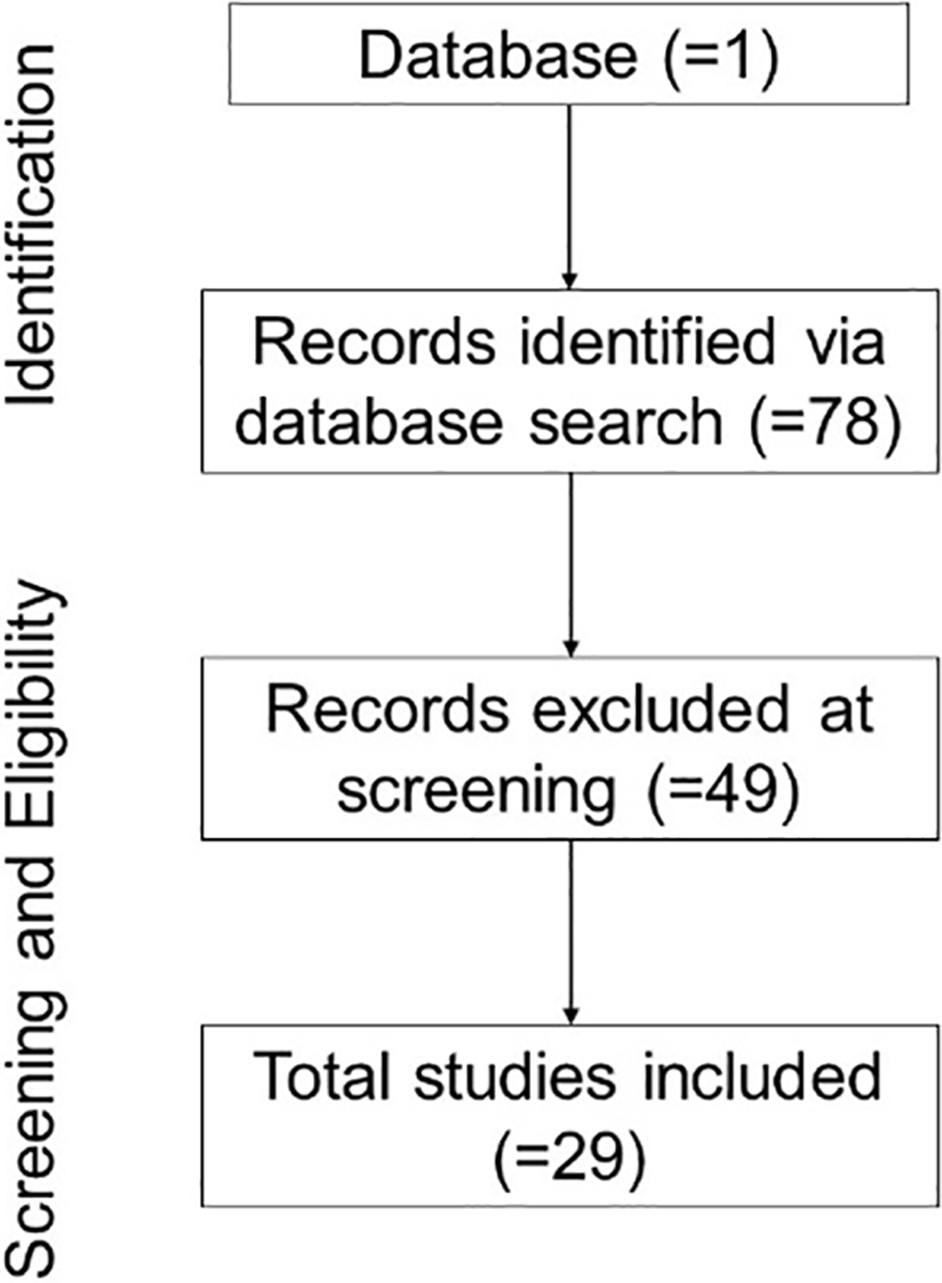
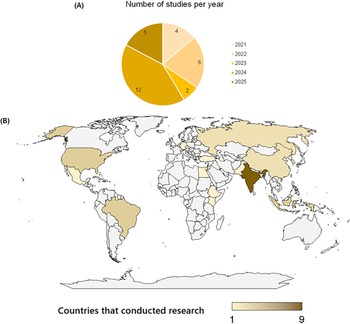
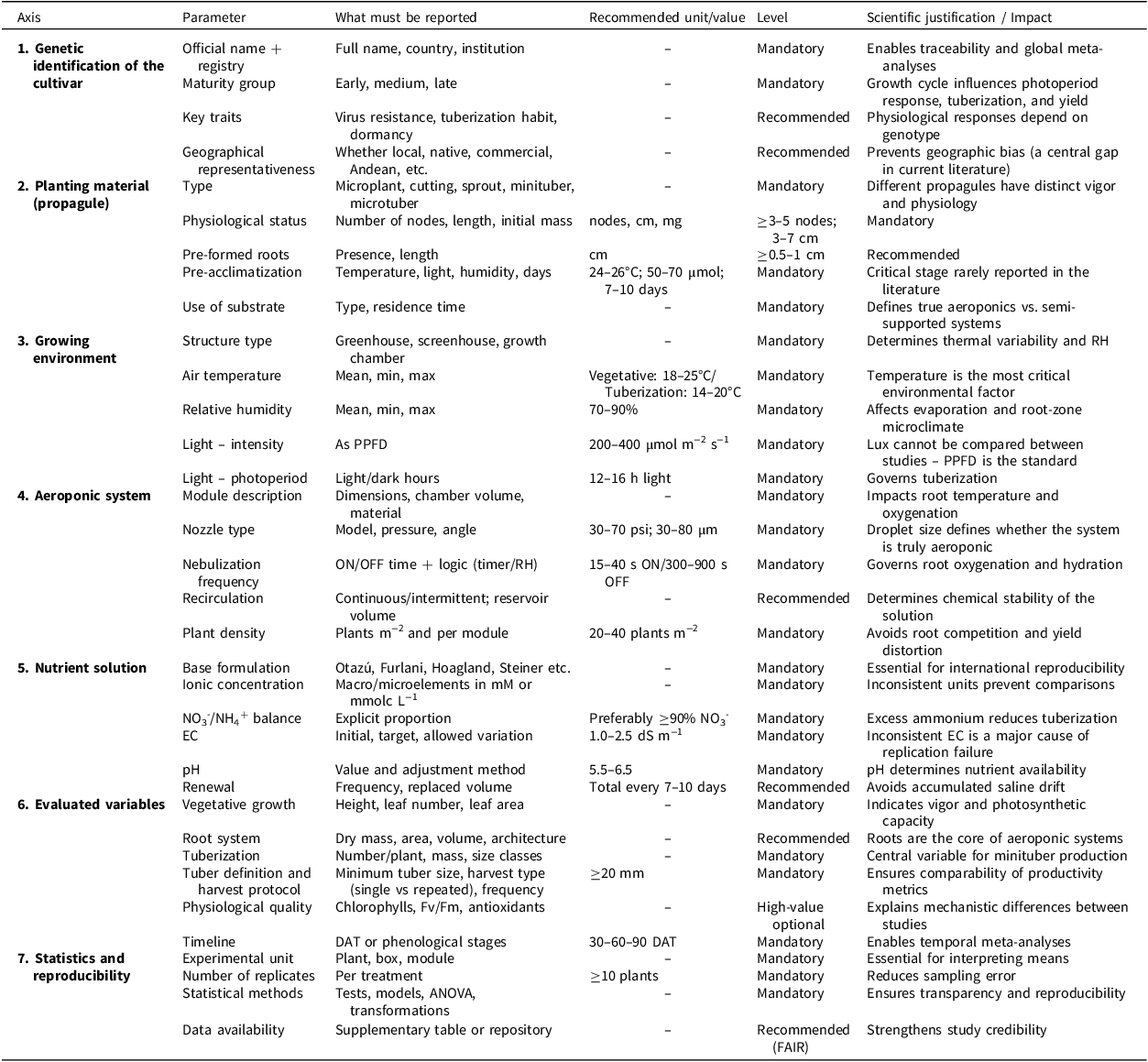

 Open access

