





Management Implications
In regions where the importance of the horticultural sector for plant invasions has not yet been addressed or where there are very limited studies, such as Türkiye, there is a need to raise awareness and record data on the current situation. Collecting more data and raising awareness can help bridge critical knowledge gaps regarding the invasive potential, management, and action plans for non-native ornamentals used on a regional basis. This study provides the first data on ornamental plants for sale in Türkiye and the level of awareness about the invasion risks of non-native ornamental plants among producers. It is very clear that ornamental plants are an important sector that continues to provide many positive impacts for people (multifaceted socioeconomic contributions, including human welfare and employment), while invasive non-native plant/ornamental taxa are already causing or have the potential to cause devastating negative impacts (reduce biodiversity, produce allergens, toxic, host diseases and pests, vector for disease transmission, hybridization, etc.). The first step for the establishment of a regulatory framework taking into account the needs of all stakeholders is therefore to establish national lists of non-native ornamental plant taxa, based on which taxa can be identified for potential further management. Furthermore, to raise awareness, the public, especially ornamental plant producers, should be informed about invasive plants and their impacts, the risks of ornamental plants becoming invasive, and how they can contribute mitigating these risks. Measures such as codes of conduct, prioritization, and a green list should be implemented, as well as action plans, to combat current and possible future invasions.
Introduction
The spread of non-native taxa due to human actions, and the fact that this spread will continue to increase has been confirmed by many studies in recent years (Faulkner et al. Reference Faulkner, Hulme and Wilson2024; IPBES 2023; Pyšek et al. Reference Pyšek, Hulme, Simberloff, Bacher, Blackburn, Carlton, Dawson, Essl, Foxcroft, Genovesi, Jeschke, Kühn, Liebhold, Mandrak and Meyerson2020; Roy et al. Reference Roy, Pauchard, Stoett, Renard Truong, Meyerson, Bacher, Galil, Hulme, Ikeda, Kavileveettil, McGeoch, Nuñez, Ordonez, Rahlao and Schwindt2024; Seebens et al. Reference Seebens, Blackburn, Dyer, Genovesi, Hulme, Jeschke, Pagad, Pyšek, Winter, Arianoutsou, Bacher, Blasius, Brundu, Capinha and Celesti-Grapow2017). This has also been demonstrated for plants, which are the most studied taxonomic group in terms of invasiveness worldwide (Pyšek et al. Reference Pyšek, Hulme, Simberloff, Bacher, Blackburn, Carlton, Dawson, Essl, Foxcroft, Genovesi, Jeschke, Kühn, Liebhold, Mandrak and Meyerson2020). The trade of ornamental plants is one of the most important factors in the introduction and distribution of non-native plants, while the cultivation of ornamental plants in gardens facilitates their spread outside cultivated areas (Bayón and Vilà Reference Bayón and Vilà2019; Dehnen-Schmutz et al. Reference Dehnen-Schmutz, Touza, Perrings and Williamson2007a, Reference Dehnen-Schmutz, Touza, Perrings and Williamson2007b; Guo et al. Reference Guo, van Kleunen, Pierce, Dawson, Essl, Kreft, Maurel, Pergl, Seebens, Weigelt and Pyšek2019; Hulme et al. Reference Hulme, Brundu, Carboni, Dehnen-Schmutz, Dullinger, Early, Essl, González-Moreno, Groom, Kueffer, Kühn, Maurel, Novoa, Pergl and Pyšek2018; Mayer et al. Reference Mayer, Heger, Kühn, Nehring and Gaertner2023; Pergl et al. Reference Pergl, Pyšek, Bacher, Essl, Genovesi, Harrower, Hulme, Jeschke, Kenis, Kühn, Perglová, Rabitsch, Roques, Roy and Roy2017; Pyšek et al. Reference Pyšek, Jarošík and Pergl2011).
Identifying potentially invasive taxa requires determining species status (Pergl et al. Reference Pergl, Pyšek, Bacher, Essl, Genovesi, Harrower, Hulme, Jeschke, Kenis, Kühn, Perglová, Rabitsch, Roques, Roy and Roy2017; Pyšek et al. Reference Pyšek, Jarošík and Pergl2011), assessing environmental and socioeconomic impacts (Yazlık et al. Reference Yazlık, Pergl and Pyšek2018), and conducting both risk assessments (Simberloff Reference Simberloff2006) and risk analyses (Vilizzi et al. Reference Vilizzi, Piria, Pietraszewski, Giannetto, Flory, Herczeg, Baş Sermenli, Britvec, Jukoniene, Petrulaitis, Vitasović-Kosić, Almeida, Al-Wazzan, Bakiu and Boggero2024; Yazlık and Ambarlı Reference Yazlık and Ambarlı2022). These evaluations then form the basis for preventive measures (e.g., quarantine, sales ban) and control and management decisions (Dehnen-Schmutz and Novoa Reference Dehnen-Schmutz, Novoa, Clements, Upadhyaya, Joshi and Shrestha2022; Pyšek et al. Reference Pyšek, Hulme, Simberloff, Bacher, Blackburn, Carlton, Dawson, Essl, Foxcroft, Genovesi, Jeschke, Kühn, Liebhold, Mandrak and Meyerson2020; Robertson et al. Reference Robertson, Mill, Novoa, Jeschke, Essl, Gallardo, Geist, Jarić, Lambin, Musseau, Pergl, Pyšek, Rabitsch, von Schmalensee and Shirley2020; Roy et al. Reference Roy, Pauchard, Stoett, Renard Truong, Meyerson, Bacher, Galil, Hulme, Ikeda, Kavileveettil, McGeoch, Nuñez, Ordonez, Rahlao and Schwindt2024). Therefore, national checklists of non-native taxa are important for all countries, particularly for taxa that are intentionally introduced and traded, such as ornamental plants (Dehnen-Schmutz Reference Dehnen-Schmutz2011; Dehnen-Schmutz et al. Reference Dehnen-Schmutz, Touza, Perrings and Williamson2007b; Kumschick et al. Reference Kumschick, Fernandez Winzer, McCulloch-Jones, Chetty, Fried, Govender, Potgieter, Rapetsoa, Richardson, van Velden, van der Colff, Miza and Wilson2024; van Kleunen et al. Reference van Kleunen, Essl, Pergl, Brundu, Carboni, Dullinger, Early, González-Moreno, Groom, Hulme, Kueffer, Kühn, Máguas, Maurel and Novoa2018).
While the benefits and contributions of ornamental plants to human well-being (social, psychological, economic) are undeniable, it is essential to know at an early stage which of these plants could endanger their production areas and/or habitats outside them. Taking into account the high rate of deliberate introduction of non-native ornamental plants between regions as well as the commercial volume of the ornamental plant sector (Kumschick et al. Reference Kumschick, Fernandez Winzer, McCulloch-Jones, Chetty, Fried, Govender, Potgieter, Rapetsoa, Richardson, van Velden, van der Colff, Miza and Wilson2024; Mayer et al. Reference Mayer, Heger, Kühn, Nehring and Gaertner2023; van Kleunen et al. Reference van Kleunen, Essl, Pergl, Brundu, Carboni, Dullinger, Early, González-Moreno, Groom, Hulme, Kueffer, Kühn, Máguas, Maurel and Novoa2018), the first observation of whether the relevant plants are potentially invasive can be determined by people working with and using ornamental plants in these regions (i.e., producers, nursery workers and gardeners) (Dehnen-Schmutz and Conroy Reference Dehnen-Schmutz and Conroy2018; Jones et al. Reference Jones, Culham, Pickles and David2024). These observations can be used to create lists of ornamental plants in use on a regional basis.
Given the importance of the horticultural sector for plant invasions (Dehnen-Schmutz et al. Reference Dehnen-Schmutz, Touza, Perrings and Williamson2007a, Reference Dehnen-Schmutz, Touza, Perrings and Williamson2007b; Haeuser et al. Reference Haeuser, Dawson, Thuiller, Dullinger, Block, Bossdorf, Carboni, Conti, Dullinger, Essl, Klonner, Moser, Münkemüller, Parepa and Talluto2018; Pergl et al. Reference Pergl, Pyšek, Bacher, Essl, Genovesi, Harrower, Hulme, Jeschke, Kenis, Kühn, Perglová, Rabitsch, Roques, Roy and Roy2017; van Kleunen et al. Reference van Kleunen, Essl, Pergl, Brundu, Carboni, Dullinger, Early, González-Moreno, Groom, Hulme, Kueffer, Kühn, Máguas, Maurel and Novoa2018), it is necessary to raise awareness and record data on the current situation in regions where this issue has not yet been addressed or where there are very limited studies, such as in Türkiye (Uludağ et al. Reference Uludağ, Aksoy, Yazlık, Arslan, Yazmış, Üremiş, Cossu, Groom, Pergl, Pyšek and Brundu2017, Reference Uludağ, Arslan, Aksoy and Yazlık2018). For example, Uludağ et al. (Reference Uludağ, Aksoy, Yazlık, Arslan, Yazmış, Üremiş, Cossu, Groom, Pergl, Pyšek and Brundu2017) presented a comprehensive list of Türkiye’s non-native plant taxa and reported that 55% of the taxa in this list include non-native ornamental plants. Furthermore, according to data from 2023, ornamental plants are cultivated across 5,814.6 ha (58,146 decares) in Türkiye (SÜSBİR 2024a). Given this, it is likely that non-native ornamental plants are used across a large part of the country. In addition, Uludağ et al. (Reference Uludağ, Arslan, Aksoy and Yazlık2018) suggested that the local distribution of ornamental plants (e.g., Acacia mearnsii De Wild., Pontederia crassipes Mart., Lantana camara L.) should be examined first to determine their potential invasion status in Türkiye. However, no study has been conducted on the perceptions of ornamental plant producers in Türkiye regarding non-native plant taxa and their invasion potential. In addition, there are no data on the general situation, such as the reasons for the preference for non-native ornamental plants and/or their marketing areas.
For these reasons, we investigated ornamental plant producers’ perceptions of non-native ornamental plant taxa, including their plant production choices and preferences, their understanding of relevant terms (e.g., non-native plant, invasive plant), and their awareness of the impacts that invasive and/or non-native plants may cause, using the Altınova District of Yalova Province, Türkiye, as a case study. Furthermore, we present a list of ornamental plants produced and traded in Yalova to provide insights into two key topics: details of the ornamental plants (including their taxonomy, Turkish names, indoor/outdoor usage, life span, life-forms, origins, and invasion status elsewhere), and the percentage of non-native plants among the taxa. Our aim was to address data gaps in Türkiye concerning the relationship between the ornamental plant sector and high-risk invasive plants.
Materials and Methods
Study Area
Yalova Province is located in the southeastern part of the Marmara Region in northwestern Türkiye. The province is bordered by the Marmara Sea to the north and west, Kocaeli Province to the east, and Bursa (Orhangazi-Gemlik) and Gemlik Bay to the south. The province’s altitude ranges from sea level (2 m) to a maximum of 926 m. It is the smallest province in terms of area (847 km2) in Türkiye.
The climate of Yalova is a transition between Mediterranean and Black Sea climates. Summers are dry and hot, winters are mild and rainy. According to records for the years 1931 to 2024, the annual average temperature in Yalova is 14.7 C and the average annual rainfall is 755.1 mm. Average temperature of the coldest month is 3.3 C, the average temperature of the hottest month is 28.6 C (https://www.mgm.gov.tr).
The natural vegetation of the province consists of maquis and lush forests, particularly across the steep southern terrain, representing a diverse ecological transition between Black Sea and Mediterranean flora. These forests feature species such as Carpinus spp., Castanea spp., Cornus spp., Fagus spp., Quercus spp., and Tilia spp. Land use in the province is categorized as 58% forest and shrubland, 27% agriculture, 13% non-agricultural, and 1% each for meadows and maquis. Notably, 46% of agricultural land is dedicated to fruit production. Yalova ranks fourth in ornamental plant production in Türkiye, with a 9% share (379.3 ha) of the total production. One of Yalova’s most important districts for ornamental plant production is Altınova, where 66 producers out of 156 ornamental plant producers in Yalova are based (Yalova Provincial Directorate of Agriculture and Forestry 2024).
The commercial production of ornamental plants in Türkiye began in 1940 in İstanbul (Marmara region), and floriculture developed in İstanbul and Prince/İstanbul–Islands region and around Yalova, which was a district of İstanbul in those years (Ay Reference Ay2009).
Nursery Owners’ Awareness of Non-native Ornamental Plants
We conducted a survey to explore the perceptions of ornamental plant producers regarding non-native ornamental plant taxa. Survey data were obtained through face-to-face interviews with 20 ornamental plant nurseries, constituting 30.3% of the total producers (66 producers) in Altınova District of Yalova Province between 2019 and 2020. The nurseries were selected from companies producing indoor (i.e., home, office plants) and outdoor (i.e., park, garden plants) ornamental plants. The directions in the study area (east, west, north, and south) were taken into account, and five nurseries were selected from each direction. When determining the number of nurseries, both the relevant selection criteria and the status of active work/accessibility was also taken into account, because the studies were carried out during the COVID-19 pandemic. The size of the open areas at the nurseries varied between 0.8 and 8.1 ha, and the size of closed (plastic cover or glass greenhouse) areas was between 2.0 and 12.1 ha.
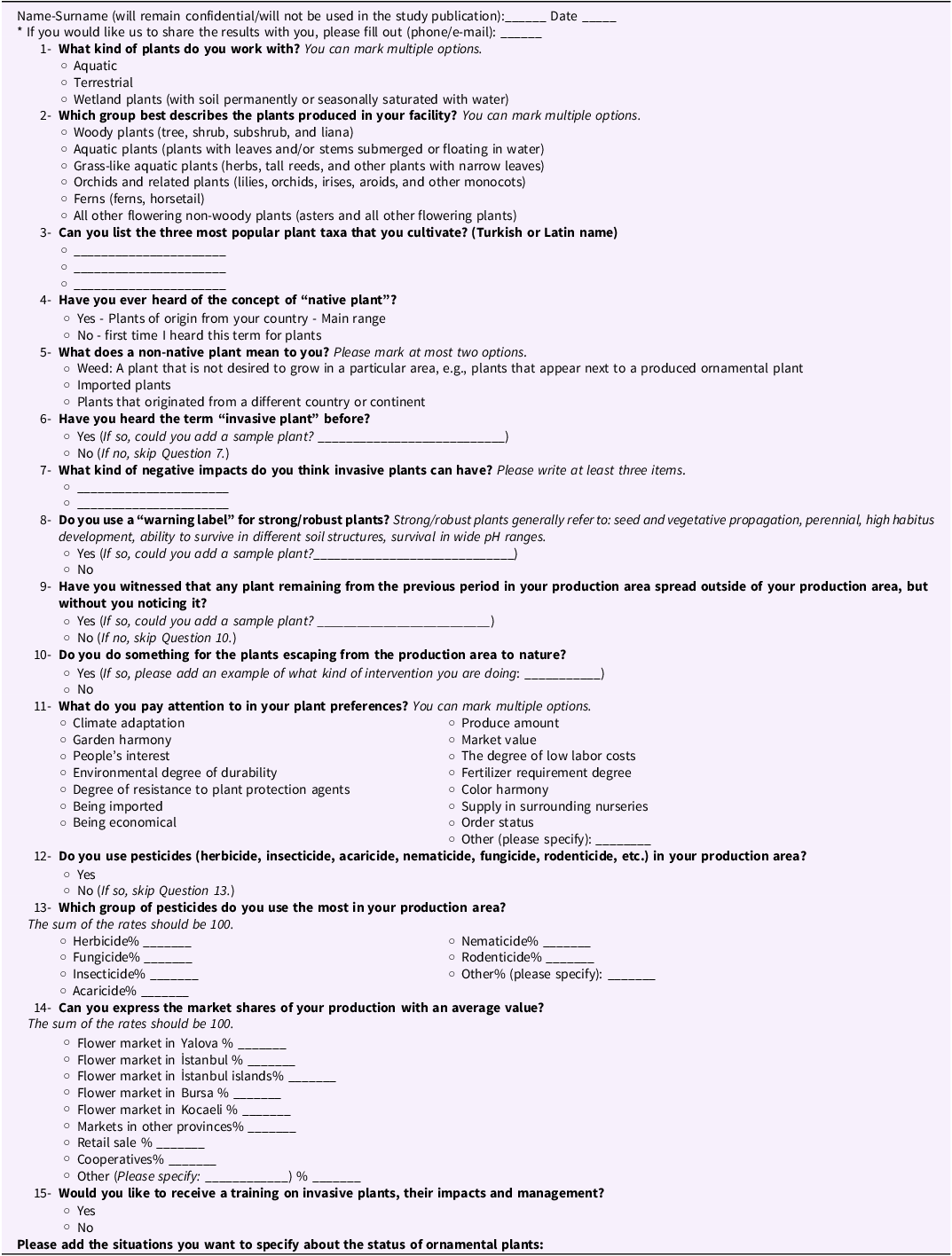
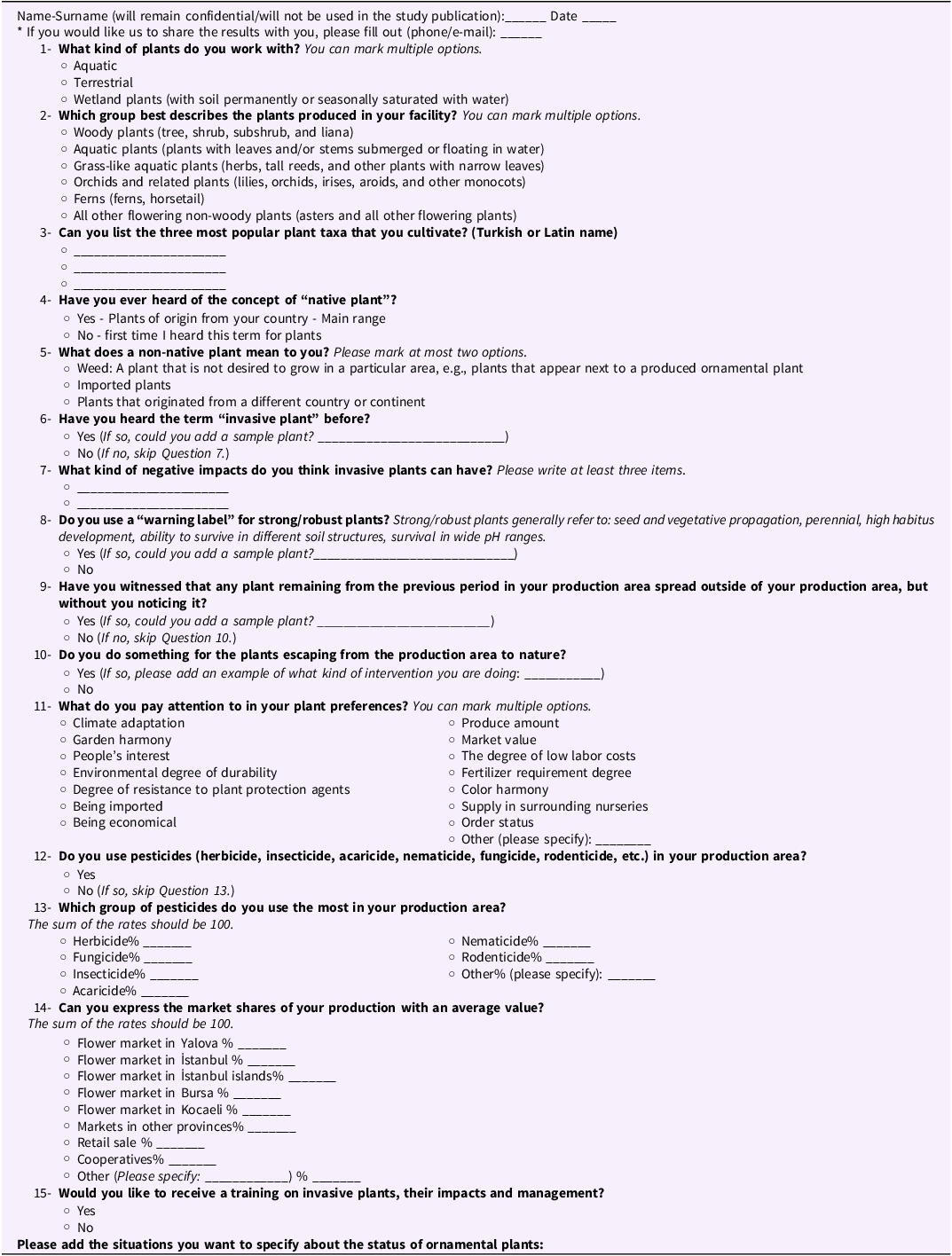
The survey questions (Table 1) generally included: (1) sociodemographic information for the respondents; (2) some information on ornamental plant taxa, such as reasons for plant preferences and popular ornamental plant taxa; (3) respondents’ knowledge of certain terms (e.g., non-native plant, invasive plant); (4) awareness of impacts that may be caused by invasive non-native and/or non-native plants; and (5) some additional information, such as management practices, marketing locations, label use, and any observations of ornamental plants escaping cultivation.
Survey questions for ornamental plant producers in the study area (Altınova District of Yalova Province, Türkiye).
Participation in the survey was voluntary. Informed consent was obtained by ensuring anonymity and confidentiality. All participants were informed of their right to refuse to answer any question and to withdraw from participation at any time.
Demographic Situation
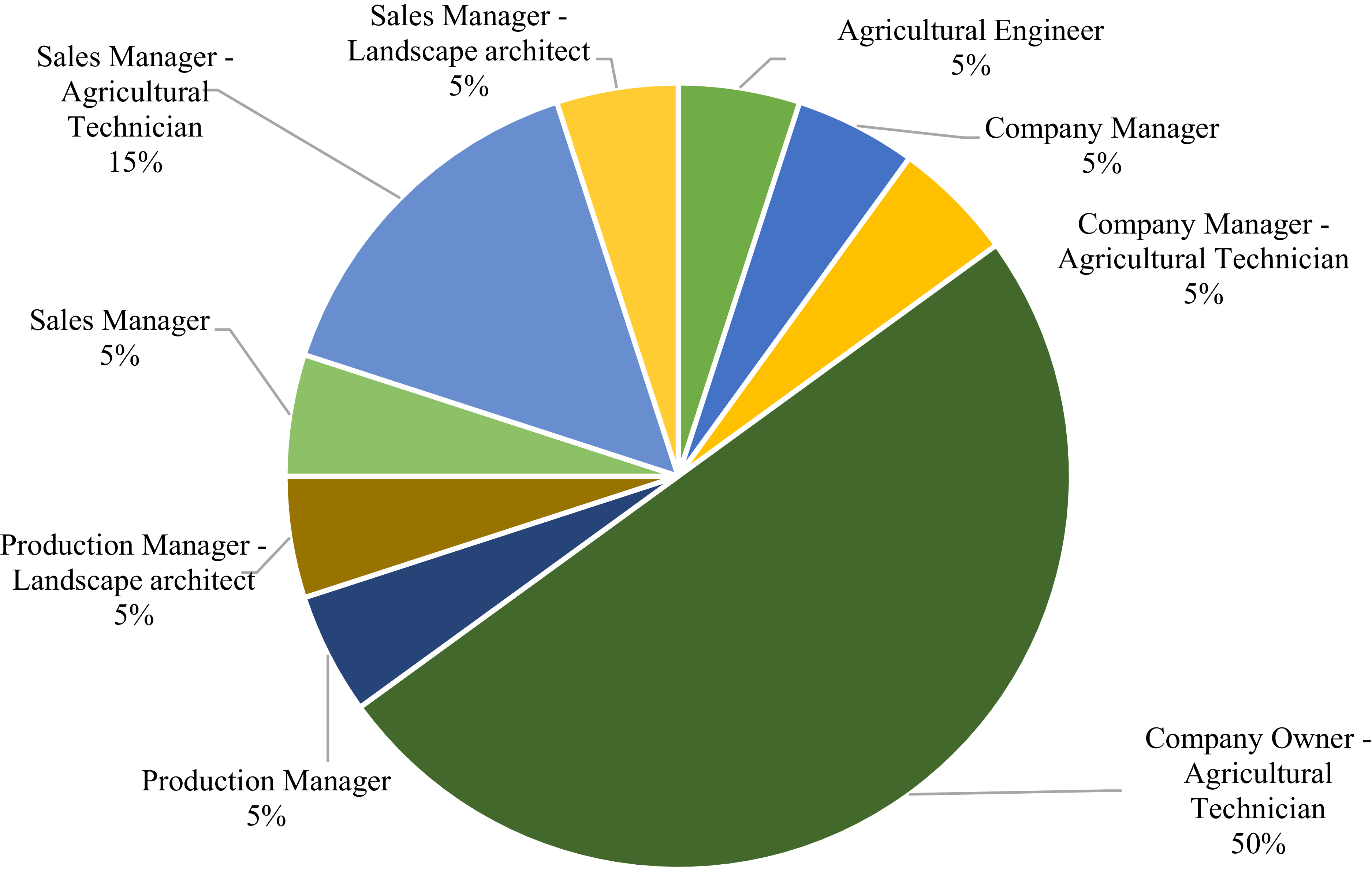
In face-to-face surveys conducted with a total of 20 producers, all participants were male, and the age distribution was between 27 and 55. The vast majority of the producers participating in the survey were company owner + agricultural technician (50%) and sales manager + agricultural technician (15%), others (35%) were agricultural engineer, company manager, company manager + agricultural technician, production manager, production manager + landscape architect, sales manager, and sales manager + landscape architect (Figure 1). Participants in the survey reported educational levels of associate’s degree (70%), bachelor’s degree (20%), and high school graduate (10%).
Professional status of ornamental plant producers in Altınova District of Yalova Province, Türkiye (n = 20).

Data Collection on Ornamental Plant Taxa for Sale
To list the ornamental plants produced in the study area (Supplementary Material), we obtained (1) data from producers during the survey study, (2) an article on outdoor ornamental plants in Yalova Province (Güneş et al. Reference Güneş, Eroğlu and Alkaç2019), (3) the Yalova ornamental plant cluster report prepared by the ornamental plant producers’ association (SÜSBİR 2017), (4) a catalog published by the Yalova Atatürk Horticulture Central Research Institute affiliated to the Ministry of Agriculture and Forestry (Kaya Reference Kaya2010), and (5) the online catalog of the Birikim ornamental plant company operating in Yalova (https://birikimsusbitkileri.com/).
We checked all the plant names and families listed in the International Plant Names Index (IPNI; https://www.ipni.org/) database to standardize the taxonomy, and then used the Plants of the World Online (POWO 2024) database to determine the species’ native ranges. Then, the information on plant traits (life-form, life span) were taken from the U.S. Department of Agriculture (USDA; https://www.usda.gov/) database. For information on the invasiveness status of the listed plants in different geographies, the Global Invasive Species Database (https://www.iucngisd.org/gisd) and Invasive.org databases (https://www.invasive.org) were used.
We also recorded the Turkish names of ornamental plants while creating the dataset. Providing such data is important for integrating the data into national databases for use in knowledge exchange and dissemination activities as well as in future research and awareness studies on ornamental plants. Information on national names of species also represents a valuable contribution to identify national information gaps on the relevant subject, especially in national data banks, and for the partial closure of existing gaps (Babaç Reference Babaç2004; Yazlık and Albayrak Reference Yazlık and Albayrak2020). For this purpose, the Turkish names of the ornamental plants listed were searched in three different ways. First, all names were searched using the Turkish plant names dictionary by Güner et al. Reference Güner, Aslan, Ekim, Vural and Babaç2012 (Bizim Bitkiler national plant database, https://www.bizimbitkiler.org.tr). As a second source, Turkish names were recorded using three catalogs: the Turkish Ornamental Plant Producers Association (SÜSBİR 2024b; https://susbirportal.com/urunler), the ornamental plant producers affiliated with this association (Ödemiş Ornamental Plant Producers Association, https://odemissusbir.org/urunler.html), and SMS Marmara Group, https://katalog.smsmarmaragroup.com/). Finally, the names used on websites for the relevant taxa were searched in Google using their Latin names, and the Turkish names used on the sites encountered (e.g., Kocaeli Plants, https://kocaelibitkileri.com/) were recorded.
Results and Discussion
Nursery Owners’ Awareness of Non-native Ornamental Plants
All of the producers interviewed work with terrestrial taxa. The most common plant group produced is “other flowering non-woody plants” (Asters and all other flowering plants) with 60%, followed by woody plants (trees, shrubs, semi-shrubs, and vines) with 30%, and grass-like aquatic plants 5% (herbs, tall reeds, and other plants with narrow leaves) and ferns (ferns and horsetail) (5%).
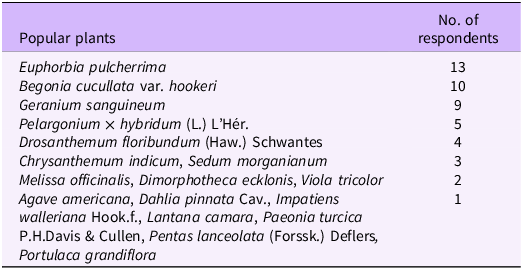
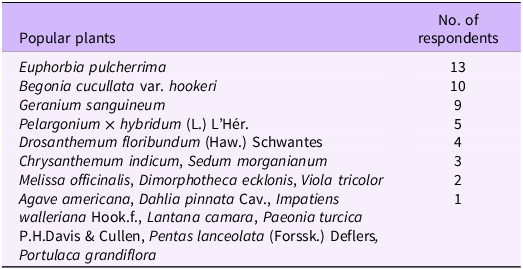
Producers mentioned 17 taxa as the most popular ornamental plants. Among these taxa, the three most popular are Euphorbia pulcherrima Willd. ex Klotzsch (28%), Begonia cucullata var. hookeri (A.DC.) L.B. Sm. & B.G. Schub. (21%) and Geranium sanguineum L. (19%), respectively (Table 2).
The most popular ornamental plant chosen by producers in Altınova District of Yalova Province, Türkiye.
While the vast majority of producers (70%) were familiar with the term “native plant,” some (30%) reported hearing the term for the first time. The “non-native plant” term question was answered in different directions. Answers included: (1) plants that originated from a different continent (50%), (2) weed (30%), and (3) imported plants (20%). The vast majority of producers (70%) had heard the term “invasive plant” before. According to the producers who declared that they knew of the concept of invasive species, Elymus repens (L.) Gould, Cyperus rotundus L., Cuscuta spp., Convolvulus arvensis L., Medicago sativa L., Orobanche ramosa L., Oxalis spp., and Portulaca oleracea L. were given as examples of invasive plants, among which there are also native plants of Türkiye, such as P. oleracea. In addition, producers who had heard the term “invasive plant” before reported that the main impacts of these plants were loss of space, competition, hosting diseases and pests, economic loss (decrease in production amount, increase in labor and management costs), and visual deterioration.
All respondents stated that they only consider plants as invasive that compete with the plants they want to grow in their production areas, and that although they are partially aware of the invasive nature of the ornamental plants they grow outside these areas, they do not take this into consideration. For example; the vast majority of the producers (90%) reported that they witnessed at least one of the plants they grew in the previous season growing/spreading in their production areas and/or outside their production areas. These taxa were: Begonia spp., Dianthus plumarius L., Hoya carnosa (L.f.) R.Br., L. camara, Medicago spp., Melaleuca citrina (Curtis) Dum. Cours., Portulaca grandiflora Hook., Dimorphotheca ecklonis DC., Sedum morganianum E.Walther, Tagetes erecta L., and Viola tricolor L. While the majority of producers are aware of the potential negative impacts of highly competitive plants (e.g., L. camara) that may create negative impacts in natural ecosystems due to their biological (e.g., seed and vegetative propagation, perennial), morphological (e.g., high habitus development), and physiological (e.g., ability to survive in different soil structures and pH ranges) characteristics, they did not take any precautions, including warning labels, against the escape of these taxa from the production area into natural areas.
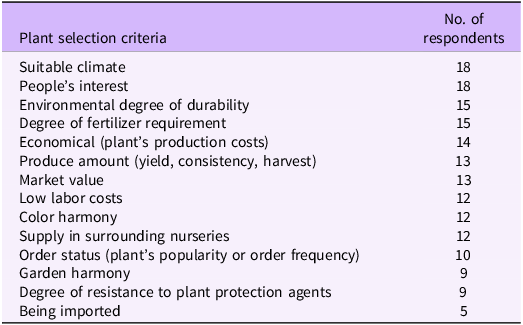
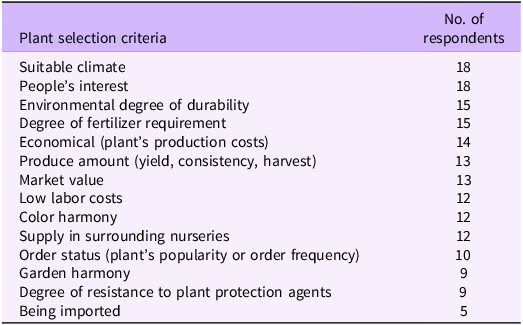
The producers’ priority plant selection criteria in production (Table 3) depended on many factors. For 90% of respondents, suitability for the climate and people’s interest were important criteria, followed by the degree of environmental durability (ability to grow in a wide range of temperatures, pH levels, etc.). Fertilizer requirements were important for 75% of producers. Other reasons chosen by more than half of producers were being economical (70%), maximal and easy production (reproduction quantity of each type according to demand) and market value (65%), lower labor costs and color harmony and the supply in their area (60%). Of lesser importance were criteria like order status (i.e., popularity and order frequency, 50%), garden harmony and resistance to plant pests and diseases (45%), and whether plants were imported (25%).
Reasons why the plants produced are preferred in Altınova District of Yalova Province, Türkiye.
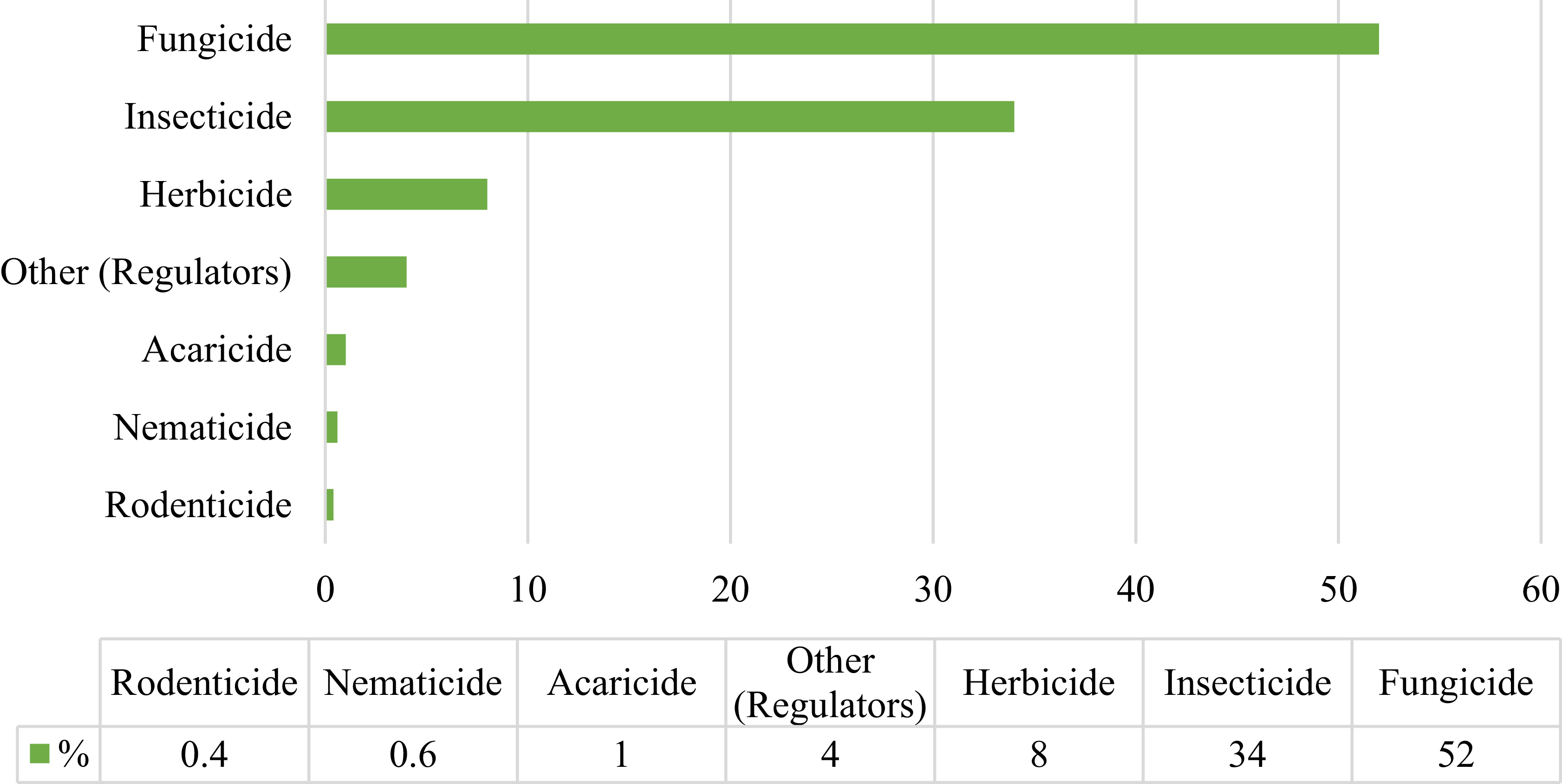
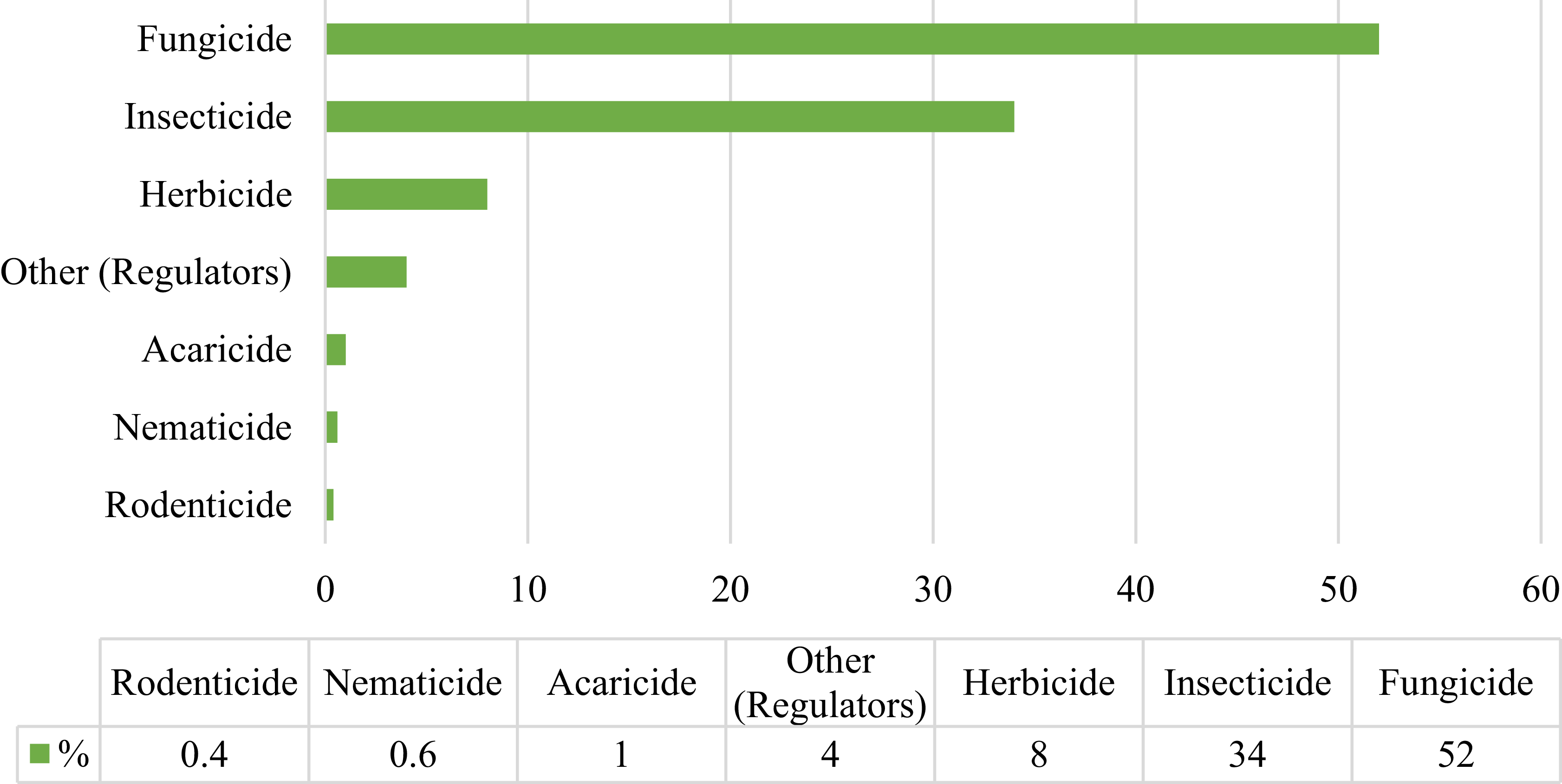
All producers used pesticides in their production areas, and the most-used pesticide groups (Figure 2) were fungicides used by 52% of respondents, insecticides (34%), and herbicides (8%).
Pesticide use profile in ornamental plant production in Altınova District of Yalova Province, Türkiye (n = 20).
Producers market their ornamental plants not only at the retail level (1% of sales) in their own nurseries in Yalova, but mainly in flower markets (50%) and to municipal institutions + landscaping companies (49%) in other provinces (e.g., İstanbul, including the islands of İstanbul, Bursa, Kocaeli).
While very few of the producers (15%) wanted to receive training about impacts and management of non-native and/or potential invasive non-native plants, the majority (85%) stated that they would not be able to attend such training due to their workload.
Data Collection on Ornamental Plant Taxa for Sale
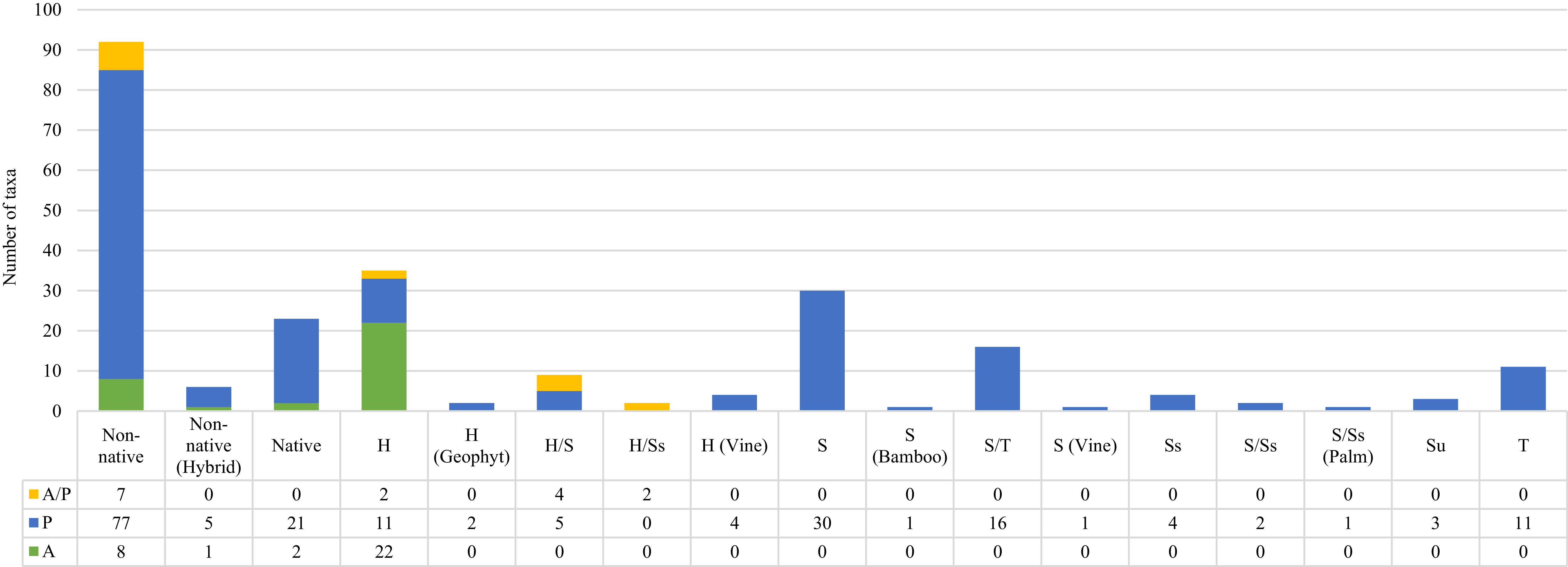
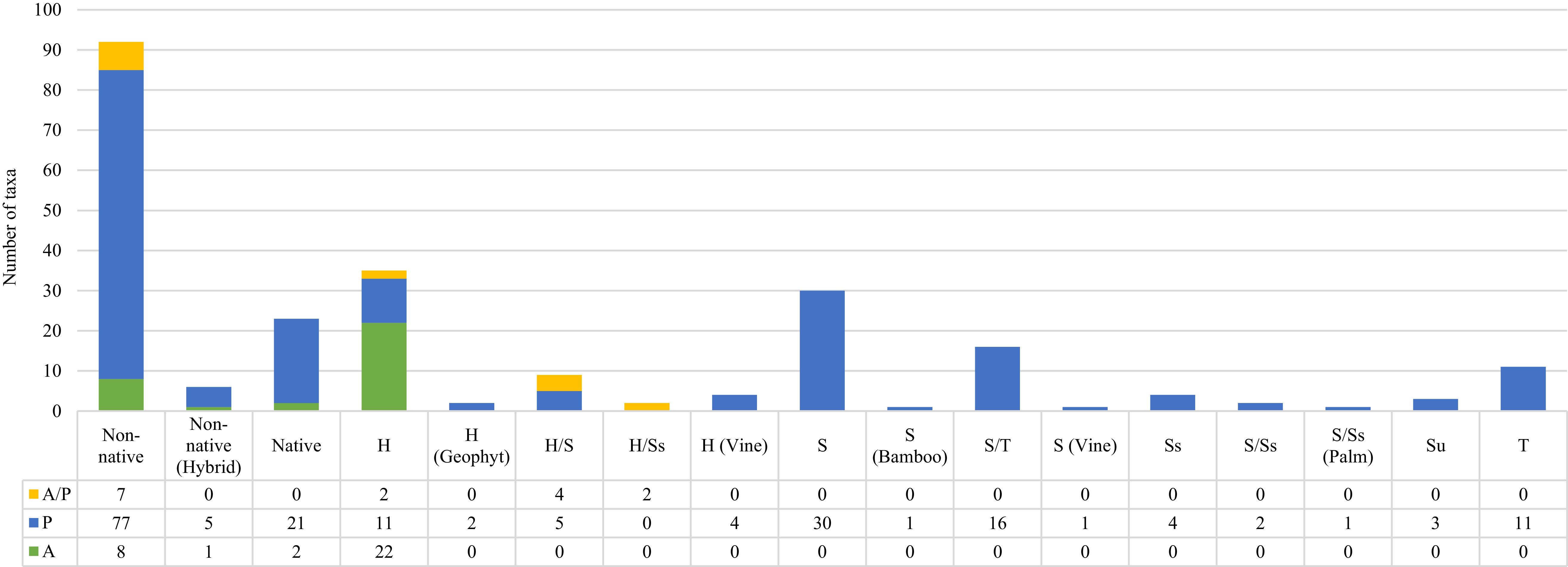
Data on the production and sale of a total of 121 ornamental plant taxa from 51 families (Supplementary Material) were obtained from ornamental plant production areas in Altınova District of Yalova Province (Figure 3). The families with the highest number of taxa were Asteraceae (18 taxa), Cupressaceae (8), Apocynaceae, Lamiaceae, and Rosaceae (7 taxa per family), respectively. Ninety-two of these taxa were non-native (76%), 23 were native (19%), and 6 were non-native hybrids (5%). The majority of taxa originated from America (35 taxa), followed by Asia (30), Türkiye (native = 23), Africa (18), and other regions (Asia to Australia, Europe, and Europe to Africa = 15).
Life-form (H, herb; S, shrub; Ss, sub-shrub; Su, succulent; T, tree) and life time/span (A, annual; P, perennial) according to origin status of 121 ornamental plant taxa in Altınova District of Yalova Province, Türkiye.
The ornamental plants produced in our study region include both indoor (16 taxa; 13%) and outdoor (61 taxa; 51%) ornamental plants, and a large proportion of plants (44 taxa; 36%) are used in both settings (Supplementary Material).
Considering the life span of the 121 ornamental plants, 103 were found to be perennial, 11 annual, and 7 had multiple life spans. In addition, in terms of life-forms, 35 taxa were herbaceous, followed by shrubs (30 taxa), shrub/tree (16), tree (11), herb/shrub (9) and other forms (herb–geophyte, herb/subshrub, herb–vine, shrub–bamboo, shrub–vine, subshrub, shrub/subshrub, subshrub/shrub–palm = 20), respectively (Figure 3).
The vast majority (90 taxa, 75%) of the 121 taxa on the list have no invasive records anywhere, but 31 taxa (25%) have invasive records elsewhere. Of these, 11 taxa are native to Türkiye, and 20 taxa are non-native. Furthermore, when considering the life spans of these invasive plants according to their origins, it is striking that all the native taxa (11 taxa) and the majority of the non-native taxa (16) were perennial (Supplementary Material).
According to the evaluation made for the Turkish names of the taxa, 72 of the 121 taxa (60%) in our dataset do not have a counterpart in the Turkish plant names database (Bizim Bitkiler; Güner et al. Reference Güner, Aslan, Ekim, Vural and Babaç2012). However, according to information gathered from producers and online sources, each taxon has a Turkish name (Supplementary Material). This study provides insights into ornamental plant producers’ criteria in determining their plant choices and their level of awareness about non-native ornamental plants as well as providing the first list of ornamental plants for sale in Türkiye.
Criteria determining producers’ plant choices include the prolific flowering and covering properties of plants such as Chrysanthemum indicum L., L. camara, and D. ecklonis, as well as the fact that they can be used both indoors and outdoors. In addition, respondents indicated that the ease of cultivation, particularly perennial taxa, high marketing demand, and low maintenance cost were important factors in their selection of the 17 most popular ornamental plants (Table 2; Supplementary Material). Similar results have been found elsewhere; for instance, in Botswana, non-native ornamental plants are preferred due to reasons such as their rapid growth, water-conserving properties, and attractiveness (Rodríguez-Cala et al. Reference Rodríguez-Cala, Fried, Wilson, Dehnen-Schmutz, Tshwenyane and Legwaila2025).
Other important factors in the selection of popular plants are the names and values that people attribute to plants. In Türkiye, Turkish names refer not only to the general biological, morphological, or physiological structures of plants (e.g., thorny, hairy, milky, color, shape) but also to a wide variety of situations (e.g., political, ideological, emotional, place name) (Şenol and Şahin Reference Şenol and Şahin2023; Uluğ et al. Reference Uluğ, Kadıoğlu and Üremiş1993). For instance; the name of Laledere, a village in the Çiftlikköy District of Yalova, comes from the Turkish name for tulip (Tulipa spp.—Turkish name is Lale), which is where floriculture began in the early 1950s (Şenol and Şahin Reference Şenol and Şahin2023). In addition, it shows that people’s interest in ornamental plants increase when the Turkish names used refer to something that is valued. In this context, the Turkish name of E. pulcherrima, which is the most popular (preference 28%) plant among producers, is Atatürk çiçeği (Atatürk’s flower) and may be an important factor for the plant being ranked first (Table 2). Indeed, this non-native plant is in high demand due to its name, especially at official celebrations (producer comments; AY and OCU, personal observations). Although we have not come across any records in Türkiye of this species escaping outside cultivation, it has been recorded in parts of Africa, India, and the Canary Islands (POWO 2024). For example, it has recently been reported growing in ruderal habitats in Monastir, Tunisia (El Mokni Reference El Mokni2023), which shares similar climatic and geographic conditions with Türkiye, reflecting the country’s three biogeographic zones (Yazlık et al. Reference Yazlık, Pergl and Pyšek2018). Although this non-native plant does not currently pose a risk in Türkiye, as there is no source/evidence of its escaping into nature, it should be considered a risky taxon due to its high popularity, which creates a potentially high propagule pressure.
Although climatic suitability and consumer demands are the most important reasons for the preference of the produced plants (Table 3), it is noteworthy that economic factors (fertilizer costs, labor costs, market value, etc.), as mentioned earlier in relation to Table 2, are also at the forefront of producers’ criteria for plant preferences. Considering these factors together, it is clear that the selection of ornamental plant taxa is influenced by a variety of direct and indirect factors (climatic, biological, economic, and social). These factors, combined with other issues in the ornamental plant sector, result in Türkiye’s ornamental plant production falling short of expected levels, increasing the preference for non-native plants and failing to solve problems faced by producers. For example, the fact that the ornamental plant production areas are fragmented and have high rental prices and short land rental periods causes the import of woody ornamental plants (especially wide-trunked trees) that require a long period to grow, which increases production costs (SÜSBİR 2017).
We found that the vast majority of ornamental plant producers were familiar with the terms “native,” “non-native,” and “invasive plant”—70%, 50%, and 70%, respectively. However, they confused the concepts of “non-native” and “invasive plant” with those of “weed” and “imported plant.” Therefore, we recommend that awareness studies for producers should address the following issues: (1) the differences between the concepts of “weeds” (i.e., plants other than the target plant grown in the production areas), “wild plants” (in the uncultivated plant group), and “non-native [alien] plants” (originating from another region or continent); (2) the fact that not every imported plant is an “alien plant” (e.g., tulip [Tulipa spp.] bulbs are imported from the Netherlands [Şenol and Şahin Reference Şenol and Şahin2023], but Türkiye is the native range of tulip taxa they are cultivated there); and (3) the use of the term “invasive plant” for non-native plants that spread into natural areas where they can cause serious environmental and socioeconomic impacts (e.g., Yazlık et al. Reference Yazlık, Pergl and Pyšek2018) and are considered high-risk according to risk analysis (e.g., Vilizzi et al. Reference Vilizzi, Piria, Pietraszewski, Giannetto, Flory, Herczeg, Baş Sermenli, Britvec, Jukoniene, Petrulaitis, Vitasović-Kosić, Almeida, Al-Wazzan, Bakiu and Boggero2024). Although producers who have heard the term “invasive plant” before know that there may be impacts caused by these plants (such as loss of useable land, competition, hosting diseases and pests, decrease in production, increase in labor and management costs, and visual deterioration), they do not make any warnings about this issue (using labels, verbal statements) in the sales processes of ornamental plants, because they only consider plants as invasive that compete with the plants they want to grow in their production areas, that is, weeds (A. repens, C. rotundus, Cuscuta spp., C. arvensis, M. sativa, O. ramosa, Oxalis spp., and P. oleracea). For instance, the Oxalis genus is one that most negatively impacts producers/workers in ornamental plant production. Respondents have reported that the mature seeds of certain Oxalis spp., such as Oxalis corniculata L., are ejected from the mother plant, creating an additional health problem when they enter people’s eyes. This problem is particularly disturbing during activities carried out in greenhouses, such as manual removal of weeds from pots. Considering that Oxalis spp. can produce up to 5,000 seeds yr−1, the seeds are expelled forcefully (up to ∼4.9 m) when ripe and can germinate at a rate of up to 100% after dispersal, and the taxon can also reproduce vegetatively from axillary buds at the nodes of rhizomes (Lollar and Marble Reference Lollar and Marble2015), this taxon is a priority for management in ornamental plant cultivation.
On the other hand, although some ornamental plants in production (Begonia spp., D. plumarius, H. carnosa, L. camara, Medicago spp., M. citrina, P. grandiflora, D. ecklonis, S. morganianum, T. erecta, and V. tricolor) are known by the vast majority of producers (75%) for their invasive nature, no measures have been taken. In other words, most producers are not opposed to the prevention and management of ornamental plants that escape into nature, but they do not perceive these actions as a high priority compared with plant maintenance, fertilization, and spraying, as well as marketing activities, all of which require a great deal of effort and time.
Pesticide use is one of the most important inputs in the production process for producers in ornamental plant production areas. According to the data provided by the respondents, fungicides (52%) and insecticides (34%) are at the forefront in pesticide use in production areas, whereas herbicides are used less frequently (8%), primarily because the plants produced are generally potted and marketed over a short period of time. Furthermore, the limited availability of licensed herbicides for ornamental plants in Türkiye (Plant Protection Products Database, https://bku.tarimorman.gov.tr) and the fact that licensed herbicides can only be used before planting woody outdoor plants in new areas (i.e., changing planting points or repotting) are another reason for their limited use. However, many producers reported that manual weeding, including for potted plants, was difficult due to both time and labor costs. For this reason, as emphasized in studies conducted to reduce costs and difficulties in ornamental plant production (e.g., Güneş et al. Reference Güneş, Eroğlu and Alkaç2019; Şenol and Şahin Reference Şenol and Şahin2023), we recommend conducting research into licensed herbicides and alternative management methods for controlling invasive and/or potentially invasive plants that can be used in the ornamental plant cultivation in Türkiye.
The number of producers wanting to participate in education/awareness activities regarding invasive/non-native ornamental plants is low. However, producers are not against training/awareness activities in general and, with support from their employers/managers or if decision-makers request such training, would be willing to participate. Therefore, to increase awareness of the impacts of invasions that may arise from non-native taxa in Türkiye, it is important that representatives of large sectors such as ornamental horticulture, especially institutions and organizations, should be informed and involved. High participation in the training activities can be achieved with the support of managers aware of the issue.
Meanwhile, in our study, 90% of the participants are people who have received agriculture−landscape training. Similarly, in a survey study conducted by Güneş et al. (Reference Güneş, Eroğlu and Alkaç2019) in ornamental plant production areas in Yalova, it was reported that 91% of the participants were agricultural engineers or landscape architects. Determining demographics is especially recommended for citizen science projects, education, and awareness studies planned for producers or communities, including those addressing invasive species (Anđelković et al. Reference Anđelković, Lawson Handley, Marchante, Adriaens, Brown, Tricarico and Verbrugge2022). Therefore, results from our study on the education level of producers, can guide the planning of possible education and/or awareness activities, the evaluation of participation, the monitoring of activities, and the development of strategies to increase integration of invasive species policies into ornamental production. Furthermore, projects engaging volunteers could be encouraged to monitor and control invasive/potentially invasive non-native ornamental plants in the production areas.
Our study involved 30% of the producers in the Yalova area and is therefore a good representation of the sector. Yalova is the province with the smallest land area in Türkiye, but it is one of the top areas in the country for the ornamental plant sector (Şenol and Şahin Reference Şenol and Şahin2023). Therefore, in survey studies conducted on a regional basis in the ornamental plant sector, where commercial activities are intense, the sample size can be associated not only with the number of participants in the surveys but also with the status of the study region in the relevant sector (e.g., its production ranking in the country, its long-term popularity associated with the ornamental plant sector, and its proximity to major markets such as İstanbul). Moreover, the data obtained can provide valuable contributions to address legal obligations regarding early detection, surveillance, and monitoring (Hulme et al. Reference Hulme, Brundu, Carboni, Dehnen-Schmutz, Dullinger, Early, Essl, González-Moreno, Groom, Kueffer, Kühn, Maurel, Novoa, Pergl and Pyšek2018)
In our data collection on ornamental plant taxa for sale, we found similar taxonomic patterns as in other countries (e.g., Romania; Urziceanu et al. Reference Urziceanu, Camen-Comănescu, Nagodă, Raicu, Sîrbu and Anastasiu2020), especially with Asteraceae contributing the largest number of ornamental plants. The highest number of non-native taxa was found within perennial plants (Figure 3). Perennial plants have a higher invasive potential than species with shorter life spans, and the characteristics of these plants, such as rapid growth and spread, are factors that increase this potential (Dehnen-Schmutz et al. Reference Dehnen-Schmutz, Touza, Perrings and Williamson2007b; IPBES 2023; Roy et al. Reference Roy, Pauchard, Stoett, Renard Truong, Meyerson, Bacher, Galil, Hulme, Ikeda, Kavileveettil, McGeoch, Nuñez, Ordonez, Rahlao and Schwindt2024; Simberloff Reference Simberloff2009; van Kleunen et al. Reference van Kleunen, Essl, Pergl, Brundu, Carboni, Dullinger, Early, González-Moreno, Groom, Hulme, Kueffer, Kühn, Máguas, Maurel and Novoa2018; Yazlık et al. Reference Yazlık, Kavak, Aşkın, Külcüoğlu, Ersoy, Kovankaya, Demirtaş and Aydoğdu2020).
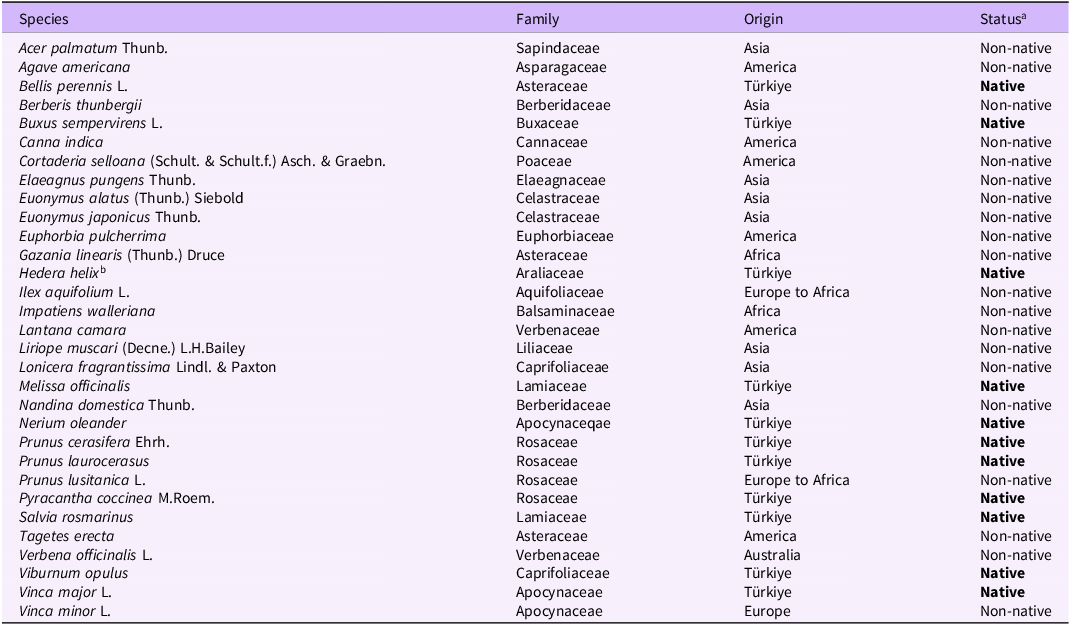
For the 98 non-native plants listed, we could not determine whether they are invasive in Türkiye, which highlights the urgent need to have a comprehensive database of non-native and invasive non-native plants for Türkiye to guide prevention and management policies for the ornamental sector. Moreover, among the 121 ornamental plants are 31 taxa (11 taxa were native and 20 taxa were non-native to Türkiye) that are reported to be invasive (e.g., Berberis thunbergii DC., L. camara) in different parts of the world (Table 4). Among these 31 perennial taxa, with a perennial life history being an important factor in plant invasion (Simberloff Reference Simberloff2009), one native taxon (Hedera helix L.) has been recorded as an expansive (as it is a native plant, we use the term “expansive” instead of “invasive,” in line with the terminology of Pyšek et al. [Reference Pyšek, Richardson, Rejmánek, Webster, Williamson and Kirschner2004]) for Türkiye (Yazlık and Ambarlı Reference Yazlık and Ambarlı2022), and three non-native taxa (Agave americana L., Canna indica L., and L. camara) have environmental and socioeconomic impacts in different habitats (e.g., riparian, ruderal−urban, sandy habitats) in Türkiye (Yazlık et al. Reference Yazlık, Pergl and Pyšek2018). Another important taxon with multiple impacts is the native Nerium oleander L., which is highly toxic not only to humans but also to animals (e.g., bees and butterflies, therefore not used as pollen–nectar source; Aksan and Yazlık Reference Aksan and Yazlık2021; Sarı Reference Sarı2021). It can be found in many different habitats, such as coastline, ruderal−urban, sandy, and natural grassland habitats (Aksan and Yazlık Reference Aksan and Yazlık2021; Sarı Reference Sarı2021). On the other hand, four native taxa (Melissa officinalis L., Prunus laurocerasus L., Salvia rosmarinus Spenn., and Viburnum opulus L.) have a very high ethnobotanical use in Türkiye, and thus the population remains under pressure. Considering all these situations, it is thought that 20 out of the 31 taxa with invasive records elsewhere (Table 4) can be considered as potentially invasive, and 7 native taxa, except for 4 ethnobotanical taxa, can be considered as expansive/expanding ornamental plants for Türkiye. Therefore, information labels regarding the possibility of invasiveness should be used in the marketing/sale of relevant ornamental plant taxa.
Ornamental plants produced in the study area (Altınova District of Yalova Province, Türkiye) and registered as invasive elsewhere.
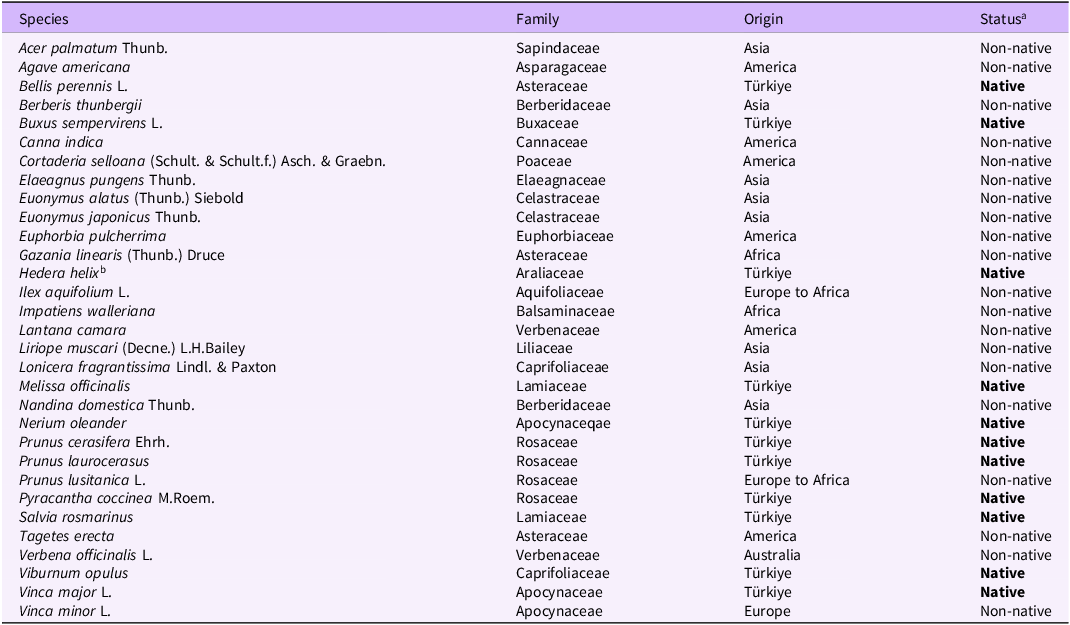
a POWO (2024).
b It is also an expansive taxon for Türkiye (Yazlık and Ambarlı Reference Yazlık and Ambarlı2022).
Another important issue is the continuation of the development of national/international databases (e.g., national/international plant name index, national flora/fauna databases for all countries). Updating the databases at regular intervals will contribute to the accuracy and accessibility of their information and will help fill the existing gaps, thus providing valuable contributions to the long-term use of data banks and joint information sharing (Babaç Reference Babaç2004; Yazlık and Albayrak 2020). Considering this situation, many of the non-native ornamental plants reported here do not have a record in the national Turkish plant names dictionary (Bizim Bitkiler; Güner et al. Reference Güner, Aslan, Ekim, Vural and Babaç2012). Therefore, our data provide a source for a relevant database. Moreover, of the 98 non-native and non-native hybrid ornamental plants (Figure 3) identified in Altınova District of Yalova, just 27 taxa are listed in the non-native plant checklist of Türkiye (Uludağ et al. Reference Uludağ, Aksoy, Yazlık, Arslan, Yazmış, Üremiş, Cossu, Groom, Pergl, Pyšek and Brundu2017).
The sales of ornamental plant taxa from Yalova to different areas (e.g., İstanbul, Kocaeli, and Bursa provinces, İstanbul islands) and sectors (landscapers, municipalities, etc.) also contributes to the risk of invasions in these areas, with the islands particularly vulnerable to biological invasions. In fact, the use of native plants should be encouraged in the selection of new plant species to be included in the relevant areas for the protection of island floras, which play an important role in the protection of biodiversity in the world (Schrader et al. Reference Schrader, Weigelt, Cai, Westoby, Fernandez-Palecios, Cabezas, Plunkett, Ranker, Triantis, Trigas, Kubota and Kreft2024). This will be useful in order to prevent the risk of different impacts and/or invasion risks that may arise from non-native plant species. In this context, a special regulation for sales to the island region, also known as the İstanbul/Prince Islands in the Marmara Sea in Türkiye, is suggested.
Considering the ease of marketing of ornamental plants to new areas and the socioeconomic impacts of the trade sector, there is a strategic necessity to align national practices with the Code of Conduct on Horticulture and Invasive Alien Plants (Council of Europe, Recommendation No. 160/2012). Furthermore, this alignment is now a legal requirement under the recently enacted Regulation on the Prevention of Entry, Spread, and Management of Invasive Alien Species (2026; Official Gazette dated 21.02.2026, No. 33100) in Türkiye. Within this dual framework of international soft law and national mandatory regulation, we propose: (1) monitoring of non-native ornamental plant taxa (cf. Rec. 160/2012, Art. 1.1; TR Regulation 2026, Art. 8), (2) rapid and reliable reporting (cf. Rec. 160/2012, Art. 3.1; TR Regulation 2026, Art. 12), (3) identification of risks and priority species (cf. Rec. 160/2012, Art. 2.1; TR Regulation 2026, Art. 6 & 7), (4) fast dissemination of the obtained data (cf. Rec. 160/2012, Art. 4.2; TR Regulation 2026, Art. 15), and (5) prioritization of the management of non-native ornamental plants in Türkiye (cf. Rec. 160/2012, Art. 5.1; TR Regulation 2026, Art. 10). Therefore, the first priority for the establishment of management programs for non-native ornamental plants should be to use approaches such as green lists (Dehnen-Schmutz Reference Dehnen-Schmutz2011), detection and monitoring (Bayón and Vilà Reference Bayón and Vilà2019), priority/quarantine lists (Pyšek et al. Reference Pyšek, Hulme, Simberloff, Bacher, Blackburn, Carlton, Dawson, Essl, Foxcroft, Genovesi, Jeschke, Kühn, Liebhold, Mandrak and Meyerson2020), safe lists (Kumschick et al. Reference Kumschick, Fernandez Winzer, McCulloch-Jones, Chetty, Fried, Govender, Potgieter, Rapetsoa, Richardson, van Velden, van der Colff, Miza and Wilson2024), and/or action plans (Mayer et al. Reference Mayer, Heger, Kühn, Nehring and Gaertner2023). Indeed, considering the increase in the monetary value of ornamental plant imports in different regions of the world (Hulme et al. Reference Hulme, Brundu, Carboni, Dehnen-Schmutz, Dullinger, Early, Essl, González-Moreno, Groom, Kueffer, Kühn, Maurel, Novoa, Pergl and Pyšek2018; van Kleunen et al. Reference van Kleunen, Essl, Pergl, Brundu, Carboni, Dullinger, Early, González-Moreno, Groom, Hulme, Kueffer, Kühn, Máguas, Maurel and Novoa2018), and the high percentages of cultivation of non-native taxa in home (75%) and botanical gardens (93%) at the global level (van Kleunen et al. Reference van Kleunen, Essl, Pergl, Brundu, Carboni, Dullinger, Early, González-Moreno, Groom, Hulme, Kueffer, Kühn, Máguas, Maurel and Novoa2018), the negative impacts (e.g., economic impact; Tarkan et al. Reference Tarkan, Bayçelebi, Giannetto, Özden, Yazlık, Emiroğlu, Aksu, Uludağ, Aksoy, Baytaşoğlu, Kaya, Mutlu, Kırankaya, Ergüden and Per2024) that non-native ornamental plants may create in the short/medium/long term can be kept under control with such precautionary measures.
Our results may provide important contributions to possible future studies on non-native ornamental plants. In particular, they can be a resource for planning activities aimed at increasing awareness about non-native ornamental plants among producers and for establishing voluntary activities and projects addressing the issues in collaboration with producers. We believe that it also would be beneficial to conduct similar perception surveys for non-native ornamental plants in the countries involved in the ornamental plant trade, as well as in the different regions of these countries. In this context, we recommend that similar studies should be conducted in different regions/provinces of Türkiye (such as Antalya in the Mediterranean region, İzmir in the Aegean region, and Sakarya in the Marmara region).
Finally, while we acknowledge the fact that ornamental plants will continue to provide many positive impacts for people and that their production and trade is an important sector creating important commercial and employment opportunities, it is also very clear that invasive non-native plant/ornamental plant taxa are already or have the potential to cause devastating negative impacts. The most reasonable step that can be taken between these two forces is to establish national non-native species lists of relevant plants without ignoring the ornamental plant sector’s social and economic contributions and to act within the scope of measures/precautions (codes of conduct, prioritization, green list, etc.) and action plans that can be taken against threats that may arise from potential invasion and/or invasive situations.
Supplementary material
To view supplementary material for this article, please visit https://doi.org/10.1017/inp.2026.10048
Acknowledgment
AY thanks Coventry University, Centre for Agroecology, Water and Resilience for space and the opportunity to use their facilities.
Funding statement
Thanks to the Scientific and Technological Research Council of Türkiye (TÜBİTAK–BİDEB 2219), which supported AY with a one-year scholarship in the United Kingdom. This research received no specific grant from any funding agency or the commercial or not-for-profit sectors.
Competing interests
The authors declare that they have no competing financial interests in this paper.
Ethics approval
Authors declare that they comply with the ethical standards, and they refrain from misrepresenting research results which could damage the trust in the journal, the professionalism of scientific authorship, and ultimately the entire scientific endeavor. Ethical standards were also complied with in the interviews conducted in this study. In addition, the first author has three licenses for human-participated research by the Collaborative Institutional Training Initiative (CITI Program): Institutional Review Board Member (IRB-ID 44117788), Social/Behavioural Research (ID-44117789) and Responsible Conduct of Research (RCR-ID 44117790).


 Open access

