

Introduction
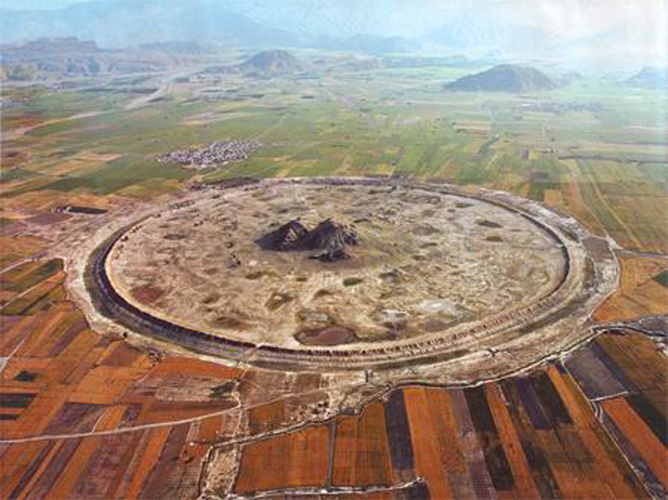
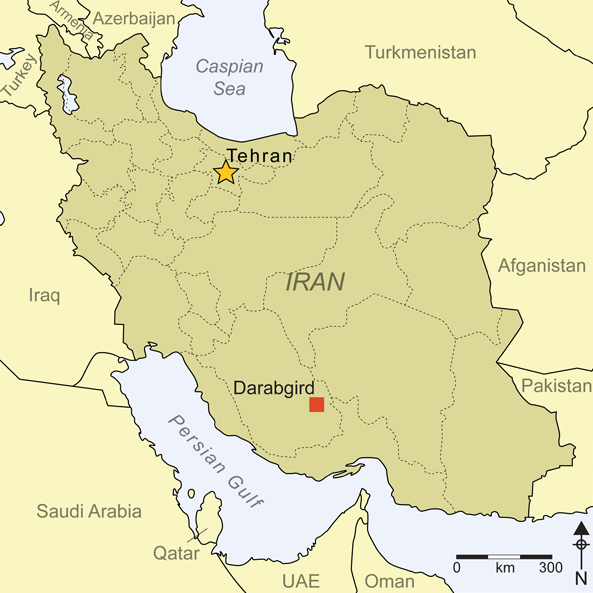
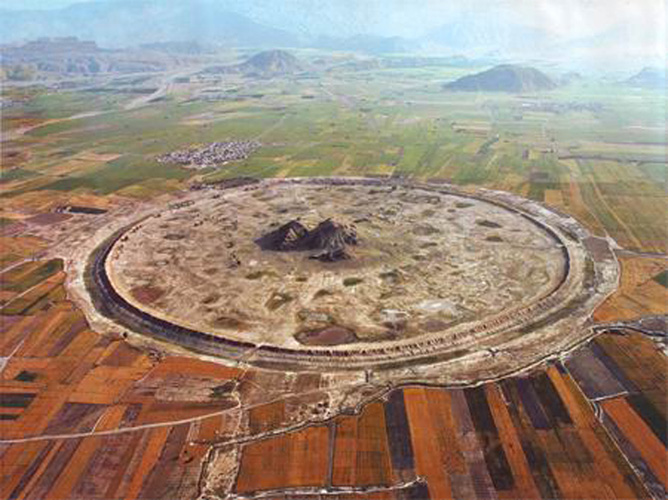
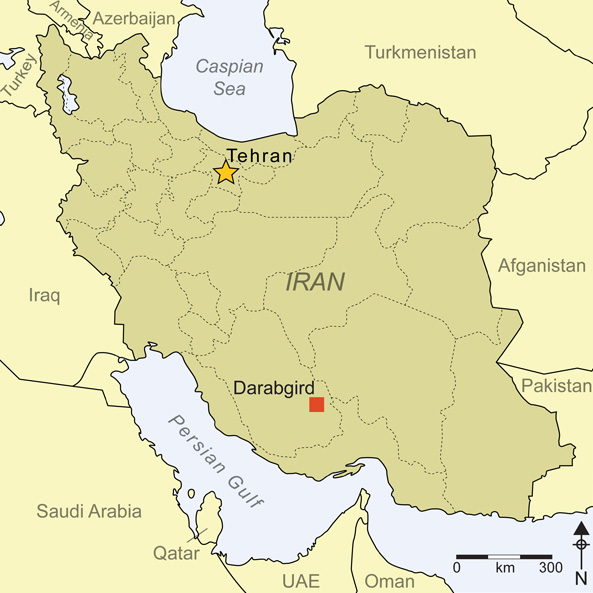
Darabgird is a circular city located in southern Iran, 9km south-west of modern-day Darab (28°41'N, 54°28'E) (Figures 1 and 2). It was thought to have flourished in the Sasanian period of the third to seventh centuries AD (Le Strange 1905; Van Den Bergh 1959; Reference BartoldBartold 1984; Reference KarimianKarimian 2010). Our campaign of fieldwork has confirmed this as the main period of occupation, located activity areas and tracked the use of the site until its probable abandonment in the Seljuk period around 1000 years ago.
Aerial view of Darabgird.
Location of Darabgird in southern Iran.
Survey results
The main structure of the city consists of the following elements:
-
• circular fortifications comprising a rampart, ditch and other related features;
-
• route systems, consisting of four gates and four main streets;
-
• residential zones, the four areas are enclosed by the four main streets;
-
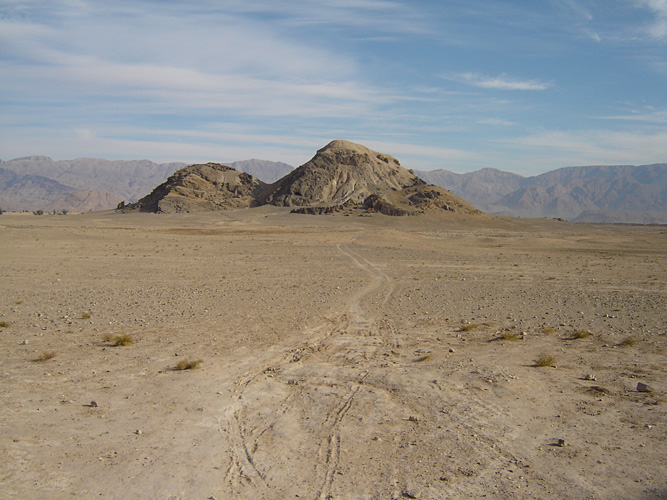
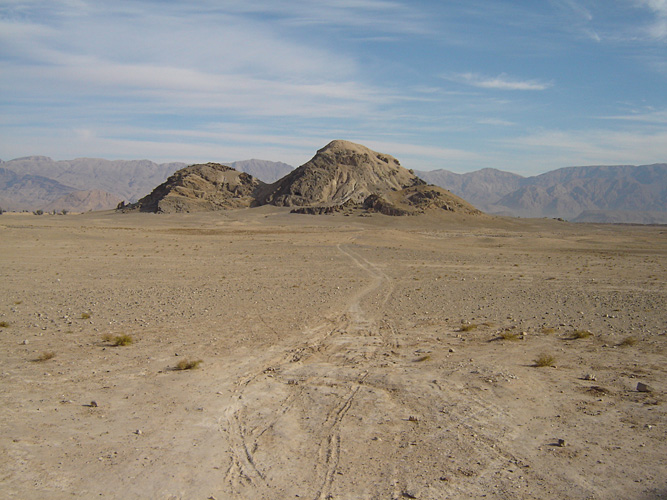
• a government citadel, located on high ground at the centre of the city (Figure 3);
-
• an irrigation network (an artificial channel has been located).
Mound at the centre of Darabgird.
In the new campaign of fieldwork the site was divided into a grid comprised of 41 blocks, each block measuring 27.16 x 30.79m (836.46m2 in total) and aligned NS-EW. Surface collection recovered 994 objects, the majority of which are ceramics (91.14%). Of other diagnostic objects identified, slag was found distributed over 2.51% of the total area, with concentrations in metalworking areas (92%) and pottery kilns (8%). Evidence of manufacturing is largely concentrated in Darabgird's south-west district, suggesting an industrial zone.
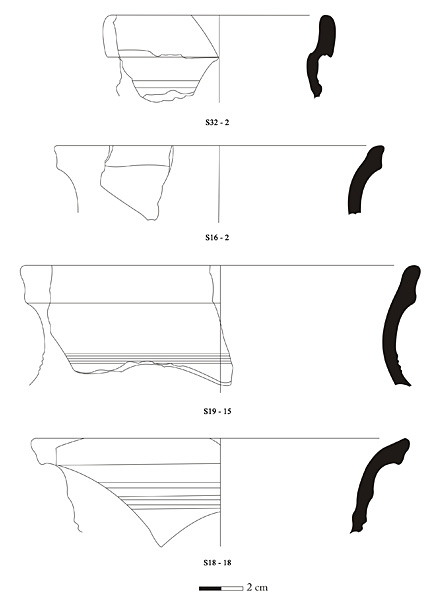
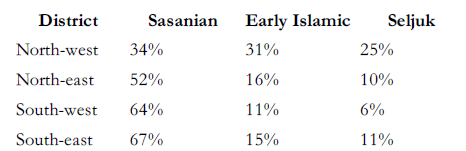
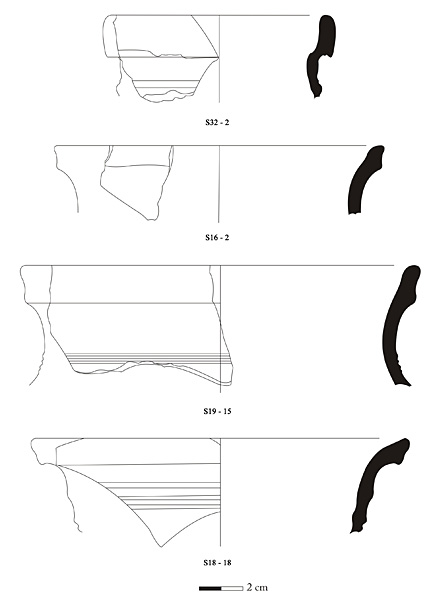
The dating evidence from artefacts indicates that the principal period of occupation of Darabgird was Sasanian (Figure 4; Table 1). The ceramics also indicate that in the north-west district of the city in particular, settlement continued throughout the early Islamic period and to the end of the Seljuk period (AD 1157). Architectural remains found in the north-west district of the city (e.g. column bases; Reference MorganMorgan 2003) suggest that this area may have had particular significance which could offer an explanation for its continued occupation.
Sasanian period ceramics from Darabgird.
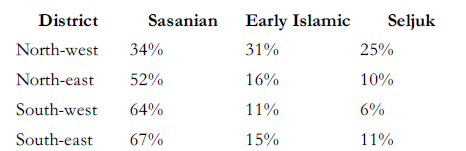
According to Mostowfi Qazvini, Darabgird was deserted as late as the fourteenth century AD (eighth century AH; Reference Huff and KianiHuff 1995: 420). However, archaeological investigation has so far only revealed artefacts from as late as the Seljuk period (AD 1037-1157).
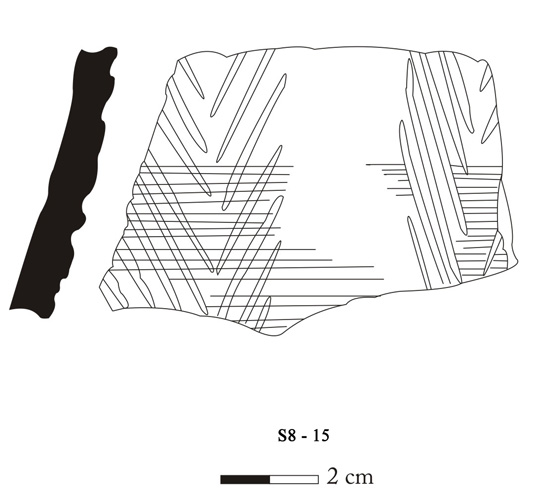
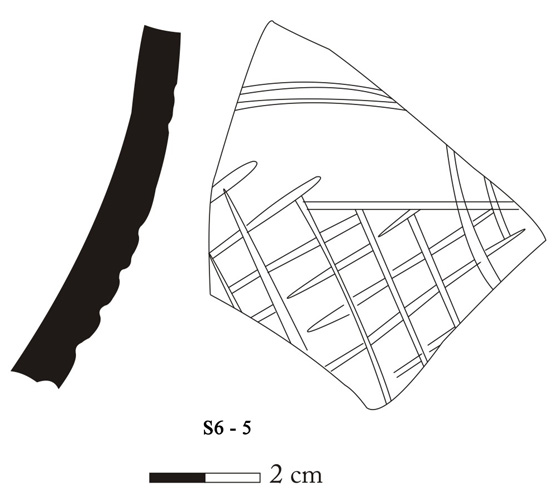
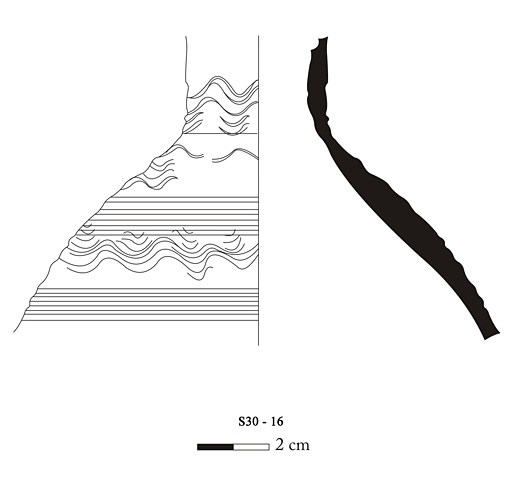
Early Islamic period ceramics from Darabgird.
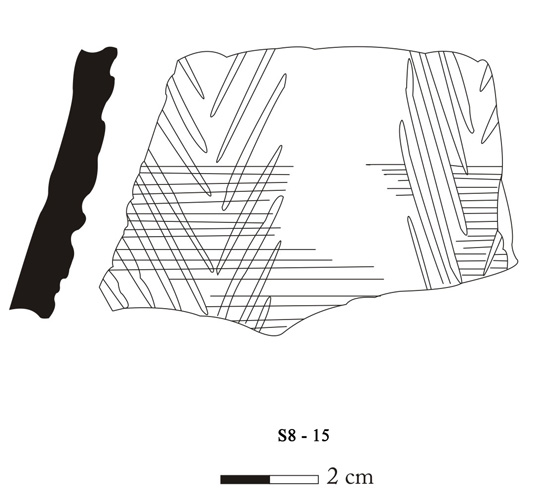
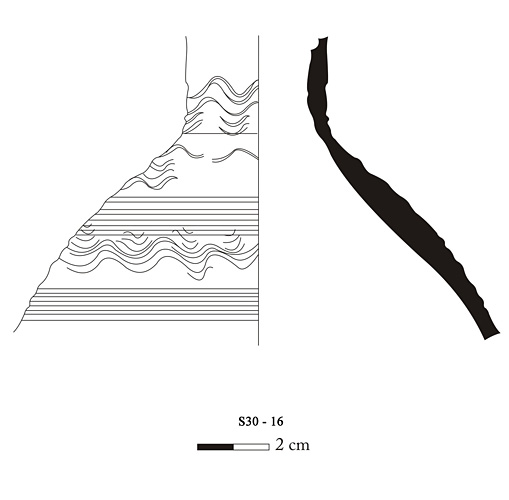
Early Islamic period ceramics from Darabgird.

Early Islamic period ceramics from Darabgird.
Conclusions
The results of the survey suggest that the main period of occupation of Darabgird was Sasanian. Following the decline of the Sasanian kingdom, the southern districts of the city were virtually deserted. By contrast, the northern half of the city, especially the north-west, saw development throughout the Islamic period and into the Seljuk period in the twelfth century AD.