Introduction
Our understanding of the social and mental health needs of individuals with an autism spectrum disorder (ASD) across the lifespan has increased in recent years (Baxter et al., Reference Baxter, Brugha, Erskine, Scheurer, Vos and Scott2015), and there has been increased emphasis on better understanding these in adults (Taylor and Seltzer, Reference Taylor and Seltzer2011; Howlin, Reference Howlin2013; Moss et al., Reference Moss, Howlin, Savage, Bolton and Rutter2015, Reference Moss, Mandy and Howlin2017). Adults with ASD are thought to be at heightened risk for several co-occurring mental health conditions, with anxiety and depressive disorders being the most prominent (Joshi et al., Reference Joshi, Wozniak, Petty, Martelon, Fried, Bolfek, Kotte, Stevens, Furtak, Bourgeois, Caruso, Caron and Biederman2013). However, estimates of the rates of these co-occurring disorders in adults with ASD vary considerably, with some studies reporting rates of anxiety or depression as high as 70% (Charlot et al., Reference Charlot, Deutsch, Albert, Hunt, Connor and McIlvane2008; Mazefsky et al., Reference Mazefsky, Folstein and Lainhart2008), and others reporting rates as low as <1% for depression (Buck et al., Reference Buck, Viskochil, Farley, Coon, McMahon, Morgan and Bilder2014), and 5% for anxiety (Tsakanikos et al., Reference Tsakanikos, Underwood, Kravariti, Bouras and McCarthy2011).
Given that ASD was, until recently, primarily considered a diagnosis of childhood, most research to date has focused on the child and adolescent years. van Steensel and colleagues published a meta-analysis of the prevalence of anxiety in young people with ASD aged <18 years of age (van Steensel et al., Reference van Steensel, Bögels and Perrin2011). Their results indicated that 39.6% of young people with ASD had at least one anxiety disorder diagnosis, with specific phobias, obsessive-compulsive disorder (OCD) and social anxiety being most commonly reported. Co-occurring depression in young people with ASD has so far received less attention than anxiety, possibly due to lower prevalence estimates in some studies. For instance, evidence from a population derived sample of children and adolescents with ASD reported a 3-month point prevalence of any depressive disorder to be 1.4% compared with 41.9% for any anxiety disorder (Simonoff et al., Reference Simonoff, Pickles, Charman, Chandler, Loucas and Baird2008). In contrast, clinical studies based on treatment seeking adults suggest that depression may indeed be common in adults with ASD, with reported rates ranging from 20 to 35% (Mazefsky et al., Reference Mazefsky, Folstein and Lainhart2008; Gotham et al., Reference Gotham, Unruh and Lord2015). In contrast, rates in the general population are reported to be around 7% for depression, and between 1% and 12% for anxiety, depending on the specific diagnostic category (Kessler et al., Reference Kessler, Berglund, Demler, Jin, Koretz, Merikangas, Rush, Walters and Wang2003, Reference Kessler, Petukhova, Sampson, Zaslavsky and Wittchen2012).
There are several challenges to the use of meta-analytic methods with studies on the prevalence of anxiety and depression in adults with ASD. Prominent amongst these are the lack of measures available to assess mental health comorbidities in those with ASD, particularly in adulthood, which are validated in ASD and non-ASD populations. This, along with variability in the diagnostic assessment of ASD itself and a lack of community-based studies focusing on co-occurring mental health presentations in individuals with ASD in adulthood means that there is substantial heterogeneity in both the populations being assessed and the study designs and methods/tools used to measure anxiety and depression. This is a potential caveat in the use of meta-analytic techniques as it becomes very challenging to integrate and synthesize the literature currently available. Nonetheless, describing these measurement differences enables us to quantify the degree of heterogeneity in a robust way.
One important issue to consider when reviewing the available literature on mental health comorbidities in those with ASD is the problem of diagnostic over-shadowing (Wood and Gadow, Reference Wood and Gadow2010). This phenomenon has most often been discussed in relation to social phobia and OCD, which are also the most commonly reported anxiety disorders in ASD (Ozsivadjian et al., Reference Ozsivadjian, Knott and Magiati2012; Kerns et al., Reference Kerns, Kendall, Berry, Souders, Franklin, Schultz, Miller and Herrington2014; Magiati et al., Reference Magiati, Lerh, Hollocks, Uljarevic, Rodgers, Mcconachie, Ozsivadjian, South, Van Hecke, Hardan, Libove, Leekam and Simonoff2017). In the case of social phobia, it has been suggested that the reduced social motivation or difficulties in social situations commonly observed in ASD can appear behaviourally similar to the anxious avoidance of social situations which is characteristic of social phobia. In addition, compulsive behaviours in OCD can appear similar in presentation to restrictive and repetitive behaviours as observed in ASD, and indeed recent evidence has suggested some neurobiological overlap (Carlisi et al., Reference Carlisi, Norman, Murphy, Christakou, Chantiluke, Giampietro, Simmons, Brammer, Murphy, Mataix-Cols, Rubia and Rubia2017). Similarly, social disinterest and/or atypical social communication may be difficult to distinguish from psychomotor symptoms of depression in those with ASD (Stewart et al., Reference Stewart, Barnard, Pearson, Hasan and O'Brien2006; Chandrasekhar and Sikich, Reference Chandrasekhar and Sikich2015 ).
Another factor that adds to the complexity of determining the rates of anxiety and depressive disorders in adults with ASD is the wide range of intellectual, verbal and adaptive functioning. With regard to intellectual functioning, for example, it has been suggested that in clinical samples approximately one-third of people with ASD have intellectual functioning in the impaired range (Kim et al., Reference Kim, Leventhal, Koh, Fombonne, Laska, Lim, Cheon, Kim, Kim, Lee, Song and Grinker2011). Therefore, it is important to consider individuals’ functioning when considering and interpreting findings from different studies of individuals with ASD with and without intellectual disability (ID).
The aim of the current systematic review and meta-analysis was to examine the rates of anxiety and depression in adults with ASD based on the literature currently available. To our knowledge, previous systematic reviews have focused solely on depression rates, have considered both children and adults together, or have included only a limited range of studies (i.e. Stewart et al., Reference Stewart, Barnard, Pearson, Hasan and O'Brien2006; Wigham et al., Reference Wigham, Barton, Parr and Rodgers2017). Therefore, a systematic review is now required that focuses on adults, and examines both rates of depression and anxiety. Given our a-priori knowledge of a lack of community-based prevalence studies in this area, we have opted to be inclusive in our selection criteria. As discussed above, the current literature has been affected by a high degree of between-study heterogeneity, both in terms of the clinical populations assessed, as well as the study methodology and measures used to assess anxiety and depression. Therefore, as well as providing the first, to our knowledge, meta-analysis of rates of anxiety and depression in adults with ASD, we aimed to explore the potential impact of ASD diagnostic measures, measures of comorbidity (i.e. clinical interviews v. questionnaire measures) and the role of ID on the estimates reported.
Methods
Definition/operationalization of key constructs
In the current systematic review and meta-analysis, anxiety was defined as either clinically significant/elevated symptoms of anxiety (defined as scores above clinical cut-offs on questionnaires) or a clinical diagnosis of any specific anxiety disorder (including generalized anxiety disorder; social phobia/social anxiety; specific phobia; separation anxiety; panic/agoraphobia; post-traumatic stress disorder (PTSD); or OCDFootnote †Footnote 1). Most studies present panic disorder and agoraphobia as a single estimate, but in cases where they are presented separately, the highest rate of the two was included. This was to reduce the chances of them being double coded due to high comorbidity, given that most articles did not specify levels of multiple comorbidities in their samples (Kessler et al., Reference Kessler, Chiu, Jin, Ruscio, Shear and Walters2006).
For depression, we only included cases which were above recommended clinical cut-off scores on validated questionnaires or where a professional/clinical diagnosis of major depression was given. As an example, for the most commonly used questionnaire, the Beck Depression Inventory (BDI; Beck, Reference Beck1978), a cut-off score of ‘20’ or ‘24’, depending on the version, or at least depression in the moderate range would be required. For all other questionnaires used, their specific published cut-offs as applied by the original authors were used.
Information sources and search approach
We conducted a search of three electronic literature databases (PsycINFO, PubMed, and Web of Science) selected to provide good coverage of both medical and psychology literature. The search included publications from the start of the year 2000 and ran up until 30 September 2017. The start date was selected based on the publication of the text revision of the DSM-IV, to reduce the challenge of combining definitions from multiple diagnostic systems.
The search terms used were ( ‘autis*’ OR ‘Asperger*’ OR ‘Pervasive Developmental Disorder’); AND (‘anxi*’ OR ‘anxiety disorder’ OR ‘anxious’) OR (‘comorbid* OR ‘psychiatric disorder’ OR ‘mental health’) OR (‘depress*’ OR ‘mood disorder’ OR ‘low mood’) AND (‘adults’ NOT ‘animal’).
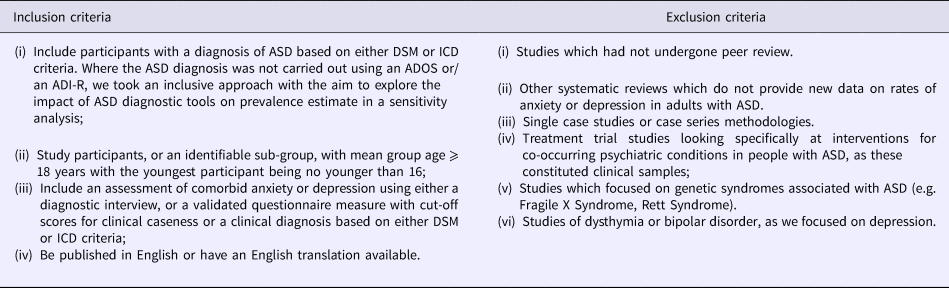
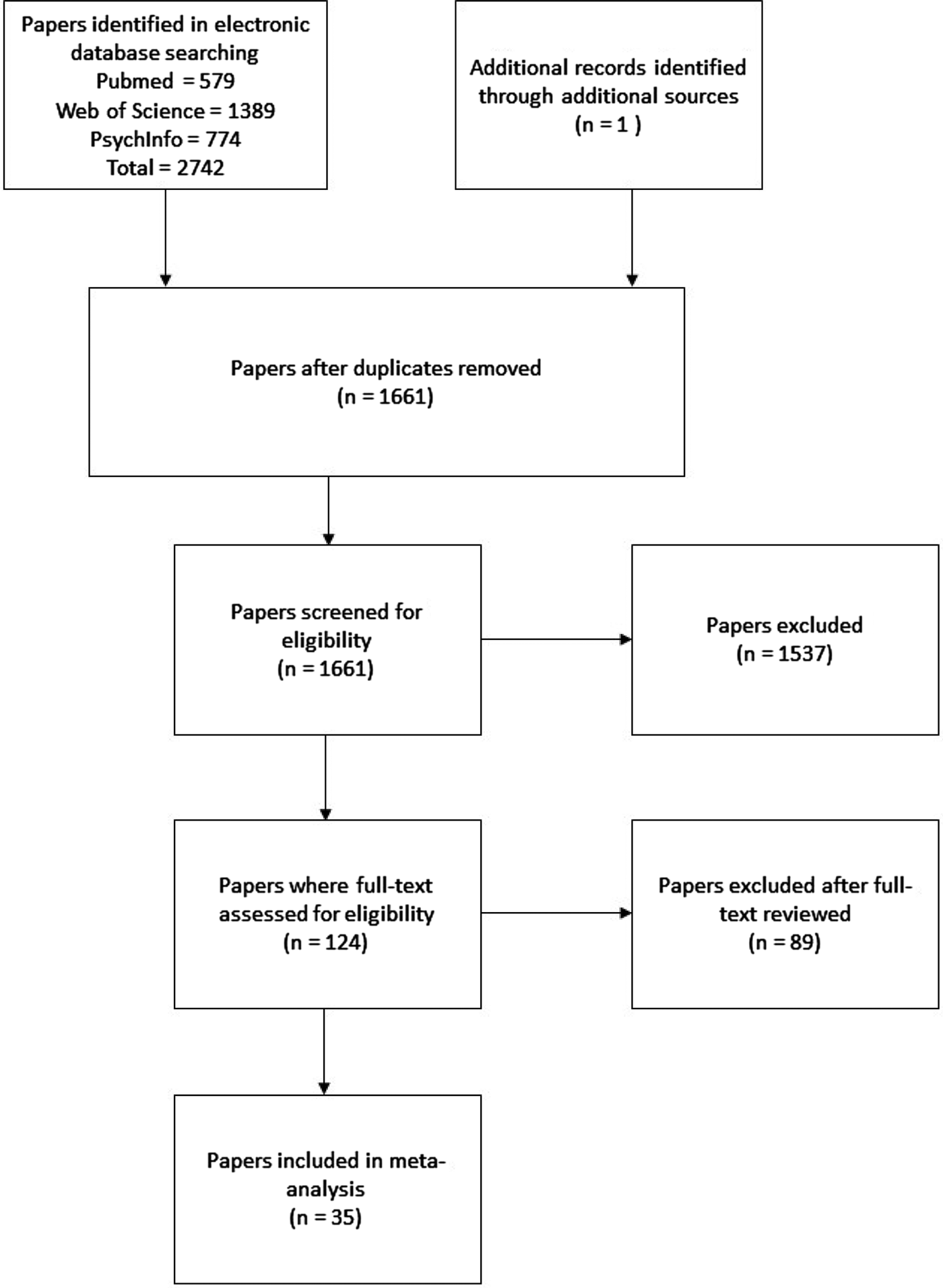
Two earlier systematic reviews (Stewart et al., Reference Stewart, Barnard, Pearson, Hasan and O'Brien2006; Wigham et al., Reference Wigham, Barton, Parr and Rodgers2017) and a narrative review (Chandrasekhar and Sikich, Reference Chandrasekhar and Sikich2015) on depression in adults with ASD were also examined; and one additional citation (Crane et al., Reference Crane, Goddard and Pring2013) met our inclusion criteria and was included. We identified no systematic reviews or meta-analyses focusing on the prevalence of anxiety in adults with ASD. One review of comorbid Bipolar disorder was reviewed for depression related literature, but no additional citations were identified (Vannucchi et al., Reference Vannucchi, Masi, Toni, Dell'Osso, Erfurth and Perugi2014). A Preferred Reporting Items for Systematic Reviews and Meta-analysis (PRISMA) flowchart (Fig. 1) is displayed as a summary of our search and review process (see Table 1 for inclusion and exclusion criteria).
Preferred reporting items for systematic reviews and meta-analysis (PRISMA) flowchart.
Inclusion and exclusion criteria to be eligible for inclusion in the current systematic review

Selecting studies for inclusion in the review
One author (MJH) initially screened titles and abstracts for eligibility and excluded those that clearly did not meet criteria; following this, two authors (MJH & J-WL) reviewed all remaining full-texts for eligibility. Disagreements were discussed and resolved on a case-by-case basis (see Reliability).
Data extraction
We extracted the following information from each study: (a) sampling strategy; (b) descriptive variables (e.g. age, gender); (c) tools used to diagnose ASD; (d) number of participants with an ID in the sample; (e) tools used to assess anxiety/depression; (f) whether diagnostic overshadowing/symptom overlap was considered in the study; and (g) current and lifetime estimates of anxiety and depression.
As the primary interest of this meta-analysis is on current prevalence, all sensitivity analyses were conducted on current estimates only. Three studies included both current and lifetime estimates and both were used in their respective analyses (Joshi et al., Reference Joshi, Wozniak, Petty, Martelon, Fried, Bolfek, Kotte, Stevens, Furtak, Bourgeois, Caruso, Caron and Biederman2013; Buck et al., Reference Buck, Viskochil, Farley, Coon, McMahon, Morgan and Bilder2014; Gillberg et al., Reference Gillberg, Helles, Billstedt and Gillberg2016).
Reliability
Selecting studies
There was good inter-rater reliability in study selection for inclusion in the review/ meta-analysis (intra-class correlation = 0.72) and all disputes were resolved by referring to the inclusion/exclusion criteria. On three occasions, the same dataset was used in data analyses in three different publications, with different subsamples from the same study being analysed (Tsakanikos et al., Reference Tsakanikos, Costello, Holt, Bouras, Sturmey and Newton2006, Reference Tsakanikos, Sturmey, Costello, Holt and Bouras2007, Reference Tsakanikos, Underwood, Kravariti, Bouras and McCarthy2011). In this case, we included the most recent citation which had the most participants. Reasons for exclusion included: no clinical cut-off/diagnostic algorithm for anxiety/depression applied (n = 28); study did not measure anxiety/depression (n = 25); minimum age of participants was <16 years (n = 11); non-ASD sample (n = 9); no English translation was available (n = 8); not peer reviewed (n = 3), intervention study (n = 1), review article (n = 1).
Data extraction
All data were extracted by the first author (MJH) and then a randomly selected sample of 25% of the studies were checked for accuracy (J-WL), resulting in no disagreement.
Study sample
The final sample included 35 studies across both anxiety and depression, with 27 studies measuring anxiety, 29 measuring depression, and 21 measuring both. Studies measuring anxiety included a total of 26 070 participants (mean age = 30.9 years, s.d. = 6.2), and for depression there were in total of 26 117 participants (mean age = 31.1 years, s.d. = 6.8; see Tables 2 and 3 for study characteristics and summary of main findings).
Included studies assessing anxiety, study characteristics and prevalence rates of anxiety
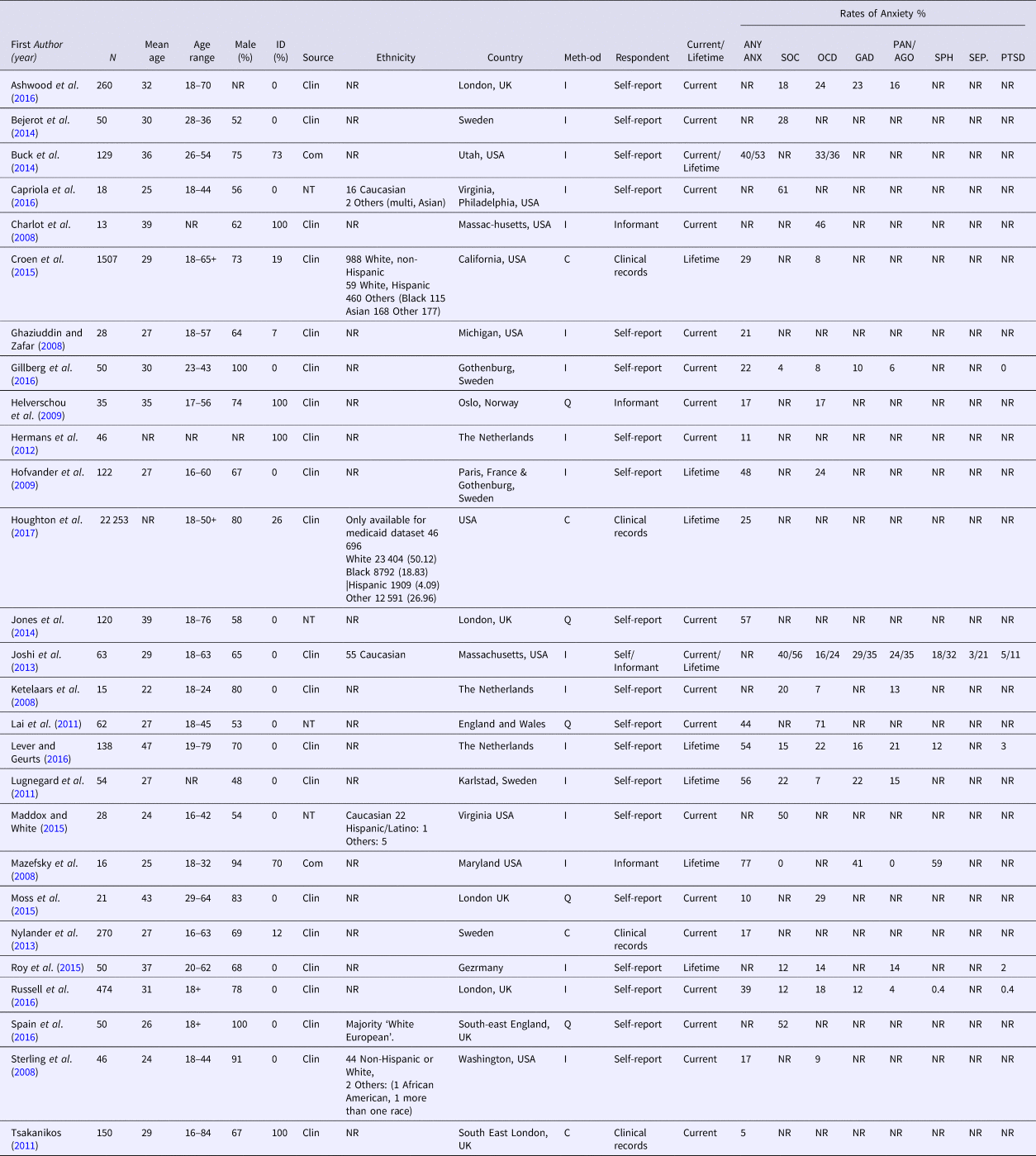
ID, Intellectual Disability Disorder; Com, Recruited from a whole community or community sampling strategy was used; Clin, Recruited through a clinical service; NT, Non-treatment seeking and recruited through notices or databases, but not due to clinical contact; I, Structured Interview, Q, Standardized Questionnaire, C, Clinical Records or not reported; ANY ANX, Any Anxiety Disorder; SOC, Social Anxiety Disorder; OCD, Obsessive-compulsive Disorder; GAD, Generalized Anxiety Disorder; PAN/AGO, Panic Disorder/Agoraphobia; SPH, Specific Phobia; SEP, Separation Anxiety Disorder; PTSD, Post-traumatic Stress Disorder, NR, not reported.
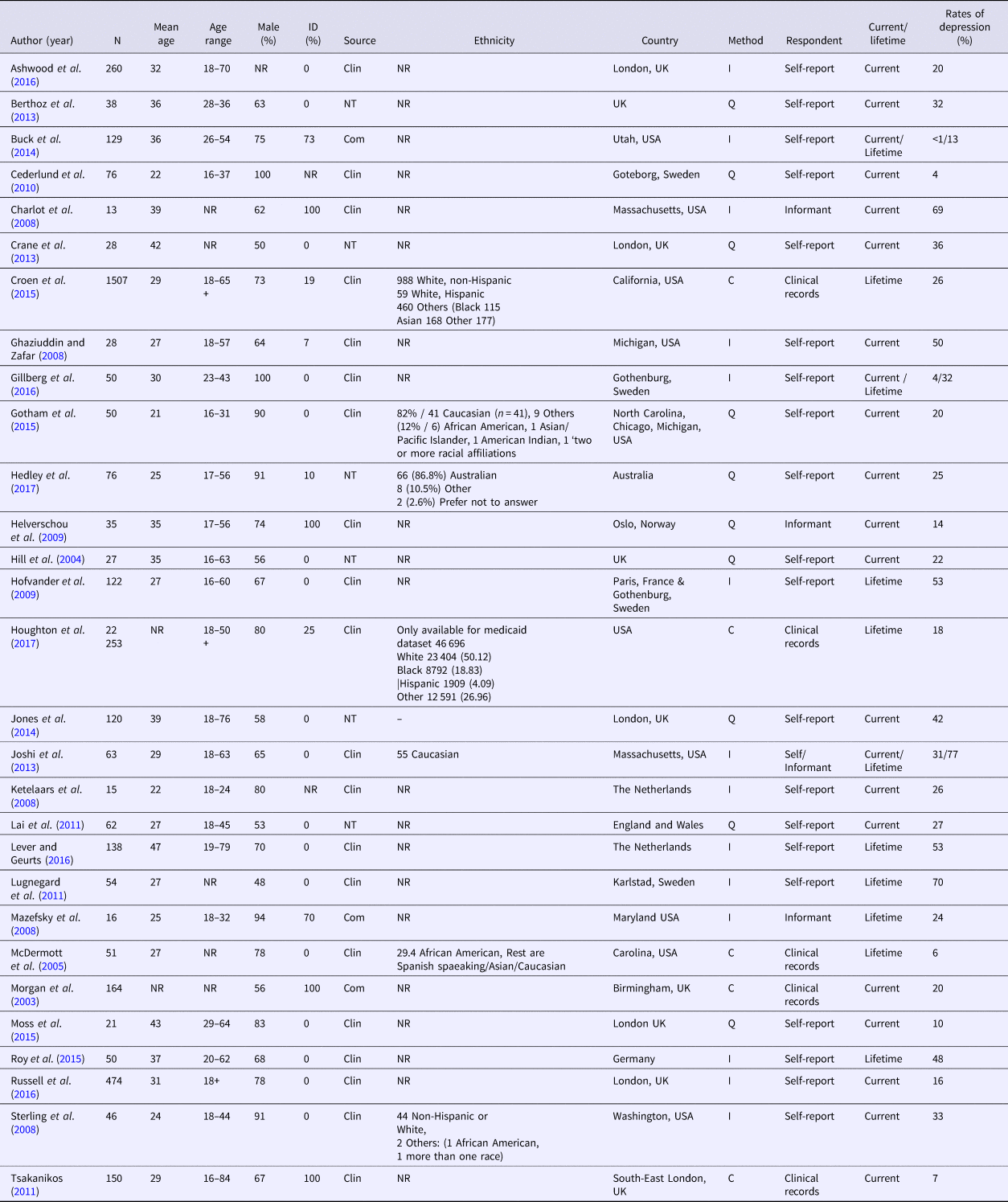
Included studies assessing depression, study characteristics and prevalence rates of depression
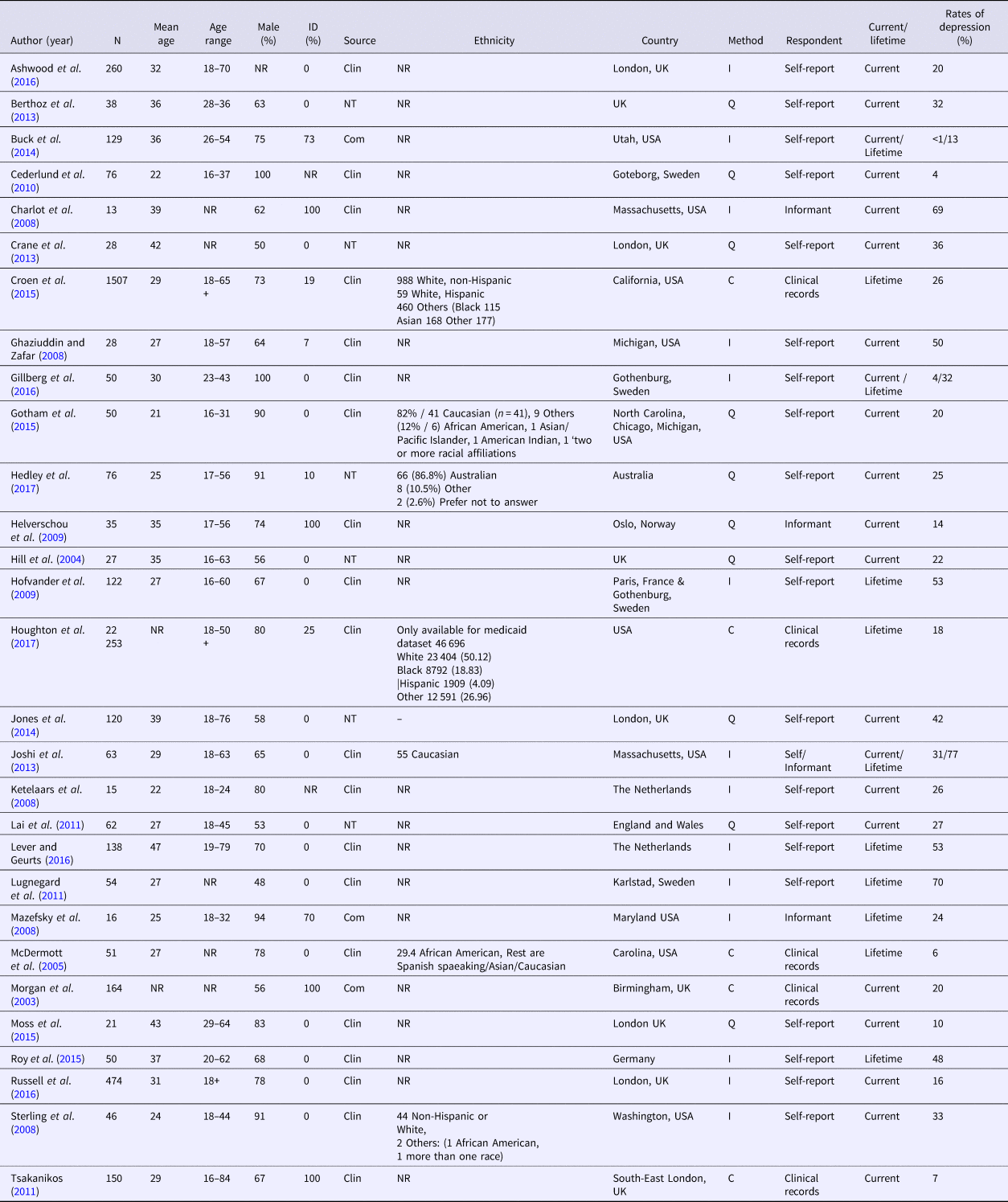
ID, Intellectual Disability Disorder; Com, Recruited from a whole community or community sampling strategy was used; Clin, Recruited through a clinical service; NT, Non-treatment seeking and recruited through notices or databases, but not due to clinical contact; I, Structured Interview, Q, Standardized Questionnaire, C, Clinical Records or not reported. NR, not reported.
For three studies where the age of the sub-sample of interest was not reported, the mean was estimated based on the age of the overall sample (Morgan et al., Reference Morgan, Roy and Chance2003; Hermans et al., Reference Hermans, van der Pas and Evenhuis2011; Houghton et al., Reference Houghton, Ong and Bolognani2017). Seven of the 36 studies included in the meta-analysis included adolescents in the sample (⩾16-years-old). Nine of the studies included had a sample that included at least 50% of people with an ID and were included in the sub-analysis described below (Morgan et al., Reference Morgan, Roy and Chance2003; McDermott et al., Reference McDermott, Moran, Platt, Issac, Wood and Dasari2005; Charlot et al., Reference Charlot, Deutsch, Albert, Hunt, Connor and McIlvane2008; Mazefsky et al., Reference Mazefsky, Folstein and Lainhart2008; Helverschou et al., Reference Helverschou, Bakken and Martinsen2009; Tsakanikos, et al. Reference Tsakanikos, Underwood, Kravariti, Bouras and McCarthy2011; Hermans et al., Reference Hermans, Jelluma, van der Pas and Evenhuis2012; Buck et al., Reference Buck, Viskochil, Farley, Coon, McMahon, Morgan and Bilder2014; Moss et al., Reference Moss, Howlin, Savage, Bolton and Rutter2015).
Meta-analytic method
A random-effects meta-analysis with arcsine transformation was used to account for issues with study weightings when estimating prevalence (Barendregt et al., Reference Barendregt, Doi, Lee, Norman and Vos2013). Study heterogeneity was assessed using the I 2 statistic, whereby a score of more than 50% indicates moderate, and a score of 75% high levels of heterogeneity, respectively (Higgins and Thompson, Reference Higgins and Thompson2002).
Subgroup analyses were conducted to investigate differences in rates reported in studies where ⩾50% of the sample had ID as compared with studies of participants without ID or with small number of individuals with ID in the sample; assessment of ASD diagnoses (i.e. using Autism Diagnostic Observation Schedule (ADOS)/Autism Diagnostic Interview (ADI)/other standardized diagnostic assessment for ASD v. studies not reporting standardized diagnostic procedures to confirm ASD diagnosis); and measurement of comorbidity (i.e. questionnaire v. clinical interview). A table showing the range of measures used to assess anxiety and depression and their psychometric properties can be seen online Supplementary Materials 2. It was also of interest to investigate the impact of sample type (e.g. clinical v. community sampling). However, as there were few studies that could clearly be defined as non-clinical, sampling was considered under study quality.
The significance of differences in pooled estimates between subgroups was assessed via meta-regression analyses. Study quality was assessed on two domains, selection bias and detection bias, which were adapted for this meta-analysis from the Effective Public Health Practice Project Quality Assessment Tool (Armijo-Olivo et al., Reference Armijo-Olivo, Stiles, Hagen, Biondo and Cummings2012 ; see online Suppementary Material). OpenMeta, a tool for running metafor package in R (Viechtbauer, Reference Viechtbauer2010), was used to conduct the meta-analysis (Wallace et al., Reference Wallace, Dahabreh, Trikalinos, Lau, Trow and Schmid2012).
Results
Prevalence of anxiety disorders in adults with ASD
Any anxiety disorder
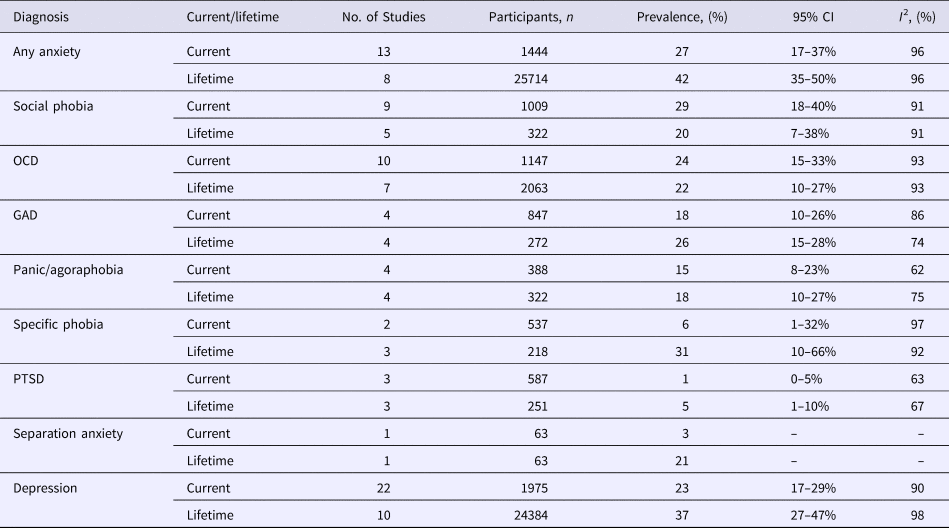
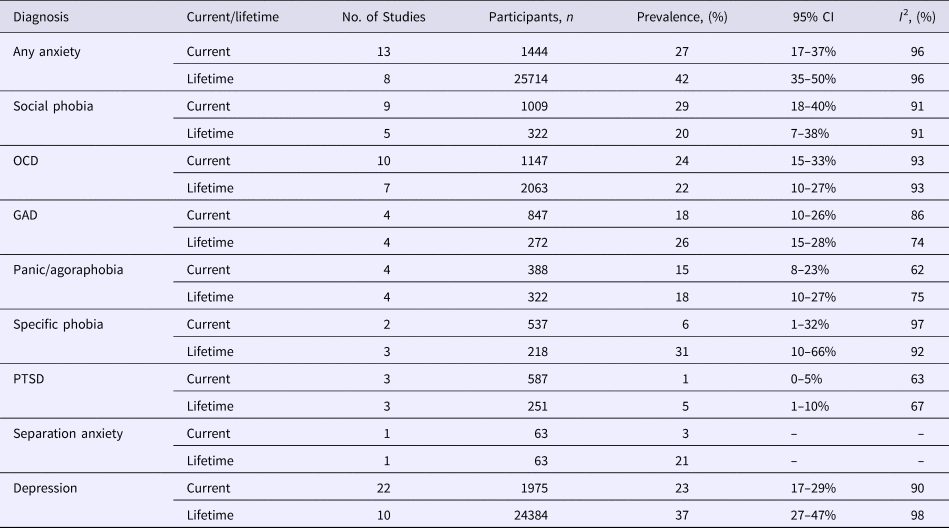
Meta-analytic pooling of the estimates yielded the prevalence of any current anxiety disorder as 27% (95% CI 17–37%; k (number of studies) = 13, n = 431/1444). Assessment of heterogeneity indicated high levels of variance between studies included in the analysis (I 2 = 96%). A subsequent analysis of the eight studies which were classified as measuring lifetime prevalence indicated a prevalence of 42% (95% CI 35–50%; k = 8, n = 6634/25714, I 2 = 96%; see Table 4).
Pooled estimates of current and lifetime anxiety and depression in adults with ASD
Social anxiety
Overall 12 studies reported on rates of social anxiety, together reporting an estimated current prevalence of 29% and lifetime prevalence of 20% (current: 95% CI 18–40%, k = 9, n = 200/1009, I 2 = 91%; lifetime: 95% CI 7–38%, k = 5, n = 75/322, I 2 = 91%).
OCD
Fifteen studies in total measured the rates of OCD with current prevalence estimate of 24% and a lifetime prevalence of 22% (current: 95% CI 15–33%, k = 10, n = 265/1147, I 2 = 93%; lifetime: 95% CI 10–27%, n = 247/2063, k = 7, I 2 = 93%).
GAD
Seven studies reported current GAD prevalence of 18% and lifetime prevalence of 26% (current: 95% CI 10–26%, k = 4, n = 138/847, I 2 = 86%; lifetime: 95% CI 15–28%, k = 4, n = 63/272, I 2 = 74%).
Panic/agoraphobia
Eight studies in total reported an estimated current and lifetime prevalence of 15% and 18%, respectively (current: 95% CI 8–23%, k = 4, n = 62/388, I 2 = 62%; lifetime: 95% CI 10–27%, k = 4, n = 66/322, I 2 = 75%).
PTSD
PTSD was reported in five studies with a current prevalence of 1% and lifetime prevalence of 5% was found (current: 95% CI 0–5%, k = 3, n = 5/587, I 2 = 63%; lifetime: 95% CI 1–10%, n studies = 3, n = 12/251, I 2 = 67%).
Specific phobia
A total of four studies reported on rates of specific phobia yielding an estimated current prevalence of 6% and a lifetime prevalence of 31% (current: 95% CI 1–32%, k = 2, n = 13/537, I 2 = 97%; lifetime: 95% CI 10–66%, k = 3, n = 46/218, I 2 = 92%).
Separation anxiety
Current separation anxiety was reported by only one study as present in 3% of the sample (n = 2/62), with a lifetime prevalence of 21% (13/62) (Joshi, et al., Reference Joshi, Wozniak, Petty, Martelon, Fried, Bolfek, Kotte, Stevens, Furtak, Bourgeois, Caruso, Caron and Biederman2013).
Sub-group analyses: the role of clinical interview v. questionnaire measures, ASD diagnostic tools and ID on current anxiety prevalence estimates
Use of clinical interview v. questionnaires to measure anxiety
When comparing studies which used a structured clinical interview v. questionnaires to assess current rates of any anxiety disorder, we found no significant differences in prevalence estimates (Clinical interview: k = 7; n = 275/786, estimated prevalence = 28%, 95% CI 19–39%, I 2 = 85%; questionnaires: k = 4, n = 103/238, estimated prevalence = 31%, 95% CI 12–54%, I 2 = 91%). However, all but one of the nine studies of current social anxiety used a structured diagnostic interview, with this one study employing a questionnaire indicating a prevalence of 51% (Spain et al., Reference Spain, Happe, Johnston, Campbell, Sin, Daly, Ecker, Anson, Chaplin, Glaser, Mendez, Lovell and Murphy2016) v. a pooled prevalence of 26% in the remaining studies (k = 8, n = 174/958, CI 16–37%, I 2 = 90%).
Eight studies which assessed current OCD used clinical interviews resulting in a significantly lower (β = 0.26, p = 0.03) estimated pooled prevalence of 19% v. 43% from the two studies which used questionnaire measures and a reduced level of between study heterogeneity (Clinical interview: k = 8, n = 215/1050, 95% CI 13–23%, I 2 = 79%; questionnaires: k = 2, n = 50/97, 95% CI 3–92%, I 2 = 97%).
Use of ASD diagnostic tools
Only 4/13 studies of current prevalence of any anxiety disorder used the ADOS and/or ADI to confirm ASD diagnosis for inclusion into studies. The use of ADOS/ADI assessment lead to slight, but non-significant, increases in the estimated pooled prevalence (ADOS/ADI studies: k = 4, n = 223/603, estimated prevalence = 28%, 95% CI 15–43%, I 2 = 86%; non-ADOS/ADI studies: k = 9, n = 208/841, estimated prevalence = 25%, 95% CI 13–37%, I 2 = 95%).
Similar results were found when looking at the 6/9 studies of current social anxiety (ADOS/ADI studies: k = 6, n = 159/846, estimated prevalence = 33%, 95% CI 19–46%, I 2 = 92%; non-ADOS/ADI studies: k = 3, n = 41/163, estimated prevalence = 21%, 95% CI 4–48%, I 2 = 93%) and 5/10 studies of current OCD (ADOS/ADI: k = 5, n = 196/857, estimated prevalence = 24%, 95% CI 12–41%, I 2 = 95%; non-ADOS/ADI: k = 5, n = 69/290, estimated prevalence = 19%, 95% CI 14–31%, I 2 = 65%).
Presence of ID
Subgroup analysis of studies of current prevalence of anxiety disorder or clinically elevated anxiety symptomatology of participants with or without associated ID revealed a somewhat lower, but non-significant, pooled estimate of any anxiety disorder in adults with ASD and associated ID (k = 6, n = 79/394, estimated prevalence = 20%, 95% CI 7–39%, I 2 = 93%) compared with samples including only individuals with ASD without ID (k = 7, n = 352/1050, estimated prevalence = 24%, 95% CI 19–43%, I 2 = 93%).
All nine studies of current social anxiety included only participants with ASD without an ID, while only three of ten studies measuring OCD included primarily adults with ASD and ID, resulting in no significant difference in pooled prevalence estimates (ID: k = 3, n = 55/177, estimated prevalence = 24%, 95% CI 0.14–0.36, I 2 = 49%; non-ID: k = 7, n = 210/970, estimated prevalence = 20%, 95% CI 0.10–0.34, I 2 = 93%).
Prevalence of depression in adults with ASD
Meta-analytic pooling of the estimates yielded a 23% prevalence of current co-morbid depression diagnoses or moderate to severe clinically elevated depressive symptoms in adults with ASD (k = 22, n = 400/1975; 95% CI 17–29%). Assessment of heterogeneity indicated high levels of variance between studies included in the analysis (I 2 = 90%).
A subsequent analysis of the seven studies which were classified as measuring lifetime prevalence of depression indicated a prevalence of 37% (k = 10, n = 4603/24384; 95% CI 27–47%; I 2 = 98%).
Sub-group analyses: the role of clinical interview v. questionnaire measures, ASD diagnostic tools and ID on current depression prevalence estimates
Use of clinical interview v. questionnaires to measure depression
When comparing studies which used a clinical interview v. questionnaires to assess depression, we found a small, but non-significant, increase in prevalence estimates for studies using a clinical interview rather than a questionnaire measure (Clinical interview: k = 11, n = 237/1182, estimated prevalence = 27%, 95% CI 18–37%, I 2 = 92%; questionnaire: k = 8, n = 106/429, estimated prevalence = 20%, 95% CI 11–33%, I 2 = 87%).
Use of ASD diagnostic measures
Only 6/19 studies of current prevalence used the ADOS and/or ADI to assess or confirm ASD in their participants. This made little difference to prevalence estimates, but resulted in a considerable drop in heterogeneity between studies (ADOS/ADI studies: k = 6, n = 170/878, estimated prevalence = 22%, 95% CI 16–28%, I 2 = 66%; non-ADOS/ADI: k = 15, n = 214/1047, estimated prevalence = 23%, 95% CI 14–34%, I 2 = 93%; p = 0.09).
Presence of ID
Subgroup analysis of studies of current prevalence of depression based on whether the sample included participants with or without an ID revealed a significantly lower pooled estimate of depression in those with ASD and ID (meta-regression: β = 0.12, p = 0.03), compared with samples including only those without ID (ID: k = 6, n = 58/512, estimated prevalence = 14%, 95% CI 5–28%, I 2 = 92%; non-ID: k = 16, n = 326/1413, estimated prevalence = 26%, 95% CI 20–32%, I 2 = 83%).
Evaluating the quality of included studies
Our analysis of study quality revealed overall poor quality. Most prominent with regard to prevalence is the reliance on clinic samples and little data available on how representative study participants are of adults with ASD more generally. These results can be seen in online Supplementary Materials 1 and indicate that there are few studies which have clearly taken measures to reduce selection and detection bias.
Discussion
Summary of main findings
While it is widely accepted that adults with a diagnosis of ASD are at higher risk of experiencing comorbid anxiety and depressive disorders, there has yet to be a systematic review and meta-analysis to summarize the range of estimates of prevalence available in the literature (see also Wigham et al., Reference Wigham, Barton, Parr and Rodgers2017). We found a pooled estimate of any current anxiety and depression of 27% and 23%, respectively, in clinical studies, considerably higher than would be expected based on estimates of 1–12% in the general population (Kessler et al., Reference Kessler, Berglund, Demler, Jin, Koretz, Merikangas, Rush, Walters and Wang2003, Reference Kessler, Petukhova, Sampson, Zaslavsky and Wittchen2012). The rate of current depression was consistent with the estimate of >20% reported by Wigham et al. (Reference Wigham, Barton, Parr and Rodgers2017), which examined a subset of the studies included in the present meta-analysis. The finding of somewhat higher rates of anxiety compared with depression was also similar for pooled lifetime estimates of any anxiety (42%) and depression (37%). Consistent with estimates from childhood (van Steensel et al., Reference van Steensel, Bögels and Perrin2011), we found that specific anxiety disorders, particularly social phobia and OCD, were more commonly present in adults with ASD. However, our analyses of both heterogeneity and study quality indicated high level of variance between studies, a wide range of study methodologies and sample selection, all of which increase the likelihood of biases and reduce our ability to make more firm estimates of prevalence from the studies currently available.
Rates/prevalence of anxiety and depression in adults with ASD
The findings of the current study are consistent with meta-analyses of the prevalence of anxiety in people with ASD aged 18 years and under (van Steensel et al., Reference van Steensel, Bögels and Perrin2011; van Steensel and Heeman, Reference van Steensel and Heeman2017). However, while the 2011 meta-analytic study suggested a current rate of any anxiety disorder of around 39%, our pooled estimate of anxiety in adulthood appears lower at 27%. This may be explained by lower rates (when measured) of anxiety disorders more typically associated with the childhood period such as separation anxiety (Bögels et al., Reference Bögels, Knappe and Clark2013), and a reduction in the estimated prevalence of specific phobias. It is notable, however, that compared with the estimates by van Steensel and colleagues, we found a near 10% higher rate of both social anxiety and OCD in adults. This could in part be accounted for by the fact that these anxiety subtypes were assessed/reported more often in the literature included in the current meta-analysis. It is also possible that these high rates could be at least partially due to diagnostic overshadowing, which is a challenge with OCD and social anxiety as discussed earlier. In fact, this was evident in our sub-group analysis comparing structured interviews and questionnaires, with the later resulting in higher estimates of both OCD and social anxiety. This may suggest that the process of eliciting a detailed description of the target behaviour, as is often the case when conducting a diagnostic or a semi-structured interview and making a clinical judgement on this may reduce the impact of diagnostic overshadowing. Similarly, this may account for the higher heterogeneity of prevalence rates based on questionnaire measures v. structured interviews. However, it is important to note that in both methods the heterogeneity remains high.
One a-priori aim of this systematic review and meta-analysis was to consider the possible impact of diagnostic overshadowing on the estimated reported prevalence of anxiety and depression in adults with ASD. Unfortunately, only four of the total of 36 studies included in this meta-analysis considered diagnostic over-shadowing: two relied on clinical experience or trained research staff who conducted the interviews in differentiating symptoms of anxiety and ASD (Maddox and White, Reference Maddox and White2015; Capriola et al., Reference Capriola, Maddox and White2016); one used a measure specifically designed to assess comorbidity in ASD (Helverschou et al., Reference Helverschou, Bakken and Martinsen2008), and one removed all symptoms of OCD which potentially overlapped with those of ASD from their diagnostic coding (Buck et al., Reference Buck, Viskochil, Farley, Coon, McMahon, Morgan and Bilder2014). In the latter study, this resulted in the lifetime prevalence dropping from 36% to 22%, suggesting that overlap between ASD and anxiety symptomatology and presentation does to some extent impact the estimated reported prevalence and that caution should be exercised when interpreting the results of the other studies and of this meta-analysis. From a clinical perspective, this finding suggests that at the current time an overreliance on informant-based or self-report questionnaire measures to assess mental health in ASD without the use of more detailed in depth structured clinical interviews is not recommended. Rather, a detailed assessment focusing explicitly on follow-up questions to clarify the nature of symptoms and to differentiate between ASD and mental health symptomatology may be warranted in clinical settings, with checklists used as supplementary or preliminary information. However, in research, this must be performed in a transparently reproducible way, which so-called ‘clinical consensus’ methods often make difficult.
In contrast to studies in children and adolescents with ASD (Simonoff et al., Reference Simonoff, Pickles, Charman, Chandler, Loucas and Baird2008; Salazar et al., Reference Salazar, Baird, Chandler, Tseng, O'sullivan, Howlin, Pickles and Simonoff2015) which report relatively low rates of depression, our current study found a high estimated pooled prevalence of 22% in adults with ASD. This suggests that mood-related issues likely pose significant difficulties for many adults with ASD. Moreover, these findings may also suggest a developmental progression with depression becoming more prominent in adulthood. Interestingly, our findings suggest the prevalence of depression was 10% lower in those with compared with those without ID, suggests that current self-report measures may not be adequately assessing symptoms of depression. This may be because of difficulties with identifying and describing low mood, which may be further exacerbated by ID or difficulties with the verbal articulation of the physiological, emotional, cognitive and behavioural experiences of depression (Hassiotis and Turk, Reference Hassiotis and Turk2012).
Limitations
The results presented here must be considered in the context of several limitations. Due to the high heterogeneity between the studies included, it is difficult to be certain how much our current estimates reflect the true prevalence of anxiety and depression in adults with identified ASD. The high heterogeneity, while making firm conclusions regarding prevalence difficult, is a realistic presentation of the current literature on mental health comorbidities in ASD. Due to several factors, including missing data from studies, we were unable to look at other factors that may influence prevalence rates, such as age or gender ratio. For example, to explore whether rates of depression increase with age or, as suggested in the non-ASD literature, that prevalence of anxiety is higher in females than males (McLean et al., Reference McLean, Asnaani, Litz and Hofmann2011). Future meta-analyses can investigate the influence of these factors when more data from empirical studies become available. Furthermore, there were several studies which we were unable to include due to not being able to extrapolate a prevalence rate which may have influenced the accuracy of our current estimates. In addition, due to the lack of studies which used information from multiple informants, we were unable to evaluate the inter-rater reliability of diagnoses and reported prevalence rates and the rates from studies using questionnaires mostly relied on self-report data. Nevertheless, studies which did use measures completed by different informants (i.e. caregivers v. self-report) suggested a reasonable overall level of agreement (Gotham et al., Reference Gotham, Unruh and Lord2015; Maddox and White, Reference Maddox and White2015), although the degree of agreement did vary between studies (Buck et al., Reference Buck, Viskochil, Farley, Coon, McMahon, Morgan and Bilder2014). Furthermore, there were no community studies that included adults whose ASD had not been recognized or who had not been in contact with clinical services, and therefore the samples included in the current analysis may not fully represent adults with ASD in the whole population. Accordingly, our findings should be of value in clinical practice settings but may be of more limited value to our understanding of the relationship of ASD to other forms of mental health disorders in the wider community.
Implications and recommendations for future research
The current analysis has identified several gaps in the literature. Future studies of prevalence should use well defined and validated diagnostic assessments to both confirm the diagnosis of ASD and to assess psychiatric comorbidity. We found no studies examining comorbidity in non-clinical (i.e. community or general population) samples of adults with ASD. The development and implementation of such studies should be a priority. In addition, the current literature does not consider difficulties with alexithymia (difficulties with labelling emotions) which are common in ASD (Bird et al., Reference Bird, Press and Richardson2011). Variability in symptoms of alexithymia may influence the reported levels of emotional symptoms and this should be considered in future studies. The use of standardized and validated semi-structured, investigator rated ASD diagnostic tools, such as the ADOS and ADI-R, in future prevalence studies may also help to reduce heterogeneity and strengthen the characterisation of participants included in such studies. Despite the recognition of possible diagnostic overshadowing, there is a dearth of research on validated assessments of depression and anxiety in adults with ASD (Brugha et al., Reference Brugha, Doos, Tempier, Einfeld and Howlin2015). While across both child and adult populations there have been efforts to validate some existing questionnaires (i.e. Zainal et al., Reference Zainal, Magiati, Tan, Sung, Fung and Howlin2014; Magiati et al., Reference Magiati, Lerh, Hollocks, Uljarevic, Rodgers, Mcconachie, Ozsivadjian, South, Van Hecke, Hardan, Libove, Leekam and Simonoff2017; Uljarevic et al., Reference Uljarevic, Richdale, McConachie, Hedley, Cai, Merrick, Parr and Le Couteur2018) and to develop population-specific tools (Bearss et al., Reference Bearss, Taylor, Aman, Whittemore, Lecavalier, Miller, Pritchett, Green and Scahill2016; Rodgers et al., Reference Rodgers, Wigham, McConachie, Freeston, Honey and Parr2016), more research in this area is still required concerning assessment issues.
Conclusion and clinical implications
In conclusion, adults with a diagnosis of ASD experience high rates of comorbid anxiety and depression. The exact prevalence is difficult to estimate precisely, given high levels of heterogeneity between studies, but our results suggest rates significantly higher than one would expect. Although it is possible that depression is underestimated, especially in the context of ASD with ID, both anxiety and depression are prominent and common in adults with a diagnosis of ASD. This suggests that in clinical settings a thorough assessment of the mental health of individuals with ASD involving different methodologies and self-, in addition to other-informant, measures are warranted. Provision for access to evidence-based psychological interventions specifically adapted for this population is also important clinically (Russell et al., Reference Russell, Cooper, Barton, Ensum, Gaunt, Horwood, Ingham, Kessler, Metcalfe, Parr and Rai2017; Rodgers et al., Reference Rodgers, Herrema, Honey and Freeston2018). As is to consider that due to the high rates of anxiety and depression in this population, as yet unidentified and undiagnosed, individuals with ASD may be over-represented in mental health services.
Supplementary material
The supplementary material for this article can be found at https://doi.org/10.1017/S0033291718002283
Acknowledgements
RMS is supported through an NIHR Career Development Fellowship.
Conflicts of interest
None.