





Nomenclature
- ADP
-
adaptive dynamic programming
- ADRC
-
active disturbance rejection control
- ADVA
-
active dynamic vibration absorber
- AFS
-
active flutter suppression
- AFSMC
-
adaptive fuzzy SMC
- BFF
-
body freedom flutter
- BWB
-
blended wing body
- CC
-
circulation control
- CeRAS
-
central reference aircraft data system
- CFO
-
compensator with full-order observer
- CIC-ONNC
-
optimal neural network control with control input constraints
- CSF
-
control surface flutter
- DDPG-TD3
-
twin delayed deep deterministic policy gradient
- DRL
-
deep reinforcement learning
- DVFB
-
direct velocity feedback
- GS-fPID
-
gain scheduled filtered PID
- GS-PID
-
gain scheduled PID
- I&I
-
immersion and invariance
- ILAF
-
identically located acceleration and force
- INDI
-
incremental nonlinear dynamic inversion
- IRM
-
implicit reference model
- LCO
-
limit cycle oscillations
- LEB
-
leading edge blowing
- LHS-GA
-
Latin hypercube sampling – genetic algorithm
- LMPC
-
Laguerre orthonormal function-based MPC
- LPV
-
linear parameter-varying
- LQG
-
linear quadratic Gaussian
- LQR
-
linear quadratic regulator
- LSA
-
light sport aircraft
- LS-SVM
-
least-squares support vector machine
- MFC
-
Macro Fiber Composite
- MFRL
-
model-free reinforcement learning
- MHE
-
moving horizon estimation
- MIDAAS
-
modal isolation and damping for adaptive aeroelastic suppression
- MIMO
-
multiple-input-multiple-output
- MPC
-
model predictive control
- MR
-
Magneto-rheological
- MRAC
-
model reference adaptive control
- NDO
-
nonlinear disturbance observer
- NMI
-
nonlinear model inversion
- NN
-
neural network
- PDSO
-
population decline swarm optimisation
- PID
-
proportional-integral-derivative
- PIS
-
piezoelectrically induced stress
- PPF-FxLMS
-
positive position feedback – filtered-X least mean square
- PRISMA
-
preferred reporting of items for systematic reviews and meta-analyses
- RISE
-
robust integral of the sign of error
- RL
-
reinforcement learning
- SAC
-
single adaptive control
- SISO
-
single-input-single-output
- SMC
-
sliding mode control
- UDE
-
uncertainty and disturbance estimation
- WOS
-
Web of Science
1.0 Introduction
Flutter is a form of self-excited vibration in which a flexible structure extracts energy from the airflow [Reference Duncan1]. Below a certain airspeed, the extracted energy remains below the critical value that the system can dissipate, resulting in damped oscillations. However, when the critical flutter speed is reached, the extracted and dissipated energies are equal, leading to constant-amplitude oscillations. For airspeeds over this critical value, the extracted energy cannot be completely dissipated, and oscillations are amplified, which can result in fatigue damage or structural failure [Reference Rodden2]. Thus, the theoretical study of the flutter phenomenon and the development of methods to guarantee aircraft safety and extend the flutter boundary have been central topics among aeroelastic researchers from the inception of aeronautics to the present day [Reference Garrick and Reed3].
The first flutter suppression mechanisms were based on increasing structural stiffness [Reference Lanchester4, Reference Kinnaman5] and adding counterweights to control surfaces [Reference Harlan and Deyst6]. Such was the case of the Handley Page O/400, a WWI bomber that experienced antisymmetric vibrations in the fuselage and elevator when it reached 110 km/h. This is considered the first registered flutter occurrence [Reference Boo, Mansor and Abdul-Latif7], and it was resolved by Lanchester by adding a torque tube connecting both elevators to increase their torsional stiffness [Reference Lanchester4].
The problem of flutter control has become particularly significant in recent times. The growing importance of environmental concerns [Reference Jensen, Bonnefoy, Hileman and Fitzgerald8] and the slowness of the transition towards alternative energy sources producing less greenhouse-effect emissions have put the focus on technological improvements to increase aircraft efficiency, such as reducing aircraft weight, in order to reduce fuel consumption [Reference Isikveren and Schmidt9–Reference McDonald, German, Takahashi, Bil, Anemaat, Chaput, Vos and Harrison11]. In line with this, aeronautical developers seek to increase structural flexibility, which results in flutter being an even more limiting constraint to the flight envelope [Reference Ryan and Bosworth12].
Therefore, passive flutter suppression, based on increasing structural stiffness, has given way to active flutter suppression (AFS), which suppresses flutter by means of control laws applied to actuated control surfaces or other solutions, such as morphing technologies or flow control devices [Reference Chai, Gao, Ankay, Li and Zhang13, Reference Livne14]. This has the advantage that aircraft weight can be reduced at the same time that flight performance is improved.
Recent developments in active flutter control technologies can be classified into two main areas of innovation: the synthesis of more complex and efficient control algorithms, and the introduction of new actuators and devices. Regarding control algorithms, classical methods, notably the proportional-integral-derivative control theory (PID), were used in the first AFS systems designed in the 1970s [Reference Shomber and Holloway15, Reference Schoenman and Shomber16]. The invention of linear quadratic Gaussian (LQG) control in 1980, as an extension of the linear quadratic regulator (LQR) [Reference Gupta17], was the starting point for the implementation of optimal control methods in AFS, which include the H∞ controller [Reference Theis, Pfifer and Seiler18, Reference Dul19]. More recently, modern control methods, such as sliding mode control (SMC) [Reference Jiang, Hu and Ma20], and robust control methods, like active disturbance rejection control (ADRC) [Reference Han21] have been developed with the aim to provide enhanced AFS systems, which are robust to uncertainties and disturbances, and which do not rely on accurate plant models [Reference Liu and Tian22]. As control algorithms continue to be synthesised and perfected, it is crucial to keep reviewing the most recent contributions, in order to provide a concise update of the state of the art and to guide future research.
On the topic of the control devices used to achieve flutter suppression, control surfaces have been the most widely used solution since the introduction of AFS. However, in recent years, many researchers have put the focus on using morphing technology, i.e. the modification of the wing shape during flight [Reference Crespo Moreno, Bardera Mora, Rodríguez Sevillano and Cobo González23], to suppress flutter [Reference Ajaj, Parancheerivilakkathil, Amoozgar, Friswell and Cantwell24]. Morphing flaps constitute the most mature solution [Reference Wu, Dai, Yang, Hu and Huang25, Reference Wen, Dai, Xu and Yang26]. They are similar to traditional control surfaces but enable continuous deformations without hinges, and they are actuated by means of piezoelectric materials or kinematic mechanisms [Reference Li, Ge, Zhou, Zhang, Zhao, Wang and Dong27]. Other potential morphing solutions include wing deformation control using masses that move along the span to modify the dihedral angle [Reference Wang, Zhou, Mu and Wu28]; telescopic span, which can suppress flutter by retracting the wingtip, which results in a wing stiffness increase [Reference Ajaj, Omar, Darabseh and Cooper29]; and surface morphing [Reference Xia, Dai, Huang and Yang30]. In addition to morphing, other novel technologies include the use of smart materials, such as embedded shape memory alloys [Reference Silva, Silvestre and Donadon31] and flow control, using plasma actuators [Reference Hajipour, Ebrahimi and Amandolese32] or blowing [Reference Chen, Shi, Chen and Yao33].
However, in spite of the tangible advances in both algorithms and control devices, substantial research effort is still needed to reach a maturity level that would allow the widespread implementation of AFS systems in military and commercial aviation [Reference Livne14].
Due to the accelerated pace at which novel AFS systems and methodologies are developed, it is of paramount importance to provide a specific and detailed review of the most recent advances in the field. In this work, with the aim of providing a systematic and updatable review, the Preferred Reporting of Items for Systematic Reviews and Meta-Analyses (PRISMA) methodology has been used [Reference Moher, Liberati, Tetzlaff and Altman34, Reference Page, McKenzie, Bossuyt, Boutron, Hoffmann, Mulrow, Shamseer, Tetzlaff and Moher35]. This methodology has already been implemented for recent reviews in the field of aeroelasticity [Reference Saram and Yang36] and in other areas of aeronautical research [Reference Russo, Cardoso Junior and Villani37–Reference Basil, Sabbar, Marhoon, Mohammed and Ma’arif40]. Seventy-three articles covering the most recent contributions to AFS and dating between January 2017 and December 2024 have been selected following the search procedure explained hereafter in the Methods section. The target period has been selected in order to cover the advances not gathered in the works by Livne [Reference Livne14] and Chai et al. [Reference Chai, Gao, Ankay, Li and Zhang13], which cover the previous advances on AFS and whose included articles and findings have been taken into consideration in the Discussion and Conclusions. Thus, the present review aims to: i) summarise the most relevant contributions in the literature in the topic of AFS in the past eight years; ii) determine the current trends in terms of control devices and actuators and of control algorithms and compare their performances and possible applications; and iii) draw the most promising lines of research and the current knowledge gaps to better direct future research.
2.0 Methods
This review has been performed following the PRISMA statement in its 2020-updated version [Reference Page, McKenzie, Bossuyt, Boutron, Hoffmann, Mulrow, Shamseer, Tetzlaff and Moher35]. The included articles were selected using two different strategies. First, a systematic database search was conducted, followed by a complementary search based on the snowballing technique [Reference Wohlin41], i.e. examining the references of the included articles (backward snowballing) [Reference Jalali and Wohlin42], as well as more recent articles citing those included works (forward snowballing) [Reference Felizardo, Mendes, Kalinowski, Souza and Vijaykumar43].
Three databases were used to perform the initial search, which was conducted in January 2025: Scopus, Web of Science (WOS) and Dimensions, as they are the most widely used databases for peer-reviewed articles [Reference Singh, Singh, Karmakar, Leta and Mayr44]. First, a preliminary search using the keyword ‘active flutter control’ was performed in order to determine the keyword combinations to be used for the systematic search. Analysis of the additional keywords used in the most relevant papers and their cited sources provided the following insight: both the terms ‘control’ and ‘suppression’ are used interchangeably to refer to the technology studied in this review. Additionally, some articles referring to active methods of flutter control do not explicitly include the term ‘active’, opting for more precise terminology characterising the particular method used. As a result, and aiming to avoid missing relevant studies, keywords were divided into three groups: the first group was formed by ‘control’ and ‘suppression’, the second group comprised ‘active’, ‘flexible wing’, ‘morphing’ and ‘adaptive’, and the third group included exclusively the term ‘flutter’. Thus, the systematic search in all three databases was performed for every possible combination of one keyword from each group.
All filters used for each database are specified below, in order of application:
Scopus:
Search within Article title, Abstract, Keywords: ‘keyword 1’ AND ‘keyword 2’ AND ‘flutter’. Year: 2017–2024. Document type: Article. Source type: Journal. Language: English. Subject area: Engineering.
WOS:
Database: Web of Science Core Collection. Search Topic (includes title, abstract and keywords): ‘keyword 1’ AND ‘keyword 2’ AND ‘flutter’. Publication years: 2017, 2018, 2019, 2020, 2021, 2022, 2023, 2024. Document type: Article. Language: English.
Dimensions:
Search in Title and abstract: ‘keyword 1’ AND ‘keyword 2’ AND ‘flutter’. Publication year: 2017, 2018, 2019, 2020, 2021, 2022, 2023, 2024. Publication type: Article.
Next, a quick scan of keywords and abstracts was performed to eliminate works that were out of scope. All eligible works were incorporated into a Zotero [Reference Harding45] bibliography, so that duplicated entries could be identified and removed. Finally, remaining records were assessed for eligibility after careful examination of their full content. Three exclusion criteria were applied:
-
1. Out of scope: For articles only briefly mentioning AFS and focusing on other topics.
-
2. Low impact: For articles not adding relevant information or focusing on widely established technology.
-
3. Superseded records: For articles regarding a line of research for which more recent articles by the same authors that mention the previously extracted conclusions had already been included in the review.
After this step, the snowballing technique was applied to all selected articles, and the additional records identified were filtered using the same exclusion criteria.
Once the final set of articles had been selected, the information of interest was retrieved using a customised table including the following items: authors, year, title, country, research objectives, implementation, control strategy, algorithm, aircraft part, flutter type, flight condition, main findings, limitations and observations. Finally, the retrieved information was carefully studied and compared to provide the analysis included in the Results section and to elaborate on the dissertation included in the Discussion section.
3.0 Results
3.1 Study selection
The PRISMA-based study selection process, which begins with all papers identified through the database search and snowballing technique described in the Methods section and culminates in the identification of the relevant articles for inclusion in the review, is schematically illustrated in the flowchart presented in Fig. 1.
Study search and selection process. Based on the PRISMA 2020 flow diagram [Reference Page, McKenzie, Bossuyt, Boutron, Hoffmann, Mulrow, Shamseer, Tetzlaff and Moher46].

Figure 1. Long description
The flowchart details the process of identifying and screening studies for inclusion in a review. It is divided into two main sections: Identification of studies via databases and Identification of studies via snowballing. In the Identification of studies via databases section, 6405 records are identified from databases including Scopus, Web of Science, and Dimensions. 5990 records are excluded based on date, document and source type, language, subject area, and relevance. 415 records remain before duplicates are removed, resulting in 111 records assessed for eligibility. 41 records are excluded for being out of scope, having low impact, or being superseded, leaving 70 records to be included. In the Identification of studies via snowballing section, 11 records are identified and assessed for eligibility. 8 records are excluded for being out of scope or having low impact, leaving 3 records to be included. The final count of records included in the review is 73.
A total of 6,405 articles were identified by introducing the mentioned keyword combinations in all three databases. After applying the date, type, language and subject area filters (depending on their availability in each database search engine) and scanning keywords and abstracts to verify alignment with the topic, the number of eligible records was reduced to 415. Only 4,893 articles were discarded after selecting the date filter, which evidences the current relevance of AFS, as roughly 25% of the initially identified articles had been published in the last 8 years. This observation further underscores the need for an updated review of AFS. In the following step, 304 articles were removed since they were duplicates, showing a high degree of commonality both between databases and between keyword combinations. Finally, the 111 candidate records were assessed for eligibility according to the three exclusion criteria defined in the Methods section. Forty-one records were excluded, of which 23 were considered to be out of scope, 8 were assessed to have low impact, and 10 were superseded by more recent publications on the same project that were already included in the review. As a result, 70 articles were finally selected through the database search process.
Application of the snowballing technique to these 70 documents yielded only 11 potential records, which is an indication of the adequacy of the keyword choice and the thoroughness of the database search. Of these, eight articles were excluded after being considered out of scope, which led to three articles being finally added through the snowballing procedure. This led to a total of 73 records included in the review.
3.2 Features of the selected studies
The main features of the selected articles are presented in Table 1, in order to provide a quick overview of the conditions of each study, as well as the main findings highlighted in each article. Six features were considered to fully describe the research, and their incidence was analysed to provide an outline of the most frequently addressed AFS subjects, while also identifying potential gaps in the existing research. These features are: (i) the research implementation or methodological approach – numerical or experimental; (ii) the aircraft part modeled or tested; (iii) the flight condition; (iv) the flutter type targeted for control; (v) the control strategy, defined as the physical element actuated by the control system and (vi) the implemented algorithm. The analysis of the main findings is presented in the Discussion section.
Main features of the included studies.

Table 1. Long description
Table with six columns and multiple rows. Columns are labeled as research implementation, aircraft part, flight condition, flutter type, control strategy, and algorithm. Each row lists specific details under these categories for different studies. The table provides an overview of the conditions and main findings of each study.
3.2.1 Methodological approaches
Concerning the methodological approaches, 61 articles are purely numerical, while 9 are purely experimental. Of the experimental studies, eight feature wind-tunnel tests, and the remaining one reports tests performed in free flight. Additionally, three articles combine numerical and experimental approaches, using experimental tests to validate the results of preceding numerical analyses. Of these combined studies, two involved a wind tunnel, while the remaining one was conducted in free flight. This predominance of numerical approaches is largely attributed to their lower development costs, with many authors proposing experimental tests as part of their future work to further validate the proposed systems.
3.2.2 Aircraft parts
Regarding the aircraft parts modeled or tested, 31 articles focus on an aerofoil or a two-dimensional wing, 30 articles on a three-dimensional wing – including the engines in two cases, the fuel tanks in one case and an external store in another – and 12 articles on the entire aircraft. Among these, six consider a conventional aircraft – including one featuring a fuselage-tail ensemble for a light sport aircraft (LSA) – five address a flying wing, and one investigates a blended wing body (BWB). Once again, the main reason for aerofoil and wing models being more frequent than full aircraft models is the lower cost associated with analysing the problem at a smaller scale. Moreover, it is worth noting that out of the 12 full aircraft models, 6 feature unconventional configurations, highlighting the heightened interest in controlling flutter in these aircraft. This is particularly relevant, as flying wings and BWBs are prone to body-freedom flutter, which arises from the interaction between a flight dynamic mode and a low-frequency structural mode [Reference Zou, Huang, Mu, Hu, Fan and Liu120].
3.2.3 Flight conditions
With regard to the flight conditions studied in each paper, most works focus exclusively on AFS systems for the subsonic regime (60 articles), while only four, two and three studies address the transonic, supersonic and hypersonic regimes, respectively. Additionally, four studies consider more than one regime, with Ref. [Reference Brüderlin, Hosters and Behr82] standing out in this regard. Its objective was to design a robust controller capable of demonstrating adequate performance in both the subsonic and transonic regimes. However, this approach required a trade-off between the two regimes, whereas adaptive algorithms show greater potential. The higher incidence of subsonic studies can be attributed to the fact that most commercial aircraft operate in this regime. Two of the transonic studies also target commercial aircraft, analysing three-dimensional elastic swept-back wings [Reference Vepa and Kwon73, Reference Yang, Huang, Zhao and Hu77], whereas the remaining two feature a generic rectangular wing [Reference Micheli68] and a generic aerofoil [Reference Gong, Wang and Zhao99]. In contrast, the two supersonic studies apply to a missile fin [Reference Tian, Gu, Liu, Wang, Yang, Li and Li89, Reference Lu, Wu and Yang90], while two of the hypersonic studies focus on reentry vehicles [Reference Gao, Wang, Xu and Qu94, Reference Gao, Chen, Han and Yao118], and the remaining hypersonic study concerns a generic double-wedge aerofoil [Reference Chen and Zhao78].
3.2.4 Flutter types
Concerning the flutter types targeted by the AFS system, six main flutter mechanisms have been identified:
-
1. Lifting surface flutter: This phenomenon is triggered by the dynamic coupling between two or more structural modes associated with lifting surfaces. It includes the classical wing torsion-bending flutter as well as other couplings such as wing–fuel tanks, wing–engines or horizontal stabiliser–vertical stabiliser. Lifting surface flutter is addressed in 51 articles, making it the most studied flutter type in the sample.
-
2. Control surface flutter (CSF): This is the earliest identified flutter phenomenon [Reference Boo, Mansor and Abdul-Latif7]. It involves control surface deflection as one of the degrees of freedom whose coupling leads to flutter. Only three articles address this flutter type, likely because passive flutter control solutions, such as mass balancing, and improved hinge and actuator stiffness, which have low impact on the aircraft weight in the case of control surfaces [Reference Broadbent and Kirkby121], are commonly used. One of the three articles focuses on hysteresis nonlinearity in a wing–aileron system [Reference Dul95], another models the fuselage and tail of an LSA [Reference Kratochvíl and Valenta56], and the remaining study investigates CSF suppression in a missile fin–actuator system [Reference Lu, Wu and Yang90].
-
3. Stall flutter: It arises from nonlinear dynamic coupling between the structural modes of a lifting surface and the unsteady aerodynamic forces generated by periodic flow separation and reattachment at high angles of attack. Three articles study this phenomenon [Reference Wu, Dai and Yang50, Reference Zheng, Pontillo, Chen and Whidborne106, Reference Li, Dai, Wu and Yang110].
-
4. Whirl flutter: It appears in rotor systems, due to the coupling between the elastic deformation of the rotor support (wing, engine nacelle or pylon) and the rotor itself. Gyroscopic torques acting on the rotor induce changes in its orientation with respect to the airflow, thereby modifying aerodynamic loads and potentially leading to increasing amplitude oscillations. One article addressing whirl flutter has been included in the review. This work analyses a tiltrotor aircraft – defined as an aircraft with rotors mounted on rotating shafts capable of producing thrust, lift or a combination of both – in which the flutter mechanism results from the coupling between the aerodynamic forces induced by blade flapping and the bending and torsional deformation of the flexible wing [Reference Dong and Li63].
-
5. Body freedom flutter (BFF): This flutter type involves the coupling of a rigid-body mode of the aircraft with other dynamic modes [Reference Niblett122, Reference Kaichun, Jinwu and Daochun123]. All six articles featuring BFF correspond to the works where either a flying wing or a BWB is analysed, due to the tendency of these aircraft to experience BFF caused by the coupling between the wing bending mode and the short period mode.
-
6. Limit cycle oscillations (LCO): This phenomenon consists of non-attenuated oscillations whose amplitude remains bounded as airspeed increases [Reference Duncan1]. Unlike linear flutter, for which oscillation amplitudes grow indefinitely, LCOs arise due to the presence of aerodynamic and/or structural nonlinearities. Nine articles focus on this phenomenon.
In summary, six distinct flutter mechanisms, arising from different combinations of flight conditions and aircraft types, are studied in the articles included in this review. This underscores the complexity of designing AFS systems, as tailored analyses and control strategies are required for different aircraft configurations and operational regimes, discussed further in the Algorithms subsection.
3.2.5 Control strategies
The different active solutions employed by the control system to suppress flutter can be classified into four categories based on their physical mechanisms:
-
1. Control surface: Flutter is suppressed through the deflection of a control surface governed by a deflection law defined by the AFS system. This is the most technologically mature AFS strategy [Reference Livne14]. Accordingly, research activity in the 52 articles employing this approach mainly focuses on the development, analysis and performance comparison of novel and less technologically mature algorithms, or on the application of classical and optimal control algorithms to suppress flutter in unconventional aircraft.
-
2. Morphing technology: As mentioned in the Introduction section, this technology involves altering the wing’s external surface during flight. Although a wide variety of morphing concepts – including in-plane, out-of-plane and aerofoil morphing – have been proposed by many authors to adapt the wing’s aerodynamic performance to different flight conditions [Reference Sofla, Meguid, Tan and Yeo124], the five articles implementing morphing technology reviewed here exclusively use camber morphing. These articles explore so-called morphing flaps, which modify the wing camber in the trailing-edge section. This solution achieves a similar effect to that of a conventional trailing-edge flap, but without a hinge, as the surface deformation is continuous. All five works are numerical. In two cases [Reference Ouyang, Gu, Kou and Yang66, Reference Wang and Shoele103], the morphing behaviour is investigated at a theoretical level, since no real actuator is modeled. In Ref. [Reference Zhang, Shaw, Wang, Gu, Amoozgar, Friswell and Woods61], aerofoil deformation is achieved by means of a tendon-spooling pulley connected to two tendons attached to the upper and lower wing surfaces near the trailing edge, while Refs [Reference Wu, Dai and Yang50, Reference Li, Dai, Wu and Yang110] use the Fish Bone Active Camber structure proposed in Ref. [Reference Woods, Bilgen and Friswell125]. Moreover, the five articles focus on studying the interest in using morphing technologies for AFS. As a result, three of them use classical and optimal algorithms to simplify the study. In contrast, Ref. [Reference Li, Dai, Wu and Yang110] uses a nonlinear model inversion (NMI) controller to extend the investigation of the morphing aerofoil previously studied in Ref. [Reference Wu, Dai and Yang50] using a PD controller, while Ref. [Reference Wang and Shoele103] employs a model predictive control (MPC) approach. Additionally, active surface morphing is proposed as a potential AFS solution in another article [Reference Xia, Dai, Huang and Yang30] by the authors of Refs [Reference Wu, Dai and Yang50, Reference Li, Dai, Wu and Yang110]. These authors investigated the benefits of inducing harmonic oscillations of the wing’s flexible surface for stall flutter suppression. However, this concept has so far only been implemented using an open-loop strategy.
-
3. Flow control: Two experimental studies aimed at assessing the AFS capabilities of two flow control strategies through wind-tunnel tests are included in the review. In Ref. [Reference Chen, Shi, Chen, Tong and Dong98], trailing-edge circulation control is achieved by incorporating two blowing slots on the upper and lower wing surfaces. In Ref. [Reference Chen, Shi, Chen, Liao and Mei51], two additional leading-edge blowing slots are added to the previous configuration. Furthermore, one numerical study employs two zero-mass synthetic jets on the upper and lower surfaces, where the total flux of both jets is zero, thereby eliminating the need for additional air sources [Reference Gong, Wang and Zhao99]. In all three studies, control algorithms adjust jet intensity to suppress flutter.
-
4. Vibration control: The remaining 13 articles propose different strategies aimed at suppressing flutter by controlling the structural vibrations of the aerofoil or wing. In Ref. [Reference Kassem, Yang, Gu, Wang and Safwat47], an innovative approach based on an active dynamic vibration absorber (ADVA) is introduced. This concept extends a traditional mass–spring–damper system by incorporating an active component that applies a control force to the mass, guided by feedback signals derived from the response of the aeroelastic system. The ADVA was constructed using a Macro Fiber Composite (MFC) actuator driving a mass located at the tip of a cantilever beam, and it was subsequently tested in a wind-tunnel. In Ref. [Reference Kassem, Yang, Gu and Wang54], this strategy is further explored, complementing the initial tests with numerical studies. In addition, in Ref. [Reference Fazelzadeh, Azadi and Azadi115], a piezoceramic wafer strut is incorporated in the pylon to suppress flutter in a wing–store ensemble. Other researchers have also employed piezoelectric actuators to suppress wing vibrations, placing them either on the wing box [Reference Asadi and Farsadi65, Reference Asadi, Farsadi and Kayran67], on the wing surface [Reference Tsushima and Su116] or on a cantilevered beam simulating the wing [Reference Kaneko and Yoshimura52, Reference Wang, Xia and Masarati53, Reference Versiani, Bertolin, Donadon and Silvestre55, Reference Li, Yang, Qi and Yuan104, Reference Wang and Xu112, Reference Wang, Xu and Li117]. A remarkable asset of piezoelectric actuators is their energy harvesting capacity, as they can retrieve energy from wing vibrations while simultaneously controlling flutter. This feature has the potential to reduce the energetic cost of vibration control AFS systems, as investigated in Refs [Reference Kaneko and Yoshimura52, Reference Tsushima and Su116]. Finally, in Ref. [Reference Ghasemikaram, Mazidi, Fazel and Fazelzadeh59], flutter suppression is achieved using an external store equipped with a magneto-rheological (MR) damper at its attachment to the wing. This MR damper relies on a fluid whose viscosity varies in response to an applied magnetic field, enabling real-time tuning of the damping force to suppress vibrations effectively. As in the case of morphing technologies, articles featuring vibration control strategies primarily focus on the strategy itself and therefore tend to employ classical and optimal control algorithms.
The analysis of the control strategies explored in the articles included in this review reveals a clear relationship between control strategies and algorithms. Studies on technologically mature solutions – such as control surface deflections – tend to focus on developing novel and complex algorithms, while those addressing less mature technologies prioritise the technology itself, often relying on more conventional algorithms. A notable exception is the case of flow control, for which two of the three reviewed studies employ reinforcement learning techniques, and whose positive results demonstrate the potential of artificial intelligence-based algorithms for this control strategy.
Finally, the distribution of the reviewed control strategies is illustrated in Fig. 2. Nearly three-quarters of the studies employ traditional control surfaces for AFS, reflecting their technological maturity and suitability for advanced algorithm development. In contrast, only 21 articles explore non-conventional control methods, among which vibration control is the most common. Morphing flaps are addressed in five studies, while flow control is investigated in three.
Frequency of control strategies in the reviewed works.

3.2.6 Algorithms
The study of the control algorithms employed in the papers included in this review has enabled the development of an exhaustive classification of algorithms used for AFS. This classification encompasses both well-established methods – such as PID – and more recent approaches, including those based on artificial intelligence. The classification, summarised in Fig. 3, is accompanied by a brief note on each algorithm’s operation, properties and most suitable applications, which is included below. This classification constitutes one of the main contributions of the present review, and it is intended to support future AFS researchers in selecting the most appropriate algorithm for their specific applications.
Classification of the algorithms used for AFS.

Figure 3. Long description
A diagram classifying various algorithms used for Active Flutter Suppression. The diagram is organized into several categories: Classical, Optimal, Robust, Adaptive, Intelligent, Modern, Frequency-Domain, State-Space, and Hybrid. Each category lists specific algorithms or methods relevant to flutter suppression. The Classical category includes PID and DVFB. The Optimal category includes LQR, LQG, H2 Control, and H-infinity Control. The Robust category includes mu-Synthesis, Loop Shaping, ADRC, LPV, and LPV Observer Based State Feedback Control. The Adaptive category includes MRAC, L1 Adaptive Control, SAC, GS-fPID, PPF-FxLMS, I&I, and LHS-GA. The Intelligent category includes Neural Networks, Fuzzy Logic Control, MFRL, and ADP. The Modern category includes MPC, SMC, INDI, Robust Integral of the Sign of the Error, Ridge Regression, and NMI. The Frequency-Domain category includes Nyquist/Bode Techniques. The State-Space category includes Pole Placement. The Hybrid category includes Hybrid Methods.
Classical control: These methods were used in the earliest AFS systems, dating back to the 1970s [Reference Shomber and Holloway15, Reference Schoenman and Shomber16]. They are characterised by being simple and intuitive, as they are based on feedback loops. Consequently, they represent a suitable option for simple systems that are not significantly affected by uncertainties or external disturbances. However, they are less suited for complex systems.
-
• PID: It is a simple form of feedback control, consisting of three feedback loops with their corresponding gains – proportional, integral and derivative – aiming to correct the error between the desired and the actual output of the system [Reference Bardera, Crespo, Rodríguez-Sevillano, Muñoz-Campillejo, Barroso and Cobo-González126]. For AFS purposes, it may be insufficient when the system’s complexity is moderate to high. Therefore, it is sometimes combined with other algorithms within hybrid control strategies.
-
• Direct velocity feedback (DVFB): It constitutes an even simpler form of feedback control when compared to PID, as it relies on a single derivative term. Its main advantage lies in its low control cost, but in most cases, it is insufficient to suppress flutter.
Optimal control: These methods are based on optimising a performance function defined by the programmer. As a result, they are best suited for applications in which the minimisation of the energetic cost is a key requirement. In addition, they have the advantage of being able to handle disturbances and uncertainties. Optimal control approaches have been used for AFS purposes since the 1980s [Reference Gupta17], and, together with the classical methods, they represent the most widely implemented and technologically mature class of AFS algorithms.
-
• LQR: It is based on the minimisation of a quadratic cost function designed to provide the best balance between control effort and performance. It is used for linear systems.
-
• LQG: It extends the LQR algorithm by incorporating a Kalman filter, which enables state estimation in the presence of measurement noise [Reference Gupta17]. Therefore, it is well suited for stochastic systems.
-
• H2 control: It is based on minimising the H2 norm of the transfer function, which measures the root-mean-square (RMS) of the system output in response to a unit energy input [Reference Moelja and Meinsma127]. This makes it a natural choice for optimising performance in terms of energy efficiency or disturbance attenuation.
-
• H∞ control: It minimises the H∞ norm, which represents the maximum gain of the system transfer function over all frequencies [Reference Theis, Pfifer and Seiler18]. Consequently, it provides guaranteed performance in the worst-case scenario, making it a well-suited algorithm for systems subject to disturbances and model uncertainties.
Robust control: These methods have as their main advantage their ability to guarantee stability and performance in the presence of uncertainties and parameter variations. Therefore, they are used when the system is required to operate under a wide range of conditions. Consequently, they are well suited for the design of AFS systems capable of operating across different flight regimes.
-
• μ-synthesis: It explicitly accounts for structured uncertainties, optimising system performance under the worst-case scenario associated with these uncertainties [Reference Fujimori and Nikiforuk128].
-
• Loop shaping: It consists of designing the frequency-domain closed-loop gain of the system so that it verifies the control requirements. The controller transfer function is subsequently obtained, taking into account the plant transfer function and the desired closed-loop gain [Reference Kopsakis129].
-
• ADRC: It compensates both external and internal disturbances in real time. Moreover, it does not require a precise system model, which makes it adaptable to different systems [Reference Liu and Tian22].
-
• Linear parameter-varying (LPV) + anti-wind-up compensator: LPV control is specifically designed for systems whose dynamics vary smoothly depending on certain scheduling parameters. Thus, it is well suited for representing parameter variations across the flight envelope [Reference Tang, Wu and Shi130], allowing automatic gain scheduling as a function of these varying parameters, thereby improving robustness [Reference Barker and Balas131]. In this algorithm combination, the LPV formulation allows the controller to work under varying conditions, while the anti-wind-up compensator prevents actuator saturation, which could appear when implementing a basic LPV controller [Reference Tang, Wang, Gu and Sun80].
-
• LPV observer-based state feedback control: The system state is estimated by the LPV observer and subsequently used in the feedback control strategy [Reference Takarics and Vanek81].
Adaptive control: This category includes all the algorithms whose distinctive feature is the ability to adjust their parameters according to real-time changes in either the environment or the system itself. Therefore, they are used to guarantee performance in systems with time-varying parameters, which is particularly relevant for AFS applications.
-
• Model reference adaptive control (MRAC): It consists of controlling a system subject to uncertainties and disturbances by tracking the behaviour of a desired reference model. The controller parameters and gains are tuned in real time using the tracking error [Reference Cassaro, Battipede, Marzocca and Behal132].
-
• L1 adaptive control: Similar to MRAC, it is based on determining the system dynamics by tracking the desired reference model [Reference Cassaro, Battipede, Marzocca and Behal132]. However, it handles control and state estimation as separate tasks. Thus, its adaptability with respect to parameter variations is enhanced, making it better suited to fast-changing systems.
-
• Simple adaptive control (SAC): It is a simplified adaptive algorithm conceived to guarantee and formally prove stability while keeping the qualities of classical MRAC [Reference Barkana133].
-
• Gain scheduled filtered PID (GS-fPID): It is an improvement of conventional PID, incorporating both a filtering stage to reduce measurement noise and gain scheduling capabilities to tune the gain values according to varying conditions [Reference Vindigni, Esposito and Orlando88]. Its unfiltered version is denominated GS-PID (gain scheduled PID) [Reference Lhachemi, Chu, Saussié and Zhu87].
-
• Positive position feedback – filtered-X least mean square (PPF-FxLMS): In this algorithm, positive position feedback is enhanced by the use of an adaptive filter that minimises error by modifying the control action in response to changing conditions [Reference Tian, Gu, Liu, Wang, Yang, Li and Li89].
-
• Immersion and invariance (I&I): This method is based on immersing the system into a lower-dimensional manifold and ensuring that the system state remains invariant within it. This approach allows for adaptive control with strong stability properties, even in the presence of model uncertainties and external disturbances, and it is particularly well suited for nonlinear systems [Reference Lu, Wu and Yang90].
-
• Latin hypercube sampling – genetic algorithm (LHS-GA): This approach integrates Latin hypercube sampling for an efficient representation of the design space, combined with genetic algorithms for optimisation. It is particularly effective for control problems requiring robust solutions under uncertain or fluctuating conditions, striking a balance between exploring different possibilities and exploiting known solutions to optimise control parameters [Reference Rekik, Khaled, Grigoriadis and Franchek91].
Intelligent control: These methods are based on the use of artificial intelligence, being specifically appropriate for complex systems that are difficult to model. They rely on analysing the available data and learning from it, and therefore do not need a precise model of the system subject to control.
-
• Neural networks: This control strategy can be applied in cases where the availability of complete control data is not guaranteed, as the control law is learned using available data while predicting unavailable information [Reference Voitcu and Wong134]. It is best suited for complex and nonlinear systems.
-
• Fuzzy logic control: It is based on the use of fuzzy set theory to learn a control strategy that must be robust in the presence of uncertainties. It is best suited for systems characterised by vague input data, such as incomplete, delayed or time-varying systems, as it does not require a precise model of the system [Reference Zhang, Han and Ma135].
-
• Model-free reinforcement learning (MFRL): The data used by this algorithm to design the control laws are obtained directly from the interaction with the environment. Thus, no explicit model of the controlled system is required [Reference Dong, Shi, Chen and Yao136]. Deep reinforcement learning (DRL) is a subtype of MFRL that employs deep neural networks to approximate policies or value functions. DRL extends the capabilities of MFRL by enabling the agent to handle high-dimensional input spaces. As a result, more complex behaviours can be learned through its neural network-based architecture [Reference Gong, Wang and Zhao99].
-
• Adaptive dynamic programming (ADP): It approximates an optimal control law by using artificial intelligence and dynamic programming, without requiring an explicit model of the controlled system [Reference Jia, Tang, Sun and Ding100].
Modern control: These methods involve nonlinear control strategies, predictive models, and state estimation techniques to address complex systems that cannot be controlled using simpler alternatives.
-
• MPC: It is based on predicting the future states of a dynamic plant model and optimising the control law that leads the model from the initial state to the desired state. The resulting law is then applied to the actual plant [Reference Wang and Shoele103].
-
• SMC: It relies on switching between different control laws depending on the conditions [Reference Li, Yang, Qi and Yuan104]. As a result, it is well suited for systems subject to disturbances and for aircraft flying across different regimes.
-
• Incremental nonlinear dynamic inversion (INDI): It handles nonlinear systems by linearising the dynamics around the desired trajectory and then adjusting them with incremental changes [Reference Schildkamp, Chang, Sodja, De Breuker and Wang107]. Therefore, it is used when an exact linearisation of the system is computationally expensive.
-
• Robust integral of the sign of error (RISE)-based partial feedback linearised controller: The use of the RISE formulation allows this algorithm to better reject nonlinearities and disturbances [Reference Sharma, Agrawal and Misra108].
-
• Ridge regression: This algorithm is based on minimising the sum of squared errors by adding a penalty proportional to the coefficients. It has the advantage of being able to be implemented on a model-free controller [Reference Yu, Qi, Du, Wang and Guo109].
-
• Nonlinear model inversion (NMI): This control strategy directly inverts the nonlinear system dynamics to compute the required control inputs, effectively transforming a nonlinear system into an approximately linear one. It is best suited for applications in which nonlinearities significantly affect performance. However, a major limitation of this method is the need for an accurate system model, as any discrepancies in the model can lead to suboptimal control performance [Reference Li, Dai, Wu and Yang110].
Frequency-domain control: These methods are based on analysing the frequency-domain behaviour of the system, and they are usually applied to linear systems.
-
• Nyquist and Bode techniques: The desired system performance is achieved by establishing the necessary stability margins. Their limited robustness and adaptability make them generally not well suited for AFS purposes.
State-space control: These algorithms represent system dynamics in a multidimensional state-space model. They are mainly used for multi-variable or complex systems.
-
• Pole placement: It consists of placing the closed-loop system poles at the desired locations by using a state feedback strategy. Therefore, it allows selecting the desired response speed and stability. Different methods can be selected to place the poles. Among these, the receptance method is particularly suitable for AFS systems, as it determines the pole placement gains by using the relationship between the system’s inputs and outputs, thereby eliminating the need for explicit knowledge of the system model [Reference Mokrani, Palazzo, Mottershead and Fichera114].
Hybrid control: These algorithms combine two or more of the previously mentioned strategies, in order to enhance the flexibility and robustness of the control system.
Furthermore, the incidence of the aforementioned algorithm types is represented in Fig. 4 with the aim of studying the relevance of each category in current research. In the cases where the articles aim to compare the performance of different algorithms, the most complex one has been considered for classification purposes, since simpler algorithms are generally included as benchmarks or reference methods in such comparisons.
Frequency of algorithm types in the reviewed works.

First, it is remarkable that none of the reviewed works employ frequency-domain strategies, even though they constitute one of the most basic techniques to design control systems. This absence is likely related to their inability to adapt to changes or disturbances, which constitutes an important drawback for AFS applications.
By contrast, optimal algorithms form the most frequent category, with almost 25% of the articles employing one of these strategies. Moreover, when classical and optimal algorithms are considered together, this proportion increases to nearly 40%. It has previously been mentioned that these algorithms, which are the most technologically mature, are employed in works focusing on studying new control strategies differing from the deflection of aerodynamic surfaces. However, this explanation alone does not account for all papers employing classical and optimal methods, as fewer than 30% of the articles deal with alternative control strategies. The remaining works, concerning the use of technologically mature algorithms applied to control surfaces, focus on specific cases of application, comparisons with other methods, and particular properties of the algorithms to make their contribution to the state of the art. For instance, concerning specific cases of application, Refs [Reference Micheli68, Reference Vepa and Kwon73] focus on the application of optimal control in the transonic regime, while Ref. [Reference Muñoz and García-Fogeda71] considers the subsonic, transonic and supersonic regimes. Additionally, Refs [Reference Shi, Liu, Gu and Yang48, Reference Liu, Niu, Li and Lu72] cover BFF, while Ref. [Reference Wu, Dai and Yang50] studies stall flutter, Ref. [Reference Dong and Li63] discusses whirl flutter and Ref. [Reference Kratochvíl and Valenta56] covers CSF. Concerning comparisons with other methods, Refs [Reference Martins, De Paula, Carneiro and Rade49, Reference Li, Wang, Da Ronch and Chen64] compare the performance of passive control methods alone against hybrid methods combining those passive methods with a classical or optimal active strategy, respectively. Finally, regarding particular properties of the algorithms, Ref. [Reference Sinou62] studies the critical time delay, Ref. [Reference Bueno, Gonsalez Bueno and Dowell60] focuses on the use of a modal approach to synthesise the optimal controller, Ref. [Reference Zhou, Yu and Cai58] studies the reduction in the number of states in the plant to design a sub-optimal controller and Ref. [Reference Micheli68] discusses the performance loss due to actuator saturation.
Robust controllers form the next group in terms of algorithm maturity. All 11 articles featuring one of these algorithms apply them to the deflection of control surfaces. However, while some focus exclusively on the algorithms themselves by considering the baseline case of lifting surface flutter in the subsonic regime, others apply the algorithms to different conditions in order to better test their robustness. In line with this, Refs [Reference Yang, Huang, Zhao and Hu77, Reference Brüderlin, Hosters and Behr82] apply them to the transonic regime, while Ref. [Reference Chen and Zhao78] considers the hypersonic regime. In addition, Refs [Reference Tang, Wang, Gu and Sun80, Reference Zou, Mu, Li, Huang and Hu83] focus on controlling BFF, while Ref. [Reference Xu, Gao, Lv, Yang and Fu79] applies the algorithm to a system comprising both wings and fuel tanks.
Adaptive algorithms are featured in ten works, mainly focusing on testing the AFS capabilities of the algorithms, as they are applied to control surfaces in the subsonic regime. An exception is Ref. [Reference Gao, Wang, Xu and Qu94], which analyses the application of an adaptive fault-tolerant controller to a reentry vehicle in the hypersonic regime.
Intelligent algorithms are relatively less represented in the reviewed literature, with only six articles addressing this category. This limited presence is likely attributed to the emerging stage of this kind of technology. However, as mentioned later in the Discussion section, results are highly promising in terms of performance and cost. Refs. [Reference Chen, Shi, Chen, Tong and Dong98, Reference Gong, Wang and Zhao99] apply MFRL and DRL, respectively, to suppress flutter using flow control; Ref. [Reference Mu, Huang, Zou and Hu97] applies reinforcement learning (RL) to control BFF; and Ref. [Reference Dul95] uses both neural network (NN) and RL to suppress CSF.
Concerning the 11 articles featuring modern algorithms, 6 focus on their application to the baseline case, while the remaining ones extend their study to particular flutter mechanisms and alternative control technologies. Regarding the suppression of particular flutter phenomena, Ref. [Reference Zheng, Pontillo, Chen and Whidborne106] applies SMC to control stall flutter, while Ref. [Reference Schmidt, Danowsky, Kotikalpudi, Theis, Regan, Seiler and Kapania111] compares the performance of both modal isolation and damping for adaptive aeroelastic suppression (MIDAAS) and identically located acceleration and force (ILAF) algorithms to that of robust H∞ when suppressing BFF. Regarding alternative control technologies, Ref. [Reference Wang and Shoele103] designs an MPC strategy for a morphing flap, while Ref. [Reference Li, Yang, Qi and Yuan104] applies SMC to vibration control. Additionally, combining both of the aforementioned purposes, Ref. [Reference Li, Dai, Wu and Yang110] synthesises an NMI controller to suppress stall flutter using a morphing flap and compares its performance with that of a PID controller.
Moreover, only three articles focus on state-space algorithms. This is likely due to two main reasons. First, the pole placement strategy is not well suited for AFS purposes due to its lack of adaptability and robustness. Second, the technology is well studied, so new research can only focus either on refining the method to place the poles in order to improve controller performance or on studying the control strategy itself. Concerning the first research focus, Refs [Reference Singh, Black and Kolonay113, Reference Mokrani, Palazzo, Mottershead and Fichera114] investigate the receptance method, which has the advantage of not requiring a precise model of the system. In contrast, Ref. [Reference Wang and Xu112] aligns with the second research focus, presenting an improved self-sensing circuit manufactured using MFC.
Finally, five articles employ hybrid strategies. The low number of works opting for this line of research is due to the higher complexity of hybrid controller synthesis and the need to properly study the properties and performance of the integrating algorithms separately beforehand. However, the promising results shown in Refs. [Reference Gao, Chen, Han and Yao118, Reference Vindigni and Orlando119] indicate that this research path needs to be extensively explored in the near future. Moreover, it is remarkable that three of the articles featuring hybrid algorithms apply them to vibration control strategies, even if the complexity of such controllers may hinder the evaluation of the control strategy performance [Reference Fazelzadeh, Azadi and Azadi115–Reference Wang, Xu and Li117].
In summary, with the exception of state-space, frequency-domain and hybrid control, all categories are well represented in the reviewed literature, highlighting their research interest in the field of AFS. The absence of works on frequency-domain algorithms and the scarcity of works featuring state-space solutions are justified by their inability to adapt to disturbances, uncertainties and changes in the conditions, which is a key aspect of AFS system performance. By contrast, the low number of works featuring hybrid algorithms is due to the complexity of this solution, although their positive results indicate that hybrid algorithms constitute a promising area of research. Classical and optimal algorithms remain well represented in the sample, mainly due to their use in studies testing alternative control strategies. Finally, intelligent algorithms are featured less often than other solutions due to their novelty. However, their results are also promising, showing better performance and lower energetic cost when compared with more traditional solutions.
4.0 Discussion
As mentioned above, recent research efforts in the field of AFS have focused on two main areas of innovation: the development of new strategies and devices to control flutter, and the synthesis of increasingly complex and better performing algorithms. The study of the features of the included studies, presented in Section 3.2., allows the identification of a clear relationship between algorithms and control devices. In general, works studying alternative control devices to traditional aerodynamic surfaces tend to employ technologically mature algorithms, so that the research focus is placed on the device itself. Conversely, innovative algorithms are mainly studied in conventional control surface configurations. This separation enables the advances introduced in each of these innovation areas to be analysed independently. Therefore, the present Discussion section is divided into two parts, in order to better reflect on the advances introduced by the works included in this review.
4.1 Advances in control strategies
The various control devices explored in the reviewed works are discussed in Section 3.2.5. In contrast, the present section aims to summarise and analyse the main findings and advances associated with these technologies.
Regarding morphing technologies, two key findings can be highlighted. First, when integrated within an LQG framework, morphing flaps show better AFS capabilities than plain flaps, both in terms of increasing the flutter speed and reducing the amplitude of the deflection commands [Reference Ouyang, Gu, Kou and Yang66]. Second, it has been found that introducing a time delay in a morphing flap-actuated controller can be beneficial to control flutter. Specifically, in Ref. [Reference Wu, Dai and Yang50], a PD controller without delay actually induced stall flutter, whereas the best performance was achieved with a delay of 0.1 s. These results underline the importance of continuing research on morphing solutions for AFS, as they can offer enhanced performance over conventional control surfaces, and they involve unique challenges that must be addressed in order to design optimised controllers.
With regard to flow control, the results reported in Refs [Reference Chen, Shi, Chen, Liao and Mei51, Reference Chen, Shi, Chen, Tong and Dong98, Reference Gong, Wang and Zhao99] indicate a promising future for this strategy in the field of AFS. However, further research is required to reduce the size and complexity of the systems used in these studies in order to ensure their feasibility for implementation on actual aircraft. Additionally, trailing-edge circulation control achieved significantly better performance than leading-edge blowing. Moreover, although open-loop flow control proved effective in managing flutter, incorporating a control algorithm into the system further increased the flutter speed and significantly reduced the required airflow. Finally, two additional potential uses of flow control for AFS have been identified. Notwithstanding, the corresponding articles have not been included in this review because they are yet to be modeled and tested. In particular, Ref. [Reference Sekar, Agarwal, Mandal and Kushari137] proposes the use of any kind of active flow control to eliminate the leading-edge separation bubble so as to prevent the controlled system from experiencing flutter, while Ref. [Reference Bull, Adeyemi, Wilson, Cleaver and du Bois138] proposes using a mini-tab or flow fence to avoid vortex formation and thus prevent whirl flutter.
With respect to the vibration control strategies examined in the included articles, the ADVA has demonstrated significant potential for AFS, as it achieves higher flutter speeds compared to its passive counterpart [Reference Kassem, Yang, Gu and Wang54]. Its associated drawbacks, such as MFC hysteresis and the resulting nonlinearities, can be balanced by incorporating experimental data into the design process [Reference Kassem, Yang, Gu, Wang and Safwat47]. Similarly, MR dampers have been shown to suppress flutter oscillations in wing-store systems more rapidly than passive dampers, demonstrating their potential for AFS [Reference Ghasemikaram, Mazidi, Fazel and Fazelzadeh59]. Finally, regarding the use of piezoelectric actuators, several noteworthy observations can be highlighted. These actuators have demonstrated superior performance compared to passive methods, achieving a flutter speed increase of 25% [Reference Asadi, Farsadi and Kayran67]. Moreover, they exhibit comparable AFS capabilities to conventional control surfaces, with the added advantage of remaining operational in scenarios where control saturation may occur [Reference Versiani, Bertolin, Donadon and Silvestre55]. Additionally, embedded piezoelectric materials can serve a dual purpose, as they can both harvest energy and suppress flutter. This approach has shown great potential for energy savings, as a significant portion of the control effort is required while the retrieved energy surpasses the energy cost, thus resulting in a net energy surplus [Reference Kaneko and Yoshimura52]. Consequently, a combination of piezoelectric actuators and thin-film battery cells would allow storing the energy output while the AFS system is not operating for its reuse when needed, resulting in a system with partial self-sufficiency, akin to hybrid vehicles [Reference Tsushima and Su116]. Furthermore, piezoelectric actuators have demonstrated the ability to control flutter effectively even when accounting for time delays. As observed with morphing flaps [Reference Wu, Dai and Yang50], a certain time delay can enhance performance [Reference Li, Yang, Qi and Yuan104]. By contrast, some limitations of this strategy have been identified. In particular, these actuators tend to be heavier and more complex than passive methods [Reference Asadi, Farsadi and Kayran67]. Additionally, they are significantly more energy-intensive than control surfaces, therefore being best suited to serve as a backup for emergency situations [Reference Versiani, Bertolin, Donadon and Silvestre55].
In addition, it is noteworthy that the use of shape memory alloys for AFS, proposed in previous works cited in Ref. [Reference Chai, Gao, Ankay, Li and Zhang13] and identified as promising in Ref. [Reference Samadpour, Asadi and Wang139], has not been implemented or further explored in the years covered by this review.
In conclusion, all the examined strategies have demonstrated their capability to suppress flutter, with morphing flaps and vibration control devices demonstrating superior performance compared to traditional control surfaces. This justifies the sustained research interest in these alternative solutions. On the downside, piezoelectric actuators have been shown to be energetically demanding, which can be resolved by exploiting their energy harvesting capabilities. Moreover, the potential of multi-actuated wings or morphing wings that are continuously deformable along the span remains largely unexplored, as prior works have only considered up to two control surfaces for AFS [Reference Qian, Huang, Hu and Zhao140]. In line with this, Ref. [Reference Qian74] further investigates the two-surface configuration introduced in Ref. [Reference Qian, Huang, Hu and Zhao140], while Ref. [Reference Stanford57] presents a study optimising the control surface layout for AFS based on an initial configuration of 20 control surfaces. However, this study only considers flutter control at the design point, instead of assessing controller performance over the full flight envelope. As a result, this approach, which could benefit from the adaptability resulting from control surface multiplicity, represents a significant knowledge gap to be explored in future works.
4.2 Advances in algorithms
Following the same structure as the previous section, the advances related to the algorithms presented in Section 3.2.6 are discussed in the following paragraphs.
Regarding classical algorithms, their inherent simplicity offers limited scope for improvement, with their only area of research being the exploration of new gain selection methods. In this context, the use of genetic algorithms to select PI gains has been shown to double the increase in flutter speed compared to manual gain selection [Reference Shi, Liu, Gu and Yang48]. This result highlights the value of incorporating optimisation procedures into the gain scheduling process, as they not only enhance controller performance but also reduce design workload by automating tasks.
Concerning optimal algorithms, studies comparing LQR, H∞ and pole placement (state-space) techniques consistently identify H∞ as the most effective and robust option [Reference Rosique, Alamin and Whidborne69, Reference Muñoz and García-Fogeda71]. However, there is no consensus among authors regarding whether H∞ or LQR yields lower costs in terms of surface deflection, highlighting the need for further research to thoroughly evaluate this aspect. In addition, pole placement demonstrates lower performance in handling time delays compared to LQR [Reference Sinou62]. Several alternatives to improve optimal algorithms are explored in the reviewed literature, including: (i) the adoption of an LPV strategy to enhance the robustness of an H∞ controller and enable effective operation across different airspeeds [Reference Liu, Niu, Li and Lu72]; (ii) the combination with passive flutter control mechanisms, which simultaneously increases flutter speed and reduces control effort [Reference Li, Wang, Da Ronch and Chen64]; (iii) the use of a nonlinear approach to develop a controller capable of suppressing flutter in the transonic regime [Reference Vepa and Kwon73]; and (iv) the identification of two parameters capable of revealing controllers that appear effective under linear assumptions but perform inadequately in real situations [Reference Micheli68]. Another noteworthy advancement is the application of a modal approach to design an LQG controller [Reference Bueno, Gonsalez Bueno and Dowell60]. This approach eliminates the need for the time-domain form of unsteady aerodynamic forces, thereby removing a significant source of approximations. Additionally, the cost efficiency of LQR algorithms can be improved through the synthesis of a sub-optimal controller with a reduced state dimension, achieving performance levels close to those of the optimal controller [Reference Zhou, Yu and Cai58].
When extending the comparative studies to robust controllers, these demonstrate superior performance and adaptability relative to optimal [Reference Ursu, Toader, Enciu and Tecuceanu84] and classical [Reference Xu, Gao, Lv, Yang and Fu79] controllers. However, robust algorithms also exhibit certain limitations. For instance, while ADRC can successfully suppress flutter in the transonic regime [Reference Yang, Huang, Zhao and Hu77], other solutions, such as adaptive algorithms, are better suited for this purpose due to the challenges robust control faces in balancing varying conditions [Reference Brüderlin, Hosters and Behr82]. Furthermore, although some robust controllers can suppress flutter while accounting for noise, delays, backlash and rate limits without reaching actuator saturation [Reference Theis, Pfifer and Seiler76, Reference Takarics and Vanek81], others remain susceptible to saturation effects. This limitation can be addressed by incorporating an anti-wind-up compensator [Reference Tang, Wang, Gu and Sun80]. Another important breakthrough is the enhancement of the ADRC algorithm through the integration of an LS-SVM, enabling it to predict and counterbalance partial disturbances [Reference Chen and Zhao78].
Regarding adaptive algorithms, their robustness against actuator faults, system nonlinearities and external disturbances has been demonstrated under various conditions [Reference Mozaffari-Jovin, Firouz-Abadi and Roshanian85, Reference Lee and Singh93], including hypersonic regimes [Reference Gao, Wang, Xu and Qu94]. Studies comparing their performance with that of simpler algorithms also demonstrate this superiority, as is the case of I&I control relative to PID [Reference Lu, Wu and Yang90] and of LHS-GA controllers when compared to H∞ and LQR [Reference Rekik, Khaled, Grigoriadis and Franchek91]. In the latter case, the enhanced robustness and performance of the LHS-GA controller against uncertainties are highlighted. Moreover, actuator saturation can be mitigated through the incorporation of an anti-wind-up module [Reference Kuznetsov, Andrievsky, Zaitceva, Kudryashova and Kuznetsova86]. Nevertheless, the high control effort associated with adaptive controllers may limit their practical applications [Reference Mozaffari-Jovin, Firouz-Abadi and Roshanian85]. Furthermore, comparisons between SAC and GS-fPID controllers indicate that SAC offers superior robustness, increased performance and better compatibility with piezoelectric actuators [Reference Vindigni, Esposito and Orlando88].
Studies on intelligent algorithms compare their performance to that of optimal algorithms – notably LQR and H∞, highlighting several advantages: (i) higher computational efficiency [Reference Tang, Chen, Tian and Hu96], (ii) enhanced robustness [Reference Mu, Huang, Zou and Hu97], (iii) reduced oscillations [Reference Jia, Tang, Sun and Ding100], (iv) faster synthesis process [Reference Mu, Huang, Zou and Hu97], (v) greater effectiveness against highly nonlinear vibrations [Reference Dul95] and (vi) elimination of the need for a system model [Reference Jia, Tang, Sun and Ding100]. Furthermore, the importance of selecting an appropriate strategy for RL is emphasised, as backpropagation has proven effective, whereas simpler gradient-based approaches have not [Reference Dul95]. Finally, the potential of DRL for transonic flutter suppression due to its robustness across a wide range of flutter speeds has also been demonstrated [Reference Gong, Wang and Zhao99].
Similarly, performance comparisons between modern and optimal algorithms confirm the superiority of modern controllers in terms of effectiveness, as they achieve higher flutter speeds [Reference Yu, Qi, Du, Wang and Guo109, Reference Schmidt, Danowsky, Kotikalpudi, Theis, Regan, Seiler and Kapania111]. Analogously, in the case of the comparison between NMI and PID for stall flutter suppression, while the PID controller only reduced the oscillation amplitude by a factor of four, the NMI controller eliminated it completely [Reference Li, Dai, Wu and Yang110]. Additionally, they are less prone to control saturation and, in model-free formulations – such as ridge regression algorithms – their implementation cost is lower [Reference Yu, Qi, Du, Wang and Guo109]. Another key advantage of modern control – particularly MPC – is its ability to manage high-frequency nonlinear pulses, which pose challenges for more conventional controllers [Reference Wang and Shoele103]. Furthermore, one of the most prominent areas of research in modern control is the improvement of baseline modern algorithms to develop higher-performance solutions. For instance, SMC algorithms, which require a system model, can be replaced by model-free and disturbance-robust alternatives, such as AFSMC [Reference Dilmi105] and RISE-based partial feedback linearised controllers [Reference Sharma, Agrawal and Misra108]. Similarly, constrained Laguerre orthonormal function-based MPC (LMPC) variants offer performance comparable to classical MPC at substantially reduced computational cost, whereas unconstrained LMPC formulations are impractical due to excessive actuator demands [Reference Darabseh, Tarabulsi and Mourad102].
Despite their limitations when applied to complex systems with uncertainties and disturbances, state-space algorithms have also demonstrated their applicability to baseline control surface-lifting surface flutter problems. The main advances in this area are the development of a model-free pole placement algorithm by using a frequency-based approach [Reference Mokrani, Palazzo, Mottershead and Fichera114] and the possibility to handle certain unavailable measurements by including acceleration feedback alongside position and velocity signals [Reference Singh, Black and Kolonay113]. Pole placement has also been employed in a vibration control AFS study to focus on improving the control strategy itself [Reference Wang and Xu112]. Indeed, after the vibration control strategy was studied, the algorithm was upgraded to a hybrid version in a subsequent article by the same authors, in which an adaptive strategy is adopted by designing three pole placement switching controllers that can be selected according to the flight condition [Reference Wang, Xu and Li117].
Finally, regarding hybrid algorithms, they have been shown to effectively handle actuator faults, control delays, speed variations, nonlinearities, disturbances and uncertainties, while also delivering enhanced performance relative to the basic algorithms used in their composition [Reference Fazelzadeh, Azadi and Azadi115, Reference Gao, Chen, Han and Yao118, Reference Vindigni and Orlando119].
In summary, current lines of research in AFS algorithms pursue two complementary objectives: (i) improving classical and optimal algorithms, taking advantage of their simplicity and optimisation potential, and (ii) developing advanced algorithms that offer superior performance, adaptability and cost effectiveness. Robust algorithms demonstrate strong adaptability but face challenges in balancing varying conditions and preventing actuator saturation, which can be mitigated with solutions such as anti-wind-up compensators. Adaptive algorithms excel in handling actuator faults, nonlinearities and disturbances, although their high control effort may limit their applicability. Intelligent algorithms stand out for their computational efficiency and ability to address complex nonlinear scenarios without requiring a system model. Similarly, modern algorithms achieve notable improvements in terms of performance and system adaptability, often at a reduced computational cost. Finally, hybrid algorithms effectively integrate the strengths of various approaches to manage multiple challenges simultaneously, highlighting the potential of multi-faceted strategies in advancing AFS technology.
Furthermore, it is important to note that algorithm-focused studies typically explore the advantages of a specific algorithm or compare it against a limited set of technologically mature algorithms. Therefore, a comprehensive study comparing a broader range of algorithms would provide more accurate performance assessments and help identify the most suitable algorithm category for each specific application.
4.3 Discussion of methodological approaches
As noted in Refs. [Reference Chai, Gao, Ankay, Li and Zhang13, Reference Livne14], the use of wind-tunnel tests and, in particular, flight tests, to validate the mathematical and numerical aeroservoelastic models designed for AFS is of utmost relevance to ensure their practical applicability and adequate performance in operational aircraft. However, as presented in Section 3.2.1, the majority of the works reviewed rely exclusively on numerical tests, with only 12 articles supported by experimental tests. Furthermore, only two of these studies include flight tests [Reference Shi, Liu, Gu and Yang48, Reference Schmidt, Danowsky, Kotikalpudi, Theis, Regan, Seiler and Kapania111], showing the need to further invest in flight test campaigns capable of validating the advantages of implementing AFS systems in aircraft and demonstrating compliance with safety requirements, which is an essential step towards AFS system certification.
In line with this, several large-scale AFS flight test programmes were conducted prior to the time span addressed in this review [Reference Livne14]. From Boeing’s B-52CCV in the early 1970s [Reference Roger, Hodges and Felt141] to Lockheed Martin Skunk Works’ X-56 in the 2010s [Reference Burnett, Beranek, Holm-Hansen, Atkinson and Flick142] – passing through European AFS flight test programme in the 1970s [Reference Honlinger143], NASA’s DAST UAV in the late 1970s and early 1980s [Reference Edwards144], and Boeing’s AFS systems implemented in the B-747-8 and B-787-10 in the 2000s and 2010s [Reference Livne14] – these programmes have significantly advanced the state of the art in AFS.
Notwithstanding, during the past eight years, the only open-access large-scale AFS flight test programme to have continued operation is the Lockheed Martin X-56, with the X-56A MUTT having successfully extended its flutter boundary after controlling its BFF, which appeared due to the coupling between the first symmetric wing bending and the short-period modes [Reference Schaefer, Suh, Boucher, Ouellette, Chin, Miller, Grauer, Reich, Mitchell and Flick145]. However, this does not preclude the possibility that private companies may have continued investigating the practical implementation of AFS systems without publicly disclosing their results. Moreover, two smaller-scale flight test programmes for AFS development and validation are currently in progress. These include an unmanned demonstrator aircraft developed by DLR, SZTAKI, and the University of Bristol within the EU-funded FLEXOP project [Reference Takarics and Vanek81, Reference Takarics, Patartics, Luspay, Vanek, Roessler, Bartasevicius, Koeberle, Hornung, Teubl and Pusch146], as well as another EU-funded project, FliPASED [Reference Vanek, Takarics, Balogh, Luspay, Kier, Soal, Konatala, Guerin and Bartasevicius147], developed by SZTAKI, TUM, DLR and ONERA. Both projects have successfully demonstrated the implementation of AFS controllers in flight.
In addition, no advances have been reported on the development of reference test cases intended to verify results and compare the performance of different algorithms and strategies, which was mentioned by Livne [Reference Livne14] as a highly beneficial step towards building the required confidence level for AFS system certification. The establishment of common reference cases and shared data repositories to facilitate collaboration among researchers has also been proposed in other aviation fields – such as the use of ontologies for aircraft design [Reference Gómez-Rodríguez, Poveda-Villalón, García-Castro, Gómez-Pérez and Cuerno-Rejado148] – and implemented, as seen in the Central Reference Aircraft data System (CeRAS) database for aircraft conceptual design [Reference Risse, Schäfer, Schültke and Stumpf149]. Furthermore, it would be of great value to establish clear performance and cost comparisons between algorithms, helping to determine the optimal solution for each specific application.
5.0 Conclusions
This article presents a comprehensive review of the advances in the field of AFS published between 2017 and 2024. The PRISMA methodology has been employed to provide a systematic and updatable review, and the article search and selection process has been detailed in the Methods section both to facilitate future updates of this review and to serve as an example of the application of the PRISMA methodology within the aerospace domain. The analysis presented in the Results section has enabled the development of a comprehensive classification of the algorithms currently used for AFS, including their main advantages and most suitable applications. This classification aims to assist researchers in selecting the most appropriate algorithm for their projects and constitutes one of the main contributions of this work. The principal findings drawn from the Results and Discussion sections can be summarised as follows:
-
1. Current research on AFS can be broadly classified into two separate categories: (i) the study of alternative control strategies, relying on technologically mature algorithms, and (ii) the application of advanced algorithms to traditional control surfaces. As a result, the application of novel algorithms to alternative control strategies remains largely unexplored.
-
2. Most reviewed studies implement AFS systems on either aerofoils or wings using numerical approaches. Thus, it is deemed necessary to extend these investigations to full-aircraft configurations and to complement them with experimental tests in order to further validate the practical applicability of the proposed controllers. This need is particularly relevant for non-conventional aircraft configurations, which correspond to half of the full-aircraft studies reviewed. In this regard, continued development of AFS flight test programmes is of paramount importance to validate the numerical results and advance towards AFS system certification.
-
3. Very few articles explore the synthesis of AFS systems for the transonic, supersonic and hypersonic regimes, which remains a promising area of research.
-
4. Similarly, the design of AFS systems specifically conceived for stall, whirl and body-freedom flutter suppression has recently attracted more research interest.
-
5. Alternative control strategies, such as morphing technologies as well as flow and vibration control, demonstrate significant potential for AFS, as their performance exceeds that of control surfaces. Consequently, they continue to offer significant interest for future study. Nevertheless, the potential of multi-actuated wings and spanwise deformable morphing wings for AFS is yet to be explored.
-
6. Classical and optimal algorithms retain relevance due to the improvements effectuated by recent studies, while more advanced algorithms demonstrate higher performance, robustness, adaptability and cost-efficiency. A comprehensive comparative study encompassing a broader range of algorithms would enable a more accurate assessment of their relative performance and facilitate the selection of the most suitable algorithm for specific applications.
-
7. In line with this, the development of reference test cases for their use within the research community would help to validate results and compare algorithm performances.
-
8. Finally, the study of uncertainties, disturbances and algorithm performances under failure conditions, which was deemed of paramount importance in previous reviews, has considerably progressed. The same conclusion can be extracted with respect to the modeling of high-order and multiple degree-of-freedom systems to account for more complex phenomena.
Competing interests
The authors declare none.
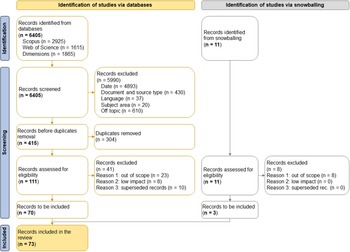

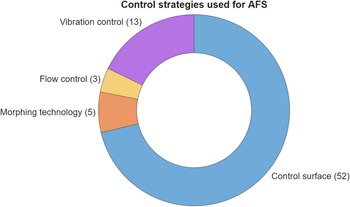
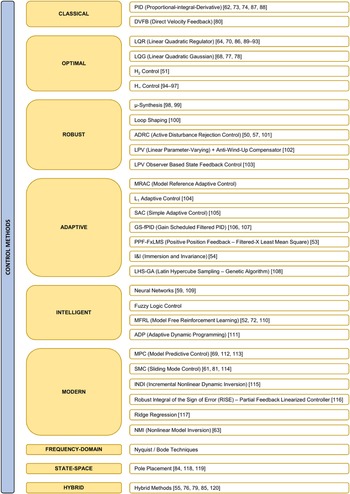
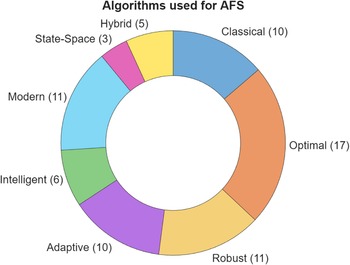

 Open access

