


Introduction
Employee well-being is defined as ‘the state of individuals’ mental, physical, and general health, as well as their experiences of satisfaction both at work and outside of work’ (Nielsen et al., Reference Nielsen, Nielsen, Ogbonnaya, Känsälä, Saari and Isaksson2017, p. 104). Employee well-being is a fundamental component of organisational sustainability and a critical aspect of the United Nations’ Sustainable Development Goal 3, which seeks to ensure healthy lives and promote well-being for all (Zeshan, Morelli, Rasool, Centobelli & Cerchione, Reference Zeshan, Morelli, Rasool, Centobelli and Cerchione2024). In the workplace, well-being is not merely a measure of individual health but a key driver of productivity, organisational performance, economic growth, and social stability (Clarke & Hill, Reference Clarke and Hill2012; Lei, Alam & Bashir, Reference Lei, Alam and Bashir2024). Recognising the importance of this connection, policymakers have emphasised the need for organisations worldwide to invest significantly in well-being initiatives, including promoting mental health awareness, providing access to counselling services, and supporting mental well-being (Deloitte, 2024; Henstock, Johnson, Kinghorn, Beach & Al-Janabi, Reference Henstock, Johnson, Kinghorn, Beach and Al-Janabi2024). Despite these efforts, the costs associated with poor employee well-being remain alarmingly high. For instance, an estimated 12 billion workdays are lost annually due to mental health issues, such as depression and anxiety, costing the global economy nearly US Dollars one trillion (World Health Organization, 2024). Therefore, a deeper understanding of the factors influencing employee well-being is needed to develop evidence-based strategies that effectively support employees.
Both individual and contextual factors influence employee well-being. For example, individual factors, such as emotional regulation and stress management, are critical to supporting well-being (Veiga & Cortez, Reference Veiga and Cortez2020), and contextual factors, including job demands, organisational practices, working environment, and working hours, also play a significant role (Marzocchi et al., Reference Marzocchi, Nielsen, Di Tecco, Vignoli, Ghelli, Ronchetti and Iavicoli2024; Omer et al., Reference Omer, Moyo, Al-Otaibi, Alawag, Rizal Alias and Rahman2025). An additional contextual variable that has emerged as a determinant of employee well-being is the quality of the employment relationship (Guest, Reference Guest2004). Poor relationships, particularly those marked by a lack of trust and reciprocity, are strongly associated with stress and adverse health outcomes (Coyle-Shapiro & Shore, Reference Coyle-Shapiro and Shore2007). Despite these findings, the complex interplay between employment relationships and well-being remains underexplored (Topa, Aranda-Carmena & De-Maria, Reference Topa, Aranda-Carmena and De-Maria2022). Understanding how these relationships influence workplace health, primarily through frameworks such as the psychological contract, is critical to addressing the multifaceted challenges modern organisations face. Further research is needed to uncover the impact of psychological contract breach (PCB) and fulfilment on well-being outcomes. This is an important area of work, as promoting healthy workplace dynamics not only benefits employees but also strengthens organisational resilience and productivity (Xesha, Iwu, Slabbert & Nduna, Reference Xesha, Iwu, Slabbert and Nduna2014).
The psychological contract (PC) describes the nature of the relationship between employer and employee (Asante, Gyensare, El Bouzidi & Twumasi, Reference Asante, Gyensare, El Bouzidi and Twumasi2025), which is a prominent framework for understanding employer-employee relationships and their influence on employee well-being. The PC refers to the unwritten and subjective expectations that employees and employers hold regarding their reciprocal obligations (Rousseau, Reference Rousseau1989). While formal contracts define explicit terms of employment, PCs capture the nuanced and dynamic perceptions that underpin workplace interactions. For employees, these expectations may include fair treatment, career development opportunities, and supportive working conditions, while employers may expect loyalty, commitment, and performance in return (Rousseau, Reference Rousseau2000). Therefore, PC is at the heart of the employment relationship, as it emphasises employees’ subjective workplace experiences (Ma, Blenkinsopp & Armstrong, Reference Ma, Blenkinsopp and Armstrong2020).
The evaluation of the PC is particularly relevant to employee well-being. When employees perceive that their employer has failed to meet its obligations, a PCB arises, which increases feelings of violation, employee turnover intention, trust in the organisation, and job satisfaction (Krivacek, Zagenczyk, Griep & Cruz, Reference Krivacek, Zagenczyk, Griep and Cruz2025; Park, Wolfart, King, Sicam & Viswesvaran, Reference Park, Wolfart, King, Sicam and Viswesvaran2025; Topa et al., Reference Topa, Aranda-Carmena and De-Maria2022). The subjective nature of PCs makes them highly sensitive to interpretation, and even unintentional lapses by employers can be perceived as breaches, amplifying their negative impact (Topa et al., Reference Topa, Aranda-Carmena and De-Maria2022). Conversely, when employees perceive that their employer has honoured its promises, psychological contract fulfilment (PCF) occurs, enhancing positive outcomes, such as organisational citizenship behaviour, organisational commitment, and reduced turnover intention (Kutaula, Gillani & Budhwar, Reference Kutaula, Gillani and Budhwar2020; Noble-Nkrumah, Anyigba & Mensah, Reference Noble-Nkrumah, Anyigba and Mensah2022).
This review contributes to new knowledge as follows. First, the review helps determine whether PCB and PCF represent opposite ends of a single continuum (e.g., Robinson & Morrison, Reference Robinson and Morrison2000) or are distinct constructs (e.g., Lambert, Edwards & Cable, Reference Lambert, Edwards and Cable2003). Some researchers have treated breach and fulfilment as interchangeable, assuming they have similar but opposite effects on individual outcomes (Robinson & Morrison, Reference Robinson and Morrison2000; Rousseau, Reference Rousseau1989), whereas others have suggested that PCB and PCF are distinct constructs and should be examined simultaneously (Conway, Guest & Trenberth, Reference Conway, Guest and Trenberth2011; Lambert et al., Reference Lambert, Edwards and Cable2003).
Second, the review explores the roles of moderators and mediators, offering insights that build upon and extend existing literature. Although some research has examined mediating mechanisms (e.g., Reimann & Guzy, Reference Reimann and Guzy2017; Yu et al., Reference Yu, Yang, Zhao, Liu, Wang, D’Agostino and Russo2022) and moderating conditions (e.g., Achnak & Vantilborgh, Reference Achnak and Vantilborgh2021; Mensah, Amponsah-Tawiah & Nana Kojo Ayimadu, Reference Mensah, Amponsah-Tawiah and Nana Kojo Ayimadu2024), the evidence remains mixed. By systematically synthesising existing literature, this review incorporates moderators and mediators to present an integrated framework that advances theory and informs practice. By synthesising evidence on the mechanisms and boundary conditions identified across studies, this review advances conservation of resources theory (CORT) and social exchange theory (SET) by clarifying how and under what conditions PC evaluation is associated with employee well-being.
Third, this review advances theory by demonstrating that the relative effect of PC evaluations (PCB and PCF) on employee well-being is contingent. The review synthesises existing evidence on the effects of PCB and PCF on well-being to determine which has the stronger influence on well-being outcomes. Past research has argued that, compared with fulfilment, breach has a more severe effect on employment relationships and exerts a stronger impact on employees (Conway et al., Reference Conway, Guest and Trenberth2011; Rousseau, Reference Rousseau1989). CORT and asymmetry perspectives suggest that resource loss is disproportionately salient relative to resource gain (Hobfoll, Reference Hobfoll1998), and the asymmetry-of-effects perspective (De Jong, Clinton, Rigotti & Bernhard-Oettel, Reference De Jong, Clinton, Rigotti and Bernhard-Oettel2015; Taylor, Reference Taylor1991) posits that negative events elicit stronger responses than positive ones. This review advances theory by challenging the assumed universality of loss (negative event) dominance in CORT and asymmetry perspectives.
Methodology
The research question guiding this review is: ‘What is the impact of PCbreach /fulfilment on employee well-being?’ This review aims to conduct a comprehensive and systematic examination of the relationship between PCB/PCF and employee well-being and to determine the relative impact of PCB/PCF on well-being. The review also aims to determine whether PCB and PCF represent opposite ends of a single continuum or distinct constructs. In addition, the study explores the roles of moderators and mediators, offering insights that build upon and extend prior research.
The review employs a systematic quantitative literature review (SQLR) methodology, which is more systematic, explicit, and reproducible than traditional reviews, enhancing reliability (Pickering & Byrne, Reference Pickering and Byrne2014). The SLR method enables the examination of diverse organisational behaviour studies to identify knowledge gaps, clarify what is known and what remains uncertain in the field, and provide direction for future research (Linnenluecke, Marrone & Singh, Reference Linnenluecke, Marrone and Singh2019; Paul, Reference Paul2025), while allowing the inclusion of studies with different independent and dependent variables, unlike meta-analysis, which requires comparable constructs. This review follows Pickering and Byrne’s (Reference Pickering and Byrne2014) 15-step framework for SQLR and the preferred reporting items for systematic and meta-analyses statement (PRISMA; Moher, Liberati, Tetzlaff & Altman, Reference Moher, Liberati, Tetzlaff and Altman2009).
Inclusion and exclusion criteria
Eligible studies met the following inclusion criteria: (a) empirical studies (quantitative, qualitative, or mixed methods) written in English (given the predominance of English-language scholarship and feasibility considerations) and published from 1990 onward (following the reconceptualization of the PC by Rousseau, Reference Rousseau1989); (b) examined PCB or PCF; and (c) included samples of full-time or part-time employees aged 18 years or older (to ensure the focus on adult employees in formal employment relationships). Exclusion criteria were (a) literature reviews, meta-analyses, theoretical papers, and (b) studies focusing on PC violations, balance contracts, and safety outcomes.
Data collection
Data were collected in July 2024 from the ABI/INFORM Collection, EBSCOhost, ScienceDirect, and Scopus databases in order to answer the research question, ‘What is the impact of PCbreach/fulfilment on employee well-being?’ The use of four databases was intended to enhance the comprehensiveness and robustness of the search process (Bramer, Rethlefsen, Kleijnen & Franco, Reference Bramer, Rethlefsen, Kleijnen and Franco2017).
The databases were selected, and the search strategy was established in consultation with an expert librarian. Search terms included (‘psychological contract’) AND (wellbeing OR well-being OR ‘well-being’ OR stress OR burnout OR ‘occupational stress’ OR ‘mental health’ OR health OR ‘physical health’ OR recovery OR ‘job stress’ OR coping). The number of items yielded and extracted was as follows: ABI/INFORM Collection (8900/418), EBSCOhost (4110/400), ScienceDirect (2117/400), and Scopus (435/423). The search strategy, extraction, and analysis strategy were registered in PROSPERO (ID: CRD42024554807).
Data screening
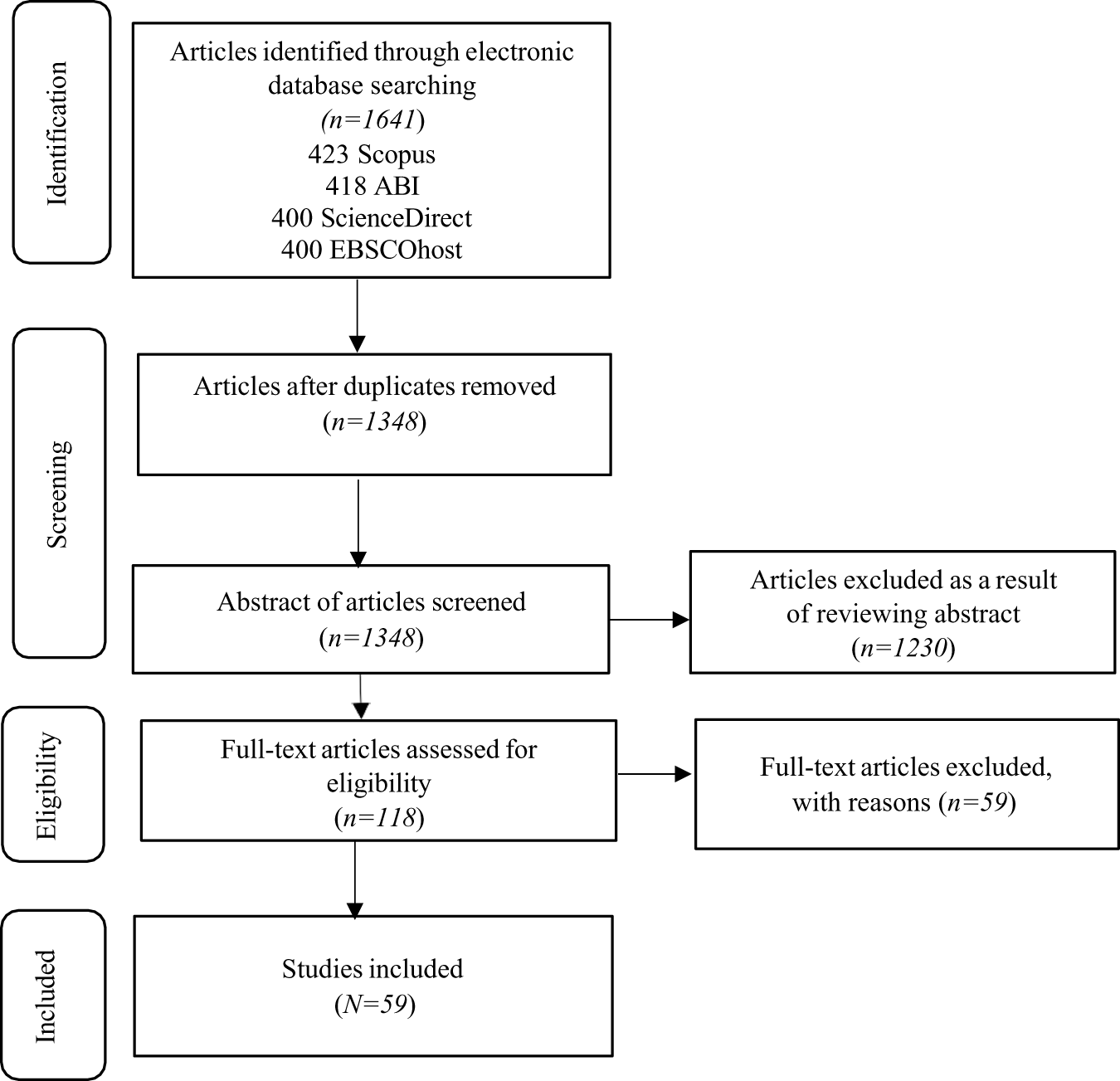
Following Pickering’s (Reference Pickering2016) suggestions, to identify relevant papers, at least 400 articles from each database were screened until 50 consecutive irrelevant articles were found. The retrieved articles were imported into EndNote, and after removing duplicates, the articles were imported into Covidence, a data management software, for further processing. All extracted articles were screened by first reviewing titles and abstracts, then by thoroughly reviewing the full-text articles. A preliminary screening of 10% of titles and abstracts, followed by 10% of full-text articles, was conducted independently by the first two authors to ensure consistency. This process demonstrated strong inter-rater reliability (IRR), with agreement levels of 91.91% for title and abstract screening and 93.75% for full-text screening. After meeting all eligibility criteria, 59 of 118 relevant studies were included in the final selection, including 56 journal articles, 2 PhD theses, and 1 book chapter. Studies were excluded if they did not meet the inclusion criteria, including those in which variables were irrelevant, focused on PC type rather than on breach/fulfilment, or lacked empirical findings. The quality of each paper was assessed by the research team, and any disagreements were resolved through discussion between reviewers. The screening process for identifying the eligible studies is summarised using the PRISMA flow chart in Figure 1.
PRISMA flow chart.

Data abstraction
Covidence software, a data management tool, was used to facilitate data extraction from the selected papers. Covidence ensures systematic and accurate record-keeping and documentation. Recently, researchers have used Covidence software in systematic literature reviews, published in quality journals (e.g., Batt, Albrecht, Wilson & Du Moulin, Reference Batt, Albrecht, Wilson and Du Moulin2023; Gardiner, Adams, Debrulle & Maes, Reference Gardiner, Adams, Debrulle and Maes2024; Phillips, Reed, Zwicky & Van Epps, Reference Phillips, Reed, Zwicky and Van Epps2024). The relationship between the independent variable (PCbreach/fulfilment) and the dependent variable (employee well-being) was determined using significance tests reported in the papers. The findings and discussion sections of qualitative studies were analysed to identify relationships between variables. Results were categorised by positive, negative, and non-significant relationships, and moderators and mediators were also noted.
Results
Descriptives
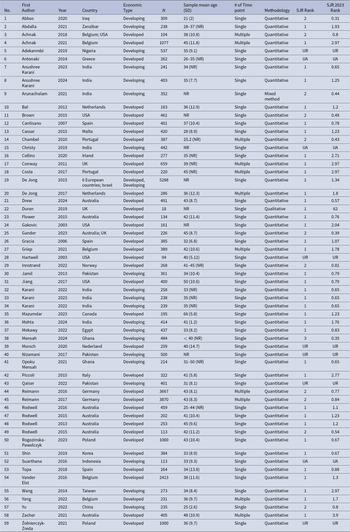
Table 1 presents descriptive statistics for the sample studies, including the first author, year of publication, country, sample size, methodology, and journal ranking. In the results and discussion sections, we use the numbers noted in the first column to refer to some studies. Half (30, 50.8%) were published in the last 6 years, highlighting the growing interest in PCs and employee well-being. Appendix 1 depicts the development of publications on this topic over time. Most studies were conducted in developed countries (38, 64.4%), with fewer in developing countries (20, 33.9%) and only 1 study in both (1.7%). This suggests the topic is of international interest, but research is more concentrated in developed countries.
Descriptive details of included studies

Notes: Only the first author for each paper is listed in the table, and papers are categorised in alphabetical and chronological order as per the full reference listed in the references section. N indicates the number of participants in the sample for that study. Economy type coded as per United Nations World Economic Situation and Prospects (2025). NR indicates that the data was not reported in the study. The impact factors of the journals were determined using the SCImago 2023. UR indicates that the publication outlet was unregistered with SCImago at the time of publication. UA indicates that the publication outlet was not yet assigned a rank with SCImago at the time of publication.
As part of the data extraction process, we documented the theoretical frameworks used in each study. Over 20 theoretical frameworks were cited, with 81.4% of papers mentioning at least one theory. SET was the most cited (45.8%), followed by Psychological Contract Theory (27.1%) and Conservation of Resource Theory (CORT) (16.9%). These frameworks are essential not only for identifying the theoretical foundation but also for evaluating their adequacy in explaining the differential effects of PCB and PCF on well-being. The sample mainly consisted of quantitative studies (57, 96.6%), with one qualitative (1.7%) and one mixed-method study (1.7%). Most studies used cross-sectional designs (49, 83.0%), while nine (15.3%) employed longitudinal designs and one (1.7%) employed an experimental design. Nearly all papers in the review were single-study papers (55, 93%), except for Studies 3, 17, and 20, each of which included two studies, and Study 8, which comprised four studies. For instance, Study 3, conducted in Belgium and the USA, used a cross-sectional two-study design with employees from the private and public sectors. In contrast, Study 17 conducted two longitudinal studies to investigate the differential impacts of changes in PCB and PCF over time, one with pharmaceutical company employees and another with a nationally representative sample of UK workers. More details are provided in Appendix 2.
All studies used primary data, mostly collected through self-report surveys (91.5%) and interviews (10.2%). Participants included primarily full-time employees (47, 79.6%). Most studies sampled participants from multiple industries (17, 28.8%). Sample sizes ranged from 18 to 5288, with an average participant age of 33 years (SD = 8.8). Both genders were well represented across the collection of papers (49% male, 51% female). Twenty studies included covariates (33.9%), with more than seven covariates mentioned across the collection. Age and gender were the most common (27.1%), followed by organisation tenure (16.9%) and education level (13.6%). The studies were published in 50 outlets, with popular journals including the International Journal of Sociology and Social Policy (6.8%), Journal of Vocational Behaviour (6.8%), and Personnel Review (5%). Over half appeared in Q1 (38, 64.4%) and Q2 (11, 18.6%) ranked journals, indicating high impact. Most studies were published in peer-reviewed journals (56, 94.9%), with minimal grey literature (2 PhD theses, 1 book chapter), suggesting low publication bias and broad interest in the topic.
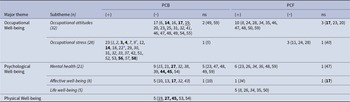
This research focused on PCB and PCF as predictors. Of the 59 studies, 42 (71.2%) examined PCB, 10 (16.9%) examined PCF, and 7 (11.9%) studied both. Robinson and Morrison’s (Reference Robinson and Morrison2000) scale was most commonly used to assess PCB (47.5%), while Rousseau’s (Reference Rousseau1990) scale was the most popular tool for PCF (6.8%). Well-being was measured using 24 different instruments, with the Maslach Burnout Inventory (Maslach & Jackson, Reference Maslach and Jackson1986) being the most common (16.9%), followed by Kessler et al.’s (Reference Kessler, Andrews, Colpe, Hiripi, Mroczek, Normand and Zaslavsky2002) psychological distress scale (6.8%). Some instruments were used to measure multiple constructs (e.g., the SF-36 General Health scale measured both general health (Study 19) and physical health complaints (Studies 27, 55), and multiple measures were used to measure the same scale (e.g., Studies 1 and 18 used different measures for exhaustion). The original scale development papers were reviewed by the research team to ensure alignment with the constructs, and outcomes were categorised into occupational, psychological, and physical well-being. Across 59 studies, 99 tests of association between PCB/PCF and well-being were conducted. The direct associations and corresponding study numbers are depicted in Table 2.
Direct associations and corresponding study number (in parentheses)
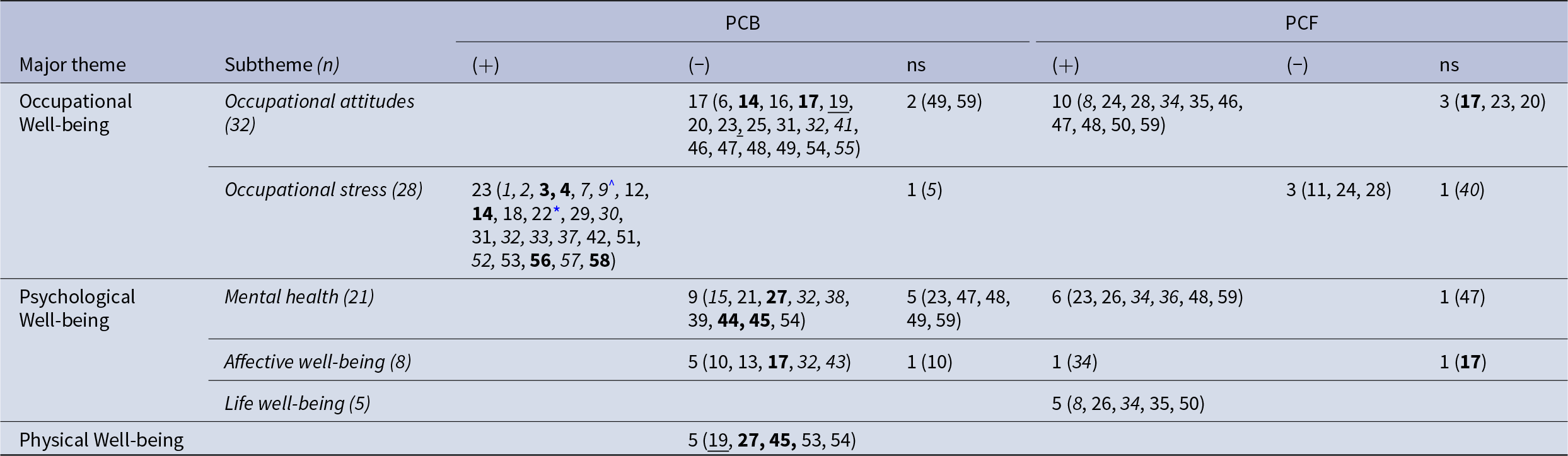
Notes: (−) = negative association between the variables. (+) = positive association between the variables. ns = non-significant association between variables. Bold = quantitative study and longitudinal. Non-bold = quantitative study and cross-sectional.
* = qualitative study (no test of significance is provided with qualitative; the association is included here based on content from the paper). ^ = Mixed method. Italics = study was conducted in a developing economy. Underline = Study involved samples from a mix of developed, developing and/or transitioning economies. No underlining or italics = Study was conducted in a developed economy. n exceeds 59 because some studies included multiple variables and tests of association. PCB and PCF are positively and negatively associated with occupational stress, respectively. Unlike other variables in the table, where a positive association suggests better well-being, occupational stress is negatively scored, meaning a positive association reflects poorer well-being.
Well-being outcomes
In line with previous work (e.g., Martela, Reference Martela2025; Nguyen, Rafferty & Xerri, Reference Nguyen, Rafferty and Xerri2025; Pandey, Maheshwari & Malik, Reference Pandey, Maheshwari and Malik2025), the current study conceptualised employee well-being as a multidimensional concept encompassing three dimensions: occupational well-being, psychological well-being, and physical well-being.
Occupational well-being
Fifty-two studies in the occupational well-being category focus on occupational well-being, divided into two subgroups: occupational attitudes, which capture an employee’s beliefs, feelings, and behavioural tendencies at work, including job satisfaction and work engagement; and occupational stress, which reflects the extent of stress, strain, and exhaustion experienced by an employee. Consistent with prior work (e.g., Inceoglu, Thomas, Chu, Plans & Gerbasi, Reference Inceoglu, Thomas, Chu, Plans and Gerbasi2018; Mäkikangas, Kinnunen, Feldt & Schaufeli, Reference Mäkikangas, Kinnunen, Feldt and Schaufeli2016; Rahimnia & Sharifirad, Reference Rahimnia and Sharifirad2015), the current study conceptualises stress as a sub-dimension of well-being rather than as an antecedent of well-being. Of the 60 tests of association, 43 examined PCB and 17 examined PCF.
Occupational attitudes
Thirty-two tests of association across 24 studies examined the link between PCB and occupational attitudes, with 59.4% focusing on PCB. Negative associations were most common (89.5%), with 10.5% non-significant and no positive relationships reported. PCB was associated with poor job satisfaction among banking employees in Greece (Study 6) and among health workers in Ireland and Australia (Studies 16, 49). Notably, Study 49 found a non-significant association among Australian allied health professionals, possibly due to their specialised skills and autonomy reducing reliance on PCs.
Thirteen tests examined the association between PCF and occupational attitudes (40.6%), with 76.9% showing positive relationships and 23.1% reporting non-significant results. No negative associations were found. For example, a U.S. study of female physicians found that supervisor support-based PCF was linked to high job satisfaction and enthusiasm (Study 28), and a Polish survey of knowledge-intensive workers reported the highest job satisfaction among employees who perceived their organisation as fulfilling its obligations (Study 50). In contrast, a longitudinal study of 659 pharmaceutical employees and a nationally representative UK sample found no statistically significant association, likely due to contextual and sample differences (Study 17).
Occupational stress
Twenty-eight studies examined occupational stress, with most being quantitative and only one qualitative (Study 22), which highlighted PCB’s role in stress among UK police officers. Of 27 quantitative tests, 85.2% examined PCB, and 95.7% found positive associations with occupational stress, including restructuring-related stress and sleep problems, fatigue, and burnout (Studies 9, 14, 22). A non-significant result was found among Nigerian bank employees, possibly due to high unemployment and job insecurity (Study 5). No negative associations were reported.
Four tests of association examined the relationship between PCF and occupational stress, with 75% reporting negative associations (lower stress) and 25% reporting non-significant results. For instance, PCF was associated with reduced burnout among U.S. high school teachers (Study 11) and lower job strain in employees in financial organisations (Study 24), but showed no significant relationship with stress in a Pakistani sample of 500 employees, suggesting the value of PCF in reducing stress is limited in that context, potentially because cultural factors, power, and politics affect employee stress rather than PCF (Study 40). No positive associations were reported.
Psychological well-being
Twenty-nine studies conducted 34 tests on psychological well-being, with 20 focused on PCB and 14 on PCF. The outcomes were grouped into three subcategories: mental health, focusing on psychological states such as distress and depression; affective well-being, capturing workplace emotions, such as happiness and frustration; and life well-being, reflecting overall life satisfaction and well-being across both personal and professional domains.
Mental health
Seventeen studies conducted 21 tests on mental health, with 66.7% focusing on PCB. Most results showed negative associations (64.3%), linking PCB to increased depression, negative emotions, and mental health issues as seen in studies with Dutch and Belgian employees across various industries (Studies 39, 54). Non-significant results (35.7%) were reported in contexts like the Australian health sector, possibly due to the greater salience of intrinsic job motivation (Study 49). No positive associations were found.
Seven tests examined the association between PCF and mental health, with 85.7% reporting positive relationships and 14.3% reporting non-significant results. For example, PCF was associated with reduced psychological distress among Australian health employees (Study 48) and fewer mental health issues among Polish permanent employees (Study 59), though a non-significant finding among Australian nurses suggests that the high job demands inherent to their role may offset the benefits of PCF (Study 47).
Affective well-being
Across seven studies, eight association tests were conducted, with 75% focusing on PCB. Negative associations were most common (83.3%), such as decreased happiness among South Asian doctors and nurses (Study 43) and heightened negative emotions among operational workers in Malta (Study 13). A non-significant result was reported in Dutch employees with high positive affect, suggesting they may be better able to manage stress by focusing on the positive aspects of their work (Study 10).
Two tests examined PCF and affective well-being, with 50% showing positive associations, such as increased happiness among remote employees in India due to fulfilled expectations (Study 34). One non-significant result in a longitudinal study with 659 employees from a pharmaceutical company and a nationally representative sample of UK workers was attributed to contextual factors and sample characteristics, such as organisational culture and individual differences, which had a limited impact on PCF and affective well-being (Study 17).
Life well-being
No studies examined PCB and life well-being, while five studies examined PCF, all of which reported positive associations (100%). Examples include increased life satisfaction among Indian employees whose obligations were met during the pandemic and during the transition to the ‘new normal’ (Studies 8, 34), and bridge employees feeling more valued and satisfied due to PCF (Study 36), highlighting the positive relationship between PCF and life well-being.
Physical well-being
Five studies examined physical well-being outcomes. All associations were related to PCB and were organised into a single primary category: physical well-being, which encompasses employee health and health complaints.
Five studies examined associations between PCB and physical health, all reporting negative associations (100%). Examples include German employees across multiple industries experiencing health concerns due to long-term job insecurity (Study 45) and European public- and private-sector employees reporting increased health complaints as a result of PCB (Studies 27, 53, 54). No studies examined the relationship between PCF and physical health.
Influencing factors
Occupational well-being
The relationship between PCB and occupational well-being is influenced by various moderating and mediating factors. Moderators such as organisational change and personality traits significantly shape this association. For instance, job satisfaction was lowest among employees in departments less affected by organisational change when PCB occurred (Study 31). Similarly, employees low in openness to experience reported greater dissatisfaction when exposed to PCB (Study 41). Mediators, including PC violation, job stress, and acquiescent silence, play a critical role in explaining how PCB impacts occupational attitudes. For example, PCB was found to intensify feelings of betrayal, significantly reducing job satisfaction (Study 46), while job stress mediated the link between PCB and workplace engagement (Studies 32, 33).
In contrast, research into the mediating effects of PCF on occupational well-being remains limited. One study tested PC violation and trust as potential mediators between the PCF and occupational attitudes but found neither to be significant (Study 46). These findings suggest that either the appropriate mediators have not been studied or PCF exerts its positive effects on occupational well-being directly rather than through indirect mechanisms; both possibilities are plausible and not mutually exclusive.
Psychological well-being
PCB has a notable impact on psychological well-being, moderated by factors such as equity sensitivity, self-control, and overcommitment. Employees with high sensitivity to inequity and low self-control experienced greater mental health issues when exposed to PCB (Study 38), while overcommitment heightened vulnerability to PCB’s adverse effects (Study 44). Mediators like effort-reward imbalance and job stress further explain the pathways through which PCB harms psychological well-being. For instance, PCB intensifies perceptions of imbalance between effort and reward, leading to increased negative emotions (Study 27). These findings highlight the psychological cost of unmet obligations in the workplace.
Physical well-being
PCB is consistently associated with negative physical well-being outcomes, with mediating factors playing a significant role in this relationship. Mediators such as mental health and effort-reward imbalance were found to link PCB with physical health issues. For instance, employees experiencing PCB reported poor physical health due to heightened psychological distress and perceived effort-reward imbalance (Studies 27, 45). These findings suggest that PCB indirectly undermines physical health by exacerbating workplace inequities and psychological strain.
The relationship between PCF and physical well-being remains largely unexplored, with no studies examining potential mediators. While PCF is generally associated with positive well-being outcomes, its role in physical health remains uninvestigated.
Comparative effects
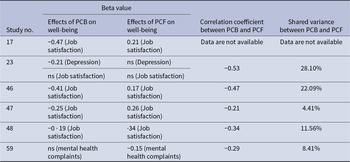
Only six quantitative studies examined PCB and PCF simultaneously in relation to well-being outcomes. To understand how PCB and PCF predict well-being outcomes, Table 3 summarises key results from these six studies, including standardised beta coefficients, correlation coefficients between PCB and PCF, and their shared variances. Of the six studies that examined PCB and PCF concurrently, two reported that PCB exerted a stronger negative effect on well-being than the positive effect of PCF (Conway et al., Reference Conway, Guest and Trenberth2011; Rodwell & Ellershaw, Reference Rodwell and Ellershaw2016). In contrast, two studies reported the opposite pattern, with PCF demonstrating a stronger association with well-being outcomes than PCB (Rodwell & Gulyas, Reference Rodwell and Gulyas2013; Żołnierczyk-Zred & Żołnierczyk-Zreda, Reference Żołnierczyk-Zred and Żołnierczyk-Zreda2021). One study found no substantive difference between the effects of PCB and PCF (Rodwell, Ellershaw & Flower, Reference Rodwell, Ellershaw and Flower2015), while another produced inconclusive results, as neither PCB nor PCF predicted well-being outcomes in a manner consistent with prior research (Flower, Demir, McWilliams & Johnson, Reference Flower, Demir, McWilliams and Johnson2015). Taken together, these mixed findings suggest that variations in study design, measurement approaches, and outcome operationalisation may partly account for the inconsistent results observed across studies. With respect to the association between PCB and PCF, correlation coefficients ranged from −0.21 to 0.53, and the corresponding shared variance ranged from 4.41% to 28.10%. This indicates that, although related, PCB and PCF capture distinct constructs with substantial non-overlapping variance.
Comparative effect
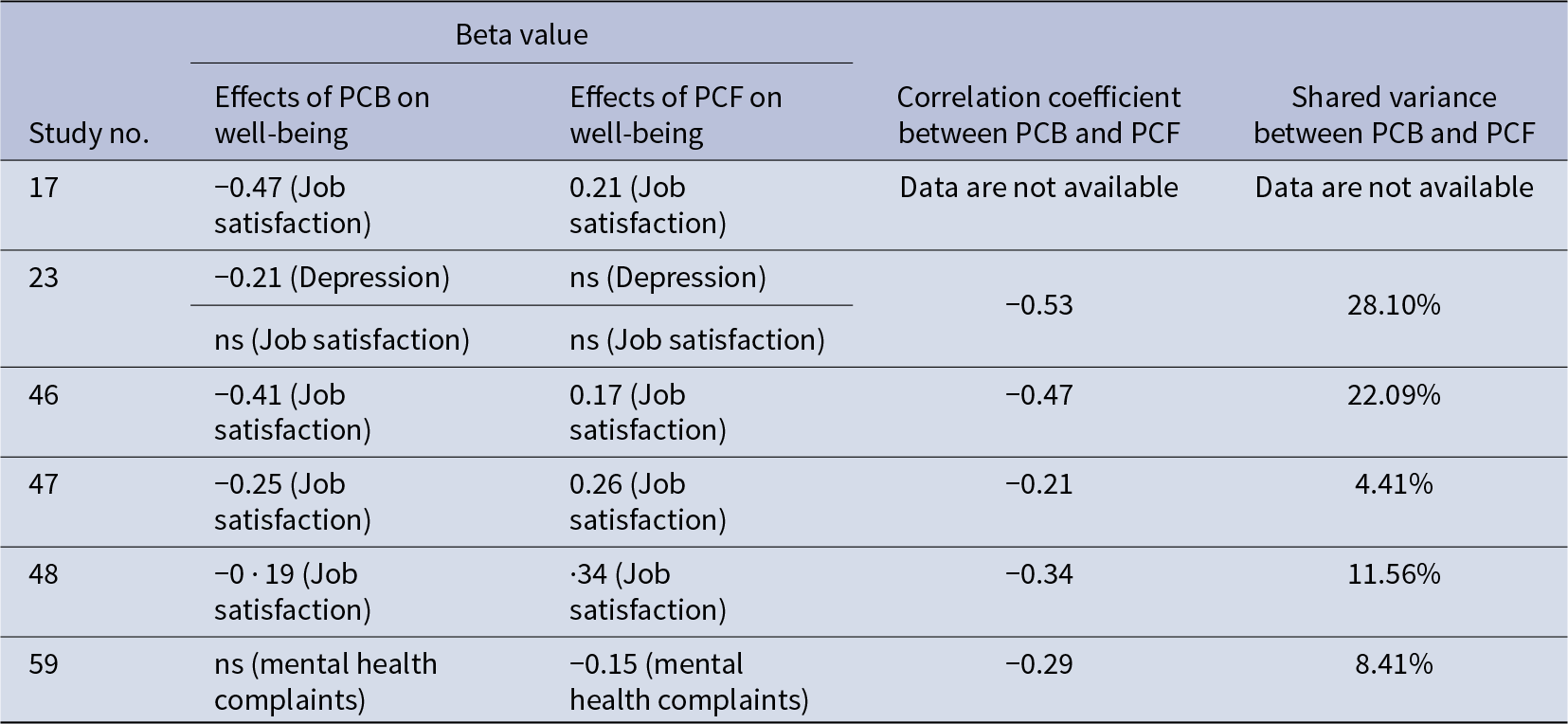
Notes: ns = non-significant.
Discussion
Key findings
The first key empirical finding of this review is the predominant focus on PCB, with the majority (61.2%) revealing a negative relationship between PCB and employee well-being. A larger number of studies focused on PCB than PCF in the sample (n = 42 and n = 10, respectively). People may be naturally more sensitive to negative events (breaches) than to positive events (fulfilment) (Rozin & Royzman, Reference Rozin and Royzman2001). Negative events, such as breaches, have stronger effects on well-being outcomes than positive events of fulfilment (Rodwell & Ellershaw, Reference Rodwell and Ellershaw2016), hence, the researchers largely focused on PCB and well-being outcomes and understand how to mitigate PCB’s negative effect. Synthesising the reviewed studies suggests that PCB related to work content, lack of reciprocity from employers, withdrawal of organisational support, organisational restructuring, and poor working conditions significantly contribute to adverse well-being outcomes (e.g., Arunachalam, Reference Arunachalam2021; Collins & Beauregard, Reference Collins and Beauregard2020). Notably, the emphasis has been on the mental health effects of PCB, reflecting the prevalence and economic burden of mental health issues amongst workers (LaMontagne et al., Reference LaMontagne, Martin, Page, Reavley, Noblet, Milner and Smith2014). The PC, as both a cognitive and emotional construct, has an immediate and substantial impact on mental health, with breaches primarily triggering a strong cognitive reaction (Reimann & Guzy, Reference Reimann and Guzy2017; Rousseau, Reference Rousseau2016). Consequently, research on PCB has prioritised mental health outcomes, with comparatively limited attention to their impact on physical health (Reimann & Guzy, Reference Reimann and Guzy2017). This review highlights that the relationship between PCB and well-being outcomes is influenced by various moderating and mediating factors. These include individual traits and workplace-related dynamics that either exacerbate or buffer the effects of PCB on well-being (e.g., Achnak & Vantilborgh, Reference Achnak and Vantilborgh2021; Mensah et al., Reference Mensah, Amponsah-Tawiah and Nana Kojo Ayimadu2024). Further, the review demonstrates that the individual factors and work-related factors significantly mediate the relationship between PCB and well-being (e.g., Achnak, Griep & Vantilborgh, Reference Achnak, Griep and Vantilborgh2018; Cantisano, Domínguez & García, Reference Cantisano, Domínguez and García2007; Qaiser & Abid, Reference Qaiser and Abid2022). In sum, PCB has a negative relationship with well-being, particularly on mental health, but a complex interplay of individual and organisational factors influences its effects.
The second key finding is the positive relationship between PCF and employee well-being, with nearly all studies reporting positive associations. Employees who perceive their employer as meeting obligations consistently experience lower stress, higher job satisfaction, and improved emotional well-being (e.g., Brown & Roloff, Reference Brown and Roloff2015; Karani & Swapnil Abhishek, Reference Karani and Swapnil Abhishek2022). However, no studies examined PCF in relation to physical well-being. Given the established link between mental and physical health (Behan, Doyle, Masterson, Shiers & Clarke, Reference Behan, Doyle, Masterson, Shiers and Clarke2015), it is plausible that PCF indirectly supports physical health by alleviating mental health concerns. The absence of mental health challenges facilitated by PCF may lessen the need to investigate physical health outcomes in this context. This observation underscores the potential holistic benefits of PCF on employee well-being, even though direct empirical evidence for physical health impacts remains limited. However, future research should focus on obtaining a deeper understanding of PCF’s influence on employees’ physical health outcomes and the mechanisms that drive these effects. Additionally, findings reveal no statistically significant moderators or mediators on the PCF-employee well-being relationship, highlighting a potentially more direct link between PCF and positive well-being outcomes. Further research is needed to clarify how PCF supports improved well-being outcomes, potentially uncovering indirect effects that amplify its benefits. While our first two key findings might appear obvious, they remain meaningful. The rigour of the current study’s methodology and analysis provides compelling evidence of its robustness. By establishing these key findings, our work enables researchers to move beyond simply determining whether PCB negatively and PCF positively impact well-being, to explore instead the deeper, more nuanced variables that influence the PC-well-being relationship.
A third key finding is the lack of consensus on whether PCB or PCF has a stronger impact on employee well-being. The most methodologically rigorous study, using a longitudinal design (Conway et al., Reference Conway, Guest and Trenberth2011), found that PCB had a greater effect on well-being than PCF. Further, the only cross-sectional study to include a mediator (Rodwell & Ellershaw, Reference Rodwell and Ellershaw2016) also supports this assertion, suggesting that mediators (such as PC violation) might influence PCB’s impact on well-being. In contrast, cross-sectional studies that did not include mediators or moderators (e.g., Flower et al., Reference Flower, Demir, McWilliams and Johnson2015; Rodwell et al., Reference Rodwell, Ellershaw and Flower2015; Rodwell & Gulyas, Reference Rodwell and Gulyas2013; Żołnierczyk-Zred & Żołnierczyk-Zreda, Reference Żołnierczyk-Zred and Żołnierczyk-Zreda2021) might not have fully captured the relationship between PCB/PCF and well-being. These studies might also have overestimated PCF’s effect by relying on data collected at a single time point and failing to account for other influencing factors.
Another potential explanation for these discrepant findings regarding whether PCB or PCF exerts a greater influence on well-being is sample characteristics. The cross-sectional study with a mediator that reported PCB to have a stronger effect on well-being than PCF (Rodwell & Ellershaw, Reference Rodwell and Ellershaw2016), the inconclusive study (Flower et al., Reference Flower, Demir, McWilliams and Johnson2015), and the studies finding PCF to have an equivalent (e.g., Rodwell et al., Reference Rodwell, Ellershaw and Flower2015) or a stronger effect (e.g., Rodwell & Gulyas, Reference Rodwell and Gulyas2013) than PCB on all enlisted health workers. These roles are typically high-demand and high-stress, involving high levels of emotional labour (Rodwell et al., Reference Rodwell, Ellershaw and Flower2015). Health workers may be more resilient to PCB due to their strong intrinsic motivation. However, they may also be more sensitive to PCB if it violates core expectations about their work (such as PC violation, as per study 46). This dual effect might partially explain the varying results across studies, depending on how health workers perceive and respond to PCB and PCF. From a methodological perspective, these findings indicate that the relative impact of PCB and PCF on well-being is not universally consistent and may be influenced by several factors. Differences in study design, particularly the inclusion of mediators and moderators, appear to shape the observed effects. Additionally, sample characteristics, such as occupational demands and intrinsic motivation, may further contribute to variations in results. These findings highlight the need for further research to clarify the conditions under which PCB exerts a stronger influence on employee well-being, when PCF can neutralise or outweigh PCB, and how individual (e.g., demographics, personality, emotions) and contextual factors (e.g., job demands, resources, job characteristics) shape these dynamics.
Theoretical contributions
This review contributes to theory in three ways. First, the review makes an important contribution by theorising PCB and PCF as related but distinct constructs. Drawing on six studies that simultaneously examined PCB and PCF (Studies 17, 23, 46, 47, 48, and 59), all of which treated PCB and PCF as separate variables, with five using distinct measures to capture their respective dimensions. This methodological separation enables the evaluation of the differential effect of each construct on relevant well-being outcomes (e.g., Flower et al., Reference Flower, Demir, McWilliams and Johnson2015; Rodwell & Ellershaw, Reference Rodwell and Ellershaw2016; Rodwell et al., Reference Rodwell, Ellershaw and Flower2015; Rodwell & Gulyas, Reference Rodwell and Gulyas2013; Żołnierczyk-Zred & Żołnierczyk-Zreda, Reference Żołnierczyk-Zred and Żołnierczyk-Zreda2021). The review demonstrates that these constructs have only moderate negative correlations (−0.21 to −0.53) and limited shared variance (4.41–28.10%) (Field, Reference Field2024). This pattern indicates that approximately 72–96% of the variance is not shared, supporting the conclusion that, while PCB and PCF are related, they capture substantively different aspects of the PC (Field, Reference Field2024; Haywood, Hasking & Boyes, Reference Haywood, Hasking and Boyes2022). However, it remains unclear how low fulfilment differs from breach, or how high fulfilment differs from over-fulfilment. Measures of breach should also avoid using descriptors like ‘fulfilment’; instead, terminology should be used that more concretely targets the extent to which expectations have been ‘unmet’, ‘neglected’, or ‘disregarded’. Developing clearer and more precise operational definitions for both constructs will be crucial to advancing our understanding of the complex dynamics between breach and fulfilment in organisational settings.
Second, the review advances theory by moving beyond assumed direct effects and instead explaining the underlying mechanisms through which PCB influences employee well-being (Bergh et al., Reference Bergh, Aguinis, Heavey, Ketchen, Boyd, Su and Joo2016; Cheung & Hafdahl, Reference Cheung and Hafdahl2016). Rather than treating PCB as exerting a direct and immediate impact on well-being, the review demonstrates that its effects are largely indirect, transmitted through multiple mediating processes. Specifically, the synthesis shows that individual and work-related factors mediate the relationships between PCB and well-being (e.g., Achnak et al., Reference Achnak, Griep and Vantilborgh2018; Cantisano et al., Reference Cantisano, Domínguez and García2007; Qaiser & Abid, Reference Qaiser and Abid2022). By systematically identifying, organising, and integrating these mediators, the review deepens theoretical understanding of why PCB affects well-being (Post, Sarala, Gatrell & Prescott, Reference Post, Sarala, Gatrell and Prescott2020). In addition, the review enhances theoretical leverage by identifying boundary conditions/moderators that shape the strength and direction of the PCB-well-being relationship. Understanding when relationships form, intensify, weaken, or fail to emerge is important for advancing theory (Boyd, Takacs Haynes, Hitt, Bergh & Ketchen, Reference Boyd, Takacs Haynes, Hitt, Bergh and Ketchen2012; Cortina, Reference Cortina2003). The review demonstrates that individual and work-related factors moderate the impact of PCB on employee well-being (e.g., Achnak & Vantilborgh, Reference Achnak and Vantilborgh2021; Bal & Smit, Reference Bal and Smit2012; Mensah et al., Reference Mensah, Amponsah-Tawiah and Nana Kojo Ayimadu2024). This contingency-oriented perspective advances the theory by specifying the conditions under which PCB is more or less harmful to well-being. CORT explains that threatened or lost resources undermine well-being (Hobfoll, Reference Hobfoll1989; Hobfoll & Shirom, Reference Hobfoll and Shirom1993) and SET emphasises similar reciprocity in exchange relationships (Blau, Reference Blau1964; Conway & Coyle‐Shapiro, Reference Conway and Coyle‐Shapiro2012), but neither theory fully specifies the mechanisms or boundary conditions involved. Extending CORT and SET, the findings suggest that resource gain (PCF) and resource loss (PCB) may be more or less salient under different conditions, though we have only evidence for moderators and mediators of the PCB-well-being relationship. In terms of SET, reciprocity is not similar, and an assessment of reciprocity may be impacted by individual and contextual factors.
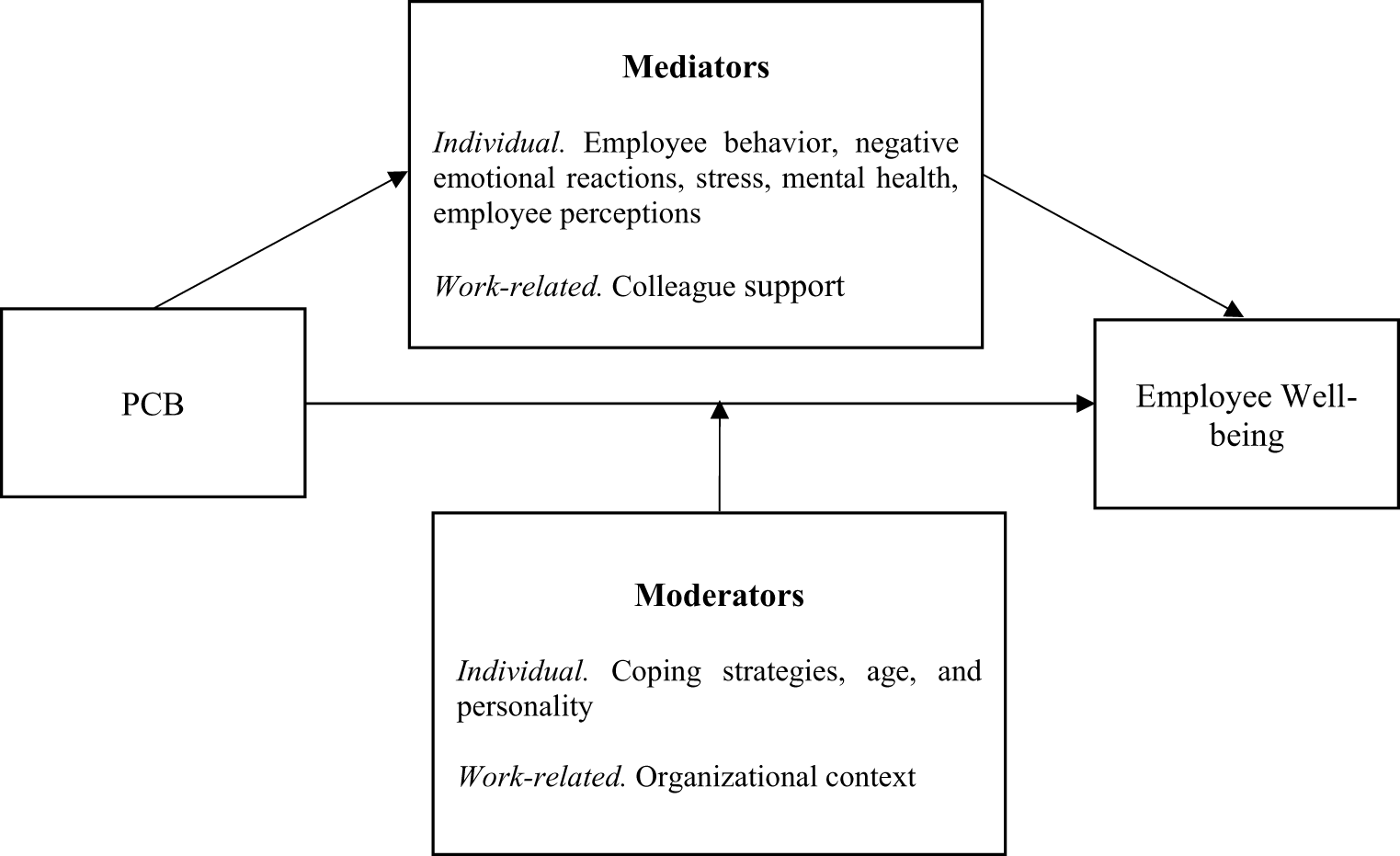
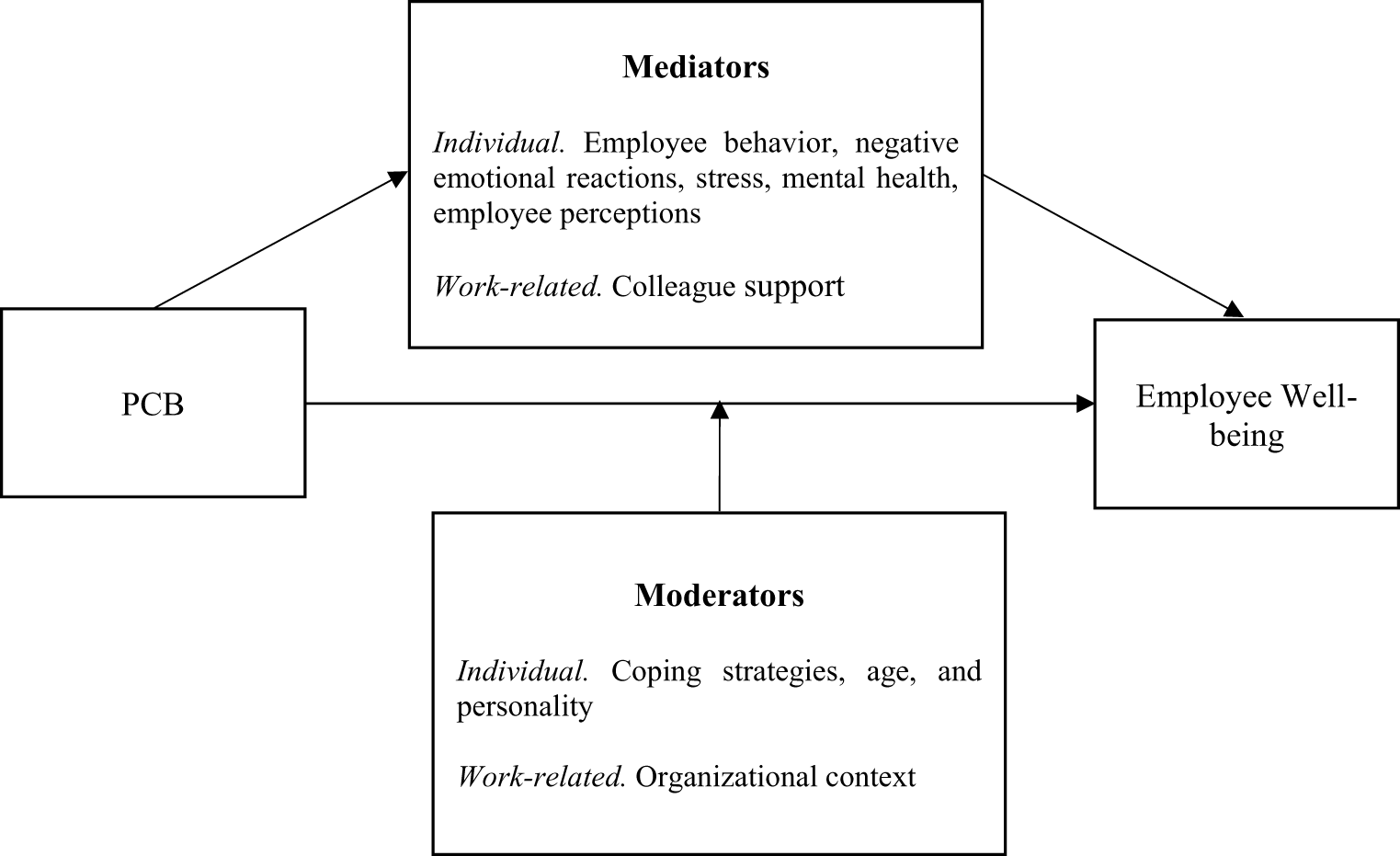
Figure 2 presents a proposed theoretical model that explains the relationship between PCB and employee well-being by specifying the mediating mechanisms and boundary conditions through which this relationship operates. The model theorises that the effect of PCB on employee well-being is indirect, operating through multiple mediating mechanisms. At the individual level, PCB is proposed to elicit negative emotional reactions, heightened stress, mental health strain, and behavioural responses such as acquiescent silence, venting, and behavioural disengagement. These responses represent employees’ cognitive, emotional, and behavioural efforts to interpret and cope with perceived breach of the PC. At the work-related level, colleague support is theorised as a mediating mechanism that shapes how PCB experiences translate into well-being outcomes. Beyond these mediating pathways, the model explicitly incorporates moderating conditions that define when and for whom PCB is most consequential. Individual-related factors, including coping strategies, age, and personality, are theorised to shape employees’ perception of PCB and their capacity to regulate emotional and behavioural responses. Similarly, work-related contextual factors, captured by the organisational context, are theorised to condition that either amplify or buffer the impact of PCB on well-being. Taken together, the model constitutes a moderated mediation framework in which PCB affects employee well-being. By integrating mediators and moderators within a single explanatory structure, the model advances theory by clarifying how, why, and under what conditions PCB undermines employee well-being (Post et al., Reference Post, Sarala, Gatrell and Prescott2020).
Moderators and mediators in the relationship between PCB and well-being.
Third, this review advances theory by demonstrating that the relative effect of PC evaluations (PCB, PCF) on employee well-being is contingent. CORT suggests that ‘resource loss is disproportionately more salient than is resource gain’ (Hobfoll, Reference Hobfoll1998, p. 62). Thus, loss of a given resource will have a greater impact on well-being than will the gain of the same resource. Accordingly, PCB can be conceptualised as a form of resource loss, whereas PCF represents resource gain. In addition, this review refines existing perspectives on the asymmetry effect by demonstrating that the dominance of negative events (PCB) over positive events (PCF) in shaping employee well-being is impacted by multiple factors. While more rigorous designs, particularly longitudinal studies and cross-sectional studies incorporating mediators, consistently demonstrate that PCB has a stronger impact on employee well-being than PCF (Conway et al., Reference Conway, Guest and Trenberth2011; Rodwell & Ellershaw, Reference Rodwell and Ellershaw2016), this asymmetry is less evident in cross-sectional studies that omit mediating mechanisms or rely on single time-point data (e.g., Flower et al., Reference Flower, Demir, McWilliams and Johnson2015; Rodwell et al., Reference Rodwell, Ellershaw and Flower2015; Rodwell & Gulyas, Reference Rodwell and Gulyas2013; Żołnierczyk-Zred & Żołnierczyk-Zreda, Reference Żołnierczyk-Zred and Żołnierczyk-Zreda2021). Additionally, contextual and individual factors, particularly occupational demands, emotional labour, and intrinsic motivation, shape how employees interpret and respond to PCB and PCF (Rodwell et al., Reference Rodwell, Ellershaw and Flower2015; Rodwell & Gulyas, Reference Rodwell and Gulyas2013). Therefore, this review extends CORT by suggesting that although resource losses (PCB) generally have a stronger influence on employee well-being than resource gains (PCF), this dominance is not universal and is influenced by multiple factors. Similarly, this review refines the asymmetry effect theory by showing that the dominance of negative events is contingent on methodological, contextual, and individual factors.
Practical implications
This review offers valuable practical insights for organisations aiming to enhance employee well-being. The findings emphasise that avoiding PCB is a critical factor in ensuring employee well-being. Employees’ personalities and coping strategies were identified as significant moderators in mitigating the negative effects of PCB (e.g., Achnak & Vantilborgh, Reference Achnak and Vantilborgh2021; Mensah et al., Reference Mensah, Amponsah-Tawiah and Nana Kojo Ayimadu2024; Opoku Mensah & Koomson, Reference Opoku Mensah and Koomson2021). To address this, organisations could implement targeted interventions, such as training programs focusing on personality development and coping mechanisms, to reduce the adverse well-being outcomes associated with PCB. Furthermore, the importance of clear communication was consistently highlighted in the reviewed papers (e.g., Cassar & Buttigieg, Reference Cassar and Buttigieg2015; Piccoli & De Witte, Reference Piccoli and De Witte2015). Organisations should actively communicate reasons for unfulfilled obligations to minimise employees’ perceptions of breach and maintain trust. By actively avoiding breaches, organisations lay the foundation for nurturing fulfilment, ensuring a more positive relationship between employers and employees. Combining breach prevention with strategic efforts to fulfil expectations should safeguard employee well-being.
The review highlighted that PCB triggers negative emotions, ultimately negatively affecting employee well-being (Achnak et al., Reference Achnak, Griep and Vantilborgh2018; Achnak & Vantilborgh, Reference Achnak and Vantilborgh2021). These negative emotions contribute to the development of health issues (Cassar & Buttigieg, Reference Cassar and Buttigieg2015), costing organisations millions of dollars. This review highlighted that this issue can be mitigated by enhancing workplace fairness and justice (Achnak & Vantilborgh, Reference Achnak and Vantilborgh2021; Cassar & Buttigieg, Reference Cassar and Buttigieg2015). Sometimes, PCB is unavoidable due to the changes in the business environment, such as financial conditions (Robinson & Morrison, Reference Robinson and Morrison2000). Therefore, organisations need to provide explanations for these changes and implement organisational strategies, such as compensation, to help reduce negative emotions resulting from PCB (Achnak & Vantilborgh, Reference Achnak and Vantilborgh2021). Furthermore, organisations need to provide employees with training opportunities to adapt to organisational changes, such as restructuring, and to reduce negative or broken perceptions (Arunachalam, Reference Arunachalam2021). Managers can use proactive measures, such as regular employee surveys, to identify employees’ perceptions of breaches (De Jong, Rigotti & Mulder, Reference De Jong, Rigotti and Mulder2017). Even better, regular evaluation of employees’ experiences can help identify the gap between expectations and delivery (Costa & Neves, Reference Costa and Neves2017), thereby preventing the development of a perception of PCB among employees.
For the academic community, this review has several important implications. The review highlights persistent conceptual ambiguities in the PC measures, particularly regarding how low fulfilment differs from breach and how high fulfilment differs from over-fulfilment. These ambiguities underscore the need for scholars to develop clearer and more precise measures and operational definitions of PCB and fulfilment to enhance conceptual clarity. The review identifies methodological limitations that constrain causal inference, most particularly the prevalence of cross-sectional research designs, and thus requires the adoption of more robust methodologies (Achnak et al., Reference Achnak, Griep and Vantilborgh2018; Karani, Mall, Deshpande & Jayswal, Reference Karani, Mall, Deshpande and Jayswal2023). The review outlines several underexplored research contexts, as well as key moderating factors and mediating mechanisms, that offer avenues for future research and can deepen theoretical understanding of the conditions under which PC evaluations influence employee well-being (Żołnierczyk-Zred & Żołnierczyk-Zreda, Reference Żołnierczyk-Zred and Żołnierczyk-Zreda2021).
Future research directions
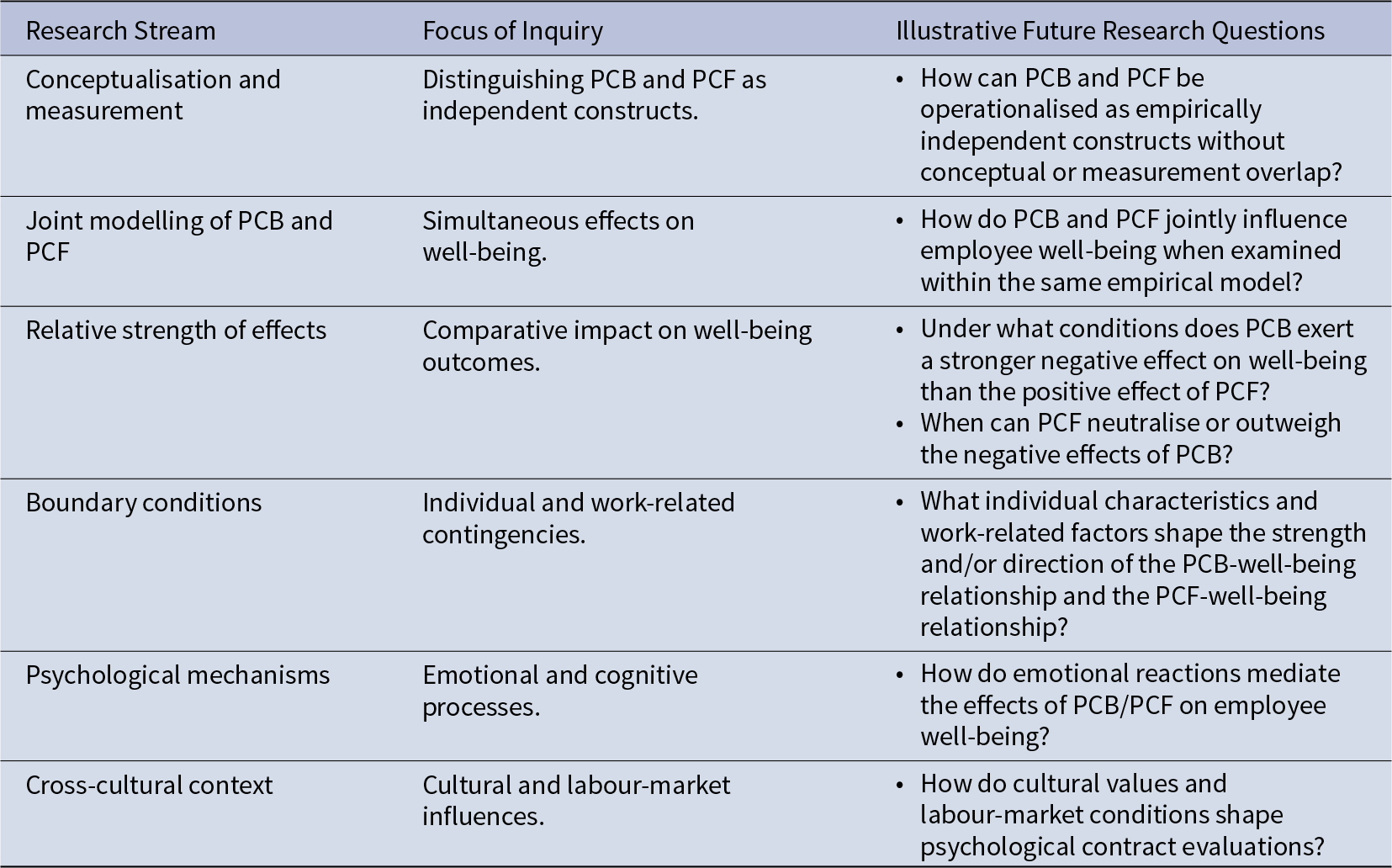
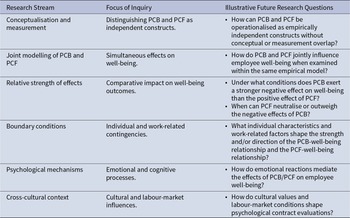
The review highlights several key directions for future research on PCs and employee well-being. Table 4 summarises the proposed research questions. First, more precise conceptualisation and measurement are needed to clearly distinguish PCB and PCF as independent constructs, thereby preventing their conflation in future studies. Scenario-based and experimental vignette methods that manipulate breach and fulfilment separately can support stronger causal inference and clarify how employees respond to different contract conditions (e.g., De Jong et al., Reference De Jong, Rigotti and Mulder2017). In addition, existing research has largely examined PCB and PCF in isolation (e.g., Abbas & Al Hasnawi, Reference Abbas and Al Hasnawi2020; Brown & Roloff, Reference Brown and Roloff2015). As a result, there is limited empirical evidence on how breach and fulfilment jointly shape well-being, and findings remain inconsistent regarding whether PCB or PCF exerts a more substantial effect. Future studies should therefore model PCB and PCF simultaneously using multi-wave or experimental designs, which allow for clearer causal inference and pathway separation (Atzmüller & Steiner, Reference Atzmüller and Steiner2010; Conway et al., Reference Conway, Guest and Trenberth2011) to compare their joint and relative impacts and to identify conditions under which one may exert a stronger influence than the other.
Future research directions
Further research is also needed to address gaps related to moderators, mediators, and research design. Although evidence consistently supports a positive association between PCF and well-being, no studies have examined moderators of this relationship, whereas PCB research has focused primarily on individual-level moderators, with limited attention to work-related or contextual factors (Jiang, Probst & Benson, Reference Jiang, Probst and Benson2017; Mensah et al., Reference Mensah, Amponsah-Tawiah and Nana Kojo Ayimadu2024). Future research should therefore examine moderating dynamics by incorporating individual and work-related factors into models of PCB and PCF. Although the evaluation of a PC involves an employee’s cognitive assessment of the reciprocal employer–employee relationship (Guerrero & Herrbach, Reference Guerrero and Herrbach2008) and leads to emotional responses (Coyle‐Shapiro & Kessler, Reference Coyle‐Shapiro and Kessler2000; Rousseau, Reference Rousseau2003), the emotional reactions through which PCB and PCF impact well-being remain underexplored. To bridge this gap, further research is needed to understand the emotional mechanisms by which PCB impairs well-being and PCF enhances it. Finally, the dominance of cross-sectional designs limits causal inference on the dynamic nature of PCs over time, highlighting the need for longitudinal research. Greater use of cross-country studies is also required to capture cultural and economic differences in PC experiences, particularly given evidence that labour market conditions shape how PCB and PCF relate to well-being across contexts.
Supplementary Material
The supplementary material for this article can be found at https://doi.org/10.1017/jmo.2026.10093.
Funding Statement
The author(s) received no financial support for the research, authorship, and/or publication of this article.
Conflict of Interest
The author(s) declared no potential conflicts of interest with respect to the research, authorship, and/or publication of this article.
Statements and Declarations
We hereby declare that this work is the author’s own. An AI tool was used solely to improve the English language, including grammar, clarity, and readability. The ideas, analysis, and conclusions presented in this work are entirely the author’s own.


 Open access

