




Impact statement
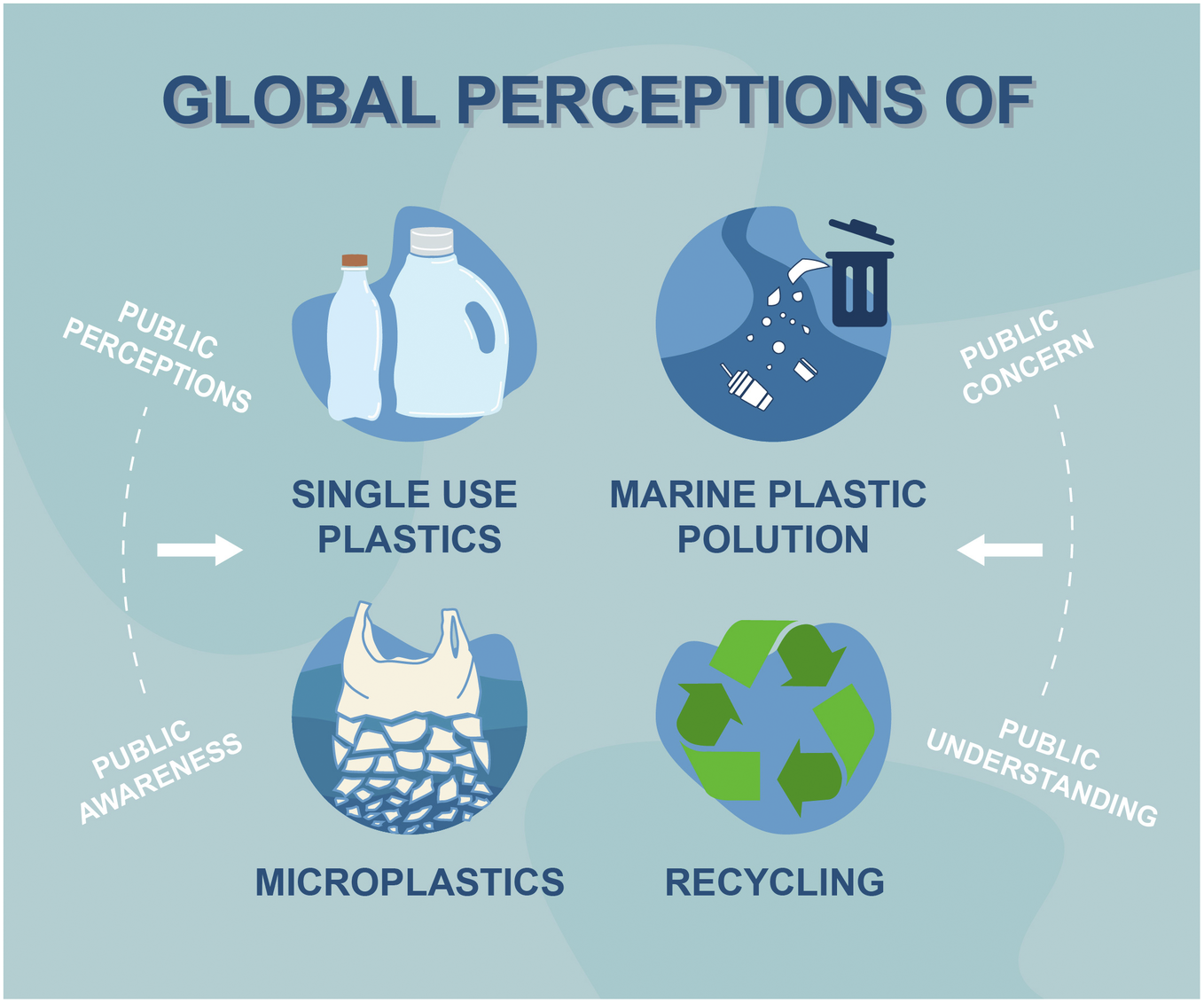
Plastic pollution is at the heart of policy and public debates about anthropogenic damage to the environment but there are still significant gaps in quality research which addresses how different publics perceive the problem. This article provides new insights into how plastic pollution is explored mainly in the context of just one ecosystem- marine and how research frequently focuses on single-use plastics, recycling and risks of microplastics. These findings suggest that more research is needed which explores public perceptions of plastic pollution in other ecosystems, perceptions of risks of alternative plastics such as bioplastics and public perceptions of toxic chemicals associated with plastics. Future research should also examine perceptions of the links between climate emergency and plastics and global diversity loss (beyond turtles). The United Nations Environment Assembly have now broadened their mandate from an original focus on marine litter to cover the full life cycle of plastic pollution on all ecosystems (atmospheric, fresh, marine, terrestrial, and high altitude). This opens up opportunities for those working in media and communications and across the social sciences to contribute to developing a better understanding of the social meaning of plastics in people’s lives. For novel policies to succeed we need nuanced culturally specific knowledge about diverse audiences; the role of media in shaping understandings and behaviours and how public engagement with plastics may change especially during times of global crises.
Introduction
The global issue of plastic pollution is at the heart of policy and public debates about anthropogenic damage to the environment. While the impacts of marine litter on wildlife species and ecosystems have long been highlighted as of specific concern (Depledge et al., Reference Depledge2013; Gall and Thompson, Reference Gall and Thompson2015) more recent studies have focused on the socio-economic costs that marine plastics pose to fishing, heritage, and recreational services. These costs are estimated at $3,300–$33,000 per tonne of marine plastic per year (Beaumont et al., Reference Beaumont2019). The absolute risk posed to human health from the ingestion and inhalation of microplastics and nanoplastics remains uncertain and we are yet to fully understand the contribution of microplastics to global disease burdens (Vethaak and Legler, Reference Vethaak and Legler2021). Thus far there is little evidence to suggest that the global production of plastics will slow – Lebreton (Reference Lebreton and Andrady2019) estimates that the 60 and 99 million metric tonnes (Mt) of mismanaged plastic waste produced globally in 2015 could triple by 2060, with African and Asian continents bearing a disproportionate burden. However, this could change given that we are at a historic juncture with plastics and society. Representatives of 175 UN member countries have resolved to end plastic pollution and negotiate an international binding agreement by 2024 (March et al., Reference March, Roberts and Fletcher2022). This unprecedented move means that the plastics industry has never been under greater scrutiny not least in terms of the production of ‘single-use plastics’ (SUPs). These SUPs are frequently referred to as ‘disposable plastics’ and include commonly used plastic packaging with items intended to be used only once before they are thrown away or recycled, for example, grocery bags, food packaging, bottles, straws, containers, cups, cutlery (UN-LEAP, 2023). These items represent a significant proportion of marine plastic litter (Barnes et al., Reference Barnes, Galgani, Thompson and Barlaz2009). ‘Short-lived’ plastics is an emerging definition which perhaps better represents the ways in which people consume these items in everyday life (using more than once, repurposing items).
More recently there has been an increase in focus on the social dimensions of plastics pollution, assessing public levels of knowledge and awareness of the problem and how this might impact on willingness to adopt pro-environmental behaviours regarding the use and disposal of plastic. Plastic is a material still valued on the grounds of convenience, hygiene, and durability as well as being lightweight, affordable and relatively accessible (Heidbreder et al., Reference Heidbreder, Bablok, Drews and Menzel2019). During the global COVID-19 pandemic there was a huge shift in public behaviour towards the use of SUPs for health and safety reasons (e.g., Molloy et al., Reference Molloy, Medeiros, Walker and Saunders2022) and other reviews have foregrounded the need for better understanding of pro-environmental behaviours (see MacDonald et al., Reference MacDonald2023). The negotiation of the international treaty to end plastic pollution provides a novel opportunity for the full lifecycle of plastics to be addressed from production and design to disposal (Walker, 2022). It also arguably facilitates greater opportunities to reshape our relationship with plastics. Media images of the blight of plastic waste on beaches and entangled with charismatic wildlife have been shared widely on social media. The iconic YouTube clip of a sea turtle with plastic straw up its nose has been viewed more than 33 million times and presents strong evidence for the role of ‘impactful visualisation’ in agenda-setting for environmental policy (Tiller et al., Reference Tiller, Booth and Cowan2022).
In this context, it is important that we remain abreast of the latest available scientific evidence. This includes research regarding public perceptions of plastic pollution and how perceptions might differ across socio-cultural lines amongst people living in what is frequently termed the ‘Global North’ and ‘Global South’. These terms were first used to classify countries in the 1980s (The Brandt Line) and have been critiqued on the grounds that ‘Global South’ is an outdated ‘Global North’ construction that is oversimplistic and geographically, and economically inaccurate. Some of the most impoverished, marginalised, and vulnerable communities are located in the ‘Global North’ whereas powerful emerging economies such as Brazil are located in the ‘Global South’ (for further discussion of country hierarchies see Khan et al., Reference Khan, Abimbola, Kyobutungi and Pai2022). This paper therefore analyses recent empirical peer-reviewed studies concerning global public perceptions of plastic pollution. I am drawing on the UNEP-LEAP Marine Litter and Plastic Pollution Toolkit glossary (2023) for the following working definitions.
-
• Plastic pollution is the negative effects and emissions resulting from the production and consumption of plastic materials and products across their entire life cycle. This definition includes plastic waste that is mismanaged (e.g., open-burned and dumped in uncontrolled dumpsites) and leakage and accumulation of plastic objects and particles that can adversely affect humans and the living and non-living environment.
-
• Plastic waste is any discarded plastic (organic, or synthetic, material derived from polymers, resins or cellulose) generated by any industrial process, or by consumers.
-
• Marine litter is any persistent, manufactured or processed solid material discarded, disposed of or abandoned in the marine and coastal environment. This definition includes items originating from land or sea-based sources.
-
• Plastic marine debris (PMD) refers to any persistent, manufactured or processed solid material discarded into the sea or rivers or on beaches; brought indirectly to the sea with rivers, sewage, stormwater or winds; or discarded or lost at sea (UNEP-LEAP, 2023).
It is worth noting that plastic waste is not necessarily linked to harm whereas pollution refers to the harmful effects of an activity and marine litter does not necessarily include plastic.
In this paper, I outline key approaches and directions to date with the aim of identifying where important dimensions of the problem are marginalised or omitted entirely. This allows us to point to future priorities in terms of interdisciplinary research and the potential role of media and communications scholars as well as wider social sciences in shaping the field. This paper makes a distinct contribution to reviews of trends in the public use of plastics (Walker et al., Reference Walker2023); challenges of managing plastic pollution in countries classified within the ‘Global South’ (Karadimas et al., Reference Karadimas, Garner and Seay2023) and the crucial but frequently neglected role of anti-plastics activists (Dauvergne and Islam, Reference Dauvergne and Islam2023).
Methods
Given that this review is focused on the social dimensions of plastic pollution, it was judged that Google Scholar was an appropriate database. It provides more inclusive coverage of social sciences and humanities literature which is frequently excluded from Web of Science and Scopus (see Cowan and Tiller, Reference Cowan and Tiller2021). A Boolean search citation was conducted on Scopus from 20 February 2000–2023 using key terms: public perceptions OR beliefs OR perspectives AND plastic pollution; social perceptions OR beliefs OR perspectives AND plastic pollution. A similar search was conducted using Google Scholar with the search terms: Plastic pollution, public perceptions, beliefs; plastic pollution social perceptions, belief; plastic pollution public perspectives (search conducted on 20 February 2023, no date range). Inclusions were peer-reviewed ‘quality’ journal articles. Articles which related to environmental ‘media’, that is, air, water and land were excluded from the search. This generated a total of 47 relevant articles which were reviewed. Further exclusions comprised book sections (n = 2); theses (PhD, n = 2; MSc, n = 1); policy booklet (n = 1); article in predatory journal (n = 1); theoretical article (n = 1) thus generating a total of 39 papers which were organised into thematic sections and grouped by country. Papers were read closely by the author and then coded for the following descriptors: qualitative, quantitative or mixed methods; sampling and recruitment protocols; reference to gender, ethnicity, age, social class, education, political or environmental orientation with specific reference to where demographic variables/analytical categories were problematised (e.g., the opportunity for participants to self-identify as non-binary or explicit attempts at more inclusive population sampling).
Public concern about plastics pollution?
Studies regarding the uses and social perceptions of plastic pollution are dominated by large-scale quantitative surveys conducted in countries classified as the ‘Global North’ (Walker et al., Reference Walker2023). Their focus tends to be on mapping the prevalence of awareness and concern regarding marine plastic litter amongst different populations. The assumption is that those living in close proximity to the coast will have a specific perspective on the problem. Concern about high levels of plastics in the oceans was ranked in the top four most worrisome environmental challenges of our time (van Oosterhout et al., Reference van Oosterhout, Dijkstra, van Beukering and Rehdanz2022) amongst participants from eight European countries sharing three European seas (North Sea, Baltic Sea, and the Mediterranean Sea). Companies and consumers were considered to bear the greatest responsibility with some variation for self-responsibility mapped across countries (highest scores were reported in Greece and the lowest in the Netherlands). Tourism and fishing industries were considered least responsible for the perceived littering (van Oosterhout et al., Reference van Oosterhout, Dijkstra, van Beukering and Rehdanz2022). This is noteworthy given the growing problem of abandoned, lost, and discarded fishing gear (Gilmsan, Reference Gilman2015) yet perhaps understandable given that coastal communities rely on those industries economically. It is also important to note that fishing communities are themselves disproportionately impacted by plastic pollution from tourism and their own subsistence/commercial fishing practices as well as from large commercial fishing industries.
Hartley et al. (Reference Hartley, Pahl, Veiga, Vlachogianni, Vasconcelos, Maes, Doyle, d’Arcy Metcalfe, Öztürk, Di Berardo and Thompson2018) analysed public perceptions of marine litter using data from 1,133 respondents across 16 European countries and found high levels of concern about marine litter with most (95%) witnessing litter when visiting the coast. The source of the problem was attributed to product and packaging design and consumer behaviour with retailers, industry, and government being held most responsible and scientists and environmental groups perceived as least responsible (Hartley et al., Reference Hartley, Pahl, Veiga, Vlachogianni, Vasconcelos, Maes, Doyle, d’Arcy Metcalfe, Öztürk, Di Berardo and Thompson2018). Other surveys have challenged the assumption that proximity to the coast is a significant factor in levels of public concern. Davison et al. (Reference SMC2021) conducted a 15-country survey across Europe and Australia (n = 15,179) and did not find an association between home proximity to the coast and concern for marine plastics and human health, though they did find perhaps unsurprisingly that it was a predictor of support for research in terms of directing resources to the area in which they inhabit. Frequent visitors to beaches in Durban, South Africa were found to hold negative perceptions towards single-use plastics, high levels of awareness of the impact on the environment, and strong willingness to reduce their single-use plastics consumption (Van Rensburg et al., Reference Van Rensburg, Nkomo S’phumelele and Dube2020). Quantitative studies frequently identify gender and age as key factors in levels of concern. Dowarah et al. (Reference Dowarah, Hemashree and Devipriya2022) reported that younger female students in India displayed more awareness than men and were also more willing to adopt pro-environmental practices with education identified as significant (including parental education, Hammami, Reference MBA, Mohammed, Hashem, Al-Khafaji, Alqahtani, Alzaabi and Dash2017). Individuals who reported higher levels of formal educational attainment were found to have greater understandings of negative impacts of plastics and this has been identified in other studies for example in Malaysia (Coco Chin et al., Reference Coco Chin, Mahanta and Nath2023). As noted earlier, definitions help to frame the problem and it is important to deconstruct the ‘catch all’ term ‘plastic pollution’. Awareness of macroplastic pollution, defined as any plastic that can be easily seen (UNEP, 2021) is often relatively high whereas awareness of microplastics – plastic particles less than 5 mm in diameter, including nano-sized particles (UNEP-LEAP, 2023) is much lower. Some studies discussed here were conducted in the context of the COVID-19 pandemic and thus could also have tapped into higher levels of public anxiety and increased risk perceptions (e.g., Molloy et al., Reference Molloy, Medeiros, Walker and Saunders2022).
Public perceptions of plastics pollution policies
A number of studies have been conducted with the aim of gauging public perceptions of the scale of plastic pollution and to link perceptions to willingness to change behaviours or to pay for new systems to mitigate plastics pollution. The focus tends to be on single-use plastics which are intentionally produced for their disposability. Durban beach goers expressed a strong willingness to support a container deposit scheme (CDS) and plastic bag ban to reduce the number of plastic bottles and bags polluting the coastal environment (Van Rensburg et al., Reference Van Rensburg, Nkomo S’phumelele and Dube2020). A large-scale survey followed by qualitative interviews found very high levels of awareness and support for the ban on single-use plastics in the four Atlantic provinces of Canada – 77% (n = 838) with younger people and those who identify as women expressing greater support (Molloy et al., Reference Molloy, Medeiros, Walker and Saunders2022). This study is notable for asking participants how they identified in terms of gender and while the numbers are not considered significant statistically it is nonetheless an important distinction which arguably could contribute to a more nuanced analysis of the ‘eco gender’ gap. This highlights the role of performative masculinity in adopting ‘pro-environmental behaviours’ such as carrying a reusable bag. A quantitative study of the Greek public via questionnaires on Facebook found that women were more informed about environmental issues, expressed greater awareness of microplastics in products and perceived plastic pollution as one of the biggest environmental problems of our time (Charitou et al., Reference Charitou2021). Despite this, most participants (96%) were unable to accurately identify items banned under the EU Single Use Plastics Directive (Charitou et al., Reference Charitou2021). Gender was similarly cited as an important factor with female participants expressing support for ‘restrictive’ policies on plastics in a study of the Swedish public (Holmberg et al., Reference Holmberg and Persson2023). Survey findings (n = 1,069) revealed strong support for the extension of so-called ‘soft’ policies (recycling and information campaigns) rather than policies which were framed by the authors as ‘radical’ in ‘punishing’ unsustainable behaviours with taxes and bans. Stringent measures were found to be more popular with women and participants who were judged to be on the left of the political spectrum (Holmberg et al., Reference Holmberg and Persson2023). Here it is worth pointing out that financial mechanisms and regulations, if well designed can lead to safer and more sustainable options and incentivise pro-environmental behaviour change towards those available preferred options.
Reshi et al. (Reference Reshi2022) conducted a quantitative questionnaire study involving 50 fishers from Versova, a sub-urban fishing village, situated in Mumbai City along the coast of the Arabian Sea, India. The study found that marine plastic pollution through discarded fishing gears was less likely to be identified as the cause of problems of entanglement. This lack of blame attached to local fishers has been noted by others (van Oosterhout et al., Reference van Oosterhout, Dijkstra, van Beukering and Rehdanz2022). It may be attributed to an understandable fear of identifying themselves as a cause for primary marine plastic pollution, however, the increased use of plastics has impacted negatively on the ‘natural beauty’ of the beaches and has also led to ghost fishing (Reshi et al., Reference Reshi2022). In line with earlier findings (Heidbreder et al., Reference Heidbreder, Bablok, Drews and Menzel2019), the main reasons attributed by the respondents for widespread usage of the plastics were their easy availability (48%), absence of any substitutable material (26%) and inexpensive nature of plastics (16%) (Reshi et al., Reference Reshi2022). While these responses may appear to offer obvious opportunities for policy and regulation if we are to challenge the ubiquity of the material the context of use and disposal first needs to be explored to avoid unintended consequences on the local community.
Perceptions of plastic pollution amongst school students
Citizen science projects (CSPs) have grown in popularity and Wichmann et al. (Reference Wichmann2022) explored the impact of citizen science projects on tackling plastic marine debris (PMD). The study involved children in Chile aged 9–18 years some of whom took part (n = 494) and others who formed a control group (n = 318). Perceptions and behaviours were found not to have changed as a result apart from a slight increase in perceptions of harm. This study is worth noting for the intention to diversify participants beyond the typical behavioural science populations (western educated industrialised rich democratic (‘WEIRD’) populations, which often overlook possible cultural variations through the classification of countries into ‘rich’ or ‘democratic’ is not unproblematic (Khan et al., Reference Khan, Abimbola, Kyobutungi and Pai2022). The study authors concluded that it is not sufficient to engage in environmental CSPs without designing activities to support social empowerment specifically (Wichmann et al., Reference Wichmann2022). During the global lockdown of 2020, Praet et al. (Reference Praet2023) engaged with the ReCiBa network of teachers in the Pacific coast and invited them to join the project My Story of Plastic Litter. The study aimed to explore elements stressed in stories written by schoolchildren regarding the sources, impacts and solutions of marine plastics litter (MPL) which could be completed as part of their home-schooling activities. Participants were invited to produce a story or comic strip about the journey of a suggested plastic object and to answer two surveys. Participants had a good understanding of MPL sources being mostly terrestrial and local in the East Pacific and of the bio-ecological impacts of MPL, especially on emblematic and locally important animals. It is striking that responses to surveys tended to highlight more frequent recycling, however, the stories which were produced by children themselves were more diverse. This emphasises the value of more participant-led approaches. The link between risk perceptions of plastics pollution, pro-environmental behaviours and social empowerment was explored in the Danish ‘mass experiment’ project involving 57,000 students. It was perceived as successful in helping to propel the topic of plastic pollution into a societal debate about sources and impacts of plastic pollution (Syberg et al., Reference Syberg, Palmqvist and Khan2020) however the intervention was found to have had no significant overall effect on perceptions and behaviours (Oturai et al., Reference Oturai2022). The authors also argue that media images have a role to play in shaping perceptions. Mass media images of the volume of global plastics pollution were discounted as being at odds from the ‘reality’ of plastic waste witnessed by the Danish students.
The limits of awareness?
Gender and age emerged as important analytical categories in terms of understanding the sources and impacts of plastics litter amongst participants in Italy (Forleo et al., Reference Forleo and Romagnoli2021). Similarly, an online survey involving a convenience sample of 487 consumers in Portugal (Macena et al., Reference Macena, Carvalho, Cruz-Lopes and Guiné2021) identified significant differences between women and men in terms of thinking about the impact of plastic at the point of purchase; reducing plastic bag use, as well as perceiving the negative impact of plastics on the environment. As many as 81% of participants supported the avoidance of plastic utensils and reducing plastic bag use and 87% reported that they separated different types of waste for recycling. A questionnaire study of participants in the Portuguese islands of Madeira and Porto Santo, found similar attitudes towards plastics however younger people (19–25 years), especially young males and students were less likely to report litter-reducing behavioural intentions (Bettencourt et al., Reference Bettencourt, Freitas, Costa and Caeiro2023). Similarly, a questionnaire study of 947 people (mainly young women) living in 6 cities in Albania (Bajrami et al., Reference Bajrami, Fundime and Sokoli2023) found that most used plastic bags for their market and grocery shopping (70%) while also agreeing that plastic pollution poses a high risk to the environment (94%). Soares et al. (Reference Soares, Miguel, Venâncio, Lopes and Oliveira2021) explored Portuguese public views on plastic pollution with a total of 428 individuals (125 male and 303 female) aged 18–69 years taking part in an online survey with a Likert scale. Awareness about the impacts of plastic pollution (socioeconomic, health impacts and bio-ecological impacts) was highly associated with pro-environmental behaviour. Older participants and women reported more pro-environmental behaviours. However, beyond recycling and placing litter in the correct bins on the beach there was little interest in learning more about marine plastic pollution or in participating in voluntary environmental activities as well as reducing consumerism. It is striking that there was no reference made to reductions in the global production of plastics.
An online panel study of Indonesian participants (n = 822) analysed willingness to pay to mitigate visible marine plastic pollution (i.e., fishing nets, plastic bag and bottles, packaging, cigarette butts) alongside participants’ ecological worldview. This study used the New Ecological Paradigm (NEP) a measurement tool used widely in Psychology to determine environmental attitudes and predict pro-ecological behaviour (Dunlap et al., Reference Dunlap, Van Liere, Mertig and Jones2000). Age emerged as significant with younger Indonesians expressing greater concern and commitment to reduce marine plastic pollution (MPP) in terms of bearing the financial cost (Tyllianakis and Ferrini, Reference Tyllianakis and Ferrini2021). On average younger male respondents expressed more willingness to pay an average of £15, per person, per year to reduce MPP, or 2% of the average monthly salary which would in theory generate sufficient revenue to fund the country’s plastic pollution management if the views expressed hypothetically were translated into practice. It is important to note that survey participants were recruited to the study as professional survey panellists, tended to hold higher formal educational qualifications and lived in dense population areas of East Indonesia where internet access is widespread. The applicability of the NEP in the context of cultures other than the US has also been critiqued (Khan et al., Reference Khan, Khan and Adil2012). By contrast, Phelan et al., Reference Phelan, Ross, Setianto, Fielding and Pradipta2020 conducted a study which foregrounded the lived experience of indigenous people living in coastal communities in Indonesia. The aim was to explore perceptions of plastic pollution ‘through the eyes’ of indigenous people (Phelan et al., Reference Phelan, Ross, Setianto, Fielding and Pradipta2020). The authors concluded that plastic literacy was low and that greater knowledge and awareness would not necessarily bring about social change given that coastal communities are challenged by a lack of options for supply and disposal. Without independently managed and nationally mandated extended producer responsibility schemes, the communities are simply left to bear the impacts of a plastics pollution crisis that they played minimal role in creating (Phelan et al., Reference Phelan, Ross, Setianto, Fielding and Pradipta2020).
Several studies have addressed the role of personal attitudes as important indicators of responses to plastics pollution (see, e.g., social pessimism amongst Chinese Generation Z, Wang et al., Reference Wang, Mo and Wang2022). Three attitudinal clusters were identified concerning single-use plastics amongst participants from Accra and Cape Coast (Ghana) namely ‘avoiders’, ‘potential avoiders’, and ‘patrons’ with each segment displaying a distinct set of attitudes and behaviours towards SUPs and thus arguably requiring more nuanced targeted approaches (Adam et al., Reference Adam, Walker, Clayton and Carlos Bezerra2021). The authors point out the context of single-use plastics in low to middle-income countries where lack of safe drinking water and other health-related challenges mean that single-use plastics are interwoven in daily life and largely accepted (Adam et al., Reference Adam, Walker, Clayton and Carlos Bezerra2021). In similar vein, tourists and residents in Vietnam accepted single-use plastics bags, straws, and cups because ‘you take what you’re offered’ (Kerber and Kramm, Reference Kerber and Kramm2022). The social meaning of single-use ‘pure water’ sachets was also identified in a qualitative study of young Nigerians (Henderson and Dumbili, Reference Henderson and Dumbili2021). The historical links between the government and Western-owned oil companies may mean that lack of producer accountability and blame attached to consumers reflects cultural norms and powerful enduring (post)colonial systems which fuel the idea of plastics as intertwined with modernity (Henderson and Dumbili, Reference Henderson and Dumbili2021). The appropriate management of plastic pollution is dominated by Western frameworks where waste management is inextricably linked to judgements about ‘civilisation’ and ‘morality’ which are rooted in colonial perspectives (Liboiron, Reference Liboiron2021).
The role of media in shaping public perspectives on plastics pollution
The role of media is often referenced ‘in passing’ within the plastic pollution literature and there is a scarcity of studies which focus on its function in terms of shaping knowledge, perceptions, and behaviour change. In a study of plastic bag restrictions in China more than 68% of respondents indicated that their knowledge came from the Internet and TV/Radio and arguably this messaging played a central role in communicating new legislation to the public and local business (Xu et al., Reference Xu, Zhong, He, Shi and Song2022). Oguge et al. (Reference Oguge, Oremo and Adhiambo2021) identified that for young people in Kenya, social media (36%), TV (29%) and radio (15%) were the main media channels through which knowledge about plastic’s impacts on the environment and human health was acquired. Sri Lankan participants expressed high levels of awareness regarding the impact of single-use plastics on the marine environment with popular media platforms cited as having a crucial role to play (Arulnayagam, Reference Arulnayagam2020).
Specific television programmes such as BBC Blue Planet 2, Sir David Attenborough’s natural history documentary series, resulted in plastic pollution-related terms being searched for online more frequently and increasingly mentioned publicly by media and politicians (Males and Van Aelst, Reference Males and Van Aelst2020). The implication is that Blue Planet specifically generated this interest in plastic pollution which was, for both the media and political agendas, long-lasting. Otero et al. (Reference Otero, Gago and Quintas2021) explored social media and public engagement with plastic pollution via a Twitter data set adopting a multilingual approach (to widen the data set beyond hashtags and keywords in English). While countries such as the USA were responsible for high volumes of tweets, the most active users were led by the UK and European countries (Spain, France, Germany) with high engagement focused on specific dedicated days (#EarthDay, #WorldSeaTurtleDay or #PlasticFreeJuly) and aligned with the dissemination of reports and scientific studies in traditional media such as newspapers or television (Otero et al., Reference Otero, Gago and Quintas2021).
Risk perceptions associated with microplastics in the environment and the risk to human health have been identified as high in European countries (Kramm et al., Reference Kramm, Steinhoff, Werschmöller, Völker and Völker2022) and a representative online survey conducted in Germany (n = 1,027) found that women, middle-aged people, and older people demonstrated the highest level of concern specifically those who had ‘extensive knowledge of media narratives’. The source of microplastics was assumed to be fish and seafood. Scientific evidence identifies that microplastics can be the result of leakage from production facilities and accidental losses of plastic pellets as well as being found in leachates from landfill sites, biosludge from wastewater treatment plants, and agricultural run-off (United Nations Environment Programme, 2021). The context of this research being conducted during the global pandemic may have heightened perceptions of risks. An earlier study found similar perceptions of microplastics and assumptions of risk to human health from eating seafood, and identified the media focus on charismatic wildlife entanglement as fuelling the idea that the problem is remote from everyday life for people living in the ‘Global North’ (Henderson and Green, Reference Henderson and Green2020).
Media messaging may also construct citizenship through competing discourses of responsibility. Researchers analysed citizens, campaigners, and industry messaging around plastic pollution in Mumbai, paying particular attention to Facebook, Twitter and WhatsApp (Pathak and Nichter, Reference Pathak and Nichter2021). They identified how narratives construct the ‘consumer citizen’ as a primary agent of change tied inextricably to neoliberal concepts of individual responsibility and choice as drivers of change. In similar vein, residents in Vietnam recognised the problem of waste when confronted with bad odour and polluted water but the absence of an environmentally sound waste collection and treatment system and limited environmental knowledge ultimately were considered to restrict opportunities to bring about change (Kerber and Kramm, Reference Kerber and Kramm2022).
Conclusions and future priorities
This review included diverse studies which ranged from large quantitative surveys conducted across multiple countries with generalisable population samples to small exploratory qualitative analyses of communities who may be expected to have a particular connection with the issue (e.g., fishers). It is worth noting that within the broad term ‘plastic pollution’ the studies under review explored variously, ‘marine plastic litter’, ‘ocean plastics’, ‘marine plastic pollution’ and ‘plastic marine debris’. These are not interchangeable terms and could arguably account for some diversity in response regarding who is held responsible (consumers, producers), perceptions of appropriate solutions (increased recycling, deposit return, bans, levies) and willingness to change behaviours (reduce single-use plastic bags, learn more about pro-environmental actions) as well as obscure wider debates concerning global plastics production. The focus of these studies was heavily skewed towards the impacts of plastic pollution on one ecosystem – marine. This is likely to be a function of the framing of the problem and aligns with the priorities of those disciplines which have traditionally led research into the topic.
There are thus significant gaps in quality research which addresses public perceptions of ecosystems other than marine or which focuses on plastics other than single-use plastics and microplastics. Future topics could include public perceptions of risk concerning alternative plastics such as bioplastics or perceptions of toxic chemicals associated with plastics. We could explore the connections between plastics and climate change or plastics and global biodiversity loss (moving beyond the iconic turtles). The United Nations Environment Assembly have now broadened their mandate from an original focus on marine litter to cover the full life cycle of plastic pollution on all ecosystems including atmospheric, fresh, marine, terrestrial, and high altitude. This broadens the research landscape significantly and facilitates the opportunity to explore public perceptions of extraction and remediation. Social dimensions of plastics will require greater disciplinary engagement from scholars in media and communications as well as those across the social sciences and humanities. Identifying the social meaning of plastics in people’s lives and how this may change over time for example during global crises will be invaluable to help predict challenges of new legislation.
In several studies, public awareness concerning (micro)plastics pollution was linked explicitly to media representations. These emotive and compelling stories fuelled public anxieties regarding the consumption of seafood rather than scientifically accurate but less ‘media friendly’ sources of microplastics such as biosludge. This concern does not of course necessarily lead to action particularly where personal ‘choices’ are limited by lack of options regarding supply and disposal or which require fundamental shifts (reduced consumerism). Here it is worth reiterating that solutions concerning ‘reduced consumerism’ of course serve to obscure wider debates about reducing the aggregate global volume of plastics produced (prioritising the least safe, sustainable, and non-essential polymers, chemicals, and products).
Novel legislation to mitigate plastic pollution will succeed only if it is developed with attention paid to the social meaning of plastics pollution in diverse contexts, nuanced understandings of the heterogeneous, culturally specific settings in which diverse stakeholders interact with and perceive plastics, and diversity in how people engage with the media framing of what constitutes ‘pollution’ and what we should do about it. Studies must differentiate between societal contexts as well as perceptions of plastic pollution in the ocean as compared with nano and microplastics in the human body or the air. It is now widely accepted that technical solutions alone are insufficient to solve the plastic pollution crisis. Humanities and social sciences can provide invaluable insights regarding the consumption and disposal of plastics, perceptions of risks (‘post’ COVID-19, nano/microplastics); the development and implementation of alternative materials and population heterogeneity as well as the inequalities of the burden of plastic waste on specific populations. These insights are vital to ensure that policies and local interventions are evidence-based and fully address the lived experience of global citizens.
Open peer review
To view the open peer review materials for this article, please visit http://doi.org/10.1017/plc.2023.21.
Acknowledgements
Thanks to Emma Flynn for support with original literature searches and Yueyun Fan for assistance with the graphical abstract. Thanks also to editor Dr Trisia Farrelly and two anonymous reviewers for helpful comments.
Author contribution
Conceptualization, analysis of studies, and writing: L.H.
Financial support
The study was supported by the Smart Sustainable Plastic Packaging challenge, delivered by UK Research and Innovation. Project title ‘Providing the 30% recycled content for food packaging (PFP): An integrated stakeholder approach to solving ‘hard to recycle’ plastic packaging’ NE/V010751/1 funded by NERC/Innovate UK. Seed funding to support Emma Flynn was provided by Research and Knowledge Exchange (RAKET), University of Strathclyde. Project title ‘Plastic Pollution and the Pandemic: A cross-disciplinary exploration of health risks, perceptions, materials, and histories’.
Competing interest
The author declares no competing interests exist.
Ethics standard
The research meets all ethical guidelines, including adherence to the legal requirements of the study country.

 Open access


Comments
Dear Professor Steve Fletcher,
As discussed with you previously I am submitting an invited narrative review for publication in Cambridge Prisms: Plastics. This paper focuses on “Public Perspectives on Plastics Pollution” and fits well with the aims of the journal as plastic pollution is at the heart of policy and public debates about anthropogenic damage to the environment. In particular the timing works well for this review given the current negotiations for an international binding treaty to end plastic pollution. The review includes recent empirical studies concerning public perspectives on plastics pollution (n=38 and is based on searches using Scopus and Google Scholar.
My review identified high levels of public awareness and concern with participants’ gender, age and education emerging as important analytical factors. There is a lack of harmonisation in methodological approach and focus. Studies ranged from large scale quantitative surveys conducted across multiple countries to exploratory qualitative analyses of communities (e.g. fishers). Studies variously explored perspectives on: plastics pollution, marine plastic litter, marine plastic pollution and plastic marine debris. These are not interchangeable terms and could account for some diversity in response regarding who is held responsible, perceptions of appropriate solutions and willingness / agency to change behaviours. Public awareness is linked to media representations but does not necessarily lead to action particularly where personal “choices” are limited by lack of options regarding single plastics supply and disposal or which require fundamental shifts (reduced consumerism). I conclude by arguing that novel legislation to mitigate plastic waste will succeed only if it is developed with attention paid to the social meaning of plastics pollution in diverse contexts, nuanced understandings of the heterogeneous, culturally specific settings in which stakeholders interact with and perceive plastics, and diversity in how people engage with the media framing of pollution for example perspectives on plastic litter in the ocean versus microplastics in the human body.
I have noticed that your journal requests a visual abstract and I will need some assistance with this so for now I am submitting the paper for review. As it is invited I have not added a suggested reviewer but can do so if required. Please let me know if you need any more details.
Yours sincerely
Lesley Henderson