


Background
Urinary tract infection (UTI) is a common diagnosis where antibiotics are prescribed. Reference Fleming-Dutra, Hersh and Shapiro1–Reference Nguyen, Nguyen and Hughes3 Overdiagnosis and sub-optimal treatment of UTIs in outpatients is frequent, which contributes to antibiotic resistance. Reference Valentine-King, Trautner and Zoorob4–Reference Cortes-Penfield, Trautner and Jump7 Infectious Diseases Society of America (IDSA) guidelines for uncomplicated UTI management are outdated and undergoing revision. Reference Gupta, Hooton and Naber8 Recently published IDSA guidelines for complicated UTI (cUTI) and other references have classified lower tract infections without signs or symptoms of systemic illness, upper tract infection, or prostatitis (in men) as uncomplicated (uUTI) in both men and women. 9–Reference Trautner, Cortes-Penfield and Gupta12 These references recommend preferential selection of fluoroquinolone sparing regimens and short treatment courses for men (7 d) or less for women with uUTI. Reference Hooton10–Reference Trautner, Cortes-Penfield and Gupta12 The Veterans Healthcare Administration (VHA) is the largest U.S. healthcare system with over 130 medical centers (VAMCs) and 3,300 outpatient clinics. A recent quality improvement analysis of outpatients with positive urine cultures (UC) indicated that approximately 40% of patients with asymptomatic bacteriuria (ASB) were prescribed antibiotics, and preferred antibiotics and treatment duration were prescribed in approximately half the remaining cases. Reference Rovelsky, Vu and Barrett5 Based on these findings, a pilot project (e.g., UTI campaign) was developed to improve outpatient UTI management. This manuscript describes the implementation of the UTI campaign and its impact on outpatient UTI management.
Methods
Antimicrobial stewards in select VAMCs in the Western U.S. were invited to participate in the intervention by Sierra Pacific Veterans Integrated Service Network (VISN 21) administrators and study investigators. Participation required that each VAMC gain commitment from their Chief of Staff and Antimicrobial Stewardship committee to pilot an outpatient UTI management intervention.
Intervention development
The intervention was developed based on the CDC outpatient antibiotic stewardship core elements framework. Reference Sanchez, Fleming-Dutra, Roberts and Hicks13 Select members of the VHA Antimicrobial Stewardship Taskforce (ASTF) developed materials for the intervention. Reference Kelly, Jones and Echevarria14 Preparation included development of campaign key messages (Table 1) and educational materials utilized for academic detailing on UTI management. (Supplement 1a & 1b). Reference Wells, Popish, Kay, Torrise and Christopher15 Academic detailing consists of noncommercial, peer-to-peer communication using reinforcement techniques to facilitate change in prescribing practices. Reference Rome, Dancel and Chaitoff16 Additional campaign materials included a step-by-step implementation guide, kick-off slide set, and example UTI-specific computerized electronic order menus.
Key messages of pilot UTI campaign

UTI, urinary tract infection.
Metric development and validation
Metrics were developed (Table 2) to align with key messages in support of UTI stewardship in primary care (PC) and emergency department (ED) settings. Reference Rovelsky, Vu and Barrett5,Reference Braunfeld, Samore, Crook, Nevers, Rovelsky and Madaras-Kelly17 Diverse metrics were designed to capture UTI overdiagnosis, antibiotic selection, treatment duration, and appropriate utilization of diagnostic tests. Because limiting the analysis to UTI diagnosis codes did not fully capture use of antibiotics for suspected UTI, a broad set of genitourinary (GU)-related International Classification of Diseases, 10th revision (ICD-10) codes were utilized. GU codes were classified into tiers: tier 1 (antibiotics always indicated), tier 2 (sometimes indicated), and tier 3 (rarely indicated). Reference Fleming-Dutra, Hersh and Shapiro1 Altogether, 207 GU-related codes were grouped into tiers (Supplement 2). Visits with multiple codes were assigned to the lowest tier for the visit.
Metrics utilized in the pilot UTI campaign

Abbreviations: GU, genitourinary; W, with; BPH, benign prostatitic hyperplasia; ASC, acute simple (uncomplicated) cystitis; UTI-NOS, urinary tract infection, not otherwise specified; F, Fahrenheit; TMP/SMX, trimethoprim/sulfamethoxazole; FQ, Fluoroquinolone; UC, urine culture; UTI antibiotic resistance (resistance to FQ, nitrofurantoin, TMP/SMX or cephalosporin), NH, nursing home; UA, urinalysis; UC, urine culture; ASB, asymptomatic bacteriuria; w/, with.
a A temperature of ≥99.9F (± 1 day) was used to exclude potentially more complicated infection.
Metric A consisted of the proportion of GU visits, including all tiers, which had an antibiotic prescription filled within −1/ + 5 days surrounding the index visit. Metric B was comprised of tier 3 codes for GU conditions from Metric A. Metrics C and D were limited to visits classified as uUTI based on presence of an ICD-10 code for acute cystitis or UTI-NOS and absence of fever (temperature ≥99.9 F). Reference Rovelsky, Vu and Barrett5 The Metric C numerator included trimethoprim/sulfamethoxazole (TMP/SMX), nitrofurantoin, or an oral cephalosporin prescribed, while the denominator included all uUTI visits with antibiotics prescribed. Metric D assessed the proportion of uUTI visits with an antibiotic duration prescribed of ≤7 days. Reference Rovelsky, Vu and Barrett5 In Metric E, the denominator included all UTI visits with an antibiotic resistance risk factor present (≤90-day history of positive UC for antibiotic-resistant organisms, antibiotic prescription, or hospitalization) Reference Rovelsky, Vu and Barrett5,Reference Hooton10–Reference Hooton11,Reference Braunfeld, Samore, Crook, Nevers, Rovelsky and Madaras-Kelly17–Reference Madaras-Kelly, Boyd and Bond20 ; the numerator included all visits in the denominator with a UC collected. Metric F measured the number of urinalyses (UA) performed with an antibiotic prescribed within the (−1/ + 5 d) time window around UA collection, per 1,000 patient visits per month.
A dashboard was developed to display metrics, and a chart-level validation was conducted.Reference Braunfeld, Samore, Crook, Nevers, Rovelsky and Madaras-Kelly17 Records for review were randomly selected based on strata [tier, setting (ED vs PC), and antibiotic prescription versus not]. Two reviewers (JB, KMK) independently evaluated records to determine if all inclusion/exclusion criteria were met. Reviewers were blinded to visit diagnostic codes and antibiotic prescription and used clinical judgment to assign a diagnosis and record their confidence in this diagnosis using a Likert scale (1 = highly uncertain, 5 = highly certain). Reviewers also rendered judgments regarding the appropriateness of antibiotic treatment using a Likert scale (1 = highly disapprove, 5 = highly recommend). A Likert score of ≥ 4 was considered a positive endorsement for analysis. Quantitative analysis was used to determine visit placement into tiers, relationships between visit attributes and prescription of antibiotics, and agreement in antibiotic prescription between the reviewer and the visit clinician.
Intervention implementation
The campaign was launched in fall 2022, utilizing a staggered rollout based on facility preference. Stewards were encouraged to use the implementation guide. Stewards were instructed to gain commitment through discussion with facility administration, recruit ED/PC clinical champions, and identify personnel to deliver the intervention. Next, deliver a “Kick-Off” presentation to clinicians on the purpose, key messages, and planned intervention. Facilities were instructed to update UTI electronic order pathways and reflex UC policies if not already aligned with key messages. Stewards were encouraged to track and report campaign metrics to stakeholders through a review of aggregate baseline performance and identification of “clinicians of concern” through metric review. Actions included targeting clinicians of concern with education through academic detailing on key messages and delivery of audit-feedback reports at the clinic and optionally clinician-level for individuals with sufficient visits. However, the initial dashboard was not configured to generate clinician-level reports directly. Based on feedback, the dashboard was updated to allow end users to generate individual clinician-level feedback reports (Figure 1). Stewards were encouraged to prioritize the ED where UTI density was highest. Periodic virtual learning collaboratives for stewards were implemented in January 2023, where barriers and strategies could be shared.
The Figure depicts a two-sided UTI campaign audit-feedback report for an ED clinician. The clinician’s performance is compared to the mean of other clinicians practicing in their ED or PC setting. Reports were emailed or printed and shared directly with clinicians. The acute uncomplicated cystitis definition utilized in the report is intended to reflect the definition for uncomplicated UTI.

Intervention sustainment
The intervention continued through June 2023, when an assessment was developed to ascertain the extent of alignment with the implementation guide, gauge intervention intensity, barriers and enablers, and suggestions for pilot refinement. The assessment, consisting of item selection, short answer, and free text response questions, was distributed to steward leads at each facility. Based on feedback, VISN 21 adopted Metrics C and D as quality improvement measures (minimum performance target of 80%) for fiscal year 2024. Stewards were encouraged to utilize the campaign materials as needed; however, the pilot was concluded.
Cohort development and outcomes
A retrospective cohort of outpatients who met criteria for inclusion was developed for visits between 3/15/2020 and 6/30/2024 from data within the VHA Corporate Data Warehouse (CDW). Reference Fihn, Francis and Clancy21 Inclusion required a visit with a GU ICD-10 diagnosis code in ED or PC settings. Visits with a UTI diagnosis within <30 days, competing tier 1 or 2 coded diagnoses, Reference Fleming-Dutra, Hersh and Shapiro1 hospital discharge within ≤7 days, urological procedure within ± 7 days, pregnancy, or spinal cord injury, marrow or organ transplant in the prior 2 years were excluded (Supplement 2). Reference Rovelsky, Vu and Barrett5
Data extracted included demographics, visit date, maximal temperature (± 1 d) of visit, UA/UC results, ICD-10 diagnosis, procedures, treatment date, antibiotic, treatment duration, clinician type, clinic setting, facility, antibiotic resistance risk factors, and outcomes.
The primary outcome was a change in the performance rate for each metric pre /and postintervention implementation. A secondary outcome included GU-related return visits between days 7–21 postindex visit date for uUTI pre/post implementation. Additional analyses evaluated the rate of performance on Metrics C and D during the maintenance phase and whether clinicians altered their diagnostic coding practices for uUTI relative to other select GU-diagnoses pre /post implementation.
Two intervention time-periods were evaluated: preimplementation 3/15/2020–9/30/2022 and post-implementation 01/01/2023–9/30/2023. As the intervention was initiated at slightly different time-points in facilities, data during a 3-month transition period (10/1/2022–12/31–22) was excluded. A secondary intervention analysis and time-point included preUTI campaign maintenance data from 01/01/2023–09/30/23 and postintervention maintenance data from 10/01/23–07/01/24.
Statistical analysis
Interrupted time series analyses compared outcomes for intervention facilities with a control VISN. The control was chosen based on the average monthly Euclidean distance of metric rates before the first intervention between each VISN and VISN 21. Reference Madaras-Kelly, Hostler and Townsend22 Regression models were fit using generalized estimating equations (GEE) on each outcome with clustering by facility, assuming an exchangeable covariance matrix, or equal correlation between all subjects within a facility. Reference Hardin and Hilbe23 All models assumed a log link to directly estimate the relative risk of the intervention by exponentiating model covariates. Reference Pedroza and Truong24 Each model included a fixed indicator for the intervention facilities, an indicator for the intervention period, and their interaction. All models additionally adjusted the following as fixed effects: patient age, max temperature, setting, and secular trend designated by an increasing continuous variable incremented by quarter of the year. The main result from each model was the exponentiated covariate representing the interaction between the intervention facilities and intervention period [that is the difference-in-differences (DID) relative risk]. Post hoc contrasts were made to estimate the intervention facilities’ pre to postintervention relative risk and the control VISN’s pre to postintervention relative risk. All analyses were conducted using R version 4.4.1 using the geepack and contrast packages.
The campaign was conducted as an operations activity; however, analysis activities constitute research based on VHA Policy Handbook guideline 1,058.05. This research complies with all federal guidelines and VA policies related to human subjects’ research.
Results
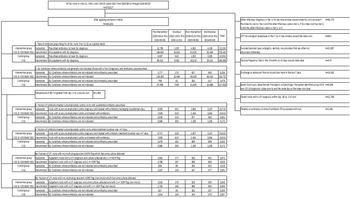
A total of 573,617 visits within 16 (8 intervention, 8 control) facilities were identified, of which 435,234 (75.9%) met all criteria (Figure 2). Qualifying GU visits included tier 3 (75.0%), tier 2 (20.2%), and tier 1 (4.8%). Overall, 40,945 (9.4%) of GU visits were associated with a prescription for an oral antibiotic (Table 3); 43.4 % of prescribed antibiotics were for patients with tier 2 or tier 3 GU conditions. Most patients were elderly, male, Caucasian, afebrile, and seen in PC.
GU, genitourinary; CPT, current procedural terminology; UTI, urinary tract infection; uUTI, uncomplicated UTI; F, fahrenheit; UC, urine culture. *metric N values represent denominators.

Patient, clinician, and practice setting characteristics for implementation phase

M, male; GU, genitourinary; DX, Diagnosis based on ICD-10 code groupings; uUTI, uncomplicated UTI; Temp, Temperature; F, Fahrenheit; SD, Standard Deviation; UA, Urinalysis; UC, urine culture; MD, physician, APP, Advanced Practice Provider such as nurse practitioner (NP) or physician assistant (PA), PC/ED, primary care/emergency department (including fast track/urgent care), TMP/SMX, trimethoprim/sulfamethoxazole, PO, oral, Y, years.
Validation
Of 618 records reviewed, 108 (17.5 %) were excluded from further review due to the presence of exclusions not documented in the CDW, which most commonly was documentation of uncoded non-GU infectious diagnoses (8.3 %). The intra-class correlation coefficient for inter-rater reliability between reviewers with respect to the recommendation for antibiotic treatment was 0.704. Projected to the source population, reviewers recommended antibiotics (mean Likert ≥ 4) in 51.3% of visits when an antibiotic was prescribed; for tier 3 visits, the reviewers agreed with the decision to prescribe antibiotics in only 18.4% of instances. Chart review and clinician documentation agreed that most visits (>85%) were associated with a diagnosis of an infection or non-infection GU condition. However, UTI or other GU infection were more commonly considered to be present based on clinician documentation (31.7%) than based on reviewer judgment (20.7%). The overall diagnosis of UTI was 132/511 (25.8%) recorded in notes by the clinician, 68/511 (13.3%) judged by the reviewer, and 94/511 (18.4%) based on clinician ICD-10 code documentation (Supplement 3).
Pilot intervention
No significant changes in antibiotic prescribing rates were observed in intervention or control facilities for overall GU diagnoses (Metric A) or for GU conditions where antibiotics are rarely indicated (Metric B) (Table 4). Appropriate selection of antibiotics for uUTI (Metric C) increased to a greater extent in control facilities. Appropriate antibiotic duration for uUTI (Metric D) increased in intervention facilities but not control facilities. The collection of UC for patients with antibiotic resistance risk (Metric E) and the rate of UA collection with antibiotics prescribed (Metric F) were not significantly different.
Pre/post implementation counts, percentages, and risk ratio (RR) + 95% CI during the implementation phase

CI: Confidence Interval; DID: Difference in Differences. Metric 6 is summarized to a monthly rate instead of a patient-level outcome.
aSee Table 2 for description of individual metrics. aRR: adjusted relative risk.
bMetric F regression estimates are estimated from an unadjusted Poisson generalized estimating equation using the log number of monthly visits as an offset with clustering by facility with an exchangeable covariance matrix. Period level summaries are the average monthly rate per 1,000 visits (Metric F numerator / visits) grouped by Intervention vs Control and implementation period with monthly standard deviation in parentheses.
GU-related 21-day revisits for uUTI was low in both intervention [preimplementation (4.2%), post-implementation (4.1%); aRR 0.92 (0.68, 1.25)] and control facilities [preimplementation (3.8%), post-implementation (5.2%); aRR 1.28 (0.88, 1.85)]; [DID aRR 0.72 (0.50, 1.04)].
post-implementation assessment
All intervention facilities completed the campaign assessment (Table 5). Facilities generally followed the implementation guide; however, while almost all facilities reported giving group-level feedback, clinician-level audit feedback occurred in less than half of the sites. Barriers included insufficient time to manage campaign activities, limited support from select ED leadership, and disagreement by some clinicians regarding rationale and evidence for uUTI in men. Enablers included automation of clinician audit-feedback report generation, detailing support materials, and select strong ED Champion support. Personnel expressed that the pilot was complex and had too many metrics to emphasize. Stewards in 7/8 (87.5%) facilities focused on improvement of treatment selection and duration for uUTI, rather than other metrics they felt were less actionable. Notable quotes included “Generally easier to impact what is prescribed and how long to prescribe than when to prescribe,” or “it’s not my role to tell a clinician he is bad in comparison to his peers….” Finally, 5/8 (62.5%) of facilities indicated they would continue to use the UTI dashboard if it were maintained.
Summary of UTI campaign implementation phase assessment

Maintenance phase
VISN 21 adopted uUTI antibiotic selection and treatment duration metrics (Metrics C & D) as outpatient stewardship measures for FY 2024. Appropriate antibiotic selection was similar (82.1% to 81.7%) during the maintenance phase in intervention facilities and increased slightly (80.0% to 82.3%) in control facilities, [DID aRR (0.97 (0.93, 1.02)]. Appropriate antibiotic duration increased in both intervention (73.0% to 74.7%) and control facilities (79.3% to 84.6%), [DID aRR 0.96 (0.91, 1.02)].
Given the threshold of minimum performance (80%) for Metrics C and D, we anticipated diagnostic shifting by using alternative diagnostic codes included in Metrics A and B. However, no evidence of diagnostic shifting was identified (Supplement 4).
Discussion
Analysis of this intervention revealed minimal improvement in outpatient UTI management. While slight improvements in antibiotic selection and treatment duration were observed, there was no reduction in antibiotic prescribing for GU-related conditions, including UTIs. The pilot was embedded within the Core Elements framework, allowing adoption of an implementation strategy that was patterned after a more effective prior intervention on acute respiratory tract infections within the VHA. Reference Madaras-Kelly, Hostler and Townsend22,Reference Madaras-Kelly, Rovelsky and McKie25
The post-implementation assessment provided insight into challenges and plausible explanations for the minimal effect. The intervention key messages were broad, addressing both diagnosis and treatment as an intent of the pilot was to identify potential foci for a future VA wide intervention. A more focused intervention might have been more efficiently implemented. The intervention was initiated late in the COVID-19 pandemic, which led to delays in dashboard development, impeding timely delivery of clinician-level audit feedback. The intervention was aligned with contemporary recommendations for uUTI management, including a reduction in unnecessary prescribing of fluoroquinolones and shortened treatment duration. However, clinical practice with respect to these targets had already improved over the past decade within the VHA. These trends may have contributed to achieving and measuring further improvements. Pharmacists were predominantly responsible for delivering actions on when to prescribe antibiotics. Some stewards were not comfortable delivering key messages on diagnoses and when to prescribe antibiotics, indicating a potential intervention-personnel mismatch. This highlights the necessity for involvement of prescribing peers and leadership in delivering audit feedback and academic detailing. Reference Rome, Dancel and Chaitoff16,Reference Jamtvedt, Flottorp, Ivers, Busse, Klazinga and Panteli26 The diversity of opinion on optimal treatment for male UTIs led to mixed acceptance of select key messages. The lack of consensus of uUTI management in males is likely to be mitigated by the recently published IDSA guidelines for complicated UTI, which suggest that infection limited to the bladder can be treated with 7 days of therapy in both sexes. Reference Trautner, Cortes-Penfield and Gupta12,Reference Ancona, Haylen and Oelke27,Reference Bilsen, Jongeneel and Schneeberger28
Six metrics for outpatient UTI management were developed to support the pilot intervention. These metrics were designed to be applicable for feedback aggregated at the facility or clinician level and to be used to support individual case review. Reference Rovelsky, Vu and Barrett5 The development of a broad-based GU metric that included codes for UTI and other GU diagnoses with overlapping symptoms increased yield of visits where the clinician intent was to treat UTI. Chart review validated the use of a tiered approach to classify GU diagnosis codes and contributed further evidence of unnecessary antibiotic use for suspected UTI. Utilization of ICD-10 codes to assess UTI management was challenging due to complicating conditions, overdiagnosis, under-coding, and miscoding. Use of a narrower set of diagnosis codes might have reduced complexity, but at the risk of increasing susceptibility to diagnostic shifting. Reference Madaras-Kelly, Hostler and Townsend22 While diagnostic shifting was not observed, the combination of metrics A-D theoretically could capture these changes. Finally, ICD-10 39.0 (UTI-NOS) was utilized in 3/4ths of visits coded for UTI. Chart validation indicated that some of these cases likely had ASB, and while patients with documented fever were excluded, some patients likely had complicated infection. While steps to address under-coding and miscoding were taken, poor coding documentation was a limitation.
Most outpatient studies have focused on diagnostic stewardship to reduce ASB treatment or bundled antibiotic stewardship interventions targeting reduced fluoroquinolone use, increased utilization of guideline recommended antibiotics, or excessive treatment duration. Reference Grigoryan and Trautner29 Diagnostic interventions have included changes in laboratory reflex UC criteria, order menus, nudges, and audit-feedback, whereas studies evaluating UTI treatment have utilized a variety of interventional techniques including academic detailing and audit-feedback. Reference Grigoryan and Trautner29,Reference Coffey, Claeys and Morgan30 Diagnostic studies have primarily demonstrated decreased UC ordering or treatment of ASB, rather than reduced overall antibiotic prescribing or improved patient outcomes. In parallel to our findings, UTI treatment study results have been mixed, demonstrating improved guideline concordance with selection and duration of antibiotics but not reductions in overall antibiotic prescribing. Notably, most studies have been conducted in women, and few have been powered to assess clinical outcome. Finally, the accuracy of administrative coding for outpatient infectious conditions in non-VHA ED settings is similar to that observed in this study. Reference Ladines-Lim, Fischer, Linder and Chua33
Future UTI interventions should reduce the number of metrics and key messages. Metrics should align with key messages and target practice behavior in select clinical populations. The most desirable practice pattern would be to reduce clinician antibiotic prescribing for non-infectious conditions; however, if pharmacists deliver the intervention, they may be less likely to be effective at reducing total antibiotic prescribing for UTI. Actions targeting diagnostic stewardship, including appropriate ordering of urinary diagnostic tests, broadened differential for GU conditions, and accurate administrative coding, may require a different messenger (i.e., physicians, mandates, pay for performance) and systems tools (i.e,, augmented intelligence, coding decision support).
In conclusion, implementation of an outpatient UTI intervention in a predominantly male population was challenging to implement and minimally effective at decreasing overall GU antibiotic prescription.
Supplementary material
The supplementary material for this article can be found at https://doi.org/10.1017/ash.2025.10228.
Data availability statement
The data that support the findings of this study are owned by the U.S. Department of Veterans Affairs. Restrictions apply to the availability of these data, which were used under license for the current study, and so they are not publicly available. Some data utilized in this study may be available to VA credentialed researchers upon reasonable request from the authors and with permission of U.S. Department of Veterans Affairs. In an effort to aid in transparency and foster reproducibility of research, the manuscript supplementary files include diagnostic and procedure codes and procedures utilized to develop the cohort.
Acknowledgements
We would like to recognize the dedication of antibiotic stewards, academic detailing personnel, and clinicians in the intervention facilities for their commitment to providing quality care for U.S. Veterans as well as members of the VA National Academic Detailing service (NADS) and the Antimicrobial Stewardship Taskforce (ASTF) for supporting this project. The findings and conclusions are those of the authors and do not necessarily represent those of NADS, ASTF, the VHA, or the CDC.
Financial support
This work was supported in part with resources and use of the Department of Veterans Affairs and was funded by the Centers for Disease Prevention and Control (CDC) (Award # 14FED1412883 to MHS).
Competing interests
All authors report no conflicts of interest relevant to this article.




 Open access

