




Introduction
Onion (Allium cepa L.) is a globally important bulb-forming vegetable crop, cultivated for its distinctive pungent flavor and aroma, which arise from sulfur-containing compounds. It belongs to the genus Allium within the family Amaryllidaceae (Ismil et al., Reference Ismil, Besar, Ahmad and Hossain2024) and ranks among the most economically significant vegetable crops worldwide, including in Ethiopia. Onion is consumed both as a fresh vegetable and as a culinary spice, serving as a major ingredient in food seasoning, daily stews, and various traditional dishes in Ethiopia (Aragie et al., Reference Aragie, Alemayehu and Abate2023). Beyond its culinary use, the onion possesses considerable nutritional and medicinal value (Brewster, Reference Brewster2008). It is rich in bioactive compounds, including flavonoids, anthocyanins (Kim et al., Reference Kim, Kim and Shin2024), fructo-oligosaccharides, and organosulfur compounds, which are associated with reduced risks of cancer, cardiovascular disease, and diabetes (Iwar et al., Reference Iwar, Ochar, Seo, Ha and Kim2024; Muscolo et al., Reference Muscolo, Maffia, Marra, Battaglia, Oliva, Mallamaci and Russo2025).
In Ethiopia, onion is a staple component of the daily diet and an important cash crop for smallholder farmers (Zegeye et al., Reference Zegeye, Alemu, Sisay, Mulaw and Abate2024). Its production plays a significant role in the national economy by increasing household income, generating rural employment, improving food and nutritional security, and contributing to foreign exchange earnings (Aragie et al., Reference Aragie, Alemayehu and Abate2023). Simple production practices, high yield potential per unit area, and the expanding use of irrigation systems have contributed to a steadily increasing demand for onion production in the country (Alemu et al., Reference Alemu, Kitila, Garedew, Jule, Badassa, Nagaprasad, Seenivasan, Saka and Ramaswamy2022). However, despite strong market demand and favorable production potential, onion productivity remains low. According to the Central Statistical Agency (CSA, 2023), the national average bulb yield is 11.68 t/ha, which is significantly below the global average of 19.08 t/ha [Food and Agriculture Organization Corporate Statistical Database (FAOSTAT), 2023]. This substantial yield gap is largely attributed to constraints in the seed system, particularly limited access to high-quality seed (Ashagrie et al., Reference Ashagrie, Belew and Nebiyu2023; Zegeye et al., Reference Zegeye, Alemu, Sisay, Mulaw and Abate2024). High-quality seed is critical for improving yield, product quality, and the efficiency of fertilizer and irrigation (Chauhan, Reference Chauhan2015; Abebe and Alemu, Reference Abebe and Alemu2017). However, its importance is limited; access to quality seed is further exacerbated by inappropriate cultural practices, pest and disease pressures, and limited technical skills among smallholder farmers engaged in onion seed production (Tesfaye et al., Reference Tesfaye, Belew, Dessalegn and Shumye2018).
Onion seed production is agronomically more complex than bulb production due to the crop’s biennial growth habit and its sensitivity to environmental and management factors (Peters, Reference Peters2022). Onion seed can be produced using either the bulb-to-seed or seed-to-seed method. The bulb-to-seed method is preferred despite its longer duration, as it maintains genetic purity and achieves higher seed yields (Nikus and Mulugeta, Reference Nikus and Mulugeta2010). As a cross-pollinated crop, onion also requires sufficient pollinator activity during flowering to ensure successful seed set. Ethiopia has favorable agro-climatic conditions for high-quality onion seed production, with cool temperatures from October to December promoting floral initiation and bolting, while the subsequent dry season with ample sunlight supports seed filling, maturation, and harvesting (Yemane et al., Reference Yemane, Fasigaw and Alemat2016). Nevertheless, the country lacks a strong and reliable vegetable seed system because research and seed sector investments have prioritized major cereal crops. Subsequently, most onion seed used in Ethiopia is imported and is often characterized by high cost, limited availability, low quality, and poor adaptation to local agroecologies (Fufa et al., Reference Fufa, Gebretensay, Tsagaye, Fikre, Wegayehu and Ali2021). These challenges contribute to widespread seed insecurity, low germination rates, poor crop stands, and reduced productivity. Furthermore, onion seed has a short shelf life, typically about one year under ideal storage conditions (Tesfaye et al., Reference Tesfaye, Belew, Dessalegn and Shumye2018), further complicating reliable supply. Consequently, smallholder farmers increasingly engage in on-farm seed production to reduce reliance on imports and ensure timely access to seed. However, on-farm seed yield and quality remain low, ranging from 0.075 to 1.16 t/ha compared to 1.3 to 2.0 t/ha under research conditions (Limeneh et al., Reference Limeneh, Beshir and Mengistu2019; Amare et al., Reference Amare, Mohammed and Tana2020).
Poor soil fertility is a major constraint on high-quality onion seed production in Ethiopia, and this is exacerbated by the use of inappropriate fertilizer types and application rates (Ashagrie et al., Reference Ashagrie, Belew and Nebiyu2021). Because onion has a shallow, unbranched root system, its nutrient uptake capacity is limited, requiring precise and intensive nutrient management (Haque et al., Reference Haque, Ali, Baki and Ehsanullah2018). Fertilizer requirements are strongly influenced by baseline soil fertility, agroecological conditions, fertilizer formulation, crop variety, and interactions among biotic and abiotic factors (Khokhar, Reference Khokhar2019; Barłóg et al., Reference Barłóg, Grzebisz and Łukowiak2022). In practice, onion seed production in Ethiopia traditionally follows blanket fertilizer recommendations developed for bulb production, typically 200 kg/ha diammonium phosphate (DAP) and 100 kg/ha urea (Abrha et al., Reference Abrha, Gebretsadik and Tesfay2020; Fufa et al., Reference Fufa, Gebretensay, Tsagaye, Fikre, Wegayehu and Ali2021). Such generalized recommendations overlook site-specific soil nutrient status, climatic variability, and the distinct nutrient demands of seed crops. Moreover, these practices primarily supply only nitrogen (N) and phosphorus (P) but neglect essential secondary and micronutrients such as sulfur (S), boron (B), and zinc (Zn), which are vital for reproductive development, seed filling, and seed quality (Mamo and Erkeno, Reference Mamo and Erkeno2022). Therefore, ecologically based nutrient management strategies that combine chemical and organic nutrient sources are needed to provide balanced nutrition, improve soil health, enhance onion seed productivity and quality, strengthen the national seed system, and reduce dependence on imported seed. However, the individual and integrated effects of NPSB fertilizer and vermicompost on onion seed yield and quality remain a significant research gap in Ethiopia, particularly in North Shewa, Oromia.
Ethiopian soils, especially in North Shewa, Oromia, are deficient not only in N and P but also in S, B, and Zn [Ethiopian Soil Information System (EthioSIS), 2014]. To address these multi-nutrient deficiencies, the Ministry of Agriculture has promoted blended fertilizers such as NPSB, containing 18.9% N, 16.7% P, 7% S, and 0.1% B [Agricultural Transformation Agency (ATA), 2016]. Although limited, available studies indicated that blended fertilizers can improve onion seed productivity compared with conventional N- and P-based fertilizers. For instance, Tekle et al. (Reference Tekle, Belay, Chernet, Zerabruk and Weldu2017) and Ashagrie et al. (Reference Ashagrie, Belew and Nebiyu2023) reported significant increases in onion seed yield in response to NPSB fertilizer application in the Tigray and Amhara regions, respectively. Balanced nutrient supply from blended fertilizers supports vegetative growth, reproductive development, seed filling, and seed maturation, thereby improving assimilate production and partitioning to developing seeds (Modi, Reference Modi2002; Bishnoi et al., Reference Bishnoi, Kaur and Khan2007; Geserto and Adare, Reference Geserto and Adare2022). However, heavy reliance on chemical fertilizers raises concerns related to rising input costs, soil acidification, nutrient imbalances, groundwater contamination, and long-term environmental sustainability (Galloway et al., Reference Galloway, Townsend, Erisman, Bekunda, Cai, Freney, Martinelli, Seitzinger and Sutton2008). These concerns have increased interest in integrating organic nutrient sources, particularly vermicompost, into soil fertility management strategies.
Vermicompost, produced through the biological decomposition of organic waste by earthworms and microbes, improves soil physical, chemical, and biological properties, enhances microbial activity, and provides nutrients in a slow-release form (Rehman et al., Reference Rehman, De Castro, Aprile, Benedetti and Fanizzi2023; Acharya et al., Reference Acharya, Vista, Pandit, Bhattarai and Dahal2024). It supplies macro- and micronutrients, enzymes, and plant growth-regulating substances, and typically contains higher nutrient concentrations than conventional compost and farmyard manure (Edwards et al., Reference Edwards, Arancon, Vasko-Bennett, Askar and Keeney2010; Mohite et al., Reference Mohite, Chavan, Jadhav, Kanase, Kadam and Singh2024). Datta et al. (Reference Datta, Singh, Singh, Singh and Singh2018) reported that the application of vermicompost improved onion growth and productivity. Similarly, Ali et al. (Reference Ali, Sultan, Ali, Al-Sayed, Mahmoud, Ismail, Teiba and Yousef2025) reported that application of organic fertilizers, including vermicompost, significantly increased onion bulb productivity. However, vermicompost alone may not meet the immediate nutrient demands of high-yielding crops due to its relatively low nutrient concentration and slower nutrient release rate compared with chemical fertilizers (Cai et al., Reference Cai, Zhang, Xu, Wang, Wen and Shah2018). Therefore, integrating vermicompost with chemical fertilizers is increasingly recommended to improve nutrient use efficiency, enhance short-term crop productivity, and sustain long-term soil fertility (Gebrekidan et al., Reference Gebrekidan, Wogi and Chimdi2025). This integrated approach is effective, as chemical fertilizers supply nutrients rapidly at early growth stages, while vermicompost releases nutrients slowly to ensure continuous availability throughout the growing season (Yang et al., Reference Yang, Xiong, Wang, Xu, Huang and Shen2015; Roba, Reference Roba2018). Such an approach is particularly critical for onion production, as the onion plant has a shallow and poorly developed root system with a limited capacity to absorb nutrients (Haque et al., Reference Haque, Ali, Baki and Ehsanullah2018). Despite its potential, few studies in Ethiopia have evaluated integrated nutrient management for onion seed production. For instance, Asgele et al. (Reference Asgele, Woldetsadik, Gedamu and Arvind2018) reported that the integrated application of 51.75 kg/ha N, 69 kg/ha P, and 2.5 t/ha vermicompost substantially improved onion seed yield in North Tigray. However, no studies have examined the integrated effect of NPSB fertilizer and vermicompost on soil fertility, onion seed yield, and seed quality in North Shewa, Oromia. Therefore, location-specific research is required to develop appropriate integrated nutrient management strategies for sustainable onion seed production. Accordingly, the present study was designed to evaluate the individual and integrated effects of NPSB fertilizer and vermicompost on soil fertility, onion seed yield, and seed quality under irrigation conditions in North Shewa, Oromia. The findings aim to develop sustainable integrated nutrient management practices to improve local onion seed production, reduce dependence on imported seed, enhance farmer income, and support climate-resilient onion production in Ethiopia.
Materials and methods
Experimental site description
The field experiment was conducted over two consecutive cropping seasons (2022/23 and 2023/24), spanning from September to May, under irrigation at Munona Chemere, Yaya-Gulele, North Shewa Zone, Oromia Regional State, Ethiopia. As indicated in Figure 1, the study site is located between 09°29’ and 09°49’ N and 38°39’ and 38°66’ E, at an average altitude of 2581 m a.s.l. (Engida et al., Reference Engida, Mire, Gebru, Bereded, Andarge and Bahiru2025). The area receives an average annual rainfall of approximately 1000 mm and has a mean temperature of about 25°C. The dominant soil type is vertisol (Getahun et al., Reference Getahun, Girma, Feyisa, Lemma and Dejene2020; Engida et al., Reference Engida, Bulto, Gebru, Bereded and Terefe2022), characterized by high clay content, water-retention capacity, moderate acidity with a pH of 5.8, and low fertility status (Table 1). The site is well-suited for cool-season horticultural crop seed production, including onion seed, due to relatively cool temperatures from October to December that promote floral initiation and flowering, followed by a long dry and sunny period that favors seed filling, maturation, and post-harvest handling. The climatic conditions (temperature, rainfall, and relative humidity) were recorded at Munona Chemere, Yaya-Gulele district, during the 2022/23 (Figure 2a) and 2023/24 (Figure 2b) growing seasons, respectively.
Map of the study area (Munona Chemere) in the Yaya-Gulele district, North Shewa Zone, Oromia, Ethiopia.

Soil physicochemical properties of the experimental site before planting and chemical properties of vermicompost

VC, vermicompost; OC, organic carbon; OM, organic matter; TN, total nitrogen; AP, available phosphorus; AS, available sulfur; B, boron; CEC, cation exchange capacity; mg/kg, milligram per kilogram; cmol/kg, centimoles of charge per kilogram.
The climatic conditions of the Yaya-Gulele district during the crop-growing seasons of 2022/23 (a) and 2023/24 (b).

Experimental materials
The study utilized seeds of the Bombay Red onion variety, obtained from the Melkassa Agricultural Research Center (MARC). This variety was released by MARC in 1980 [Ethiopian Agricultural Research Organization (EARO), 2004] and is adaptive to altitudes ranging from 700 to 2000 m a.s.l. It has a potential yield of 2 t/ha for seed and 40 t/ha for bulbs (Aklilu and Desalegne, Reference Aklilu and Desalegne2003). Due to its early maturity, high bulb yield, and tolerance to white root rot disease, Bombay Red is widely chosen by farmers. The variety is cultivated under both irrigated and rainfed conditions across Ethiopia, including East and North Shewa in Oromia, because of its broad agroecological adaptability (Nikus and Mulugeta, Reference Nikus and Mulugeta2010).
Experimental designs and treatments
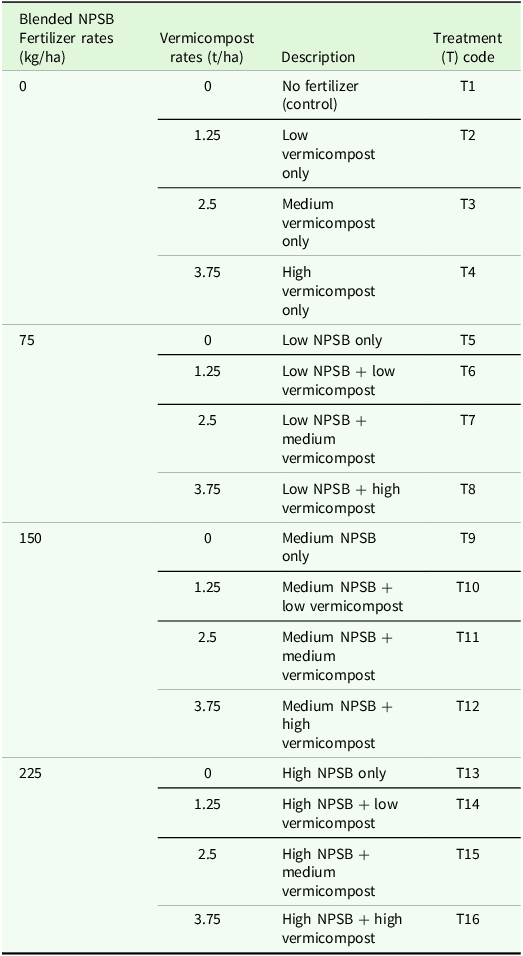
The field experiment was laid out in a randomized complete block design (RCBD) with three replications. Subsequent laboratory evaluation of seed quality followed a completely randomized design (CRD) with four replications. Treatments consisted of a 4 × 4 factorial combination of blended NPSB fertilizer rates (0, 75, 150, and 225 kg/ha) and vermicompost (0, 1.25, 2.5, and 3.75 t/ha) rates, resulting in 16 treatment combinations (Table 2). For the field experiment, each of the three blocks contained all 16 treatments (coded T1-T16), which were randomly assigned to plots within each block for a total of 48 plots (Figure 3). The NPSB fertilizer rates were selected based on local farming practices. Information from the Yaya-Gulele Office of Agriculture and Natural Resources (ANR) (2022/23), farmers used 100 to 150 kg/ha of NPSB fertilizer for vegetable production in the area, consistent with the 150 kg/ha of NPS fertilizer recommended for vegetables in the North Shewa Zone, Oromia, Ethiopia (Zewide and Lefamo, Reference Zewide and Lefamo2023). Moreover, Tekle et al. (Reference Tekle, Belay, Chernet, Zerabruk and Weldu2017) reported that application rates of 100 to 250 kg/ha of NPSB fertilizer improved onion seed productivity in Northern Ethiopia. Similarly, vermicompost rates were selected and adjusted based on Asgele et al. (Reference Asgele, Woldetsadik, Gedamu and Arvind2018). Vermicompost was sourced from the Yaya-Gulele Farmer Training Center, produced using Eisenia foetida (red worms), animal dung, and chopped crop residues following the method described by Geremu et al. (Reference Geremu, Hailu and Diriba2020). The composting materials were layered in shaded wooden boxes (1 × 3 × 1 m3) at proportions of 60% crop residues, 30% animal dung, and 10% topsoil. The mixture was pre-composted for 21 days at a moisture content of 60–70% and then inoculated with red worms. Moisture was maintained by sprinkling water every three days. After two months, the mature vermicompost was harvested, shade-dried to a moisture content of 30–40% to preserve quality, and stored under shade for 10 days before field application.
Treatment combinations and descriptions
Field layout of the experiment at Yaya-Gulele during the 2022/23 and 2023/24 growing seasons, arranged in a randomized complete block design with three replications.

Experimental procedures and management
The bulb-to-seed production method was used, and mother bulbs were produced according to the guidelines of Nikus and Mulugeta (Reference Nikus and Mulugeta2010). The field was thoroughly prepared through three oxen-drawn plowings to obtain fine tilth and uniform soil conditions, followed by manual leveling to ensure even water distribution and proper formation of ridges and plots. Uniform, disease-free bulbs (4–5 cm in diameter and weighing 20–21 g) were selected as planting material. To promote uniform sprouting, approximately one-third of the apical growing point of each bulb was excised before planting. Planting was carried out at a depth of 10 cm on 30th September in the 2022/23 season and on 4 October in the 2023/24 season, which corresponds to the recommended planting window for onion seed production in the area. A double-row planting configuration was adopted, with 20 cm intra-row and 30 cm inter-row spacing, and 50 cm between adjacent irrigation furrows, following EARO (2004) recommendations. Each net plot covered 6.44 m2 and contained five double rows with 15 plants per row. Vermicompost was incorporated into the soil at a depth of 15–20 cm, 10 days before planting, to enrich the main rooting zone. The full rate of NPSB fertilizer was applied at planting in furrows placed 5 cm away from the bulbs to prevent direct contact and avoid exposing the bulbs to fertilizer burn, particularly from N and B. Based on local agronomic practices, furrow irrigation was applied every 4–5 days during early growth, every 7 days until flowering, and every 10–15 days until seed maturity. All other recommended cultural practices and crop protection measures were uniformly implemented across treatments to ensure optimal crop growth (Nikus and Mulugeta, Reference Nikus and Mulugeta2010) and reliable treatment combinations.
Seeds were manually harvested between April and May, when approximately 50% of the umbels had developed visible black seeds. Umbels were carefully cut at the base using a sickle while being supported by hand to minimize seed shattering and post-harvest loss, then placed in labeled paper bags and stored separately by treatment. Umbels were sun-dried for one week, with partial shading during midday to prevent heat stress and maintain seed viability. Once adequately dried, the umbels were manually threshed and meticulously cleaned to minimize mechanical damage and seed loss. Each seed lot was then dried to approximately 8% moisture content to determine seed yield and ensure safe storage. Seeds were stored in individually labeled cotton bags to maintain treatment identity and traceability at an average temperature of 14–20.2°C and relative humidity of 33% for each season. Before laboratory testing, seeds were disinfected in 0.05% sodium hypochlorite for 5 minutes, rinsed with distilled water, and shade-dried at 25°C for 24 hours (Sheferie et al., Reference Sheferie, Ali, Wakjira and Bekele2023). Seed quality was assessed at the Salale University Horticulture Department Laboratory following the International Seed Testing Association (ISTA, 2017) procedures, using four replicates of 400 seeds per treatment (100 seeds per replicate). Seeds were germinated on moistened, double-layer filter paper in sterilized Petri dishes (10 cm × 1.5 cm) and incubated for 12 days at 25°C and 51.9% RH under a natural light/dark cycle. Filter papers were regularly moistened with equal volumes of distilled water per replication to maintain adequate hydration throughout the germination period.
Soil and vermicompost analysis
Prior to planting, soil samples were collected in a W-shaped pattern from a depth of 0–20 cm using a soil auger. Vermicompost samples were obtained by compositing subsamples from different vertical layers within storage sacks. Both soil and vermicompost samples were homogenized and reduced to 1-kg composite samples for laboratory analysis. Analysis was conducted at the Debre-Zeit Soil Research Laboratory to determine pH, total nitrogen (TN), available P, S, B, cation exchange capacity (CEC), organic carbon (OC), and organic matter (OM). Soil texture was determined using the Bouyoucos hydrometer method (Bouyoucos, Reference Bouyoucos1962). The pH was measured potentiometrically in a 1:2.5 (w/v) soil-to-water suspension using a glass electrode (Chopra and Kanwar, Reference Chopra and Kanwar1976). The TN was determined via the Kjeldahl digestion method (Bremner, Reference Bremner1965), and available P was extracted using the Bray I method, appropriate for acidic soils (Bray and Kurtz, Reference Bray and Kurtz1945). Available S and B were measured using the Mehlich 3 multi-nutrient extraction method (Mehlich, Reference Mehlich1984), which allows simultaneous assessment of macro- and micronutrients. The CEC was measured using the ammonium acetate saturation method at pH 7.0 (Chapman, Reference Chapman and Black1965), OC was determined by the Walkley and Black wet oxidation method (Walkley and Black, Reference Walkley and Black1934), and OM was estimated by multiplying OC by the standard Van Bemmelen factor (1.724). Post-harvest soil analyses followed procedures consistent with the pre-planting phase. For each treatment, composite samples were prepared by combining soil from three replicates, and a single mixed sample was analyzed, meaning post-harvest soil data represent treatment-level averages rather than single replication values.
Data collection
Agronomic data were collected in the field, while seed quality traits were assessed in the laboratory. At physiological maturity, ten plants were randomly selected from the central three double rows of each plot to measure plant height, flower stalk length and diameter, flower stalk numbers per plant, umbel numbers per plant, flower numbers per umbel, and umbel diameter. Seed numbers and weight per umbel, as well as seed yield per plant, were recorded on pre-tagged plants. Days to 50% bolting, flowering, seed maturity, total seed yield (t/ha), and 1000-seed weight were measured at the net plot level. Laboratory evaluations included germination percentage, germination speed, seedling length, seedling dry weight, and vigor indices I and II. Germination speed was calculated following Sahib et al. (Reference Sahib, Hamzah and Husseine2014), and germination percentage was based on the number of normal seedlings per total seeds (ISTA, 2017). For seedling measurements, ten randomly selected seedlings per Petri dish were used; seedling length (root + shoot) was recorded, then seedlings were dried at 70 ± 1°C for 24 hours, cooled in desiccators for 30 minutes, and weighed to determine dry weight. Vigor indices were calculated by multiplying germination percentage by seedling length (Index I) and dry weight (Index II) (ISTA, 2017).
Data analysis
Before analysis, all datasets were tested for normality using the Shapiro–Wilk test, which confirmed that the normality assumption was met for all measured variables. The homogeneity of variance was also examined and found to be acceptable. Data from field and laboratory experiments were evaluated using linear models appropriate for the RCBD and CRD experimental designs, as described in Equations (1) and (2), respectively. A three-way analysis of variance (ANOVA) was conducted with R software (BioResearch package version 4.3.2, Popat and Banakara, Reference Popat and Banakara2023) to evaluate the effects of growing season, NPSB fertilizer rate, vermicompost rate, and their interactions. Treatment means were separated using Fisher’s least significant difference (LSD) test at the 5% and 1% probability levels. Pearson correlation analysis was conducted to examine relationships among phenological, vegetative, reproductive, yield-related, and seed quality traits. Because of unequal replication between the field and laboratory components, treatment mean values were used in the correlation analysis between agronomic and seed quality parameters. An economic analysis of the NPSB fertilizer and vermicompost rates was conducted to estimate the marginal rate of return (MRR), following CIMMYT (1988) guidelines and using local market prices. To better reflect on-farm conditions, average seed yield was adjusted downward by 10% before the economic evaluation.
 $${Y_{ijkl}} = \mu + {B_l} + {S_i} + {N_j} + {V_k} + {(SN)_{ij}} + {\left( {SV} \right)_{ik}} + \;{\left( {NV} \right)_{jk}} \\ \!\!\!\!\!\!\!\!\!\!\!\!\!\!\!\!\!\!\!\!\!\!\!\!\!\!\!\!\!\!\!\!\!\!\!\!\!\!\!\!\!\!\!\!\!\!\!\!\!\!\!\!\!\!\!\!\!\!\!\!\!\!\!+ {\left( {SNV} \right)_{ijk}} + {E_{ijkl}}$$
where
 $${Y_{ijkl} = \;\;the\;response\;variable\;}$$
 $${\mu = Overall\;mean}$$
 $${B_l} = \;effect\;of\;the\;{l^{th}}\;block\;\left( {replication} \right)$$
 $${S_i} = \;effect\;of\;the\;{i^{th}}\;season$$
 $${N_j} = \;effect\;of\;the\;{j^{th}}\;NPSB\;ferilizer\;rate$$
 $${V_k} = \;effect\;of\;the\;{k^{th}}\;Vermicompost\;rate$$
 $${(SN)_{ij}} + {\left( {SV} \right)_{ik}} + \;{\left( {NV} \right)_{jk}} = {\rm{Two}} - {\rm{way\;interaction\;effects}}$$
 $${\left( {SNV} \right)_{ijk}} = {\rm{Three}} - {\rm{way\;interaction\;effects}}$$ ${E_{ijkl}} = experimental\;error\;of\;treatment\;in\;l,ij,k,l$
in block
${E_{ijkl}} = experimental\;error\;of\;treatment\;in\;l,ij,k,l$
in block
 $${{Y_{ijkm}} = \mu + {S_i} + {N_j} + {V_k} + {(SN)_{ij}} + {\left( {SV} \right)_{ik}} + \;{\left( {NV} \right)_{jk}} \\ \!\!\!\!\!\!\!\!\!\!\!\!\!\!\!\!\!\!\!\!\!\!\!\!\!\!\!\!\!\!\!\!\!\!\!\!\!\!\!\!\!\!\!\!\!\!\!\!\!\!\!\!\!+ {\left( {SNV} \right)_{ijk}} + {E_{ijkm}}}$$
Where:
 $${Y_{ijkm}} = the\;response\;variable$$
 $$\mu = Overall\;mean$$
 $$\eqalign{{S_i} + {N_{}} + {V_k} = Main\;effects\;of\;season,\;NPSB\;rate \!\!\!\!\!\!\!\!\!\!\!\!\!\!\!\!\!\!\!\!\!\!\!\!\!\!\!\!\!\!\!\!\!\!\!\!\cr and\;Vermicompost\;rate}$$
 $${E_{ijkm}} = experimental\;error\;of\;tratment$$
Results
The ANOVA revealed statistically significant effects (P ≤ 0.05 to P ≤ 0.001) of growing season (year), NPSB fertilizer rate, vermicompost rate, and their two-way interactions on onion phenological and growth traits, seed yield and its components, and seed quality attributes. However, the three-way interaction among growing season, NPSB, and vermicompost was not statistically significant (P > 0.05) on any of the measured traits. Detailed statistical results for the main effects and two-way interactions of season × NPSB, season × vermicompost, NPSB × vermicompost, and season × NPSB × vermicompost on onion phenological and growth traits, flower stalk traits, seed yield and its components, and seed quality attributes are presented in Tables 4 and 8, respectively.
Effects of soil nutrient management on soil fertility
Soil pH
Vermicompost application, either alone or in integration with NPSB fertilizer, increased soil pH compared with the control after harvest, whereas the sole application of NPSB reduced soil pH (Table 3). Plots treated with 1.25–3.75 t/ha vermicompost showed increases in soil pH ranging from 8% to 17% compared with the control. Similarly, the integrated application of NPSB and vermicompost increased soil pH. Integrating 3.75 t/ha vermicompost with 75, 150, and 225 kg/ha NPSB increased soil pH by 16%, 15%, and 13%, respectively, compared to the control. In contrast, NPSB alone at rates of 75–225 kg/ha reduced soil pH by 1% to 6% relative to the control.
Effects of soil nutrient management on soil fertility indicators after onion seed harvest, averaged over the 2022/23 and 2023/24 seasons in Yaya-Gulele, Ethiopia (values represent treatment level averages, not replication)

Values of the data are treatment-level averages from a composite sample per treatment; no statistical analysis was conducted; VC, vermicompost; CEC, cation exchange capacity; TN, total nitrogen; OC, organic carbon; OM, organic matter; AP, available phosphorus; AS, available sulfur; mg/kg, milligram per kilogram; cmol/kg, centimoles of charge per kilogram.
Soil cation exchange capacity
Both sole and integrated applications of NPSB fertilizer and vermicompost rates enhanced soil CEC. Application of NPSB at a rate of 75–225 kg/ha increased CEC by 24% to 33% relative to the control. Similarly, vermicompost application at rates of 1.25–3.75 t/ha improved CEC by 29% to 39%. Integrated application of NPSB and vermicompost at increasing rates further increased soil CEC by 30% to 45% compared to the control (Table 3).
Soil total nitrogen
Application of NPSB fertilizer, vermicompost, and their integrated use at increasing rates increased soil TN relative to the control. In the NPSB application alone, the TN increased by 25% to 47%, vermicompost alone by 40% to 57%, and the integrated application by 40% to 66.7% compared with the control (Table 3). Overall, the integrated application resulted in a consistent increase in soil TN, followed by vermicompost alone.
Available phosphorus and sulfur
Sole and integrated applications of NPSB fertilizer and vermicompost at increasing rates improved available soil P and S compared with the control. In the NPSB application alone, available P increased by 34% to 46%, vermicompost alone by 36% to 52%, and their integrated application by 43% to 58%. Similarly, NPSB alone increased available S by 66% to 73%, vermicompost alone by 68% to 78%, and their integration by 71% to 80% (Table 3).
Soil organic carbon and matter
Application of NPSB fertilizer, vermicompost, and their integrated use at increasing rates enhanced soil OC and OM compared with the control. The NPSB alone increased soil OC and OM by 27% to 37%, vermicompost alone by 42% to 49%, and integrated application by 49% to 69%. The greatest improvements in both OC and OM were observed in plots receiving integrated NPSB and vermicompost, followed by those treated with vermicompost alone (Table 3).
Effects of season and soil nutrient management on onion phenology
Days to bolting, flowering, and seed maturity
Onion phenological development, measured as the number of days to 50% bolting, flowering, and seed maturity, was significantly affected by the growing season, NPSB fertilizer rate, vermicompost rate, and their two-way interactions. However, the three-way interaction (season, NPSB, and vermicompost) was not statistically significant (Table 4). Increasing the rates of NPSB fertilizer, vermicompost, and their integrated application consistently delayed bolting, flowering, and seed maturity compared to the control. The integrated application of 225 kg/ha NPSB and 3.75 t/ha vermicompost took the longest time to achieve 50% bolting (81 days), flowering (123 days), and seed maturity (149 days) (Table 5). The interactions of season × NPSB and season × vermicompost led to greater phenological delays throughout the 2023/24 growing season, especially at higher fertilizer rates. Conversely, the shortest durations to reach 50% bolting, flowering, and seed maturity were recorded in the control plots during the 2022/23 season (Table 6). A seasonal comparison further showed that phenological progression was generally slower in the 2023/24 season than in the 2022/23 season (Table 7).
ANOVA mean squares for the effect of season, soil nutrient management, and their interactions on onion phenology, plant height, flower stalk traits, and umbel characteristics during the 2022/23 and 2023/24 growing seasons at Yaya-Gulele, Ethiopia

DF, degrees of freedom; DB, days to bolting; DFR, days to flowering; DSM, days to seed maturity; PH, plant height; FSNP, flower stalk numbers per plant; FSL, flower stalk length; FSD, flower stalk diameter; UNP, umbel numbers pre plant; UD, umbel diameter; FNPU, flower numbers per umbel; ns, not significant; *, **, and ***, significant at P ≤ 0.05, P ≤ 0.01, and P ≤ 0.001, respectively; CV, coefficient of variation.
Interaction effects of soil nutrient management on onion phenology and seed vigor traits during the 2022/23 and 2023/24 growing seasons at Yaya-Gulele, Ethiopia

Means followed by the same letter within a column are not significantly different at the P ≤ 0.001 level; LSD, least significant difference; ±, standard error of mean; DB, days to bolting; DFR, days to flowering; DSM, days to seed maturity; GS, germination speed; SL, seedling length; SDW, seedling dry weight; SVI, seedling vigor I; SVII, seed vigor II.
Seasonal interaction effects of soil nutrient management on onion phenology, umbel numbers per plant, and umbel diameter at Yaya-Gulele, Ethiopia, during the 2022/23 and 2023/24 growing seasons

Means followed by the same letter within a column are not significantly different at the P ≤ 0.001 level; LSD, least significant difference; ±, standard error of the mean. DB, days to bolting; DFR, days to flowering; UNP, umbel numbers per plant; UD, umbel diameter.
Seasonal variation in onion phenology, flower stalk diameter, umbel characteristics, and seed germination and related traits at Yaya-Gulele, Ethiopia, during 2022/23 and 2023/24

Means followed by the same letter within a column are not significantly different at the P ≤ 0.001 level; LSD, least significant difference. DB, days to bolting; DFR, days to flowering; DSM, days to seed maturity; UNP, umbel numbers per plant; UD, umbel diameter; FSD, flower stalk diameter; G%, germination percentage; GS, germination speed; SL, seedling length; SDW, seedling dry weight; SVI, seedling vigor index I; SVII, seedling vigor index II.
ANOVA mean squares for the effect of season, soil nutrient management, and their interaction on onion seed yield and yield components, seed germination, and vigor traits during 2022/23 and 2023/24 at Yaya-Gulele, Ethiopia

DF, degrees of freedom; ns, not significant; *, **, and ***, significant at p ≤ 0.05, p ≤ 0.01, and P ≤ 0.001, respectively; CV, coefficient of variation; SNPU, seed numbers per umbel; SWPU, seed weight per umbel; TSW, thousand-seed weight; SYPP, seed yield per plant; SY, seed yield per hectare; G%, germination percentage; GS, germination speed; SL, seedling length; SDW, seedling dry weight; SVI, seedling vigor I; SVII, seed vigor II.
Effects of season and soil nutrient management on onion growth and seed yield
Plant height and flower stalk length
Onion plant height and flower stalk length were significantly affected by NPSB fertilizer rate, vermicompost rate, and their interaction. In contrast, the growing season and its interactions with NPSB or vermicompost, as well as the three-way interaction (season, NPSB, and vermicompost), had no significant effect on these traits (Table 4). Increasing NPSB and vermicompost rates, especially when applied together, resulted in increased plant height and flower stalk length. Plots treated with 225 kg/ha NPSB combined with 3.75 t/ha vermicompost showed 38% and 44% increases in plant height (101 cm) and flower stalk length (89.9 cm), respectively, compared with the control. These values were statistically comparable to those obtained with 150 kg/ha NPSB + 3.75 t/ha vermicompost and 225 kg/ha NPSB + 2.5 t/ha vermicompost. Conversely, the shortest plants (63.5 cm) and flower stalks (49.9 cm) were recorded in the control plots (Figure 4a & b).
Effects of soil nutrient management interaction on onion plant height (a), flower stalk length (b), flower stalk numbers per plant (c), and flower umbel numbers per plant (d) at Yaya-Gulele, Ethiopia, in 2022/23 and 2023/24. Bars with the same letter(s) indicate no significant difference at P ≤ 0.05; ± = standard error of the mean.

Flower stalk numbers per plant and flower numbers per umbel
The NPSB fertilizer rate, vermicompost rate, and their interaction all had a significant effect on the number of onion flower stalks per plant and flowers per umbel. In contrast, the growing season, its interactions with NPSB or vermicompost, and the three-way interactions had no significant effect on these traits (Table 4). Incremental application of NPSB and vermicompost increased both traits relative to the control, with the integrated treatments showing the largest increases; however, the effect plateaued at higher integrated rates. Plots treated with 225 kg/ha NPSB integrated with 2.5 t/ha vermicompost had the largest (13) number of flower stalks per plant. This value was statistically comparable to those obtained with 225 kg/ha NPSB integrated with either 1.25 or 3.75 t/ha vermicompost, as well as with 150 kg/ha NPSB integrated with either 2.5 or 3.75 t/ha vermicompost. The lowest value (4.17) occurred in the control and was statistically similar to plots treated with either 75 kg/ha NPSB or 1.25 t/ha vermicompost alone (Figure 4c). Overall, integrating 225 kg/ha NPSB with 2.5 t/ha and 3.75 t/ha vermicompost increased flower stalk numbers per plant by 68% and 67%, respectively, compared with the Regarding flower numbers per umbel, the highest mean value (496) was recorded in plants treated with 150 kg/ha NPSB + 3.75 t/ha vermicompost, which was statistically comparable to the integration of 225 kg/ha NPSB with 2.5 t/ha vermicompost. The lowest value (289) was recorded in the control plots (Figure 5). Compared with the control, flower numbers per umbel increased by 42%, 36%, and 35% under 150 kg/ha NPSB + 3.75 t/ha vermicompost, 225 kg/ha NPSB + 2.5 t/ha vermicompost, and 225 kg/ha NPSB + 3.75 t/ha vermicompost, respectively.
Interaction effects of soil nutrient management on onion flower numbers per umbel at Yaya-Gulele, Ethiopia, during 2022/23 and 2023/24. Bars with the same letter(s) are not significantly different at P ≤ 0.05; error bars represent ± = standard error of the mean.

Flower stalk diameter
Onion flower stalk diameter was significantly influenced by the growing season, NPSB fertilizer rate, vermicompost rate, and their two-way interaction (NPSB × vermicompost), whereas other interactions were not significant (Table 4). Flower stalk diameter consistently increased with higher rates of NPSB fertilizer and vermicompost compared with the control. The thickest flower stalk (2.52 cm), representing a 79% increase over the control (0.54 cm), was recorded in plots receiving 225 kg/ha NPSB + 3.75 t/ha vermicompost. This value was statistically comparable to treatments of 225 kg/ha NPSB + 2.5 t/ha vermicompost and 150 kg/ha NPSB integrated with either 3.75 or 2.5 t/ha vermicompost (Figure 6a). Seasonal effects were also observed, with greater flower stalk diameter recorded in the 2023/24 season compared with 2022/23 (Table 7).
Interaction effects of soil nutrient management on onion flower stalk diameter (a), flower umbel diameter (b), seed yield per plant (c), and seed yield per hectare (d) at Yaya-Gulele, Ethiopia, during 2022/23 and 2023/24. Bars with the same letter(s) indicate no significant difference at P ≤ 0.001; error bars represent ± standard error of the mean.

Umbel numbers per plant and umbel diameter
The number of onion umbels per plant and umbel diameter were significantly affected by the growing season, NPSB fertilizer rate, vermicompost rate, and their two-way interactions. However, the three-way interaction was not significant (Table 4). Under the integrated application, both traits increased with increased NPSB and vermicompost rates. However, the number of umbels per plant slightly declined at the highest integrated rates, and umbel diameter exhibited minor variability. The highest number of umbels per plant (12.9), demonstrating a 79% increase over the control (2.67), was observed in plots receiving 225 kg/ha NPSB + 2.5 t/ha The control was statistically similar to plots treated with either 75 kg/ha NPSB or 1.25 t/ha vermicompost alone (Figure 4d). The largest umbel diameter (10 cm) was recorded in plots receiving 225 kg/ha NPSB + 3.75 t/ha vermicompost, which was statistically comparable to 150 kg/ha NPSB integrated with 3.75 t/ha vermicompost. The smallest umbel diameter (3.10 cm) occurred in the control, which was statistically similar to 75 kg/ha NPSB alone (Figure 6b). Compared with the control, integrating 225 kg/ha NPSB + 3.75 t/ha vermicompost increased umbel diameter by up to 69%. Regarding the interaction effect of season × NPSB, the highest umbel numbers per plant (10) and diameter (9.56 cm) were recorded with 225 kg/ha NPSB during the 2023/24 season. In contrast, the lowest number of umbels per plant (4.98) occurred in the unfertilized plots in 2023/24, statistically similar to the control in 2022/23. The smallest umbel diameter (4.57 cm) was observed in the control plot in 2022/23, with no significant difference from the 2023/24 control. For the season × vermicompost interaction, 3.75 t/ha of vermicompost resulted in the highest umbel numbers per plant (9.65) and diameter (9.68 cm) during 2023/24. Comparable umbel numbers were observed with 2.5 t/ha vermicompost in 2023/24 and 3.75 t/ha vermicompost in 2022/23. The lowest umbel numbers per plant (3.67) were recorded in unfertilized plots in 2023/24, statistically similar to the same treatment in 2022/23, while the smallest umbel diameter (4.35 cm) occurred in the 2022/23 control, statistically similar to unfertilized plots in 2023/24 (Table 6). Overall, the 2023/24 season produced higher umbel numbers per plant and a larger umbel diameter than the 2022/23 season (Table 7).
Seed numbers and weight per umbel, and thousand-seed weight
The number of seeds per umbel, seed weight per umbel, and thousand-seed weight were significantly influenced by NPSB fertilizer and vermicompost applications, whereas seasonal variation and any two-way or three-way interactions were not significant (Table 8). Increasing rates of NPSB or vermicompost consistently improved the number of seeds per umbel, seed weight per umbel, and thousand-seed weight. For NPSB, the highest number of seeds per umbel (776) and seed weight per umbel (3.57 g) were recorded at 225 kg/ha NPSB, which was statistically similar to 150 kg/ha. The highest thousand-seed weight (5.05 g) was also achieved at 225 kg/ha NPSB. Conversely, the control plots produced the lowest numbers of seeds per umbel (678), seed weight per umbel (2.56 g), and thousand-seed weight (3.13 g). Notably, the number of seeds per umbel in plots treated with 75 kg/ha NPSB was statistically comparable to the control (Table 10). For vermicompost, the highest number of seeds per umbel (773) and seed weight per umbel (3.63 g) were observed at 3.75 t/ha, which was statistically similar to 2.5 t/ha. The highest thousand-seed weight (4.79 g) was also recorded at 3.75 t/ha. In contrast, the control plots without vermicompost produced the lowest number of seeds (669) per umbel, statistically similar to the 1.25 t/ha treatment. Similarly, seed weight per umbel (2.66 g) and thousand-seed weight (3.45 g) were lowest in the control plots (Table 9).
Effects of soil nutrient management on onion seed yield traits and germination during 2022/23 and 2023/24 at Yaya-Gulele, Ethiopia

Means followed by the same letters in the same column are not significantly different at the P ≤ 0.001 level. LSD, least significant difference; ±, standard error of the mean; SNPU, seed numbers per umbel; SWPU, seed weight per umbel; TSW, thousand seed weight; G%, Germination percentage.
Correlation coefficients among onion phenology, growth, yield-related traits, and seed quality at Yaya-Gulele, Ethiopia, during the 2022/23 and 2023/24 growing seasons

DB, days to bolting, DFR, days to flowering, DSM, days to seed maturity, PH, plant height, FSNP, flower stalk numbers per plant, UNP, umbel numbers pre plant, FNPU, flower numbers per umbel; UD, umbel diameter, SNPU, seed numbers per umbel, SWPU, seed weight per umbel, TSW, thousand seed weight, SYPP, seed yield per plant, SY/ha, seed yield per hectare; G%, germination percentage; GS, germination speed; SL, seedling length; SDW, seedling dry weight; SVI, seedling vigor I; SVII, seed vigor II; ∗∗, and ∗∗∗, are significant at P < 0.01 and P ≤ 0.001 probability levels, respectively.
Seed yield
The application of NPSB fertilizer, vermicompost, and their interaction significantly influenced onion seed yield on both a per-plant and per-hectare basis. In contrast, season, its interactions with NPSB and vermicompost, and the three-way interaction among season, NPSB, and vermicompost did not have a statistically significant effect (Table 8), indicating that seasonal variability had minimal influence on seed yield. Instead, seed productivity was primarily determined by NPSB, vermicompost, and their integrated application. Onion plants treated with increasing rates of either NPSB or vermicompost produced higher seed yields than the control, with pronounced improvements observed under integrated applications, particularly at higher rates. However, seed yield responses tended to slightly decline or fluctuate at the highest integrated rates of NPSB fertilizer and vermicompost. The highest seed yield per plant (12.57 g) and per hectare (2.95 t/ha) was obtained with 150 kg/ha NPSB + 3.75 t/ha vermicompost, which was statistically similar to 225 kg/ha NPSB + 3.75 t/ha vermicompost. In contrast, the lowest seed yield per plant (3.98 g) and per hectare (1.02 t/ha) was recorded in the control plots (Figure 6c & d). Overall, the application of 75–225 kg/ha NPSB + 3.75 t/ha vermicompost resulted in approximately a threefold increase in onion seed yield compared to the unfertilized control.
Effects of season and soil nutrient management on onion seed quality
Seed germination
The growing season, NPSB fertilizer rate, and vermicompost rate all had a significant effect on onion seed germination percentage. However, the two-way and three-way interactions among the growing season, NPSB fertilizer, and vermicompost did not significantly affect seed germination percentage (Table 8). In comparison to the control, germination percentage increased as the amount of NPSB and vermicompost increased. Seeds harvested from plants treated with 225 kg/ha NPSB had the highest germination percentage (93.1%), whereas the control had the lowest (79.4%). Similarly, application of 3.75 t/ha vermicompost resulted in the highest germination percentage (90.6%), compared to 83.8% in the control plots (Table 9). Regarding seasonal variation, seeds produced in 2022/23 had significantly greater germination percentages than seeds produced in 2023/24 (Table 7).
Germination speed, seedling length, seedling dry weight, and vigor indices
Seed germination speed, seedling length, seedling dry weight, and vigor indices I and II of onion were significantly affected by the growing season, NPSB fertilizer rate, vermicompost rate, and the interaction between NPSB and vermicompost. In contrast, the interactions between season and NPSB, season and vermicompost, and the three-way interaction among season, NPSB, and vermicompost were not statistically significant (Table 8). Increasing rates of NPSB and vermicompost consistently enhanced all measured traits, particularly under integrated applications. Seedling length, however, showed slightly less consistent responses across treatments. The highest values for all parameters were recorded in seeds harvested from plots treated with 225 kg/ha NPSB + 3.75 t/ha vermicompost, whereas the lowest values were observed in seeds from the control plots (Table 5). With respect to seasonal effects, seeds produced in the 2023/24 season exhibited significantly higher germination speed, seedling length, seedling dry weight, and vigor indices I and II than those harvested in 2022/23 (Table 7).
Correlation of phenological, growth, and yield-related traits with onion seed yield and quality
Correlation analysis showed a significant positive relationship among onion phenological, growth, reproductive, and yield-related traits, total seed yield, and quality parameters. Particularly, day to bolting, flowering, and seed maturity; plant height; number of flower stalks and umbels per plant; umbel diameter; number of flowers and seeds per umbel; seed weight per umbel; thousand-seed weight; and seed yield per plant were all significantly and positively correlated with total seed yield, and with seed quality attributes, including seed germination percentage, germination speed, seedling length, seedling dry weight, and vigor indices (Table 10).
Partial budget analysis
A partial budget analysis was conducted for the 2023/24 production year to evaluate the potential rate of return for farmers who could achieve by replacing traditional practices with alternative management options. Results were expressed as percentages. Net benefit (NB) was calculated by accounting for variable costs, which included NPSB fertilizer [18 Ethiopian Birr (ETB) per kg], vermicompost (1000 ETB per ton), and labor (200 ETB per person per day for treatment application). The sale price of onion seed was set at 2500 ETB per kg based on local market rates. Input and output prices showed minimal variation between 2022/23 and 2023/24. Pricing information was obtained from local market sources and authorities: vermicompost and labor costs were obtained from a market survey and the Yaya-Gulele Office of ANR. Onion seed and NPSB fertilizer prices were obtained from the Biftu Salale Tulu Farmers’ Cooperative Union (BSTFCU) in Fiche town, which supplies agricultural inputs to farmers across the North Shewa Zone. From the full set of treatments, non-dominated treatments were identified as those generating higher NB at the same or lower levels of variable costs. The MRR for the nine non-dominated NPSB and vermicompost integration treatments was calculated to assess the relative profitability of the most promising options (Table 11). The highest MRR was achieved when the treatment moved from 0 to 75 kg NPSB/ha, resulting in a return of 93 ETB for every 1 ETB invested. The highest NB (6,632,950 ETB/ha) was recorded with the integrated application of 150 kg/ha NPSB + 3.75 t/ha vermicompost. According to CIMMYT (1988), the minimum acceptable MRR for farmers is 100%, and the MRR obtained from this integrated treatment substantially exceeded this This treatment also produced the highest onion seed yield (2.95 t/ha) and the highest NB while maintaining an economically acceptable MRR.
Cost-benefit analysis of soil nutrient management for onion seed production (2022/23–2023/24), based on 2023/24 input and output price data from local market surveys at the Yaya-Gulele Office of ANR and BSTFCU in North Shewa Zone, Ethiopia

ANR, Agriculture and Natural Resources; BSTFCU, Biftu Salale Tulu Farmers’ Cooperative Union; Uasy, unadjusted seed yield; Adjsy, adjusted seed yield; TVC, total variable cost; NB, net benefit; LC, labor cost; MRR%, marginal rate of return (%); VC, vermicompost; GB, gross field benefit; ETB, Ethiopian Birr; D, dominance.
Discussion
A balanced and timely supply of macro- and micronutrients, whether from chemical fertilizers, organic amendments, or their integrated use, is essential to support the biochemical and physiological processes that underpin plant growth, flowering, seed development, and overall crop yield (Ghimire et al., Reference Ghimire, Chhetri and Shrestha2023). Among soil nutrient management practices, the integrated application of chemical fertilizers and organic materials is widely recognized as a sustainable and effective approach for enhancing soil fertility and maintaining long-term productivity (Iqbal et al., Reference Iqbal, He, Khan, Wei, Akhtar, Ali, Ullah, Munsif, Zhao and Jiang2019). Such integrated practices improve soil physical properties, including structure, aggregation, aeration, OM content, and water retention, while simultaneously stimulating soil microbial biomass, enzymatic activity, and microbial diversity (Walsh et al., Reference Walsh and McDonnell2012; Mahmood et al., Reference Mahmood, Khan, Ashraf, Shahzad, Hussain, Shahid, Abid and Ullah2017).
Key nutrients such as N, P, K (potassium), S, and B play indispensable roles in chlorophyll synthesis, protein formation, energy metabolism, and hormonal regulation (Marschner, Reference Marschner2012; Shrivastav et al., Reference Shrivastav, Prasad, Singh, Yadav, Goyal, Ali and Dantu2020). These elements, categorized as macronutrients, secondary nutrients, and micronutrients, contribute uniquely yet interactively to plant metabolism (Tariq et al., Reference Tariq, Zeng, Graciano, Ullah, Sadia, Ahmed, Murtaza, Ismoilov and Zhang2023). For instance, N and P are required in relatively large amounts for photosynthesis, energy transfer, and protein synthesis (Mosa et al., Reference Mosa, Ali, Ramamoorthy, Ismail, Kumar, Srivastava and Suprasanna2022). Although S and B, needed in moderate and trace amounts, respectively, are essential for structural integrity, enzymatic function, redox balance, and reproductive development (Kumar et al., Reference Kumar, Kumar and Mohapatra2021). In particular, B is required for cell wall formation, membrane integrity, pollen tube growth, and successful seed set (Day and Aasim, Reference Day, Aasim, Kumar, Kumar, Kumar and Singh2020). Nutrient availability depends on native soil reserves and external sources, including chemical fertilizers, organic amendments such as compost, vermicompost, and manure, biological fertilizers, and crop residues (Yürürdurmaz, Reference Yürürdurmaz2022; Wijaya et al., Reference Wijaya, Rinady, Napitupulu, Kanti, Prabowo, Fatma, Alfiansah and Sudiana2025). However, nutrient deficiencies or imbalances, commonly resulting from soil degradation, nutrient leaching, or poorly timed fertilizer applications, can severely limit plant reproductive performance, seed vigor, and overall crop productivity. In seed-producing crops such as onion, the nutritional status of the maternal plant, from seedling emergence through seed physiological maturity, is a key determinant of seed yield and quality, as it directly influences assimilate production, partitioning, and accumulation in developing seeds (Modi, Reference Modi2002; Bishnoi et al., Reference Bishnoi, Kaur and Khan2007).
Integrated soil nutrient management is a scientifically validated strategy that addresses nutrient-related constraints by combining the rapid nutrient availability of chemical fertilizers with the slow-release and soil-conditioning benefits of organic inputs such as vermicompost, thereby providing a sustainable solution (Saleem et al., Reference Saleem, Mushtaq, Rasool, Shah, Tahir, Rehman, Aftab and Hakeem2023). In addition to enhancing soil fertility, this approach improves nutrient synchronization and use efficiency, ensuring a balanced and sustained supply of macro- and micronutrients, which promotes healthier crop growth and higher productivity (Vanlauwe et al., Reference Vanlauwe, Descheemaeker, Giller, Huising, Merckx, Nziguheba, Wendt and Zingore2015; Imran, Reference Imran2024). In the present study, the agronomic advantages of integrating NPSB fertilizer and vermicompost were clearly proven through improvements in soil fertility, onion seed productivity, and seed quality. Compared with the control and sole nutrient applications, the integrated treatment enhanced key soil fertility indicators, including pH, CEC, TN, OC, OM, and available P and S. These improvements were associated with delayed onion phenology and improved vegetative growth, seed yield, and seed quality. Moreover, traits such as days to bolting, flowering, seed maturation, flower stalk diameter, number of umbels per plant, umbel diameter, seed germination percentage and speed, seedling length, seedling dry weight, and vigor indices were also significantly influenced by seasonal environmental conditions across the two growing seasons. This highlights the role of year-to-year climatic variability in onion performance. Integrated NPSB fertilizer and vermicompost application tended to improve post-harvest soil chemical properties; statistical comparisons were impossible because only composite samples were analyzed. Therefore, the current soil-related findings should be interpreted as indicative trends rather than conclusive treatment effects.
Vermicompost application, either alone or in integration with NPSB fertilizer, improved soil pH compared with the control and sole NPSB treatments. The highest vermicompost rate increased soil pH by up to 17%, shifting it to near-neutral conditions relative to the control. It is primarily due to its liming effect associated with carbonate ions and basic cations such as Ca2⁺ and K⁺ that neutralize soil acidity by displacing exchangeable H⁺ and Al3;⁺ ions from soil colloids (López et al., Reference López, Antelo, Silva, Bento and Fiol2021). Vermicompost also improves soil OM content, stimulating microbial activity. Microbial decomposition of OM further contributes to lower soil acidity by releasing basic cations into the soil (Rehman et al., Reference Rehman, De Castro, Aprile, Benedetti and Fanizzi2023). In contrast, the sole application of NPSB fertilizer reduced soil pH by more than 6% compared with the control and pre-planting levels. This decline is due to the nitrification of N and oxidation of S in the fertilizers, both of which release H⁺ ions into the soil (Kissel et al., Reference Kissel, Bock and Ogles2020). Moreover, excessive and continuous use of chemical fertilizers can exacerbate soil acidification by suppressing beneficial microbial activity (Cai et al., Reference Cai, Zhang, Xu, Wang, Wen and Shah2018). Overall, the present findings confirm that vermicompost is an effective organic amendment for mitigating soil acidity, whether applied alone or integrated with NPSB fertilizer. Its buffering capacity supports sustainable onion seed production in the moderately acidic soils of Ethiopia by reducing the crop’s sensitivity to soil acidity. Mossie et al. (Reference Mossie, Sheferie, Abebe and Abedalla2024) found that cattle manure, applied alone or integrated with NPS, enhanced soil pH, whereas NPS alone reduced it. Gebrekidan et al. (Reference Gebrekidan, Wogi and Chimdi2025) also observed a linear increase in soil pH with increasing vermicompost rates. Conversely, Shen et al. (Reference Shen, Yu, Xu, Zhao, Yi, Shen, Wang, Li, Zuo, Gu and Shan2022) reported a decrease in soil pH at higher vermicompost rates in salt-affected soils. Such contrasting outcomes may be attributed to differences in soil type and properties, vermicompost composition, feedstock origin, composting conditions and maturity, environmental factors, and application rates (López et al., Reference López, Antelo, Silva, Bento and Fiol2021). Mahmood et al. (Reference Mahmood, Khan, Ashraf, Shahzad, Hussain, Shahid, Abid and Ullah2017) similarly reported decreases in soil pH following the applications of sheep, poultry, and farmyard manures, either alone or integrated with chemical fertilizers.
Soils receiving the integrated application of NPSB fertilizer and vermicompost showed higher macronutrient availability and enhanced OC, OM, and CEC than soils treated with either the sole fertilizer or the control. The highest application rates were the most effective, likely due to synergistic, cumulative, and residual effects of the integrated treatment, which improved nutrient availability and increased soil OC and OM. Vermicompost contributes to nutrient retention, reduces losses through leaching and volatilization, and improves soil structure, aggregation, and moisture retention (Ahmad et al., Reference Ahmad, Arshad, Khalid and Zahir2008; Adekiya et al., Reference Adekiya, Agbede, Aboyeji, Dunsin and Simeon2019). It also stimulates microbial activity in both vermicompost-derived and native soil microbial communities by improving soil aeration, thereby facilitating nutrient mineralization and solubilization, particularly of P and S (Yatoo et al., Reference Yatoo, Rasool, Ali, Majid, Rehman, Ali, Eachkoti, Rasool, Rashid, Farooq, Hakeem, Bhat and Qadri2020). Vermicompost directly adds OC and OM to the soil and indirectly enhances soil fertility by synergizing with NPSB fertilizer to promote crop growth, thereby increasing shoot and root biomass returns to the soil and further enriching OC (Iqbal et al., Reference Iqbal, He, Khan, Wei, Akhtar, Ali, Ullah, Munsif, Zhao and Jiang2019). Its high OM and carbonate content also help neutralize soil acidity, promoting the occupation of exchange sites by base cations and consequently increasing CEC (Xu and Mou, Reference Xu and Mou2016). Overall, the current findings indicate that the integrated use of NPSB fertilizer and vermicompost is the most effective method for enhancing soil fertility and sustaining production in acidic soils. Mossie et al. (Reference Mossie, Sheferie, Abebe and Abedalla2024) reported improved TN content, P availability, OC, OM, and CEC in the soil under integrated NPS with cattle manure. However, unlike the current findings, their findings did not show a linear increase in TN, P, OC, OM, and CEC. Similarly, Sultana et al. (Reference Sultana, Quddus, Siddiky, Rahmam and Rahman2022) demonstrated that the integrated application of NPKSZnB and vermicompost enhanced soil TN and OM content by promoting nutrient synchronization and sustaining long-term soil health. Gebrekidan et al. (Reference Gebrekidan, Wogi and Chimdi2025) also reported a linear increase in soil TN, P availability, OC, OM, and CEC with escalating integrated rates of NPS and vermicompost compared to the control. Remarkably, the current study further demonstrated 80% increase in soil S availability under onion seed production compared to the control.
Soil fertility management influences plant phenology by adjusting nutrient accessibility, vegetative growth duration, and reproductive transitions (Barłóg et al., Reference Barłóg, Grzebisz and Łukowiak2022; Zhang et al., Reference Zhang, Liu, Kong and Chen2023). Consistent with this, the integrated application of NPSB fertilizer and vermicompost in the present study significantly delayed onion bolting, flowering, and seed maturity. The highest application rates postponed 50% bolting, flowering, and seed maturity by up to 21, 33, and 29 days, respectively, compared with the control. This delay is mainly due to a high and sustained N supply resulting from the complementary nutrient-release patterns of the two amendments. The NPSB fertilizer provided readily available nutrients during the early growth stages, whereas vermicompost ensured gradual and sustained nutrient release throughout the growing period. This complementary pattern supported sustained photosynthesis by increasing leaf area duration, cell division, and meristematic activity (Roba, Reference Roba2018), leading to prolonged vegetative growth and delayed reproductive development. In addition, the higher rate of vermicompost improved soil structure, porosity, water retention, and root-zone conditions, which facilitated efficient nutrient uptake and further prolonged the vegetative phase (Kassa et al., Reference Kassa, Wassu and Hadgu2018). An extended vegetative phase allows greater assimilation productions, improved leaf longevity, enhanced canopy expansion, and more effective seed filling through optimal utilization of available resources (Kantolic et al., Reference Kantolic, Mercau, Slafer and Sadras2007; Leijten et al., Reference Leijten, Koes, Roobeek and Frugis2018), thereby enhancing yield potential. Delaying reproductive development via N-based fertility management can also improve synchronization of crop growth with favorable environmental conditions and improve seed yield and quality by increasing light interception and resource-use efficiency (Izawa, Reference Izawa2007) and reducing risks of premature flowering, floral abortion (Zhang et al., Reference Zhang, Liu, Kong and Chen2023), and early senescence (Gregersen et al., Reference Gregersen, Culetic, Boschian and Krupinska2013). Thus, integrating the application of NPSB fertilizer and vermicompost is likely to be a promising strategy for extending the phenological stages and improving onion seed yield and quality under moderately acidic soil conditions in Ethiopia. Limeneh et al. (Reference Limeneh, Beshir and Mengistu2019) reported that higher N rates delayed onion bolting, flowering, and seed maturation. Likewise, Mossie et al. (Reference Mossie, Sheferie, Abebe and Abedalla2024) found that the integrated application of NPS and cattle manure delayed flowering and fruit maturity in hot pepper by promoting vigorous vegetative growth. In contrast, Asgele et al. (Reference Asgele, Woldetsadik, Gedamu and Arvind2018) reported that the interaction of NP fertilizer and vermicompost had no significant effect on onion bolting, flowering, and seed maturity. Unlike those results, the present study showed a consistent delay in bolting, flowering, and seed maturity under both sole and integrated applications of NPSB fertilizer and vermicompost in moderately acidic soils, indicating a potential novel contribution to onion seed production. The contrasting results among studies are likely due to differences in agroecology, soil physicochemical properties, fertilizer formulations, or vermicompost quality and composition.
Onion phenology differed significantly across growth seasons and soil nutrient treatments, demonstrating that seasonal climatic variability strongly affected the effectiveness of nutrient applications. In both seasons, the application of NPSB fertilizer and vermicompost consistently delayed reproductive stages and seed maturity relative to the control, primarily due to increased vegetative growth driven by increased N availability, which is required for photosynthesis, cell division, and meristematic activity (Xu et al., Reference Xu, Hu, Du, Dong, Fan, Huang, Yang, Chen and Guo2025). Notably, the delay was more pronounced in the 2023/24 season. At the highest rates of NPSB fertilizer or vermicompost, bolting, flowering, and seed maturity were postponed by 10-11 days compared with the same treatments in the 2022/23 season. This difference is most likely attributable to seasonal variations in environmental conditions that regulate nutrient mineralization, uptake efficiency, and plant physiological responses. Specifically, the higher rainfall and relative humidity during the early growth stages of the 2023/24 season likely improved soil moisture status, stimulated microbial activity, and accelerated OM decomposition, thereby increasing nutrient mineralization and plant uptake (Curtin et al., Reference Curtin, Beare and Hernandez-Ramirez2012). Seasonal fluctuations in temperature and moisture also influence nutrient release dynamics from both chemical fertilizers and organic amendments, affecting the synchrony between nutrient supply and crop demand (Agele et al., Reference Agele, Adeniji, Alabi and Olabomi2008). Consequently, onion phenological development in 2023/24 was delayed by approximately 7 days compared with 2022/23, probably due to more favorable moisture conditions, moderate temperatures, and enhanced soil biological activity. Similarly, Seyoum and Woldetsadik (Reference Seyoum and Woldetsadik2020) observed that shallot phenology varied across fertilizer regimes and agroecological zones, largely driven by environmental factors. Likewise, Tesfaye et al. (Reference Tesfaye, Belew, Dessalegn and Shumye2018) and Ashagrie et al. (Reference Ashagrie, Belew and Nebiyu2021) documented significant effects of seasonal variability and planting date on onion reproductive development and seed maturity in Ethiopia.
Soil fertilization with integrated NPSB fertilizer and vermicompost significantly improved key onion morphological and reproductive traits, including plant height, flower stalk length and diameter, the number of umbels per plant, the number of flowers per umbel, and umbel diameter. The highest integrated application rate produced the tallest plants, with the longest and thickest flower stalks and the largest umbels compared with the control and other treatments. The superior performance of integrated treatments can be attributed to the synergistic effects of rapidly available nutrients from NPSB fertilizer, which support early vegetative growth with sustained nutrient release, and soil-conditioning benefits of vermicompost, which support continuous growth throughout the season. This continuous nutrient supply enhances chlorophyll production, protein synthesis, and prolonged leaf functionality, resulting in taller plants, thicker stalks, and larger umbels that directly support seed production (Mao et al., Reference Mao, Chai, Zhong, Zhang, Zhao, Kang, Guo and Yang2022). Additionally, vermicompost improves soil pH, CEC, OM, moisture retention, and soil aggregation, thereby improving nutrient-use efficiency and sustaining plant development (Mao et al., Reference Mao, Chai, Zhong, Zhang, Zhao, Kang, Guo and Yang2022). For certain floral traits, the best performance was observed at 225 kg/ha NPSB integrated with 2.5 t/ha vermicompost, which maximized flower stalk numbers per plant, flower numbers per umbel, and umbel diameter. This suggests that moderate vermicompost rates may better support floral differentiation and development without inducing nutrient excess that could disrupt assimilation partitioning or hormonal regulation during reproductive growth. Another effective treatment was 150 kg/ha NPSB fertilizer integrated with 3.75 t/ha vermicompost, which produced the highest number of flowers per umbel among all treatments. This may be due to onion flowering responding strongly to balanced nutrition, where the optimum rate of NPSB fertilizer combined with a relatively high rate of vermicompost synchronizes readily available nutrients from NPSB fertilizer with slow-release nutrients and biostimulator effects of vermicompost, thereby promoting flower formation. Overall, the present results indicate that different reproductive traits respond differently to nutrient levels. Balanced combinations of NPSB fertilizer and vermicompost, sometimes moderate, sometimes relatively high, are particularly effective in improving flower fertility. In contrast, excessive fertilizer application may disturb physiological balance and inhibit certain developmental processes. In Ethiopia, integrated use of NPSB fertilizer and vermicompost is an emerging nutrient management technique that enhances onion growth and floral performance by improving and sustaining soil fertility, thereby contributing to higher seed yield and quality. Similarly, Asgele et al. (Reference Asgele, Woldetsadik, Gedamu and Arvind2018) reported that the integrated application of NP and vermicompost at increasing rates improved linearly onion plant height, flower stalks per plant, umbels per plant, and umbel diameter. Mandal et al. (Reference Mandal, Acharyya, Bera and Mohanta2020) also found that combining NPKSBZn with farmyard manure (FYM) improved onion plant height more than FYM alone. Moreover, Patil et al. (Reference Patil, Shete and Kolekar2007) observed increased onion flower stalk length with integrated application of NPK and FYM.
Seasonal variability exerted a strong influence on the effectiveness of fertilizer applications on key onion reproductive traits, particularly umbel numbers per plant and umbel diameter. In the 2023/24 season, application of the highest NPSB fertilizer rate resulted in a greater number of umbels per plant and larger umbel diameters compared with the same treatments in the 2022/23 season. Similarly, during the same season, application of 3.75 t/ha vermicompost increased both the number of umbels per plant and the umbel diameter. These differences indicate a strong interaction between nutrient availability and prevailing microclimatic conditions during the growing season. The higher rainfall and relative humidity observed in 2023/24 likely enhanced soil moisture status, stimulated microbial activity, and accelerated OM mineralization, thereby increasing nutrient release from both NPSB fertilizer and vermicompost (Bandyopadhyay et al. Reference Bandyopadhyay, Misra, Ghosh and Hati2010). The present findings, therefore, highlight the importance of aligning nutrient management practices with seasonal microclimatic conditions to enhance nutrient availability, stabilize reproductive development, and ultimately optimize crop productivity (Li et al., Reference Li, Zhang, Xia, Wang, Liu, Zhang, Fan, Chen and Liu2019). As indicated in the results section, the 2023/24 season also showed significant improvements in flower stalk diameter, number of umbels per plant, and umbel diameter relative to 2022/23. These improvements are likely due to more favorable early-season climatic conditions, particularly higher rainfall and relative humidity. Greater rainfall improved soil moisture and rhizosphere conditions, which enhanced microbial efficiency, nutrient uptake, and photosynthesis, resulting in increased umbel formation and promoting the development of thicker stalks and larger umbels (Kumar et al., Reference Kumar, Kumar and Mohapatra2021). Overall, the current results highlight the critical role of agro-climatic conditions during the growing season in shaping onion reproductive traits development, with direct consequences for seed yield and quality. Similarly, Seyoum and Woldetsadik (Reference Seyoum and Woldetsadik2020) demonstrated that fertilizer use efficiency in shallots is strongly influenced by temporal environmental variation, especially temperature and rainfall patterns.
The present findings clearly demonstrate that the sole application of either NPSB fertilizer or vermicompost significantly enhanced key determinants of onion seed yield, namely the number of seeds per umbel, seed weight per umbel, and thousand-seed weight. These traits are critical indicators of seed yield and quality, as they reflect floral fertility, seed development, seed vigor, and lot uniformity (Copeland and McDonald, Reference Copeland and McDonald2012). The observed improvements are linked to enhanced nutrient acquisition, better physiological performance, and more efficient partitioning of assimilates during seed set and filling, supported by increased soil fertility and biological activity under NPSB fertilizer or vermicompost application. The highest application rate of NPSB fertilizer increased the number of seeds per umbel, seed weight per umbel, and thousand-seed weight. Similarly, the highest vermicompost rate improved these traits by enhancing soil fertility, nutrient availability, and uptake during the critical seed-filling stage. Plants require adequate N and P for vegetative development, flower initiation, and fertilization (Marschner, Reference Marschner1995), whereas B is essential for pollen tube growth and successful seed set (Day and Aasim, Reference Day, Aasim, Kumar, Kumar, Kumar and Singh2020). Improved thousand-seed weight is likely associated with enhanced chlorophyll content, higher photosynthetic efficiency, and greater source-to-sink translocation of assimilates under optimal nutrient supply (Garg et al., Reference Garg, Burman and Kathju2006). Vermicompost further improves soil physicochemical properties, including pH buffering, CEC, aggregation, moisture retention, and nutrient bioavailability, thereby sustaining photosynthetic activity and supporting continuous seed development throughout the growing season. Overall, the application of either NPSB fertilizer or vermicompost is crucial for enhancing major seed yield components and, consequently, improving seed yield and quality in onion seed production with adequate and sustained nutrient supply. The current findings are consistent with Hossain et al. (Reference Hossain, Khatun, Haq, Ahmed and Shefat-Al-Maruf2017), who reported that integrated NPKS and ZnBMn fertilization increased onion seed weight per umbel and 1000-seed weight compared with the control. Similarly, Manna et al. (Reference Manna and Basu2017) demonstrated that increasing NPKSB fertilizer rates improved onion seed weight per umbel and 1000-seed weight. Asgele et al. (Reference Asgele, Woldetsadik, Gedamu and Arvind2018) also showed that a higher vermicompost rate enhanced the number of seeds per umbel and 1000-seed weight of onion.
Beyond their effects on phenology and vegetative growth, the integrated applications of NPSB fertilizer and vermicompost markedly increased onion seed yield compared with the control and the sole application of either fertilizer. This superior performance can be attributed to the synergistic interaction between mineral and organic nutrient sources, which improved soil physicochemical properties and ensured a balanced and sustained supply of essential macro- and micronutrients throughout the growth season (Wang, Reference Wang2014). These improvements promote deeper root development, enhance nutrient uptake, and improve photosynthetic efficiency, ultimately resulting in higher seed yield. Integrating 150 kg/ha NPSB fertilizer and 3.75 t/ha vermicompost resulted in a 65% increase in seed yield per hectare compared to the control, exceeding the performance of other treatment combinations. This treatment likely provided the most favorable balance between nutrient supply and crop demand, thereby avoiding potential nutrient toxicity and soil acidification associated with higher NPSB fertilizer rates. The increasing rate of NPSB fertilizer beyond 150 kg/ha, integrated with vermicompost, slightly reduced seed yield, indicating diminishing returns from excessive nutrient inputs. Nutrient oversupply can disrupt source-sink relationships or induce micronutrient imbalances, thereby impairing metabolic processes, hindering reproductive development, and reducing yield (Martín-Cardoso and San Segundo, Reference Martín-Cardoso and San Segundo2025). Based on two consecutive years of field evaluation, the integrated applications of 150 kg/ha NPSB fertilizer with 3.75 t/ha vermicompost proved to be the most effective nutrient management strategy for improving onion seed yield under moderately acidic soil conditions. The present findings therefore provide practical recommendations for onion seed producers in North Shewa, Oromia, and similar agroecological regions of Ethiopia, as well as a framework for further validation across various production agroecologies. Similar findings were reported by Asgele et al. (Reference Asgele, Woldetsadik, Gedamu and Arvind2018), who observed that integrating NP fertilizer with vermicompost increased onion seed yield compared to the control. Likewise, Mossie et al. (Reference Mossie, Sheferie, Abebe and Abedalla2024) reported that the integrated application of NPS and cattle manure improved dry pod yield per plant and per hectare in hot pepper production in Northern Ethiopia. Furthermore, Pacharne et al. (Reference Pacharne, Bhor, Deshmukh and Wagh2022) found that combining NPK fertilizer with FYM significantly increased tossa jute seed yield compared with the control and sole application of each fertilizer.
Soil fertilization with NPSB fertilizer and vermicompost not only increased onion seed yield but also significantly enhanced seed quality attributes. Application of either NPSB fertilizer or vermicompost considerably improved seed germination percentage compared with the control. The highest rates of NPSB fertilizer and vermicompost applications most markedly increased germination percentage. This enhancement is likely attributable to improved maternal nutrition during seed development, resulting in physiologically mature seeds with superior nutrient reserves and metabolic activity (Derebe et al., Reference Derebe, Assefa, Abate and Anbesa2022). Both amendments enhance the accumulation of essential nutrients required for energy metabolism, protein synthesis, and radicle emergence during germination (White and Veneklaas, Reference White and Veneklaas2012). Therefore, application of NPSB fertilizer or vermicompost improves onion seed germination by fostering better-nourished mother plants during seed development. This is particularly important because seed germination is the initial and most critical phase in the plant life cycle, directly determining seedling establishment and subsequent crop performance (Ventura et al., Reference Ventura, Donà, Macovei, Carbonera, Buttafava, Mondoni, Rossi and Balestrazzi2012). Similarly, Manna et al. (Reference Manna and Basu2017) observed increased onion seed germination following NPKSB fertilization. Karami et al. (Reference Karami, Maleki and Fathi2018) and Seyyedi et al. (Reference Seyyedi, Moghaddam, Khajeh-Hossieni and Shahandeh2017) also reported that vermicompost application during seed production improved germination across crops by enhancing maternal nutrient uptake and modifying seed reserve composition compared to the control.
Seasonal variability during seed production had a significant effect on onion seed germination. Seeds harvested in the 2022/23 season showed higher germination percentages than those harvested in 2023/24. This difference is most likely attributable to variations in agro-climatic conditions between the two seasons, especially during seed maturation and harvest. The superior germination observed in 2022/23 can plausibly be linked to more favorable drying conditions, characterized by lower relative humidity and reduced rainfall during seed maturation and harvest, which promote efficient, rapid, and uniform seed drying; minimize physiological deterioration and preharvest germination; and preserve seed viability (Tesfaye et al., Reference Tesfaye, Belew, Dessalegn and Shumye2018; Matilla, Reference Matilla2024). In contrast, elevated humidity and rainfall during seed maturation and harvest in 2023/24 may have hampered adequate drying, potentially accelerating seed aging and compromising germination performance. Effective seed drying is crucial for maintaining membrane integrity and enzymatic systems required for successful germination (Rajjou and Debeaujon, Reference Rajjou and Debeaujon2008). As a result, the current findings confirm that seasonal climatic variability plays a considerable role in determining onion seed germination. This suggests that seed production strategies should consider agro-climatic conditions during reproductive development, maturation, and harvest, and that enhanced drying and storage protocols perhaps mitigate seasonal constraints. Maintaining dry and sunny conditions during seed maturation and harvest is crucial for ensuring high seed viability and germination. Seyoum and Woldetsadik (Reference Seyoum and Woldetsadik2020) also reported significant effects of the production environment on shallot seed germination. Tesfaye et al. (Reference Tesfaye, Belew, Dessalegn and Shumye2018) also demonstrated that seasonal variation and planting date strongly influence onion seed germination in Ethiopia.
In addition to germination percentage, NPSB fertilizer and vermicompost significantly influenced seed germination speed, seedling length, seedling dry weight, and vigor indices of onion. These parameters are critical indicators of seed vigor, directly affecting seedling emergence, uniform stand establishment, and early vegetative growth (Javed et al., Reference Javed, Afzal, Shabbir, Ikram, Zaheer, Faheem, Ali and Iqbal2022). The highest integrated rate of NPSB fertilizer and vermicompost produced the greatest values for all vigor-related traits, highlighting the strong synergistic benefits of combining inorganic and organic nutrient sources. This improvement is likely due to a more balanced and sustained nutrient supply during the seed-filling phase, which promotes the accumulation of essential storage reserves, such as carbohydrates, proteins, and growth regulators, within the seed endosperm. These reserves play a pivotal role in activating germination metabolism and supporting early seedling development before the onset of autotrophic growth (Taylor, Reference Taylor, Wien and Stützel2020). Adequate and balanced availability of macro- and micronutrients during vegetative and reproductive stages enhances seed quality by increasing enzymatic activity, enhancing nutrient remobilization, strengthening seed filling, and increasing the accumulation of seed reserves (Ashenafi et al., Reference Ashenafi, Debasu, Alemu, Lemma, Belete and Awgchew2025 ). Consequently, seedlings emerging from high-vigor seed develop stronger shoot and root systems, tolerate biotic and abiotic stresses more effectively, and establish more successfully in the field (Rao et al., Reference Rao, Hussain, Anjum, Saqib, Ahmad, Khalid, Sohail, Nafees, Ali, Ahmad, Zakir, Hasanuzzaman and Fotopoulos2019). High vigor indices, therefore, reflect superior physiological potential under both optimal and suboptimal conditions, which translates into better field emergence and subsequent crop performance. Accordingly, integrating NPSB fertilizer with vermicompost substantially improves seed quality, which is crucial for strengthening sustainable onion seed production systems in North Shewa, Oromia, and other regions of Ethiopia. High-vigor seed is particularly important for farmers with limited resources, as it is more resilient to poor field conditions. Thus, seed quality, encompassing germination, vigor, uniform emergence, and stress tolerance, is a key determinant of crop performance, market value, and overall agricultural productivity (Ghodasaini and Ghimire, Reference Ghodasaini and Ghimire2022; Javed et al., Reference Javed, Afzal, Shabbir, Ikram, Zaheer, Faheem, Ali and Iqbal2022). Similarly, Asgele et al. (Reference Asgele, Woldetsadik, Gedamu and Arvind2018) reported that the integrated application of NP fertilizer and vermicompost significantly improved onion seed germination speed and vigor indices, although their response were not linear, unlike the trend observed in the present study. Mamo and Erkeno (Reference Mamo and Erkeno2022) also reported that enhanced physiological seed quality in wheat was observed with increasing NPSB fertilizer rates. Besides, Seyyedi et al. (Reference Seyyedi, Moghaddam, Khajeh-Hossieni and Shahandeh2017) observed that sulfur-enriched vermicompost improved seedling vigor in black cumin. Singh et al. (Reference Singh, Singh and Sharma2013) further demonstrated that integrating organic amendments such as FYM, blue-green algae, and Azolla with NPK fertilizers improved seed vigor indices compared to either chemical fertilizers alone or the control.
Seasonal variability played a decisive role in determining onion seed vigor parameters, including germination speed, seedling length, seedling dry weight, and vigor indices. The maternal plant environment during seed development greatly influences subsequent seed quality attributes (Wimalasekera, Reference Wimalasekera, Wimalasekera and Upadhyay2015). Seeds produced in the 2023/24 season exhibited significantly higher germination speed, seedling length, seedling dry weight, and vigor indices than those harvested in 2022/23. This improvement is likely due to more favorable agro-climatic conditions during the vegetative, reproductive, and seed maturation phases in 2023/24, which likely extended the seed filling period and facilitated greater accumulation of vital reserves, particularly carbohydrates and proteins, essential for rapid germination and vigorous early growth. In contrast, although seed harvested in 2022/23 exhibited a relatively high germination percentage, it performed poorly in vigor-related traits. This discrepancy may reflect earlier or rapid seed maturation in that season, which likely limited reserve accumulation. Consequently, such seeds were physiologically capable of germinating but lacked sufficient stored resources and metabolic capacity to support strong seedling development. The current findings, therefore, highlight that germination percentage alone is not a reliable indicator of seed vigor and emphasize the value of favorable agro-climatic conditions in supporting assimilate accumulation and superior physiological seed quality. Similarly, Seyoum and Woldetsadik (Reference Seyoum and Woldetsadik2020) reported significant differences in shallot seed quality across diverse production environments in Eastern Ethiopia. Ashagrie et al. (Reference Ashagrie, Belew and Nebiyu2021) also noted that growing season and planting date significantly influenced onion seed quality, particularly vigor indices.
Correlation analysis revealed strong positive relationships between onion phenological traits, such as days to bolting, flowering, seed maturity, and both seed yield and seed quality. This indicates that extended growth periods enhance seed production by allowing plants more time to accumulate resources, maintain vegetative vigor, stay green, maximize photosynthetic efficiency, and maximize assimilate production. Greater resource accumulation increases improved photosynthate production, facilitates nutrient translocation, and promotes biomass development and accumulation (Mu and Chen, Reference Mu and Chen2021). These physiological gains enhance reproductive success, improve seed filling, and increase the accumulation of reserves essential for seed yield and quality. A previous study has similarly shown that prolonged vegetative growth, along with extended flowering and maturity periods, contributes to increased crop yield (Machikowa and Laosuwan, Reference Machikowa and Laosuwan2009). Consequently, extended onion growth duration is associated with improvements in both seed productivity and quality traits, including germination percentage, germination speed, seedling length and dry weight, and vigor indices. Plant height also showed a positive correlation with seed yield and quality, as taller plants generally possess greater photosynthetic capacity, supporting the development of larger umbels with well-filled seeds. Strong vegetative growth, therefore, directly contributes to improving seed yield and quality in onion. Similarly, reproductive traits such as the number of flowers per plant, umbel diameter, number of seeds per umbel, and seed yield per plant showed significant positive correlations with seed yield and quality, suggesting that stronger floral development leads to greater seed set and improved seed formation. Seed weight per umbel and thousand-seed weight were also positively associated with seed yield and vigor, reflecting greater dry matter accumulation in seeds. Overall, high-yielding plants tend to produce higher-quality seeds, with seed yield per plant and hectare closely linked to seed quality when nutrient requirements are adequately met through integrated application of NPSB fertilizer and vermicompost. Therefore, the integrated application of NPSB fertilizer and vermicompost is crucial for prolonging the onion growth duration, enhancing vegetative growth and reproductive performance, and improving seed yield and quality by promoting photosynthetic efficiency, optimal nutrient partitioning, and greater accumulation of seed reserves. Tesfaye et al. (Reference Tesfaye, Belew, Dessalegn and Shumye2018) indicated a positive correlation between onion traits, such as days to flowering, seed maturity, plant height, umbel diameter, seed number per umbel, thousand seed weight, and seed yield per plant, and both total seed yield and germination percentage.
The partial budget analysis further confirmed that integrating NPSB fertilizer with vermicompost significantly increases the profitability of onion seed production. The integration of 150 kg/ha NPSB fertilizer with 3.75 t/ha vermicompost produced the highest seed yield and net economic benefit, with MRR far exceeding the acceptable threshold of 100%. Specifically, for every 1 ETB invested, this integrated treatment generated an additional return of 374 ETB. The present results showed that integrating NPSB fertilizer and vermicompost not only improves onion seed yield and quality but also has high economic feasibility, making it a practical and sustainable nutrient management strategy for onion seed producers and a promising option for increasing smallholder farmers’ incomes.
Conclusions
The current study demonstrates that integrated application of NPSB fertilizer and vermicompost improves soil chemical properties, delays phenology, enhances vegetative growth, and increases the yield, quality, and economic returns of onion seed in North Shewa, Ethiopia. The integration of 225 kg/ha NPSB fertilizer with 3.5 t/ha vermicompost was effective in improving soil fertility and seed vigor, whereas 150 kg/ha NPSB fertilizer and 3.75 t/ha vermicompost produced the highest seed yield and net economic benefit. The 150 kg/ha NPSB fertilizer and 3.75 t/ha vermicompost treatment shows potential to increase local seed supply and increase farmer income in North Shewa, Oromia, and similar agroecological zones. However, as the study was limited to a single location over two seasons, additional multi-location and multi-year studies are required to validate the long-term effects on soil biological health, seed biochemical composition, and seed storage performance across various soil types and onion varieties.
Supplementary material
To view supplementary material for this article, please visit https://doi.org/10.1017/S0021859626100616
Acknowledgments
The authors express their thanks to Salale University, College of Agriculture and Natural Resources, for facilitating this research work. Moreover, appreciation also extends to the Salale University Horticulture Department staff members for the overall guidance and shaping of this research work.
Author contributions
Mekuria Bereded, Samuel Engida, and Bekele Azmeraw conceived and designed the experiments, performed the experiments, contributed reagents, materials, analysis tools, or data, and wrote the paper. Mesfin Nigussie, Hailu Gebru, Endalkachew Baye, and Ayehu Fekadu analyzed, interpreted the data, and wrote the paper.
Funding statement
This research received no specific grant from any funding agency, commercial or not-for-profit sectors.
Competing interests
The authors declare there are no conflicts of interest.
Ethical standards
Not applicable.
Data availability
The data that support the findings of this study are available from the corresponding author upon reasonable request.
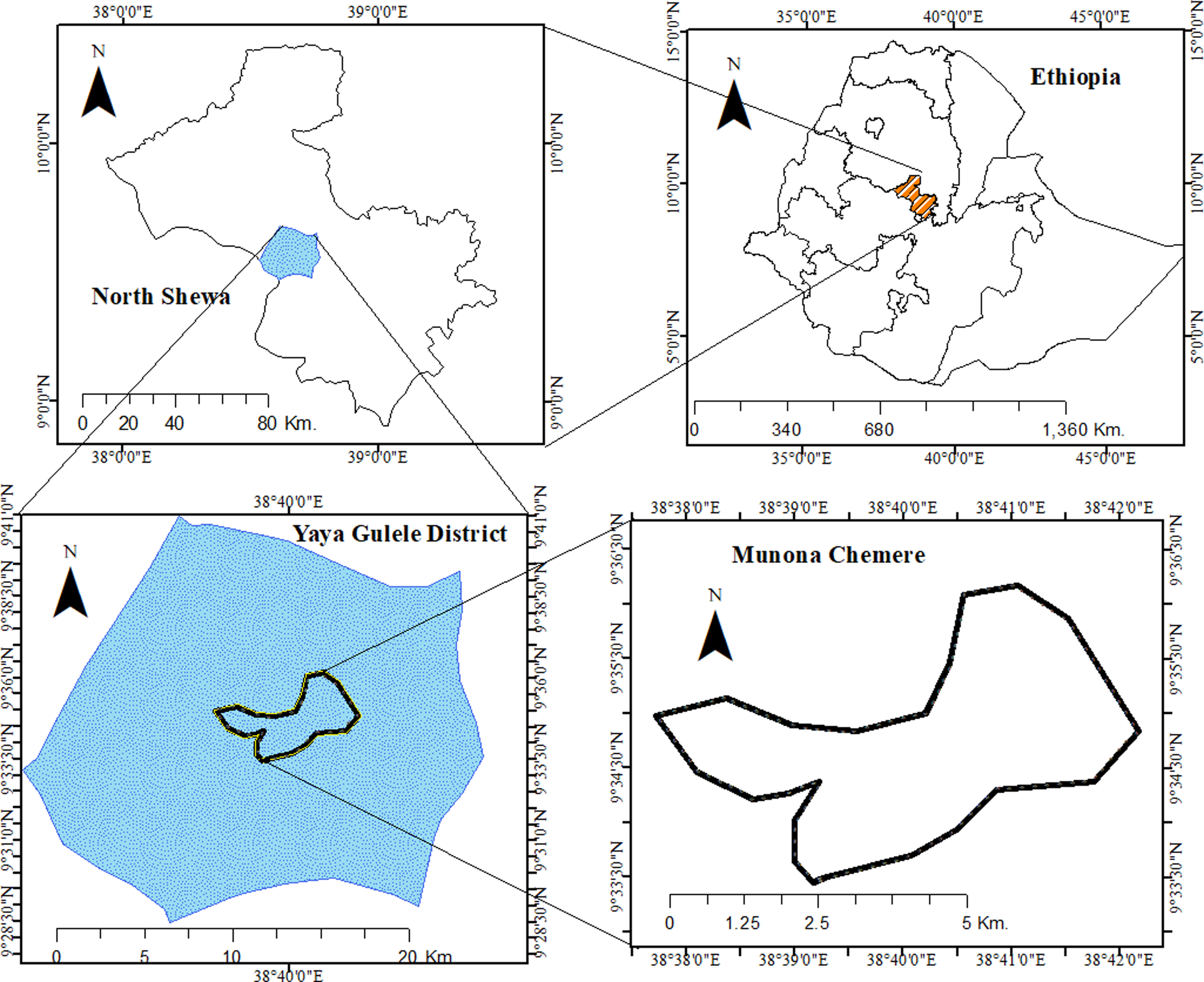
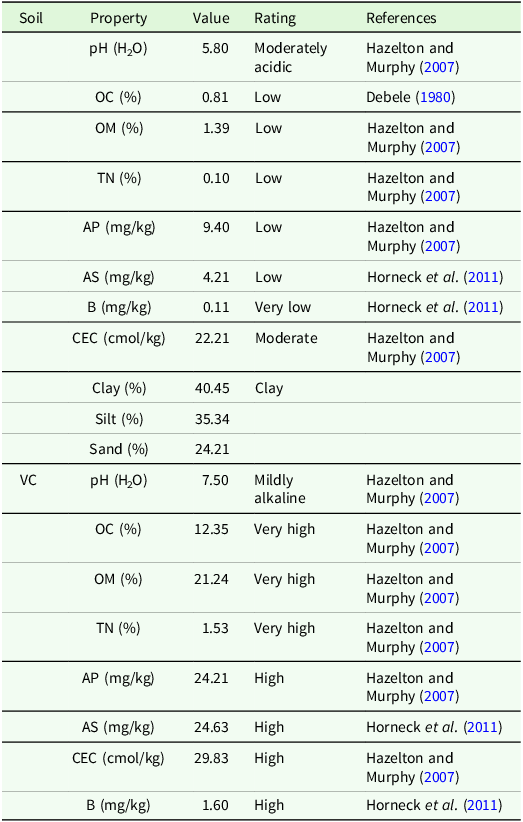
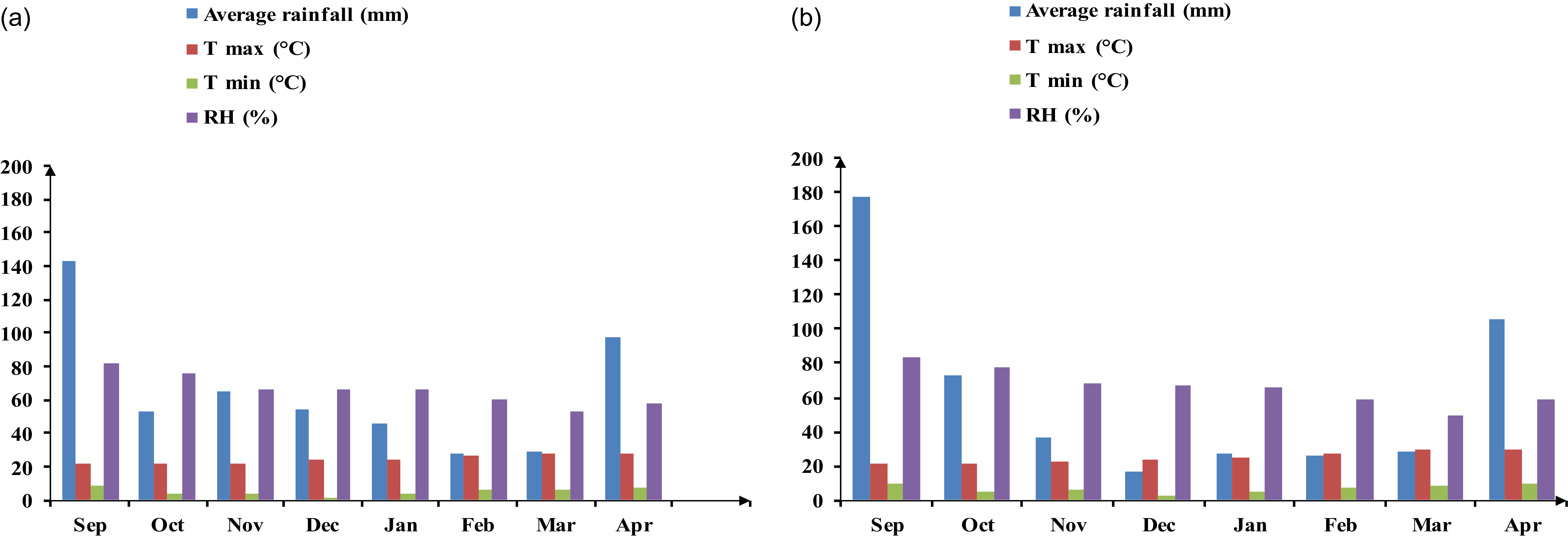
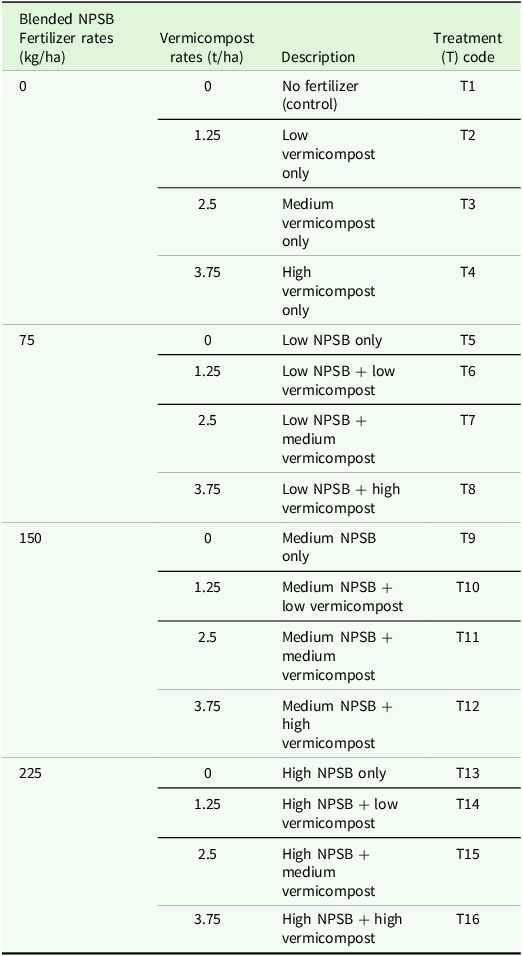
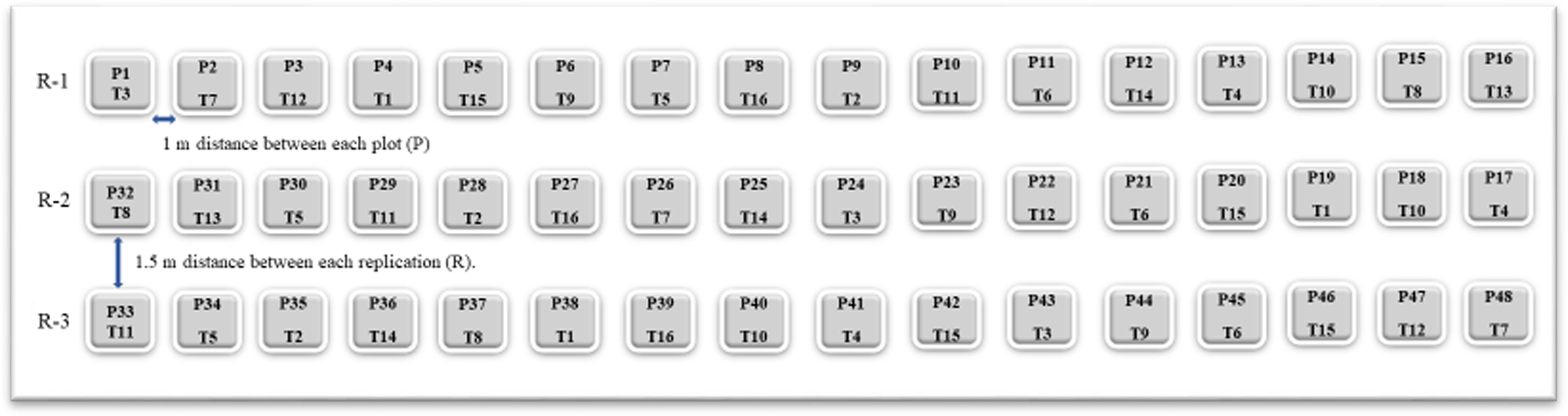
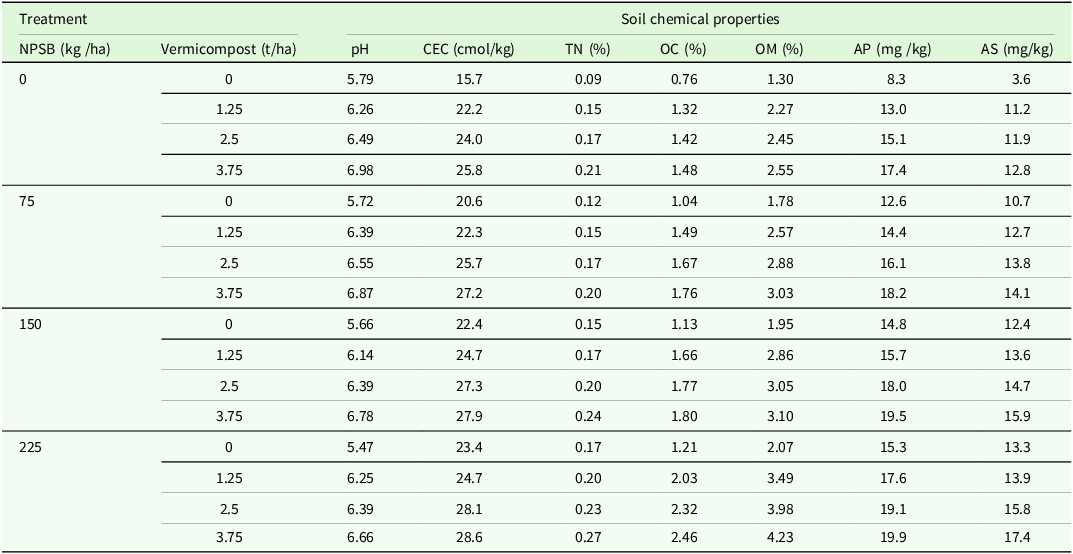
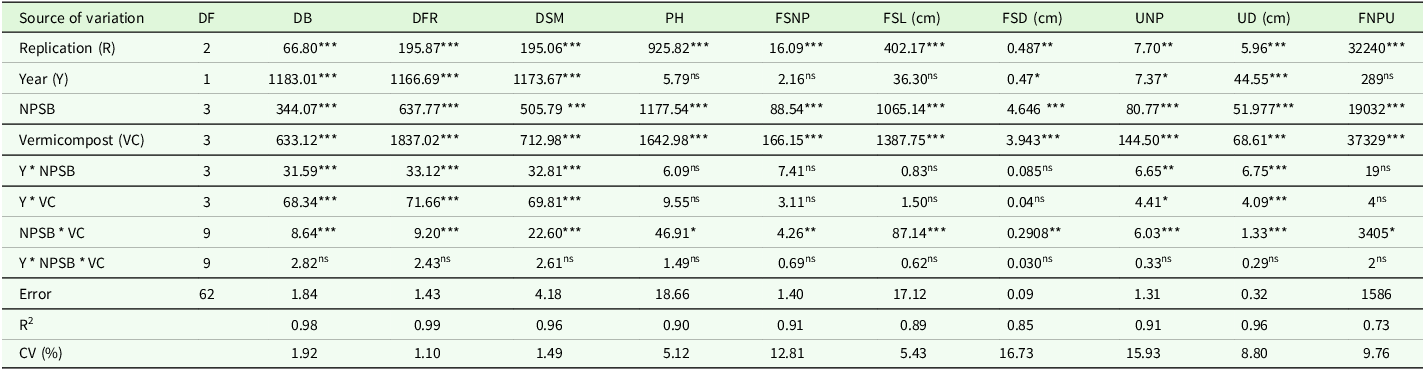
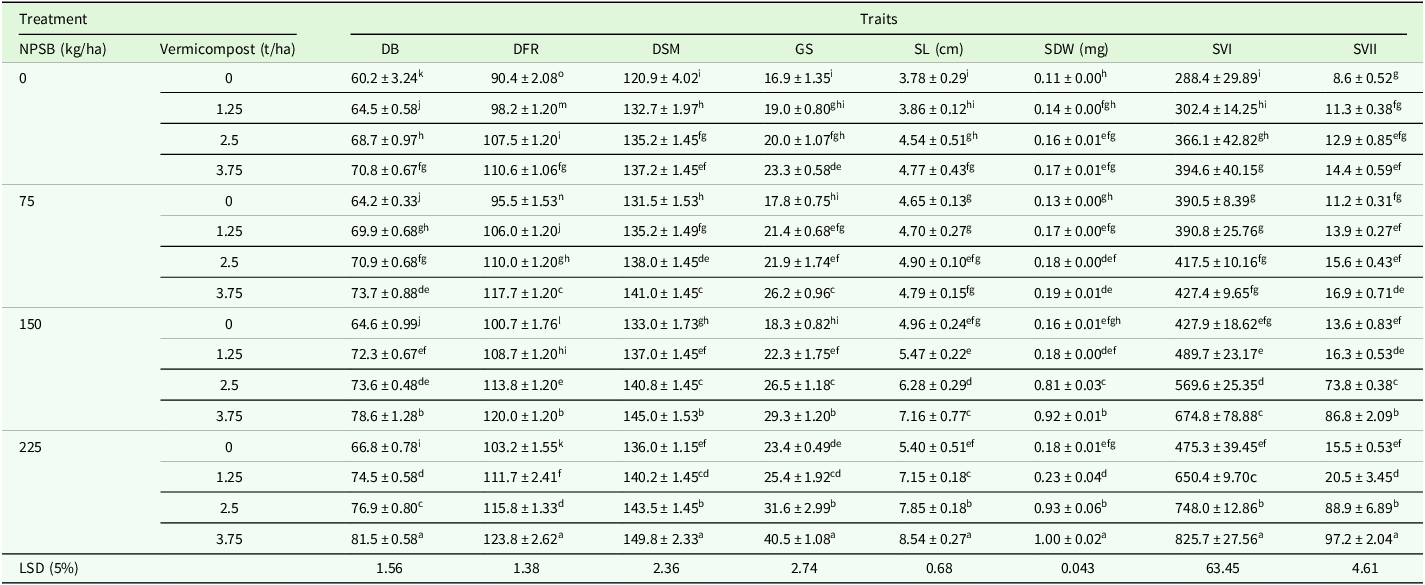
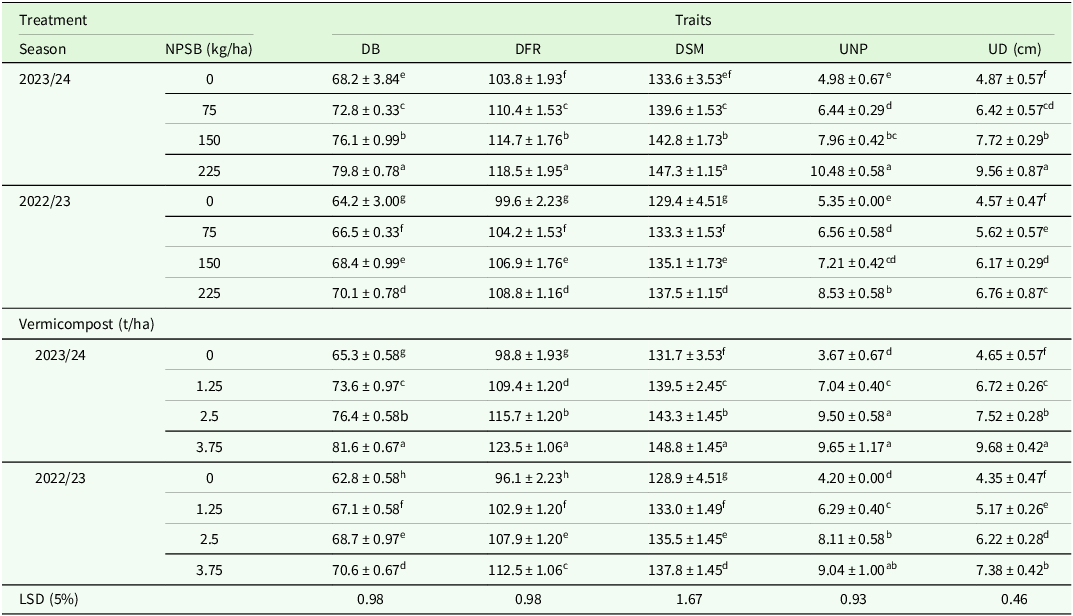

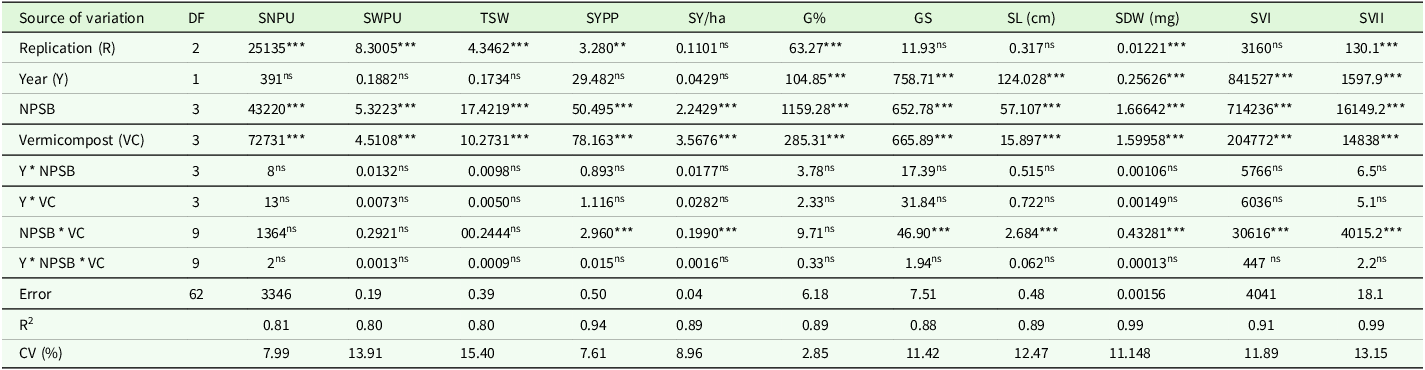
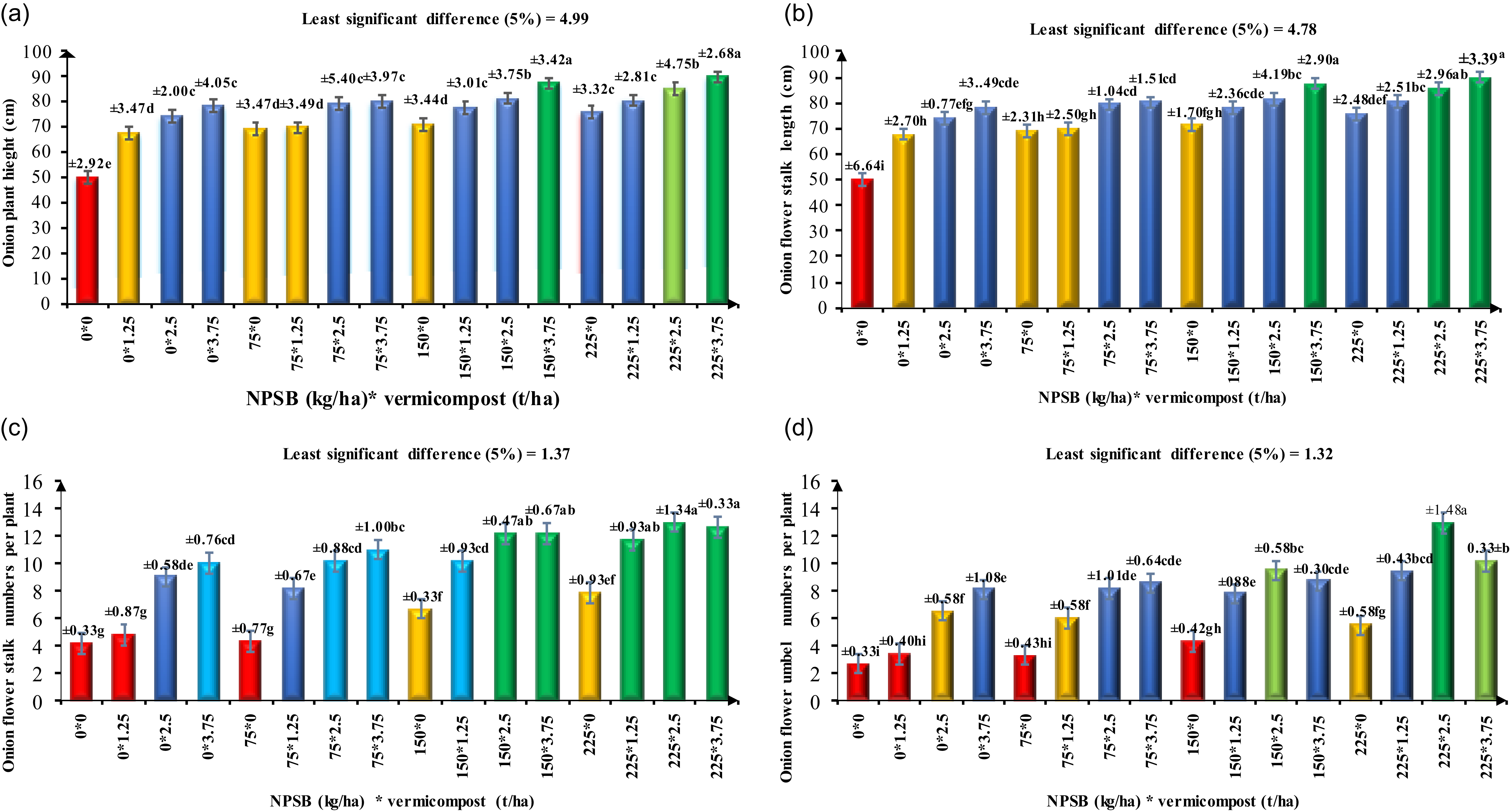
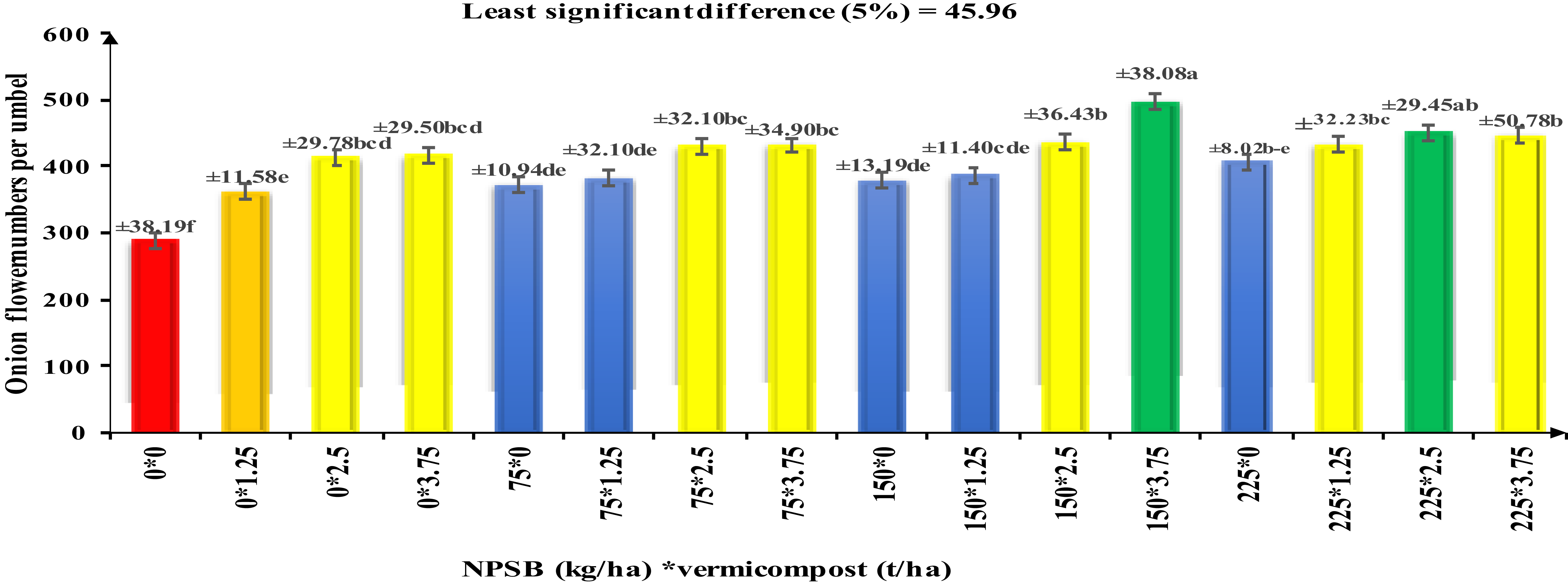
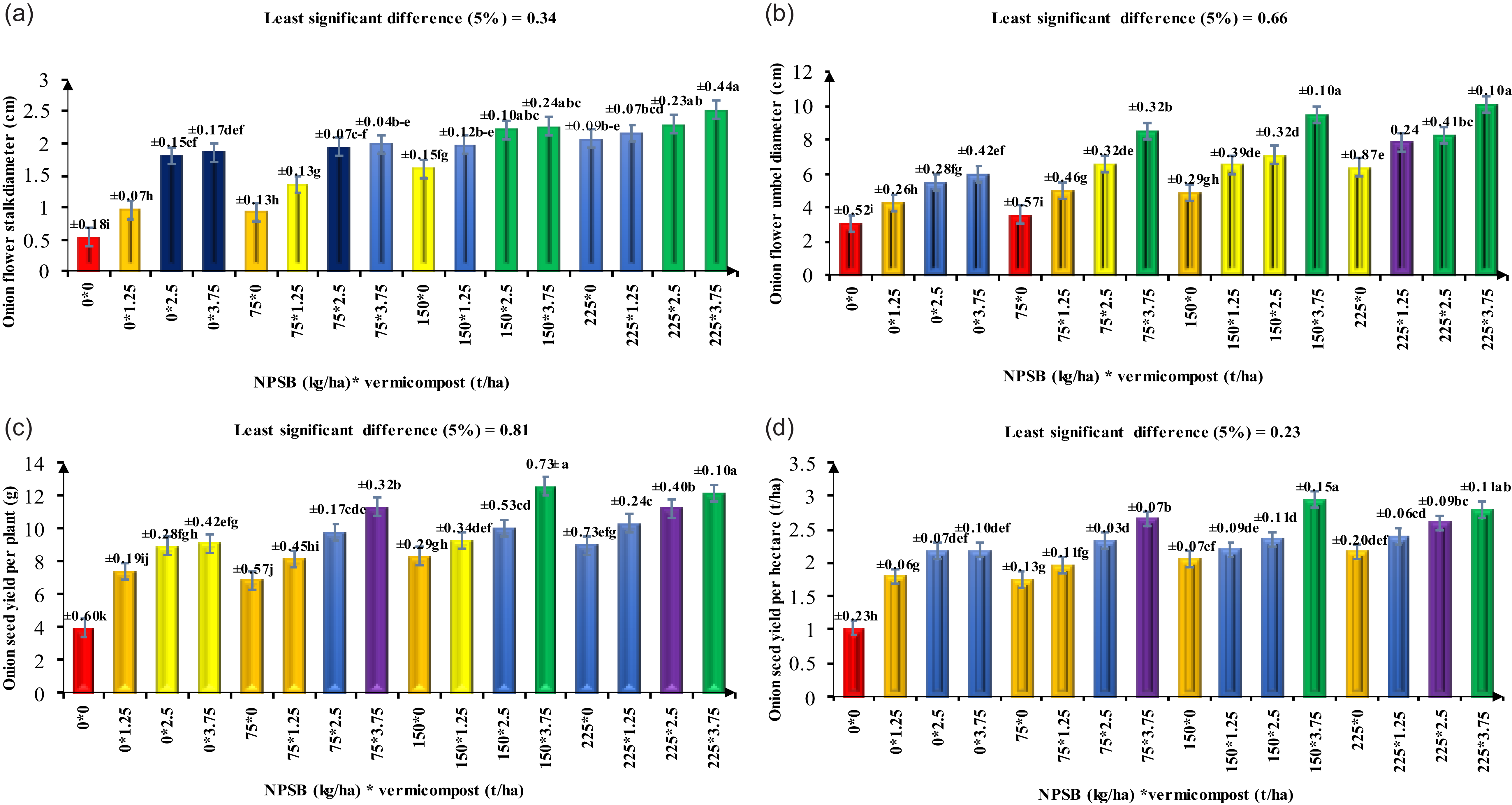
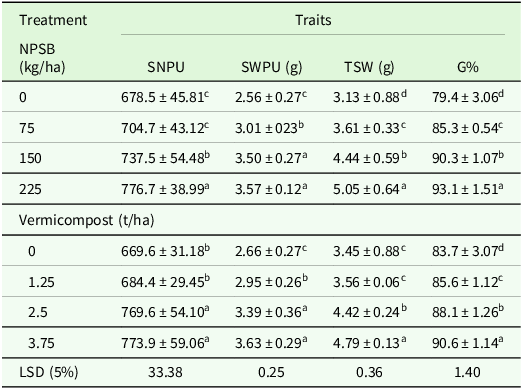
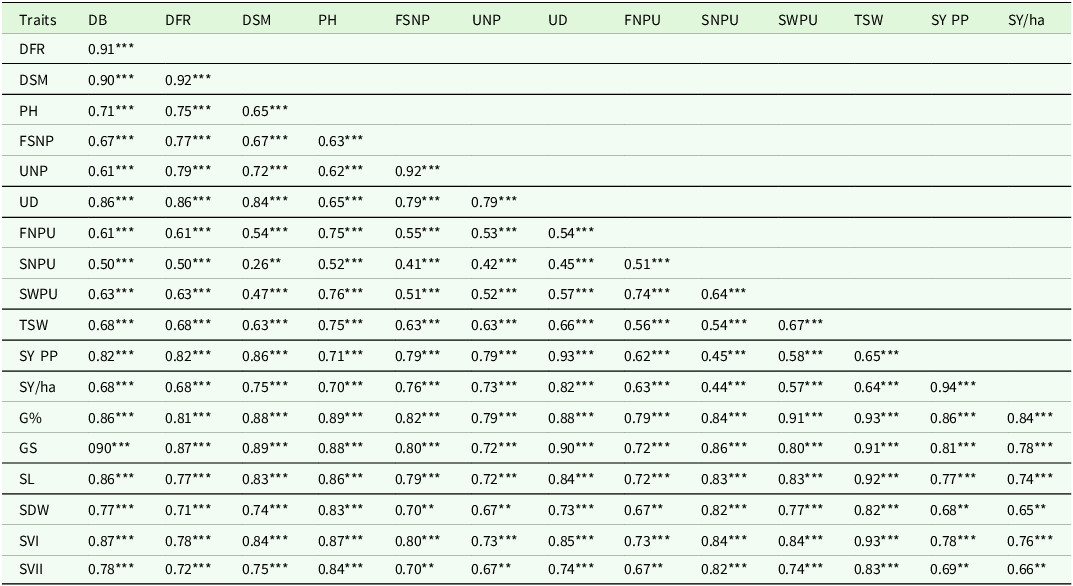
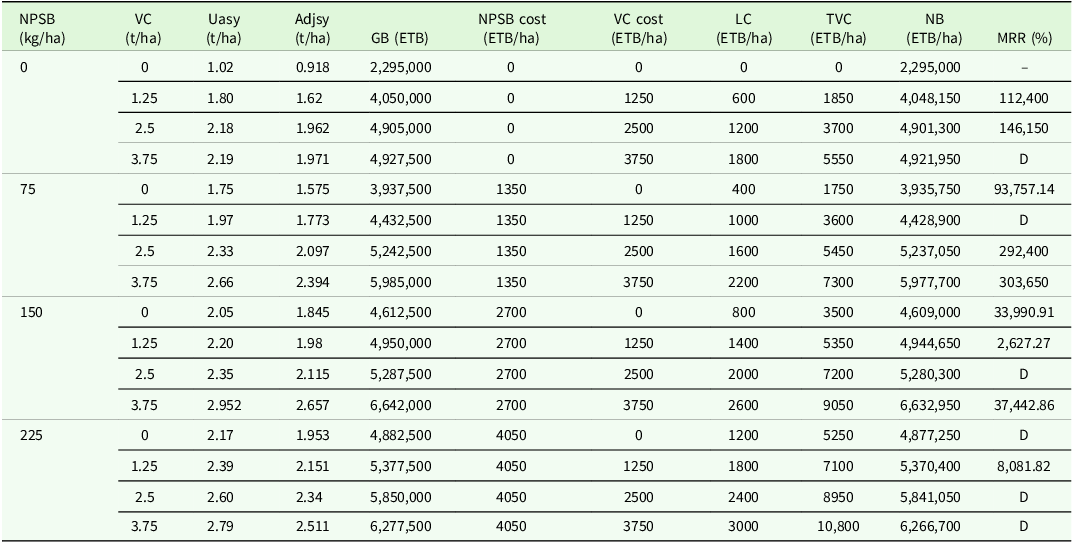


 Open access

