

Introduction
phosphorus is a critical element in many biologically active compounds, an essential nutrient for all living beings. Phosphorite (also referred to as phosphate rock) formations with high concentration of phosphates in nodular or compact masses, contain ~30% P2O5 mostly as apatite sensu lato. Most phosphorus (~80%) is exploited from sedimentary phosphate deposits and the igneous apatite deposits constitute a less significant source (EC, 2015). Phosphate deposits and occurrences are distributed widely throughout Europe, though in many cases the sizes, origins and chemical compositions of these deposits are unknown. In 2014, phosphate rock was added to the list of critical raw materials (CRMs) for the European Union (EC, 2014). In addition to phosphorous, other CRMs can be recovered from phosphate deposits. Kolodny and Luz (Reference Kolodny, Luz, Clauer and Chaudhuri1992) noted several trace elements that substitute for the major elements in the lattice structure, notably the rare-earth elements (REEs) (generally 500–2000 ppm, up to 18,000 ppm total REE content, Baturin and Kochenov, Reference Baturin and Kochenov2001), U (generally 50–200 ppm, up to 3000 ppm, Baturin and Kochenov, Reference Baturin and Kochenov2001), Sr and the oxyion, SO42−. This caused phosphorites to change from a classic agricultural, food technology and chemical resource to a complex critical raw material for high-tech and green technologies.
In the present study, two European phosphorite occurrences, previously unknown (according to the ProMine database (Cassard et al., Reference Cassard, Bertrand, Maldan, Gaàl, Kaija, Angel, Arvanitidis, Ballas, Billa and Christidis2012)) are presented. They are located in the Transdanubian Mountain Range (TDMR), in the ALCAPA Megaunit (ALpine-CArpathian-PAnnonian; Fülöp et al., Reference Fülöp, Brezsnyánszy and Haas1987; Haas et al., Reference Haas, Götz and Pálfy2010).
Phosphorite layers (together with some epigenetic fluorite veins) are located in Triassic limestone and dolomite near the village of Pécsely in the Balaton Highland, in the SW part of the TDMR. The U content of phosphorite has been known since the 1950s (Kiss and Virágh, Reference Kiss and Virágh1959), but its formation conditions and chemical composition were unclear. Although exploration for U in the Balaton Highland was intensive in the 1970s, mining never took place in the area.
Additional samples were taken from the NE part of the TDMR near the city of Tata, where outcrops of Mesozoic, condensed carbonate sequences of the Triassic Dachstein Limestone Formation–Cretaceous Albian Tata Limestone Formation are found. The phosphorite nodules are found at the base of the Cretaceous sequence (Fülöp, Reference Fülöp1975; Szives, Reference Szives2008). Although the extent of this formation is not significant (i.e. it is unsuitable for mining), understanding its formation process will help in modelling several geologically correlated occurrences throughout Europe.
The aim of the present study was to reveal the details of phosphorite formations in the context of their sedimentary environments and also to evaluate their U and REE contents and origins. This could contribute to our knowledge about Europe's critical raw material resources.
Geological background
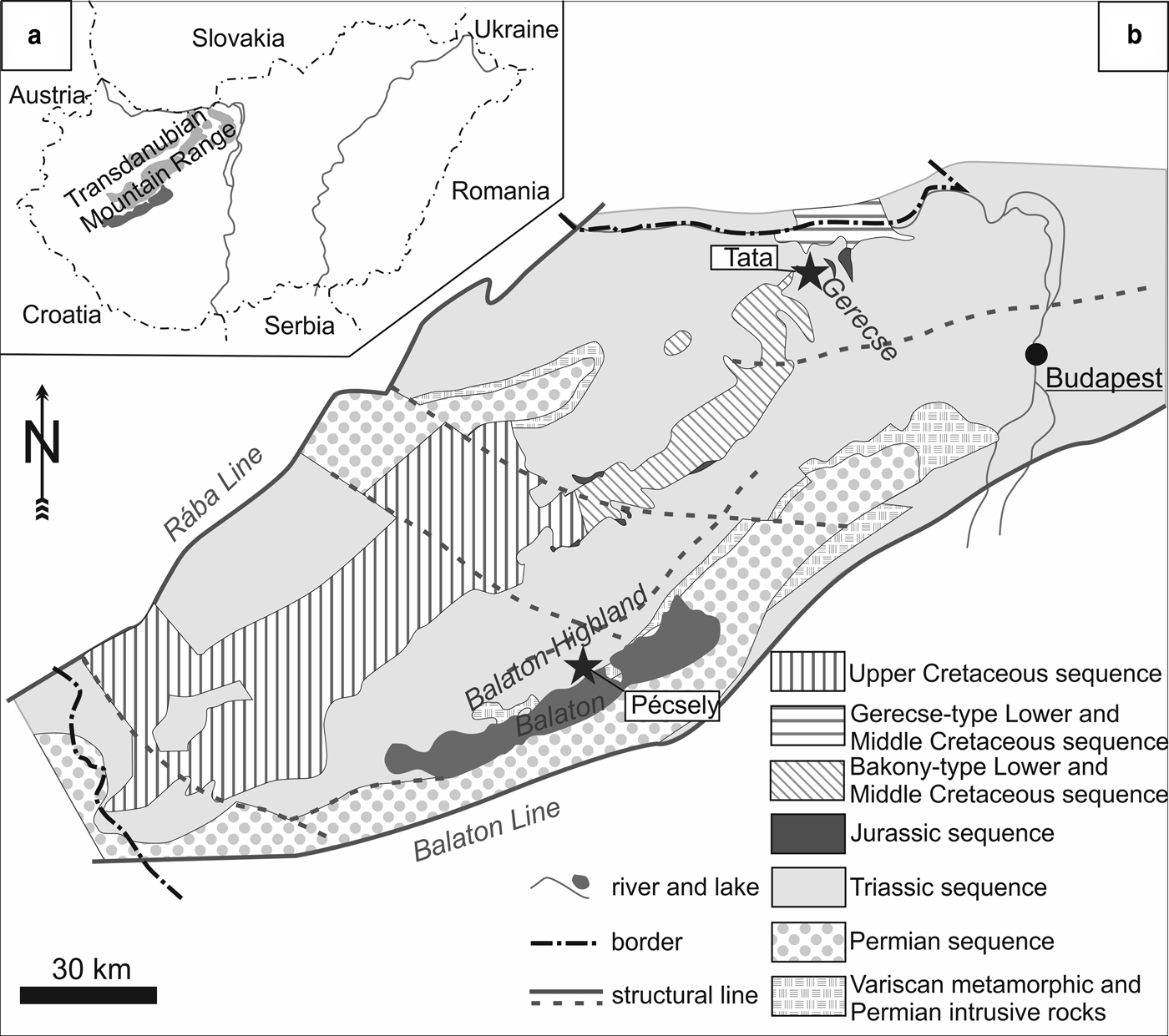
The Transdanubian Mountain Range (TDMR) is located in western Hungary. It is tectonically part of the ALCAPA Megaunit and bordered by the Rába Line to the northwest, the Diósjenő-Hurbanovo Line to the north and the Balaton Line to the south (Fig. 1). The occurrence near Pécsely is found in the south, whereas Tata is found in the northern part of TDMR. At the beginning of the Mesozoic era, the TDMR was at the rim of the Triassic–Jurassic Neotethys and, subsequently, the Jurassic–Cretaceous Alpine Tethyan rim (Schmid et al., Reference Schmid, Bernoulli, Fügenschuh, Matenco, Schefer, Schuster, Tischler and Ustaszewski2008). The arrangement of facies zones indicates that the ALCAPA Megaunit was located between the depositional areas of the Southern Alps and the Northern Calcareous Alps between the Late Paleozoic up to the Palaeogene (Majoros, Reference Majoros1980; Kovács, Reference Kovács1982; Kázmér and Kovács, Reference Kázmér and Kovács1985; Haas et al., Reference Haas, Kovács, Krystyn and Lein1995; Gawlick et al., Reference Gawlick, Frisch, Vecsei, Steiger and Böhm1999; Csontos and Vörös, Reference Csontos and Vörös2004; Fig. 1).
(a) Location of the Transdanubian Mountain Range; (b) geological map of the Transdanubian Mountain Range with the main structural lineaments (Fülöp et al., Reference Fülöp, Brezsnyánszy and Haas1987; Haas et al., Reference Haas, Götz and Pálfy2010). The localities studied are marked with asterisks.
Geology of the Pécsely area
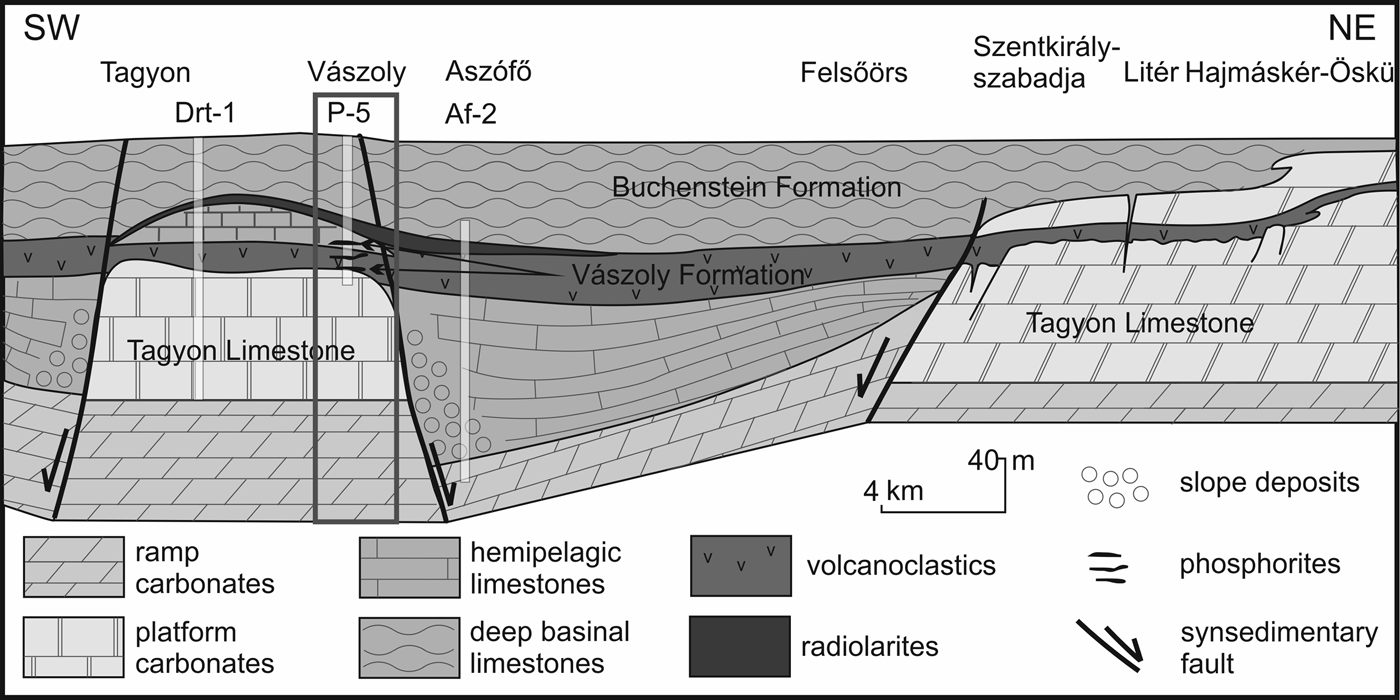
The occurrence studied is located in the Öreg Hill, in the middle of the Balaton Highland, between the villages of Pécsely, Vászoly and Örvényes. The Middle Triassic sequence of this area shows unique features because the Pelsonian hemipelagic basinal strata of the Felsőörs Limestone were replaced here by coeval platform carbonates of the Tagyon Formation (Budai and Haas, Reference Budai and Haas1997). This change is explained by synsedimentary extensional tectonics forming isolated carbonate platforms in the area (Budai and Vörös, Reference Budai and Vörös1992). As a result of a relative-sea-level rise, the Tagyon Platform was drowned and transformed to a submarine high. This event was followed by deposition of the Upper Anisian–Ladinian basinal carbonate sequence with Late Anisian volcanic tuff interactions and phosphorite horizons on the top of the submarine high (Budai and Haas, Reference Budai and Haas1997; Budai and Vörös, Reference Budai and Vörös2006). Based on data of the uranium-exploration project and the geological mapping (Budai et al., Reference Budai, Császár, Csillag, Dudko, Koloszár and Majoros1999), phosphorites are known only from the northeastern margin of the Tagyon High (Fig. 2).
Facies arrangement of Middle Triassic Formations, along strike, of the Balaton Highland (after Budai and Vörös, Reference Budai and Vörös2006). The formations found in the area of Pécsely are marked with a grey rectangle.
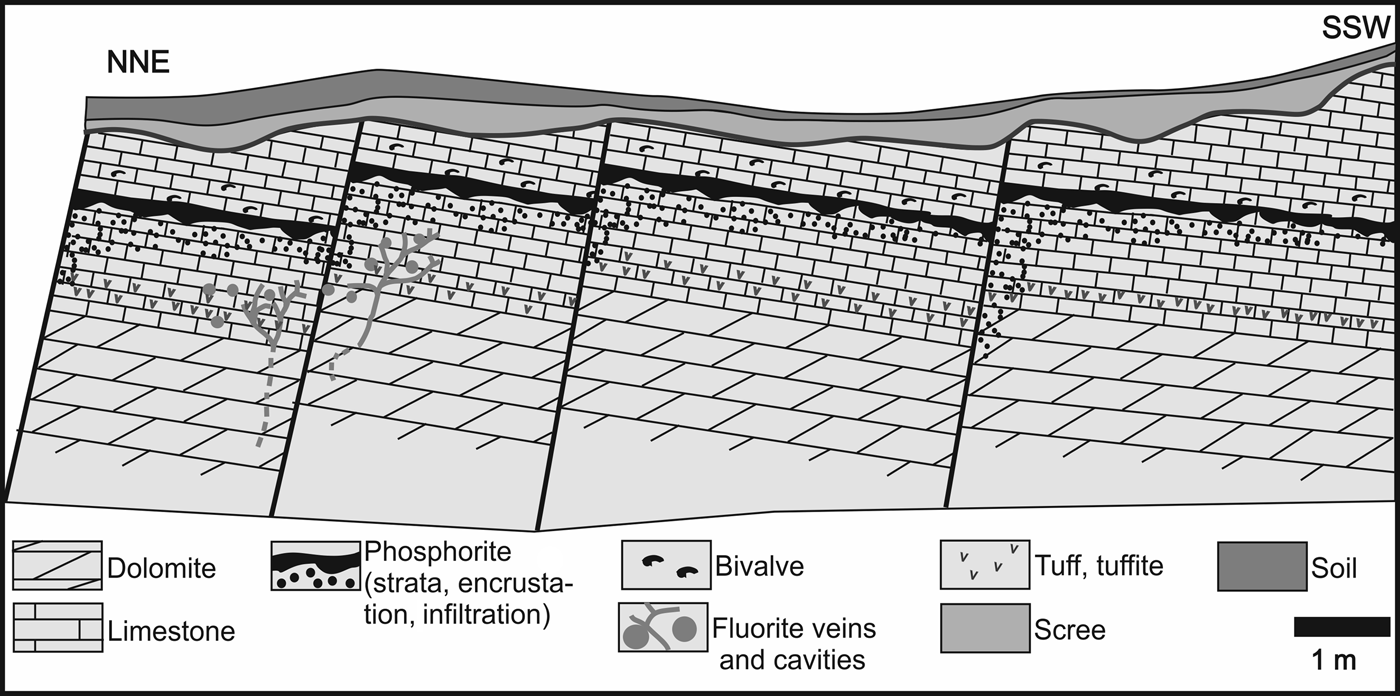
The brownish-grey U-bearing phosphorite layers of the Upper Illyrian sequence of the Öreg Hill appear in three stratigraphic horizons. The lowermost horizon occurs at the drowning surface of the Tagyon Formation and the overlying tuffaceous carbonate beds of the Vászoly Formation. The upper section occurred after the formation of reddish or purple organic-rich limestone of the lower member of the Vászoly Formation. The uppermost phosphorite horizon occurs in the form of a dark, greenish-grey crust on the bedding-surface of the bedded Vászoly Formation. The thicknesses of these irregular phosphoritic bodies vary, even over short distances, by up to 1.2 m. The stratigraphical and structural cross section of the Öreg Hill was constructed (Fig. 3; Budai, Reference Budai and Haas1993; Budai et al., Reference Budai, Császár, Csillag, Dudko, Koloszár and Majoros1999) from sections of the Pécsely P-5 borehole and P-11/a trench (Kiss and Virágh, Reference Kiss and Virágh1959; Vörös and Pálfy, Reference Vörös and Pálfy1989) and detailed geological mapping (Budai and Dosztály, Reference Budai and Dosztály1990).
Schematic geological section of the Pécsely-11 exploration trench (modified after Kiss and Virágh, Reference Kiss and Virágh1959).
The main mineral of the deposit is carbonate fluorapatite (Kiss and Virágh, Reference Kiss and Virágh1959), formed in shallow-marine conditions where the accumulation of phosphorous was aided by organisms (brachiopods, crinoids, bacteria and algae); the phosphorous content was then compressed diagenetically into a deposit. Kiss and Virágh (Reference Kiss and Virágh1959) suggested that the U content of the rock was probably the result of concentration from older rocks, e.g. Permian sandstone. The zircon crystals and the U content could have been derived from primary deposits related to a primary alkaline magma, however.
Geology of the Tata area
The Mesozoic layers at the Kálvária Hill at Tata form an uplifted block, surrounded by Oligocene fluvial and Miocene lacustrine deposits (Korpás, Reference Korpás1981; Tari et al., Reference Tari, Báldi and Báldi-Beke1993; Fig. 4).
Pre-Quaternary geological map of the Tata area (Balla et al. Reference Balla, Gulácsi, Maros and Síkhegyi2009). The location of the Kálvária Hill is indicated by a black circle.

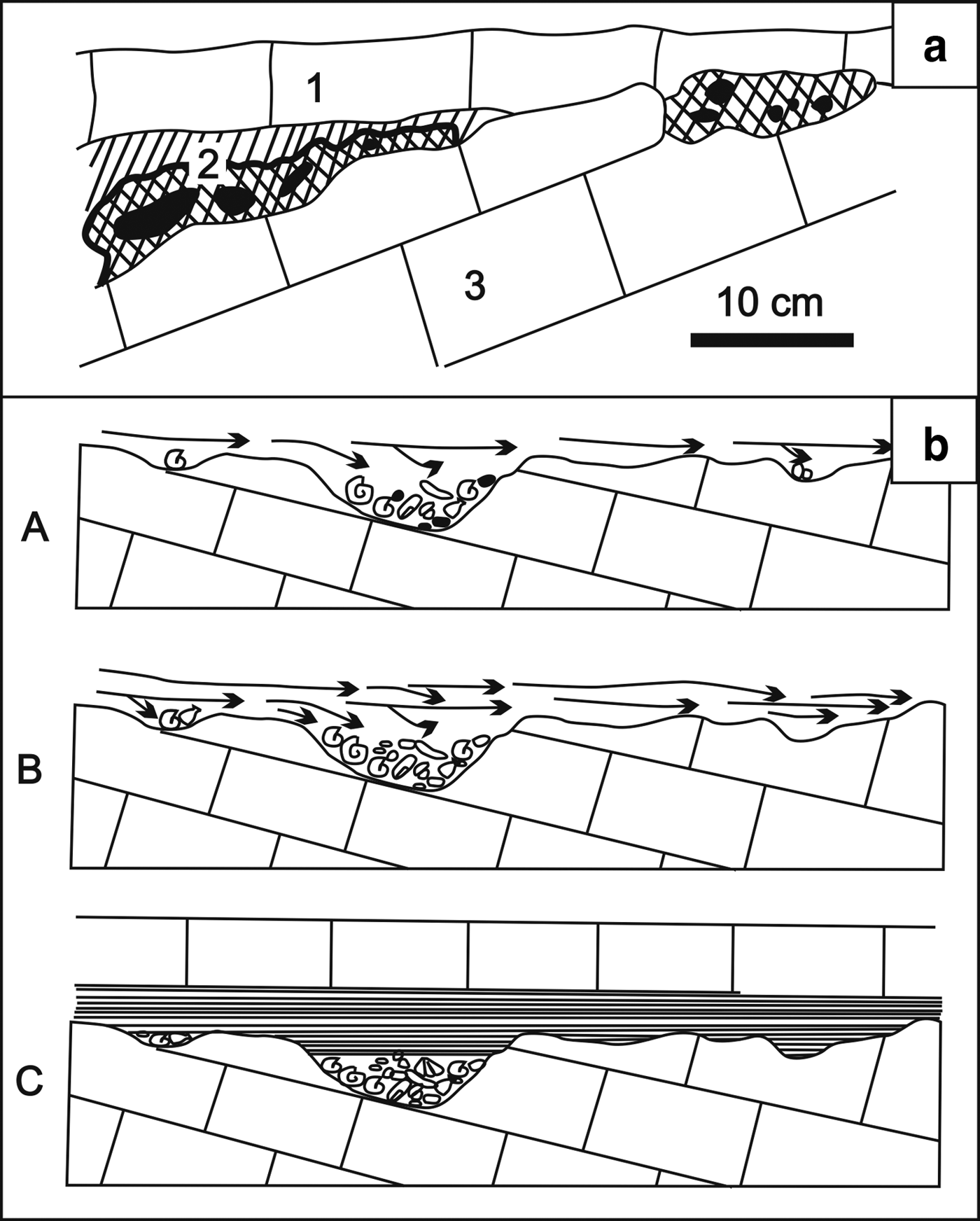
The quarry at the Kálvária Hill, exposes a condensed Upper Triassic–Lower Cretaceous, mostly carbonate-dominated succession. At the base of the Cretaceous layers, phosphatized and slightly glauconitic fossils, phosphorite nodules, plant remnants and small, rounded black pebbles accumulated in erosional pockets (Fülöp, Reference Fülöp1975; Szives, Reference Szives2008). These phosphorite crusts are composed of sloping, thin (1 mm–50 cm) bands of various compositions: calcite, apatite, glauconite and limonite-bearing material (Fülöp, Reference Fülöp1975). The bedrock of the phosphorite investigated is the Szentivánhegy Limestone Formation (Fig. 5a), which is a thin bedded, clayey limestone with a light pinkish-grey colour. The fossils indicate that these layers were formed in a deep bathyal, basinal environment during the Tithonian–Valanginian (Fülöp, Reference Fülöp1975; Főzy, Reference Főzy2012, Reference Főzy2013). The cover sequence is the Cretaceous crinoidal Tata Limestone Formation of Aptian–Albian age. This glauconitic, extraclast-rich limestone is grey, yellowish grey, greenish grey in colour. Here, the fossils show that this sequence formed in a sublitoral, external shelf or seamount and/or shallow-marine environment (Fülöp, Reference Fülöp1954, Reference Fülöp1964, Reference Fülöp1975; Knauer et al., Reference Knauer, Deák, Czabalay and Deák1972; Sidó, Reference Sidó1975; Haas et al., Reference Haas, Jocháné Edelényi, Gidai, Kaiser, Kretzoi and Oravecz1985; Lelkes, Reference Lelkes1990; Császár, Reference Császár1995; Szives, Reference Szives1999, Reference Szives2001; Pocsai and Csontos, Reference Pocsai and Csontos2006). Fülöp (Reference Fülöp1975) described the phosphorite occurring at the basal layer of the Tata Limestone Formation as a stromatolite, based on its appearance. That author suggested that it formed in the tidal zone and that the phosphate-bearing material surrounded the siliciclasts and the organic residuals also. According to several other studies, however, this erosional gap was caused by orogenesis related to the closure of the southern part of the Penninic Ocean which closed the Albian–Cenoman layers (Vadász, Reference Vadász1946; Bárdossy, Reference Bárdossy1982; Mindszenty, Reference Mindszenty1984).
(a) Location of the fossil and phosphorite-bearing hardground of Tata (2) between the Valanginian bedrock (3) and the Aptian cover rock (1); (b) hypothetical model for the preservation of the condensed basal beds at Kálvária Hill. Bottom flows accumulated fossils in the traps of the underlying hardground (A), the turbulence which occurred in the traps mixed the succession constantly (B) until the whole hollow was covered with the basal, marly beds of the Tata Limestone (C) (after Fülöp, Reference Fülöp1975; Szives, Reference Szives2001).
Analytical methods
Samples were collected from Öreg Hill at Pécsely (N46°55′50″ E17°47′00″) and Kálvária Hill at Tata (N47°38′15″ E18°18′57″) (Figs 1 and 4). The petrography of the samples collected was carried out on standard polished thin sections representing both the host rock and the phosphorite, using Nikon Alphaphot and Zeiss Axioplan polarizing microscopes. Powder X-ray diffraction (PXRD) using a Siemens D-5000 type diffractometer was applied to determine the mineral phases. The parameters of data acquisition: Bragg-Brentano geometry (θ-θ mode, CuKα (λ = 0.154178 nm 40 kV, 30 mA), secondary graphite crystal monochromator, and scintillation detector). Evaluation of the PXRD patterns used EVA software. All the above-mentioned analyses were carried out at the Department of Mineralogy, Eötvös Loránd University, Budapest.
For compositional and textural measurements a scanning electron microscope equipped with an energy dispersive spectrometer at the Department of Petrology and Geochemistry, Eötvös Loránd University was used on an AMRAY 1830 SEM + EDS instrument, with an accelerating voltage of 20 kV and a 1 nA beam current. These compositions are qualitative.
Quantitative electron microprobe analyses of apatite and elemental mapping were completed in the Eugen F. Stumpfl Microprobe Laboratory of the University of Leoben with a JEOL Superprobe JXA 8200 type electron microprobe. Wavelength dispersive mode was used with an accelerating voltage of 15 kV and a 10 nA beam current; the detection limits are shown in Table 1.
Results of the EPMA of the selected CFA grains from the Triassic and Creataceous phosphorite occurrences.
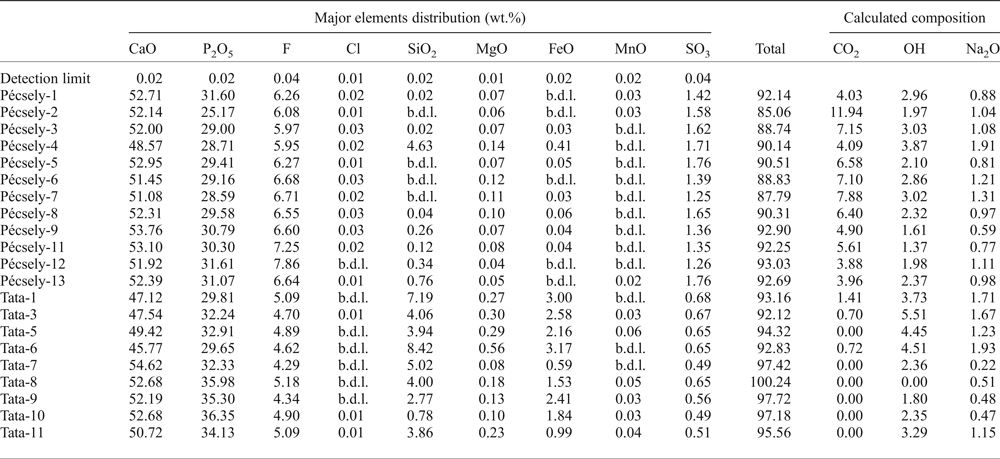
b.d.l.: below detection limit
Bulk-rock ICP-MS (for trace elements) with an ELAN DRC II mass spectrometer were carried out in the Geological and Geophysical Institute of Hungary. Lithium borate was used to fuse the samples. The detection limits and analytical procedures are described in the accreditation documentation of the laboratory (accreditation number: NAT-1-1302/2012).
The in situ U-Pb dating and trace-element determinations of apatite was performed by laser-ablation single-collector sector-field inductively coupled plasma mass spectrometry using a Thermo Finnigan Element 2 instrument in the GÖochron Laboratories, Göttingen. The method employed for analysis is described in detail by Frei and Gerdes (Reference Frei and Gerdes2009). All age data presented here were obtained by single-spot analysis using a laser beam diameter of 33 µm and a crater depth of ~10 µm. The laser was fired at a repetition rate of 5. Two laser pulses were used for pre-ablation. The carrier gas was He and Ar. Analyses of 238U, 235U, 232Th, 208Pb, 207Pb, 206Pb, mass 204 and 202Hg were measured by the ICP-MS. The data reduction involved processing of ~50 selected time slices starting ~3 s after the beginning of the signal. The age calculation and quality control are based on the drift- and fractionation-correction by standard-sample bracketing using GJ-1 zircon reference material (Jackson et al., Reference Jackson, Pearson, Griffin and Belousova2004). For further control the Plešovice zircon (Sláma et al., Reference Sláma, Košler, Condon, Crowley, Gerdes, Hanchar, Horstwood, Morris, Nasdala and Norberg2008), the 91500 zircon (Wiedenbeck et al., Reference Wiedenbeck, Allé, Corfu, Griffin, Meier, Oberli, von Quadt, Roddick and Spiegel1995) and the FC-1 zircon (Paces and Miller, Reference Paces and Miller1993) were analysed as ‘secondary standards’. The age results of the standards were consistently within 2σ of the published ID-TIMS values. Drift and fractionation corrections and data reductions were performed using our in-house software (UranOS; Dunkl et al., Reference Dunkl, Mikes, Simon, von Eynatten and Sylvester2008). The concordia plot was constructed by the Isoplot/Ex 3.0 spreadsheet (Ludwig, Reference Ludwig2012). The laser ablation-based trace-element concentrations were determined by similar instrumental settings, the standard reference materials were NIST 610 and 612 glasses.
Measured REE-Y abundances were normalized against North American Shale Composite (NASC; Haskin and Haskin Reference Haskin and Haskin1966; Gromet et al., Reference Gromet, Dymek, Haskin and Korotev1984). NASC-normalized values are marked with the subscript ‘N’. Anomalies are quantified ratios of measured and calculated values of a given element, and an asterisk denotes estimated values calculated using the geometric mean of the neighbouring elements following the convention of McLennan (Reference McLennan, Lipin and McKay1989): Ce/Ce* = CeN/(LaN × PrN)0.5, Pr/Pr* = PrN/(CeN × NdN)0.5, Eu/Eu* = EuN/(SmN0.67 × TbN0.33).
The stable carbon and oxygen isotope measurements of carbonate samples were carried out at the Institute for Geological and Geochemical Research, Research Centre for Astronomy and Earth Sciences, Hungarian Academy of Sciences. In situ sampling was performed using an electric drill with a bit diameter of 0.6 mm. The resulting 150–200 μg samples were subjected to stable carbon and oxygen isotope analyses by carbonate-orthophosphoric acid reaction at 72°C (Spötl and Wennemann, Reference Spötl and Wennemann2003) and using an automated GASBENCH II sample preparation device attached to a Thermo Finnigan Delta Plus XP mass spectrometer. The isotope compositions are expressed as δ13C and δ18O in parts per thousand (per mil) (‰) relative to V-PDB (Vienna Pee Dee Belemnite), according to the equation: δ = (R sample/R standard – 1) × 1000, where R is the 13C/12C or 18O/16O ratio in the sample or in the international standard. The precision was better than 0.15‰ for C and O isotope data, based on replicate measurements of international standards (NBS-19; NBS-18) and in-house reference materials.
Results
Petrography
The Triassic strata at Pécsely
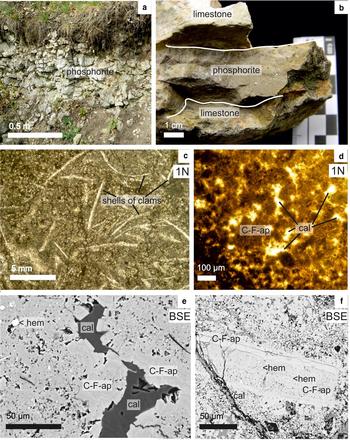
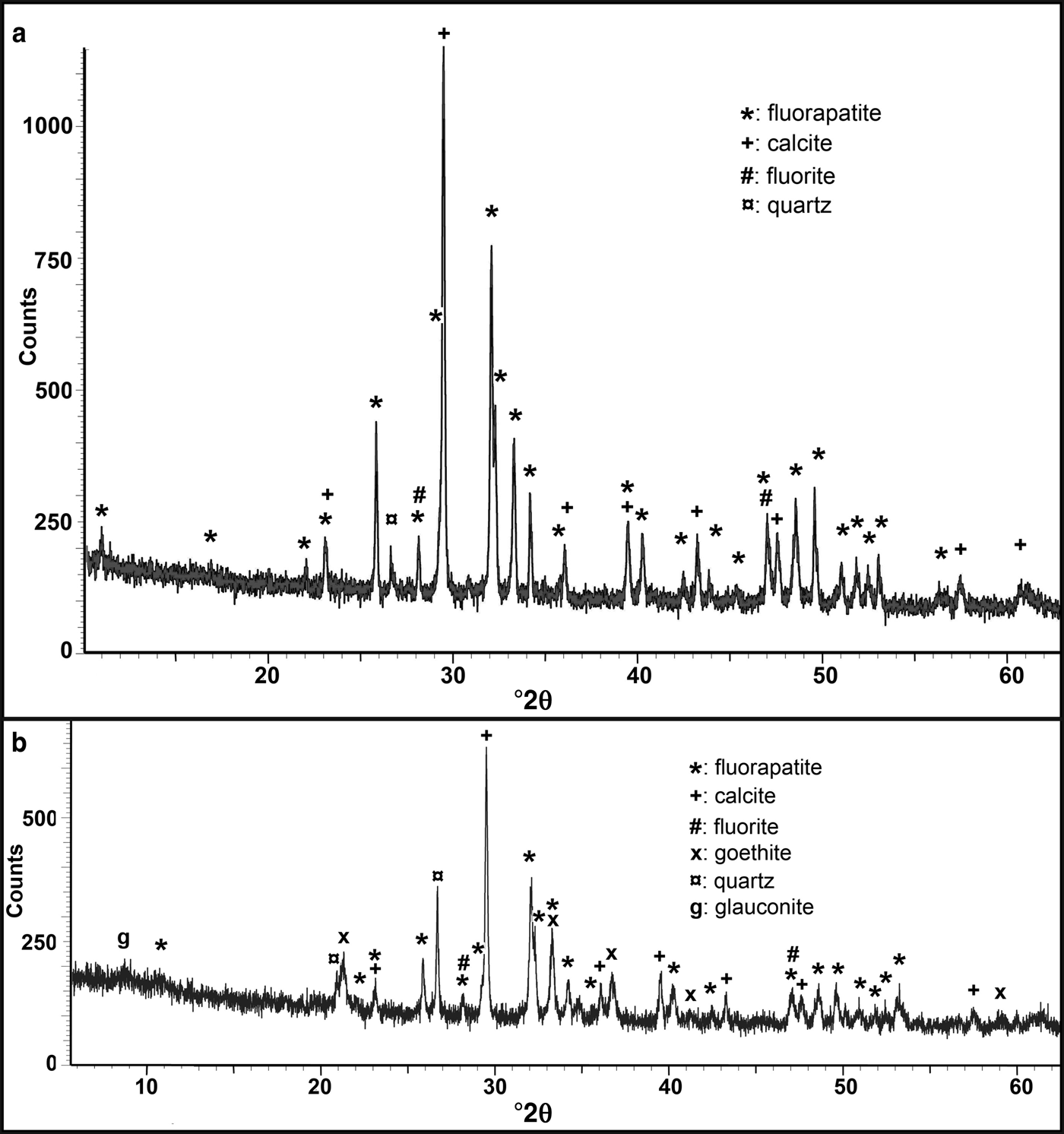
The authors collected samples from all three horizons (Fig. 6a). The colour and bioclast content of host rock is variable; the textures suggest that the phosphorite horizons formed syngenetically with the deposition of the limestone. The phosphorite layers are finely zoned which may have been caused by the organic matter content (Fig. 6b). In many cases shrinkage cracks are observed on the surface of the phosphorite beds. These areas are sometimes brecciated, where the clasts are of phosphorite and limestone; the matrix is of phosphorite. In addition the phosphorite also occurs as cement to brecciated dolomite. Apatite is the main component with some calcite and rare hematite, pyrite and zircon. Powder X-ray diffraction (PXRD) studies indicate that the apatite is fluorapatite and that some fluorite may also be present, although fluorite was noted either by the petrographic or by the EPMA (Fig. 7a). The apatite is probably fluorapatite, but no information was obtained regarding the carbonate content.
(a) The lowermost phosphorite layer; (b) pelagic limestone with a phosphorite layer; (c) photomicrograph of the host rock which contain thin-shell remains of clams and a bio-apatite matrix; (d) photomicrograph of the U-bearing phosphorite layer; (e) BSE image of the layer studied; fine zonation of the carbonate-bearing fluorapatite crystals is visible. The original crystal size was not large; they are typically rod-shaped, with round terminations and sub-circular cross sections. With ageing, apatite shows better crystallinity; (f) Rare, small bone pieces in the phosphorite (C-F-ap: carbonate-bearing fluorapatite; cal: calcite; hem-hematite).
PXRD spectra of the layered Triassic (a) and the nodular Cretaceous (b) phosphorites.
The host limestone is dolomitized locally with many patches of hematite/limonite and brownish bitumen. The texture of the limestone is micritic and microsparitic, with thin shells and pellets (Fig. 6c). The limestone is cross-cut by calcite veins that do not exceed 1 cm in thickness. At the margin of veins, ‘corroded’ calcite with hematite inclusions (<0.5 mm) can be observed, while the remaining space is filled by equigranular calcite (0.5–2 mm).
The apatite surrounds the grains of calcite and the remaining space is filled by a later generation of calcite cement (Fig. 6d). The crystal size of the apatite is <50 µm, but the crystals are typically rod-shaped, with round terminations and subcircular cross-sections. On the BSE image a fine-zonation of the CFA crystals is visible (Fig. 6e) although no corresponding compositional changes were detected by EPMA mapping. The first-generation calcite is typically not transparent, while the later one has more transparency and fills the remaining spaces. In many cases phosphorite coating the calcitic bioclasts is observed. In some cases small bone fragments can be found in the phosphorite (Fig. 6f).
The Cretaceous phosphorite at Tata
The phosphorite occurring at the base of the Tata Limestone Formation looks like a stromatolite with ochre yellow and pale green colour (Fig. 8a). The occurrence is visible on the surface and strongly weathered, but the nodules within are well preserved (Fig. 8b). The well preserved central nodules are spherical and very variable in size, up to 10 cm across (Fig. 8b). The centres of the nodules are heterogeneous and contain greenish-grey sandstone clasts (up to 3 cm) with white bioclasts (Fig. 8c), or other clasts, e.g. chert, organic residuals. The phosphorite crust is finely laminated (0.1–0.5 mm) with darker, sometimes rhythmically banded lamellae (Fig. 8c).
(a) Outcrop at the Kálvária Hill in Tata. The white line indicates the unconformity between the Szentivánhegy and Tata Formations; (b) Well preserved phosphorite nodules in the centre of the stromatolite structure (the rectangle in part a indicates the location of this image); (c) Polished hand specimen of a Cretaceous phosphorite nodule from Tata. The main minerals of the crust around the calcite-cemented white bio- and greenish-grey siliciclastic material are apatite, calcite, glauconite and goethite. (d) BSE image of the texture of the phosphorite, with visible minerals and the rhythmicity of the layers. (C-F-ap: carbonate-bearing fluorapatite, cal: calcite, FeO: Fe-oxide-hydroxide, glau: glauconite, qz: quartz).
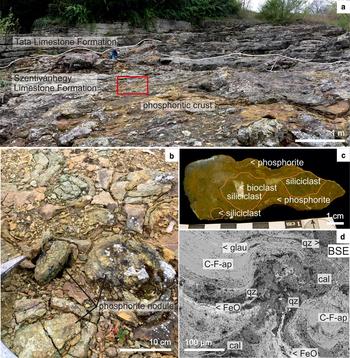
Petrographic and PXRD studies show that the main minerals of the crust are fluorapatite, calcite, goethite, quartz and minor amounts of fluorite (Fig. 7b). SEM-EDS examination shows that the calcite-rich layers consist of roundish crystals (30–100 µm) while the apatite-rich layers are fine grained (<10 µm). Fe-oxide or -hydroxide coatings with infrequent hematite, quartz and glauconite are present in both types of layers (Fig. 8d). On the basis of the PXRD studies, apatite is probably fluorapatite.
Age and geochemistry
Laser ablation U-Pb geochronology gave an age of 237 ± 11 Ma for the uppermost Triassic phosphorite horizon, which is close to the Anisian–Ladinian age of sedimentation (Fig. 9). This indicates that the U-Th-Pb isotope system of the phosphorite has not been affected by post-depositional fluids and the present trace-element abundances probably reflect the original values. This is remarkable, as the sample site at Pécsely is close to major Eoalpine thrusts (Budai et al., Reference Budai, Császár, Csillag, Dudko, Koloszár and Majoros1999) and the phosphorite is cross-cut by epigenetic fluorite veinlets.
Tera-Wasserburg plot of the LA-ICP-MS U-Pb spots of the Triassic phosphorite from Pécsely.

The low, ~20 ppm U content and the high (99%) common Pb ratio made it impossible to perform U-Pb geochronology on the Cretaceous phosphorite.
The EPMA results of apatite obtained were characterized by low totals and in many cases there was a high excitation crater at the site of measurement. These phenomena refer to the high volatility of the samples. The formula was calculated, therefore, as carbonate-bearing fluorapatite, which is also in good agreement with the findings of Kiss and Virágh (Reference Kiss and Virágh1959). Calculations based on the quantitative EPMA (Table 1) of the apatite from Pécsely produced the formula: (Na0.57Ca4.43)5[(PO4)2.44(CO3)0.56]3F which is clearly a carbonate-bearing fluorapatite (CFA) (Palache et al., Reference Palache, Berman and Frondel1951). The crystals contain 88–201 ppm REE and 137–612 ppm U. Element mapping showed that of U and REE are distributed homogeneously in the CFA crystals and no other U-bearing phases were observed. The EPMA (Table 1) showed that the main mineral in the Tata phosphorite crusts is also carbonate-bearing fluorapatite with a formula of (Na0.34Ca4.66)5[(PO4)2.66(CO3)0.34]3F and the element mapping again showed that the REE are distributed homogeneously. The REE concentrations are 643–2569 ppm but the U content is lower (<26 ppm U).
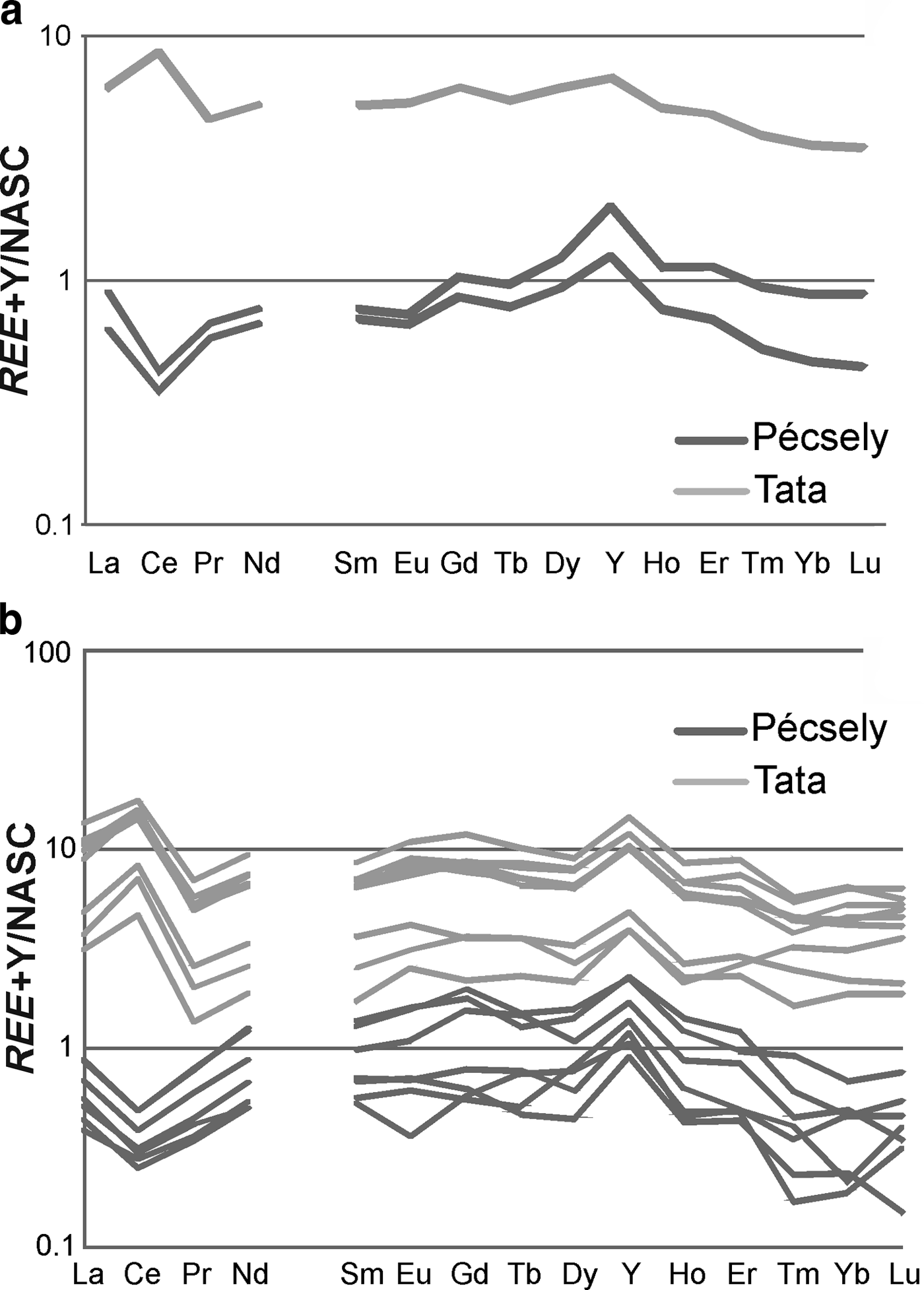
Bulk-rock samples from Pécsely contain total REE + Y of 116–158 ppm (Table 2). Normalized to the North American Shale Composite the Triassic phosphorite is slightly depleted with negative Ce and Eu anomalies (Fig. 10a). At Tata the total REE + Y content is 1055 ppm with a similar REE distribution pattern to that observed at Pécsely. However, the Cretaceous phosphorite is enriched relative to NASC with positive Ce and Eu anomalies (Fig. 10a).
(a) Bulk-rock NASC-normalized REE distribution diagram of phosphorite (ICP-MS). The phosphorite from Pécsely is slightly depleted in relation to the NASC and indicates negative Ce and Eu anomalies, while the phosphorite from Tata is enriched in relation to the NASC and shows positive Ce and Eu anomalies. (b) NASC-normalized REE + Y distribution diagram of the individual CFA minerals (LA-ICP-MS). Similar to the results of the bulk analyses, the Triassic phosphorite is slightly depleted relative to the NASC and shows negative Ce and Eu anomalies. Phosphorite from Tata is enriched relative to the NASC and shows positive Ce and Eu anomalies.
REE content (ppm) and redox-sensitive element ratios of the phosphorites studied.
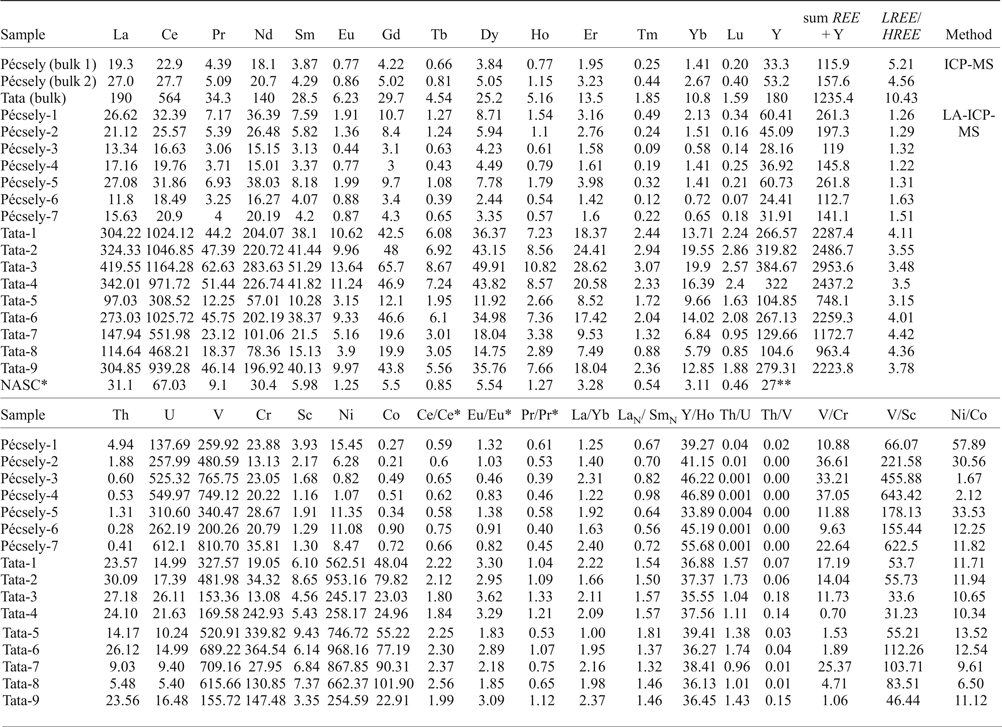
*NASC data fromy Gromet et al. (1984).
**Y content of NASC by Haskin and Haskin (1966).
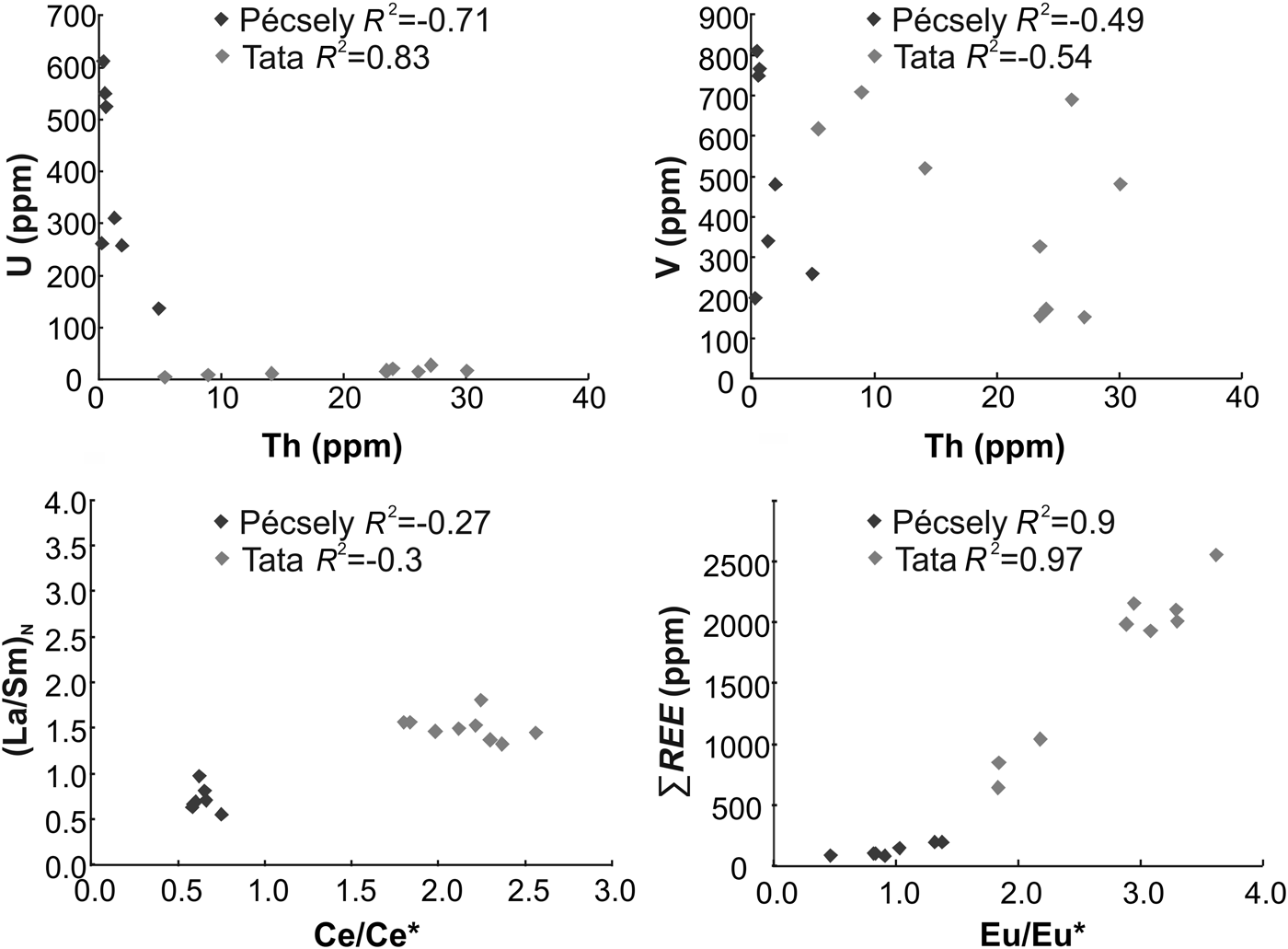
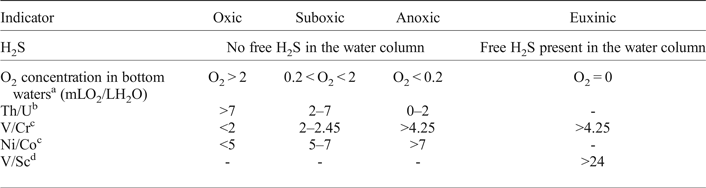
Redox sensitive proxies like Th/U, V/Sc, V/Cr and Ni/Co ratios of CFA are used to characterize the sedimentary environment (Jones and Manning, Reference Jones and Manning1994; Kimura and Watanabe, Reference Kimura and Watanabe2001; Rimmer, Reference Rimmer2004; Tables 2 and 3). The Th/U ratio is always <0.04 in the samples from Pécsely, but ranges from 0.9 to 1.7 in the samples from Tata. The enormous differences between these values from the two areas are caused by U enrichment at Pécsely. The V/Sc ratio of the phosphorite from Pécsely ranges from 66 to 643, but is between 31 and 112 at Tata. The V/Cr ratio ranges from 9.6 to 37 in the case of Pécsely and from 0.7 to 25.4 at Tata. The Ni/Co ratio ranges from 1.6 to 58 in the Pécsely samples, while the same ratio is from 6.5 to 13.5 in the Tata samples. The correlation coefficient between Th-U and Th-V are R 2Th-U = −0.71 and R 2Th-V = −0.48 in the case of Pécsely and R 2Th-U = 0.83 and R 2Th-V = −0.54 in the case of Tata (Fig. 11a,b).
Cross-plots of various parameters based on the LA-ICP-MS analyses of Triassic and Cretaceous phosphorite horizons.
Diagnostic element ratios indicating redox conditions for the depositional environment of phosphorite.
aTyson and Pearson (Reference Tyson, Pearson, Tsyson and Pearson1991).
bWignall and Twichett (Reference Wignall and Twitchett1996).
cJones and Manning (Reference Jones and Manning1994).
dKimura and Watanabe (Reference Kimura and Watanabe2001).
The Ce/Ce* values vary between 0.59 and 0.75, the Eu/Eu* ratios range from 0.46 to 1.38 and Pr/Pr* ranges from 0.39 to 0.61 in the phosphorite from Pécsely. As in the phosphorite nodules from Tata, Ce/Ce* values vary between 1.8 and 2.56, Eu/Eu* values vary between 1.83 and 3.62, and δPr Pr/Pr* from 0.53 to 1.33 (Table 2). LaN/SmN values are from 0.56 to 0.98 and Y/Ho values vary between 34 and 56 in Triassic phosphorite and LaN/SmN values are from 1.32 to 1.81 and Y/Ho values vary between 35.5 and 39.4 in Cretaceous phosphorite (Table 2).
The carbon and oxygen isotopic compositions of calcite crystals found in the layered Triassic phosphorite unit as well as in the host-rock limestone are listed in Table 4. The measurements were performed on calcite in different textural elements like host-rock limestone, hairline fractures in phosphorite, hematitized host limestone and calcite cement of the brecciated phosphorite and the results were compared to the typical seawater values (Fig. 12). The stable isotope composition of the host limestone (δ18OcarbPBD = from −2.18 to −1.54; δ13CcarbPBD = from 1.86 to 1.99) shows the typical Middle Triassic seawater stable isotope data (δ18OcarbPBD = from −2.18 to −1.54; δ13CcarbPBD = from 1.86 to 1.99; Korte et al., Reference Korte, Kozur and Veizer2005), while the other three groups are well separated from that, plotting out of the field of Middle Triassic seawater.
Carbon and oxygen isotope data of the calcite from the Triassic phosphorite. The negative shift of δ18O values (relative to original marine values) found in epigenic calcite can be explained by fluid–rock interaction during a hydrothermal process (Meneghini et al., Reference Meneghini, Botti, Aldega, Boschi, Corrado, Marroni and Pandolfi2012; Choi et al., Reference Choi, Kim and Lee2003).

Stable isotope data of calcite found in different textural positions in the Triassic phosphorite horizon.
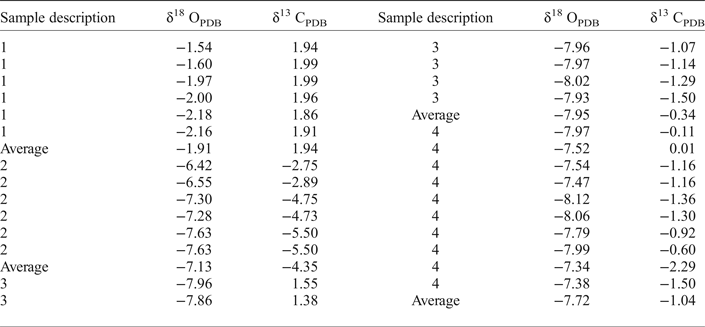
1: Host rock limestone (syngenetic with phosphorite). 2: Hematitized limestone. 3: Calcite cement of brecciated phosphorite. 4: Hairline fracture-filling calcite.
Discussion
The structure, texture, mineral compositions and whole-rock chemistry of the Cretaceous and Triassic phosphorites show significant differences which reflect corresponding differences in their genesis. The Triassic phosphorite is laminar whilst the Cretaceous phosphorite is nodular although groups of nodules are surrounded by a laminar crust. Carbonate-bearing fluorapatite (CFA) is the main phosphorous-bearing mineral in both phosphorites but the Triassic phosphorite is characterized by a higher U and a lower REE content, whilst the Cretaceous occurrence has a lower U and a higher REE content.
Sedimentary phosphogenesis
At the genesis of large-scale phosphorite deposits, two major requirements have to be fulfilled. Firstly, phosphorous must be concentrated at levels from 1 to 2 million times above that of average seawater. Secondly, the phosphate should be accumulated in a stable, crystalline mineral phase (e.g. CFA; Knudsen and Gunter, Reference Knudsen and Gunter2002). Phosphate enrichment in sediments is accomplished in three ways (Föllmi, Reference Föllmi1996 and references therein, Pufahl and Groat, Reference Pufahl and Groat2017). Microbial breakdown of organic matter and release of organic phosphate to pore waters represent the most fundamental internal source of phosphate. A second and potentially important process supplying dissolved phosphate to interstitial fluids is phosphate desorption from iron and manganese oxyhydroxides upon burial or biologically induced advection below the redox boundary in sediments and subsequent reduction. A third and less well explored source of dissolved phosphate is when it precipitates directly at the sediment–water interface or is transferred into the sediments by diffusion.
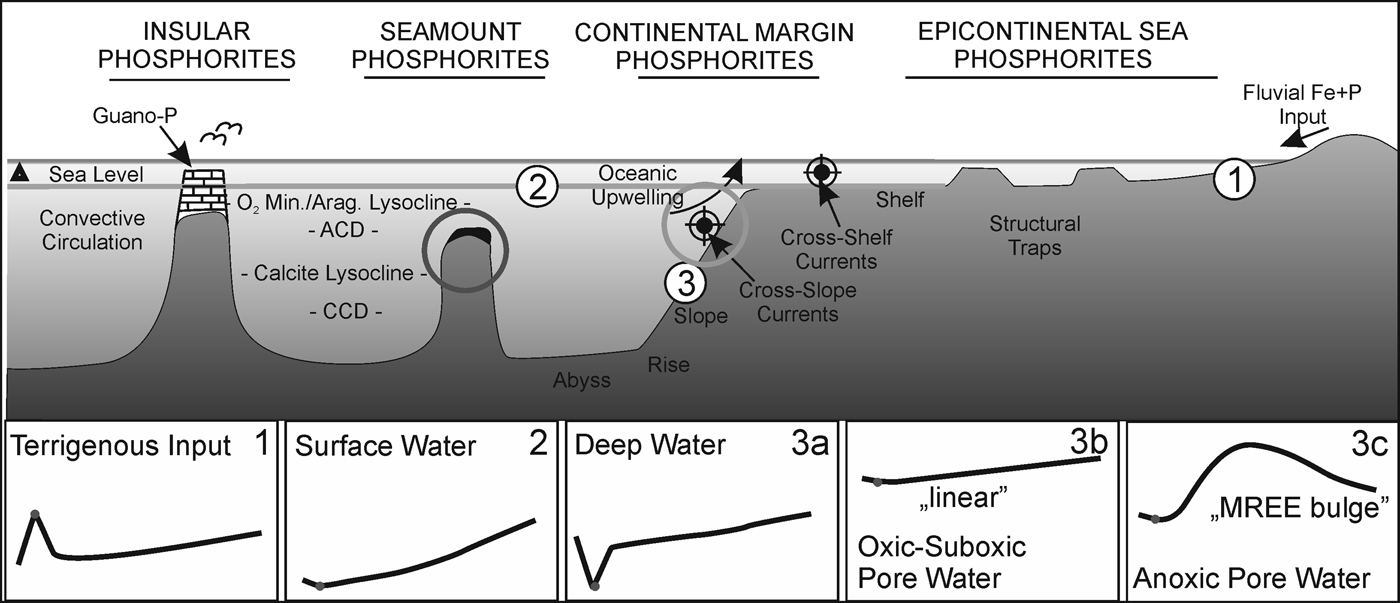
Marine phosphorites are distinguished according to their tectonic and oceanographic setting: epicontinental sea phosphorites, continental margin phosphorites, seamount phosphorites and insular phosphorites (Fig. 13; Glenn et al., Reference Glenn, Follmi, Riggs, Baturin, Grimm, Trappe, Abed, Galliolivier, Garrison and Ilyin1994).
Schematic sketch depicting the different phosphorite depositional environments and assumed REE patterns (1–3c) (Glenn et al., Reference Glenn, Follmi, Riggs, Baturin, Grimm, Trappe, Abed, Galliolivier, Garrison and Ilyin1994; Shields and Stille, Reference Shields and Stille2001). Transgression resulted in drowning of the platform, reworking of microbial mats and phosphatic sediments. The dark circle shows the possible formation environment of the phosphorite studied from Pécsely, while the light-coloured circle shows that from Tata. The shape of the NASC-normalized REE patterns shows the ‘MREE bulge’ (3c), which also confirms the anoxic depositional environment.
According to their appearance, three types of phosphorites can be distinguished. (1) Phosphate nodules with spherical concentrations that are randomly distributed on the floor of continental shelves. Most phosphorite grains are sand-sized, although particles greater than 2 mm may be also present. These larger grains, referred to as nodules, can range up to several tens of cm in size. (2) Bioclastic phosphates or bone beds are bedded phosphate deposits that contain concentrations of small skeletal particles and coprolites. Some of these also contain invertebrate fossils such as brachiopods and the deposits become more enriched in P2O5 after diagenesis. Bioclastic phosphates can also be cemented by phosphate minerals. (3) Phosphatization is a diagenetic process that occurs during leaching of guano which creates phosphate-rich fluids that are then concentrated and re-precipitated in limestone. Phosphatized fossils or fragments of original phosphatic shells are important components of some of these deposits (Baturin, Reference Baturin1982).
Based on the geological settings and the deposition types presented above, we deduce that the phosphorite horizons from Pécsely are typical seamount phosphorites, where the lowermost layers can be interpreted as a hardground. Based on the rich fossil content of the sequence, the source of phosphate comes from the microbial breakdown of organic matter and release of organic phosphate to pore waters. This is a bedded phosphate deposit which contains bioclasts and small skeletal particles. The U content of these layers is greater than the typical value of this deposit type (Baturin and Kochenov, Reference Baturin and Kochenov2001). In contrast, the phosphorite from Tata is an upwelling-related occurrence, which formed on the margin of a distal shelf. The microbial degradation of accumulating sedimentary organic matter produces an oxygen minimum zone and stimulates phosphogenesis. The phosphate fabrics are microbial-mat-derived, where microbial mats act as a sediment binder or as substrate for apatite precipitation (Pufahl and Groat, Reference Pufahl and Groat2017). Similarly to other upwelling-related occurrences, this formation is enriched in REEs.
In the following, the conditions of formation of the two deposits and their economic potential as sources of critical elements are discussed.
Redox-sensitive element geochemistry
Evaluation of detrital input
The oxygen level in the water can control the degree of enrichment of elements in marine sediments (Wignall and Twitchett, Reference Wignall and Twitchett1996). Redox-sensitive proxies, such as Th/U, V/Sc ratios and REE concentrations can reflect regional or global redox conditions and be used as palaeo-oceanic redox environment proxies (Morford and Emerson, Reference Morford and Emerson1999).
Detrital, biogenic and hydrogenous fractions show three independent concentrations of sediments (Piper, Reference Piper1994). Monitoring the detrital fraction is necessary to assess the enrichment of redox-sensitive elements relative to their detrital component. The Th content is largely independent of the source area or the grain size (Taylor and McLennan, Reference Taylor and McLennan1985) and it is used here to monitor the detrital input. The lack of correlation between Th and U or V, and the Y/Ho ratios suggests that there has been no detrital influence on redox-sensitive elements and REE patterns at Pécsely (Fig. 11a,b). However, the correlation coefficient between Th and U (Fig. 11a) suggests that a detrital influence at Tata cannot be excluded. The siliciclastic material at the hiatus and within the nodular phosphorite may come from the Hautevirian–Albian Lábatlan Sandstone Formation.
Redox conditions
In oxic seawater, uranium is present mainly as U(VI) uranyl ions, which bind to carbonate ions (Langmuir, Reference Langmuir1978). In reducing marine settings, U(VI) can be reduced to U(IV) (Wignall and Twitchett, Reference Wignall and Twitchett1996). Thorium is stable in the seawater and occurs permanently in the insoluble Th(IV) state (Tribovillard et al., Reference Tribovillard, Algeo, Lyons and Riboulleau2006). Vanadium, as a redox-sensitive element, is enriched preferentially in sediments underlying anoxic or near anoxic waters. The degree of enrichment is expressed as the V/Sc ratio, because the reduced forms of V and Sc are equally insoluble, whereas the abundance of V in shales varies with Sc (Kimura and Watanabe, Reference Kimura and Watanabe2001). Significant V enrichment over Sc is most likely to be related to deposition beneath anoxic bottom waters (Kimura and Watanabe, Reference Kimura and Watanabe2001). Another approach proposed by Jones and Manning (Reference Jones and Manning1994) for determining the depositional environment is the observation of V/Cr and Ni/Co ratios. The ranges of these ratios appropriate to the different environments are shown in Table 2.
In the Triassic samples from Pécsely, Th/U ratios ranging from 0.001 to 0.036 (Table 1) indicate the precipitation of phosphorite in reductive (anoxic-suboxic) conditions. The V/Sc ratios (from 66 to 643) also indicate anoxic-euxinic sedimentary conditions. The V/Cr ratios range from 9 to 37, and these results suggest anoxic sedimentary conditions, where free H2S was present in the water column. Ni/Co ratios were ~7 in these phosphorite layers and this ratio is considered to indicate anoxic water conditions. This condition existed when the phosphorite was formed, but the rich ammonite fauna and other fossils appearing in the strata indicate that oxic conditions were typical among the formation of the three phosphorite horizons.
In the Cretaceous samples from Tata, Th/U ratios (from 0.96 to 1.74, Table 1) indicate reducing sedimentary conditions. The V/Sc ratios (from 31 to 112), indicate that this nodular phosphorite formed in an anoxic-euxinic sedimentary environment, where free H2S was present in the water column. The V/Cr ratios range from 0.7 to 25 which are inconclusive with regard to the formation environment. The Ni/Co ratios show that this phosphorite formed in an anoxic environment close to the boundary with suboxic conditions.
Taken together the Th/U, V/Sc, V/Cr, and Ni/Co ratios indicate that the phosphorites from both areas formed under anoxic conditions.
REE distribution patterns: the behaviour of Ce/Ce*, Eu/Eu* and Y
McArthur and Walsh (Reference McArthur and Walsh1984) suggested that Ce anomalies can be changed during later diagenesis. However, if no correlation is observed between Ce anomalies and LaN/SmN (LaN/SmN ratios >0.35) (Fig. 11c) or the Eu/Eu* and REE contents (Fig. 11d) then Ce anomalies in phosphorite may represent primary signatures (Morad and Felitsyn, Reference Morad and Felitsyn2001). Before using the negative Ce-anomaly data, the influence of positive La anomalies must be removed, which can be examined using Pr/Pr* values (Bau, Reference Bau1999). According to Bau and Koschinsky (Reference Bau and Koschinsky2009), if the samples present Pr/Pr* > 1.05, the negative Ce anomaly is real; in contrast, a positive La anomaly may lead to overestimation. At both Pécsely and Tata no correlation was observed between Ce anomalies and LaN/SmN (LaN/SmN ratios >0.35) (Fig. 11c) (R 2Pécsely = −0.27 R 2Tata = −0.31), but the Eu/Eu* and REE contents show strong correlation (R 2Pécsely = 0.9, R 2Tata = 0.97), which suggests that diagenetic change in the Ce anomaly is substantial.
Positive Eu anomalies in marine environments are common if hydrothermal fluids have been present in the system (Michard, Reference Michard1989). At Pécsely, the Eu/Eu* ratios range from 0.46 to 1.38, while at Tata they range from 1.83 to 3.62. Thus, Pécsely shows changeable, slightly negative or slightly positive anomalies while Tata has distinct positive anomalies (Fig. 10b). Therefore, the relatively high Eu/Eu* ratios of the phosphorite from Tata may be due to hydrothermal fluid input. The variable Eu/Eu* signatures of the Pécsely phosphorite may reflect gradual weakening of the hydrothermal activity due to the Triassic volcanism (Pálfy et al., Reference Pálfy, Parrish and Vörös2003).
Ytterbium is trivalent and possesses chemical properties similar to those of the REE. This element is considered to be a geochemical twin to Ho, because these two elements have identical ionic radii and valences (Bau, Reference Bau1996). Whereas the continental crust, mantle and high-temperature hydrothermal fluids are characterized by chondritic Y/Ho ratios (~26), seawater has super-chondritic Y/Ho ratios (~47) (Bau, Reference Bau1996; Nozaki et al., Reference Nozaki, Zhang and Amakawa1997). Y/Ho ratio variability between seawater and the other media is due to higher particle-reactivity of Ho, which is scavenged preferentially over Y by hydrogenous ferromanganese oxyhydroxide particles in the marine environment (Bau, Reference Bau1996, Reference Bau1999; Koschinsky et al., Reference Koschinsky, Stascheit, Bau and Halbach1997). The Y/Ho ratio of CFA from Pécsely shows a variation from 33.9 to 55.7, while the CFA from Tata is characterized by relatively constant values, ranging from 35.5 to 39.4. Both Y/Ho ranges are consistent with the positive Y anomalies (0.9 to 2.25). Although it is unlikely that marine conditions were identical to those in the modern Pacific Ocean, the mostly super-chondritic Y/Ho ratios and positive Y anomalies suggest a predominant seawater source for apatite from Pécsely and the lower Y/Ho values may indicate some hydrothermal input. The low Y/Ho ratios and positive Y anomalies (3.9 to 14.2) suggest clearly a mixed origin for the CFA from Tata and could also indicate the involvement of a hydrothermal fluid, although there is no known geological evidence for this.
The possible sources of P, U and REE in phosphorites
The phosphorous in the oceans may come from: (1) deep-water dissolved phosphate; (2) fluvial-dissolved phosphate from rock weathering; (3) volcanic emanations; (4) interstitial water reflux from sediments; and (5) regeneration via organic carbon oxidation in the water column (Arthur and Jenkyns, Reference Arthur and Jenkyns1981).
Several factors may influence the concentration and pattern of REE distribution in phosphorites. These include physicochemical conditions of phosphorite formation, the presence of a biogenic component in the phosphogenic system, contact duration with seawater, post-deposition alterations, diagenetic modifications and texture of phosphate components (Wright et al., Reference Wright, Seymour and Shaw1984; Shields and Stille, Reference Shields and Stille2001; Zanin and Zamirailova, Reference Zanin and Zamirailova2009).
The source of P, U and REE in the layered phosphorite of Pécsely
On the basis of the geological background and the latest sedimentological results, there were two possible sources for phosphorous on the platform. The indirect source of phosphorous could be the volcanic tuff layers of the Vászoly Limestone Formation. The estimated range of volcanic activity is 241.1–238 Ma (Pálfy et al., Reference Pálfy, Parrish and Vörös2003). The K-rich, trachitic, rapidly weathered volcanic ash probably increased the nutrient content of seawater, which led to a bloom in terms of marine organisms. This bloom was followed by degradation, leading to the emergence of a local anoxic or euxinic environment. The low oxygen level could result in the release of phosphorous to form synsedimentary phosphorite, which is in good agreement with the age data. The other possible source is the monsoon-derived upwelling model (De Wever et al., Reference De Wever, O'Dogherty and Goričanc2014), as Budai et al. (Reference Budai, Haas, Vörös and Molnár2017) have used to describe this area. According to that model, the high fertility of the surface water (supported by an extraordinary diverse ammonite fauna) was related to monsoon-derived up-welling, where the coeval volcanic tuff input might have contributed to the fertilization. As the area studied is a small isolated platform and the phosphorite occurs just at the NE part, a local control is suggested, such as the effect of wind-driven currents along the windward margin of the submarine high (Budai et al., Reference Budai, Haas, Vörös and Molnár2017). Based on the present study, all these models of phosphorite formation are possible.
There are two possible sources of the U and REE content. The first is the tuffs of the K-trachyte volcanism which are present in the area (Cros and Szabó, Reference Cros and Szabó1984). As the tuff is strongly altered, the trace elements of the rock-forming minerals could have been released and precipitated with the phosphorites. This idea is supported by the fact that the tuff also contains REE-bearing xenotime. The other source might be the fluvial Permian red sandstone, which is found extensively at the Balaton Highland. The reduced layers of this sandstone contain U-bearing minerals (Budai et al., Reference Budai, Császár, Csillag, Dudko, Koloszár and Majoros1999). The extensional tectonic event, which formed half graben-type hemipelagic basins and isolated carbonate platforms in the area of TDMR during the Pelsonian, resulted in deep normal faults (Budai and Vörös, Reference Budai and Vörös1992, Reference Budai and Vörös2006; Budai et al., Reference Budai, Császár, Csillag, Dudko, Koloszár and Majoros1999; Haas and Budai, Reference Haas and Budai1995; Vörös et al., Reference Vörös, Budai, Lelkes, Monostori and Pálfy1997; Pálfy et al., Reference Pálfy, Parrish and Vörös2003; Budai and Vörös, Reference Budai and Vörös2006). These faults reached the Permian red sandstone. Fluids could have ascended along these faults, partly dolomitizing the lower Triassic limestone and establishing some base metal ore indications along the boundary of organic-matter-rich horizons (Győri et al., Reference Győri, Haas and Hips2014). It is possible, therefore, that the dissolved U was derived from the early diagenesis stage of the Permian red sandstone.
The geochemical analyses suggest that the simultaneous volcanic activity had a subordinate role, based on the subordinate contribution of the hydrothermal activity detected. However, a small contribution of an epigenetic hydrothermal fluid was indicated and supported also by the stable isotope data of calcite appearing epigenetically with the phosphorite (Fig. 13). Therefore, the U (and REE) content of the Permian red sandstone seems most likely to have been mobilized by hydrothermal fluids along the above-mentioned faults.
The source of P, U and REE in the nodular phosphorite of Tata
It is more difficult to determine the origin of U and the REE in the Tata phosphorite because the layers appear in a sedimentation gap representing ~30 m.y. (Fülöp, Reference Fülöp1954).
The geochemical study showed clearly that the REE content of the phosphorite nodule from Tata is greater than that of the North Atlantic Shale composite (Gromet et al., Reference Gromet, Dymek, Haskin and Korotev1984). The correlation coefficient between Th and U indicates that the detrital influence could be a possible cause of high REE content of the phosphorite. The relatively high positive Eu anomaly of Tata presents hydrothermal fluid input in a marine environment (Michard, Reference Michard1989), although this Eu anomaly may have other origins also.
The phosphorite nodules are found at the base of the Cretaceous layers, so they formed during the Selli Event (OAE 1a) (~120 Ma) and/or the Paquier Episode (OAE 1b) (Föllmi, Reference Föllmi2012). Oceanic Anoxic Events (OAE) correlate with particularly high sea levels, although these do not generally coincide with major phosphorogenic episodes (Föllmi, Reference Föllmi2012). This may be due to the fact that during OAEs, abundant phosphorous is fixed in the deep sea with well preserved organic carbon and is hence unavailable to form on a shallow shelf in competition with other sites of phosphate fixation. However, phosphatized seamount limestone and phosphatic hardgrounds in a shelf carbonate sequence may be formed during OAEs (Arthur and Jenkyns, Reference Arthur and Jenkyns1981). However, in the area investigated, the number of discordant surfaces as well as the sedimentary-gap formation events which affected the area have not been determined yet. Although no previous research was performed on this topic, the results of the present study suggest that the most probable source of phosphorous at Tata is the deep-water dissolved phosphate.
Research by Larson and Erba (Reference Larson and Erba1999) has proven that ‘super plume’ events can play a significant role in OAE formation and can also increase the dissolved-metal content of the seawater. Larson (Reference Larson1991) calculated a 50–75% increase in oceanic crust formation rates from 120–80 Ma that he associated with the formation of a ‘super plume’, when significant plate-margin volcanism evolved. The Ontong Java Plateau was formed at 125–120 Ma (~Selli Event) and the Kerguelen Plateau at ~119–110 Ma (Paquier Episode; Rampino and Stothers, Reference Rampino and Stothers1988; Baksi, Reference Baksi1990). These and other traps correlate to the time span of the early Aptian to the early Albian.
We assume that the nodular phosphorite found in the studied hiatus of the Kálvária Hill formed during the Selli Event (~120 Ma) and/or Paquier Episode (~110 Ma). The Selli Event is supported roughly by the age of the Ontong Java Plateau, the appearance of the laminated, organic-rich layers in the Tethys Basin and by the increase in sediment input by submarine slope debris (Lábatlan Sandstone Formation). Although intermittent anaerobic conditions are known from the Aptian/Albian boundary interval and in the central Tethyan Basin, some possible correlations with organic-rich levels have been identified, notably the ‘Urbino’ level (an equivalent of the Paquier level) identified in the Ionian Zone of northwest Greece (Coccioni et al., Reference Coccioni, Luciani and Marsili2006; Tsikos et al., Reference Tsikos, Karakitsios, van Breugel, Walsworth-Bell, Bombardière, Petrizzo, Sinninghe-Damsté, Schouten, Erba and Premoli Sliva2004).
Models of phosphorite formation
Phosphorites can form under a number of tectonic and oceanographic settings. The Pécsely phosphorite formed on a small, isolated, submerged carbonate platform with an extraordinarily diverse ammonite fauna. This phosphorite formed during submergence bathing of the Tagyon Platform in oxygen-minimum zone waters or in a locally anoxic environment. The effects of diagenetic changes are shown as well as the lack of detrital input (Fig. 13). The phosphorite layers were formed with microbial mediation from the dissolved phosphate of seawater, induced partly by the nearby volcanic activity and the effects of a monsoon-derived upwelling (Budai et al., Reference Budai, Haas, Vörös and Molnár2017). The mostly super-chondritic Y/Ho ratios and positive Y anomalies suggest a predominant seawater source for apatite formation and the lower Y/Ho values may indicate some hydrothermal input (Bau, Reference Bau1996) that may be connected to the gradual weakening of the hydrothermal activity related to the Triassic volcanism (Pálfy et al., Reference Pálfy, Parrish and Vörös2003) or to the hydrothermal fluids derived along normal faults (Győri et al., Reference Győri, Haas and Hips2014). This is supported by the stable isotope data (Fig. 12), as δ13C and δ18O values of the host carbonate, the cogenetic and the epigenetic calcite, show a pattern typical of the evolution of a hydrothermal system, where the limestone reacts with an isotopically different fluid (Meneghini et al., Reference Meneghini, Botti, Aldega, Boschi, Corrado, Marroni and Pandolfi2012; Choi et al., Reference Choi, Kim and Lee2003).
The nodular phosphorite from Tata formed in anoxic (close to suboxic) bottom water, under reductive sedimentary conditions. Phosphogenesis took place in suboxic sediments in the vicinity of the sediment–water interface. The encrusting organisms have developed a typical microstratigraphy which is characterized by the presence of truncated layers and lenticular bedding demonstrating the effect of Baturin cycling, due to current-induced, episodic sediment bypass. The formation of this condensed phosphatic bed, therefore, could have taken place along the distal-shelf environment, which is characterized by current-induced erosion, winnowing and very-low sediment accumulation rates. In this case, organic-rich sediments, strong coastal upwelling and low oxygen zones may be common where phosphorite formation occurs (e.g. continental margin), where apatite precipitation happened during early diagenesis in the upper few tens of centimetres of the sediments and/or with microbial cooperation (Fig. 13). The role of detrital input was proven and a mixed origin for apatite may be suggested where a hydrothermal fluid could also play a role in the crystallization.
The models above are supported by the known geological background because the host rock of the phosphorite of Pécsely formed in a pelagic-basin environment, while the bed rock of the phosphorite from Tata represents a deep bathyal-basin facies and the cover rock (the Tata Limestone Formation) formed in a sublitoral external shelf environment (Budai et al., Reference Budai, Haas, Vörös and Molnár2017; Fülöp, Reference Fülöp1954, Reference Fülöp1964, Reference Fülöp1975).
Geological correlation possibilities
The U-containing phosphorite occurrence in the Pécsely area seems to be a local phenomenon and cannot be correlated regionally with other occurrences. Only one other similar occurrence, though without U enrichment, is noted from the region, the ‘Grenzbitumenzone’ occurrence at Monte San Giorgio in the southern Alps (Bernasconi, Reference Bernasconi1994). This Middle Triassic zone is famous for its abundant fossil vertebrates; phosphogenesis took place there also, in fully anoxic sediments. Phosphatized organisms and coprolites occur in laminated, organic-rich sediments in this formation which are inferred to have originated below an anoxic lower water mass, separated from an upper oxygenated water mass by a mid-water redox boundary (Bernasconi, Reference Bernasconi1994).
The Cretaceous phosphorite nodules of Tata have more correlation possibilities. Föllmi (Reference Föllmi2012) defined Early Cretaceous life and environment changes. The origin and evolution of Early Cretaceous OAEs and their sedimentological and geochemical expressions have been also discussed (e.g. Föllmi, Reference Föllmi2012; Skelton et al., Reference Skelton, Spicer, Kelley and Gilmour2003). The Early Aptian Selli Episode is defined by a negative δ13C excursion, which is followed by a positive δ13C excursion, covering the Deshayesi and the Furcata Zones. This includes an important laminated, organic-rich mud level, which is known as ‘Selli’ in the Neotethys basin (Föllmi, Reference Föllmi2012). Szives (Reference Szives1999, Reference Szives2001) and Szives et al., (Reference Szives, Csontos, Bujtor and Főzy2007) investigated the ammonite fauna of Kálvária Hill at Tata. Based on these works we may conclude that, at least on a family level, the characteristic ammonite fauna (D. deshayesi) of the Selli Event occur in the area. It can be assumed, nevertheless, that the phosphorite nodule-containing condensed layers are genetically related to the Selli Event and thus are correlated with other Early Cretaceous phosphorite occurrences, which formed during this event, e.g. Col de la Plaine Morte area, central Switzerland (Föllmi and Gainon, Reference Föllmi and Gainon2008); Rohrbachstein, Plaine Morte and Luitere beds, Switzerland (Gainon, Reference Gainon2001); and the Hybla Formation, Sicily (Bellanca et al., Reference Bellanca, Erba, Neri, Premoli Silva, Sprovieri, Tremolada and Verga2002).
Economic importance of the phosphorite occurrences studied
Phosphate rocks, as well as phosphorus and the heavy and light rare-earth elements are listed as critical raw materials in the EU; the occurrences studied here should be taken into consideration when evaluating CRM resources. In spite of this, information about the present occurrences was not available in the ProMine database (Cassard et al., Reference Cassard, Bertrand, Maldan, Gaàl, Kaija, Angel, Arvanitidis, Ballas, Billa and Christidis2012). Understanding the genesis of the two deposits contributes to our local economic, geological knowledge and the formation model may be applied in the geology of the correlated areas. The occurrences studied may not just be phosphorous resources; the REE contents of Tata and the U content in Pécsely may be greater than the average in phopshorites (Baturin and Kochenov, Reference Baturin and Kochenov2001). The causes of these enrichments may relate to OAEs as well as to the hydrothermal fluid input.
The known dimensions of the Tata occurrence are limited, however, and its economic importance is not significant, therefore. The Pécsely occurrence, however, is obviously more extensive, based on exploration trenches and adits (Kiss and Virágh, Reference Kiss and Virágh1959), though exact dimensions and resource estimates are not available. Further research of the Pécsely occurrence is needed therefore, which is also proposed because of the epigenetic fluorite veins (Kiss and Virágh, Reference Kiss and Virágh1959; Molnár et al., Reference Molnár, Kiss, Dunkl, Váczi, Zaccarini and Dódony2015) found in the area (fluorine is also listed as a CRM).
Conclusions
The Triassic and Cretaceous phosphorite occurrences studied are composed mostly of carbonate-bearing fluorapatite (CFA) and are located at Pécsely and Tata in the TDMR. The environment of formation and the possible sources of P, U and REE of both the laminated Triassic and the nodular Cretaceous phosphorites were studied here. The redox-sensitive element geochemistry suggests no detrital influence at Pécsely or at Tata. Both phosphorites formed under anoxic conditions. The inorganic Triassic phosphorite probably formed on a seamount, while the Cretaceous phosphorite can be interpreted as a continental-margin phosphorite related to upwelling. The REE patterns and anomalies are different in the two formations. The diagenetic change in the Ce anomaly was detected in both areas, while the changeable Eu/Eu* anomaly, the super-chondritic Y/Ho ratios and Y anomalies suggest predominant seawater, and an assumed, less important hydrothermal source for the CAF from Pécsely. In contrast, the relatively high Eu/Eu* ratios, the chondritic – super-chondritic Y/Ho ratios and positive Y anomalies suggest an obviously mixed origin for the CFA from Tata, where hydrothermal fluid may also play a role in the crystallization. The possible sources of P, U and REE are also different at the two localities. The volcanic activity played a role in the formation of the phosphorite at Pécsely, but the monsoon-derived upwelling model may also have contributed to synsedimentary phosphorite formation. The dissolved U and REE may come from the Permian red sandstone along normal faults and/or from the volcanism. In the case of Tata, the source of P and REE was probably the deep water-dissolved phosphate and seawater REE content, though the high Eu/Eu* ratios suggest hydrothermal fluid input also (so far neither a local nor a regional source of hydrothermal fluid has been identified). It is also possible that these positive anomalies are partly related to the global Selli Event.
The Triassic seamount phosphorite is a local phenomenon while the Cretaceous continental margin phosphorite can be correlated with other phosphorite occurrences formed during the Selli Event. The models described are supported also by geological and palaeontological knowledge of the study regions.
Acknowledgements
Sándor Klaj, József Pálfy, Tamás Budai, János Haas, Andrea Mindszenty and István Szente (Budapest) are thanked for assistance during fieldwork and for constructive discussions during the research. The authors are very grateful to John Bowles (Guest Principal Editor of Mineralogical Magazine) and Eimear Deady for their constructive comments on the text and for language review, both contributing significantly to the development of the original manuscript. Reviews by Afat Serjani and an anonymous reviewer helped in finalizing the manuscript. The authors are grateful to Zsolt Bendő for helping with the SEM-EDS analyses and to Balázs Hargitai for helping in the sample preparation. The University Centre for Applied Geosciences (UCAG) is thanked for the access to the Eugen F. Stumpfl Electron Microprobe Laboratory (Leoben). The stable isotope analyses were supported by the Institute for Geological and Geochemical Research, Research Centre for Astronomy and Earth Sciences, Hungarian Academy of Sciences.


 Open access

