


Introduction
Around 2.4 billion people worldwide, constituting around a third of the global population, rely on unclean fuel for cooking (World Health Organization, 2022). These unclean fuels include open fires or inefficient stoves fuelled by kerosene, biomass (wood, animal dung, and crop waste), and coal, which generate harmful household air pollution (HAP). India has a long history of solid fuel use in households, and a substantial proportion of households still rely on these fuels for domestic needs. In India, where a considerable proportion of households continue to use solid fuels, recent data from the National Family Health Survey reports that over one-third of households utilise solid fuel for cooking (IIPS and ICF, 2021). As a result, a growing number of studies have evaluated the impact of solid cooking fuel use on mothers, child health (Islam et al., Reference Islam, Rana and Mohanty2021; Islam and Mohanty, Reference Islam and Mohanty2021; Upadhyay et al., Reference Upadhyay, Singh, Kumar and Singh2015), and adult health outcomes such as depression, cognition, and visual impairments (Islam et al., Reference Islam, Upadhyay, Mohanty, Pedgaonkar, Maurer and O’Donnell2022; Jin et al., Reference Jin, Zhou, Deng, Xiong, Li, Wei, Dong and Qiu2022; Rani et al., Reference Rani, Arokiasamy, Meitei and Sikarwar2021; Saenz et al., Reference Saenz, Adar, Zhang, Wilkens, Chattopadhyay, Lee and Wong2021). However, to the best of current knowledge, no existing study has investigated the association between HAP due to solid fuel use and sleep problems among the older population in India.
Sleep problems, defined as difficulty falling asleep, frequent night awakenings, or early morning awakenings, are prevalent among the global older population (Gulia and Kumar, Reference Gulia and Kumar2018; Stranges et al., Reference Stranges, Tigbe, Gómez-Olivé, Thorogood and Kandala2012). Globally, about one billion adults experience sleep problems, with substantial variations across countries (Lyons et al., Reference Lyons, Bhatt, Pack and Magalang2020). Extensive research underscores the detrimental consequences of sleep problems on physical, psychological, and neurological disorders and overall quality of life (Medic et al., Reference Medic, Wille and Hemels2017; Morin et al., Reference Morin, Drake, Harvey, Krystal, Manber, Riemann and Spiegelhalder2015; Tel, Reference Tel2013). Along with other factors, age is a significant risk factor for changes in sleep patterns due to changes in sleep time, increased daytime naps, and increased awakening in sleep (Lawrence et al., Reference Lawrence, Yang, Zhang, Liu, Lin, Wang, Liu, Ma, Chen and Zeng2018). Age-associated increases in chronic diseases or multimorbidity (Koyanagi et al., Reference Koyanagi, Garin, Olaya, Ayuso-Mateos, Chatterji, Leonardi, Koskinen, Tobiasz-Adamczyk and Haro2014), cognitive impairment (Smith et al., Reference Smith, Shin, Jacob, Carmichael, Sánchez, Oh, Butler, Barnett, Pizzol and Tully2021), functional limitation, and pain are significantly associated with sleep problems (Muhammad et al., Reference Muhammad, Maurya, Selvamani and Kelekar2023). In addition, socioeconomic differences and gender differences in sleep problems are also evident among the adult population (Lallukka et al., Reference Lallukka, Sares-Jäske, Kronholm, Sääksjärvi, Lundqvist, Partonen, Rahkonen and Knekt2012; Rani et al., Reference Rani, Selvamani and Sikarwar2022). The older population is growing worldwide and is more vulnerable to environmental pollution (LoPalo and Spears, Reference LoPalo, Spears, Hunter, Gray and Véron2022; Simoni et al., Reference Simoni, Baldacci, Maio, Cerrai, Sarno and Viegi2015); therefore, it is crucial to study the sleep health of older adults, especially in low- and middle-income countries, to improve the overall quality of life and encourage healthy aging.
Emerging evidence highlights a robust association between ambient air pollution and sleep health across various subpopulations (Chuang et al., Reference Chuang, Su, Chuang, Hsiao, Lin, Hsu, Pan, Lee, Ho and Lai2018; Fang et al., Reference Fang, Schwartz, Yang, Yaggi, Bliwise and Araujo2015; Liu et al., Reference Liu, Chen and Yan2020; Tang et al., Reference Tang, Li, Liew, Wei, Wang, Jin, Chen and Ritz2020). Studies suggest that exposure to ambient air pollutants such as particulate matter (PM), sulphur dioxide (SO2), nitrogen dioxide (NO2), and carbon monoxide (CO) could affect the sleep health of individuals by inducing systemic inflammation in the respiratory tract or central nervous system (Calderón-Garcidueñas et al., Reference Calderón-Garcidueñas, Azzarelli, Acuna, Garcia, Gambling, Osnaya, Monroy, Del Rosario Tizapantzi, Carson and Villarreal-Calderon2002; Guxens and Sunyer, Reference Guxens and Sunyer2012). Earlier studies (Leung, Reference Leung2015; Yu et al., Reference Yu, Luo, Chen, Pollitt and Liew2021) have suggested that solid fuel contains similar kinds of pollutants and may affect sleep health in similar ways. Older adults, compared to their younger counterparts, are more vulnerable to the negative health effects of air pollution and have a higher likelihood of respiratory health problems, which could further lead to sleep problems (Shumake et al., Reference Shumake, Sacks, Lee and Johns2013). Furthermore, older adults aged 65 years and above are more likely to stay at home due to their sedentary lifestyle and comorbid conditions, making them substantially more at risk of exposure to indoor air pollutants (Simoni et al., Reference Simoni, Baldacci, Maio, Cerrai, Sarno and Viegi2015). However, the effect of HAP due to solid fuel use, which produces substantial amounts of health-damaging pollutants on sleep health, is understudied, especially in the context of low- and middle-income countries. Recent studies based on China have shown a significant association between solid fuel use and sleep health among the older population (Chair et al., Reference Chair, Choi, Cao, Cheng, Chau, Liu and Chien2021; Chen et al., Reference Chen, Liu, Sun, Gu, Zhang, Yang, Lu, Zhao and Yao2020; Liao et al., Reference Liao, Liu, Kang, Song, Wang, Yuchi, Huo, Mao, Hou and Wang2023; Yu et al., Reference Yu, Luo, Chen, Pollitt and Liew2021). Another observational study from China found a positive association between exposure to household cooking oil fumes and poor sleep quality among middle-aged adults (Wei et al., Reference Wei, Nie, Zhou, Wang, Ma, Peng, Ou, Qin, Li and Zou2017). While the prevalence of sleep problems is higher among the older population in India (Rani et al., Reference Rani, Selvamani and Sikarwar2022), it is important to understand the association between HAP and sleep problems among the growing older Indian population.
The objective of this study is to extend prior research in three aspects. First, it identifies the distribution and the prevalence of HAP and sleep problems in older adults, using a nationally representative sample in India. Second, this study examines the association between various markers of HAP due to solid fuel use and sleep problems. Third, it explores the moderation effect of age, sex, and residence on the association between HAP and sleep problems. This study’s results can be instrumental to inform the development of effective public health strategies focused on enhancing indoor air quality and promoting sleep health among older adults.
Material and methods
Study design and population
The first wave (2017–2018) of the Longitudinal Aging Study in India (LASI) data was analysed in this study. LASI is a nationally representative survey encompassing a vast sample of 72,250 individuals aged 45 years and older, as well as their spouses, regardless of age, from all states and union territories (except Sikkim) across the country. This survey gathered comprehensive insights into the physical, psychological, cognitive, and social well-being of the older adult population in India. To ensure a representative sample, the LASI employed a multistage stratified cluster sampling design, with three-stage sampling in rural areas and four-stage sampling in urban areas. The survey was conducted through face-to-face interviews using computer-assisted personal interview technology in the local language in addition to a direct health examination. The response rate at the individual level was exceptionally high at 95.6%. Detailed information regarding the sampling design, survey instruments, and data collection procedures can be found elsewhere (Perianayagam et al., Reference Perianayagam, Bloom, Lee, Parasuraman, Sekher, Mohanty, Chattopadhyay, Govil, Pedgaonkar and Gupta2022). The Indian Council of Medical Research provided the necessary guidance and ethical approval for conducting LASI, and all the procedures adhered to the relevant guidelines and regulations. Prior informed consent was obtained from all respondents before conducting the interviews. In LASI, the 50+ sample consisted of 52,380 individuals. The final sample included 51,060 individuals with complete information on sleep health and the main exposure variable (main cooking fuel).
Sleep problems
Sleep problems were evaluated in the LASI survey by utilising four questions adapted from the Jenkins Sleep Scale (JSS-4) (CD, 1988). These questions aimed to assess the sleep experienced by the respondents within the past month. The specific questions included: (1) How often do you have difficulty falling asleep? (2) How often do you have difficulty with waking up during the night? (3) How often do you have difficulty with waking up too early and not being able to fall asleep again? (4) How often did you feel unrested during the day regardless of the number of hours of sleep you had? Response options were never, rarely (1–2 nights per week), occasionally (3–4 nights per week), and frequently (5 or more nights per week). Sleep problems were assessed with a binary variable. To determine the presence of sleep problems, a response of frequently to any of the four aforementioned questions was coded as 1 and 0 otherwise. A similar approach has been widely adopted for assessing sleep problems in various large survey-based studies (Cho and Chen, Reference Cho and Chen2020; Lallukka et al., Reference Lallukka, Dregan and Armstrong2011; Muhammad et al., Reference Muhammad, Maurya, Selvamani and Kelekar2023). The JSS-4 scale has demonstrated excellent reliability and exhibited strong construct validity (Juhola et al., Reference Juhola, Arokoski, Ervasti, Kivimäki, Vahtera, Myllyntausta and Saltychev2021). The final analytical sample did not include the missing samples of sleep problems (n = 167). In this study, the internal consistency of the JSS-4, as measured by Cronbach’s alpha, was found to be 0.87.
HAP due to solid fuel use
The study used different markers of HAP to estimate indirect exposure. The analysis was carried out for two exposure indicators: (a) exposure to HAP (clean fuel vs. solid fuel) from cooking fuel and (b) other purpose fuel (such as boiling water for bathing, lighting, etc.). Further, the association between HAP exposure and sleep problems was also examined considering household cooking conditions. The LASI collected information about the use of the main source of cooking fuel in the household questionnaire, and responses were liquified petroleum gas (LPG), biogas, kerosene, electricity, charcoal/lignite/coal, crop residue, wood/shrub, dung cake, do not cook at home, and others. Based on previous literature (Chen et al., Reference Chen, Liu, Sun, Gu, Zhang, Yang, Lu, Zhao and Yao2020; Yu et al., Reference Yu, Luo, Chen, Pollitt and Liew2021), these responses were recoded as clean fuel = 0 (if the response was electricity, LPG, or natural gas; n = 27,205) and solid fuel = 1 (if the response was charcoal/lignite/coal, crop residue, wood/shrub, dung cake, kerosene, or others; n = 23,855). Those not cooking at home and other missing values (n = 1,153) were not included in the analyses. The same categorisation was also applied to solid fuel use for other purposes (clean fuel, n = 23,270; solid fuel, n = 27,790). Households using solid fuel were considered exposed to HAP.
Prior studies (Arora et al., Reference Arora, Sharma, Kumar and Jain2020; Balakrishnan et al., Reference Balakrishnan, Sankar, Ghosh, Thangavel, Mukhopadhyay, Ramaswamy, Johnson, Thanasekaraan, Pluschke and Schleibinger2014) have found that the inclusion of ventilation, separate kitchens, and improved cookstoves in households could mitigate the severity of exposure to solid fuel and hence reduce its health effects. Therefore, this study aims to estimate the exposure to HAP due to solid fuel use considering other household factors, and for this purpose, two composite variables were generated. The variables were derived through information based on survey questions about the type of stove used (mechanical stove/improved cook stove, traditional chullah, open fire, others), the presence of ventilation (traditional chimney, electric chimney, exhaust fan, near window/door, none), and the place of cooking (in the house, in a separate building, outdoors, others) in households using solid fuel for cooking. Availability of ventilation in the house while cooking was coded as yes (if using traditional chimney, electric chimney, exhaust fan, near window/door) and no otherwise. Place of cooking was recoded as indoors (if cooking was done in house, in a separate building) and outdoors. Therefore, to determine the household cooking conditions two variables were generated. The first variable was ‘cooking fuel, ventilation, and place of cooking’, a combination of solid fuel with the place of cooking and ventilation, and the variable was categorised into four as clean fuel (reference), solid fuel indoors with ventilation, solid fuel indoors with no ventilation, and solid fuel outdoors. The second variable was ‘cooking fuel and type of stove’, which estimated the effect of solid fuel use with different types of stoves used and was categorised as clean fuel (reference), solid fuel with improved stove, solid fuel with traditional chullah/stove, and solid fuel with open fire. This classification aimed primarily to evaluate the individual and combined effects of different markers of HAP on the sleep health of older adults.
Covariates
Potential confounders were selected based on the literature considering factors associated with choices of cooking fuel use and sleep problems (Chen et al., Reference Chen, Liu, Sun, Gu, Zhang, Yang, Lu, Zhao and Yao2020; Yu et al., Reference Yu, Luo, Chen, Pollitt and Liew2021a; Reference Yu, Luo, Chen, Pollitt and Liewb). Socioeconomic-demographic factors – age, sex, residence, marital status, religion, social groups, work status, educational level, monthly per capita consumption expenditure (MPCE) quintile, potential health risk factors (tobacco use, alcohol use, physical activity, body mass index [BMI], multimorbidity), and exposure to passive smoking and region – were included in the analyses.
Age groups were constructed as 50–59, 60–69, 70–79, and 80+, sex as male and female, place of residence as urban and rural; and marital status as currently married and unmarried (including widowed, separated, divorced, and never married). Specific to the Indian context, an individual’s health is significantly influenced by religion and the caste/social group divide (Singh et al., Reference Singh, Singh, Dubey, Singh and Mehrotra2019). Scheduled Castes (SC) are the lowest caste in the Hindu traditional caste hierarchy, and Scheduled Tribes (ST) are indigenous groups that are often geographically isolated from mainstream society. Hence, the study also included religion (Hindu and others) and social groups/caste (recoded as scheduled caste-SC/scheduled tribe-ST and others-Other Backward Classes/General) as potential confounders.
MPCE quintiles were calculated using household consumption data. In this assessment, food expenditure information was collected over a reference period of 7 days, while non-food expenditure data was collected over reference periods of 30 days and 365 days. Food and non-food expenditures were standardised to the 30-day reference period. The MPCE is computed and used as a summary measure of consumption. Subsequently, the MPCE variable was divided into five quintiles, ranging from the lowest quintile representing the poorest households to the highest quintile representing the richest households. Educational level was categorised as no schooling, primary, secondary, and higher. The work status was categorised as currently working, ever worked but not currently, and never worked.
Tobacco use was recoded as never smoked or used smokeless tobacco and ever smoked or used smokeless tobacco. Drinking alcohol was recorded as yes and no. The Global Physical Activity Questionnaire was used to measure respondents’ physical activity, coded 1 – ‘yes’ – if at least 150 min of moderate-intensity or at least 75 min of vigorous-intensity aerobic physical activity per week was reported (World Health Organization, 2010). BMI was calculated as weight (kg) divided by height (m) squared. Based on BMI, respondents were categorised as underweight, normal, and overweight/obese. Multimorbidity was defined as the simultaneous presence of two or more diagnosed chronic health conditions or diseases. For this analysis, nine chronic health conditions were included: hypertension; diabetes; cancer or a malignant tumour; chronic lung disease; chronic heart diseases; stroke; arthritis/rheumatism/osteoporosis or other bone/joint problems; any neurological or psychiatric problems such as depression, Alzheimer’s/dementia, etc.; and high cholesterol. In this study, the variable was coded with three categories, where 0 means ‘no disease’, 1 denotes ‘1 disease’, and 2 denotes ‘2+ diseases’ (Arokiasamy et al., Reference Arokiasamy, Uttamacharya, Jain, Biritwum, Yawson, Wu, Guo, Maximova, Espinoza and Salinas Rodríguez2015). Exposure to passive smoking was coded ‘yes’ if any usual member of the household smoked inside the home. Additionally, the region of the country was coded as North, Central, East, Northeast, West, and South.
Statistical analyses
Bivariate statistics were estimated with chi-squared test results showing the prevalence of sleep problems by background characteristics and HAP markers. Appropriate survey weights were used to make the estimates nationally representative. The multivariate logistic regression model was used to check the association between markers of HAP exposure and sleep problems. Interaction terms were constructed to understand the moderating effect of age (50–65, >65), sex (male, female), and residence (rural, urban) on the association between HAP and sleep problems. The estimates were reported as odds ratios (ORs) with 95% confidence intervals (CIs). The statistical analysis was performed using Stata 17. Two-sided P values were used, and P < 0.05 denoted statistical significance.
Results
Summary of the sample
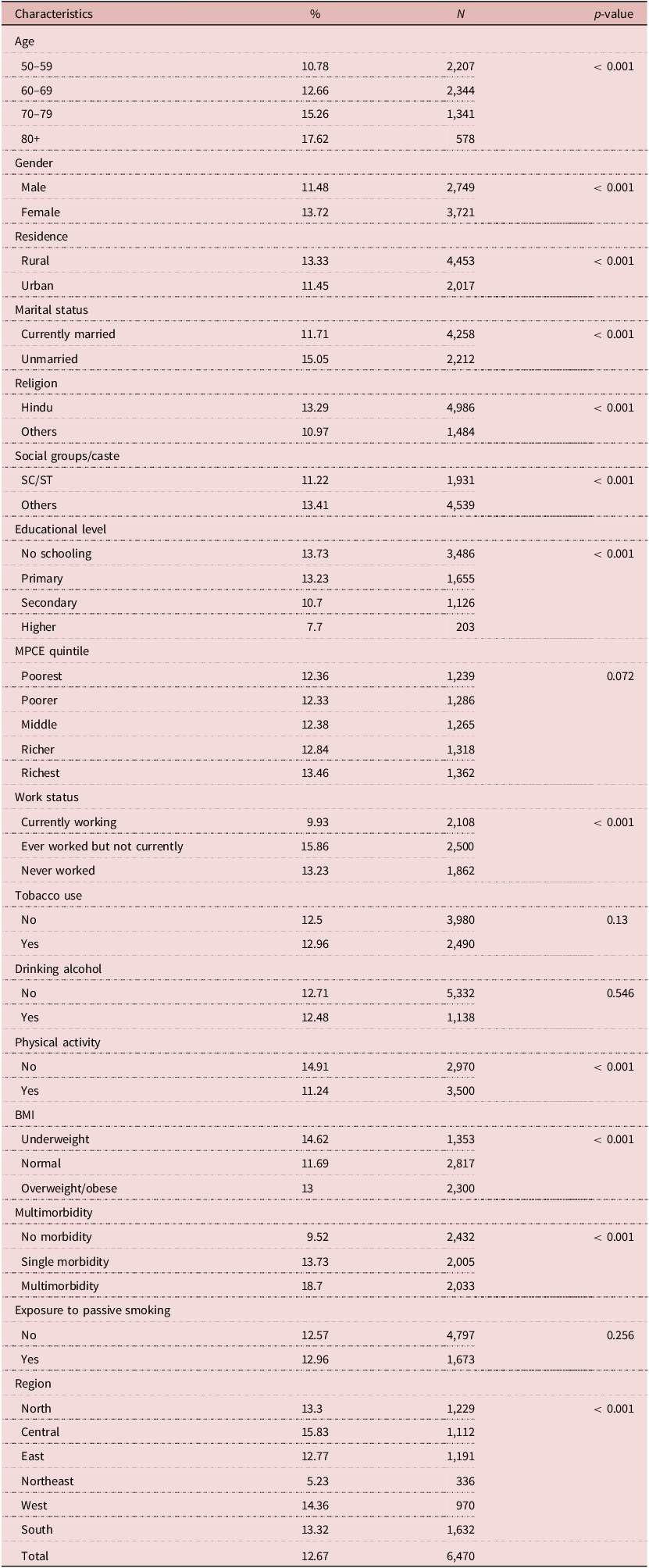
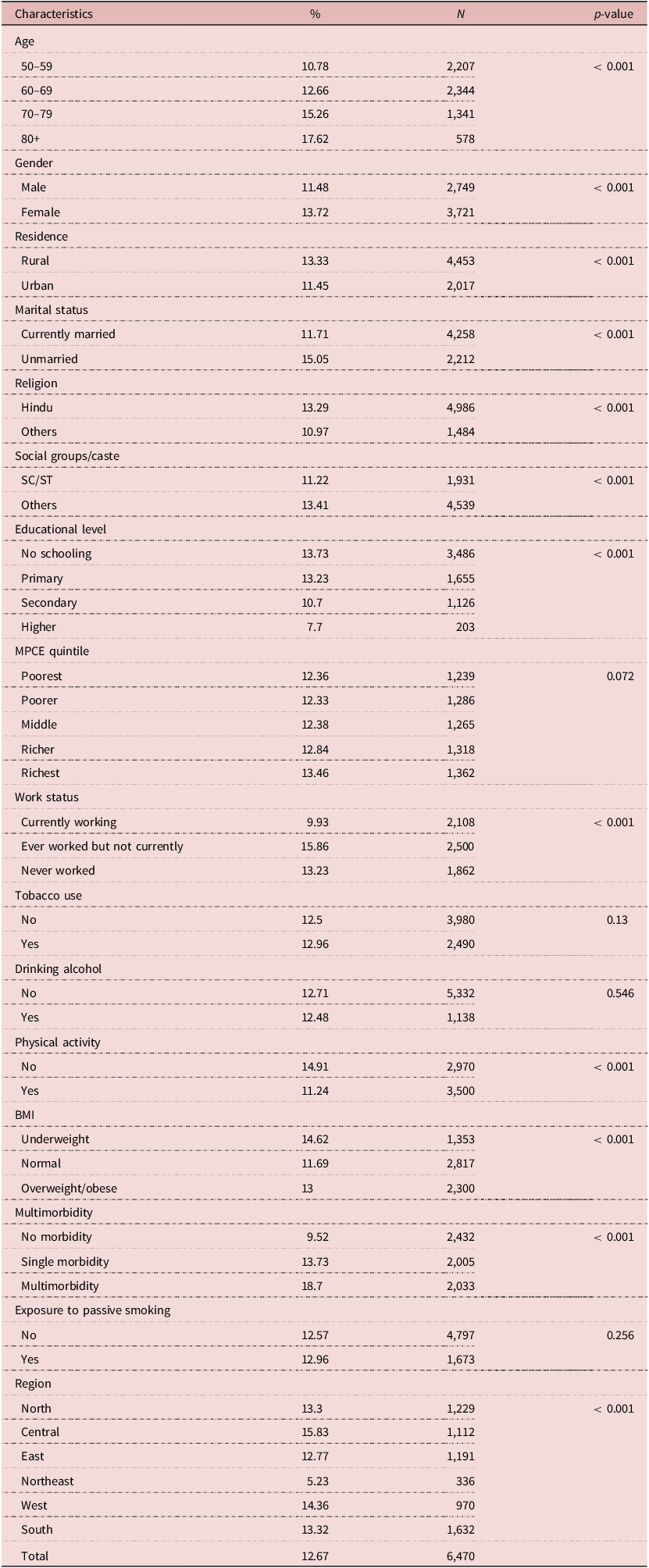
Table 1 shows the prevalence of sleep problems by background characteristics. The prevalence of sleep problems increases with advancing age. Females experienced more sleep problems than their male counterparts (13.7% vs. 11.4%, p < 0.001). Furthermore, the prevalence of sleep problems was higher among the rural population (13.3%). Older adults who were currently married had a lower prevalence of sleep problems (11.8% vs. 15.1%, p < 0.001). The prevalence of sleep problems was higher among the Hindus compared to others (13.3% vs. 10.9%, p < 0.001). Individuals with no schooling reported the highest prevalence of sleep problems (13.7%) compared to the educated groups. Individuals from the richest quintile reported the highest prevalence (13.4%).
Prevalence of Sleep Problems (%) by Background Characteristics, LASI, 2017–2018
Note: N refers to the sample size; p-value estimated from chi-square test; SC= Scheduled Caste; ST= Scheduled Tribe; MPCE = monthly per capita consumption expenditure; BMI = body mass index.
Furthermore, individuals who have worked in the past but are not currently working reported a higher prevalence of sleep problems (15.8%) among others. Individuals not engaged in physical activity reported more sleep problems compared to those engaged in physical activity (14.9% vs. 11.2%, p < 0.001). Compared to older adults of normal BMI (11.6%), underweight (14.6%) and overweight/obese (13%) individuals reported a higher prevalence of sleep problems. Further, older adults with multimorbidity reported a higher prevalence of sleep problems (18.7%, p < 0.001). Individuals from the central (15.8%) and west (14.3%) regions reported a higher prevalence of sleep problems compared to other regions.
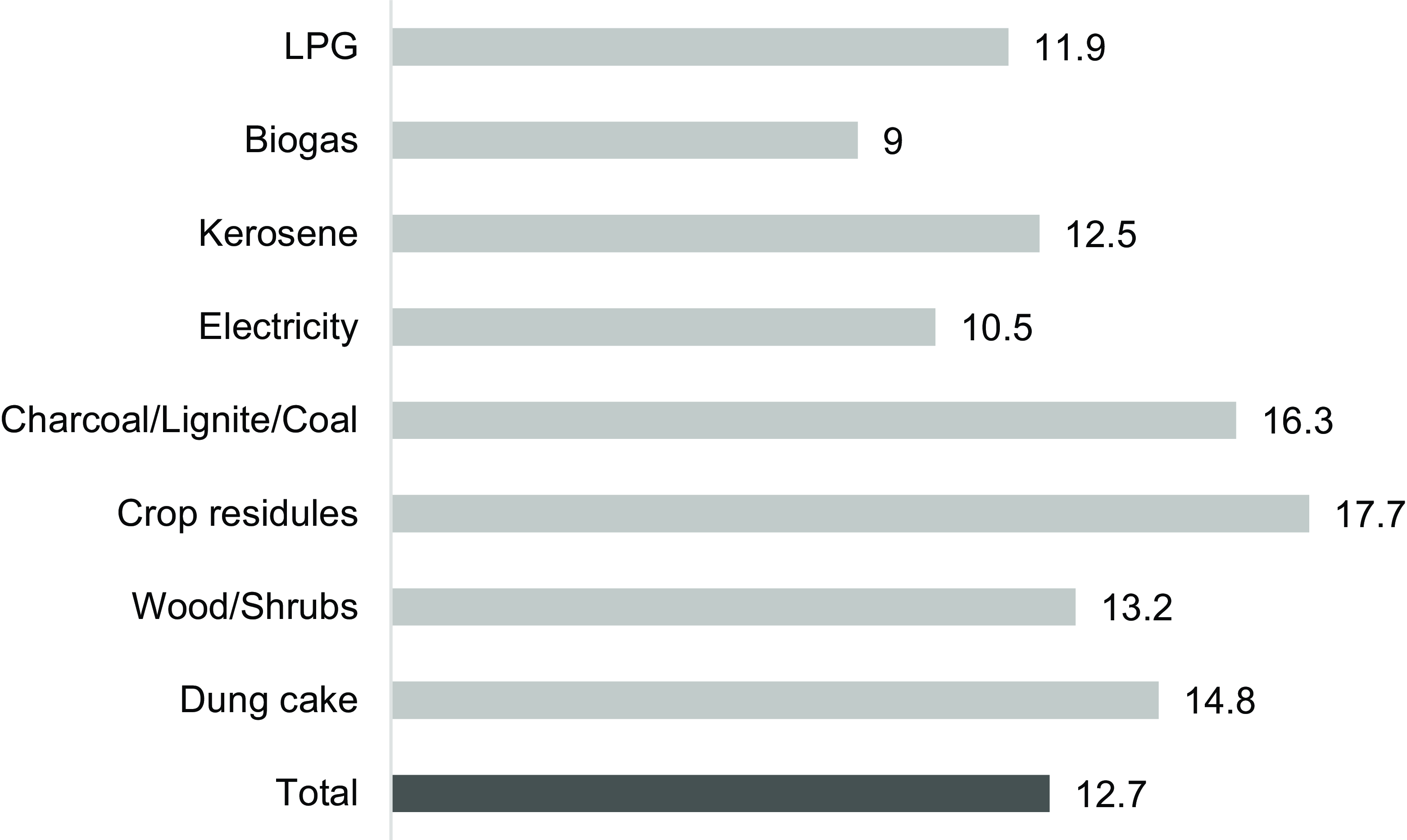
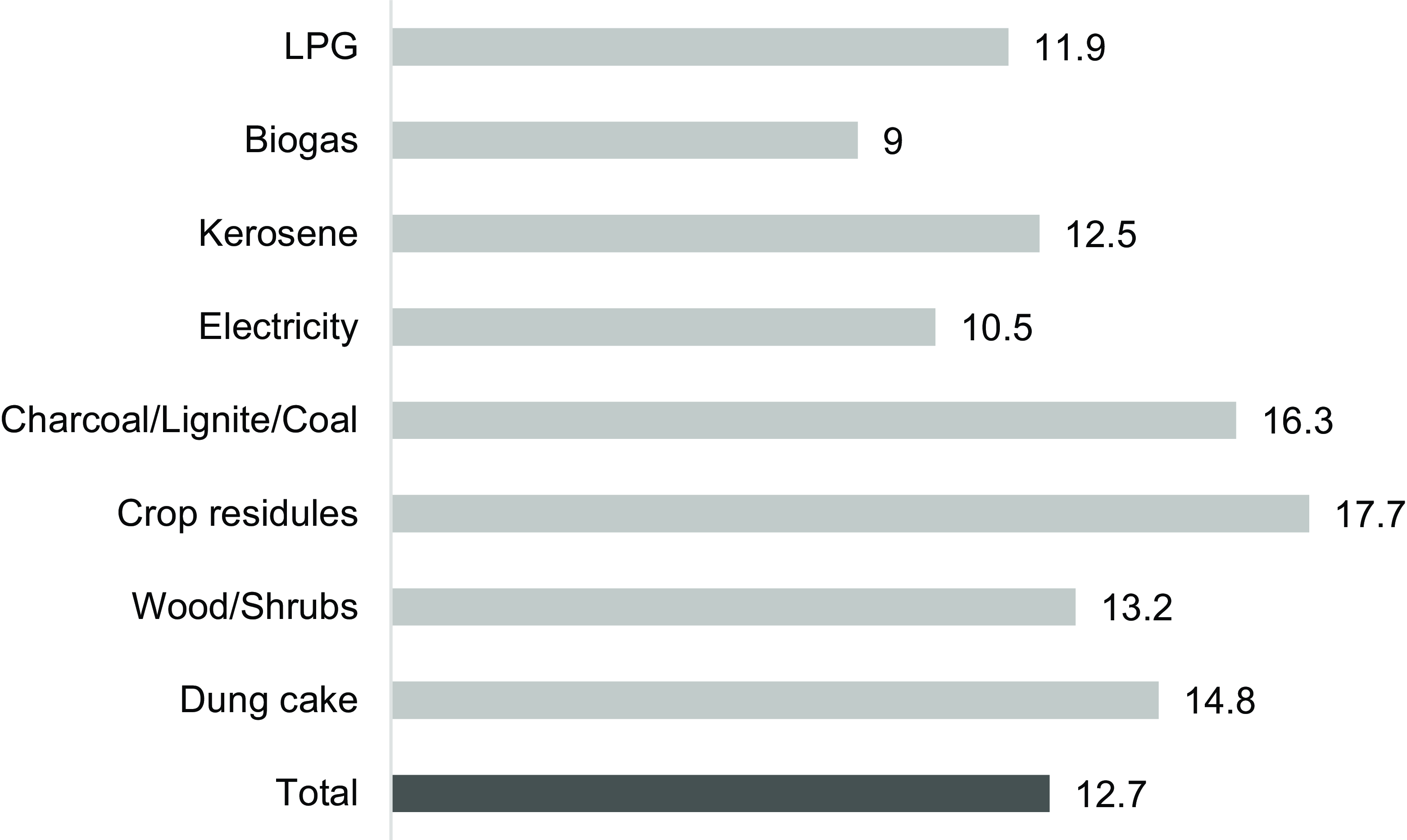
Figure 1 shows the prevalence of sleep problems by various types of fuel used for cooking in the household. Across different types of fuel, the prevalence of sleep problems was significantly higher among the households using crop residue (17.6%), followed by charcoal/lignite/coal (16.0%) and dung cakes (14.8%) for cooking. It was much lower among individuals using biogas (9%), electricity (10.4%), and LPG (11.9%).
Prevalence of Sleep Problems (%) by Various Sources of Cooking Fuel Used in Households Among Older Adults (50+) in India, 2017–2018.
Associations between HAP and sleep problems
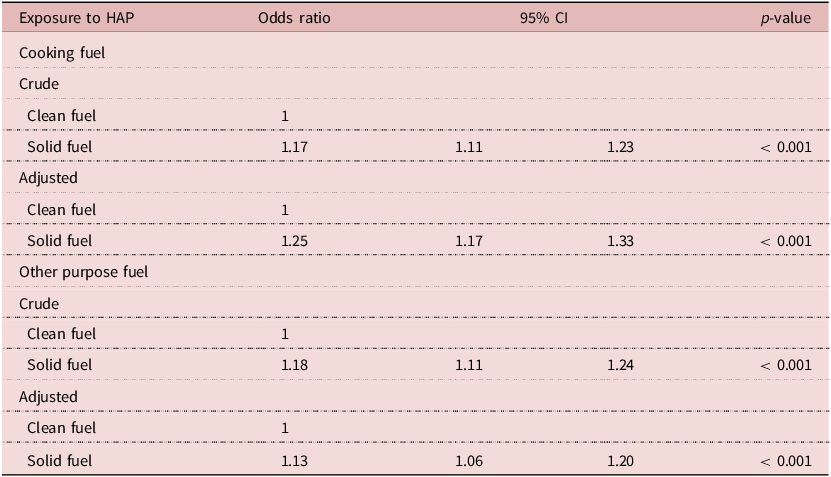
Table 2 presents the logistic regression results of household fuel use and sleep problems. The results showed a significant association between exposure to HAP and sleep problems. Compared to clean fuel use, solid fuel use for cooking was associated with higher odds of sleep problems in crude (OR = 1.17; 95% CI: 1.11; 1.23, p < 0.001) and adjusted model (OR = 1.25; 95% CI: 1.17, 1.33; p < 0.001). Similarly, solid fuel use for other purposes was associated with higher odds of sleep problems in crude (OR = 1.18; 95% CI: 1.12, 1.24; p < 0.001) and adjusted (OR = 1.13; 95% CI: 1.06, 1.20; p < 0.001) model.
Logistic Regression Results of the Association Between Household Fuel Use and Sleep Problems Among Older Adults in India, LASI, 2017–2018
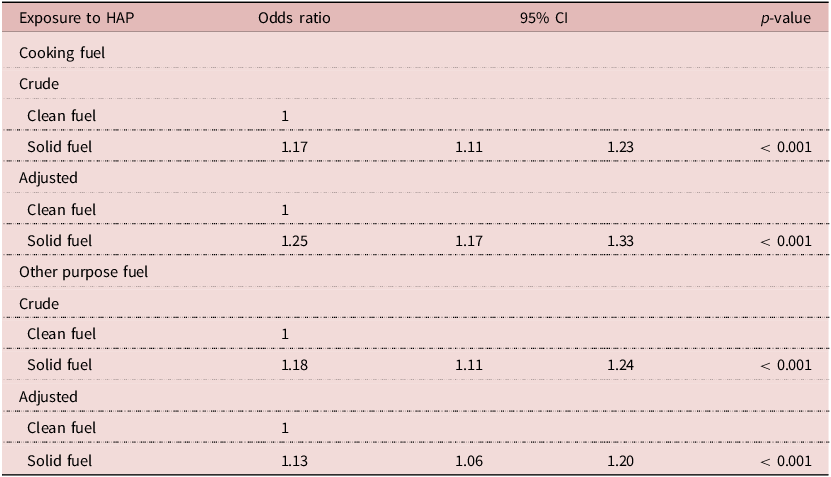
Note: Model adjusted for age, sex, residence, marital status, religion, caste, educational level, MPCE quintile, tobacco, alcohol use, physical activity, BMI, multimorbidity, exposure to passive smoking, and region. HAP = household air pollution; CI = confidence interval.
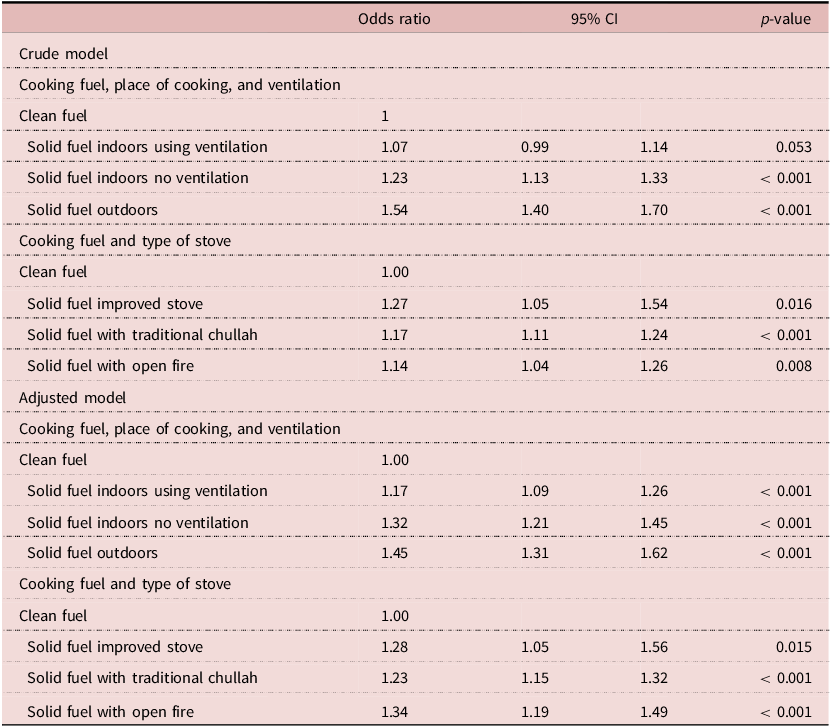
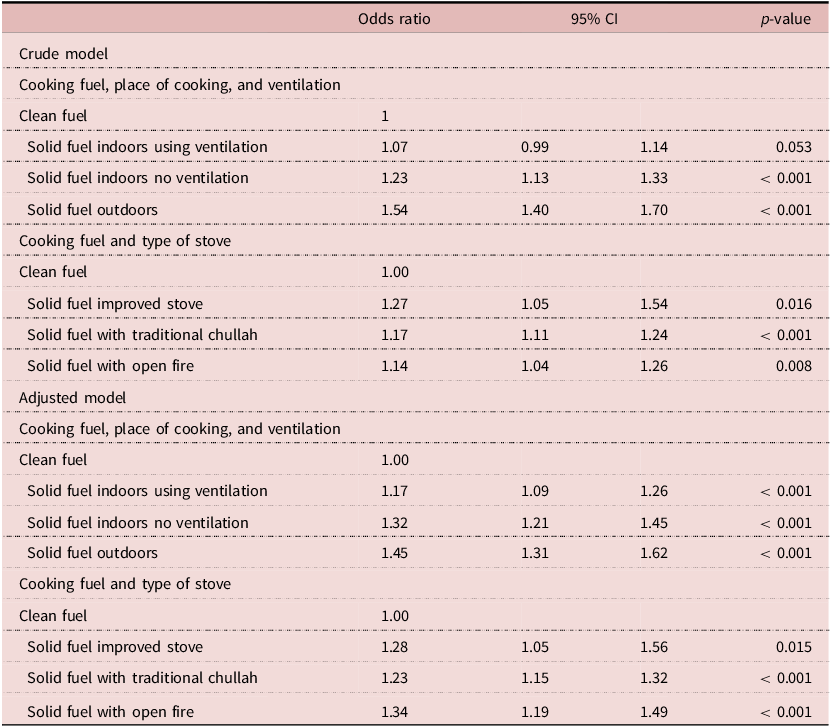
Further, Table 3 presents the logistic regression results of the association between household cooking conditions and sleep problems among older adults in India. In the crude model, compared to clean fuel, solid fuel use indoors with ventilation (OR = 1.07; 95% CI: 0.99, 1.14; p = 0.053), solid fuel without ventilation (OR = 1.23; 95% CI: 1.13, 1.33; p < 0.001), and the use of solid fuel outdoors (OR = 1.54; 95% CI: 1.40, 1.70; p < 0.001) were significantly associated with higher odds of sleep problems among older adults. Similarly, in the crude model, the use of solid fuel, with different types of cooking stoves, was associated with higher odds of sleep problems. Furthermore, in the adjusted model, a similar pattern of association was noted. Compared to clean fuel, solid use indoors with ventilation (OR = 1.17; 95% CI: 1.09, 1.26; p < 0.001), without ventilation (OR = 1.32; 95% CI: 1.21, 1.45; p < 0.001), and outdoors (OR = 1.45; 95% CI: 1.31, 1.62; p < 0.001) was associated with increased odds of sleep problems.
Odds Ratio of Association Between Household Cooking Conditions and Sleep Problems, LASI, 2017–2018
Note: Model adjusted for age, sex, residence, marital status, religion, caste, work status, educational level, MPCE quintile, tobacco, alcohol use, physical activity, BMI, multimorbidity, exposure to passive smoking, and region. CI = confidence interval.
In the adjusted model, higher odds of sleep problems were also noted for the combination of solid fuel and types of stoves. The results showed that solid fuel use with improved stove (OR = 1.28; 95% CI: 1.05, 1.56; p = 0.015), traditional chullah (OR = 1.23; 95% CI: 1.15, 1.32; p < 0.001), or with open fire (OR = 1.34; 95% CI: 1.19, 1.49; p < 0.001) was significantly associated with a greater likelihood of sleep problems than clean fuel among older adults. Furthermore, in the sensitivity analyses, the association between household cooking conditions by changing the reference category (Table S1) was checked. Changing the reference group showed that using solid fuel indoors with ventilation (OR = 0.88; 95% CI: 0.81, 0.97; p = 0.007) was associated with slightly lower odds of sleep problems compared to using solid fuel indoors without ventilation. However, no significant changes were observed after changing the reference category in the association of solid fuel use with the type of stoves and sleep problems.
Moderating effects of household cooking fuel use with sex, age, and residence on sleep problems
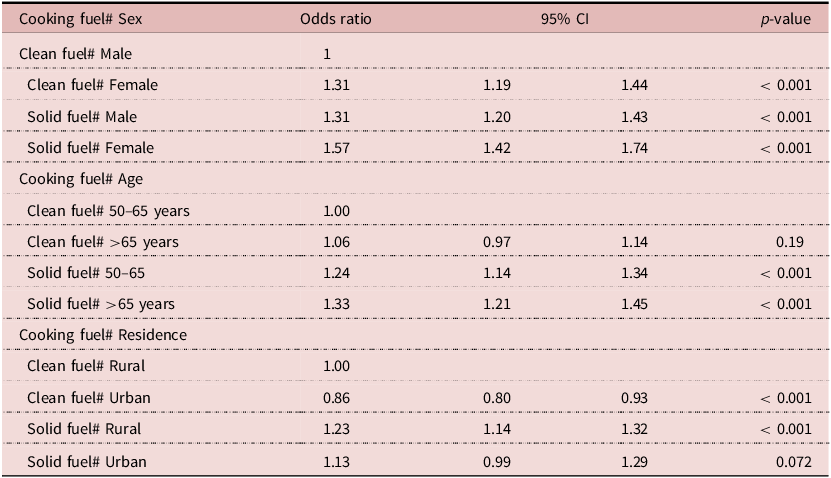
To analyse the moderating effect of sex, age, and residence on HAP exposure, interaction terms were added to the regression model (Tables 4 and 5). Table 4 presents the interaction effects of household cooking fuel use on sleep problems. Clean fuel use for cooking in females (OR = 1.31; 95% CI: 1.19, 1.44; p < 0.001) was associated with higher odds of sleep problems compared to males using clean fuel. Both females (OR = 1.57; 95% CI: 1.42, 1.74; p < 0.001) and males (OR = 1.31; 95% CI: 1.20, 1.43; p < 0.001) using solid fuel for cooking had higher odds of sleep problems compared to males using clean fuel.
Interaction Effects of Cooking Fuel Use with Sex, Age, and Residence on Sleep Problems, LASI, 2017–2018
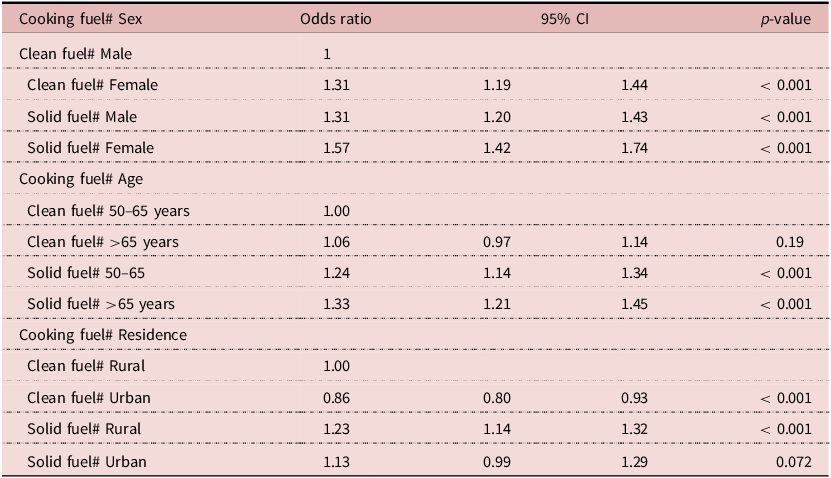
Note: Model adjusted for age, residence, sex, marital status, religion, caste, educational level, MPCE quintile, tobacco use, alcohol use, physical activity, BMI, multimorbidity, exposure to passive smoking, and region. CI = confidence interval.
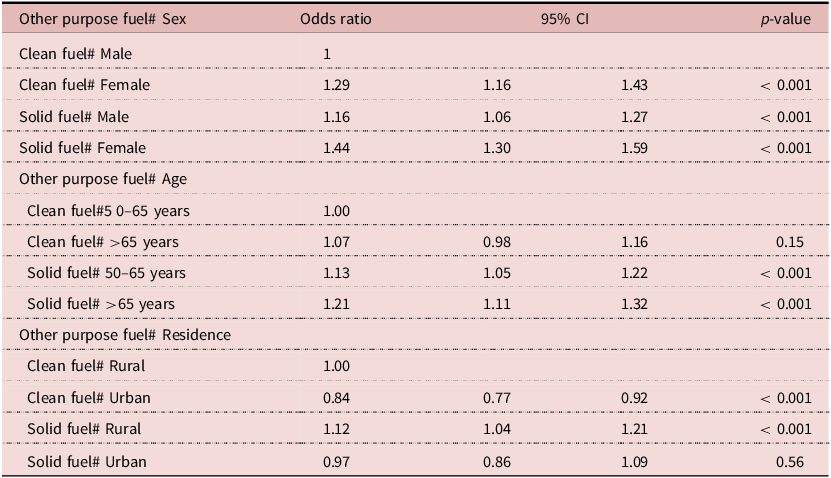
Interaction Effects of Fuel for Other Purposes with Sex, Age, and Residence on Sleep Problems, 2017–2018
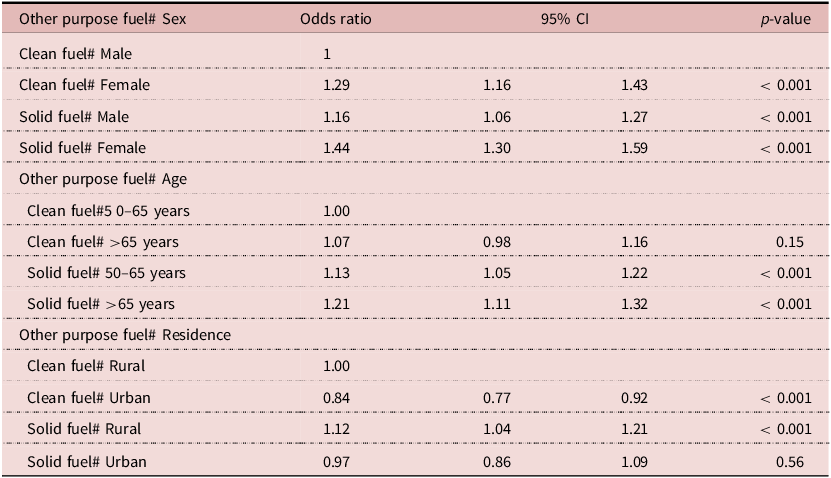
Note: Model adjusted for age, residence, sex, marital status, religion, caste, work status, educational level, MPCE quintile, tobacco use, alcohol use, physical activity, BMI, multimorbidity, exposure to passive smoking, and region. CI= confidence interval.
Additionally, the interaction between age and solid fuel use for cooking was significant. Solid fuel use for cooking was associated with higher odds of sleep problems among individuals aged 50–65 years (OR = 1.24; 95% CI: 1.14, 1.34; p < 0.001 and above 65 years (OR = 1.33; 95% CI: 1.21, 1.45; p < 0.001), compared to the reference category. Residence also showed a moderation effect on the association between cooking fuel use and sleep problems. Compared to clean fuel use in rural areas, clean fuel use in urban areas was associated with lower odds of sleep problems (OR = 0.86; 95% CI: 0.80, 0.93; p < 0.001). Contrary to this, solid fuel use in rural (OR = 1.23; 95% CI: 1.14, 1.32; p < 0.001) was associated with higher odds of sleep problems. Similar patterns in the association were also observed for fuel use for other purposes (Table 5). Compared to reference, solid fuel use for other purposes was associated with higher odds of sleep problems in females (OR = 1.44; 95% CI: 1.30, 1.59; p < 0.001) and males (OR = 1.16; 95% CI: 1.06, 1.27; p < 0.001). Further, solid fuel use for other purposes was associated with increased odds of sleep problems in individuals aged 50–65 years (OR = 1.13; 95% CI: 1.05, 1.22; p < 0.001) and above 65 years (OR = 1.21; 95% CI: 1.11, 1.32; p < 0.001). In the model, assessing the moderation effect of residential areas, solid fuel users in rural areas had higher odds of sleep problems (OR = 1.12; 95% CI: 1.04, 1.21; p < 0.001) compared to clean fuel users in rural areas.
Discussion
This study analysed a nationally representative dataset of older adults aged 50 years and above in India, with a higher proportion of households using solid fuels for domestic use (cooking and other purposes). In line with previous studies (Chen et al., Reference Chen, Liu, Sun, Gu, Zhang, Yang, Lu, Zhao and Yao2020; Liao et al., Reference Liao, Liu, Kang, Song, Wang, Yuchi, Huo, Mao, Hou and Wang2023;Yu et al., Reference Yu, Luo, Chen, Pollitt and Liew2021), the findings of this study suggest that exposure to HAP from solid fuel use was significantly associated with higher odds of sleep problems compared with that of clean fuel users. The results also indicate significant moderation of age, sex, and place of residence in the association of sleep problems and HAP, even after accounting for a wide range of covariates. Overall, the study explores multiple dimensions of HAP exposure and sleep problems and highlights the stringent need for public health policies, with a special focus on solid fuel use and sleep health for older adults.
The results provide compelling evidence by investigating the combined and separate effects of cooking fuel and fuel used for other purposes on sleep problems. The findings highlighted that both solid fuel use for cooking and other purposes were significantly associated with sleep problems among older Indian adults, after accounting for various socioeconomic, demographic, and health-related factors. Previously conducted studies have only focused on the association between cooking fuel and sleep health (Chair et al., Reference Chair, Choi, Cao, Cheng, Chau, Liu and Chien2021; Chen et al., Reference Chen, Liu, Sun, Gu, Zhang, Yang, Lu, Zhao and Yao2020; Wei et al., Reference Wei, Nie, Zhou, Wang, Ma, Peng, Ou, Qin, Li and Zou2017; Yu et al., Reference Yu, Luo, Chen, Pollitt and Liew2021); however, this study makes a modest contribution to the literature by investigating the effects of fuel used for other purposes and household cooking condition, in addition with cooking fuel. The study results are consistent with previous studies conducted in similar settings (Canha et al., Reference Canha, Lage, Candeias, Alves and Almeida2017; Chen et al., Reference Chen, Liu, Sun, Gu, Zhang, Yang, Lu, Zhao and Yao2020; Wei et al., Reference Wei, Nie, Zhou, Wang, Ma, Peng, Ou, Qin, Li and Zou2017; Yu et al., Reference Yu, Luo, Chen, Pollitt and Liew2021). Previous studies have confirmed that solid fuel use could lead to increased indoor exposure to air pollutants such as PM, NO2, and SO2 (Balakrishnan et al., Reference Balakrishnan, Sankar, Ghosh, Thangavel, Mukhopadhyay, Ramaswamy, Johnson, Thanasekaraan, Pluschke and Schleibinger2014; Chafe et al., Reference Chafe, Brauer, Klimont, Van Dingenen, Mehta, Rao, Riahi, Dentener and Smith2014; Seow et al., Reference Seow, Downward, Wei, Rothman, Reiss, Xu, Bassig, Li, He and Hosgood2016), which are far above the WHO’s recommended levels (World Health Organization, 2022).
Furthermore, this study assessed the associations of sleep problems with different household cooking conditions. The findings suggest that compared to clean fuel, the use of solid fuel irrespective of cooking conditions was associated with higher odds of sleep problems. Further, the sensitivity analyses showed that compared with solid fuel use without ventilation, solid fuel use with ventilation reduced the risk of sleep problems. Studies (Duflo et al., Reference Duflo, Greenstone and Hanna2008; Sharma and Jain, Reference Sharma and Jain2019) carried out in India show that the characteristics of the kitchen are important in determining the level of variation in indoor air quality, as well as the adherence to improved cooking practices in the long term, which could reduce exposure to smoke and thus have a positive impact on health.
The results highlight a significant moderating effect of sex, age, and residence on the relationship between exposure to HAP and sleep problems. The results suggest that being older, female, and living in rural areas exacerbates sleeping problems in those exposed to HAP, confirming previous studies (Chen et al., Reference Chen, Liu, Sun, Gu, Zhang, Yang, Lu, Zhao and Yao2020; Liao et al., Reference Liao, Liu, Kang, Song, Wang, Yuchi, Huo, Mao, Hou and Wang2023; Yu et al., Reference Yu, Luo, Chen, Pollitt and Liew2021). Earlier studies have highlighted the gender differences in sleep problems and found that older women are 46% more likely to report sleep problems than men in India (Rani et al., Reference Rani, Selvamani and Sikarwar2022a; Reference Rani, Selvamani and Sikarwarb). Moreover, the gender differences in sleep problems are primarily driven by lower socioeconomic status (Rani et al., Reference Rani, Selvamani and Sikarwar2022). In low- and lower-middle-income countries like India, especially in rural areas, women tend to cook, clean, and look after the family. Such gendered roles put women at greater risk of HAP-related ill-health throughout their adult lives (Baumgartner et al., Reference Baumgartner, Schauer, Ezzati, Lu, Cheng, Patz and Bautista2011; Smith et al., Reference Smith, Bruce, Balakrishnan, Adair-Rohani, Balmes, Chafe, Dherani, Hosgood, Mehta, Pope and Rehfuess2014) and can elevate sleep problems. Further, the odds of sleep problems due to HAP exposure are higher in rural than urban India, potentially because of the higher prevalence of solid fuels in rural areas. In addition to the lack of awareness regarding the health and harmful effects of solid fuel use, the other reasons for rural deprivation include limited/no clean energy options, economic constraints, traditional cooking preferences, and biomass availability (Sharma and Dash, Reference Sharma and Dash2022).
The higher prevalence of sleep problems due to HAP exposure can be explained by several biological pathways. One of the potential explanations is that biochemical effects on the regulation of sleep by the central nervous system could be a factor (Guxens and Sunyer, Reference Guxens and Sunyer2012; Zanobetti et al., Reference Zanobetti, Redline, Schwartz, Rosen, Patel, O’Connor, Lebowitz, Coull and Gold2010). Prolonged exposure to fine particulate matter resulting from the combustion of solid fuels has been linked to reduced serotonin levels. Serotonin, a neurotransmitter, plays a crucial role in regulating wakefulness and circadian rhythms. A decrease in serotonin levels may result in heightened daytime sleepiness and disturbances in sleep patterns (Chuang et al., Reference Chuang, Su, Chuang, Hsiao, Lin, Hsu, Pan, Lee, Ho and Lai2018; Wang et al., Reference Wang, Zhang, Zeng, Zeng, Wang and Chen2009). Another potential mechanism could involve the influence of HAP on respiratory system physiology. Air pollutants may disrupt respiration by inducing inflammation or swelling of the mucous membranes, and as a result, an increased risk of breathing problems, such as obstructive sleep apnoea or hypoxia, would lead to sleep problems (Scinicariello et al., Reference Scinicariello, Buser, Feroe and Attanasio2017). Studies have also shown that the exposure to solid fuel smoke could lead to brain damage characterised by various changes, such as modifications to the blood–brain barrier, degeneration of cortical neurones, and changes in white matter cells. These detrimental effects have the potential to impact motor functions of the brain and influence the quality of sleep (Calderón-Garcidueñas et al., Reference Calderón-Garcidueñas, Azzarelli, Acuna, Garcia, Gambling, Osnaya, Monroy, Del Rosario Tizapantzi, Carson and Villarreal-Calderon2002; Shi et al., Reference Shi, Wu, Yazdi, Braun, Awad, Wei, Liu, Di, Wang and Schwartz2020). Furthermore, a few studies have also suggested that long-term exposure to PM2.5 can aggravate anxiety and depressive symptoms and subsequently disrupt sleep (Liu et al., Reference Liu, Chen and Yan2020; Pun et al., Reference Pun, Manjourides and Suh2017). Additional research is necessary to clarify the mechanisms by which air pollution affects sleep disorders due to the intricacy of mixed air pollution.
Being the earliest attempt to check the association between HAP and sleep problems, the findings are of great value to public health policymakers. This study takes into account many potential co-factors and includes different exposure variables. These findings can be generalised to similar national settings and provide policy insights into improving sleep health through promoting clean fuel use in households.
While this research has strengths, it has a few limitations also. The cross-sectional design prevents establishing a causal relationship. Future studies should use upcoming LASI survey waves for a more extended view of HAP’s impact on sleep health. The survey lacks details on solid fuel use duration or changes. The study estimates HAP exposure indirectly, introducing potential inaccuracies. Despite considering household factors, caution is needed in the result interpretation. The LASI database lacks outdoor air pollution or geocoded data, preventing control for these factors. Self-reported sleep and HAP information may introduce bias. Detailed sleep information is lacking. Future studies should employ more advanced sleep assessments and wearable tools. Uncontrollable factors like occupational exposure to air pollution, diet, and social or environmental elements affecting sleep health are not considered in this study due to data limitations.
Furthermore, the study holds significant implications for policy formulation and public health programmes dedicated to enhancing healthy aging and overall health and advocating for the adoption of clean energy in alignment with the UN Sustainable Development Goal 7. Despite the implementation of government schemes such as the Pradhan Mantri Ujjawala Yojana in 2016, which aims to supply clean cooking fuel (LPG) to households below the poverty line, it appears that intervention efforts are still insufficient, particularly in the rural areas of the country. Furthermore, more awareness needs to be created regarding sleep health among the population.
Conclusion
The study concludes that HAP from solid fuel use is significantly associated with self-reported sleep problems among older adults in India. Age, sex, and residence moderated the relationship between exposure to HAP and sleep problems. In particular, older adults at advanced age (>65 years), women, and rural residents exposed to HAP from solid fuel use were at greater risk of sleep problems. The findings suggest that supporting clean fuel use may reduce the prevalence of sleep problems among older adults. Moreover, the policy measures should be tailored with attention to people in later age groups and women who generally spend more time at home and are more susceptible to HAP as well as sleep problems. Further investigation is needed to examine the association between direct measures of indoor air pollution exposure with sleep health.
Funding statement
This research received no specific grant from any funding agency, commercial entity, or not-for-profit organisation.
Competing interests
The authors have no conflicts of interest to declare.
Ethical approval
This study is based on a secondary dataset. The authors assert that all procedures contributing to this work comply with the ethical standards of the relevant national and institutional committees on human experimentation and with the Helsinki Declaration of 1975, as revised in 2008.

 Open access

