

INTRODUCTION
Water is an important input in agriculture and rice consumes much of the available water resources of the country. The farmers irrigate rice as much as possible and maintain high submergence throughout the crop growth period with the wrong notion that yields could be increased with increased water input. The continuous land submergence leads to considerable loss of water through deep percolation and other means (Bouman, Reference Bouman2001). Submerged rice fields also bring a series of physical, chemical and microbiological changes to the soil, which profoundly affects the growth of rice plants as well as availability, loss and absorption of nutrients (Ghildyal, Reference Ghildyal1978). It is well documented that rice roots degenerate under flooded conditions and deprive optimum crop growth due to decreased feeding zone of the crop, which could lead to the lodging and death of the plants after water recedes (Chaturvedi et al., Reference Chaturvedi, Mishra, Singh, Pandey, Yadav, Singh, Dwivedi, Singh, Singh and Ingram1995). Therefore, it is essential to develop suitable systems of water management, which are not only economical and better for growth and development but also utilize limited water most efficiently.
By 2025, about 15 million hectare of Asia's flood-irrigated rice area will experience water shortage (Tuong and Bouman, Reference Tuong and Bouman2003). There is need to produce more rice with less water to feed the burgeoning population (Subbaiah, Reference Subbaiah2005). Considering the high water requirement of rice compared with other crops, rice is targeted globally for conserving water (Tuong and Bouman, Reference Tuong and Bouman2003; Wang et al., Reference Wang, Bouman, Dule, Wang, Moya, Bouman, Hengsdijk, Hardy, Bindraban, Tuong and Ladha2002a). In recent years, much attention is given to rice water management and technologies are being aggressively developed for more water-productive cultivation practices. Technologies such as the system of rice intensification (SRI), direct seeding under puddled soil, alternate wetting and drying (AWD) and aerobic rice cultivation are some of these practices. Reducing crop duration through choice of varieties (Patel et al., Reference Patel, Das, Munda, Ghosh, Bordoloi and Kumar2010) or management practices (Patel et al., Reference Patel, Das, Munda, Ghosh, Ngachan, Kumar and Saha2008) without affecting productivity are other approaches.
The SRI, developed in Madagascar after two decades of field evaluation (Stoop et al., Reference Stoop, Uphoff and Kassam2002; Uphoff, Reference Uphoff2001; Uphoff et al., Reference Uphoff, Fernandes, Yuan, Peng, Rafaralahy and Rabenandrasana2002), offers opportunities to researchers and rice farmers to expand their understanding of potentials already existing in the rice genome. Global experience with SRI methods suggests that average rice yields could be enhanced substantially over the present world average without replacement of cultivar or the use of purchased input (Wang et al., Reference Wang, Cao, Jiang, Dai and Zhu2002b). Of late, certain modifications in SRI have been suggested (increasing seedling age up to 15 days, 2 seedlings hill−1, 20 × 20 cm spacing etc.) to suit the local needs involving integrated use of best management practices to increase the productivity and income (Rajendran et al., Reference Rajendran, Balasubramanian, Ravi, Valliappan, Jayaraj and Ramanathan2004, Reference Rajendran, Ravi, Valliappan, Nadanasabapathy, Jayaraj, Ramanathan and Balasubramanian2005).
In India, where cultivable land is decreasing due to the increasing demand of land from other sectors and where an increasing population is creating additional demand for food grains, the farmers are adopting intensive tillage, more and more chemical fertilizers, more irrigation and excessive pesticides that have adverse impacts on soil health and productivity. Poor farmers lose interest in rice cultivation as factor productivity is declining (Das et al., Reference Das, Tomar, Ramesh, Munda, Ghosh and Patel2010b) and its profitability is in question with the rise in input costs. In this context, new technologies such as SRI and integrated crop management (ICM; intermediate practice of SRI and CRC, i.e. 20 days seedling age, medium spacing 20 cm × 20 cm, 1 seedling hill−1), appear to have potential that save inputs, protect the environment and could improve productivity and soil health (Balasubramanian et al., Reference Balasubramanian, Sie, Hijmans and Otsuka2007; Kumar and Shivay, Reference Kumar and Shivay2004; Satyanarayana et al., Reference Satyanarayana, Thiyagarajan and Uphoff2007; Singh et al., Reference Singh, Kumar, Sreedevi, Krishnamurthy and Subbaiah2007; Sinha and Talati, Reference Sinha and Talati2007).
The SRI is an emerging water-saving technology, which can help to make rice cultivation more efficient in terms of returns on farmers’ investments as well as in the use of scarce resources such as water, seed and fertilizers. This system can save about 30–40% of water and, at the same time, farmers can get higher yields. In addition to higher grain yields, the SRI method could save seed by six times and other inputs such as fertilizer, pesticides to a great extent, thereby making rice cultivation more profitable (Rao et al., Reference Rao, Poonal, Ghosh, Mahapatra and Pandey2007). The SRI is gaining popularity in many countries including India due to its advantages over conventional methods, viz. water and seed saving, higher yield and less dependence on chemicals (Uphoff, Reference Uphoff2003). The SRI and ICM methods of crop establishments are also reported to save energy as less input is used (Jayadeva et al., Reference Jayadeva, Prabhakara Shetty and Sanjay2009; Sanjay et al., Reference Sanjay, Prabhakara Setty and Nanjappa2006). However, no yield advantage with SRI has also been reported by some researchers (Maser and Barett, Reference Maser and Barett2003; McDonald et al., Reference McDonald, Hobbs and Riha2006).
The SRI has been introduced in North East Region of India (Eastern Indian Himalayan Region) in 2003–04 and there is good scope to bring more area under production provided establishment technology and nutrient management practices for the SRI are refined and standardized. The recommended fertilizer dose based on the soil test crop response for the study area for conventional rice culture (CRC) is 80:26:33 kg NPK ha−1 (Das et al., Reference Das, Baiswar, Patel, Munda, Ghosh, Ngachan, Panwar and Chandra2010a). The SRI principles encourage the use of organic manure instead of inorganic fertilizers (Patel et al., Reference Patel, Das, Munda, Ghosh, Ngachan, Kumar and Saha2008; WWF-ICRISAT, 2010) to harness optimum crop potential. However, much of the available literature suggests that integrated nutrient management with a judicious combination of organic manure and inorganic fertilizer as per the resources available with the farmers is the best option for higher soil and crop productivity (Aulakh and Grant, Reference Aulakh and Grant2008). Hence, there is a need to evaluate the individual and integrated effect of organic and inorganic fertilizers for SRI, ICM vis-à-vis CRC. Therefore, an attempt has been made to evaluate the effect of different crop establishment methods and nutrient management practices on low-land rice productivity in the mid-hill ecosystem. We hypothesized that the SRI establishment method would give higher productivity under integrated application of organic and inorganic fertilizer compared with other establishment methods and application of fertilizer and manure individually.
MATERIALS AND METHODS
Field experiments were conducted at the low-land agronomy farm, ICAR Research Complex for NEH Region, Umiam, Meghalaya, India, during three consecutive rainy seasons (2005–07) under rainfed conditions. The institute farm is located at 25°30′ N latitude and 91°51′ E longitude with an elevation of 950 m above mean sea level. The soil of the experimental field was low in available P (6.95 kg ha−1), medium in N (277 kg ha−1) and high in K (258 kg ha−1). The pH and organic carbon content of the soil was 5.1 and 2.56%, respectively. The experimental soil was sandy clay loam in texture. The experimental site falls under a per-humid subtropical type of climate. The average monthly minimum and maximum temperature during the rice growing seasons ranged from 12.4 to 21.2 °C and from 23.9 to 29.1 °C, respectively. The rainfall pattern and total rainfall during the cropping seasons from 2004–07 are presented in Figure 1.
Average monthly rainfall and distribution pattern (mm) during the cropping season.

Three stand establishment methods, viz. SRI, ICM and CRC, were assigned to main plots and five nutrient management practices, viz. recommended dose of fertilizer (RDF) (80:26:33 kg NPK ha−1), farmyard manure (FYM) 10 t ha−1, RDF + FYM 5 t ha−1, 50% RDF + FYM 10 t ha−1 and control to subplots in a split-plot design and replicated thrice. The gross and net plot sizes were 5 m × 4 m and 4 m × 3 m and the treatments were superimposed in the same plot every year to study the cumulative treatment effects. The nurseries for all the three establishment methods were sown on the same day but transplanting date varied as per the requirement of different establishment methods. For SRI, 10-day-old seedling at 1 seedling hill−1 was used with 25 cm × 25 cm spacing while for ICM, it was 20-day-old seedlings at 2 seedlings hill−1 with a spacing of 20 cm × 20 cm and for CRC, 30-day-old seedlings at 3 seedlings hill−1 with a spacing of 20 cm × 15 cm was followed. High yielding and medium duration rice variety ‘Shahsarang 1’ was used as test crop in the experiments. The nursery for SRI and ICM was prepared using a modified mat nursery (MMN) method. However, for CRC the conventional method was used following 40-kg seed ha−1, 500-m2 nursery area, raised bed of 1 m width and 0.15 m height. The three establishment methods (SRI, ICM and CRC) were compared with each other considering respective package of practices as part of treatments.
In MMN, the seedlings were raised in a 4-cm layer of soil arranged on a firm surface covered with a plastic sheet. A wooden frame of 1 m width, 0.04 m height and suitable length divided into equal segments of 0.75 m each was placed over this firm surface covered with a plastic sheet. Each segment of the frame was filled with soil mixture uniformly and pre-germinated seeds were sown on the soil surface with a seed rate of 50 g m−2 and covered with the same soil mixture. The soil mixture (4 m3 for 100 m2 of mat nursery) was prepared by mixing 75–80% soil, 15–20% well-decomposed FYM and 5% rice hull ash. To this soil and manure mixture (4 m3), 1.5 kg of powdered DAP (Diamonium phosphate) was added and mixed thoroughly. The seedbed was sprinkled with water using a rose can as and when needed. The nursery bed was protected from heavy rains using straw mulching for the first 5 days. A nursery of a 100-m2 area and 10–12 kg of good quality seeds were sufficient for one hectare area with the ICM method and a 50-m2 nursery with 5–7 kg seeds was enough for the SRI method. The seedlings attained one-and-a-half leaf stage in about 10 days and young seedlings were transplanted by scooping the single seedlings for SRI and on 20th day for the ICM method (2–3 leaves). Care was taken to transplant seedlings within 30 minutes of scooping from the nursery to avoid wilting and reduce transplanting shock.
The FYM was applied 20 days ahead of transplanting to the main field and incorporated during ploughing. The supply of N, P and K was ensured through urea, single super phosphate (SSP) and muriate of potash (MOP) fertilizer. A half dose of N and full dose of P and K were applied as basal. The remaining half dose of N was divided in two equal portions and applied at tillering and panicle initiation stages. Two hand weedings (HWs) in CRC (20 and 45 days after transplanting (DAT) and two HWs (15 and 45 DAT) and one weeding with cono-weeder (30 DAT) was done in the SRI and ICM methods. All the weed biomass was recycled back into the field by incorporation. No major pest and disease problems were observed. A spray of bavistin (2 g l−1) was given as preventive measure against blast disease in the nursery.
The complete recommended method of water management for SRI and ICM could not be followed due to the high rainfall pattern in the region. However, to the extent possible, the field was given conditions of AWD and only a thin film of water was maintained by closing and opening of bund around the plots as necessary. For easy irrigation and drainage of water, a channel of 30 cm width and 20 cm depth was provided around each individual plots. A continuous flooded water level of about 5 ± 2 cm was maintained in CRC plots. After the grain-filling stage, the water from all the plots irrespective of establishment methods was drained out.
Plant height, dry matter production (DMP), effective grains per panicle and test weight (1000 grain weight) were recorded at maturity from randomly selected five hills in each plot. Panicles per square metre were recorded from a randomly selected one-metre square area from each plot. Root parameters were collected at the 50% flowering stage from randomly selected five hills. Selected hills were carefully removed using a core of 10 cm length and 7 cm diameter and roots were washed gently in tap water. Root volume was measured in a one-litre measuring cylinder by the water displacement method. Harvest index (HI) was computed by dividing the grain yield (14% moisture) with total biomass production multiplied by 100.
The leaf photosynthesis rate (Pn; μmol CO2 m−2 s−1) and transpiration rate (TR; mmol water m−2 s−1) were measured in five flag leaves in each treatments at the 50% flowering stage using the portable photosynthesis system (Model CIRAS-2, UK) during morning hours (9–10 am). The ratio between rates of photosynthesis and transpiration (Pn/TR) was used to determine instantaneous water use efficiency (WUE) as described by Rosenberg and Kriiger (Reference Rosenberg and Kriiger1993). Ripening ratio was computed by dividing the number of effective grains (filled grains) by total grains per panicle multiplied by 100 at harvest from randomly selected five panicles from each treatment.
At harvest, grain and straw samples of rice were analysed for total N using a micro-Kjeldahl method, while total P and K were determined using sulphuric–nitric–perchloric acid digest as per procedures described by Prasad et al. (Reference Prasad, Shivay, Kumar and Sharma2006). Nutrient uptake was estimated by multiplying the N, P and K concentration (%) of grain and straw with their respective yield in kg ha−1 and summing up the two values. The post-harvest soil samples were collected from 0–20 cm depth for analysing available nutrient status. The soil samples were analysed for alkaline permanganate oxidizable N, 0.5 M NaHCO3 extractable P and 1 N NH4OAC exchangeable K as per the procedure described by Prasad et al. (Reference Prasad, Shivay, Kumar and Sharma2006). Soil organic carbon (SOC) was analysed by dichromate oxidation and titration with ferrous ammonium sulphate (Walkley and Black, Reference Walkley and Black1934).
The cost of cultivation and returns was calculated based on the prevailing market price of the inputs and produce. The cost of fertilizer was urea $0.11 kg−1, SSP $0.08 kg−1 and MOP $0.10 kg−1. Labour charge was $1.71 man-day−1 (8 hours). The cost of FYM including transportation charges was $8.51 t−1. The cost of rice and straw was $127.7 t−1 and $ 10.6 t−1, respectively. Net return/per dollar invested (NRP) was obtained by dividing the net income with cost of cultivation. Energy input and output were calculated by converting the various inputs used such as labour, fertilizer, FYM and output such as grain and straw into energy term (MJ) as per the values indicated by Mittal et al. (Reference Mittal, Mittal and Dhawan1985).
The plant and soil data were statistically analysed using the F test as per the procedure given by Gomez and Gomez (Reference Gomez and Gomez1984). The differences between treatments means were compared with the least significant difference (LSD) at the 5% level of probability (p = 0.05). Interactions if found significant were discussed.
RESULTS AND DISCUSSION
Growth
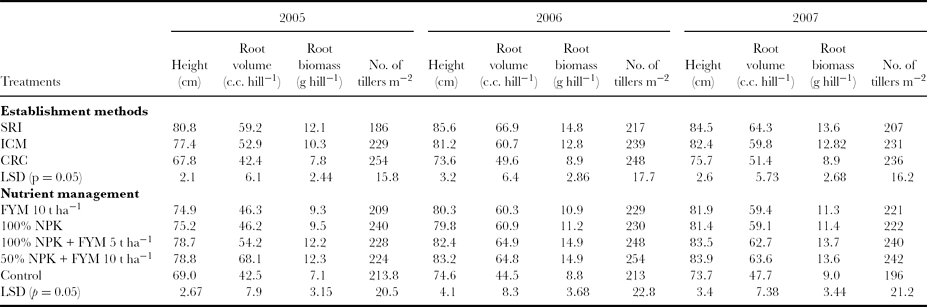
Establishment methods and nutrient management practices significantly influenced the growth attributes such as plant height, root volume, root biomass and number of tillers per square metre (Table 1). Plant height was significantly higher in SRI than in ICM and CRC except in 2007 when plant height under SRI and ICM was similar. Biomass/hill, root volume and root biomass per hill were also significantly higher under SRI than CRC but remained similar to those of ICM. Kewat et al. (Reference Kewat, Agrawal and Sharma2002) and Xiuming et al. (Reference Xiuming, Qing, Jum and Huaizhen2004) also stated that DMP increased by planting rice following the SRI method compared with CRC. The younger seedlings in SRI and ICM when carefully transplanted by keeping roots intact and along with rice seed and some soil still attached and transplanted soon after removing from nursery might have encouraged a vigorous and deeper system that resulted in better growth and DMP (Shekhar et al., Reference Shekhar, Mamkotia and Dev2009). Hand weeding along with weeding using cono-weeder under SRI and ICM managed weeds and improved aeration and resulted in better root and crop growth (Uphoff, Reference Uphoff2003). The massive root system, which came in contact with a larger volume of soil, might have absorbed more moisture and nutrients. Intermittent irrigation and cono-weeder passing helped not only to control the weeds but also loosened the soil and supplied oxygen directly to the growing roots, resulting in a more active and sturdy root system. These results are in accordance with the findings of Uphoff and Randriamiharisoa (Reference Uphoff and Randriamiharisoa2002) and Setty et al. (Reference Setty, Bandi, Singh and Sanjay2007)
Effect of stand establishment methods and nutrient management on growth attributes of rice.
SRI = system of rice intensification; ICM = integrated crop management; CRC = conventional rice culture.
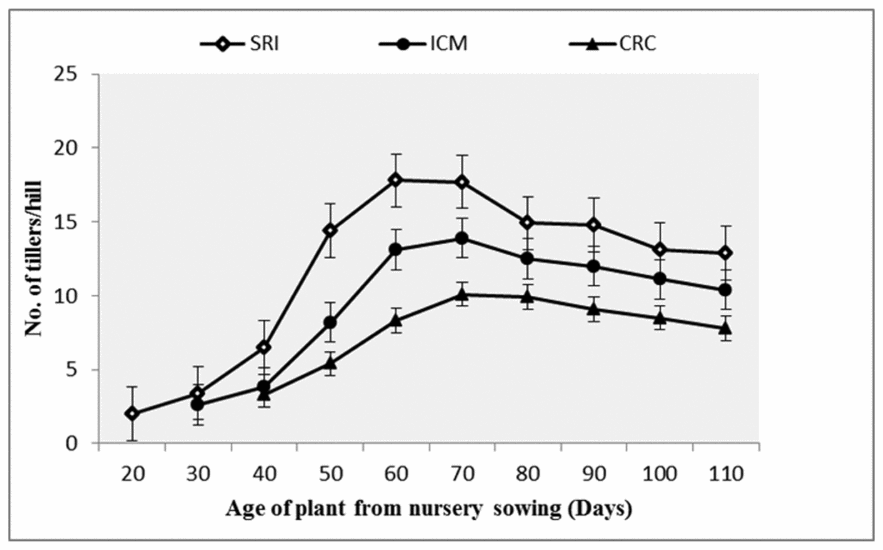
In our study, the number of tillers per hill was maximum in SRI followed by ICM, which were significantly higher than CRC. The tillers per hill were recorded at 10 days interval from transplanting for all the establishment methods up to 110 days crop age from nursery sowing (Figure 2). At 40 days age, i.e. 30, 20 and 10 DAT for SRI, ICM and CRC, the number of tillers per hill were 6.5, 3.8 and 3.3, respectively. The number of tillers per hill was maximum at 60 (17.8), 70 (13.9) and 70 (10.1) days age and stabilized at 13.1, 10.4 and 7.8 tillers hill−1 at 110 days crop age. Thus, the number of tillers per hill at the stabilization stage were 65 and 33% higher under SRI and ICM than in CRC. However, the number of tillers per square meter was significantly higher in CRC than in ICM and SRI (Table 1). The number of tillers per square metre was minimum under SRI among the establishment methods. Wang et al. (Reference Wang, Cao, Jiang, Dai and Zhu2003) also reported that the number of tillers per unit area was fewer under SRI than other establishment methods.
Effect of crop establishment methods on pooled tillers per hill at 10-day-intervals from nursery sowing date (vertical bars represent standard error).
Among the nutrient management practices, RDF + FYM 5 t ha−1 and 50% RDF + FYM 10 t ha−1 recorded similar growth attributes (plant height, root biomass and volume, biomass/hill etc.), which were significantly higher than other treatments (Table 1). The individual application of RDF and/or FYM 10 t ha−1 recorded similar growth attributes, which were significantly higher than those of control. The higher values of growth attributes such as plant height, number of tillers and dry matter per plant with FYM 5 t ha−1 + 100% of the RDF compared with other sources have also been reported by Solunke et al. (Reference Solunke, Giri and Rathod2006).
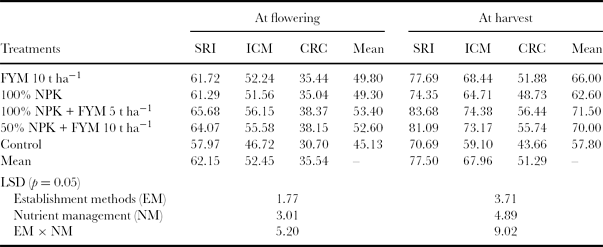
Significant differences between establishment methods were recorded in the DMP (g hill−1) (Table 2). In our study, the DMP both at flowering and harvest was significantly higher under SRI followed by ICM than CRC. At flowering and harvest, the DMP (g hill−1) recorded under SRI and ICM were 75 and 46% and 51.2 and 32.5% higher than CRC, respectively. The nutrient sources also had an appreciable influence on the DMP of rice. Application of recommended NPK + FYM 5 t ha−1 produced the maximum DMP, closely followed by 50% recommended NPK + FYM 10 t ha−1. Higher dry matter accumulation (g hill−1) of rice grown through SRI and ICM compared with CRC has also been reported by other researchers (Kewat et al, Reference Kewat, Agrawal and Sharma2002; Xiuming et al., Reference Xiuming, Qing, Jum and Huaizhen2004). The interaction effect of establishment methods and nutrient management practices was significant on DMP. Significantly higher DMP of rice were recorded under SRI at recommended NPK + FYM 5 t ha−1, which was at par with all other nutrient management practices under SRI, however, it remained significantly higher than other establishment methods at all the nutrient management practices.
Effect of stand establishment methods and nutrient management practices on dry matter production (g hill−1) of rice (pooled over three years).
SRI = system of rice intensification; ICM = integrated crop management; CRC = conventional rice culture.
Yield attributes
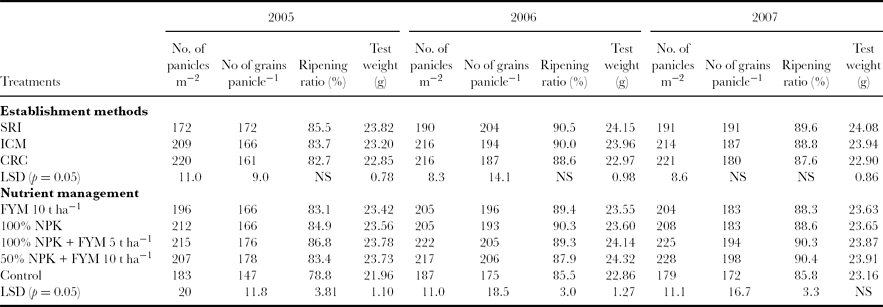
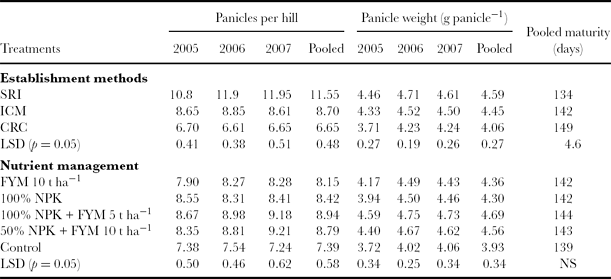
Yield attributes of rice, viz. panicles per square metre, grains per panicle, ripening ratio and test weight, were significantly influenced by the establishment methods and nutrient management practices (Table 3). The number of panicles per square metre was similar under CRC and ICM, which were significantly higher than SRI. In contrast, the number of grains per panicle and test weight was maximum with SRI. Establishment methods had no significant effect on ripening ratio of rice grain. The weight per panicle was also maximum under SRI, followed by ICM and CRC (Table 3). Therefore, it was evident that all the yield attributes in relation to individual hills were maximum under SRI, followed by ICM, and minimum values were evident with CRC. However, the major yield attribute panicles per square metre was higher under ICM and CRC. In Andhra Pradesh, India, SRI resulted in an average increase in the number of panicles per square metre by 14.4%, grains per panicle by 16.8%, 1000-grain weight by 2.9% and grain yield by 16.6% over CRC (Reddy et al., Reference Reddy, Reddy and Reddy2007). Old seedlings mature later because of the delayed formation of tillers and the longer time to recover from transplanting shock. Planting of 15-day-old seedlings of rice gave 16–20% higher yield than the 25-day-old seedlings (Rajendran et al., Reference Rajendran, Balasubramanian, Ravi, Valliappan, Jayaraj and Ramanathan2004).
Effect of stand establishment methods and nutrient management on yield attributes of rice.
SRI = system of rice intensification; ICM = integrated crop management; CRC = conventional rice culture.
All the nutrient management practices recorded significantly higher values of yield attributes, viz. panicles per square metre, grains per panicle, ripening ratio, test weight and panicle weight compared to control. Application of RDF + FYM 5 t ha−1 and 50% RDF + FYM 10 t ha−1 recorded greater values of yield attributes followed by RDF or FYM 10 t ha−1 alone. The number of panicles per square metre was statistically similar among all the nutrient management practices in 2005. In 2006 and 2007, application of RDF + FYM 5 t ha−1 and 50% RDF + FYM 10 t ha−1 recorded significantly higher number of panicles per square metre than other nutrient management options. However, the performance of rice with RDF and FYM 10 t ha−1 was similar but significantly higher than control.
Higher values of yield attributes such as the number of panicles per hill, grains per panicle, test weight and panicle weight were recorded in SRI followed by ICM rice culture. Furthermore, the rice under SRI matured about a fortnight earlier than CRC and about a week earlier than ICM. Transplanting younger seedlings reduced transplanting shock to the seedlings; thus, it advanced the tillering process completing more phyllochrons (phyllochron is the time taken to form a new tiller with a leaf and root) (Patel et al., Reference Patel, Das, Munda, Ghosh, Ngachan, Kumar and Saha2008) and as a result produced more tillers per hill. This advantage was carried over by the crop and completed life cycle earlier than CRC (Shekhar et al., Reference Shekhar, Mamkotia and Dev2009). Various nutrient management practices, however, did not influence the duration of rice (Table 4).
Effect of stand establishment methods and nutrient management on panicles per hill, panicle weight and maturity of rice.
SRI = system of rice intensification; ICM = integrated crop management; CRC = conventional rice culture.
The yield attributes were favourably influenced by transplanting young seedlings with wider spacing. This might be due to the efficient utilization of resources and less inter- and intra-plant competition among widely spaced plants resulted in better grain filling, higher grain weight and more filled grain/panicle, which finally had increased yield (Patel, Reference Patel1999; Rajesh and Thanunathan, Reference Rajesh and Thanunathan2003; Reddy and Reddy, Reference Reddy and Reddy1994; Uphoff, Reference Uphoff2007).
The rice under SRI produced more low-order tillers and, therefore, formed more number of effective panicles. The tillers from the main stem and from primary tillers probably increased under SRI, most tillers came earlier and were located at lower nodes, producing longer panicles with more grains and higher yield (Zheng et al., Reference Zheng, Lu, Jian, Jinag and Tang2004). Higher numbers of filled grains per panicle (Rahman et al., Reference Rahman, Haque, Haque, Pervin and Alam2006), panicles per hill, filled grain percentage (Qian et al., Reference Qian, Min and Zhang2006) and higher test weight (Hengsdijik and Bindraban, Reference Hengsdijik and Bindraban2001) of rice under SRI have been reported by many researchers.
Rice yields
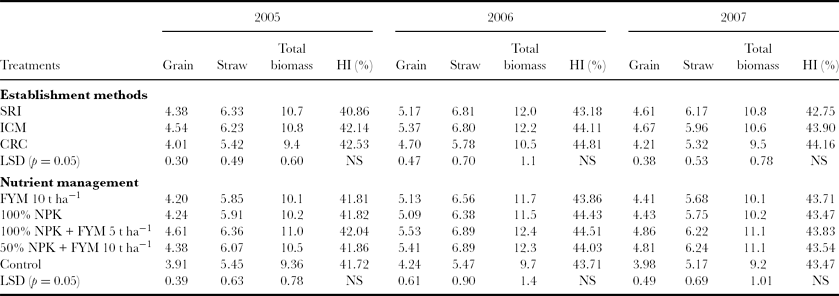
The highest grain yield (4.54, 5.37 and 4.67 t ha−1 in 2005, 2006 and 2007, respectively) was recorded with ICM, which was similar to SRI during all three years (Table 5). Lowest grain yield (4.01, 4.70 and 4.21 t ha−1 in 2005, 2006 and 2007, respectively) and straw yield (5.42, 5.78 and 5.32 t ha−1 in 2005, 2006 and 2007, respectively) were recorded for CRC. The pooled grain yield obtained with ICM and SRI were 12.8 and 9.6% higher than CRC, respectively. The higher grain yield in ICM was mainly due to a higher number of panicles per square metre compared with SRI. The use of younger seedlings at one per hill under SRI avoided transplanting shock (Sanjeewanie and Ranamukhaarachchi, Reference Sanjeewanie Ginigaddara and Ranamukhaarachchi2011) and enhanced root activity, thus enhancing crop growth through a significant increase in leaf numbers per hill as main photosynthesis organs. Higher yield with young seedlings could be attributed to significant improvement in growth characters such as plant height, leaf numbers, tiller number and dry matter accumulation besides the increased number of panicles per hill (Kumari et al., Reference Kumari, Baruah and Das1993; Rajendran et al., Reference Rajendran, Ravi, Valliappan, Nadanasabapathy, Jayaraj, Ramanathan and Balasubramanian2005). Stoop et al. (Reference Stoop, Uphoff and Kassam2002) reported that yield increase in SRI was mainly attributed to more ear-bearing tillers per hill, number of filled grains per panicle and panicle length compared with CRC. Highest yield advantage was realized when all the four components of SRI (young seedlings, one seedling per hill, wider spacing and cono-weeding) were followed (Sridevi and Chellamuthu, Reference Sridevi and Chellamuthu2007).
Effect of stand establishment methods and nutrient management on productivity (t ha−1) of rice.
SRI = system of rice intensification, ICM = integrated crop management, CRC = conventional rice culture.
Spacing, 20 cm × 20 cm, produced maximum grain yield, straw yield and higher N uptake followed by 25 cm × 25 cm and 20 cm × 15 cm spacing in the acid lateritic soils of Dapoli, Maharashtra, India (Pol et al., Reference Pol, Dixit and Thorat2005; Thorat et al., Reference Thorat, Sonawane, Chavan and Bhore2007). The adoption of ICM for higher rice yields in Asia has also been advocated by Balasubramanian et al. (Reference Balasubramanian, Rajendran, Ravi, Chellaiah, Castro, Chandrasekaran, Jayaraj and Ramanathan2005). The SRI and ICM also gave significantly higher grain yield than CRC at Cuttack, India. The mean grain yield with SRI was about 22% higher than with CRC (Rao et al., Reference Rao, Poonal, Ghosh, Mahapatra and Pandey2007). A higher grain yield under SRI (10.2 t ha−1) than other methods of crop establishment was also reported on a red clay loam soil (Jayadeva et al., Reference Jayadeva, Prabhakara Shetty and Sanjay2009). The better performance of SRI and ICM under the same nursery date was attributed to the earlier transplanting date, which might have exposed the crop to better temperature conditions, particularly at the reproductive stage, as low temperature is the main limiting factor of rice production in hills (Sharma and Rao, Reference Sharma and Prasada Rao2004). Intermittent watering with AWD and cono-weeder passing helped root development and nutrient uptake that is reflected in better growth and yields (Shekhar et al., Reference Shekhar, Mamkotia and Dev2009).
Among the nutrient management practices, application of RDF (80:26:33 kg NPK ha−1) + FYM 5 t ha−1 recorded significantly higher grain yield (4.61, 5.53 and 4.86 t ha−1 in 2005, 2006 and 2006, respectively) closely followed by 50% RDF + FYM 10 t ha−1. The pooled grain yields recorded with these two treatments were 8.9 and 6.1% higher than RDF and 23.8 and 20.5% higher than control, respectively. Higher grain and straw yield of rice with integrated application of recommended NPK and FYM compared with other nutrient management practices has also been reported by other researchers (Das and Sinha, Reference Das and Sinha2004; Das et al., Reference Das, Munda, Patel and Hazarika2006; Jayadeva et al., Reference Jayadeva, Prabhakara Shetty and Sanjay2009). Improved physical and chemical characteristics of the soil due to integrated application of FYM and inorganic fertilizer possibly resulted in better availability of nutrients than others. Significant yield increase might also be due to a higher uptake and effective utilization of nutrients (Setty et al., Reference Setty, Bandi, Singh and Sanjay2007). Application of FYM 5 t ha−1 + 100% of the RDF resulted in maximum grain yield of rice in Akola, Maharashtra (Solunke et al., Reference Solunke, Giri and Rathod2006). The effect of stand establishment methods and nutrient management practices had non-significant effect on the HI of rice (Table 5).
Photosynthesis, transpiration rate and water use efficiency
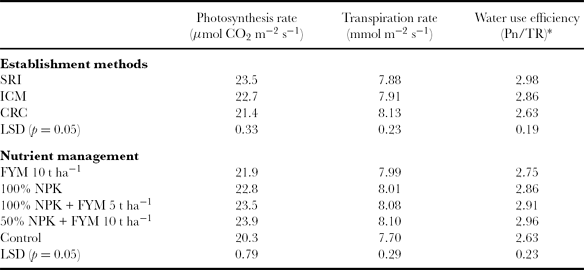
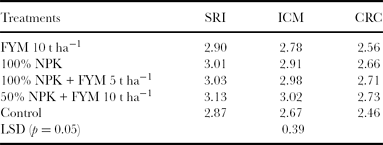
Photosynthesis rate (PR) and WUE were significantly higher under SRI, whereas the transpiration rate (TR) was higher under CRC (Table 6). A higher WUE of rice under AWD conditions compared with flooded condition has been reported by Patel et al. (Reference Patel, Das, Munda, Ghosh, Bordoloi and Kumar2010). The PR, TR and WUE were significantly higher with recommended NPK + FYM 5 t ha−1, which was similar to that with 50% NPK + FYM 10 t ha−1. The control treatment recorded the lowest values for PR, TR and WUE. The interaction effect between the establishment methods and nutrient management practices was significant for WUE (Table 7). Application of recommended NPK + FYM 5 t ha−1 under SRI led to the highest WUE, which was similar to that with all the nutrient management practices under the SRI and ICM practices, which were significantly higher than that recorded under CRC with all the nutrient management practices and under ICM with control. The control plot under CRC recorded the lowest WUE. In sandy loam soils of the ICRISAT farm, SRI could save 22 and 38% water during dry and wet seasons, respectively, over conventional methods, in addition to the saving of other inputs (Viraktamath and Kumar, Reference Viraktamath and Kumar2007).
Effect of stand establishment methods and nutrient management on photosynthesis and water use efficiency of rice (pooled across sampling and years).
*Pn: photosynthesis rate; TR: transpiration rate; NS: non-significant
SRI = system of rice intensification; ICM = integrated crop management; CRC = conventional rice culture.
Interaction effect of establishment methods and nutrient management practices on WUE (Pn/TR).
*Pn = photosynthesis rate; TR = transpiration rate; SRI = system of rice intensification; ICM = integrated crop management; CRC = conventional rice culture.
Nutrient uptake
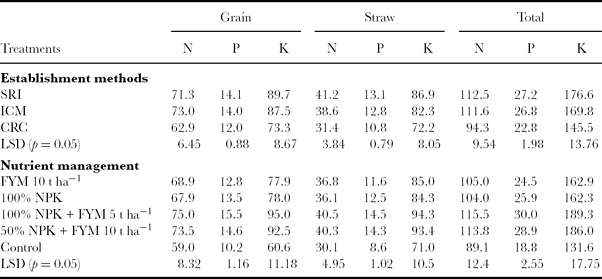
The SRI and ICM methods of stand establishment recorded a similar N, P and K uptake (Table 8). While the N uptake by grain was higher under ICM, the uptake by straw was higher under SRI. The CRC recorded lowest values of N, P and K uptake by grain, straw and total uptake. A higher N, P and K uptake due to SRI rice culture has been reported by Barison (Reference Barison2002).
Effect of stand establishment methods and nutrient management on nutrient uptake (kg ha−1) of rice (pooled over three years).
SRI = system of rice intensification; ICM = integrated crop management; CRC = conventional rice culture.
Application of RDF + FYM 5 t ha−1 led to significantly higher N, P and K uptake by grain, straw and total uptake by rice compared with control but was similar to 50% RDF + FYM 10 t ha−1 as well as individual application of either RDF or FYM 10 t ha−1. Higher N, P and K uptake due to integrated application of recommended fertilizer + FYM 5 t ha−1 have been reported (Pandey et al., Reference Pandey, Verma, Anurag and Tripathi2007; Saha et al., Reference Saha, Mondal, Acharya and Sanjay2007; Singh et al., Reference Singh, Singh and Kumar2005). This might be due to the initial quick availability of nutrient from inorganic source and later from an organic source, leading to an overall higher nutrient uptake (Das et al., Reference Das, Prasad, Shivay and Subha2004).
Residual soil fertility
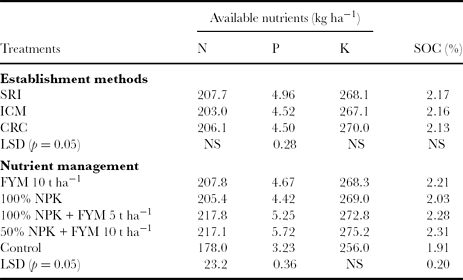
The stand establishment methods had a significant effect on post-harvest P availability in soil but effects were non-significant on N and K and SOC. The SRI culture recorded significantly higher soil available P status after three years of experimentation compared with ICM and CRC (Table 9). AWD, along with the use of cono-weeder under SRI, created better soil physicochemical conditions, which enhanced soil microbial activities and P availability. Mao (Reference Mao2000) indicated beneficial effect of AWD on soil microbial populations. The maximum effect was on nitrifying and P-solubilizing bacteria. Higher phosphorus cycling due to AWD compared with flooded conditions has also been reported by other researchers (Gyaneshwar et al., Reference Gyaneshwar, Naresh Kumar, Parekh and Poole2002; Turner and Haygarth, Reference Turner and Haygarth2001).
Effect of stand establishment methods and nutrient management on soil fertility at final harvest (after three years).
SRI = system of rice intensification; ICM = integrated crop management; CRC = conventional rice culture; SOC = soil organic carbon; NS = non-significant.
The effect of nutrient management practices on post-harvest soil fertility was significant for N, P and SOC. Application of 50% RDF + FYM 10 t ha−1 and RDF + FYM 5 t ha−1 recorded significantly higher soil available N, P and SOC values compared with other nutrient management practices. The individual application of either RDF or FYM 10 t ha−1 though recorded significantly higher available N, P and K status compared with the control, but they had a lower value than 50% RDF + FYM 10 t ha−1 and RDF + FYM 5 t ha−1.
Increase in available N and P might be due to the direct addition of N through FYM and improved microbial activities, which might have converted organically bound N to inorganic forms. Increase in P availability might be due to the fact that organic materials form a cover on seasquioxides and thus reduce the phosphate fixing capacity of the soil and increase phosphorus solublization for the native soil pool. The results corroborate similar findings of Das et al. (Reference Das, Prasad, Shivay and Subha2004). The benefit of using organic manure such as FYM was due to the release of aliphatic and aromatic hydroxyacids and humates, which leads to higher availability of nutrients (Singh et al., Reference Singh, Dubey and Srivastava1985). FYM played a key role in the transformation, cycling and availability of nutrients to the crops. Thus, the conjoint use of FYM and chemical fertilizer could help to enhance and maintain stability in production with maintenance or improvement in chemical and physical properties of soil (Jayadeva et al., Reference Jayadeva, Prabhakara Shetty and Sanjay2009; Khalil et al., Reference Khalil, Badran and El Eman2000; Mehta et al., Reference Mehta, Shaktawat and Singh2005).
Energy balance and economics
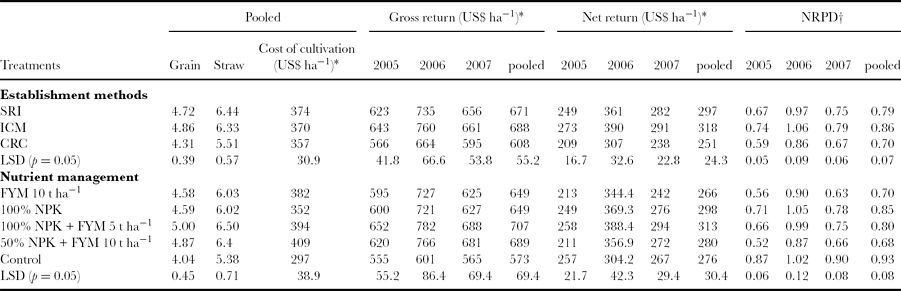
Energy balance and economics were calculated from the various inputs used in rice production such as labour, fertilizer, pesticides, seeds and the outputs obtained, i.e. grain and straw (Tables 10 and 11). The grain and straw yield recorded in respective years was used for the purpose of energy balance and profitability calculation. Among the stand establishment methods, maximum cost of cultivation was in SRI ($373.9 ha−1), closely followed by ICM ($379.7 ha−1). In contrast, gross returns, net returns and net return per dollar invested (NRP) were maximum under ICM, which were similar to SRI but significantly higher than CRC (Table 10). The net return and NRP was minimum with CRC. A higher net return under ICM and SRI than CRC has been also reported by Shekhar et al. (Reference Shekhar, Mamkotia and Dev2009). The cost of cultivation was higher under 50% RDF + FYM 10 t ha−1 ($ 409.4 ha−1) followed by RDF + FYM 5 t ha−1. This was mainly due to higher cost involved in FYM application; these treatments had higher gross, net return and NRP. The higher returns under RDF + FYM 5 t ha−1 were due to higher productivity of rice owing to the favourable effect of integrated application of recommended fertilizer along with FYM (Das et al., Reference Das, Tomar, Ramesh, Munda, Ghosh and Patel2010b).
Productivity and economics as influenced as influenced by establishment methods and nutrient management practices.
*Input cost: labour $1.70 man-day−1, urea $0.107 kg−1, SSP $0.078 kg−1, muriate of potash $0.098 kg−1, FYM $8.51 t−1, output price: grain $127.7 t−1, straw $10.6 t−1. †Net return per dollar invested.
SRI = system of rice intensification; ICM = integrated crop management; CRC = conventional rice culture.
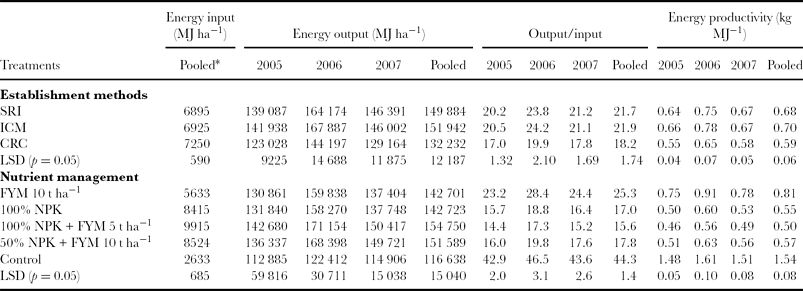
Energy input, output and energy productivity as influenced by establishment methods and nutrient management practices.
*Same energy input was considered for all the three years.
SRI = system of rice intensification; ICM = integrated crop management; CRC = conventional rice culture.
Energy input was highest under CRC followed by ICM and SRI (Table 11). The pooled energy output and output/input ratio was highest under ICM followed by SRI. Higher energy output to input ratios under the SRI and ICM methods of rice establishment were also reported by Jayadeva et al. (Reference Jayadeva, Prabhakara Shetty and Sanjay2009). The energy productivity was significantly higher under ICM, which was similar to SRI but higher than CRC. Among the nutrient management practices, RDF + FYM 5 t ha−1 recorded highest energy input and output, whereas the energy output/input and energy productivity were highest under the control. This was mainly due to the fact that in the control, energy input was minimum and the output was comparatively high.
CONCLUSIONS
From the present investigation, it could be concluded that the intermediate practice of ICM has greater potential than SRI for the high rainfall zone of the north-eastern Indian Himalayas as ICM produced higher yield. Although yield attributes such as panicles per hill, number of grains per panicle and test weight were higher under SRI, the main yield contributing component panicles per unit area was higher under ICM than SRI. Thus, there is scope for improving productivity under SRI by the modification of geometry to produce an adequate number of panicles per unit area. SRI and ICM rice cultures also saved 7–15 days and gave higher WUE. In north-eastern hill regions of India, this saving of time is a real boon for timely sowing of pulses such as pea and lentil in rice fallow. The maximum net return and energy output: input ratio was achieved with ICM rice culture followed by SRI. Farmers can apply the recommended dose of NPK along with FYM 5 t ha−1 or 50% NPK with FYM 10 t ha−1, depending upon the availability of resources as both performed equally with high productivity. Furthermore, such judicious combination of inorganic fertilizer and organic manure maintained the soil fertility basis, besides improving productivity and income.