





1. Introduction
Ship accidents in coastal areas generally have a more adverse impact than do those in ports and inland waters (Japan Coast Guard (JCG), 2018). Collision accidents, the predominant type of accidents involving fatalities, account for approximately one-fourth of ship accidents (European Maritime Safety Agency (EMSA), 2019). One safety measure to prevent collisions is to decrease the number of encounters via maritime traffic management, which separates ship traffic based on the direction of travel. Since the 1970s, when the International Maritime Organization (IMO) introduced this measure, routeing systems, such as traffic separation schemes (TSSs), have been established in coastal waters around the world (IMO, 2003).
Although there are many congested sea areas around Japan, there are only a few voluntarily separated navigation areas, except for narrow waters. A reason for the lack of routeing systems in the coastal waters of Japan is that the sea is widely recognised as a common property of various industries, such as fishing and leisure. Therefore, to implement a new traffic management measure, the parties concerned must reach a consensus, which remains an impediment.
In 2016, the JCG deemed the preservation of safety in coastal areas with heavy traffic as an immediate concern and proposed to the IMO a recommended route off the western coast of Izu O Shima Island, which is located at the entrance of Tokyo Bay. The proposal document includes the results of the preliminary analysis, the developed management measures and the selection of the most suitable measure for this area (IMO, 2016). The author was part of the team commissioned to design the recommended route when the proposal was being prepared. Preliminary analysis of the present traffic conditions and historical accident data revealed that most collisions occurred due to head-on conflicts owing to mixing of the traffic to and from Tokyo Bay. Accordingly, the team drafted recommended routes to reduce such collisions, predicted the future traffic under each option and estimated their safety and economic effects (Miyake et al., Reference Miyake, Itoh, Nishizaki and Fukuto2016, Reference Miyake, Itoh, Nishizaki and Fukuto2017).
This study proposes a systematic method called EnFreq that was conceived to estimate and predict the ship encounter frequency (EF) in such drafting tasks. The remainder of this paper is organised as follows. Section 2 summarises the basic concepts of the EF and describes various analysis techniques relating to the EF. Section 3 describes the characteristics of the target area, which is used to validate the proposed method. Section 4 presents the sensitivity analysis conducted to identify the variables that significantly influence the EF estimation. Subsequently, this section demonstrates the method of predicting the EF based on these identified variables, along with the predicted EF distributions. Section 5 presents the conclusions.
2. Basic concept and methods
To implement effective traffic management, it is necessary to determine the location and frequency of encounters, develop safety measures, and predict the future traffic behaviour under these measures. The effectiveness of the developed safety measures can be determined by estimating the location and frequency of the encounters based on the prediction.
2.1 Estimation method for number of encounters
The methods used to identify dangerous encounters can be roughly classified into two types: deterministic and probabilistic. Deterministic methods differentiate possible collisions from various encounters involving multiple objects. Some methods to detect the collision risk states from individual combinations have been proposed for the automotive and aviation fields (Lefèvre et al., Reference Lefèvre, Vasquez and Laugier2014; Zou et al., Reference Zou, Zhang, Feng, Liu and Zhong2021). Over several decades, deterministic methods have been developed for providing real-time support to maritime ship operators. Therefore, their primary application involves dynamically detecting the ships moving on a course approaching a specific ship (own-ship) and estimating the degree of situational difficulty.
Among these methods, the ship domain concept has been used to describe an inaccessible area around a ship in studies of traffic capacity (Fujii and Tanaka, Reference Fujii and Tanaka1971). The obstacle zone by target (OZT) method is another deterministic method that helps in detecting the future positions of other ships which may block the own-ship's course (Imazu, Reference Imazu2017). In addition to providing navigational support, it is used for analysing hazardous locations. For example, in previous studies, OZT was calculated for all ship combinations in a target area to detect hazardous locations and their degrees (Miyake et al., Reference Miyake, Itoh, Nishizaki and Fukuto2017; Itoh and Miyake, Reference Itoh and Miyake2019). Studies have reported that the calculated metrics and actual frequency are not sufficiently consistent when considering ship-to-ship collisions in sea areas (Goerlandt and Kujala, Reference Goerlandt and Kujala2014).
Probabilistic methods obtain the frequency of collisions calculated from the number, position, and velocity of a group of objects. Probabilistic collision risk modelling has been proposed for aviation, space, and pedestrian and bicycle traffic management (Blom et al., Reference Blom, Bakker, Everdij and Park2003; Wang et al., Reference Wang, Monsere, Chen and Wang2018; Netjasov, Reference Netjasov2020; Chan, Reference Chan2021). Probabilistic methods for ship traffic are based on the multiplication of the number of dangerous encounters of the ships with the failure probability of the evasive manoeuvres during the encounters (Fujii, Reference Fujii1983). These methods are still widely used with various improvements (e.g., Pedersen, Reference Pedersen1995; Nyman, Reference Nyman2009; Khaled and Kawamura, Reference Khaled and Kawamura2015; Cucinotta et al., Reference Cucinotta, Guglielmino and Sfravara2017; Kawashima and Itoh, Reference Kawashima and Itoh2019). In this concept, the number of collisions, ${N_c}$ , is formulated as follows:

where P is the causation probability and ${N_G}$ is the number of possible collisions.
$P$ represents the probability that the evasive manoeuvre fails due to human error, equipment failure and other causes. Some studies have obtained the P value by calculating the ratio of the actual number of accidents obtained from historical data and the number of possible accidents obtained from traffic data (Fujii et al., Reference Fujii, Yamanouchi and Matui1984; Kawashima and Itoh, Reference Kawashima and Itoh2019). Another approach involves methods such as fault trees and Bayesian networks to derive the failure probabilities by integrating the necessary elements associated with the operator's cognitive tasks in evasive manoeuvres (Itoh et al., Reference Itoh, Kaneko, Mitomo and Tamura2007; Martins and Maturana, Reference Martins and Maturana2010; Pedersen, Reference Pedersen2010).
The number of dangerous encounters is represented by the number of possible accidents, ${N_G}$ . Essentially, it represents the number of encounters wherein ships would collide if the evasive manoeuvres were unsuccessful. When two groups of ships, i and $j$
 , sail during time, T, in a certain region, $S, {N_G}$
 is represented as follows:

where ${\rho _i}$ and ${\rho _j}$
 are the traffic densities of groups i and j, respectively, ${V_r}$
 is the relative velocity and ${D_{ij}}$
 is the cross section of the two groups. The density, $\rho$
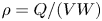
 , of each ship group is defined as $\rho = Q/({VW} )$
 , where Q is the traffic volume, V is the average speed of the ships and W is the width of the waterway. The cross section, ${D_{ij}}$
 , is the total length of the projections of the two ships when a ship of group i is placed at the centre and a ship of group j slides completely around it. For example, if the ship width is 1/6 the ship length, ${D_{ij}}$
 takes a value between $({{L_i} + {L_j}} )/6$
 and $({{L_i} + {L_j}} )$
 , depending on the crossing angle of the two groups (Matui et al., Reference Matui, Fujii and Yamanouchi1983). In the coastal waters of Japan, most collisions are caused by ships travelling in opposite directions (Itoh et al., Reference Itoh, Ishimura, Yanagi and Mori2012). When the angle between the paths is 180°, ${D_{ij}}$
 reaches its minimum value.
The concept of the number of potential accidents is often used in collision-frequency estimation studies. It is also known as the number of collision candidates, which represents the number of times two ships have entered a collision course (Montewka et al., Reference Montewka, Hinz, Kujala and Matusiak2010; Pedersen, Reference Pedersen2010; Silveira et al., Reference Silveira, Teixeira and Soares2013). Apart from directly using physical quantities such as position and velocity, their probability distributions can also be used as inputs. The resulting value can be considered as the probability distributions of the number of potential accidents.
From the perspective of risk assessment, it has been observed that these methods do not adequately consider the navigation method of the actual ship; thus, they lack justification and present uncertain results (Goerlandt and Kujala, Reference Goerlandt and Kujala2014). Additionally, the calculation only includes the conflicts between two ships and does not consider simultaneous encounters involving three or more ships. Nevertheless, this approach is adopted because it meets the requirements of this study, i.e. it helps in determining the location and frequency of encounters occurring in the sea area, with most of the conflicts occurring between two ships.
2.2 Traffic model for estimation of number of encounters
When the number of encounter estimation formula, i.e. Equation (2.2), is used, the information on the ships sailing in the target area is required as an input. The traffic data obtained by radar or automatic identification system (AIS) can be used directly or can be reproduced using a probability distribution function.
To provide these inputs, some traffic models comprise ships and fairways, which, for example, include geometrical representations of fairways formed by the shapes of connected lines called legs or route lines (Christensen et al., Reference Christensen, Andersen and Pedersen2001; Friis-Hansen, Reference Friis-Hansen2008; DNV-GL, 2015). When many ships have similar tracks, the data can be handled easily by defining a fairway and associating them with it. For example, IWRAP provides a function to estimate the collision frequency in a waterway by defining a leg for each of the obtained track groups (Friis-Hansen, Reference Friis-Hansen2008).
Conversely, when there are multiple origins and destinations near each other in the area or when the ship tracks differ based on the ship properties, route identification becomes complicated. To address this issue, Kawashima et al. (Reference Kawashima, Kawamura, Itoh and Fukuto2015) proposed a method to automatically detect a group of ships with similar track lines in numerous ship tracks using principal component analysis. Seshita et al. (Reference Seshita, Kawamura, Fukuto and Itoh2016) developed a method to automatically generate a traffic flow tube model which represents a group of similar tracks using a clustering algorithm. In this study, ships with the same origin and destination locations were considered as belonging to the same group.
2.3 Estimation method of EF
Recently, maritime traffic surveys have been conducted based on AIS ship track data owing to the prevalence of the AIS systems onboard (Montewka et al., Reference Montewka, Hinz, Kujala and Matusiak2010; Tsou, Reference Tsou2010; Silveira et al., Reference Silveira, Teixeira and Soares2013; Weng and Xue, Reference Weng and Xue2015; Altan and Otay, Reference Altan and Otay2017; Mujeeb-Ahmed et al., Reference Mujeeb-Ahmed, Seo and Paik2018). This is because the AIS simplifies the method of observing a broader region for an extended period. When a large amount of track data is available, the number of dangerous encounters can be calculated by dividing it into small areas and short time periods. Specifically, the number of encounters of Equation (2.2) per unit area and time is defined as EF (Kawashima and Itoh, Reference Kawashima and Itoh2019). In this study, EF between groups i and j per unit area and time, ${E_f}({i,j} )$ , is defined as follows:

The EF concept provides a simplified perspective of the encounters; even in complex traffic with many fairways, tracks can be divided into simple traffic in a small region. Based on this, Kawashima and Itoh (Reference Kawashima and Itoh2019) calculated ${N_G}$ for all the combinations of the course angles for traffic near the entrance of Tokyo Bay to identify the locations with dangerous encounters. For the sake of simplicity, this study focuses on the encounters that occur between the southbound and northbound traffic in the opposite directions. The data required for Equation (2.3) was obtained from the values in each unit area.
2.4 Traffic behaviour prediction
Some studies have predicted ship behaviour under new restrictions. Christensen et al. (Reference Christensen, Andersen and Pedersen2001) represented the distribution of the ship traffic using a Gaussian distribution and predicted the changes after the installation of an offshore wind farm. Szlapczynski (Reference Szlapczynski2013) proposed a search method to determine an optimal safe track in an area with a navigation separation zone. Pietrzykowski et al. (Reference Pietrzykowski, Wołejsza and Magaj2015) reported that most ships navigate according to the regulations concerning the TSSs, which makes their behaviour predictable.
The factors of the traffic at each point in the area vary with the behaviour of each ship according to the rules. The factor changes to be predicted depend on the application purpose, i.e. the estimation function in Equation (2.2) in this case. Therefore, identifying the influential variables in the function is essential for practical and accurate prediction. Sensitivity analysis detects the magnitude of influence of each variable. Ylitalo (Reference Ylitalo2009) conducted sensitivity analysis of a collision model for traffic in the Gulf of Finland and observed that the causation probability and traffic volume were the most sensitive variables.
Most of these studies were conducted for individual aims of predicting traffic behaviour or determining influential variables. They did not analyse the traffic safety around the restricted areas and did not provide a systematic method to predict the collision frequency. This study proposes a systematic method to predict the changes in traffic behaviour due to restrictions. It is based on a preliminary analysis of the traffic conditions along with a sensitivity analysis. It does not consider any transient response, including the collision avoidance manoeuvres and the avoidance of stormy weather.
3. Traffic in the survey area
To understand the ship behaviour associated with restrictions in fairways, an area with relatively simple traffic is considered off the east coast of Fukushima Prefecture in north-eastern Japan. This area is selected because of the rules that were in place to restrict navigation in the past.
3.1 Survey area
Figure 1 shows a map of the survey area. The primary traffic in this region runs almost parallel to the land, which is common in coastal waters. After the Great East Japan Earthquake on 11 March 2011, access to the surrounding area within 20 km was limited between April 2011 and August 2012 due to the accident that occurred at the Fukushima Daiichi Nuclear Power Plant. According to Fukushima Prefecture and the JCG, the evacuation order zone has been settled and resized several times after the disaster (JCG, 2012; Fukushima, 2019).
Survey area

This paper focuses on two of these periods: one is when the evacuation order zone occupied 20 km from the coast, and the other when it was sufficiently small. Table 1 presents an overview of these periods. In this area, the water depth is sufficient at a distance of more than 5 km from the coast. Conversely, the restricted sea area in Period 2 includes shallow water and is rarely used by merchant ships. Therefore, Period 2 is considered virtually nonrestrictive, and Period 1 is considered a duration with a restriction. The ship track data for one month are utilised. Note that the data used in some of the analyses do not include the first and last days because they require the departure/arrival locations, which are identified by the tracks of the previous/next day. Otherwise, all the data are used. In this study, ships equipped with class A AIS are targeted. However, in principle, the same analysis can be performed for ships equipped with class B AIS and those observed by radar, if the information required for the corresponding analysis is available.
Summary of the periods and evacuation order zones

3.2 Traffic overview
To provide an overview of the traffic conditions during the periods, the ship track data are obtained when travelling through the east–west gate line at 37⋅0°N latitude, arranged in full width. Table 2 shows the traffic volume based on the ship type. Ship types are categorised by the ‘Type of Ship’ number in the AIS data (ITU, 2014). Specifically, 70, 80 and 60 indicate cargo ships, tankers and passenger ships, respectively. Additionally, 31, 32 and 52 indicate tugboats, whereas the other 30 represent fishing boats. As shown in Table 2, cargo ships account for the most significant proportion (more than half), followed by tankers and passenger ships. The total proportion of the tugboats, fishing boats and other types is less than 6%. There is no significant variation in this trend over time.
Traffic volume (number of ships) by ship type (29 days)

Figure 2 shows the daily traffic volume based on the direction of travel during each period. The average numbers of ships per day are 78⋅6 and 74⋅4. From this figure, it is obvious that the total number of ships in Period 2 in Table 2 is less than that in Period 1, which is mainly due to the year-end holidays (year-end and New Year holidays are essential annual holidays in Japan, during which the number of domestic ships decreases). Empirically, the number of ships per day varies based on the day of the week, season, weather and economic conditions, but the data did not show significant variation. Additionally, the data provided by the Japan Meteorological Agency confirmed that no typhoons or storms interfered with the ship operations during these periods (JMA, 2019).
Traffic volume by duration and direction (31 days). (a) period 1, (b) period 2

3.3 Geographical paths
The ship tracks were obtained by separating the AIS position data according to the ship and arranging them in a time-series sequence. The tracks were then grouped based on the origin–destination (OD) pairs. Figure 3 shows the recent tracks in the vicinity of the target area. Some missing values were found in the data for a particular part of the area. However, linear interpolation could be performed consistently.
Ship tracks and destination areas (31 July 2018)

The main fairway in this area diverges into two branches in the north: one towards the area off Kinkasan (Mt. Kinka) (marked with ‘A’ in Figure 3) and the other to the Sendai–Shiogama port or nearby ports (marked with ‘B’). In the southern part of the area, the tracks merge to overlap at the southern end (marked with ‘C’). In summary, the northbound and southbound paths of the two main groups with common OD pairs were grouped as geographic paths to be analysed as the subjects of this study.
4. Analysis
This section describes the method of predicting the change in the traffic behaviour according to the restrictions. As a preliminary analysis, the effects of traffic factors on the number of encounters are clarified using a simple sensitivity analysis. The differences in the traffic behaviour between the two periods are then presented, and a method of predicting the traffic behaviour is described.
4.1 Sensitivity analysis
From Equation (2.3), the number of encounters, ${E_f}$ , depends on three variables: Q, V and L. Furthermore, the range of values they can take depends on the water. The effects of these variables are identified by the following steps:
1. The target sea area is divided into small grids, which are created by arranging gate lines at regular intervals. Depending on the direction of traffic, the gate lines are set eastwards from 140⋅5°E longitude. The grid size, S, is approximately 1850 m × 1484 m (1/60° of the longitude and latitude at this location). The total number of grids is 90 × 90.
2. In each small grid, the data of the above three variables are acquired in two directions. Information on all the ships is collected at each gate line. The target period is Period 1 (29 days).
3. ${E_f}$
 for all the grids is calculated by changing the values of the three variables within the range of the acquired data. ${D_{ij}}$ is determined first. As the angles formed by the mean courses over ground (COG) of the pairs of groups are approximately 180°, the cross section is set to ${D_{ij}} = ({{L_i} + {L_j}} )/2$. Equation (2.3) is then used to calculate ${E_f}$ by varying the values of Q, V and L individually. Considering that the properties of the probability distributions of the density, velocity, and length are highly biased, the medians are applied as the base case. The upper and lower bounds of each distribution are applied to the 95th and 5th percentiles of the values obtained by the AIS, respectively.




Table 3 shows the settings and results of the sensitivity analysis. The calculations were performed using the International System of Units, and the results were then multiplied by S and converted into years. Variable Q represents the number of ships per second, V is the average velocity of the ships converted to m/s, and L is the average length of the ships. Subscripts i and j indicate each of the two ship groups (north- and southbound, respectively). The ${E_f} \cdot S$ value of 1⋅2e−02 [times/year] for the base case represents the number of encounters per year in a single grid, where all the variables take the median values. Setting Q to the upper bound yielded an ${E_f} \cdot S$
 value of 1⋅0 [times/year]. Incidentally, the total number of encounters of the ships in the opposite directions, i.e. the total ${E_f} \cdot S$
 of all the grids in the target area, was approximately 921 times/year.
Variable setting and results of sensitivity analysis. The columns of Dir1(i) and Dir2(j) show the values applied to each variable. The columns of ${E_f} \cdot S$ shows the resulting number of encounters in the respective period

The sensitivity analysis results indicate that the influence of variable Q is prominent, being 40 times or more compared with that of V and 30 times or more compared with that of L. This indicates that the traffic density is the most influential variable in estimating the EF. In summary, accurate estimation or prediction of high-density locations and frequency is the most important factor in identifying locations where encounters occur frequently and their degree in the target area.
4.2 Traffic change accompanying the change in controlled waterway
Traffic behaviour in coastal areas is generally rational. Many trajectories are linear, connecting waypoints not far from the coastlines (Itoh and Yakabe, Reference Itoh and Yakabe2014). If there are traffic restrictions on such routes, ships will consequently avoid the restricted areas. This study considers the behaviour of ships in such cases.
Figure 4 shows the traffic density distributions for both the periods. The shape of the high-density regions, which is essential for calculating EF, is similar to a passage connecting waypoints in a straight line. It is obvious that the high-density regions are concentrated in a narrow width of less than 10 nautical miles in the lateral direction. Section 4.3 details these observations. Additionally, it can be observed that the ships generally follow the restrictions for their respective periods and avoid the restricted areas. However, evasion occurs in a manner that the restricted area is barely avoided, and instances where ships sail slightly inside the restricted area can be observed.
Traffic density before and after the change of controlled waterway. (a) period 1 (before the change), (b) period 2 (after the change)

Figure 5 shows the average COG of the four paths. At the north and south ends of the area, the difference in the COG between the periods is small for all the paths, which is consistent with the fact that no significant difference exists in the density distribution in Figure 4. A difference in the COG depending on the period is observed around the restricted area in the central part of the target area, particularly in paths BC and CB, which go back and forth between Sendai–Shiogama and the southern end. For paths AC and CA off Kinkasan, the difference in the COG depending on the period is small, which is attributed to the small overlap between the route and restricted area.
Mean COG of the four paths. (a) period 1, (b) period 2

4.3 Prediction of EF
Figure 6 shows a schematic of the EnFreq prediction method. First, an estimation model for unrestricted conditions, called a ‘reference model’, is developed from the observation data. A predictive model is then created based on this model. In the prediction model, the items less affected by restrictions, such as traffic volume and ship type, and those with low sensitivity to encounters, such as length and velocity, as observed in Sections 3.2, 4.1 and 4.2, are used without modifying the values in the reference model.
Schematic of the EnFreq prediction method

Conversely, the items that are affected and have high sensitivity, i.e. the distribution of traffic density within the target area, must be predicted. To obtain this distribution, it is necessary to predict the passage–position distribution in detail. Therefore, a method is developed to predict this distribution by probabilistically modelling the distribution of the transverse passage position on the path. Moreover, as mentioned in Section 4.1, the traffic density data must ensure the accuracy of the high-density locations and their densities. Section 4.2 indicates that in the direction of travel, the high-density area is similar to a narrow line connecting the waypoints. To represent the transverse distribution of passage positions in a way that these conditions are met, characteristics of passage position distributions are identified next.
The filled bar in Figure 7 shows the observed transverse distribution of the passing positions of the ships sailing along path AC near the restricted area. The shape is asymmetric, and the kurtosis is relatively large. Multiple functions represent such a distribution. Based on a previous study (Itoh and Yakabe, Reference Itoh and Yakabe2014), a three-parameter gamma distribution function was introduced in this study (Kübler, Reference Kübler1979; Nagatsuka and Balakrishnan, Reference Nagatsuka and Balakrishnan2012; NIST, 2012a, 2012b). The standard formula of the three-parameter gamma distribution is as follows:

where $\alpha > 0,\beta > 0, - \infty < \; \gamma < \infty$ . Here, $\mathrm{\Gamma }(\alpha )$
 is the Gamma function, that is,

Observed and estimated density distributions of transverse position on path AC. (a) period 1, (b) period 2

Cost functions, such as the least square error and least absolute error, are generally used to fit entire distributions. In this study, it is necessary to specifically fit the areas where traffic is concentrated. Accordingly, the maximum distance between the observed and measured values of the cumulative distribution is used as the cost function.
Given n observational data, ${x_1}, {x_2}, \ldots ,{x_n}$ , sorted in ascending order, the empirical cumulative distribution function is defined as:

where ${X_i}(x )= 1({{x_i} \le x} ), \; 0({{x_i} > x} )$ . The cost function is

where F is the cumulative distribution of the estimated data.
To evaluate the obtained distribution function, a method for evaluating the accuracy of the obtained distribution function in representing the original distribution is introduced. This accuracy is determined in terms of whether it fits the purpose of this study and its general goodness-of-fit. From the latter perspective, the Kolmogorov–Smirnov test was introduced, which typically tests the goodness-of-fit for two large datasets. From the former perspective, an original method was developed to analyse the accuracy of the location and volume of traffic concentration. To calculate this, the distances of the passage positions from one end point, which is defined as the origin, are divided at regular intervals along the gate, which is considered as the axis. The traffic volume for each divided class is then aggregated to create a histogram to calculate the following metrics:
(1) Modal class gap
The modal class gap (MCG), $\varDelta i$ , is the difference between two index numbers which denote the mode (most frequent) classes of the observed and estimated data histograms. It is represented as

where ${i_{\textrm{ob}\_\textrm{mode}}}$ and ${i_{\textrm{es}\_\textrm{mode}}}$
 are the index numbers of the modes of the observed and estimated data histograms, respectively. This represents the accuracy of the position along the gate line where the largest number of vessels is observed.
(2) Modal value difference rate
The modal value difference rate (MVDR), ${r_{mv}}$ , is the ratio of the difference between the mode values (amount of the most frequent class) of the observed and estimated histograms. It is represented as

where $\textrm{ob_hist}({{i_{\textrm{ob_mode}}}} )$ and $\textrm{es_hist}({i_{\textrm{es_mode}}})$
 are the observed and estimated mode values, respectively. The rate represents the accuracy of the traffic volume at the most concentrated locations.
The fittings are performed on the data for the four paths of Period 1 at the northern and southern ends of the target area and near the restriction (central area). The open bar in Figure 7 show the estimated transverse distributions, which are generated from the estimated distribution function of path AC at the central area. Table 4 summarises the parameters obtained and the results of the goodness-of-fit test. The size of the histogram class was 2000⋅0 m. It can be observed from the table that the estimation of the location with high-density traffic is accurate, but the value is slightly underestimated.
Estimation result (period 1 and period 2)

According to the results in Section 4.2, only the traffic behaviour in the central area is affected by the variation in the situation. The traffic behaviours at the northern and southern ends of the area are not significantly affected. Therefore, it is necessary to predict transverse volume distribution in the central area. In the rest of the area, the observations are directly applicable.
The traffic distribution is predicted based on the distribution function of the reference model. Algorithm 1 describes the pseudocode of the procedure. First, the shape parameter, $\alpha$ , is determined by applying the values in the reference distribution, because there are almost no differences between the shape parameters of the two periods. The scale parameter, $\beta$
 , is adjusted while simultaneously adjusting the location parameter, $\gamma$
 . Here, $\gamma$
 is adjusted to reproduce the property of being concentrated outside the immediate vicinity of the restricted area, and $\beta$
 is adjusted to reproduce the property in which the distribution is unaffected at a distance.
Procedure for predicting transverse distribution

A prediction model for the transverse distribution of Period 1 is created using the reference model, which is estimated from the data of Period 2. Each gate line is set in a direction orthogonal to the sailing direction of the ships, and individual tracks are predicted by connecting the passage positions on the gate lines. For the calculations, the restricted area is set 20 km from the power plant. It is also assumed that 5% of the passing ships crossed the eastern edge of the restricted area. (In the observation data, this percentage was 0%–12%, depending on the path).
The prediction results are evaluated in the same manner as the estimation results. Table 5 compares the predicted distribution and original Period 1 data. From this table, the traffic volume at the concentration points tends to be slightly underestimated but the location of the concentration is predicted to be close. The transverse distribution of path AC, as an example, around the restricted area is indicated by the open bar in Figure 8. The graph shows the general nature of the distribution is reproduced adequately.
Observed and predicted density distributions of transverse position on path AC

Prediction results (prediction: period 1, reference: period 2)

The EF is calculated for each grid defined in Section 4.1 using the tracks reproduced based on the previous estimation and prediction models. The resulting EF distributions are summarised in the maps shown in Figure 9. Figures 9(a) and 9(b) show the estimated and predicted results generated from the reference and prediction models, respectively. For comparison, Figure 9(c) shows the direct estimation from the observed data.
Distribution of EF calculated based on observed and predicted ship trajectories (times/s). (a) period 2 (estimated using the reference model), (b) period 1 (predicted using the prediction model), (c) period 1 (estimated directly from the observation data). Dashed lines represent the evacuation order zone of period 1

It is observed that the high-encounter-frequency (HEF) locations are accurately predicted when the rule is applied. Specifically, the major HEF positions, i.e. the north branch, south end exit and central concentration positions outside the restricted area are accurately predicted. However, the frequency is slightly underestimated in some places. This is because traffic tends to be underestimated in areas with relatively high traffic volumes, as mentioned above.
4.4 Discussion
Sections 4.1–4.3 presented a systematic EF prediction method, EnFreq, based on the results of the impact analysis considering the introduction of restricted areas on traffic behaviour. This method calculates the EF by predicting the unknown traffic behaviour from the known traffic behaviour information. When a prediction model is created, the feature quantities and areas that must be predicted are reasonably narrowed down by sensitivity and behavioural change analyses.
This study considered a typical case in a coastal area for simplicity. Essentially, it is a coastal area with an open sea on one side, no large ports and only one navigational restriction. Additionally, class A AIS-equipped ships were targeted. Owing to these conditions, the main targets were merchant ships, and the size and speed ranges were limited. The demonstration showed that the influence of the traffic density on the EF formula was particularly high. In this instance, the actual increase in the travelling distance due to the detour was small, with a previous study suggesting an increase of approximately 10% in the speed (Yanagi et al., Reference Yanagi, Itoh and Mori2012). Such an environment is dominant in the waters near Japan; however, the effects vary depending on the conditions of the considered sea area and must be verified by sensitivity analysis. For instance, if a large detour is required, its effect on the ship speed must be analysed.
Furthermore, this calculation method can also be applied to ships observed by class B AIS and radar. However, in practice, the problem of insufficient information caused by the differences in the frequency of information transmission and in the information that can be acquired must be resolved, e.g. the size information of a ship cannot generally be acquired by radar.
This study demonstrated one of the most common scenarios in coastal areas, including encounters between two ships sailing in the opposite directions. For ships conflicting at other encounter angles, the calculation methods for various encounter angles, such as that proposed by Kawashima and Itoh (Reference Kawashima and Itoh2019), or deterministic methods, such as that used in Miyake et al. (Reference Miyake, Itoh, Nishizaki and Fukuto2017), should be considered.
The traffic in the target area is relatively simple, and the trajectories are grouped into two pairs of paths. Therefore, it is not very difficult to model the passage–position distribution of each path. For more complicated traffic flows, paths must be created by analysing OD pairs, considering the type and size of the ships or using the group generation techniques such as that proposed by Seshita et al. (Reference Seshita, Kawamura, Fukuto and Itoh2016).
A method is proposed to predict the density distribution by representing the transverse passage–position distribution with a three-parameter gamma distribution function. Using this function and adjusting the location and scale parameters, the changes in the passage–position distribution can be predicted. The function is suitable for expressing the density distribution that is commonly observed in coastal traffic, that is, asymmetrical and high kurtosis, but its applicability and the means of applying the function for increased complexity must be verified.
Accurate predictions of the location and degree of the high-traffic-density areas were essential for predicting the density distribution, and the metrics used to represent the accuracy were introduced. Using these metrics, it was confirmed that the predictions were made appropriately in the target sea area; however, the results may vary depending on the class width because the metrics use a histogram. Similarly, the encounter is calculated using the grid-based method, leading to a grid-size problem. Further consideration of these class widths and grid sizes is required to generalise the method.
The location and degree of the HEF can be obtained by the proposed method, which is useful for evaluating the proposed rules during design and when considering any amendments. Furthermore, Equation (2.1) predicts the number of collisions, which provides the basis for evaluating acceptability from a risk perspective.
5. Conclusion
In this study, a systematic method, called EnFreq, was proposed for the design of new rules in waters. It enables predicting the ship encounter frequency distribution in a sea area when ship traffic rules are changed. This method uses the observable traffic data and the restriction conditions to predict the EF after the introduction of new rules. Additionally, the concept of EF per unit area and unit time was introduced for understanding the occurrence of encounters.
The proposed method can be used in future traffic prediction as it is systematised to obtain results efficiently by effectively using the available data and limiting the elements that require difficult behaviour prediction as much as possible. In the demonstrations, the processes of narrowing down the items which require prediction, predicting the narrowed-down items and obtaining the resulting EF distribution were presented.
Based on the calculations, the limitations of the proposed method were analysed from several perspectives, such as issues related to the complexity of ship traffic, those related to the information acquired by class B AIS and radar, and those related to the application of this method to predict encounters involving ships from directions other than the opposite directions.
Ship encounters are the primary cause of future collisions, and to ensure the safety of marine traffic, it is important to highlight particularly hazardous locations, along with the degree of danger, when drafting new rules. In addition to the sea areas covered in this study and the initiatives introduced in Section 1, the proposed method can be applied to different sea areas and condition changes. This study will be extended to predict encounter frequencies under various settings.
Acknowledgements
The author is grateful to Dr. Rina Miyake and their colleagues from Risk Analysis Technology Research Group, National Maritime Research Institute, National Institute of Maritime, Port and Aviation Technology for valuable discussions. The author thanks Ms. Emiko Takanashi for her cooperation in treating traffic data.
Financial support
This work was partly supported by JSPS Grants-in-Aid for Scientific Research (KAKENHI) Grant number 18K04589.


 Open access

