




Context
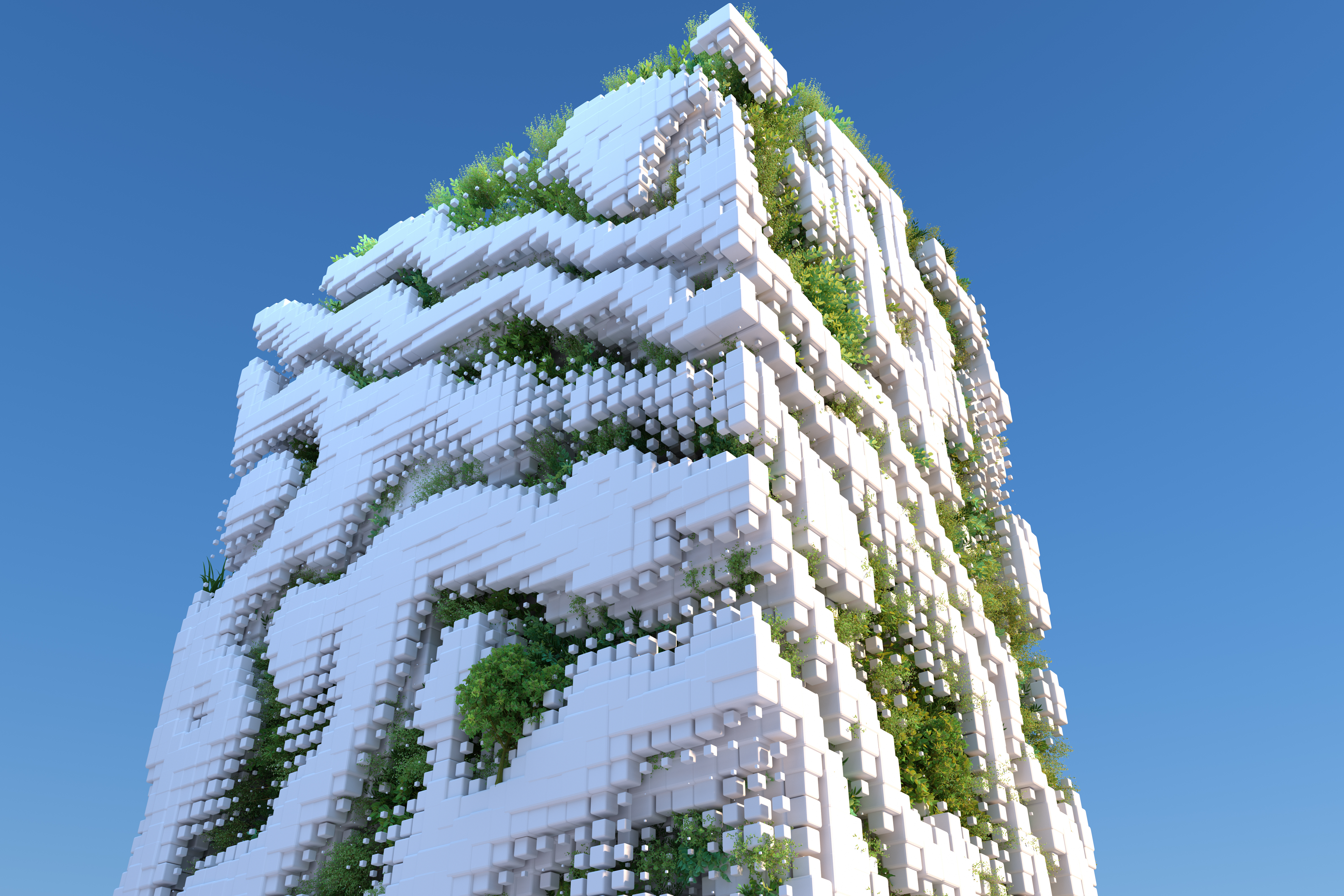
Biological materials have been used in construction for as long as we have used wood and limestone; however, biotechnologies seem to offer the potential to grow materials to our specifications and even to allow complex structures to be self-assembled through biological processes. Several promising materials have been identified, including microbially induced calcium carbonate as a cement or mycelium grown on waste materials, which has potential as a structural or insulation material. These developments run parallel to a speculative design discourse – in which features future cities are grown, kept living and self-adapt – as well as research into engineered living materials (ELMs), at the cutting edge of material science and synthetic biology research into ELMs. This question invites a wide range of research contributions in which we identify, evaluate and speculate on the role that grown materials and structures will have on the future of construction. We invite not only experimental work on the latest method in this area but also critique and reflection beyond the ‘hype’ of these, potentially transformative, technologies and approaches.
Contributions
We invite contributions in the following areas:
Results
-
Innovative methods of material synthesis and fabrication using biological processes supported by experimental data.
-
Assessment methods and results for understanding new biological materials for construction, for example, assessments of carbon sequestering, energy use in materials production, etc.
-
Examples of in-situ deployments of new materials including assessments of performance, quantitative and qualitative.
-
We also welcome null results papers that report experiments which may reveal fundamental limits of materials or processes.
Analysis
-
Reviews of key materials, technologies and case studies.
-
Proposals for design and/or assessment frameworks. These can include the design of new design or modelling computational software and hardware, deployments of models such as life cycle analysis for biological materials and processes. Approaches which address the circular economy or sustainable use of bio-based resources and processes.
-
Horizon scanning or ‘call to action’ articles assessing relevant emerging technologies.
Impact
-
Reviews of patents and industrial applications and interest in this area.
-
Critical evaluation of existing projects, and their likely efficacy, evaluated against existing materials and methods of construction.
-
Discussions on the academic, legislative and industrial barriers to innovation.
Additional material and early outputs
We welcome a broad range of curated discussion pieces including submission of design portfolios, short polemics, position pieces or provocations. As the question content develops, we expect this engagement to comment on the existing archive of published material.
How to contribute to this Question
If you believe you can contribute to answering this Question with your research outputs find out how to submit in the Instructions for authors (https://www.cambridge.org/core/journals/research-directions-biotechnology-design/information/author-instructions/preparing-your-materials). This journal publishes results, analyses, impact papers and additional content such as preprints and ‘grey literature’. Questions will be closed when the editors agree that enough content has been published to answer the Question so before submitting, check if this is still an active Question. If it is closed, another relevant Question may be currently open, so do review all the open Questions in your field. For any further queries check the information pages (https://www.cambridge.org/core/journals/research-directions-biotechnology-design/information/about-this-journal) or contact this email (biotechnologydesign@cambridge.org).
Competing interests
The author declares none.

 Open access