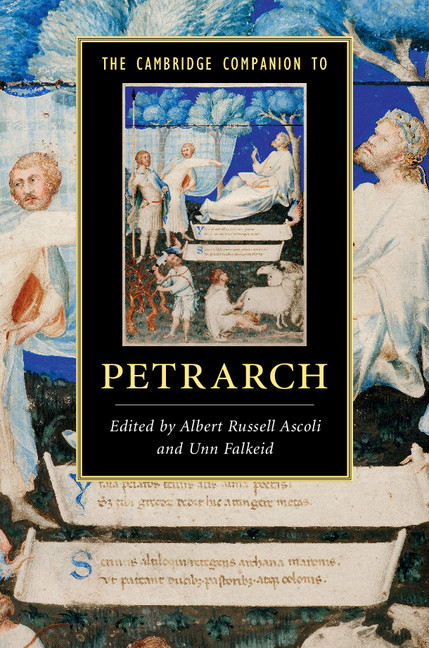

Petrarch (Francesco Petrarca, 1304–74), best known for his influential collection of Italian lyric poetry dedicated to his beloved Laura, was also a remarkable classical scholar, a deeply religious thinker and a philosopher of secular ethics. In this wide-ranging study, chapters by leading scholars view Petrarch's life through his works, from the epic Africa to the Letter to Posterity, from the Canzoniere to the vernacular epic Triumphi. Petrarch is revealed as the heir to the converging influences of classical cultural and medieval Christianity, but also to his great vernacular precursor, Dante, and his friend, collaborator and sly critic, Boccaccio. Particular attention is given to Petrach's profound influence on the Humanist movement and on the courtly cult of vernacular love poetry, while raising important questions as to the validity of the distinction between medieval and modern and what is lost in attempting to classify this elusive figure.
Loading metrics...
* Views captured on Cambridge Core between #date#. This data will be updated every 24 hours.
Usage data cannot currently be displayed.
This section outlines the accessibility features of this content - including support for screen readers, full keyboard navigation and high-contrast display options. This may not be relevant for you.
Accessibility compliance for the HTML of this book is currently unknown and may be updated in the future.
