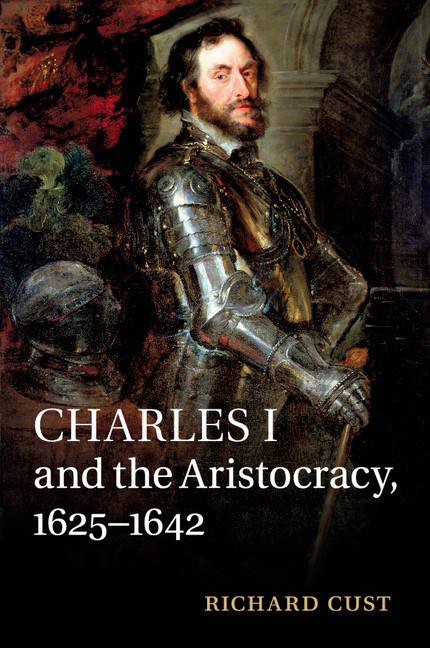

This is a major study of Charles I's relationship with the English aristocracy. Rejecting the traditional emphasis on the 'Crisis of the Aristocracy', Professor Richard Cust highlights instead the effectiveness of the King and the Earl of Arundel's policies to promote and strengthen the nobility. He reveals how the peers reasserted themselves as the natural leaders of the political nation during the Great Council of Peers in 1640 and the Long Parliament. He also demonstrates how Charles deliberately set out to cultivate his aristocracy as the main bulwark of royal authority, enabling him to go to war against the Scots in 1639 and then build the royalist party which provided the means to fight parliament in 1642. The analysis is framed throughout within a broader study of aristocratic honour and the efforts of the heralds to stabilise the social order.
'A work of superb archival research - painstaking and original.'
Source: Literary Review
'This powerful new book is a landmark in the historiography of the English Civil War … Cust’s brilliant analysis turns [Laurence] Stone’s work on its head. The book is the most formidable contribution to the debate on the origins of the Civil War in years.'
Anthony Fletcher Source: History Today
Loading metrics...
* Views captured on Cambridge Core between #date#. This data will be updated every 24 hours.
Usage data cannot currently be displayed.
This section outlines the accessibility features of this content - including support for screen readers, full keyboard navigation and high-contrast display options. This may not be relevant for you.
Accessibility compliance for the HTML of this book is currently unknown and may be updated in the future.
