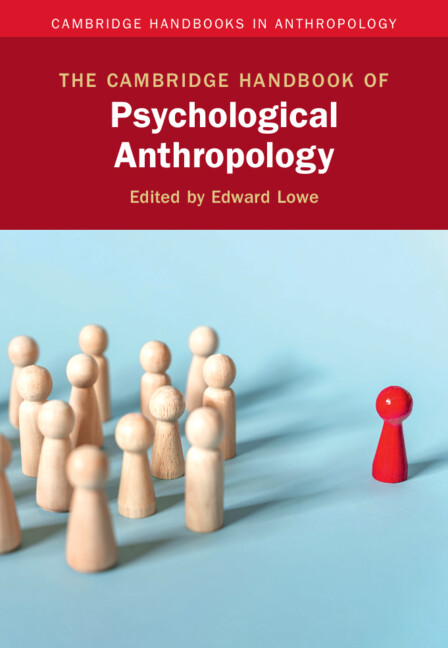

Bringing together contributions from a global team of renowned scholars, this Handbook provides a comprehensive guide to the dynamic field of psychological anthropology. It is divided into five parts and includes a critical updating of the theoretical foundations for psychological anthropology, covering cognitive, psychodynamic, linguistic, and phenomenological views. It provides the first-ever lifespan perspective on human development in culture from the perspective of anthropology and also contains sections that connect the biological dynamics involved in human experience through to social, cultural, and historical perspectives. It considers important political-economic concerns for psychocultural studies, including Indigenous perspectives and expert voices from the global south. By showing how researchers can break out of the disciplinary silos that separate important fields in the human sciences, like anthropology and psychology, it emphasizes the importance of working collaboratively together in order to enrich our understanding of the human condition.
Loading metrics...
* Views captured on Cambridge Core between #date#. This data will be updated every 24 hours.
Usage data cannot currently be displayed.
This section outlines the accessibility features of this content - including support for screen readers, full keyboard navigation and high-contrast display options. This may not be relevant for you.
Accessibility compliance for the HTML of this book is currently unknown and may be updated in the future.
