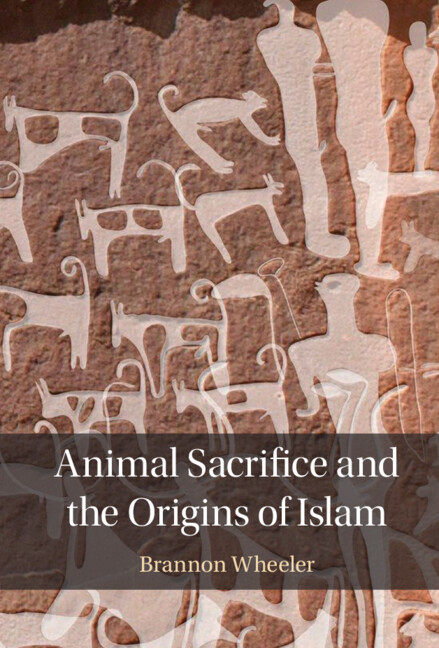

Islam is the only biblical religion that still practices animal sacrifice. Indeed, every year more than a million animals are shipped to Mecca from all over the world to be slaughtered during the Muslim Hajj. This multi-disciplinary volume is the first to examine the physical foundations of this practice and the significance of the ritual. Brannon Wheeler uses both textual analysis and various types of material evidence to gain insight into the role of animal sacrifice in Islam. He provides a 'thick description' of the elaborate camel sacrifice performed by Muhammad, which serves as the model for future Hajj sacrifices. Wheeler integrates biblical and classical Arabic sources with evidence from zooarchaeology and the rock art of ancient Arabia to gain insight into an event that reportedly occurred 1400 years ago. His book encourages a more nuanced and expansive conception of “sacrifice” in the history of religion.
‘Wheeler’s book is not only timely but also prodigious, as it engages with an impressive range of primary sources and secondary scholarship pertaining to Islam and several other religious traditions of the ancient world … Wheeler’s book is an impressive contribution that should appeal to students of early Islam as well as those interested in the significance of sacrifice in religious history.‘
Source: Journal of the American Oriental Society
Loading metrics...
* Views captured on Cambridge Core between #date#. This data will be updated every 24 hours.
Usage data cannot currently be displayed.
This section outlines the accessibility features of this content - including support for screen readers, full keyboard navigation and high-contrast display options. This may not be relevant for you.
Accessibility compliance for the HTML of this book is currently unknown and may be updated in the future.
