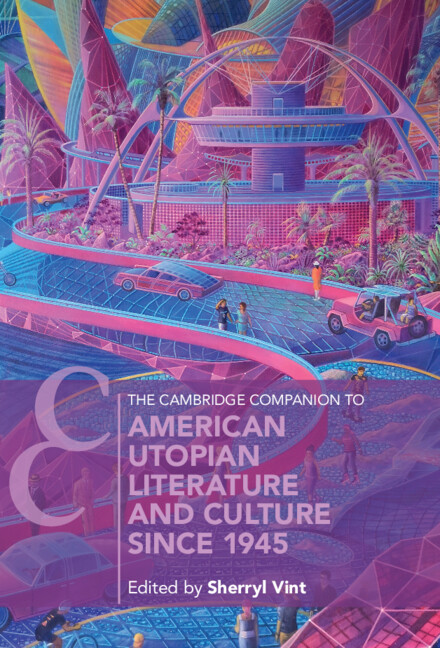

Providing a comprehensive overview of American thought in the period following World War II, after which the US became a global military and economic leader, this book explores the origins of American utopianism and provides a trenchant critique from the point of view of those left out of the hegemonic ideal. Centring the voices of those oppressed by or omitted from the consumerist American Dream, this book celebrates alternative ways of thinking about how to create a better world through daily practices of generosity, justice, and care. The chapters collected here emphasize utopianism as a practice of social transformation, not as a literary genre depicting a putatively perfect society, and urgently make the case for why we need utopian thought today. With chapters on climate change, economic justice, technology, and more, alongside chapters exploring utopian traditions outside Western frameworks, this book opens a new discussion in utopian thought and theory.
Loading metrics...
* Views captured on Cambridge Core between #date#. This data will be updated every 24 hours.
Usage data cannot currently be displayed.
This section outlines the accessibility features of this content - including support for screen readers, full keyboard navigation and high-contrast display options. This may not be relevant for you.
Accessibility compliance for the HTML of this book is currently unknown and may be updated in the future.
