

I Introduction
Before China joined the World Trade Organization (WTO) in December 2001, annual constant GDP per capita for China in 2010 US Dollars increased by 32% between 1997 and 2001. After the WTO accession, there was an acceleration as the Chinese economy grew 49% between 2002 and 2006. Even more remarkably, the Chinese growth rate remained at 43% between 2007 and 2011 despite the 2007–2009 Great Recession. Behind those numbers is a steady improvement in Chinese living standards.
The goal of this paper is to quantify the treatment effect of WTO entry on Chinese economic growth, an important topic against a backdrop of ongoing US-China trade war and recent debates about whether US government made a mistake by allowing China to join WTO, see for instance the article titled “Was Letting China Into the WTO a Mistake? Why There Were No Better Alternatives” published at Foreign Affairs in April 2018. So far the discussion has mainly centered on the negative impact on rising trade deficit from the US viewpoint. This study on the other hand intends to highlight Chinese perspectives on WTO’s positive influence on its growth.
This research makes a contribution to the literature by using the synthetic control method (SCM) to provide a quantitative comparative case study contrasting the post-WTO economic growth of China to similar economies. The foremost output of SCM is a weighted average of control economies called synthetic China, which is constructed in such a way that it mimics pre-WTO China to the largest extent. Then the economic growth of synthetic China is compared to real China. The gap or divergence in the GDP trajectories can serve as evidence for the treatment effect.
SCM is suitable for a comparative case study for two reasons. First, country-specific idiosyncratic shocks can be smoothed out through averaging; Chins is compared to not just one country, but a weighted average of several countries. Second, optimal weights for control economies are determined endogenously in a data-driven fashion. We let data reveal the degree to which an economy imitates China. Thus, the concern about cherry-picking results can be alleviated.
In this paper, the treatment or intervention refers to joining WTO. Our identification of the treatment effect stems from the across-country variation in economic growth. More specifically, we contrast the growth trajectory of China to (1) the first group of nine countries that joined WTO at least five years later than China but no later than 2015 (donor pool A), and (2) the second group of twelve economies that joined WTO around the same time as China (donor pool B). The first comparison aims to produce the counterfactual of what would have happened to China’s economy in the absence of WTO accession, while the second comparison can shed light on the issue of whether China gains “abnormally” from WTO membership. The second issue is crucial for understanding how WTO accession affects China, but to our best knowledge, it hasn’t been investigated empirically in the literature.
The success of SCM hinges on the assumption that the treatment and control units are comparable. That being said, it is challenging to find control groups that are comparable to China given the sheer size of Chinese economy. Using donor pool B adds the difficulty that, while their dates of joining WTO are close to China’s, they are not the same. Our solution is to normalize the living standard of each economy in donor pool A by its level in one year prior to China’s date of joining WTO; for the country in donor pool B, its living standard is normalized by the level in one year before that country’s own joining date. Thanks to the normalization, the outcome variable in this study effectively becomes an index of living standard as opposed to a level, and that index is much more comparable across countries than the level. Accordingly, the treatment effect is estimated as the cross-economy difference in the growth rate of living standard, rather than the difference in levels of living standard.
To rule out the possibility that the observed gap in GDP trajectories is due to chance, we apply SCM to conduct placebo studies (permutation test). For instance, we apply SCM to the year 2000, before the actual date of Chinese WTO accession, and we do not observe a divergence in outcome variables between China and synthetic China. Moreover, we apply SCM to Kazakhstan, an untreated unit in donor pool A. We see patterns in the trajectory of living standards different from what we observed after applying SCM to China in 2001.
There are studies examining other impacts of China’s WTO entry (Chen, Reference Chen2002; Kim, Reference Kim2002; Shafaeddin, Reference Shafaeddin2004; Tang and Wei, Reference Tang and Wei2009; Bown, Reference Bown, Feenstra and Wei2010). In terms of focusing on the impact on economic growth, Ching et al. (Reference Ching, Hsiao, Wan and Wang2011) is similar to this study, but the two differ in the following ways: first, this paper uses SCM while Ching et al. (Reference Ching, Hsiao, Wan and Wang2011) use a panel data evaluation method that assumes the outcome variable is driven by unobserved common factors and economy-specific fixed effects. Second, Ching et al. (Reference Ching, Hsiao, Wan and Wang2011) do not compare China to economies that joined WTO at times close to China. Given those differences, this study can be seen as a complement to Ching et al. (Reference Ching, Hsiao, Wan and Wang2011).
II Data and Methodology
For each economy, annual constant GDP per capita in 2010 US Dollars is downloaded from FRED economic data. For expository simplicity, GDP refers to the constant GDP per capita in 2010 US Dollars thereafter. If an economy joins WTO in the last three months of a year, we set the intervention or treatment period to next year. China for example entered WTO in December 2001, so the intervention period is set to 2002.
Donor pool A consists of nine economies that joined WTO at least five years later than China. In other words, those economies were untreated units in 2002 when China was subject to the treatment. The samples for China and economies in donor pool A range from 1997 to 2011, covering five pre-treatment years and ten post-treatment years for China. The beginning and ending dates are determined by data availability for all economies considered in this paper. In our view, five pre-treatment years are sufficient to capture the pre-treatment trend, and ten post-treatment years are sufficient to reveal possible divergence in growth trajectories.
No other economies joined WTO at the same time as China, but some were close. To obtain donor pool B with the proper size, we consider economies joining WTO no earlier than January 1999 and no later than December 2004. For those economies in donor pool B their samples include five pre-treatment years and ten post-treatment years just like China, albeit the treatment date varies across economies. We preclude economies that had already been members of WTO before 1999 or haven’t joined WTO since 2016 because a substantial difference in joining-WTO dates signals lack of comparability to China. The name of economies in each donor pool, their dates of joining WTO, and the beginning and ending dates of the sample are reported in Table 3.1. For instance, Kazakhstan joined WTO in November 2015, fourteen years later than China. So it is in donor pool A, and its sample spans from 1997 to 2011. By contrast, Albania joined WTO in September 2000, only one year earlier than China, so it belongs to donor pool B. Its sample is from 1995 to 2009 (i.e., five years before joining WTO and ten years after).
Table 3.1 Summary of donor pool
| China | Joining-WTO date | Sample |  |  |
|---|---|---|---|---|
| December 2001 | 1997–2011 | 1,658 | 87 | |
| Donor Pool A | ||||
| Kazakhstan | November 2015 | 1997–2011 | 4,310 | 84 |
| Lao | February 2013 | 1997–2011 | 647 | 92 |
| Montenegro | April 2012 | 1997–2011 | 5,004 | 100 |
| Russia | August 2012 | 1997–2011 | 6,106 | 89 |
| Seychelles | April 2015 | 1997–2011 | 9,597 | 100 |
| Tajikistan | March 2013 | 1997–2011 | 400 | 89 |
| Ukraine | May 2008 | 1997–2011 | 1,783 | 89 |
| Vietnam | January 2007 | 1997–2011 | 733 | 91 |
| Yemen | June 2014 | 1997–2011 | 1,138 | 97 |
| Synthetic China A | 89 | |||
| Donor Pool B | ||||
| Albania | September 2000 | 1995–2009 | 1,834 | 88 |
| Armenia | February 2003 | 1998–2012 | 1,460 | 83 |
| Cambodia | October 2004 | 2000–2014 | 483 | 88 |
| Croatia | November 2000 | 1996–2010 | 9,908 | 95 |
| Estonia | November 1999 | 1995–2009 | 8,490 | 92 |
| Georgia | June 2000 | 1995–2009 | 1,294 | 87 |
| Jordan | April 2000 | 1995–2009 | 2,693 | 98 |
| Lithuania | May 2001 | 1996–2010 | 6,403 | 92 |
| Moldova | July 2001 | 1996–2010 | 1,191 | 103 |
| Nepal | April 2004 | 1999–2013 | 460 | 97 |
| Oman | November 2000 | 1996–2010 | 17,685 | 95 |
| Taiwan | January 2002 | 1997–2011 | 13,818 | 103 |
| Synthetic China B | 87 | |||
Note:  denotes the average GDP in the five pre-treatment years;
  denotes the average normalized GDP in the pre-treatment years.
There is noticeable across-economy heterogeneity in living standards before treatment, as shown by in Table 3.1, which denotes the average GDP in five pre-treatment periods. Take donor pool A. China’s average GDP (1,658) was more than twice of Vietnam’s average GDP (733) between 1997 and 2001, although it was only about one-sixth of Seychelles’. Variations alike can also be seen in donor pool B – China was richer than say, Cambodia and Nepal, but poorer than Croatia and Oman.
Therefore a direct comparison of China to other economies is like comparing apples to oranges. In order to put all economies on equal footing and facilitate apple-to-apple comparison, the outcome variable used for constructing synthetic China is the GDP normalized by its value in one year before treatment. In other words, the normalized GDP is set to 100 in 2001 for China and economies in donor pool A. The same normalization is applied to donor pool B but using the GDP from one year before that particular economy joined WTO. For instance, the GDP of Albania is divided by its value in 1999. Because of the normalization, readers are cautioned that all the subsequent results are expressed in terms of an economy-specific index of living standard (the base period is one year before the treatment), or in terms relative to one year prior to the treatment.
The average normalized GDP (NGDP for shorthand) in the pre-treatment periods is denoted by ( in Table 3.1. It equals 87 for China, meaning that on average the GDP of China between 1997 and 2001 is 87% of its GDP in the year 2001. By comparing
  to
to  , we see that the normalized GDP has much smaller variation, and therefore is much more comparable across economies relative to un-normalized GDP. Overall, the enhanced comparability increases the likelihood of constructing a satisfactory synthetic China. Note that even after the normalization, Montenegro, Seychelles, Moldova, and Taiwan differ substantially from China by having
  greater than or equal to 100.
Next, we use NGDP as the outcome variable and apply the SCM proposed by Abadie and Gardeazabal (Reference Abadie and Gardeazabal2003) to obtain two versions of synthetic China based on donor pool A and donor pool B, respectively. In a nutshell, synthetic China is a weighted average of economies in the control group, and an economy with a growth path similar to China receives a greater weight than an economy with a dissimilar growth path. Put differently, SCM assigns data-driven weights to untreated units and the weights are determined by the predictive power. Mathematically, two nested optimization problems are solved by SCM:
 (1)
(1) (2)
(2)where V is a diagonal matrix of weights for predictors; W is a vector of weights for controlled units; A1 is a vector of predictors for the treated unit in the training set; A0 is a matrix of values of predictors for controlled units in the training set; B1 is the vector of outcome variables of the treated unit in the validation set, and B0 is the matrix of outcome variables of controlled units in the validation set.
Minimizing the quadratic form in (1) is a restricted quadratic programming problem because the weight is bounded between 0 and 1. The results are the optimal weights for controlled units for given V, and the optimal V is obtained by cross-validation (i.e., minimizing the mean squared out-of-sample prediction error in the training set given by  Finally, the synthetic control estimate for the treatment effect is given by
 (3)
(3)
where C1 and C0 contain values of outcome variables in the post-intervention periods for the treated and controlled units, respectively. The intuition is that the weighted average of post-intervention outcome variables of controlled units 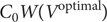 is used to approximate the potential outcome of the treated unit in the absence of treatment. For more details about SCM, see Abadie et al. (Reference Abadie, Diamond and Hainmueller2015). We follow Ching et al. (Reference Ching, Hsiao, Wan and Wang2011) and use lagged values of the outcome variable and their averages as predictors.
III Synthetic China A
To summarize, the synthetic China A is a weighted average of economies in donor pool A and the weight is determined by the extent to which each economy in that group helps predict China’s normalized GDP in the validation period of 2000 and 2001. An economy with a greater forecasting power is assigned a greater weight.
Table 3.2 reports the model specification for constructing synthetic China A, and each column represents one specification. The criterion for model selection is RMSPE – the root of mean squared prediction error for the outcome variable in validation periods. A model with the smallest RMSPE is deemed the best one. Panel A of Table 3.2 shows weights for controlled economies while Panel B shows weights for predictors. Those weights are solutions of  and
and  in (1) and (2).
Table 3.2 Model specification for constructing synthetic China A
| RMSPE | Model 1 | Model 2 | Model 3 | Model 4 | Model 5 |
|---|---|---|---|---|---|
| 1.164 | .591 | 1.337 | .731 | .571 | |
| Panel A: Weight for Untreated Unit | |||||
| Kazakhstan | .585 | .453 | 0 | .51 | .482 |
| Lao | .415 | .349 | .09 | .49 | .518 |
| Montenegro | 0 | na | Na | na | Na |
| Russia | 0 | .198 | .91 | 0 | 0 |
| Seychelles | 0 | na | Na | na | Na |
| Tajikistan | 0 | 0 | 0 | 0 | 0 |
| Ukraine | 0 | 0 | 0 | 0 | 0 |
| Vietnam | 0 | 0 | 0 | 0 | 0 |
| Yemen | 0 | 0 | 0 | 0 | 0 |
| Panel B: Weight for Predictor | |||||
 | .304 | .366 | .112 | .221 | Na |
 | .298 | .430 | .888 | .751 | .980 |
 | .398 | .204 | Na | na | .020 |
 | na | na | Na | .028 | Na |
Note: Each column represents one specification for SCM. A predictor with overline denotes the sample mean. Those weights are solutions of  and
and  in (1) and (2).
In Model 1 all economies in donor pool A are included, and predictors are normalized GDPs in 1998 and 1999, and the average normalized GDP of 1997–1999. We see only two economies are assigned nonzero weights – Kazakhstan’s weight is 0.585 and Lao’s weight is 0.415. The weights for the three predictors are 0.304, 0.298 and 0.398, respectively. Note that in terms of average pre-treatment normalized GDP, Kazakhstan, and Lao are not the ones closest to China, see Table 3.1. But Model 1 also uses normalized GDPs in 1998 and 1999 as predictors. Kazakhstan and Lao have pre-treatment NGDP paths that are closest to China, so they dominate in Model 1.
Because Montenegro and Seychelles have unusually high in pre-intervention periods, Model 2 re-estimates Model 1 after dropping those two economies from the donor pool. Now Russia receives a nonzero weight of 0.198. Model 3 removes the average normalized GDP of 1997–1999 from the set of predictors, resulting in a deterioration in fit as RMSPE jumps remarkably from 0.591 in Model 2 to 1.337 in Model 3. Model 4 replaces the average normalized GDP of 1997–1999 with normalized GDP in 1997 as a predictor. It performs worse than Model 2 because in general GDP is trending upward and the 1997 value lags behind the trend more than the average value.
In terms of minimizing RMSPE or obtaining optimal out-of-sample forecasts in validation periods, Model 5 is the best one by having the smallest RMSPE of 0.571. Model 5 uses normalized GDP in 1999 and the average normalized GDP of 1997–1999 as predictors, and is our chosen model for constructing synthetic China A. Ignoring the worst Model 3, we only see a slight change in the weights for Kazakhstan and Lao, so those two weights are robust.
The best way to present the result of SCM is by visualizing its output. Panel A of Figure 3.1 displays the trajectory of the normalized GDP of China (solid line) and synthetic China A (dash line) constructed with Model 5 in Table 3.2. A vertical line is drawn in the year 2001 (the last pre-treatment year) and the normalized GDP is set to 100 in the year 2001. The divergence in the two trajectories after China’s WTO accession is obvious and persistent. For instance, in 2006 the normalized GDP was 161 for China but only 141 for synthetic China A. That means relative to the 2001 GDP, China’s economy had grown 61% within five years after WTO entry, but synthetic China A had only grown 41%.
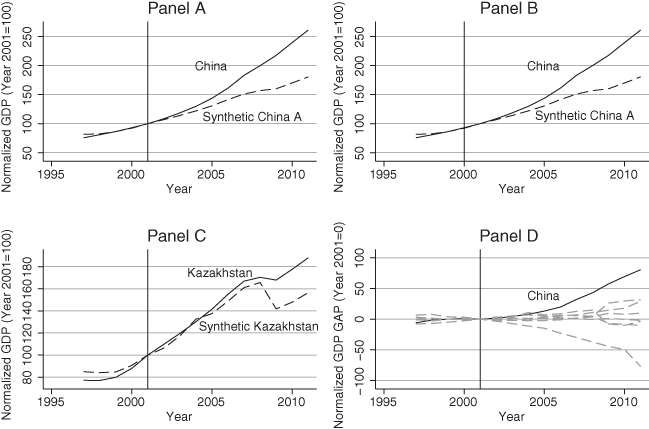
Figure 3.1 Synthetic China A
Note: Panel A compares the trajectory of normalized GDP of China and synthetic China A; Panel B conducts an “in time” placebo; Panel C conducts an “in place” placebo; Panel D contrasts the gap in normalized GDP between China and synthetic China A (solid black line) to gaps between economies in donor pool A and their synthetic counterparts (dashed gray line)
Economic growth could be driven by factors other than the WTO accession. That is why the economies embodied in synthetic China A could grow even without the WTO treatment. One benefit of SCM is using synthetic China to control for other factors, and our identification of the treatment effect of WTO accession stems from the difference between China and synthetic China. Because the economies in donor pool A were not members of WTO in 2002–2006, the GDP trajectory of synthetic China A during that period is able to reveal the counterfactual of what would have happened to China’s economy had China not joined WTO. In other words, the 20% difference in relative growth between China and synthetic China A provides an SCM estimate of the within-five-year treatment effect on Chinese economic growth of joining WTO.
We provide four pieces of evidence to support that SCM estimate. First, in Panel A there is a tight overlap between the two trajectories before 2001, implying that synthetic China A mimics China reasonably well prior to the treatment and therefore is suitable for generating satisfactory counterfactual. In fact, the average normalized GDP between 1997 and 2001 is 87 for China and 89 for synthetic China A. Those two values being close reflects that China and synthetic China A share a common trend before the treatment. In other words, China and its synthetic counterpart are likely to have similar confounding factors, so a comparison between them is akin to an apple-to-apple comparison.
Second, to rule out the possibility that we observe Panel A just by chance, two placebo experiments are carried out. Panel B of Figure 3.1 illustrates an “in time” placebo experiment by re-estimating Model 5 but using the year 2000 as the intervention period. That is, we pretend China joined WTO in 2000, before the actual date. Panel A would be problematic if Panel B displays a post-treatment gap between the two trajectories that looks similar to Panel A. That is not the case here – instead we see in Panel B a close-to-zero gap immediately after 2000, which indicates no treatment effect. Overall Panel B shows that it is unlikely to observe Panel A due to sampling variability.
Third, Panel C of Figure 3.1 presents an “in place” placebo by conducting the synthetic control analysis in Kazakhstan. That country had not joined WTO until November 2015, so there was no WTO treatment effect on its economy in 2002. Nevertheless, we pretend a WTO treatment occurred in 2002 and set the intervention period accordingly. In Panel C we see no persistent widening gap between the trajectories of Kazakhstan and synthetic Kazakhstan after 2002. That finding is consistent with our expectations and adds support to Panel A.
Finally, Panel D of Figure 3.1 plots the gap in normalized GDP between an economy and its synthetic counterpart after SCM is applied to every economy in donor pool A. The normalized GDP gap of China is represented by a solid black line and gaps of other economies are represented by dashed gray lines. Two facts are noteworthy – first, most dashed gray lines are near zero after 2002, consistent with the fact that those economies are not subject to WTO treatment. Second, the Chinese normalized GDP gap is consistently positive and above all dashed gray lines, indicating that China’s relative growth dominates other economies in donor pool A. In short, China’s economic growth is indeed positively affected by WTO accession.
IV Synthetic China B
In this section, we examine the issue of whether China’s economic growth after WTO accession is “exceptional” compared to economies joining WTO between 1999 and 2004. For each economy in donor pool B, we include five pre-treatment years and ten post-treatment years. The GDP is normalized by dividing the level by one year prior to the treatment. Since the intervention period varies for economies in donor pool B, synthetic China B is a weighted average of normalized GDPs of the controlled economies within ten years after their own WTO entries.
The model selection for constructing synthetic China B is presented in Table 3.3, which differs from Table 3.2 in two aspects. First, because all the economies in donor pool B are more comparable to China in terms of having joining-WTO dates close to China, almost all of them receive nonzero weights in Panel A of Table 3.3. Second, the best specification is Model 6 that includes every economy in donor pool B and uses lagged values of normalized GDPs in 1998 and 1999 and average normalized GDP between 1997 and 1999 as predictors. Note that the RMSPE of Model 6 is similar to Model 5 in Table 3.2. Moreover, the average pre-treatment normalized GDPs are 87 and 87 for China and synthetic China B, respectively, a finding that implies that the pre-treatment common trend is captured by the synthetic China B.
Table 3.3 Model specification for constructing synthetic China B
| RMSPE | Model 6 | Model 7 | Model 8 | Model 9 | Model 10 |
|---|---|---|---|---|---|
| .576 | 625 | .601 | .589 | .625 | |
| Panel A: Weight for Untreated Unit | |||||
| Albania | .058 | .056 | .042 | .057 | .046 |
| Armenia | .432 | .428 | .449 | .434 | .436 |
| Cambodia | .064 | .088 | .076 | .065 | .073 |
| Croatia | .031 | .032 | .031 | .031 | .032 |
| Estonia | .049 | .086 | .046 | .051 | .037 |
| Georgia | .223 | .18 | .206 | .218 | .232 |
| Jordan | .021 | .027 | .026 | .021 | .025 |
| Lithuania | .043 | .045 | .039 | .044 | .035 |
| Moldova | .008 | na | .013 | .008 | .015 |
| Nepal | .024 | .024 | .024 | .024 | .023 |
| Oman | .031 | .035 | .033 | .031 | .032 |
| Taiwan | .017 | na | .017 | .015 | .013 |
| Panel B: Weight for Predictor | |||||
 | .416 | .236 | .095 | .419 | na |
 | .010 | .667 | .905 | .272 | .956 |
 | .573 | .098 | Na | na | .044 |
 | na | na | .308 | na | na |
Note: Each column is one specification using SCM. A predictor with an overline denotes its sample mean. Those weights are solutions of  and
and  in (1) and (2).
Panel A of Figure 3.2 compares the trajectory of normalized GDP of China and synthetic China B. Unlike Panel A in Figure 3.1, we do not see a widening divergence between the two trajectories immediately after WTO accession. This finding is anticipated because donor pool B is unlike donor pool A, and the former supposedly benefits from WTO accession just like China. Actually, the gap between the two trajectories is not noticeable until 2007 – there is a dip in growth for synthetic China B in 2008 thanks to the Great Recession. By contrast, the economic growth of China remained largely unchanged in 2008. According to Panel A, the impact of Great Recession on economies in donor pool B is profound in the sense that there seems no tendency for synthetic China B to return to its pre-recession trajectory.
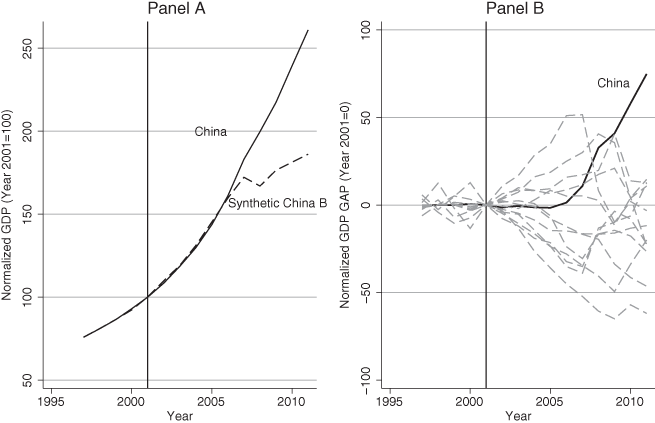
Figure 3.2 Synthetic China B
Note: Panel A compares the trajectory of the normalized GDP of China and synthetic China B; Panel B contrasts the gap in normalized GDP between China and synthetic China B (solid black line) to gaps between economies in donor pool B and their synthetic counterparts (dashed gray line)
A closer look at Panel A, especially between 2002 and 2007, illustrates that China actually falls a little behind its synthetic counterpart (i.e., the solid line lies slightly below the dashed line). This is the first indication that China’s post-WTO growth is not exceptional, at least in the five-year short term. The second indication of China’s average performance before 2007 is provided by Panel B of Figure 3.2, which contrasts the gap in normalized GDP between China and synthetic China B (solid black line) to gaps between economies in donor pool B and their synthetic counterparts (dashed gray line). In Panel B, China does not stand out in the crowd until around 2007, and this finding is in line with Panel A.
Notice that in Panel B some gray lines are consistently below 0. That means joining WTO is not necessarily associated with accelerated economic growth since there may be other factors neutralizing WTO’s treatment effect. One example is that Georgia had the Russo-Georgian War after joining WTO in June 2000. One advantage of SCM is smoothing out country-specific idiosyncratic shock through weighting averaging.
V Comparative Case Study
In order to better understand the heterogeneity in post-WTO economic growth, Figure 3.3 compares the average post-WTO normalized GDP gap between an economy and its synthetic counterpart. First, Panel A shows that China distinguishes itself in comparison to donor pool A between 2002 and 2011. On average China outperforms synthetic China A by 33% during that period, whereas Kazakhstan and Lao outperform their synthetic counterparts only by 11% and 9%. Since Kazakhstan and Lao receive almost equal weights in Model 5 in Table 3.2, the SCM estimate of treatment effect within ten years is about  three percentage points greater than the estimate of the five-year treatment effect. Note that there is negative economic growth in Yemen during that period, which may partially lead to the Yemeni Crisis beginning with the 2011–2012 revolution.
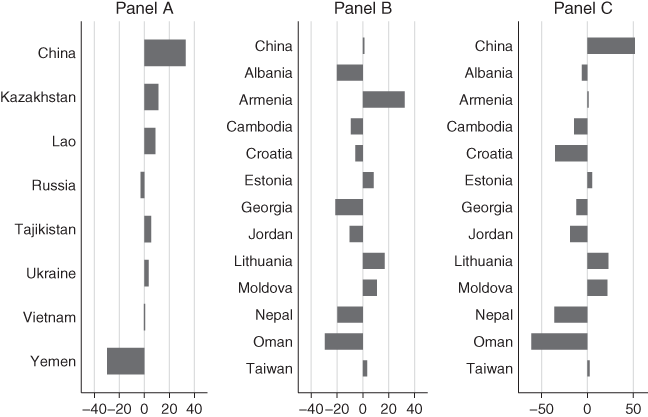
Figure 3.3 Average post-treatment normalized GDP gap
Note: Panel A compares the average 2002–2011 post-WTO normalized GDP gap between China and synthetic China A to gaps between economies in donor pool A and their synthetic counterparts; Panel B compares the average within-five-year post-WTO normalized GDP gap between China and synthetic China B to gaps between economies in donor pool B and their synthetic counterparts; Panel C compares the average within-ten-year post-WTO normalized GDP gap between China and synthetic China B to gaps between economies in donor pool B and their synthetic counterparts
In light of Panel A in Figure 3.2, we need to separately discuss the short-run and long-run when comparing China to donor pool B. Panel B of Figure 3.3 presents the average normalized GDP gap between each economy and its synthetic counterpart in the short-run (within five years of joining WTO). China on average grows faster than synthetic China B by only 1% during that period, while Armenia, Estonia, Lithuania, Moldova, and Taiwan outperform their synthetic counterparts by 32% 8% 17% 11% and 3%. Those five economies are also the ones having gray lines above China before 2007 in Panel B of Figure 3.2. Given this finding, the post-WTO growth in China is not exceptional.
We see a remarkable change in Panel C of Figure 3.3, which reports the long-run (within ten years of joining WTO) average gap for China and donor pool B. Now China has the best performance relative to other economies with an average gap of 51% between 2008 and 2011. By contrast, Armenia only outperforms synthetic Armenia by 1% between 2009 and 2012. A general pattern is evident: from Panel B to Panel C, a positive gap becomes less positive whereas a negative gap becomes more negative, largely because of the negative impact from Great Recession. China is an exception thanks to favorable shocks such as the 2008 Beijing Summer Olympics.
Finally, Figure 3.4 puts together the normalized GDP trajectories of China, synthetic China A, and synthetic China B. It is obvious that China outperforms synthetic China A. By contrast, the gap between China and synthetic China B is not noticeable until the 2008–2009 Great Recession.
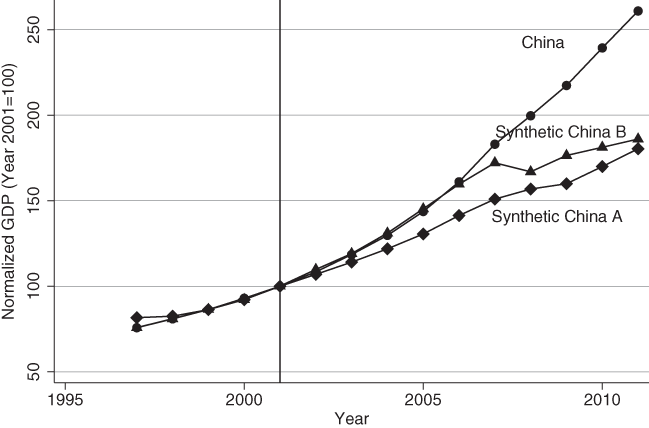
Figure 3.4 China and synthetic China
Note: Comparison of the normalized GDP trajectories of China, synthetic China A, and synthetic China B
VI Conclusion and Discussion
The goal of this paper is to estimate the treatment effect of WTO entry on China’s economic growth. Our identification strategy is contrasting the growth trajectory of China to economies that either joined the WTO much later than China or around the same time as China. By combining economies in the control groups into synthetic China A and synthetic China B, with weights being determined endogenously by data, we are able to capture the pre-treatment common trend between China and its synthetic counterparts. Moreover, the synthetic control method enables us to control for unobserved confounding factors, and smooth out country-specific idiosyncratic shocks.
China’s economy is unique given its sheer size and relatively low living standards before WTO accession. In order to increase the comparability across economies and the likelihood of obtaining a successful synthetic control, we put all economies on equal footing by normalizing each economy’s real GDP per capita by the level in one year before joining WTO. When interpreting our results, readers should keep in mind that the outcome variable is an index of living standards that is specific to each economy.
We report a persistent and positive gap between the growth trajectory of China and synthetic China A. More explicitly, relative to the 2001 GDP, China’s economy had grown 61% within five years after WTO entry, but synthetic China A had only grown 41% This finding implies that China would have grown much slower in the absence of WTO entry. This positive impact of WTO on China’s economy is consistent with the general belief that trade contributes to growth.
The second research question we attempt to answer is whether the post-WTO growth of China is exceptional. Our finding is that within five years after WTO accession, China’s growth had been comparable to other economies with similar joining-WTO dates. China’s growth hadn’t become distinguishable until 2008 when Great Recession affected other economies much more severely than China.
Several factors contribute to China’s robust growth after Great Recession. For one thing, from 1997 to 2011 the length of railways in China increased by 41%, the length of the expressway network increased by 1,600%, the number of university graduates increased by 634 and foreign direct investment in China increased by 156%. Furthermore, the 2008 Chinese Economic Stimulus Program implemented by the Chinese government injected into the economy a stimulus package worth four trillion Renminbi or 586 billion US dollars. The 2008 Beijing Summer Olympics also helped the economy tremendously.
To summarize, our study suggests that China did not gain an unusual benefit from the WTO accession. Accelerated post-WTO growth happened in many countries, not just in China. Becoming a WTO member is only one of the factors leading to rapid improvement in Chinese living standards.
I Introduction
When China became the 143rd member of the World Trade Organization on December 11, 2001, the country had been heavily criticized for more than a decade for providing inadequate protection and enforcement of intellectual property rights (Yu, Reference Yu2000, Reference Yu2006a, Reference Yu and Gervais2007a). Based on the statistics provided by the World Intellectual Property Organization (WIPO) (2002, p. 8), China at that time ranked just outside the top ten in the world in terms of international applications under the Patent Cooperation Treaty (PCT). With over 1,600 PCT applications, it was right behind Australia and slightly ahead of Finland, Italy, and Israel. Fast forward twenty years. China has now become the world’s leader in the same category, overtaking the United States in 2019 and Japan two years before. The country also ranked 12th in the 2021 Global Innovation Index, moving up considerably from 29th when the index was launched in 2007.
Notwithstanding these rather impressive data points, China remains heavily criticized for its lack of intellectual property protection and enforcement and frequently also for its non-compliance with the Agreement on Trade-Related Aspects of Intellectual Property Rights (TRIPS Agreement). In 2011, a decade after China’s WTO accession, the US International Trade Commission (2011, p. xiv) released a report, estimating that “firms in the U.S. IP [intellectual property]-intensive economy that conducted business in China in 2009 reported losses of approximately $48.2 billion in sales, royalties, or license fees due to [intellectual property] infringement in China.” More recently, the Office of the US Trade Representative (USTR) (2018a, 2018b) released a lengthy report on its Section 301 investigation into Chinese laws, policies, and practices in the areas of intellectual property, innovation, and technology development, which was quickly followed by a substantial update. Among the identified problems were forced technology transfer, discriminatory licensing restrictions, computer hacking, trade secret theft, and industrial espionage. As if these documents had not made the United States’ intellectual property concerns loud and clear, the USTR has placed China on the Priority Watch List in its Special 301 Report every year since 2005, after a brief four-year post-accession “honeymoon” (Yu, Reference Yu2012b, p. 526, fn. 2).
At this critical juncture when we commemorate the 20th anniversary of China’s accession to the WTO – which coincidentally is named the “china anniversary” with a small c – it will be instructive to revisit intellectual property developments in China, especially those involving the TRIPS Agreement. This chapter begins by highlighting TRIPS-related developments in the first decade of China’s WTO membership. It then discusses the country’s “innovative turn” in the mid-2000s and the ramifications of its changing policy positions. The chapter continues to examine the US–China trade war, in particular the second TRIPS complaint that the United States filed against China in March 2018. The chapter concludes with observations about the impact of the TRIPS Agreement on China, China’s impact on that agreement, and how the changing Chinese intellectual property landscape has altered the developing countries’ coalition dynamics within the WTO.
II The First Decade
In the run-up to the WTO accession, China completely revamped its copyright, patent, and trademark laws while introducing or updating a large volume of laws and regulations in other trade-related areas (Blustein, Reference Blustein2019, p. 73; Yu, Reference Yu2006a, pp. 906–23, Reference Yu, Zeng and Liang2013b, pp. 127–9). After 15 years of exhaustive negotiations, China finally became the 143rd member of the international trading body on December 11, 2001. While the United States and its industries were initially patient during the transition, the mid-2000s saw US industries complaining again to the USTR about the lack of intellectual property protection and enforcement in China (Yu, Reference Yu2006a, pp. 923–5).
Taking advantage of a new-found weapon in the trade arsenal – the mandatory WTO dispute settlement process – the USTR took major steps to prepare for its first TRIPS complaint against China. In anticipation of the highly information-intensive process, the agency solicited information from industries through the Section 301 submission procedures (Yu, Reference Yu2006a, pp. 929–31). In addition, the United States signals its willingness to take WTO actions to resolve the trade dispute through a request to China under Article 63.3 of the TRIPS Agreement. Released in October 2005 in collaboration with Japan and Switzerland, that request asked specifically for “clarifications regarding specific cases of IPR [intellectual property right] enforcement that China has identified for the years 2001 through 2004, and other relevant cases” (Yu, Reference Yu2006a, p. 926). China politely declined this request.
On April 16, 2007, the United States finally filed a complaint against China over the failure to protect and enforce intellectual property rights pursuant to the TRIPS Agreement. This complaint comprised four specific claims: (1) the high thresholds for criminal procedures and penalties in the intellectual property area; (2) the failure of the Chinese customs authorities to properly dispose of infringing goods seized at the border; (3) the denial of copyright protection to works that have not been authorized for publication or dissemination within China; and (4) the unavailability of criminal procedures and penalties for infringing activities that involved either reproduction or distribution, but not both.
Because the Supreme People’s Court and the Supreme People’s Procuratorate released a joint interpretation shortly before this complaint, the last issue was resolved, and the WTO panel proceeded to address only the first three claims (World Trade Organization, 2009; Yu, Reference Yu2011c, Reference Yu2011e). While the panel found that China had violated Articles 9.1 and 41.1 of the TRIPS Agreement when it did not protect the copyright in works that had not been approved for publication (World Trade Organization, 2009, para. 8.1(a)), it rejected the United States’ claim on criminal thresholds by noting its failure to provide sufficient evidence to demonstrate what constituted “a commercial scale” in China’s marketplace (World Trade Organization, 2009, paras. 7.614, 8.1(c)). With respect to the claim on customs measures, the panel was split. Although it noted that China had exceeded TRIPS requirements by extending border measures to exports in addition to imports (World Trade Organization, 2009, paras. 7.227–8), it also identified inconsistencies between Article 27 of the Regulations on Customs Protection of Intellectual Property Rights (Customs Regulations) and Article 46 of the TRIPS Agreement (World Trade Organization, 2009, para. 8.1(b)).
Following the WTO panel report, China quickly amended both the Copyright Law and the Customs Regulations. For the former, China removed the challenged language in Article 4, which stipulated that “works the publication and/or dissemination of which are prohibited by law shall not be protected by this Law.” In its place, China added at the end of the provision a new sentence stating that “[t]he publication and dissemination of works shall be subject to the administration and supervision of the state.” For the Customs Regulations, China incorporated verbatim the language in Article 46 of the TRIPS Agreement. The relevant treaty language states that “in regard to counterfeit trademark goods, the simple removal of the trademark unlawfully affixed shall not be sufficient, other than in exceptional cases, to permit release of the goods into the channels of commerce.”
In retrospect, the United States’ WTO actions took up quite some effort and energy on the part of the USTR while greatly reducing, if not freezing, government-level collaborations for a couple of years. It also kept US businesses in a waiting mode. All of these delays and disruptions would have been worthwhile had the panel report significantly improved intellectual property protection and enforcement in China. Unfortunately, that report did not have such a positive impact.
Although the WTO panel found Article 4 of the Copyright Law to be inconsistent with the TRIPS Agreement, the report gave the United States and its right holders only a paper victory (Yu, Reference Yu2011c, p. 1098). Publications that were banned for distribution or that had to undergo content review would still have no market access in China despite receiving copyright protection. Likewise, because imports “represented a mere 0.15 percent by value of the infringing goods disposed of or destroyed in China between 2005 and 2007” and Chinese authorities did not auction off any confiscated imports during this period (Yu, Reference Yu2011c, p. 1091), it is questionable how much benefit the amended Customs Regulations would provide to US rights holders. After the USTR’s very limited success with the WTO dispute settlement process in the intellectual property area, US businesses were understandably disillusioned with that process. It was not until the arrival of the Trump Administration that the USTR filed another WTO complaint to push again for intellectual property reforms in China.
III China’s Innovative Turn
While China was waiting for the WTO panel to issue its report on the first US–China TRIPS dispute, which was eventually released in January 2009 after some initial delay, the State Council adopted a National Intellectual Property Strategy in June 2008. That strategy “provided a comprehensive plan to improve the creation, utilization, protection, and administration of intellectual property rights” (Yu, Reference Yu2018a, pp. 1079–85). Paragraph 7 specifically emphasized the need for the active development of independent or self-controlled intellectual property (zizhu zhishi chanquan). Although this term has been frequently translated as indigenous intellectual property – or, in the larger policy context, indigenous innovation – independent intellectual property can be developed through the acquisition of foreign intellectual property assets (Prud’homme, Reference Prud’homme2012, p. 79; Yu, Reference Yu2013a, pp. 94–5). There is no requirement that the intellectual property or innovation involved has to be home-grown.
The origin of China’s National Intellectual Property Strategy traced back to the mid-2000s when government leaders began to consider major changes to move the economy forward. These leaders were well aware of the need to develop a new overall economic strategy to “avoid what policymakers and commentators have described as the ‘middle-income trap’ – the proverbial state of development at which a country is stuck after it has attained a certain level of wealth, but has yet to catch up with its more developed counterparts” (Yu, Reference Yu, Lee, Bruun and Li2016, p. 27).
In February 2006, the State Council released the National Long-term Scientific and Technological Development Program, formally declaring its commitment to turn China into an innovation-based economy within 15 years. Since then, top Chinese leaders increasingly recognized the economic and strategic significance of a well-functioning intellectual property system. As the State Intellectual Property Office recounted in the report entitled China’s Intellectual Property Protection in 2008:
During the Ninth Collective Study of the 17th [Chinese Communist Party] Politburo, General Secretary Hu Jintao stressed specifically the importance of sticking to innovation with Chinese characteristics, energetically implementing the strategy of making the country prosperous with science and technology, the strategy of capitalizing on talent to make the country strong, IP strategy, and accelerating the construction of innovative country. When addressing the Party’s meeting mobilizing the study and practice of scientific outlook on development, Premier Wen Jiabao said, “One thing necessary to stress is to concretely strengthen IPR protection. In the new era, competition of world science and technology as well as economy is mainly competition of IPRs. Underscoring IP protection is underscoring and inspiring innovation.” … Vice Premier Wang Qishan published an article in his own name entitled China no longer tolerates piracy, infringement on the Chinese version of the Wall Street Journal ….
A few months after the adoption of the National Intellectual Property Strategy, China undertook a complete overhaul of its Patent Law – the first revamp of a major intellectual property law following the WTO accession. Known officially as the Third Amendment to the Patent Law, the overhaul allowed China to make substantial adjustments to the patent system based on internal needs, as opposed to external considerations (Guo, Reference Guo and Kariyawasam2011, p. 28; Yu, Reference Yu, Lee, Bruun and Li2016, pp. 27–8). As Guo He (Reference Guo and Kariyawasam2011, p. 28) recounted, “The impetus for the early amendments [in 1992 and 2000] came from outside, whilst the need for the third amendment originated from within China, that is to say, the majority of the third amendment was to meet the needs of the development of the domestic economy and technology originating in China.”
In the next 12 years, China unleashed a flurry of legislative amendments in the intellectual property area. Immediately following the 2008 patent law amendment was the Third Amendment to the Trademark Law, which was adopted in August 2013 and led to a complete overhaul of the Chinese trademark system. Then came the First Amendment to the Law Against Unfair Competition in November 2017. The unfair competition law had not been revised since its adoption in September 1993, and the US government and its supportive business community had widely criticized the old statute for its ineffectiveness and obsolescence. The Trademark Law was again amended in April 2019 – this time addressing issues raised by bad-faith trademark filings. Finally, during the COVID-19 pandemic, China adopted the Fourth Amendment to the Patent Law in October 2020, which focused on changes related to pharmaceuticals and enforcement. The Third Amendment to the Copyright Law was also adopted in November 2020, ushering in a complete overhaul of the Chinese copyright system (Yu, Reference Yu2022a, Reference Yu2022c). The last time that system went through a major revamp was in October 2001, two months before China joined the WTO.
Taken together, all of these new laws and related regulations have transformed China into an emerging intellectual property power. Today, China is the world’s leader in PCT applications. Based on WIPO statistics, Huawei, OPPO, and BOE ranked among the world’s top seven corporate PCT applicants in 2021. Ping An, ZTE, Vivo, and DJI were not far behind in the top 20. In the same year, China also had the world’s third-largest volume of international trademark applications under the Madrid Agreement Concerning the International Registration of Marks and its related protocol. In addition, the 2021 Global Innovation Index ranked China 12th in the world, moving up from 14th in the two years before. Given these developments, it is no surprise that the State Council, in its Outline for Building a Powerful Intellectual Property Nation (2021–2035), set bold 2025 targets for the contributions of the Chinese patent and copyright industries to the country’s gross domestic product at 13 and 7.5 percent, respectively.
IV Forced Technology Transfer Disputes
China’s growing strength in the intellectual property area attracts increased international policy scrutiny. Two days after WIPO announced that China had overtaken Japan to become the country with the world’s second-largest volume of PCT applications, the United States filed its second TRIPS complaint against China, drawing evidence from the USTR’s then-recently completed Section 301 investigation. The complaint focused specifically on the challenging subject of forced technology transfer (Abbott, Reference Abbott and Cheng2022; Lee, Reference Lee2020; Prud’homme and von Zedtwitz, Reference Prud’homme and von Zedtwitz2019; Prud’homme et al., Reference Prud’homme, von Zedtwitz, Thraen and Bader2018; Yu, Reference Yu2022b). It alleged that “China deprive[d] foreign intellectual property rights holders of the ability to protect their intellectual property rights in China as well as freely negotiate market-based terms in licensing and other technology-related contracts” (World Trade Organization, 2018, p. 1). At issue were the inconsistencies between the Regulations on the Administration of the Import and Export of Technologies and the Regulations for the Implementation of the Law on Chinese-Foreign Equity Joint Ventures on the one hand and Articles 3 and 28 of the TRIPS Agreement on the other. Article 3, which provides for national treatment, prevents countries from discriminating against foreign authors and inventors. Article 28, which focuses on patent rights, states explicitly that “[p]atent owners shall … have the right to assign, or transfer by succession, the patent and to conclude licensing contracts.”
In November 2018, the WTO established a panel to address this dispute. Although the length and scope of this chapter do not allow for a full analysis of the merits of this complaint, commentators, myself included, have questioned its likelihood of success (Yu, Reference Yu2022b, pp. 1014–24). After all, China did not force US businesses to form equity joint ventures, although it did impose foreign ownership restrictions in select sectors, such as those involving high-speed rail, new energy vehicles, and other frontier technologies (Lau, Reference Lau2019, p. 173; Lee, Reference Lee2020, p. 335; Prud’homme and von Zedtwitz, Reference Prud’homme and von Zedtwitz2019, p. 7; Prud’homme et al., Reference Prud’homme, von Zedtwitz, Thraen and Bader2018, p. 164). In the developing world, it is also not uncommon to find countries embracing “market for technology” policies (Lee, Reference Lee2020, p. 340). In addition, the issues implicated in the WTO complaint, such as indemnification and improvements in patent law, are highly technical. The lack of specific textual language governing these issues suggests that the TRIPS negotiators had not deliberated or reached a consensus on these issues (Yu, Reference Yu2022b, p. 1014).
Moreover, the technology transfer issues involved in this complaint were at the center of a rather controversial international policy debate in the 1970s and 1980s concerning the restrictive clauses in the transfer-of-technology contracts found in developing countries. This debate, which continues even today (Chapter 22), led to the negotiation of the International Code of Conduct on the Transfer of Technology under the auspices of the UN Conference on Trade and Development (Patel et al., Reference Patel, Roffe and Yusuf2001; Yu, Reference Yu2009, pp. 493–505, Reference Yu, Heath and Kamperman Sanders2017a). Although the negotiations ultimately failed, some of the draft language in the Code made its way to the TRIPS Agreement (Roffe, Reference Roffe, Correa and Yusuf1998, p. 266; Yu, Reference Yu2011a, pp. 315–16; Yusuf, Reference Yusuf, Correa and Yusuf2016, p. 10, fn. 19). For instance, Article 40.1 expressly recognizes that “some licensing practices or conditions pertaining to intellectual property rights which restrain competition may have adverse effects on trade and may impede the transfer and dissemination of technology.” Article 40.2 further provides: “Nothing in this Agreement shall prevent Members from specifying in their legislation licensing practices or conditions that may in particular cases constitute an abuse of intellectual property rights having an adverse effect on competition in the relevant market.” Although no WTO panel has weighed in on these provisions, the textual language provides China with some strong defenses to the United States’ complaint.
Notwithstanding these potential challenges to the US complaint, China adopted a new Foreign Investment Law in March 2019, replacing the Law on Chinese-Foreign Equity Joint Ventures whose implementing regulations were at issue in the WTO complaint. A few days later, the State Council also amended the two regulations implicated in the complaint. It is therefore no surprise that the United States requested the WTO panel to suspend its work in June 2019. A few months later, the two countries signed the United States–China Economic and Trade Agreement. Known widely as the Phase One Agreement, this instrument included over 40 provisions on either intellectual property or technology transfer measures. Because the United States did not request the WTO panel to resume its work within twelve months, the panel’s authority lapsed in June 2021.
On June 6, 2018, more than two months after the United States filed the second TRIPS complaint against China, the European Union filed a similar but more extended complaint. China – Certain Measures on the Transfer of Technology marked the second TRIPS complaint that the European Union has filed against China, although the first complaint in China – Measures Affecting Financial Information Services and Foreign Financial Information Suppliers focused primarily on the General Agreement on Trade in Services. That earlier complaint merely invoked Article 39.2 of the TRIPS Agreement when addressing the reduced ability of financial information services and suppliers to protect secret and commercially valuable information from unauthorized disclosure, acquisition, or use. At the time of writing, China and the European Union have not yet reached an agreement in relation to the forced technology transfer dispute.
Although the two complaints on forced technology transfer are highly interesting from a trade law standpoint, especially in view of the split outcome in the WTO panel report on the earlier US–China TRIPS dispute, the more recent US complaint should not be viewed in isolation from the ongoing US–China trade war. That war began with the arrival of the Trump Administration in January 2017 and has continued into the Biden Administration. During the 2016 US presidential campaign, candidate Trump repeatedly blamed China for the United States’ economic woes. Among his key grievances were trade imbalance, currency manipulation, intellectual property theft, market access restrictions, and unfair trade practices.
To address trade imbalance and to fulfill his campaign promises, the Administration announced its plan to impose trade tariffs on Chinese goods in the area of aerospace, information communication technology, and machinery in March 2018 (Wong and Koty, Reference Wong and Koty2019). The country further imposed tariffs of 25 percent on all steel imports and 10 percent on all aluminum exports, except for those originating in select countries. Slightly more than a week later, China responded with tariffs of between 15 and 25 percent on US goods, including fruits, wine, seamless steel pipes, pork, and recycled aluminum. The next day, the USTR retaliated with a potential 25 percent tariff on a list of over a thousand Chinese products that were worth US$50 billion. China responded the day after with a potential 25 percent tariff on $50 billion worth of US goods, including soybeans, automobiles, and chemicals. With trade actions intensified on both sides in a tit-for-tat fashion (Zeng, Reference Zeng2004, p. 14), the trade war began to take shape.
At the end of the Trump Administration, the total amount for three rounds of trade tariffs that the United States imposed on Chinese goods exceeded $500 billion. The retaliatory tariffs China imposed on US goods also amounted to close to $200 billion. The permissibility of these tariffs, including the WTO panel report on United States – Tariff Measures on Certain Goods, is outside the scope of this chapter and will be addressed elsewhere in this volume (Chapters 2 and 16).
V Expected and Intriguing Impacts
Thus far, this chapter has documented the last two decades of TRIPS-based intellectual property developments in China. It is therefore logical to interrogate the impact of the TRIPS Agreement on China. Considering that influences are rarely unidirectional, it will also be instructive to evaluate China’s impacts on the TRIPS Agreement and the WTO. This section will identify impacts in both directions, including those that are expected and that have been widely documented in the policy and scholarly literature and those that are more intriguing or, for some, somewhat unexpected. These impacts illustrate the “two-way socialization” described by the editors in their Introduction to this volume.
(i) TRIPS Impact on China
Based on a wide range of amendments to intellectual property laws that China had adopted in the run-up to the WTO accession, including the complete overhauls of its patent, copyright, and trademark laws at the turn of the millennium, there is no question that the WTO and its TRIPS Agreement have had a significant impact on China and its intellectual property regime. To a large extent, the accession-related amendments continued the longstanding history of transplanting foreign intellectual property laws onto Chinese soil (Yu, Reference Yu, Lee, Bruun and Li2016). From the bilateral commercial treaties that China signed with colonial powers at the turn of the twentieth century, to the intellectual property laws it adopted in the Republican era, the 1980s, and the early 1990s, to the WTO-related amendments it introduced shortly before the WTO accession, all of these laws brought to China intellectual property norms that were established abroad, mostly in the developed world.
The influence of the TRIPS Agreement did not stop at the WTO accession, however. Even though China did not overhaul another major intellectual property law until the country began making an innovative turn in the mid-2000s (Yu, Reference Yu2018a, pp. 1079–87, Reference Yu2020a, pp. 599–608), the WTO and its TRIPS Agreement have continued to influence intellectual property reforms in China. There is no better example than the Second Amendment to the Chinese Copyright Law, which was adopted in the wake of the WTO panel report on China – Measures Affecting the Protection and Enforcement of Intellectual Property Rights. In response to that report, China also incorporated TRIPS language into its Customs Regulations.
Notwithstanding the TRIPS Agreement’s undeniable impacts, many of the intellectual property laws that China adopted since the late 2000s have focused primarily on internal needs, as opposed to compliance with external norms, including those enshrined in the TRIPS Agreement. This change of direction has raised interesting questions about the Agreement’s lingering impact. It also invites debates about the relationship between those legal reforms undertaken before and immediately after the WTO accession and those that were introduced more recently, following China’s innovative turn.
To the extent that the early reforms have paved the way for later reforms, one could certainly question whether this innovative turn is attributed to the TRIPS Agreement or the WTO. The latter provides developing countries with concessions in other trade sectors, such as agriculture and textiles. Nevertheless, the WTO’s “single undertaking” arrangement has made it very difficult, if not impossible, to separate TRIPS contributions from WTO contributions (Yu, Reference Yu2018b, p. 12).
Moreover, China has been practicing what commentators have described as “selective adaptation” (Yu, Reference Yu2020b, pp. 207–15) – or taking advantage of what Frederick Abbott (Reference Abbott2005, p. 100) and other commentators have referred to as “benign neglect.” Since joining the WTO, China has carefully selected international intellectual property norms that align more closely with its needs, interests, conditions, and priorities. Such an approach has also been deployed by other emerging countries. It will be interesting to see whether this approach will present a useful model for other developing countries to effectively adapt to the TRIPS-based international intellectual property regime.
(ii) China’s Impact on TRIPS
It has been a longstanding practice for China scholars to focus on the Western impact on China (Cohen, Reference Cohen1984, pp. 12–16) – whether in relation to modern Chinese history, international trade, or Internet communication. Much of the literature examining the TRIPS Agreement in the Chinese context has therefore focused on the TRIPS impact on China. Nevertheless, as much as we should evaluate this impact, we should also explore how China has affected TRIPS developments both within the WTO and outside. Such exploration is particularly important considering that most TRIPS-related research in the run-up to China’s accession has fixated on the TRIPS impact on China, not the impact in the opposite direction.
Although China was expected to play an important role in the WTO upon its accession, including at the Council for Trade-Related Aspects of Intellectual Property Rights (TRIPS Council), it did not do so in the first few years in the international trading body. Instead, it kept a rather low profile (Gao, Reference Gao2007, p. 69; Yu, Reference Yu2011b, pp. 229–37, Reference Yu, Antons and Hilty2015, pp. 273–7). There are many reasons for such an approach. Among the oft-cited explanations are the Chinese leaders’ priority focus on domestic matters, the country’s need to cultivate goodwill from its neighbors, the complications created by changes within the Chinese leadership, the WTO-plus concessions China had made before joining the international trading body and the highly uneven developments within the country (Yu, Reference Yu2012b, pp. 229–37, Reference Yu, Zeng and Liang2013b, pp. 129–31).
One of the editors of this volume has advanced a typology using “norm taker,” “norm shaker,” and “norm maker” to illustrate the different ways China could engage with international trade norms, in particular WTO standards (Gao, Reference Gao and Birkbeck2011). In the intellectual property area, China has been mostly a norm taker, even though it has become increasingly assertive in this area (Yu, Reference Yu2011b, pp. 258–9, Reference Yu and Zeng2019b, pp. 438–9). In the first decade of its WTO membership, the only time China sought to take the role of a norm shaker in the TRIPS arena was when it joined a group of developing countries in July 2006 to co-sponsor a proposal for a new Article 29bis of the TRIPS Agreement. Consistent with what later became Article 26 of the 2008 Chinese Patent Law, this amendment sought to create a new obligation to disclose in patent applications the origin of the biological resources and traditional knowledge used in inventions (World Trade Organization, 2006a).
The other time when China advanced an intellectual property-related submission was before the Committee on Technical Barriers to Trade, which was technically outside the TRIPS arena. That paper warned that the inclusion of intellectual property rights into standards might have a “serious impact on the international standards setting efforts and the corresponding implementations” (World Trade Organization, 2006b, para. 13). This submission is historically important because it “marked the first time China made an intellectual property-related submission to a WTO body” (Yu, Reference Yu, Zeng and Liang2013b, p. 132). More importantly, it foretold the developments that were to emerge more than a decade later. In 2020, Chinese courts began issuing anti-suit injunctions to protect jurisdiction in litigation involving standards-essential patents (Yu et al., Reference Yu2022, pp. 1578–88). In the past few years, Chinese policymakers have also paid growing attention to international intellectual property disputes involving these patents, due in part to their tremendous importance to future economic and technological development and in part to the fact that a number of Chinese firms, including Huawei and ZTE, are now leading players in the international telecommunications market.
Apart from activities within the TRIPS Council, one may also wonder whether the piracy and counterfeiting problems in China have undermined the performance of the TRIPS Agreement by ignoring or overburdening the WTO dispute settlement process – the fear of many policymakers and commentators for more than two decades (Cass, Reference Cass, Cass, Williams and Barker2003, p. 45). Interestingly, despite their fears and widespread concerns that China would flout international trade norms, the country has been quite willing to amend its intellectual property laws when the WTO panels have found inconsistencies between those laws and existing WTO norms (Blustein, Reference Blustein2019, p. 6; Yu, Reference Yu2011a, pp. 336–7, Reference Yu2011b, pp. 210–11). For instance, after the WTO panel released its report on China – Measures Affecting the Protection and Enforcement of Intellectual Property Rights, China quickly implemented the decision by amending the Copyright Law and the Customs Regulations. In the wake of the United States’ second TRIPS complaint, China also introduced a new Foreign Investment Law to replace the Law on Chinese-Foreign Equity Joint Ventures while amending the Regulations on the Administration of the Import and Export of Technologies.
Although China’s low profile at the WTO and its willingness to amend laws and regulations in response to complaints and panel reports suggest its very limited footprint on the TRIPS Agreement, China has had at least three major impacts. First, its success in economic and technological developments has shown the viability of the TRIPS model (Yu, Reference Yu2018b, p. 14). Since its inception, policymakers and commentators have heavily criticized the Agreement for ignoring local needs, national interests, technological capabilities, institutional capacities, and public health conditions (Yu, Reference Yu2007b, p. 828). Many have also characterized the Agreement as “coercive” (Deere, Reference Deere2009, p. 2; Dinwoodie and Dreyfuss, Reference Dinwoodie and Dreyfuss2012, pp. 33–4; Yu, Reference Yu2006b, pp. 373–5). Yet, the success in China has suggested that the TRIPS Agreement can benefit developing countries just as they have provided value to developed countries. The Agreement becomes even more appealing when compared with other new international trade and intellectual property agreements that call for protections and enforcement beyond TRIPS requirements. To some extent, China has made the TRIPS Agreement more acceptable for the developing world.
Second, the limited success that the United States and other developed countries had in using the WTO dispute settlement process to induce more intellectual property reforms in China has caused these countries to look outside the WTO for ways to raise international intellectual property enforcement standards (Yu, Reference Yu2011d, p. 511). A key US strategy was the negotiation of regional or plurilateral agreements with developed countries and like-minded partners. These negotiations included the Anti-Counterfeiting Trade Agreement (ACTA), the Trans-Pacific Partnership Agreement (which has been incorporated into the Comprehensive and Progressive Agreement for Trans-Pacific Partnership (CPTPP) following the United States’ withdrawal), and the United States–Mexico–Canada Agreement. Such negotiations, to a large extent, have slowed down TRIPS-based international intellectual property norm-setting at the WTO.
Third, and related to the first two, China has begun to slowly defend the multilateral intellectual property system, now that it has found TRIPS standards consistent with its national ambitions and local conditions. During the ACTA negotiations, for example, China joined India in mounting a high-profile intervention at the TRIPS Council, registering their concern about the development of TRIPS-plus enforcement standards (Council for Trade-Related Aspects of Intellectual Property Rights, 2010, paras. 248–63; Yu, Reference Yu2011d, pp. 518–19). China has also advanced similar arguments to counter TRIPS-plus efforts both within the WTO and outside.
(iii) Impact of China’s Intellectual Property Developments on the WTO
The last set of impacts concerns how the TRIPS-related intellectual property developments in China affect the WTO, in particular its developing country members. When the country joined the international trading body, it was expected to become a primary leader in the developing world. Although China has remained the so-called “elephant in the room,” it has assumed a rather low profile at the TRIPS Council and in the larger international trading body. As a result, it has not been as vocal as other traditional leaders in the developing world, such as Brazil and India.
Nevertheless, because of its fast-evolving economic and technological developments, China has impacted the developing countries’ coalition dynamics at the WTO in two ways. First, as noted earlier, because of its innovative turn, China is now taking positions that align more closely with those of developed countries than those of developing countries (Yu, Reference Yu, Lee, Bruun and Li2016, p. 38, Reference Yu2017b, p. 726; Chapters 9 and 10). To be certain, China has not given up its leadership role in the developing world. In 2018, the State Council released a white paper entitled China and the World Trade Organization, stating that the country “[v]igorously support[s] the integration of developing members into the multilateral trading system.” Nevertheless, in the intellectual property area, China is more likely to take middle-of-the-road positions than those embraced by other developing country members.
For instance, during the global pandemic, India and South Africa submitted a proposal to the TRIPS Council, calling for a temporary waiver of Sections 1, 4, 5, and 7 of Part II of the TRIPS Agreement and related enforcement obligations to combat the global pandemic (Yu, Reference Yu, Pihlajarinne, Mähönen and Upreti2023a). This waiver has subsequently attracted more than 60 cosponsors from the developing world, including both the African Group and the Least Developed Country Group. Nevertheless, China has only extended support to the proposal but has not assumed cosponsorship (Yu, Reference Yu, Sunder and Sun2023b) – a position that is quite different from its earlier approach toward the Article 29bis proposal on the disclosure requirement. As the Chinese delegation stated at the TRIPS Council when India and South Africa submitted the proposal in October 2020:
China … supports the discussions on possible waiver or other emergency measures to respond to the pandemic, which are “targeted, proportional, transparent and temporary,”, and which do not create unnecessary barriers to trade or disruption to global supply chains.
Indeed, China did not become more assertive until toward the end of the waiver negotiations – when the draft Ministerial Decision proposed for adoption at the Twelfth WTO Ministerial Conference included a requirement that would de facto single out China as the only developing country ineligible for the negotiated arrangement (Yu, Reference Yu, Sunder and Sun2023b, Reference Yu and Schovsbo2023c).
The second impact concerns plurilateral negotiations. As noted earlier, the intellectual property enforcement problems in China and the United States’ lack of success in utilizing the WTO dispute settlement process to address those problems have caused developed countries and their like-minded trading partners to shift the international intellectual property norm-setting activities to plurilateral fora. Such a shift has taken a valuable norm-setting forum away from developing countries, greatly increasing their negotiation costs while creating possibilities for inconsistencies, tensions, or even conflicts across multiple fora (Benvenisti and Downs, Reference Benvenisti and Downs2007, pp. 597–8; Yu, Reference Yu2012a, pp. 1089–90, Reference Yu, Rognstad and Ørstavik2021, p. 52).
More importantly, China has been at the forefront of these negotiations, assuming a highly influential role. There is no better example than the negotiations for the Regional Comprehensive Economic Partnership (RCEP) (Yu, Reference Yu2017b, Reference Yu, Liu and Chaisse2019a, pp. 103–05), which culminated in the adoption of the RCEP Agreement in November 2020. Included in this Agreement is an intellectual property chapter that contains 83 provisions, covering a wide variety of intellectual property rights as well as domestic, cross-border, and digital enforcement. In September 2021, China also made a formal request to join the CPTPP (Chapter 12).
China’s active role in plurilateral negotiations will certainly undercut its efforts to fight off the developed countries’ attempt to establish new international intellectual property norms outside the WTO. Nevertheless, the country seems to have made a conscious choice to negotiate in both multilateral and non-multilateral fora. As Martin Jacques (Reference Jacques2009, p. 362) observed more than a decade ago:
In the long term … China is likely to operate both within and outside the existing international system, seeking to transform that system while at the same time, in effect, sponsoring a new China-centric international system which will exist alongside the present system and probably slowly begin to usurp it.
With considerable human and economic resources, China is certainly in a good position to negotiate on multiple fronts.
VI Conclusion
China joined the WTO in December 2001. In the run-up to its accession, the country amended its intellectual property laws to promote compliance with the TRIPS-based international intellectual property norms. Although the recent decade has seen Chinese intellectual property reforms focusing more on internal needs, as opposed to external considerations, it is hard to overlook the many benefits provided by the TRIPS Agreement. Without these benefits, it is unclear whether China will make its innovative turn in less than a decade following its WTO accession. In return, China’s success in making dramatic improvements in both the intellectual property and innovation areas has strengthened the appeal of the TRIPS Agreement, reinforcing its position as the predominant international intellectual property instrument. This chapter has shown that China and the WTO have affected each other in the intellectual property area. Just as the WTO and its TRIPS Agreement have had major impacts on China, the country also has had important impacts on both the TRIPS Agreement and the negotiation dynamics in the international trading body.
I Introduction
Jonathan Spence’s classic study, To Change China, offers a cautionary tale of Western efforts to reshape the Middle Kingdom.Footnote 1 Spence recounts the story of a Jesuit missionary, Adam Schall, predicting a solar eclipse in the late summer of 1644 and requesting Chongzhen, the last emperor of the Ming dynasty, to have the Board of Rites test Schall’s prediction.
Chongzhen issued the decree, which called for both Schall and the imperial scientific advisers to make their predictions and test them against the actual eclipse. In the event, only Schall accurately predicted its timing and phases. Schall‘s success led to his being retained by the emperor as an adviser, where Schall integrated himself deeply into Chinese culture.
But Schall’s mission to convert the Chinese to Catholicism failed. In the end, China changed Schall and his fellow Jesuits, rather than the Jesuits changing China.
Critics of China’s accession to the World Trade Organization (“WTO”) suggest a similar fate has befallen the institution. In their view, rather than changing China, the WTO has been “swallowed” whole by what is now the world’s largest trading nation.Footnote 2 Some go further, accusing proponents of China’s accession of “hubris” in assuming China’s accession would “inevitably” lead the People’s Republic to “embrace democracy and capitalism.”Footnote 3
Those arguments do not withstand serious scrutiny.Footnote 4 Concrete commercial considerations, rather than hubris or misguided beliefs, guided the negotiators and the political debate over China’s accession.Footnote 5 To the extent the reforms China undertook to join WTO expanded the degrees of freedom individual Chinese citizens could exercise, that consequence was incidental to the WTO members’ negotiating objectives.Footnote 6
Yet, nearly two decades after its accession, there is little doubt China finds itself in “an increasingly tense standoff with the U.S. and Europe that threatens to undermine the WTO’s authority as an arbiter of global trade.”Footnote 7 And, there is one respect in which the critics are right. China has not, in fact, met the expectations of WTO members that agreed to its accession, either with respect to economic reform or progress toward the rule of law.
Having served as the Majority Chief Trade Counsel to U.S. Senate Finance Committee during the final negotiations over the protocol of accession, I can personally attest to the attention given to the economic and legal reforms under way in China at the time. The members of the Finance Committee paid particularly close attention to China’s progress toward the rule of law.Footnote 8 More generally, the reforms proved instrumental in persuading policy makers to agree to China’s accession.Footnote 9
Moving from the U.S. Congress to serve as the Under Secretary of Commerce for International Trade in the George W. Bush administration in 2001, I was part of the U.S. delegation to the WTO ministerial meeting in Doha where China finally acceded to the WTO. As Under Secretary, I became deeply involved in ensuring China’s compliance with its WTO obligations.Footnote 10 China’s progress on economic and legal reform remained a significant part of both the administration’s agenda and Congressional oversight throughout my tenure.Footnote 11
Those experiences highlighted for me the difference between China’s WTO accession and the Jesuits’ experience in Imperial China. The WTO did not seek to change China. Rather, China pursued accession of its own volition, with President Jiang Zemin and Premier Zhu Rongji using WTO accession as “a lever for promoting domestic economic reform.”Footnote 12 Following in the footsteps of Deng Xiaoping, they aimed to lift the dead hand of Mao’s mercurial one-man rule and end the anarchy and economic disarray left behind by the Cultural Revolution.
Leaving the Mao era behind required fundamental changes in the way China operated. In that, Jiang and Zhu succeeded. Their efforts led to a retreat by the state from the market, “a major downsizing and restructuring of state-owned companies … and a significant opening of the economy to external competition, paving the way for China’s entry into the World Trade Organization.”Footnote 13
Jiang and Zhu’s reforms extended to China’s legal regime as well. According to Chinese state media, the two leaders viewed WTO accession as a means of “cleaning up of laws, regulations, and policies” and establishing an “impartial, efficient judicial system.”Footnote 14
In that, Jiang and Zhu’s reforms formed the backdrop of China’s efforts to accede to the WTO. Their reforms, including the changes to China’s legal regime, played an instrumental role in convincing WTO members to accept the resulting protocol. The reforms shaped WTO members’ expectations of the of the benefits that would accrue from China’s accession and its agreement to abide by the WTO rules.
Since then, however, Xi Jinping has set China on a fundamentally different course – one that departs sharply from the path Deng Xiaoping charted and reverses many of the reforms Jiang and Zhu introduced. It is fair to describe Xi’s approach as retrenchment, both economically and institutionally. Xi’s reinflation of the state-owned sector not only diminished the scope for free and open competition in China’s market, but it also expanded the scope for “guanxi” – the age-old Chinese use of connections with the powerful to advance one’s economic interests and the local favoritism it entails. As has been widely reported, commercial success in Xi’s China depends less on price or quality than it does on political access and a willingness to embrace the Communist Party’s line.
In parallel, Xi has reneged on Jiang and Zhu’s commitment to expanding the reach of the rule of law. Rather than openly abandoning Jiang and Zhu’s stated goal, Xi has simply redefined the rule of law to suit his and the Party’s purpose.Footnote 15 Under the rubric of a “socialist rule of law with Chinese characteristics,” Xi has stripped away any pretense of progress toward the rule of law in favor of a vision of unchallengeable central authority demanding obedience from “a law-abiding population.”Footnote 16
Xi’s expansion of the state-owned sector has had its own ramifications for the reach of the rule of law. Just as economic reform and downsizing the state-owned sector created the need for stronger legal institutions and legal reform to govern relations between enterprises and consumers in private markets, re-inflating the state-owned sector has expanded that part of the market that has remained resolutely outside the scope of law in China throughout the reform.Footnote 17 Under Xi, the distinction between state-owned and private enterprises has, moreover, become increasingly blurred.Footnote 18
The changes Xi wrought, including his retrogression of the rule of law, have significant implications for China’s ability to comply with its WTO obligations. As will be discussed in greater detail below, the WTO represents a contract among its members – one that reflects a balance of advantages achieved through negotiation. The acid test is not in compliance with the “letter of the law” alone. The issue is whether the expectations of the parties with respect to the benefits derived from negotiation have been met.
China, in my view, has failed to satisfy that standard. it would do well to recommit itself both to economic reform and progress toward the rule of law in its own interest as well as in the interests of WTO compliance. The following discussion explains why.
The discussion is divided into two parts. The first puts the Chinese legal system and its progress toward the rule of law in a historical context, including the post-Mao reforms and Xi Jinping’s more recent retrenchment. The second part explains why China’s progress on economic reform and the rule of law matters in terms of WTO compliance.
II China’s Legal Regime and the Impact of Xi’s Reforms
China’s legal culture derives from two competing traditions – the precepts of Confucius and the “legalist” imperative introduced at the outset of the Qin dynasty.Footnote 19 Confucius aimed to create a harmonious society through norms and ritual practices.Footnote 20 The norms he advocated were designed to ensure proper conduct, rather than obedience to rules.Footnote 21 They wove a web of reciprocal obligations designed to bind the Chinese together in service to their families, their community and, ultimately, the state.Footnote 22 Under those circumstances, the ruler could rule by virtue, rather than law and enforcement.Footnote 23
The legalist imperative, associated with the Qin dynasty and the first emperor’s adviser, Shang Yang, started from the opposite premise. In the legalists’ view, a “well-ordered society [could] be maintained only through a set of formal, publicly promulgated rules.” The ruler’s duty was to establish and enforce the law “with uniformity, certainty, celerity, and severity.”Footnote 24 The legalists viewed the law as a system of rewards and punishments designed to control the citizenry.Footnote 25
Although Confucianism became the organizing principle of succeeding Chinese dynasties beginning with Han’s ouster of the Qin,Footnote 26 legalism did not disappear.Footnote 27 With Confucianism, it continues to shape China’s legal culture today. The resulting legal system retains a mixture of the two traditions.Footnote 28
Hu Jintao’s notion of a “harmonious society,” first put forward in a speech before the Central Party School in February 2005, plainly draws on Confucian thought.Footnote 29 Hu called for a society built on the ideas of “democracy, the rule of law, fairness, justice, sincerity, trustworthiness, amity, full vitality, stability, orderliness, and harmony between mankind and nature.” With the notable exceptions of democracy and the rule of law, Hu’s speech otherwise runs the gamut of traditional Confucian values.
The recent crackdown on the tech sector in China, on the other hand, has the hallmarks of legalism. The means are legalist – the elements of the crackdown include, inter alia, “scrutinizing the initial public offerings of major internet companies, proposing broad new rules to limit overseas public listings, and introducing sweeping data security laws” as a means of bringing China’s tech sector to heel.Footnote 30 The intent is legalist as well – the government aims “to rein in Chinese technology firms and shore up its political power over private enterprises” more generally.Footnote 31
Beyond Confucian principles and the legalist tradition, the legal regime reflects the advent of the Chinese Communist Party (CCP) and its 1949 victory in China’s civil war. Early in Mao’s rule, legal developments “followed the Marxist view that law should serve as an ideological instrument of politics.”Footnote 32 But, even that limited concept of law gave way amidst the anarchy of the Cultural Revolution and Mao’s praise of “lawlessness.”Footnote 33 The Cultural Revolution’s cruelty and chaos resulted in “a deep ‘crisis of faith’ among the people,” who “openly questioned the benefits conferred on them by a rigid, aloof, and seemingly insensitive Communist Party.”Footnote 34
In response, the post-Mao Chinese leadership invoked the rule of law to mark a departure from Mao’s mercurial one-man rule and the institutional and economic disarray that followed the Cultural Revolution he led. As Yuhua Wang of Harvard puts it –
The post-Mao leadership believed that installing a reliable legal system in which there are constitutional checks on individual power would prevent political disasters such as the Cultural Revolution from happening again. More systematic legal reforms, in which building a professional, efficient, and fair legal system was the essential goal, started in the 1990s as market reforms deepened.Footnote 35
The process of reform began with Deng Xiaoping’s speech to the Third Plenum of the Eleventh Central Committee Congress in December 1978.Footnote 36 The Plenum’s response included a mandate to overhaul China’s legal system.Footnote 37 Peng Zhen, a close associate of Deng Xiaoping installed as chairman of the National People’s Congress Legislative Affairs Commission, seized the opportunity of his first public appearance since being purged by Mao in 1966, to “denounce[ ] the legal anarchism spawned by the Gang of Four and strongly asserted the need to restore socialist legality and the rule of law.”Footnote 38
That view was reflected in one of the signal pieces of legislation passed by the NPC in 1979 – a new code of criminal procedure that declared “the law is equally applicable to all citizens” and affirmed “no special privilege whatever is permissible before the law.”Footnote 39 That said, the broad statement of principle was limited by other language reducing the scope of judicial due process and permitting arbitrary government action in a variety of instances.Footnote 40
Further signaling a shift from the Mao era, China adopted an entirely new constitution in 1982 that incorporated basic elements of the rule of law. Article 5 of the constitution provided “No organization or individual may enjoy the privilege of being above the Constitution and the law.”Footnote 41 Like the 1979 criminal procedure law, however, the protections afforded by Article 5 were limited by caveats tucked elsewhere in the constitution, including a broad escape clause stating the “exercise by citizens … of their freedoms and rights may not infringe upon the interests of the state, of society, and of the collective, or upon the lawful freedoms and rights of other citizens.”Footnote 42
China did, nonetheless, introduce a means of challenging agencies’ administrative decisions as part of its Administrative Litigation Law (“ALL”), which was enacted in 1989, three years into the negotiations on China’s eventual accession to the WTO.Footnote 43 In the ensuing decade, Chinese citizens made active use of the new rules to challenge agency action. According to Vice-Chief Justice Li Guoguang of the Supreme People’s Court, Chinese courts heard nearly 600,000 cases involving judicial review of agency action in that timeframe, with the plaintiff’s prevailing in 40 percent of those decisions.Footnote 44
The process of legal reform continued throughout the 1990s as the WTO accession negotiations ground toward their conclusion. In 1996, President Jiang Zemin reinforced the commitment made in Article 5 of the constitution, promising the Party and the state would rule in accordance with the rule of law.Footnote 45 Jiang’s promise was later codified as part of China’s constitution in 1999 as the accession negotiations approached their end.Footnote 46
Premier Zhu Rongji similarly emphasized the need for progress toward the rule of law in statements contemporaneous with the negotiations over China’s accession. In remarks during a 1992 high-level inspection tour of Guangdong, Zhu indicated China had yet to “guide[ ] all economic activities onto the path of rule of law,” leaving too much room for arbitrary “interference with enterprises.”Footnote 47 Similarly, in the area of finance, Zhu emphasized in 1995 the need for the impartial application of the law in terms of financial oversight, warning, “If finance doesn’t get on track and recognize the rule of law, there won’t be any order in the entire national economy.”Footnote 48
Thus, just like China’s reform of state-owned enterprises and its shift toward a greater reliance on markets to organize economic activity, progress toward the rule was significant, if incomplete. China had created what Professor Randall Peerenboom refers to as a “thin” version of the rule of law.Footnote 49
By the time of the final negotiation of China’s protocol of accession late in the 1990s, the direction of both economic and legal reform was evident to China’s interlocutors in the WTO and persisted through China’s accession in 2001. Jiang and Zhu’s successors, President Hu Jintao and Premier Wen Jiabao, continued the reform effort in the years following China’s WTO accession.
The continuing overhaul of China’s legal regime took a substantial step forward in 2004 with the national people’s Congress approval of thirteen amendments to the constitution.Footnote 50 Those amendments made general commitments to human rights and private property, although they did not limit the government’s ability to repress speech or public protests deemed inimical to national security.Footnote 51
The “partial withdrawal” by the party allowed “the development of a ‘rule of law with Chinese characteristics,’” as Jiang had promised.Footnote 52 As one commentator notes, “it is no exaggeration to state that, across the span of more than a century, Chinese citizens had not enjoyed such a degree of legal protection and security,” despite the caveat that the state might intervene where its “core interests” were at stake.Footnote 53
Reforms in the legal regime led Chinese citizens to make use of the courts to enforce their rights. While they were often disappointed, the outcomes galvanized social protests, which not infrequently led to significant concessions on the government’s part.Footnote 54 These “mass incidents” led to revised legal and regulatory decisions and further amendments to the law itself.Footnote 55
What that suggests is progress toward the rule of law continued well into the Hu and Wen era in the years immediately following China’s accession to the WTO. But the process of reform overall began to slow as conservative forces within the CCP sought to limit further change. That period coincided with the rise of the so-called “princeling generation” (the sons and daughters of the early leaders of the CCP) to leadership positions within the party and the Chinese economy.Footnote 56 In addition to jockeying for leadership positions in the Party hierarchy and state-owned enterprises, the princelings, unsurprisingly, resisted reform that diminished their privilege and position.Footnote 57
While styling himself as a reformer, Xi Jinping has proved as resistant to further reform as any of the other princelings. In sharp contrast to Deng, Jiang, and Zhu, Xi pursued retrenchment, rather than reform, with the state playing an increasing, rather than diminishing, role in the economy and the lives of Chinese citizens.Footnote 58 Under Xi, China has witnessed greater state intervention in the economy and the consolidation and reinforcement of state-owned enterprises relative to the private sector.Footnote 59 In terms of economic policy, the China of today is not the China that joined the WTO two decades ago.
The same holds true in terms of China’s legal regime. As noted at the outset, Xi has pursued a vision of “socialist rule of law with Chinese characteristics” fundamentally inconsistent with Jiang Zemin’s 1997 vision.Footnote 60 Toward that end, the Central Committee of the CCP recently adopted a five-year plan to establish the rule of law in China consistent with “Xi Jinping Thought.”Footnote 61
The overall theme of the plan reinforces Elizabeth Economy’s impression of Xi and China’s “neo-Maoist moment.”Footnote 62 The plan summarizes Xi’s thoughts on the rule of law as “[s]trengthening the CPC’s centralized and unified leadership, ‘scientific legislation’, strict law enforcement, fair trials, a law-abiding population.”Footnote 63 Xi plainly “appreciates the legitimating power of law,” regularly promising “law-based governance,” even while strengthening the CCP’s “absolute” control over the legal regime.Footnote 64 Notably absent are concepts like an independent judiciary or the principle of separation of powers, which China’s leadership regards as “erroneous western thought.”Footnote 65
From the perspective of western legal tradition, Xi’s formulation misstates the rule of law, which entails “meaningful restraints on the state and individual members of the ruling elite.”Footnote 66 To those familiar with China’s long legal tradition, the summary will nonetheless sound familiar – it represents rule by law, rather than the rule of law.
With that in mind, we turn to the WTO implications of Xi’s “counter-reformation.”
III The WTO’s Role and the Concept of Nullification and Impairment
At a distance of twenty years, it is easy to forget how significant China’s concessions actually were. To join the WTO, China assumed the obligations of more than twenty existing multilateral agreements; reduced tariffs substantially on industrial and agricultural goods; liberalized its service sector significantly; consented to the creation of special safeguard mechanisms for the benefit of industries in other WTO member countries; and undertook systemic reforms designed to promote transparency, predictability, and fairness in commercial dealings.Footnote 67
Critics of China’s WTO accession rarely acknowledge the extraordinary effort the Chinese government undertook to ensure compliance with China’s protocol of accession and the underlying WTO rules.Footnote 68 In addition to the substantive changes to China’s legal regime necessary to comply with the WTO rules and China’s protocol of accession, China also agreed to make a series of significant systemic reforms that bear directly on its commitment to the rule of law.Footnote 69 Those changes, as implemented, imposed limits on the Chinese government as a matter of domestic, as well as international, law.Footnote 70
Just as important, however, China’s economic reforms expanded the contestability of its market, and Jiang and Zhu’s commitment to expanding the rule of law promised greater certainty of market access, ensuring the bargain reached at the WTO negotiating table, rather than intervention or favoritism by the Chinese government, would determine market outcomes. In the absence of those reforms, China’s WTO trading partners would have asked for stronger explicit guarantees as part of the protocol of accession.
Why does this matter? Is easy to think of the WTO as an institution – the sturdy Centre William Rappard overlooking Lac Leman in Geneva. But, by its nature, WTO represents a contract among the signatories. China’s protocol of accession offers a concrete example.
As is true of contracts in domestic law, the WTO agreements contain specific binding commitments, violation of which create legal consequences. But, again like domestic contract law, a cause of action also lies when a WTO member’s actions frustrate the purpose of the contract, even though they may not violate a specific WTO rule or trade liberalizing commitment.Footnote 71
In that, the WTO is about expectations – in this instance, the expectations of market access that would reasonably accrue from China’s protocol of accession. For that reason, the acid test of China’s compliance with its WTO obligations lies not just in its adherence to the letter of WTO law, but whether its policies and practices afford the market access its WTO trading partners reasonably expected would accrue from China’s accession. In so far as it relates to the rule of law, China’s compliance depends on the extent to which it –
fosters a broader respect for the rule of law within China, a far lesser role for the state and the Communist Party in the operation of the Chinese economy, and the steady erosion of the system of guanxi – the connections that dominate both China’s politics and its commerce.Footnote 72
Seen in that light, Xi Jinping’s retrenchment in economic reform and his pursuit of a “socialist rule of law with Chinese characteristics” has significant implications for China’s WTO compliance. Explaining how and why requires an understanding of the concept of nullification and impairment embodied in Article XXIII of the General Agreement on Tariffs and Trade 1994 as interpreted by subsequent dispute settlement panels and the WTO Appellate Body.
The WTO rules allow for two types of claims in dispute settlement. One cause of action lies in clear violations of the rules.Footnote 73 The other allows for a claim of “nullification and impairment” when a member’s actions frustrate the bargain the parties reached through negotiation regardless of whether the actions violate specific WTO rules or commitments.Footnote 74
In the relevant part, Article XXIII provides –
1. If any contracting party should consider that any benefit accruing to it directly or indirectly under this agreement is being nullified or impaired or that the attainment of any objective of the agreement is being impeded as the result of …
b. the application by another contracting party of any measure, whether or not it conflicts with the provisions of this agreement …
the contracting party may, with a view to the satisfactory adjustment of the matter, make written representations or proposals to the other contracting party or parties which it considers to be concerned.Footnote 75
The purpose of Article XXIII:1(b) is “to protect the balance of concessions under GATT by providing a means to redress government actions not otherwise regulated by GATT rules that nonetheless nullify or impair a Member’s legitimate expectations of benefits from tariff negotiations.”Footnote 76 In that, Article XXIII does no more than vindicate the core principle of international treaty law – pacta sunt servanda – the obligation to implement a treaty in “good faith.”Footnote 77
Drawn from to work of the League of Nations on international trade in the 1920s and bilateral trade agreements of the 1930s,Footnote 78 the provision of “non-violation nullification and impairment” formed a part of the originally suggested charter of the International Trade Organization and, ultimately, Article XXIII of the GATT 1947.Footnote 79 The clause satisfied the recognized need for a “more general provision which would address itself to any other government action that produced an adverse effect on the balance of commercial opportunity.”Footnote 80
As explained by Frieder Roessler, former Director of the GATT’s Legal Affairs Division, and his colleague at the Advisory Centre on WTO Law, Petina Gappah –
The possibility of bringing complaints relating to perfectly legal measures was introduced into the GATT because its founders realized that the intended effect of a tariff negotiation could be easily frustrated by measures that the GATT did not regulate … As the GATT did not contain any substantive commitments on such internal measures, a procedure for the adjustment of tariff concessions following the introduction of such measures was required. The purpose of Article XXIII:1(b) was to provide such a procedure.Footnote 81
Although non-violation nullification impairment disputes have proved rare, the decisions in those cases have featured prominently in GATT and WTO jurisprudence. The first non-violation dispute, a Chilean action raising concerns with respect to Australian subsidies affecting ammonium sulfate, arose shortly after the GATT’s inception and established the basic elements of a non-violation cause of action.Footnote 82
Australia had granted war-time subsidies to local distributors for the purchase of fertilizers, including sodium nitrate fertilizers exported by Chile. The subsidies remained in force when, in 1947 as part of the negotiations leading to the launch of the GATT, Australia granted a tariff concession to Chile affording Chilean exports duty-free treatment. When Australia subsequently removed the subsidy on Chilean fertilizer, while leaving the subsidy to competing products in place, it created a competitive advantage for suppliers of the competing goods.
The panel report found in favor of Chile, explaining nullification or impairment existed “when the action of the Australian government … resulted in upsetting competitive relationship” between Chile’s exports and the competing fertilizers, an action which “could not reasonably have been anticipated but the Chilean government, taking into consideration all pertinent circumstances and the provisions of the General Agreement” at the time it was negotiated.Footnote 83
The panel based its decision on the need to maintain the balance of advantages achieved at the negotiating table.Footnote 84 Professor Robert Hudec explained the panel’s rationale in the following terms –
The purpose of the nullification impairment remedy is to preserve the balance of the original exchange of values. If some new commercial disadvantage measure can be foreseen, at the time of negotiations, the country receiving concessions is able to discount the possibility in advance by paying a lesser value for the concessions affected. If that is so, then the actual occurrence of the foreseen disadvantage will not upset the balance, for it will already have been taken into account. Conversely, if the new commercial disadvantage cannot be anticipated, the country receiving the concessions is more likely to pay full value and thus suffer an imbalance when the commercial advantage is later reduced.Footnote 85
Subsequent litigation under both the GATT and WTO followed the same logic. In the EEC – Oilseeds dispute, the United States complained European Economic Community (“EEC”) subsidies afforded producers and processors of oilseeds nullified or impaired tariff concessions previously granted American oilseed exports by the EEC as part of the 1960 Dillon Round of GATT negotiations.Footnote 86 The panel endorsed the rule established in the Australian ammonium sulfate dispute, affirming that nullification or impairment resulted when benefits reasonably expected to accrue from previous negotiations were undercut by unforeseen actions or measures of another party.Footnote 87 Following up on its earlier decision, the Oilseeds panel also held that complainants in non-violation cases need not demonstrate an actual impact on levels of trade to prove their case, finding “the subsidies concerned had impaired the tariff concessions because they upset the competitive relationship between domestic and imported oilseeds, not because of any effect on trade flows.”Footnote 88
The panel report in Japan – Film, the first non-violation complaint under the WTO dispute settlement rules, similarly found nullification and impairment occurred when unforeseen actions by one WTO member designed to “strengthen the competitiveness of certain distribution or industrial sectors through non-financial assistance” undermine benefits reasonably expected to accrue from prior negotiations.Footnote 89 The United States had complained that a series of actions by the Japanese government nullified or impaired the benefits of tariff concessions previously granted on black and white and color photographic film and paper.Footnote 90 Those actions included the creation of an exclusive distribution sector, restrictions on the growth of large stores, and restrictions on the use of sales promotions.Footnote 91 While the panel found the United States failed to satisfy its burden of proof, it emphasized that non-trade measures such as those raised by the United States could nullify or impair benefits the United States reasonably expected to accrue from previous negotiations.Footnote 92
The logic established in the panel decisions cited above applies with equal force to Xi Jinping’s retrenchment from economic reform and his abandonment of progress toward the rule of law. China made its initial request to accede to the GATT in 1986, in the midst of Deng Xiaoping’s push for economic reform and barely four years after the introduction of China’s new constitution in 1982.Footnote 93 The negotiations took place against the backdrop of Deng’s reforms and those of his successors, Jiang Zemin and Zhu Rongji, including Jiang’s pronouncement at the 14th National Congress of the Communist Party identifying a “socialist market economy” as the goal of China’s reforms.Footnote 94
The negotiations, furthermore, did not conclude until a decade after significant changes were made in China’s legal regime, such as the introduction of judicial review of agency action. Reinforcing those reforms, China agreed in the final protocol of accession to ensure the impartial administration of justice.Footnote 95 It agreed, as well, to introduce a judicial review of “all administrative actions relating to the implementation of laws, regulations, judicial decisions and administrative review rulings of general application” under certain aspects of its trade laws and include the opportunity for appeal to the Chinese courts.Footnote 96
With that as context, China’s WTO trading partners had reason to expect that China would continue on the path toward economic and legal reform. They could not reasonably have foreseen Xi’s resurrection of Mao-like one-man rule or his appeal to a mix of Marx, Mao, and Confucianism in lieu of the rule of law. His consolidation and reinforcement of state-owned enterprises have fundamentally altered the basis of competition in a number of industries relative to the conditions that prevailed at the time of accession. The inability of the government under Xi to curtail government violations of private property rights has made doing business far more uncertain. Xi’s actions (or inaction) have made significant parts of the Chinese market less contestable than China’s trading partners could have foreseen at the time of China’s accession. And Xi’s efforts to erode even the thin version of the rule of law that previously prevailed has cast a pall of uncertainty over access to the Chinese market.
To make the argument more concrete, consider the economic effect of the increasing subsidies that both the national and local governments in China have bestowed on select industries and enterprises during Xi’s tenure. Subsidies are usually decried as a benefit to China’s exporters that distorts trade and injures industries in the importing country. But those same subsidies are the equivalent of tariffs in terms of the protection they afford local Chinese companies in their home market. The increased subsidies offered under Xi’s aegis undercut China’s tariff bindings – the most basic commitment China made as a part of its accession.
Xi’s abandonment of reform and retrogression in terms of the rule of law can, as a consequence, quite fairly be said to have nullified or impaired China’s trading partners’ reasonable expectation of market access. Indeed, it is highly likely the WTO membership would have rejected China’s request for accession in the absence of the reforms Xi has unwound. At a minimum, China’s trading partners would have bargained for more in the way of rules guaranteeing market access, ensuring it is determined by price and quality, rather than guanxi and connections to the Zhongnanhai in Beijing.
China cannot, moreover, claim it failed to appreciate its obligation to maintain the contestability of its market. Not only is the claim of nullification and impairment plainly set out in Article XXIII, but the negotiation of China’s protocol of accession took place against the backdrop of high-profile litigation over the issue between the United States and the European Union and the United States and Japan.Footnote 97 The legal standard of “reasonable expectations of market access” played a core role in both of those high-profile cases.Footnote 98
In sum, thinking in terms of nullification and impairment casts the question of China’s compliance in an entirely different light. The question becomes whether the Chinese market is more contestable today than it was when China acceded to the WTO. Considering the changes President Xi has made to the Chinese economy over the past ten years, the answer is clearly no – Xi’s retrenchment on economic and legal reform has led to a far less open and contestable market and less certain market access.
IV Conclusion
I am under no illusion that General Secretary Xi or the rest of the current Chinese leadership would currently be inclined to return to the path of reform. But political currents do change. Should Xi and the CCP leadership confront growing demands in China for a new era of reform, the prospect of facing a WTO dispute settlement case that asserted Xi’s retrenchment had nullified and impaired the benefits China’s trading partners reasonably expected would accrue from China’s accession could offer the Chinese leadership a reason to pursue reform once again.
As a matter of trade diplomacy, the wise thing for China’s trading partners to do would be to lay the groundwork – developing the legal and economic basis for a claim of non-violation nullification and impairment – to discuss with their Chinese counterparts. As a part of that process, China’s trading partners should make clear what their expectations are in terms of solution (i.e., what it would take on China’s part to ameliorate the injury caused by its measures or, alternatively, the “compensation” in terms of trade concessions they believe are due).
China’s trading partners should make clear their preference for reform, rather than concessions, while recognizing Xi and his generation are unlikely to take that path, at least initially. But China confronts challenges of its own that only economic and legal reform can fundamentally address. The aim of China’s trading partners should be to open the door China’s leaders must eventually walk through. While making China’s own challenges more tractable, returning to the path of reform would go some considerable distance toward addressing the concerns raised by China’s trading partners. That alone would serve China’s foreign policy interests by removing an already boiling pot from the stove.
I Introduction
China’s rapid rise as a leading global exporter of manufacturing goods since its accession to the WTO in 2001 has been the focus of both admiration and, increasingly, concern (Mavroidis and Sapir, Reference Mavroidis and Sapir2021). But it is sometimes overlooked that China is also a large importer of goods, particularly agricultural products. Since China’s accession to the WTO, China’s agricultural exports have increased by 8 per cent annually while imports have risen by almost twice that rate. China has become the world’s largest importer of agricultural products and the first or second largest destination for many of the world’s top agricultural exporters such as the US, Brazil, Australia, New Zealand, Canada, and Argentina.
Under terms of its accession agreement, China agreed to bind its agricultural tariffs at low levels relative to many other developing (and developed economies). China established tariff rate quotas (TRQs) for a number of commodities and significantly, agreed to liberalize commercial imports by phasing out or limiting the operation of state trading enterprises (STEs).
Many analyses conducted at the time of accession projected increased wheat and maize imports by virtue of the creation of tariff rate quotas and increased imports of meat and dairy products as growth in China’s per capita income was projected to result in shifts in diets to include more meat and dairy products (Tuan and Hsin-hui, 2001; USITC, 1999). Those expected gains were a primary reason why US producer groups provided large political support for the passage of Permanent Normal Trade Relations with China in 2000 (Glauber and Lester, Reference Glauber and Lester2021).
While food and agricultural disputes have accounted for almost 45 per cent of total disputes brought to the WTO Dispute Settlement Body since 1995 (Bianchi, Reference Bianchi, Piñeiro, Campos and Piñeiro2021), agricultural disputes involving China have been relatively rare, particularly over the first 15 years of China’s membership in the WTO. Since 2016, however, China’s trade and agricultural policies have become an increasing focus of attention in the WTO. Trade wars, first with the United States, and then with Canada and Australia, have disrupted agricultural trade, and have threatened to disrupt the pattern of growth experienced over the past 20 years.
This paper examines the evolution of China’s agricultural trade since its accession. It will examine how China’s trade has grown over the past 20 years. It will also discuss how agricultural trade policy and domestic support policies have evolved, and how trade disputes have arisen within this context, with particular emphasis on China’s experience as complainant and respondent in WTO trade disputes. Lastly, it will conclude with thoughts on the outlook for China’s agricultural trade and trade policy.
II Evolution of China’s Agricultural Trade
Since 2000, China has gone from being a net exporter of agricultural products,Footnote 1 with a positive net trade balance of USD 2.3 billion in 2000, to a larger net importer, with a net deficit of over USD 100 billion in 2020 (Figure 6.1). Exports have grown by over 8 per cent annually over the past 20 years, but imports have skyrocketed, growing by an average of 15 per cent per year.
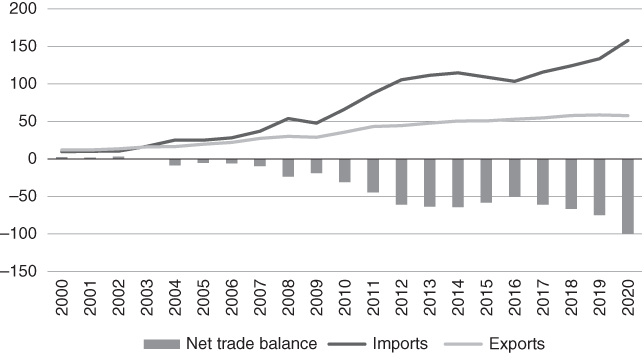
Despite its large negative trade balance, China was the world’s fourth largest exporter of agricultural products in 2020 (behind the EU-27, United States, and Brazil), exporting over USD 57 billion. Annual growth rates for China over the last 20 years were about one-third higher than that of global agricultural export growth (8.2 per cent compared to 6.5 per cent). With the exception of the EU-27 and the US, China’s main markets for agricultural products are in East Asia (Hong Kong, Korea, and Japan) and the growing markets of Southeast Asia (Vietnam, Thailand, Malaysia, Indonesia, and the Philippines) (Table 6.1).
Table 6.1 Top 10 markets for China agricultural exports, various years
| Rank | 2000 | 2010 | 2020 |
|---|---|---|---|
| 1 | Japan | Japan | Hong Kong |
| 2 | Hong Kong | European Union | European Union |
| 3 | European Union | Hong Kong | Japan |
| 4 | South Korea | United States | Vietnam |
| 5 | United States | South Korea | United States |
| 6 | Malaysia | Indonesia | South Korea |
| 7 | Indonesia | Malaysia | Thailand |
| 8 | India | Vietnam | Malaysia |
| 9 | Singapore | Russia | Indonesia |
| 10 | Taiwan | Thailand | Philippines |
| Percent of trade accounted for by top 10 markets | 82% | 73% | 74% |
The composition of China’s agricultural exports has changed over the past 20 years (Figure 6.2). In 2000, almost one third of China’s agricultural exports were grain and grain products (14 per cent of total agricultural exports) and meat (17 per cent of total exports). By 2020, those categories had fallen to 3 per cent and 8 per cent respectively, as China became a net importer of those products by the late 2000s. At the time of accession, a number of studies (e.g., Colby et al., Reference Colby2000; Coleman et al., Reference Coleman, Fry and Boughner2003; USITC, Reference Coleman, Fry and Boughner1999) projected that China’s exports of fruits and vegetables and processed foods would grow. Indeed, since 2000, exports of fruits and preparations, vegetables and preparations, and food preparations have soared, accounting for 50 per cent of total exports in 2020 compared with 32 per cent in 2000.
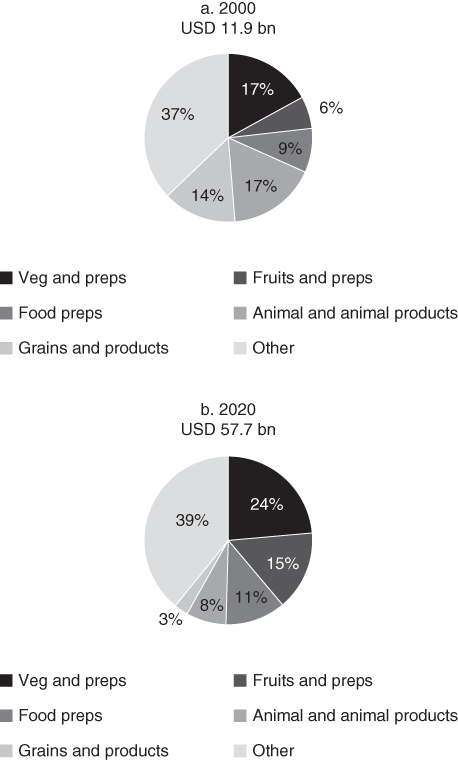
Figure 6.2 China’s agricultural exports by product type, 2000 and 2020
In 2020, China was the world’s largest importer of agricultural products, importing over USD 157 billion. From 2000 to 2020, China’s agricultural imports grew by an annual rate of 14 per cent and over that time, China became a major destination for the largest exporting countries in the world. Table 6.2 shows the 15 top import suppliers to China in 2020 and how China was ranked as the destination for those countries’ agricultural exports in 2000 and 2020. Of the 15, only Vietnam counted China as its top destination in 2000. By 2020, China was the largest or second-largest destination for 12 of the 15 top suppliers.
Table 6.2 Top 15 agricultural import suppliers to China, 2020
| Rank | Exporter | Bilateral agricultural imports in 2020 (USD million) | China’s rank as a destination for exporter’s agricultural exports | |
|---|---|---|---|---|
| 2000 | 2020 | |||
| 1 | Brazil | 35,271 | 5 | 1 |
| 2 | United States | 22,826 | 7 | 1 |
| 3 | European Union | 22,148 | 15 | 3 |
| 4 | Australia | 8,920 | 3 | 1 |
| 5 | New Zealand | 8,531 | 6 | 1 |
| 6 | Thailand | 7,383 | 8 | 1 |
| 7 | Canada | 6,388 | 5 | 2 |
| 8 | Indonesia | 6,090 | 6 | 1 |
| 9 | Argentina | 5,986 | 4 | 1 |
| 10 | Ukraine | 3,668 | 27 | 2 |
| 11 | Chile | 3,361 | 16 | 1 |
| 12 | Malaysia | 3,148 | 4 | 1 |
| 13 | Vietnam | 2,760 | 1 | 1 |
| 14 | Russia | 2,121 | 7 | 3 |
| 15 | India | 1,876 | 17 | 4 |
At the time of China’s accession, China was viewed as a large potential market for global feed grain exports (Crook and Colby, Reference Crook1996; U.S. Department of Agriculture, 1997; Wailes et al., Reference Wailes, Fang and Tuan1998). Lester Brown’s Reference Brown1995 report, Who Will Feed China? Wake-up Call for a Small Planet warned that China’s rising consumption of animal protein and domestic resource limits would cause rapid growth in import demand and disrupt global grain markets (Brown, Reference Brown1995).Footnote 2 A 1996 study by Crook and Colby reviewed several projections of China’s grain imports for various years in the twenty-first century and found a broad range of estimates from 15 million tonnes to over 200 million tonnes (Crook and Colby, Reference Crook1996).
A 2000 study by the US Department of Agriculture (USDA) concluded that China’s accession to the WTO would increase the value of annual US grain exports by about $1 billion (5 per cent) from 2000 to 2009 (Colby et al., Reference Colby2000). In its analysis of the impacts of China’s accession to the United States, the United States International Trade Commission (USITC) concluded that wheat exports to China would increase by $43 million (21 per cent increase) while corn and other feed grains would increase by $66 million (34 per cent) (U.S. International Trade Commission, 1999).Footnote 3 By contrast, because of Chinese rice policies aimed at maintaining self-sufficiency, China remained a small, but significant net exporter of rice throughout the 30 years and was not viewed as a growing market for global rice exports (Colby et al., Reference Colby2000; Tuan and Hsu, Reference Tuan and Hsu2001; USITC, 1999). The analyses projected small gains in the oilseed sector though it was projected that China would import fewer soybeans and more oilseed products such as soybean oil and soybean meal (Colby et al., Reference Colby2000). Cotton exports were also projected to grow significantly.Footnote 4
Table 6.3 shows the growth in China’s agricultural imports between 2000 and 2020. What is striking is the size of annual growth over most product categories. As predicted, grains and oilseed imports increased over the period but at slightly smaller annual growth rates than the average. The relative importance of oilseeds and products declined marginally relative to other product groups, but they still account for 35 per cent of total agricultural imports in 2020. Meat and dairy product imports increased by over 20 per cent per year over the past 20 years and account for 28 per cent of total imports in 2020 compared to just 10 per cent of total imports in 2000. Fruit and vegetable imports increased by over 18 per cent per year and accounted for 10 per cent of total imports in 2020 compared to 6 per cent in 2000.
Table 6.3 The composition of China’s agricultural imports, 2000 and 2020 (USD million)
| Commodity | 2000 | 2020 | Annual percent change 2000–2020 |
|---|---|---|---|
| Oilseeds, oils and fats | 4,071 | 55,530 | 14 |
| Grains and preps | 841 | 11,917 | 14 |
| Meats | 732 | 31,198 | 20 |
| Dairy products | 289 | 13,323 | 21 |
| Fruits and veg | 548 | 15,827 | 18 |
| Cotton | 74 | 3,563 | 21 |
| Other | 3,059 | 26,415 | 11 |
| Total | 9,614 | 157,772 | 15 |
III Drivers of China’s Food Demand
The rapid growth in China’s agricultural trade has been driven by several interrelated factors, including population and income growth, urbanization, economic reforms, and trade liberalization, including reforms associated with China’s accession to the WTO (Alexandratos and Bruinsma, Reference Alexandratos and Bruinsma2012; FAO, 2017). Table 6.4 presents a number of development indicators for China showing its growth over the past 20 years. While population grew annually by less than 1 per cent per year, real per capita income growth averaged over 8 per cent annually over the past 20 years. The rapid industrialization of the China economy resulted in increased urbanization as job growth stimulated rapid rural-to-urban migration. In 2000, less than 36 per cent of China’s population lived in urban areas. By 2020, over 60 per cent lived in urban areas. With rising incomes, per capita food consumptionFootnote 5 rose from 2,815 kcal/day in 2000 to over 3,200 kcal/day by 2020, while the percent of the population that is undernourished fell to less than 2.5 per cent from 10 per cent over the same period.Footnote 6
Table 6.4 Selected China indicators
| Indicator | 2000 | 2005 | 2010 | 2015 | 2020 |
|---|---|---|---|---|---|
| Population (billions) | 1.283 | 1.322 | 1.360 | 1.397 | 1.425 |
| Rate of urbanization (percent) | 35.9% | 42.5% | 49.2% | 55.5% | 61.4% |
| Per capita income (2015 USD) | 2,194 | 3,391 | 4,712 | 8,067 | 10,431 |
| Per capita food supply (Kcal/cap/day) | 2,814 | 2,883 | 3,044 | 3,188 | 3,203 |
| Prevalence of undernourishment (percent) | 10.0% | 7% | 2.8% | < 2.5% | < 2.5% |
Accompanying the significant increases in overall calorie availability have been reductions in the shares of calorie intakes from cereals and roots and tubers and increases in the shares of livestock products, vegetable oils, sugar, and processed foods. Figure 6.3 shows China’s per capita meat consumption versus inflation-adjusted per capita GDP drawn from data from 1961 to 2018.Footnote 7 As households earn more income, they tend to spend purchase more income, particularly at lower income levels (Popkin, Reference Popkin2014). In China, per capita income reached USD 2000 (in $2015) in the late 1990s, at which point the rate of growth in consumption began to slow and flatten out. Nonetheless, it was this shift in diets that has propelled (and continues to propel) the growth in imports of dairy, meats, feedstuffs, and fresh fruits and vegetables since 2000.Footnote 8
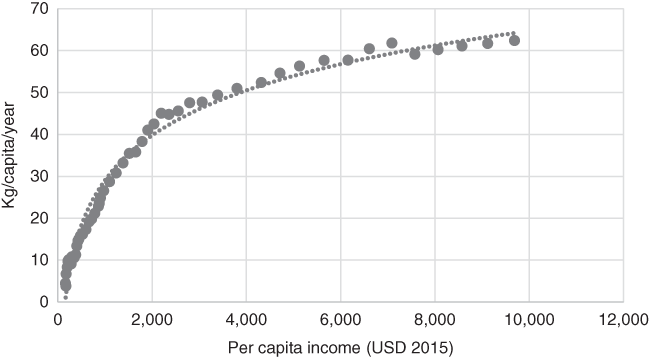
Figure 6.3 China’s per capita meat consumption and income, 1961–2018
To meet the increased demand for meat, China’s livestock production has increased in numbers and production efficiency (Gale, Reference Gale2015). Hog and poultry production has been transformed from “backyard operations,” where households kept a few animals for home consumption and occasional sale, to more industrialized production practices, based on confined feed operations and processed feeds for inputs.Footnote 9 The growth of factory-style livestock and poultry operations has fueled demand for feedstuffs such as maize and other feed grains and soybean meal. While China grows ample supplies of food-grade soybeans (for tofu and other food products) it imports most of its feed-grade soybeans to be crushed into soybean meal and soybean oil. Feed grain imports have grown in importance as well, particularly since 2010 (Gale, Reference Gale2015).
The growth in China exports is expected to continue in the future (Alexandratos and Bruinsma, Reference Alexandratos and Bruinsma2012; FAO, 2017; OECD/FAO, 2021; USDA/ERS, 2021). For example, USDA’s Economic Research Service (2021) projects that about half of the growth in global soybean consumption over the next 10 years will be in China. It is projected that the growth in China soybean imports over 2021–2030 will account for 80 per cent of the growth in global soybean imports over that period (USDA/ERS, 2021). China is also expected to continue to increase its imports of meat products and is projected to account for 40 per cent of the growth in global pork imports and 49 per cent of the growth in global beef imports over 2021–2030 (USDA/ERS, 2021).
IV China Trade and Agricultural Policies
China supports its agricultural producers through a variety of policy instruments including tariffs and other border measures and direct price and income support measures (WTO, 2021a). On occasion, the government has intervened to restrict exports to maintain lower prices as they did to restrict rice exports during the price spikes of 2007–2008 (Slayton, Reference Slayton2009).
(i) Market Access
Prior to accession, China’s imports of agricultural products were largely in the hands of China State Trading Enterprises (STEs). Import quotas were arbitrarily set on an annual and often as-needed basis. With accession, China agreed to bind its tariffs at then-applied levels.Footnote 10 As a result, the difference between applied and bound rates is relatively small compared to many other developing (and developed) countries.Footnote 11 In 2020 the average applied MFN duty across all agricultural products was 13.8 per cent (compared with an average bound tariff rate of 15.7 per cent). Table 6.5 shows average bound tariffs and average applied MFN duties across a variety of agricultural product groups (WTO/ITC/UNCTAD, 2021). The oilseed sector has generally lower protection than other sectors. For example, the bound tariff rate on soybeans is 3 per cent. Sectors receiving higher than average protection include beverages and tobacco (average applied MFN duty of 18.2 per cent), cereals and preparations (19.5 per cent), cotton (22.0 per cent), and sugars and confections (28.7 per cent).
Table 6.5 Average China tariff rates for various agricultural product groups, 2020
| Product group | Average bound tariff | Average applied MFN duty |
|---|---|---|
| Animal products | 14.9 | 13.2 |
| Dairy products | 12.2 | 12.3 |
| Fruits, vegetables and plants | 14.8 | 12.2 |
| Coffee, tea | 14.9 | 12.3 |
| Cereals and preparations | 23.7 | 19.5 |
| Oilseeds, fats and oils | 11.1 | 10.9 |
| Sugars and confections | 27.4 | 28.7 |
| Beverages and tobacco | 23.2 | 18.2 |
| Cotton | 22.0 | 22.0 |
| Other agricultural products | 12.1 | 9.3 |
| All agricultural products | 15.7 | 13.8 |
China continues to operate tariff rate quotas (TRQs) on a number of tariff lines, which are administered through import licenses (WTO, 2021a). China’s accession to the WTO was particularly significant for commodities such as soybeans where quotas were phased out and commercial traders were allowed to import agricultural productions in place of STEs. For grains, cotton, and sugar, TRQs were established and while their operation was partially liberalized to allow commercial traders, STEs continued to play a significant role. Table 6.6 shows tariff rates (both out-of-quota and in-quota) and the tariff quota quantity for various agricultural products. Generally, fill rates for TRQs have been high for sugar, cotton, and wool. Fill rates for grains, by contrast, were until recently generally low, often below 50 per cent (Glauber and Lester, Reference Glauber and Lester2021). In 2016, the United States requested consultations under the WTO dispute settlement understanding (DSU) over China’s administration of its TRQs for corn, rice, and wheat. The case is discussed more fully in Section 4. In 2020, the fill rates for corn, wheat, and rice were 100 per cent, 53 per cent, and 55 per cent, respectively, in part due to commitments under the Phase 1 agreement and in part due to strong import demand for cereals.
Table 6.6 Tariff rate quotas on agricultural products and their utilization, 2019–2020
| Product | Out-of-quota rates | In quota rates | Tariff quota quantity | In-quota imports Tonnes | Percent of TRQ allocated to STEs | |
|---|---|---|---|---|---|---|
| Percent | Tonnes | 2019 | 2020 | |||
| Wheat (7 lines) | 9,636,000 | 3,487,625 | 5,151,565 | 90% | ||
| Wheat and meslin (4 lines) | 65 | 1 | ||||
| Wheat or meslin flour (1 line) | 65 | 6 | ||||
| Groats and meal of wheat (1 line) | 65 | 9 | ||||
| Pellets of wheat | 65 | 10 | ||||
| Corn (5 lines) | 7,200,000 | 4,793,424 | 7,200,000 | 60% | ||
| Maize (corn) seed (1 line) | 20 | 1 | ||||
| Maize (corn), other than seed (1 line) | 65 | 1 | ||||
| Maize (corn) flour (1 line) | 40 | 9 | ||||
| Groats and meal of corn (1 line) | 65 | 9 | ||||
| Rolled or flaked corn (1 line) | 65 | 10 | ||||
| Rice (14 lines) | 5,320,000 | 2,545,726 | 2,911,467 | 50% | ||
| Rice, other than broken (8 lines) | 65 | 1 | ||||
| Broken rice (2 lines) | 10 | 1 | ||||
| Rice flour (2 lines) | 40 | 9 | ||||
| Meal of rice (2 lines) | 10 | 9 | ||||
| Sugar (7 lines) | 50 | 15 | 1,945,000 | 1,945,000 | 1,945,000 | 70% |
| Cotton (2 lines) | 40 | 1 | 894,000 | 894,000 | 894,000 | 33% |
(ii) Domestic Support
Under the terms of accession to the WTO, China has no domestic support entitlements under Article 6.3 of the Agreement on Agriculture (AoA). In practical terms, support is thus capped at the de minimis threshold for trade distorting support set out in Article 6.4 of the AoA and in China’s Schedule of Commitments, and equal to 8.5 per cent of the value of production for the commodity receiving support.Footnote 12 The de minimis threshold is higher than that for developed countries (5 per cent) but less than the de minimis threshold for most developing countries (10 per cent). China has access to other support provisions of the AoA including Article 6.5, which exempts production-limiting measures from reduction commitments (the so-called blue box), and Annex 2 of the AoA which exempts measures that are minimally production- and trade-distorting (the so-called Green Box). However, China agreed to forego recourse to Article 6.2 of the AoA which exempts investment aids and certain input subsidies from reduction commitments for developing countries.
At the time of accession, China taxed many of its agricultural producers by offering procurement prices below global market prices and imposing other duties (Gale, Reference Gale2013). In 2004, authorities began eliminating an agricultural tax on farmers and introduced a broad program of agricultural support that included tax reductions, direct subsidies, price supports, policy loans, expenditure on infrastructure, and intergovernmental transfers (Gale et al., Reference Gale and Lohmar2005). Price floors for rice and wheat were introduced in 2004–2006 while price supports for corn, soybeans, and rapeseed were introduced in 2008. Cotton price support was introduced in 2012 (MacDonald et al., Reference MacDonald, Gale and Hansen2015).
Global prices rose in the late 2000s due to several factors including the growth of biofuels (primarily in the US), strong import demand from emerging markets like China, and production shortfalls in Australia (Abbott et al., Reference Abbott, Hurt and Tyner2011; Alexandratos and Bruinsma, Reference Alexandratos and Bruinsma2012). As global prices rose from 2005 to 2013, China raised its support prices, but starting in 2013, global supplies recovered and by late 2013, world market prices had fallen and were significantly less than China’s domestic prices, as shown in Figure 6.4 for wheat. Domestic grain production was increasingly finding its way into government stockpiles to maintain prices above support levels. While there is a paucity of reliable data on China stocks, available estimates suggest that government stockpiles by the mid-2010s were ample enough to satisfy nearly a year’s worth of domestic consumption (Figure 6.5).
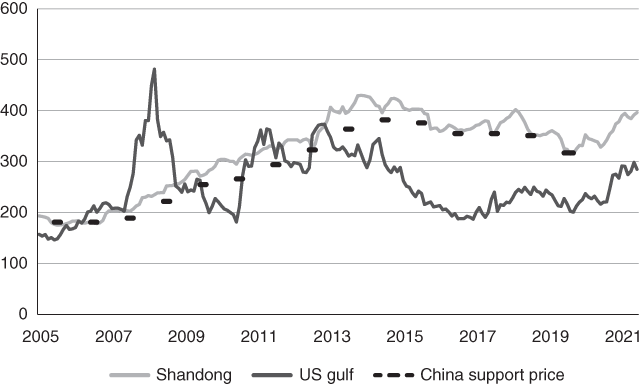
Figure 6.4 Wheat prices (USD/tonne)
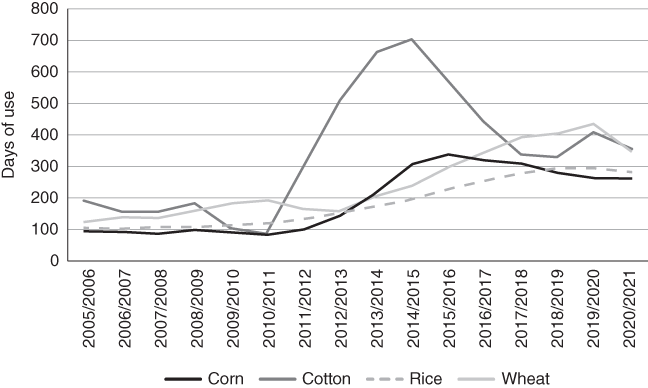
Figure 6.5 China’s stocks of corn, cotton, rice, and wheat (measured in days of use)
Reforms began in 2015 as cotton price supports began to be phased out and in 2016, corn supports were eliminated (MacDonald et al., Reference MacDonald, Gale and Hansen2015). Price supports for wheat and rice were maintained but lowered to minimize acquisitions. Stock levels have decreased since then as the government has taken advantage of higher prices to release grain and cotton from their stockpiles.
Figure 6.6 shows the evolution of China’s producer support as measured by the Organization for Economic Cooperation and Development (OECD) over the period 1993–2020. China’s Producer Support Estimate (PSE), measured as a percent of the value of agricultural production, peaked in 2015 and 2016 at just over 16 per cent.Footnote 13 Since then, their PSE has fallen relative to production value, reflecting, in part, lower support prices and other reforms, including the growth of its subsidized insurance program (Kenderdine, Reference Kenderdine2018).
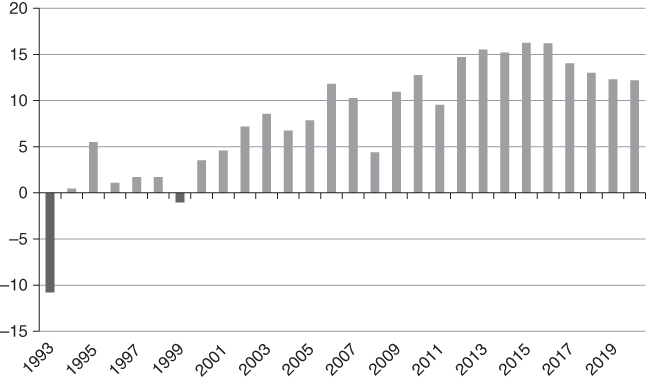
Figure 6.6 China’s Producer Support Estimate (PSE) as a percent of the value of agricultural production
In 2016, the United States requested consultations with China over its support measures for maize (corn), wheat, and rice (Ahn and Orden, Reference Ahn and Orden2021). That case is discussed in more detail below.
(iii) Export Subsidies and Restrictions
Exports of cotton, rice, maize, and tobacco are subject to state trading (WTO, 2021a). These products, except for tobacco, are also subject to export quotas and are allocated only to state trading enterprises. Wheat is also subject to export quotas. As part of its accession, China agreed to forego the use of export subsidies for agricultural products.
In 2008, there was much concern over the use of export taxes by a number of countries, including China, in response to global price spikes in wheat and rice prices. Such actions were seen as beggaring-thy-neighbor policies that exacerbated price volatility (Bouët and Laborde Debucquet, 2012; Martin and Anderson, Reference Martin and Anderson2012; Slayton, Reference Slayton2009). Between 1 January and 31 December 2008, China imposed interim export tariffs, ranging from 5% to 25% on 57 tariff lines (HS 8-digit) covering wheat, corn, rice, and soybeans. In China’s third Trade Policy Review, Chinese officials maintained that the objective of such measures was to conserve natural resources or to protect the environment (WTO, 2010). On 1 July 2009, some of these export taxes were removed or lowered, including on wheat and rice. Slayton (Reference Slayton2009) points out that, unlike other large Asian rice exporters (such as Vietnam and Thailand), China did not prohibit exports during this period.
V China and the WTO
Over the past 20 years, China has become increasingly active in WTO committees dealing with agriculture issues such as the Committee on Agriculture and the Sanitary and Phytosanitary (SPS) Committee. Agricultural disputes involving China, while limited in the first 15 years following China, have increased over the past 5 years as trade wars with some of its large partners have been brought to the WTO Dispute Settlement Body for adjudication.
The WTO’s Committee on Agriculture oversees the implementation of the Agriculture Agreement and provides a forum for members to raise and address related questions and concerns. Its key responsibility is to monitor how WTO members are complying with their commitments. Over the first 15 years following accession China was relatively quiet in the Committee on Agriculture, raising only 13 questions about other members’ notifications and policies. Over the same period, WTO members raised 231 questions to China. Over 2017–2021, China raised 31 questions to other WTO members compared to 125 questions raised by other members of China’s policies and notifications.
Of the 44 questions raised by China, all were directed at developed country members, with 25 being addressed to the United States, 10 to the European Union, and 7 to Japan. Of those questions addressed to China, 141 of the 356 (40 per cent) were by the United States (Table 6.7).
Table 6.7 Number of questions involving China in the Committee on Agriculture
| Period | Questions posed to other members by China | Questions posed to China by other members |
|---|---|---|
| 2002–2006 | 0 | 35 |
| 2007–2011 | 11 | 75 |
| 2012–2016 | 2 | 121 |
| 2017–2021 | 31 | 125 |
| Total | 44 | 356 |
| Member | Questions posed by China to: | Questions posed to China by: |
|---|---|---|
| Australia | 1 | 50 |
| Brazil | 0 | 14 |
| Canada | 0 | 50 |
| EU | 10 | 65 |
| Japan | 7 | 25 |
| Korea | 1 | 0 |
| Pakistan | 0 | 1 |
| Russia | 0 | 7 |
| Taipei | 0 | 2 |
| Thailand | 0 | 8 |
| USA | 25 | 141 |
The SPS Committee is the forum where WTO members discuss issues related to the implementation of the SPS Agreement and potential trade concerns. China has been an active member since its accession. As with the Committee on Agriculture, a majority of the questions asked by China have been directed to developed economies such as the US, EU, and Japan. The EU and the United States have accounted for most of the questions directed to China concerning SPS issues (Table 6.8).
Table 6.8 Number of questions involving China in the SPS Committee
| Period | Questions posed to other members by China | Questions posed to China by other members |
|---|---|---|
| 2002–2006 | 17 | 10 |
| 2007–2011 | 12 | 10 |
| 2012–2016 | 7 | 12 |
| 2017–2021 | 9 | 11 |
| Total | 45 | 43 |
| Member | Questions posed by China to: | Questions posed to China by: |
|---|---|---|
| Argentina | 0 | 1 |
| Australia | 1 | 5 |
| Brazil | 1 | 2 |
| Canada | 2 | 4 |
| China Taipei | 0 | 1 |
| EU | 15 | 14 |
| India | 1 | 6 |
| Indonesia | 1 | 2 |
| Israel | 0 | 1 |
| Japan | 8 | 2 |
| Mexico | 2 | 3 |
| Norway | 0 | 2 |
| Paraguay | 0 | 1 |
| Philippines | 1 | 0 |
| Russian Federation | 0 | 1 |
| Ukraine | 0 | 1 |
| USA | 15 | 15 |
Since China acceded to the WTO in 2001, they have been involved with 69 disputes: 22 as a complainant and 47 as a respondent.Footnote 14 Surprisingly only 10 have involved agriculture and food products, about 15 per cent. By contrast, Bianchi (Reference Bianchi, Piñeiro, Campos and Piñeiro2021) estimates that 45 per cent of disputes brought by all Members before the DSB over 1995–2020 involved agricultural or food products.
China was a complainant in three disputes involving food products (Table 6.9). Two of those disputes involved poultry exports to the US (DS392) and the EU (DS492). The third involved shrimp exports to the US (DS422) (Ahn and Messerlin, Reference Ahn and Messerlin2014). All three disputes went to panel determination where the reports were ultimately adopted by the DSB. Despite positive rulings on claims made in the poultry cases against the EU and United States, China’s exports remain minimal due to SPS restrictions in those countries. US imports of shrimp from China were almost USD 340 million in 2018 but have fallen since then to less than USD 56 million in 2020 as a result of anti-dumping actions by the US Department of Commerce.
Table 6.9 Disputes brought by China before the WTO Dispute Settlement Body involving agricultural and food products
| Dispute number | Respondent | Request for consultations | Short title | Most recent action/date |
|---|---|---|---|---|
| DS392 | United States | 17/04/2009 | US – Poultry (China) | Panel report adopted 23/07/2010 |
| DS422 | United States | 28/02/2011 | US – Shrimp and Diamond Sawblades | Panel report adopted 23/07/2012 |
| DS492 | European Union | 08/04/2015 | EU – Poultry Meat (China) | Panel report adopted 19/09/2017 |
As of November 4, 2021, there have been seven requests for consultations with China involving food and agricultural products; all but one of those disputes were initiated within the last 5 years (Table 6.10). In 2011, the United States requested consultations with China concerning China’s measures imposing anti-dumping and countervailing duties on broiler products from the United States (DS427). The Panel report was adopted in 2013. In 2016, the United States requested a compliance hearing under Article 21.5. That report was adopted in 2018. US chicken product exports to China totaled USD 759 million in 2020.
Table 6.10 Disputes brought against China before the WTO Dispute Settlement Body involving agricultural and food products
| Dispute number | Complainant | Request for consultations | Short title | Most recent action/date |
|---|---|---|---|---|
| DS427 | United States | 20/09/2011 | China – Broiler Products | Art. 21.5 report adopted 28/02/2018 |
| DS511 | United States | 13/09/2016 | China – Agricultural Producers | Art. 21.5 request referred to original panel 28/09/2020 |
| DS517 | United States | 15/12/2016 | China – TRQs | Art. 21.5 request referred to original panel 30/08/2021 |
| DS568 | Brazil | 16/10/2018 | China – Certain Measures concerning Imports of Sugar | In consultations |
| DS589 | Canada | 09/09/2019 | China – Canola Seed (Canada) | Request for panel 17/06/2021 |
| DS598 | Australia | 16/12/2020 | China – AD/CVD on Barley (Australia) | Panel composed 03/09/2021 |
| DS602 | Australia | 22/06/2021 | China – AD/CVD on Wine (Australia) | Request for panel 16/09/2021 |
In 2016, the United States requested consultations with China on the level of subsidies provided to agricultural producers (DS511) and consultations on China’s administration of its TRQs (DS517). In China – Agricultural Producers (DS511), the issue was China’s provision for domestic support, in the form of market price support, in excess of its product-specific de minimis level, provided to agricultural producers of wheat, India rice, Japonica rice, and corn in 2012, 2013, 2014, and 2015 (Ahn and Orden, Reference Ahn and Orden2021). The Panel sided with the United States on its claim that China’s support had exceeded de minimis levels for India rice, Japonica rice and wheat and hence was in excess of its commitment level of “nil”Footnote 15 under China’s Schedule of Concessions on Goods. The Panel report was adopted in 2019, but in 2020, the United States requested a compliance panel under Article 21.5 of the DSU, which has been referred to the original panel for deliberation.
In China-TRQs (DS517), the United States requested consultations with China regarding its administration of TRQs for wheat, rice, and corn. A key finding of the Panel was the administration of state-trading-enterprises (STE) and non-STE portions of TRQs was inconsistent with the obligations to administer TRQs on a transparent, predictable, and fair basis, using clearly specified administrative procedures, and in a manner that would not inhibit the filling of each TRQ (Glauber and Lester, Reference Glauber and Lester2021; WTO, 2021c). The Panel Report was adopted by the DSB in 2019. In August 2021, the United States requested the DSB to establish a compliance panel under Article 21.5 of the DSU.
Four additional trade disputes involving agricultural products have been brought against China. In China – Certain Measures affecting Imports of Sugar (DS568), Brazil requested consultations with China in 2018 concerning (i) a safeguard measure imposed by China on imported sugar, (ii) China’s administration of its tariff-rate quota for sugar, and (iii) China’s import licensing system for out-of-quota sugar. The European Union, Thailand, and Guatemala have also requested consultations. In China – Canola Seed (Canada) (DS589), Canada requested a consultation with China in 2019 concerning two sets of measures allegedly affecting the importation of canola seed (intended for processing and consumption, not for planting) from Canada: (a) measures suspending the importation of canola seed from two Canadian companies; and (b) measures applying enhanced inspections on all imports of Canadian canola seed. In June 2021, Canada requested a Panel to be formed.
Lastly, two disputes have been brought by Australia regarding recent actions taken by China affecting barley and wine imports from Australia. In China – AD/CVD on Barley (Australia) (DS598), Australia requested consultations with China in 2020 regarding its use of anti-dumping and countervailing measures against barley imports from Australia. A Panel was formed in September 2021. In China – AD/CVD on Wine (Australia) (DS602), Australia requested consultations with China in 2021 with respect to anti-dumping and countervailing measures on bottled wine in containers of 2 liters or less imported from Australia. In September 2021, Australia requested the establishment of a Panel.
Over the next couple of years, China will face Panel decisions on a number of disputes involving agricultural products including two disputes with Australia (barley and wine), one dispute with Canada (canola), and two compliance hearings with the United States (agricultural subsidies and TRQ administration). Zhou (Reference Zhou2019) has pointed out how China has had a high rate of compliance with WTO rulings in the past. The current impasse in the Appellate Body means that Panel rulings that are appealed face an uncertain future and this may affect China’s compliance with future Panel and compliance rulings.
(i) China’s Trade War with the United States
In addition to trade disputes within the WTO, China has also been embroiled in a trade war with the United States (Bown and Irwin, Reference Bown and Irwin2019; Bown and Kolb, Reference Bown2021). In 2018, in response to duties placed on China goods by the United States, China placed counter-retaliatory duties on a number of US agricultural exports, including soybeans. Total US agricultural exports to China fell to $9.1 billion in 2019 and soybean exports fell by almost 75 per cent, to USD 3.1 billion, the lowest level since 2006 (Glauber, Reference Glauber2020). Brazil was a big beneficiary as China sourced most of its soybean imports from them in 2018 and 2019, and while the United States was able to send some of its soybeans to markets that would have normally imported from Brazil, overall, US soybean exports fell by USD 4 billion in 2018 and USD 3 billion in 2019 and US soybean receipts in 2019 fell by 12 per cent from 2017 levels (Adjemian et al., Reference Adjemian, Smith and He2021; Carter and Steinbach, Reference Carter and Steinbach2020).
On January 15, 2020, China and the United States signed The Phase One Economic and Trade Agreement. The agreement included chapters addressing intellectual property protection, technology transfer, trade in food and agricultural products, some new market access in China for financial services, exchange rates and transparency, and a government-to-government enforcement mechanism that could result in unilaterally determined trade sanctions if one side did not live up to the agreement (Bown, Reference Bown2021a). China agreed to import USD 36.5 billion in US agricultural goods in 2020 and USD 43.6 billion.Footnote 16 Actual China agricultural imports from the United States in 2020 totaled USD 23.6 billion, about 64 per cent of the target. Based on import data through November 2021, Bown (Reference Bown2021b) estimates that China is on track to achieve 87 per cent of the targeted level for agriculture for 2021.
In their analysis of the Phase One Agreement, Feenstra and Hong (Reference Feenstra and Hong2021) pointed out the adverse impact of the agreement on other export suppliers to China, particularly Australia, and Canada, followed by Brazil, Indonesia, Malaysia, Thailand, and Vietnam. At the WTO Committee on Agriculture meeting in March 2021, in response to questions concerning trade diversion and deviation from MFN treatment as a result of the Phase One Agreement, China assured Members that:
Purchases are based on commercial considerations and market conditions. In 2020, COVID-19 severely hit global economy, trade flow, and transportation. These unexpected factors, among others, could influence the market. China is a large market. We welcome competitive products from all Members. We will continue to import products based on market conditions in line with WTO rules. As the economy recovers, we expect that the demands would increase. China will continue to facilitate trade from all Members based on market conditions and in line with WTO rules.
Figure 6.7 shows that China’s agricultural imports from the United States in 2020 increased by almost 80 per cent over imports from the United States in 2019. The large increase was due to the low level of imports in 2019 due to the trade war. Compared to 2017 – the last year before the trade war started in 2018, imports from the United States in 2020 were up only 1 per cent. Moreover, China showed a very large increase in total agricultural imports in 2020, up 18 per cent over 2019 levels. Agricultural imports from most of China’s top 10 suppliers showed large gains. Agricultural imports from Brazil, for example, increased by USD 5.8 billion over 2019 levels (up 20 per cent) while agricultural imports from the EU-27 were up USD 4.7 billion (27 per cent). By contrast, agricultural imports from Australia were down due to Chinese restrictions on barley and wine imports. Overall, the data suggest that much of the increase in imports was due to factors other than Phase 1 such as the rapid recovery in hog populations in China in 2020 after herds had been sharply reduced in 2018–2019 due to African Swine Fever (USDA/FAS, 2021).
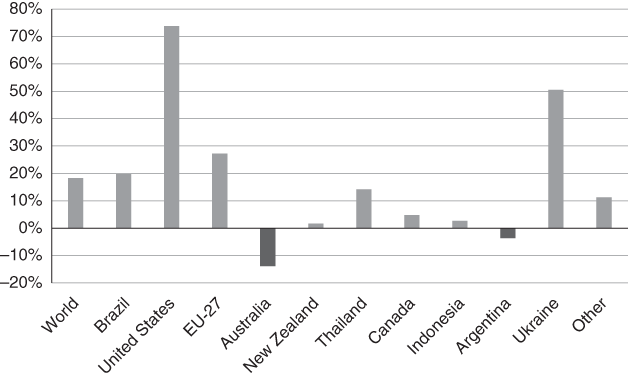
Figure 6.7 China’s agricultural imports, change from 2019 to 2020
Chapter 3 of the Phase One agreement also included a number of provisions that addressed more substantive trade issues such as biotechnology approvals, SPS concerns, and TRQ administration (USDA, 2020). Significantly, however, supplemental duties remain on key agricultural products lending uncertainty to what is now a tenuous truce in agricultural trade relations between the two parties.
VI Conclusions
Twenty years after its accession to the WTO, China has become the world’s largest agricultural importer and one of the top export destinations for the world’s largest agricultural exporters. Population, income growth, and increased urbanization have driven dietary changes and consumption growth that have outpaced domestic production and required China to import an increasingly larger share of its consumption needs. Those trends are projected to increase over the next 10 years, and likely beyond.
Accession to the WTO has been a significant factor in the growth of agricultural trade (both exports and imports). Binding tariffs at relatively low rates provided certainty to exporters and the phase-out of some tariff rate quotas and operation of importing STEs has allowed commercial interests to flourish. Moreover, WTO trade disciplines have arguably shaped China’s agricultural policies. China’s agricultural support has fallen in recent years, in part due to adverse rulings at the WTO Dispute Settlement Body but also in part due to domestic reforms to correct unsustainable policies that distorted internal market prices.
Recent WTO disputes on agricultural support and TRQ administration point to the challenge of how to support domestic producers and be consistent with WTO trade rules. Further, trade wars with trade partners such as the United States, Australia, and Canada have disrupted trade patterns, not just bilaterally, but because of the size of China’s imports, have been disruptive to world trade as well. Worse, they threaten to undermine liberalization trends by raising tariff levels and placing importing decisions back into the hands of STEs and other government entities. A functioning WTO DSB helps ensure compliance with WTO trade rules, but the current impasse over appointing new members of the Appellate Body undermines its function (Bown and Irwin, Reference Bown and Irwin2019; Glauber and Xing, Reference Glauber2020; Mavroidis and Sapir, Reference Mavroidis and Sapir2021).
Time will tell whether these recent trends will be reversed but growing China food demand will likely keep pressure on the China government to keep markets open to agricultural imports.
I Introduction
In its twenty years of participation in the multilateral trading system, the People’s Republic of China (China) has been using various types of export restrictions. Some of these policies were brought to the attention of the WTO dispute settlement system and provoked heated scholarly debates.
However, recent amendments to Chinese laws and regulations represent a major shift: even a shallow analysis is indicative of a new role that China ascribes to the use of unilateral economic sanctions in general and export restraints in particular. These actions were most likely instigated by the US-China trade war, tightening of US export control regulations, economic sanctions against Chinese technology companies, and a looming US-China “technological de-coupling.”
Given the recency of this policy shift, it has not been a subject of thorough academic scrutiny yet. Notwithstanding this, its potentially significant implications for both China-US bilateral relations and the multilateral trading system make it worthy of a detailed academic inquiry.
The working hypothesis of this paper is that China’s use of export restraints has been traditionally heavily dependent on domestic factors, yet the recent changes signal the shift towards the use of export restrictions as a strategic geopolitical tool, thus reinforcing the role of external factors. To test the accuracy of this assumption, we analyze China’s use of export restrictions in the period from 2001 to 2021. In particular, we suggest that three distinct phases can be discerned along this period: (i) elimination of export restrictions before and after joining the WTO; (ii) selective use of export restrictions mostly for domestic policy reasons till 2016; (iii) shift towards strategic use of export restrictions as an instrument of geopolitical competition since 2017. The latest stage has evolved as a response to the ongoing trade and technological wars waged by the United States against China and economic sanctions against China and its technology companies, as well as a reflection of China’s growing assertiveness in its use of economic coercion.
The paper proceeds in five parts. This introduction sets the stage for a subsequent discussion. The analysis in the following three parts covers the abovementioned three periods of China’s use of export restrictions with the identification of the rationales behind their use. Furthermore, the WTO consistency of these export restraints is briefly examined. The last – the fifth part – presents a forward-looking discussion of the recent changes in China’s laws and regulations, their expected operation and WTO consistency, as well as their potential to disrupt existing global value chains, in particular in the technology sector.
One more clarification is warranted here. In the WTO context, the term export restriction may encompass various types of measures such as export duties (tariffs) and export taxes, export quotas, export licenses, export prohibitions, and minimum export prices (Marceau, Reference Marceau2016). Our analysis in Parts I and II considers diverse types of export restrictions, while our subsequent inquiry in Part IV examines export prohibitions and non-automatic export licenses, that is, instruments that aim at restricting exports as a part of broader economic coercive efforts.
II Elimination of Export Restrictions before and after Acceding to the WTO
China’s economic strategy of gradual opening declared by Deng Xiaoping in 1978 and described as “crossing the river by touching the stones” (Morrison, Reference Morrison2019, p. 5) culminated in China’s accession to the WTO in late 2001 and the subsequent comprehensive liberalization.
Before the economic reforms of the late 1970s, China’s participation in international trade was controlled by a small number of foreign trade corporations, which held monopolies in diverse categories of goods (Ianchovichina & Martin, Reference Ianchovichina and Martin2001). At that time, export volumes were defined by planned levels of imports, that is, imports were financed by export earnings, thus allowing the country to pursue its policy of self-sufficiency (Ianchovichina & Martin, Reference Ianchovichina and Martin2001). A drastic increase in the number of foreign trade corporations from twelve national monopolies to many thousands was among the early reforms put in place by the Chinese government (Harrison, Reference Harrison, Shenggen Fan, Wei and Zhang2014). Li and Jiang (Reference Li, Jiang, Garnaut, Song and Fang2018, p. 576) provide the following numbers: “export trade companies increased from 12 in 1978 to about 1,200 in 1986, reaching a peak of 5,075 in 1988.” This and other economic reforms of 1978–1991 aspired to raise the role of exports in the country’s economic development (Li & Jiang, Reference Li, Jiang, Garnaut, Song and Fang2018).
Later, in the 1990s, as a part of the efforts to liberalize its international trade regime, China significantly reduced categories of products subject to export licensing from 143 categories (48.3% of total exports) in 1992 to 58 categories constituting 9.5% of total exports in 1999 (WTO, 2001b, p. 32). After becoming a WTO Member, China further shortened the list of items subject to export licensing and the WTO Secretariat reported that in 2004 the value of Chinese exports subject to licensing requirement was equal to 4.1% of total exports (WTO, 2006, p. 104).
Thus, in the period leading to the WTO accession, China was pursuing the strategy of export-led growth, and exports were aimed at contributing to the country’s economic development. Despite this, various forms of export restrictions were occasionally employed. The process of China’s WTO accession demonstrated that other WTO Members had serious concerns in this regard. In particular, WTO Members drew attention to the use of non-automatic export licenses, the use of export restrictions on raw materials and intermediate products such as tungsten ore concentrates, rare earths, and other metals, and restrictions on the export of silk (WTO, 2001b). China confirmed its intention to gradually eliminate these restrictions (WTO, 2001b).
Furthermore, in its Accession Protocol, China agreed to eliminate “all taxes and charges applied to exports” with the exception of the fees “specifically provided for in Annex 6 of this Protocol” or “applied in conformity with the provisions of Article VIII of the GATT 1994” (WTO, 2001a). As a matter of law, export duties (tariffs) are permitted under WTO law unless a WTO Member included relevant commitments in its schedule (Marceau, Reference Marceau2016). Since China explicitly included the relevant commitment in its Accession Protocol, it bound itself and agreed to additional WTO obligations not incumbent on other WTO Members, apart from several recently acceded states. In this regard, the panel in China – Raw Materials reiterated that China’s Accession Protocol is an integral part of the WTO Agreement and therefore can be enforced in dispute settlement proceedings.
After its accession to the WTO in 2001, China abolished export quotas and export licences on certain categories of goods (WTO, 2006).
III China’s Use of Export Restrictions for Domestic Policy Reasons in 2001–2016
According to the TPR Report issued in 2006, China had used export taxes, including interim duties that were defined on an annual basis; tax rebates on exports, some of which were paid at a lower rate and thus constituted an export levy; export prohibitions “to avoid shortages in domestic supply, conserve exhaustible natural resources, or in accordance with international obligations” as well as “to meet industry development requirements”; export quotas, which China believed it can justify under Articles XI, XVII, and XX of the GATT 1994 and Annex 2A2 of its Accession Protocol; automatic and non-automatic export licensing (WTO, 2006). Already in this first TPR Report the WTO Secretariat noted that China was purposefully using export restrictions to subsidize downstream industries: “With regard to its trade policy objectives, China is currently aiming to increase its exports of value added products. To this end, China continues to use trade and other measures, to promote local production in certain sectors, either for export, or as inputs for producers in China. The measures include: export taxes, reduced VAT rebate rates, and export licensing to deter exports of some products” (WTO, 2006, p. 44).
The next TPR Report issued in 2008 emphasized China’s increasing use of various types of export restrictions: “the number of tariff lines subject to interim export duties was almost doubled in the last two years, VAT rebate rates on exports of some 2,800 lines (HS 8-digit) were eliminated or lowered in July 2007, and the number of lines subject to export quotas and licensing requirements has increased” (WTO, 2008, p. xi). The subsequent Report of 2010 confirmed that China continued to use various export restrictions (WTO, 2010), while the Report prepared in 2012 documented that export duties were eliminated and interim export duty rates were reduced although the total number of tariff lines subject to export quotas increased, and seasonal special export taxes were adopted (WTO, 2012). The 2014 TPR Report mentioned China’s application of diverse export restrictions and underlined that China’s position of the leading world exporter of certain products, which are subject to its export taxes, may have an impact on the world price of these products (WTO, 2014). The next TPR Report demonstrated that China eliminated or reduced some export restrictions, while tightening others (WTO, 2016).
The World Bank analysts in their 2011 study identified Chinese export restrictions as one of the four issues of significant concern for other WTO Members (Mattoo & Subramanian, Reference Mattoo and Subramanian2011). It comes as no surprise since the economic repercussions of those export restrictions were felt acutely: according to some estimates, a reduction in Chinese export quotas in rare earth resulted in more than a seven-fold increase in world prices (Bond & Trachtman, Reference Bond and Trachtman2016).
Several WTO Members questioned the compatibility of Chinese export restrictions with its WTO commitments. Table 7.1 presents a short summary of these disputes.
Table 7.1 WTO disputes, wherein the WTO compatibility of Chinese export restrictions was questioned
| WTO Members that initiated disputes | Types of export restrictions | Raw materials covered | Outcomes of the disputes |
|---|---|---|---|
| The United States (DS394), the European Communities (the European Union, DS395), and Mexico (DS398) initiated disputes in 2009. | Export duties; export quotas; export licensing; and minimum export price requirements; allocation and administration of export quotas, export licences, and minimum export prices, and alleged non-publication of certain measures | Various forms of bauxite, coke, fluorspar, magnesium, manganese, silicon carbide, silicon metal, yellow phosphorous, and zinc | Both the panel and the Appellate Body found that China’s use of various forms of export restrictions violates its obligations under China’s Accession Protocol and obligations under the GATT 1994 and these breaches could not be justified under Articles XI:2(a), XX(b) and XX(g) of the GATT 1994. |
| The United States (DS431), the European Union (DS432), and Japan (DS433) initiated disputes in 2012. | Export quotas; export duties; administration and allocation of export quotas, including through export licensing | Rare earths, tungsten, and molybdenum | The panel found that China applied export duties that were inconsistent with its obligations under the Accession Protocol and it could not justify them under Article XX(b) of the GATT 1994. China’s export quotas breached Article XI:1 of the GATT 1994 and could not be justified under Article XX(g) of the GATT 1994. China’s trading rights restrictions violated its WTO obligations and were not justified. China did not appeal the final conclusions of the panel but appealed some aspects of its reasoning. |
| The United States (DS508) and the European Union (DS509) initiated disputes in 2016. | Export duties, export quotas, administration, and allocation of export quotas | Various forms of antimony, cobalt, copper, graphite, lead, magnesia, talc, tantalum, and tin; longer list in DS509 | Pending disputes (panels established, but not yet composed) |
The legal discussions in these disputes revolved around two core issues: first, the application of general exceptions prescribed by Article XX of the GATT 1994 to China’s commitment to eliminate export duties enshrined in its Protocol of Accession; and second, the possibility to justify export restrictions inconsistent with Article XI:1 of the GATT 1994 under Articles XI:2(a), XX(b) and XX(g) of the GATT 1994. To be more specific, China claimed that its diverse export restrictions were aimed at the conservation of exhaustible natural resources as well as the prevention of environmental pollution and thus, protection of human life and health,Footnote 1 while the WTO Members that initiated these disputes contended that the subsidization of downstream industriesFootnote 2 and the relocation of foreign firms to ChinaFootnote 3 were the main objectives. China, in an attempt to justify its export restrictions as “related to” the conservation of exhaustible natural resources, emphasized their “signalling” function,Footnote 4 a point to which we will return in the next section.
Discussing the veracity of China’s assertion that export restrictions, in particular export quotas, were implemented to conserve natural resources, commentators point out that the efficiency of export restraints in contributing to the declared goal of conserving exhaustible natural resources and reducing pollution could be undermined by the growing domestic consumption (Pothen & Fink, Reference Pothen and Fink2015; Bond & Trachtman, Reference Bond and Trachtman2016).
The WTO rulings in these disputes were vehemently criticized. For example, Qin (Reference Qin2012) contends that the AB in China – Raw Materials dispute misinterpreted China’s commitments under its Accession Protocol. In particular, she concludes that the correct application of the rules of treaty interpretation enshrined in the VCLT would allow exceptions under Article XX of the GATT 1994 to serve as exceptions to China’s additional commitments to eliminate export tariffs (Qin, Reference Qin2012). Gao (Reference Gao, Gao, Raess and Zeng2023) argues in this volume that the flawed legal reasoning followed by the WTO adjudicators not only downgraded China to a “second-class citizen” but also led to China’s growing disillusionment with the multilateral trading system. This disillusionment has been strongly reinforced by the recent unilateral, plurilateral, and multilateral attacks carried out by the United States and its allies against China and resulting in what Gao (Reference Gao, Gao, Raess and Zeng2023) calls China’s “alienation” from the WTO and its core principles. Echoing our assertion that since recently China is more willing to use trade policy as a weapon, Gao (Reference Gao, Gao, Raess and Zeng2023) observes that “the US has effectively taught China that WTO rules could be just ignored, especially as it gets in the way.”
Economic studies reveal that Chinese export restrictions pursued diverse policy goals. The empirical study by Gourdon, Monjon, and Poncet (Reference Gourdon, Monjon and Poncet2016) analyzed the rationales behind the Chinese fiscal policies aimed at curtailing exports (export taxes and VAT rebates) in the period of 2004–2012. They conclude that these fiscal tools were employed for a number of reasons: to support sophisticated high-technology products, to curb exports of water polluting sectors and air polluting products, to benefit upstream industries and to limit the cost of the application of antidumping measures by trade partners (Gourdon et al., Reference Gourdon, Monjon and Poncet2016). Another study by Pothen and Fink (Reference Pothen and Fink2015) conclude that China’s export restrictions on rare earth pursued three main objectives: to create incentives for foreign industries to relocate to China, to conserve exhaustible natural resources and to reduce pollution. Chad Bown (Reference Bown2020) draws a similar conclusion that China’s export restrictions provided unfair advantages to Chinese manufacturers and enabled them to use cheap local inputs. In view of this, it is reasonable to assume that Chinese export restrictions, among other things, pursued environmental objectives as well.
Legal scholars echo some of the abovementioned views. For example, Wu (Reference Wu2017) asserted that Chinese policies of curtailing exports of critical minerals pursued multiple economic goals: (i) to entice foreign producers to relocate to China; (ii) to instigate the transfer of foreign technologies that would occur as a result of the relocation of foreign producers combined with investment restrictions, thus requiring foreign producers to partner with Chinese firms; and (iii) to promote a “cluster effect” enabling China to dominate in manufacturing in new industries. Writing in 2017, Mark Wu argued that the Chinese practice of using export restrictions still persists. In his view, China takes advantage of a “free pass” – the lack of retrospective remedies in the WTO dispute settlement system – to bolster its industrial policy through export restrictions (Wu, Reference Wu2017). In this regard, it should be noted that not only China takes advantage of systemic loopholes in the WTO dispute settlement system but, as Zhou (Reference Zhou, Gao, Raess and Zeng2023) accurately observes in this volume, other WTO Members also use these systemic constraints and loopholes and do it even more frequently.
In this period, China at least once employed export restrictions as an instrument of economic coercion, when it targeted Japan in 2010 after the accident in the disputed waters near the Senkaku (Diaoyu) islands in the East China Sea (Bradsher, Reference Bradsher2010; Tabuchi, Reference Tabuchi2010; Poh, Reference Poh2021).
IV Strategic Use of Export Restrictions as an Instrument of Geopolitical Competition
In this section, we analyze China’s shift towards the explicit use of export restrictions as a tool of unilateral economic coercion, which contradicts its prior long-standing practice.
(i) China’s Attitude towards Unilateral Economic Sanctions (Non-UN Sanctions) and Its Practice
China has traditionally generated strong headwinds against economic coercion in the form of unilateral economic sanctions (non-UN sanctions).Footnote 5 In particular, it opposes the recognition of unilateral economic sanctions’ legality in international law (Hofer, Reference Hofer2017; Poh, Reference Poh2021). Although this position may rest on shaky legal ground – international law scholars refuse to acknowledge the existence of the right to be free from economic coercion (Tzanakopoulos, Reference Tzanakopoulos2015), China’s vehement opposition to unilateral sanctions is reflected in its persistent anti-sanctions rhetoric, which depicts Western sanctions as imperialist and interventionist (Poh, Reference Poh2021). According to some commentators, this rhetoric has a constraining effect on China’s use of unilateral economic coercion (Poh, Reference Poh2021).
Until recently China’s use of unilateral economic coercion was of a limited nature and was confined to consumer boycotts silently supported by the government (Kashin et al., Reference Kashin, Piatachkova and Krasheninnikova2020). Yet a decade ago, the tide has slowly begun to shift: commentators took note of an increasing Chinese “assertiveness” in deploying not only economic inducements but also unilateral economic sanctions for geopolitical objectives (Glaser, Reference Glaser2012; Reilly, Reference Reilly2013).
Distinctive features that characterize Chinese unilateral sanctions are their unofficial and undocumented application as well as their narrow scope that is, only specific sectors were targeted, while the existing trade and investment patterns were preserved (Poh, Reference Poh2021). Scholars also point out China’s ability to deftly combine instruments of economic coercion with economic inducements and diplomatic negotiations (Harrell et al., Reference Harrell, Rosenberg and Saravalle2018).
The literature on China’s use of unilateral economic sanctions highlights their signaling function (Poh, Reference Poh2021). This signaling function is of a dualistic nature: it sends a signal to sanctioned states and other states (Blackwill & Harris, Reference Blackwill and Harris2016; Poh, Reference Poh2021), as well as to domestic audiences, thus serving domestic political purposes (Harrell et al., Reference Harrell, Rosenberg and Saravalle2018). Concerning the former aspect, Robert Blackwill and Jennifer Harris (Reference Blackwill and Harris2016, p. 120) observe: “[…] China has merely signaled to its neighbors the costs of risking geopolitical daylight between it and them, making those governments less inclined to act in ways that would run counter to China’s strategic objectives.”
China’s growing assertiveness, which has been observed in the past decade, encompasses the use of various forms of restrictions, yet export restrictions have been the least employed ones (Harrell et al., Reference Harrell, Rosenberg and Saravalle2018). This hesitation could be explained by the following factors: (i) China’s reliance on its exports and its desire to maintain its status as a reliable supplier, hence securing its place in the existing supply chains; (ii) the previous rulings of the WTO adjudicators, wherein Chinese export restrictions were recognized as inconsistent with its obligations under WTO law (Harrell et al., Reference Harrell, Rosenberg and Saravalle2018). Notwithstanding this, the recent shift towards a new geo-economic global order characterized by “securitisation of economic policy and economisation of strategic policy” (Roberts et al., Reference Roberts, Moraes and Ferguson2019) and the “weaponization” of export restrictions by the United States (Fuller, Reference Fuller2021) paved the way for new Chinese laws that establish a framework for using unilateral economic sanctions, including targeted export restrictions. Talking about “weaponization” of export restrictions by the United States, the US export regulations were vastly expanded to prohibit exports of inputs crucial for the integrated circuit industry, in particular design and fabrication of chips, to Huawei and its subsidiaries and thus, undermining company’s growth and its capacity to provide competitive 5G equipment (Fuller, Reference Fuller2021). Those US unilateral sanctions crippling Huawei’s potential to compete globally reinvigorated the ambitious technonationalist agenda in China – China’s attempts to promote self-sufficiency in strategic technologies, which are deeply rooted in the Chinese national development strategy (Feigenbaum, Reference Feigenbaum2017), as well as spurred retaliatory moves (Fuller, Reference Fuller2021).
(ii) Recent Changes in China’s Laws and Regulations
Even before the WTO accession, Article 7 of China’s Foreign Trade Law allowed retaliation in the form of economic sanctions against any other country if it takes “discriminatory, prohibitive, or restrictive trade measures.” The law does not define what measures constitute “discriminatory, prohibitive, or restrictive trade measures”; thus, enabling its ambiguous application. It is noteworthy that similar provisions in the US legislation – Sections 301–310 of the Trade Act of 1974 – were ruled to be inconsistent with WTO obligations (Panel Report, US – Section 301 Trade Act).
Trade and tech wars between the United States and China instigated major revisions to China’s laws and regulations. To be more specific, China started to pursue more advanced economic statecraft, emulating Western tools used for this purpose. In May 2019, China announced the creation of the Unreliable Entities List (UEL) and the later adopted regulation defines “unreliable entity” as a foreign legal entity, organization, or an individual that boycotts or cuts off supplies to Chinese entities for non-commercial reasons, takes discriminatory measures against Chinese companies, and, as a result, causes material damage to Chinese companies or related industries and threatens or potentially threatens China’s national security (MOFCOM, 2020). According to Article 10 of the relevant regulation, blacklisted entities are subject to import and export restrictions (MOFCOM, 2020). The US commentators have compared this new Chinese regulation with similar US procedures and concluded as follows: “While the list triggers export control action similar to the U.S. Department of Commerce’s Entity List, China’s justifications for including an entity on the list appear to be much broader” (Sutter, Reference Sutter2020, pp. 2–3).
Attempts to unify previously fragmented export control regimes into a single and comprehensive framework culminated in the enactment of the Export Control Law (ECL) in 2020. This law aims to protect China’s national security and to provide a basis for export restrictions that exceed the typical remit of security and defense measures, that is, it gives the Chinese government a toehold to enact retaliatory measures against other states and their entities (PRC Export Control Law, 2020). The ECL (2020) regulates exports of dual-use, military and nuclear items, as well as other goods, technologies, and services related to national security and national interests. The law uses ambiguous language that leaves ample room for further interpretations (Zhu, Reference Zhu2020). Article 48 of the ECL is of importance for our analysis: it stipulates specific rules authorizing reciprocal measures to be taken in response to export controls implemented by other states.
This new statutory power comes at a time when the US Export Controls Act of 2018 introduced major changes to US export control regulations by expanding the scope of technologies subject to export controls to include a new category called “emerging and foundational technologies” (John S. McCain National Defense Authorization Act, Reference John2018). This development has been described by Whang (Reference Whang2019, p. 598) as: “Export control regimes have now been incorporated to also reflect a country’s economic policies.” In other words, the United States can use export control regulations to implement additional restrictions against China by making exports of “emerging and foundational technologies” subject to such regulations.
Furthermore, in 2019, the US Bureau of Industry and Security (BIS) included Huawei and its non-US subsidiaries in the so-called Entity List, making all exports, re-exports, and in-country transfers subject to a license requirement issued under the presumption of denial (US Department of Commerce, 2019a, 2019b). Later, the BIS further tightened these export restrictions to practically deprive Huawei and any of its affiliated entities from accessing integrated circuits (chips) either produced in the United States or produced with the use of US technologies or equipment (US Department of Commerce, 2020). In view of this, the powers granted under Article 48 of the ECL seem to carry not only political overtones but also to enable Chinese retaliatory actions.
Commentators have already noted this shift in Chinese policy: “This law [ECL] helps China to align its export control practices with those of the United States, giving it legal grounds to apply similar tactics in their growing technology war” (Zhu, Reference Zhu2020). The US analysts have observed that: “The final language [of the ECL] includes several new provisions that appear aimed at creating a Chinese policy counterweight to the U.S. government’s use of export control authorities to restrict the transfer of U.S. dual-use technology to China, including provisions for retaliatory action and extraterritorial jurisdiction” (Sutter, Reference Sutter2020, p. 1).
China issued its first control list under the ECL, which includes encryption technology and data security chips as the first subjects of its new export control regime (Kawate, Reference Kawate2020). According to Article 12 of the ECL, Chinese companies seeking to export products on the control list must obtain prior approval from the export control administrations.
Apart from enacting the ECL, China engaged in international efforts to build a coalition of like-minded states in order to counterweight the US policy of adding “emerging and foundational technologies” to the list of items subject to export control regulations. In particular, China sponsored the UN General Assembly resolution “Promoting International Cooperation on Peaceful Uses in the Context of International Security” that was adopted in December 2021. This resolution not only emphasizes the significance of international cooperation on materials, equipment, and technology for peaceful purposes but also urges all UN Members to lift undue restrictions on the exports of technology to developing countries if it is used for peaceful purposes (UN General Assembly, 2021). Furthermore, in late December 2021, the State Council Information Office of the People’s Republic of China issued a white paper on China’s export controls, which criticizes abuse of export control regulations by saying: “No country or region should abuse export control measures, gratuitously impose discriminatory restrictions, apply double standards to matters related to non-proliferation, or abuse multilateral mechanisms related to export controls for the purposes of discrimination and exclusion.”
This move – China’s active engagement in setting new global rules – is not a new development. In this regard, Gao (Reference Gao and Deere-Birkbeck2011) has already contended that China has emerged as an international rule-maker contrary to its earlier role as a rule-taker.
In April 2021, China’s Ministry of Commerce released an updated version of the Guiding Opinion of the Ministry of Commerce on the Establishment of Internal Compliance Mechanism for Export Controls on Exporters of Dual-Use Items (Guidelines). The Guidelines are the latest substantive effort to expand export controls since the ECL was adopted. As an implementing regulation of the ECL, the Guidelines aim to provide companies with the guidance on establishment and enhancement of internal export compliance programs and in such a way promote compliance with the new export control regime (Crowell & Moring, 2021). To this end, companies are encouraged to set up an export control compliance committee and an export control compliance department (Crowell & Moring, 2021).
Another pertinent development in this regard is the second update of the Catalogue of Technologies Prohibited or Restricted from Export (Catalogue) published in August 2020, which resulted in an addition of 23 new items to the export-restricted technologies. The newly added technologies are those related to encryption, cyber defense, metal 3D printing, aero remote sensors, and unmanned aerial vehicles (Catalogue, 2020). These technologies are subject to a license requirement, and they cannot be exported without approval from the Chinese commerce authorities (Yunfeng, Reference Yunfeng2020). In September 2020, Beijing Commerce Bureau made a public announcement that it would strictly enforce the Catalogue, and if technology falls into the restricted category, it would demand that business operators file an application for approval before they enter into any negotiations for the export of such technology (Cai et al., Reference Cai, Zhang, Zhang and Li2020).
These recent developments attest to the accuracy of our assertion that China modifies its policy and is willing to use its export restrictions as a geopolitical tool.
Two other laws deserve our attention as well. These laws are the Data Security Law and the Anti-foreign Sanctions Law. In June 2021, China adopted its Data Security Law, which enhances the state’s authority over the collection, use, and protection of data. Article 26 of the law allows for “equal countermeasures” to be taken if another state enacts any “discriminatory” or “restrictive” investment or trade measure related to data or technology for data development and utilization (Data Security Law, 2021). By enacting this law, Beijing establishes statutory power to retaliate against foreign restrictions on Chinese technology firms.
Furthermore, in June 2021, China passed Anti-foreign Sanctions Law (AFSL). This law empowers competent Chinese authorities to sanction persons and organizations that are directly or indirectly involved in the formulation, decision-making, or implementation of discriminatory restrictive measures directed against China (Anti-foreign Sanctions Law, 2021). According to Articles 4 and 5 of the law, these sanctions may also be extended to spouses and immediate family members of the sanctioned persons and to the managers of the listed organizations (Anti-foreign Sanctions Law, 2021). Article 6 of this law specifies restrictive measures that could be used against sanctioned individuals and organizations, and they include denial of visa issuance, denial of entry, deportation, prohibition or restriction to conduct transactions, to cooperate or engage in other activities with Chinese individuals or organizations, and other necessary measures (Anti-foreign Sanctions Law, 2021). Pursuant to Article 6(3) of the AFSL sanctioned individuals and organizations are prohibited from having any transaction with organizations and individuals on the territory of China, and consequently, Chinese entities and individuals are prevented from engaging in exporting to sanctioned persons and entities (Anti-foreign Sanctions Law, 2021). The AFSL laid the groundwork for China’s efforts to expand its retaliatory toolkit, to establish the application of its laws extraterritorially,Footnote 6 and to police behavior beyond the Chinese border (Drinhausen & Legarda, Reference Drinhausen and Legarda2021).
(iii) Are We Heading towards “Weaponization” of Exports by China?
While in the past Chinese economic sanctions played second fiddle to economic inducements, the recent changes in China’s regulatory framework are reflective of its willingness to be more assertive in employing economic coercion. In this regard, Mingjiang Li (Reference Li2017, p. xxv) observes that “China is gradually becoming more prepared to use its economic power for coercive purposes.”
This growing assertiveness is further fuelled by several contributory factors. First, the abovementioned Chinese laws have been introduced against the background of the US-China trade and tech wars and the US efforts to tighten its export controls by empowering the Bureau of Industry and Security to update export control regulations to include “emerging and foundational technologies” that are “essential to the national security” (Bown, Reference Bown2020). Second, China’s ambition to become a global leader in innovative technologies is grounded not only in its desire to become technologically self-sufficient but also in its intention to use this leverage against its adversaries. Commentators posit that “China’s efforts to move up in the value chain and to master the transformative technologies of the future – from robotics to electric vehicles – may not only protect Beijing from foreign attempts to coerce it but may also give it new export restriction levers to pull to coerce adversaries” (Harrell et al., Reference Harrell, Rosenberg and Saravalle2018, p. 17).
This shift contrasts with the previous instances of Chinese economic coercion in one essential element – more open and transparent use of economic coercion – that is achieved through the revision of the existing laws and regulations as well as through the enactment of the new ones. Put it differently, the process of economic sanctions formalization, which has been achieved through the establishment of a formal legal regulatory framework, is a core element in a new China sanctions policy.
V What Are the Broader Implications of China’s Shift in Use of Export Restrictions?
These new laws and regulations herald a departure from China’s traditional policy of avoiding unilateral economic sanctions. What would these new legislations portend for multinational corporations and existing supply chains? The implications of the new Chinese assertiveness in using economic coercion may be felt acutely by multinational businesses. Lovely and Schott (Reference Lovely and Schott2021) predict that these new rules would force companies to choose between access to the Chinese market and access to the US market, and this choice may also entail penalties that might be imposed by both sides. Discussing China’s new policy Greg Gilligan, chairman of the American Chamber of Commerce in China, has already warned that the recent developments may present “potentially irreconcilable compliance problems” (Bloomberg News, 2021).
Even if China never invokes its new regulations, their existence creates new risks for multinational corporations doing business either in China or with their Chinese counterparts. Furthermore, these new regulations add pressure to the growing US-China trade frictions and may, in the long run, result in the restructuring of the global supply chains. Concerns have been already expressed that the US sanctions against Chinese tech companies would create a risk of a “divided tech world,” in particular by undermining trust in the existing global supply chains (Knight, Reference Knight2019).
If China begins to erect technology transfer controls as a part of its economic coercive strategy, such export restrictions may play a growing role as implements of the tech war between the United States and China. Discussing this possibility, one more peculiarity of Chinese unilateral sanctions should be noted. As a rule, China targets politically and economically sensitive foreign constituencies irrespective of their connection to the sanctionable conduct (Harrell et al., Reference Harrell, Rosenberg and Saravalle2018). Thus, from a global perspective, these actions may further bifurcate the global economy and lead to a full-scale “technological de-coupling” (Webster et al., Reference Webster, Luo, Sacks, Wilson and Coplin2020).
The new Chinese laws prescribe the use of the two types of export restrictions as potential sanctions: either a complete prohibition of exports or an export license requirement as a precondition for exports. It is worth observing that export prohibitions (bans) as well as non-automatic export licensing schemes, especially if they are administered in a non-transparent and discriminatory way, run afoul of the WTO commitments (Bogdanova, Reference Bogdanova2021). To be more specific, export bans on goods are inconsistent with the prohibition of quantitative restrictions enshrined in Article XI:1 of the GATT 1994, which has been interpreted broadly: “[T]he text of Article XI:1 is very broad in scope, providing for a general ban on import or export restrictions or prohibitions ‘other than duties, taxes or other charges’” (Panel Report, India – Quantitative Restrictions). Restrictions on the exportation of services may be GATS-incompatible only if a WTO Member has undertaken market access commitments in a specific services sector and under mode 3, which also covers the right to export services to recipients abroad (Bogdanova, Reference Bogdanova2021). Regarding export license schemes, the panel in China – Raw Materials concluded that: “a licence requirement that results in a restriction […] would be inconsistent with GATT Article XI:1. Such restriction may arise in cases where licensing agencies have unfettered or undefined discretion to reject a licence application.” Thus, depending on the administration of export license schemes, such measures might breach an obligation to eliminate quantitative restrictions of Article XI:1 of the GATT 1994.
Wu (Reference Wu2017) has already pointed out that the lack of retrospective remedies in the WTO dispute settlement system ought to be blamed for China’s willingness to temporary free-ride and enact export restrictions to the benefit of its domestic downstream industries. The same logic may be used for its strategic export restrictions. Foreign producers, faced with the need to respond to such Chinese policies, could not hold back and thus risk jeopardizing their supply chain and damaging their economic interests. In such circumstances, some companies may decide to relocate to China,Footnote 7 while others might restructure their supply chains. This development may further erode the multilateral trading system as well as undermine its credibility for WTO Members and for private businesses.
VI Concluding Remarks
This chapter argues that China is more willing than before to use instruments of economic coercion such as unilateral economic sanctions for its political goals. Several implications flow from this new development. First, it may have a bearing on the existing global supply chains. In particular, the use of various export restrictions, especially those related to novel and emerging technologies, by the two leading tech powerhouses – the United States and China – may result in a de-globalization of the technology supply chains. Second, China’s strategic use of export restrictions, especially in the tech industry, may bifurcate the global economy resulting in what has been dubbed a “technological de-coupling” and sapping the potential growth performance of the global economy. This possibility looms large on the horizon. Third, export bans and ambiguous and non-transparent export licensing requirements are incompatible with WTO obligations. However, the duration of the WTO dispute settlement procedures and the lack of retrospective remedies significantly undermine the ability to provide an effective remedy for multinational businesses that operate in a globally interdependent environment, thus further contributing to the erosion of the multilateral trading system and the WTO as an institution.
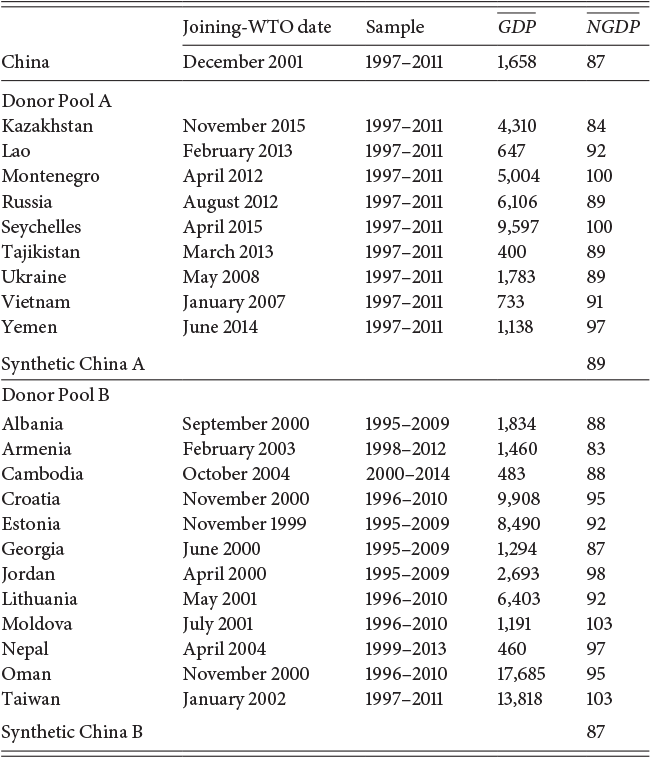
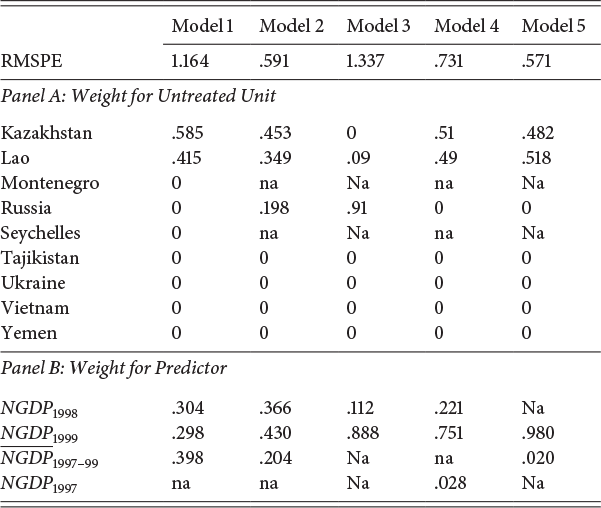
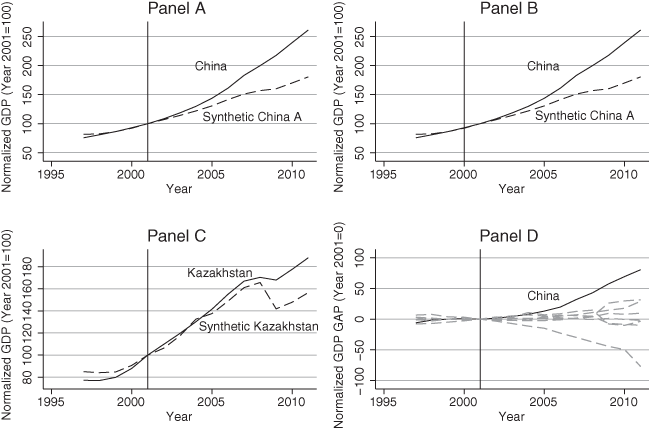
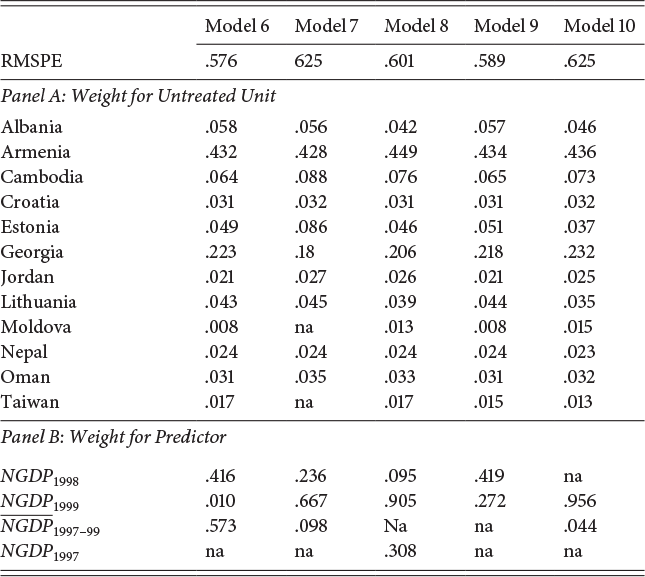
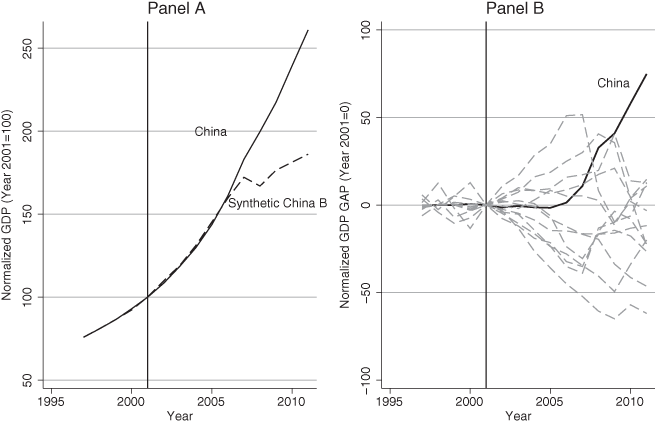
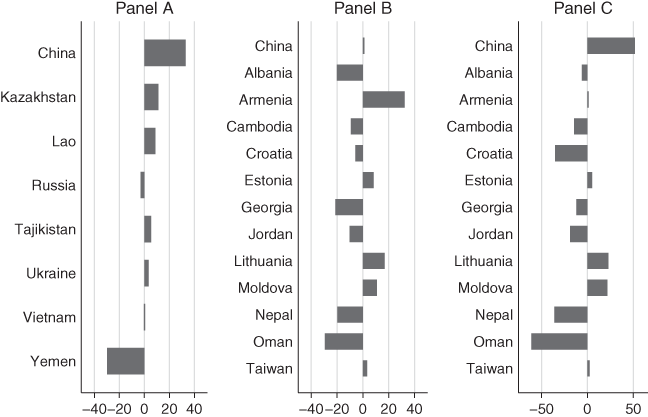
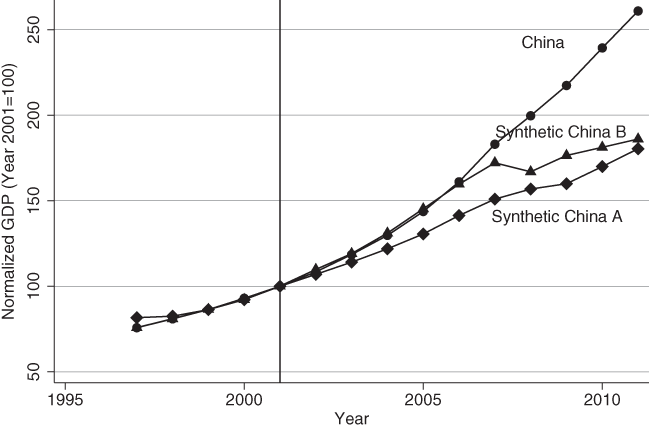
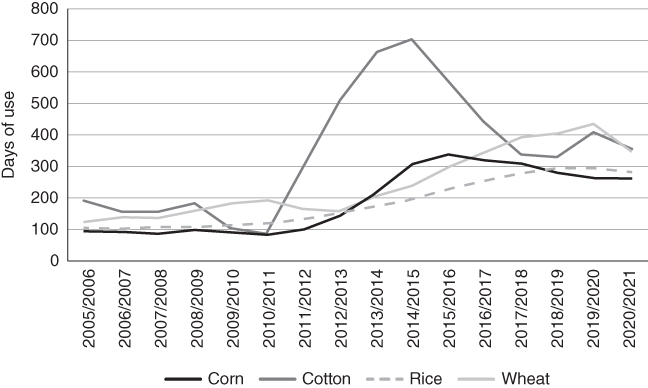
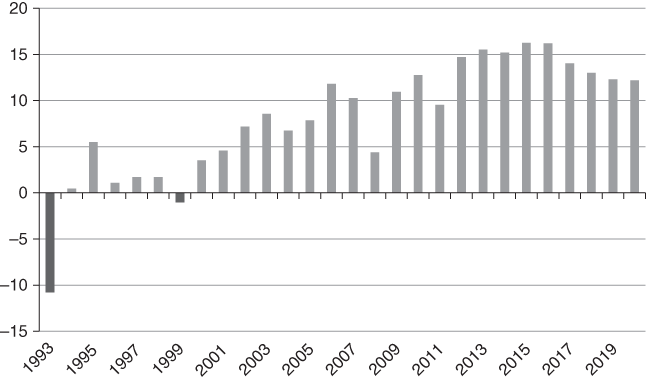
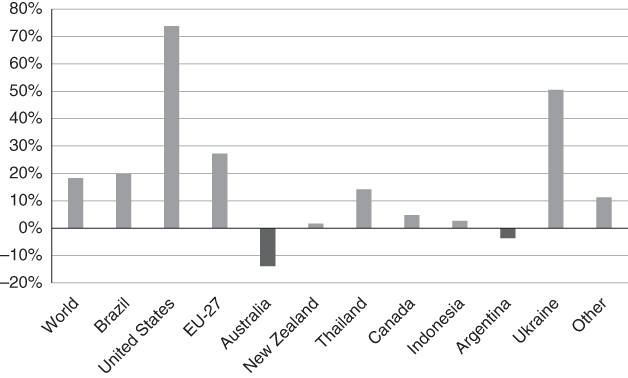

 Open access