
Skip to main content Accessibility help
×
  • Cited by 5
    • Show more authors
    • You may already have access via personal or institutional login
    • Select format
    • Publisher:
      Cambridge University Press
      Publication date:
      11 October 2023
      12 October 2023
      ISBN:
      9781009412612
      9781009412605
      Dimensions:
      (254 x 177 mm)
      Weight & Pages:
      0.85kg, 350 Pages
      Dimensions:
      Weight & Pages:
    You may already have access via personal or institutional login
  • Selected: Digital
    Add to cart View cart Buy from Cambridge.org

    Book description

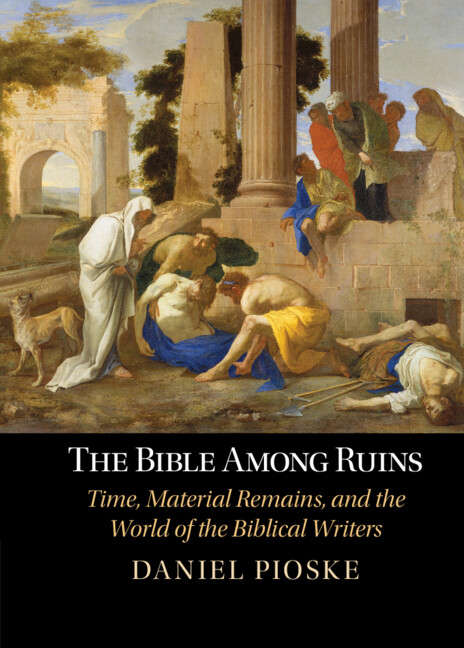
    Biblical writers lived in a world that was already ancient. The lands familiar to them were populated throughout by the ruins of those who had lived two thousand years earlier. References to ruins abound in the Hebrew Bible, attesting to widespread familiarity with the material remains by those who wrote these texts. Never, however, do we find a single passage that expresses an interest in digging among these ruins to learn about those who lived before. Why? In this book, Daniel Pioske offers the first study of ruination in the Hebrew Bible. Drawing on scholarship in biblical studies, archaeology, contemporary historical theory, and philosophy, he demonstrates how the ancient experience of ruins differed radically from that of the modern era. For biblical writers, ruins were connected to temporalities of memory, presence, and anticipation. Pioske's book recreates the encounter with ruins as it was experienced during antiquity and shows how modern archaeological research has transformed how we read the Bible.

    Reviews

    ‘… a thoroughly researched and exceptionally well written book. For scholars, it offers a great deal for future consideration, particularly regarding many additional places mentioned throughout the Bible that remain to be discussed in a similar fashion. All readers, however, will benefit from the discussions of social memory, landscape, and ruin studies as they pertain to the biblical, Near Eastern, and Mediterranean worlds.’

    Aaron A. Burke Source: Biblical Archaeology Review

    Refine List

    Actions for selected content:

    Select all | Deselect all
    • View selected items
    • Export citations
    • Download PDF (zip)
    • Save to Kindle
    • Save to Dropbox
    • Save to Google Drive

    Save Search

    You can save your searches here and later view and run them again in "My saved searches".

    Please provide a title, maximum of 40 characters.
    ×

    Contents

    Metrics

    Full text views

    Total number of HTML views: 0
    Total number of PDF views: 0 *
    Loading metrics...

    Book summary page views

    Total views: 0 *
    Loading metrics...

    * Views captured on Cambridge Core between #date#. This data will be updated every 24 hours.

    Usage data cannot currently be displayed.

    Accessibility standard: Unknown

    Why this information is here

    This section outlines the accessibility features of this content - including support for screen readers, full keyboard navigation and high-contrast display options. This may not be relevant for you.

    Accessibility Information

    Accessibility compliance for the HTML of this book is currently unknown and may be updated in the future.
