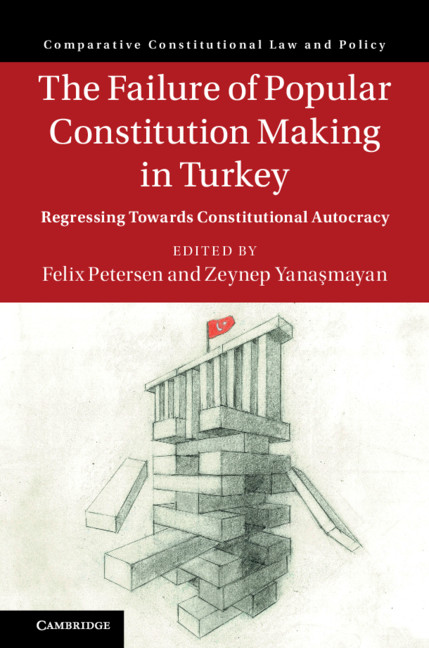

This book offers an in-depth account of the failure of popular constitution making in Turkey from 2011 to 2013, which was an anomaly in the otherwise authoritarian history of Turkish constitutional politics. The authors demonstrate that, even in unfavorable conditions, constitution making that brings together different stakeholders can potentially lead to significant improvement of constitutional regimes. Long-standing societal divides regarding cultural and religious diversity, which were evident in political parties' negotiations, played a significant role in the failure of the process in Turkey. Most notably, the ruling AKP's insistence on establishing a presidential system - supported by neither other political parties nor the public - destabilized the process and exacerbated distrust among the drafters. Unfavorable procedures, particularly an unrealistic deadline and the unanimity principle, prevented consensus and allowed the AKP to hijack the process. The process was a missed opportunity for democratization before Turkey plunged into full-fledged democratic backsliding.
Loading metrics...
* Views captured on Cambridge Core between #date#. This data will be updated every 24 hours.
Usage data cannot currently be displayed.
This section outlines the accessibility features of this content - including support for screen readers, full keyboard navigation and high-contrast display options. This may not be relevant for you.
Accessibility compliance for the HTML of this book is currently unknown and may be updated in the future.
