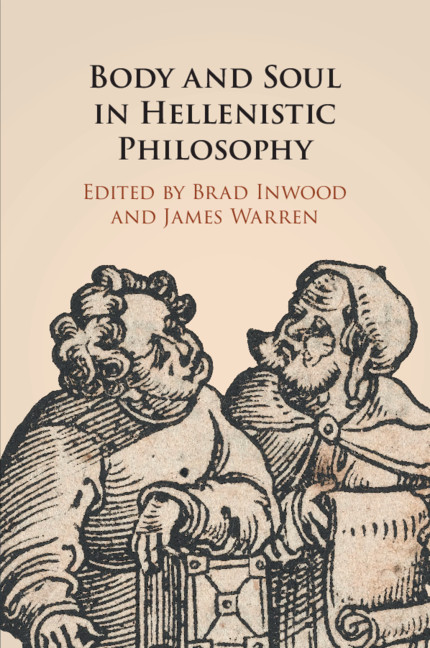

Philosophers and doctors from the period immediately after Aristotle down to the second century CE were particularly focussed on the close relationships of soul and body; such relationships are particularly intimate when the soul is understood to be a material entity, as it was by Epicureans and Stoics; but even Aristotelians and Platonists shared the conviction that body and soul interact in ways that affect the well-being of the living human being. These philosophers were interested in the nature of the soul, its structure, and its powers. They were also interested in the place of the soul within a general account of the world. This leads to important questions about the proper methods by which we should investigate the nature of the soul and the appropriate relationships among natural philosophy, medicine, and psychology. This volume, part of the Symposium Hellenisticum series, features ten scholars addressing different aspects of this topic.
'All major schools are fairly represented: the opening chapters focus on the influence of medical theories on Peripatetic and Stoic philosophy, the middle part examines certain problematic aspects of Epicurean and Stoic psychology, while the concluding chapters explore psychological issues relating to the Hellenistic Academy and Cicero.'
Orestis Karatzoglou Source: Bryn Mawr Classical Review
Loading metrics...
* Views captured on Cambridge Core between #date#. This data will be updated every 24 hours.
Usage data cannot currently be displayed.
This section outlines the accessibility features of this content - including support for screen readers, full keyboard navigation and high-contrast display options. This may not be relevant for you.
Accessibility compliance for the HTML of this book is currently unknown and may be updated in the future.
