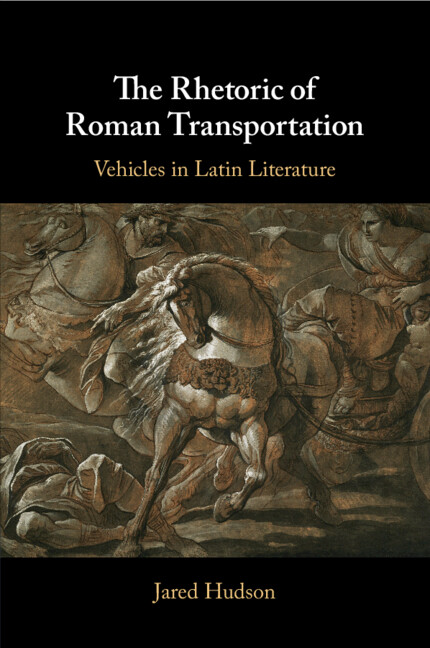

Latin literature is crowded with portraits of Romans in transit, but despite this ubiquity scholars have been reluctant to read vehicles as significant conveyors of textual and cultural meaning. This book offers the first systematic analysis of the representation of Roman vehicles in Latin literary texts. By moving past approaches that count such vehicular portrayals as either transparent glimpses of reality or soaring poetic symbols, it demonstrates how these conveyances work as a system of representation to structure both the texts in which they appear and underlying cultural discourses surrounding power, gender, and empire. Arranged as a series of interlocking studies, each chapter explores the representation of a particular conveyance across author and text, from the humblest and most quotidian (plaustrum) to the most exalted and symbol-laden (currus).
… thorough, wide-ranging, thoroughly entertaining … From beginning to end, The Rhetoric of Roman Transportation is an eye-opening and enjoyable ride. The book is written with wit and an evident enthusiasm for the subject matter, and the prose is replete with cultural references.'
James Uden Source: Bryn Mawr Classical Review
‘… original and very well-informed.’
Marc Dominicy Source: Latomus
Loading metrics...
* Views captured on Cambridge Core between #date#. This data will be updated every 24 hours.
Usage data cannot currently be displayed.
This section outlines the accessibility features of this content - including support for screen readers, full keyboard navigation and high-contrast display options. This may not be relevant for you.
Accessibility compliance for the HTML of this book is currently unknown and may be updated in the future.
