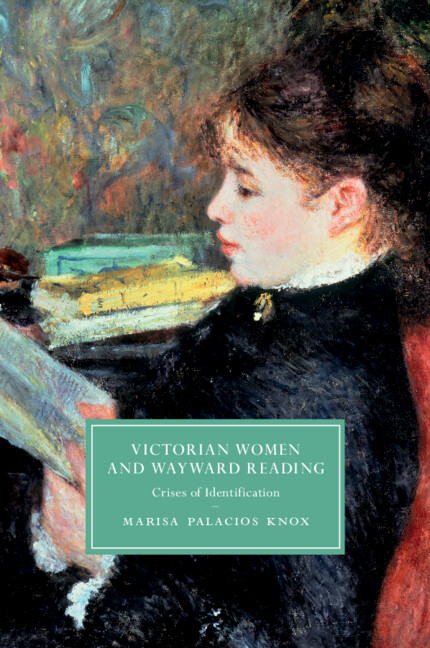

In the nineteenth century, no assumption about female reading generated more ambivalence than the supposedly feminine facility for identifying with fictional characters. The belief that women were more impressionable than men inspired a continuous stream of anxious rhetoric about “female quixotes”: women who would imitate inappropriate characters or apply incongruous frames of reference from literature to their own lives. While the overt cultural discourse portrayed female literary identification as passive and delusional, Palacios Knox reveals increasing accounts of Victorian women wielding literary identification as a deliberate strategy. Wayward women readers challenged dominant assumptions about “feminine reading” and, by extension, femininity itself. Victorian Women and Wayward Reading contextualizes crises about female identification as reactions to decisive changes in the legal, political, educational, and professional status of women over the course of the nineteenth century: changes that wayward reading helped women first to imagine and then to enact.
‘Thoroughly researched and written in a lucid prose that highlights Knox’s sharp readings, this book will be of particular interest to those workingon Victorian narrative, sensation,and theatre.’
Robert Laurella Source: Women's Writing
Loading metrics...
* Views captured on Cambridge Core between #date#. This data will be updated every 24 hours.
Usage data cannot currently be displayed.
This section outlines the accessibility features of this content - including support for screen readers, full keyboard navigation and high-contrast display options. This may not be relevant for you.
Accessibility compliance for the HTML of this book is currently unknown and may be updated in the future.
