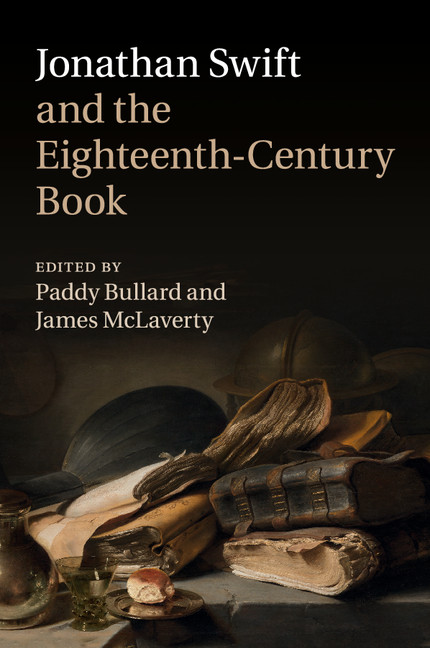

Jonathan Swift lived through a period of turbulence and innovation in the evolution of the book. His publications, perhaps more than those of any other single author, illustrate the range of developments that transformed print culture during the early Enlightenment. Swift was a prolific author and a frequent visitor at the printing house, and he wrote as critic and satirist about the nature of text. The shifting moods of irony, complicity and indignation that characterise his dealings with the book trade add a layer of complexity to the bibliographic record of his published works. The essays collected here offer the first comprehensive, integrated survey of that record. They shed new light on the politics of the eighteenth-century book trade, on Swift's innovations as a maker of books, on the habits and opinions revealed by his commentary on printed texts and on the re-shaping of the Swiftian book after his death.
'Swiftians and book-history addicts will find something novel and stimulating in each chapter of this enjoyable book; I can also highly recommend the introduction, by the joint editors James McLaverty and Paddy Bullard. This is a masterpiece of elegant, succinct scholarship that indicates the relationship between the themes covered in the book, showing the range of original scholarship behind the Swift Works project and the value of the textual editing even of well-known texts. The Swift who emerges from these pages - obsessive maker of books, crafty manipulator of bookmen and publishing methods, mischievous exploiter of multiple authorial and editorial voices - was a key figure in the burgeoning publishing culture in England and Ireland in the early eighteenth century. This beautifully-produced volume not only reminds one of his significance but, in itself, of the value of the original scholarship that underpins serious textual editing.'
Andrew Carpenter Source: SHARP News
Loading metrics...
* Views captured on Cambridge Core between #date#. This data will be updated every 24 hours.
Usage data cannot currently be displayed.
This section outlines the accessibility features of this content - including support for screen readers, full keyboard navigation and high-contrast display options. This may not be relevant for you.
Accessibility compliance for the HTML of this book is currently unknown and may be updated in the future.
